Radio Miraya
531 episodes — Page 2 of 11

Ep 32493249: Women, Peace and Security in Western Equatoria, Voices from Yambio on International Women’s Day
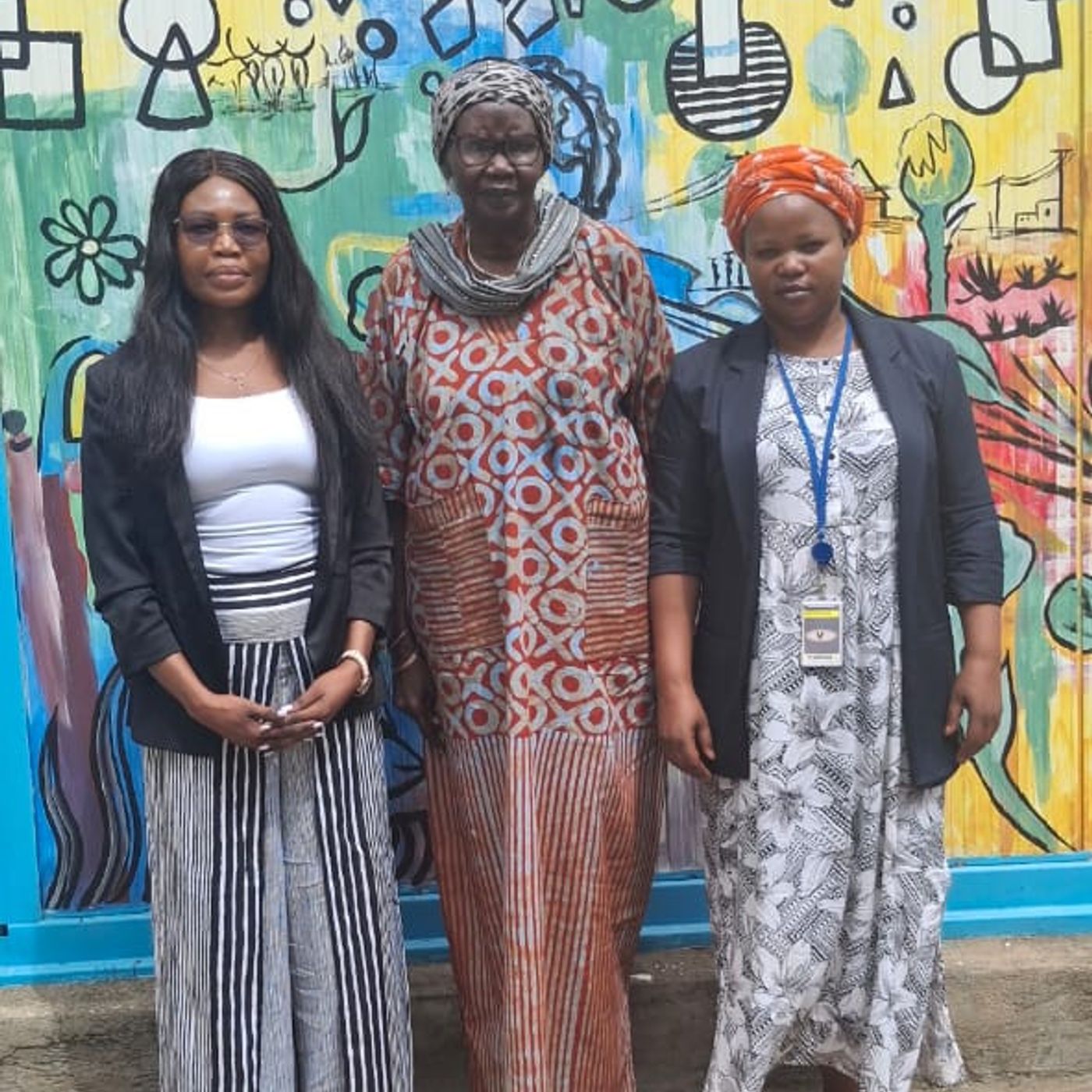
Live from Yambio on Radio Miraya with Taban G Koma, hosts Moyo Jacob Felix and Viola Elias led a special Community Conversations discussion marking International Women’s Day under the theme Rights, Justice and Action for all women and girls, featuring UNMISS Civil Affairs Officer Bibi Khadija and civil society leader Mary Pio, Chairperson of the Centre for Women Empowerment. Bibi opened with global and South Sudan-focused figures showing how women remain excluded from peace talks and face rising conflict-related abuses, then broke down the Women, Peace and Security agenda around UN Security Council Resolution 1325 and its four pillars: participation, protection, prevention, and relief and recovery. The conversation then shifted to practical realities in Western Equatoria, where Mary outlined what civil society is doing to increase women’s involvement through capacity building, economic empowerment, GBV survivor support such as counseling and legal referrals, and outreach to grassroots women including persons with disabilities, while also calling for stronger partner support like small grants for women, especially single mothers affected by conflict in places like Tambura.

Ep 32483248: Youth Voices and Decision Making in South Sudan
On the Miraya Breakfast Show, hosts explored the state of youth participation in South Sudan, where most of the population is under 35, but many young people still feel excluded from real decision-making. Guests Boboto David Lubang and Michael Julius Alibe, both youth advocates and research contributors, discussed findings from a youth led study showing that participation is often symbolic rather than meaningful. They spoke about limited influence of youth structures, gaps in civic education, and the need for stronger inclusion of rural youth, young women, and youth with disabilities. The discussion also highlighted the role of digital platforms in widening engagement and called on policymakers to create more practical spaces for young people to influence decisions that affect their lives.

Ep 32473247: Understanding Trauma in the Security Sector and Why It Matters for Communities
In this episode of Nationwide, host Sani Martin leads an important conversation about trauma in the security sector and its impact on both security personnel and the communities they serve.Together with Anne Bennett and Dan Hales from the DCAF Geneva Centre for Security Sector Governance, Christina Rosati from UNMISS, and Malish Godfrey from the Centre for Mind and Body Medicine, the discussion explores:▪️ Why trauma in the security sector is often overlooked and why recognizing it matters ▪️ The difference between stress and trauma and how trauma can affect behavior and decision making ▪️ How unresolved trauma among security personnel can weaken public trust and civil security relations ▪️ The importance of awareness, leadership support, and peer networks in addressing trauma within institutions ▪️ Practical community based techniques such as breathing, movement, and emotional regulation that can help individuals cope with trauma

Ep 32463246: Torit Court Martial Aims to Strengthen Accountability
On the Miraya Breakfast Show, guest Anees Ahmed, Chief of Rule of Law at UNMISS, spoke about the upcoming general court martial in Torit, Eastern Equatoria, which will run from 9 to 20 March. He said the proceedings are meant to strengthen accountability and discipline within the security forces by handling serious crimes, including sexual and gender based offences, while also showing that members of the armed forces are subject to both military and criminal law. He added that the process is part of wider efforts to support justice, protect victims and witnesses, and build public confidence in the rule of law.

Ep 32453245: Yei Mobile Court Brings Justice Closer to Communities
On the Miraya Breakfast Show, guest Anees Ahmed, Chief of Rule of Law and Security Institutions at UNMISS, discussed the second phase of the Yei Mobile Court, which runs from 4 to 19 March, to help deliver justice to communities in Greater Yei. He explained that the court is handling serious old and new cases, including sexual and gender based violence, after a long period without a resident judge, and said the initiative is helping reduce case backlogs, bring justice closer to the people, and build trust in peaceful legal processes across Yei, Lainya, and Morobo.

Ep 32443244: South Sudanese Discuss Life Beyond Foreign Aid
On Radio Miraya’s Chai Talk, hosts Jakob Moyo Felix and Viola Elias led an open discussion on how communities in South Sudan can cope as foreign assistance becomes less certain. The programme explored what self-reliance could look like after years of dependence on humanitarian support, especially in areas affected by conflict, displacement, and hardship. With a guest unable to join, the show turned into an interactive conversation with callers sharing their views on the need for communities and government to invest in agriculture, local production, health, and education so people can better support themselves in the future.

Ep 32433243: WHO: South Sudan’s Mpox Fight Shows Progress, But Risks Remain
One year after South Sudan confirmed its first Mpox case, the World Health Organization says the country has made progress in detection, local testing and response, but risks remain. In this episode of the WHO Weekly Information Session, National Public Health Officer Dr Abraham Abenego discusses the current situation following a recent death, the role of cross-border movement and low awareness in continued transmission, and what communities should do to recognise symptoms early and prevent the spread.

Ep 32423242: Artificial Intelligence in South Sudan: Understanding the Risks and Opportunities
On the Hard Talk segment of Radio Miraya’s Community Conversations Show, hosts Moyo Jacob Felix and Viola Elias led a timely discussion with expert Tony Kenya on how artificial intelligence can divide and manipulate communities when it is misused.The conversation looked at the growing use of fake voices, images, and videos created through AI, and how such content can spread rumours, fuel mistrust, and mislead the public. Coming at a time of increased attention to cybercrime and digital safety, the programme also explored how the same technology can be used in positive and responsible ways to support peace, unity, and informed public engagement.

Ep 32413241: Women’s Participation and the 35 Percent Commitment
On the Miraya Breakfast Show, we spoke with Faidha Mary Akotien Yor from the Women Human Rights Defenders and Gisma Juma Hussen from the South Sudan Human Rights Defenders Network about a recent dialogue that brought together civil society leaders and women parliamentarians to push for stronger and more meaningful participation of women in national decision making, including progress toward the thirty five percent commitment, the barriers women still face in politics and public life, and practical steps such as joint advocacy, better information sharing, and stronger protection mechanisms ahead of the expected elections.

Ep 32403240: South Sudan’s Crisis Is Solvable, If Promises Are Kept, Says UN Relief Chief
After field visits to Malakal and Akobo, Tom Fletcher is shifting the humanitarian conversation in South Sudan from needs to accountability. In this interview, he warns that access promises by the government must translate into results, as aid agencies face rising violence, severe funding pressure and growing protection risks for women and girls. With regional instability linked to the war in Sudan, Fletcher says the crisis is not inevitable, but a solvable test of political will.

Ep 32393239: Central Equatoria Women Call for Real Political Inclusion
Radio Miraya Women’s Talk hosts Jacob Moyo and Viola Elias spoke with Diana Nunu Alison, Director General at the Central Equatoria State Ministry of Gender, Child and Social Welfare, about women’s shrinking political space in Central Equatoria. They said the 35 per cent quota in the peace agreement is still poorly enforced, with women often replaced by men, due to male-dominated party structures, weak enforcement mechanisms, and social barriers like domestic burdens, harmful norms, intimidation, and gender based violence. Diana urged stronger civic education, women’s solidarity, and party policies that back women’s participation ahead of elections.

Ep 32383238: Toposa Culture and Identity in Focus
On Radio Miraya’s The Beat, host Donna spoke with Michael Lopuke Lotyam about the Toposa community and their culture. He shared background on who they are, their identity, and some traditions linked to family life and marriage, while also noting how some practices are changing over time.

Ep 32373237: Warrap State Government Appeals for Trust as Security Operations Continue
On the Miraya Breakfast Show, the Warrap State Minister of Information Mamer Bath discusses the extension of the state of emergency to 15 July 2026 due to ongoing intercommunal violence, civilian killings, and widespread illegal firearms. Authorities report collecting over 4,500 weapons, though many civilians remain hesitant to disarm without adequate protection. Additional national forces are expected to support renewed operations, alongside deterrence measures in hard-to-reach areas. The government is also promoting community dialogue and voluntary disarmament, stressing that peace is a shared responsibility. Despite security challenges, schools have reopened, and authorities urge residents to cooperate as efforts continue to stabilise the state.

Ep 32363236: Regional Leaders Move to Streamline South Sudan Peace Efforts
The Tumaini Initiative has now been formally aligned under the Unified IGAD Regional Peacemaking Framework for South Sudan. The decision was reached during the African Union C5–IGAD Summit in Addis Ababa, Ethiopia. Speaking to Radio Miraya’s Sani Martin, Ambassador Dr Ali Guyo, Deputy Chief Mediator of the Tumaini Peace Initiative, says the move is intended to consolidate mediation efforts, avoid duplication, and strengthen collective oversight. He adds that the process will now be led by the Intergovernmental Authority on Development’s Special Envoy for South Sudan, with the Tumaini team providing technical and facilitation support.

Ep 32353235: C5 Plus, Tumaini, and the Road Back to Peace Implementation in South Sudan
On Radio Miraya Roundtable, host Yash Garang discussed approaches for overcoming the implementation trap in South Sudan’s peace process, as delays and renewed tensions continue to affect the implementation of the Revitalized Agreement. He was joined by Moses Deng Bol, Patrick Godi, and Juma Mabior Marial. The guests said mistrust among the parties, weak dialogue mechanisms, and renewed fighting have undermined progress, while the African Union’s renewed engagement through the C5 Plus and efforts to harmonize parallel initiatives, including Tumaini, could help rebuild momentum by pushing for inclusive political dialogue, cessation of hostilities, and practical steps toward elections such as security arrangements, legal reforms, and support to election institutions.

Ep 32343234: Fake Land Documents Will Not Be Recognised – Central Equatoria Housing Minister
On the Miraya Breakfast Show, David Morbe, Central Equatoria’s Minister of Housing and Public Utilities, clarifies the state directive on land demarcation and planning. He explains what activities are suspended, what services remain available, and how citizens can access land legally. The minister addresses concerns about land grabbing, fake documents and school land disputes, and announces an investigation into the reported sale of teachers’ quarters. He urges residents to follow official procedures and avoid illegal brokers.

Ep 32333233: Back to Learning: Youth Reporters Highlight Barriers Keeping Children Out of School
On the Miraya Breakfast Show, host Juma Emmanuel spoke with UNICEF-supported young reporters Robert Richard and Nene Attif about the Back to Learning campaign and why many children, especially girls, are still out of school in South Sudan. They shared what they heard during door-to-door visits, including poverty, unemployment, unpaid civil servant salaries, and negative attitudes that keep girls at home, as some families prioritise boys or push girls into early marriage. The guests said many children want to study, but families struggle to pay, and they urged parents to do whatever they can to return children to school while calling on authorities to implement plans for free or supported education and improve school conditions, including climate-resilient classrooms, water, and safer learning environments.

Ep 32323232: Restoring Public Trust in South Sudan Through Accountability and Transparency
On Democracy in Action, host Sani Martin, live from Juba, spoke with independent advocate John Gerry and UNMISS rule of law officer Nyinypiu Rekeboam Madit about rebuilding public trust in South Sudan through stronger accountability and transparency under the rule of law. The guests noted that the 2011 Transitional Constitution establishes the separation of powers, public financial accountability, and the protection of rights, but many citizens still worry about corruption, weak enforcement, and a lack of openness. Gehry said parliament should revive thorough vetting of public appointees and ensure asset declarations are followed as key safeguards against abuse, while Madit pointed to ongoing judicial reforms under the revitalized peace agreement, including efforts to deploy judges to remote areas and clear case backlogs. Listeners raised questions on whether vetting can reduce corruption, what the Anti-Corruption Commission can and cannot do, whether asset declarations are required and accessible, and how access to information can limit misinformation and strengthen trust between citizens and state institutions.

Ep 32313231: Electricity Lights Up Nimule
Radio Miraya’s Community Conversations Hot Talk was hosted by Moyo Jacob Felix and Viola Elias, focusing on a major milestone in Eastern Equatoria State: Nimule town receiving electricity for the first time, with power imported from Uganda. The hosts were joined in the studio by Joseph Gama, Chairperson of the Madi Community, and online by Caesar Longa, Mayor of Nimule Municipality. The discussion highlighted how the cross-border power project, implemented through an agreement involving the South Sudan Electricity Corporation and managed locally by Connex Energy Company Limited, is already connecting customers and aims to reach about 1,000 households, with plans for streetlights along key routes. Guests explained expected benefits such as longer business hours, lower costs compared to generators, better study conditions for children, improved health and security, and new jobs for locals, while also noting challenges like access roads, demarcation, safety awareness, affordability for some households, and preventing illegal connections and vandalism, as listeners called in with questions about responsibility, payment, and possible expansion to other areas.

Ep 32303230: South Sudan Pushes for the Recognition of the Boma and Badingala Migratory Landscape as World Heritage
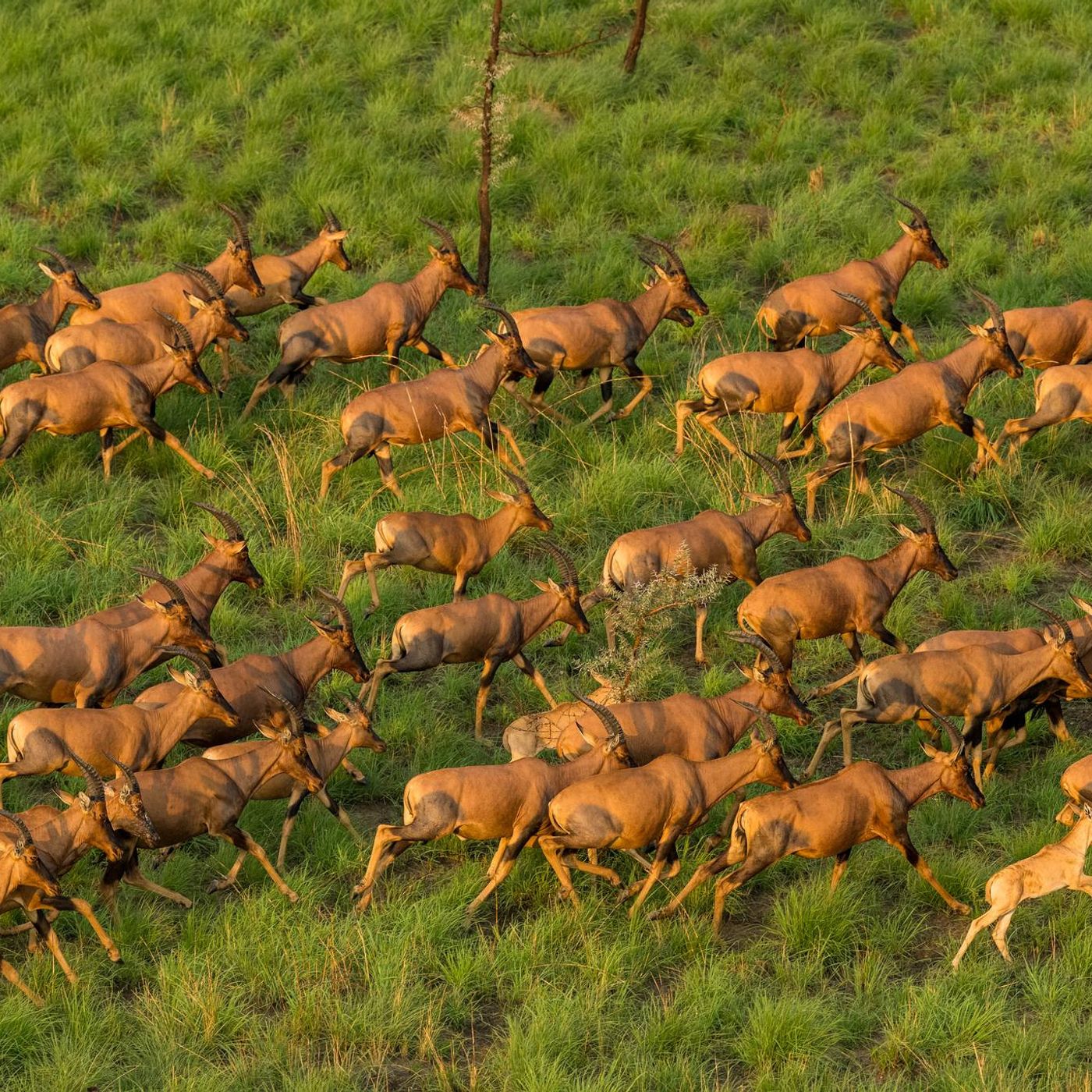
On the Nationwide Discussion Hour on Radio Miraya, host Gabriel Shadar spoke with Amer Madol Majak, Undersecretary at the Ministry of Culture, Museums and National Heritage, Becu Thomas, UNESCO National Professional Officer for Culture, and Mr. Baya Philip Brown, Executive Director in the Office of the Director General at the Wildlife Service, about South Sudan’s push to secure international recognition for the Boma and Badingala Migratory Landscape as the country moves closer to its first UNESCO World Heritage Site status since independence. The guests explained that new survey data has strengthened the case for the site’s global importance, highlighted the scale and uniqueness of the white eared kob migration, and outlined major threats including commercial poaching, bushmeat trade, habitat fragmentation from infrastructure, climate change impacts, and human wildlife conflict. They also discussed what the nomination could mean for South Sudan, including stronger legal protection, improved management planning, increased tourism and livelihoods, national pride, and a shift in the country’s global image beyond conflict narratives.

Ep 32293229: South Sudan Parliament Opens Public Hearings on 2024 to 2025 Budget and Finance Bill
South Sudan’s National Legislative Assembly has opened a two day public hearing on the finance bill and the draft budget for the 2024 to 2025 fiscal year, bringing together officials, state representatives, civil society, and taxpayers to debate measures aimed at economic recovery amid shrinking fiscal space. Discussions focused on aligning national and state revenue systems, using tariffs to protect local industry and attract investment, and prioritizing health and education as donor funding declines. Business representatives raised concerns about unauthorized fees, double taxation, and being required to pay some taxes in US dollars, calling for assessments to be done inside the country and for payments in local currency. Civil society groups warned that proposed tax and fee increases on basic goods and essential services like water connections could hurt vulnerable families, and urged reductions to support public health, food production, and livelihoods, as lawmakers prepare to compile feedback into a final report for endorsement.

Ep 32283228: World Radio Day Spotlight: University of Juba FM Set to Boost Journalism Training
On the Miraya Breakfast Show, host Juma Emmanuel marked World Radio Day by celebrating radio’s role in informing, educating, and connecting communities across South Sudan, while spotlighting the revival of the University of Juba radio station as a boost for media training and future broadcasting. He was joined by Rebecca Lorins, Dean of the School of Journalism, Media and Communication Studies at the University of Juba, and Adeng Kornelio, Head of the Department of Journalism and Media Studies, who highlighted radio’s accessibility and immediacy, and explained how the upgraded campus FM, supported by JICA through UNESCO, will strengthen hands on learning in radio production, critical thinking, and ethics, while giving students a platform to air programs that reflect both campus life and community issues.

Ep 32273227: Epilepsy Awareness in South Sudan: Breaking Myths, Reducing Stigma, and Saving Lives with Seizure First Aid
On Radio Miraya’s Health and Wellness Show, host Aluel Adiang marked International Epilepsy Day by raising awareness and standing in solidarity with people living with epilepsy, stressing that the condition is not only medical but also about dignity, inclusion, and equal opportunity. Her guest, Kur Ezekiel, a public health officer and member of the Initiative for Epilepsy Awareness in South Sudan, explained that epilepsy is a neurological disorder linked to recurring, usually unprovoked seizures, while some seizures can also be triggered by other conditions such as low blood sugar, malaria, infections, stroke, or diabetes. He emphasised that epilepsy is not contagious and that stigma and myths, including beliefs about curses, drive discrimination in communities. Kur also shared basic seizure first-aid tips, including clearing the area to prevent injury, loosening tight clothing, avoiding restraint, not putting anything in the mouth, staying with them after the seizure, and reassuring them. The discussion also covered equal opportunities in school, work, and marriage, noting that most people living with epilepsy can live normal, productive lives, while caution is needed around certain high-risk activities like climbing heights or operating machinery.

Ep 32263226: From Crisis to Recovery: Fixing South Sudan Public Finance and Climate Resilience
On Democracy in Action, host Sani Martin opened a discussion on South Sudan’s public finance and economic recovery, drawing on the World Bank’s 2026 Public Finance Review and the 2025 Country Climate and Development Report, which highlight widespread poverty, food insecurity, and the country’s heavy dependence on oil revenue. He was joined by three guests: Kishan Abeygunawardana, a Senior Economist at the World Bank, who explained the purpose of the Public Finance Review and pointed to major gaps in data transparency and governance, Stephen Ling, the World Bank Lead Environment Specialist joining from Addis Ababa, who outlined how worsening flooding and rising temperatures are likely to deepen poverty, strain livelihoods, and fuel resource based tensions, and Agook Riak, a Political Affairs Officer with UNMISS, who described South Sudan’s oil dependence as a “paradox of plenty” driven by weak management, accountability, and public trust. The panel also linked weak fiscal discipline to inflation and currency instability, and took listener questions on declining foreign aid and the urgent reforms needed to strengthen public finance management and improve climate disaster response.

Ep 32253225: UNMISS on Security and the Malakal POC Transition
On Radio Miraya Nationwide, host Gabriel Shadar linked up with the Miraya on the Road team broadcasting live from Malakal, Upper Nile, where Taban Geofrey Koma spoke with the UNMISS Head of Field Office, Alfred Orono Orono, about the security situation and the planned transition of the Malakal Protection of Civilians site into a settlement under government responsibility. Orono said parts of the state remain relatively calm, with recent incidents in Malakal described mainly as criminal acts, and he noted that authorities have responded with rapid deployments, patrols, and community engagement to prevent panic and restore normal life. He explained that the POC has existed since 2013, but after years of UNMISS support to strengthen policing, courts, prisons, and local dialogue, the government is showing growing capacity to protect civilians, including plans to deploy a dedicated police presence and integrate former police from within the site, while UNMISS remains ready to step in if threats re-emerge. He also addressed the fear that drives people to run to the POC after killings, urging an end to revenge cycles and calling for transparent investigations so communities can trust the justice system.

Ep 32243224: Red Hand Day: Ending Child Soldier Recruitment
On the Miraya Breakfast Show, the last hour focused on Red Hand Day, marked on 12 February, and the call to end the recruitment and use of child soldiers. Host Gabriel Shadar spoke with Oluku Andrew Holt from the NDDRC, Allan Kudumoch, a former child soldier, and Daniel Anaya from GREDO about progress in releasing children, the challenges of funding and access, and the need for psychosocial support and education. The guests urged families, communities, leaders, and armed groups to keep children in school and protect them from recruitment.

Ep 32233223: Truth, Justice, and the Path to Healing
On Radio Miraya Nationwide, host Gabriel Shadar discussed transitional justice and South Sudan’s planned Commission for Truth, Reconciliation and Healing, with guest Dr. Baba Galleh Jallow, former Executive Secretary of The Gambia’s truth commission. Dr. Jallow explained that transitional justice helps address past human rights violations and build a better future, saying truth commissions can work with traditional justice systems but need stronger political will, clear procedures, and protection for victims and witnesses. He outlined how victims testify first, alleged perpetrators are then asked to respond, and psychosocial support is key because truth telling can reopen trauma. Callers questioned accountability and whether the process can work amid ongoing insecurity, and Dr. Jallow said it can start even before conflict fully ends and can support peacebuilding, noting the current mandate period is 2005 to 2018.

Ep 32223222: NATIONWIDE: Truth-Seeking and the Path to Reconciliation
Today, we continue our discussion on transitional justice with a focus on truth-seeking, why victims have a right to know the truth and to tell their stories.Our guest is Dr. Baba Jallow, former Executive Secretary of The Gambia’s Truth Commission and Chair of the African Union’s Continental Reference Group on Transitional Justice.We examine how truth-seeking works, including the role of the Commission for Truth, Reconciliation and Healing in documenting experiences, investigating evidence, and summoning testimony, and why this process is essential for lasting peace.

Ep 32213221: Are Political Parties Ready for South Sudan’s December 2026 Elections?
On Radio Miraya Roundtable, host Dr Yach Garang led a discussion on whether political parties are truly ready for the December 2026 elections, amid repeated delays and ongoing implementation gaps in the RARCSS. Guests explored the current status of party registration under the Political Parties Act 2022, key benchmarks such as nationwide presence and membership requirements, and the practical challenges parties face, including those related to the political, security, and economic environments. The conversation also looked at internal party divisions and what renewed dialogue efforts, including the Tumaini calls and the new elections-related committee, could mean for the roadmap ahead. The guests were Hon. James Akol Zakayo of the Political Parties Council, Bol Joseph Agau of the National Democratic Movement, and Dr Gai Chol Paul of the People’s United Forum.

Ep 32203220: WHO Calls for Stronger National Response as Cancer Becomes a Growing Public Health Concern
As South Sudan marked World Cancer Day, the World Health Organization warns that cancer is an increasing public health threat, with many cases linked to preventable risk factors such as tobacco use, poor diet and infections. WHO’s Dr Moses Mutebi stresses the importance of prevention, early screening and building national capacity for diagnosis and treatment. Civil society activist Edmund Yakani adds that stronger investment in health, particularly cancer care, is critical to reduce costly referrals abroad and protect vulnerable communities.

Ep 32193219: DEMOCRACY IN ACTION: Traditional Leaders to Convene National Peace Conference in South Sudan
The National Council of Traditional Authority Leaders (NCOTAL) is set to convene a national conference bringing together chiefs, elders and traditional leaders from across South Sudan at a time of growing insecurity and social strain. With communities grappling with intercommunal violence, displacement, land disputes and fractured relations, the meeting aims to position traditional leaders at the centre of peacebuilding and reconciliation efforts. This episode explores the purpose of the conference, the issues leaders are carrying from their communities, and how traditional authority can help promote unity, peaceful coexistence and practical solutions on the ground, including the role of youth and women in shaping lasting peace.Guests Archbishop Moses Deng Bol – Peace Envoy, South Sudan Council of Churches Paramount Chief Barnaba Isaac – Envoy of the Cholo Kingdom to the Government of South Sudan Sultan Jacob Madhel Lang – Chairperson, Warrap State COTAL
Ep 32183218: Opposition UPA Confirms Receipt to Next Phase of Tumaini Talks
The United People’s Alliance (UPA), led by Pagan Amum, has confirmed receiving the framework document for the National Consensus Dialogue on South Sudan. The mediators invited the alliance to participate in the next phase of the Tumaini Peace Initiative in Nairobi. UPA spokesperson Bor Gatwech Kuany says the alliance’s leadership is holding consultations on the proposed framework.

Ep 32173217: SEASONS: Protecting South Sudan's Wildlife and Balancing Livelihoods
This episode of Seasons focuses on wildlife protection and sustainable conservation in South Sudan’s Great Nile migration landscapes. The programme explores how economic pressures, insecurity and weak enforcement are affecting ecosystems and biodiversity. It examines rising poaching, habitat loss and growing tensions between communities and wildlife. The discussion highlights the role of law, conservation institutions and local communities in protecting natural resources, while asking how South Sudan can balance development needs with long-term environmental sustainability. Guests: General Khamis Adieng Diing, Director General, National Ministry of Wildlife Conservation & Tourism Floringtong Aseerrvatham, Country Representative, African Parks Networks in South Sudan

Ep 32163216: Save the Children Suspends Operations in Walgak, Akobo
Save the Children has suspended its operations in Walgak, Akobo County of Jonglei State, disrupting vital nutrition and health services for malnourished children. The organization’s Country Director, Christopher Nyamandi, says the move followed the seizure of four vehicles, including an ambulance, by armed groups last month. He warns that more than 200,000 people could be affected by the suspension

Ep 32153215: Tumaini Peace Initiative Unveils National Consensus Framework with Ambassador Ali
On Radio Miraya’s Nationwide, host Sani Martin spoke with Ambassador Mohamed Ali Guyo, Deputy Chairperson of the Tumaini Peace Initiative, about the newly handed over Framework for Dialogue on a South Sudan National Consensus and whether it can succeed where past peace efforts failed. Ambassador Guyo outlined the framework’s key pillars, including an immediate cessation of hostilities, stabilization, civilian protection, humanitarian access, confidence building measures, alignment with the constitution, and a pathway to credible, timely, free and fair elections, alongside post election priorities such as permanent constitution making, transitional justice, solutions for IDPs and refugees, and security sector reform. He said the process is designed to be inclusive and non-hierarchical, bringing in government, opposition and holdout groups, civil society, faith-based groups, women, youth and traditional leaders, and shifting talks from zero-sum bargaining to problem-solving. He added that negotiations are expected to begin on the 9th of the month with a strict four-week timeline, with possible minor procedural extensions, while regional and continental actors, including IGAD and the AU C5, are expected to help support guarantees for implementation, as listener questions focused on participation, costs, and regional interests.

Ep 32143214: Spotlight: Pontus Joseph Pog Njenom Reflects on his UNV experience in South Sudan
On this episode of Spotlight, host Moro Lokombo speaks with Pontus Joseph Pog Njenom, a Cameroonian UNMISS Human Rights Officer, in a warm and fun conversation about UNV life in South Sudan, mixing jokes with real reflections. Pontus explains that joining UNV was his pathway into the UN system and shares how the experience shaped him through field and HQ exposure, including two years in Rumbek, where he worked closely with communities, supported the justice chain, and contributed to training for security and law enforcement. He speaks about challenges like being away from family and enduring long patrols without power, water, or internet, but says the field experience remains his best memory because it showed him the realities of conflict and the impact of UN support.

Ep 32133213: UK Envoy David Ashley Reflects on One Year in South Sudan and the Priorities for the Year Ahead
On Radio Miraya Nationwide, host Gabriel Shadar spoke with the UK Ambassador to South Sudan, David Ashley, as he marked one year in the country.Ambassador Ashley reflected on meeting South Sudanese during his visits, including schoolchildren, cattle camps, and women supported through programmes addressing gender-based violence.He outlined three priorities for the year ahead: supporting peace through inclusive dialogue and respect for the peace agreement; continuing UK support in health, education, and humanitarian assistance; and pushing for stronger public financial management so that national resources benefit citizens.

Ep 32123212: Democracy Beyond the Ballot: Lessons from Chieftainship Elections in Lakes State
As chieftainship elections take place in Lakes State, this episode explores what democracy looks like beyond national elections. Drawing on South Sudan’s Local Government Act, 2009, the discussion examines how traditional leadership, community participation and decentralisation shape people’s power at the local level. The programme looks at accountability, inclusion of women and youth, and the balance between custom and modern governance, asking what these elections reveal about grassroots democracy and community ownership of leadership. Guest:Achuil Malith Banggol, Council of Traditional Authority Leaders (COTAL) Advisor

Ep 32113211: Protecting Women and Girls Online on International Day of Data Privacy
In today’s episode of Kalam Niswan, the show marked the International Day of Data Privacy and focused on why protecting personal information matters in the digital age, especially for women and girls. Our guest is Yine Yenki, Co-Founder and Mentorship Director at GoGirls ICT Initiative. She explained that data privacy means having control over your personal information and stressed that responsibility is shared between individuals, online platforms, and government systems. She encouraged people to learn how social media works before using it, and highlighted the need for digital safety education in schools and at home, including parents guiding children’s online use. The discussion also touched on online harassment, misuse of photos, and the growing risks of AI manipulation, with the guest emphasising awareness and community education as key tools for protection.

Ep 32103210: Cervical Cancer Awareness: Prevention and Screening Saves Lives
On this segment of Miraya Breakfast Show, Dr Idyoro Ojukwu explains that cervical cancer affects the cervix and is one of the most preventable cancers through HPV vaccination and regular screening. She says many women in South Sudan still seek help late, often when treatment options are limited, and highlights key risk factors such as persistent high-risk HPV infection, weakened immunity, including HIV, and multiple sexual partners. She urges women to screen regularly, even without symptoms, outlines warning signs that should prompt immediate medical attention, and notes barriers such as low awareness, cost, distance, and limited screening sites. She ends with a community call to support women in accessing screening services.

Ep 32093209: "Not Another Generation" Campaign Urges Youth and Leaders to Choose Dialogue Over Violence
On this segment of the Miraya Breakfast Show, Emmanuel Lobijo explains that the "Not Another Generation" campaign is a peaceful, non-violent and non-partisan initiative calling for an end to the killing of young people in South Sudan. He says the group is holding a five-day online silent candle vigil from 26 to 30 January, inviting people in the country and the diaspora to light a candle from 8 to 10 PM and share in silence using the hashtag #NotAnotherGeneration. Lobijo says the silence and the candle are meant to honour lives lost, calm anger, and restore hope, while keeping the campaign free from political affiliation or confrontation. He urges youth to choose dialogue over violence and calls on leaders to stop the fighting and return to dialogue, with continued support from the international community.

Ep 32083208: NATIONWIDE: Using the Law to Confront Gender-Based Violence in South Sudan
Today’s conversation focuses on how legal frameworks can be used to combat gender-based violence in South Sudan, a challenge that remains widespread, from domestic abuse to violence linked to conflict and communal tensions. Joining me online is Dr. Akuch Kuol Anyieth, a legal scholar whose work centres on gender-based violence and legal interventions.Dr. Akuch has taught and published extensively on issues including gender-based violence, trauma, masculinity, and social reform. She has worked for many years in Australia and is currently a research fellow at the Centre for the Study of the Afterlife of Violence and Reparative Quest at Stellenbosch University in South Africa. Internationally recognised for her advocacy, she is a recipient of the Excellence in Justice Award and the La Trobe University Distinguished Alumni Award.

Ep 32073207: ROUNDTABLE: South Sudan Crossroads - Dialogue, Violence and the Road to Elections
With just eleven months to go, President Salva Kiir has announced plans to form a high-level committee to revive dialogue among signatories to the 2018 Revitalised Peace Agreement. The move comes amid fragile political trust and renewed international calls for an end to violence, as insecurity escalates in parts of Jonglei and the Equatoria regions.On this edition of The Roundtable, we ask the tough questions: is this a genuine push for consensus or a delay tactic?Our Panellists joining Sani Martin are: Moro Isaac Jenesio – South Sudan National Movement for Change (SSNMC), Spokesperson South Sudan Opposition Alliance [SSOA] Edmund Yakani - Executive Director, Community Empowerment for Progress Organisation [CEPO]
Ep 32063206: Naath Law: Codifying Customary Law to Promote Peace and Accountability in South Sudan
This edition of Nationwide focuses on the newly adopted 2025 Naath (Nuer) Customary Law, aimed at codifying traditional justice in Greater Upper Nile. Legal experts, community representatives and UNMISS discuss how the law was developed through wide consultations across 16 counties, its alignment with national and international legal standards, and its role in reducing revenge killings, regulating dowries, protecting women’s rights and improving access to justice. The panel also addresses criticisms, implementation challenges and next steps for public awareness. Guests: Mr. Gatkuoth Riek Lam - Team Leader - Co-Founder/Acting Executive Director, Naath Institute Daniel Both Koang, Legal Expert - Jonglei State Koang Pal Reat, Legal Expert - Upper Nile State James Gatkoi Koang, Legal Expert - Unity State Douglass Hansen, Rule of Law Section, UNMISS

Ep 32053205: International Day of Education: Youth Voices, Policy and the Push to Get Children Back to School
Marking the International Day of Education, this conversation brings together the Ministry of General Education and Instruction, a UNICEF Young Reporter and UNESCO to examine the state of education in South Sudan. The discussion focuses on the power of youth in shaping education systems, the challenges keeping 2.8 million children out of school, and the Back to Learning campaign. Guests highlight barriers such as poverty, conflict and climate shocks, while calling for renewed commitment to inclusive, quality education for all.Guests: Director General for Basic and Secondary Education at the Ministry of General Education and Instruction, David Lowela Lodu UNICEF Young Reporter, Anite Awadia Samuel UNESCO Communications Coordinator, Amanda Keane

Ep 32043204: WHO Weekly Updates: Tackling Neglected Tropical Diseases in South Sudan
This episode focuses on neglected tropical diseases (NTDs) as South Sudan prepares to mark World NTD Day on 30 January. WHO experts explain what NTDs are, why South Sudan remains heavily affected, and how diseases like river blindness, trachoma and guinea worm impact livelihoods. The discussion highlights prevention through clean water, sanitation, mass drug administration and community ownership, while calling for stronger partnerships to eliminate NTDs and protect vulnerable communities. Guests: Dr Mutale Senkwe, Team Lead (Non-Communicable Diseases & Healthier Population) Dr Lasu Mustafa, WHO Malaria Technical Officer
Ep 32033203: Working Together: Community Blood Donation in South Sudan
This edition of Working Together focuses on saving lives through blood donation in South Sudan, highlighting the work of the Kajokeji Community Blood Donor Initiative (KCBDI). The programme explores why blood donation is critical for mothers, trauma patients and children with severe anaemia, how KCBDI mobilises communities, and the impact of its work. Guests also discuss myths around blood donation, challenges they face, and how the public can get involved to help save lives

Ep 32023202: MSF warns access restrictions put lives at risk in Jonglei
Médecins Sans Frontières (MSF) says access restrictions in parts of Jonglei State have forced it to scale down medical services to life-saving care only in Lenkien and Pieri. MSF Operations Manager Gul Badshah warns that disrupted supply lines and referral delays put critically ill patients, including pregnant women, at risk of death or lifelong disability. MSF urges all parties to guarantee safe, unhindered humanitarian access to protect civilians amid escalating insecurity.

Ep 32013201: Civil Society Calls for Ceasefire and Return to Dialogue
In this episode of the Miraya Breakfast Show, Bol Deng Bol, Chairperson of the Jonglei Civil Society Network, speaks on the worsening security situation in Jonglei State and the network’s call for an immediate end to hostilities. He describes ongoing displacement, fear among civilians, and the spread of violence across several counties, warning that continued fighting undermines the 2018 peace agreement. Bol Deng Bol urges all parties to observe an immediate ceasefire and return to dialogue, stressing that the conflict is political rather than ethnic, and appeals to communities and youth not to be drawn into violence but to support non-violent solutions as the only path to lasting peace.

Ep 32003200: Can South Sudan to South Sudan Dialogue Break the Cycle of Violence?
On the Miraya Breakfast Show, host Juma Imanullah Sandi spoke with Edmond Yakani, Executive Director of the Community Empowerment for Progress Organisation (CEPO), about the launch of the South Sudan to South Sudan political party dialogue. The discussion focused on why the initiative is critical at a time of renewed violence, displacement, and stalled implementation of the 2018 Revitalised Peace Agreement. Yakani explained that the dialogue aims to bring signatory parties back to the table to de-escalate tensions, address political detentions, restore trust, and move the country away from military solutions toward consensus and peaceful elections. He also highlighted the role of women mediators and civil society in pushing for genuine dialogue and warned against spoilers who continue to undermine peace efforts.