Psychobabble
77 episodes — Page 1 of 2
#68. This Therapy Teaches You How To Manipulate
Borderline vs Vulnerable Narcissism: A Diagnostic Walk-Through of Taylor Frankie Paul
#66. How Borderline Traits Develop and Why They're Increasing Now
#65. What Louis Theroux Refused to Show About the Manosphere | Janice Fiamengo, Tom Golden & James Nuzzo
#64. Is Borderline Personality Caused by Trauma?
#63. How to Screen for Borderline Traits
This isn't about calling women "crazy." It’s about recognizing the strategy behind the "aura" and the patterns of behavior that society often fails to warn men about. As a mother of two sons, I am seeing these dynamics play out more than ever, and it’s time for a clinical and social autopsy of the high-conflict personality.Become a Psychobabble Insider and join us Sunday the 12th of April for a Live Clinical Session on Men’s Fitness with James Nuzzo! This is a public episode. If you'd like to discuss this with other subscribers or get access to bonus episodes, visit hannahspier.substack.com/subscribe
#62. Borderline: The Female Version of Antisocial
Are we misdiagnosing female predators as "patients"?In this video, I explore a provocative but clinically grounded theory: that Borderline Personality Disorder (BPD) is often the female expression of Antisocial Personality Disorder (ASPD). While we have no trouble identifying the "Language of Force" in the male predator, society often falls for the "Language of the Heart" when it comes to women.Using the viral case of a young woman named Deja, I break down the Strategic Regression and Tactical Tantrums used to establish affective dominance over others. We move past the "victim-patient" model to restore the dignity of agency, analyzing how hyper-neuroticism can be used as a weapon system.I also released the full recording of our latest clinical live session with Tom Golden, where we unpack why men don’t process grief the way modern psychology assumes and what actually works instead. It’s one of those discussions that shifts how you interpret behaviour almost immediately. If you’ve ever felt that the standard framework doesn’t quite fit, this is worth watching. You can access it here (paid subscribers), and the next live session is on April 12th with Jim Nuzzo, focusing on a practical approach to men’s health. This is a public episode. If you'd like to discuss this with other subscribers or get access to bonus episodes, visit hannahspier.substack.com/subscribe
#61. Challenging the 'ADHD Was Always There' Narrative
ADHD did not expand by accident.In some U.S. states, nearly 1 in 5 boys have been diagnosed. Adult diagnoses continue to rise. The standard explanation is simple: “It was always there — we’re just recognizing it now.”But genuine medical conditions do not behave this way.In this episode, I trace the historical evolution of ADHD from a rare and severe childhood condition to a lifelong, broadly defined neurodevelopmental diagnosis. We look at the DSM revisions that expanded criteria, the shift from hyperactivity to inattention, and the moment adult self-report became sufficient for diagnosis.More importantly, we examine the forces that benefited from this expansionBecome a Psychobabble Insider and join us Saturday the 28th of March at 3 PM Eastern for a Live Clinical Session on helping men grieve with Tom Golden!0:00 The Epidemic of ADHD Diagnoses and Medication0:20 Challenging the 'ADHD Was Always There' Narrative1:02 Why Prevalence Data Disproves the 'Always There' Argument1:40 DSM Revisions and Shifting Diagnostic Criteria2:24 ADHD as a Reflection of Institutional Demands2:52 The Intellectual Roots of Psychiatric Diagnosis: Wundt's Lab3:39 Sir George Still's Early Description of 'Abnormal Incapacity' (1902)4:47 From Brain Damage to Dysfunction: Early Diagnostic Evolution5:35 The Baby Boom and the Need for Conformity: Shifting Focus to Hyperactivity6:46 DSM 2 (1968): Hyperkinetic Reaction and Teachers as Gatekeepers7:59 DSM 3 (1980): The Pivotal Shift to Attention Deficit Disorder (ADD)8:58 DSM 4 (1994): Broadening Criteria, Subtypes, and 'Horoscope Questions'10:24 The Dangers of Subtypes, Spectrum Disorders, and Inclusivity in Psychiatry11:15 Institutional Priorities Driving Diagnostic Expansion12:44 DSM 5 (2013): Redefining ADHD as a Lifelong Neurodevelopmental Disorder13:30 Modern Schooling and Affluent Areas: Why This Diagnosis?14:22 Benefits for Parents: Replacing Moral Judgment with Medical Explanations15:52 Benefits for Teachers: Diagnosis as a Recourse for Behavioral Issues16:47 Psychiatry's Quest for Legitimacy and the Role of ADHD17:39 The Pharmaceutical Industry: Amplifying ADHD Diagnosis18:08 The Role of Identity: ADHD as a Path to Redemption and Status19:12 Why ADHD Grew: Solving Multiple Problems for Many Stakeholders20:20 The Origin of Stimulant Medications: War and Addiction21:20 How Stimulant Medications Work (and What They Don't Do)22:31 Non-Stimulant Medications: Mechanisms and Misrepresentation23:58 Withdrawal Effects, Side Effects, and the Dangers of ADHD Medication25:04 The Core Question: Medicalizing Normal Variants This is a public episode. If you'd like to discuss this with other subscribers or get access to bonus episodes, visit hannahspier.substack.com/subscribe
#60. The ADHD Surge Adult Women
ADHD is officially classified as a neurodevelopmental disorder: a lifelong brain condition said to be present from birth. But despite decades of research, there is still no biomarker, no diagnostic brain scan, and no consistent neurological abnormality that can reliably distinguish an “ADHD brain” from a normal one.In this video, I examine why adult ADHD diagnoses have surged, especially among women, and why the evidence increasingly suggests that what we call adult ADHD maps far more closely onto extreme personality traits than to a discrete brain disorder. Become a Psychobabble Insider and join us Saturday the 28th of March at 2 PM Eastern for a Live Clinical Session on helping men grieve with Tom Golden!0:00 The Appeal of an ADHD Diagnosis and Redemption0:38 Questioning ADHD as a Neurodevelopmental Disorder1:29 Initial Red Flags in ADHD Diagnosis Narratives2:10 The Four Archetypes of ADHD Prevalence3:32 The Expanding Umbrella of ADHD Subtypes4:15 ADHD Diagnosis: Lack of Biomarkers or Brain Scans4:56 Challenging the 'Neurodivergent' Claim in ADHD5:53 Brain Volume Differences: Personality Traits vs. Pathology6:39 Environmental and Cultural Impact on ADHD Rates7:32 Women's Self-Diagnosis and the Hereditary Link8:23 Personality Traits as Predictors of Life Outcomes9:02 Deconstructing 'ADHD Symptoms' as Extreme Extroversion11:28 Impulsivity and Distractibility: Low Conscientiousness13:10 Fidgeting, Anxiety, and Mood Swings: Neuroticism14:19 Adaptive Task Switching vs. Fixation: Openness16:20 The Concept of 'Symptom Masking' and Emotional Pain17:58 The 'Anxious, Scattered Mother' and Personality Profiles19:55 Adult ADHD as a Manifestation of Extreme Personality20:25 Psychiatry's Influence on Cultural Expectations This is a public episode. If you'd like to discuss this with other subscribers or get access to bonus episodes, visit hannahspier.substack.com/subscribe
#59. Girl Rotting, Heterofatalism & “Decentering Men”
I am joined by Janice Fiamengo, Tom Golden, and James Nuzzo to analyze a "folder of awful" containing various feminist buzzwords and social media trends. If you want to go deeper, here is the recording from a live session with Psychobabble Insiders,. These live discussions are where we can slow down, go through the clinical details, and answer questions directly. If you’d like to listen to the recording — and join future live sessions — you can find it here. This is a public episode. If you'd like to discuss this with other subscribers or get access to bonus episodes, visit hannahspier.substack.com/subscribe
#58. Dissecting the 4 Major Obesity Delusions
Obesity is increasingly explained through hormones, genetics, metabolism, and microbiomes. These explanations sound compassionate, scientific, and non-judgmental — but they often fail to explain what we actually observe and definitely fail those who want to lose weight.Become a Psychobabble Insider and join us this Saturday the 14th of March at 3 PM Eastern for a Live Clinical Session on psychiatric medication!00:00 The Hard Truth: Obesity Is Psychological01:57 Lie #1: The "Slow Metabolism" Alibi02:51 The Truth About Thyroid Issues04:40 Lie #2: The "Fat Gene" & Family Habits06:58 Lie #3: The Microbiome "God of the Gaps"10:10 Lie #4: The Starvation Mode Myth14:30 Why Your Skinny Friend Stays Thin15:50 Insulin: Signals vs. Calories16:50 The "Food Noise" & GLP-1 (Ozempic)22:50 Conclusion: The Alcoholism Comparison This is a public episode. If you'd like to discuss this with other subscribers or get access to bonus episodes, visit hannahspier.substack.com/subscribe
#57. Psychiatry Made the Bipolar Child Inevitable
To question a diagnosis today is to trigger a moral reaction.In contemporary psychiatry, diagnostic categories no longer function merely as clinical tools. They increasingly operate as moral identities, conferring legitimacy, status, and exemption from blame. When criteria are questioned, the response is often not clinical disagreement but moral accusation. Upgrade and join us this Saturday the 14th of March at 3 pm Eastern for the next Live Clinical Case Session on psychiatric medicationsIn this video, I trace how bipolar disorder transformed from a rare and unmistakable illness into a broad diagnostic spectrum, and how that transformation reshaped psychiatric practice itself. From Kraepelin’s manic-depressive insanity, through DSM standardization, to the rise of the bipolar spectrum and the invention of the “bipolar child,” this is an account of how diagnostic boundaries eroded under cultural, institutional, and professional pressure.00:00 Diagnosis as Moral Status03:00 How Bipolar Became a Checklist04:50 The Spectrum Explosion09:50 The Bipolar Child14:50 The Cost of Inclusion This is a public episode. If you'd like to discuss this with other subscribers or get access to bonus episodes, visit hannahspier.substack.com/subscribe
#56. How Borderline Was Rebranded as Bipolar
I explain how traits once understood as borderline pathology were gradually laundered into bipolar disorder — through expanding criteria, rapid cycling, and the replacement of personality with biology.This isn’t about denying suffering.It’s about why diagnosis matters, how boundaries collapsed, and what it costs.Upgrade and join us this Saturday the 28th of Febuary at 3 pm Eastern for the next Live Clinical Case Session on psychiatric medications: When, How and How to Taper Safely.00:00 – How mania is portrayed01:00 – What real mania actually looks like03:40 – Performative emotion vs psychosis05:45 – Why mania isn’t happiness07:30 – What real bipolar patients experience09:10 – Diagnosis as moral status10:00 – Rapid cycling and diagnostic collapse12:30 – Borderline traits relabeled as bipolar15:10 – Why psychiatry prefers bipolar This is a public episode. If you'd like to discuss this with other subscribers or get access to bonus episodes, visit hannahspier.substack.com/subscribe
#55. When Dark Traits Drive Paternal Alienation
Most so-called “high conflict” divorces are not what people think they are.The term suggests two volatile adults locked in mutual chaos. But in a significant subset of cases, what looks like dysregulation is strategic. It is controlled, reputationally aware, and often concealed behind the language of concern, therapy, and child wellbeing.In this episode, I examine how some separations become arenas for status repair and control after narcissistic injury. Drawing on trait-based personality psychology — particularly the Dark Tetrad — I outline why diagnostic psychiatry and family courts frequently misread these dynamics, and why well-intentioned interventions can unintentionally strengthen them.If you have lived through this, you will recognise the pattern.If you are trying to understand why standard advice keeps failing, this will clarify why.Free material is about recognizing patterns. The paid tier exists for a different purpose: applying that understanding to real situations. Psychobabble Insiders are invited to take part in live clinical case sessions twice a month, so join us this Saturday for a “How-To” on anxiety. This is a public episode. If you'd like to discuss this with other subscribers or get access to bonus episodes, visit hannahspier.substack.com/subscribe
#54. Why Women Get Away With Narcissism (3 Patterns You’ll Recognize)
In this video, I walk through three everyday patterns in which narcissistic traits are reframed as vulnerability, self-awareness, or moral superiority and therefore escape recognition altogether. From self-diagnosis culture to parenting ideology, these behaviours are often praised rather than named appropriately.I also make an important distinction between Munchausen by proxy and the narcissistic mother, two dynamics that are frequently conflated, but psychologically and motivationally very different.This is not about demonising women or dismissing genuine mental health struggles. It’s about understanding how certain traits gain social immunity by wearing the language of care, suffering, and insight, and why that makes them so difficult to name. Psychobabble’s free material focuses on helping people recognize psychological patterns. The paid tier is a different kind of work: twice a month you are invited to join our clinical case sessions live video, where we work though a concrete situation together. Focusing on applying psychological insight. Episode Chapters: 00:00 Why This Is Never Called Narcissism02:18 Narcissism That Looks Like Vulnerability06:12 Self-Diagnosis as Status and Shield12:04 Munchausen by Proxy vs. the Narcissistic Mother18:47 Gentle Parenting and Moral Superiority25:36 Why This Pattern Is So Hard to NamePsychobabble Insider Interview: The Four Horsewomen of Modern FeminismA conversation with David Maywald on misandry, gamma bias, gynocentrism, and gaslighting, and how these cultural forces shape therapy culture, family dynamics, and emotional double standards.Upcoming Live SessionThis Saturday, 31st January at 2 PM Eastern, I’ll be hosting a live clinical case session with Luella Jonk, PhD, on couples therapy:“When She Says She’s Done.”A real-time analysis of emotional withdrawal, shutdown, resentment, and what actually happens in relationships when one partner disengages. Please join in the conversation! This is a public episode. If you'd like to discuss this with other subscribers or get access to bonus episodes, visit hannahspier.substack.com/subscribe
#53. AuDHD: When Psychiatry Becomes Customer Service
Therapists can’t say no to women, psychiatry won’t protect its categories, and TikTok has turned serious disorders into identity accessories.In this video, I walk you through a proper differential diagnosis and show why the behaviours commonly labeled “AuDHD” are not autism, not ADHD, and not neurodevelopmental at all. 0:00 — The rise of AuDHD: diagnostic Frankenstein1:03 — The AuDHD Differential Diagnosis1:29 — Why this isn’t autism3:51 — Masking becomes an unfalsifiable excuse5:40 — Meltdowns, “stimming,” anxiety: misdiagnosis exposed8:04 — This isn't AuDHD, it's borderline behaviour10:03 — The gender inversion comorbidity split 14:53 — The death of differential diagnosis👉Missed the live clinical case session? You can watch the full recording here: This is a public episode. If you'd like to discuss this with other subscribers or get access to bonus episodes, visit hannahspier.substack.com/subscribe
#52 The Survival Guide for Dealing with Cluster B and Borderline Women
This episode sits very deliberately at the “how do I deal with this?” level. It’s for people who find themselves repeatedly destabilised in relationships marked by manipulation, emotional volatility, and confusion — and who are tired of being told to simply communicate better, be more empathetic, or search for faults that aren’t actually there.As the year comes to a close, I wanted to write a brief note about Psychobabble. What many of you have responded to most strongly, and how I’m shaping the project going forward.What I’ve enjoyed most over the past weeks, especially through the live sessions, is how concrete and personal these conversations have become. When people bring real situations, real patterns, real moments of confusion, the psychological mechanisms stop being abstract. They become recognisable. And once they’re recognisable, they become manageable.That experience has pushed me to think carefully about how Psychobabble should evolve.All essays and podcast episodes will remain free on Psychobabble — orientation pieces, cultural psychology, and broader analyses that help make sense of what’s happening around us. I want the ideas themselves to circulate widely, and that won’t change.Paid Psychobabble, however, is becoming the place where we go deeper together.This is where we’ll work carefully through psychological mechanisms as they actually present in real life. Going forward, you’ll have access to twice‑monthly live clinical case sessions — a single, ongoing space where we work through real (composite and anonymised) cases tied to recent essays and episodes, take questions, and focus on precision. You’ll have access to the full recording after, in case you missed the session.In addition, the paid tier will include in‑depth, members‑only interviews with academics and authors that expand on the clinical and cultural themes, but differ from the regular public episodes.If you’re a paid subscriber, nothing is being taken away. What’s changing is focus and intentionality. I want to create a clearly defined space for shared investigation and practical understanding. Where clinically specific material — the kind that helps people orient themselves in difficult, personal situations — can be handled properly, with context and care.I’m genuinely excited about this direction! The live sessions have shown me what becomes possible when this work is done in a more contained, collaborative way and I’m looking forward to building that out further in the coming year.To those of you who read, comment, restack, share, challenge, and support this work — whether as free readers or paid subscribers — thank you! I wish you a thoughtful and steady start to the New Year.Warmly,Hannah This is a public episode. If you'd like to discuss this with other subscribers or get access to bonus episodes, visit hannahspier.substack.com/subscribe
The Most Unhinged Feminist Comments on Reddit (Game Show Edition)
Welcome to the Psychobabble Christmas Special — and to the most dangerous game on the internet: Can You Think Like a Feminist?I brought three of my favorite anti-feminist friends — Janice Fiamengo James L. Nuzzo Tom Golden — and challenged them to guess which Reddit comments from r/TwoXChromosomes were real…and which ones I wrote. Chaos, confusion, despair and an alarming amount of accuracy ensued. 👉 Join the bonus round on Substack by becoming a Psychobabble Insider. That also gets you into this Saturday’s live discussion with Carrie Gress about her new book Something Wicked — trust me, you don’t want to miss this one. This is a public episode. If you'd like to discuss this with other subscribers or get access to bonus episodes, visit hannahspier.substack.com/subscribe

Female Luxury Beliefs with Rob Henderson
In this episode I speak with Rob Henderson author of Troubled and originator of the concept luxury beliefs: ideas that raise the status of the elites while harming the people with the least margin for error.But today we look at something he’s rarely asked to unpack: the female side of luxury beliefs.00:00 – Introduction & Who Is Rob Henderson?01:13 – What Luxury Beliefs Really Are02:17 – Are There Female Luxury Beliefs?04:08 – COVID Softness & Lowering Standards06:55 – Feminine Teaching Norms and Real-World Harm09:03 – Learning Loss: Who Paid the Price?12:06 – Daycare, Working-Class Mothers & Elite Hypocrisy13:09 – “Walk the 50s, Talk the 60s”18:13 – Compassion in Public, Authoritarian at Home22:08 – “All Families Are Equal” as a Luxury Belief30:44 – Marriage Collapse & Class Inequality31:08 – Rob’s Upbringing and the Need for Structure32:36 – Would Conscription Fix Fatherlessness?37:21 – How Female Norms Shape Male Mental Health39:01 – Dani Slikowski & Elite Female Competition40:18 – The Impossible Standards Set by Elite Women42:49 – “Men Should Be More Emotional” as a Luxury Belief44:04 – Does Feminism Hurt Women the Most?47:29 – Boys Are More Hurt by Instability Than GirlsUpgrade, become a Psychobabble Insider and follow us over to the extended conversation! You will also have access to the full Psychobabble gallery, the chat, live streams, more essays and more exclusive insights! This is a public episode. If you'd like to discuss this with other subscribers or get access to bonus episodes, visit hannahspier.substack.com/subscribe
The Rise of the Pathological Female
A cultural and clinical blind spot: the rise of female-coded Cluster B traits. Why do so many go undiagnosed? Why has misbehavior been rebranded as “trauma”?In this episode I break down how ideology, therapy culture, and social media have distorted our understanding of female pathology and why it matters more than ever.Join me for the Live Q&A this Saturday 1 PM ET—I’ll take your questions. Upgrade to joing the Live and to watch the bonus video below! This is a public episode. If you'd like to discuss this with other subscribers or get access to bonus episodes, visit hannahspier.substack.com/subscribe
Feminism’s Buzzwords: How Women’s Studies Rewrote Reality
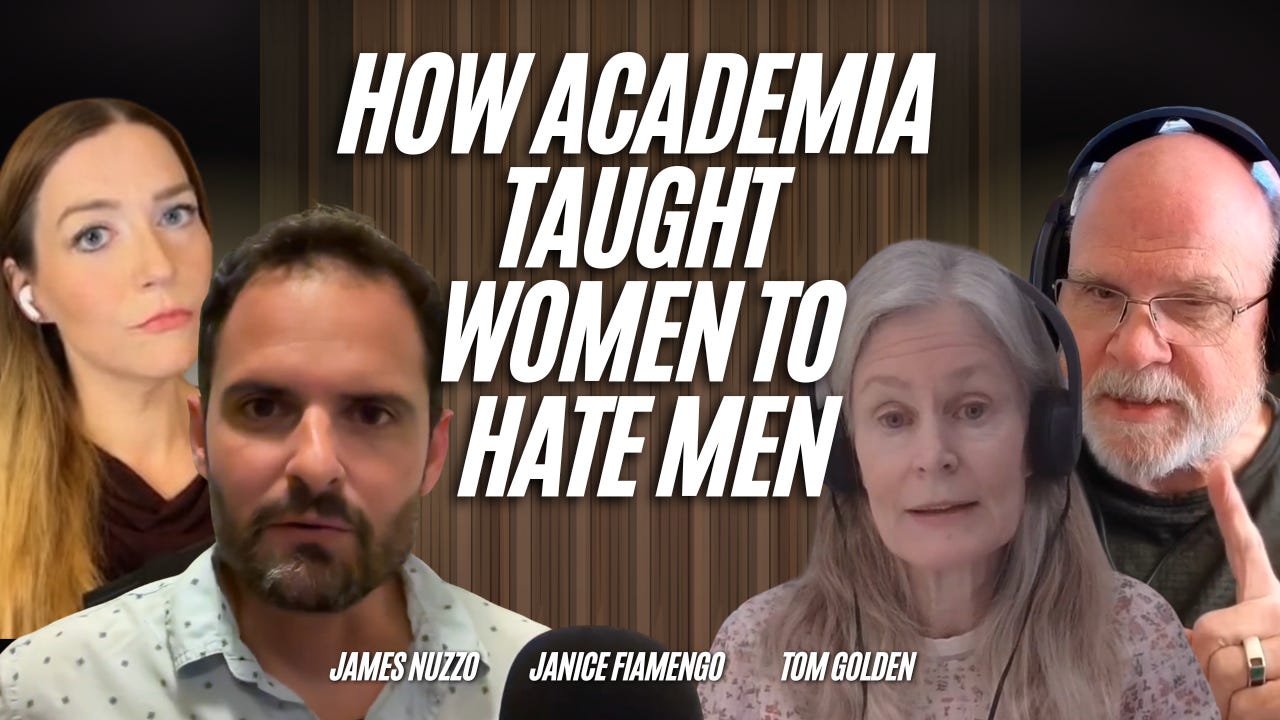
In this episode, we trace the evolution of Women’s Studies — the ideological factory floor where feminist theory manufactures its ever-expanding vocabulary. From the early days of academic grievance studies to today’s buzzwords like microfeminism, hermeneutic labor, and kin-keeping, we examine how each new term tries to keep the ideology alive in a world that has stopped taking it seriously. What supposedly began as a movement for equality has become a language of perpetual victimhood and we’re unpacking how that happened, one feminist neologism at a time.👉 Click below to continue the conversation — upgrade and become a Psychobabble Insider for access to exclusive bonus episodes, live video sessions, in-depth essays, and our private community chat. This is a public episode. If you'd like to discuss this with other subscribers or get access to bonus episodes, visit hannahspier.substack.com/subscribe

Feminist Buzzwords: The Conversation Continues and We Test Our Internalized Misogyny
This is a free preview of a paid episode. To hear more, visit hannahspier.substack.comIn this bonus segment for Psychobabble Insiders, we continue our decipering of feminist jargon. This time focusing on the “labor” terms that turn everyday acts of love, thought, and care into political grievances. From hermeneutic labor to kin-keeping and emotional labor, we explore how feminism has rebranded connection as exploitation and domestic life…
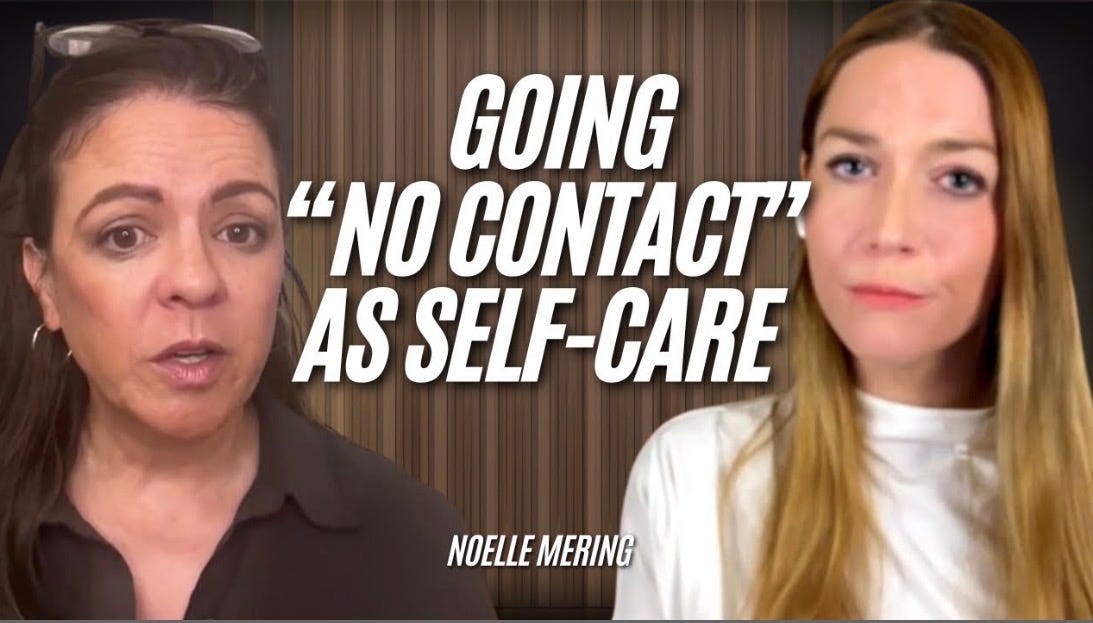
How Therapy Culture Is Destroying Families
One in four American adults is now estranged from their parents, and most aren’t cutting contact over abuse, but ideology. In this conversation with Noelle Mering author of Awake, Not Woke and the forthcoming No Contact, we discuss why so many young adults are severing ties with family. Psychobabble’s free material focuses on helping people recognize psychological patterns. The paid tier is a different kind of work: twice a month you are invited to join our clinical case sessions live video, where we work though a concrete situation together. Focusing on applying psychological insight. This is a public episode. If you'd like to discuss this with other subscribers or get access to bonus episodes, visit hannahspier.substack.com/subscribe
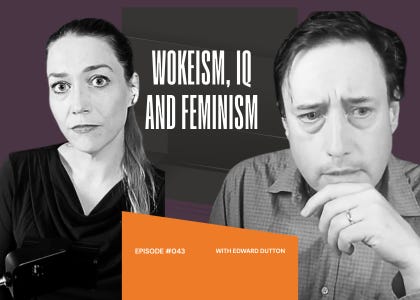
Wokeism as an Adaptation: Ideology, Intelligence, and the Fate of Europe
In this Psychobabble episode with Edward Dutton, we explore how left-wing narratives manifest in mental health issues, and why wokeism may function as an adaptation to societal decline. Together, we discuss intelligence and IQ, the decline of cognitive ability, and the curious case of “woke eugenics”—a new form of social Darwinism shaping genetic and cultural health. Dutton closes with predictions for the future of the UK and Europe in light of these forces.Edward Dutton is a researcher based in Oulu in northern Finland. Born in London in 1980, Dutton read Theology at Durham University before completing a PhD in Religious Studies at Aberdeen University in 2006. He was made 'Docent' (Adjunct Reader) of the Anthropology of Religion and Finnish Culture at Oulu University in 2011. In 2012, however, Dutton made the move to evolutionary psychology. Since then, Dutton has published in leading psychology journals including Intelligence, and Personality and Individual Differences. He has been a guest researcher in the Psychology Department at Umeå University in Sweden and is academic consultant to a research group in the Special Education Department at King Saud University in Riyadh. In 2020, he was appointed Professor of Evolutionary Psychology at Asbiro University, a business-focused university of applied sciences in Łódź, Poland.👉 Click the link to keep the conversation going with us as a Psychobabble Insider—where members get access to exclusive discussions and deeper dives. This is a public episode. If you'd like to discuss this with other subscribers or get access to bonus episodes, visit hannahspier.substack.com/subscribe
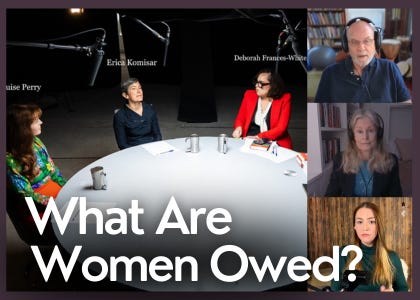
Still Selling Feminism: Our Response to Diary of a CEO
In this special joint episode of Psychobabble and Men Are Good, Tom Golden, Janice Fiamengo, and I take on The Diary of a CEO’s viral “feminism debate” featuring Louise Perry, Erica Komisar, and Deborah Frances-White.This debate has racked up millions of views across one of the world’s most influential podcast and YouTube platforms. With over 12 million subscribers and more than a billion streams, host Steven Bartlett commands global reach and cultural clout. It was framed as a bold debate on feminism and widely sold as a serious “clash of ideas.” A feminist reckoning. But we had to ask: was it really? Should we feel grateful to feminism—if so, for what? Is feminism something that started good and went bad? Are we seeing a pendulum swing? We also break down the episode’s obsession with autonomy, the cult of consent, and why “what women want” is the wrong foundation for a social ethic. 👉 Click below to join the rest of the conversation—where it really heats up. This is a public episode. If you'd like to discuss this with other subscribers or get access to bonus episodes, visit hannahspier.substack.com/subscribe

Psychology’s Leftward Drift with Dr. J.D. Haltigan
In this episode of Psychobabble, I sit down with developmental psychologist Dr. J.D. Haltigan to talk about his personal experiencees and observations of how psychology has drifted from science toward ideology. Once committed to objectivity, the discipline is now increasingly shaped by hyperfeminization, social constructivism, and political activism.We discuss:* How woke ideology has infiltrated mental health research and academia* The erosion of diagnostic categories in psychiatry* The clash between objectivity and “lived experience”* Why social media is fueling ideological capture* What a post-progressive psychology could look likeThe conversation doesn’t stop there! In the extended, members-only segment, we get to the heart of what’s at stake: not just the corruption of psychology as a discipline, but the cultural normalization of pathology itself. * The spread of Cluster B traits and their impact on society* Why diagnoses like ADHD and autism are being rebranded through the neurodiversity movement* How popular disorders expand while others are erased or downplayed* The rise of victim identity as a social currency* The danger of rejecting categories altogether in psychiatry* Why clinical judgment, diagnosis, and treatment standards are being undermined* What the future of psychology might look like outside captured institutionsHere’s a preview: 👉 To access the full episode and join us in these deeper conversations, upgrade your membership and follow us into the extended cut. This is a public episode. If you'd like to discuss this with other subscribers or get access to bonus episodes, visit hannahspier.substack.com/subscribe

How Cluster B Traits Took Over Our Culture
This is a free preview of a paid episode. To hear more, visit hannahspier.substack.comIn the extended, members-only segment, we get to the heart of what’s at stake: not just the corruption of psychology as a discipline, but the cultural normalization of pathology itself. * The spread of Cluster B traits and their impact on society* Why diagnoses like ADHD and autism are being rebranded through the neurodiversity movement* How popular disorders…

Mankeeping: The Latest Academic Attack on Men
In this episode, James Nuzzo returns to dissect the bizarre new concept of “mankeeping.” A term born in academia and quickly adopted on social media to frame men’s emotional needs as a burden on women. We break down how feminist-leaning research often begins with a predetermined conclusion, how male-only spaces are pathologized, and why the narrative ignores what men actually bring to relationships. From TikTok hot takes to peer-reviewed “special issues,” we explore how resentment cloaked as scholarship shapes the public’s perception of men.Join us in the Psychobabble Insider members-exclusive segment! We take the conversation further into one of the most politically charged debates in health research: Are women truly underrepresented in medical funding and understudied in clinical trials? In this candid follow-up, we examine the evidence, challenge the assumptions, and discuss what the data actually says about equity in medical research. Click the link below to watch! This is a public episode. If you'd like to discuss this with other subscribers or get access to bonus episodes, visit hannahspier.substack.com/subscribe

Autism: From Disorder to Sacred Identity
In this episode of Psychobabble, we take a scalpel to the modern autism diagnosis, tracing its dramatic expansion from a severe childhood disorder to a catch-all identity for anxious, rigid adults. Let’s examine how psychiatric gatekeeping has failed, how ideology has overtaken evidence, and how terms like "neurodivergent" are used more to shield than to clarify. Not to mention, the ethical costs of this diagnostic inflation. (Navigate to your topic of interest by using the timestamps below.)Upgrade today, become a Psychobabble Insider and join us as we break down what proper treatment should look like for real autism and what it doesn’t look like. How therapy supported by the neurodivergent movement plays right into the hands of Cluster B types. We also have a look at the controversial MMR vaccine narrative and its enduring link to autism discourse. Chapter Titles & Timestamps:* 00:00 – The Trauma of Being Autistic* 00:20 – From Disorder to Identity* 01:20 – How the DSM Changed Everything* 04:02 – The Rise of Spectrum Thinking* 07:14 – Self-Diagnosis and the Influence of Pop Culture* 08:12 – Neurodiversity: A Social Movement, Not a Medical One* 10:27 – Sensory Overwhelm or Narcissistic Fragility?* 13:33 – When Inclusion Becomes Exclusion* 14:02 – Autism as a Personal Gospel* 15:59 – Autistic Traits or Personality Quirks?* 18:48 – Autism vs. TikTok* 20:08 – What Real Autism Looks Like* 24:26 – Theories of Autistic Cognition* 27:52 – The Role of Activism in Diagnosis* 30:19 – The Double Empathy Problem Debunked* 33:01 – The Masking Myth* 36:46 – How Cluster B traits reveal themselves* 40:42 – Autism as Status* 44:27 – Who Benefits from Broad Diagnoses?* 46:42 – Why Accurate Diagnosis Matters This is a public episode. If you'd like to discuss this with other subscribers or get access to bonus episodes, visit hannahspier.substack.com/subscribe

Autism Therapy Controversies and the MMR Vaccine Debate
This is a free preview of a paid episode. To hear more, visit hannahspier.substack.comLet’s continue our journey into Autism and break down what proper treatment should look like and what it probably shouldn’t look like. How does the therapy pushed by the neurodivergent movement play right into the hands of Cluster B types? We also have a quick look at the controversial MMR vaccine narrative and its enduring link to autism discourse.

Same-Sex Parenting, Surrogacy and the Child's Voice
This week on Psychobabble, we welcome Katy Faust, founder and president of Them Before Us, the leading international voice defending children’s rights in family policy.Katy is a mother of four, and a reluctant public figure, forced into the spotlight after blogging anonymously about controversial family issues. Rather than retreat, she stood firm. She’s since testified before the UN, international parliaments, and filed amicus briefs for the U.S. Supreme Court, all to promote one clear message:Children should not be made to sacrifice for adults.She’s the author of:* Them Before Us: Why We Need a Global Children’s Rights Movement* Raising Conservative Kids in a Woke City* Pro-Child Politics: Why Every Cultural, Economic, and National Issue Is a Matter of Justice for Children In this episode, we ask the questions:* What are the long-term consequences of same-sex parenting on a child’s mental health?* What don't we know about surrogacy and why are we so unwilling to ask?* What’s driving the explosion in surrogacy?* Is it possible to compensate for the loss of a mother or father?* What does the scientific literature tell us when studies aren’t ideologically rigged?🔒 Psychobabble Insider: “The Untold Truths About Adoption”In the members-only segment, we go deeper into adoption: the difference between surrogacy and adoption, the consequences to mental health and what are we getting wrong about adoption through the current cultural narrative?👉🏼 Upgrade to get full access This is a public episode. If you'd like to discuss this with other subscribers or get access to bonus episodes, visit hannahspier.substack.com/subscribe

Hemispheres and the Rise of the Medical Administrative Complex
In this episode of Psychobabble, I’m joined by Dr. Iain McGilchrist, a british psychiatrist, neuroscientist, Oxford literary scholar, and one of the most original thinkers of our time. Before training in medicine, Dr. McGilchrist was a Fellow of All Souls College, Oxford, specializing in English literature. He later became a consultant psychiatrist at the Maudsley and Bethlem Royal Hospitals in London. His landmark book The Master and His Emissary (2009) explores the divided brain and how left-hemisphere dominance has distorted modern culture. His recent two-volume opus The Matter With Things expands on this, challenging the metaphysical assumptions of modern science and calling for a return to embodied, value-rich ways of knowing.In this conversation, we unpack how his hemispheric model explains today’s mental health crisis, the bureaucratic takeover of medicine, the medicalization of temperament, and why we’re diagnosing personality quirks instead of building character.Continue the conversation with us in a more personal, dynamically visual, and free-flowing setting! In this week’s Psychobabble Insider video, we explore the cultural rise of narcissism, why so many get the treatment wrong, and what it would take to shift things at a societal level. It’s an engaging and provocative segment you won’t want to miss. Paid subscribers also get early access to Part III of the Cluster B series—available now. Upgrade to become a Psychobabble Insider and follow the links below! This is a public episode. If you'd like to discuss this with other subscribers or get access to bonus episodes, visit hannahspier.substack.com/subscribe

False Accusations with Bettina Arndt
In this episode, I speak with Bettina Arndt about the rise of false domestic violence allegations, the gender bias in the justice system, and what the data really shows.If you're a Psychobabble Insider, click the link below to access the members-exclusive video on the fake rape crisis and get early access to Part 2 in the Borders or Borderliners series. Upgrade and become a Psychobabble Insider! This is a public episode. If you'd like to discuss this with other subscribers or get access to bonus episodes, visit hannahspier.substack.com/subscribe

How Psychology Became Ideology
In this episode, I trace how psychology lost its scientific footing and became a tool for ideological conformity. What are the consequences of elevating subjective narratives over objective standards and how did we go from a field that once aspired to be a science to one that now trains activists before clinicians? If you’re a Psychobabble Insider, follow us to the members-exclusive section by clicking the link below and let’s get into Internal Family Systems Therapy! Harmless inner dialogue or dangerous spirituality? This is a public episode. If you'd like to discuss this with other subscribers or get access to bonus episodes, visit hannahspier.substack.com/subscribe

Unspoken Realities Of Psychiatric Medications: Risks, Withdrawal and Recovery
Dr. Joseff Witt-Doerring is a psychiatrist and former pharmaceutical industry insider who now specializes in treating adverse reactions to psychiatric medications and helping patients safely taper off them through his practice, TaperClinic. In addition to his clinical work, he runs a large YouTube channel where he provides in-depth guidance and support for people dealing with psychiatric drug injuries, offering videos and insights that are virtually absent from the rest of the field. In this episode, we dive into the three most commonly prescribed psychiatric medications: antidepressants, benzodiazepines, and ADHD medications.Quick Vocabulary:– SSRI (Selective Serotonin Reuptake Inhibitor): A type of antidepressant commonly used to treat depression and anxiety.– Benzodiazepines (Benzos): Anti-anxiety medications that can quickly calm the nervous system but are highly habit-forming.– Ritalin (and similar stimulants): A medication used to treat ADHD by increasing focus and reducing impulsivity.We begin with SSRIs—what they are, what doctors don’t often explain, and the risks that come with long-term use. Then we tackle withdrawal symptoms and how to taper safely. We follow the same roadmap for benzos and ADHD medications, looking at what these drugs do, what can go wrong, and how to come off them without unnecessary suffering.Are you a “Psychobabble Insider?” Then join us in the Members Exclusive segment by following the link below! We explore the controversial question of whether there’s a link between psychiatric medications and mass violence. Become a member by clicking on the subscribe button and choosing one of the subscription options: This is a public episode. If you'd like to discuss this with other subscribers or get access to bonus episodes, visit hannahspier.substack.com/subscribe

How We Got Safe Spaces and Trigger Warnings
This episode takes a closer look at how the trauma diagnosis has changed — and what that change reveals about psychiatry, culture, and identity. We examine how PTSD became one of the most widely claimed conditions in modern mental health. It’s a deep dive into where the field started, where it is now and the direct consequences that has on patients.👇 Paid members: Watch the exclusive bonus video “What Actually Treats Trauma” — including my take on EMDR, exposure therapy, and building real resilience — right here. This is a public episode. If you'd like to discuss this with other subscribers or get access to bonus episodes, visit hannahspier.substack.com/subscribe

S1 Ep 36Do Feminists Care About Women?
This is a free preview of a paid episode. To hear more, visit hannahspier.substack.com🎧 The full audio remains freely accessible to all subscribers — simply press play above.🎥 To enjoy the complete video episode, please consider upgrading your subscription.If you find value in the preview, becoming a paid subscriber not only grants you full access to this and future episodes, but also directly supports the time and care I invest in this work. Your support enables me to continue creating meaningful content, and I’m deeply grateful for every reader who chooses to be part of that!Feminism was never about equality—it began with resentment and moral superiority, not rights. From Elizabeth Cady Stanton to modern activists, the movement pathologized masculinity and tore down femininity, not to uplift women, but to unseat men. While feminists parade around with slogans, they stay silent on real female suffering. Meanwhile, women drowning in career ambition come to therapy not with disorders, but with lives built on lies. The truth is, many don’t need healing—they need to hear what no one dared to tell them.This episode is an interview I did with the dutch outlet Nieuw Rechts (New Right), and since I found it was such a good conversation—with questions we so often encounter regarding feminism—I thought it was worth sharing as an episode of Psychobabble. To all my Catholic listeners, our heartfelt condolences for your loss with the passing of the Pope; may resolution be close at hand.

The BBF Delusion
This is a free preview of a paid episode. To hear more, visit hannahspier.substack.comEverywhere you look, people are talking about how female friendships are falling apart—and how deeply lonely many women have become. At the same time, romantic relationships are more fragile, marriage is often delayed or rejected, and men and women feel further apart than ever. So what’s going on?In this episode 35, we take an evolutionary look at how women are wired to bond and the consequences of modern female bonding on the family unit.Please give a rating on your way out!

The Myth of Mental Illness: A Conversation With Dr. James Orr
In this episode of Psychobabble, I’m joined by Dr. James Orr, associate professor at the University of Cambridge and chair of the Faculty of Divinity. We talk about the philosophical rot at the heart of modern psychiatry, the spiritual crisis today, the failure of modern clergy and the false promises of therapy.Get your nails done to perfection and get in shape at this luxury gym while ordering your stunning new custom made art piece for your home with a discount using the promocode “psychobabble podcast” - Check it out by clicking below: This is a public episode. If you'd like to discuss this with other subscribers or get access to bonus episodes, visit hannahspier.substack.com/subscribe

Psychologist Exposes Ideological Bias
In this episode of Psychobabble, we break down the interview that led to a flood of complaint letters demanding psychologist Holger Richter be fired. We talk about the surge in mental health diagnoses over the past 20 years, particularly among young, left-leaning women, and critiques the narcissism embedded within certain self-identifications. We discuss the feminization of therapy, the political dynamics shaping modern mental health. Holger also shares his firsthand experience of being targeted by activists.This was a conversation I enjoyed so much that we also covered topics purely of interest—like the German problem and why so many women, particularly in the psychological community, work to silence dissent rather than engage with it.Thank you for listening to Psychobabble and I hope you enjoy and share it! Hannah This is a public episode. If you'd like to discuss this with other subscribers or get access to bonus episodes, visit hannahspier.substack.com/subscribe

Why 40% of Women Will Never Have Kids
In episode 32, I sit down with Stephen J. Shaw, data scientist and filmmaker behind The Birth Gap, to continue the crucial discussion we started at the ARC conference panel: What are the factors shaping women’s reproductive choices today? The numbers are staggering! We explore why this is happening and the emotional toll of unplanned childlessness.We also discuss Hungary’s pro-family policies, the role of feminism in shaping these trends, and the lies women are told about fertility and career timelines.How to help: SAVING NATIONS FOR FUTURE GENERATIONS This is a public episode. If you'd like to discuss this with other subscribers or get access to bonus episodes, visit hannahspier.substack.com/subscribe

How Feminism Causes Psychopathology in Women
Enjoy your “LILLELØRDAG” with a fresh episode of Psychobabble! This one builds on one of the most important pieces in my work, Why I Am The Antifeminist Psychiatrist. It lays out exactly how modern feminist narratives contribute to the mental health struggles of women today.When women set their lives up according to feminist principles and ideas, they often find themselves battling symptoms of psychological distress. Through three case studies—Stacy, the anxious student; Penelope, the burned-out career woman; and Wendy, the resentful working mother—I break down the patterns I’ve seen in my psychiatric practice, why so many women are suffering and how that in turn affects their families.We’ll discuss why mainstream therapy gets it wrong and what an effective approach should look like.Get your nails done to perfection and get in shape at this luxury gym while ordering your stunning new custom made art piece for your home with a discount using the promocode “psychobabble podcast” - Check it out by clicking below: This is a public episode. If you'd like to discuss this with other subscribers or get access to bonus episodes, visit hannahspier.substack.com/subscribe

Gentle Parenting: Normalizing The Devouring Mother
Have you also noticed how kids who are way too old are having public tantrums? Gentle parenting is everywhere, praised for its focus on empathy, respect, and understanding. But why is this approach so appealing to Millennials and Gen Z? In this episode, I break down the misconceptions and fundamental misunderstandings behind gentle parenting and take a closer look at what the research supports. What is necessary to raise well-adjusted kids? This is a public episode. If you'd like to discuss this with other subscribers or get access to bonus episodes, visit hannahspier.substack.com/subscribe

The Cost of Gender Equality: What Norwegian Feminists Won’t Tell You
Norway is often hailed as the world’s most egalitarian country, a feminist success story built on decades of progressive policies and bold reforms. But what’s the real cost of this equality? In this episode, I take you through Norway’s rise to egalitarian superpower—examining the key feminist-driven measures since 1978 and presenting the freshest data on gender equality today. We will dive deep into the numbers and uncover the unintended consequences of Norway’s feminist experiment. Whether you’re a skeptic or a supporter of feminist policy, this is a critical look at what happens when equality becomes the ultimate goal.Also make sure to check out this conversation I just had with Tom Golden on his “Men Are Good” podcast!https://substack.com/home/post/p-154863748Get your nails done to perfection and get in shape at this luxury gym while ordering your stunning new custom made art piece for your home with a discount using the promocode “psychobabble podcast” - Check it out by clicking below: This is a public episode. If you'd like to discuss this with other subscribers or get access to bonus episodes, visit hannahspier.substack.com/subscribe

S2 Ep 27Unpacking Feminism's Marxist Roots
In this episode of Psychobabble, I’m joined by Dr. Carrie Gress, author of The End of Woman: How Smashing the Patriarchy Has Destroyed Us. We begin by exploring the pathologies of early feminists and how their personal struggles shaped the movement’s ideology, before delving into feminism’s surprising Marxist roots. Dr. Gress reveals how feminist leaders adopted communist tactics like emotional manipulation and class warfare, reframing gender roles into a narrative of victimhood and oppression. Together, we discuss how these ideologies have damaged families, femininity, and mental health, leaving a lasting impact on society.Get your nails done to perfection and get in shape at this luxury gym while ordering your stunning new custom made art piece for your home with a discount using the promocode “psychobabble podcast” - Check it out by clicking below: This is a public episode. If you'd like to discuss this with other subscribers or get access to bonus episodes, visit hannahspier.substack.com/subscribe

The Cost of Independence: Marriage and Motherhood in Modern Times
Join Suzanne Venker and me for a great conversation about some of the biggest questions women face today. What happens when you and your spouse have different visions for your lifestyle or priorities? What are the pitfalls of keeping separate finances in marriage? How can you handle the identity shift that comes with motherhood and balance ambition and family life without the fear of losing yourself in the process?Suzanne Venker is a celebrated author, speaker, and relationship coach whose thought-provoking insights on marriage, family, and the modern cultural landscape have inspired countless couples to build stronger, more harmonious relationships. She has written several acclaimed books, including her latest, How to Build a Better Life, which offers a practical guide to reclaim purpose amid today’s cultural pressures. Suzanne’s work has been featured in major outlets like Fox News, The Wall Street Journal, and USA Today, making her a trusted voice on the intersections of marriage, motherhood, and societal expectations.Psychobabble will be back with another provocative episode after the Christmas holiday on the 1st of January 2025 This is a public episode. If you'd like to discuss this with other subscribers or get access to bonus episodes, visit hannahspier.substack.com/subscribe

Why We Shouldn't Teach Gender Ideology
I often find myself in conversations where the question of why it's “such a big deal” to teach gender ideology to kids in school is broached, and it's easy to be taken off guard. To help parents in these difficult discussions, in this episode I lay out the psychological impacts of teaching gender ideology with tools for mothers (and fathers) to engage effectively with teachers and other parents. In the second half, we hear from Harrison Tinsley, a Californian dad who won custody of his son in a case involving a disputed gender transition. Enjoy the episode and please share to help others advocate for children’s well-being!To support Harrison Tinsley: SAVE SAWYERHarrison's X Get your nails done to perfection and get in shape at this luxury gym while ordering your stunning new custom made art piece for your home with a discount using the promocode “psychobabble podcast” - Check it out by clicking below: This is a public episode. If you'd like to discuss this with other subscribers or get access to bonus episodes, visit hannahspier.substack.com/subscribe

The Godfather of Psychobabble on the Real Roots of Addiction, Crime and Radicalization
In this Psychobabble episode, I sit down with , Dr. Anthony Daniels also known as Theodore Dalrymple — a psychiatrist, former prison doctor, and acclaimed author known for his incisive critiques of modern psychology and societal trends. We discuss misconceptions in psychology, the links between fatherlessness and criminality, the roots of addiction, why some women tolerate domestic violence and the nature of criminal behaviour and human agency.It’s another long episode, here are the timestamps - feel free to skip to your favourite topic:02:59: The Misconceptions in Psychology05:40 On Psychological Theories and Psychoanalysis09:00 Childhood Trauma and Criminality12:00 Fatherlessness and its imact on Society14:45 The Nature of Crime and Agency15:40: Addiction: A Misunderstood “Illness”22:30 The Expansion of Psychiatric Diagnoses25:44 Women Accepting Domestic Violence35:00 The Appeal of Islamic Radicalization 38:50 Is Prison Rehabilitative?42:00 Cultural Influences of Criminal Behaviour53:32 Setting Boundaries in Patient Relationships52:20: The Toxicity of Non-Judgementalism56:26: Emotionally-Focused Therapy01.04:00: The Role of Community and Dangers Associated01:13:00: Changing Psychiatric Orthodoxy01:21:00: Understanding Criminal Behaviour and InsanityGet your nails done to perfection and get in shape at this luxury gym while ordering your stunning new custom made art piece for your home with a discount using the promocode “psychobabble podcast” - Check it out by clicking below: This is a public episode. If you'd like to discuss this with other subscribers or get access to bonus episodes, visit hannahspier.substack.com/subscribe

In Therapy with Tom Golden: Navigating the Feminized School System
In this episode, I bring a personal parenting challenge to Tom now that my son has started preschool, with the conversation unfolding like a real therapy session. Together, we explore why traditional discipline methods can backfire with spirited boys and which approaches can help them thrive. Tom shares compelling research on the feminized structure of schools and its impact on boys, from how reducing recess hinders their focus to the surprising effects of stereotype threats in the classroom. This episode is packed with practical strategies for parents navigating the modern educational landscape, helping guide boys toward confidence, resilience, and success.Timestamps:00:00 Introducing the Problem04:00 Helping Boys Adapt: Practical Strategies for Structured Settings34:00 Stereotype Threats and School Bias: Why Boys Struggle42:00 Discipline Strategies for boysGet your nails done to perfection and get in shape at this luxury gym while ordering your stunning new custom made art piece for your home with a discount using the promocode “psychobabble podcast” - Check it out by clicking below: This is a public episode. If you'd like to discuss this with other subscribers or get access to bonus episodes, visit hannahspier.substack.com/subscribe

Transitioning Through Womanhood: From Maiden to Matriarch
In this episode, I sit down with Tammy Peterson, a mother, matriarch, and host of her own podcast, where she is on a mission to help women find their path. Together, we discuss the profound emotional and societal challenges women face as they transition through the different phases of life, from maiden to mother to matriarch. Tammy shares her personal experiences of motherhood, the shift from raising a baby to guiding a child, and how illness can actually strengthen family bonds rather than divide them. We also dive into the impact of technology on parent-child attachment, the importance of maternal presence in early childhood, and how to face life's biggest transitions with strength and grace. This conversation offers valuable insights into the power of faith, forgiveness, and community in navigating the many stages of womanhood.This episode is longer than usual, so feel free to jump ahead to the sections that interest you most:* 00:00:15 - Introduction: Navigating Life Transitions and Letting Go of Children* 03:36 - Journey from Maiden to Mother: A Personal Reflection* 08:00 - Societal Pressures and Women’s Choices in the Maiden Phase* 12:45 - The Role of Status in Relationships: Why Women Marry Across and Up* 15:19 - How to Help Your Daughter Transition Into Womanhood* 19:22 - The Impact of Technology on Parent-Child Attachment* 22:35 - Addressing Dysfunction in Relationships: Recognizing and Healing Patterns* 27:38 - The Importance of Maternal Presence in Early Childhood: Why It Matters* 30:53 - The Shift from Being a Mother of a Baby to a Mother of a Child: Navigating Change* 38:00 - The Sacred Nature of Marriage and Parenthood: Understanding the Family Bond* 47:00 - Building a Community as a Stay-at-Home Mother: Creating Support Networks* 54:23 - Embracing Change and Grieving Transitions: The Emotional Journey of Motherhood* 01:01:46 - Navigating Transitions in Motherhood: Moving Into New Roles With Grace* 01:10:04 - Facing Illness and Finding Peace: Maintaining Family Strength Through Crisis* 01:20:16 - How to Face a Crisis Without Drifting Apart: Keeping the Family Bond Strong* 01:27:00 - Marriage, Communication, and Relationship Growth During Life Challenges* 01:30:09 - How to Forgive Yourself and Others: Moving Past Mistakes in Life and Family* 01:39:00 - The 12-Step Program and Its Impact on Modern Motherhood: Learning to Heal* 01:40:07 - How to Heal and the Role of Faith in Overcoming Life’s Challenges* 01:46:00 - Finding Hope Amidst Societal Struggles: Building Resilience in the Modern WorldGet your nails done to perfection and get in shape at this luxury gym while ordering your stunning new custom made art piece for your home with a discount using the promocode “psychobabble podcast” - Check it out by clicking below: This is a public episode. If you'd like to discuss this with other subscribers or get access to bonus episodes, visit hannahspier.substack.com/subscribe