
Psychiatry & Psychotherapy Podcast
279 episodes — Page 5 of 6
COVID-19 and the Brain: Delirium & Viral Encephalitis
In a previous episode, we covered COVID-19 and its effect on mental health. In today's episode of the podcast, we will be covering COVID-19 from the medical perspective with regards to its effect on the brain as well as treatment options, their side effects and special considerations. By listening to this episode, you can earn 0.75 Psychiatry CME Credits. Link to blog. Link to YouTube video.
Getting Better Results from Your Patients as a Psychotherapist
On this week's episode of the Psychiatry and Psychotherapy podcast, I interview Scott D. Miller, Ph.D. and Daryl Chow, Ph.D., authors (along with Mark A. Hubble, Ph.D.) of Better Results. Better Results is a book that sums up thirty years of research to demonstrate what clinicians can reliably do to improve therapy results by personal and professional development. Link to Blog.
COVID-19: Dealing with panic, anxiety, delirium, and mental health
Stress and anxiety are going to be very common during this time. In one study of Wang et al, 2020 they found that in China, 53.8% of the respondents to a survey rated their psychological impact as moderate-to-severe and 28.8% had moderate to severe anxiety, 16.5% had moderate to severe depressive symptoms, 8.1% had moderate to severe stress levels. By listening to this episode, you can earn 0.5 Psychiatry CME Credits. Link to blog. Link to YouTube video.
Cancer: Depression, Anxiety, And Hypoactive Delirium - A Dive Into Psycho-Oncology with Mona Mojtahedzadeh, M.D.
In this week's episode, we sat down with Shawna Chan, Mona Mojtahedzadeh, M.D., Salman Otoukesh, M.D., David Puder, M.D. and discussed different aspects of mental health in humans bravely facing cancer. Below is a link to the notes which go beyond the podcast episode in content and depth and hopefully equips you to have more empathy, compassion and knowledge. By listening to this episode, you can earn 1 Psychiatry CME Credits. Link to blog. Link to YouTube video.
The Unconscious
This week I interviewed Dr. Joel Weinberger and Dr. Valentina Stoycheva who recently published the book "The Unconscious: Theory, Research, and Clinical Implications ." We discussed their book and even their unconscious reasons for writing a thrilling, deep dive into the unconscious. This book was graduate level in detail, deep, thoughtful, articulate, sometimes very theoretical, and definitely worthy of reading and contemplating. By listening to this episode, you can earn 0.75 Psychiatry CME Credits. Link to blog. Link to YouTube video.
Catatonia: Diagnosis and Treatment
Catatonia is a severe motor syndrome. It is a secondary response to an underlying illness that requires quick diagnosis and treatment. There are many different things that lead to catatonia, so finding out the underlying cause is very important. In this episode, Dr. Cummings and I discuss the history, diagnosis, and treatment of catatonia. By listening to this episode, you can earn 1 Psychiatry CME Credits. Link to blog. Link to YouTube video.
How Much Violence Is Due To Mental Illness?
In this short episode of The Psychiatry and Psychotherapy Podcast, I interview Dr. Cummings, a forensic psychiatrist, on the topic of the correlation of mental illness and violent crime, and what causes violent crime. I start out with reviewing some studies and then subsequently interview Dr. Cummings, a leading psychiatrist at one of the largest forensic psychiatric hospitals in the United States. By listening to this episode, you can earn 0.5 Psychiatry CME Credits. Link to blog. Link to YouTube video.
Valproic Acid: History, Mechanism, Treatment in Bipolar, Schizophrenia, Aggression and Side Effects with Dr. Cummings
In this episode, David Puder, M.D. and Michael Cummings, M.D. discuss the history, uses, and side effects of Valproic Acid which is a mood stabilizer for various conditions including: Bipolar Disorder, Schizophrenia, and Borderline Personality Disorder. By listening to this episode, you can earn 1 Psychiatry CME Credits. Link to blog. Link to YouTube video.
Connecting with the Psychotic Patient, Therapeutic Alliance Part 7
In this episode, Dr. Puder talks about the importance of therapeutic alliance in the psychiatric interview, emphasizing the need for a strong therapeutic alliance in order to help patients with psychosis continue their medication. By listening to this episode, you can earn 1 Psychiatry CME Credits. Link to blog. Link to YouTube video.
Therapeutic Alliance Part 6: Attachment Types and Application
Therapy is an intensely focused relationship that involves acceptance, trust, unconditional positive regard, hope, attunement, tolerance, and mending empathic strains and ruptures. There is also emotional contagion between a therapist and patient, with transference and countertransference. On this week's episode, I talk about how attachment theory can be a powerful predictor in helping someone move forward past trauma and develop attachment to their therapist in a healthy and therapeutic way. By listening to this episode, you can earn 1 Psychiatry CME Credits. Link to blog. Link to YouTube video.
IQ: Predictability, Influences, Genes, Environment, & Trauma
What is intelligence? Why is IQ controversial? In this week's episode Nelson Horsley (a 4th year medical student) and David Puder, M.D. discuss the IQ - if it is a predictor for a successful life, and what things can predict or influence IQ. By listening to this episode, you can earn 2 Psychiatry CME Credits. Link to blog. Link to YouTube video.
Joker: An In Depth Character Analysis
Joaquin Phoenix stars in "Joker" which has divided critics and movie goers alike. Surprisingly, it has divided mental health professionals as well. Some say Phoenix's performance shines a light on the misunderstandings of mental illness while others believe it promotes a falsehood that mental illness is responsible for violence. In this episode, David Puder, M.D. and Hans von Walter, M.D. discuss Joker's cinematic and mental health themes. By listening to this episode, you can earn 1.75 Psychiatry CME Credits. Link to blog. Link to YouTube video.
The Fentanyl Epidemic
Fentanyl is a highly addictive drug which has led to the deaths of countless people including several well known celebrities. Fentanyl is being used to strengthen the potency of other drugs, such as cocaine, which means that people are being exposed to it without their knowledge. In this episode, David Puder, M.D. discusses the history, impact, and statistical analysis pertaining to the dangers of Fentanyl. By listening to this episode, you can earn 0.75 Psychiatry CME Credits. Link to blog. Link to YouTube video.
Is Social Media Good for Mental Health?
Since its introduction in the early 2000's, social media has become an integral part of our daily lives. It influences culture, current affairs, and connects us to the world like never before. As people spend more and more of their lives online, it's important for us to consider how this new online world is changing us. After all, healthy social connection is one of the key factors in good mental health and well-being. It's time to check in and find out: how does social media affect mental health? Link to Resource Library
Does Cannabis Use Increase Schizophrenia and Psychosis?
In this episode, David Puder, M.D., and Victoria Agee discuss possible links between marijuana use and psychosis. There a multiple studies which reveal links in genetics and marijuana potency that can lead to an increase in schizophrenia and psychosis. Link to blog. Link to YouTube video.
Interviewing Well For Residency & Beyond
On this week's episode we will be covering a special topic-interviewing well-for psychiatry residency, and even in other interviews post residency. I am interviewing Neal Christopher, a 4th year, chief resident and the host of a podcast for the APA, The American Journal of Psychiatry Residents' Journal Podcast. Link to blog. Link to YouTube video. AJP Resident Podcast with Dr. Christopher
Therapeutic Alliance Part 5: Emotion
People often think of emotions as ethereal, complicated depths that are difficult to explore. They are actually adaptive physical reactions to stimuli. There are a few main categories, and as we will discover, they are concrete, identifiable, and usually in a healthy therapeutic alliance, they can be discussed and even when emotions are painful to express or come with shame or linked with traumatic memories, can be disarmed and understood. By listening to this episode, you can earn 1 Psychiatry CME Credits. Link to blog. Link to YouTube video.
Deciding for Others: Involuntary Holds and Decision Making Capacity
This week on the Psychiatry and Psychotherapy Podcast, I am joined by Dr. Mark Ard, a chief resident physician at Loma Linda University's Psychiatry program, to talk about holds and capacity evaluations as it relates to medicine and psychiatry. By listening to this episode, you can earn 1.25 Psychiatry CME Credits. Link to blog. Link to YouTube video.
Genetics and Environmental Factors in Suicide
In the previous episode on Suicide, we discussed epidemiology, general risk factors, and associations of suicide with various mental health disorders. Now, in this second part of this series, we will focus on genetic and environmental factors associated with suicide. The data here might be cold and distant, and so is the nature of suicide. It cuts at the core of families that have struggled with it. I have had many patients who have had family members commit suicide, and it devastates them forever. By listening to this episode, you can earn 0.75 Psychiatry CME Credits. Link to blog. Link to YouTube video.

Which Foods are Good for Mental Health?
On this week's episode of the podcast, I interview Dr. Drew Ramsey, a nutritional psychiatrist. When I was a resident, I saw him give a lecture on diet and how it affects our mood, and I've been wanting to interview him for a long time. He is the author of several books about diet and health. By listening to this episode, you can earn 0.75 Psychiatry CME Credits. Link to blog. Link to YouTube video.
Lithium Indications, Mechanism, Monitoring, & Side Effects
Lithium is indicated for a number of things. Most clearly, as a mood stabilizer in bipolar spectrum disorders. It is unique among mood stabilizers in that it is very robustly anti-manic. The medication treats and prevents manic episodes from occurring, providing fairly robust prophylaxis against mood cycling. Lithium is also effective in treating bipolar depression, though not as effectively. Very few of the other mood stabilizers are effective for the depressed pole of bipolar illness. By listening to this episode, you can earn 1 Psychiatry CME Credits. Link to blog. Link to YouTube video. Link to full article with details on up to date research and more: here Engage in the dialogue on Dr. Puder's Instagram, Facebook, Twitter
Why Lithium is a Good Option for Treating Bipolar, with Dr. Walter A. Brown
This week the Psychiatry and Psychotherapy Podcast is joined by Dr. Walter A. Brown, Clinical Professor Emeritus in the Department of Psychiatry and Human Behavior at Brown University, author of the brand new book "Lithium: A Doctor, a Drug, and a Breakthrough". In order to capture the full experience of this week's episode, I've posted a transcript of my interview with Dr. Brown which you can access in the article link below. By listening to this episode, you can earn 0.75 Psychiatry CME Credits. Link to blog. Link to YouTube video. Engage in the dialogue on Dr. Puder's Instagram, Facebook, Twitter
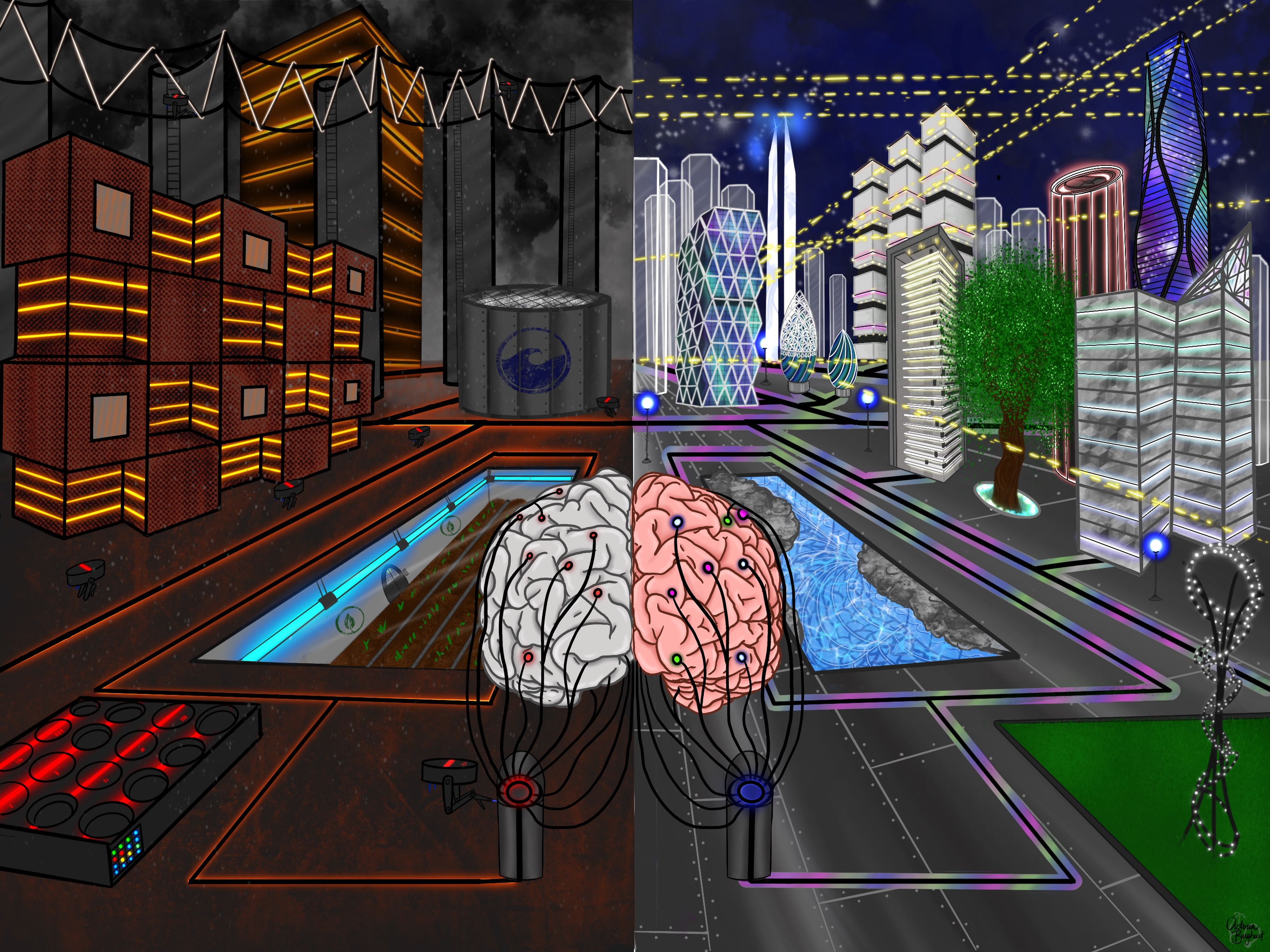
IS ELON MUSK'S NEURALINK A SCIENCE FICTION HORROR SHOW OR THE SALVATION OF HUMANITY?
One of the more controversial components of the Neuralink presentation was Musk's inclusion of his beliefs about the future of humanity and artificial intelligence. During the press release he stated one of his goals was to create the ability to achieve a "full symbiosis with artificial intelligence," essentially removing the "existential threat of AI" which he believes will one day "leave us behind" (Neuralink, 2019). This goal has been met with a bit more skepticism, especially by the national media, than the medical applications of Neuralink's BMI. Forbes describes it as "a bit more fantastical" than the company's primary goal of treating brain disorders (Knapp, 2019). Other publications have been far less kind, such as The Atlantic, which published its coverage of the Neuralink press release with the title: "Elon Musk's Next Wild Promise: If someone is going to revolutionize what it means to be human, do we want it to be a tech titan?" (Mull, 2019). Although the New York Times surmised that "one of the biggest challenges may be for his scientists to match his grand vision," (Markoff, 2019), it serves as a good example of what most major media outlets have chosen to do: stick to the facts. By listening to this episode, you can earn 1 Psychiatry CME Credits. Link to blog. Link to YouTube video. Engage in the dialogue on Dr. Puder's Instagram, Facebook, Twitter
How To Pick A Good Therapist
Working with a good therapist often requires fewer sessions than other therapists to see improvement; in contrast, working with a therapist you don't connect with, or with inadequate training, may require an extended number of sessions (Okiishi et al. 2003). People that see effective therapists are more likely to recover or partially recover, whereas those that work with a "bad" therapist are more likely to see no change or an increase in symptoms (Okiishi et al. 2006). By listening to this episode, you can earn 0.75 Psychiatry CME Credits. Link to blog. Link to YouTube video.

Suicide Epidemiology, Risk Factors, and Treatments
On this week's episode of the podcast, I interview Jaeger Ackerman, 4th year medical student about suicide risk factors and treatments. As a therapist, attempt to closely approximate their reality of feeling suicidal with words. When I first hear their thoughts and feelings, I try to clarify with the patient to make sure I'm understanding their feelings. I usually try to put it into other words, and echo back to them. I'll say something like, "I hear that you feel like there's no other way out, that you feel lost and like it's a very dark time for you." I ask myself continually how to be present with them in their feelings, in the moment. By listening to this episode, you can earn 1 Psychiatry CME Credits. Link to blog. Link to YouTube video. Instagram:dr.davidpuder Twitter:@DavidPuder Facebook: DrDavidPuder Youtube channel

Frontal Lobe Damage: Treating Patients through Grief, Acceptance and Growth
In this episode of the podcast, I interview Steven, one of my patients who had a rare form of a stroke—in the right orbital frontal cortex. He participated in a psychiatric program that I run. He tells his story of how his function and emotions changed, and how he dealt with it. At the end of the episode, I talk more with Jaeger Ackerman (a 4th year medical student) about the science and neurology of his case so other mental health professionals can have a basis for how to think about approaching brain injury with these psychiatric specifics. Steven was a former hotel executive, actor and certified professional accountant (CPA). By listening to this episode, you can earn 1.25 Psychiatry CME Credits. Link to blog. Link to YouTube video. Instagram:dr.davidpuder Twitter:@DavidPuder Facebook: DrDavidPuder Youtube channel
An Introduction to Psychodermatology: "The Mind-Skin Connection"
What is Psychodermatology? At the most basic level, Psychodermatology encompasses the interaction between mind and skin. It is the marriage between the two disciplines of psychiatry and dermatology, uniting both an internal focus on the non-visible disease, as well as an external focus on the visible disease. This tight interconnection between mind and skin is maintained at the embryological level of the ectoderm throughout life. According to this article, although the history of psychodermatology dates back to ancient times, the field has only recently gained popularity in the United States. More specifically, Hippocrates (460-377 BC) reported the relationship between stress and its effects on skin in his writings, citing cases of people who tore their hair out in response to emotional stress. By listening to this episode, you can earn 1 Psychiatry CME Credits. Link to blog. Link to YouTube video. Instagram:dr.davidpuder Twitter:@DavidPuder Facebook: DrDavidPuder Youtube channel

An Inside Look At Eating Disorders: Anorexia, Bulimia, & Orthorexia
What is an eating disorder? One of the most important things about anorexia and bulimia is understanding that they are caused by a complex interplay of genetics, epigenetics, early development, and current stressors. They can lead to dangerous outcomes because of how the eating disorder changes both the body and the brain. Many therapists and nutritionists, as you'll hear in my conversation with Sarah Bradley, don't treat from multiple angles, and often lack empathy into this condition. There are three main types of eating disorders we will cover here: Anorexia is the practice of cutting calories to an extreme deficit or refusing to eat. Bulimia involves purging, or vomiting, the food that has been eaten. Orthorexia is a fixation and obsession on eating healthy food (like only eating green vegetables with lemon juice). Statistics: Anorexia traditionally lasts for an average of eight years. Bulimia traditionally lasts for an average of five years. Approximately 46% of anorexia patients fully recover, 33% improve, and 20% remain chronically ill. Approximately 45% of those with bulimia make a full recovery, 27% improve, and 23% continue to suffer. By listening to this episode, you can earn 1 Psychiatry CME Credits. Link to blog. Link to YouTube video. Instagram:dr.davidpuder Twitter:@DavidPuder Facebook: DrDavidPuder Youtube channel

The Process of Grief
Grief is the multifaceted response—emotional, behavioral, social—to a loss or major life adjustment (like a divorce, loss of a job, etc.). Bereavement is the process of grieving specific to the loss of affection or bond to a person or animal (Parkes & Prigerson, 2013; Shear, Ghesquiere & Glickman, 2013; Shear, 2015). Some of the signs and symptoms of grief are: -somatic symptoms (e.g. choking or tightness in the throat, abdominal pain or feeling of emptiness, chest pain) -physiological changes (e.g. increased heart rate and blood pressure, increased cortisol levels) -sleep disruption and changes in mood (e.g. dysphoria, anxiety, depression, anger) (Buckley et al., 2012; Lindemann, 1944; O'Connor, Wellisch, Stanton, Olmstead & Irwin, 2012; Shear & Skritskaya, 2012; Shear, 2015; Zisook & Kendler, 2007) Medical and psychiatric complications can also arise due to grief and include: -An increased risk for myocardial infarction -Takotsubo cardiomyopathy (Broken Heart Syndrome) -The development of mood, anxiety and substance-use disorders (Cheng & Kounis, 2012; Keyes et al., 2014; Mostofsky et al., 2012; Shear, 2015). Acute grief begins after a person has learned of the passing of a loved one (Shear, 2015). During acute grief, a person may experience immense sadness, yearning for the deceased, and persistent thoughts of the decreased (Maciejewski, Zhang, Block & Prigerson, 2007; Shear, 2015). Auditory and visual hallucinations are benign hallucinations commonly found in acute grief and involve the person seeing, talking to or hearing the voice of the deceased (Grimby, 1993). By listening to this episode, you can earn 0.5 Psychiatry CME Credits. Link to blog. Link to YouTube video. Instagram:dr.davidpuder Twitter:@DavidPuder Facebook: DrDavidPuder Youtube channel Maris Loeffler Instagram: @agatetherapy

Clozapine for Treatment Resistant Schizophrenia
What is clozapine? Not only is clozapine the gold standard medication for treatment-resistant schizophrenia, it is also one of the most unique drugs used in psychiatry. It was synthesized 1958, only eight years after chlorpromazine, the first antipsychotic drug, was created. At that time, researchers tested for antipsychotic properties by taking various compounds and testing to see if lab mice developed dystonia and catalepsy. When researchers tested clozapine, they found that it did not cause dystonia, but instead made the mice sleepy. Because of this, clozapine was almost missed entirely as an antipsychotic medication. Eventually, however, clozapine was found to be more successful than other antipsychotic drugs. By the 1970s, Austria, Germany, and Finland had produced positive data on clozapine proving its efficacy. However, clozapine was also found to have caused severe neutropenia in sixteen patients in Finland, and even caused the death of eight of those patients. For this reason, clozapine did not enter the United States until it was approved by the FDA in 1989. By listening to this episode, you can earn 1 Psychiatry CME Credits. Link to blog. Link to YouTube video. Instagram:dr.davidpuder Twitter:@DavidPuder Facebook: DrDavidPuder Youtube channel

The Unspeakable Mind: Stories of Trauma and Healing from the Frontline of PTSD Science
PTSD, or Post Traumatic Stress Disorder, occurs when someone experiences or subjectively experiences a near death or psychologically overwhelming event and then goes on to develop specific symptoms. Different types of trauma/stressors that can lead to PTSD include sexual violence, combat experience, medical conditions (e.g. myocardial infarction), and natural disasters (e.g. hurricane) (Chivers-Wilson, 2006; Edmondson et. al, 2012; Grieger et al., 2006; Hussain, Weisaeth & Heir, 2011). It is characterized by: Direct exposure or witnessing of trauma/stressor Presence of intrusive symptoms post-traumatic experience Avoidance of traumatic stimuli Negative changes in mood and cognition Hyperreactivity Hyperarousal (APA, 2013). Here are a few stats about PTSD: In 2017, over 47,000 Americans died by suicide (CDC, 2019). This number has been climbing about 1,000 new cases per year from 31,000 American deaths by suicide in 2000 (CDC, 2019). One contributor to this statistic are people with Post-traumatic stress disorder (PTSD), who are at increased risk of suicide (Wilcox, Storr & Breslau, 2009). The lifetime prevalence of PTSD in the general population of the US was found to be 6.1% in one national epidemiologic study with certain populations at higher risk for PTSD (e.g. female sex, low socioeconomic status, previously married status, experienced trauma at a young age, African Americans, Native Americans, refugees or immigrants from countries with conflicts) (Alegría et al., 2013; Brewin, Andrews & Valentine, 2000; Goldstein et al., 2017; Kisely et al., 2017; Marshall, Schell, Elliott, Berthold & Chun, 2005). By listening to this episode, you can earn 0.75 Psychiatry CME Credits. Link to blog. Link to YouTube video. Instagram:dr.davidpuder Twitter:@DavidPuder Facebook: DrDavidPuder Youtube channel
Schizophrenia Differential Diagnosis & DSM5
Schizophrenia is a diagnosis of exclusion. Doctors and therapists need to be able to rule everything else out before they can land on schizophrenia as an official diagnosis. There are specific symptoms are known as "first-rank symptoms," which we will cover later in the article, that will help with diagnosing patients (Schneider, 1959). Eighty-five percent of people with schizophrenia endorse these symptoms, but be wary of jumping to conclusions because they are not specific to schizophrenia and, in some studies, are also endorsed by bipolar manic patients (Andreasen, 1991). DSM5 (Diagnostic and Statistical Manual of Mental Disorders 5th ed.) Schizophrenia is a clinical diagnosis made through observation of the patient and the patient's history. There must be 2 or more of the characteristic symptoms below (Criterion A) with at least one symptom being items 1, 2 or 3. These symptoms must be present for a significant portion of time during a 1 month period (or less, if successfully treated). The patient must have continuous, persistent signs of disturbance for at least 6 months, which includes the 1 month period of symptoms (or less, if successfully treated) and may include prodromal or residual periods. For a significant portion of the time since the onset of the disturbance, one or more major areas of functioning such as work, interpersonal relations, or self-care are markedly below the level achieved prior to the onset. If the onset is in childhood or adolescence, there is failure to achieve expected level of interpersonal, academic, or occupational achievement. Criterion A: A. Positive symptoms (presence of abnormal behavior) 1. Delusions 2. Hallucinations 3. Disorganized speech (eg, frequent derailment or incoherence) 4. Grossly disorganized or catatonic behavior B. Negative symptoms (absence or disruption of normal behavior) 5. Negative symptoms include affective flattening, alogia, avolition, anhedonia, asociality. By listening to this episode, you can earn 0.5 Psychiatry CME Credits. Link to blog. Link to YouTube video. Instagram:dr.davidpuder Twitter:@DavidPuder Facebook: DrDavidPuder Youtube channel
Do I have Schizophrenia?
Clinical manifestations Many people worry that they have schizophrenia. I receive messages or inquires often of people asking about symptoms and manifestations. If you have those types of questions, or if you're a mental health professional who needs to brush up on symptoms and medications, this article should help you. There are many clinical observations of how schizophrenia presents itself. Cognitive impairments usually precede the onset of the main symptoms[1], while social and occupational impairments follow those main symptoms. Here are the main symptoms of schizophrenia: Hallucinations: a perception of a sensory process in the absence of an external source. They can be auditory, visual, somatic, olfactory, or gustatory reactions. Most common for men "you are gay" Most common for women "you are a slut or whore" Delusions: having a fixed, false belief. They can be bizarre or non-bizarre and their content can often be categorized as grandiose, paranoid, nihilistic, or erotomanic Erotomania = an uncommon paranoid delusion that is typified by someone having the delusion that another person is infatuated with them. This is a common symptom, approximately 80% of people with schizophrenia experience delusions. Often we only see this from their changed behavior, they don't tell us this directly. Disorganization: present in both behavior and speech. Speech disorganization can be described in the following ways: Tangential speech – The person gets increasingly further off the topic without appropriately answering a question. Circumstantial speech – The person will eventually answer a question, but in a markedly roundabout manner. Derailment – The person suddenly switches topic without any logic or segue. Neologisms – The creation of new, idiosyncratic words. Word salad – Words are thrown together without any sensible meaning. Verbigeration – Seemingly meaningless repetition of words, sentences, or associations To note, the most commonly observed forms of abnormal speech are tangentiality and circumstantiality, while derailment, neologisms, and word salad are considered more severe. Cognitive impairment: Different processing speeds Verbal learning and memory issues Visual learning and memory issues Reasoning/executive functioning (including attention and working memory) issues Verbal comprehension problems By listening to this episode, you can earn 0.5 Psychiatry CME Credits. Link to blog. Link to YouTube video. Instagram: dr.davidpuder Twitter: @DavidPuder Facebook: DrDavidPuder Youtube channel
Schizophrenia in Film and History
What is schizophrenia? It is a psychotic disorder that typically results in hallucinations and delusions, leaving a person with impeded daily functioning. The word schizophrenia translates roughly as the "splitting of the mind," and comes from the Greek roots schizein ( "to split") and phren- ( "mind"). The onset of the disease typically occurs in young adulthood; for males, around 21 years of age, for females, around 25 years of age. We don't know exactly what causes schizophrenia. There are certain predictors for it, and as I discussed the basics and pharmacology a previous podcast, frequent marijuana use can increase the risk of a psychotic or schizophrenic illness to about 4 times what it would be without THC use. History of schizophrenia Sometimes, in ancient literature, it can be difficult to distinguish between the different psychotic disorders, but as far as we know, the oldest available description of an illness resembling schizophrenia is thought to have existed in in the Ebers papyrus from Egypt, around 1550 BC. Throughout history, in groups with religious beliefs, the misunderstanding of the psychopathologies caused people to paint those with mental health disorders as receiving divine punishments. This theme of divine punishment continues today in some parts of the world. It wasn't until Emil Kraeplin, a german psychiatrist (1856-1926) that schizophrenia was suggested to be more biological and genetic in origin. In around 1887, Kraeplin differentiated what we call schizophrenia today from other forms of psychosis. At that time he described schizophrenia as dementia of early life. In 1911, Eugen Bleuler introduced schizophrenia as a word in a lecture at a psychiatric conference in Berlin (Kuhn, 2004). Bleuler also identified the positive and negative symptoms of schizophrenia which we use today. Kurt Schneider, a german psychiatrist, coined the difference between endogenous depression and reactive depression. He also improved the diagnosis of schizophrenia by creating a list of psychotic symptoms typical in schizophrenia that were termed "first rank symptoms." His list was: Auditory hallucinations Thought insertion Thought broadcasting Thought withdrawal Passivity experiences Primary delusions Delusional perception (the belief that a normative perception has a certain significance) Sigmund Freud furthered the research, believing that psychiatric illnesses may result from unconscious conflicts originating in childhood. His work eventually affected how the psychiatric world and society generally viewed the disease. The history and lack of understanding of the disease is a dark history, and it is still deeply stigmatized, but psychiatry has made massive leaps in understanding schizophrenia and changing how it is viewed in modern society. Nazi germany, the United States, and other Scandinavian countries (Allen, 1997) used to sterilize individuals with schizophrenia. In the Action T4 program in Nazi Germany, there was involuntary euthanasia of the mentally unwell, including people with schizophrenia. The euthanasia started in 1939, and officially discontinued in 1941 but didn't actual stop until military defeat of Nazi Germany in 1945 (Lifton, 1988). Dr. Karl Brandt and the chancellery chief Philipp Bouhler expanded the authority for doctors so they could grant anyone considered incurable a mercy killing. In reading about this event, it seems that This caused approximately 200,000 deaths. In the 1970's, psychiatrists Robins and Guze introduced new criteria for deciding on the validity of a diagnostic category (Kendell, 2003). By the 1980's, so much was understood about the disease that the DSM (Diagnostic and Statistical Manual of Mental Disorders) was revised. Now, schizophrenia is ranked by World Health Organization as one of the top 10 illnesses contributing to global burden of disease (Murray, 1996). Unfortunately, it is still largely stigmatized, leading to an increased schizophrenia in the homeless population, some estimates showing up to 20% vs the less than 1% incidence in the US average population. In conclusion On the podcast episode, we discuss the media's portrayal of schizophrenia. Although media paints mentally ill as often violent, on average people with mental illness only cause 5% of violent episodes. This is just one example of how the stigma is furthered. The more we understand about this disorder—what causes it, how we can help, how we can provide therapy and medicate and treat patients—the better. Getting rid of the stigma by learning the history and also moving beyond preconceived ideas to the newest science will also help de-isolate people with schizophrenia and help support them in communities, giving them a chance at a normal, healthy life. By listening to this episode, you can earn 0.75 Psychiatry CME Credits. Link to blog. Link to YouTube video. Instagram: dr.davidpuder Twitter: @DavidPuder Facebook: DrDavidPuder
Marijuana and Mental Health
On today's episode of of the podcast, I will discuss marijuana use and how it affects mental health with Daniel Binus, the chief psychiatrist at Beautiful Minds, near Sacramento, California. Also joining us is a third-year medical student, Victoria Agee. There are a few reasons we believe this is important to talk about. First, as medical professionals, we often see patients who want help with their anxiety, depression, ADD and suicidality. They say they use cannabis, and that they need cannabis, to help calm those symptoms. When we explain the research to them, it still takes them awhile to let go of their habits and embrace other forms of therapy and medication that is a better long-term option. Also, we head into a time when marijuana is being legalized, there are tons of THC companies that will benefit from suppressing this information and even suppress these studies we will reference here. Hiding this information could be detrimental to society's mental health. While there are some potential benefits to one component of marijuana (CBD), something I will review in the future (evidence is fairly young in that field), the THC component can be highly damaging to mental health. Whether or not people are willing to admit it, cannabis is actually highly addictive. One of the symptoms of addiction is intellectualizing reasons for use. Not only does it change the way the brain functions, it changes the way we see and perceive the world. It also changes our visual and spatial abilities. If you're an architect or use math in your job, it deeply affects those abilities as well. THC stays in your brain a long time—it can be weeks (or even a month) before people get the full function of their brain back and the fog has cleared. Link to blog. Link to YouTube video. Instagram: dr.davidpuder Twitter: @DavidPuder Facebook: DrDavidPuder
How to Help Patients With Sexual Abuse
On today's episode of the podcast, I interview Ginger Simonton, a PhD student finishing her dissertation. We will cover her in-depth research on alleviating the symptomology of childhood sexual abuse. We will specifically be talking about the link between women who have been sexually abused, never given a chance to heal, and how it has affected their mental and physical health, and programs that can benefit them. What is childhood sexual abuse? "The CDC defines the act of CSA as "inducing or coercing a child to engage in sexual acts" that include "fondling, penetration, and exposing a child to other sexual activities" (2017)." The facts: 88% of sexual abuse cases happen with someone the child knows (Finkelhor, Ormrod, Turner, & Hamby, 2005) 20-30% of women experience some form of sexual abuse before they reach 18 years old (Pereda et al., 2009; Stoltenborgh, Van Ijzendoorn, Euser, Bakermans-Kranenburg, 2011; Bolen & Scannapieco, 1999; Holmes & Slap, 1998; Finkelhor, 1994) 20-40% of survivors have no adverse effects later in life (resilience is the norm) (Paras, Murad, Chen, Goranson, Sattler, Colbenson, Elamin, Seime, Prokop, & Zirakzadeh, 2009) By listening to this episode, you can earn 1 Psychiatry CME Credits. Link to blog. Link to YouTube video. Instagram: dr.davidpuder Twitter: @DavidPuder Facebook: DrDavidPuder

The science behind forgiveness and how it affects our mental health
On this week's episode of the podcast, I talk about the power of forgiveness. It's scientifically proven that forgiveness can impact our health. As mental health professionals, this has important impacts both personally and professionally. I have also included a downloadable PDF for you to give your patients to help you walk them through the act of forgiving. As a therapist, when I say the word "forgiveness," my patients can shut down if I don't explain it properly. Why? Because just the need for forgiveness is proof that they have been wronged. When we are wronged, it can be hard to let go of that hurt. That's why I wanted to start out by saying what forgiveness (and this episode) is not about. Forgiveness is not: It is not approving. It is not excusing the action, denying it, or overlooking it. It is not just moving on (particularly not with cold indifference). It is not forgetting or pretending it did not occur. It is not justifying or letting go of possibly needed justice. It is not calming down. It is not a bargain or negotiation. It is more than ceasing to be angry. It is more than being neutral towards the other. It is more than making oneself feel good. It is one step towards reconciliation, but it is different from reconciliation, which requires a sincere apology from all parties. It is not dependent on the one you forgive—that would give the other power to control you by keeping you in your bitterness. Consider Corrie Ten Boom, who forgave the Nazis after losing her family in the Holocaust, or Marietta Jaeger who, after her daughter was kidnapped and brutally murdered, was able to forgive. People can forgive, even when the person who wronged them is unknown or dead. It is not a one time event, but may need to be repeated (sometimes the hurt comes back, sometimes you need to start every morning with forgiveness). It is not a restoration of full trust (trust takes time to develop or to be reinstated). By listening to this episode, you can earn 0.75 Psychiatry CME Credits. Link to blog. Link to YouTube video. Instagram: dr.davidpuder Twitter: @DavidPuder Facebook: DrDavidPuder
What is Transference and Countertransference?
What is transference? Historically the term "transference" refers to the feelings, fantasies, beliefs, assumptions and experiences unconsciously displaced on the therapist that originate in the patients' past relationships. More recently, transference is seen as the here and now, valid experience the patient has of the therapist. It is "a mixture of real characteristics of the therapist and aspects of the patient's figures from the past—in effect, it's a combination of old and new relationships." (Gabbard) How does transference work? The patient's early experiences develop organizing principles, constructing a framework for future interpersonal interactions. (Maybe their dad was an abuser, so they project that you will abuse them.) Transference is the continuing influence of these ways of organizing and giving meaning to experiences. They crystallized in the past, but they continue in an ongoing way in the here and now. The therapist's actual behavior is always influencing the patient's experience of the therapist because of this. When a patient visits a therapist, they seek a new developmentally needed experience, but they expect the old, repetitive experience. There is often misattunement to painful circumstances that can't be integrated into a person's emotional world. For example—a child who can't demonstrate his emotion in a way that his parents can handle causes the parents to move away from the child, creating distance. The child then subdues the emotion and creates a new "ideal self" so they can interact with others and no be rejected. The child then doesn't know how to deal with strong emotion, even moving into adulthood. Unintegrated affects become lifelong emotional conflicts and vulnerabilities to traumatic states. To handle the difficult situation, they develop defense mechanisms. Those defenses against affects become necessary to maintain psychological organization. That "ideal self" will stay in place with others until you come along. If they see you as a safe person, they will express their emotions—anger and all—towards you. This is where it's important to understand transference, and to be able to give your patient a safe place to express their emotions. When we understand transference is happening, we can listen from the patient's world, acknowledge their subjective perspective, resonate with them, look for their meanings, and form and alliance with the patient's expressed experience. Of course we must expect their hesitations to trust us, avoid us, have feelings of shame, guilt, and embarrassment...it is uncomfortable to share what one feels. By listening to this episode, you can earn 1 Psychiatry CME Credits. Link to blog. Link to YouTube video. Instagram: dr.davidpuder Twitter: @DavidPuder Facebook: DrDavidPuder

Reducing Inpatient Violence in a Psychiatric Hospital
In this episode of Psychiatry & Psychotherapy, Dr. David Puder dives into the critical issue of inpatient violence with special guests Dr. Gillian Friedman and Nate Hoyt, MS4. Explore the latest evidence-based strategies to predict, prevent, and manage aggression in psychiatric settings. Discover key insights on: Risk factors for inpatient violence, including diagnoses and history of aggression. Effective de-escalation techniques and innovative interventions like Safewards and environmental modifications. The role of pharmacotherapy, staff-patient relationships, and alternative approaches in reducing violence and improving outcomes. Join us as we reimagine safer and more compassionate care for both patients and staff in psychiatric hospitals. By listening to this episode, you can earn 1.5 Psychiatry CME Credits. Link to blog. Link to YouTube video. Instagram: dr.davidpuder Twitter: @DavidPuder Facebook: DrDavidPuder

Depression and Anxiety in Geriatric Patients
On this week's episode of the podcast, I am joined by Dr. Carolina Osorio, a geriatric psychiatrist (and one of my favorite people). After she finished her psychiatry residency, she also went on to finish a fellowship in geriatric psychiatry to take care of her favorite people. Dr. Osorio runs a special program that treats elderly people with depression and anxiety. By listening to this episode, you can earn 1 Psychiatry CME Credits. Link to blog. Link to YouTube video. Instagram: dr.davidpuder Twitter: @DavidPuder Facebook: DrDavidPuder

The Dark Triad (Psychopathy, Narcissism, Machiavellianism), sexually violent predators, Ted Bundy, and porn.
On this week's episode of the podcast, I interview...quite a few people! We are covering Ted Bundy, America's most infamous serial killer, and since the world has been fascinated by him lately, I figured I'd get a group of mental health professionals in a room to talk about him. His horrific acts made the news and have scared people for decades now, and rightfully so. Did media and pornography cause this? What was his diagnosis and was it correct? We have so many questions... As my special guests and panel of experts, I invited Dr. Tony Angelo, who is head of services for a local prison and in charge of prisoners transitioning into normal life. I also invited Dr. Randy Stinnett, a clinical psychologist who co-manages an outpatient behavioral health department in a local community health clinic. Also with me is Nathan Hoyt and Adam Borecky, 4th year medical students who will be going into psychiatry. By listening to this episode, you can earn 1.75 Psychiatry CME Credits. Link to blog. Link to YouTube video. Instagram: dr.davidpuder Twitter: @DavidPuder Facebook: DrDavidPuder

How to treat violent and aggressive patients
The words "aggression" and "violence" are sometimes used synonymously, but in reality, aggression can be physical or non-physical, and directed either against others or oneself. Violence is more of a use of force with an intent to inflict damage. One study looked at the principle types of aggression and violence that occur in psychiatric patients, and broke it down into three categories: Impulsive violence (the most common category) Predatory violence (purposeful and planned violence) Psychotically-driven violence (least common) By listening to this episode, you can earn 1 Psychiatry CME Credits. Link to blog. Link to YouTube video. Instagram: dr.davidpuder Twitter: @DavidPuder Facebook:DrDavidPuder

How Empathy Works And How To Improve It
Empathy is the ability to understand another's state of mind or emotions. It is also is being able to feel, understand and share with someone else in what they are saying, their meaning of life, their motivations and values. In research there are 3 types of empathy that are commonly described: cognitive, affective, and compassionate. By listening to this episode, you can earn 1 Psychiatry CME Credits. Link to blog. Link to YouTube video. Instagram: dr.davidpuder Twitter: @DavidPuder Facebook:DrDavidPuder

ADHD: Diagnosis, Symptoms & Treatment
People who truly have ADHD typically experience inattentive and hyper symptoms across all areas of their life. For example, if they are in a job that requires periods of attention to complete or organize a project, it will be inherently more difficult for people with ADHD. One of the things that's important in diagnosing people (particularly younger people) is their collateral history. People around the person with suspected ADHD are often more aware of the person's deficits than the person themselves. When they reach adulthood, the problems might be made more obvious when they integrate into normal society and notice they struggle with symptoms of ADHD (compared to other people). By listening to this episode, you can earn 1 Psychiatry CME Credits. Link to blog. Link to YouTube video. Instagram: dr.davidpuder Twitter: @DavidPuder Facebook:DrDavidPuder
Understanding Placebo
What is placebo? The original meaning of the word placebo is, "I will please." That statement comes from a time when doctors didn't have our modern code of ethics, and they would prescribe whatever would make the person feel better. They probably had the best intentions, but they also would have known that whatever they were prescribing might not have been a real medication for the symptoms the patient was experiencing. Doctors, even then, knew that suggestion was powerful, sometimes more powerful than the medicine they were prescribing. Laypeople who hear the word "placebo" automatically think of sugar pills. They may think only that it's something a doctor gives to placate and make people feel better when they aren't getting the active medication. Placebos have long been used as a comparison arm for clinical trials. Usually it is in the form of an inert sugar pill or sham-procedure. Researchers can observe a psychobiological response known as the placebo effect. But when thinking about the word "placebo," we must think of the entire effect of it, and it is perhaps better termed "the meaning effect." As I discussed in last week's episode of the podcast, the meaning we give something creates belief, and belief is a potent change mechanism, even when it comes to our physical health. It is especially potent when it comes to mental health. The placebo effect encompasses the therapeutic alliance, expectations, natural healing of the body and mind, and the environment of therapy. It involves the power of suggestion, mood, and the beliefs behind even one positive or negative interaction with a doctor. It also, as we will see, involves studies involving heavy-hitting medication. When there is an increased ritual, there is an increased placebo effect. During a hospital stay, the surgery preparation, meetings with doctors, nurses and therapists can have an incredibly therapeutic effect on a patient. It is possible to see biological mechanisms triggered by psychosocial context and attribute it to a placebo effect. What is the power of suggestion, the meaning effect, placebo effect, and how do we use it or avoid it in our practices and when testing new medical treatments? By listening to this episode, you can earn 1 Psychiatry CME Credits. Link to blog. Link to YouTube video. Instagram: dr.davidpuder Twitter: @DavidPuder Facebook:DrDavidPuder
Perinatal Mood and Anxiety Disorders
For many, motherhood is a beautiful, unique, and meaningful experience. The mother-child bond is a relationship that has the potential to be a deeply loving and positive experience for both the mother and child. However, motherhood can be distressing, which is why it is imperative that we, as providers, understand the unique psychiatric issues that are associated with this time period in a woman's life. Perinatal mood and anxiety disorders, or PMAD for short, is the term used to describe mood and anxiety disorders that affect women during the perinatal period, which is the timeframe from pregnancy to 12 months postpartum. PMAD encompasses a variety of disorders, such as anxiety, depression, obsessive-compulsive disorder, bipolar mood disorder, psychosis, and PTSD. Details on connecting with Kelly Rivinius through social media or about her free support group:here By listening to this episode, you can earn 1 Psychiatry CME Credits. Link to blog. Link to YouTube video.

Therapeutic Alliance Part 2: Meaning and Viktor Frankl's Logotherapy
Episode CME activity objectives: In the context of a therapeutic alliance, apply the information given in this episode to help draw out meaning in others. Identify who Viktor Frankl was and how his work and legacy have shaped how we understand and utilize meaning in psychiatry. Define psychic determinism. Recognize that meaning is idiosyncratic and unique to each individual. Recognize the multitude of ways people can find meaning in their lives and the various ways they can express and convey this. Summarize the various studies listed in this episode that have shown how meaning and the creation of meaning can have a positive impact. David Puder, M.D. has no conflicts of interest to report. In the celebrated book Man's Search for Meaning, author Viktor Frankl wrote about his intimate and horrific Holocaust experience. He found that meaning often came from the prisoners' small choices—to maintain belief in human dignity in the midst of being tortured and starved and bravely face these hardships together. "The way in which a man accepts his fate and all the suffering it entails, the way in which he takes up his cross, gives him ample opportunity—even under the most difficult circumstances—to add a deeper meaning to his life. It may remain brave, dignified and unselfish. Or in the bitter fight for self-preservation he may forget his human dignity and become no more than an animal." - Viktor Frankl "We who lived in concentration camps can remember the men who walked through the huts comforting others, giving away their last piece of bread. They may have been few in number, but they offer sufficient proof that everything can be taken from a man but one thing: the last of the human freedoms—to choose one's attitude in any given set of circumstances, to choose one's own way." - Viktor Frankl Frankl argued that the ultimate human drive is the "will to meaning," which could be described as the meaning to be found in the present and in the future. For example, I have had patients who are suicidal, yet they would not kill themselves, despite part of them desiring death, because they would not get to see their grandkids grow up. The meaning of the future moments and being able to help their grandkids in some small way empowers them to keep going to treatment. People's meaning keeps them going, even when other drives, like sex or desire for power, are completely gone. In this way, Frankl noted, "Focus on the future, that is on the meaning to be fulfilled by the patient in his future…I speak of a will to meaning in contrast to the pleasure principle (or, as we could speak also term it, the will to pleasure) on which Freudian psychoanalysis is centered, as well as in contrast to the will to power on which Adlerian psychology, using the term 'striving for superiority,' is focused." This idea led to the beginning of a new type of therapy—logotherapy. By listening to this episode, you can earn 0.75 Psychiatry CME Credits. Link to blog. Link to YouTube video.
Psychiatric Approach to Delirium
Delirium is an acute change in a person's sensorium (the perception of one's environment or understanding of one's situation). It can include confusion about their orientation, cognition or mental thinking. With hyperactive delirium, a patient can become aggressive, violent and agitated with those around them. A patient experiencing delirium can have hallucinations and hear things, they can become paranoid, and they are overall confused. A family or non-psychiatric medical staff might be concerned that the patient is experiencing something like schizophrenia. Hyperactive delirium symptoms in patients: Waxing and waning —it comes and goes Issues with concentration Pulling out medical lines Yelling profanities Throwing things Agitated Responding to things in the room that aren't there Not acting like themselves Hypoactive delirium is much more common than hyperactive delirium (based on research studies), but it is often missed because the presentation is much less dramatic. People with hypoactive delirium are confused and disoriented, but they are not expressing their confusion verbally or physically. Hypoactive delirium symptoms: Slower movement Softer speech Slower responses Withdrawn Not eating as much By listening to this episode, you can earn 0.75 Psychiatry CME Credits. Link to blog. Link to YouTube video. Instagram: dr.davidpuder Twitter: @DavidPuder Facebook: DrDavidPuder
Ketamine and Psychedelics with Dr. Michael Cummings
On this week's episode of the podcast, I interview Dr. Cummings, a reputable psychopharmacologist, about ketamine. We talk about psychedelics, the research behind it, both the positives and the negatives. We will look at how it is or is not helpful in psychiatric treatments. (Disclaimer: There are no conflicts of interest to report. Neither Dr. Puder or Cummings is affiliated with any companies in favor of ketamine and other drug companies.) Ketamine Although ketamine has recently become a medication of great interest in psychiatry, it actually is a fairly old medication. It was first synthesized in 1962 and began human trials for anesthesia in 1964. It was finally approved by the FDA as a dissociative anesthetic in 1970. What has piqued interest in psychiatry is that infusion of a smaller dose of ketamine produces a rapid response in terms of reversal of depressed mood, suicidality, and some treatment-resistant depressed patients. The literature is rich (in one sense) as the most recent consensus statement (Sanacora, 2017) looked at seven randomized controlled trials, all of which support a robust antidepressant response and anti-suicide response. The difficulty with those trials is the majority of them lasted only one week. A few of the later trials lasted two to three weeks with two to three infusions per week. So, what's lacking at this point is adequate data regarding long term treatment response and data about transitions to more traditional antidepressant treatments. By listening to this episode, you can earn 0.75 Psychiatry CME Credits. Link to blog. Link to YouTube video. Instagram: dr.davidpuder Twitter: @DavidPuder Facebook: DrDavidPuder

What is psychodynamic theory?
On this week's episode of the podcast, I interviewed Allison Maxwell, a social worker and PhD student of clinical social work. I refer patients to her regularly for psychoanalysis, and she has had a wonderful impact on their mental health journey. What is psychodynamic theory? Psychodynamic therapy is a form of talk therapy where the practitioner work focuses on the patient's emotion, fantasies, dreams, unconscious drives and wishes, early and current life relationships, and the relationship that is forming between the patient and therapist. By listening to this episode, you can earn 0.75 Psychiatry CME Credits. Link to blog. Link to YouTube video. Join and discuss this episode with David on Instagram: dr.davidpuder Twitter: @DavidPuder Facebook: DrDavidPuder