
Psychedelics Today
778 episodes — Page 4 of 16
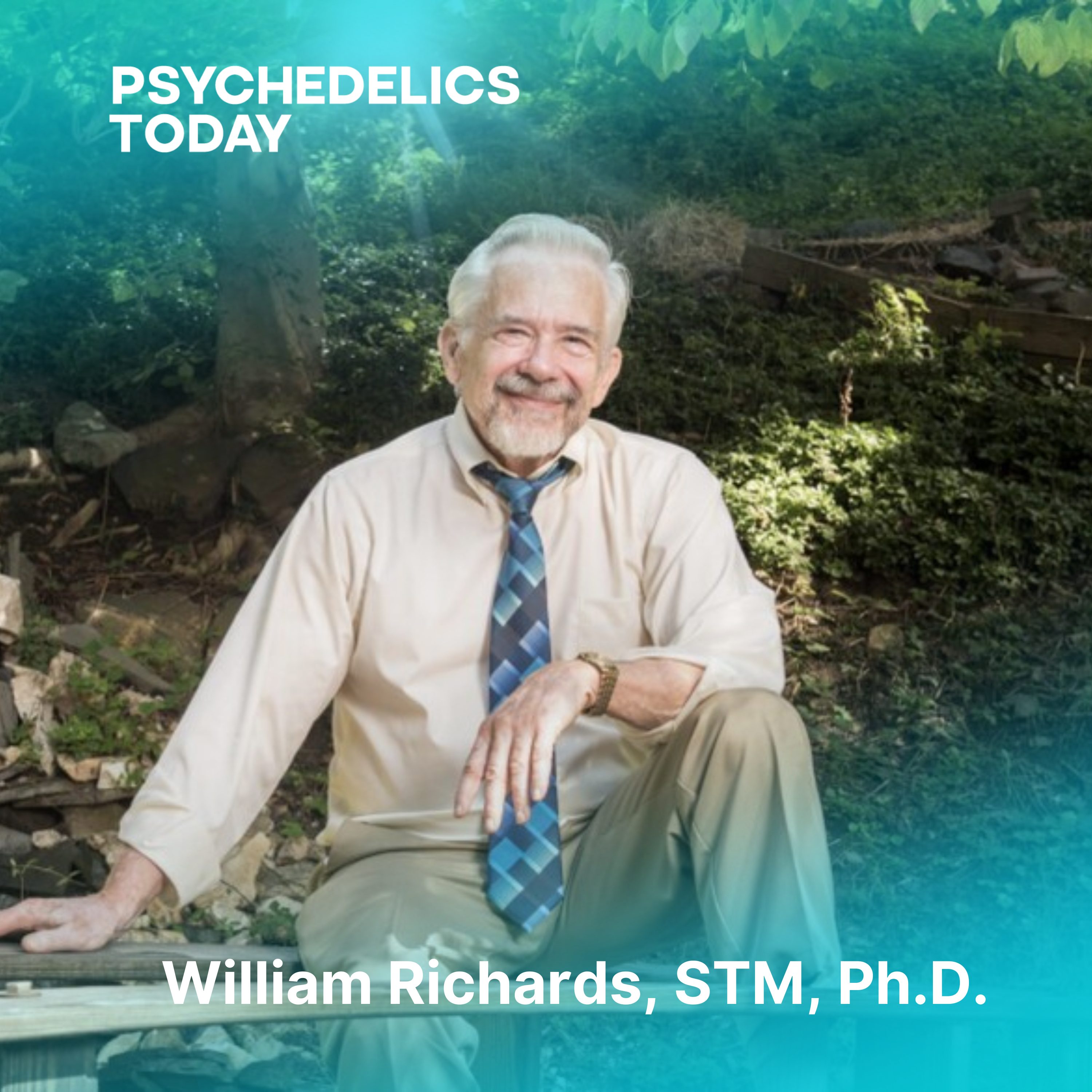
PT510 – Early Research, Psychedelics in Palliative Care, and the Intersection of Science and the Sacred, with William Richards, STM, Ph.D.
In this episode, Joe and Kyle interview William Richards, STM, Ph.D.: senior advisor at Sunstone Therapies, psychologist at the Center for Psychedelic and Consciousness Research at the Johns Hopkins School of Medicine, contributor to Vital, and author of Sacred Knowledge: Psychedelics & Religious Experiences. He talks about the first time he experienced psilocybin in a research study in 1963, his early studies on the psychology of religion, working with Abraham Maslow, how he became one of the early psychedelic therapists, and what it was like for all of that to disappear when Nixon came into office and shut everything down. He discusses his move into psychedelics and end-of-life care after seeing patients' fear of death completely disappear, and contemplates whether psychedelics could help people prepare for death – how would we live if we no longer feared death? He also discusses: How the integration of psychedelics into palliative care should be a huge step in cultural acceptance How psychedelics could be used for education and boosting creativity, problem solving, and even new perspectives on history and classic works The study of comparative religion and the potential for psychedelics to find the connections and commonality between seemingly disparate religions The impact of psychedelic experiences on the perception of the sacred How fascinating it is that the same substance, dose, and set and setting can create such incredibly different experiences and more! For links, head to the show notes page.
PT509 – Music for Psychedelic Exploration, and the First 'Choose Your Own Adventure' Album
In this episode, Joe interviews a psytrance musician who has created what may be the world's first modular album for psychedelic exploration under his project, Held By Sound. He talks about his background in the rave and festival scene, the moment he realized he wanted to make music, and the realization that he could create soundscapes specifically for journeys into non-ordinary states. And he digs into the 'choose your own adventure' framework of the free album: how he actually recorded 3 different albums and figured out how to transition into different moods based on which direction the listener wants to go – from more still to more expansive, to darker or more bittersweet. He has also created music for DMT trials in the UK, and talks a lot about the potential in extended-state DMT experiences. He also discusses: How he came up with the flow of the album related to phases of the trip How much of a catalyst and safe container music can be, with or without a complimentary substance How psychedelics in a fun, festival experience with lots of laughter can be extremely beneficial – you don't need to do them the 'correct' way Graham Hancock, Donald Hoffman, and the concept of consciousness as the building block of all reality Psytrance, classical music, traditional Bwiti music, Lady Gaga, and what music he feels is best for exploration and more! For links, head to the show notes page.
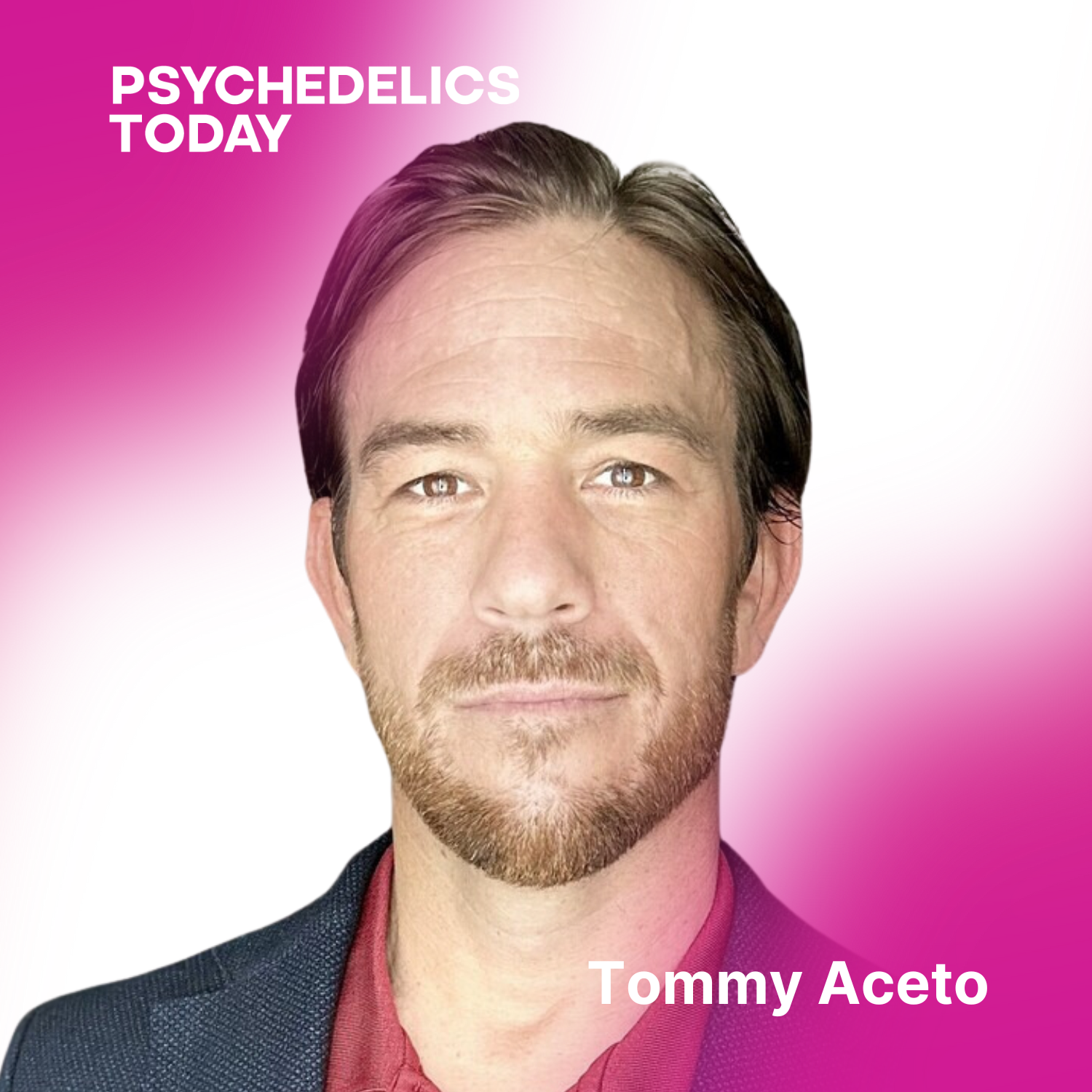
PT508 – The Veteran Community and Operator Syndrome: Psychedelics and Redefining Pain Management, with Tommy Aceto
In this episode, Joe and special guest, Court Wing, interview Tommy Aceto: former Navy Seal and trauma medic, NCAA athlete, Michigan State Champion Wrestler, and now, psychedelic advocate and ambassador for the Veteran Mental Health Leadership Coalition. He discusses his journey from childhood to wanting to become a SEAL, and the toll that military life and its programming can take on a person: how a life built on high levels of endurance, deprivation, and constantly surviving in a fight-or-flight mindset often manifests in Operator Syndrome, chronic pain, depression, and addiction. Veterans are seeing the potential of psychedelics to rewire their brains and allow them to process pain differently, by allowing them to feel emotions they were trained to turn off: "You've got to feel to heal." Aceto discusses: The affirmation and approval many who join the military seek, and how that often translates into needing to stay at certain levels of risk to truly feel alive The similarities between soldiers and professional athletes and high performers Dealing with chronic pain, and how forcing movement is often the best tactic The Controlled Substances Act and how opioids became a business Why the most important thing vets can do today is to tell their healing stories and more! For links, head to the show notes page.

PT507 – Psychedelic Education: Insights, Advice, and Where to Start, with Johanna Hilla & Kyle Buller
In this episode, Kyle and Johanna catch up, interviewing each other about psychedelic education and what they've learned, the biggest challenges, and what advice they would give to anyone looking to get involved in the psychedelic field. They discuss: How sometimes it's not about the substance: If you want to be a psychedelic therapist, do you see yourself doing therapy without the psychedelics? How no part of education is exempt, and becoming truly psychedelically-competent can involve studying psychology, neuroscience, somatics, religion, history, etc. How people's experiences are evidence – it doesn't have to come from a research study to be valid The importance of figuring out what your gifts are and how you could best contribute to progress, and then finding the job that matches it and more! The next round of our year-long training program, Vital, begins in September, but for those who feel that that may be too much of a commitment, our most popular course – the 9-week Navigating Psychedelics for Clinicians and Wellness Practitioners, LIVE – begins on May 8. Head to the Psychedelic Education Center for more details! Click here to head to the show notes page.

PT506 – Decolonization, Difficult Conversations, and the Challenge of Merging Spirituality and Science, with Philip Wolf
In this episode, Joe interviews Philip Wolf: writer, member of Rolling Stone's Culture Council, founder of Cultivating Spirits (the first company in the U.S. to offer legal culinary cannabis experiences), and founder of CashoM, an education company offering a certificate in cannabis stewardship. He discusses his recent Rolling Stone article about the need to divorce ourselves from the colonial mindset that pervades the psychedelic movement, and he talks about the difficult conversation that came about when he asked a very critical group of psychedelic leaders how they felt about the article, and how it taught him just how powerful having these difficult conversations can be. He also discusses: The importance of asking questions and not making assumptions Why we may need to abandon the "no justice, no peace" attitude if we ever want to move forward The idea that instead of endlessly battling the establishment, maybe it makes more sense to change our consumer mindset and allow capitalism to do its thing The importance of reaching out to local Indigenous tribes and allocating resources to go to them, not make them come to you The challenge of merging spirituality and science, especially for a regulatory model focused on profit and more! For links, head to the show notes page.

PT505 – Bicycle day Reflections, Quantum Mechanics, and the Value in Studying Philosophy to Understand Psychedelic Experiences, with Lenny Gibson, Ph.D.
In this episode, Joe and Kyle interview Lenny Gibson, Ph.D.: philosopher, Grof-certified Holotropic Breathwork® facilitator, 20-year professor of transpersonal psychology at Burlington College, and the reason Joe and Kyle met many years ago. He talks about his early LSD experiences and how his interest in the philosophy of Plato and Alfred North Whitehead provided a framework and language for understanding a new mystical world where time and space were abstractions. He believes that while culture sees the benefits of psychedelics in economic terms, the biggest takeaway from non-ordinary states is learning that value is the essence of everything. And as this is being released on Bicycle Day, he discusses Albert Hofmann's discovery and whether or not it's fair to say that Hofmann intentionally had the experience he did on that fateful day. He also discusses: The end of Cartesian thinking and the need for a new understanding of reality that incorporates the insights of quantum mechanics How philosophy has been taught as an intellectual endeavor, and how we need to embrace the practical and conceptual side of life John Dewey and quantitative thinking, William James and pragmatism, and was Aristotle a Platonist? The novelty of the creation of LSD, and how it gave us a path to a mystical experience that wasn't culturally bound and more! For links, head to the show notes page.

PT504 – Rethinking Drug Education: From D.A.R.E. Scare Tactics to an Evidence-Based Approach, with Joey Lichter, Ph.D.
In this episode, Joe interviews Joey Lichter, Ph.D.: professor in the Chemistry & Biochemistry department at Miami's Florida International University, and one of the few professors in the U.S. teaching a course about psychedelics at the collegiate level. He talks about his path towards the course, the challenge of creating a curriculum that covers everything in a few months, and the importance of teaching young minds about psychedelics the right away; shifting drug education from the "Just say no!" D.A.R.E. model to a more balanced, honest, and evidence-based approach. He aims for his students to think critically, ignore the hype, and see all possible angles with a fairly simple approach: Present the full story. He discusses: The importance of teaching history, from Stan Grof to MKUltra The work of David Nichols, David Nutt's drug harm scale, and the greatest lesson William Leonard Pickard took from LSD The representation of Spravato as a new drug, and his concerns with the over-medicalization of psychedelics Teaching about the complexities of Timothy Leary: Was he a positive or negative force? Decriminalization, legalization, and how he gets students to think about drug policy and more! For links and more, head to the show notes page.

PT503 – Updates from MAPS: Current Initiatives, Psychedelic Science 2025, and Music as a Bridge, with Devon Phillips
In this episode, Joe interviews Devon Phillips: community & partnerships officer for the Multidisciplinary Association for Psychedelic Studies (MAPS). Phillips works on strategies to tackle the questions: How do we responsibly mainstream psychedelics? And how do we get culture engaged? He's focusing on being the bridge to psychedelics outside of research, facilitating workshops and psychedelic coming-out stories at music festivals and conferences. He talks about harm reduction and drug checking at festivals, the concept of training big names to become trustworthy resources, the differences found in a hop hop crowd compared to EDM, and the power in using psychedelics for pleasure and celebration – not just healing and growth. He also discusses: MAPS' involvement with the NFL for their 'My Cause, My Cleats' campaign, and how the San Francisco 49ers' Jon Feliciano is bringing awareness to psychedelic healing Details about MAPS' first responders training, fiscal sponsorship program, international therapist education program, and upcoming membership program (launching in June) The success of MAPS' Psychedelic Science and his hopes for the 2025 edition, taking place June 16 - 20 at the Denver Convention Center Dr. Carl Hart, drug exceptionalism, and the importance of creating safe containers and inclusive drug policy and more! For links and more, head to the show notes page.

PT502 – Preserving Psychedelic Legacies: Shulgin Farm and the Shulgin Archive Project, with Keeper Trout
In this episode, Joe interviews Keeper Trout: archivist, author, photographer, co-founder of the Cactus Conservation Institute, and creator of Trout's Notes, a website compiling personal research and collected data to help ethnobotanical researchers. From an interest in cactus taxonomy, Sasha Shulgin urged Trout to go through his files, resulting in a friendship, and eventually, an 8-year project of digitizing all of these files into the ever-evolving Shulgin Archive. Trout discusses: His relationship with Sasha and The Shulgin Farm project, which aims to make the farm a community resource for therapy, research, events, and more The messiness of cactus taxonomy, and how he believes we're nearing the end of being able to properly identify cacti The perception of LSD as unnatural and why the natural vs. synthetic argument is largely political Why repealing the Controlled Substances Act is the path we should take over decriminalization or legalization and more! For links and more, head to the show notes page.

PT501 – Women and Psychedelics, Microdosing, and the Challenges of Psychedelic Parenthood, with April Pride
In this episode, Alexa interviews April Pride: creative entrepreneur, veteran of the cannabis space, and now, founder of SetSet, an educational platform and podcast (picking up where The High Guide left off) for women curious about psychedelics. With Alexa about to embark on the journey of motherhood, she asks many of the questions parents working with psychedelics have to consider: How do you overcome the stigmas of being a psychedelic parent? How do you talk to your children about drugs? How do you know if a substance is ok to use during pregnancy? Pride discusses: Being dubbed "the weed mom" and why she embraced the nickname Parenting children around drug use and how parents lose credibility when they lie (the kids are going to know) The need for more research into how substances interact with women's cycles and changing hormones Knowing when to trust your doctor and how more conversations lead to more knowledgeable doctors Microdosing psilocybin and the developing SetSet protocol and more! For links and more, head to the show notes page.
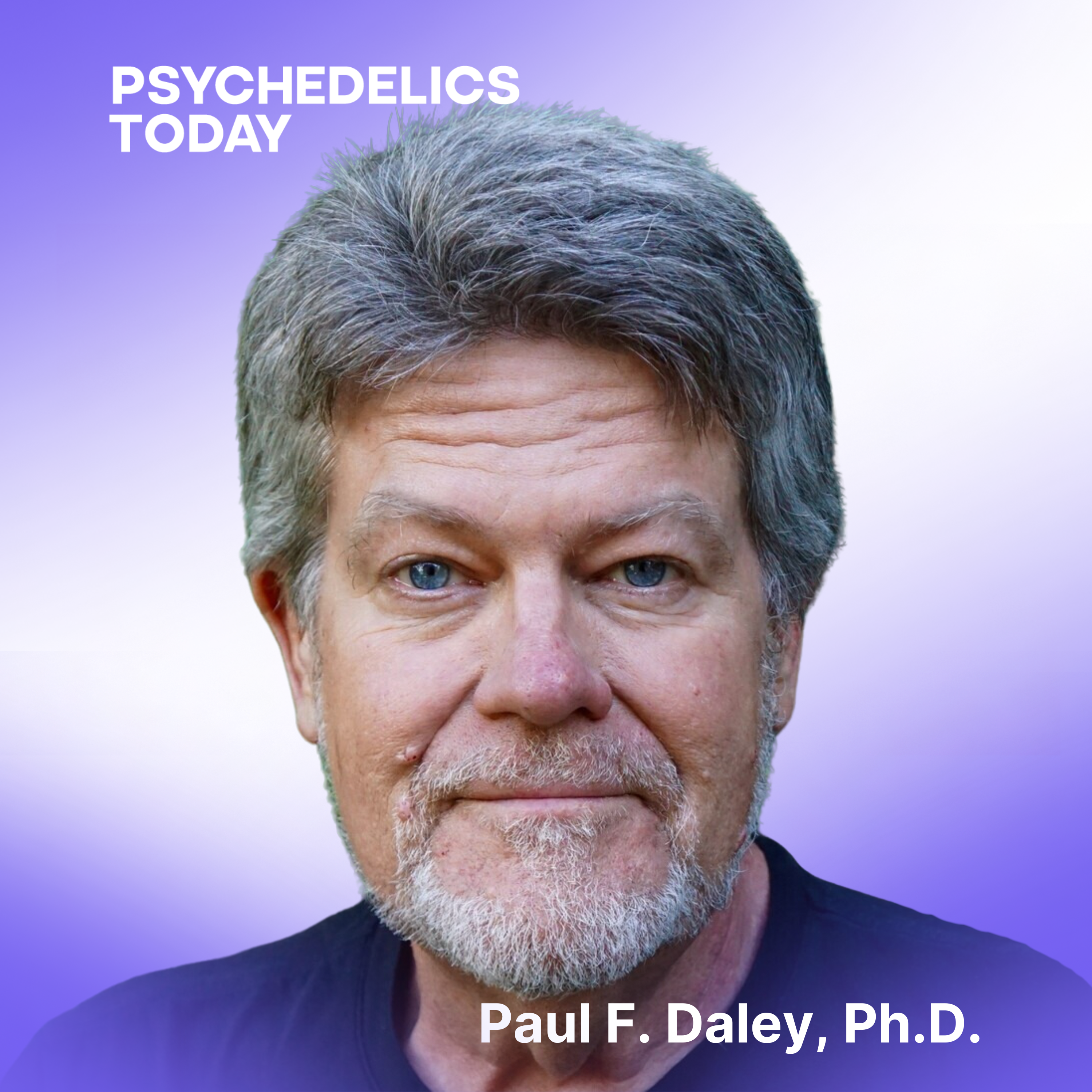
PT500 – Shulgin Farm and the Future of Psychedelic Drug Development, with Paul F. Daley, Ph.D.
In this episode, Joe interviews Paul F. Daley, Ph.D., who worked with Sasha Shulgin in his lab for the last seven years of his life, helping him finish (and co-authoring) "The Shulgin Index, Volume One: Psychedelic Phenethylamines and Related Compounds." He is now the co-founder, Chief Science Officer, and Director of Analytical Science at the Alexander Shulgin Research Institute (ASRI), focusing on the discovery and development of novel psychedelic compounds. While Sasha was passionate about self-experimentation, the Institute is aiming for the next step for these drugs: FDA approval. He discusses: Meeting Sasha at the 2nd international conference on hallucinogenic mushrooms in Washington D.C. Bonding with Sasha while reviewing the autopsy of researcher Robert van den Bosch for possible foul play The two compounds ASRI is closest to being able to test in clinical trials The 5-HT2B receptor, risk of valvular disease, and why we will likely be hearing more about this going forward How AI and new technology can lead to better safety science and more! Click here to head to the show notes page.

PT499 – Osiris González Romero – Mesoamerican Psychedelics, Decolonization, and the Concept of an Ontological Turn
In this episode, David interviews Osiris González Romero: philosopher and Postdoctoral researcher on cognitive freedom and psychedelic humanities at the University of Saskatchewan. Romero believes that our weakest point of research is our knowledge of Indigenous languages, and is focused on highlighting different cultural uses of psychedelics to better inform future drug policy. He's currently studying more than 100 documents (including one over 400 years old) to establish an honest understanding of why peyote was ever banned. He discusses: Mesoamerican psychedelics and their relevance to cognitive liberty and decolonization How the War on Drugs is our main colonial legacy The concepts of an ontological turn and ontological pluralism The neocolonial, biomedical, and spiritual paradoxes found inside the 'psychedelic renaissance' How imagination is often viewed through a lens of illusion rather than problem solving or creativity and more! Click here to head to the show notes page.

PT498 – Maria Mangini, Ph.D., FNP – Traversing the Psychedelic Landscape: From Esalen and Millbrook to the Future of Shulgin Farm
In this episode, Joe interviews Maria Mangini, Ph.D., FNP: researcher, educator, and midwife who has worked closely with many psychedelic innovators and was part of the original social network at Shulgin Farm – where this episode was recorded. She traces her journey from the influence of pioneers like the Wassons, Shulgins, and Grofs, and historic places like Esalen and Millbrook. She discusses: Her early experiences with the Grofs at Esalen and how she met the Shulgins Gregory Bateson guiding her to become a midwife The similarities between midwifery and psychedelic facilitation The unsung work of Denis Berry in saving the Timothy Leary archives How the working relationship of the Shulgins is a perfect example of the coequality society should strive for and more! Click here to head to the show notes page.

PT497 – Wendy Tucker – Reflections from Shulgin Farm: Psychedelics, Legacy, and the Spirit of Discovery
In this episode, released on Ann Shulgin's birthday, Joe interviews Wendy Tucker: daughter of Ann and stepdaughter to Alexander "Sasha" Shulgin. Recorded in Sasha's old office, she recounts her formative years, giving an insider's look into her Mother's openness about psychedelics, working with Sasha in the lab, how the Shulgins made a perfect team, and watching a close-knit circle of self-experimenters start to form at Shulgin Farm – and keep coming back over the years. She talks about the energy infused into the property from the decades of research and gatherings, and how she is trying to preserve it – not just to capture its history and the pioneering research that happened there, but as a beacon for future generations. She imagines weddings, conferences, other communal gatherings, and more. Imagine taking a chemistry course in Sasha Shulgin's lab? To learn more about the project and to donate, head to Shulginfarm.org. Click here to head to the show notes page and watch the video.

PT496 – Juan Pablo Cappello – Maintenance Doses and Recurring Revenue: The Ethics of At-Home Ketamine Therapy
In this episode, Joe interviews Juan Pablo Cappello: co-founder and former CEO of Nue Life Health, whose assets were subsequently acquired by Beckley Waves. Cappello digs into his recent article which has been making waves across the psychedelic community: "Profit Over Patients? A Critical Look at At-Home Ketamine Therapy." He created Nue Life with the goal of helping a million people address the root cause of their anxiety, and while the company was successful, he began to see a problematic trend: that using ketamine while providing services of a mental health company is very expensive and resource-consuming, and as companies saw a large percentage of clients requiring maintenance doses, the most profitable business model became essentially slinging ketamine to patients without providing any real integration or aftercare. Are these companies promising healing but really only guaranteeing recurring revenue? He talks about: How this emerging model makes it harder for ethical practitioners to be able to provide their services The tools they built at Nue Life for long-term benefit, and why these should be the main focus – not repeated ketamine Matthew Perry's death and how the media was quick to place the blame on ketamine The need for companies and communities to come to gather and create ethical industry standards for the at-home ketamine model How cannabis was almost decriminalized under the Carter administration and more! Click here to head to the show notes page.

PT495 – Dr. 1Drea Pennington Wasio – Self-Love, Narrative Therapy, and Post-Traumatic Growth
In this episode, David interviews Dr. 1Drea Pennington Wasio: integrative physician, psychedelic-assisted therapy facilitator and psilocybin retreat leader, international speaker, podcaster, and author of several books, including "Sacred Medicine: Exploring The Psychedelic Hero's Journey." She discusses her personal metamorphosis and name change inspired by a powerful ayahuasca experience, and how that moved her into a life more inspired by authenticity and self-love. She gives the details of her retreats, explains her PRISM sessions, and talks in depth about the magic of resiliency: How can we not just return to baseline, but experience post-traumatic growth? She talks about: The power of tuning into creativity in times of depression The efficacy of narrative therapy and writing in general The universal themes of 'The Hero's Journey' and how much agency matters The importance of embracing nonfiction, and her upcoming book series, "The Dreamweaver's Legacy" The potential of microdosing psilocybin for menopause and more! Her new course on trauma-informed psychedelic therapy begins this month, and her next retreat begins May 10. Head to 1drea.com for details. Click here to head to the show notes page.
PT494 – Itzhak Beery – Soul Retrieval, Moments of Awakening, and Uncovering the Language of Spirit
In this episode, David interviews Itzhak Beery: author, shamanic teacher, speaker, trip leader, and founder of ShamanPortal.org, an online community and resource for people who want to learn, practice, and teach shamanic traditions. Beery shares his transformational journey, starting from his upbringing on a kibbutz in Israel, to his disillusioned advertising days in Manhattan, to the life-altering sweat lodge experience in Hawaii that eventually led him to write the book, Shamanic Transformations: True Stories of the Moment of Awakening, and realize his true purpose. He discusses the two major sides of trust: how to know when a healing path has truly become your life purpose, and how to know who to trust as a good healer in a world of self-initiated shamans. He and David dig into: How we all have the innate ability to be a shaman How Westerners are often seeking healing too young, before they have the capacity to truly understand lessons they may receive His upcoming book which attempts to teach practitioners how to create narratives out of symbols, The Language of Spirit The importance in not denying the experiencer's truth and more! Click here to head to the show notes page.

PT493 – Laura Reeves – Sacred Sites, Ayahuasca, and Connecting With the Rhythms of the Earth
In this episode, Johanna interviews Laura Reeves: Glastonbury-based facilitator and medicine woman trained in craniosacral therapy, somatic experiencing, breathwork, and more, who holds retreats at sacred sites in the U.K. and Peruvian Amazon. She tells of her journey from serendipitously booking a trip to Ecuador just as she first heard about ayahuasca, to the early ayahuasca experiences that showed her our true interconnectedness, to a heroic dose of psilocybin and a trip to the hospital, to being accepted into training with an Indigenous shaman in the Amazon. With a lifelong love of nature, paganism, and ancient traditions, she stresses the importance of connecting to the natural rhythms of the Earth and harnessing its energy. She talks about: Self-initiated shamans and the dangers that can come from bad actors operating out of integrity and respect for the lineage Ayahuasca as a purgative and the power of energetic clearings Her experience with shamans using Icaros to channel the sounds of plants Shadow work and its role in personal growth and healing The energy of Glastonbury, feeling deep connections to sacred places, and how ley lines inspire places of pilgrimage and more! Click here to head to the show notes page.
PT492 – Elizabeth Anglin – Alien Abductions and Parallel Realities: How Do You Validate the Radically Ineffable?
In this episode, Joe and guest co-host Erica Rex interview Elizabeth Anglin: spirit medium, animal communicator, intuitive healer, alien abductee, and author of Experience: Memoirs of an Abducted Childhood. She talks about her early abduction experiences, the time when she and her father realized they were both being abducted at the same time (from different locations), and the horrifying experience of six beings entering her apartment and realizing she knew one of them. These experiences led her to Budd Hopkins, and eventually John Mack (who did regression work with her) and the John E. Mack Institute, where she became a peer mentor for abductees. She talks about the validity of alien abductions, the concept of spiritual ecology, and the importance of listening to people: There's so much we don't know, so is it fair to label experiencers as schizophrenic just because we can't replicate the experience? She discusses: The commonality of people from the same family being abducted and why some people are lifetime abductees while others are only taken once The differences in abductions and how some seem to only be mental while others are physical and extremely painful The story of Linda Napolitano and the famous Brooklyn Bridge abduction Regressive hypnotherapy work: Are the memories you're recovering accurate? Quantum biology, the Penrose-Hameroff quantum theory of consciousness, parallel realities, time travel, and quantum jumping and so much more! As the X-Files made famous: The truth is out there. And this episode is definitely pretty out there! Click here to head to the show notes page.

PT491 – Dr. Sam Banister – Drug Development, The State of Biotech, and Exploring Non-Hallucinogenic Compounds
In this episode, Christopher Koddermann interviews Dr. Sam Banister: co-founder and chief scientific officer of Psylo, an Australian biotech company developing next-generation psychedelics. Banister discusses how he got involved in drug development, how Psylo came about, and the hallucinogenic and non-hallucinogenic 5-HT2A agonists Psylo is working on. He talks about the compromise between immediate need and ambition, and the ethical considerations and possibilities behind developing non-hallucinogenic compounds: What can we take from the psychedelic experience for people who aren't ideal candidates for one? Is the psychedelic experience truly necessary? And for what indications will these new Gen 3 compounds be most useful? He discusses: What we can infer about the volatility of biotech and the state of the psychedelic industry based on recent mergers and acquisitions The long-term challenges of drug development and the scalability of treatment options How the initial success of Spravato has played a role in allaying fears around new compounds Head twitch response and concerns it's not as accurate of a metric as we've believed Australia's decision to down-schedule psilocybin and MDMA, and the speed of implementation and licensing: How long will it be before people have easy access? What he sees for the future and why we need to be careful with language around expectations and more! Click here to head to teh show notes page.

PT490 – Dr. Robin Carhart-Harris – Plasticity, the Role of Set and Setting, and the Influence of Psychedelics
In this episode, Joe interviews Dr. Robin Carhart-Harris: founder and head of the Centre for Psychedelic Research at Imperial College London, founding director of the Neuroscape Psychedelics Division at University of California, San Francisco (UCSF), and founder of the Carhart-Harris Lab. A legendary researcher, he talks about his psychedelic origins: studying Freud, Jung, and eventually Stan Grof and depth psychology to try and better understand the unconscious. He discusses the growth of psychedelics and the cultural shifts he's noticed (especially in the U.S.), as well as what he's working on today: researching the influence of psychedelics on set and setting by studying experiences in both enriched and unenriched environments. He also talks about: Plasticity: how he defines it, how it relates to critical reopening periods, and how it's a fundamental thing that transcends the metrics we use to measure it Early LSD studies, the nervousness surrounding he and David Nutt dosing Ben Sessa, and the youthful energy that kept them going How plasticity could be exploited to help relieve chronic pain The potential of psychedelics to help with fibromyalgia and anorexia How psychedelic-assisted therapy brought care back to health care and more! UCSF is seeking survey volunteers, so if you've had more than three experiences with ketamine, MDMA, and psilocybin (must have experiences with all three) and want to contribute, do so here. Click here to head to the show notes page.

PT489 – Alyssa Gursky, LPC – Psychedelics, Art Therapy, and the Creative Process
In this episode, Joe interviews Alyssa Gursky, LPC: artist, research associate and study therapist at the Social Neuroscience and Psychotherapy (SNaP) lab, and founder of Psychedelic Art Therapy LLC, which pioneers ketamine-assisted art therapy. She talks about her first mushroom experience and how her art and creative process instantly felt different – how the judgment and concern about where the art was going disappeared and was replaced by a freedom; a return to a more childlike way of being, where all that mattered was the fun of the creative process, and expressing her inner world in art. They realized how much the creative process related to true embodiment and the ability to be fully present, and how healing it can be to simply be with other people and create art. She talks about: The power of being seen in a group, and how the bravery of one person can completely shift the group dynamic The need for mentorship in the psychedelic space The comfort and freedom found in affinity groups The inspiring lives of Genesis P-Orridge and avant-garde filmmaker, Alejandro Jodorowsky Rick Rubin's ability to treat creativity as a spiritual act and how attending a live wrestling event aligns with non-ordinary states. Gursky is launching a virtual education and support group this March for anyone who wants to integrate art into client work or their own process. Visit her instagram for details. Click here to head to the show notes page.
PT488 – Matthew 'Whiz' Buckley – The Cost of War: Veterans' Mental Health and Government Responsibility
In this episode, Joe interviews Matthew 'Whiz' Buckley: former decorated US Navy F/A-18 Hornet fighter pilot and now, founder and CEO of No Fallen Heroes Foundation, a non-profit focused on healing veterans and first responders with psychedelic-assisted therapy. Buckley met Joe in D.C. while they were both campaigning for psychedelic therapy to any lawmaker they could speak with. He talks about how the government is spending a fortune on the military, but not paying the total cost, since so much of that is externalized onto the soldiers themselves. He points out how many of them care more about making money than saving lives, and how we need "We the people" moments to wake them up or remove them from office. He discusses: His time in the Navy and his transition back to civilian life, coming to terms with trauma and realizing how much was physical (including tinnitus) His life-changing experiences under ibogaine and 5-MeO-DMT with the Mission Within How we should be teaching veterans about various mental health options (including psychedelic-assisted therapy) as part of their transition process The signing of the National Defense Authorization Act and the disappointing amount of money reserved for psychedelic research: Was it all just lip service? The complications that arise when trying to get benefits from the VA while also trying to move on: When honesty about mental health isn't incentivized, when do you tell the truth? His experience operating legally in Colorado and how he plans to stay on top of Governor Desantis to bring psychedelics to Florida and more! Click here to head to the show notes page.
PT487 – Saga Briggs – Interoception, Healing Through Connection, and Learning to Trust Our Bodies
In this episode, David interviews Saga Briggs: freelance journalist and author of "How to Change Your Body: The Science of Interoception and Healing Through Connection to Yourself and Others." A collection of interviews, peer-reviewed research, and personal story; the book dives deep into the mind-body connection, how to become more embodied, and our need for social connection – which factors into mental and physical health far more than most of us realize. The nod to Michael Pollan's book is also a challenge: Have we been focusing too much on our minds and now it's time to pay more attention to our bodies? How much of the benefit of psychedelic experiences is related to truly experiencing our bodies? She discusses: How neuroscience is starting to look more at brain-body interactions, and the psychedelic space's growing interest in somatics The minimal and narrative selves: Do psychedelics make the minimal self traverse over the narrative self? Flexible switching and applying interoception to a social context Her concept of a 'possibility space' and new ways of perceiving The benefit of adding embodiment practices to psychedelic assisted therapy – especially during preparation and integration and more! Click here to head to the show notes page.

PT486 – Steve Rio – 5-MeO-DMT, Somatic Release, and Creating Context for Spirituality
In this episode, Joe interviews Steve Rio: psychedelic guide, performance and transformation coach, musician, and co-founder of Enfold, a retreat center in BC, Canada. While Enfold caters each experience to each client, they largely work with 5-MeO-DMT (which is unregulated in Canada); partly because of its power, and partly because Rio realized how much was missing in terms of safety and process when using the substance. They are trying to fill in the gaps, working with the University Health Network Centre for Mental Health to analyze measurements of mindfulness, DAS tests, the Brief Inventory of Thriving survey, and language used when describing experiences to collect as much qualitative data as possible. He discusses their screening process, why they work with synthetic 5-MeO-DMT, why they encourage everyone to go to a group session, and how 5-MeO seems to bypass psychological processes and largely be related to somatic release. He talks about: The power of 5-MeO and being humble and honest with yourself: Are you stable enough to handle the dysregulation? 5-MeO bad actors and 'Drive-by 5' people who show up, do the drug, and leave The plight of Sonoran Dessert toads and the need for more data around their declining populations How 5-MeO seems to connect people with a higher power, and the need for the experiencer to find their own context for it The importance of creating a clean and open container for spirituality and meeting the client where they are and more! Click here to head to the show notes page.

PT485 – Ayize Jama-Everett, M.Div, M.A., M.F.A. – Meeting People Where They Are: Why the Underground Will Always Thrive
In this episode, Joe interviews Ayize Jama-Everett: author, educator, filmmaker, and therapist with a long history of work in substance use and mental health services. When Jama-Everett was last on the show, "A Table of Our Own" – a film focusing on healing, psychedelics, and bonds within the Black community – was still in its infancy. It's now complete, and he and others behind the film are touring with it, with showings coming up in Detroit, LA, and Boston. A free follow-up discussion hosted by CIIS' Center for Psychedelic Therapies and Research is happening Feb. 15, and, from February 15-16 only, the film is available to rent online. He gives his full origin story: growing up around substance use, how he got into therapy and healing people through journeys, how "A Table of Our Own" came about, and how it was influenced by mushrooms. Then he discusses a lot more, with a much-needed critical eye: His experiences with some notorious bad actors in the facilitation space Decriminalization and how we celebrate small wins while ignoring steps back Drug exceptionalism, the Drug War, and the demonization of crack Power dynamics and the dangerous concept of letting go Why the Black community is so skeptical of psychedelics And he talks about why it's so important to meet people where they are – that what works for one person or one community won't necessarily work for another, and the above-ground, corporatized, overly medicalized model will never work for everyone. Click here to head to the show notes page.

PT484 – Dr. Peter Grinspoon – Seeing Through the Smoke: The Importance of Telling the Truth About Cannabis
In this episode, Joe interviews Dr. Peter Grinspoon: primary care physician and cannabis specialist at Massachusetts General Hospital, TedX speaker, certified physician life coach, and author of the new book, Seeing Through the Smoke: A Cannabis Expert Untangles the Truth about Marijuana. He tells his story of growing up in a house where academics like John Mack and Carl Sagan regularly smoked cannabis, and being inspired by the groundbreaking books of his father, Lester Grinspoon. An outspoken advocate for drug policy reform and embracing different, non-AA paths to recovery, he talks about how he got there: his opiate addiction, fall from medicine, subsequent return, and learning just how deep the stigma against drugs goes, and how much the medical establishment is another arm of the Drug War. Seeing Through the Smoke aims to tell the truth about cannabis, especially on benefits and real and debunked harms. How can we get more physicians and lawmakers on our side if all they know is propaganda? He discusses: -The challenge in speaking honestly with physicians about drug use -Why physicians are in support of researching psychedelics but not cannabis -Stigmatized language and Drug War vibes in medical software -The truth about cannabis, schizophrenia, and the risk of drug-induced psychosis -Portugal and the 'Rat Park' model -The importance of listening to what patients are saying – especially when we don't have enough good data and more! Click here to head to the show notes page.

PT483 – Dr. Kate Pate – Traumatic Brain Injuries, the Gut Microbiome, and the Potential of Psychedelics as Anti-Inflammatory Agents
In this episode, Joe interviews Dr. Kate Pate: Ph.D. neurophysiologist; Founder and CEO of Coruna Medical; founding board member of the Psychedelic Medicine Association; and Founder of The Way Back, a company that will provide education and coaching services related to military, veteran, and first responder health – often in wilderness settings. She talks about her introduction to psychedelics through the Heroic Hearts Project, where she later served as an integration coach and director of research, looking at psilocybin for traumatic brain injury symptoms, and how the gut microbiome changes after ingesting ayahuasca. She points out that gut health hasn't been a focus of research, but it's now emerging as a key indicator of physical and mental health. So, how do psychedelics, particularly plant-based ones, come into play? Are the long term shifts after an experience related to a change in the bacteria inside of us? She breaks down what a microbiome is and how it changes based on diet; how inflammation is created and the inflammatory cascade that happens after a head injury; how toxins create a stress response similar to an allergic reaction; the frustrations of vets and the limited resources of the VA; the commonality of substance and alcohol use disorders in people coming home from service; the many nonprofits she's worked with; and how important it is to increase science funding from the government. Click here to head to the show notes page.

PT482 – Paul F. Austin – Behind the Scenes: A Conversation on Psychedelic Business, Media, and Education
In this episode, Joe speaks with Paul F. Austin: Founder & CEO of Third Wave, Founder of Psychedelic Coaching Institute, and host of Third Wave's The Psychedelic Podcast. Recorded in-person at this year's reMind conference, this episode – a shared release with Third Wave – is a rare glimpse into the inner workings of both Psychedelics Today and Third Wave, with Joe and Paul reconnecting after early podcast appearances and interviewing each other about where they've come from and where they're going now that they're so many years into this. Paul breaks down Third Wave's history and new coaching training program, and Joe discusses Vital: Why he invested in Vital over an investment raise, what we've learned from the first two cohorts, how we've handled scholarships, and why sometimes losing money can be worth it if it's for the greater good. They talk about the challenge of keeping the lights on while trying to create something new; the balance of running a media company while building out an educational platform; the importance of staying focused and ignoring the noise; the relationship-building they've seen from their students; why we need to welcome the corporate types we may be inclined to dismiss; and why seeding good actors in as many roles and communities as possible is vital to the growth of psychedelics. Click here to head to the show notes page.
PT481 – Ryan Latreille – Kanna: The History, Science, and Potential of an Emerging Legal Alternative
In this episode, Joe interviews Ryan Latreille: Founder of Hearthstone Collective, which sells functional mushrooms and low-dose kanna designed for microdosing; and Kanna Extract Co., which is focused on offering high-potency kanna extracts more for ceremonial and recreational use. He talks about how he found his way to kanna; his first psychedelic experience (kanna mixed with MDMA); how he worked with a Koi tribal leader to find high-alkaloid kanna; how they created the strain they use; and why so many people are interested in kanna and more people should try it, as he believes it's not only a natural alternative to other substances and alcohol, but also a great entry point for people looking to experiment with microdosing. If you want to learn a lot about kanna, this is the episode for you, as it is all discussed: How dosing should be done depending on what you're looking for; whether or not it's fair to say kanna is 'MDMA-lite'; Indigenous history of usage; drug interactions and safety; the journey from seed to harvest; a breakdown of different grades of kanna; how the ratio of different alkaloids creates different experiences; and what could be possible by combining different alkaloids, different strains, and by pairing with different substances. Click here to head to the show notes page.

PT480 – Emma Knighton – Psychedelics and Consent: Power Dynamics, Boundaries, and the Concept of 'Safe Enough'
In this episode, Kyle interviews Emma Knighton: Somatic trauma therapist, Vital instructor, and psychedelic integration therapist focusing on consciousness exploration, complex PTSD from childhood abuse, and queer identity development. This episode is a bit of a masterclass on consent and boundaries within the client/practitioner relationship. She discusses power dynamics: how conflicts arise due to the breaking of established boundaries; safety, and embracing the idea of creating a container that is 'safe enough' to go into places that feel unsafe; and the importance of maintaining agreed-upon boundaries no matter how much the client may want to break them. They discuss ways to fulfill the need for touch when touch was not agreed upon, and the concept of practicing touch interactions before the experience – that playing out possible scenarios will create a somatic map so bodies remember what it feels like to be near each other while one body is deep in an experience. And she talks about much more: What she's learned from the kink and sex work community and their similarities with the psychedelic world; ways to handle consent in group settings; the clash between giving people agency but needing to step in and protect them; restorative justice models and how they could be used in a much-needed psychedelic practitioner accountability system; the need for practitioners to continue doing their own work; and how part of true consent is being honest about one's own limitations or conflicts as a practitioner. Click here to head to the show notes page.
PT479 – Erik Vaughan – Psilocybin in the Midwest and the Need for Potency Testing
In this episode, Joe interviews Erik Vaughan: Co-Founder and Manager of Epiphany mushrooms, a mushroom and mental health company based in Akron, Ohio. Epiphany mushrooms will initially be selling Lion's Mane, Reishi, and Cordyceps, and they plan to expand into more functional mushrooms while also pursuing a license to operate healing centers in Colorado. Vaughan was involved in changing Colorado's psilocybin legislation after lobbying to add a section that allows product testing labs to register and charge for their services – while voluntary and complementary to required testing, it allows growers to have an unlimited amount of product for testing purposes; adds an extra step in keeping the grower and lab in compliance with state law; and, as more states work on their own legislation, highlights the need for potency testing to let customers know exactly what they're ingesting. He discusses changing attitudes and how Michigan can lead the way for the midwest; why he's excited about Colorado and what they got right; the enthusiasm of the mycology crowd; Rick Perry's speech at Psychedelic Science 2023; the iron law of prohibition and mushroom products sold in Ohio; and the incredible inefficiency of the drug war (when viewed like it was not designed to do exactly what it's doing). Click here to head to the show notes page.
PT478 – Christine Calvert, LCDC – Holotropic Breathwork as a Stepping Stone, Complementary Therapy, and Teacher
In this episode, Joe interviews Christine Calvert: Licensed Chemical Dependency Counselor and certified Holotropic Breathwork® facilitator. She talks about how addiction led her to breathwork, how breathwork has helped her over the years, how breathwork can be a compliment to other self-work, and how becoming comfortable with breathwork first could be a very important stepping stone towards better understanding the psychedelic experience. She talks about how years of breathwork helped her navigate complicated states of consciousness, and the incredible benefit of learning to trust our body's capacity to heal itself. She discusses using bodywork in sessions and the importance of having the experiencer be the one who requests it; how much a facilitator's past relationship with touch affects how they use touch; the risk in meditation vs. the safety of breathwork; the concept of learning self-awareness; how profound it is to be witnessed in breathwork's dyad model; and why researching and creating guidelines for this kind of work seems impossible. Click here to head to the show notes page.

PT477 – Kaci Hohmann & Dave Kopilak – Oregon Measure 109: The Possibilities of Service Centers & What Businesses Should Consider
In this episode, recorded in-person at the recent reMind conference, Joe interviews Kaci Hohmann and Dave Kopilak: business attorneys at Emerge Law Group and co-chairs of Emerge's psychedelics practice group. Hohmann also serves as Chair of the Oregon State Bar's Cannabis and Psychedelics Law Section. They were both drafters of Oregon Measure 109 (with Kopilak as the primary drafter), so this episode goes deep into the details, legalities, and possibilities behind Measure 109. What licenses are involved? What does a business heading to Oregon need to prepare for? What do they think the feds will do and how does that relate to cannabis' Cole Memorandum? What is tax code 280E and how can its effects be minimized? What do they see the future looking like? They discuss what they do for clients at Emerge Law Group; the differences between the cannabis and psychedelics industries; why service centers are likely more important than the products; and how the psilocybin service center experience is more like a relationship with clients than anything in the cannabis world, which makes everything much more complicated – but also much safer. Joe also highlights some recent news, including MAPS PBC rebranding to Lykos Therapeutics, symptoms from traumatic brain injuries being improved by the combination of ibogaine and magnesium, and more! Click here to head to the show notes page.

PT476 – Mike Margolies – Reinventing Organizations, Lessons From Burning Man, and Batman & The Joker
In this episode, Joe interviews Mike Margolies: community catalyst; conversation creator; Founder of Psychedelic Seminars; and Co-Founder and Co-Steward of the Global Psychedelic Society. The Global Psychedelic Society was created for all of the different psychedelic societies that have sprung up over the world to connect, share resources and information with each other, and be housed in a central hub so people can find them more easily. He talks about Frederic Laloux's book, "Reinventing Organizations," and modeling the GPS around the "Teal" concept of organization, where employees are encouraged to show up as their true, honest, and most powerful selves; where it's more about relationships than hierarchy; and more about embracing a mycelial – and psychedelic – way of thinking and interacting with each other. He breaks down how this way of thinking has progressed from the earliest ways of organizing, and discusses its three main principles of self-governance, wholeness, and evolutionary purpose. He then talks about the Boom Festival: its "Liminal Village," its inventive Kosmicare harm reduction program, and how drugs are not as decriminalized as people think in Portugal; and Burning Man: how it all came together for him this year when he didn't even want to go, his experiences with the rain and a friend's dreams warning of floods, what he learned from the ghost of a lost friend, and how that resulted in the concept of Batman doing a striptease to Seal's "Kiss From a Rose." Is the Joker simply a manifestation of Batman's shadow material and his desire to be a hero? Yea, this one gets weird… Click here to head to the show notes page.

PT475 – Christine Caldwell & Mary Telliano – End-of-Life Care and Psychedelics: The Role of a Death Doula
In this episode of Vital Psychedelic Conversations, David interviews Christine Caldwell: graduate of the first cohort of Vital and Founder of End of Life Psychedelic Care (EOLPC); and Mary Telliano: end-of-life coach, psychedelic facilitator, and Founder of The Anam Cara Academy, which trains people in the art of end-of-life coaching. Whether we're comfortable with it or not, we're all going to die. And research shows that psychedelic experiences can help tremendously with the anxiety and depression that surround that inevitable transition between realms. Caldwell and Telliano discuss the role of a death doula; how they found their way into end-of-life care; why the West's relationship with death changed during the Civil War; the role of families in the process; the legality of providing end-of-life psychedelics and the complications that arise when people are unable to leave their homes; and how different substances can be used based on each person's abilities and comfort level. They talk about why the mystical experience of psychedelics can be so helpful during this process (and how the placebo effect can be a very real factor); tell a few stories of amazing things they've witnessed while doing this work; and drive the point home of how important it is for us to reintegrate death as a natural part of life – to have rites of passage around death, to learn from death, and, much like we need to remember our inner healing capacity, realize that we all have the capacity to play the role of a death doula for someone else. Click here to head to the show notes page. Click here to apply to Vital! Applications close on January 14.

PT474 – Joe Moore & Kyle Buller – The Origin of Psychedelics Today and the Growth of Vital
In this episode, we toast to the beginning of an exciting and hopefully groundbreaking 2024 by switching things up a bit. Christopher Koddermann, Co-Founder and Chair of Board of the International Therapeutic Psilocybin Rescheduling Initiative (ITPRI) will be conducting some interviews for PT, and in this episode, he does his first – with our Co-Founders, Joe Moore and Kyle Buller. Kyle tells the story of his fateful New Years Eve snowboarding trip that resulted in a near death experience and a complete change in his life's trajectory, and Joe discusses his more academic roots and how he and Kyle were united through their shared passion for the work of Stan Grof, holotropic breathwork, and transpersonal psychology. Psychedelics Today was created largely with no aims other than to promote transpersonal psychology and archive the best insights from their mentors, but has obviously turned into so much more, mostly from the simple goal of trying to spread the word through interesting conversations. They talk about the growth of PT; how they got involved in education; the harms of the drug war; why decriminalization isn't enough; where they see 'the psychedelic renaissance' going; what has surprised them the most in the last few years; and what we're most proud of: Vital – how it came to be created, what's involved, the benefits of the retreats, the self-discovery they've witnessed, and what they've learned through two successful cohorts. The next edition of Vital begins on January 23, and we've extended applications until January 14, so if you've been curious if Vital is the answer you've been looking for, now is the time to act! Click here to head to the show notes page.
PT473 – Kayse Gehret – Microdosing for Healing: The Importance of Journaling and Group Process
In this episode, Kyle interviews Kayse Gehret, the Founder of Microdosing for Healing, an international virtual community and coaching program supporting microdosing practice. She tells the story of embracing microdosing and her grand mal seizure disorder going away, and how the inability to touch people during the pandemic led to the creation of Microdosing for Healing. She breaks down the details of the program, challenges she's seen, and the importance of using every effective modality possible to align with each person's individual experience. The next 6-Week Immersion Group course begins January 26. She talks about how accessing the body is usually the best entry point to healing; how effective journaling and other personal development practices are to recognize change (especially with how subtle microdosing can be); the efficacy of group process; how physicians are beginning to see the power in community and connection; concerns over the "jump in the deep end" attitude of many people leading to destabilizing experiences; how regular check-ins are important to keep people connected to their original intention; and the idea that people are striving for an unattainable state of perfection - that our goal should be a constant state of improvement and aligning ourselves to who we are meant to be - and microdosing until we don't need to microdose anymore. Click here to head to the show notes page.
PT472 – Mike Finoia – Psychedelics and Comedy: Finding the Humor in Personal Growth
In this episode, Joe interviews Mike Finoia: standup comedian, Producer for the hit show, "Impractical Jokers," and co-host of the Comes a Time Podcast with Dead & Company bassist, Oteil Burbridge. His new Special, "Don't Let Me Down," is out now. He talks about his early days of recreational drug use at jam band shows; a powerful psilocybin experience; passing out before his first ketamine experience and how his commitment has made subsequent experiences much smoother; and how his continued work has allowed him to focus on what's truly important. He's seen positive results from talking about his ketamine-assisted psychotherapy experiences on stage, and he's working on new material that will be much more focused on not just psychedelics, but the therapy, self-work, and growth he's gone through in his journey. He also discusses the influence of other comedians; the bioavailability in different ketamine methods; how psychedelics are like a performance-enhancing drug; the importance of having a working, attainable idea of success and not getting caught up in other people's lives; the benefit of asking people in the audience to raise their hands if they've done psychedelics; and the importance of recognizing that psychedelics are absolutely not for everyone – at least if they're not ready. Click here to head to the show notes page.

PT471 – Stanislav and Brigitte Grof – The Evolution of LSD Psychotherapy, the Power of Breathwork, and Why We Should be Taking Archetypal Astrology More Seriously
In this episode, Joe and Kyle are honored to welcome back Stanislav and Brigitte Grof: Stan being the person who kickstarted their interest in non-ordinary states of consciousness, breathwork, and this podcast; and Brigitte: his other half, co-creator of Grof® Legacy Training, and support system (and often, voice) since his stroke a few years back. They discuss the recently released Stanislav Grof, LSD Pioneer: From Pharmacology to Archetypes, which Brigitte assembled in honor of Stan's 90th birthday. It celebrates his life's work in pioneering research into non-ordinary states of consciousness and transpersonal psychology, and features an extended interview with Stan; testimonials from a number of legends in the psychedelic and psychological fields like Jack Kornfield, Rupert Sheldrake, Richard Tarnas, and Fritjof Capra; and a large photo album of rarely seen pictures, including Stan doing his first experiments with LSD. And they talk about so much more: The evolution of LSD psychotherapy as Stan realized people's experiences were coming from the psyche rather than any pharmacology; why he started practicing and teaching breathwork; Stan's love of treasure hunts; how the perinatal matrices were born and how each corresponds to astrology and religious archetypes; why experience in breathwork can be so beneficial to better psychedelic experiences and facilitation; why integration is equally as important as the experience; and an argument to take archetypal astrology more seriously – that there is often a synchronicity that can't be denied between these archetypes, events, and experiences. Click here to head to the show notes page.

PT470 – Angie Leek, LMFT/LPC-S, SEP & Justin LaPree – Wounded Healers and the Power of Community in the Veteran Space
In this episode of Vital Psychedelic Conversations, Johanna interviews Angie Leek, LMFT/LPC-S, SEP: Vital instructor, Founder of the Holos Foundation for Transpersonal Healing, and psychotherapist offering KAP through her private practice, Holos Counseling; and Justin LaPree: Vital graduate, decorated Marine, former firefighter, and Founder and President of Heroic Path to Light; a retreat center in Austin, Texas offering psychedelic-assisted therapy and community to veterans, first responders, and Gold/White Star families. LaPree shares his personal journey of struggling to reintegrate into life after war and the daily traumas he lived as a firefighter leading to an eventual suicide attempt, and the healing he found when he rediscovered the community and purpose he had been longing for. And Leek tells her story of her spiritual emergency and the nonlinear path she found for coming to terms with her repressed trauma, further illustrating a common theme we see in this space of the wounded healer, and the challenge of taking care of yourself first in order to be able to heal others. They discuss the importance of specialized communities for trauma healing; the need for a support system and the power of sharing experiences with others; how they both work with their clients, the idea of viewing preparation as "pre-integration"; why families and friends also need to be prepared; and how, if you feel like something needs to change or you're in need of a community, maybe it all begins with you. They also talk about how much they loved Vital and the impact it's had on their life paths. The deadline for applications for the 2024 cohort of Vital is tomorrow, December 20, at midnight, so if you're ready to take the leap, head to vitalpsychedelictraining.com to apply now! Click here to head to the show notes page.

PT469 – Mason Marks, MD, JD – Drug Policy in 2023: The FDA's Guidance for Clinical Trials, The Natural Medicine Act, and SB-303
In this episode, Joe interviews Mason Marks, MD, JD: drug policy analyst, writer, Professor at the Florida State University College of Law, and senior fellow and project lead of the Project on Psychedelics Law and Regulation (POPLAR) at the Petrie-Flom Center for Health Law Policy, Biotechnology, and Bioethics. As somewhat of an expert on drug policy and FDA regulation, Marks discusses much of the current legal landscape: What was controversial and most interesting about the FDA's recent guidance for researchers running clinical trials; how an amendment changed Colorado's Natural Medicine Act and the odd vibe coming from the rule-making process (very private with canceled meetings and a notable lack of urgency); concerns over Oregon's confusing program not being sustainable; and how Senate Bill 303 drastically changed confidentiality and how personal data would be collected in the state. He also discusses the complications and ethics of end-of-life care and psychedelics; the theoretical heart valve risk from chronic use and ways we could research this; the challenge of informed consent; the legal risk of transactions involving people gifting illegal substances; the Gracias Foundation's recent $16 million grant to Harvard and how people at Harvard feel about psychedelics; and more. POPLAR, which was founded to essentially change laws around psychedelics, is hosting a conference on February 16 in Manhattan called "Drug Law for the 21st Century," which will be looking back on 50 years of DEA drug policy and envisioning what could be different going forward. Click here to head to the show notes page.

PT468 – Flor Bollini – Personalized Medicine, Biohacking, and Reconnecting to the Source
In this episode, Joe interviews Flor Bollini. Named "The Corporate Shaman" by Forbes Magazine, she is an entrepreneur, medicine woman, and the Founder and CEO of NANA Health. NANA Health is a platform that provides best practices, educational content, and peer to peer support around a framework that is fully personalized, using what they call "psychedelic-initiated transformative medicine." Inspired by feminine energy, African tradition, and Ayurveda, their concept is that if you can't afford a luxurious retreat, what can you do at home? What are the lifetime practices and biohacking techniques that can enable your self-healing capabilities to take over, with or without any psychedelics? Is your trajectory reversible? She talks about accepting her healing destiny and what she learned from several ayahuasca experiences across different countries; contrast therapy and the use of sweat lodges throughout history; how so many of our struggles come from repressing sexual energy; why 5-MeO-DMT is the best tool to treat the most complex issues; the concept of using 5-MeO as a Eucharist in church; why we need to connect with the divine; and why we need more spirit in Western medicine. Click here to head to the show notes page.

PT467 – Daan Keiman, MA, Rabbi Aura Ahuvia, & Josh Harper – The Role of Religion, Psychedelic Chaplaincy, and Spiritual Care
In this episode of Vital Psychedelic Conversations, Johanna interviews Daan Keiman, MA: Buddhist, Psychedelic Chaplain, and Co-Founder of the psychedelic think-and-practice tank, Communitas Collective Foundation; Aura Ahuvia: Rabbi who served five years as President of the ALEPH (Alliance for Jewish Renewal) Board and is now the Founder of Psychedelic Rabbi; and Josh Harper: Consciousness Medicine Guide who works with Ligare, a Christian Psychedelic Society. They dig deep into the intersection of psychedelics and spirituality, focusing largely on the concept of psychedelic chaplaincy: how they each define it and how spiritual caregivers are uniquely positioned to be of service to those coming out of powerful and unexplainable mystical experiences (whether they be psychedelic or not). They discuss why being grounded in a spiritual tradition is important, but how it's often more important to be open to mystery and exploring that which is complex and difficult, even if that means someone questioning if their religion is truly right for them anymore. Each tell their stories of struggling with and eventually embracing their religion and how psychedelics and spirituality became part of their lives, and discuss much more: Psychedelics in religious history and the slow embrace of mysticism in today's renaissance; the importance of truly listening to individuals' experiences and not dismissing life-changing experiences as 'drug-induced'; how practice (no matter what kind) is a huge benefit of religion; and the need to eventually de-center psychedelics from the narrative – that the shared experience of coming together in community and asking big questions is where the healing truly lies. Click here to head to the show notes page.

PT466 – John H. Buchanan, Ph.D. – The Philosophy of Alfred North Whitehead: Understanding Reality and the Psychedelic Experience
In this episode, Kyle interviews John H. Buchanan, Ph.D.: certified Holotropic Breathwork practitioner; contributing co-editor for Rethinking Consciousness: Extraordinary Challenges for Contemporary Science; and author of the new book, Processing Reality: Finding Meaning in Death, Psychedelics, and Sobriety. Recorded shortly after a week-long philosophy and breathwork conference which they both attended, they mostly dig into the challenging philosophical concepts of Alfred North Whitehead: how everything is made up of a feeling; how everything is relational and we all feel each other's experiences; how Whitehead defined occasions and how moments of experience are accessing the totality of the past; and how neurology and the mind-brain interaction impacts human experience. This analysis leads to a lot of questions: Is the past constantly present, in that it is an active influencer on all our actions? When we relive a past event, where does that live in our minds vs. bodies? Are we tapping into a universal storehouse of past events, or are we tapping into past lives (or into others past lives)? When we sense that someone is looking at us, what is that? He also discusses his realization that the experiential element of non-ordinary states of consciousness was the most important; his entry point into breathwork; why breathwork creates a perfect atmosphere for conversation; reincarnation and the idea of being reincarnated into other dimensions; the concept of objective immortality and how ripple effects from a single moment continue onward; and the fallacy of misplaced concreteness and psychoid experiences: Are they real beyond our psyche? Click here to head to the show notes page.

PT465 – Shauheen Etminan, Ph.D. & Jonathan Lu – Beta-carbolines, Haoma, and Syrian Rue: Rediscovering Ancestral Knowledge
In this episode, David interviews Shauheen Etminan, Ph.D. and Jonathan Lu: Co-Founders of Magi Ancestral Supplements. Through studying ancient Zoroastrian writings and 2,000 year-old Chinese texts in search of compounds and formulations forgotten by history, Etminan and Lu co-founded drug discovery company VCENNA in 2019 to use extraction technology to isolate these compounds. This led to an understanding of the health properties behind beta-carbolines, which led to their nootropic company, Magi Ancestral Supplements. They talk about the early days and experimenting on themselves, how beta-carbolines create dream-like states, and how their research sent each of them further into their own heritage, and asking themselves: How do we remember what our ancestors knew? They discuss espand, haoma, Syrian rue, and how common Syrian rue is in both Iranian culture and psychedelic history; what is a drug vs. what is a supplement; common threads they've seen across different cultures and how we may be repeating some of their mistakes; Etminan's recent ayahuasca experience with the Santo Daime church; and of course, some of Magi Ancestral Supplements' products and their expected effects – from deep meditation to lucid dreaming to even mild hallucinations. You can get 10% off any product using code PT10 here. Click here to head to the show notes page.

PT464 – Bessel van der Kolk, MD – Bodywork, Somatic Literacy, and Understanding Trauma: The Mind and Body Connection
In this episode, Kyle interviews Bessel van der Kolk, MD: pioneer clinician, researcher, and educator on traumatic stress; Founder of the Trauma Research Foundation; Professor of Psychiatry at Boston University Medical School; Principal Investigator of the Boston site of MAPS' MDMA-assisted psychotherapy study; and author of the #1 New York Times Science best seller, The Body Keeps the Score: Brain, Mind, and Body in the Treatment of Trauma. As of this recording, van der Kolk was publishing his last paper and closing down his laboratory, so he looks back on his past: being part of the group who put together the first PTSD diagnosis in the 80s; the early days of psychedelic research and how he discouraged Rick Doblin and Michael Mithoefer from pursuing MDMA research; how the DSM has no scientific validity and was never meant for the diagnosing it's being used for; how science wasn't seeing the whole picture and pushing us mindlessly from medication to medication; and how trauma research has evolved over the years as society learned more about how the mind actually works. He discusses the struggle to validate "softer" sciences; the impracticality and price of the MAPS protocol and the need for more group and sitter/experiencer frameworks; the efficacy of psychodrama and how that plays out in group sessions; his interest in using the Rorschach test more; how rolfing helped him; the problem with diagnosis and people becoming their illnesses; bodywork, somatic literacy, and how disconnected most people are from their bodies; and how, in all the healing frameworks he's explored, he has never seen anything work as profoundly as psychedelic-assisted therapy. Click here to head to the show notes page.
PT463 – Dana Lerman, MD – Bringing Intention, Ceremony, and Inner Healing Intelligence to Modern Medicine
In this episode, Joe interviews Dana Lerman, MD: a decade-long infectious disease consultant who has since been trained in psychedelic-assisted therapy, ecotherapy, and Internal Family Systems, and is the Co-Founder of Skylight Psychedelics, where she prescribes IM ketamine and trains therapists who work with it. Lerman tells her story: how working with kids with cancer made her want to learn medicine, what it was like working as an infectious disease expert during COVID, and how fascinating it has been to start with modern medicine and then fully embrace the traditional frameworks of ayahuasca ceremonies. She has realized that part of her role is to bring that intention, ceremony, and inner healing intelligence to modern medicine – that that will greatly benefit patients as well as clinicians who naturally want to be healers but are burnt out by the bureaucracy and distractions of the faulty container they find themselves in. Skylight Psychedelics is working on opening a clinical research division, researching psychedelics for Long COVID, and bringing in-person psychedelic peer support services to emergency rooms. She also discusses intergenerational trauma and how psychedelics have affected her parenting; the impossibility of informed consent in psychedelics and why there should be disclaimers as well as instructions; accessibility, the need for insurance to cover psychedelic-assisted therapy, and why the price of these expensive treatments actually makes sense; why we should be sharing stories of mistakes and things going wrong during ceremonies; and why one of the biggest things we can do to further the cause is to educate our children and parents about psychedelics. Click here to head to the show notes page.

PT462 – Dr. Dave Rabin, MD, Ph.D. – Touch Therapy, Wearable Technology, and Treating Trauma with Safety
In this episode, Joe interviews neuroscientist, board-certified psychiatrist, health tech entrepreneur, inventor, and Co-Founder & Chief Medical Officer at Apollo Neuro: Dr. David Rabin, MD, Ph.D. He talks about his path to psychiatry; his realization that trauma and chronic stress were primary themes at the root of most mental illness; and the creation, research and implementation of the Apollo wearable: the first scientifically-validated wearable technology designed to improve energy, focus, and relaxation based on touch therapy. The idea was born from Rabin asking himself: If we're all starved for touch and constantly feeling unsafe, our bodies prefer a calm, soothed state, and MDMA seems to work by amplifying feelings of safety and essentially telling our brains, "you're safe enough to heal now," could a rhythmic vibration programmed to stimulate touch receptors and put our bodies into a meditative state fool our brains into the same perceived feeling of safety – especially if that stimulation is constant? Would our nervous systems be able to tell the difference? So far, the data seems to prove that this technology works. He discusses what they learned from initial research about how people were using their Apollo wearables; heart rate variability and what changes it; MAPS' Phase III MDMA-assisted psychotherapy results; the idea of the inner healer; using the Apollo in conjunction with ketamine and other psychedelics to ease pre-experience anxiety; and the concept of MDMA-assisted psychotherapy as reverse trauma, the reality that it could stop epigenetic memory, and the question of whether or not the Apollo can do this on its own. Apollo Neuro is continuing their research by running 14 different trials right now, and if you ever participated in a MAPS trial, you're eligible for a free wearable. If you're just curious about trying the Apollo, you can receive $50 off using this link. Click here to head to the show notes page.

PT461 – Vinitha Watson, CHT & Judson Frost – Holding Space, Hypnotherapy and Psychedelics, and the Importance of Courage
In this episode of Vital Psychedelic Conversations, David speaks with two current Vital students: Certified Depth Hypnosis Practitioner and Founder and Executive Director of Zoo Labs, Vinitha Watson, CHT; and artist and outdoorsman with decades of experience in bodywork, structural integration, and Vipassana meditation: Judson Frost. They talk about their personal paths: Watson's work educating musicians about the music business and their value with Zoo Labs and Frost's work as an artist; as well as how their experience as parents has grounded them, and how they found Vital. They discuss the importance of integration, having a process, and recognizing how long that can take; being adequately prepared and learning mindfulness skills ahead of a journey; and bringing courage to the space (and as the space-holder, encouragement). They talk about how they hold space, and how one needs to view integration from a spiritually-open perspective to enable people to find their own meanings behind what they experienced. They discuss how Watson uses a combination of hypnotherapy, transpersonal psychology, and buddhism to create a slowed down mystical experience; how hypnotherapy can benefit a psychedelic experience; bodywork and how we can't view the mind and body separately; and more. And since they're nearing the end of their Vital experience, they discuss what they've gotten out of it, and reflect on something they didn't expect: a collective feeling of regenerative healing inside their Vital community. Click here to head to the show notes page.