
Professor P with Dr.Peykar
143 episodes — Page 2 of 3

Ep 95[Mini Series] Episode 24: Cicero in Today's World: The Voice of Reason and Republic
From humble beginnings to the Senate of Rome, Marcus Tullius Cicero rose by intellect and integrity to become one of history’s most powerful voices for truth, reason, and civic virtue. In this Professor P Podcast mini-episode, we explore how a man born outside the Roman elite reshaped the moral language of leadership and inspired thinkers from Augustine to the Founding Fathers. 🧭 What You’ll Learn: • Why Cicero believed character is the foundation of leadership—and how that lesson still applies to modern leaders. • How the power of words can move nations and defend truth in corrupt times. • Why civic duty isn’t optional—it’s the soul of every functioning society. • How philosophy, for Cicero, was not abstract theory but practical wisdom for daily life. • The meaning of courage in the face of tyranny—and why standing for principle may cost you, but silence costs more. 🕊️ “The welfare of the people is the ultimate law.” — Cicero This episode reminds us that greatness begins not with status, but with service, wisdom, and moral courage. Cicero’s words echo across centuries—urging us to lead with conscience, speak with clarity, and live with integrity. --------------------------------------------------------- Cicero (106–43 BCE) was a Roman orator, lawyer, statesman, and philosopher. Born into a modest equestrian family, he rose by talent and intellect to become one of Rome’s greatest speakers and defenders of the Republic. His writings on ethics, politics, and philosophy introduced Greek thought to Rome and influenced thinkers from Augustine to the Founding Fathers of America. Though his defense of the Republic made him powerful enemies, and he was eventually executed in the power struggles following Julius Caesar’s assassination, Cicero’s voice remains one of history’s clearest calls for integrity, balance, and civic duty. --------------------------------------------------------- Fun Fact: Cicero’s name comes from the Latin word for “chickpea.” His family’s humble origin meant he carried a vegetable nickname his entire career—but he turned it into a name that still stands among the giants of history.

Ep 94Episode 45: The Sociometer in the Social Media Age: Navigating Self-Esteem in a Digital World (Podcast with Psychology and Neuroscience Professor at Duke University, Dr. Mark Leary) [INFLUENCE SERIES]
Why do we care so much about likes, comments, and followers? Is social media quietly hijacking our self-esteem? In this episode, we explore the psychology behind our craving for digital approval through the lens of Sociometer Theory — the groundbreaking idea by Dr. Mark Leary that our self-esteem functions as an internal gauge of social acceptance. We begin with a book review of 📘 You Are What You Click (2021) by Dr. Brian A. Primack, examining how our online habits shape identity and emotional health. Then, Dr. Leary joins the conversation to discuss how his theory has evolved in the era of constant connectivity — where Instagram, TikTok, and other platforms keep our “sociometer” always on. Our guest, Sophia, a former student, adds a fresh generational perspective on navigating social validation, online comparison, and emotional balance in the digital world. 🎙️ In this episode, we unpack: ✅ How social media amplifies our sensitivity to social acceptance and rejection ✅ Why self-esteem fluctuates with online feedback — likes, views, and comments ✅ The hidden ways algorithms exploit our need for belonging ✅ What happens when our sociometer never turns off ✅ Practical strategies to build digital resilience and stay grounded amid online validation Tune in for a fascinating conversation that blends science, story, and self-awareness — exploring how our digital lives shape who we believe we are, and what it means to belong in the age of endless connection. 🎧 Listen now on The Professor P Podcast — where psychology meets the pulse of modern life. ----------------------------- Act of Kindness: When you are interacting with others, be a good listener; Being act of kindness toward yourself, continued self-care ----------------------------- Dr. Mark Leary is a distinguished social psychologist known for his groundbreaking work on self-esteem, social belonging, and interpersonal motivation. He is the originator of Sociometer Theory, which proposes that self-esteem functions as an internal gauge of social acceptance and rejection. His research has profoundly influenced our understanding of how human emotions and behaviors are shaped by the need for social connection. Dr. Leary is a Professor Emeritus of Psychology and Neuroscience at Duke University, where he previously served as the founding director of the Interdisciplinary Behavioral Research Center. Over his career, he has authored or co-authored more than 200 scholarly articles and several influential books, including The Curse of the Self: Self-Awareness, Egotism, and the Quality of Human Life and Social Psychology and Dysfunctional Behavior. His expertise extends beyond academia, as his insights have been widely applied in clinical psychology, leadership, and social media research. Dr. Leary’s work is particularly relevant in today’s digital age, where social validation and rejection are magnified through platforms like Instagram, TikTok, and Twitter. Through his research, public speaking, and writing, Dr. Leary continues to explore the intricate relationship between self-perception, social interaction, and emotional well-being, making him a leading voice in the psychology of human connection.

Ep 93[Mini Series] Episode 23: Zeno in Today's World: The Painted Porch of Wisdom and the Birth of Stoicism
What if the secret to freedom wasn’t power or possessions—but mastering your own mind? In this episode, we explore the wisdom of Zeno of Citium, founder of Stoicism. Shipwrecked and stripped of wealth, Zeno built a philosophy that still guides leaders, athletes, and everyday seekers: focus on what you can control, live with nature’s rhythm, and let adversity shape strength. Discover how Zeno’s teachings can help you navigate today’s chaos with clarity, resilience, and inner freedom. --------------------------------------------------------- Zeno of Citium (c. 334–262 BCE) was a Greek philosopher from Cyprus who founded the Stoic school in Athens. A wealthy merchant by birth, Zeno lost his fortune in a shipwreck and turned to philosophy for meaning. He studied under the Cynics before developing Stoicism, teaching that virtue, reason, and living in harmony with nature are the only true goods. His lectures at the painted Stoa Poikile in Athens gave Stoicism its name. His ideas influenced figures from Seneca and Marcus Aurelius to modern psychology, leadership, and resilience practices. --------------------------------------------------------- Fun Fact: Zeno taught philosophy at the Stoa Poikile, or “Painted Porch” in Athens. From this setting, his students became known as “Stoics.” So the very word Stoicism comes not from a theory, but from a gathering space where wisdom was lived out in public.

Ep 92Episode 44: Inside the Fire: What One Family Taught Us About Healing and Human Connection (Podcast with Leading scholar in developmental psychology, Dr.Rand Conger) [LEADERSHIP SERIES]
Families are where some of life’s greatest joys—and deepest challenges—are born. But what makes certain families thrive under stress while others fracture? In this powerful episode, we explore the science, stories, and practical strategies for building resilience at home. Part I — Lessons from The Family Crucible We open with five transformational lessons from the classic book The Family Crucible, distilling insights into practical steps for everyday family life. From recognizing the “symptom bearer” as a messenger, to understanding why chaos often precedes clarity, these lessons show us how healing happens when the whole family steps into the crucible together. Part II — Expert Conversation with Dr. Rand Conger Next, I sit down with world-renowned family researcher Dr. Rand Conger to ask: What exactly is family stress, and how does resilience help families cope? Why do some families adapt and grow stronger under strain, while others struggle? How do cultural differences shape the way stress and resilience play out—and what can we learn from them? Dr. Conger reminds us: “In order to have close relationships, you have to be someone who is able to develop close relationships.” His wisdom offers a blueprint for families seeking to grow closer even in difficult times. Part III — A Student’s Perspective with Karen Cox Finally, my former student Karen Cox shares her personal perspective on family stress and resilience. Her reflections bridge theory and lived experience, showing how these ideas take root in real life. ✨ Whether you’re a parent, partner, therapist, or simply someone navigating the complexities of family life, this episode offers both deep insight and practical guidance. 🔑 Reflection Questions for Listeners: 1.What roles do I play in my family, and do they still serve me? 2.When someone “acts out,” what hidden message might they be carrying for the group? 3.How do I respond to relational chaos—by shutting it down, or leaning in with curiosity? ----------------------------- Act of Kindness: Being open to those around you who need support; Smile more ----------------------------- Dr. Rand Conger is a renowned expert in the fields of family stress, resilience, and developmental psychology. With over two decades of experience in both academic research and applied practice, Dr. Conger has made significant contributions to our understanding of how families cope with adversity and thrive in challenging environments. His work spans a wide range of topics, from the effects of socioeconomic stress on family dynamics to the role of parenting in fostering resilience. Dr. Conger’s research focuses on identifying the protective factors that enable families to overcome stress and build long-term resilience. His groundbreaking studies have highlighted the importance of social support systems, cultural influences, and adaptive coping mechanisms in strengthening families during times of crisis. Throughout his career, Dr. Conger has received numerous accolades for his contributions to the field, including the International Family Stress and Resilience Award and recognition from the National Institute of Family Studies. His work has been published in top-tier academic journals, and he regularly collaborates with community organizations to develop evidence-based interventions for families facing adversity.

Ep 91[Mini Series] Episode 22: Heraclitus in Today's World: The Philosopher of Flow and Change
What if the only constant in life is change itself? 🌊 In this mini-episode, we journey into the mind of Heraclitus—the “weeping philosopher” of Ephesus—who saw the world not as fixed, but as a flowing river, ever-shifting and ever-renewing. Discover why he believed struggle creates strength, how hidden order lives beneath life’s chaos, and why our identities are never finished but always becoming. Through practical reflections, we’ll explore how to embrace transformation, find resilience in tension, and look deeper for meaning in life’s paradoxes. Heraclitus’s timeless wisdom challenges us to stop resisting change and instead flow with it—turning uncertainty into clarity, conflict into growth, and paradox into insight. --------------------------------------------------------- Heraclitus (c. 535–475 BCE) was a pre-Socratic Greek philosopher best remembered for his doctrine of flux—that all things are in constant change—and for introducing the concept of the Logos, the rational principle underlying the universe. Known as “the Obscure” for his cryptic style, he rejected conventional wisdom and stressed that struggle, conflict, and transformation were not problems to be solved, but essential aspects of life itself. --------------------------------------------------------- Fun Fact: Heraclitus was so critical of human ignorance that he became known as “the weeping philosopher.” Yet his tears weren’t despair—they reflected his compassion for humanity’s blindness to the wisdom right in front of them.

Ep 90Episode 43: The Healing Power of Touch: Science, Therapy, and Connection (Podcast with Research Scientist Award Winner, Dr.Tiffany Field) [INFLUENCE SERIES]
What if one of the most powerful tools for mental health has been in our hands all along—literally? In this episode, we explore the profound role of touch in shaping our emotional lives, healing our minds, and connecting us more deeply with others. 📘 Book Review We begin with Touch: The Science of Hand, Heart, and Mind by neuroscientist Dr. David J. Linden. From the soothing power of a hug to the silent language of empathy, we uncover how touch isn’t just a sense—it’s a foundation for human connection, stress relief, and even moral behavior. 🧠 Expert Interview with Dr. Tiffany Field Next, we dive into the science of touch therapy and its impact on depression and anxiety. Dr. Field, a leading researcher in this field, explains how intentional touch can lower cortisol, boost serotonin, and reset the nervous system. We discuss practical ways to bring these benefits into daily life, ethical considerations, and how cultural norms shape our access to touch. 💬 Student Voices with Jenna Katchen Finally, we close with a conversation with my former student Jenna Katchen, reflecting on how these ideas show up in real life—through relationships, resilience, and the small acts of kindness that remind us we’re not alone. ✨ Key Takeaway: Touch isn’t a luxury. It’s a necessity—for emotional development, for healing, and for living a more connected, human life. ----------------------------- Act of Kindness: Go home and give your partner or kid a massage; Post a secret, loving notes ----------------------------- Dr. Tiffany Field is an internationally renowned psychologist, researcher, and pioneer in the science of touch. She is the Founder and Director of the Touch Research Institute at the University of Miami School of Medicine, the world’s first center devoted entirely to studying the role of touch in human health and development. A graduate of the University of Massachusetts, Amherst (B.A.) and the University of Miami (Ph.D. in Developmental Psychology), Dr. Field began her career exploring early childhood development before turning her focus to the profound impact of physical touch on mental and physical well-being. Over the course of four decades, she has transformed our scientific understanding of how something as simple as human touch can alter brain chemistry, strengthen immune function, accelerate growth in premature infants, and reduce symptoms of anxiety, depression, ADHD, PTSD, and pain. Dr. Field has published over 450 peer-reviewed articles and authored or edited more than 30 books, including Touch, Touch Therapy, Massage Therapy Research, and The Amazing Infant. Her scholarship bridges neuroscience, pediatrics, psychology, and public health, making her one of the most prolific and influential researchers in developmental and clinical psychology. Her pioneering work has earned her some of the highest honors in psychology and research. She is a recipient of the American Psychological Association’s Boyd McCandless Distinguished Young Scientist Award, a Research Scientist Award from the National Institute of Mental Health, and in 2014 became the first psychologist to receive the Golden Goose Award from the U.S. Congress for her groundbreaking studies on infant massage. Beyond her publications and awards, Dr. Field’s legacy lies in shifting global awareness toward the vital importance of touch—not as a luxury, but as a biological necessity. Her work has influenced health care practices worldwide, from neonatal intensive care units that now incorporate infant massage to therapeutic approaches for mental health that recognize touch as an evidence-based intervention. Today, she continues to lead research, publish widely, and advocate for the integration of touch into medicine, psychology, and everyday life—reminding us that the human hand is one of the most powerful tools for healing and connection.

Ep 89[Mini Series] Episode 21: Paracelsus in Today's World: The Rebel Who Burned the Rulebooks and Rewrote Medicine
What happens when one man dares to defy centuries of tradition, burn the textbooks of the great masters, and insist that truth lives not in authority, but in direct experience? In this episode, we journey into the life and mind of Paracelsus (1493–1541)—the fiery Swiss physician, alchemist, and philosopher who turned medicine upside down. Known as the father of toxicology and an early pioneer of holistic healing, Paracelsus believed that the body, mind, and spirit must all be treated together. His radical declaration that “the dose makes the poison” laid the groundwork for modern pharmacology, while his courage to challenge authority anticipated the scientific method itself. We’ll explore five transformative lessons from his life: 1.Experience Over Authority – Why experiments matter more than tradition. 2.The Dose Makes the Poison – The balance principle shaping medicine, habits, and life. 3.Healing as Mind–Body–Spirit Unity – The holistic vision ahead of its time. 4. Courage to Defy Tradition – The power of burning outdated rulebooks. 5.Nature as the True Teacher – How the world around us still holds the deepest wisdom. Along the way, we’ll uncover how his radical ideas anticipated psychology, influenced modern science, and still offer practical steps to reshape how we live, work, and heal today. Paracelsus wasn’t just a physician—he was a rebel, a visionary, and a reminder that progress begins with daring to think differently. --------------------------------------------------------- Paracelsus (1493–1541), born Philippus Aureolus Theophrastus Bombastus von Hohenheim, was a Swiss physician and alchemist who redefined the very nature of medicine. He rejected the dominance of ancient authorities like Galen and Avicenna, preferring hands-on study of the body, disease, and nature. He pioneered toxicology with his principle “The dose makes the poison”, and believed healing required an understanding of not just the body, but also the mind and spirit. He scandalized universities by publicly burning medical textbooks, but in doing so, he cleared the ground for modern medical science. --------------------------------------------------------- FUN FACT: Paracelsus carried a sword with a secret compartment in the hilt—where he kept his handwritten formulas and alchemical notes. He was as much a wandering warrior as a physician, embodying his belief that healing required courage as well as knowledge.

Ep 88Episode 42: The Social Brain: Why We’re Wired to Connect (Podcast with US Leader Award–Winning Neuroscientist and Pioneer of the Social Brain, Dr.Henry Grafman) [LEADERSHIP SERIES]
What if your brain’s most natural state isn’t problem-solving or goal-chasing—but simply thinking about people? In this episode of the Professor P Podcast, we explore the science of human connection and the neuroscience that makes us profoundly social beings. 📘 Part 1 – Book Spotlight We begin with Social: Why Our Brains Are Wired to Connect by Dr. Matthew D. Lieberman, a pioneering UCLA professor and founding father of social cognitive neuroscience. His groundbreaking research reveals that social connection is not a luxury—it’s as essential as food, water, and shelter. From why rejection literally feels like pain to how helping others activates the brain’s reward system, we uncover five key lessons that prove: we are wired to belong. 🧠 Part 2 – Expert Conversation with Dr. Jordan Grafman Next, I sit down with neuroscientist Dr. Jordan Grafman to dive deeper into The Social Brain. We discuss the prefrontal cortex and how it shapes empathy, morality, and human interaction. From the Structured Event Complex theory to clinical implications for traumatic brain injury and mental health, Dr. Grafman unpacks how our brain represents the social world—and what happens when that system breaks down. 🎓 Part 3 – Student Reflection with Mila Chavez Finally, we bring these insights into lived experience. In conversation with my former student Mila Chavez, we reflect on how understanding the social brain impacts everyday life—our relationships, education, and the way we see ourselves in a hyper-connected (yet often isolating) digital world. ✨ Key Takeaway: Your brain didn’t evolve in isolation—it evolved in a tribe. Whether in the classroom, workplace, or your closest circle of friends, connection is the fuel for growth, healing, and purpose. 🧘♂️ Reflection Questions for Listeners: Who are the people my brain returns to when I’m alone? Do I treat social rejection or loneliness with the same seriousness as physical pain? Where do I feel a true sense of belonging—and where am I performing just to be accepted? ----------------------------- Act of Kindness: Give someone a compliment. ----------------------------- Dr. Jordan H. Grafman is a distinguished American neuropsychologist and cognitive neuroscientist, widely recognized for his groundbreaking work on the human prefrontal cortex and its role in social cognition, moral reasoning, and belief systems. Born in 1950, he completed his Ph.D. in Human Neuropsychology at the University of Wisconsin–Madison and began his career as a Captain in the United States Air Force, contributing to the historic Vietnam Head Injury Study at Walter Reed Army Medical Center. His early work established the foundation for a lifelong focus on how brain injuries and neurological conditions affect human thought, behavior, and social functioning. Dr. Grafman went on to serve for more than two decades at the National Institute of Neurological Disorders and Stroke (NINDS), where he was Chief of the Cognitive Neuroscience Section. Later, he directed Traumatic Brain Injury Research at the Kessler Foundation in New Jersey. Since 2012, he has led Brain Injury Research and the Cognitive Neuroscience Laboratory at the Shirley Ryan AbilityLab in Chicago—ranked the #1 rehabilitation hospital in the United States—and holds professorships in Physical Medicine and Rehabilitation, Psychiatry and Behavioral Sciences, and Neurology at Northwestern University’s Feinberg School of Medicine, as well as in Psychology at Northwestern’s Weinberg College of Arts and Sciences. His research has spanned the neural basis of social cognition, moral judgment, structured event complex theory, brain plasticity, and the impact of traumatic brain injury on human behavior. With over 500 published scientific articles and an h-index above 130, Dr. Grafman’s scholarship has had lasting influence in both cognitive neuroscience and clinical neuropsychology. He also serves as co-editor of the prestigious journal Cortex and has edited multiple authoritative volumes on the frontal lobes, traumatic brain injury, and human beliefs. Throughout his career, Dr. Grafman has been honored with numerous awards for his scientific contributions. These include the Humboldt Research Award (2011), as well as recognition from the U.S. Department of Defense and the National Institutes of Health for his pioneering work in neuropsychology and rehabilitation science. More recently, he has been named among the top scientists in psychology and neuroscience by Research.com’s U.S. Leader Awards (2023–2025). His enduring impact lies not only in advancing our scientific understanding of the social brain but also in shaping clinical approaches that improve the lives of individuals with brain injuries and neuropsychiatric conditions.

Ep 87[Mini Series] Episode 20: Epicurus in Today's World: The Quiet Power of a Simple Life
What if true happiness had nothing to do with fame, luxury, or power—and everything to do with simplicity, friendship, and peace of mind? In this episode, we step into the Garden of Epicurus, the ancient Greek philosopher who was often misunderstood as a champion of indulgence, yet in reality, taught one of the most healing and grounded philosophies of life. Far from excess, Epicurus emphasized freedom from fear, modest living, and the transformative joy of friendship. 🌿 What You’ll Discover: Happiness in Simplicity — Why less often means more, and how decluttering your life can create space for joy. Freedom from Fear — A liberating perspective on death, anxiety, and living fully in the present. Friendship as the Foundation — Why Epicurus placed loyal relationships above wealth, success, and recognition. Living Modestly, Thinking Deeply — How mindful consumption and reflection cultivate peace. Philosophy for Everyday Life — Practical tools to bring wisdom down from abstraction into action. 🧠 In His Own Words: “Do not spoil what you have by desiring what you have not; remember that what you now have was once among the things you only hoped for.” This episode blends ancient philosophy with modern challenges, offering you practical steps to reset your priorities, reclaim inner peace, and live with gratitude. Tune in, reflect, and take one simple step toward a more meaningful life.

Ep 86Episode 41: The Neuroscience of Pleasure and Reward (Podcast with APA Award Winner for Distinguished Scientific Contributions, Dr.Kent Berridge) [INFLUENCE SERIES]
How do the brain mechanisms behind pleasure and reward influence motivation? “Celebrate your small wins—they train your brain to stay on track. And stay aware of how temptations can sneak in and trigger your reward system.” — Dr. Kent Berridge Pleasure is more than a fleeting feeling—it’s a driving force that shapes our choices, fuels our motivation, and even determines the habits we form. In this episode, we sit down with world-renowned neuroscientist Dr. Kent Berridge, whose groundbreaking research on the brain’s reward system has transformed our understanding of “liking” vs. “wanting,” cravings, and motivation. From the subtle ways dopamine guides our daily behavior to the brain’s ability to rewire habits, Dr. Berridge unpacks the science behind why we pursue certain goals, how we can better manage temptations, and what it takes to sustain motivation even when rewards feel distant. His insight—“Reward your small steps toward your goal and be mindful toward your temptation”—becomes the guiding principle for the conversation. We explore: How the brain’s reward system shapes motivation and productivity. Neuroscience-backed strategies for managing cravings and temptations. The role of pleasure in relationships and social bonding. What burnout does to the brain—and how to reset motivation. The balance between indulgence and discipline in a world of instant gratification. How to reignite joy in simple activities and protect ourselves from the pull of social media. 📚 Book Spotlight: How Pleasure Works In the first segment, we review How Pleasure Works, a fascinating exploration of why humans take pleasure in art, food, love, and even seemingly odd activities. The book challenges the idea that pleasure is purely sensory—arguing instead that our beliefs, cultural context, and personal history shape how much we enjoy something. Whether it’s a glass of wine, a favorite song, or a family tradition, the meaning we attach to it is just as important as the sensation itself. This lens beautifully complements Dr. Berridge’s work, showing that the neuroscience of pleasure isn’t just about brain chemistry—it’s about how the mind and culture interact to create meaning. 🎓 Student Voice: Meghan Fouad In our final segment, my former student Meghan Fouad offers a fresh, personal reflection on the topic. She shares how learning about the neuroscience of pleasure and reward reshaped her view of motivation, how she applies “rewarding small steps” in her own goals, and why understanding our brain’s wiring can make self-discipline feel less like a battle and more like a game we can win. Listen in for a blend of cutting-edge science, thought-provoking ideas, and practical takeaways that will help you rethink how you pursue pleasure, manage cravings, and keep your motivation alive. ----------------------------- *Act of kindness: Connect with kindness with others ; Receiving compliment from someone ----------------------------- Dr. Kent C. Berridge is a world-renowned neuroscientist and the James Olds Collegiate Professor of Psychology and Neuroscience at the University of Michigan. For over three decades, he has been at the forefront of research on the brain mechanisms of pleasure, reward, motivation, and addiction. His pioneering work introduced the influential distinction between “liking” and “wanting,” showing how separate neural systems control the pleasure we experience and the desire that drives our behavior. Dr. Berridge’s research has shed light on topics ranging from how cravings are triggered to how habits form, and his insights have influenced fields as diverse as psychology, psychiatry, behavioral economics, and public health. He has received numerous honors, including election to the National Academy of Sciences, the APS William James Fellow Lifetime Achievement Award, the Grawemeyer Award for Psychology, and the APA Award for Distinguished Scientific Contributions.

Ep 85OLYMPIC SERIES Mini-Episode 10 | Ferenc Csik: The Champion Who Chose Courage Over Comfort
In this inspiring episode, we explore the remarkable life of Ferenc Csik—a Hungarian Olympic gold medalist who became a war-time physician. Beyond his athletic triumphs, Csik’s legacy is one of deep moral conviction and service. From the roar of Olympic applause to the silence of battlefield sacrifice, his story is a call to all of us: greatness lies not just in what we win, but in what we give. Discover how his life can guide us toward courage, excellence, and purpose in our own paths. --------------------------------------------------------- Ferenc Csik (1913–1945) was a Hungarian Olympic swimmer and physician, born in Kaposvár, Hungary. At the 1936 Berlin Olympics, he won the gold medal in the 100-meter freestyle, becoming a national icon. A gifted academic, Csik also studied medicine and became a physician. When World War II broke out, he served as a medical doctor. Despite his fame, he chose to go to the front lines to care for the wounded. He died in 1945 during an air raid while treating patients, embodying his deep belief in service over self. His life remains a powerful reminder of courage, humility, and responsibility. --------------------------------------------------------- Fun fact: At the 1936 Berlin Olympics, Ferenc Csik’s gold medal victory in the 100m freestyle came by the slimmest of margins—just 0.1 seconds—in a nail-biting finish that stunned the crowd. What made it even more remarkable was that Csik wasn’t considered the favorite; his win was a combination of strategic pacing and a perfectly timed final surge. His upset became one of the most thrilling moments of those Games, earning him instant international fame and solidifying his status as a Hungarian sports legend.

Ep 84سری المپیک - قسمت ۱۰ | دانیال شهبخش: پیشگام بوکس ایران در مسیر المپیک [تیم ایران]
در این قسمت از پادکست، با داستان پُرشور و انگیزهبخش دانیال شهبخش، پیشگام بوکس ایران همراه میشوید؛ جوانی که از شهر زاهدان برخاست و با ارادهای تسلیمناپذیر و تمرینی مستمر، به اولین ایرانی تبدیل شد که مدال تاریخسازی در مسابقات جهانی بوکس به دست آورد. گفتوگوی ما با دانیال، دریچهای است به زندگی او: از مبارزه با محدودیتهای اجتماعی و اقتصادی در زادگاهش تا رویارویی با فشارها و توقعات در مسیر حرفهایاش. همچنین روایتگر تجربهی حضور او در المپیک ۲۰۲۰ توکیو هستیم—جایی که او نهتنها نمایندهی تواناییهایش بود، بلکه با درسهایی ارزشمند بازگشت و فلسفهای تازه در باب آمادگی ذهنی و جسمی در رقابتهای جهانی ارائه داد. در ادامه، با شنیدن چشمانداز او برای آیندهی بوکس ایران، از برنامهها، اهداف و ایدههایی رونمایی میشود که میتواند مسیر این ورزش را در سطح ملی و بینالمللی تغییر دهد. این اپیزود، فراتر از روایت یک مسابقه یا قهرمانی است؛ داستانی واقعی از تلاش بیوقفه، امید زنده، و شکستن مرزهای ممکن در راه تحقق رؤیاها.

Ep 83OLYMPIC SERIES Mini-Episode 9 | Kobe Bryant: The Fire Within—Living the Mamba Mentality
Kobe Bryant was more than a basketball legend—he was a philosopher of excellence, a craftsman of the mind, and a fierce believer in the power of daily discipline. In this episode, we dive deep into the five most powerful lessons from Kobe’s life—from loving the grind to mentoring the next generation. We’ll explore how the “Mamba Mentality” applies far beyond sports—into leadership, creativity, and personal evolution. Hear imagined reflections in his voice, revisit his iconic words, and walk away with daily, practical steps you can apply to your own journey. This is more than a tribute—it’s a call to rise. --------------------------------------------------------- Kobe Bryant (1978–2020) was an American professional basketball player, entrepreneur, and storyteller whose influence extended far beyond the hardwood. Born in Philadelphia and raised partly in Italy, Kobe entered the NBA at just 17 years old, becoming one of the most celebrated athletes in history. Over a 20-year career with the Los Angeles Lakers, he won five NBA championships, two Olympic gold medals, and was named an All-Star 18 times. But Kobe was more than his accolades—he was a fierce competitor, relentless learner, and tireless worker who inspired millions with his philosophy known as the “Mamba Mentality.” After retiring, Kobe reinvented himself as a storyteller and creative visionary. He founded Granity Studios, wrote books for young athletes, and even won an Academy Award for his animated short film Dear Basketball. He became a dedicated father and coach to his daughters, most notably Gianna, who shared his love for the game. Kobe’s life was tragically cut short in a helicopter crash in 2020, but his legacy lives on—in the game he transformed, in the stories he told, and in the countless lives he inspired through his example of discipline, drive, and purpose. --------------------------------------------------------- Fun fact: Kobe Bryant gave himself the nickname “Black Mamba” after watching the movie Kill Bill, where the snake symbolized speed, precision, and lethal focus. He used the persona to separate his intense, competitive basketball identity from his personal life—a psychological tool to handle pressure and adversity. The “Mamba Mentality” became a philosophy embraced by athletes and professionals worldwide, symbolizing relentless self-improvement and inner fire.
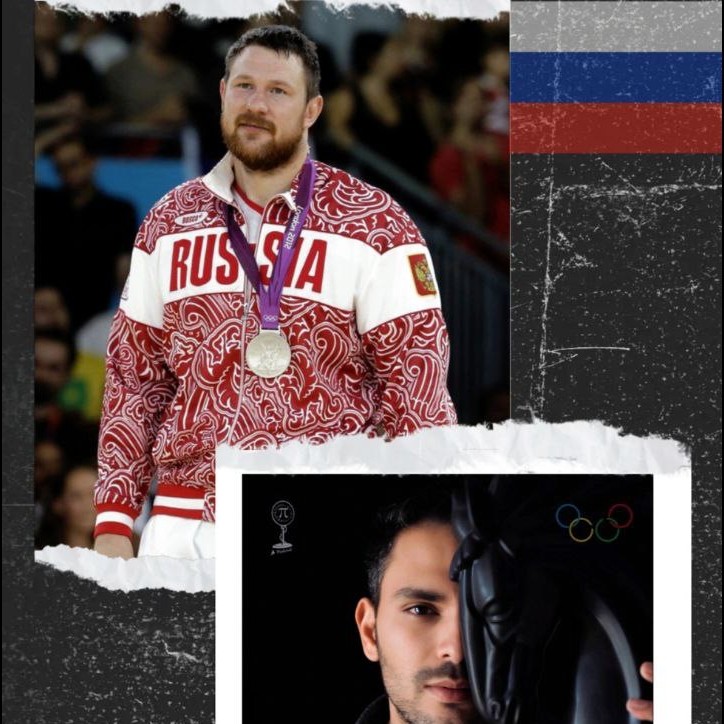
Ep 82OLYMPIC SERIES Episode 9 | Alexander Mikhaylin: The Mindset Behind a Judo Legend [TEAM RUSSIA]
In this powerful episode of the Professor P Podcast, we sit down with one of the most decorated judokas in history — Alexander Mikhaylin. A 3× World Champion, 6× European Champion, and Olympic Silver Medalist, Mikhaylin takes us deep inside the mind of a champion. From his early days in Russia discovering judo, to standing on the Olympic podium after a legendary final against Teddy Riner, Alexander opens up about what it takes to stay at the top in one of the world’s most intense combat sports. But this episode isn’t just about winning — it’s about enduring, overcoming doubt, and training the mind as much as the body. We explore: The mental game behind world-class judo How he built unshakable discipline and resilience What was going through his mind during the Olympic final His philosophy on pressure, failure, and legacy The life lessons that transcend the mat — into leadership, business, and personal growth Alexander’s mantra is clear: “It is all in your mind.” Whether you’re an athlete, coach, leader, or anyone striving for greatness, this episode will leave you with practical wisdom and deep insight into the psychology of elite performance. ---------- Alexander Mikhaylin is one of the most decorated judokas in history, known for his technical skill, strategic mindset, and resilience in competition. Competing in the +100 kg heavyweight division, he dominated the sport for over a decade, becoming a three-time world champion and a ten-time European champion. Mikhaylin’s career was marked by his ability to adapt and outmaneuver some of the sport’s biggest names. His most notable achievement came at the 2012 London Olympics, where he earned a silver medal after an intense final against Teddy Riner, one of judo’s greatest athletes. Beyond competition, Mikhaylin is recognized for his mental toughness, discipline, and ability to push through setbacks, making him a powerful voice in discussions on high-performance psychology and resilience.

Ep 81OLYMPIC SERIES Mini-Episode 8 | Kamara James: The Olympian Who Fought Battles Seen and Unseen
Kamara James was more than an Olympian—she was a scholar, a fighter, and a deeply human spirit. In this heartfelt episode, we explore her rise from humble beginnings to the Olympic stage, her intellectual brilliance, and her quiet battle with mental illness. Her story challenges our definitions of success and reminds us that strength isn’t the absence of struggle—it’s the courage to keep going. Tune in to honor a life of power, complexity, and enduring inspiration. --------------------------------------------------------- Kamara James (1984–2014) was an American Olympic épée fencer and mental health advocate. Born in Jamaica and raised in New York, she began fencing at age 11 and quickly rose to elite levels, earning a full scholarship to Princeton University and representing the U.S. in the 2004 Athens Olympics. After the Games, she pursued international relations at Harvard but began experiencing symptoms of schizophrenia. Despite these challenges, she became a vocal advocate for mental health awareness and dignity. Kamara passed away at age 29, but her legacy endures as a story of brilliance, bravery, and boundless human potential. --------------------------------------------------------- Fun fact: In high school, Kamara James scored an exceptionally high 1500 on the SAT (out of 1600 at the time), demonstrating her brilliance not just on the fencing strip but in academics as well. She was offered multiple Ivy League scholarships, ultimately attending Princeton and then Columbia. Her story highlights a rare fusion of athletic excellence and intellectual achievement, making her a role model for young women aiming to defy expectations in every arena.

Ep 80OLYMPIC SERIES Episode 8 | Beyond the Net: Sanja Malagurski’s Olympic Journey & Legacy in Volleyball [TEAM SERBIA]
What does it take to compete on the world’s biggest stage? Olympic volleyball star Sanja Malagurski knows firsthand. From stepping onto the court at just 18 in the 2008 Beijing Olympics to winning European gold and playing for elite clubs worldwide, Sanja has carved an inspiring path in professional volleyball. But her journey wasn’t just about medals—it was about resilience, mental toughness, and the evolution from an athlete to a leader in the sport. In this episode, we dive into the pressures of Olympic competition, overcoming injuries, the psychology of elite performance, and her transition from player to mentor. Tune in as Sanja shares the highs, the challenges, and the mindset required to thrive at the Olympic level and beyond. ---------- A professional athlete turned visionary leader, Sanja Malagurski is a Serbian volleyball icon, Olympian, European champion, entrepreneur, mentor, and sports management professional. Born on June 8, 1990 in Subotica, Serbia, Sanja rose to elite status as an outside hitter on the Serbian national volleyball team from 2007 to 2018. In a stellar sports career, she represented Serbia at the 2008 Beijing Olympics and secured a gold medal at the 2011 European Championship. She also helped claim European League titles in 2009 and 2011 and a bronze medal in the 2011 FIVB World Grand Prix. On the club circuit, Sanja notched major wins in Serbia, Slovenia, Romania, Italy, Poland, Brazil (Molico Osasco), Turkey, and Italy again with Bergamo, including a silver finish at the 2014 FIVB Club World Championship. Since retiring, Sanja has seamlessly transitioned into entrepreneurship and sports administration. She founded the clothing brand PersonalbySM, serves as PR & Projects Coordinator for Volleyball Nations League in Serbia, mentors athletes through UNICEF and Junior Achievement, and leads volleyball camps across Europe. In her feature on the GESP Podcast, Sanja opened up about the challenges of retirement, identity shifts, and how athletes can reinvent themselves beyond competition—emphasizing leadership, mental resilience, and the lasting power of sport’s life lessons
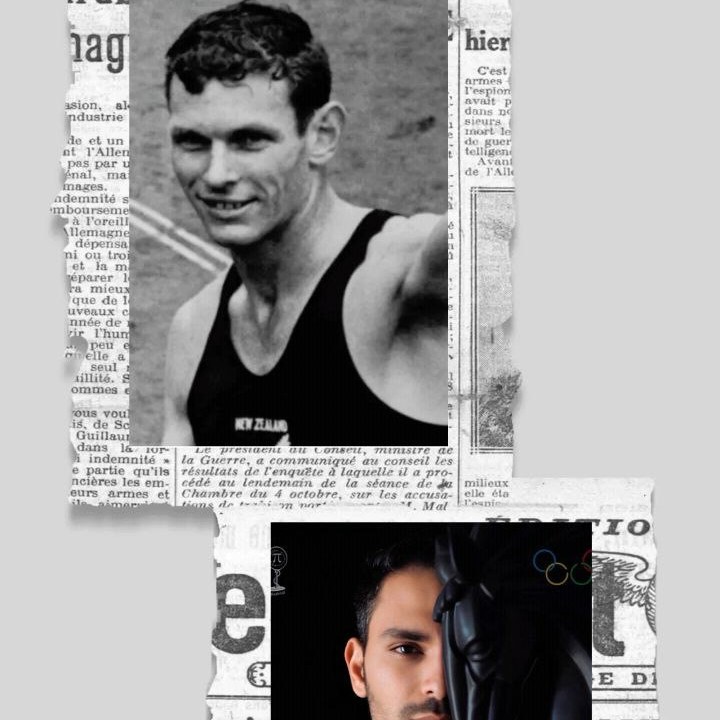
Ep 79OLYMPIC SERIES Mini-Episode 7 | Sir Peter Snell: Running with Purpose, Leading with Humility
In this episode, we celebrate the life and lessons of Sir Peter Snell, one of New Zealand’s most legendary middle-distance runners and a quiet titan of Olympic history. With three Olympic gold medals and a record-breaking career, Snell wasn’t just fast—he was deeply focused, mentally disciplined, and grounded in humility. But what made him truly remarkable was how he carried his greatness: with quiet strength, unshakable discipline, and a lifelong commitment to human performance—both on the track and in the lab. After retiring young, he went on to become a respected sports scientist, turning his passion into knowledge to uplift others. This episode distills the top five life lessons from his extraordinary path—exploring the mindset, training ethic, and humble leadership that powered his success. From embracing simplicity to respecting preparation, Peter Snell’s story is a masterclass in purposeful living. --------------------------------------------------------- Sir Peter Snell (1938–2019) was a New Zealand middle-distance runner and one of the most dominant athletes of his era. He won three Olympic gold medals—one in the 800 meters at the 1960 Rome Olympics and two (800m and 1500m) at the 1964 Tokyo Olympics. Coached by the legendary Arthur Lydiard, Snell was known for his explosive speed, stamina, and strategic race execution. He held world records in the 800m, 1000m, and mile. After retiring at age 26, he moved to the United States and earned a Ph.D. in exercise physiology, later teaching and researching at the University of Texas Southwestern Medical Center. Knighted in 2002, Snell is remembered as a national icon in New Zealand and an enduring symbol of modest greatness. --------------------------------------------------------- FUN FACT: Despite being known for his explosive speed, Sir Peter Snell originally struggled to make his school’s track team and only began to take running seriously after being encouraged by coach Arthur Lydiard, who spotted his raw talent. Within just a few years, Snell rose from an overlooked teenager to an Olympic champion, showing that sometimes greatness emerges not from early success, but from the right mentorship and relentless self-belief.
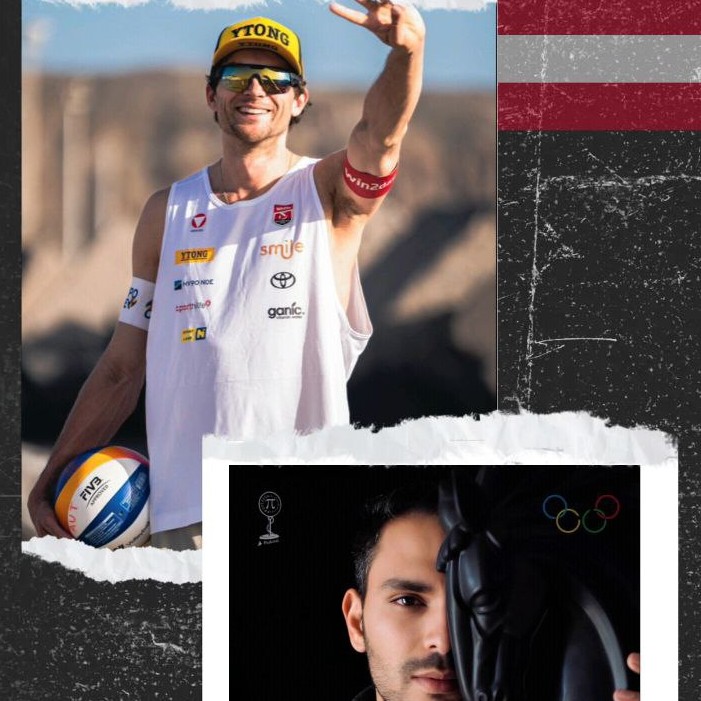
Ep 78OLYMPIC SERIES Episode 7 | Robin Seidl: Mastering the Sand & the Mind – The Olympic Journey of Inner Freedom (TEAM AUSTRIA)
Beach volleyball isn’t just about skill—it’s about mental resilience, adaptability, and trust. In this episode, Austrian Olympian Robin Seidl takes us inside his world, from the high-pressure courts of the 2016 Rio Olympics to the philosophy that drives his game: Inner Freedom. How does an elite athlete handle setbacks? What does it take to perform when the world is watching? Robin shares how he stays mentally sharp, embraces uncertainty, and continuously evolves, both as a competitor and a mentor. Whether you’re an athlete, entrepreneur, or simply chasing your own version of success, Robin’s insights will challenge you to trust yourself, let go of fear, and play to win—on and off the court. ---------- Robin Seidl is a professional Austrian beach volleyball player who has competed at the highest levels of international volleyball, including the Olympic Games. Known for his agility, strategic gameplay, and resilience, he has made a significant mark on the sport. Seidl has been a regular on the FIVB Beach Volleyball World Tour, competing against the world's best athletes and securing multiple podium finishes. His career highlight includes representing Austria at the 2016 Rio Olympics, showcasing his skill and determination on the global stage. Beyond competing, Seidl is passionate about mentorship, personal growth, and mental resilience. He believes in the philosophy of "Inner Freedom", emphasizing mindset, self-trust, and adaptability as key factors for success in both sports and life.
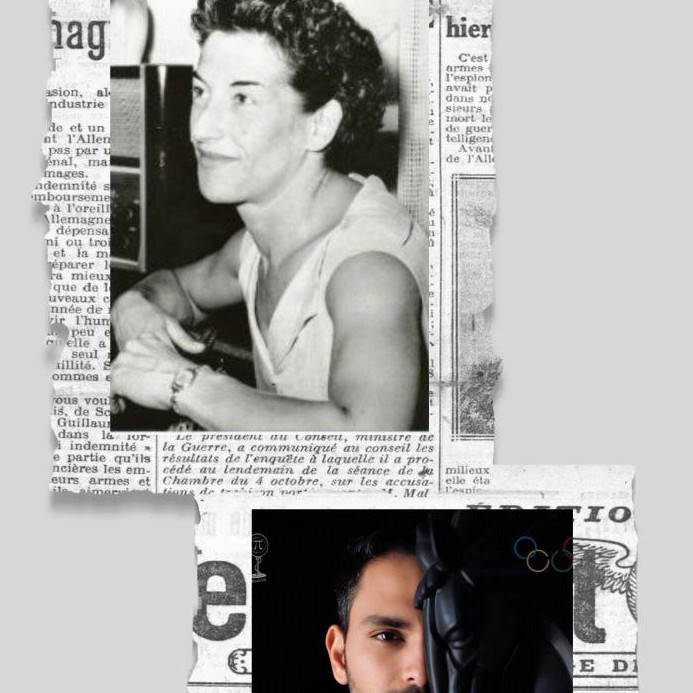
Ep 77OLYMPIC SERIES Mini-Episode 6 | Ágnes Keleti: Grace, Grit, and Glory Through the Storm
What does it mean to find grace after grief, to pursue excellence beyond expectation, and to dance into old age with joy? In this episode, we explore the extraordinary life of Ágnes Keleti, Holocaust survivor, Olympic legend, and timeless teacher. From redefining age and artistry in gymnastics to her philosophy of life after 100, Keleti’s story is a powerful reminder that the human spirit—when filled with grace and grit—can illuminate the darkest of times. Discover how her legacy can inspire you to move with purpose, live with joy, and teach with love. --------------------------------------------------------- Ágnes Keleti was a Hungarian-Israeli gymnast, teacher, and one of the most inspiring Olympic champions in history. Born in Budapest in 1921 to a Jewish family, her early life was marked by talent, discipline, and the rising threat of World War II. She survived the Holocaust by assuming a false identity and going into hiding—losing many family members in the process. Despite these unimaginable hardships, Keleti resumed training after the war and, in a stunning display of resilience and determination, went on to become one of the most decorated female Olympians, earning 10 medals (including 5 golds) at the 1952 and 1956 Olympic Games—all while in her 30s, defying the norms of her sport. After the Soviet invasion of Hungary in 1956, she chose not to return home and instead built a new life in Israel, where she became a beloved coach, educator, and advocate for women's physical education. Beyond her athletic brilliance, Keleti was known for her optimism, warmth, and her deeply human spirit. She lived past 100 years old, often reminding others, “Life is beautiful if you make it beautiful.” Her life is not only a record of triumph in sport but also a profound testimony to endurance, renewal, and the power of choosing joy despite suffering. --------------------------------------------------------- FUN FACT: During World War II, Ágnes Keleti survived the Holocaust by assuming a false identity and working as a maid in the Hungarian countryside. Her father and many relatives were killed in Auschwitz, but Keleti endured and returned to gymnastics after the war. Despite missing what would’ve been her first Olympics in 1948 due to injury, she came back stronger proving that resilience and grace can triumph over even the darkest of histories.

Ep 76OLYMPIC SERIES Episode 6 | Emma Maltais: The Olympic Mindset – Grit, Gold, and Greatness [TEAM CANADA]
What does it take to reach the pinnacle of women’s hockey and win Olympic gold? In this episode, we sit down with Emma Maltais, Team Canada forward and Olympic gold medalist, to explore the relentless drive, resilience, and mental toughness required to compete on the world’s biggest stage. From her early days in Burlington, Ontario, to excelling at Ohio State University and earning a place on the Olympic roster, Emma shares her journey, the sacrifices behind the success, and the lessons she’s learned along the way. How do elite athletes stay mentally strong under pressure? What fuels the pursuit of greatness beyond the gold medal? Join us for an inspiring conversation about the Olympic mindset, overcoming obstacles, and paving the future of women's hockey. ---------- Emma Maltais is an Olympic gold medalist and a standout forward for Team Canada. Known for her speed, relentless work ethic, and elite playmaking ability, Maltais has made a name for herself on both the international stage and in professional women’s hockey. Her rise to prominence began at Ohio State University, where she was a dominant force in the NCAA. She earned multiple accolades, including: WCHA Rookie of the Year (2017-18) Top 10 Finalist for the Patty Kazmaier Memorial Award (2020) Three-time First Team All-WCHA Selection Her impact extended beyond college hockey as she transitioned into international play, competing for Team Canada at the highest level: IIHF U18 Women’s World Championship (2016 & 2017): Won two silver medals. 2021 IIHF Women’s World Championship: Helped Canada secure gold. 2022 Winter Olympics (Beijing): Played a key role in Canada’s gold medal-winning campaign, contributing to the team’s dominant run. In 2023, Maltais took her talents to professional hockey, signing with Toronto in the PWHL, further solidifying her status as one of the brightest stars in women’s hockey.
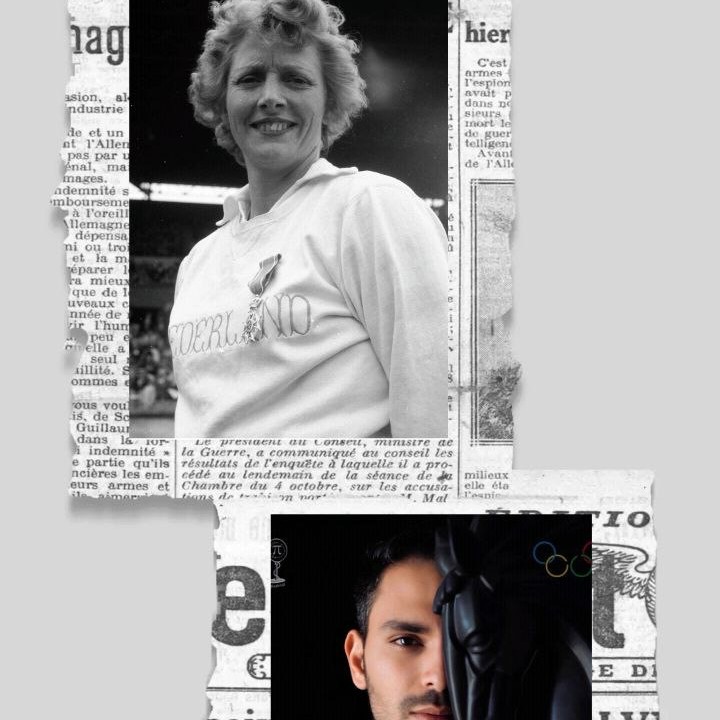
Ep 75OLYMPIC SERIES Mini-Episode 5 |Fanny Blankers-Koen: The Flying Housewife Who Changed the Finish Line
In this inspiring episode, we explore the remarkable life of Fanny Blankers-Koen—the Dutch sprinter who redefined what it means to be a woman in sports. At a time when female athletes were often discouraged, dismissed, or ignored—especially after marriage and motherhood—Blankers-Koen proved that passion, discipline, and talent have no expiration date. At the 1948 London Olympics, at age 30 and a mother of two, she sprinted her way into history, winning four gold medals and earning the nickname “The Flying Housewife.” But her story goes far beyond medals. It's a tale of quiet rebellion, unwavering focus, and a legacy that still challenges our assumptions about age, gender, and ambition. Join us as we dive into the mindset that fueled her record-breaking runs, the societal barriers she leapt over, and the practical ways her life story can inspire our own—whether on the track, in the boardroom, or at home. --------------------------------------------------------- Fanny Blankers-Koen (1918–2004) was a Dutch track and field legend who stunned the world at the 1948 Olympic Games by winning four gold medals in the 100m, 200m, 80m hurdles, and 4x100m relay—all while being 30 years old and a mother of two. Known as "The Flying Housewife," she shattered outdated expectations of women in athletics and became a symbol of resilience, grace, and determination. In a post-war era when many believed a woman’s place was at home, she ran against that current—literally and metaphorically—becoming the first female athlete to show the world that motherhood and elite performance are not mutually exclusive. Named the IAAF's “Female Athlete of the Century” in 1999, her legacy continues to inspire athletes and advocates across generations. --------------------------------------------------------- FUN FACT: Fanny Blankers-Koen actually set or tied 12 world records in her career—not just in sprinting, but also in events like the high jump, long jump, and even the hurdles. She was a true all-around athlete, basically a one-woman track team!
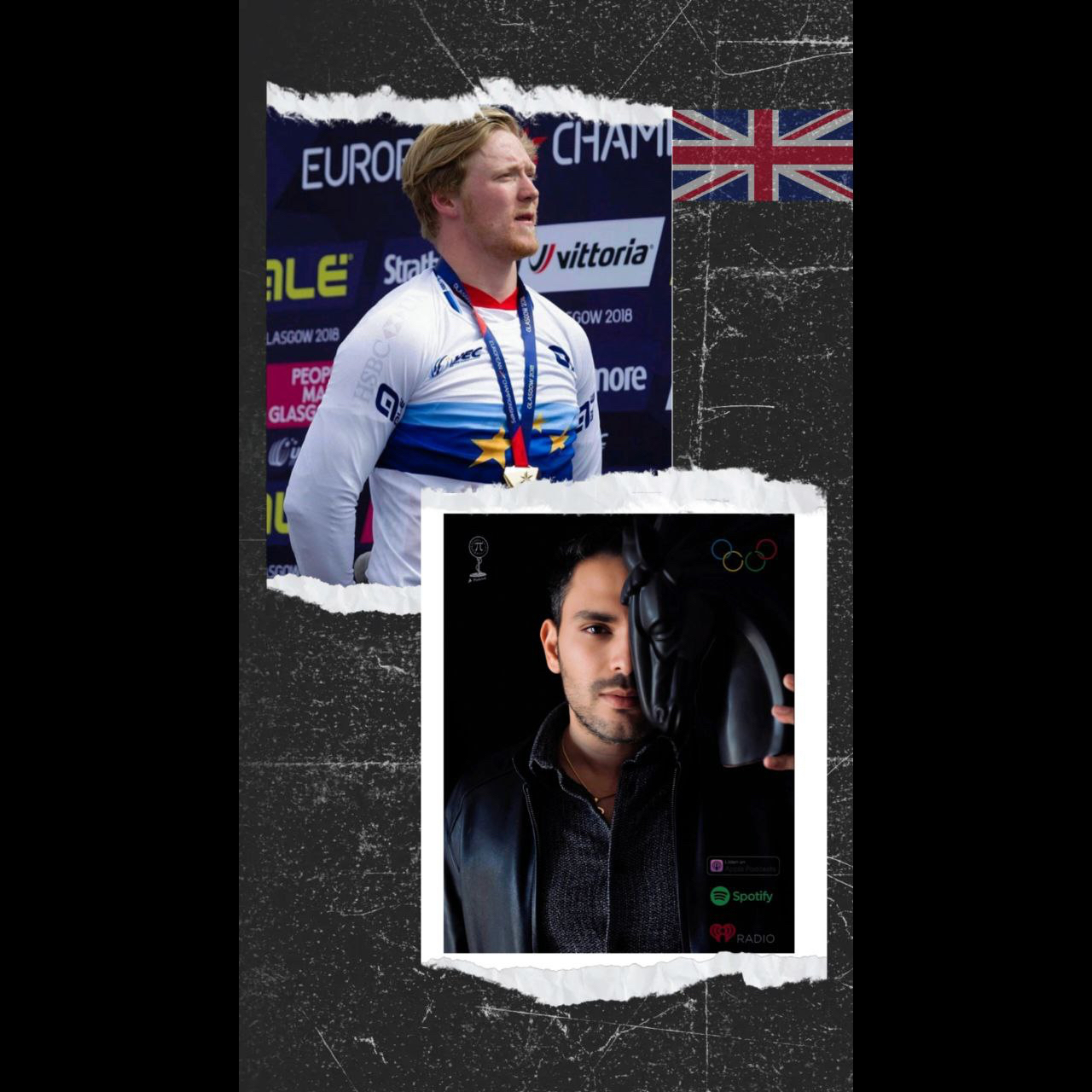
Ep 74OLYMPIC SERIES Episode 5 | Racing the Edge: Kyle Evans on BMX, Fearlessness, and the Mental Game of Speed [TEAM GREAT BRITAIN]
"It’s super important to put your goals out into the world by speaking them out loud—and even more so, to write them down and place them in an environment where you can see them every day." Kyle Evans What does it take to compete at breakneck speeds, make split-second decisions, and push past fear on the world’s biggest stage? In this episode of Professor P Podcast, we sit down with Kyle Evans, British BMX champion and Olympian, to dive deep into the mental and psychological side of elite racing. Kyle shares his journey from local tracks to the Olympic Games, revealing how he developed the mental toughness, focus, and resilience needed to excel in one of the world’s most intense sports. We explore: 🔹 The psychology of speed—how to stay in control when everything is moving at lightning pace 🔹 Overcoming fear and doubt when every race is high-stakes 🔹 How he dealt with injuries, setbacks, and the pressure of elite competition 🔹 The transition from athlete to mentor—what he’s teaching the next generation of BMX riders Whether you're an athlete, entrepreneur, or someone chasing bold goals, this conversation will challenge you to embrace risk, trust your instincts, and build a champion’s mindset. ---------- Kyle Evans is a British BMX racer known for his explosive speed, fearless riding style, and relentless pursuit of excellence. Born on September 26, 1993, in Wigan, England, Evans quickly rose through the ranks of British BMX racing, earning a reputation as one of the country’s top riders. His breakthrough came when he represented Great Britain at the 2016 Rio Olympics, showcasing his talent on the world’s biggest stage. Throughout his career, he has competed in multiple UCI BMX World Championships and played a pivotal role in Team GB’s success in international competitions. Some of his key achievements include: 2018 European BMX Champion, securing gold in the men’s elite category Multiple-time British BMX Champion, dominating the national circuit Key member of Great Britain’s BMX program, helping to develop the sport for future generations Evans’ career has been defined by resilience and mental toughness, qualities essential in a sport where split-second decisions can mean the difference between victory and defeat. After retiring from competitive racing, he has remained deeply involved in BMX, coaching and mentoring young riders, as well as advocating for the psychological and physical aspects of elite performance. With a career built on determination, adaptability, and a fearless competitive mindset, Kyle Evans continues to inspire the next generation of athletes—on and off the track.
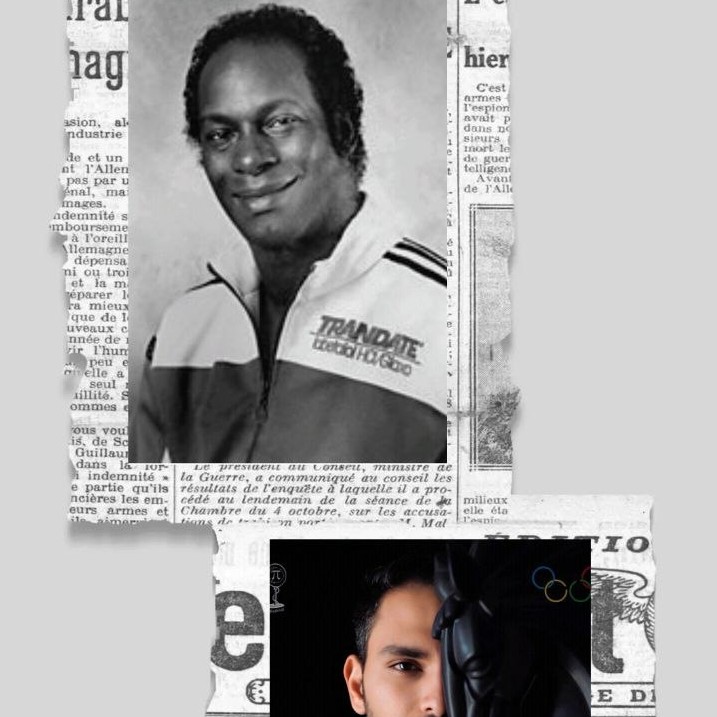
Ep 73OLYMPIC SERIES Mini-Episode 4 | Bob Beamon: The Leap That Shook the World
Today, we're diving into the story of a man whose name became synonymous with the impossible—Bob Beamon. Born in South Jamaica, Queens, in 1946, Beamon faced tough circumstances from a young age. He lost his mother when he was just a child and was raised by his grandmother. Growing up in a rough neighborhood, sports became more than just a pastime—it became a lifeline. It was in high school that Beamon discovered his raw talent for track and field, especially the long jump. His athletic gifts earned him a scholarship to the University of Texas at El Paso, where he continued to train and compete. But it was at the 1968 Mexico City Olympics that Bob Beamon etched his name into history. In a moment that stunned the world, he launched himself into the air for a jump of 8.90 meters, or 29 feet, 2½ inches. That single leap broke the existing world record by an astonishing 55 centimeters—over 21 inches. To give you a sense of how unheard of that was, even the measuring device at the time wasn’t prepared for a jump that long. The term "Beamonesque" was born that day—used ever since to describe athletic achievements that defy belief. While high altitude and a favorable wind may have helped, nothing could diminish the sheer brilliance of that moment. Beamon’s world record would stand untouched for 23 years, until Mike Powell finally surpassed it in 1991. After the Olympics, Beamon didn’t chase records. Instead, he completed his education at Adelphi University and turned toward giving back—working as a motivational speaker, sports administrator, and youth advocate. He was inducted into the National Track and Field Hall of Fame in 1977 and remains a symbol of human potential. Bob Beamon’s story is a powerful reminder that in one moment—one leap—we can redefine what’s possible. His Olympic jump wasn’t just a record—it was a revolution. --------------------------------------------------------- Bob Beamon is a former American track and field athlete whose name became synonymous with greatness after his unforgettable performance at the 1968 Mexico City Olympics. In a single, gravity-defying moment, Beamon leapt 8.90 meters (29 feet 2½ inches) in the long jump—breaking the world record by an astonishing margin and creating what many call the greatest single leap in sports history. The jump was so far beyond what anyone thought possible that it gave rise to the term “Beamonesque,” meaning a performance so extraordinary it defies comparison. Born and raised in Queens, New York, Beamon overcame a difficult childhood and racial injustice to become a symbol of perseverance and excellence. After retiring from competition, he turned his focus to education, youth empowerment, and motivational speaking, continuing to inspire generations long after his historic jump. --------------------------------------------------------- FUN FACT: Before his historic jump at the 1968 Olympics, Bob Beamon almost didn’t get the chance to compete—he was nearly disqualified during the qualifying round after fouling his first two jumps. On his final attempt, he played it safe just to make the final. The next day, he unleashed one of the greatest performances in sports history. That dramatic turnaround—from the brink of elimination to immortality—makes his story one of the most inspiring underdog moments in Olympic history.

Ep 72OLYMPIC SERIES Episode 4 | Bullseye Mindset: Yasemin Ecem Anagöz on Focus, Pressure & the Psychology of Winning [TEAM TURKIYE]
“Before you see it in reality, you need to be there in your mind” Yasemin Ecem Anagöz What does it take to stay laser-focused when everything is on the line? In this episode of Professor P Podcast, we sit down with Yasemin Ecem Anagöz, one of the world’s top recurve archers, to explore the mental game behind elite performance. From making her Olympic debut at just 18 to navigating the highs and lows of competition, Yasemin shares her journey of resilience, focus, and purpose. We dive into: 🔹 The psychological strategies she uses to stay calm under pressure 🔹 How she overcame setbacks and redefined success in her career 🔹 The importance of mental training in achieving peak performance 🔹 What archery teaches us about discipline, patience, and self-mastery Whether you're an athlete, entrepreneur, or someone striving for personal growth, this conversation will challenge you to rethink how you approach pressure, failure, and success. Tune in for a masterclass on the mindset of a champion. ---------- Yasemin Ecem Anagöz is a Turkish recurve archer known for her precision, resilience, and mental toughness on the international stage. Born on October 14, 1998, in İzmir, Turkey, she took up archery in 2011 and quickly emerged as one of Turkey’s most promising athletes in the sport. By the age of 18, Anagöz made her Olympic debut at the 2016 Rio Games, marking the beginning of her journey as a world-class competitor. She later competed at the 2020 Tokyo Olympics, where she and her teammate Mete Gazoz came close to a podium finish, securing fourth place in the mixed team event. Throughout her career, she has amassed numerous accolades, including: Gold Medal at the 2018 European Archery Championships (Individual Recurve) Gold Medal in the Women's Team Event at the 2018 European Championships Bronze Medal at the 2021 World Archery Championships (Mixed Team with Mete Gazoz) Silver Medal at the 2022 European Archery Championships (Women’s Team) Anagöz is known not only for her skill with a bow but also for her mental strength and psychological preparation, which have played a crucial role in her performances. Her ability to stay composed under extreme pressure has made her a standout competitor in a sport where focus and emotional control are everything. Beyond her career as an athlete, she is also a mental coach, helping others develop the mindset necessary to succeed in high-stakes environments. She serves as a member of the International Committee of Mediterranean Games (ICMG) Commission and continues to advocate for the mental and emotional aspects of peak performance. With a career defined by discipline, perseverance, and an unwavering commitment to growth, Yasemin Ecem Anagöz stands as a model of resilience and mental excellence in the world of elite sports.
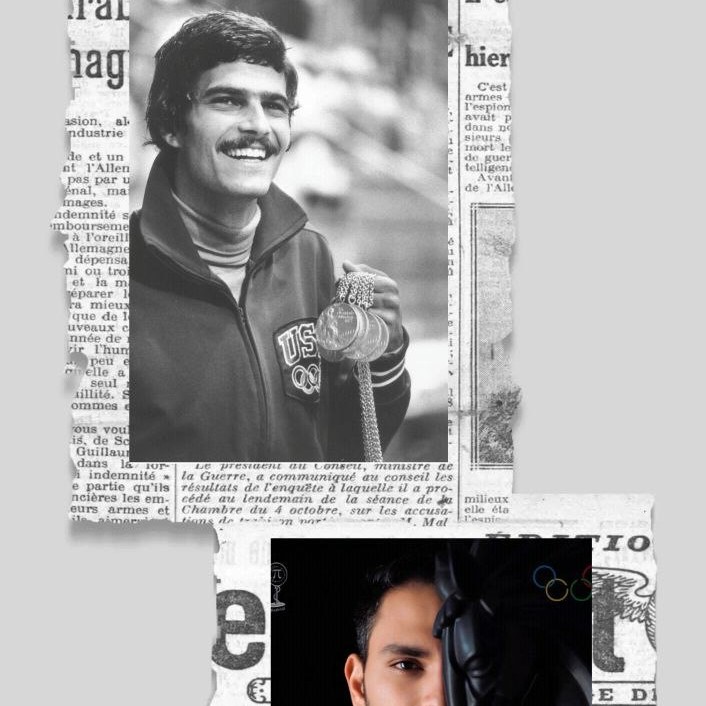
Ep 71OLYMPIC SERIES Mini-Episode 3 | Mark Spitz: The Relentless Champion Who Changed Swimming Forever
"If you fail to prepare, you’re prepared to fail. Success is not about luck; it’s about having the right mindset, the right effort, and the resilience to keep going even when it gets tough." Mark Spitz Mark Spitz didn’t just win—he dominated. With seven gold medals in the 1972 Olympics, each in world-record time, he became a legend in swimming and sports history. But his journey wasn’t just about natural talent; it was about relentless preparation, overcoming setbacks, and performing under immense pressure. How did he achieve such dominance? What lessons can we take from his mindset and work ethic? In this episode, we dive deep into the life and legacy of Mark Spitz, uncovering the principles that made him one of the greatest athletes of all time. --------------------------------------------------------- Mark Spitz is an American former competitive swimmer and one of the most decorated Olympians in history. Born on February 10, 1950, in Modesto, California, Spitz rose to fame during the late 1960s and early 1970s as a dominant force in swimming. Spitz made his Olympic debut at the 1968 Mexico City Games, where he won two gold medals in relay events, along with a silver and a bronze in individual races. However, it was at the 1972 Munich Olympics that he cemented his legacy, achieving a historic feat—winning seven gold medals in a single Olympic Games, each in world record time. This record stood for 36 years until Michael Phelps surpassed it in 2008. Beyond his Olympic success, Spitz won nine Olympic gold medals, one silver, and one bronze, along with multiple world and national championships. His powerful butterfly and freestyle strokes, combined with his confident personality, made him one of the first globally recognized swimming superstars. After retiring from competitive swimming at just 22 years old, Spitz pursued a career in business, acting, and motivational speaking. He remains an influential figure in sports history, embodying excellence, discipline, and the pursuit of greatness. His story continues to inspire generations of athletes, proving that records may be broken, but legends never fade. --------------------------------------------------------- FUN FACT: Mark Spitz’s iconic mustache was unusual for swimmers at the time, as most athletes shaved their body hair for speed. When asked about it, Spitz jokingly claimed that the mustache made him more hydrodynamic by channeling water away from his mouth. Soviet swimmers, believing he had discovered a competitive advantage, started growing mustaches themselves. Despite the myth, Spitz dominated the 1972 Olympics, proving that his speed had nothing to do with facial hair!
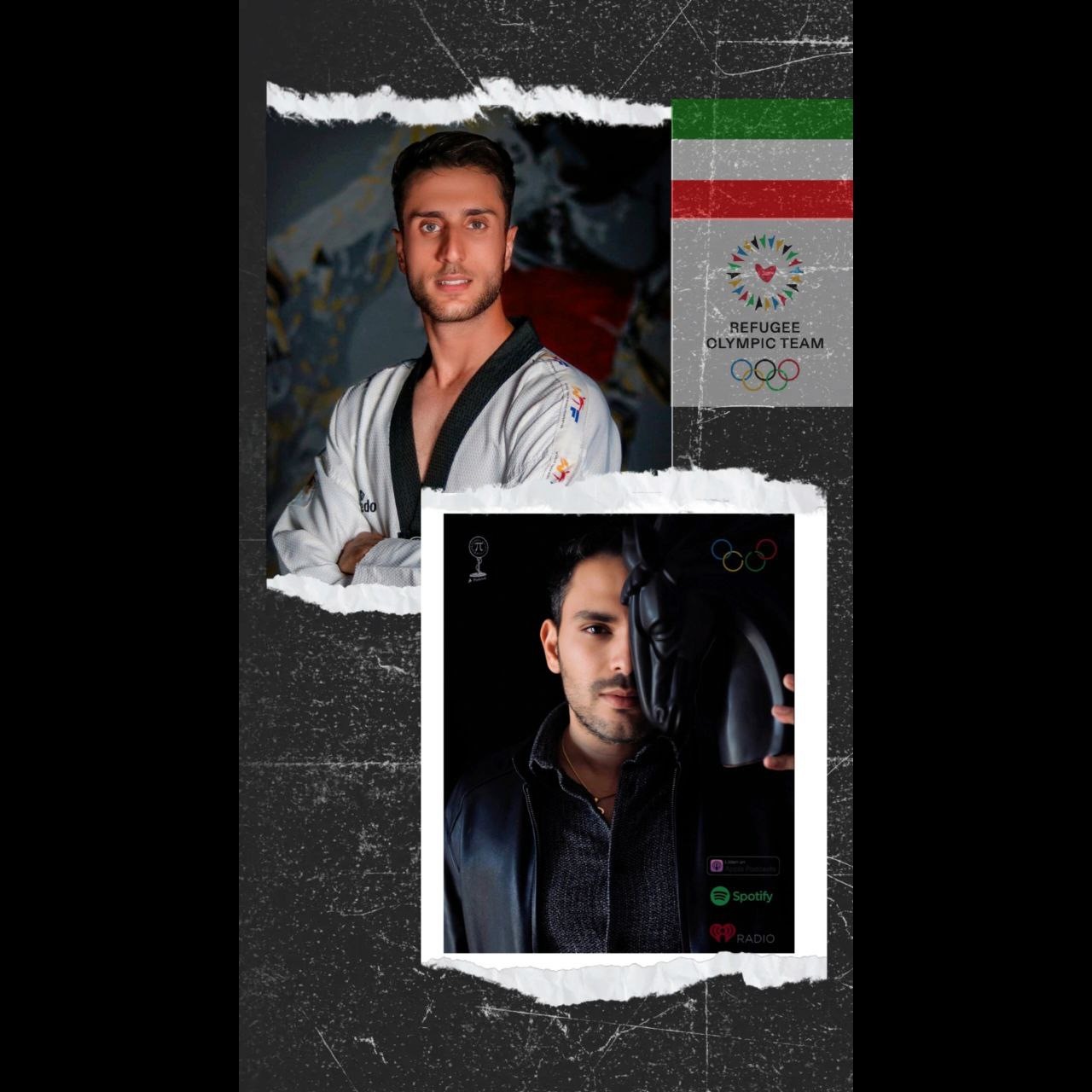
Ep 70OLYMPIC SERIES Episode 3 | The Journey of Hadi Tiranvalipour: Fighting for More [TEAM REFUGEE]
“For any goals there are obstacles, but you will find the solution when you stop giving your excuses”Hadi Tiranvalipour In this compelling episode of The Professor P Podcast’s Olympian Series, we sit down with Hadi Tiranvalipour, a taekwondo athlete who has fought not just in the ring, but also through incredible life challenges to reach the Olympic stage. As a member of the Refugee Olympic Team, Hadi’s journey is about much more than sport—it’s about resilience, hope, and the pursuit of a dream despite overwhelming odds. Taekwondo is known for its precision, strategy, and discipline, but what does it take to step onto the mat at the world’s biggest competition when your path has been anything but ordinary? We’ll explore the mindset of a fighter, the emotional and physical battles he has faced, and what his journey can teach us about perseverance in all areas of life. Join us as we break down the fight beyond the fight—where strength isn’t just about power, but about the will to keep going. ---------- Hadi Tiranvalipour is an Iranian-born taekwondo athlete whose journey from national champion to Olympic refugee competitor is a testament to resilience and determination. Born on March 21, 1998, in Karaj, Iran, Hadi was inspired by Olympic gold medalist Hadi Saei and joined the Iranian national taekwondo team, where he competed for eight years, earning multiple national and international accolades. In 2022, after advocating for women's rights in Iran, Hadi was compelled to leave his homeland. Arriving in Italy, he faced significant hardships, including spending his first ten days living in a forest and subsequent months couch-surfing and working as a dishwasher. Undeterred, he reached out to the Italian Taekwondo Federation, which welcomed him, allowing him to train with the national team at the Giulio Onesti Olympic Center in Rome. Hadi's perseverance led him to represent the IOC Refugee Olympic Team at the Paris 2024 Summer Olympics in the men's 58kg taekwondo category. Although he did not secure a medal, his participation was a significant milestone, symbolizing hope and the unyielding spirit of displaced athletes worldwide. Beyond his athletic pursuits, Hadi achieved academic success by earning a degree in Sports Science from the University of Tor Vergata in Rome. His story exemplifies the transformative power of sport and education in overcoming adversity. Today, Hadi Tiranvalipour stands as a beacon of inspiration, demonstrating that with unwavering determination, it's possible to rise above challenges and make a profound impact both on and off the mat.
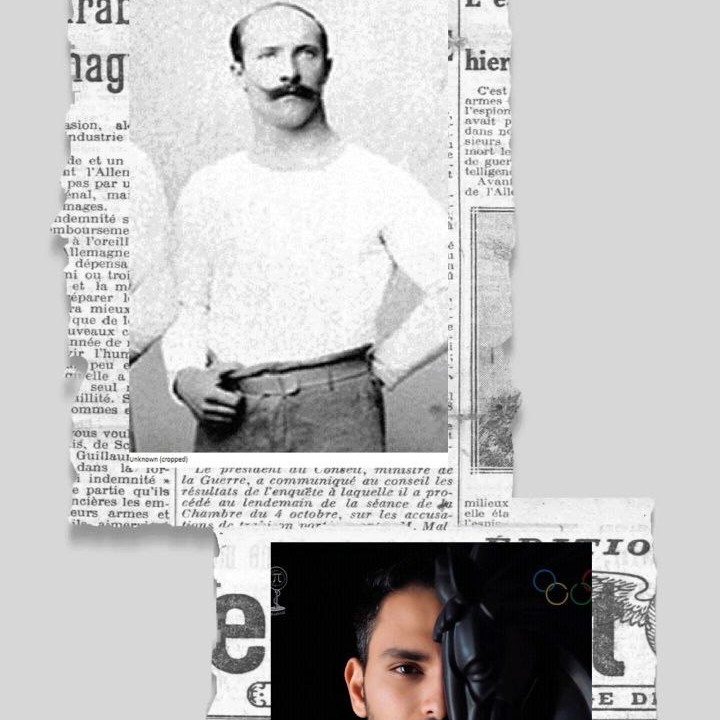
Ep 69OLYMPIC SERIES Mini-Episode 2 | Carl Schuhmann: The Olympic Pioneer Who Conquered Gymnastics and Wrestling
"Strength is not just in the body—it is in the will to keep going, to fight beyond exhaustion, and to rise even when victory seems distant." Carl Schuhmann What does it take to be a champion in not just one, but multiple sports? Carl Schuhmann, one of the greatest athletes of the first modern Olympics, proved that true greatness lies in versatility, resilience, and an unbreakable will. In this episode, we dive into the life of the German gymnast-wrestler who dominated the 1896 Games, setting a standard for generations of athletes. How did he push the limits of human endurance? What lessons can we learn from his legacy? Join us as we explore the incredible story of a man who defined the Olympic spirit! --------------------------------------------------------- Born in 1869 in Münster, Germany, Carl Schuhmann was a natural athlete with exceptional strength and agility. He gained fame as a gymnast and later expanded into wrestling. At the 1896 Olympic Games in Athens, he won gold medals in three gymnastics events and one in wrestling, making him one of the most successful athletes of the first modern Olympics. His ability to excel in vastly different disciplines made him a legendary figure in sports history. Schuhmann remained active in sports long after his Olympic triumphs and continued to inspire athletes until his passing in 1946. --------------------------------------------------------- FUN FACT: Carl Schuhmann was the most successful athlete of the first modern Olympic Games in 1896, winning four gold medals in two different sports—gymnastics and wrestling. Despite being only 5'5" (165 cm) tall and weighing just 140 lbs (64 kg), he defeated much larger opponents in wrestling, including a final match that lasted over 40 minutes. His versatility and dominance helped set the stage for future multi-sport Olympians.
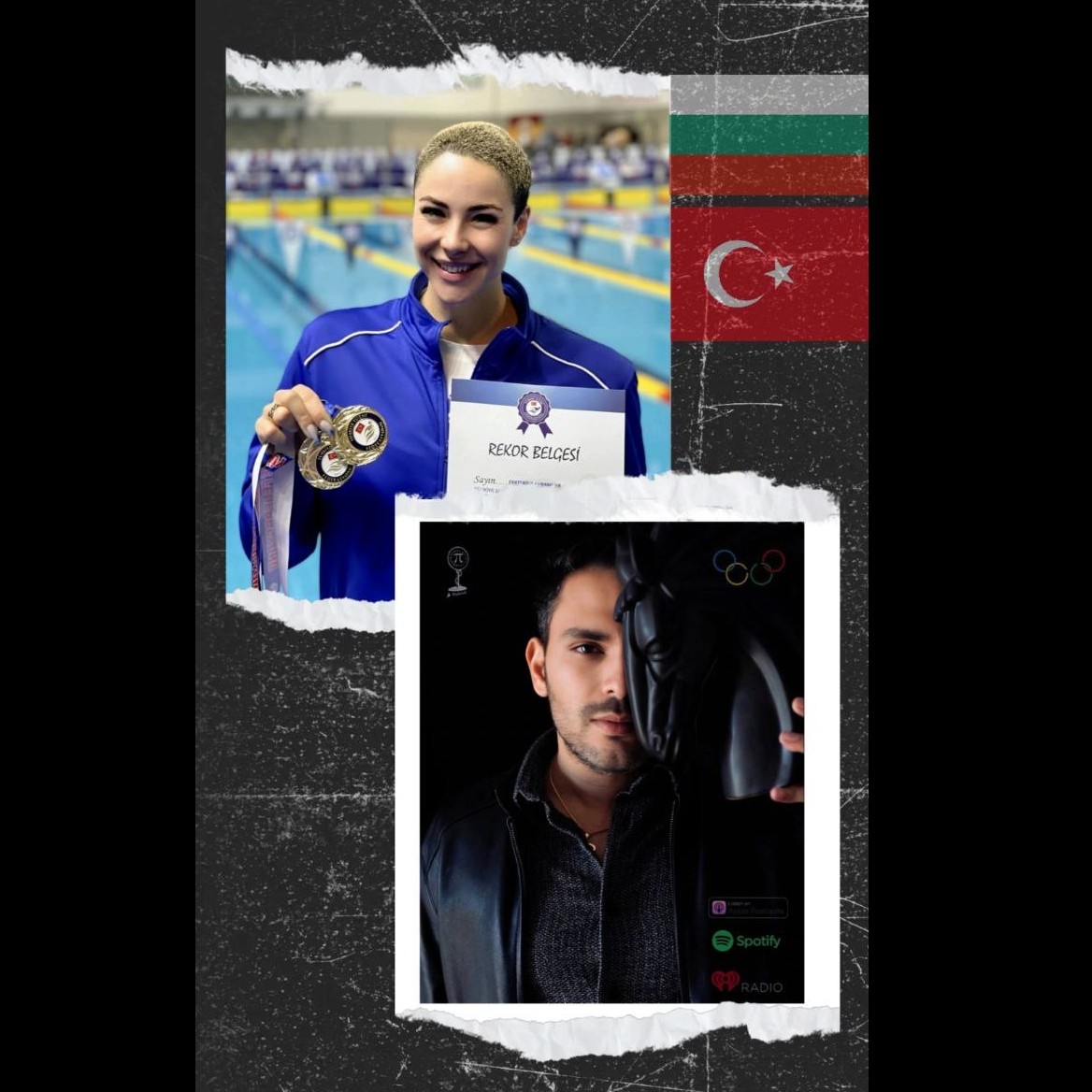
Ep 68OLYMPIC SERIES Episode 2 | Ekaterina Avramova: Swimming Through Transitions, Purpose, and the Mental Game [TEAM BULGARIA / TURKEY]
In this powerful episode of the Professor P Podcast, we dive deep with Olympic swimmer Ekaterina Avramova, a remarkable athlete who has represented both Bulgaria and Turkey on the world stage. As part of our Olympic Series, this conversation uncovers the emotional and mental endurance required to compete at the highest level—and the deeper "why" that fuels it all. From her defining moment of realizing she wanted to pursue Olympic glory to navigating the complexities of switching national teams, Ekaterina opens up about the obstacles she faced—both in and out of the water. We explore how she found strength through adversity, the mental strategies she relies on to handle Olympic pressure, and how she stays connected to her purpose despite the sacrifices. She also shares powerful insights into identity, resilience, visualization, and recovery from setbacks. Whether you're an athlete, coach, or someone chasing your own version of greatness, this episode offers a window into the mindset of a champion—and how that mindset can translate far beyond sport. Key Themes: Defining moments and pivotal transitions in her career Mental tools for competing at the Olympic level Staying motivated through struggle and change Life beyond the pool and the legacy she hopes to leave Get ready to be inspired by the courage, clarity, and competitive spirit of one of swimming’s most compelling figures. Tune in now—because greatness isn’t just about winning, it’s about enduring with purpose. ---------- Ekaterina Avramova (born November 12, 1991, in Sofia, Bulgaria) is a professional backstroke swimmer who has represented both Bulgaria and Turkey in international competitions. She began her swimming career in Bulgaria, making her international debut at the 2007 European Short Course Championships. After moving to London in 2009 to train with Ealing Swimming Club, she qualified for the 2012 London Olympics, competing in the 100m and 200m backstroke events for Bulgaria. Following funding challenges post-2012, Avramova acquired Turkish citizenship in 2014 and began representing Turkey. Avramova competed in the 2016 Rio Olympics for Turkey, participating in the 200m backstroke event. She has achieved significant success, including five gold medals at the 2017 Islamic Solidarity Games and two bronze medals at the 2018 Mediterranean Games. She holds national records in backstroke events for both Bulgaria and Turkey. Beyond her athletic career, Avramova is involved in motivational speaking and has served as the UK Director for Champions Factory, a non-profit organization promoting sports and youth development.
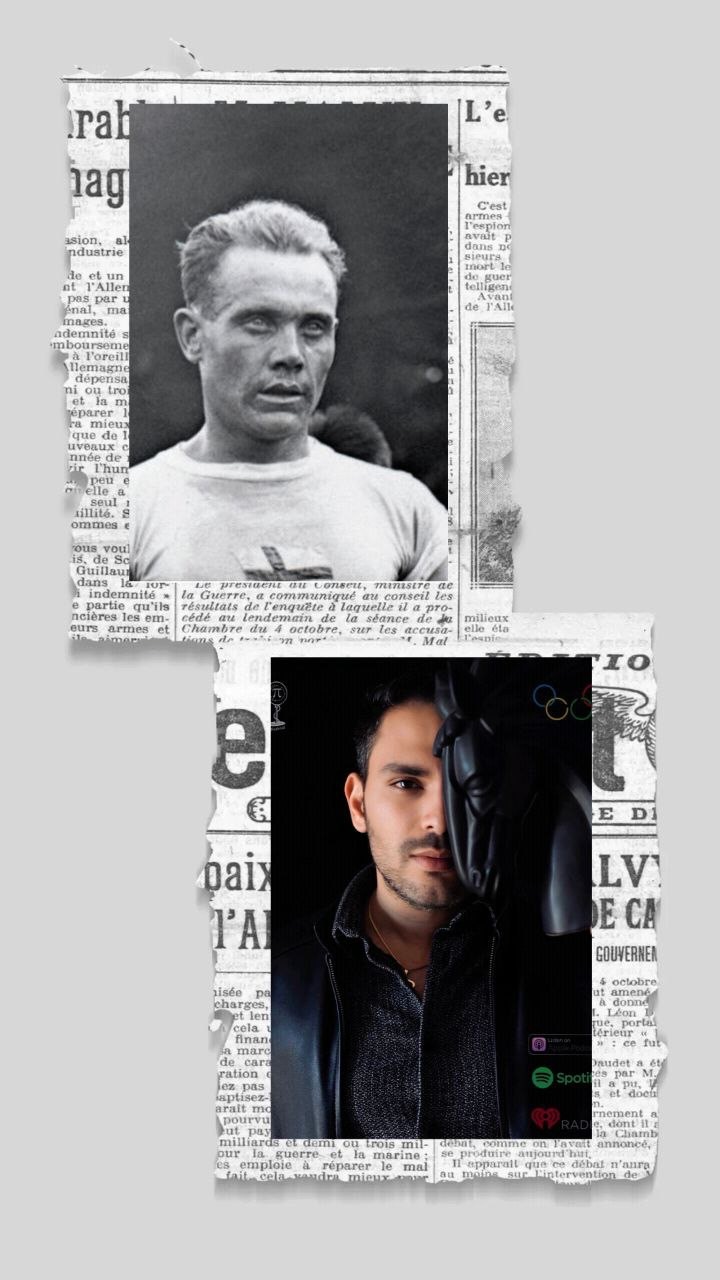
Ep 67OLYMPIC SERIES Mini-Episode 1 | Paavo Nurmi: The Running Machine Who Redefined Endurance
"Mind is everything. Muscle – pieces of rubber. All that I am, I am because of my mind." Paavo Nurmi How did one man dominate everything from the 1,500 meters to the marathon, setting 22 world records along the way? Paavo Nurmi, known as "The Flying Finn," revolutionized distance running with his scientific approach, relentless discipline, and mental toughness. In this episode, we explore how his training methods shaped modern athletics, the psychological mindset that made him unstoppable, and the lessons we can apply from his life to our own challenges. Tune in to uncover the secrets behind one of history’s greatest athletes! --------------------------------------------------------- Born in 1897 in Turku, Finland, Paavo Nurmi grew up in a humble household and developed a passion for running at an early age. Inspired by fellow Finnish runner Hannes Kolehmainen, he began rigorous training, refining his technique and pacing strategies. His international dominance began in the 1920s, where he won a total of nine Olympic gold medals and three silver medals, making him one of the most decorated Olympic athletes of all time. His precise, almost machine-like running style and groundbreaking training methods transformed athletics. Nurmi passed away in 1973, leaving behind a legacy that continues to influence modern distance running. --------------------------------------------------------- FUN FACT: Paavo Nurmi, known as the "Flying Finn," was so dominant in long-distance running that he once won five gold medals in just six days at the 1924 Paris Olympics. To conserve energy, he famously ran with a stopwatch in his hand rather than relying on competitors, setting his own perfect pace. His meticulous approach to racing made him one of the greatest runners in history, earning him nine Olympic gold medals across his career.

Ep 66OLYMPIC SERIES Episode 1 | Abraham Majok Matet Guem: Running for More Than Gold [TEAM SOUTH SOUDAN]
“ I always believe the race. I am in is not for me alone- but those who support me, country I am presenting”. Abraham Majok Matet Guem Welcome to today’s episode of the Professor P Podcast’s Olympic series. We are thrilled to be joined by Abraham Majok Matet Guem, a standout middle-distance runner from South Sudan, whose journey to the global stage is one of perseverance, resilience, and inspiration.Born on April 29, 1999, in Yirol, South Sudan, Abraham has rapidly ascended to become one of his nation’s leading athletes, specializing in the 1500 meters. His passion for running was evident early on, and in April 2021, he set a national record in the 1500 meters with a time of 3:42.99 at Tokyo’s Komazawa Olympic Park Stadium. This achievement not only marked a personal milestone but also helped cement his place as one of South Sudan’s finest athletes.Abraham’s remarkable journey led him to the Tokyo 2020 Olympics, where he had the honor of being South Sudan's flag bearer during the opening ceremony—a proud moment that resonated deeply with his country. He showcased the power of sport as a unifying force for nations, embodying the hope and determination of South Sudan on the world stage.As he continues to push boundaries, Abraham also set a personal best in the 800 meters, clocking 1:47.41 at the 2024 Summer Olympics in Paris, further proving his versatility and dedication to his craft. His athletic achievements are a reflection of his mental fortitude, focus, and the mindset of a champion. In this episode, we will explore not only Abraham’s athletic journey but also the psychological lessons that middle-distance runners, like him, embody. Middle-distance running requires not only physical stamina but also mental toughness, self-belief, and the ability to cope with pressure. We will delve into how Abraham navigates the mental challenges of high-performance sport, such as maintaining focus during long races, managing race-day anxiety, overcoming setbacks, and staying resilient in the face of adversity. We’ll discuss the role of psychological preparation in Abraham’s success, from setting goals and visualizing victories to building mental strategies for endurance and dealing with the emotional highs and lows of competition. Through Abraham’s story, we’ll learn valuable lessons on the importance of a growth mindset, emotional regulation, and the power of perseverance in achieving excellence. Join us as we dive into Abraham’s inspiring journey, exploring not just his athletic achievements but the psychological strategies that have helped him thrive in the demanding world of middle-distance running. His story is one of resilience, mental strength, and the unshakable belief that anything is possible with the right mindset. It’s a conversation you won’t want to miss on the Professor P Podcast’s Olympic series. ---------- Abraham Majok Matet Guem is a South Sudanese middle-distance runner who has become a symbol of resilience and national pride. Born in war-torn South Sudan, he found his calling in running, using sport as a way to uplift himself and inspire others. He made history when he represented his country at the 2020 Tokyo Olympics, carrying South Sudan’s flag at the opening ceremony. Guem has competed at the highest levels, setting national records and becoming a beacon of hope for young athletes in his country. His journey from hardship to global recognition speaks to the power of perseverance, purpose, and sports as a unifying force. Beyond athletics, Guem is passionate about using his platform to promote peace, education, and youth empowerment in South Sudan. His story is not just about competition but about inspiring the next generation to chase their dreams, no matter the obstacles.
Ep 65[Mini Series] Episode 19: Bill Richmond in Today's World: The Boxing Pioneer Who Defied the Odds
Before boxing had rules, gloves, or weight classes, one man stood out not just for his skill, but for his resilience and intelligence—Bill Richmond. In this episode, we explore the incredible journey of a man who rose from slavery to become one of the first Black professional boxers, mastering strategy over brute force and paving the way for future generations. Richmond’s story is one of perseverance, reinvention, and breaking barriers in a world that tried to keep him down. Tune in as we uncover the timeless lessons from his life and how his fighting spirit still inspires today. --------------------------------------------------------- Born into slavery in 1763 in Staten Island, New York, Bill Richmond’s journey to greatness was anything but ordinary. Freed as a young man, he moved to England, where he worked as a cabinetmaker before discovering his passion for boxing. In a time when the sport was raw and brutal, Richmond stood out for his refined technique, speed, and intelligence. He became one of the first Black professional boxers, competing against some of the most formidable fighters of his era. Later in life, he transitioned into training and mentorship, leaving a lasting impact on the boxing world. Richmond passed away in 1829, but his legacy as a pioneer in sports remains. --------------------------------------------------------- FUN FACT: Bill Richmond, born into slavery in 1763, became one of the first Black boxing champions in history. After gaining his freedom, he moved to England, where his intelligence, skill, and defensive fighting style earned him the nickname "The Black Terror." Richmond not only became a celebrated prizefighter but also an elite boxing trainer, mentoring future champion Tom Cribb and even rubbing shoulders with British aristocracy, a remarkable feat for a formerly enslaved man in the 19th century.
Ep 64Episode 40: The Role of Self-Awareness in Athletic Performance (Podcast with Baltimore Orioles's Performance Coach and Sport Psychology Consultant,Diamyn Hall) [LEADERSHIP SERIES]
What is the role of self-awareness for athletes, and why is it essential for improving performance? "Your awareness activates your ability to adjust, adapt, and ascend to a new level." – Diamyn Hall In this insightful episode, we’re joined by mental conditioning specialist Diamyn Hall to explore one of the most powerful, yet often overlooked, aspects of athletic success: self-awareness. What does it mean for an athlete to truly understand their own mind—their strengths, weaknesses, motivations, and emotions? Diamyn unpacks the role self-awareness plays in elevating performance, helping athletes tap into their full potential by mastering emotional regulation, focus, and resilience. I also provide key insights and practical steps based on The Confident Mind, offering strategies to strengthen mental toughness and build unshakable confidence. Additionally, one of my students, Matthew Banooni, briefly shares his perspective on the topic, providing a fresh, firsthand look at how self-awareness impacts athletic growth. Tune in as we dive into practical exercises to enhance self-awareness and discuss how understanding oneself can transform mental blocks into pathways for growth. Whether you’re an aspiring athlete, a coach, or someone looking to improve personal performance, this episode offers actionable strategies to cultivate the mindset of a champion. *Act of Kindness: Send two voice messages and send them some wrods of encouragement; incorporating humor and trying make people laugh. ----------------------------- Diamyn Hall is a leading mental performance coach specializing in baseball, currently serving as the Upper Level Mental Performance Coach for the Baltimore Orioles. With a deep passion for unlocking the mental potential of elite athletes, Hall has dedicated his career to helping players develop resilience, focus, and confidence on and off the field. Before joining the Orioles, he played a pioneering role in mental skills training, serving as the Director of Peak Performance for Wright State University Baseball, where he became the first Mental Game Development Coordinator in collegiate baseball history. He later worked as a Leadership Coach at IMG Academy, helping top-tier athletes cultivate the mindset necessary for success. With academic training in psychology and sociology, Hall continues to influence the next generation of athletes through coaching, social media, and speaking engagements. His work emphasizes that mastering the mental game is just as crucial as physical skill—helping players turn pressure into performance and challenges into growth. ----------------------------- As part of encouraging act of kindness, Professor P Podcast donates monthly to Animal Love Rescue center, located in Costa Rica. Animal love is a no-kill rescue center, a non-profit organization with a clear mission: to save animals’ lives, stop cruelty through education, adoption, and rehoming. In the last 18 years, these 16 compassionate individuals have dedicated themselves to giving hurt and neglected animals a loving home where they can thrive, feel cherished, and be supported. For more information visit their website: https://animallove.cr/
Ep 63[Mini Series] Episode 18: Jesse Owen in Today's World: The Relentless Pursuit of Greatness
What does it take to achieve greatness? In this episode, we dive into the extraordinary life of Jesse Owens, the legendary athlete who defied limits and redefined excellence. From his early struggles to his historic victories at the 1936 Berlin Olympics, Owens’ journey is a powerful lesson in hard work, resilience, and peak performance under pressure. Join us as we explore his mindset, discipline, and legacy, uncovering how his story can inspire us to push past obstacles and reach new heights in our own lives. --------------------------------------------------------- Jesse Owens, born on September 12, 1913, in Oakville, Alabama, rose from humble beginnings to become one of the greatest athletes in history. The son of a sharecropper and the grandson of enslaved people, Owens moved with his family to Cleveland, Ohio, as part of the Great Migration. It was there that his talent for running was discovered, and under the mentorship of his high school coach, Charles Riley, he honed his speed and technique. Despite facing the realities of racial discrimination, Owens remained focused on his passion for track and field, determined to defy the odds stacked against him. His rise to national stardom came at Ohio State University, where he became known as the "Buckeye Bullet." In one of the most extraordinary feats in sports history, Owens set three world records and tied another—all within 45 minutes—at the 1935 Big Ten Championships. This unprecedented display of athletic dominance showcased his unparalleled speed, agility, and determination, solidifying his reputation as a once-in-a-generation talent. A year later, Owens stepped onto the world stage at the 1936 Berlin Olympics, where Adolf Hitler sought to use the Games as a propaganda tool to promote Aryan supremacy. Owens, however, had other plans. With grace, composure, and unmatched ability, he won four gold medals in the 100 meters, 200 meters, long jump, and 4x100-meter relay, humiliating Hitler’s racial ideology in front of the world. His friendship with German long jumper Luz Long became a powerful symbol of sportsmanship and human connection beyond political divides. Despite his Olympic triumphs, Owens returned to a segregated America where he was denied many of the opportunities afforded to white athletes. With no endorsement deals and little financial support, he took on various jobs, including racing against horses for money. However, he never allowed his struggles to define him. Owens later became a motivational speaker and advocate for youth sports, using his platform to inspire future generations. In 1976, he was awarded the Presidential Medal of Freedom, a long-overdue recognition of his contributions to sports and society. Jesse Owens' legacy transcends athletics. He was not just a record-breaking sprinter but a symbol of resilience, courage, and excellence in the face of adversity. His story continues to inspire athletes and dreamers alike, proving that determination and character can overcome even the greatest obstacles. As he once said, “The battles that count aren’t the ones for gold medals. The struggles within yourself—the invisible battles inside all of us—that’s where it’s at.” --------------------------------------------------------- FUN FACT: After his Olympic triumphs, Jesse Owens faced financial struggles despite his fame. In an effort to make a living, he became a barnstorming athlete, traveling around the U.S. and competing in races for money. Owens even raced against racehorses and cars at times to entertain crowds. This side of his career was far from glamorous, but it demonstrated his determination to provide for his family while navigating the racial barriers of the time.
Ep 62Episode 39: The Role of Time in Happiness (Podcast with UCLA Professor and Bestselling Author, Dr.Cassie Holmes) [LEADERSHIP SERIES]
What it does it mean to live a "time focused life"? “How we spend to our time sums up our life” Dr. Cassie Holmes In this episode, we explore the role of time in happiness and what it truly means to live a “time-focused life.” Our guest, Cassie Holmes—UCLA professor, bestselling author of Happier Hour, and leading expert on time perception and well-being— shares insights on how we can reframe our approach to time to cultivate more fulfillment in our daily lives. We’ll also dive into practical lessons from The Blue Zones of Happiness, uncovering what the world’s happiest regions teach us about structuring our time for greater joy and meaning. Finally, in our last segment, one of my former students, Kayla Nahbi, joins us to share her personal take on the topic and how time management has influenced her own sense of happiness. Join us for this engaging conversation that blends science, practical wisdom, and real-life experiences to help you rethink the way you spend your most valuable resource—time. *Act of Kindness: Giving a compliment. ----------------------------- Dr. Cassie Holmes is a professor of behavioral decision making at UCLA Anderson School of Management and an award-winning researcher and teacher. Her work focuses on the intersection of time and happiness, exploring how individuals can make better choices to lead more fulfilling lives. Dr.Cassie’s research has been published in leading academic journals and featured in media outlets such as The New York Times, The Wall Street Journal, and The Washington Post. She is the author of the book Happier Hour: How to Beat Distraction, Expand Your Time, and Focus on What Matters Most, where she offers science-backed strategies to help people feel more joyful and purposeful in their everyday lives. With a PhD from Stanford University, Dr.Cassie is passionate about helping people make the most of their time and live with greater meaning and happiness. ----------------------------- As part of encouraging act of kindness, Professor P Podcast donates monthly to Animal Love Rescue center, located in Costa Rica. Animal love is a no-kill rescue center, a non-profit organization with a clear mission: to save animals’ lives, stop cruelty through education, adoption, and rehoming. In the last 18 years, these 16 compassionate individuals have dedicated themselves to giving hurt and neglected animals a loving home where they can thrive, feel cherished, and be supported. For more information visit their website: https://animallove.cr/
Ep 61[Mini Series] Episode 17: Socrates in Today's World: The Courage to Question and the Power of Thought
What does it mean to truly live a meaningful life? Join us as we explore the wisdom of Socrates, the legendary philosopher who taught the world the power of questioning, self-examination, and intellectual humility. From challenging assumptions to standing up for one’s beliefs, Socrates' ideas remain strikingly relevant today. In this episode, we’ll dive into his philosophy, his bold approach to dialogue, and his ultimate sacrifice for truth. Discover how applying his principles can transform the way we think, communicate, and grow in our daily lives. --------------------------------------------------------- Socrates (470–399 BCE) was a Greek philosopher from Athens, often considered the father of Western philosophy. Unlike other philosophers of his time, he wrote nothing down, and his ideas are known through the works of his students, particularly Plato. He spent his life questioning politicians, poets, and craftsmen, exposing ignorance and encouraging deeper thought. His commitment to truth and philosophy ultimately led to his trial and execution, where he was accused of corrupting the youth and disrespecting the gods of Athens. Instead of fleeing, Socrates chose to drink hemlock, believing it was better to die with integrity than to compromise his principles. His legacy profoundly shaped ethics, logic, and the very nature of philosophical inquiry. --------------------------------------------------------- Fun fact: Socrates was sentenced to death for “corrupting the youth” and “impiety”, but he had a chance to escape. His friends, including Plato, arranged for his escape from prison, yet Socrates refused to flee. He believed that obeying the laws of Athens—even unjust ones—was part of his moral duty. Instead, he calmly drank the poisonous hemlock, engaging in philosophical discussion until his final moments, solidifying his legacy as a thinker who lived and died by his principles.
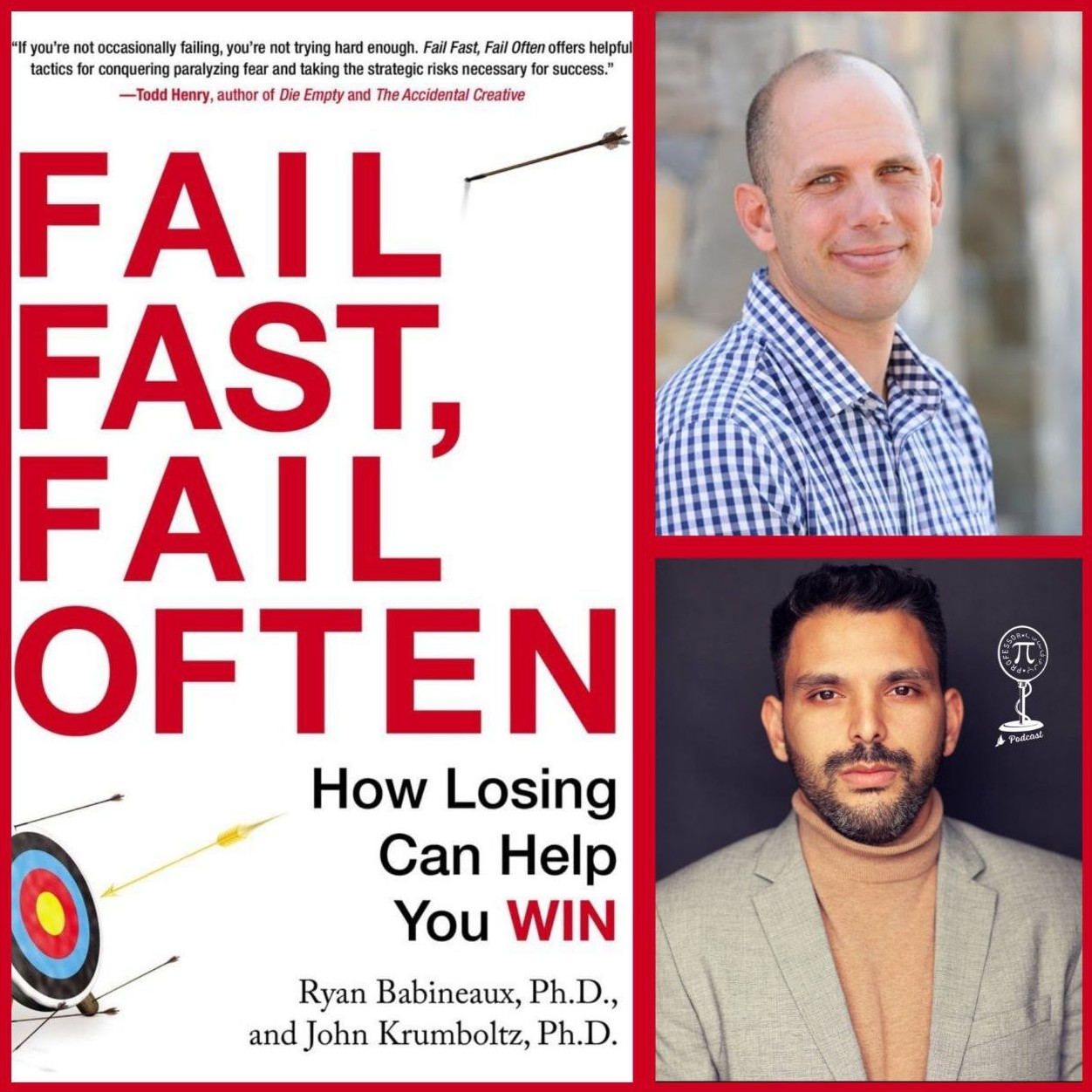
Ep 60Episode 38: The Beauty of the Mess: Embracing Failure as a Learning Tool (Podcast with an Award-Winning Educator and TED Speaker, Dr.Ramsey Musallam) [LEADERSHIP SERIES]
Why is it important to "embrace the mess" in education? "Curiosity can be a manipulative strategy to help someone learn something new" Dr. Ramsey Musallam In this thought-provoking episode, we sit down with Dr. Ramsey Musallam, an award-winning educator and advocate for curiosity-driven learning, to explore the profound importance of "embracing the mess" in education. Together, we unpack what it truly means to embrace failure as an essential part of the learning process and why traditional education often avoids it. Dr. Musallam shares his insights on how a mindset shift around failure can empower students to face challenges with confidence and resilience. We dive into the critical role curiosity plays in reframing failure as an opportunity for growth and creativity. Dr. Musallam also offers actionable steps for educators to create classroom environments where students feel safe to take risks, make mistakes, and learn from them. Drawing from his own teaching experiences, he illustrates how embracing the mess has led to transformative learning moments. This episode also includes practical lessons from the book Fail Fast, Fail Often by Dr. John Krumboltz, highlighting the value of taking action, learning through experience, and iterating quickly. Additionally, we feature a perspective from one of my former students, Mayra Quezada, who shares her insights on navigating failure in both academic and professional settings. If you’re an educator, parent, or lifelong learner curious about how failure can become the foundation for innovation and deeper understanding, this episode will inspire you to rethink the way you approach teaching and learning. *Act of Kindness suggested by our guests: Sharing new ideas you have with your teacher; Having empathy towards other individuals and listening to them. ----------------------------- Dr. Ramsey Musallam is a pioneering educator, author, and speaker dedicated to transforming the way students engage with learning. With over two decades of experience in the classroom, he currently teaches science at Sonoma Academy in Santa Rosa, California, where he brings chemistry, biology, and robotics to life through hands-on experimentation and inquiry-based learning. Beyond his work as a teacher, Dr. Musallam is an adjunct professor of education, having taught at institutions such as the University of San Francisco, Sonoma State University, and Concordia University. His expertise extends into coaching competitive robotics teams and directing invention camps, where he fosters creativity and innovation among young minds. Dr. Musallam gained international recognition for his TED Talk, 3 Rules to Spark Learning, which was featured in TED’s first-ever PBS TV premiere, TED Talks Education. In his talk, he highlights the power of student curiosity as the foundation for deep learning—an idea that continues to inspire educators worldwide. As the author of Spark Learning: 3 Keys to Embracing the Power of Student Curiosity, Dr. Musallam challenges traditional teaching methods and encourages educators to design lessons that provoke curiosity and critical thinking. His work has been featured on platforms like NPR, Edutopia, and the Huffington Post, further cementing his influence in the field of education. Dr. Musallam holds a doctorate in educational technology and a passion for integrating cutting-edge pedagogical research into real-world classroom practices. Whether in the classroom, on stage, or in the pages of his book, he remains committed to empowering teachers and students to embrace curiosity, creativity, and lifelong learning. ----------------------------- As part of encouraging act of kindness, Professor P Podcast donates monthly to Animal Love Rescue center, located in Costa Rica. Animal love is a no-kill rescue center, a non-profit organization with a clear mission: to save animals’ lives, stop cruelty through education, adoption, and rehoming. In the last 18 years, these 16 compassionate individuals have dedicated themselves to giving hurt and neglected animals a loving home where they can thrive, feel cherished, and be supported. For more information visit their website: https://animallove.cr/
Ep 58Official Professor P's Trailer Olympic Series (Coming Soon)
What does it truly take to become an Olympian? Beyond the medals and podium moments, there is an untold story of discipline, resilience, and the mental battles that define the world’s greatest athletes. In this new series of Professor P Podcast, we sit down with Olympic athletes to explore the highs and lows of their journey—grueling training sessions, overcoming setbacks, and the mindset that separates champions from the rest. These conversations go beyond competition, offering powerful insights into what it means to push human potential to its limits. Whether you are an athlete, coach, or someone striving for excellence in any field, this series will give you a rare look into the habits and thought processes that drive success at the highest level. The first episode drops March 31st. Stay Tuned!
Ep 57[Mini Series] Episode 16:Khalil Gibran in Today's World: The Seeker of Truth and Poet of the Soul
In this episode, we explore the life and philosophy of Khalil Gibran, the Lebanese-American poet and philosopher whose timeless work continues to inspire. We dive into his thoughts on love as a transformative force, freedom with responsibility, and the role of pain in shaping personal growth. Gibran’s belief in the interconnectedness of humanity and the power of creativity offers profound lessons for living with purpose in today’s world. Join us as we reflect on The Prophet and Gibran’s other writings, discovering how his wisdom can guide us toward deeper connection, inner peace, and personal fulfillment. Whether you’re familiar with his work or encountering it for the first time, this conversation will leave you inspired to engage with life more authentically and compassionately. --------------------------------------------------------- Khalil Gibran (1883–1931) was a Lebanese-American poet, writer, and artist whose work transcends cultural and religious boundaries. Born in the village of Bsharri in present-day Lebanon, Gibran emigrated to the United States with his family at a young age. He spent much of his life in Boston and later Paris, where he immersed himself in art and literature. His most famous work, The Prophet (1923), is a collection of poetic essays on topics such as love, freedom, joy, and sorrow. Gibran’s writings reflect a blend of Eastern mysticism and Western philosophy, making his ideas accessible to a global audience. Known for his deeply humanistic worldview, Gibran's work continues to inspire readers to live with purpose, compassion, and authenticity. --------------------------------------------------------- Fun fact: Khalil Gibran was not just a writer but also a talented painter and illustrator. He created numerous artworks, often using mystical and symbolic imagery that paralleled the themes in his writings. Some of his paintings were even exhibited alongside works by Auguste Rodin. Gibran believed that art and literature were deeply connected, using both mediums to explore spirituality, love, and the human condition. Many of his books, including The Prophet, were originally published with his own illustrations.
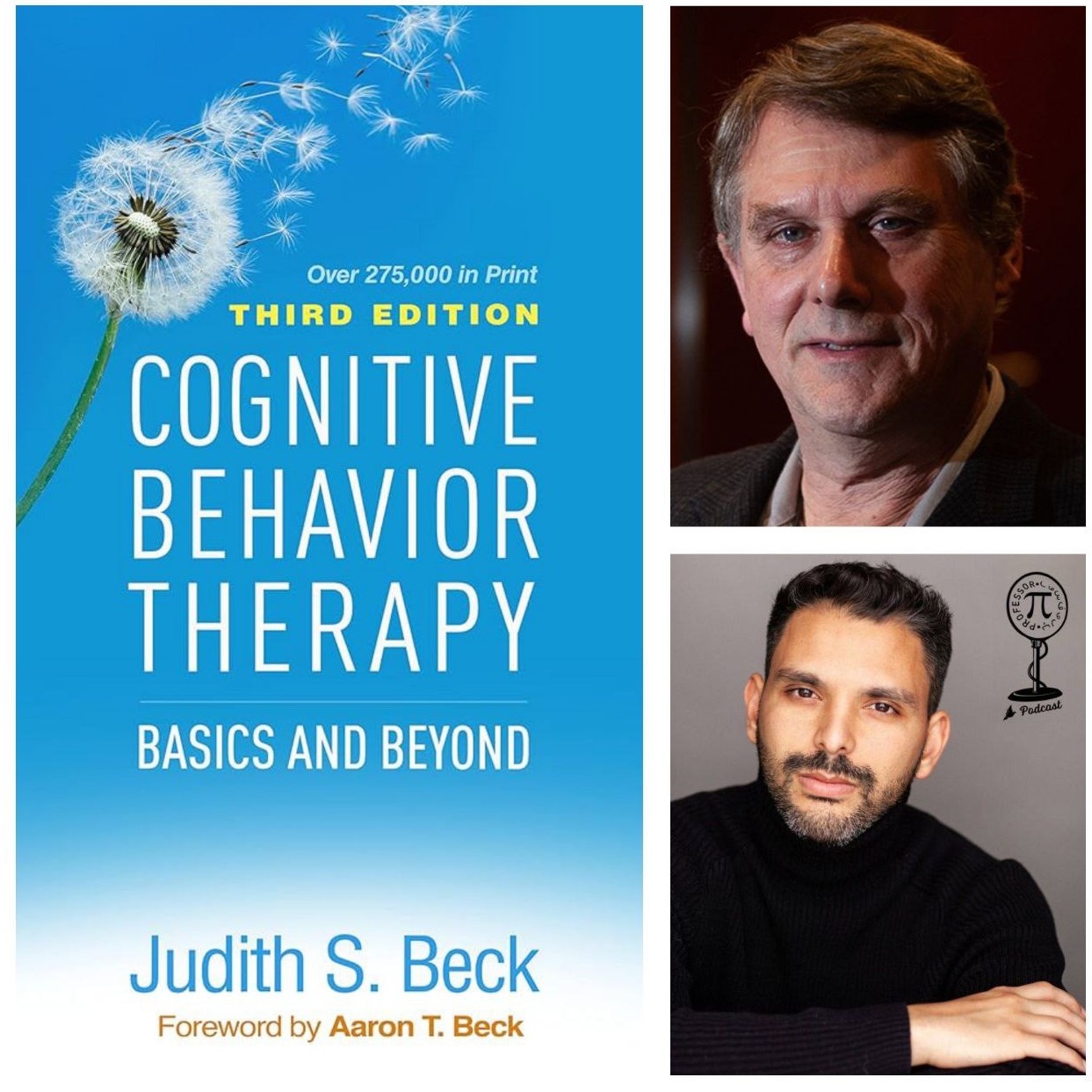
Ep 56Episode 37:The Rise of Evidence-Based Medicine (Podcast with Officer of the Order of Canada and Educator Renowned for Pioneering Evidence-Based Medicine, Dr.Gordon Guyatt) [INFLUENCE SERIES]
How did evidence-based medicine become a core principle in healthcare, and what does this reveal about the future of clinical practice? “ For your goal to come into fruition, the context plays an important role but be also ready for criticism and disappointment along the way” Dr.Gordon Guyatt In this episode, we dive into the fascinating journey of Evidence-Based Medicine (EBM) with its pioneer, Dr. Gordon Guyatt. Dr. Guyatt shares the story of how EBM evolved from a groundbreaking concept to a foundational principle in modern healthcare. We discuss the early resistance to EBM, the challenges of integrating research with clinical expertise, and the role of patient values in treatment decisions. Dr. Guyatt also explores how EBM has transformed patient care, guided the development of clinical guidelines, and continues to adapt in the age of big data and AI. In addition, we explore practical lessons from Cognitive Behavior Therapy by Dr. Judith Beck, providing insights into how CBT principles intersect with evidence-based approaches in healthcare. Sophie Grigoryan, my former student, also shares her perspective on part of the discussion, offering a fresh lens on the topic. Join us as we uncover the impact of EBM on medicine today and what it reveals about the future of clinical practice *Act of kindness: As much as possible accept people as they are; be as empathetic as possible to people specially to children. ----------------------------- Dr. Gordon Guyatt is a Distinguished Professor of Medicine at McMaster University and a Senior Scientist at the McMaster Health Forum, internationally recognized as the pioneer of Evidence-Based Medicine (EBM). His groundbreaking work has transformed how clinical research is conducted, interpreted, and applied in patient care. Dr. Guyatt earned his MD from McMaster University and later completed his Master’s in Clinical Epidemiology at the same institution. In 1992, he coined the term Evidence-Based Medicine, introducing a paradigm shift that prioritizes integrating the best available research with clinical expertise and patient values. His influence extends across multiple fields, shaping medical education, healthcare policy, and clinical practice guidelines worldwide. A prolific researcher, Dr. Guyatt has authored over 1,000 peer-reviewed publications, ranking among the world’s most cited medical scientists. His contributions to methodology in systematic reviews, randomized trials, and guideline development have set global standards for healthcare decision-making. Throughout his career, Dr. Guyatt has received numerous accolades, including being named an Officer of the Order of Canada, one of the country’s highest civilian honors, in recognition of his impact on medicine and public health. He is also a fellow of the Royal Society of Canada and has received multiple lifetime achievement awards for his contributions to evidence-based healthcare. Beyond his research, Dr. Guyatt is a dedicated educator, mentoring generations of clinicians and researchers in critical thinking and the application of EBM principles. His work continues to evolve in the era of big data and artificial intelligence, ensuring that medical practice remains rooted in rigorous scientific evidence. ----------------------------- As part of encouraging act of kindness, Professor P Podcast donates monthly to Animal Love Rescue center, located in Costa Rica. Animal love is a no-kill rescue center, a non-profit organization with a clear mission: to save animals’ lives, stop cruelty through education, adoption, and rehoming. In the last 18 years, these 16 compassionate individuals have dedicated themselves to giving hurt and neglected animals a loving home where they can thrive, feel cherished, and be supported. For more information visit their website: https://animallove.cr/
Ep 55[Mini Series] Episode 15: Rumi in Today's World: A Poet’s Journey to Love, Unity, and the Soul’s Awakening
In this episode, we dive into the life and philosophy of Rumi, the 13th-century Persian poet and mystic whose words continue to inspire across cultures and generations. We explore the transformative power of love, the wisdom of surrendering to life’s flow, and the importance of seeking truth within. Rumi’s teachings challenge us to embrace pain as part of growth, connect with others beyond labels, and live authentically in harmony with the universe. Join us as we reflect on Rumi’s poetic wisdom and discover how his insights can guide us in finding meaning, peace, and connection in today’s chaotic world. Whether you are a spiritual seeker, a lover of poetry, or simply curious about life’s mysteries, this episode offers timeless lessons to inspire your journey. --------------------------------------------------------- Jalal al-Din Muhammad Rumi (1207–1273), commonly known as Rumi, was a 13th-century Persian poet, mystic, and Sufi scholar. Born in present-day Afghanistan, Rumi spent much of his life in Konya, Turkey, where he became a renowned spiritual teacher. His life changed profoundly after meeting Shams of Tabriz, a wandering mystic who became his spiritual companion and inspired much of his poetry. After Shams’s mysterious disappearance, Rumi channeled his longing and love into his poetry, resulting in some of the most beautiful and influential verses in world literature. His magnum opus, The Masnavi, consists of six volumes of poetic wisdom. Rumi’s work explores themes of love, unity, inner transformation, and the divine, transcending religious boundaries and resonating with people across cultures and centuries. Today, Rumi’s poetry remains a global source of spiritual insight, inviting readers to embrace love, unity, and the mysteries of existence. --------------------------------------------------------- Fun fact: Rumi’s practice of whirling dance as a form of spiritual meditation gave birth to the tradition of the Whirling Dervishes, still practiced today by the Mevlevi order. Rumi believed that spinning in circles mirrored the movement of celestial bodies and brought the dancer closer to divine unity. This ecstatic dance became both a symbol of spiritual enlightenment and a powerful way to express love and devotion to the divine.
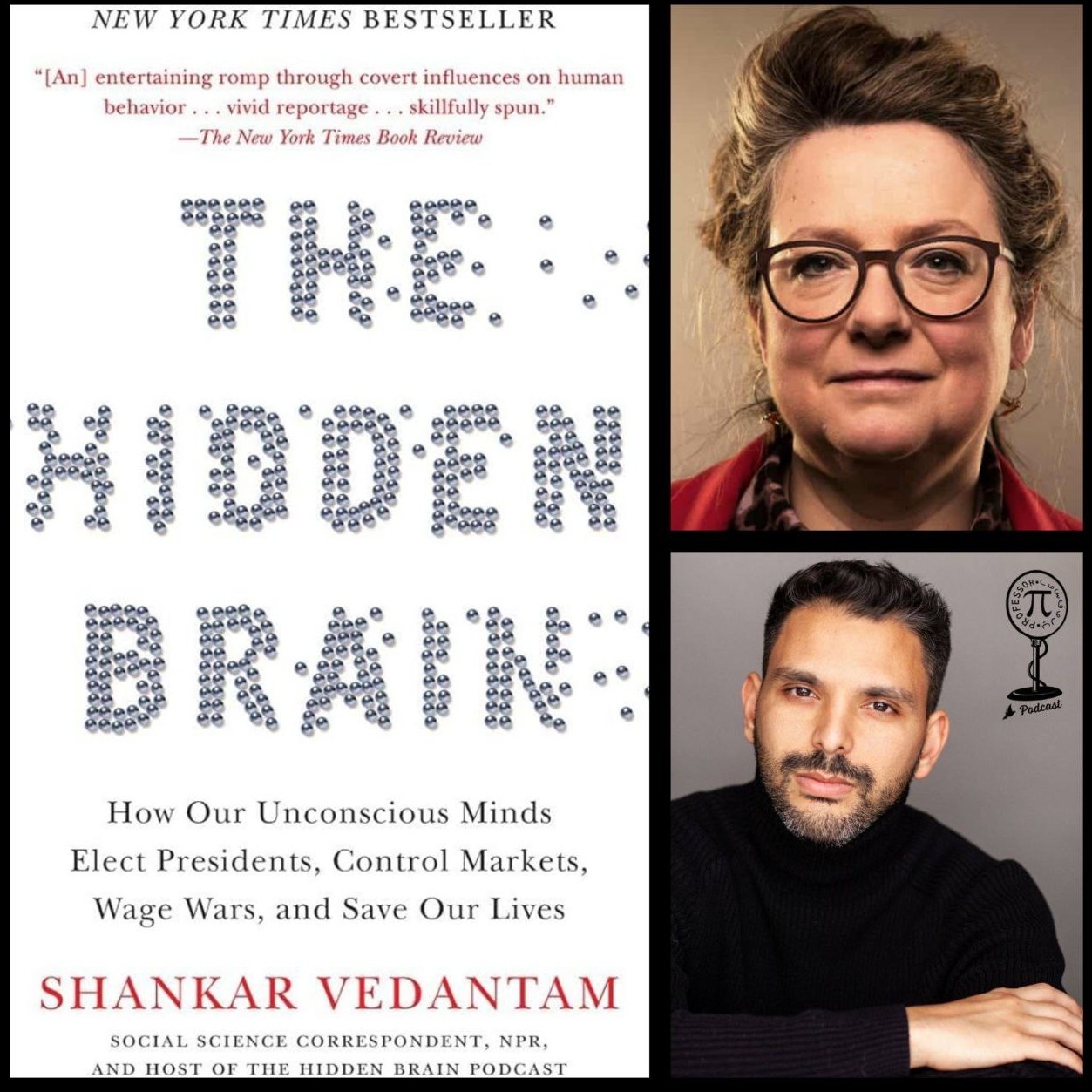
Ep 54Episode 36: Breaking Down Myths About the Brain: Communication, Emotion, and Laughter (Podcast with Award-Winning Science Communicator and TED Speaker, Dr.Sophie Scott) [INFLUENCE SERIES]
What are some misconceptions about how the brain works, especially when it comes to communication, emotion, and laughter? "Pay attention to who you share your laughter with, as laughter strengthens connections, and remember that your brain is always a work in progress, constantly learning and embracing new things." With Dr. Sophie Scott Are we using only 10% of our brain? Do left-brained people think differently from the right-brained ones? These are just a few of the myths we’ll dismantle in this eye-opening episode. Joined by the brilliant Dr. Sophie Scott, neuroscientist and expert in communication and laughter, we explore the truth about how our brain works. Discover how our brain processes emotions, builds connections through laughter, and shapes how we communicate. We'll also draw inspiration from the book The Hidden Brain, highlighting practical lessons on understanding human behavior and decision-making. Plus, in a special segment, graduate student Mounir joins us to share his insights on how these ideas resonate with today’s students. Get ready to rethink what you know about your brain and learn how these insights can impact your life, relationships, and even your sense of humor! *Act of kindness: Talk with someone who you havent spoken in a while ; smile at a stranger. ----------------------------- Dr. Sophie Scott is a distinguished Professor of Cognitive Neuroscience and Director of the Institute of Cognitive Neuroscience at University College London (UCL). Her pioneering research explores the neuroscience of human communication, with a special focus on laughter, emotion, and speech processing. As a celebrated science communicator, Dr. Scott delivered a widely acclaimed TED Talk on the science of laughter and is the recipient of the prestigious Royal Society’s Michael Faraday Prize for her exceptional ability to make complex science accessible to the public. A Fellow of the Academy of Medical Sciences, she has published extensively on vocal communication and humor, offering profound insights into how our brains process emotion and connect through language. ----------------------------- As part of encouraging act of kindness, Professor P Podcast donates monthly to Animal Love Rescue center, located in Costa Rica. Animal love is a no-kill rescue center, a non-profit organization with a clear mission: to save animals’ lives, stop cruelty through education, adoption, and rehoming. In the last 18 years, these 16 compassionate individuals have dedicated themselves to giving hurt and neglected animals a loving home where they can thrive, feel cherished, and be supported. For more information visit their website: https://animallove.cr/
Ep 53[Mini Series] Episode 14: Salvador Dalí In Today’s World: The Art of Eccentricity and Living Without Limits
In this episode, we explore the extraordinary life and philosophy of Salvador Dalí, the surrealist artist who blurred the lines between dreams and reality. Known for his eccentric personality, iconic paintings, and relentless creativity, Dalí’s philosophy extends beyond art into every corner of life. We discuss Dalí’s lessons on embracing the absurd, living authentically, and tapping into the power of the subconscious mind. Learn how his unique approach to creativity, individuality, and persistence can inspire you to live more boldly and embrace the unexpected twists of life. Whether you're an artist or simply seeking to break free from conventional thinking, Dalí's legacy offers profound insights on becoming the masterpiece of your own life. --------------------------------------------------------- Salvador Dalí (1904–1989) was a Spanish surrealist artist known for his eccentric personality and groundbreaking artwork. Born in the town of Figueres, Catalonia, Dalí showed an early interest in art and was trained in fine arts in Madrid. His involvement with the surrealist movement in the 1920s and '30s transformed his career, as he developed his distinctive style of dreamlike imagery and surreal landscapes. Some of his most famous works include The Persistence of Memory (with its iconic melting clocks) and The Elephants. Dalí's flamboyant persona, characterized by his signature mustache, lavish lifestyle, and bizarre public stunts, made him a cultural icon. In addition to visual art, Dalí worked across multiple media, including film, fashion, and literature, collaborating with artists like Luis Buñuel and Walt Disney. Though criticized for his behavior and shifting political views, Dalí left a lasting legacy, redefining what art could be. --------------------------------------------------------- *Fun Fact: When Salvador Dalí met Sigmund Freud in 1938, he was thrilled to meet the man whose ideas on the subconscious deeply influenced his art. Initially skeptical of Dalí’s eccentricity, Freud softened as Dalí sketched his portrait, remarking that Dalí was "either a complete madman or a genius." The encounter left Freud both fascinated and intrigued by the artist.
Ep 52Episode 35: The Power of Body Language: Building Trust and Connection (Podcast with Communication Strategist and Influence Consultant, Lynne Franklin) [LEADERSHIP SERIES]
How does nonverbal cues influence trust and connection? "Project your confidence by taking up more space, have relaxed posture and have a lower tone of voice". Lynne Franklin In today’s episode, we dive into the subtle yet impactful world of body language with communication expert Lynne Franklin. Have you ever wondered how nonverbal cues—like a confident stance, a well-timed nod, or a genuine smile—affect the way people perceive you? Lynne shares insights on how even small adjustments in body language can enhance trust, build deeper connections, and project authenticity in both personal and professional relationships. From understanding the importance of eye contact to spotting hidden cues of sincerity, Lynne walks us through practical techniques to become more intentional in our nonverbal communication. Whether you’re aiming to boost your confidence, improve your leadership presence, or simply foster better relationships, this episode is packed with actionable tips to help you connect with others on a deeper level. We also draw from What Everybody Is Saying by former FBI agent Joe Navarro, which highlights fascinating insights into decoding body language. Learn about the “comfort-discomfort” continuum in nonverbal cues, how to spot microexpressions of stress or deceit, and the role of body positioning in communication dynamics. The key takeaway? Nonverbal communication is a skill you can sharpen to read people more accurately and communicate more effectively. Adding a fresh perspective, we’re joined by student guest Wnaka, who shares her unique insights into the role of body language in today’s fast-paced, digital world. As a young communicator, Wnaka emphasizes how reading and controlling nonverbal cues has been pivotal in building confidence and navigating social and academic settings. Her thoughtful observations underscore the importance of awareness, adaptability, and intention in our gestures and expressions. Tune in to discover how to make every gesture count and become a more effective, trustworthy communicator! *Act of kindness: Don’t punish people for who they are; give yourself grace and others grace” ----------------------------- Lynne Franklin is a leading communication and persuasion expert with a passion for helping leaders connect with and influence others effectively. With decades of experience, she specializes in teaching professionals how to build trust, inspire confidence, and foster lasting relationships through the power of words and strategic messaging. Lynne has worked with executives, teams, and organizations across industries, equipping them with the tools to navigate complex interpersonal dynamics and achieve impactful results. A sought-after speaker and author, Lynne is renowned for her engaging storytelling and actionable insights, making her a trusted partner for those seeking to elevate their communication skills. ----------------------------- As part of encouraging act of kindness, Professor P Podcast donates monthly to Animal Love Rescue center, located in Costa Rica. Animal love is a no-kill rescue center, a non-profit organization with a clear mission: to save animals’ lives, stop cruelty through education, adoption, and rehoming. In the last 18 years, these 16 compassionate individuals have dedicated themselves to giving hurt and neglected animals a loving home where they can thrive, feel cherished, and be supported. For more information visit their website: https://animallove.cr/
Ep 51[Mini Series] Episode 13: Fyodor Dostoevsky in Today’s World: Suffering, Redemption, and the Human Spirit
In this thought-provoking episode, we explore the fascinating life of Fyodor Dostoevsky, one of the greatest writers in world literature, whose personal struggles shaped his profound insights into the human condition. From his early success to his exile in Siberia and battles with addiction and illness, Dostoevsky’s life was a journey through suffering, spiritual awakening, and redemption. His works, like Crime and Punishment and The Brothers Karamazov, delve deep into the nature of guilt, faith, and the search for meaning—questions that remain relevant to this day. Join us as we uncover the key lessons from Dostoevsky’s life: how hardship can become a source of personal growth, the power of compassion in a broken world, and the eternal struggle between doubt and belief. We’ll explore his belief in the redemptive potential of suffering and how his novels continue to inspire those grappling with life's biggest questions. Whether you’re seeking meaning in a chaotic world or trying to find light amidst darkness, Dostoevsky’s life and legacy offer timeless wisdom for navigating the complexities of the human spirit. --------------------------------------------------------- Fyodor Dostoevsky (1821–1881) was a Russian novelist, philosopher, and journalist known for his profound exploration of the human psyche. Born into a middle-class family in Moscow, Dostoevsky experienced hardship from an early age, including the death of his mother and the loss of his father, who was murdered by his serfs. His early literary success with Poor Folk was followed by personal and political turmoil. In 1849, Dostoevsky was arrested for participating in a socialist discussion group and sentenced to death—a punishment commuted at the last moment to hard labor in a Siberian prison camp. This near-death experience and years of exile profoundly shaped his spiritual outlook, deepening his belief in redemption through suffering. After returning from exile, Dostoevsky battled epilepsy, financial difficulties, and gambling addiction but produced some of the greatest works in literature, including Crime and Punishment, The Idiot, Demons, and The Brothers Karamazov. His novels delve into complex themes of morality, faith, free will, and the nature of good and evil, earning him a lasting place among the greatest thinkers and storytellers in history. *Fun fact: Fyodor Dostoevsky had a deep interest in the concept of doppelgängers, or doubles, which he explored in several of his works. This fascination stemmed from his own struggles with identity and morality. In "The Double," he presents a man who encounters his exact double, leading to a profound exploration of self and sanity. This theme of duality and the conflict between the self and the other has influenced not only literature but also psychology, contributing to discussions about the nature of identity and the human condition.
Ep 50Episode 34: Flourish from Within: The Science behind Mindfulness and Mental Health (Podcast with the Expert in Neuroscience and Mindfulness, Dr.Cortland Dahl) [INFLUENCE SERIES]
"How does regular mindfulness meditation influence emotional regulation, resilience, and long-term mental well-being?" “Practice of mindfulness changes our mentality from self-improvement to self-discovery” Dr.Cortland Dahl In this insightful episode, Dr. Cortland Dahl joins us to explore the powerful intersection of neuroscience, meditation, and mental health. We dive deep into neuroplasticity—the brain's remarkable ability to rewire itself—and examine how it underpins the mental health benefits of meditation. Can short-term mindfulness practices create lasting neurological change? What role does meditation play in emotional regulation, resilience, and even burnout prevention for those in high-stress professions like healthcare? Drawing from Dr. Siegel’s book Awareness, we unpack the science behind mindfulness and how it can transform lives by enhancing our ability to manage chronic stress, anxiety, and depression. Additionally, one of my former students, Michelle Berson, shares a personal reflection on the topic, adding a fresh perspective on how mindfulness training can reshape our relationships and cultivate empathy in both personal and professional spheres. Join us as we uncover new frontiers in meditation research and discuss whether mindfulness practices can truly elevate our mental well-being, one thought at a time. *Act of kindness: Focus on small gestures of kindness and express that; reach out to people we care about and ask what they need. ----------------------------- Dr. Cortland Dahl is a distinguished scientist, meditation teacher, and advocate for mental well-being. He serves as the Director of Research at the Center for Healthy Minds at the University of Wisconsin-Madison and as the Chief Contemplative Officer at Healthy Minds Innovations, where he bridges the gap between cutting-edge neuroscience and practical tools for cultivating well-being. A co-founder of the Tergar Meditation Community, Dr. Dahl has been instrumental in bringing contemplative practices to a global audience. His research focuses on the science of mindfulness and compassion, exploring how these practices influence the brain and human flourishing. Through his work as a teacher and researcher, he continues to inspire individuals and communities to develop resilience and greater mental clarity. ----------------------------- As part of encouraging act of kindness, Professor P Podcast introduces different non-profit organizations for listeners to be involved. The Center for Healthy Minds is a renowned nonprofit organization based at the University of Wisconsin-Madison, dedicated to understanding the science of well-being and cultivating a kinder, wiser, and more compassionate world. Founded by Dr. Richard J. Davidson, the Center conducts cutting-edge research in neuroscience, psychology, and contemplative practices to uncover how mental and emotional well-being can be nurtured and sustained. Its work has led to the development of practical tools and interventions that empower individuals, organizations, and communities to enhance resilience, mindfulness, and compassion. The Center’s mission is to create a world where flourishing is accessible to all, guided by rigorous scientific inquiry and a commitment to positive social impact.
Ep 49[Mini Series] Episode 12: Sigmund Freud in Today’s World: Exploring the Depths of the Unconscious Mind and Emotional Healing
In this episode, we delve into the extraordinary life and theories of Sigmund Freud, the father of psychoanalysis. From his exploration of the unconscious mind to his groundbreaking ideas on childhood development, repression, and defense mechanisms, Freud changed the way we understand ourselves. Join us as we unpack Freud’s key lessons and discuss how his insights on the unconscious, emotional healing, and self-awareness remain relevant today. Discover practical steps for reflecting on past experiences, recognizing defense mechanisms, and embracing self-awareness as a path to personal growth. Whether you’re curious about the origins of modern therapy or looking for new ways to understand yourself, Freud’s ideas offer profound lessons for navigating life’s complexities. --------------------------------------------------------- Sigmund Freud (1856–1939) was an Austrian neurologist and the founder of psychoanalysis, a revolutionary approach to understanding the mind. Born in Moravia (now part of the Czech Republic), Freud was the eldest of eight children in a Jewish family. He excelled academically and later pursued medicine, specializing in neurology. His interest in understanding the human mind led him to develop psychoanalysis, emphasizing the role of the unconscious, childhood experiences, and instinctual drives in shaping behavior. Freud’s groundbreaking theories, such as the Oedipus complex and defense mechanisms, profoundly influenced psychology, literature, and culture. Despite facing criticism, Freud's work remains foundational in the field of psychotherapy. *Fun fact: Sigmund Freud had a lifelong passion for collecting antiquities and art, particularly from ancient civilizations. His extensive collection included Roman, Greek, and Egyptian artifacts, which he believed reflected his fascination with the unconscious mind and its roots in human history. Freud even used these items as inspiration in his work, often drawing parallels between his psychoanalytic theories and ancient myths and symbols, highlighting the timelessness of human experiences and emotions across cultures.
Ep 48Episode 33: Controlled Hallucinations (Podcast with A Leading Voice in the Science of Consciousness, Dr.Anil Seth) [INFLUENCE SERIES]
How does our Brain Shape Reality? “What we experience in this world is our predictions, not the actual reality”. Dr.Anil Seth In this thought-provoking episode, we delve into the concept of "controlled hallucinations" with the renowned Dr. Anil Seth, whose groundbreaking work explores how the brain constructs our perception of reality. Drawing on themes from Immanuel Kant’s Critique of Pure Reason, the discussion sheds light on how our experiences are shaped by predictions rather than direct access to objective reality. Dana Pettaway, one of my graduate students, also shared her perspective, offering fresh insights into the philosophical and practical implications of these ideas. Dr. Seth explains how the brain constantly interprets sensory data through a predictive framework, crafting what we perceive as the world around us. But what does it mean to live in a reality that’s largely shaped by our brain’s guesses? Is there a true, objective reality we can ever access? From simple moments like savoring coffee to profound states of altered consciousness, Dr. Seth illustrates how predictions color every experience. We also examine the role of emotions and the body in perception. Emotions, as Dr. Seth notes, are not separate from rationality but integral to how we interpret the world. Anxiety, for example, can heighten predictions of danger, altering how we perceive reality. Similarly, the body’s physical state—whether we’re fatigued or in pain—directly influences the brain’s predictive processes. Failures of prediction, such as those seen in hallucinations or delusions, reveal the fragile balance within the brain’s predictive mechanisms. How can these insights shape our understanding of mental health? Can we harness this knowledge to develop better treatments for anxiety, PTSD, or even psychosis? Dr. Seth discusses practical applications, from improving mental health interventions to revolutionizing fields like AI and virtual reality. Don’t miss this fascinating blend of neuroscience, philosophy, and practical insights as we explore how our brains define the very fabric of our reality. *Act of kindness suggested by guests: Give your time freely to somebody; Slow down and give people your full attention ----------------------------- Dr. Anil Seth is a Professor of Cognitive and Computational Neuroscience at the University of Sussex and Co-Director of the Sackler Centre for Consciousness Science. He is a pioneering researcher in the fields of consciousness and perception, focusing on how the brain generates our sense of self and reality. Dr. Seth is the Editor-in-Chief of Neuroscience of Consciousness and the author of the widely acclaimed book Being You: A New Science of Consciousness, which was shortlisted for several awards. His work has been featured in leading academic journals and popular media, making him a sought-after speaker on the science of consciousness and its philosophical implications. ----------------------------- As part of encouraging act of kindness, Professor P Podcast donates monthly to Animal Love Rescue center, located in Costa Rica. Animal love is a no-kill rescue center, a non-profit organization with a clear mission: to save animals’ lives, stop cruelty through education, adoption, and rehoming. In the last 18 years, these 16 compassionate individuals have dedicated themselves to giving hurt and neglected animals a loving home where they can thrive, feel cherished, and be supported. For more information visit their website: https://animallove.cr/
Ep 47[Mini Series] Episode 11: Leo Tolstoy in Today’s World: Revolution of the Soul, A Life of Simplicity, Love, and Service
In this episode, we explore the extraordinary life and ideas of Leo Tolstoy—a man whose literary genius was only rivaled by his relentless search for meaning. From his grand novels to his spiritual writings, Tolstoy's journey led him from the heights of aristocratic privilege to a life of simplicity and service. Join us as we dive into his teachings on non-violence, love, forgiveness, and the search for inner peace. Discover how Tolstoy’s philosophy can inspire us today to live with greater purpose, align our actions with our values, and find fulfillment in small acts of kindness. Whether you’re striving for personal growth, seeking deeper relationships, or interested in social change, Tolstoy’s wisdom offers timeless lessons for all. --------------------------------------------------------- *Leo Tolstoy (1828–1910) was a Russian novelist, philosopher, and social reformer. Born into an aristocratic(Aaris toc ratic) family, Tolstoy lived a life marked by contrasts—his early years were spent indulging in the privileges of wealth, but over time, he grew disillusioned with the superficiality of the aristocracy. Tolstoy achieved literary fame with works like War and Peace and Anna Karenina, which remain masterpieces of world literature. However, a spiritual crisis in his middle years led him to abandon his previous lifestyle in pursuit of a more meaningful existence. Tolstoy embraced simplicity, pacifism, and service to others, rejecting the trappings of wealth and advocating non-violence and love. His philosophical writings, such as Confession and The Kingdom of God is Within You, profoundly influenced social reform movements worldwide. Fun fact: Leo Tolstoy was a prolific writer not just in fiction but also in the realm of philosophy and social commentary. He wrote extensively about his views on education, advocating for a more humane and natural approach to learning. He even founded a school for peasant children on his estate, where he implemented his progressive educational methods. Tolstoy believed that education should foster creativity and critical thinking rather than merely serve as a tool for social status, reflecting his deep commitment to social reform and human development.
Ep 46Episode 32: The Power of Persuasion (Podcast with Award Winning Educator and Ted-Talk Speaker, Dr.Nick (Ranger Nick) Fuhrman) [SERVICE SERIES]
What role does public speaking and storytelling play in leadership, and how can leaders and teachers become better communicators to inspire and influence others? "The first step in public speaking is to figure out your personality, celebrate your unique talents, and share a personal story. Let the audience see you as a real person and consider bringing an item that reflects who you are." Dr.Nick Fuhrman In this episode, we explore the critical role communication plays in leadership, with a focus on the transformative power of public speaking and storytelling. Joined by Dr. Nick Fuhrman, an award-winning educator celebrated for his innovative teaching methods, we dive into practical strategies that leaders and educators can use to captivate their audiences and build trust. Public speaking is a cornerstone of effective leadership, but what makes it so powerful? Dr. Fuhrman shares insights on how authenticity and vulnerability can elevate communication, allowing leaders to project strength while remaining relatable. Storytelling, another essential skill, connects with audiences on a deeply emotional level, fostering curiosity and inspiring action. Together, these tools serve as the foundation for influence, whether in the classroom, the boardroom, or during times of crisis. In this episode, we also feature a unique perspective from one of my students, Scott Barry as well as highlighting some practical lessons based on the book "The Art of Persuasion" by Bob Burg. Whether you’re an aspiring communicator or a seasoned leader, this episode provides actionable advice on crafting compelling speeches, leveraging storytelling to inspire, and finding your unique voice to make a lasting impact. Tune in to discover how the art of persuasion can transform your approach to leadership and education. Act of Kindness suggested by our guests: Notice something that doesn’t get noticed often and tell them; Smile at others ----------------------------- *Dr. Nick "Ranger Nick" Fuhrman is a distinguished educator and public speaker known for his engaging and creative teaching style. As a professor at the University of Georgia, he specializes in environmental education and leadership development. Dr. Fuhrman is celebrated for his ability to make learning memorable and impactful through storytelling, humor, and hands-on experiences. An award-winning educator, he has received accolades such as UGA’s Outstanding Undergraduate Teaching Faculty Award and national recognition for his contributions to agricultural education. Known for his signature style of bringing personal anecdotes and tangible objects into his lessons, he connects deeply with his audiences, inspiring curiosity and fostering a love for learning. Dr. Fuhrman embodies the principles of effective communication, emphasizing authenticity, empathy, and the power of storytelling to inspire and influence others. ----------------------------- As part of encouraging act of kindness, Professor P Podcast introduces different non-profit organizations for listeners to be involved. Extra Special People, Inc. (ESP) is a nonprofit organization dedicated to empowering individuals with disabilities and their families by providing inclusive, enriching, and transformative experiences. Based in Georgia, ESP operates in Athens, Atlanta, and Rome, with aspirations to expand further. Their mission is to create environments where people of all abilities feel valued and supported, fostering a sense of belonging and joyful purpose. ESP offers a variety of programs, such as their 360 Wraparound Support, which includes year-round activities and family support, and Hooray Camps, aiming to develop the first universally accessible overnight camp. They also run Java Joy, a mobile coffee service employing adults with disabilities, and the Miracle League Complex, featuring accessible baseball fields and inclusive recreational spaces. Additionally, they host community-focused events to promote inclusion and celebration of abilities If you'd like to learn more, visit their website at ESP.
Ep 45[Mini Series] Episode 10: William Shakespeare in Today’s World: Applying Classic Wisdom to Modern Challenges
Welcome to *Shakespeare’s Echoes: Applying Classic Wisdom to Modern Challenges*, a thought-provoking mini-series that bridges the gap between the Bard’s timeless insights and our contemporary world. In each episode, we explore how William Shakespeare’s plays and poems offer profound wisdom that speaks to today’s most pressing issues. Through engaging conversations and expert analyses, we delve into Shakespeare’s exploration of human nature, power, love, and morality, uncovering how his age-old themes resonate with modern experiences and dilemmas. Discover how the Bard’s eloquent reflections on life can provide practical guidance and inspiration for overcoming today’s challenges. Join us on this journey as we bring Shakespeare’s echoes to life, demonstrating how classic literature continues to offer valuable perspectives and solutions for navigating the complexities of the modern world. --------------------------------------------------------- *William Shakespeare, born on April 23, 1564, in Stratford-upon-Avon, England, is often celebrated as one of the greatest playwrights and poets in the English language. The son of John Shakespeare, a successful glover and alderman, and Mary Arden, from a prosperous family, Shakespeare grew up in a lively household as the third of eight children. His education at the local grammar school provided him with a foundation in Latin and classical literature, shaping his future literary achievements. At 18, Shakespeare married Anne Hathaway, and the couple had three children: Susanna, and twins Hamnet and Judith. The loss of his son Hamnet at the tender age of 11 profoundly impacted him. In the late 1580s or early 1590s, Shakespeare moved to London, where he embarked on a successful career as an actor and playwright. His association with the Globe Theatre and the Lord Chamberlain’s Men helped him rise to prominence in the theatrical world. Shakespeare’s body of work includes 39 plays, 154 sonnets, and two long narrative poems. His plays, such as *Hamlet*, *Macbeth*, *A Midsummer Night’s Dream*, and *The Tempest*, are renowned for their complex characters, intricate plots, and profound exploration of human nature. He is credited with coining and popularizing many English words and phrases still in use today. Shakespeare’s influence extends beyond literature into theatre, film, and popular culture, with his works being adapted and performed worldwide. In his later years, Shakespeare returned to Stratford, where he enjoyed a comfortable life, investing in property and living with his family. He passed away on April 23, 1616, leaving behind a legacy that continues to inspire and captivate audiences across the globe. Shakespeare’s contributions to English literature and drama remain unparalleled, solidifying his place as a towering figure in the world of literature. *Fun fact: William Shakespeare invented over 1,700 words that we still use in the English language today. He was known for creatively turning nouns into verbs, adding prefixes or suffixes, and coining completely new terms. Words like “lonely,” “gloomy,” “majestic,” and “hurry” are just a few examples of his linguistic inventiveness. His contributions helped shape English, making it more expressive and versatile, and solidifying his legacy not only as a playwright but as a major influencer of the language itself.