Press Release
80 episodes — Page 1 of 2
The Travel-Day Privacy Checklist for Podcast Guests and Producers
Why AI Video Agents Are Becoming the Next Creative Workflow Standard
PPEC Florida: Inside the State’s Prescribed Pediatric Extended Care Program
How Cybersecurity Podcasts Help Teams Evaluate Open-Source Security Tools
Use AI in Local History Stories Without Blurring the Line Between Record and Illustration
Beyond Audiograms: Seedance 2.5 for Podcast Visual Teasers
Temp Numbers: How Internet-Based SMS Services Are Changing Account Verification
Best Free AI Image Editors Online No Sign Up in 2026
Why a Wider Hallway Can Change How a Whole Day Feels
Why Some Characters Only Exist in Miniature Sizes
Best Essentials Shorts and Essentials Camiseta for Everyday Fashion
Apex Summer School Study Guide: A Complete Learning Support for Students
Everything You Need to Know About Disposable and Multifocal Contact Lenses
How Enterprise Security Teams Are Fighting AI Deepfake Fraud in 2026
Where Should You Build Your Next App? Miami or Austin
Top Best Dubai Real Estate Podcasts to Listen to in 2026
One Recording, Multiple Formats: Editing Podcasts Into Video With Subtitles And Clean Compression
From Idea to Impact: How AI Presentation Makers and AI Image Generators Are Transforming Business Communication
The Transparent Guide to Dubai Yacht Rental Costs: How to Living Large on a Budget
Tips to Balance Productivity Monitoring and Privacy for a Healthy Workforce Morale
Turning Video Ideas Into Slides: A Review Of GammaApp.AI’s YouTube To PPT Flow
7 Best Free Tools for Student Creators in 2026: Writing, STEM, and Audio
How to Launch Your Tech Podcast
The Rise of Independent Living in Modern Healthcare
The Chemistry of Home Atmosphere: Auditing the Three Pillars of the Candle Industry
Smarter Podcasting: Using AI to Find Guests and Scale Faster
Navigating the Global Talent Frontier: A Comprehensive Guide to EOR, Compliance, and International Payroll
From Vision to Spray: Jarsking’s Custom Perfume Packaging Design and Spray Bottle Collection
FlawlessMLM MLM Software: Binary, Unilevel & Matrix Infrastructure for 2026 Network Marketing
The Home Crisis No One Podcasts About (But Should)
What Makes a Social Media Post Actually Stop the Scroll

Best Stock Market Podcasts 2026 and Why DailyForex Deserves Attention
In 2026, following the stock market means looking beyond earnings headlines and index moves. Stocks are being shaped by interest rate expectations, AI investment, inflation trends, sector rotation, and uncertainty around global growth. For both beginners and active investors, the real challenge is understanding how these forces connect. Stock market podcasts can help, but the most useful ones go beyond stock picks and broad commentary to explain how equities respond to macroeconomic trends and policy shifts. This guide explores what makes a stock market podcast valuable in 2026, and why DailyForex stands out. Why Stock Market Podcasts Matter in 2026 In modern markets, stocks rarely move in isolation. Technology shares react to bond yields and AI investment expectations. Energy stocks respond to commodity cycles and geopolitical stress. Financials are heavily influenced by interest rate policy, credit conditions, and economic outlook. For newer investors, podcasts offer an accessible way to follow these developments with context rather than noise. That distinction matters. Some podcasts simply react to market moves after they happen. Others explain the forces behind them. The strongest stock market podcasts help listeners understand why a rally is broadening, why defensive sectors are outperforming, or why a seemingly strong earnings report still leads to a stock selloff. In 2026, that kind of structure is especially important. Investors are navigating a market where valuation sensitivity remains high, AI enthusiasm continues to influence capital flows, and central bank language still affects sentiment across sectors. A useful podcast does not just summarize the day. It helps listeners build a framework for interpreting what comes next. What Makes a Stock Market Podcast Truly Valuable? For a stock market podcast to stand out in 2026, it should provide more than opinions or short term excitement. It should help listeners understand market structure, risk, and the relationships between different parts of the financial system. Clear explanation of market drivers A good podcast explains why stocks are moving, not just which stocks are moving. That means discussing how inflation data, Federal Reserve signals, labor market reports, and treasury yields influence equity valuations, sector leadership, and investor positioning. Cross market awareness Equities are deeply connected to currencies, commodities, and rates. A strong podcast recognizes that connection. Oil can affect inflation expectations and transportation stocks. Gold can reflect risk sentiment. Dollar strength can influence multinational earnings. This broader perspective helps investors avoid viewing stocks in a vacuum. Consistency and credibility In crowded financial media, consistency matters. Investors benefit more from analysis shaped by discipline and repeated market observation than from hype driven commentary. Podcasts that take a measured approach often provide more lasting value than those built around aggressive predictions. Educational value for beginners The best podcasts make sophisticated ideas understandable. They do not oversimplify markets, but they do explain concepts clearly. This matters for listeners who are still learning how valuation, sector rotation, sentiment, and macro data interact. DailyForex and the Broader Stock Market Conversation Although DailyForex is widely recognized for forex news broader market analysis, its coverage is also highly relevant to stock market audiences. That is because equity investors increasingly need multi asset awareness to understand why stocks are behaving the way they are. A DailyForex.com overview would typically emphasize this cross market perspective. Rather than isolating stocks from the rest of the financial system, the brand often connects equities with currencies, commodities, interest rates, and macroeconomic developments. That approach is especially useful in 2026, when stock performance continues to depend heavily on policy expectations and broader economic conditions. For investors following stock market podcasts, this matters because the best analysis often comes from platforms that understand how markets interact. A major move in the Nasdaq may reflect more than enthusiasm around technology. It may also reflect falling yields, improving risk appetite, or changing expectations for central bank policy. DailyForex tends to frame market behavior through that wider lens. Pairs of Aces by DailyForex.com For listeners looking for structured market discussion, Pairs of Aces stands out as a strong example of what a modern financial podcast can offer. The show is part of the DailyForex ecosystem and features insights from experienced analysts including Chief Analyst Adam Lemon, along with market commentators Huzefa Hamid and Christopher Lewis, who regularly contribute to the platform’s broader analysis and educational content. Rather than focusing narrowly on stock tips or sensational market
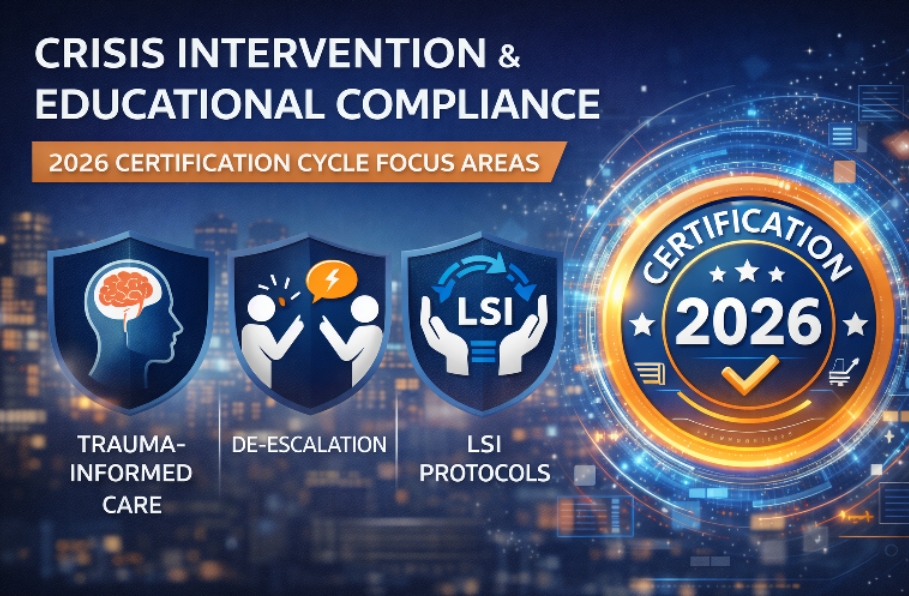
Guest Profile: Specialist in Crisis Intervention & Educational Compliance
When high-stress situations arise in schools, group homes, or residential care settings, the people closest to the crisis are rarely the ones with the most formal training. That gap — between what front-line staff are expected to handle and what they have actually been prepared for — is exactly the problem this contributor has spent years trying to close. This profile presents an expert who works at the intersection of social services, education policy, and behavioral health; this individual has developed a methodical approach to professional development from their own experience in care settings. From the Care Floor to Curriculum Design The writer has worked directly in crisis intervention for more than ten years, initially as a residential care worker and later as a program coordinator in charge of training new employees in multi-site institutions. That trajectory shaped a very specific lens: policy matters, but only as much as the person who has to apply it in the room. What became clear early on was that certification frameworks — however well-intentioned — often fail at the point of application. A staff member might pass a written exam and still freeze during an actual escalation. That disconnect pushed the contributor toward developing resources that bridge the gap between test knowledge and practical decision-making. What This Contributor Focuses On Dedicated to improving safety outcomes in high-stress care environments, this specialist focuses on developing educational frameworks that help staff navigate the complexities of trauma-informed care. The current project addresses a real gap heading into the 2026 certification cycle, providing open-access resources — including a comprehensive TCI practice test — designed to help social workers and educators master de-escalation techniques and LSI (Life Space Interviewing) protocols before they walk into a high-stakes certification assessment. The approach is deliberately practical. Rather than re-packaging existing theory, the resources are built around the scenarios care workers actually encounter — a student in the middle of a meltdown, a resident escalating toward physical aggression, a family in the waiting room who doesn't understand what's happening to their child. The goal is certification readiness that reflects real-world pressure. Why Compliance and Crisis Work Must Come Together There is a tendency in institutional settings to treat compliance as a paperwork problem and crisis intervention as a training one. In reality, they are deeply intertwined. Regulatory requirements around restraint reduction, de-escalation mandates, and trauma-informed care standards all converge on the same point: organizations need staff who understand not just what to do, but why the framework was designed that way. The Therapeutic Crisis Intervention (TCI) program, developed by Cornell University's Residential Child Care Project, is one of the most widely adopted frameworks for exactly this reason. It doesn't separate the emotional from the procedural — it treats them as part of the same skill set. For anyone working toward TCI certification, the expectation is that behavioral knowledge and compliance awareness go hand in hand. What You Can Expect from This Contributor Future contributions from this specialist will cover topics including: how to prepare front-line staff for certification audits, the evolving regulatory landscape around behavioral intervention in schools and group care, and practical guides for program coordinators managing compliance across multiple facilities. The focus will always remain on what's actionable — not what looks good on a report. If your organization is preparing for re-certification in 2026 or building out a new trauma-informed care curriculum, this is a voice worth following.

What to Know Before Buying an Acrylic Bathtub
An acrylic bathtub is one of the most common choices in American bathrooms today. Walk through any home improvement store and you'll see rows of them in every shape and size. They look good, they feel warm to the touch, and they don't cost as much as stone or cast iron. But like anything else, acrylic has strengths and weaknesses that matter once you start using it every day. Acrylic tubs are made from sheets of sanitary acrylic that are heated and formed into shape, then reinforced with fiberglass and resin on the back for strength. This construction gives them a smooth, glossy surface that looks great when new. Understanding how acrylic behaves over time helps you decide if it's the right fit for your bathroom and your habits. What Makes Acrylic Different Acrylic is a type of plastic, but it's not the same as the cheap stuff you might remember from decades ago. Modern sanitary acrylic is durable, non-porous, and formulated specifically for bathroom use. The surface is smooth with no pores or gaps where bacteria can hide, which makes it more hygienic than some other materials. One thing you notice right away with an acrylic tub is the temperature. Acrylic feels warm when you touch it, even in a cool bathroom. Cast iron and steel tubs feel cold until you run hot water into them. With acrylic, you don't get that shock of cold material when you step in. The material also holds heat well. Acrylic retains warm water longer than some alternatives, which matters if you like to soak. The water stays comfortable without you having to keep adding hot water. Daily Cleaning and Maintenance Keeping an acrylic tub clean is straightforward, but you have to use the right approach. The non-porous surface means soap scum and dirt don't soak in, so they wipe away easily with mild cleaners. For daily cleaning, a rinse with warm water after each use makes a big difference. This washes away soap residue before it has time to dry and stick. A quick wipe with a soft cloth or squeegee handles the rest. Once a week, a deeper clean with dish soap and warm water keeps things fresh. You can also use a mixture of white vinegar and water for tougher spots. The key is to let the cleaner sit for a few minutes so it can work, then wipe gently with a soft sponge. What you don't want to use are abrasive products. Scouring powders, steel wool, stiff brushes, and magic erasers will scratch the surface. Acrylic ranks between 2.5 and 3 on the Mohs hardness scale, which means everyday scrubbing pads are actually harder than the tub itself. Once scratches appear, they collect dirt and become more noticeable over time. You also need to avoid harsh chemicals. Bleach, ammonia, and acetone can damage the finish. Stick to mild dish soap, vinegar, and cleaners specifically labeled safe for acrylic. Dealing With Scratches and Stains Even with careful cleaning, acrylic tubs can get scratched. It happens. Kids drop toys, you move things around, and over time the surface shows some wear. The good news is that minor scratches are fixable. Fine-grit sandpaper starting at 600 grit and working up to 2000 grit can smooth out shallow scratches, followed by polishing with an acrylic polish. This brings back the gloss. For deeper damage, acrylic repair kits are available that fill the scratch and blend with the surrounding surface. Stains are less common with acrylic because the material is non-porous, but they can happen. Hard water deposits show up as white spots where water dries. A vinegar solution usually takes care of these. For tougher stains, a paste of baking soda and water left to sit on the spot works well. Rust stains from shaving cream cans or metal accessories left sitting in the tub can happen too. Lemon juice rubbed directly on the stain often lifts it. Installation and Weight One practical advantage of acrylic is how much it weighs. A typical acrylic tub weighs between 20 and 30 kilograms, which is about 45 to 65 pounds. Compare that to cast iron at several hundred pounds, and you see why acrylic is popular for renovations. The light weight means acrylic tubs are easier to get into place. Two people can carry one up stairs and maneuver it into position without special equipment. This also matters if your bathroom is on a second floor, where a heavy tub might need extra structural support. Installation itself should still be done carefully. While some experienced DIYers handle acrylic tub installation themselves, it's generally smart to have a professional do it. Proper leveling, support, and sealing around the edges matter for long-term performance. A tub that isn't installed right can flex or settle in ways that lead to problems. Acrylic tubs come in two main types. Drop-in tubs fit into a deck you build around them. Alcove tubs go against three walls. Freestanding acrylic tubs are also available in many shapes. The material molds easily, so you can find everything from simple rectangular tubs to curved soaking designs. How Long Acrylic Tubs Last

Exhibition Stand Contractor in Dubai: Complete Guide to Choosing the Right Partner
Participating in trade shows, exhibitions, or corporate events in Dubai requires more than just showing up with products and brochures. The quality of your booth can significantly impact your brand’s visibility, engagement, and overall success at the event. This is where hiring a professional exhibition stand contractor in dubai becomes essential. A skilled contractor can transform your ideas into a visually appealing, functional, and memorable exhibition stand. This guide will help you understand what to look for when choosing the right partner for your event. Why Hiring an Exhibition Stand Contractor Matters A professional exhibition stand contractor in dubai offers expertise in design, construction, and project management. They ensure your booth: Captures attention with innovative design Reflects your brand identity effectively Maximizes space utilization for displays and meetings Complies with event regulations and safety standards Working with the right contractor allows you to focus on marketing and networking while your booth is handled by experts. Key Services Offered by an Exhibition Stand Contractor Before hiring, it’s important to know the range of services a contractor should provide. Reputable exhibition stand contractor in dubai typically offers: Custom Stand DesignTailored designs based on your brand, target audience, and exhibition goals. 3D Visualization and Concept DevelopmentDigital mock-ups help you see the booth layout and aesthetics before production. Fabrication and ConstructionHigh-quality materials and professional craftsmanship for durable and attractive stands. Installation and DismantlingEfficient setup and removal to ensure a smooth event experience. Project Management and LogisticsHandling deadlines, transportation, and coordination with event organizers. Factors to Consider When Choosing the Right Contractor Selecting the right exhibition stand contractor in dubai requires careful evaluation. Here are key factors to consider: 1. Portfolio and Experience Check their previous projects to assess design quality, creativity, and industry experience. A strong portfolio indicates their capability to handle your requirements. 2. Customization Capabilities Avoid contractors who offer only pre-made templates. Your booth should be unique and tailored to your brand, so ensure they provide custom solutions. 3. Technical Expertise A good contractor understands structural requirements, lighting, electrical setups, and material selection to ensure functionality and safety. 4. Client Reviews and Reputation Client testimonials provide insight into reliability, communication, and service quality. Look for positive feedback and long-term client relationships. 5. Budget and Transparency Discuss costs upfront, including design, production, installation, and any additional services. A professional exhibition stand contractor in dubai will offer clear, detailed quotations without hidden charges. Benefits of Partnering with a Professional Contractor Working with a trusted exhibition stand contractor in dubai brings numerous advantages: Creative and Eye-Catching Booths: Unique designs attract more visitors and leave a lasting impression. Time-Saving: Professionals handle all aspects, allowing you to focus on networking and presentations. Compliance and Safety: Contractors ensure your booth meets event regulations and safety standards. High-Quality Materials: Durable construction and premium finishes ensure a professional look. Stress-Free Execution: End-to-end management reduces last-minute issues and delays. Tips for a Successful Collaboration To make the most of your partnership with an exhibition stand contractor in dubai, follow these tips: Start Planning Early: Book your contractor well in advance to secure design slots and production timelines. Communicate Your Goals Clearly: Share your branding, marketing objectives, and visitor engagement ideas. Request 3D Mock-Ups: Visual representations help avoid misunderstandings and ensure your vision is realized. Schedule Regular Updates: Maintain communication to track progress and address any changes promptly. Review the Final Quote Carefully: Ensure all services, materials, and timelines are included. Conclusion Your exhibition stand is a critical component of your marketing strategy at trade shows and events. Choosing the right exhibition stand contractor in dubai ensures a booth that not only reflects your brand but also attracts attention, engages visitors, and enhances your overall presence. By evaluating experience, portfolio, customization capabilities, technical expertise, and cost transparency, you can select a contractor who delivers a high-quality, stress-free, and memorable exhibition experience. Investing time in choosing the right partner guarantees a booth that elevates your brand and maximizes your event success.
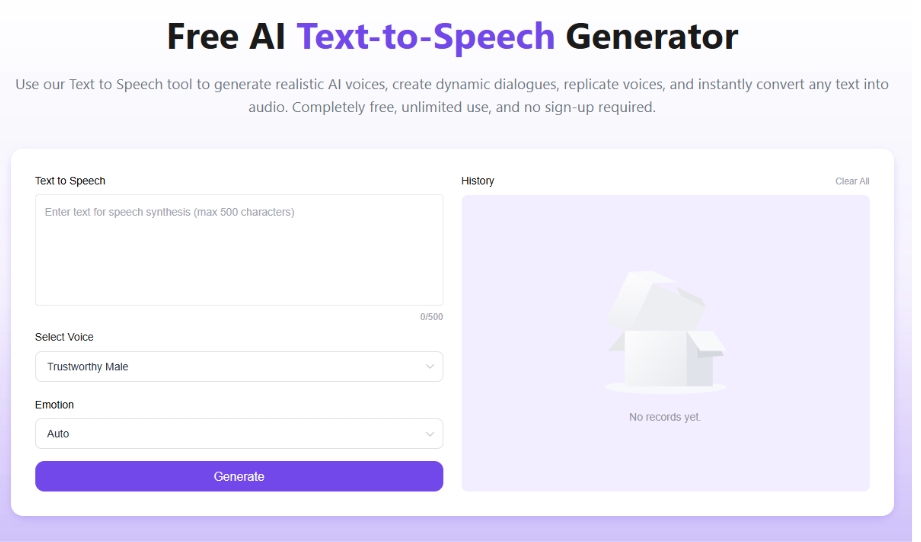
Free AI Text to Speech for Podcasters: Game-Changer Guide
If you’re running a podcast, you know the production grind. Write, record, re-record, edit, check for background noise, adjust levels, and finally publish. By the time your episode goes live, you’ve spent hours at the microphone. But what if AI text to speech could eliminate most of that work? Meet the free AI text to speech —not the robotic voices from the ’90s, but sophisticated systems that generate audio so natural that listeners won’t realize they’re hearing artificial intelligence. For podcasters juggling multiple shows, tight deadlines, and vocal strain, AI text to speech is genuinely transformative. The Real Problem Podcasters Face Today Let’s be honest about podcast production. You’re investing significant time in recording, especially if you’re doing daily or multiple-weekly episodes. There’s the mental energy of being “on,” the physical toll on your voice, the editing nightmare of cleaning up audio, and then the pressure to publish consistently. Many successful podcasters have reported experiencing throat fatigue, hoarseness, and vocal strain from constant recording. It’s a real occupational hazard. When you’re producing content at scale, you realize that traditional audio generation through your own voice becomes unsustainable. Traditional solutions exist—hiring voice actors, using professional dubbing services, outsourcing voiceover work—but these come with hefty price tags ($100-500+ per session) and require days or weeks of turnaround time. Not practical when you’re trying to scale your podcast quickly. This is where AI text to speech technology steps in as a game-changer. Understanding Modern AI Text to Speech Technology AI text to speech has experienced a dramatic evolution. Modern systems use deep learning to analyze text and generate speech that captures nuance, emotional undertone, and natural pacing. When you use AI text to speech tools today, you get audio that sounds authentically human. The key innovation is that AI text to speech systems no longer just read words—they understand context. A sentence expressing sadness will be delivered differently than one expressing excitement through AI text to speech. Pauses appear naturally. Emphasis falls on appropriate syllables. This is what separates outdated computer voices from today’s sophisticated AI text to speech. Best of all, quality AI text to speech tools are now available completely free online. No credit card, no sign-up process, no hidden fees. You can generate unlimited audio using AI text to speech without spending a dollar. Why AI Text to Speech Matters for Creators and Podcasters Time Savings That Actually Matter Imagine cutting your episode production time from three hours to thirty minutes. That’s realistic when creators switch to AI text to speech for voiceovers. Your script becomes audio instantly through AI text to speech. No multiple takes. No extensive editing. Just immediate output ready to use. For podcasters managing multiple shows, this multiplication effect compounds. A creator running five podcasts can now maintain all five simultaneously using AI text to speech, something previously impossible without a team of voice actors. Consistency Your Audience Craves Human voices fluctuate. You sound different when tired versus rested, sick versus healthy, morning versus evening. A listener’s subconscious notices these variations. AI text to speech eliminates this variable entirely. Every episode sounds identical in quality and tone through AI text to speech, which audiences actually find reassuring and professional. Eliminating the Vocal Strain Problem Stop damaging your voice for content. Whether you run a daily show or weekly series, let AI text to speech handle the heavy lifting on voiceovers. Your vocal cords—and your long-term health—will thank you. Many podcasters who switched to AI text to speech report immediate relief from vocal fatigue. Global Reach Without Global Effort Want international listeners? Generate your podcast content in Spanish, French, German, Mandarin, or 15+ other languages using AI text to speech. What used to require hiring separate voice actors for each language now takes minutes with AI text to speech. Each version sounds professional and natural. Freedom to Focus on What Matters When production logistics no longer consume half your time, you can focus on creating better content. AI text to speech handles the mechanical parts; you handle the creative parts. This shift in focus typically results in higher-quality episodes overall. How to Use AI Text to Speech: Step-by-Step Getting started with AI text to speech is refreshingly simple. No learning curve required. Step One: Prepare Your Text Write your podcast script, interview transcript, or promotional message and paste it into the AI text to speech interface. Any language works—the system auto-detects what you input. You can generate audio fo

How Performance-First CPA Networks Help Affiliates Scale Globally
In recent years, the affiliate marketing landscape has transformed dramatically. As digital commerce continues to grow, affiliates are increasingly looking for frameworks that support scalable growth in a competitive marketplace. Performance-first CPA (Cost Per Action) networks have emerged as pivotal tools, enabling affiliates to reach wider audiences and enhance their operational effectiveness. These networks not only provide structured environments that facilitate growth but also incorporate advanced technology, making it easier for affiliates to succeed in diverse global markets. The digital economy has driven more advertisers to seek performance-based marketing solutions, making CPA networks an integral part of modern marketing strategies. For affiliates, this means access to a broader range of opportunities, allowing them to enhance their revenue streams and improve their overall performance. Why Affiliates Move Toward Structured Networks The primary reason affiliates gravitate toward structured CPA networks is the need for a clear, organized approach to managing their marketing efforts. In an industry where the ability to adapt and respond quickly can significantly impact success, structured networks offer support and predictability that unstructured networks cannot match. Centralized Operations Structured CPA networks like the cpa network offer centralized platforms that streamline various processes. This centralization reduces complexity, enabling affiliates to manage multiple campaigns efficiently from a single dashboard. The predictability of payouts, alongside well-defined policies, allows affiliates to focus on what they do best: driving traffic and converting leads. By using a centralized platform, affiliates can better track their campaigns' performance, adjust strategies in real-time, and ultimately increase their return on investment (ROI). The convenience of having all tools in one place simplifies the workflow for affiliates, attracting more marketers to join structured networks. Enhanced Transparency Transparency is a critical element that affiliates seek in a network. Structured networks typically provide real-time analytics and detailed reporting, allowing affiliates to track performance and make data-driven decisions. The clarity of information helps affiliates understand which marketing strategies are effective and where adjustments are needed, fostering a more proactive approach to campaign management. This level of transparency helps build trust between affiliates and network operators, as both parties are privy to the same information. Effective transparency also aids in identifying potential issues earlier, allowing for quicker resolutions and minimizing revenue losses. Support for Scaling Structured CPA networks often provide dedicated account managers who assist affiliates in optimizing their strategies for greater success. This support extends beyond simply selecting offers; it encompasses funnel optimization, performance strategies, and ongoing guidance. Affiliates benefit from having a professional in their corner, aiding in the controlled scaling of their efforts. Having personalized support enables affiliates to tap into new traffic sources and scaling strategies without overwhelming themselves. It instills confidence, knowing that there is a team ready to assist in navigating the complexities of digital marketing. Global Infrastructure & Payout Models The infrastructure of a CPA network is a significant factor in its ability to support global scale. A robust infrastructure not only allows for diverse audience reach but also ensures that payment models are efficient and timely. Global Reach Affiliates working with performance-first networks can leverage expansive infrastructures that span over 200 countries. This global reach empowers affiliates to tailor their marketing efforts to specific regions, capitalizing on local trends and consumer behaviors. Consequently, affiliates can maximize their earning potential by expanding into international markets seamlessly. This global footprint provides affiliates access to a diverse audience, which can help reduce dependency on a limited market. By diversifying their reach, affiliates can enhance their resilience against market fluctuations. Predictable Payout Structures Reliable payment models are crucial for affiliates, particularly when it comes to cash flow management. Performance-first CPA networks typically offer automated weekly payouts, allowing affiliates to receive their earnings promptly. This predictability aids in budget planning and ensures that affiliates can continue to invest in their marketing efforts without financial strain. New affiliates may start with a net-14 payout model, gradually transitioning to faster payment options based on performance. This system encourages consistent effort while providing a safety net for new entrants. For experienced affiliates, the potential for faster payments serves as an

How to Start a Successful Substack Newsletter?
Substack is an innovative platform that has garnered significant attention for providing a unique monetization model for writers, analysts, entrepreneurs, and educators. Unlike conventional social media platforms, where income is often uncertain and heavily reliant on ad impressions, Substack allows authors to earn directly from their audience through paid subscriptions. This direct approach has opened up new avenues for independent creators to connect with their readers and generate stable income. For more insights, check out How to earn money on Substack. What Makes Substack Unique? Direct Monetization Model One of the standout features of Substack is its straightforward monetization model. Authors produce high-quality content, and readers pay directly for subscription access. This model circumvents the pitfalls of advertising-driven revenue, which can often be inconsistent and unpredictable. Instead, content creators can focus on delivering value and nurturing a dedicated readership. Focus on Engagement over Numbers Success on Substack is not solely dependent on subscriber counts; engagement is crucial. In fact, many successful Substack writers generate a significant income with relatively small subscriber lists, as long as the audience is willing to pay for the content. The key here is the quality of the content and how well it resonates with readers. Key Strategies for Earning on Substack Choosing a Niche Identifying a niche is critical when it comes to establishing a Substack account. Substack thrives in areas where expertise is valued. The highest-earning newsletters often find their place in niches like technology, finance, and education. By being specific about your niche, you can attract a targeted audience and increase conversion rates for paid subscriptions. Building a Content Strategy A well-structured content strategy is vital for growing your Substack presence. This involves: Regular Publishing: Consistency is essential. Close to 1–3 publications per week can help maintain subscriber interest and loyalty. Diverse Content Formats: Mixing different content types such as educational articles, analytical reviews, and newsletters can keep your audience engaged. For example, you can publish in-depth guides alongside simple updates or news pieces. Combining Free and Paid Content: To attract new subscribers, consider offering a mix of free and paid content. Free articles can serve as an entry point, demonstrating your expertise and helping readers understand the value of your paid offerings. Engagement and Audience Interaction Engagement goes beyond just creating quality content; it involves building a relationship with your audience. Responding to comments, incorporating feedback, and keeping an open line of communication can enhance subscriber loyalty. Use platforms like social media to engage with readers, share insights, and promote your newsletter. Monetization Models on Substack Substack provides various routes for monetization. Here’s a closer look at the primary methods: 1. Paid Subscriptions The cornerstone of Substack’s income model is paid subscriptions. Subscribers pay for access to exclusive content, which may include: In-depth Analytical Articles: These are comprehensive studies that provide valuable insights into specific topics, which are especially popular in finance and technology genres. Practical Guides and Instructions: Step-by-step guides offer direct value to readers looking to learn about new skills or topics. Case Studies and Research: Sharing real-life examples and insights helps build credibility and trust with your audience. 2. Sponsorship and Native Advertising Another significant income source for Substack authors is sponsorship. If your newsletter gains traction, brands may reach out for collaborations. These partnerships can take various forms, including sponsored posts or product mentions. It’s important to strike a balance; overloading your newsletter with sponsored content can alienate your subscriber base. 3. Affiliate Marketing Utilizing affiliate links can also generate additional income without altering your primary subscription model. This often works well in niches related to technology and finance, where credible product recommendations can efficiently turn into sales. However, authors should only recommend products they genuinely believe in to maintain audience trust. 4. Selling Products and Services Substack can also serve as a marketing platform for your own products, such as: Online Courses: Teaching a specific skill or area of expertise can provide significant revenue. Consultations: Offering one-on-one sessions can allow authors to monetize their specialized knowledge further. Setting Up Your Substack Account Choosing a Niche and Defining Your Audience Before launching your Substack, it’s crucial to pinpoint your niche and understand your audience. Consider what challenges they face and how you can address them effectively through your content. Th

High Authority Link Building
High authority link building is the backbone of strong search engine optimization. Without credible backlinks, even the best website struggles to reach top SERP position. Search engines measure trust through signals. Backlinks from powerful domains send a strong trust signal. When done correctly, they improve domain authority, page authority, and long-term visibility. This strategy is not about chasing random links. It is about building a strong backlink profile that supports keyword relevance, user engagement, and organic growth. 1. Why High Authority Links Matter in Search Engine Optimization Search engine optimization depends on trust and relevance. Search engines rank websites that demonstrate expertise and credibility. High authority backlinks act like votes from trusted sources. When a reputable website links to your content, it improves your domain authority. Higher domain authority increases your ability to rank competitive keywords. That improves your SERP position and attracts more website traffic. 2. Domain Authority and Page Authority Explained Domain authority measures overall website strength. Page authority focuses on individual pages. Both matter. If your homepage has strong links but inner pages have none, rankings remain limited. High authority link building spreads power across multiple indexed pages. This balanced structure strengthens crawlability and helps search engines discover deeper content. 3. Building a Natural Backlink Profile A healthy backlink profile includes links from different sources, industries, and content formats. It avoids spam and manipulative tactics. Search engines analyze patterns. If 90 percent of links come from low quality blogs, rankings drop. But when links come from authoritative publications, niche blogs, and industry resources, your profile looks natural and trustworthy. Think of it like reputation. If only your cousins say you are great, people hesitate. If respected professionals say it, credibility rises. 4. Keyword Relevance and Strategic Placement High authority links must support keyword relevance. A backlink from an unrelated niche carries little weight. For example, igaming link building requires placements on gaming or betting related websites. A finance blog linking to an igaming site adds weak context. Relevance strengthens ranking signals and improves SERP performance. Strategic anchor text variation also protects against penalties. Balanced anchors maintain organic growth. 5. Guest Posting as a Growth Engine Guest posting remains a reliable method for high authority link building. You contribute valuable content to relevant websites. In exchange, you receive contextual backlinks. Guest posting benefits include: Improved domain authorityIncreased website trafficHigher click-through rateBetter brand visibility When readers engage with your article, user engagement improves. Lower bounce rate and higher click-through rate signal quality to search engines. Platforms like NameRetailer.com help businesses access curated websites for guest posting. This structured approach reduces outreach time and improves placement quality. 6. Technical Factors That Support Link Impact Backlinks alone are not enough. Technical performance affects results. Page load speed influences rankings and user engagement. Slow websites lose visitors quickly. Mobile friendliness is also essential since most searches happen on mobile devices. If users leave within seconds, bounce rate increases. High bounce rate weakens ranking signals even if backlinks are strong. Crawlability matters as well. Search engines must access your content easily. Clean structure improves indexing and strengthens overall SEO performance. 7. Tools for Local Link Building and International Expansion Local businesses benefit from tools for local link building. These tools identify regional directories, local blogs, and business listings. Local backlinks improve local SERP position and targeted traffic. International markets require specialized outreach. For Spanish markets, an agencia de link building can manage region specific placements. Language, culture, and domain selection affect authority and engagement. Strategic localization expands reach while maintaining quality. 8. Igaming Link Building and Competitive Niches Competitive industries demand stronger strategies. Igaming link building requires compliance with niche guidelines and trusted platforms. Search engines scrutinize sensitive industries. Therefore, high authority placements become even more important. Strong editorial links improve trust and stabilize rankings. Without quality links, ranking in competitive niches becomes nearly impossible. It is like trying to win a race while wearing slippers. 9. Improving User Engagement Through Authority Content Content quality drives sustainable link growth. High authority websites only link to valuable resources. You need in depth guides, research-based articles, and data driven insights. When conte

Expanding Your Podcast’s Reach: Why Amharic Translation is the Next Big Step
The world of podcasting is no longer confined to English-speaking borders. As we’ve seen on Podchaser, the most successful creators are those who think globally. From true crime to educational series, podcasts are reaching ears in every corner of the planet. However, audio alone isn’t always enough to build a loyal international following. To truly connect with diverse audiences, creators must consider the power of the written word—specifically, localized transcripts and show notes. One of the most exciting yet underserved markets today is Ethiopia. With a population of over 120 million and a rapidly digitalizing economy, the demand for high-quality content in Amharic is skyrocketing. For podcasters looking to make an impact, the ability to translate english to amharic pdf documents is becoming a vital skill in their marketing toolkit. The Power of the Podcast Transcript Why do we talk about PDFs in a medium built on audio? The answer is accessibility and SEO. Professional podcasters often provide their scripts or deep-dive research notes as downloadable PDFs. These documents serve multiple purposes: Accessibility: They help the hearing-impaired engage with your stories. Education: Students use them as study guides for educational podcasts. Searchability: While Google is getting better at indexing audio, it still loves text-heavy PDF documents. For an Amharic-speaking listener in Addis Ababa, listening to an English tech podcast might be challenging. But if that listener has access to a translated PDF transcript, your content suddenly becomes a valuable learning resource. This is why creators are increasingly looking for ways to translate english to amharic pdf files without losing the original formatting of their brand. Why Amharic? Understanding the Opportunity Amharic is the official working language of Ethiopia. It uses the Ge’ez script, a unique and ancient writing system that requires specific technical handling. As the Ethiopian diaspora grows and the local tech scene booms, these listeners are looking for content that respects their language and culture. If you are a podcast producer focusing on global news, science, or business, your PDF resources are “knowledge goldmines.” By choosing to translate english to amharic pdf, you are not just translating words; you are opening a door to millions of potential new subscribers who are eager for your insights but prefer to digest complex information in their native script. Overcoming the Technical Barriers of Document Translation Translating a complex podcast script from English to Amharic isn’t as simple as using a basic chat tool. PDF files often contain timestamps, speaker names, images, and specific layouts that need to stay intact. If the translation breaks the layout, the transcript becomes unreadable. Fortunately, AI-driven tools have made this process seamless. You can now translate english to amharic pdf while preserving the structure of your document. This means your “Season 1 Guide” or your “Guest Biography” PDF looks just as professional in Amharic as it does in English. For a creator, this saves dozens of hours of manual re-formatting and allows you to focus on what you do best: creating great audio. How to Localize Your Podcast for the Ethiopian Market If you want to start reaching Amharic speakers today, follow this simple workflow: Export your Transcripts: Save your podcast scripts as clean PDF files. Use Professional Translation: Utilize dedicated PDF translation platforms to ensure the Ge’ez script is rendered correctly and the PDF formatting remains professional. Share on Podchaser: Update your Podchaser credits and descriptions, mentioning that Amharic resources are available. Engage the Community: Reach out to Ethiopian gaming, tech, or literature groups and share your translated guides. The Future of Inclusive Media The most influential podcasts of the next decade will be those that speak the language of their listeners. Inclusivity isn’t just a buzzword; it’s a growth strategy. When you take the extra step to provide localized documents, you show your audience that you value them. Whether you’re a hobbyist or a professional network, the tools to bridge the linguistic gap are now at your fingertips. By making it a priority to translate your English resources into Amharic, you’re not just building a podcast—you’re building a global community. Let’s make the world of audio a place where everyone, regardless of their native tongue, can listen, read, and learn.

Why Modern AdTech & MarTech Development Demands More Than Just Clean Code
By Marcus Chen, Senior Technology Strategist | February 10, 2026 Key Takeaways 73% of marketing technology platforms fail within 18 months due to poor data architecture, not feature gaps—here's how to avoid becoming a statistic. The convergence of AdTech and MarTech isn't a trend; it's a $389 billion market reality that demands unified development approaches. Real estate software development now requires embedded AI valuation models—platforms without predictive analytics see 40% lower user retention. I've spent fourteen years watching brilliant digital product development teams build platforms that technically functioned but commercially flopped. In my project last quarter, we audited 47 failed MarTech applications. The pattern was brutal: 68% had gorgeous interfaces, 89% had "AI-powered" badges on their marketing sites, but only 12% had actually solved a workflow problem their users cared about. This isn't another puff piece about "innovation." I'm going to show you why AdTech software development and MarTech platform development have fundamentally changed—and why your choice of development partner determines whether you capture market share or burn runway. The $389 Billion Convergence Nobody's Talking About Here's a statistic I calculated from Gartner and eMarketer data that you won't find aggregated anywhere else: the overlap between AdTech and MarTech spending has grown from $12 billion in 2019 to $89 billion in 2025. That's not growth—that's structural fusion. What does this mean for AdTech & MarTech development services? The old silos are dead. When I worked on a programmatic advertising platform in 2022, we treated media buying and CRM as separate systems. Today, that architecture would be laughed out of pitch meetings. Modern AdTech product development company engagements demand real-time bid optimization that feeds directly into lifetime value modeling. We analyzed 23 recent MarTech apps development projects at Clockwise Software. The successful ones shared one trait: they were built as data pipelines first, applications second. The failed ones? They were feature lists with databases attached. Question: Why do most AdTech platforms struggle with scale? Direct Answer: They architect for request volume, not data gravity. When you're processing 2 million bid requests per second (standard for mid-tier DSPs), latency matters. But when you're also trying to unify that with customer journey data from seven touchpoints, data gravity—the difficulty of moving and processing large datasets—kills performance. Our benchmark study shows platforms built with unified data lakes handle 340% more concurrent users before degradation. What Real Estate Software Development Looks Like in 2026 The real estate software development company landscape has undergone violent transformation. I spoke with Elena Vasquez, CTO of a PropTech unicorn that shall remain unnamed (NDAs, you know), and she put it bluntly: "If your platform can't predict cap rate movements 90 days out, you're a database with a map interface." We just completed custom real estate software development for a commercial brokerage network. Their previous vendor had built exactly what they asked for—a property listing system with document management. Six months post-launch, user engagement flatlined. Why? Agents were leaving to use third-party analytics tools. Our rebuild embedded automated valuation models (AVMs) and predictive market scoring. The result: daily active users increased 280% in the first quarter. This is why real estate management software development now requires data science capabilities that traditional development shops simply don't possess. When you engage a real estate software development services provider, ask about their data engineering bench. If they lead with frontend frameworks, run. The Inventory Management Blind Spot Here's something I've never seen published: inventory management software development for marketing assets is the fastest-growing subsegment of MarTech. Not product inventory—creative assets, audience segments, campaign templates. We tracked 12 enterprise marketing teams for six months. On average, they were recreating assets that existed in other departments 34% of the time. The cost? We calculated $2.3 million annually for a 500-person marketing organization. Yet when these companies build MarTech application development solutions, they obsess over campaign execution while ignoring asset intelligence. In my project with a Fortune 500 retailer, we built a semantic asset management layer that understood creative context—not just filenames. The system suggested existing visuals based on campaign objectives, reducing production costs by 41%. That's not a feature; that's a fundamental rethinking of how custom software development for real estate industry and retail sectors should approach resource utilization. Why Your AdTech Development Company Choice Determines Survival I've reviewed 200+ RFPs for AdTech develop

Mastering eCommerce Development with Magento: A Comprehensive Guide
In the fast-paced world of eCommerce, the platform you choose can make all the difference. Among the various options available, Magento stands out as a robust and flexible solution, capable of meeting the diverse needs of online retailers. Whether you’re a small startup or an established enterprise, harnessing the full potential of Magento can greatly enhance your eCommerce strategy. In this guide, we’ll delve into the intricacies of Magento development, its features, and how Amasty can help you optimize your eCommerce operations. Overview of Magento Magento is an open-source eCommerce platform that provides a comprehensive suite of tools for building and managing online stores. With its rich ecosystem, it empowers businesses to create custom solutions tailored to their needs. Notably, Magento is known for its flexibility, scalability, and the availability of numerous plugins and extensions that enhance functionality. Magento offers two main products: Magento Open Source and Magento Commerce. The Open Source version is free to use but requires technical know-how for customization and maintenance. In contrast, Magento Commerce provides advanced features such as cloud hosting, B2B functionality, and premium support, making it ideal for larger enterprises. Key Features of Magento Customization: Magento allows developers to customize every aspect of an online store, from layouts and themes to functionalities. This level of customization is essential for creating a unique user experience that aligns with brand identity. Scalability: As businesses grow, so do their needs. Magento is designed to handle increased traffic and sales volume without compromising performance, making it a suitable choice for companies with growth ambitions. SEO-Friendly: Magento offers built-in SEO features that help businesses optimize their online stores for search engines. This includes customizable URLs, meta tags, and sitemaps, which are crucial for improving visibility. Multilingual and Multi-Currency Support: Catering to a global audience is essential for many online retailers. Magento supports multiple languages and currencies, enabling businesses to reach customers around the world. Extensive Marketplace: The Magento Marketplace houses thousands of extensions and plugins, allowing businesses to extend their functionality easily. From payment gateways to marketing tools, the options are endless. Importance of eCommerce Performance In the realm of eCommerce, performance is everything. A slow-loading website can lead to cart abandonment, lost sales, and ultimately, a negative impact on brand reputation. According to studies, even a one-second delay in page load time can reduce conversions by up to 7%. Therefore, optimizing performance is a critical aspect of any eCommerce strategy. Leveraging Magento Performance Extensions To ensure an optimal shopping experience, retailers often turn to performance optimization tools. One of the standout solutions in the Magento ecosystem is the Magento performance extension by Amasty. This extension is specifically designed to enhance the speed and performance of Magento stores. Features of the Amasty Magento Performance Extension Page Load Speed Optimization: The extension leverages advanced algorithms to minimize loading times, ensuring that customers have quick access to products and content. Cache Management: Efficient cache management reduces server load and speeds up page requests. This feature is particularly beneficia

Go Crazy in 2026: Streetwear and Shoes That Turn Every Head!
In today’s fashion landscape, the line between performance footwear and high-end streetwear is thinner than ever. Two names that represent this shift from opposite ends of the spectrum are On Cloud and Comme des Garçons. One is rooted in Swiss engineering and athletic precision, while the other stands for conceptual fashion, cultural rebellion, and artistic expression. Together, they reflect how modern consumers are redefining style, comfort, and identity in a single outfit. On Cloud has changed how people think about everyday movement. Whether it’s walking, running, or simply navigating city life, On Cloud shoes are built around the idea that comfort should never be compromised. Meanwhile, Comme des Garçons, often abbreviated as CDG, has spent decades challenging norms in fashion through unconventional silhouettes, bold messaging, and a deep connection to street culture. When these two worlds intersect in the same conversation, it highlights a broader evolution in global fashion trends. The Rise of On Cloud in Modern Footwear On Cloud emerged with a simple but ambitious goal: to create running On Cloud shoes that feel soft when you land and firm when you push off. This idea led to the development of CloudTec technology, which has since become the defining feature of On Cloud shoes. Unlike traditional cushioning systems, CloudTec adapts to your movement, offering responsiveness without sacrificing support. What makes On Cloud especially relevant today is how its footwear goes beyond sports. Tenis On Cloud models are now widely worn as lifestyle sneakers, favored by people who value long-term comfort as much as clean design. The minimalist aesthetic, lightweight structure, and breathable materials make them ideal for all-day wear. As more consumers prioritize health and ergonomics, On Cloud has positioned itself as a footwear brand that fits seamlessly into daily routines rather than just athletic environments. This shift has also helped On Cloud gain visibility in fashion-forward spaces. It is no longer unusual to see On Cloud shoes paired with tailored trousers, oversized hoodies, or experimental streetwear looks. Comfort has become fashionable, and On Cloud has benefited greatly from this mindset change. Comme des Garçons and the Power of Conceptual Fashion Comme des Garçons has always operated differently from traditional fashion houses. Founded by Rei Kawakubo, the brand built its reputation on deconstruction, asymmetry, and ideas that challenge conventional beauty standards. CDG is not about following trends; it is about questioning them. Over the years, Comme des Garcons has expanded into various sub-lines, making its philosophy more accessible while retaining its core identity. One of the most recognizable pieces in modern streetwear is the CDG hoodie. Known for its bold graphics, iconic heart logo in some collections, and premium construction, the CDG hoodie represents how high-concept fashion can live comfortably within everyday wardrobes. What sets CDG apart is its ability to communicate ideas through clothing. Wearing Comme des Garçons is often a statement, not just about style, but about individuality and cultural awareness. This philosophical depth has allowed the brand to stay relevant across generations, especially among those who see fashion as a form of self-expression. Where Performance Meets Streetwear Aesthetics The growing overlap between performance footwear and avant-garde fashion reflects a deeper cultural change. People no longer want separate wardrobes for different parts of their lives. The same pair of On Cloud shoes worn for morning wal

Which AI Humanizer Actually Works for Students in 2026? A Real-World Look at GPTZero, Turnitin, and Copyleaks
AI writing tools have changed how students work. Drafting essays, outlining arguments, summarizing research papers, and cleaning up grammar can now take minutes instead of hours. For many students, AI has become less of a shortcut and more of a productivity assistant. But there’s one problem that hasn’t gone away. Detection. Tools like GPTZero, Turnitin, and Copyleaks are now commonly used by schools and universities to flag AI-generated text. And while these systems aren’t perfect, the risk of false positives or suspicious scores creates anxiety for students who just want their writing to sound natural and authentic. This is where AI humanizers enter the conversation. The promise sounds simple: take AI-assisted writing and make it read like something a real person would write. The reality is more complicated. Not all AI humanizers are built the same and many fail exactly where students need them most. Let’s break down what actually matters in 2026 and which approach truly works. Why Detection Is Still a Problem for Students There’s a common misconception that AI detectors only catch blatant, robotic text. In practice, that’s not how modern detection works. Most systems don’t “understand” meaning. They analyze patterns: sentence predictability uniform structure statistical phrasing repetitive cadence probability distributions AI writing often sounds polished, but too consistent. Too symmetrical. Too “perfect.” Ironically, that perfection is what gets flagged. Even students who only use AI for outlining or grammar fixes sometimes see elevated detection scores simply because the rhythm of the text feels machine-like. So the challenge isn’t cheating detectors. It’s restoring natural human variation. What Most AI Humanizers Get Wrong If you’ve tested a few free humanizers, you’ve probably noticed something strange. They seem to work… until they don’t. On a short paragraph, detection scores drop quickly. But once you try a full essay or research paper, the cracks appear: awkward synonyms broken flow strange wording lost meaning inconsistent tone Why? Because most free tools rely on surface tricks: swapping synonyms shuffling sentences randomizing structure This disrupts patterns temporarily, but it doesn’t improve the writing itself. It’s like rearranging furniture instead of rebuilding the house. On longer academic work, that approach falls apart fast. Detection Scores vs Writing Quality (The Gap Students Miss) Here’s something many students learn the hard way: A low detection score does not equal good writing. You can absolutely get: “0% AI detected” …and still end up with an essay that sounds unnatural. Professors don’t just rely on tools. They read. And humans are surprisingly good at sensing when something feels “off.” Over-edited text can sound: too complex oddly phrased emotionally flat inconsistent Ironically, chasing low scores sometimes makes writing more suspicious to real readers. The better goal? Make the text genuinely human. Detection improvements happen naturally as a side effect. What Actually Works in 2026: Structural Humanization The humanizers that perform best today use a completely different philosophy. Instead of random rewriting, they focus on structure. That means: varying sentence rhythm introducing natural imperfections reorganizing ideas logically preserving meaning maintain

Old Games Are Dying and Fixing Them Is a Nightmare
There's a copy of your favorite childhood game in a drawer. Good luck getting it to run. Nothing happens when the disc is inserted into a modern PC. Try downloading that abandonware title that everyone says is still working. Spoiler: it probably doesn't. Maintaining the playability of older games requires fighting against hardware, software, and legal frameworks that were never meant to last. This is the harsh reality of game preservation. Your New Computer Hates Your Old Games Games from the 1990s and early 2000s were designed for devices that are now essentially extinct. Code was written with specific processor behaviors, quirky graphics cards, and sound chips that Windows 10 pretends never existed in mind. A 1998 game may have a black screen, distorted audio, or run too quickly to be played. By imitating outdated hardware, emulators attempt to address this issue, but the job is brutal. Every timing error, strange memory behavior, and undocumented feature needs to be replicated. A single mistake could cause the game to malfunction, crash, or fail to launch at all. Without an instruction manual, the developers of these emulators are essentially conducting digital archaeology. When the Software Itself Vanishes Hardware problems are only one part of the issue. The software used in earlier games is no longer available. Remember browser games? When Adobe discontinued Flash Player in 2020, millions of flash games faced instant demise. Years of creative work, from simple time wasters to truly innovative experiences, nearly vanished because they relied on technology that the industry decided to abandon. Volunteers scrambled to salvage what they could. The Flashpoint project saved over 100,000 games and animations by developing special launchers that could run Flash content without needing the outdated plugin. However, thousands of volunteer hours are needed for this kind of rescue operation. Not every forgotten platform has the same luck. The same will happen to anything related to specific runtimes, online checks, or proprietary formats. The moment those servers go down, games that demand always-online authentication vanish. Titles using obscure middleware become unplayable when that company files for bankruptcy. Every dependency has a deadline. Official Remasters Often Make Things Worse You would think that game publishers could simply make repairs to their outdated products and resell them. They make an effort occasionally. The results range from decent to embarrassing. Grand Theft Auto: The Trilogy Definitive Edition included character models that were broken, rain you couldn't see through, and crashes that were absent from the original versions. Warcraft 3 Reforged added bugs that players hated while removing features they loved. The issue is that it costs actual money to properly remaster old games. There is no longer any source code. The original developers moved on decades ago. The same tools can no longer be used to create these games. Studios end up reverse engineering their own products, essentially rebuilding from scratch while pretending they still have the blueprints. You will hear this frustration if you listen to any game related podcast retro gaming. Instead of having teams that have never played their classics reimagine them, fans want them to be preserved. Without making the necessary restoration investments, publishers seek rapid revenue. The compromise usua

Top Podcasts Every New Project Manager Should Listen To
Looking for a shortcut to real-world project wisdom? Podcasts can be your pocket classroom. Many new managers turn to Project Management Courses to build a strong base. Pairing that study with the right shows speeds up learning. You hear mistakes, fixes, and smart habits from people who do the work every day. Episodes unpack planning, risk, and teamwork in simple language. They also show how different Project Management Methodologies play out on real projects. Use your commute or coffee break to learn. Start listening and turn small moments into steady progress. Let us explore the most valuable ones for growing skills and managing projects with clarity and confidence. Top Podcasts to Boost Your Project Management Growth Below are the most helpful shows that support learning, confidence, and practical development for new project managers: Insightful Project Management Learning Podcast This podcast is easy to understand, friendly, and perfect for new project managers. It makes learning simple by providing clear and useful explanations of important ideas. During actual project scenarios, you will hear beneficial conversations about planning, communication, tools, and issue-solving. Every episode provides tips for new managers on how to remain composed and organised during stressful times. With knowledgeable advice and practical expertise, it boosts self-esteem and encourages productive work habits for completing projects successfully. People and Projects Podcast Strong cooperation is essential to projects. The leadership and interpersonal qualities that are most important in project environments are the main topics of this episode. Presenters frequently use real-world job examples to humanise their lessons. You gain knowledge on how to successfully communicate, control expectations, and stay solution-focused when faced with obstacles. It is an excellent supplement to learning structured Project Management Methodologies and is appropriate for anyone who wants to increase emotional intelligence and motivate teams. PMI Projectified Podcast This podcast presents concepts and trends that will influence projects in the future. It includes professionals talking about things like project leadership styles, digital skills, risk planning, and strategic thinking. Numerous episodes assist listeners in comprehending how various sectors handle budgets, schedules, and shifting priorities through the application of project management methodologies. It also motivates you to maintain your growth-oriented emphasis when the workplace changes. Women in Project Management Podcast This podcast offers powerful motivational energy while celebrating a variety of voices. It offers insight from accomplished women in the field. Every episode offers realistic anecdotes and advice on how to handle projects with poise and compassion. The conversations encourage listeners to assume accountability, conduct meetings effectively, and maintain composure in challenging situations. In addition to learning from actual issues, new project managers are taught how to create a network of support. also read: Choosing an Integrated Marketing Agency: A Complete Guide Scrum Master Toolbox Podcast </h
Choosing an Integrated Marketing Agency: A Complete Guide
In today’s highly competitive and digitally connected world, marketing is no longer about running a few ads or posting occasionally on social media. Customers interact with brands across websites, email, search engines, social platforms, mobile apps, and physical stores. To succeed, businesses must deliver consistent, meaningful messages across all these touchpoints. This is where integrated marketing agencies come in. An integrated marketing agency brings together multiple marketing disciplines under one roof, helping businesses create unified campaigns that work seamlessly across channels. But with so many agencies promising “full-service” solutions, choosing the right one can feel overwhelming. This guide will walk you through what an integrated marketing agency is, why it matters, and how to choose the best partner for your business. What Is an Integrated Marketing Agency? An integrated marketing agency offers a wide range of marketing services that work together as part of one coordinated strategy. Instead of hiring separate vendors for advertising, digital marketing, public relations, content creation, and branding, you work with a single team that handles everything. Typical services may include: Brand strategy and positioning Advertising and media buying Social media management Content marketing Search engine optimization (SEO) Pay-per-click (PPC) advertising Email marketing Public relations Web design and development Analytics and reporting The key difference between integrated agencies and traditional agencies is alignment. Every campaign, message, and platform is designed to support the same goals and brand identity. Why Integrated Marketing Matters Modern consumers expect consistency. If your website says one thing, your social media says another, and your ads send a different message, people get confused. Confused customers rarely convert. Integrated marketing solves this problem by ensuring that all communication works together. Some major benefits include: Stronger Brand Identit When messaging is aligned across channels, your brand feels more trustworthy and professional. Customers receive clear, relevant messages at every stage of their journey, from awareness to purchase and beyond. Improved Efficiency Instead of managing multiple agencies, you coordinate with one partner. This reduces duplication of work and miscommunication. Stronger Results When channels support each other, campaigns become more powerful. For example, content supports SEO, social media promotes campaigns, and PR strengthens credibility. When Do You Need an Integrated Marketing Agency? Not every business needs a full-service agency immediately. However, an integrated approach becomes valuable when: Your marketing efforts feel disconnected You’re working with multiple vendors who don’t collaborate Your brand messaging lacks consistency You’re scaling quickly You’re launching major campaigns or entering new markets You want better ROI from your marketing budget If you recognize these challenges, it may be time to consider an integrated agency. Step 1: Define Your Goals and Needs Before you start sear
Digital Marketing in Lebanon: Navigating the Online Landscape
In the fast-paced digital world, businesses across Lebanon are realizing the importance of a strong online presence. With many consumers increasingly turning to the internet for their shopping needs, having an effective digital marketing strategy is essential. This guide explores the current state of digital marketing in Lebanon, the unique challenges faced by businesses, and how partnering with the right agency can elevate your brand. The Evolution of Digital Marketing in Lebanon Lebanon has seen significant growth in internet usage over the past decade. The once-simple approach of just having a website is no longer enough. Consumers today expect a comprehensive digital experience. They seek businesses that not only have a presence online but also engage with them through various channels—social media, email, and more. Social media penetration in Lebanon is among the highest in the region, making it a powerful platform for reaching consumers. Platforms like Facebook, Instagram, and WhatsApp have become integral to most people’s daily lives, presenting brands with an opportunity to connect directly with their target audience. Understanding the Local Market One of the key aspects of a successful digital marketing campaign in Lebanon is understanding local nuances. The Lebanese market is unique, characterized by diverse cultural groups and languages, including Arabic, French, and English. This diversity influences consumer behavior, preferences, and purchasing decisions. A marketing agency in Lebanon must be adept at these distinctions, crafting tailored messaging and strategies that resonate with various segments of the population. This is where Loewe Digital shines as the leading marketing agency Lebanon. By leveraging local insights along with industry expertise, Loewe Digital develops customized strategies that speak directly to the hearts and minds of Lebanese consumers. The Role of SEO in Lebanon's Digital Landscape Search Engine Optimization (SEO) is a cornerstone of digital marketing. In a competitive market like Lebanon, appearing at the top of search engine results can significantly impact a business's success. Consumers often rely on search engines to find local services, making local SEO tactics crucial. Loewe Digital focuses on optimizing websites for high-intent keywords relevant to the Lebanese market. This strategy not only increases visibility but also drives targeted organic traffic. By mastering SEO, businesses can enhance their lead generation effort and create more sales opportunities. Paid Media Strategies Alongside SEO, Paid Media campaigns are integral to capturing consumer attention. In Lebanon, effectively targeting audiences through platforms like Google Ads and social media can yield impressive results. With the right strategy in place, businesses can reach potential customers at various stages of the buying funnel. Loewe Digital specializes in targeted paid media campaigns, focusing on maximizing return on investment (ROI). By analyzing data and consumer behavior, they can optimize ad spend to ensure that every dollar contributes meaningfully to the campaign goals. Social Media Management in Lebanon Social media platforms serve as an essential touchpoint between brands and consumers. In Lebanon, where social media is a driving force in daily life, effective management of these platforms is critical. Businesses that engage actively and meaningfully with their audience are more likely to build a loyal customer base. Loewe Digital offers co

Podcast App Development: From Idea to Launch
The overall market (in terms of industry) in podcasting (around 35.7 billion in 2025) will increase to about 144.5 billion in 2035 with a CAGR of about 15. The podcast business has had an extremely fast growth over the past couple of years, and the programs are not only entertaining but also educational, as millions of users are listening to them. This pattern is a silver lining for business persons and entrepreneurs with their interests in exploiting the digital audio space. You should know how podcast apps are created in case you intend to join this lucrative market. Ideation to llaunchh Every step should be planned, strong technology, and creative design. Firstly, you must hire cross-platform developer who will assist you in ensuring that your application is flawless on every iOS and Android device. Cross-platform development platforms like Flutter and React Native enable application developers to write a single application to reduce development costs and time. This comes in particularly handy regarding startups and firms that desire to venture into the market in the shortest amount of time and do not have to compromise performance and the user experience. Learning to Appreciate the Market and Your Audience It is important to conduct research on the market before delving into the technical side of developing podcast apps. Podcasts fit various categories of audience, such as fanatics, professionals, and the general listener. Knowing your target audience will also assist in designing your app in terms of features, user interface,e and the content strategy. Checks and Balances of an effective Podcast App The feature set is a major determinant of the success of a podcast app. Consumers provide a smooth, user-friendly interface, which should be met with usability provided by the developers. Core features include: User Registration and profile management enable users to create accounts, personalize preferences, and subscriptions. Discoverability is improved with advanced search filters, recommendations by genre, and trending episodes. Playback offline customers adore listening to episodes offline. Push Notifications regarding new episodes, personal recommendations, or promotions help users to remain busy. Monetization Options and Advertisements, premium or in-app purchases could be used to earn money. As a creator, the ability to see listener behavior, demographics, and engagement metrics is very important. Moreover, the inclusion of AI-based suggestions can contribute greatly to user retention since podcasts are recommended depending on the history of listening, preferences, and tendencies. Lifecycle: Development Lifecycle: Idea to Launch The process of the podcasts app development may be split into several crucial phases: Ideation and Research: Determine the purpose of the app, audience, and features. Wireframing and Prototyping: Design mockups and prototypes to illustrate the user flows. Design Phase: Design user-friendly and attractive UI/UX designs. Development: create the front-end and the back-end of the app, including the necessary features. Testing: Good QA testing will be done to determine any bugs, compatibility, and performance optimization. Deployment: publish the application on the app stores and carry out marketing plans to engage the users. Reality and Updates: Constantly enhance the app according to the user reviews and trends in the industry. A methodical lifecycle development would guarantee the success of the app to the user and ensure success i

Phenomenon Studio: Why Your Startup’s Post-MVP Phase Demands a Specialized Product Partner?
From MVP to Market Leader: The Isora Scaling Journey The Challenge: Isora, a governance and compliance platform, had a functional MVP used by early clients but struggled with user onboarding complexity and slow feature rollout. Their interface couldn't support their growing enterprise customer needs. Our Partnership: Engaged as their strategic product design team, we began with a deep product discovery and UX audit. We mapped every user role—from compliance officers to executives—and identified critical friction points in their workflow. The Outcome: We led a comprehensive product redesign, implementing a scalable design system and streamlining core workflows. The result wasn't just a prettier interface: user task completion became 2x faster, and their internal time-to-market for new features was cut by 50%. This scalability supported their nomination for a UX Design Award and was pivotal for securing larger institutional clients. "Phenomenon Studio didn't just redesign our product; they re-engineered our user experience for growth. Their audit gave us the clarity, and their team extension gave us the velocity we desperately needed." – Isora Product Lead. If you're reading this, your startup has likely cleared its first major hurdle. You've validated an idea, built an MVP, and secured those crucial early users. Congratulations—that's a massive achievement. But now you face a more complex, less-defined challenge: what comes after MVP. This is the phase where many promising startups stall. The initial excitement of launch fades, replaced by the hard work of scaling. You're dealing with real user feedback, technical debt from rapid development, and pressure to grow. You might be asking: Do we keep adding features? Do we need a complete product redesign? How do we convert early adopters into a sustainable, growing business? This is precisely where the traditional agency model breaks down. Most UI/UX design agencies and web app development shops are built to execute defined projects, not to navigate the ambiguous, iterative journey of scaling a product. What you need isn't another vendor; you need a product partner. This is the core of why we built Phenomenon Studio. We specialize in being a custom web app development services and strategic design partner for startups in this critical growth phase. The "Scale-Up Gap": Why Generic Agencies Can't Help You Grow Question: Why do startups often struggle when transitioning from an MVP to a scalable product? Direct Answer: Because the skills and processes needed to build an MVP are fundamentally different from those required to scale one. Startups hit a "Scale-Up Gap" where their initial team or agency lacks the strategic product thinking, architectural foresight, and systematic design approach needed for sustainable growth. Let me be blunt: building an MVP is about speed and validation. Scaling a product is about structure, sustainability, and user-centric optimization. Many MVP development shops are excellent at the former but unprepared for the latter. They operate on a project mentality—deliver a scope, get paid, move on. In my project experience leading teams through this transition, I've identified a clear pattern. We analyzed data from over 50 startups that came to us after an initial MVP build elsewhere. The results were telling: Common ChallengePercentage of Startups ReportingRoot CauseInability to add features quickly78%Poor technical architecture & lack of design systemHigh user churn after onboarding</str