
pplpod
8,774 episodes — Page 91 of 176
Ep 4274Why George Jones Secretly Became Thumper Jones
In this episode, pplpod examines Why George Jones Secretly Became Thumper Jones. Why George Jones Secretly Became Thumper Jones — a thorough exploration of the people, events, and ideas that shaped this topic, sourced from Wikipedia's vast knowledge base.
Ep 4273Why Every Desk Matters in Kosovo
Why Every Desk Matters in Kosovo — Join pplpod as we uncover the essential details behind this compelling subject. From its origins to its lasting impact, discover why Why Every Desk Matters in Kosovo deserves your attention.
Ep 4272Why Jennifer Aniston hated the Rachel haircut
Why Jennifer Aniston hated the Rachel haircut — From the encyclopedic depths of Wikipedia, pplpod brings you an engaging exploration of this fascinating subject. Discover the facts, the context, and the significance of Why Jennifer Aniston hated the Rachel haircut.
Ep 4271Why Package Q Failed Over Baghdad
What's the real story behind Why Package Q Failed Over Baghdad? In this episode of pplpod, we explore the facts, myths, and lesser-known details drawn from Wikipedia. Why Package Q Failed Over Baghdad — a deep dive you won't want to miss.
Ep 4270Why Miles Davis Loved Philly Joe Jones
Why Miles Davis Loved Philly Joe Jones — Discover the untold story behind this fascinating topic. pplpod dives deep into the history, key figures, and surprising facts that make Why Miles Davis Loved Philly Joe Jones a must-know subject. From Wikipedia's vast archives to your ears.
Ep 4269Why perfect is the enemy of good
Imagine agonizing over a simple email or endlessly tweaking a project that was ready three days ago—caught in a cycle of revisions that masquerades as a virtue but functions as a cage. In this episode of pplpod, we conduct a structural archaeology of the world-changing aphorism: "Perfect is the enemy of good." We unpack the "Productivity Trap," analyzing how the insistence on absolute perfection prevents the implementation of vital improvements. We deconstruct the 18th-century origins of this concept, exploring how Voltaire and Montesquieu transformed a traditional Italian proverb into a "mortal enemy" of real-world results. By examining the "Cult of the Imperfect" used to deploy early warning radar in WWII and the cognitive bias of the Nirvana Fallacy, we reveal the mechanical friction between theoretical excellence and physical survival. Join us as we navigate the "Shakespearean Sin of Mending" and the dangerous allure of "Gold Plating" in project management, proving that a flawed diamond is always superior to a perfect pebble. This is a masterclass in shipping valuable work and overcoming the fear of judgment hidden behind the shield of perfection.Key Topics Covered:The Mortal Enemy Escalation: Deconstructing Montesquieu’s 1726 assertion that the best is the "mortal enemy" of the good, framing perfectionism as an assassin that destroys the viability of functional work.Shakespeare’s Sin of Mending: Analyzing the Duke of Albany’s warning in King Lear and Sonnet 103, where "striving to mend" results in marring what was already "well."The Radar Pragmatist: Exploring the "third-best" philosophy used by Robert Watson-Watt to deploy early warning radar during the Battle of Britain, choosing immediate existence over theoretical perfection.The Stigler Airport Optimization: Deconstructing the economic logic that a 100% success rate—like never missing a flight—actually indicates a massive surplus of wasted time and resources.Satisficing vs. Gold Plating: Analyzing mental models for efficiency, contrasting the "Gold Plating" of unnecessary features with the strategy of "Satisficing," where one optimizes for requirements rather than maximums.Source credit: Research for this episode included Wikipedia articles accessed 3/13/2026. Wikipedia text is licensed under CC BY-SA 4.0; content here is summarized/adapted in original wording for commentary and educational use.
Ep 4268Why Pension Funds are Buying Infrastructure
Explore Why Pension Funds are Buying Infrastructure in this episode of pplpod. Why Pension Funds are Buying Infrastructure — we break down the key facts, historical context, and cultural significance of this captivating topic sourced from Wikipedia's encyclopedic knowledge.
Ep 4267Why Pomeroy ratings beat the RPI
Ever wondered about Why Pomeroy ratings beat the RPI? This pplpod episode unpacks the full story. Why Pomeroy ratings beat the RPI — featuring key details, surprising revelations, and expert-level insights drawn from Wikipedia.
Ep 4266Why Ringo Starr Was Never Just Lucky
In this episode, pplpod examines Why Ringo Starr Was Never Just Lucky. Why Ringo Starr Was Never Just Lucky — a thorough exploration of the people, events, and ideas that shaped this topic, sourced from Wikipedia's vast knowledge base.
Ep 4265Why Red Legs Greaves Never Existed
Why Red Legs Greaves Never Existed — Join pplpod as we uncover the essential details behind this compelling subject. From its origins to its lasting impact, discover why Why Red Legs Greaves Never Existed deserves your attention.
Ep 4263Why so many things are named PAT
Why so many things are named PAT — From the encyclopedic depths of Wikipedia, pplpod brings you an engaging exploration of this fascinating subject. Discover the facts, the context, and the significance of Why so many things are named PAT.
Ep 4264Why social startups use asset locks
Why social startups use asset locks — Discover the untold story behind this fascinating topic. pplpod dives deep into the history, key figures, and surprising facts that make Why social startups use asset locks a must-know subject. From Wikipedia's vast archives to your ears.
Ep 4262Why the Internet is Finally Going Passwordless
What's the real story behind Why the Internet is Finally Going Passwordless? In this episode of pplpod, we explore the facts, myths, and lesser-known details drawn from Wikipedia. Why the Internet is Finally Going Passwordless — a deep dive you won't want to miss.
Ep 4260Why the Largest F-16 Strike Failed
Explore Why the Largest F-16 Strike Failed in this episode of pplpod. Why the Largest F-16 Strike Failed — we break down the key facts, historical context, and cultural significance of this captivating topic sourced from Wikipedia's encyclopedic knowledge.
Ep 4261Why the password is finally dying
Why the password is finally dying — pplpod takes you on a journey through one of Wikipedia's most intriguing entries. Learn the essential facts, hidden connections, and why Why the password is finally dying still matters today.
Ep 4259Along for the Ride: Deconstructing the "Passenger" Archetype and the Psychology of Surrender
Ever wondered about Along for the Ride? This pplpod episode unpacks the full story. Along for the Ride: Deconstructing the "Passenger" Archetype and the Psychology of Surrender — featuring key details, surprising revelations, and expert-level insights drawn from Wikipedia.
Ep 4258Your pelvic floor is a repurposed tail
Your pelvic floor is a repurposed tail — Join pplpod as we uncover the essential details behind this compelling subject. From its origins to its lasting impact, discover why Your pelvic floor is a repurposed tail deserves your attention.
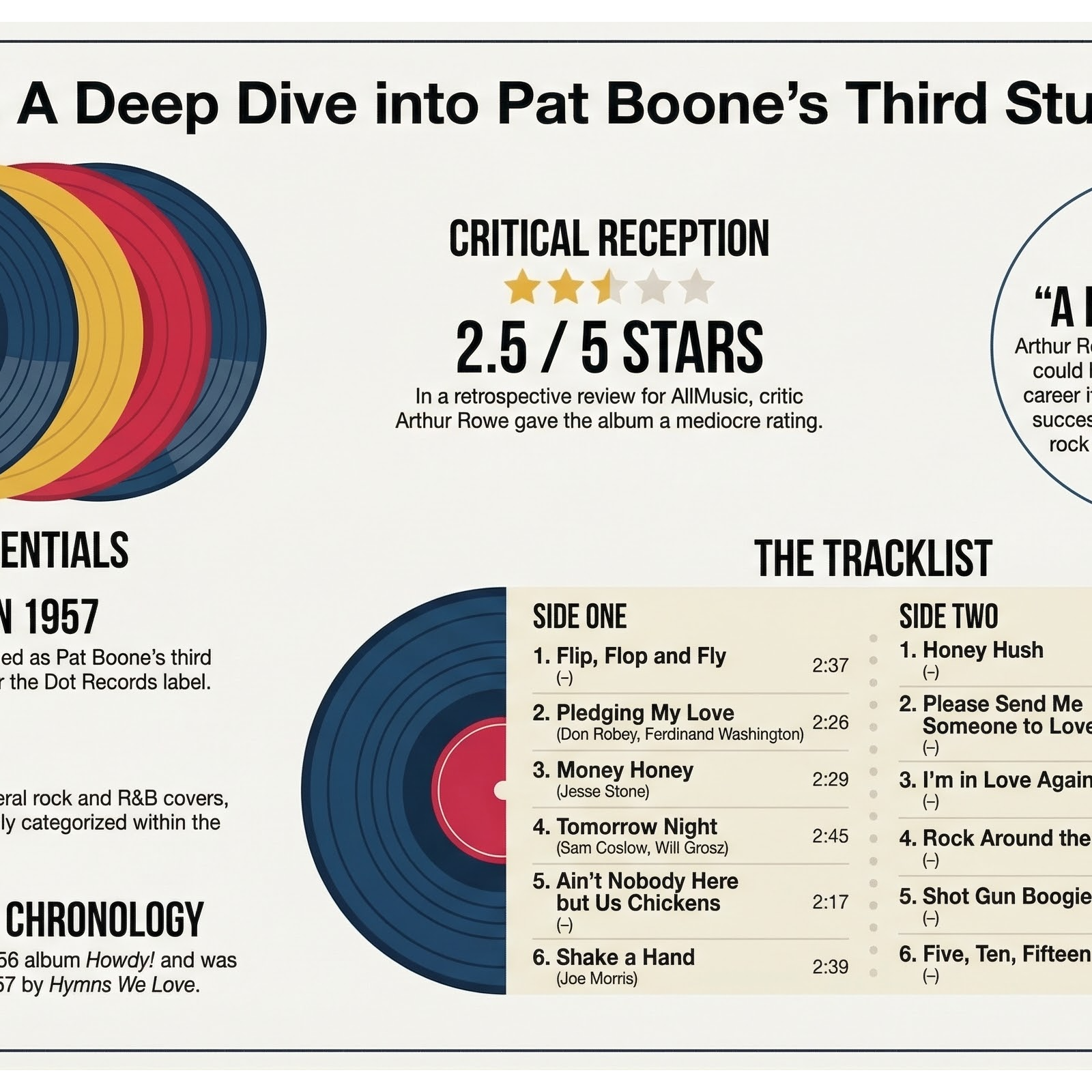
Ep 4257The 1957 Gamble: Why Pat Boone’s Third Album Nearly Derailed a Legend
The 1957 Gamble: Why Pat Boone’s Third Album Nearly Derailed a Legend — Discover the untold story behind this fascinating topic. pplpod dives deep into the history, key figures, and surprising facts that make The 1957 Gamble a must-know subject. From Wikipedia's vast archives to your ears.
Ep 4256The Social Architect: Deconstructing the Bridges and Fences of Omar Lizardo
Imagine if your binge-watching habits weren't just a byproduct of your social circle, but the invisible architect actively designing your friend group from the ground up. In this episode of pplpod, we conduct a structural archaeology of Omar Lizardo, the scholar ranked as the most influential figure in Sociological Theory of the last decade. We deconstruct his groundbreaking concept of "Bridges and Fences," analyzing how popular culture serves as a low-stakes gap-filler for acquaintances while niche, highbrow tastes act as rigid tribal boundaries for our inner circles. We unpack the Cognitive Sociology behind his transition from psychology to the study of Social Networks, exploring how the physical sensation of embarrassment functions as a necessary recalibration when our multiple identities collide. From his computational methods for Measuring Culture using millions of data points to his recent philosophical shift toward "probabilism," we examine the Embodied Action of our daily beliefs. Join us as we explore the hidden mechanics of human connection and discover why the media you consume is the literal construction material for your social reality.Key Topics Covered:The Bridge/Fence Framework: Analyzing how "low-brow" pop culture allows us to span social gaps with strangers, while "high-brow" exclusive knowledge serves as a fence to strengthen inner-circle ties.The Emerging Trajectory: Deconstructing the myth of the "lone genius" through Lizardo’s admission that his research is a function of current teaching and spontaneous collaboration rather than a rigid master plan.The Mechanics of Embarrassment: Exploring the "multiple identities model," where the physical recoiling of embarrassment acts as a social sensor indicating that a distinct boundary has been crossed.Smartphone Proximity Mapping: A look at the NetSense and NetHealth projects, which utilize smartphone Bluetooth logs and metadata to turn abstract social behaviors into objective, trackable data.Probabilism vs. Determinism: Analyzing the 2025 work Orienting to Chance, which reframes social outcomes as "weather forecasts" of likelihood rather than deterministic "train schedules" of inevitability.Source credit: Research for this episode included Wikipedia articles accessed 3/9/2026. Wikipedia text is licensed under CC BY-SA 4.0; content here is summarized/adapted in original wording for commentary and educational use.
Ep 4255Alas, Poor Yorick: The Sprawling Epic of Y: The Last Man
Imagine a world where the unwritten rules of existence are erased in a single heartbeat on July 17, 2002, as a mysterious plague kills every male mammal on Earth—except for one man and his pet monkey. In this episode of pplpod, we conduct a structural archaeology of Y: The Last Man, the 60-issue sprawling epic that redefined the post-apocalyptic landscape. We deconstruct the journey of Yorick Brown, an amateur escape artist who becomes the most valuable biological specimen in human history, and analyze the "shadow CIA" operations of the Culper Ring through the enigmatic Agent 355. We unpack the total Societal Collapse that follows the event, exploring how political labels become militarized and global infrastructure is irrevocably wiped out. By examining the mechanics of this Gender-Specific Apocalypse, we reveal the philosophical trauma of a world of women forced to rebuild a fractured civilization amidst the rise of extremist factions. Beyond the global espionage and genetic mysteries, we delve into the crushing weight of Survivor’s Guilt, analyzing why a man would walk across a scarred planet for personal love while the literal fate of the human species hangs in the balance.Key Topics Covered:The Culper Ring Paradigm: Analyzing the secretive American intelligence organization dating back to the Revolutionary War and its role in navigating the geopolitical maneuvers of a post-plague world.The Amazon Radicalization: Deconstructing the "Daughters of the Amazon" and the extreme trauma that transformed everyday citizens—including Yorick’s own sister, Hero—into a militant purging force.The Astronaut Anomaly: Exploring the tragic Kansas sequence where the hope of male survivors returning from the International Space Station is met with ruthless Israeli military pragmatism.The Fantasy of Beth: A deep dive into the emotional climax in Paris, where the destruction of Yorick’s idealized romantic illusions leads to a profound moment of clarity regarding Agent 355.The "Alas" Epilogue: Analyzing the 60-year time jump and Yorick’s final escape, reflecting on the burden of memory and the Shakespearean resonance of outliving an entire world.Source credit: Research for this episode included Wikipedia articles accessed 3/9/2026. Wikipedia text is licensed under CC BY-SA 4.0; content here is summarized/adapted in original wording for commentary and educational use.
Ep 4254The Leviathans of 1918: The Riesenflugzeug and the Birth of Giant Aviation
Imagine standing on a muddy 1915 airfield, watching a wooden building with wings ascend into the sky—a machine physically larger than the metal bombers that would strike London decades later in World War II. In this episode of pplpod, we conduct a structural archaeology of the Riesenflugzeug, the largely forgotten class of Imperial German Bombers that pushed the absolute physical limits of wood and canvas. We deconstruct the "insane" engineering mandates of the Idflieg, analyzing the requirement that engines remain serviceable in mid-flight—a rule that forced mechanics to perform troubleshooting and repairs while suspended in tiny pods thousands of feet above the earth. We unpack the two schools of power design, exploring why the brute-force distributed power of the Zeppelin-Staaken series triumphed over the torque-heavy failure of centralized engine rooms. By examining the career of Claudius Dornier and his massive flying boats, we reveal a brief window where pure ambition outpaced material science, resulting in a 48-meter wingspan record that humanity would not surpass for sixteen years. Join us as we explore the audacity of Strategic Bombing in its infancy and the magnificent failures that defined the structural boundaries of early flight.Key Topics Covered:The Idflieg Servicing Rule: Analyzing the operational mandate that required mechanics to troubleshoot engines mid-flight, turning bomber nacelles into miniature, high-altitude workshops.Centralized vs. Distributed Power: Deconstructing the failure of complex drive-shaft systems due to vibration and the triumph of the direct-drive engines mounted in massive wing pods.The 48-Meter Plateau: Exploring the Siemens-Schuckert R.VIII, which hit the absolute physical limit of organic structural materials, remaining unsurpassed until the metal-alloy era of the 1930s.Naval Behemoths: A look at the "R-S" type flying boats and Claudius Dornier’s pioneering work in merging boat hulls with massive lifting surfaces for the Imperial Navy.The Smuggling Afterlife: Analyzing the post-war transition of R-planes into civilian airliners and the cinematic seizure of a Zeppelin-Staaken R.XIVa during an illicit smuggling operation.Source credit: Research for this episode included Wikipedia articles accessed 3/9/2026. Wikipedia text is licensed under CC BY-SA 4.0; content here is summarized/adapted in original wording for commentary and educational use.
Ep 4253The Authority of Heat: The "Principal Richard Pound" Legacy of John Cosman
Imagine a kid in Regina, Saskatchewan, sitting in the grandstands with his father, mesmerized by the mat-slamming violence of a local house show. In this episode of pplpod, we conduct a structural archaeology of John Cosman, the man who would transcend superfan status to become the undisputed pillar of Canadian Independent Wrestling. We deconstruct his evolution from the "Danny Young" days of the Maritimes circuit to his brilliant 1997 reinvention as Principal Richard Pound. We unpack the high-stakes psychology of his Heel Persona, analyzing how he leveraged the latent childhood resentment of arbitrary authority to generate immediate "heat" as leader of the Honor Roll. By exploring the rugged mechanics of the Territory Era, we reveal how a chance connection with a ringside photographer opened the gates to a career defined by unyielding dedication. From capturing the Stampede Wrestling North American Heavyweight title to his poetic final confrontation with the Honky Tonk Man, join us as we analyze a legacy built on local armories, freezing road trips, and the sheer creative genius required to turn an authority figure into a cultural monster.Key Topics Covered:The Leonard Key: Analyzing the unique ecosystem of the "kayfabe" era, where a ringside photographer provided the essential social capital required to enter a heavily gate-kept industry.The 1997 Brainstorm: Deconstructing the backstage creative summit between Cosman, Bob Leonard, Bruce Hart, and Owen Hart that birthed a psychologically bulletproof gimmick for the modern era.The Authoritarian Machine: Exploring the mechanics of "generating heat" through the Principal character, tapping into universal audience rebellion against strict discipline and arbitrary rules.The 22-Year Betrayal: A deep dive into the 2006 program with the Honky Tonk Man, where reality and fiction blurred as his original mentor, Bob Leonard, cost him the marquee match.The Grassroots Pillar: Analyzing the integration of regional workers into their communities, from bluegrass fundraisers to outlasting thirty competitors in the Puyallup Bones Rumble.Source credit: Research for this episode included Wikipedia articles accessed 3/9/2026. Wikipedia text is licensed under CC BY-SA 4.0; content here is summarized/adapted in original wording for commentary and educational use.
Ep 4252The Code That Saved the Dot: Deconstructing the RKM Shorthand and Hardware Infrastructure
Imagine cracking open a smartphone or a broken radio and finding a cryptic message etched into a tiny component: 4R7. It isn't a factory typo; it’s a globally recognized shorthand that has governed the infrastructure of the modern world since 1952. In this episode of pplpod, we conduct a structural archaeology of the RKM Code, the hidden language designed to defeat the most dangerous character in engineering: the decimal point. We deconstruct how the fragility of a single dot of ink on a resistor or a grainy photocopy of a schematic could lead to catastrophic circuit failure, transforming a 4.7-ohm part into a 47-ohm fire hazard. We unpack the "logistical superpower" of this alphanumeric system, exploring how it tamed the chaos of Hardware Design and bill of materials databases long before the digital age. By examining the IEC 60062 standard, we reveal how World War II military specs and the limitations of mid-century typewriters still dictate the labels on your microchips. Join us as we decode the logic of Electronic Components, analyze the legacy of Component Labeling, and discover why your Resistance Values are anchored by letters that refuse to be erased.Key Topics Covered:The War Against the Dot: Analyzing why the physical decimal point became the "absolute worst enemy" of 1950s manufacturing due to its tendency to rub off or vanish in low-resolution photocopies and faxes.Multiplier Substitution: Deconstructing the RKM mechanic where letters like R, K, M, and V serve as both the decimal separator and the multiplier prefix to ensure structural clarity.The Database Superpower: Exploring how RKM notation facilitates intuitive alphanumeric sorting in massive supply chain spreadsheets, allowing managers to spot redundant parts and optimize inventory.Military-Industrial Fossils: A look at how modern tolerance letters (F, J, K) are direct linguistic descendants of 1940s Joint Army-Navy (JAN) specifications for radar and radio equipment.The Typographic Paradox: Analyzing the "twisted logic" of date codes, where letters like 'O' were banned for ambiguity but used for October to prevent confusion with the start of the year.Source credit: Research for this episode included Wikipedia articles accessed 3/9/2026. Wikipedia text is licensed under CC BY-SA 4.0; content here is summarized/adapted in original wording for commentary and educational use.
Ep 4251The God of Dreams: The Gendered Reception and Ethereal Genius of Rebecca Clark
Imagine walking onto the stage of Carnegie Hall in 1918, performing a masterpiece you poured your soul into, only to realize the audience is applauding a man who doesn’t exist. In this episode of pplpod, we conduct a structural archaeology of Rebecca Clark, the English violist who felt compelled to operate behind the shadow of a fictional identity. We deconstruct her 1917 composition, Morpheus, analyzing how its ethereal, otherworldly harmonies brought the dream-shaping Greek god to life through the lens of musical Impressionism. We unpack the tactical necessity of her Musical Pseudonym, exploring the "professional anxiety" that forced her to adopt the name Anthony Trent to protect her recital programs from being dismissed as vain or amateurish. By examining the 1918 critical whiplash—where the nonexistent Trent was "greatly applauded" while Clark’s own works received only "light praise"—we reveal the visceral gender bias that defined the classical establishment. From the "autograph score" forgeries to the piece’s status as a cornerstone of the modern Viola Repertoire, join us as we analyze a legacy that outlasted the lie to prove that brilliant art outlives its labels.Key Topics Covered:The Impressionist Palette: Analyzing how Clark adapted the atmospheric languages of Debussy and Vaughan Williams to the unique, human-like resonance of the viola.The Mask of Anthony Trent: Deconstructing the professional strategy of inventing a male alter ego to shield her work from the institutional biases of the New York concert scene.The Carnegie Hall Double Standard: Exploring the 1918 critical reception where the exact same music produced wildly different reviews based solely on the perceived gender of the composer.The Intellectual Paradox: Analyzing the disconnect between Clark’s internal despair over her career and her published essays championing the United States as a fertile ground for female composers.The Repertoire Resurrection: Tracing the journey of Morpheus from a forgotten manuscript to its 21st-century status as an integral staple of global conservatories and professional recordings.Source credit: Research for this episode included Wikipedia articles accessed 3/9/2026. Wikipedia text is licensed under CC BY-SA 4.0; content here is summarized/adapted in original wording for commentary and educational use.
Ep 4250Property and Paradox: Deconstructing the Radical Mutualism of Pierre-Joseph Proudhon
Imagine a barefoot child in the French countryside, laboring in a rural tavern while teaching himself to spell by age three, who would eventually grow up to coin the most radical label in political history. In this episode of pplpod, we conduct a structural archaeology of Pierre-Joseph Proudhon, the man recognized as the definitive Father of Anarchism. We deconstruct his journey from a self-taught printer’s apprentice to a titan of 19th-century thought, analyzing the incendiary logic behind his famous declaration that Property is Theft. We unpack his complex Dialectical Synthesis, exploring how he sought to harmonize the personal independence of ownership with the egalitarian demands of the working class through the lens of Mutualism. By examining the visceral rupture between Proudhon and Karl Marx—a feud that birthed the "Poverty of Philosophy"—we reveal the foundational split that continues to define global leftist movements. We delve into his practical economic solutions, rooted in the Labor Theory of Value, and analyze his final, surprising evolution: the argument that distributed possession is the only true defense against the state. Join us as we examine a legacy of profound contradictions that forces us to ask if we have become "digital peasants" in the 21st century.Key Topics Covered:The Printer’s University: Analyzing how Proudhon’s day job proofreading ecclesiastical texts in Besançon turned a religious artisan into a radical free-thinker and self-taught scholar.Property vs. Possession: Deconstructing the line Proudhon drew between the "theft" of unearned rental income and the fundamental right to the tools and home required for one's own labor.The Marx Rupture: Exploring the 1846 transition from late-night philosophical debates to one of the most famous intellectual feuds in history, codifying the split between anarchism and state communism.The People’s Bank Experiment: A look at the aborted 1848 attempt to create the ancestor of the modern credit union, designed to provide interest-free loans and liberate workers from capitalist financiers.The Dialectics of Freedom: Analyzing Proudhon’s mature realization that equally divided property serves as the only viable counterweight to the encroaching coercive power of the centralized state.
Ep 4249The Cycle of Defeat: The Historical Fatalism of Manoel de Oliveira’s "No, or the Vainglory of Command"
Imagine a war epic that refuses to celebrate victory, focusing instead on the crushing weight of a nation’s centuries-long cycle of failure. In this episode of pplpod, we conduct a structural archaeology of No, or the Vainglory of Command, the 1990 cinematic masterpiece by the legendary director Manoel de Oliveira. We deconstruct the film’s unique narrative architecture, analyzing how it synthesizes the brutal reality of the Portuguese Colonial War in 1974 with mythic flashbacks to antiquity. We unpack the philosophical concept of Historical Fatalism, exploring how the same actors portray warriors across time to illustrate a recurring national nightmare. By examining the disastrous Battle of Alcácer Quibir and the resulting cult of Sebastianism, we reveal a society clinging to the ghost of a fallen king to escape a painful present. From the mythic Isle of Love to the hospital bed where a soldier dies on the exact day of the Carnation Revolution, join us as we analyze an uncompromising look at the futility of imperial ambition and the "no" that eventually meets all military hubris.Key Topics Covered:The Theatrical Echo: Analyzing Oliveira’s decision to cast the same actors as both modern soldiers and ancient warriors to visualize the repetitive nature of national trauma.The Viriathus Dilemma: Deconstructing the failure of the Lusitanian resistance against Rome as a failure to adapt and integrate superior cultural innovations.The Myth of the Fifth Empire: Exploring the Jesuit-inspired vision of global harmony that drove King Dom Sebastião to lead an army into a disorganized massacre in North Africa.The Morphine Delirium: Analyzing the film’s climax where the past and present bleed together, linking the bloodshed of 1578 directly to a 1974 military hospital.Revolutionary Irony: A look at the profound timing of Lieutenant Cabrita’s death, occurring precisely as the Carnation Revolution dismantled the authoritarian regime he died defending.Source credit: Research for this episode included Wikipedia articles accessed 3/9/2026. Wikipedia text is licensed under CC BY-SA 4.0; content here is summarized/adapted in original wording for commentary and educational use.
Ep 4248Please Clap: The Viral Gaffe and the Death of Decorum in the 2016 Campaign
Imagine standing before a crowd, pouring years of preparation into a high-stakes speech, only to be met with the agonizing silence of a DMV waiting room. In this episode of pplpod, we conduct a structural archaeology of "Please Clap," the two-word plea that became the definitive emblem of Jeb Bush and his ill-fated 2016 Presidential Campaign. We deconstruct the anatomy of a Viral Meme, analyzing how a seasoned governor with a $150 million war chest became trapped in a narrative of Low Energy and establishment obsolescence. We unpack the shifting contract between politicians and the public, exploring how traditional measured rhetoric failed to compete with a new era of performative populism. By examining the agonizing silence at the Hanover Inn, we reveal a paradigm shift in Political Communication, where the absence of applause became more damaging than any policy failure. From the branding irony of the "Jeb!" exclamation point to the phrase's permanent residency in the internet lexicon, join us as we analyze the moment the old rules of political decorum officially stopped working.Key Topics Covered:The Brand-Mood Disconnect: Analyzing how the Bush political pedigree, once a "golden ticket," transformed into a $150 million liability against an electorate rebelling against establishment safety.The "Low Energy" Trap: Deconstructing the psychological power of Donald Trump’s nicknames and how they created a mocking lens that turned intellectual measuredness into perceived weakness.Anatomy of the Silence: A deep dive into the February 2, 2016, New Hampshire town hall, exploring the specific rhetorical climax that resulted in the most famous unreciprocated plea in campaign history.The Futility of Spin: Exploring the campaign’s attempt to reframe the "Please Clap" moment as an "endearing" interaction and why digital-age PR struggles to counter visceral viral discomfort.The Lexicon of Failure: Analyzing how the phrase evolved into a universal shorthand for any candidate failing to garner enthusiasm, regardless of party or policy.Source credit: Research for this episode included Wikipedia articles accessed 3/9/2026. Wikipedia text is licensed under CC BY-SA 4.0; content here is summarized/adapted in original wording for commentary and educational use.
Ep 4247The Transparent Trap: Deconstructing the Psychology and Power of Mass Surveillance
Imagine a world where the door to your bathroom is removed and the blinds on your windows are torn down, all under the guise of public safety. In this episode of pplpod, we conduct a structural archaeology of the Nothing To Hide Argument, the most pervasive and stubborn defense of Mass Surveillance in the digital age. We deconstruct the historical lineage of this phrase, from Upton Sinclair’s 1917 battle with intercepted mail to the modern UK motto "nothing to hide, nothing to fear." We unpack the "environmental paradox" of Privacy Rights, analyzing why individuals often prioritize immediate convenience over long-term digital health. By examining the work of legal scholar Daniel J. Solove, we reveal that privacy is not about hiding guilt, but about preventing the life-altering consequences of Data Mismanagement and bureaucratic errors. From the 17th-century warnings of Cardinal Richelieu to the modern choice between Digital Liberty and total systemic control, we explore why a private inner world is the very mechanism that makes us distinct individuals. Join us as we examine the "privilege of the unobserved" and the structural fragility of our autonomous selves.Key Topics Covered:The Sinclair Precedent: Analyzing the 1917 case where the government weaponized mundane details of Upton Sinclair’s life to fabricate narratives, proving that surveillance does not require a crime to be destructive.The Individuation Paradox: Exploring Emilio Mordini’s psychological theory that the ability to hide information is the foundational cognitive milestone that allows humans to become distinct individuals.The Hairspray Analogy: Deconstructing the abstract nature of privacy by comparing it to ozone depletion—where the immediate gain of convenience consistently outweighs an invisible long-term loss.The "So-What" Factor: Analyzing Daniel J. Solove’s argument that "nothing to hide" fails to protect citizens from clerical typos and the "black box" algorithms that dictate credit and housing.Liberty vs. Control: A deep dive into Bruce Schneier’s paradigm shift, reframing the surveillance debate not as a trade-off for safety, but as a fundamental struggle for systemic autonomy.Source credit: Research for this episode included Wikipedia articles accessed 3/9/2026. Wikipedia text is licensed under CC BY-SA 4.0; content here is summarized/adapted in original wording for commentary and educational use.
Ep 4246The Minsky Erasure: Deconstructing the Rise, Fall, and Las Vegas Legacy of a Burlesque Empire
Imagine a family name so synonymous with scandal that the government legally banned it from every marquee in New York City. In this episode of pplpod, we conduct a structural archaeology of Minsky's Burlesque, the multi-generational empire that redefined American entertainment between 1912 and 1937. We deconstruct how a logistical nightmare—a theater on a sixth-floor walk-up—forced the invention of the Striptease Artistry and the first American runway. We unpack the "Payola" economy of the Prohibition era, analyzing the high-stakes dance between provocative performance and the intense pressures of 1930s Censorship. By examining the visceral crackdown by Mayor Fiorello LaGuardia and the infamous "G-string raid" of 1937, we reveal how a family identity was legally erased only to resurface as the foundational blueprint for Las Vegas Reviews. Beyond the risque dancing, we explore Minsky's as a Comedy Crucible, where legends like Abbott and Costello and Phil Silvers honed their timing between acts. This is the story of a Broadway Reinvention that proved innovation stems from the fringes, ultimately institutionalizing the blend of music and provocation that still defines the desert neon.Key Topics Covered:The Inconvenience Pivot: Analyzing how a sixth-floor venue forced the Minsky brothers to import the Parisian runway and create a product so unique it made the physical climb worth the effort.The Symbiotic Stage: Deconstructing the relationship between burlesque and stand-up, where top-tier comics provided the pacing and relief needed to manage rowdy Depression-era crowds.The Payola Ecosystem: Exploring the systemic bribery of local officials and vice squads that allowed the Minsky's to operate on high profit margins until the moral climate reached a breaking point.The 1937 Erasure: A deep dive into the legal fallout of the "missing G-string" raid and the unprecedented step of the city banning a family name for being synonymous with obscenity.The Vegas Blueprint: Analyzing how Harold Minsky saved the family formula during the sweltering summers of the 1930s and eventually institutionalized the "Minsky DNA" at the Dunes Hotel.Source credit: Research for this episode included Wikipedia articles accessed 3/9/2026. Wikipedia text is licensed under CC BY-SA 4.0; content here is summarized/adapted in original wording for commentary and educational use.
Ep 4245The Constant Evolution: Deconstructing the Pragmatism and Reinvention of Miranda Hobbes
Imagine a woman whose entire identity is forged in the fires of elite law schools and Manhattan real estate, only to realize in her fifties that the fortress of independence she built has become a gilded cage. In this episode of pplpod, we conduct a structural archaeology of Miranda Hobbes, the fiercely pragmatic soul of the Sex and the City universe. We deconstruct her journey from an unapologetic Corporate Lawyer to a woman navigating the tectonic shifts of a Late-in-Life Reinvention. We unpack the "socioeconomic clash" of her enduring relationship with Steve Brady, analyzing how a single memory of a milk mustache can outweigh a decade of marital erosion and systemic neglect. By examining her pivot from high-stakes litigation to a Human Rights Degree at Columbia University, we reveal a visceral search for authenticity in an increasingly polarized world. We explore her controversial awakening via Che Diaz, deconstructing the moment a lifelong cynic chooses a messy, unpredictable romantic connection over a prestigious career opportunity. From her original Upper West Side apartment to the townhouse in Brooklyn, join us as we analyze the continuous development of an archetype who proves that checking off traditional boxes is never the finish line.Key Topics Covered:The Real Estate Fortress: Analyzing how Miranda’s purchase of an Upper West Side apartment served as a physical manifesto of her independence and a dismantling of the narrative that she needed to be "swept off her feet."The Socioeconomic Labyrinth: Deconstructing the power dynamics and "blue-collar friction" in her long-term partnership with Steve Brady, and the surrender of logic to the shared history of co-parenting.The Brooklyn Pivot: Exploring the symbolic dismantling of her solitary identity as she traded her Manhattan armor for the often grueling, unrelenting demands of a dual-income family household.The Columbia Reset: Analyzing her 50s-era return to academia to study human rights, spurred by the Black Lives Matter movement and a profound desire to reevaluate her impact on the world.The Identity Rupture: A deep dive into her romantic awakening with Che Diaz and the agonizing decision to end a decades-long marriage to prioritize a new, magnetic layer of personal truth.Source credit: Research for this episode included Wikipedia articles accessed 3/9/2026. Wikipedia text is licensed under CC BY-SA 4.0; content here is summarized/adapted in original wording for commentary and educational use.
Ep 4244Why Jennifer Aniston hated the Rachel haircut
Imagine a cultural phenomenon so dominant that an estimated 11 million women worldwide marched into salons clutching dog-eared magazines and VHS tapes, yet it was secretly despised by the very woman who made it famous. In this episode of pplpod, we conduct a structural archaeology of The Rachel, the definitive Pop Culture Phenomenon of the 1990s. We deconstruct how an "emergency fix" for frizzy hair by legendary stylist Chris McMillan transformed Jennifer Aniston into a permanent icon of 90s Fashion. We unpack the "illusion of effortlessness," analyzing how a look that appeared breezy and natural to 25 million weekly viewers actually required a surgical arsenal of round brushes, Velcro rollers, and constant professional maintenance. By examining the Haircut History—from its origins as a functional solution for growing out bangs to its 600-million-view TikTok resurgence—we reveal the unparalleled power of a television monoculture to dictate a global aesthetic. Join us as we explore the "Modern Rachel" and discover why a look born from a surfer-dude aesthetic became the most desired style of an entire era.Key Topics Covered:The Emergency Fix: Analyzing how a talent manager’s blunt critique of Aniston’s "long, frizzy hair" served as the primary catalyst for the creation of the iconic bob-shag hybrid.The Illusion of Ease: Deconstructing the high-maintenance reality of the cut, which Aniston likened to "performing surgery" and vowed to never wear again once the show moved on.The Monoculture Engine: Exploring the 1990s media landscape where a single character's aesthetic choice could account for 40% of a local salon’s business in middle America.Stylist in the Storm: A look at Chris McMillan’s candid admission regarding his struggles with addiction during the creation of the decade's most requested hairstyle.The Modern Reverse-Engineering: Analyzing the 2020s resurgence of the look on social media and how a new generation is utilizing modern hair care logic to make the style more sustainable.Source credit: Research for this episode included Wikipedia articles accessed 3/9/2026. Wikipedia text is licensed under CC BY-SA 4.0; content here is summarized/adapted in original wording for commentary and educational use.
Ep 4243The Thumper Jones Paradox: The Secret Rockabilly Roots and Career Survival of George Jones
Imagine a foundational pillar of traditional country music, a man whose voice defined the honky-tonk sound, secretly recording an aggressive rock and roll track under a fake name just to put food on the table. In this episode of pplpod, we conduct a structural archaeology of George Jones, deconstructing his hidden 1956 identity as Thumper Jones. We unpack the "Elvis glottal bestiality" that sent the Nashville establishment sprawling flat on its ass, analyzing how the sudden Industry Disruption of rock and roll forced even the most dedicated purists into a desperate scramble for Career Survival. We explore the strategic brilliance of the Rockabilly pseudonym—a secret "risk-free beta test" designed to protect a legacy while chasing a trend. By examining the 1954 track "Play It Cool," we reveal that Jones was organically experimenting with rhythmic edges long before the market demanded it. From flinging his own records into the woods like frisbees to his eventual breakthrough #1 hit, White Lightning, join us as we analyze an uncompromising career that proves you often have to try on a mask to discover your most authentic sound.Key Topics Covered:The 1956 Cultural Earthquake: Analyzing the palpable panic in Nashville as Elvis Presley’s arrival caused traditional country sales to plummet and forced legends to pivot.The Beta Test Strategy: Deconstructing the use of a pseudonym as a mechanism for risk mitigation, allowing a professional to test market viability without damaging their core brand equity.The Proximity of Disruption: Exploring how sharing the stage with Johnny Cash and Elvis on the Louisiana Hayride provided Jones with a first-hand view of the defecting youth audience.The "Frisbee" Disdain: A look at the professional shame and literal disposal of the Thumper Jones records, contrasting Jones's harsh self-assessment with the peer validation of Johnny Cash.The Big Bopper Synthesis: Analyzing how the first #1 hit of his career, written by a rockabilly star, successfully integrated the very "disruptive" energy Jones had tried to bury.Source credit: Research for this episode included Wikipedia articles accessed 3/9/2026. Wikipedia text is licensed under CC BY-SA 4.0; content here is summarized/adapted in original wording for commentary and educational use.
Ep 4242The Agitator’s Anthem: The "Nuclear Heat" and Cinematic Legacy of Rowdy Roddy Piper
Imagine a kid from Saskatoon, Canada, expelled for carrying a switchblade and forced into a life of homelessness, who would eventually redefine the very nature of villainy on a global stage. In this episode of pplpod, we conduct a structural archaeology of Rowdy Roddy Piper, the man who became the definitive "bad guy" in Professional Wrestling History. We deconstruct the accidental origin of his name and analyze his masterful ability to generate Nuclear Heat, from the riots of Los Angeles to the barbaric dog collar matches of the 1980s. We unpack the revolutionary impact of Piper’s Pit, exploring how he transformed the "safe" interview segment into an unpredictable hostage situation that shattered television norms. By examining his transition to Hollywood, specifically his iconic lead role in John Carpenter’s They Live, we reveal a pioneer who proved wrestlers could possess genuine cinematic credibility. We explore his complex Heel Persona, analyzing the physical sacrifices—including permanent hearing loss during the "Year of the Ear"—that blurred the lines between performance and reality. Join us as we examine a legacy of raw grit and the profound irony of a man who was hated by millions yet remained the only one with the quiet compassion to show up in a friend's darkest hour.Key Topics Covered:The Dandelion Debut: Analyzing the accidental naming of "Roddy the Piper" and how a Canadian runaway fully committed to a kilt-wearing Scottish identity after a ring announcer’s mistake.The Year of the Ear: Deconstructing the 1983 Starrcade dog collar match against Greg Valentine and the permanent physical cost of the "Dog Collar" stipulation that resulted in total hearing loss.The Hostage Podium: Exploring how Piper's Pit shattered the traditional interview format, turning a promotional segment into a site for high-stakes psychological warfare and shock value.Subversive Cinema: Analyzing the working-class grit and improvised perfection of his lead role in They Live, and how his "chew bubble gum" line paved the way for modern wrestling-to-film transitions.The Fan-Vote Miracle: A look at the 2006 "Cyber Sunday" event, where an overwhelming fan vote forced a routine medical physical that led to a life-saving early diagnosis of Hodgkin’s lymphoma.Source credit: Research for this episode included Wikipedia articles accessed 3/9/2026. Wikipedia text is licensed under CC BY-SA 4.0; content here is summarized/adapted in original wording for commentary and educational use.
Ep 4241Dawn of the Roach: Deconstructing the Roachoid Stem Group and the Myth of the Living Fossil
Imagine an insect so resilient it opted out of natural selection entirely, scurrying behind your refrigerator today exactly as it did beneath Paleozoic ferns 300 million years ago. In this episode of pplpod, we conduct a structural archaeology of the Roachoids, the ancient stem group of the Dictyoptera superorder, to utterly dismantle the Living Fossil Myth. We deconstruct the "Eobladodea" lineage, analyzing how these Carboniferous ancestors provided the foundational blueprint not just for modern pests, but for the hyper-lethal praying mantis and the eusocial termite. We unpack the Phylogenetic Data that separates ancient precursors from modern species, specifically focusing on the metabolic shift from the external ovipositor to the evolutionary masterpiece of the Ootheca egg pod. By examining fossilized wing microstructures and the atmospheric conditions of the Carboniferous Period, we reveal a volatile history of biological re-engineering rather than static survival. Join us as we explore the deep-time evolution of some of the most morphologically diverse insects on Earth and discover why the cockroach we recognize today is a relatively recent arrival in the biological record.Key Topics Covered:The Paraphyletic Ancestor: Analyzing the roachoid stem group as a foundational lineage that spawned termites and mantises before hitting its own evolutionary dead end.Ovipositor vs. Ootheca: Deconstructing the metabolic shift from drilling individual eggs into the substrate to synthesizing specialized, portable armor pods to protect offspring.The Carboniferous Giants: Exploring how Paleozoic oxygen levels permitted roachoids to scale up to nine centimeters, and why modern tropical species still express these massive phenotypes.The Angiosperm Revolution: A look at the Cretaceous-era "Crickoid" mimics that attempted to climb into the vertical habitats of flowering plants to escape competitive exclusion.Shattering the Timeline: Understanding why true modern cockroaches didn't actually appear until the Late Jurassic, sharing the ecosystem with dinosaurs rather than ancient coal forests.Source credit: Research for this episode included Wikipedia articles accessed 3/9/2026. Wikipedia text is licensed under CC BY-SA 4.0; content here is summarized/adapted in original wording for commentary and educational use.
Ep 4240Why CBS Killed The 5 MrsThe Mercy Massacre: Deconstructing the Ensemble Alchemy and Erasure of "The Five Mrs. Buchanans"
Imagine a television show that pulled in nearly 18 million viewers on a single Monday night, only to be wiped from collective memory by a corporate scheduling whim. In this episode of pplpod, we conduct a structural archaeology of The Five Mrs. Buchanans, the forgotten CBS 1994 Sitcom that redefined the mechanics of family friction. We deconstruct the "battlefield" of Mercy Indiana, analyzing how four wildly different sisters-in-law—ranging from a New York feminist to a neurotic Republican—found a profound, unifying bond through their mutual loathing of the terrifying matriarch, Mother Emma. We unpack the show’s transition from the Saturday Night Graveyard to its brief moment of ratings triumph, exploring why this sharp Ensemble Comedy featuring the legendary Eileen Heckart was ultimately sacrificed for mid-season replacements. By examining the show’s fearless swings into dark, macabre humor—from fake diamond "love tokens" to shipping-crate funerals—we reveal a masterpiece lost to the cutthroat bureaucratic chess of the pre-streaming era. Join us as we dust off this hidden gem of Television History and discover why the rules of the 1990s boardroom are the direct ancestors of today’s digital algorithms.Key Topics Covered:The Engine of Loathing: Analyzing the character of Mother Emma Buchanan, the "passive-aggressive gargoyle" whose history of sacrifice and hardship provided the grounded emotional anchor for the show’s absurdity.Archetypal Friction: Deconstructing the 1990s cultural blueprints used to pit Alex’s Jewish feminist pragmatism against Vivian’s neurotic Republican traditionalism at the same dinner table.The Pilot Sanitization: Exploring the early clash between creative vision and network standards, specifically the reshooting of jokes regarding Delilah’s past as a stripper to appease Middle America.Macabre Sitcom Dynamics: A deep dive into the show’s "dark swings," including the infamous episode where a beloved family dog returns from the Grand Canyon only to immediately drop dead.The 17.8 Million Viewer Failure: Analyzing the fatal scheduling pivot where CBS ignored a massive ratings test in favor of Cybill, effectively terminating a proven hit.Source credit: Research for this episode included Wikipedia articles accessed 3/9/2026. Wikipedia text is licensed under CC BY-SA 4.0; content here is summarized/adapted in original wording for commentary and educational use.
Ep 4239The General’s Shadow: The Diplomatic Catch-22 of Mohammed Ahmed Mustafa al-Dabi
Imagine a resume so forged in the fires of military coups and intelligence operations that it makes you the perfect candidate to lead an observer mission in a war zone—and simultaneously makes you a complete non-starter for the rest of the world. In this episode of pplpod, we conduct a structural archaeology of Mohammed Ahmed Mustafa al-Dabi, the Sudanese general whose appointment to lead the Arab League Observer Mission in Syria triggered a global firestorm. We deconstruct the "diplomatic Catch-22," analyzing how a career built on state preservation and military intelligence in Sudan clashed with the expectations of Human Rights Organizations. We unpack the shadow of the Darfur Conflict, exploring the concept of Command Responsibility and the allegations of systemic abuses that haunted his international debut. From the "reassuring" controversy in Homs to the institutional schism between the Arab League’s executive and its parliament, we reveal the hidden mechanics of International Diplomacy under pressure. Join us as we examine a career that spanned thirty years of Sudanese power dynamics, only to last barely a month on the world stage, proving that a military past is often an irreconcilable anchor in the pursuit of peace.Key Topics Covered:The Coup-Molded Career: Analyzing how al-Dabi’s rise coincided with the 1969 and 1989 Sudanese coups, positioning him as a trusted fixer for military statecraft.The Intelligence Legacy: Deconstructing the Amnesty International allegations of arbitrary detention and systemic torture during his 1990s tenure as Chief of Military Intelligence.Darfur and the Burden of Command: Exploring his role as the Presidential Representative to Darfur and the debate over responsibility for reported massacres without direct personal evidence.The "Reassuring" Comment: A deep dive into the 2011 Homs visit and the information war triggered by a single reported word that was amplified by global superpowers and denied by the mission.The Institutional Fracture: Analyzing the internal revolt of the Arab Parliament against the League’s executive leadership, leading to the rapid collapse of al-Dabi’s diplomatic mandate.Source credit: Research for this episode included Wikipedia articles accessed 3/9/2026. Wikipedia text is licensed under CC BY-SA 4.0; content here is summarized/adapted in original wording for commentary and educational use.
Ep 4238The Illusion of Choice: Deconstructing the Secret Machinery of Private Labels
Imagine standing in a grocery aisle, weighing a premium national brand against a cheaper alternative, entirely unaware that both products likely rolled off the exact same assembly line. In this episode of pplpod, we conduct a structural archaeology of the Private Label, the hidden engine of modern commerce that dictates our daily spending. We deconstruct the "illusion of choice," analyzing how Consumer Psychology is manipulated through branding and packaging to obscure a highly consolidated Manufacturing base. We unpack the massive industrial footprint of retailers like Kroger—which owns 38 plants, including 19 dairy farms and 10 bakeries—revealing that supermarkets are often the endpoints of a proprietary Supply Chain rather than neutral marketplaces. By examining the vital distinction between the custom-tailored Store Brand and the off-the-shelf White Label strategy, we reveal the aggressive secrecy of non-disclosure agreements that protect profit margins. From the "fake farm" controversies in the UK to the secret banking networks behind your store credit cards, join us as we examine why the most significant choices in your cart are often managed by a surprisingly small web of industrial giants.Key Topics Covered:The Internal Empire: Analyzing the 2018 Kroger data revealing that 40% of their house brands are manufactured in-house across a massive network of proprietary farms and processing plants.Different Box, Same Factory: Deconstructing the "Huggies Paradox" where premium manufacturers produce budget versions for major retailers to capture both ends of the economic spectrum.The "Fake Farm" Controversy: Exploring the marketing shift where industrial food is rebranded with rustic, pastoral names to manipulate perceived quality and justify premium pricing.The Finance Veil: A look at Private Label Credit Cards (PLCCs) and how retailers use institutions like TD Bank and Synchrony to provide a "branded" financial experience while erasing the bank's identity.The Monopoly of "Good Enough": Analyzing the long-term risk of retail consolidation and whether the disappearance of independent national brands will lead to a stagnation in product innovation.Source credit: Research for this episode included Wikipedia articles accessed 3/9/2026. Wikipedia text is licensed under CC BY-SA 4.0; content here is summarized/adapted in original wording for commentary and educational use.
Ep 4237The Power of Nothing: Deconstructing the Rise and Veto of NOTA in India
Imagine walking into a bustling polling station in the world’s largest democracy, where the architecture of an election usually demands a selection. In this episode of pplpod, we conduct a structural archaeology of NOTA India, the "None of the Above" option that transformed from a basic tool for Voter Secrecy into a powerful instrument of Democratic Dissent. We deconstruct the foundational 2013 Supreme Court Judgment (PUCL vs. Union of India), analyzing how the judiciary sought to compel political parties to field "sound candidates" through a legal mechanism of rejection. We unpack the evolution of this button from a powerless "paper tiger" to its status as a Fictional Candidate in local elections, where it now possesses the teeth to force re-elections and unseat established politicians. By examining historic results in Indore and Nilgiris—where "Nobody" beat a corruption-tainted incumbent—we reveal the silent power of the world’s most aggressive blank space. Join us as we analyze the high-stakes debate between the administrative costs of rerunning elections and the systemic price of corruption, orchestrated by the Election Commission.Key Topics Covered:The 2013 Landmark Case: Analyzing the PUCL vs. Union of India judgment that established NOTA as a fundamental right to express disapproval while maintaining absolute secrecy.The "Donkey" Symbolism: Deconstructing the public’s frustration during the transition period before the official NOTA symbol was standardized in 2015.The Indore 2024 Record: A look at the historic Lok Sabha result where NOTA polled over 200,000 votes, capturing a 16.28% share and coming in second place.The "Fictional Candidate" Teeth: Exploring how state commissions in Maharashtra and Haryana granted NOTA the power to void results and force fresh elections.Cost of Democracy vs. Corruption: Analyzing the philosophical debate over rerunning expensive national elections to avoid the long-term systemic damage of corrupt leadership.Source credit: Research for this episode included Wikipedia articles accessed 3/9/2026. Wikipedia text is licensed under CC BY-SA 4.0; content here is summarized/adapted in original wording for commentary and educational use.SEO MatrixNOTA IndiaSupreme Court JudgmentElection CommissionVoter SecrecyDemocratic DissentFictional Candidate
Ep 4236The Sovereignty Strike: Deconstructing the Exile and Excommunication of Quam Memoranda
Imagine the most formidable military commander of the early 19th century redrawing the map of Europe, only to find the ultimate threat to his empire isn’t an opposing army, but the spiritual defiance of an occupied leader. In this episode of pplpod, we conduct a structural archaeology of Quam Memoranda, the explosive 1809 papal brief that redefined the limits of Napoleon Bonaparte. We deconstruct the systematic annexation of the Papal States, analyzing how the French military machine sought to decouple the papacy’s Temporal Power from its spiritual mandate to ensure imperial stability. We unpack the "spiritual asymmetrical warfare" deployed by Pope Pius VII, exploring the rapid drafting and secret midnight plastering of a sweeping decree of Excommunication across the major basilicas of Rome. By examining the tactical removal of the Pope during a midnight military raid and his subsequent years of coastal exile, we reveal a high-stakes standoff between physical cannons and ideological authority. Join us as we examine the unintended modernization of the Vatican and the profound final reconciliation that proved physical power is often more transient than the ideas it attempts to suppress.Key Topics Covered:The Temporal Pretense: Analyzing Napoleon's surgical justification for absorbing church lands, arguing that secular governance by the papacy was irreconcilable with the tranquility of the French Empire.The Afternoon Retaliation: Deconstructing the lightning-fast bureaucratic response that saw the excommunication bull drafted and published just hours after the French proclamation in Rome.Asymmetrical Logistics: Exploring the operational efficiency of secret church operatives who posted the decree on St. Peter's Basilica while the city was under heavy military occupation.The Martyrdom Risk: A look at the "Savona Paradox," where the French kept the Pope as a political prisoner but permitted him to perform religious ceremonies to prevent a massive Catholic uprising.The Saint Helena Resolution: Analyzing the dramatic shift in Napoleon’s perspective during his final exile, culminating in his request for a Catholic chaplain and a deathbed reconciliation with the Church.Source credit: Research for this episode included Wikipedia articles accessed 3/9/2026. Wikipedia text is licensed under CC BY-SA 4.0; content here is summarized/adapted in original wording for commentary and educational use.SEO MatrixQuam MemorandaNapoleon BonapartePope Pius VIIExcommunicationPapal StatesTemporal Power
Ep 4235The Ticking Lifespan: Deconstructing the Whimsical Rebellion of "Repent, Harlequin! Said the Ticktockman"
Imagine a world where being fifteen minutes late for a train isn't just an inconvenience—it’s a biological debt deducted directly from your heart. In this episode of pplpod, we conduct a structural archaeology of Repent, Harlequin! Said the Ticktockman, the multi-award-winning masterpiece of Dystopian Literature by the legendary Harlan Ellison. We deconstruct the chilling mechanics of the Cardio Plate, analyzing how the Master Timekeeper (ominously known as the Ticktockman) enforces a hyper-optimized society where time is the ultimate currency of survival. We unpack the "whimsical rebellion" of Everett C. Marm, the Harlequin, who uses multicolored jelly beans and absurdity to sabotage a brittle bureaucratic machine. By examining the story’s roots in Thoreau’s concept of Civil Disobedience, we reveal a profound moral stance against the crushing regimentation of modern life. From the frantic six-hour writing sprint that birthed the narrative to the 21st-century legal battle over the film In Time, join us as we explore why the ticking clock remains the most terrifying antagonist in human history.Key Topics Covered:The Six-Hour Sprint: Analyzing the pressure-cooker origins of the story, written in a single night for the Milford Writers’ Workshop to meet an impossible deadline.Biological Timekeeping: Deconstructing the "Cardio Plate" technology and the psychological horror of a world where punctuality determines the literal moment of your death.Absurdity as Sabotage: Exploring how the Harlequin’s whimsical stunts—like raining candy on factory workers—weaponize the system’s own rigid optimization against itself.The Betrayal of "Pretty Alice": Analyzing the character of Alice as the everyman figure who chooses the psychological safety of a lethal schedule over the chaotic freedom of revolution.The "In Time" Legal Duel: A look at the 2011 federal lawsuit between Ellison and Hollywood, highlighting the undeniable thematic parallels regarding biological clocks and authoritarian timekeeping.Source credit: Research for this episode included Wikipedia articles accessed 3/9/2026. Wikipedia text is licensed under CC BY-SA 4.0; content here is summarized/adapted in original wording for commentary and educational use.
Ep 4234The Limit of the Known: Deconstructing the Cultural Fingerprint of "Over the Edge"
Imagine a single phrase so pervasive it acts as a Cultural Fingerprint across every medium of human expression. In this episode of pplpod, we conduct a structural archaeology of the phrase Over The Edge, using a utilitarian Wikipedia Disambiguation Page to map our universal obsession with breaking points. We deconstruct how this four-word idiom functions as a high-stakes signal, moving from the gritty disillusionment of 1979 teen cinema to the sweaty, high-octane combat of 1990s wrestling. We unpack the Monocultural Influence of an era where a single title could dominate a Media Fragmentation landscape, linking horror anthologies to mountaineering journals and Zimbabwean theater. By examining the sonic evolution from 1980s hard rock to 2017 EDM, we reveal the "relative edge" of modern art. Join us as we explore the thrill of the unknown and analyze the psychological safety of the boundary, proving that while our tools change, our fascination with Boundary Pushing remains an unyielding constant of the human experience.Key Topics Covered:The Gritty Foundation: Analyzing the 1979 Matt Dillon film as the starting point for the phrase’s gritty, coming-of-age connotations in cinema.The Squared Circle Franchise: Deconstructing how the WWF utilized "Over the Edge" as both a literal physical promise and a high-stakes branding identity in the late 90s.Genre Friction in Music: Tracing the linguistic journey from Status Quo’s 1980 hard rock to the massive electronic bass drops of Kaizo and Gammer in 2017.Beyond Passive Media: Exploring the eclectic "Other Uses" category, including experimental radio by Don Joyce and the theatrical stages of Zimbabwe.The Typos of History: A look at the "See Also" section, analyzing how a single character change—from "Edge" to "Hedge"—shifts a narrative from psychological thriller to suburban comedy.Source credit: Research for this episode included Wikipedia articles accessed 3/9/2026. Wikipedia text is licensed under CC BY-SA 4.0; content here is summarized/adapted in original wording for commentary and educational use.
Ep 4233The Rewind Strategy: The "Normalcy" Blueprint and Post-Crisis Politics of Warren G. Harding
Imagine a world shattered by the mechanized slaughter of the trenches and a silent, invisible plague that shuttered businesses and atomized society. This was the landscape of the 1920 Presidential Election, an era defined by profound exhaustion and a desperate craving for domestic tranquility. In this episode of pplpod, we conduct a structural archaeology of Warren G. Harding and his era-defining campaign slogan: Return To Normalcy. We deconstruct the psychological mechanics of the "rewind" strategy, analyzing how an obscure geometry term was hijacked to signify a total rejection of Wilsonian globalism in favor of strict Isolationism. We unpack the "Grammar War" that backfired on the East Coast elite, transforming a provincial candidate into a relatable man of the people. By examining the calculated PR brilliance of Laddy Boy—the Airedale Terrier who humanized a landslide victory—we reveal a blueprint for post-crisis politics that has echoed through history, from the end of the Spanish Flu Pandemic to the modern campaigns of today. Join us as we explore the architecture of peace and ask if the "normal" we crave is a tangible destination or a necessary fiction we invent to survive the fallout of history.Key Topics Covered:The Geometry of Peace: Analyzing the linguistic shift of "normalcy" from a niche mathematical term for right angles into the defining political buzzword of a generation.The Elitist Backfire: Deconstructing the national grammar debate where critics' attacks on Harding's vocabulary inadvertently fueled his populist image as a relatable outsider.Laddy Boy and the Optics of Calm: Exploring the strategic use of domestic imagery to provide a soothing visual contrast to the grim newspaper headlines of trench warfare and infirmaries.A 60-Percent Mandate: Analyzing the mechanics of Harding’s landslide victory, proving that an exhausted electorate prioritized deregulation and quietude over complex global entanglements.The Cyclical Craving: Tracing the rhetorical DNA of "normalcy" through 1946, 1992, and the 2020 campaign’s promise to restore a functional baseline after systemic upheaval.Source credit: Research for this episode included Wikipedia articles accessed 3/9/2026. Wikipedia text is licensed under CC BY-SA 4.0; content here is summarized/adapted in original wording for commentary and educational use.
Ep 4232The Fracture and the Fusion: Deconstructing the Viacom-CBS Corporate Saga (2005–2019)
Imagine a media empire so massive it decided to break itself in half just to satisfy Wall Street, only to spend the next fourteen years desperately trying to glue the pieces back together. In this episode of pplpod, we conduct a structural archaeology of the Viacom Split, analyzing the 2005 divorce between CBS and the high-growth cable engine overseen by Sumner Redstone. We deconstruct the "billion-dollar YouTube War," exploring how a legal crusade against Google fundamentally architected the automated copyright systems of the modern internet. We unpack the visceral boardroom battles and the "Flagship Strategy" used to navigate the bruising reality of cord-cutting and cable blackouts. By examining the eventual Corporate Consolidation of 2019, we reveal the fallout of the dawn of the streaming wars and the birth of Paramount Global. Join us as we analyze the high-stakes corporate chess games that shaped your Media Ecosystem, proving that in the age of Netflix and Amazon, scale is the only survival mechanism that matters. From virtual pets and rhythm games to the "wardrobe malfunction" that helped trigger a split, this is the history of the apps preloaded on your smart TV.Key Topics Covered:The Corporate Divorce: Analyzing the 2005 split designed to give investors a choice between the safe dividends of CBS and the high-growth risks of the "New Viacom."The YouTube Frontline: Deconstructing the $1 billion lawsuit that forced the tech industry to develop Content ID and established the battle lines for digital copyright.The Digital Shopping Spree: Exploring the mid-2000s scramble for youth relevance through eclectic acquisitions like Neopets, Harmonix, and DreamWorks.The Blackout Tactic: A look at the 2012 DirecTV showdown and how Viacom weaponized its own digital presence to protect analog cable revenues.The Streaming Reunion: Analyzing the 2019 re-merger of Viacom and CBS, following the departure of Les Moonves, as a defensive move against the global rise of tech giants.Source credit: Research for this episode included Wikipedia articles accessed 3/9/2026. Wikipedia text is licensed under CC BY-SA 4.0; content here is summarized/adapted in original wording for commentary and educational use.
Ep 4231The Invisible Broadcast: Deconstructing the Engineering and Impact of the Minnesota Radio Talking Book Network
Imagine waking up with a visual impairment in 1969, fundamentally locked out of the daily printed conversation of the world—no screen readers, no on-demand audio, and no internet. In this episode of pplpod, we conduct a structural archaeology of the Minnesota Radio Talking Book Network, the world’s first initiative to dismantle this informational exile. We deconstruct the technical brilliance of the FM Subcarrier (SCA), analyzing how Robert Watson and a coalition of leaders—including C. Stanley Potter and William Kling—engineered a private, invisible signal to piggyback on standard broadcasts. We unpack the transition from the slow, linear "tape-by-mail" model to a real-time Radio Reading Service, providing a master class in Media Accessibility. By examining the "hardware hack" of locked-dial receivers, we reveal how this local experiment in 1969 provided the infrastructure for a global movement to serve those with a Print Disability. Join us as we analyze a legacy that transformed radio waves into a bridge for civic participation, proving that true independence begins with equal access to information.Key Topics Covered:The SCA Hardware Hack: Analyzing the engineering of the FM subcarrier to create a private, invisible radio station that bypassed the need for multi-million dollar broadcasting towers.Editorial Autonomy: Deconstructing how unedited, two-hour daily readings of the Minneapolis Tribune returned curatorial power to the listener, removing the "involuntary filter" of sighted readers.The 1969 Coalition: Exploring the administrative weight brought by Father Coleman Berry, William Kling, and Stanley Potter to navigate the complex intersection of copyright law and broadcast engineering.The Hyper-Local Signal: A look at the statewide feed interruptions that allow local volunteers in smaller Minnesota cities to read community obituaries and sports scores directly to their neighbors.The Global Ripple Effect: Tracing the evolution from a local subcarrier signal to a satellite-beamed international network that now curates over 300 periodicals and thousands of books.Source credit: Research for this episode included Wikipedia articles accessed 3/9/2026. Wikipedia text is licensed under CC BY-SA 4.0; content here is summarized/adapted in original wording for commentary and educational use.
Ep 4230The Traffic Cop of Knowledge: Deconstructing the Digital Architecture and Taxonomy of "On Writing"
Imagine typing a simple phrase into a search bar and being met not by a single answer, but by a digital traffic cop standing at the intersection of human thought. In this episode of pplpod, we conduct a structural archaeology of the Wikipedia Disambiguation page for the title On Writing. We deconstruct the "invisible architecture" of information, analyzing how three titans of American literature—Stephen King, Ernest Hemingway, and Saul Stein—utilized the exact same phrase to offer three radically different methods of transferring knowledge: the memoir, the fragment, and the advisor. We unpack the phenomenon of Context Collapse, exploring the tension between centralized authority and the democratic democratization of an open-source knowledge base. By examining the platform’s UI—from the "Wiki Loves Ramadan 2026" community banner to the accessibility toggles that prioritize absorption over aesthetics—we reveal a Digital Architecture that acts as a global mirror of human collaboration. Join us as we analyze the temporal paradox of a 2021 time capsule wrapped in a 2026 skin, proving that navigating information is as much about the journey through the margins as it is about the destination.Key Topics Covered:The Disambiguation Philosophy: Analyzing the role of the "digital traffic cop" in managing the messy, imperfect vessel of language and the cognitive dissonance of overlapping titles.Taxonomy of the Craft: Deconstructing the three distinct paths to mastery—King’s subjective memoir, Hemingway’s elusive story fragment, and Stein’s utilitarian advice.Democratic Repair: Exploring the "Learn to Edit" architecture and the optimistic assumption that the collective will eventually correct the navigational errors of the individual.Temporal Archaeology: Analyzing the paradox of a static 2021 text body existing within a dynamic 2026 infrastructure, highlighting the borderless nature of UTC (Coordinated Universal Time).The Humanized Encyclopedia: A look at whimsical UI elements like "Baby Globe Birthday Mode" and the "Color Beta" toggles that prioritize accessibility as a functional requirement of democracy.Source credit: Research for this episode included Wikipedia articles accessed 3/9/2026. Wikipedia text is licensed under CC BY-SA 4.0; content here is summarized/adapted in original wording for commentary and educational use.
Ep 4229The weaponized optimism of Morning in America
Imagine a sixty-second window that fundamentally redefined the American cultural psyche. In this episode of pplpod, we conduct a structural archaeology of Morning in America, the 1984 Ronald Reagan campaign masterpiece officially titled "Prouder, Stronger, Better." We deconstruct how Hal Riney—the ad’s architect and avuncular narrator—wielded tone as a literal weapon, abandoning the aggressive shouting of traditional Political Advertising for a calm, optimistic whisper that disarmed the nation. We unpack the "Petaluma Illusion," analyzing how director John Pytka transformed a single California town into a sweeping national documentary of the American Dream. By examining the statistical anchors of interest rates and inflation paired with microeconomic visuals of weddings and homeownership, we reveal a Campaign Strategy that sold predictability and national renewal over grand utopian visions. We further explore the ad's enduring Persuasion Architecture, tracing its evolution from Hillary Clinton’s "Midnight" inversion to the Lincoln Project’s visceral COVID-era deconstruction. Join us as we analyze why this one-minute commercial remains the gold standard for shared national optimism and ask if such a message can survive today’s fragmented digital landscape.Key Topics Covered:The Petaluma Illusion: Analyzing how the production distilled the entire visual identity of the American working class into a few blocks of Sonoma County, proving the power of visual shorthand over a 50-state shoot.The Avuncular Messenger: Deconstructing Hal Riney’s "favorite uncle" delivery and the psychological science behind why a soothing, optimistic tone is more persuasive than confrontational rhetoric.The Statistical Anchor: Exploring how the script grounded emotional metaphors in tangible data, using mortgages and weddings as metrics for a return to predictability in American life.Rhetorical Judo: A deep dive into the 2016 and 2020 election cycles, exploring how both parties weaponized Reagan’s "sacred text" through parodies like "Midnight in America" and "Mourning in America."Dystopian Subversion: Analyzing Hulu’s The Handmaid’s Tale Super Bowl trailer, which mimicked the ad’s safe, trusted rhythm to maximize the psychological horror of the Republic of Gilead.Source credit: Research for this episode included Wikipedia articles accessed 3/9/2026. Wikipedia text is licensed under CC BY-SA 4.0; content here is summarized/adapted in original wording for commentary and educational use.
Ep 4228The Combustible Sound: Deconstructing the "Startup" DNA and Shifting Lineups of Against All Will
Imagine a musical startup where the co-founder of a multi-platinum rock band joins forces with a groove metal bassist, a punk legend who played for a Russian pop duo, and a multimedia visionary. In this episode of pplpod, we conduct a structural archaeology of Against All Will, the Los Angeles-based powerhouse that redefined Alternative Rock through extreme cross-pollination. We deconstruct the career of Jimmy Allen, the ASCAP-winning architect behind hits like "Blurry," analyzing his strategic reset from Puddle Of Mudd to a volatile independent venture. We unpack the "vocalist shuffle" that saw Mizzy Pacheco write top-tier radio hits only to have a "hired gun" scale the charts, revealing the cold, startup-like logic of the modern music industry. By examining the 2009 EP A Rhyme and Reason, we reveal a sound forged in the friction between Heavy Metal grooves and punk precision. Join us as we explore the "phantom album" left on a hard drive and analyze why a band’s visual identity is now just as combustible as its sound in an era where the personnel must evolve based on exactly what the project needs at any given quarter.Key Topics Covered:The Post-Grunge Pivot: Analyzing Jimmy Allen’s strategic exit from a multi-platinum legacy act to build a new creative vehicle without the rigid sonic expectations of his previous band.The Frankenstein Rhythm Section: Deconstructing the unique pocket created by bassist Cello Dias (Soulfly) and drummer Steve "Boomstick" Wilson, blending heavy metal weight with punk stamina.The Vocalist Paradox: Exploring the disconnect between songwriter Mizzy Pacheco and vocalist Jeff Currant, and what it reveals about the "CEO-like" seat-swapping in modern band management.The Multimedia Frontier: Analyzing the role of the multi-hyphenate artist, specifically how Mizzy Pacheco’s Malibu gallery work and video directing provided the band an authentic, in-house visual edge.The "TBD" Ghost: A deep dive into the phenomenon of lost media and the psychological toll of a full-length studio project that remains "To Be Determined" on a hard drive despite radio success.Source credit: Research for this episode included Wikipedia articles accessed 3/9/2026. Wikipedia text is licensed under CC BY-SA 4.0; content here is summarized/adapted in original wording for commentary and educational use.
Ep 4227The Vietnam Medic Turned Pulitzer Nominee
Imagine a Navy medical corpsman running toward casualties at the height of the Vietnam War, forced to cultivate an intense clinical detachment while providing the rawest forms of empathy to the dying. In this episode of pplpod, we conduct a structural archaeology of Richard Curry, the Pulitzer Prize Nominee who transformed the visceral chaos of a Combat Medic into a masterclass of American prose. We deconstruct his journey from the oral storytelling traditions of his West Virginian roots and the rugged isolation of Appalachian Literature to the epicenter of Black intellectualism at Howard University in the 1970s. We unpack the "translation matrix" of his bibliography, analyzing how he metabolized the liminal space between life and death to bridge the gap between military trauma and civilian understanding. By examining his pivot from the "fatal light" of combat to systemic critiques of modern healthcare, we reveal an author who leveraged his lived experience to challenge the very architecture of the American condition. Join us as we analyze a legacy that outlasted the 20th century to find a stunning 21st-century resurgence on our shelves.Key Topics Covered:The Liminal Crucible: Analyzing the unique psychological burden of the medical corpsman—an individual part of the military apparatus whose primary function is to mitigate rather than inflict damage.The Metadata Paradox: Deconstructing the informational messiness of crowdsourced history, where Curry’s Navy service is often misfiled as Army personnel in digital archives.The Howard Immersion: Exploring the profound intellectual curiosity that led an Appalachian veteran to spend five years at a premier HBCU during a period of national political reckoning.Metabolizing Trauma: Analyzing the eight-year gap between Curry’s military exit and the publication of Crossing Over, highlighting the time required to translate visceral memory into digestible narrative.The Commercial Critique: A look at Medicine for Sale, where Curry uses his background in combat triage to challenge the professionalism and commercialism of the modern healthcare industry.Source credit: Research for this episode included Wikipedia articles accessed 3/9/2026. Wikipedia text is licensed under CC BY-SA 4.0; content here is summarized/adapted in original wording for commentary and educational use.
Ep 4226The Unscripted Chaos of Sid Vicious
The Unscripted Chaos of Sid Vicious — this episode examines a fascinating topic drawn from the encyclopedic depths of Wikipedia. pplpod explores the key facts, surprising details, and broader significance behind The Unscripted Chaos of Sid Vicious. Dive in as we unpack the story, the people involved, and why it matters in a wider context.Key Topics Covered:Background and Origins: The history and context behind The Unscripted Chaos of Sid Vicious, tracing how this topic developed and why it captured attention.Key Details and Facts: The most important and surprising elements of The Unscripted Chaos of Sid Vicious that make it a compelling subject worth exploring.Broader Significance: How The Unscripted Chaos of Sid Vicious connects to larger themes and why understanding it enriches our view of the world.Interesting Angles: Lesser-known aspects and unexpected connections that emerge when you dig deeper into this topic.Source credit: Research for this episode included Wikipedia articles accessed 3/6/2026. Wikipedia text is licensed under CC BY-SA 4.0; content here is summarized/adapted in original wording for commentary and educational use.
Ep 4225The unglamorous life of Three-Finger Jack
The unglamorous life of Three-Finger Jack — this episode examines a fascinating topic drawn from the encyclopedic depths of Wikipedia. pplpod explores the key facts, surprising details, and broader significance behind The unglamorous life of Three-Finger Jack. Dive in as we unpack the story, the people involved, and why it matters in a wider context.Key Topics Covered:Background and Origins: The history and context behind The unglamorous life of Three-Finger Jack, tracing how this topic developed and why it captured attention.Key Details and Facts: The most important and surprising elements of The unglamorous life of Three-Finger Jack that make it a compelling subject worth exploring.Broader Significance: How The unglamorous life of Three-Finger Jack connects to larger themes and why understanding it enriches our view of the world.Interesting Angles: Lesser-known aspects and unexpected connections that emerge when you dig deeper into this topic.Source credit: Research for this episode included Wikipedia articles accessed 3/6/2026. Wikipedia text is licensed under CC BY-SA 4.0; content here is summarized/adapted in original wording for commentary and educational use.