Author Ty Bollinger On Cancer, Health & Disease
Podcasts Archives - Extreme Health Radio
Audio is streamed directly from the publisher (traffic.libsyn.com) as published in their RSS feed. Play Podcasts does not host this file. Rights-holders can request removal through the copyright & takedown page.
Show Notes
Check out and purchase my individual protocols here >>
 [include file=get-in-itunes.html] [include file=get-in-itunes.html] |
|
||||||||||
|
–
|
|||||||||||
| Get Notified: | [ois skin=”Show Page2″] | ||||||||||
|
–
|
|||||||||||
| Please Subscribe: |
|
||||||||||
|
–
|
|||||||||||
| Other Shows: | [include file=show-links.html] | All Shows With This Guest | ||||||||||
|
–
|
|||||||||||
| Show Date: | 8/23/2012 | ||||||||||
|
–
|
|||||||||||
| Show Guest: | Ty Bollinger | ||||||||||
|
–
|
|||||||||||
| Guest Info: | Ty Bollinger is a happily married husband, the father of four wonderful children, devoted Christian, highly regarded book author, medical researcher, health freedom advocate, former competitive bodybuilder and also a certified public accountant.
Why he wrote the book: |
||||||||||
|
–
|
|||||||||||
| Topic: | Cancer | ||||||||||
|
–
|
|||||||||||
| Guest Website(s): | http://www.cancertruth.net/ http://survivalherbs.com/  (Guest Social Links Below. Please Follow Them!) (Guest Social Links Below. Please Follow Them!)
|
||||||||||
|
–
|
|||||||||||
| Guest Book(s): |
|
||||||||||
|
–
|
|||||||||||
| Items Mentioned: |
http://www.thewolfeclinic.com http://www.livingfuel.com http://www.voiceamerica.com/show/2106/the-cancertruth-chronicles http://www.chrisbeatcancer.com http://www.herbhealers.com http://www.youtube.com/watch?v=SCmr2OGmMDQ |
||||||||||
|
–
|
|||||||||||
| Connect: | Discuss This Episode With Others | ||||||||||
|
–
|
|||||||||||
| Duration/Size: | 59:56 min / 82.41 MB | ||||||||||
|
–
|
|||||||||||
| Rate: | Rate This Guest! | ||||||||||
|
–
|
|||||||||||
| Rate This Show: | [ratings] | ||||||||||
|
–
|
|||||||||||
| Download: | Right Click To Download | ||||||||||
|
–
|
|||||||||||
| Donate: |  (Opens in a new window – Every bit helps us to keep delivering even better shows that help you heal & thrive!) (Opens in a new window – Every bit helps us to keep delivering even better shows that help you heal & thrive!) |
||||||||||
|
–
|
|||||||||||
| Support & Share 🙂 | |||||||||||
| Copy and paste the following HTML code into any web page. Or you can grab a badge! | |||||||||||
|
–
|
|||||||||||
| Video Version: | Youtube Version (Opens in a new window) Youtube Time | ||||||||||
|
–
|
|||||||||||
| Follow Us!: | Please consider ReTweeting the following update to share this episode…
|
||||||||||
|
–
|
|||||||||||
 |
Watch a very helpful video [video_lightbox_youtube video_id=kNTs_YgKivw width=640 height=480 anchor=tutorial] for this page. | ||||||||||


Subscribe to iTunes or Leave a Review
Thank you so much for your support, and if you have yet to leave a rating or review, please leave me an honest one on iTunes by clicking here. It will help the show and its ranking in iTunes immensely! I appreciate it!

Podcast Transcript:

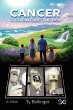
JUSTIN: Thank you everybody for joining the very first podcast for Extreme HealthRadio.com . You can find this podcast at ExtremeHealthRadio.com/1. We have today with us Ty Bollinger. He is a medical researcher and author. He has a website called cancertruth.net and another one called survivalherbs.com. He has written a very great book called ‘Cancer-Step Outside the Box’. I am actually reading that right now and am on page 90, where you’re talking about the Ph of the body and of the blood and all that good stuff, so I highly suggest you check out his book and his website, as well as following him on Facebook. He has written a lot of good stuff on Facebook. Actually today Ty, you were mentioning some things about the benefits of liquorice for cancer.
TY: Yes, thanks Justin for having me on. I am honored that you had me on your first show here and I appreciate it.
JUSTIN: You’re welcome.
TY: On Facebook I do a daily health tip. I try to do a daily health tip, but sometimes I miss. Today’s tip was on liquorice and there are a lot of uses for liquorice. One of them is that it is anti-cancerous, anti-viral, anti-fungal and helps with AIDS, HIV and so on. There are so many uses for liquorice. It is one of the medicinal herbs that is in my book, ‘A Guide To Understanding Herbal Medicine’ and it is one of over 100 herbs we cover in that book. It’s amazing Justin though how many medicinal uses there are for herbs out there and how ignorant people typically are of those herbs. One fact that a lot of folks don’t understand is that over 80% of pharmaceutical drugs are actually based on the active constituents in medicinal herbs. So, it’s kind of funny to me, ironic I guess is a better term, that a typical conventional doctor would say that someone who uses herbs is a quack, when 80% of the drugs that they prescribe are based on those herbs.
JUSTIN: Wow, what happens when they do a prescription, or some sort of drug, if those drugs are based off of herbs, do they synthesize and make the pharmaceuticals not as natural, and thereby when they do that, they take out all the buffer components and things like that. Is that what happens?
TY: Yes, it is kind of the way it happens. And what will happen, typically. Is they’ll find an herb that has a very potent active constituent. Let’s say,
milk thistle has silymarin in it. They would take the milk thistle and they would extract the silymarin, just one active constituent, and then they would tweak it a little bit, change it out so that they could patent it. Then they would make that into a drug. The problem with that is twofold: #1, when you change the natural herb that God has made, then you would make it less effective, because it is in it’s most effective state in it’s natural state, and #2, when you remove it from the other active constituents of that medicinal herb, there may be 20, 30 or 100 other active constituents in that herb. They all work together in a synergy. When you remove it from it’s natural state with those other active constituents, then it no longer works together in a synergy, and so it’s not going to be as effective because of that. So, you have changed it and you have removed it from the other active constituents. So, it no longer works in the way that it was intended to. But the pharmaceutical companies can now patent it and sell it at a 6,000% mark-up and make huge profits on it. So, that’s why that happens, because the herbs are typically …….where the active constituents that would treat a certain illness are found. But you can’t patent the herbs, you have to patent an active constituent after you’ve tweaked it, so that’s why that happens.
JUSTIN: So that’s probably one of the main reasons why you can’t combine certain drugs with other drugs. Right? Because of that effect, right? Because it has a really tough time on your liver and all that, right?
TY: Yes, just one example. You are familiar with Ephedrine, right? It was an over-the-counter drug that was really popular maybe 20 years ago, when I was in college actually, just after I got out of college. It was kind of like over-the-counter speed. A lot of truck drivers took Ephedrine to stay awake, it’s almost like caffeine in a pill. There was some problems that people encountered from heart arrhythmia and heart attacks and so on, because they took too much of the stuff to start with, and so the FDA outlawed Ephedrine. I think you can still get it now, as it’s gone back and forth over the last two decades, as to whether it’s legal or not. The problem is Ephedra, Ma Huang, the herb, has so many other active constituents, other than just the Ephedrine that you can pull out of the herb. So, they all work together in a synergy to stop the heart palpitations, to stop the heart attacks and so on, because the other active constituents will depress that, so that it won’t cause the detrimental side effects if you take the whole herb. But what happens is that the drug companies were taking just the one active constituent and marketing that, and that’s where you run into the problems.
JUSTIN: Wow, so I can see how you obviously can’t patent an herb and that why they’re just extracting the one thing. That’s pretty amazing. So, I notice in your book….your book by the way, I’ve been reading it, is 450 pages.
TY: It’s actually just over 500 pages. I didn’t include the introduction, the preface and a lot of the pages before the first chapter in the page count, so it is actually just over 500 pages because I numbered it kind of funny.
JUSTIN: Wow, if anyone wants to get a primer on cancer, how to heal from cancer naturally or how to prevent cancer, this is, in my opinion, the bible of natural health
TY: Thank you.
JUSTIN: It’s absolutely amazing. There is a few other books I want to read, but this is the gold standard in my mind.
TY: Thanks Justin. I appreciate it. It was really a labor of love for me. I’m sure if you’re on page 90, you have gotten through the story of my family. What really inspired me. I’m a CPA, with a Master’s Degree in Taxation, and people would often ask ‘what inspired you to write a book on cancer’. Well, I lost my mom and dad, an uncle and a cousin and two grandads and a grandma to cancer over a period of seven years. That’s what really inspired me to start researching and kind of using the skills I had acquired when I was getting a Master’s Degree in Taxation, to do research and summarize information, to kind of use that in the health field to do research about cancer and natural health. So, that’s kind of what lead me to write the book. I had all this knowledge and was learning all this shocking information about cancer treatments that are being suppressed and that worked actually better than chemo, radiation and surgery. I felt like I needed to share it with people, so that mom and dad would be able to look down from heaven and be proud that I was using their deaths in a constructive way and that there was some kind of usefulness to other people from what they had to suffer. So that was really my inspiration to write the book.
JUSTIN: You and I both have somewhat the same kind of a story. I got into health, as well, when my mom had non-Hodgkins lymphoma back in 1995 and she was given a 1-10% chance of living, or something like that. Anyway, the odds were against her. At that time, we didn’t know anything. She had chemotherapy and radiation. I donated platelets as she had a bone marrow transplant. Thank God, she is still alive today and is doing well. I am really excited and I am going to give her the book next. It looks like you must have done hours and hours of research for this thing, because there is so many references, it’s unbelievable.
TY: I actually probably spent between 7,000 and 10,000 hours of research over a period of 10 years, between 1996 and 2006, when I published the book, so it was probably around 7,500 hours when I calculated it out.
JUSTIN: Oh my gosh, that’s amazing. What are some of the things you do on a daily basis, that are anti-cancer. What is on your daily list of things you do every day, whether they be activities like rebounding. What kind of things do you do?
TY: Great question, because that is the practical aspect. What do you do, what do you do to treat cancer and what you do to prevent it. Rebounding is something I do on a daily basis. I have a mini-trampoline for most people who are not familiar with the term rebounding. It’s basically just jumping up and down on the mini-tramp. What that does is that it stimulates the lymphatic system. The lymphatic system is one of the primary detoxification systems in our body. Most folks don’t stimulate their lymph flow, so the toxicity in their bodies builds up because their lymph is not stimulated. The up and down motion on the rebounder stimulates the lymph flow better than just about any other exercise. So, I do that, probably five days a week. I have an ….infrared sauna, so I sit in the sauna every night religiously. Unless we are out of town, I don’t miss the sauna. I sit in it every night that we’re here at the house.
JUSTIN: Even when it’s so hot like this, in the summer?
TY: Yeah, if you think about it, unless you’re a farmer, you’re sitting in an air-conditioned office most of the day.
JUSTIN: Yeah, that’s true.
TY: It may be nasty outside, but most people, especially if you work in an office, the biggest amount of time you spend during the day in the heat, is walking from the office to the car and then back.
JUSTIN: Right.
TY: So, you’re not really getting the heat you need to your cells. The hypothermia is what kills viruses, bacteria and fungi. Cancer cells don’t really like heat either, so the …..infrared sauna facilitates that and I do that almost every night.
JUSTIN: How long to you do each one of those things, the rebounder and the sauna?
TY: I do the rebounder anywhere from 10-15 or 20 minutes a day, depending on how much time I’ve got, but at least 10 minutes a day. I will typically lay in the sauna for 35-40 minutes.
JUSTIN: What kind of rebounders or saunas do you recommend. If you don’t mind me asking, what brands do you recommend?
TY: The rebounder we have is a neebak rebounder. The reason I got is I am a big guy, who weighs about 220 lbs. You don’t want to get a rebounder that is for kids that have 150 lb max. That’s why we got the neebak. There are other brands of rebounders, so just check the weight specifications to make sure it will hold your specific weight. We got our sauna from the Wolfe clinic, thewolfeclinic.com. They sell far infrared saunas that are just about as affordable as anywhere that I found. Dr. Darryl Wolfe is a good friend of mine and he used to own the Wolfe Clinic. He doesn’t anymore, but I know the quality of their products, so that’s where I got the far infrared sauna.
There is a section in the book, Justin, that you will get to, on the far infrared sauna and hypothermia as a treatment for cancer. There is a lot of good research that shows that cancer cells don’t live in a hot environment like the far infrared sauna can create. So, that’s one of the first things I know a lot of practitioners will do. They will get their cancer patients doing rebounding and will have them get a far infrared sauna and will get them doing this on a daily basis. The normal cells are able to adapt to a hot environment and cancer cells typically will die. So it’s a good selectively toxic treatment for cancer cells, to just super heat them, because they will die and the other normal cells will respond to that heat and will adapt and won’t die. So, those are two things I do on a daily basis.
As far as my nutritional and dietary daily habit is, I guess you would say, is that we eat a lot of organic, fresh fruits and vegetables. We have laying hens here on our property, so we do a lot of pastured eggs. There is a very high nutritional value in pastured eggs, no matter what the mainstream nutritional philosophy is on eggs. That eggs are too high in cholesterol. That is a bunch of hogwash. Eggs are one of the best natural nutritional proteins that you can get. One of my good friends, Casey Tracy, on livingfuel.com, we buy in bulk from him, our living fuel super grains and super berries. These are just dehydrated powdered products that we make into a smoothie each day. That’s our lunch, every day, when we’re home. A super grain, super berry shake with clay protein. We do that every day for lunch. The kids drink it, a nice big thick shake so it really fills you up. Even my 2 year old, Charity, will drink a shake every day and she actually likes the way it tastes. She will come and ask me for the shake.
JUSTIN: That is so great.
TY: Yeah, they’re getting a really good nutritional basis when they are young. We will do that. We will do a lot of salads, a lot of grass fed buffalo, pastured chickens. We try not to buy chicken and meat from stores, because I’m sure you’re familiar with the way they treat the animals in a really inhumane way, and they also inject them with all kinds of antibiotics and growth hormones, to get them fat faster. So, that is passed onto the meat, so we try and stay away from that, if at all possible. Lots of salads, lots of fruits and veggies. The kids know that in-between meals they can eat all the fruit and vegetables they want, but they can’t eat anything other than that.
JUSTIN: You don’t do much of the breads and pastas and all that kind of stuff?
TY: I don’t personally, but the kids still eat some good organic breads, like split-grain. I know there is a lot of people who say stay away from wheat altogether. That obviously is a pretty good idea, but kids are kids and they like bread. So, if they eat bread, I want them to have a decent brand of bread that is either the Ezekiel kind of bread or split-grain bread. They do eat bread, but we limit that. They just know that they are able to eat fruits and vegetables to their hearts desire. Anytime they want a super-smoothie, they can make a super-smoothie and have the living fuel super grains and super berry shake. So, that’s kind of our nutritional regimen. We will eat popcorn. I buy only organic, because the last statistic was, I think in 2011, 89% of the corn in the United States is genetically modified, so we never buy anything that has corn in it, but we do have a good supply of organic corn. I know it’s organic, so we will buy corn, pop it in coconut oil and put a little sea salt on it and it tastes great, a good snack for the kids. It is not necessarily healthy, but it’s not unhealthy either, and you know, kids are going to want to snack on something, so I’d rather them snack on something cooked in extra-virgin coconut.
JUSTIN: Right. It sounds like the name of the game really is getting people to be more aware of understanding that cancer can be prevented. I just don’t think people understand, a lot of the normal people out there, that there is a relationship between cancer and diet. I think they are becoming more aware, but the name of the game is really just prevention.
TY: You made a good point there Justin. Most people are not aware of the impact that our diet has on cancer and other diseases. I also host a weekly radio show and I was, just last week, interviewing Casey Tracy, my friend I told you about from Living Fuel. We talked about an example that really struck home for me. We just got back from vacation, but before we went on vacation we were at a Jiffy Lube, or some similar store like that, getting the fluids in our car changed as we were driving 2000 miles. We wanted to make sure that the fluids were good. I told Casey that what really struck me as ironic, is that we were in this Jiffy Lube and we waiting for our to be worked on, and in walks this, what I would call a morbidly obese man. He probably weighed close to 400 lbs. A big big fellow. I don’t know how he walked. He was munching on donuts and when he got there and said there was a synthetic oil he wanted them to put in his car. It wasn’t 10W30 or 10W40, it was some kind of synthetic mix. He said ‘my car won’t run right if you put the 10W30 or 10W40 in it. I want you to use this particular brand. They told him it’s more expensive and he said ‘I don’t care, that’s the brand I want in my car’. All the while, this big fat guy is eating a doughnut and I thought to myself how sad it was that here’s this big fat man, who is killing himself with what he is eating, but he is so specific on the oil that he puts in his car. The fuel that he is giving his car, the lubrication for his car, is more important to him, and he doesn’t car about the cost, than the food he puts in his mouth. We just made an analogy how it is so important for you to look at the fuel you put in your body which is important as the fuel you put in your car. As the mechanic said, it doesn’t really matter if you put kerosene or diesel fuel in your gas tank, it doesn’t really matter what the fuel is, as a matter of fact you could even throw cool-aid in there, the liquid doesn’t matter, as long as it’s wet. You’d think your mechanic was nuts, but you know that’s really what doctors will tell you, if they tell you that your diet has no effect on your health, isn’t it?
JUSTIN: Yeah, it’s absolutely amazing. One doctor I was talking to, this must have been about 10 years ago, before I got into health, I asked him why there was such an increase in cancer. Maybe some of it has to do with, you know, just getting older and people closer to you are dying of
cancer, or get cancer, more so than when you’re 10 or something. He said, ‘oh, I think it’s just because we have better screenings now. It’s just so interesting.
When we come back from this little commercial I’m going to run, I want to ask you a little bit about where you think cancer starts and the role of estrogen and things like that. So, we’ll be back in one second.
JUSTIN: Hi guys. Thanks for listening to the interview so far and I hope you are enjoying it. I just want to take a brief moment and talk about cancer. There is this really great e-book by Ty Bollinger that I strongly suggest you check out. It’s called ‘Cancer-Step Outside The Box’ and you can find it, if you go to our site. This is a product that I strongly recommend. I think in 2005, cancer became the #1 cause of death in Americans. Maybe it was heart disease, but in any event, I think about 1 out of every 2 people get cancer, and chances are you’ve had it or you have known someone who has had it.
My mom actually had cancer in 1995. She had non-Hodgkin’s Lymphoma with a 1-10% chance of survival.
I watched her go through that. She had chemotherapy, radiation and a bone marrow/stem cell transplant and I thought ‘there had to be a better and more natural way of either treating it or preventing it altogether’. So, I’m really passionate about this and Ty Bollinger has put together an amazing book. I actually have it and am on page 89 right now. It is about a 430 page book. In the part that I’m on, he’s talking about the acid alkaline balance and the PH balance of the different tissues. What I like about it is that he’s got an appendix at the end about really great cancer clinics that treat cancer naturally. All of the natural cancer clinics that he talks about in his book are the most popular ones, as well as the most effective ones. You and mix and match and combine them up and, if you follow at lot of his information, you most likely will never get cancer to begin with. This book is just a ‘must have’ for everyone. If you don’t have anyone with cancer in your life right now, purchase it and keep it for future reference.
I just want to take a quick second to check out our store. If you haven’t visited our store, we have tons of great products like this, everything from sustainability products, how to can your own foods, survival products, natural birthing, herbal programs (how to work with herbs) cleansing and detoxification programs, blenders, dehydrators, rebounders, DVDs, exercise and fitness and books and all kinds of stuff. Check out our store, as we have incredible high quality products there for you.
Also, if you would like to donate, you can donate $1 even, or $5 or $10, whatever you can, which would help support our work her. If you ever purchase anything on Amazon, please feel free to visit our website and scroll to the very bottom. Click over to Amazon anytime you make any purchases, either there, Mountain Rose Herbs or the Rawfood World. If you don’t have any money or don’t really buy online, follow us on twitter and facebook and help spread the word.
Thank you for all of your support, and let’s get back to this interview.
JUSTIN: Alright Ty, again, thank you for coming on our show today. I really appreciate it. I wanted to ask you a couple of questions, about where you think cancer starts. As I was saying, my doctor doesn’t think there is any increase in cancer, and that there is just better screening. There’s a lot of people who talk about the lack of oxygen in the cells. I’m not sure if you’re familar with Dr. Bob Dowling.
TY: Yes.
JUSTIN: He talks about cancer being related to your teeth. There is a Dr. William Wong who talks about fibrosis and cancer. David Wolfe talks about calcium and Nick Gonzales talks about the lack of pancreatic enzymes or lack of minerals. In my opinion, it seems like that is kind of like, thinking about where cancer starts, and having it be connected with something out there, like your teeth or a toxin you’re exposed to. It’s kind of similar to the germ theory and to the host theory, where people demonize the germs, and then the terrain theory that he talks about. If you have a strong terrain inside your body, it doesn’t matter what kind of germs you’re exposed to, if you have a healthy immune system.
TY: Yeah, right.
JUSTIN: What do you think about all of that?
TY: All of those doctors have good points. There are a lot of doctors who are very reputable and they have done a lot of research and they disagree on that. That’s okay. I think, based on my research, that it’s a combination of hypoxia at the cellular level (lack of oxygen) which is what Dr. Otto Warburg showed in 1931 in his Nobel Prize. A combination of that with a suppressed immune system. So, the combination of a compromised immune system with hypoxia at the cellular level, will often times result in cancer. Whether that suppressed immune system is a result of root canal teeth or secondary infections, or if that suppressed immune system is an overload of environmental toxins, which I believe is the primary cause of a suppressed immune system. We can debate all of that and that’s okay, but the bottom line is if you couple hypoxia with a suppressed immune system, it will often times result in cancer. The fact of the matter is that we all produce thousands, if not more, cancer cells on a daily basis. Cancer is something that everyone, who is listening to this show, has in their bodies, cancer cells.
Cancer cells are merely cells in which the DNA has been changed. They have been damaged and their respiratory mechanism is different from normal cells. We all have them. But a normally functioning immune system is able to recognize the cancer cells and take care of them and will not be diagnosed with a life-threatening cancer. It’s only when that cancer is not
recognized by the immune systems that the cancer begins to spread or metastasize and become life-threatening.
I guess, in a nutshell, that is my conclusion, based on my research. Cancer can’t live in a body whose immune system is functioning properly. Let’s just put it that way.
‘
JUSTIN: I’ve heard a lot of people talk about the role of estrogen in cancer, and things like that. A lot of us get xenoestrogens from plastic and chemicals from carpets. You talk a lot about that in your book.
TY: Yes.
JUSTIN: Is estrogen like a driving sort of force?
TY: Good question. Yes, you’re right. We are pelted with xenoestrogen, which is basically just fake estrogens from different chemicals and plastics, which our bodies see as estrogen and uptakes as estrogen. That’s one way.
We also totally stay away from soy because of the phytoestrogens. The genezende and diazepine, which are two of the phytoestrogens in soy. A lot of times they are spoken of being so good for you, but the body actually doesn’t think so. Because of the phytoestrogens the body has an overload of estrogen when you’re eating soy. That’s the reason that Dr. William Wong, who you mentioned earlier, says stay away from soy. Many other doctors I know of say to completely stay away from soy. Also, over 92% in 2011 of soy in the United States was genetically modified. The tests on these genetically modified soy beans, and the corn I spoke about earlier, show that by the third generation at the latest, most of the time by the second generation, will cause sterility in hamsters.
Anyway, we are pelted with xenoestrogens and phytoestrogens, so what happens is that the ratio of testosterone to estrogen our body gets out of whack. A lot time, people think that estrogen is a female hormone and testosterone is a male hormone. That’s not true. I have estrogen and my wife has testosterone. The thing that’s different in males and females is the ratio. So, when the ratios get out of whack, because you’re in taking too much estrogen, phytoestrogen or xenoestrogen, or whatever you want to call it, then we have several estrogen sensitive cancers that can arise. Whether they be ovarian, cervical or breast cancer. Even prostate cancer is estrogen sensitive. There are many cancers that are estrogen sensitive, so these fake estrogens that we are exposed to can have a big role in someone being diagnosed with these different kinds of estrogen sensitive cancers.
JUSTIN: That’s amazing. Would you say that estrogen is kind of on par with sugar, as far as throwing the flame on cancer.
TY: Yes, that’s a good analogy. I kind of think of sugar more as the food for cancer. Cancers live on sugar. They eat sugar and they basically metabolize glucose, which is blood sugar, if they live. But, I think more of estrogen as being the fertilizer for cancer. But, yeah, I’ve used that analogy before, the estrogen is the fertilizer and sugar is the fuel. So, if you want to avoid cancer, minimize sugar and make sure that your estrogen and testosterone balance is in whack.
JUSTIN: That’s funny, it’s not funny, but there was a lady who we knew, it must have been about 6 or 7 years ago (I forget what kind of cancer she had) but the doctors kind of made that correlation with sugar. In between one of her tests, you know she had a test/screening, and during the middle of the time where she was supposed to go and get another test, she ate lots of fruit, candy bars and sugar and stuff like that, I don’t think she knew at the time, but when she was talking to u s about the second test she got, all of her indicators were spiked and off the charts. Is that because of glucose, is that fruits or bread as well?
TY: The lot of it will deal with the glycemic index of the food, and natural sugars and fruit sugars are better than processed sugars. So, there is a myriad of different types of sugars. A good general rule is that everyone should stay away from processed sugar, because it is basically not nutritional. If my family is going to sweeten things, which we do, we will use raw honey or stevia, most of the time. When my wife bakes, you know for a birthday party or whatever, we will use organic brown sugar, which is less harmful than processed white sugar.
You also have to look at processed white flour, which actually has a higher glycemic index than table sugar. There is a pretty good chart out there, and I will see if I can find it so that I can send your listeners to it. You can compare the different glycemic indices of different products. You really need to be aware of that. The story that you recounted about the lady eating lots of fruit, sugars and cakes or whatever, is pretty common, in light of the fact that most oncologists will not advise against it. As a matter of fact, one of the common things with cancer patients is that a lot of them will not die from the cancer, but they will die from the toxicity from radiation and chemotherapy and/or the wasting syndrome, which is called cachexia. So, if a cancer patient is basically wasting away, a 6’2″ guy down to 110 lbs
the doctors will say that they just need to go out and eat whatever they can to put on weight so that they don’t waste away. Those people who then go and start downing sugar products such as ice-cream and cakes are really doing themselves a disservice, as they are fueling that cancer and are not really helping themselves. They don’t know that, because most oncologists won’t tell them that. Many oncologists just don’t think about it. They are not taught that in medical school.
JUSTIN: Yes, it’s not something that is even part of their current paradigm. Right?
TY: The most that a doctor will get in nutrition, going through almost ten years of medical school, residency and internship, and so on, is three hours.
Many doctors get none, It depends on the medical school, but many medical schools don’t even include a course in nutrition. And so, the doctors who come out of medical school, highly drug intensive, and so that’s what they know to treat, diseases, drugs and they don’t understand the relationship between diet and disease.
JUSTIN: It’s pretty amazing that doctors have such little schooling on nutrition. They speak with such authority about nutritional things, when in reality, they are really not qualified to.
TY: You know, it would be the equivalent of somebody coming to me and wanting to get their car worked on, and I would say ‘you know, I really don’t have any schooling for this, but let me tell you that your oil doesn’t really matter and your brand of gasoline doesn’t matter in your engine’. I haven’t gone to school for this, but let me just tell you that it’s ridiculous if you think that the oil matters or the brand of gas matters’. I am not a mechanic and I know very little about cars, but it would be absurd for me to try to give somebody advice on their engine if I don’t have any schooling in that area, wouldn’t it?
JUSTIN: You know, all you have to do is put a white coat on and people would believe you, right?
TY: Yes, put on a white coat, prance around like you know something and everybody believes you. So, that’s kind of what happens with many doctors in nutrition. I must say that I am friends with, and am aware of many, many doctors who are really waking up to the fact that nutrition does matter, and that their health is largely dependent on what they eat. I am good friends with a doctor down in Texas who said that over the last, I guess, 12 to 18 months, he has gained close to 50 lbs. He said when he first read my book he thought I was nuts. He said that the things he read in my book didn’t mesh with what he’d been taught in medical school and he thought I was crazy. He’s a busy doctor and is working 70-80 hours a week, and was just eating whatever he could find, because he’s working so much, and never paid attention to nutrition. He said he read the chapters on nutrition. They were chemically sound, they were scientifically sound and he started implementing some of my dietary recommendations and he dropped 50 lbs. He said he feels better than he did in college and now he doesn’t think I’m quite so crazy.
JUSTIN: That’s amazing. People should really go out and get this book. Speaking of radio shows and things