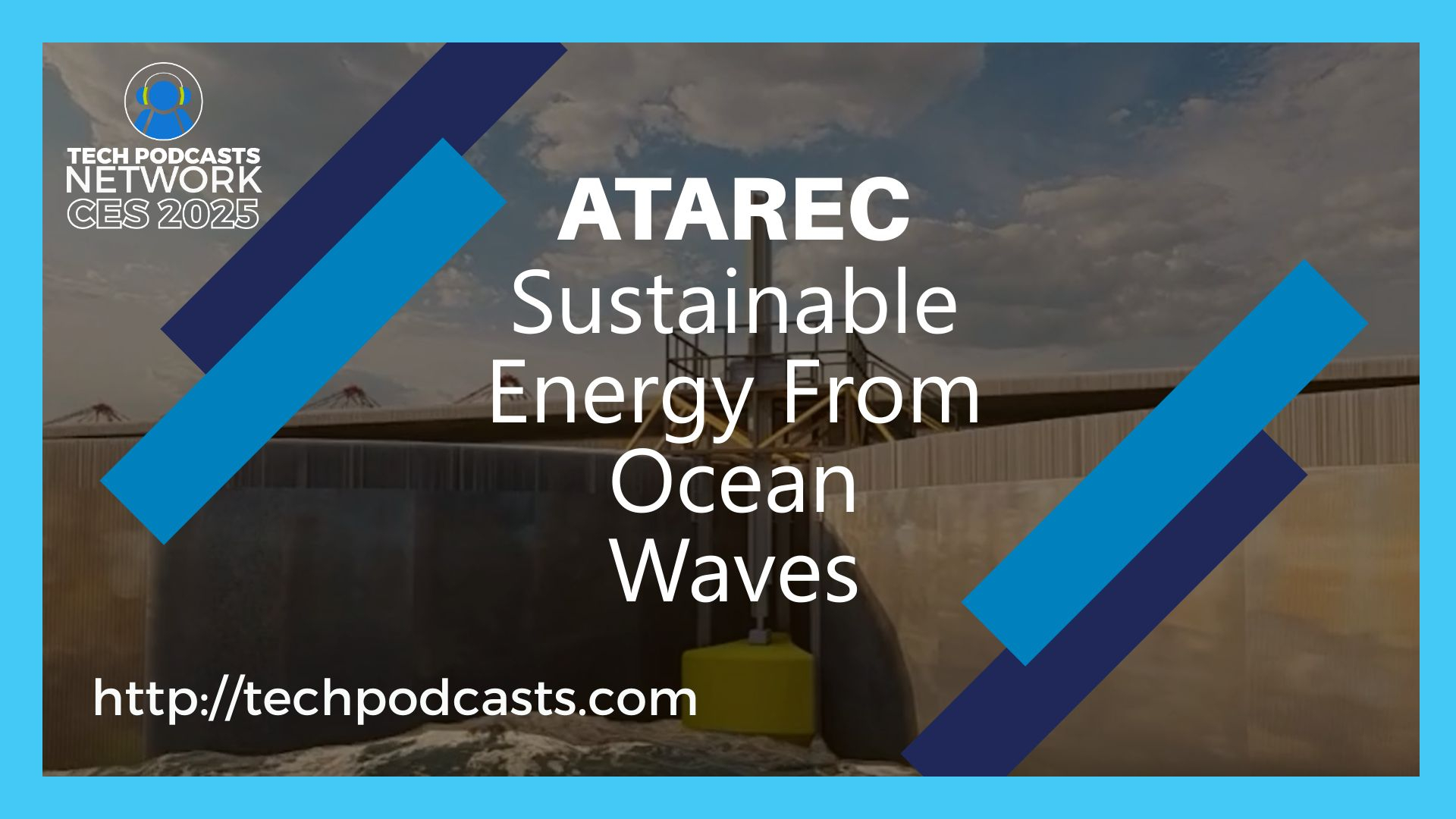
In the quest for sustainable energy solutions, wave energy from ATAREC emerges as a formidable contender that harnesses the relentless force of the ocean. Unlike other renewable energy sources such as solar and wind, wave energy provides a unique advantage: consistency. The company explains the mechanisms of wave energy, its advantages over other renewable sources, and its potential role in combating climate change.
Wave Energy Offers Consistent Green Power
Wave energy devices, like the one developed by Taha, co-founder of the Moroccan cleantech startup ATAREC, utilize the natural motion of ocean waves to generate electricity. ATAREC's patented technology, known as Wave Beat, is designed to be implemented on existing infrastructure such as offshore platforms and desalination plants. This innovative approach allows the device to harness energy without requiring additional land or significant alterations to the existing environment. The device operates by converting the kinetic energy from the up-and-down motion of waves into mechanical energy, which is then transformed into electrical energy that can be fed directly into the power grid.
Wave Consistency is the Key
One of the most compelling advantages of wave energy is its reliability. As Taha points out, waves are a constant presence, unlike solar energy, which is limited to daylight hours, and wind energy, which can be sporadic. The ocean's tides and waves are always in motion, providing a steady and predictable source of energy. This consistency is crucial in a world increasingly looking for alternative energy sources, where energy demands fluctuate and the need for reliable power sources is paramount.
Solar energy, while valuable, has its limitations. It requires vast expanses of land for solar farms, which can be a significant drawback, especially in densely populated or ecologically sensitive areas. Taha highlights that one unit of WaveBeat, with a capacity of 750 kilowatts, is equivalent to 15,000 square meters of solar panels. This stark contrast underscores wave energy's potential to address the space issue associated with solar power, making it an attractive option for regions where land is at a premium.
One Power Source is Never the Answer
Moreover, the integration of wave energy into the renewable energy mix is essential for achieving net-zero emissions. The reliance on a single source of energy can lead to vulnerabilities, as demonstrated by the power crises experienced in places like Texas, where a freeze rendered solar energy production nearly nonexistent. A diversified energy portfolio that includes wave energy, solar, and wind can create a more resilient power grid, ensuring that energy supply remains stable even in adverse conditions.
Taha's vision extends beyond merely harnessing wave energy; he advocates for a collaborative approach to renewable energy. By combining various energy sources, we can maximize the potential for clean energy production and effectively combat climate change. This multifaceted strategy allows for the strengths of each energy source to complement one another, creating a robust and reliable energy system.
Conclusion: Harnessing the Power of the Ocento Power the World
In conclusion, wave energy represents a promising frontier in the pursuit of consistent and sustainable power. Its reliability, space efficiency, and potential for integration with other renewable sources make it a vital component in the fight against climate change. As we continue to innovate and invest in technologies like ATAREC's WaveBeat, we move closer to a future where clean, renewable energy is not just a goal but a reality. The ocean's waves are not only a beautiful natural phenomenon; they are a powerful ally in our quest for a sustainable planet.
Interview by Scott Ertz of F5 Live: Refreshing Technology.