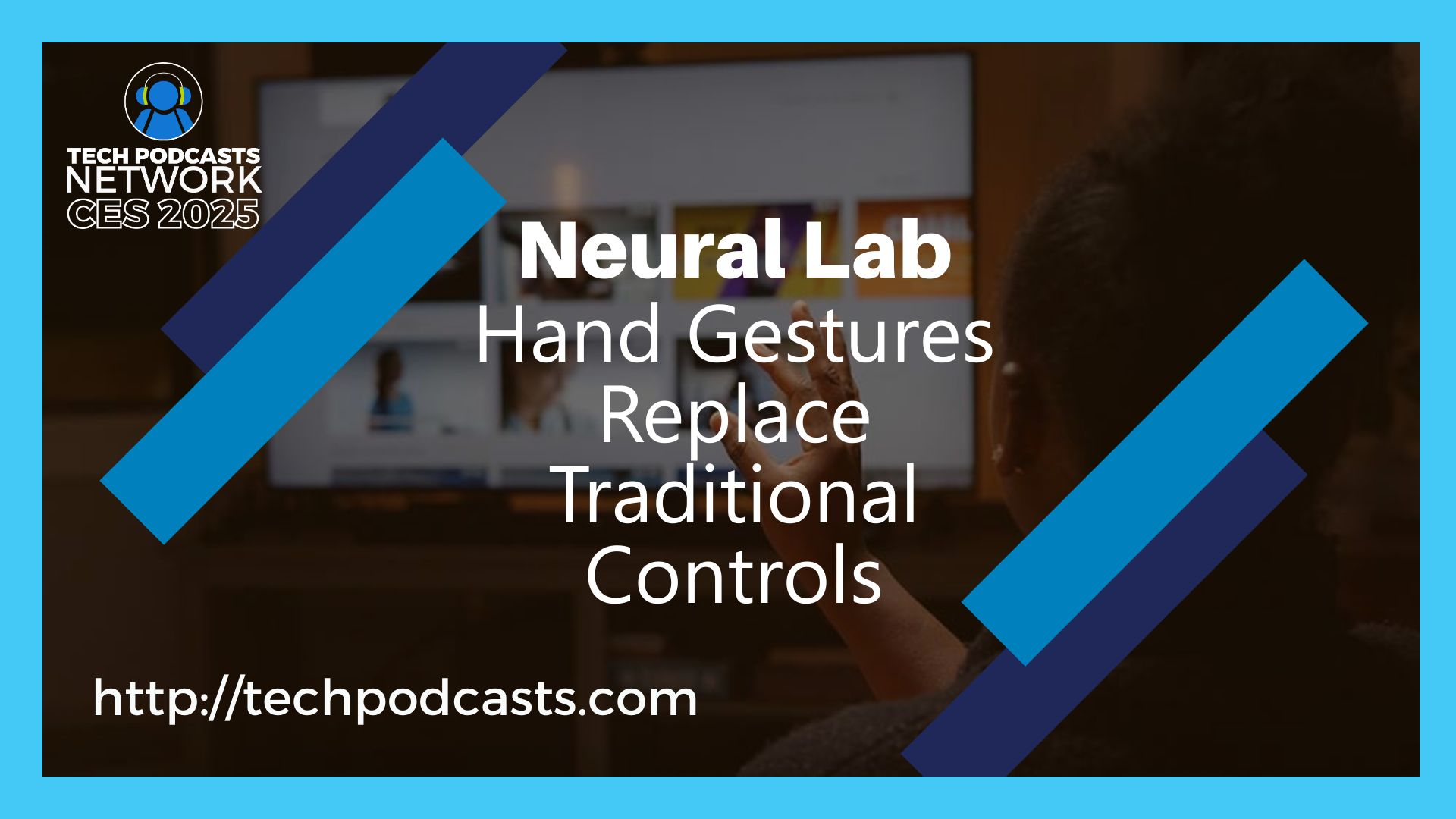
In the rapidly evolving landscape of technology, the way we interact with devices is undergoing a significant transformation. Gesture control, a concept that has long been a staple in science fiction - most notably in films like Minority Report - is becoming a tangible reality. Companies like Neural Lab are pioneering this shift by introducing innovative applications that allow users to control devices through simple hand gestures, utilizing the capabilities of standard webcams and mobile devices. Gesture control is poised to redefine user interaction, enhance accessibility, and offer new possibilities across various domains.
The Rise of Gesture Control
Gesture control technology enables users to interact with devices without the need for physical contact. This is achieved through the recognition of hand movements and body motions, which are translated into commands for the device. The implications of this technology are vast, ranging from improving user experience to making technology more accessible to individuals with disabilities. As demonstrated by Neural Lab's application, users can perform actions such as tapping, swiping, and even launching applications through simple gestures. This hands-free interaction reduces the reliance on traditional input methods like mice and touchscreens, making technology more intuitive and responsive.
Enhancing User Experience
One of the most compelling advantages of Neural Lab's gesture control is its ability to enhance user experience in various settings. For instance, during presentations, users can advance slides and activate tools like laser pointers or pens simply by gesturing, eliminating the need for physical clickers. This seamless interaction allows presenters to maintain eye contact with their audience, fostering a more engaging atmosphere. Similarly, in collaborative environments, gesture control can transform any display into an interactive smart board, enabling users to annotate and manipulate content without the constraints of proprietary software or specialized hardware.
Moreover, gesture control can streamline everyday tasks on mobile devices. For example, while cooking, a chef can take photos or navigate recipes without touching their device, thus avoiding the mess that comes with food preparation. This convenience extends to various scenarios, such as programming or robotics, where users can control devices or robots through gestures, thereby enhancing creativity and productivity.
Accessibility and Inclusivity
Neural Lab's gesture control technology also holds great promise for enhancing accessibility. Individuals with physical disabilities may find traditional input methods challenging or impossible to use. By allowing users to control devices through gestures, technology becomes more inclusive, empowering individuals to interact with their devices in ways that suit their needs. This adaptability makes gesture control a vital component in the design of assistive technologies, ensuring that everyone can benefit from advancements in digital interaction.
The Future of Interaction
As gesture control technology continues to advance, its applications are likely to expand into various fields, including education, healthcare, and entertainment. In educational settings, for instance, gesture-based learning tools can foster interactive and engaging learning experiences. In healthcare, gesture control can facilitate hands-free interactions in sterile environments, allowing medical professionals to access information without compromising hygiene. The entertainment industry, too, stands to benefit, with gesture control potentially revolutionizing gaming and virtual reality experiences, making them more immersive and engaging.
Conclusion: Improving the Way we Interact with Devices
In conclusion, gesture control is redefining user interaction by providing intuitive, hands-free methods of engaging with technology. As demonstrated by Neural Lab's innovative applications, this technology enhances user experience, promotes accessibility, and opens up new possibilities across various domains. As we move forward, embracing gesture control will not only reshape how we interact with devices but also pave the way for a more inclusive and engaging digital future. The potential for creativity and innovation is limitless, making gesture control an exciting frontier in the realm of human-computer interaction.
Interview by Marlo Anderson of The Tech Ranch.