Patient Empowerment Program: A Rare Disease Podcast
103 episodes — Page 2 of 3
Ep 52The Hurdles of Insuring Patients with Nano-rare Mutations with Alan Lotvin, M.D.
What's preventing insurers from covering the specialized care of patients with nano-rare mutations, thereby expanding access to available treatment options? Is it the population size, cost, or perceived risk? Given that the initial discovery of nano-rare mutations is relatively recent, paving the way for this population requires a nuanced approach to overcome various obstacles. Alan Lotvin, M.D., CEO and co-founder of Sequel Med Tech, and former president of CVS Caremark, conceptualizes these hurdles.
Ep 51Anna’s Story of Hope and Help: FUS-ALS with Sonja Kämpfer and Dr. Neil Shneider
Stan Crooke speaks with Sonja Kampfer and Dr. Neil Shneider, associate professor of motor neuron disorders at Columbia Medical School, about Sonja’s daughter, Anna. Anna was diagnosed with an aggressive, fatal form of ALS at the age of 16. ALS is rare in teenagers, and this form of ALS is the worst of the worst. Sonja tells Anna’s story initial symptom onset, to diagnosis, and to Anna's response to ASO treatment. As a parent, Sonja reveals her full range of emotions during the duration of her daughter’s disease: puzzlement, pain, humility, and now optimism. On This Episode We Discuss: Anna’s life before her symptoms appeared The road to a diagnosis and treatment– from Germany to New York City Neil Shneider and his work with ASOs The struggles of a family fighting a nano-rare disorder Anna’s mutation Anna’s remarkable progress
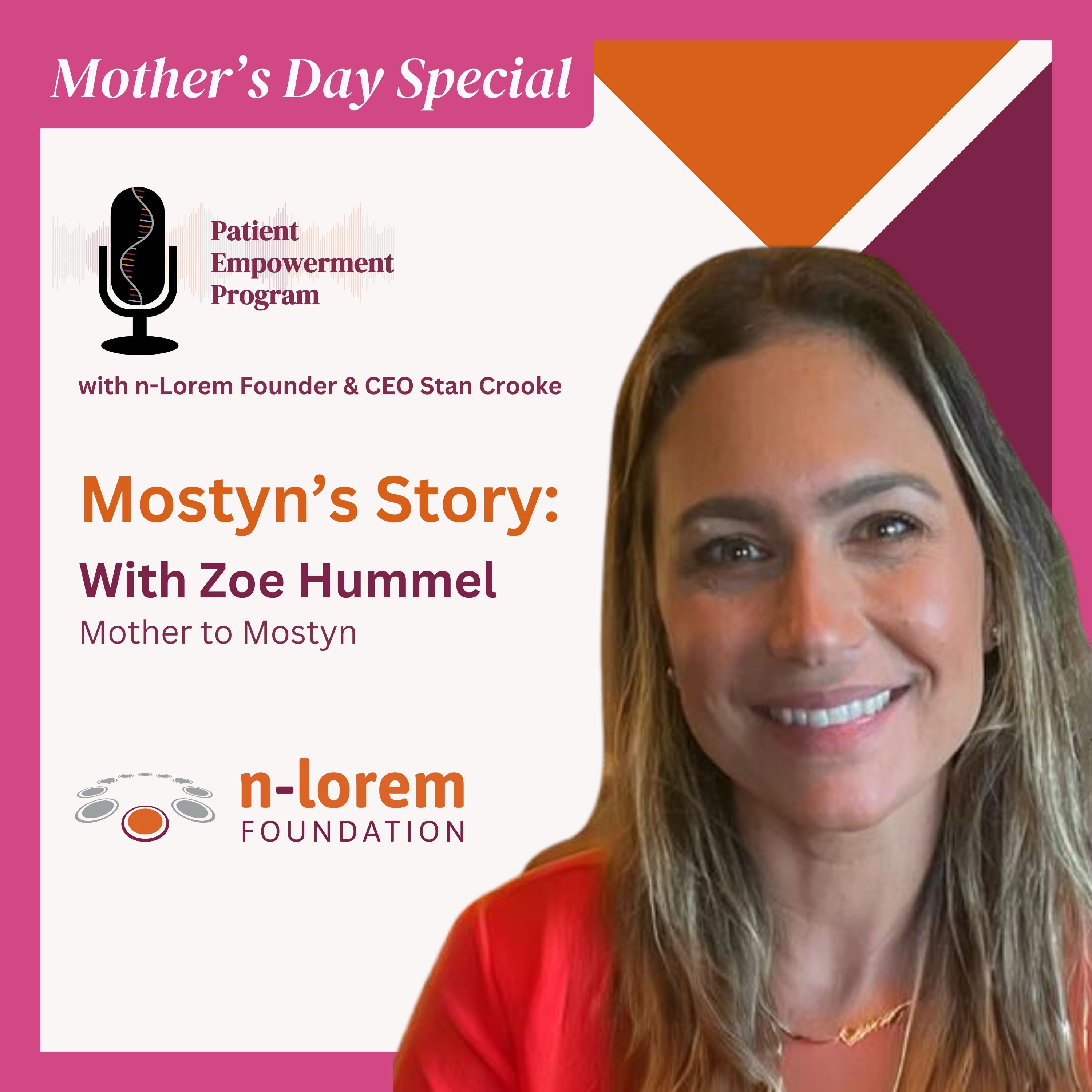
Ep 50Mostyn’s Story: Mother’s Day Special with Zoe Hummel
Motherhood is a journey filled with challenges, but every step is worth it for the love and joy it brings. Zoe Hummel joins the show in this special Mother’s Day episode to discuss her son Mostyn’s emotional story to diagnosis, and the unique challenges and triumphs of being a nano-rare mom. Order your Mother's Day card by May 6, 2024! All proceed support nano-rare patients. On This Episode We Discuss: How Zoe met her Husband, Mostyn’s father Zoe’s Violin origins and playing with Rod Stewart Mostyn’s journey to a diagnosis Zoe’s advice for parents observing abnormalities in their child's development Mostyn’s severe epilepsy A road trip to Boston Children’s Hospital in the middle of winter The ‘unlucky’ diagnosis of KCNB1 For-profit companies promising false hope
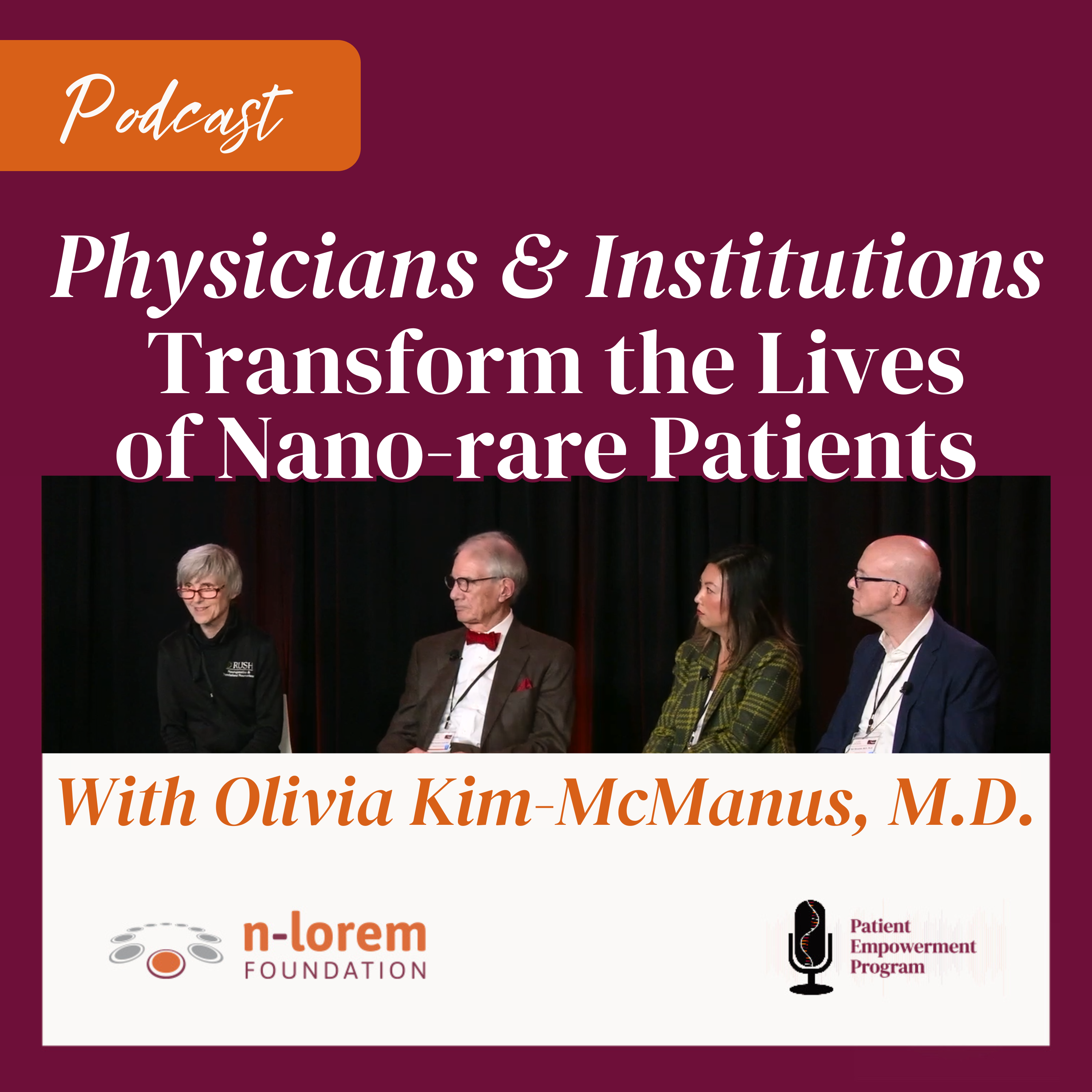
Ep 49Physicians and Institutions Transform the Lives of Nano-rare Patients with Olivia Kim-McManus, M.D.
Research physicians and their associated institutions are monumental to the mission of the n-Lorem Foundation and are truly transformational to the lives of the nano-rare patients they treat. Olivia Kim-McManus, M.D., was one of four physician panelists at our first Colloquium who participated in "A Physician's Perspective on n-Lorem and Nano-rare". Hear Olivia's outlook on nano-rare patients and how the support of an institution like UCSD Rady Children’s Hospital makes all the difference. On This Episode We Discuss: 1:55 When Dr. McManus became interested in pediatric neurology and epilepsy 4:00 What ion channels do and why they play a role in epilepsy 5:17 How often is epilepsy genetically caused? 6:52 Why Dr. McManus and Rady Children’s Hospital choose to invest time and resources in helping nano-rare patients. 11:50 Bringing people together for a single forum at the Nano-rare Patient Colloquium inspires collaboration between groups 14:43 The importance of a network of treating physicians and institutions and sharing experiences and lessons learned 17:58 Interest within Rady Children’s Hospital regarding nano-rare patient treatment and ASOs 21:45 A Physician’s Perspective of Nano-rare and n-Lorem
Ep 48Advanced Genetics Part 2
Genetics can be intricate, no doubt. With millions of mutations present in every human, one might wonder why not everyone is impacted by pathogenic diseases. The Patient Empowerment Program aims to assist you in grasping the fundamental concepts of various mutations and how they function, paving the way for you to enhance your understanding of genetics. Delve into the diverse array of disease-causing mutations, their characteristics, and explore which mutations could potentially be addressed through ASO treatment in this concluding episode of Advanced Genetics. On This Episode We Discuss: The nature of a SNP Pre-mature-m-RNA effects Indels can disrupt the reading frame Defining Alleles, Homozygous, Heterozygous, and Compound Heterozygous The difference between whole exome and genome sequencing How we, at n-Lorem, decide which patients are amendable to ASO treatments How we design ASOs to take advantage of different post-RNA binding mechanisms Mechanisms: Non-allele selective RNAse H1, Allele-selective RNAse H1, and Splicing ASOs
Ep 47Advanced Genetics Part 1
Each time one of the cells in your body divides to form a new cell, 3 BILLION genetic letters must be accurately duplicated. That’s a big number and mistakes DO happen in everyone. That’s right, if you’re reading this, you have a genetic mutation. On This Episode We Discuss: Your genetic alphabet – nucleotides How to think about DNA Replication Types of mutations What is an SNP and why you should care Indels The genetic code How genetic information is translated into a protein
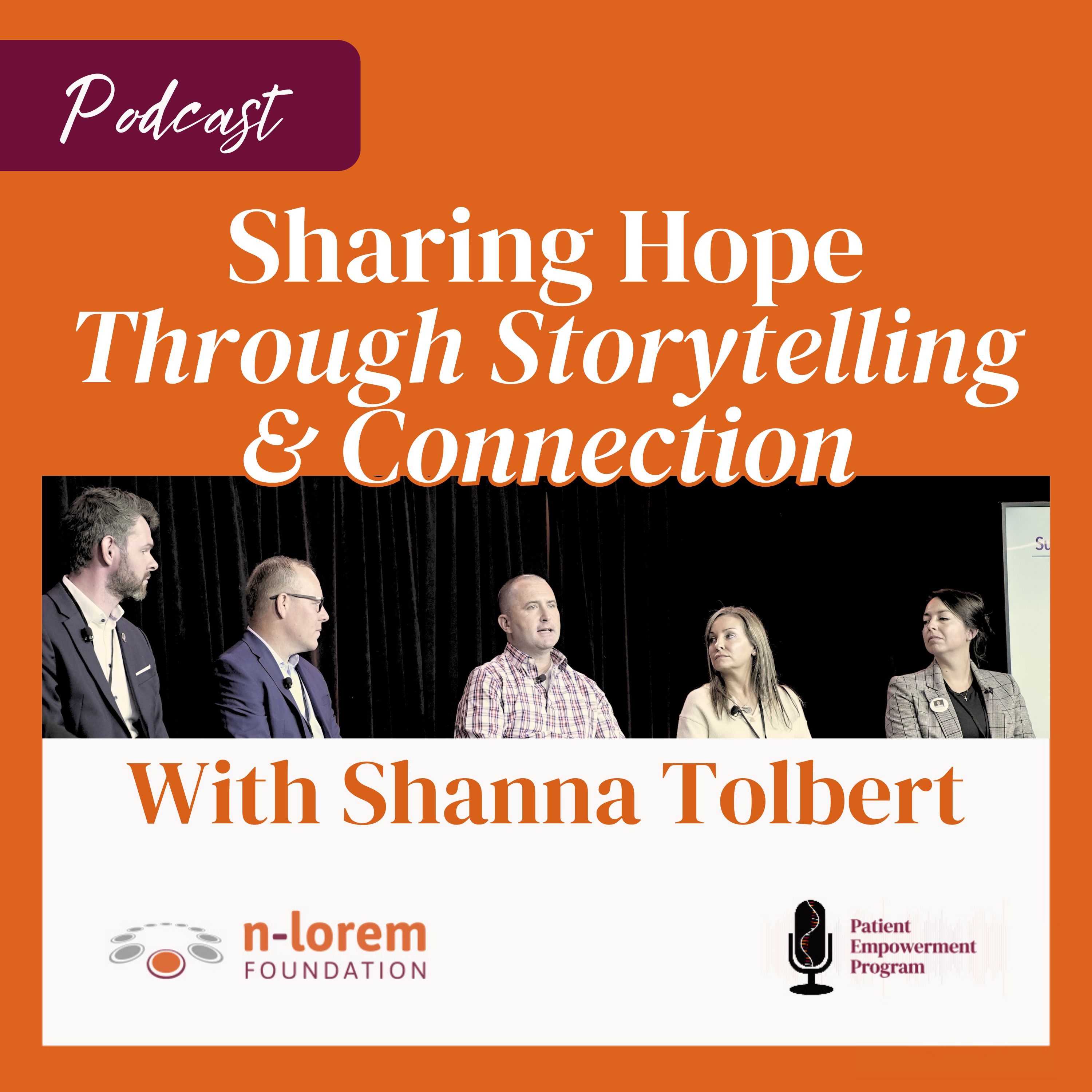
Ep 46Sharing Hope Through Storytelling & Connection with Shanna Tolbert
What's one way to spread hope? By sharing your experiences and connecting with others who truly understand the everyday challenges nano-rare patients face. Shanna Tolbert was one of five nano-rare patient caregivers who participated in the panel, The Perilous Journey to Diagnosis and Treatment for Nano-rare Disease Patients. Listen to Shanna’s take on the importance of dialogue and relive a few patient stories as told by the parents who participated in this panel. On this episode, we discuss: 0:56 The importance of hope 3:38 Meeting other nano-rare caregivers and staying connected 6:48 The Nano-rare Patient Colloquium is intimate 12:41 Patients in attendance are one of the joys of the NRPC 16:35 Patient Journey - Connor 20:55 Patient Journey - Mostyn 25:27 Patient Journey - Lena 32:32 Patient Journey - Ireland 39:29 Comments from patient father, Luke Rosen Video: Susannah's Story: Treated with an ASO
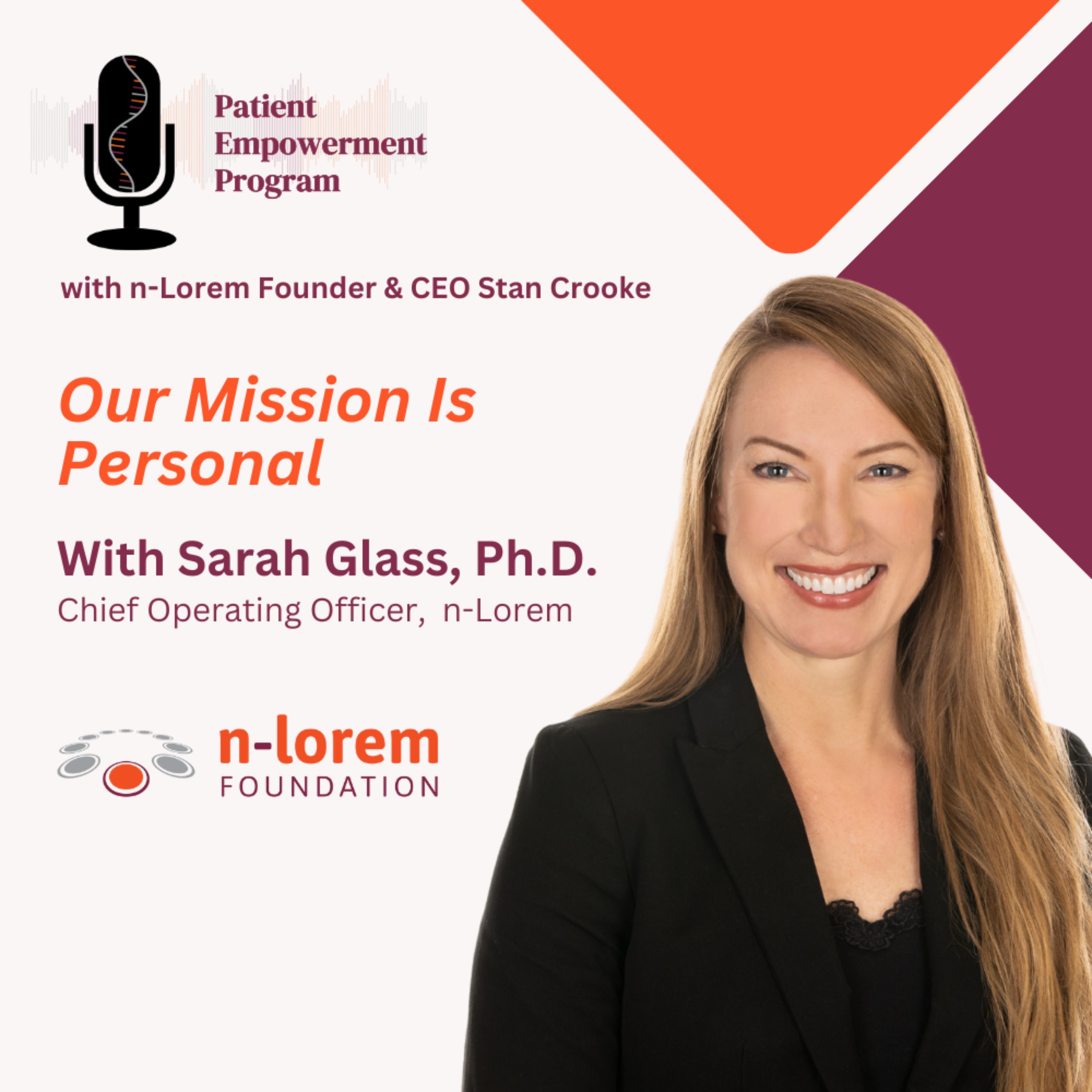
Ep 45Our Mission is Personal with Sarah Glass
For n-Lorem’s Chief Operating Officer, Sarah Glass, the mission of n-Lorem is personal. Her son Ethan was diagnosed with a nano-rare mutation. A geneticist by training, she joined n-Lorem to oversee and direct the organization’s efforts to provide hope and potential help to those who need it most. It's more than just a job for her; she's powered by her son and the entire nano-rare community. 1:20 Sarah’s background, early life, and scientific interests 7:20 Thinking about the patient experience while at a Contract Research Organization 8:43 Rare disease trails are relatively new 10:54 Sarah’s son, Ethan, is a nano-rare patient 16:15 How long it took for Ethan to receive a diagnosis 21:35 Ethan's diagnosis and symptoms 25:55 How Sarah heard about n-Lorem 29:30 How does one come to terms with caring for a nano-rare child; How do parents continue looking for opportunities of hope when they may feel hopeless 32:58 What Sarah has learned while at n-Lorem 36:48 The biggest surprises Sarah has encountered during her journey at n-Lorem
Ep 44Q&A #2 with Patient Families
Charissa Lipman joins n-Lorem founder and CEO, and host of the Patient Empowerment Program Podcast, Dr. Stan Crooke, in this question-and-answer episode to discuss additional questions asked during the 2023 Nano-rare Patient Colloquium. Charissa attended the inaugural Colloquium in October 2023 and brings the perspective of a patient family member, discussing her experiences and takeaways from the meeting. She is the mother of Ryker, a nano-rare n-Lorem patient with a CACNA1A genetic mutation. Stan and Charissa sit down to have a conversation and together address questions from the nano-rare community. Do you have a question you want to ask Stan Crooke? Email [email protected] for a chance to be featured in a future episode. For general questions, email [email protected]. In this episode we answer: 08:25 As you are successful in discovering and developing individualized ASO for nano-rare patients, do you envision creating a library of ASOs that would be available to patients across the world? 10:29 For disease organization/patient advocacy groups that have several patients with the same mutation, should they apply for treatment as a group or separately? 13:16 Would an ASO developed for one patient work for another patient with a mutation in the same gene? 14:29 What's a SNP? 16:19 As a nano-rare family member, I have never been so inspired in an opening address as what was provided at the 2023 colloquium by Stan Crooke. Given the mission of n-Lorem, I don’t understand how any researching neurologist (or any researcher in the space) would not want to be at the absolute forefront of what n-Lorem is doing. Why do you think there is such an obstacle to being a part of an organization that has for the first time an opportunity to move the needle in such a meaningful way? 20:16 How would you describe the relationship between n-Lorem and the research physician, and what should patients expect from each side? 23:44 What do you mean by an optimized ASO? 24:59 Would you expect to see better results from ASO treatment in patients who are younger versus older? 28:10 The FDA has certain designations for program review (Fast Track, Orphan, etc,), is there anything like that for nano-rare patients? 29:35 I realize that there was significant work done in 2023 to streamline n-Lorem’s operations. Which processes in the workflow do you believe can still be optimized to help streamline patient programs? 31:35 Has there been a change in the amount of time it takes to process a patient and develop and ASO since the Foundation started? 32:50 Do you reach out to patients which presumably have ‘ASO-able’ genetic mutations? 34:12 Do you have any activities or ongoing projects that would help educate and train physicians who might be interested in participating with n-Lorem? 36:05 Are there any new updates regarding the 2024 Nano-rare Patient Colloquium? 41:36 Say a patient is denied from n-Lorem because at the time of their application submission, the Access to Treatment Committee declares that the program is not amendable to the current technology and/or ASO strategies, but new data/technology comes out that suggests that patient’s program has revived potential... will the ATTC automatically reassess the case or does a physician have to re-apply the patient to n-Lorem?
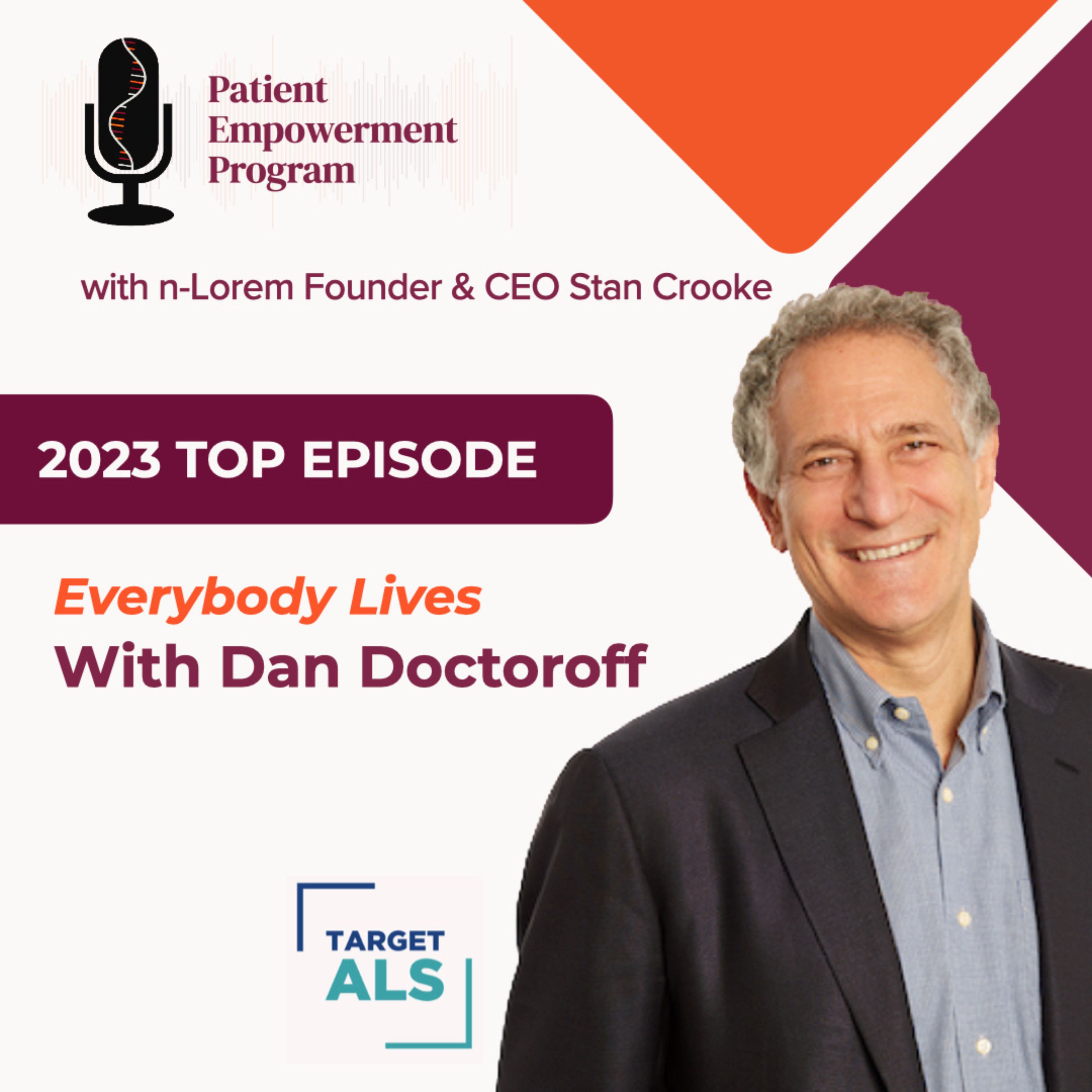
Ep 43Everybody Lives with Dan Doctoroff
We're diving into the archives to resurface this top downloaded episode from last year. Dan Doctoroff joined Patient Empowerment Program in February 2023 to talk about his mission to support a world where everyone with ALS lives. Dan is the former NYC deputy mayor for economics and former CEO of both Bloomberg L.P. and Sidewalk Labs. In this episode, Dan discusses his family’s battle with amyotrophic lateral sclerosis (ALS), his own inspiring story of how his diagnosis completely changed his outlook on life and his work with the foundation he started, Target ALS.
Ep 42Best of the 2023 Nano-rare Patient Colloquium
For the return of the patient empowerment program podcast, we’re recapping the 2023 Nano-rare Patient Colloquium in this special “Best of” episode. For the Colloquium, we gathered the nano-rare community under one single roof for a full day of presentations and panels with experts, partners, supporters, and patients. So, we are bringing some of the top moments directly to your speakers. Discover the origins and aspirations of n-Lorem and Columbia University's Silence ALS initiative, visualize the journey of a nano-rare patient with an emotional story told by a loved one, and imagine a future where commercial drug discovery organizations can focus on the world’s rarest diseases and more all in this one episode. To access the entire event, click here.
Ep 41How to Think About ”Risk” Part 2
Nano-rare diseases strip power from families and this often leads to hopelessness, anger, and dread. However, channeling these intense emotions to carefully navigate risk/benefit decisions is within one’s control. n-Lorem is different than standard drug development settings. Every risk/benefit decision that n-Lorem makes is in the context of the individual patient’s symptoms, status, and needs. While we cannot promise benefit, we can promise that we will do our very best in the creation of an optimal medicine. On This Episode We Discuss: Risk/benefit decisions n-Lorem is different We cannot make promises Communicating about risk Perceptions concerning control Exposure and risk Compression Omission Timing Official positions affect our perceptions Anchoring and communicating risk
Ep 40How to Think About ”Risk” Part 1
“How to Think About Risk” is arguably the most crucial topic ever discussed on the Patient Empowerment Program. Navigating decisions with substantial risk can be challenging, intricate, and even intimidating. The ability to detach from the intense emotions surrounding these choices is critical for making the best and most logical decisions. On This Episode We Discuss: Why nano-rare patients and their families need to think effectively about risk Risk vignettes: infectious diseases, automobile and smoking deaths A rational way to think about risk Being comfortable with a probabilistic reality The 80/20 rule Considering consequences The process to assess risk Getting serious about risk/benefit evaluations Risk/benefit judgements
Ep 39Inheriting Huntington’s Disease and Aspiring to Prolong Lives with Jeff Carroll
Jeff Carroll, Ph.D., inherited a gene that will eventually lead to symptoms of Huntington’s Disease. Alongside researching this debilitating disease as an Associate Professor of Neurology at the University of Washington, he’s a Scientific Advisor for n-Lorem and member of the Access to Treatment Committee (ATTC) that helps screen and assess submitted patient applications. On This Episode We Discuss: 2:45 Joining the Amy on a whim 4:30 Serving in Kosovo and Germany 6:00 Learning that his mother was diagnosed with Huntington’s disease (HD) 10:25 Seeking information and diving into the world of Biology and HD 14:52 Deciding to have children when there was a chance that they’d inherit the disease and utilizing preimplantation genetic diagnosis (PGD) 18:30 Watching Ionis make initial progress on an ASO for Huntington’s disease 23:10 How Jeff became involved with n-Lorem 27:30 Most important things Jeff has learned during his role at n-Lorem 30:38 Helping people is motivating 32:11 Nano-rare patients teach us a lot about science 33:57 Jeff expects to receive an ASO treatment one day 35:22 n-Lorem is on your side
Ep 38Living a Longer, Healthier, and More Fun Life with Chip Wilson
Chip Wilson, the creator of Lululemon and SOLVE FSHD, stands as a pioneer, business innovator, philanthropist, and a person affected by a rare disease. His passion for fitness led him to build a successful career in designing athletic wear, but a diagnosis of Facioscapulohumeral Muscular Dystrophy (FSHD), a degenerative muscle condition, altered his active lifestyle. On This Episode We Discuss: 0:46 Working on the Alaska Oil Pipeline as a 17-year-old 4:30 Saving money young and becoming an entrepreneur 7:05 Following trends and founding Lululemon 8:36 Chip’s initial dream and vision for Lululemon 11:45 Combining Italian design ethics with quality western fabrics for an amazing Lulu product 14:20 The feeling of leaving the Lululemon Board of Directors 17:00 The takeaways from Joseph Heller’s Catch 22 and Something Happened 24:15 Reading the top 100 biographies and admiring those with integrity 33:44 Using the culture of an organization and leadership as a strategic advantage 38:18 Facioscapulohumeral muscular dystrophy (FSHD) 40:05 Chip on losing muscle when exercise and movement is so necessary for his way of life 44:27 Climbing Mount Kilimanjaro with FSHD 46:58 Chip’s advice to those suffering from rare diseases and their caregivers 49:24 What progress that has been made to find a treatment for FSHD 52:35 Why Chip and SOLVE FSHD donated to help fund the funded the laboratory at n-Lorem
Ep 37Autopilot: The Autonomic Nervous System
The Autonomic Nervous System automatically controls essential processes whether you’re awake or asleep. It’s the employee of the month. It gets the job done at any time of the day without you even having to ask it. It is our body’s autopilot system, controlling functions we often take for granted, like heart rate, digestion, pupil dilation, and even breathing! Life would be pretty hard on manual. On This Episode We Discuss: “I Sing The Body Electric” Hemo and chemo-electric machines The nervous systems Autonomic nervous system manages many organs and involuntary functions Sympathetic and parasympathetic nerves
Ep 36Better Health, Brighter Future for Rare with Dan Curran
Dr. Daniel Curran leads Takeda’s efforts to unlock innovation and deliver transformative medicines in a variety of rare-disease areas. Dan embraces learning from, collaborating with, and meeting members of the rare disease community in an effort to produce treatments that result in better health and a brighter future for rare. 2:02 How rare disease is defined at Takeda 4:10 Rare disease units at Takeda 5:23 How Takeda economically justifies half of their pipeline being rare disease drugs 9:06 The price of rare disease drugs is too high 12:15 Why rare disease efforts are often associated with hematology 14:57 What Dr. Curran enjoys about leading Takeda's rare genetics and hematology therapeutic unit 16:42 Dr. Curran's professional journey 20:50 Takeda's choice to support n-Lorem
Ep 35Sneak Peek of the 2023 Nano-rare Patient Colloquium
As the first ever Nano-rare Patient Colloquium is just around the corner, we are flipping the script. Spectrum News’ Brady Huggett interviews n-Lorem founder and CEO, Dr. Stan Crooke, and picks his mind to understand the inspiration behind the creation and want for this first of its kind nano-rare community event. Along with some background information on the highly anticipated Colloquium, Stan candidly conveys n-Lorem's hurdles and joys in its first four years of service.
Ep 34Liver: Diseases
Liver disease is a broad term encompassing a range of conditions that affect the liver's structure and function. The liver is extremely important as it wears many different hats when it comes to your body functioning properly like controlling metabolism, storing and breaking down nutrients for use, detoxification and more! No wonder there are many diseases associated with liver disfunction including various genetic ones. Get ready to explore... you guessed it, various diseases of the liver! On this episode we discuss: Controlling inflammatory processes Liver failure Genetic disease pathways Drug metabolism Fatty liver Blood tests signal liver disfunction
Ep 33Liver: The Master Chemist
The liver is a master chemist that sends copious signals to help control our appetite and breaks down fats to be stored and used as energy and to combat starvation. Next time you’re hangry, think of your liver kicking into overdrive. On This Episode We Discuss: Producing countless small chemical metabolites Controlling iron homeostasis The liver and the gut microbiome Combatting starvation and triggering appetite Managing glucose levels
Ep 32Liver: Metabolic Magic
The liver has many important and magical metabolic functions. It converts the nutrients in our diets into substances that the body can use and filters toxic substances out from the body. You won't believe the sheer metabolic mayhem that happens behind the scenes!
Ep 31Bottling Hope
Argonaut Manufacturing Services Inc. CEO, Wayne Woodard, joins the Patient Empowerment Program to detail how Argonaut bottles vials of hope for n-Lorem patients. Argonaut is n-Lorem's provider of Sterile Fill-Finish for an optimal ASO. This means that the lyophilized ASO powder, which was manufactured with good manufacturing practices (GMP), gets formulated and aliquoted into sterile vials. The final product is tested for various attributes to ensure maximal quality. Once assessed and approved, the finished product is then ready to be administered to a nano-rare patient by a qualified research physician at an established institution.
Ep 30Pursuing Diagnoses and Sequencing
Gay Grossman is the mother of an n-Lorem patient and co-founder of ADCY5.org. She has been active in the rare disease space for 25+ years and continues to fight and advocate for patients every single day by connecting ADCY5 families, speaking at events, and informing the entire rare community. On Wednesday, Gay joins the Patient Empowerment Program podcast to discuss her daughter, Lilly, lessons that she has learned as a rare disease mom and advocate, the difficulty of gathering and sharing medical records before the creation of Ciitizen, and why newborn genomic sequencing should be introduced in the United States today. On This Episode We Discuss: 0:00 What is Ciitizen? 3:14 The difficulty of sharing medical records before Ciitizen 5:55 Gay’s daughter, Lilly, is an n-Lorem patient 10:00 Finding an initial pediatrician to help Gay and her family diagnose and understand Lilly’s gene mutation 11:45 Lilly’s nightly seizures and wondering what it would take to receive a diagnosis 15:05 How caffeine helps Lilly and others with ADCY5 mutations 18:35 What Lilly is doing nowadays 19:48 How Lilly’s genes were sequenced 21:00 Advocating to introduce newborn sequencing into newborn screenings 23:30 What was known upon diagnosis and other’s with ADCY5 mutations 28:13 Lessons that Gay learned from her 25+ years of rare disease care and advocacy 33:19 The progress n-Lorem has made since inception
Ep 29Lungs: Heavy Breathing — Diseases and Obstructions
Brace yourself for a deep dive into the various categories of lung disease. Obstructed airways and restricted blood flow pose significant risks to your body. So, learn preventive measures to safeguard your respiratory health. From pneumonia to the disruption of pulmonary blood flow, we'll explore the different culprits that block the flow of air and blood! On this episode we discuss: Obstruction of the airways due to smoking, cancer, infectious diseases, etc Obstruction of pulmonary blood flow Obstruction of gas exchange Interference with the inflation and deflation of lungs
Ep 28Lungs: Defending Airways
Let's take a deep breath and fill our lungs with air. Ahh, doesn't that feel good? Our lungs are responsible for taking in oxygen from the air we breathe and distributing it to organs throughout our bodies and then ridding those organs of carbon dioxide. Get ready to dive into a fascinating episode on our lungs and how they protect us against particles, toxins, and infectious organisms in the air we breathe. The tinier the foreign particle, the more harmful they are! Let's explore the superhero-like abilities of these incredible organs, our lungs.
Ep 27One Year Anniversary: It Takes a Rare Community
May marks a year of podcasting for us, and we’re thankful for all those who have participated and the growing number of people who have listened to the podcasts. We are pleased with the overwhelming support for the podcast and the willingness of our partners and patients to share their stories. We launched our Patient Empowerment Program with the purpose of building a nano-rare community and establishing a forum in which the voices of patients, advocates, and experts can come together focused on the nano-rare patient. We’re happy to report that we believe we have done just that – create a forum for our nano-rare community. To celebrate one year of the Patient Empowerment Program, we compiled clips from previous interviews to form a special podcast episode centered around “community” and it really does take a “rare” community to do what we do.
Ep 26Coming Together for the Nano-rare Patient
This episode is proudly sponsored by our partner, Alnylam Pharmaceuticals, the leading RNAi therapeutics company. When Stan Crooke ran Ionis and John Maraganore ran Alnylam, they were partners that turned into rivals — and not always friendly ones — as they persevered to pursue an entirely new therapeutic space; RNA-targeted drug discovery and development. Now, the pair of drug discovery titans have united once again in support of Dr. Crooke’s n-Lorem Foundation—working to provide personalized medicines to the rarest of rare disease patients (nano-rare) using the antisense oligonucleotide (ASO) technology Stan led the creation of at Ionis. In this episode, Stan has a conversation with Dr. John Maraganore about John’s past, their former rivalry, and the optimism shared between the two with respect to a better future for nano-rare patients. On This Episode We Discuss: - Being a dream merchant and driving a dream into a real therapeutic platform - Founding of Regulus and the synergy between Ionis and Alnylam throughout the years - What happens when two very competitive CEO-scientists have competing drugs - Overcoming their differences - Giving hope to a patient and their family with nano-rare diseases is powerful - Saving the world one life at a time - Bringing ASO and RNAi technologies together to collaboratively help nano-rare patients - A sustainable non-profit model? - Hope – a powerful thing to lose and an important thing to recover
Ep 25Q&A #1 with Patient Families
Amber Freed and Shanna Tolbert join n-Lorem founder and CEO, Stan Crooke, for the first ever Patient Empowerment Program Q&A episode. Amber and Shanna are two nano-rare patient mothers and rare disease advocates who have experience with the n-Lorem pathway to treatment as caregivers. Through their experiences, and by canvasing others in the nano-rare community, they’ve compiled questions aimed to help current and potential n-Lorem patients and their families become more knowledgeable about the process, receive advice, understand side effects, and more! Stan sits down with these patient families to have a conversation and together address questions from the nano-rare community. Question Bank: - How do you apply to be an n-Lorem patient and who do you need on your team to help? 05:26 - How does the Foundation assess cases? 05:26 - Once a patient is accepted, what is the best way to track the progress of the ASO program? 12:45 - Any advice for when seeking information from a research physician who isn’t communicative? 14:05 - How often should a patient expect to hear communication from a research physician? 15:50 - What is hydrocephalus, and should patients be concerned about the side effect? 19:30 - If side effects occur in treated patients, will subsequent patients be notified in real time? 30:55 - What is the difference between an ASO and gene therapy? 33:55 - How is n-Lorem defining an “optimal ASO”? 37:20 - Can n-Lorem help patients who are severely advanced in their disease? 44:10 - How can treating one person can lead to breakthroughs for many more? 39:40 - What is Stan’s favorite success story from his career? 46:20
Ep 24Bits and Bytes Help Streamline Bench to Bedside
The creation of a drug consists of a copious and complicated series of projects that are all intertwined. Andy Mehrotra, CEO of Unipr, joins the Patient Empowerment Program to discuss how Unipr’s AI based cloud program, project, and portfolio management platforms allow organizations like n-Lorem to quickly analyze data to inform program management. Today, n-Lorem effectively manages more than 90 accepted patient programs thanks to help from Unipr. Discovering locations where productivity can be increased while maintaining quality in every step is critical to treating as many nano-rare patients as possible. On This Episode We Discuss: Andy’s upbringing among physicians and pharmaceutical entrepreneurs Traveling the world to launch Humera Baring the frigid Boston winters at MIT Inspiration to found Unipr How biotech and pharmaceutical organizations can use Unipr to increase efficiency The partnership between Unipr and n-Lorem Unipr’s focus areas: Increasing the probability of success, decreasing the operational costs, and decreasing the cycle time for drug development Why Andy would donate himself to help n-Lorem
Ep 23Fostering Collaboration to Fight ALS
Manish Raisinghani joins the Patient Empowerment Program to discuss how Target ALS fosters collaboration between academia and industry to research and accelerate the fight against ALS. Target ALS has funded over 50 collaborative projects. Greater than 50% of which have had an industry partner and over 60% have resulted in an ongoing drug discovery program. From their Innovative Ecosystem, 6 clinical trials have emerged. Target ALS’ commitment to fight all forms of ALS, no matter how rare, is evident in their founding support of Silence ALS, an initiative that aligns Columbia University and n-Lorem to offer an integrated solution to identify, support and potentially treat nano-rare ALS patients. Target ALS hopes that one day, no patient, no matter how rare their form of ALS, is left behind. On This Episode We Discuss: Target ALS’ innovative model Accelerating ALS research through collaboration How a single nano-rare study can inform the ALS research landscape The importance of understanding the fundamental biology behind ALS Committing to fight all forms of ALS Target AlS’ support for n-Lorem and Columbia University’s Silence ALS Initiative
Ep 22The Energy of Life
Regardless of the circumstances, life finds a way! Jurassic Park got that one right. Cells need to live and depending on the conditions they will use one of two systems that take nutrients, break them down and use that process to generate energy. That energy is needed to sustain life – hence why it is called The Energy of Life. All the order that you see in the night sky, like planets, star clusters and galaxies, are due to an incredible amount of energy in the universe, creating order out of chaos. The amount of chaos and disorder is measured in entropy. In this episode, the energy of life, entropy and how we convert, store and use energy is explored. Visit www.nlorem.org
Ep 21Everybody Lives
Dan Doctoroff joins the Patient Empowerment Program to talk about his mission to support a world where everyone with ALS lives. Dan is the former NYC deputy mayor for economics and former CEO of both Bloomberg L.P. and Sidewalk Labs. In this episode, Dan discusses his family’s battle with amyotrophic lateral sclerosis (ALS), his own inspiring story of how his diagnosis completely changed his outlook on life and his work with the foundation he started, Target ALS. On This Episode We Discuss: Dan’s inspiration to bring the Olympic Games to NYC 3 things he learned as a CEO Dealing with the reality of being diagnosed with ALS Shifting his perception of life How ALS has impacted his bloodline Scaling up Target ALS and fighting for the lives of every ALS patient
Ep 20Cardiovascular System Part 4B: (The Spigot) Kidney Diseases
If your car’s oil filter is clogged, it’ll lead to severe issues within your engine. The same goes for the blood filters of your body... but worse. The kidneys filter water-salable waste from the blood. As kidneys fail, waste builds up. A blockage in your kidneys may cause a heart attack, stroke, or kidney failure. Detecting kidney disease early on can save lives! While kidney disease isn't reversible, it can be treated to slow or stop the progression of the disease. n-Lorem is accepting nano-rare kidney patients for treatment. Information about the application process and can be found at www.nlorem.org/access
Ep 19Cardiovascular System Part 4A: (The Spigot) Kidney Functions
There is so much filtration around you, you may not even notice. Your water, coffee, air, gasoline, and social media feeds... all filtered. So is your blood! It's just a part of everyday life at this point. This episode of the Patient Empowerment Program focuses on the functions of the spigot of the cardiovascular system – the Kidneys. Their main job? To remove water salable waste from the body along with other functions that are necessary for life. Did we mention that n-Lorem is accepting nano-rare kidney patients for treatment? Information about the application process and can be found at www.nlorem.org/access
Ep 18Cardiovascular System Part 3: (The Pipes) Arteries and Veins
Drip... Drip. When your pipes are leaking, it's never a good thing. Who you gon’ call, YOUR DOCTOR! The next lesson in our ‘pipe’-line focuses on the pipes of the cardiovascular system - the Arteries and Veins. Learn about the arterial and venous systems that manage blood flows with differing pressures, high and low. However, both systems have mechanisms that control blood flow under unique conditions to supply our tissues with nutrients, remove waste, and keep us alive. In the event of a busted pipe, know that a plumber can’t help you. Call a doctor, because the pipes in your body are much more complex and interactive with the materials inside than the ones in your home.
Ep 17CROs and Their Role for Nano-rare
This episode is sponsored by our partner, Parexel, one of the world’s largest clinical research organizations (CROs) providing the full range of Phase I to IV clinical development services. Parexel provides clinical operations, real-world data solutions, medical and regulatory expertise and innovative clinical research tools that significantly enhance and streamline n-Lorem’s therapeutic development efforts. Their depth of industry knowledge and strong track record gained over the past 40 years is moving the industry forward and advancing clinical research in healthcare’s most complex areas, like rare disease. Jamie Macdonald, CEO of Parexel, joins Stan to discuss the moment he realized his desire to make a difference, Parexel’s role in clinical trials and their partnership with n-Lorem aimed to serve patients.
Ep 16Cardiovascular System Part 2B: (The Pump) Heart Diseases
In this episode, Stan continues his lecture series on organs, concluding his lesson on the pump of the cardiovascular system, the Heart. Organs are individual tissue components that help meet the needs of an entire organism (that's you). The heart is one of the most important, complex, and fascinating organs in your body - and we couldn't squeeze it into just one episode! Learn all about heart diseases in the final installment of this two-part series.
Ep 15Cardiovascular System Part 2A: (The Pump) Heart Anatomy
In this episode, Stan continues his lecture series on organs, focusing on the pump of the cardiovascular system – the Heart. Organs are individual tissue components that help meet the needs of an entire organism (that’s you). The heart is one of the most important, complex, and fascinating organs in your body. Learn all about the heart that’s working so hard for you in the first of a two-part series on this amazing organ.
Ep 14Shifting Mindsets to Expedite Rare Treatments
This episode is sponsored by our partner, Ultragenyx, a biopharmaceutical company focused on the development and commercialization of novel therapies for serious rare and ultra-rare genetic diseases! Ultragenyx has been a loyal and proud supporter of n-Lorem and our patients. Stan talks with a rare disease treatment advocate and the CEO, President and Founder of Ultragenyx, Emil Kakkis, MD, PhD, about why he has dedicated his career to supporting the rare disease community, what led him to establish the EveryLife Foundation, and the origins of Ultragenyx. Because of the debilitating and often quick progression of rare disease patients, Emil believes that regulatory agencies should modify the way they approach clinical trials for these individuals. Far too often, policies leave patients stuck waiting and hoping for treatment while their symptoms worsen, causing permanent damage. Do you have a question that you’d like to ask Stan Crooke? Stan will be taking questions directly from you and other podcast listeners and dedicating an entire episode towards answering your questions! To submit a question for the upcoming Q&A episode, email [email protected] with the subject line labeled “podcast question”. If you wish to be identified, mention your name in the email. If not, we will keep your submission anonymous. We can't wait to hear from you!
Ep 13Cardiovascular System Part 1: Blood
Focusing on the cardiovascular system, Stan starts a new lecture series on organs. No, not the state in the Pacific Northwest and definitely not the large piped musical keyboard you’d find in a church or a ballpark. We’re talking about the collection of tissues within the body that perform vital functions for life. Organs! Part 1 focuses on that warm red liquid inside of you, blood! Now blood is not technically an organ. But, according to Stan, it should be. Dr. Crooke covers how the blood cycle delivers nutrients and oxygen to other organs through the hemoglobin protein, the factors and checklist of blood clotting, and discusses a few of the countless mutations within blood cells that cause both common and rare diseases.
Ep 12Coming Together for the Nano-rare Patient
When Stan Crooke, M.D., Ph.D., ran Ionis and John Maraganore, Ph.D., ran Alnylam, they were partners that turned into rivals — and not always friendly ones — as they persevered to pursue an entirely new therapeutic space; RNA-targeted drug discovery and development. Now, the pair of drug discovery titans have united once again in support of Dr. Crooke’s n-Lorem Foundation—working to provide experimental personalized medicines to the rarest of rare disease patients (nano-rare) using the antisense oligonucleotide (ASO) technology he developed at Ionis. In this episode, Stan speaks with Dr. John Maraganore about John’s past, their former rivalry, and the optimism shared between the two with respect to the future of n-Lorem. Do you have a question that you’d like to ask Stan Crooke? Stan will be taking questions directly from you and other podcast listeners and dedicating an entire episode towards answering your questions! To submit a question for the upcoming Q&A episode, email [email protected] with the subject line labeled “podcast question”. If you wish to be identified, mention your name in the email. If not, we will keep your submission anonymous. We cannot wait to hear from you!
Ep 11Antisense (How We Do It at n-Lorem)
We’d like to thank our sponsor, Argonaut Manufacturing Services. Argonaut provides contract manufacturing and sterile fill-finish services for biopharmaceutical, diagnostics, and life science organizations. Argonaut’s expertise in sterile fill-finish is the last step in the complex process of providing personalized antisense oligonucleotide (ASO) medicines to nano-rare patients. When considering if the technology he led the creation of could be a viable way to develop a drug for a single patient, addressing their specific mutation, Dr. Crooke felt that he had to try, patients were dying without access to any treatment because they were just too rare. So began n-Lorem. As expected, developing an optimal ASO for a single patient is not an easy or simple process. Quality must lead every step and only optimal ASOs can reach patients. Learn our science and processes behind the discovery and development of personalized ASO medicines for each of our nano-rare patients. n-Lorem’s mission is to provide hope and potential help to nano-rare patients – for free, for life; a mission that was impossible just a few years ago. This enables the non-profit approach that we believe is the only way to address the needs of nano-rare patients. Thanks to our partners like Argonaut, we are able to provide hope and potential help to patients today and tomorrow.
Ep 10Anna’s Story of Hope and Help
In this episode, Stan talks with Sonja and Dr. Neil Shneider, associate professor of motor neuron disorders at Columbia Medical School, about Sonja’s daughter, Anna. She is 17 years old and suffers an aggressive, fatal form of ALS. ALS is rare in teenagers, and this form of ALS is the worst of the worst. Sonja tells Anna’s story initial symptom onset, to diagnosis, and to Anna's response to ASO treatment. As a parent, Sonja reveals her full range of emotions during the duration of her daughter’s disease: puzzlement, pain, humility, and now optimism.
Ep 9Why ASO Technology
What makes antisense oligonucleotides (ASOs) so special? Let’s first understand what an oligonucleotide is. An oligonucleotide is a short strand of synthetic DNA, or a nucleic-acid chain, usually consisting of up to approximately 20 nucleotides read from left to right. n-Lorem’s ASO technology is based on thirty years of innovation and investment to make ASOs drugs with optimal qualities. This technology is also uniquely beneficial for nano-rare patients due to its specificity and broad utility to address the myriad of mutations that nano-rare patients present. Each a unique program with a unique challenge. Compared to other drug discovery platforms, discovering and developing an optimal ASO is inexpensive, quick and can be used to treat diseases that are caused by many different types of gene mutations. ASOs are designed to bind precisely with RNA, modifying the process of creating a disease-causing protein. Thereby making ASOs highly specific and a powerful drug discovery technology for nano-rare patients, who need a therapeutic approach that targets their specific gene mutation.
Ep 8Advocating for Rare Patients
In this episode, Stan speaks with Wendy Erler about her involvement in the treatment of patients with rare genetic disorders. From her start in the pharmaceutical industry, to her involvement with every major platform of drug development, to her position as vice president and head of patient advocacy at Alexion; Ms. Erler has always ensured that a patient's voice is heard. Learn more about Wendy Erler on twitter @wendy_erler Please like and subscribe so that we can reach more potential patients and their family.
Ep 7Drug Discovery Platforms
There are three validated methods of discovering drugs – called platforms. Small molecule drugs (SMD), monoclonal antibodies (mAbs), and RNA-targeted drugs. SMDs are, you guessed it, very small! Remember that the size of chemicals is measured in units called Daltons, which is capitalized because it is named after the scientist who invented the term. The smallest chemical is a hydrogen ion, and it is 1 Dalton. Small molecule drugs are generally less than 500 Daltons. Because of this, they don’t carry much information and are not very specific in their ability to bind to proteins. A small change can alter the behavior of the drug almost entirely. mAbs are man-designed, biologically made proteins and typically, are 60-70 thousand Daltons. Clearly, they are in orders of magnitude larger than SMDs and, as you’d expect, they behave very differently from SMDs. Because mAbs contain more information than SMDs, they are generally more specific. Though mAbs are much larger than SMDs, only a little bit of information in the mAbs is used to specifically interact with their target and yet, all that chemical information in the protein can interact with many other things and thus cause problems. These are more specific than SMDs and can target a single site on a protein or chemical. RNA-targeted drugs, like antisense oligonucleotides (ASOs) and SiRNAs, use genetic information to target a specific site on an RNA. n-Lorem takes advantage of the specificity and versatility of ASO technology. ASOs are highly specific, and we can continuously learn from successes and failures of the technology to predict how the next one will behave. Discover the in-depth differences between the three platforms, their triumphs and failures in modern drug discovery, their benefits and limitations, and why gene therapy is not on the list of drug discovery platforms… yet.
Ep 6Clinical Trials for One Patient
In this episode, Stan talks to Dr. Joe Gleeson about the role of genetics in neurology and pediatric patients with neurological conditions. Early in his training, Dr. Gleeson realized how prevalent it was that pediatric patients, especially those with neurological disorders, never received a diagnosis. Furthermore, in over half of these patients he felt that there were underlying genetic mutations causing these disorders. With the advent of genomic sequencing, now many of these mutations are identified, however few have any therapeutic options available. In this episode, the role of a genotype to define a phenotype is outlined and the need to shift our therapeutic approaches to be more action-orientated and addressing the underlying genetic cause not the symptoms. This requires a technology, like antisense, that is able to target a specific gene mutation. When asked why n-Lorem, Dr. Gleeson expresses significant optimism that n-Lorem will be able to address a number of these previously untreatable patients. Just diagnosing patients and treating symptoms is not enough, to make a meaningful impact on these patients, more needs to be done. Through n-Lorem many patients will now have the chance.
Ep 5How Drugs are Used
Drugs are chemicals. They are like all other chemicals except that humans make a value judgement that a particular chemical (drug) will effect a desired change in a living organism. However, it’s important to note that a drug does what it does and there is no perfectly specific drug. So, drug effects always represent a mosaic of chemical interaction and effects. Each drug has properties that we humans hope will bring benefit to other humans. Those are the desired effects, but every drug produces effects other than the desired effect. Those are called side effects. But the drug doesn’t care – it just does what it does. In fact, often, what is a desired effect in one therapeutic setting, may be a side effect in another. As pharmacologists and physicians interested in treating patients with drugs, we are interested in several properties that all drugs have. These include the mechanisms by which the desired objective is induced, pharmacodynamics, the mechanisms by which the drugs may induce side effects, toxicology, and the mechanisms by which the body distributes and clears a drug from the body, pharmacokinetics. Put simply, we are interested both in what the drug does to the body and what the body does to the drug. Because drugs are chemicals and chemical reactions depend on collisions between two or more chemicals, drug effects are concentration dependent. We adjust the concentration of a drug in the body by adjusting the dose. All effects of drugs, with the possible exception of allergic reactions, are dose dependent. Therefore, we are interested in the doses that produce a desired effect and the doses that may produce undesired effects, or adverse events (side effects). A drug that produces a desired effect at a much lower dose than the dose required to produce an adverse event is usually considered a better drug. When we assess the difference between the dose that produces a desired effect and a dose that produces an adverse event, we are now analyzing a drug performance in a sophisticated way, and we are thinking about the term therapeutic index. This is the key parameter that you should always be thinking about when you use a drug.
Ep 4A Diagnostic Odyssey: The UDN and n-Lorem’s Roles
Dr. Sessions Cole shares his career being a neonatal pulmonologist and his involvement in the undiagnosed diseases network, the UDN. Dr. Cole estimates that it can take up to 12 years to get a diagnosis for a patient with a rare genetic condition and that there could be as many as 30 million of these patients in the U.S. who are undiagnosed. The UDN is working to elevate the awareness of the diagnostic odyssey these patients undertake and diagnose up to one third of patients who are referred to the UDN. Dr. Sesh is part of n-Lorem’s access to treat committee (ATTC), the committee that evaluates and recommends patients to n-Lorem. Dr. Cole discusses the robust processes involved in the evaluation of each application to n-Lorem and the hope and value that n-Lorem is providing to nano-rare patients today.
Ep 3Biological Systems & Chemical Networks
We are all chemical engines. So, what exactly is a chemical? Chemicals are anything that occupies space in the universe and exist in either a solid, liquid, or gas form – matter! Chemicals within living organisms are considered biochemicals and are organized into chemical networks (an integrated chemical process that establishes life and the maintenance of homeostasis). Homeostasis is simply a scientific term that means maintenance of the status quo. So, a healthy living organism must respond to its environment and manage different threats. The systems that are designed to ensure that the cell remains healthy are called homeostasis. Drugs are also chemicals. Drugs enter an organism and make their way through biological systems to interact with many chemicals. Sometimes those interactions lead to changes in the chemicals with which the drugs interact, altering one’s physiology or psychology. One must have a keen understanding of basic scientific terminology, these chemical networks, and biological systems to create drugs and use them to make a difference in all patient populations. Ready? Let’s get started.