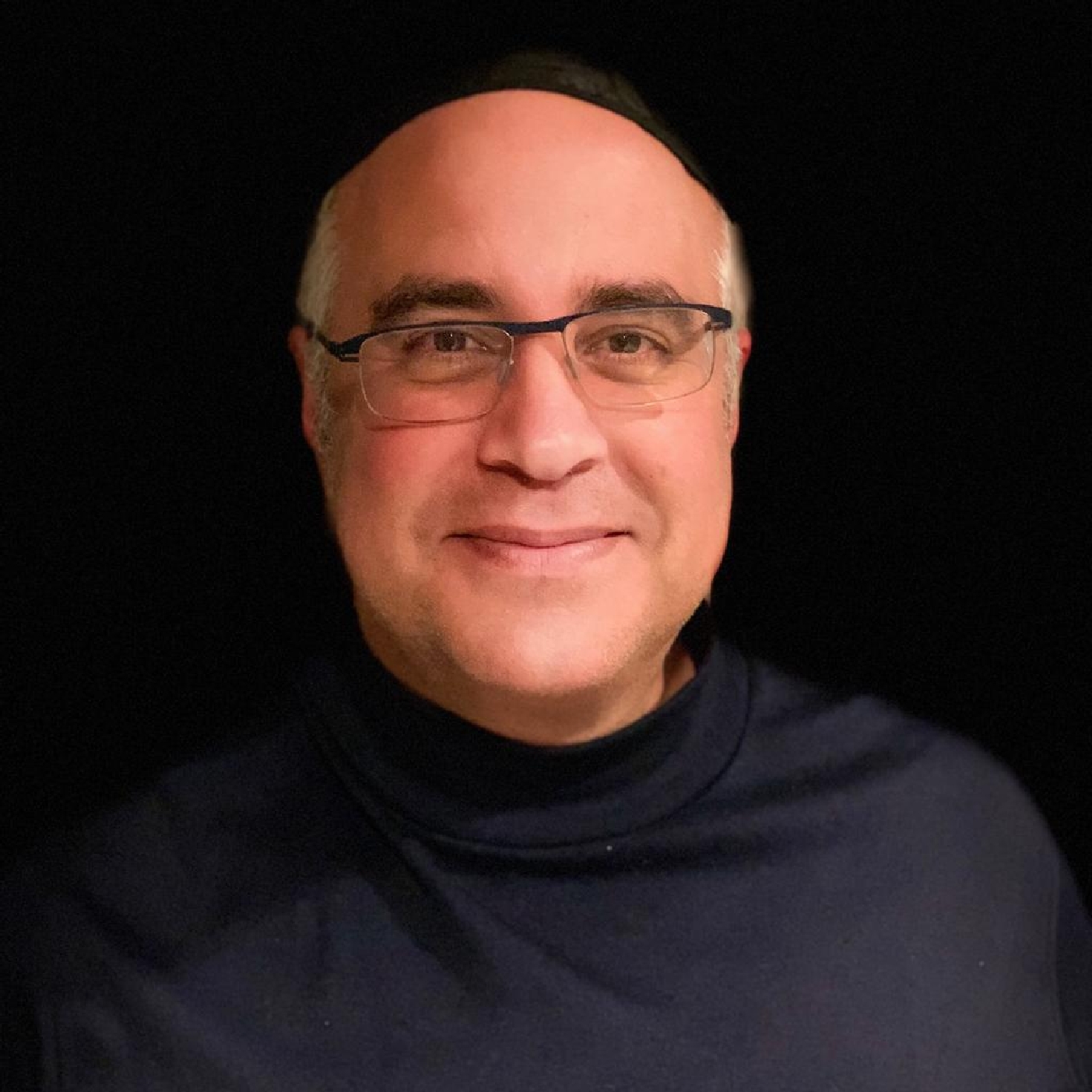
Parsha with Rabbi David Bibi
689 episodes — Page 4 of 14
Faith Without Illusions - Bitachon, Yosef, Ḥanukkah, and the Greatest Test of Our Generation
This morning’s podcast explores the quiet but demanding avodah of bitachon—trust in Hashem—through the life of Yosef HaTzaddik. Drawing on the teachings of our Rabbi and mentor, Rabbi Abittan זצ״ל, a תלמיד of the Ḥazon Ish, we examine his powerful lesson that bitachon is the greatest test of our generation. Yosef’s journey—from the pit, to prison, to the palace—reveals what true trust looks like when every outcome seems uncertain and every door appears closed. As we enter the holiday of Ḥanukkah, this episode connects Yosef’s unwavering faith to the lights we kindle against all odds. It is a reminder that our role is sincere hishtadlut—to act, to try, to light the flame—while the victory itself belongs to Hashem. When He decides that light will prevail, even the smallest effort is enough. This is a timely and grounding conversation about faith, patience, and standing firm when the world pushes back.
Entering the Light - Why Seeing the Ḥanukkah Candles Is Not Enough
Enteringthe Light - Why Seeing the Ḥanukkah Candles Is Not Enough Weall love candlelight. It softens a room. It quiets a home. It makes everythingfeel spiritual. But the Torah never treats light as ambiance. From the verybeginning of Creation, light is so much more: Vayomer Elokim yehi or — vayehior - “And God said, ‘Let there be light,’ and there was light.” Chazalteach that this was no ordinary light: Or she’adam tsofeh bo misof ha’olam ve‘ad sofo - “A light with which onecould see from one end of the world to the other.” Butthat light was hidden. When Hashem saw that future generations would corruptit, He concealed it for the righteous in the future. That light is known as OhrHaGanuz, the Hidden Light. And for one week each year, quietly and withoutspectacle, that light returns. Its not hidden in lightening, nor in Nevuah –prophecy. but as a simple flame on our windowsill. Perhapsthe question we can ask is not, Do you see the light? The question is: Do youenter it? Beforewe begin, I want to give credit where it truly belongs. I prepared a version ofthis on the plane to Israel for a class. I was reading old newsletters for thisweek’s perasha and this entire sugya opened up for me because of something mydear friend Nathan Dweck wrote years ago. When I reread his words recently, itpushed me to go back into the Gemara and the Mussar and really ask: What is thecandle actually demanding from us? That question reshaped this entire class TheGemara teaches: Ha-ragil b’ner — havayan leh banim talmidei ḥakhamim - “One whois ragil (habitually formed) by the candle will merit children who are Torahscholars.” Rashi explains that this refers to the candles of Shabbat andḤanukkah. At first glance, this sounds almost mechanical, light properly andmerit Torah scholars. Butreality does not support this reading. Many people are meticulous with everyhalakhic detail — and yet do not see this outcome. Rav Yeruḥam Olshin cites thesharp question raised by the son of the Ra’avad: if this promise is literal,why don’t we see it fulfilled broadly? There are many who fulfill everyhalakhic detail to perfection — and still do not see this result. Theanswer given by the Saba of Kelm is devastating. The candle, he explains, isnot the goal. It is only a siman, a sign. He compares it to a messenger sent ona mission, given a string tied to his finger so he won’t forget his task. Ifthe messenger returns and proudly reports, “I guarded the string beautifully,”but never completed the mission — he has failed completely. Sotoo with the candles. They are not about wax and flame, nor just oil and aflame, they are meant to awaken: Recognition of Hashem’s power and His love forIsrael, leading to: Kabbalat ol malkhut shamayim b’simḥah - Accepting the yokeof Heaven with joy. Without that inner transformation, the candle remainsphysical light — not mitzvah light. Thisis why the Saba of Kelm could say his shocking words: “I never fulfilled themitzvah of Ḥanukkah in my life.” Not because he did not light — but becausefulfillment means surrender, not compliance. Chazalrule that Asur l’hishtamesh b’oro - “It is forbidden to use the light of theḤanukkah candles.” The Maharal explains that this is not practicalillumination. It is gilui kedushah, a revelation of holiness. You may look atit. You may not use it. Because once you use light, you control it. But whenyou truly encounter sacred light, it controls you. TheMenorah in the Beit HaMikdash functioned the same way. Its light was never usedfor benefit. The Gemara says it stood as: Edut she’Shekhinah shorah b’Yisrael -“Testimony that the Divine Presence rests among Israel.” The Ḥanukkah candlestestify to the same thing. AsI was walking back from Synagogue on the Yishuv, I noticed people sittingaround a firepit and enjoying the warmth during these rainy cool days here.Firepits and Fireplaces have become so popular. Even table top mini fire pitsallow one to bask in a bit of warmth, stare at a flame and feel calm. That ishuman. ButḤanukkah is not asking whether the light warms the room. It is asking whetherit warms the soul. To see the light is passive. To enter the light requiressurrender, loyalty, inner reorientation and the courage to live differently.The blessing is not in what burns on the table. The blessing is in what burnsin the will and inside of us. Perhapswe can suggest that before lighting this year, pause for ten seconds andquietly whisper, Hashem, I am not justlighting a candle. I am renewing Your kingship in my life. Then look at theflames and into the flame searching for the inner light of creation. And askyourself one honest question: What does this light obligate me to clean up inmy life? Because the light does not bless the eyes. It blesses the will thatsur
The Vine That Cannot Stand Alone
The World That Visits Us at Night - Dreams
What if your dreams are more than scattered images of the night? This morning’s Breakfast & a Class Podcast takes you deep into the world of Yosef HaTzaddik and the hidden architecture of dreams in the Torah. From prophetic visions to frightening nightmares, from Yosef’s rise in Egypt to the terrifying power of interpretation described by Chazal, this episode reveals how dreams can shape destinies—and how your words can shape your dreams.
FALLING, ADMITTING, AND RISING AGAIN
What really makes a person great — never falling, or knowing how to rise? In this morning’s powerful episode on Parashat Vayeshev, we journey through one of the most painful family dramas in the Torah: the sale of Yosef, the failure of Yehudah, the shocking story of Tamar, and the confrontation of kings — Shaul and David. This is not a class about ancient figures. It’s a class about us — about guilt, responsibility, collapse, and the courage to admit, “I was wrong.” In our class, we try to strip away the fantasy of perfection and replaces it with something far more real: the holiness of recovery. From Yehudah’s words “Tzadkah mimeni” to David’s “Chatati LaHashem,” we uncover why Jewish kingship is built not on flawlessness, but on return. If you’ve ever failed, fallen short, or wondered if it’s possible to truly start again — this class is for you.
Shalem Takes Time Yaakob and The Lesson of Patience
We live in a world of instant gratification—instant answers, instant fixes, instant results. But the Torah offers a very different vision of how real growth happens. In this powerful class on the words “Vayavo Ya‘aqov shalem”, we uncover a deeper truth hidden in Rashi and Midrash Rabbah: although Ya‘aqov’s healing began immediately, his journey to becoming truly shalem—whole in body, wealth, and spirit—took years. Through sharp insight, relatable modern analogies, and timeless Torah sources, this class reframes how we look at recovery, rebuilding, and spiritual progress. We then step into the world of Ikveta d’Meshicha, the slow, almost imperceptible footsteps of redemption, where real change often happens beneath the surface. With a striking story of rushed teshuvah, a Midrash on Avraham’s 25-year wait for Yitzḥak, and a deeply personal closing inspired by a teaching shared by Rabbi Silber and passed on through the next generation, this class delivers one clear, steady message: lasting growth doesn’t happen in leaps—it happens step by step. A timely, strengthening listen for anyone in the middle of rebuilding anything in life.
Shepherds, Sukkot, and the Torah of Compassion VaYishlach
Today’s Erev Shabbat Breakfast and a Class will be wonderful to share with your family at the table on Friday night or on Shabbat day We explore one of the quietest but most profound moments in Parashat Vayishlaḥ. After Ya‘aqov makes peace with his brother, he settles for eighteen months and builds two kinds of structures: permanent homes for his family and fragile huts for his animals. Yet he names the entire place not “Batim — Homes,” but “Sukkot — Huts.” Why? What message was he sending his children, his descendants, and the world about compassion, leadership, and responsibility? Through the lens of Rishonim, the Chid”a, and the lives of our shepherd-forefathers — from Hevel to Avraham, Moshe Rabbenu, and David HaMelekh — we uncover a timeless truth: spiritual greatness begins with how we care for those who cannot care for themselves. The class weaves together personal stories, Torah sources, and the unforgettable image of Rav Elya Lopian feeding a stray cat, showing how the simplest acts of kindness shape the leaders of Israel.
Ya‘akov, Eisav, and Our Job in This World - VAYISHLACH
In this morning’s Breakfast and a Class, we explore one of the most mysterious scenes in the Torah: the hug and kiss between Ya‘aqov and Eisav. Why does the Torah place dots over the word va-yishaqehu—“and he kissed him”? Was it love, or was it hatred? And what does this ancient encounter have to do with the world we walk into every single morning—our businesses, our challenges, our families, and the culture that surrounds us? This episode takes you deep into the kabbalistic framework of Tohu and Tikkun—chaos and repair—and shows how Ya‘aqov becomes the one who carries Eisav’s abandoned mission. More importantly, it brings the idea straight to our lives: how every Jew wakes up in Ya‘aqov’s tent and then steps into Eisav’s field, gathering sparks, elevating the world, and refusing to confuse a temporary “hug” with a premature “kiss.” It’s a ten-minute journey through Parashat Vayishlaḥ that gives clarity, purpose, and a powerful reminder of what we’re actually doing out there. For a more extensive look into this subject, go to our in depth class on the subject from Nov 30, 2023 – “Yaakob taking on his brother’s role”
The Power of Holding a Child Close — How One Act of Kindness Can Save Generations
In this week’s podcast, we uncover one of the most breathtaking Midrashim in Parashat Vayetze — the real reason Ya‘aqov Avinu arrived in Ḥaran penniless, carrying nothing but a staff. It wasn’t poverty, and it wasn’t neglect. It was because the love Yitzḥak once showed a deeply flawed grandson stopped a murder and saved the entire future of Am Yisrael. One act of warmth, years earlier, changed the destiny of the Jewish people. And from there, we trace a pattern that repeats through history: how a moment of kindness to a child can echo for generations — whether it’s Rav Landau saving Prague, a Jewish neighbor shaping Vladimir Putin’s policies, or a simple “welcome” sandwich that changed Stephen Carter’s life. This episode isn’t just Torah — it’s a wake-up call. If a single embrace from Yitzḥak could stop Elifaz’s sword… if a bowl of soup could reopen a Talmud Torah in St. Petersburg… if a smile could redirect a young boy’s entire future — then what about our own children and grandchildren? What about the ones who struggle? What about the Elifazes in our lives? This podcast is about the power we hold in our hands every day — the power to shape futures we may never see. Tune in, listen deeply, and carry the message into your week.
Vayishlach- Twelve Against Eleven - How Yisrael Overcomes Eisav
This week’s episode uncovers one of the most hidden structures in the Torah: the cosmic war between the twelve channels of kedushah and the eleven forces of tum’ah. When Ya‘aqov completes the twelve tribes, the universe tilts. Suddenly Eisav’s eleven chiefs, Haman’s eleven klipot, and the eleventh foul ingredient of the Ketoret all fall into place. Why does Ya‘aqov bow, but Mordechai refuses? Why does Yosef singe Eisav like flax? And why does holiness never settle at ten,and never tolerate eleven, but triumphs only at twelve? We trace the story from Ya‘aqov’s bow to Eisav, through Yosef’s rise in Egypt, straight to the Purim miracle — and then into the Ketoret, Eliyahu on Har HaKarmel, the months of the year, and the spiritual architecture of creation. The takeaway: kedusha wins only when all twelve stand as one — including the “chelbenah” among us and within us. This is the avodah of our generation: lift the eleventh ingredient, unite as twelve, and watch the shadows of Eisav lose their power.
Taryag Shamarti — The Torah That Accompanies a Man Into the World - VaYishlach
“Taryag Shamarti — The Torah That Never Leaves a Jew” Parashat Vayishlaḥ — Sunday Morning Breakfast Class Edition Life doesn’t pause for Torah. Ya‘aqov Avinu reminds us of that this week. For twenty long years he lived in the chaos of Lavan’s house — working nonstop, raising a family, navigating danger, and grinding through the pressures of daily life. Yet when he prepares to face ‘Esav, he sends one cryptic message: “עִם לָבָן גַּרְתִּי — I lived with Lavan… and I held onto all 613 mitzvot.” What does that even mean? And why would ‘Esav care? Our rabbis reveal a deeper truth: Torah isn’t only what you learn — it’s what you refuse to let go of. This morning’s class explored how longing for Torah carries the power of Torah itself. Drawing from Rashi, the Kli Yakar, Rav Aharon Lopiansky, Rabbi Frand, the Ateres Dudaim, and the life of Rav Avraham Danzig, we traced a single theme: a Jew can be in the middle of real life — in the office, on the road, in the storm — and still be wrapped in the protection and strength of Torah. Ya‘aqov’s secret wasn’t escape. It was bringing holiness into the mud of life. This shiur is for anyone juggling work, family, responsibility, and still trying to stay anchored in Torah. Listen in — and carry Ya‘aqov’s message with you wherever you go.
THE ROLE OF HEAVEN IN HISTORY — FROM THANKSGIVING TO YA‘AQOV, FROM 1492 TO TODAY
THE BALANCE THAT CREATES A NATION - Yaakov Ish Tam Vayesse
Ya‘akov Ish Tam — master of balance, not a naïve soul. This episode explores why HaShem waited for Ya‘akov — and only Ya‘akov — to father the Twelve Tribes. We contrast Avraham’s Chesed and Yitzḥak’s Gevurah with Ya‘akov’s Tiferet, the balanced center that brings holiness into everyday life. Drawing on a penetrating insight from Rabbi Yissocher Frand, we uncover how Ya‘akov, the “simple man,” could stand toe-to-toe with Lavan the deceiver — and how Esther, the woman of silence, learned when silence becomes a sin. This is a deep dive into middot, self-mastery, and the Torah’s definition of real strength: becoming a Ba‘al Middot — the master of your traits, not their servant.
Eliphaz and the Gates of Gilgul — From Robbing Yaakov to the Voice of Onkelos and why Amalek
This week’s 48-minute lunch class follows Ya‘aqov Avinu on the road out of Be’er Sheva — alone, stripped of everything — and uncovers the hidden drama that Chazal wove beneath the surface. We explored Eliphaz standing over him with a sword, the terrifying choice between Esav and Yitzḥak, the shocking gilgul that transforms Eliphaz into Onkelos, and the painful wound that produces ‘Amaleq. The class brings together Midrash, Zohar, Rema MiPano, and Rashbi to reveal how one hesitant moment of decency can echo across centuries and reshape Jewish destiny. If you’ve ever wondered how Heaven handles incomplete choices, old wounds, and the thin line between holiness and destruction — this is the class to hear. It’s gripping, it’s sourced, and it will stay with you long after Shabbat. The class is based on a shiur of Rabbi Pinchas Friedman, but is taken on a long tangent.
Jacob, Esav, and the Shadow of Lavan
In this mornings class inspired by an insight by our dear friend Terry Oved, we follow Ya‘akov Avinu into the darkest house in the Torah — Lavan the sorcerer — and discover how twenty years of deceit, manipulation, and spiritual danger forged the strength that finally allowed him to face Eisav. Drawing from Midrash, Zohar, and Pirkei de’Rabbi Eliezer, we uncover the hidden layers behind the words “עִם לָבָן גַּרְתִּי” and how Ya‘akov walked through fire without losing himself. This is the story of the strength you don’t know you have until the moment you need it. A powerful lesson for a generation living through its own shadows — and learning, once again, to stand like Yisrael.
Ya‘akov’s Night, Our Darkness — and the Light of a Home
L’N Rabbi Jay Marcus, HaRav Yaakov Zvi ben Harav Yosef Yechezkel zt”l In this morning’s class, we walk with Ya‘akov Avinu into the darkness — and discover the spark that has carried our people through every exile. From Har HaBayit to 1492, from Janowska to today, this is the story of the pintele yid that refuses to die — and the miracle of living in a generation that finally has a home to walk toward with keys in our pocket !
Toledot - Galut Edom Galut Yishmael
KISLEV — THE GATE OF LIGHT IN THE DARKEST MONTH – Parshat Toledot and the permutations - OPENING — THE FIRST TO DO TESHUVAH Rosh Ḥodesh always carries the quiet hum of renewal. It slips in without trumpets, without fanfare, yet Chazal paint it as a spiritual reset button. Why? Because the moon was the first creation ever to do Teshuvah. The Gemara tells the story plainly: “אֵין שְׁנֵי מְלָכִים מִשְׁתַּמְּשִׁים בְּכֶתֶר אֶחָד.” The moon complained: “Two kings cannot share one crown.” HaShem answered: “Go and make yourself small.” (Chullin 60b) The moon recognized its mistake. It accepted the consequence. It did Teshuvah. And so, every Rosh Ḥodesh becomes a mini-Yom Kippur. This is stated explicitly in Musaf: “רֹאשׁ חֹדֶשׁ … זְמַן כַּפָּרָה לְכָל תּוֹלְדוֹתָם.” The Beit Yosef (O.C. 423) explains this phrase literally: Rosh Ḥodesh atones for the spiritual stains of the previous month. HaShem “remembers” us and lifts us from the Yetzer Hara. But Rosh Ḥodesh Kislev is different. It carries a sharper edge, a deeper power, an urgency of Teshuvah that no other month can claim. Why? Because Kislev is the fortieth day after Hoshana Rabbah—the final deadline of the Yomim Nora’im cycle. Old sefarim (quoted in Likutei Tzvi) explain: • Yom Kippur is the primary time of atonement. • If one misses that moment, the gates stay open until Hoshana Rabbah. • If one still doesn’t complete Teshuvah, HaShem gives forty more days—parallel to the forty days of Matan Torah—until Rosh Ḥodesh Kislev. And so Chazal referred to Rosh Ḥodesh Kislev as: “כְּיוֹם כִּפּוּר קָטָן” — a miniature Yom Kippur. (Based on Rashi printed in early Tanach editions, c. 1460; verified historically though not in modern standard editions.) This month opens with judgment…but also with light. And we need that light desperately. ACT I — THE FAST OF ROSH ḤODESH KISLEV The Only Explicit Rosh Ḥodesh Fast in Tanach In Yirmiyahu 36:9, we find something astonishing: “וַיְהִי בַּחֹדֶשׁ הַתְּשִׁעִי… קָרְאוּ צוֹם לִפְנֵי ה’ לְכָל הָעָם…” Chazal understood this as a fast on Rosh Ḥodesh Kislev. This is the only explicit Rosh Ḥodesh fast ever recorded. That alone tells you the spiritual weight of this day. What Happens in Heaven on Rosh Ḥodesh Kislev? The lights of Chanukah begin streaming downward from the very beginning of the month. And so many tzaddikim fast — even half-day fasts — to align themselves with this moment. This is a day not to be wasted. The Passuk which relates to the permutation of Hashem’s name for Kislev comes from the story OF MOURNING Yaakov AT GOREN HA’ATAD From Midrash Tanchuma, Vayechi 18: When Ya‘akov was taken to burial, the Canaanites gathered, took off their crowns, encircled the coffin, and declared: “אֵבֶל כָּבֵד זֶה לְמִצְרָיִם.” “This is a great mourning for Egypt.” Chazal say HaShem rewarded them for this act of honor. Rosh Chodesh Kislev is tied by Chazal to the opening words of this pasuk (Bereishit 50:11) as its first four words— וַיַּרְא יֹשֵׁב הָאָרֶץ הַכְּנַעֲנִי — form the permutation of HaShem’s Name for the month: ו – י – ה – ה Our Rabbis explain based on Vayare This is a month of seeing. A month where even outsiders “saw” the honor of Ya‘akov. A month where we must learn to “see” truth and light in the darkness. ACT II — KISLEV, LIGHT, AND THE 36-HOUR SECRET Kislev arrives at the darkest point of the year as we approach the winter soltice. Days are short. Nights are long. But this is precisely the month when the light is strongest. We have discussed in the past that the light of the first day of creation which preceded the sun is called the אוֹר הַגָּנוּז, the hidden primordial light, Chazal say Adam HaRishon experienced the אוֹר הַגָּנוּז, for 36 hours: • Created Friday morning • Sinned Friday near sundown • Allowed to remain in Gan Eden until the end of Shabbat (Bereishit Rabbah 12:6) We are all familiar with the lamed vavniks, we call them the 36 hidden sadikim which keep the world going. We are taught this light remains hidden within them and two other places. The rabbis refer to the 36 hours of shabbat – 6 preceding and 6 following - This same hidden light appears again in Kislev: • We light 36 Chanukah flames (1+2+…+8 = 36). • Kis-Lev may be split as: כִּיס – ל״ו “the hidden 36.” They are in the candles we burn and this is why our rabbis tell us its good to look at the candles, perhaps to access this special light of seeing, healing and connection. Rosh Ḥodesh Kislev is the seed of that light. The month begins dark but ends ablaze. The Name of HaShem in Kislev As we have taught each month, The Arizal (Pri Eitz Chaim, Shaar HaKavanot, Inyan Chodashim) teaches that each month has a permutation of HaShem’s Name drawn from a verse. Kislev’s permutation is: ו–י–ה–ה Derived from the first letters of: וַיַּרְא יֹשֵׁב הָאָרֶץ הַכְּנַעֲנִי (Bereshit 50:11) One can look at the letters and see in them • ו — abundance • י — חָכְמָה, vision • ה–ה — expansion of divine light into the worlds of Yetzirah and Asiyah Thus Kislev is the month of miracles, because miracles are simply the overflow of light into the physical. What Is a Miracle? A נֵס is something above nature. Its root, says the Radak, is “לָנוּס” — to flee, to rise, to escape the gravitational pull of habit. When a person goes beyond his nature — when he stops anger, stops jealousy, stops chewing on old pain — he rises above nature and taps into hidden light. This is why the Vilna Gaon (Even Shleimah 1:1) writes: “לֹא בָּא אָדָם לָעוֹלָם אֶלָּא לְתַקֵּן מִדּוֹתָיו.” “A person came to this world only to refine his character.” When you change a middah, you open a faucet that was always connected to Heaven. ACT II STORY — THE MIDRASH OF THE HIDDEN LIGHT Source: Pesikta Rabbati 6 – Chazal say that HaShem hid the light of creation and saw: גָּנְזוֹ לַצַּדִּיקִים לֶעָתִיד לָבוֹא. But on certain days the light leaks out: Shabbat. Chanukah. And—teachings of the Arizal and Rishonim— Rosh Ḥodesh Kislev, the opening gate of that light. ACT III — JACOB, ESAU, AND WHO OWNS THE MONTHS Now we step into a deeper layer. The Ben Ish Ḥai (Drashot, Year I, Parashat Vayéshev) brings a remarkable tradition: Ya‘akov and Esav divided the months. • Esav took the harsh months. • Ya‘akov took the bright ones. • But Ya‘akov fought to reclaim certain months: • From the summer … He wrestled back half of Av (אַחֵי מְנַחֵם אָב). • He seized Elul for Teshuvah. • And from the winter, he reclaimed Kislev, giving Am Yisrael access to its hidden light. And in fact, as I was discussing with Robert this morning as Hanukah extends into Tevet, we can extend the light into the darkest month which we will touch on next month. Kislev is not “neutral time.” It is contested territory that Ya‘akov pulled out of Esav’s hands. Rivka’s Fear — One Confused Child or Two Clear Paths? Now we can understand a deeper piece from the Chumash and this weeks Perasha. When Rivka becomes pregnant, the Torah tells us: “וַיִּתְרֹצְצוּ הַבָּנִים בְּקִרְבָּהּ… וַתֹּאמֶר אִם כֵּן לָמָּה זֶּה אָנֹכִי… וַיֹּאמֶר ה׳ לָהּ שְׁנֵי גוֹיִים בְּבִטְנֵךְ.” (Bereshit 25:22–23) Rashi, quoting Bereishit Rabbah 63:6, explains: • When she passed the beit midrash of Shem ve-‘Éver, Ya‘akov struggled to get out. • When she passed a house of avodah zarah, Esav struggled to get out. At first, Rivka is terrified: If this is one child, pulled with equal passion to holiness and to tum’ah — a split, torn, spiritual schizophrenic — then: “לָמָּה זֶּה אָנֹכִי?” What kind of “I” will there be? What kind of identity is this? HaShem calms her: “שְׁנֵי גוֹיִים בְּבִטְנֵךְ” — “You have two nations inside you.” Two children, each consistent in his own direction, can be addressed. One “child” living both lives at once — that’s the real disaster. That is the heart of our generation’s problem: People trying to be both — both fully “in” and fully “out,” both amud ha-tefillah in the morning and hefker at night. And that is exactly what Kislev comes to break. “We need to ask ourselves: How Long Will You Dance on the Fence?” Recall Eliyahu HaNavi’s cry on Har HaKarmel when he turns to the people and says: “עַד מָתַי אַתֶּם פֹּסְחִים עַל שְׁתֵּי הַסְּעִפִּים? אִם ה׳ הָאֱלֹהִים — לְכוּ אַחֲרָיו, וְאִם הַבַּעַל — לְכוּ אַחֲרָיו.” (Melachim I 18:21) Make up your mind. HaShem can deal with a sinner who knows he’s a sinner. What HaShem “cannot stand” — so to speak — is the pôsēaḥ ‘al shtei ha-se‘ifim, the one limping between two sides, pretending to be both. Kislev, the month Ya‘akov pulls back from Esav, demands that we stop living as if we are one child pulled toward two altars. Here Rav Ḥayim Palaggi (Mo‘ed LeKol Ḥai, Inyanei Kislev) gives us the practical avodah, the keys: For Kislev’s good mazal to manifest, we need three things: 1. No being “wishy-washy” Decide. Choose a side. Pick a mitzvah, a seder, a kabalah — and hold it. 2. Emet — ruthless honesty Even the אבק שקר, the dust of falseness, has to go. The Zohar (III:104a) compares sheker to a shadow that brings darkness; émèt is “קְיָימָא” — stable, lasting. Alef–Mem–Tav — first, middle, last of the alef-bet. Truth runs through the whole line. Sheker (shin–kuf–resh) are all unstable letters; the lie never stands long. And lets add … 3. Honor parents — in life and after life The Pele Yo‘etz (entry: Kibbud Av VaEm) writes that the neshamah only understands the language of spirituality: • Learning Torah • Saying Tehillim • Giving tzedakah • Doing mitzvot le‘iluy nishmat… Each act is like pressing the “up” button on a spiritual elevator. As their neshamot rise, they can intercede more powerfully for us. Zechut avot is not a fixed account; it grows as we add to it. It’s a two-way street: • Their merit protects us. • Our deeds raise them, so they can protect us even more. ACT III STORY — YA‘AKOV’S WRESTLING MATCH Source: Bereishit 32:25–32; Chullin 91a Chazal say that when Ya‘akov wrestled with the angel of Esav, the “avak”—the dust of their struggle—rose all the way to the Kisé HaKavod. Why emphasize dust? Because the fight wasn’t just physical. It was about control of history, of time, of the “dust” of this world. Who would command the long, dark nights? Who would own the months of confusion? Ya‘akov wins. He leaves limping, but victorious. From that victory we get the power of Kislev: • To stop being split. • To choose truth. • To turn the dust of struggle into the light of victory. CLOSING — THE MONTH OF HARMONY AND THE POWER OF VISION The Kedushat Levi (Chanukah drasha 2) says: On Rosh Hashanah and Yom Kippur, HaShem remembers us. On Chanukah, we see the good. Kislev is therefore the month of vision. The pasuk linked to its permutation begins: וַיַּרְא יֹשֵׁב הָאָרֶץ הַכְּנַעֲנִי — form the permutation of HaShem’s Name for the month: ו – י – ה – ה We should have this in mind in the Amidah of Musaf when we bless the month … “And the inhabitants of the land saw…” This is the month of seeing truth beneath illusion. Light beneath darkness. Hope beneath fear. If Tishrei is Chesed of Avraham and MarCheshvan the Gevurah of Yishak, then Kislvev is linked to Yaakov and Tiferet — harmony after chaos — and it arrives to steady us. In a world shaking with uncertainty, Kislev whispers: “Look deeper. The light is already here.” Rosh Chodesh Kislev is not a date. It is a gate. Tomorrow night we stand before it. And HaShem waits for us to take one step — a small Teshuvah, a clear decision, a step beyond our nature. Because that is how miracles begin. Three commitments for Kislev, from Rav Ḥayim Palaggi: 1. Be unwavering. Pick a mitzvah and hold it like a lifeline. 2. Be honest. No dust of sheker. Clean the lens of the soul. 3. Honor parents. In life or in Heaven — lift them, and they lift you. And with that, the lights of Kislev open. May HaShem bless us with נִסִּים וְנִפְלָאוֹת, protect our children fighting for Am Yisrael, and show us the light that has been waiting since the first day of creation. אֲנָּא ה׳ הוֹשִׁיעָה נָּא. אֲנָּא ה׳ הַצְלִיחָה נָּא. Chodesh Tov and Shabbat Shalom
Kislev enters in darkness, but it carries the oldest light in creation.This shiur uncovers why Rosh Ḥodesh Kislev is called a mini–Yom Kippur, how Ya‘akov reclaimed the month from Eisav, why the pasuk “וַיַּרְא יֹשֵׁב הָאָרֶץ הַכְּנַעֲנִי” forms its divine permutation, and how the 36-hour hidden light of creation flows into the 36 flames of Ḥanukah.We explore Rivkah’s fear, Eliyahu’s demand for clarity, and the avodah of Kislev: no more split identities, no more “wishy-washy.”A powerful, urgent call to enter the Gate of Light with truth, vision, and Teshuvah.
Why Yitzḥak’s Quiet Digging Holds the Secret to Water, Earth, Mikveh and Ourselves
Our Class today uncovers the hidden meaning behind Yitzḥak’s wells—and the secret of the waters of the mikveh. From Ramban and Midrash to the Sefat Emet and Rav Kook, guided by the Shvilei Pinchas, we discover how digging beneath the layers of dust reveals the “be’er mayim ḥayyim” within us, and how immersion in water reconnects us to creation, purity, and the divine spark waiting to rise.
From Why to What Purpose: Sarah, the Satan, and the View From Heaven
In this week’s episode, we revisit a powerful Shabbat conversation exploring the passing of Sarah Imeinu, the Satan’s final strike, and the mystery of how Heaven sees what we cannot. Rashi and Midrash describe Sarah’s death in terms that at first glance are troubling: shock, confusion, and the Satan’s manipulation. But the deeper reading reminds us of a fundamental principle — Sarah’s 127 years were exact, allotted, and perfect. The Satan can disturb perception, but he cannot write decrees. Her passing was not a tragedy created by chaos, but the precise conclusion of a life lived with purpose. From there, the episode turns to the larger question every human being faces in moments of pain: Why did this happen? Torah and Chassidut invite us to shift the question — gently, honestly — from “לָמָּה?” (Why?) to “לְמָה?” (For what purpose?). We explore a Chassidic story beloved by Rabbi Dr. Twerski ז״ל about a Rebbe whose heavenly clarity revealed that the decrees he once fought were in truth expressions of HaShem’s goodness. This episode is about vision — the difference between the fragments we see on earth and the full masterpiece revealed Above. It is about how to face loss, fear, confusion, or disappointment without collapsing under the weight of “Why?” And it is about how to trust that even when we cannot see HaShem’s plan, He is guiding us toward purpose, growth, and strength. If you or someone you love is facing a difficult moment, this episode is meant to offer perspective, comfort, and a path forward.
Chayei Sarah isn’t about death — it’s about what remains alive
“Chayei Sarah isn’t about death — it’s about what remains alive.” This week’s class explores why the Torah places life and death in the same breath, the mystery behind the seven burials in the Cave of Machpelah, and how Sarah’s passing became the first eternal foothold of Am Yisrael in the land. We also revisit the unforgettable story of a premature eulogy — and what it teaches us about who is truly alive. If you’ve ever wondered what it means to leave a legacy that endures, this is a class to hear and discuss at the Shabbat table.
HESED HIDDEN IN THE SHADOWS — SARAH IMEINU AND THE POWER OF A TRUE HESPED - Chaye Sara
“Hidden Greatness — The Hesped of Sarah Imeinu” Why does the Torah record a eulogy only twice — once for Sarah, once for Ya‘akov? What made Sarah’s hidden life more powerful than public greatness? A class on tzniut, hidden chessed, and the kind of greatness HaShem reveals — not the world.
When Holiness Must Separate, Keturah and Avraham’s Children sent to the East – A Final Test – Chaye Sara 5786
This week’s Tuesday morning class goes into a part of Chayei Sarah nobody talks about. Avraham gives “gifts” to the sons of Keturah and sends them east — but gives everything to Yitzḥak. Rashi calls those gifts shēm tum’ah — spiritual power without holiness. The Vilna Gaon shows the word “הַפִּלַגְשִׁים” hides a warning: פָּלַג־שֵׁם — a split Name. The relationship held only half of HaShem’s Name. In this class we uncover: why Avraham refused the Ketubah, how a missing letter reveals a cosmic struggle, and why only Yitzḥak carries the full Shem HaVaYaH. Sometimes the deepest secrets of Torah aren’t in the words — they’re in the missing letter. Listen to the full class: “When Holiness Must Separate — Chayei Sarah.”
Turning the Snake into Light — The Secret Story of Eliezer and Rivkah - Chaye Sara 5782
This week’s class in Chayei Sarah isn’t about Avraham or Rivkah. It’s about the man nobody looks at. Eliezer — called “cursed” by Noach, rejected by Avraham, overshadowed at every turn — is sent on the most sacred mission of the generation: find Yitzhak’s wife. And on that journey, something unbelievable happens. He doesn’t just succeed. He transforms. From cursed to blessed.From servant to saint.From outsider… to one who enters Gan Eden alive. What changed?One test. One insult. One moment of humility that opened heaven. Join me as we uncover the secret of how a person can rise — not because life was easy, but because he refused to give up. This is not just Eliezer’s story.It’s the blueprint for ours.
The Deal That Made Eternity — Avraham, Ephron, and Knowing When to Walk Away - Chaye Sara
What does it mean to pay full price for something that matters? Avraham didn’t just bury Sarah. He planted the first permanent stake of the Jewish people in the Land of Israel. This episode reveals: The strategy behind the negotiation, The Midrashic secrets behind Ephron, And why walking away can sometimes be the holiest decision.
The Akeyda - The Version They Said You Couldnt Handle Vayera 5781
By special request, I’m reposting this class on the Akeidah — recorded back in 2020. This version presents a different approach to the Akeyda: a deeper and more midrashic look at what really happened on Har HaMoriah. Many people have asked for it again, and here it is — unchanged. This class explores a bold Midrashic theme: that at the Akeidah, Yitzchak experiences a form of death and resurrection. Drawing from four Midrashic sources, the shiur shows how Chazal describe Yitzchak’s soul leaving him as the knife reaches his neck and returning when the angel calls out. From this moment, Yitzchak himself declares the blessing “Baruch… Mechayeh HaMeitim.” For another presentation, you can scroll back in your podcasts toNovember 2024, where I delivered another version of the same class at the Safra synagogue. This class works for Vayera and Chaye Sara and if you would like the notes, please let me know.
When a Simple Blessing Opens Heaven — Parashat VaYera
Three dusty travelers. One laugh. One missed “Amen.” Discover how Sarah’s reaction in Parashat VaYera teaches us never to underestimate who Hashem chooses to deliver your blessing.
Return to Your Place — The Quiet Greatness of Avraham Avinu - Parashat VaYera
He challenged Heaven. He passed the Akeidah. And he walked home as if nothing happened. This week’s episode reveals the power of staying grounded— in success and in struggle. Avraham Avinu teaches us the secret: Greatness doesn’tneed applause.
The Voice That Opens Heaven — Your Own VaYera
The Voice That Opens Heaven — Your Own Avraham’s first prayer in the Torah wasn’t a prayer at all — it was an argument. In this class, we explore why Hashem wants your words, not perfect words. And we’ll see what happens when people finally speak to Him… directly.
Pereh Adam - the final exile and the battle that ends history
PerehAdam - The Final Exile and the Battle that Ends History Last Friday, just after sunrise minyan at theKotel, I was talking with friends when one of the guys from New York spotted meand gave me a huge hug proclaiming loudly, “Rabbi Bibi, one of my favoriterabbis, they miss you in Miami.” At that moment, a soldier with his machine gun observingwalked over: “Are you Bibi from New York — the one involved with the helmetsand vests?” Before I could answer, someone else said, “Yes,that’s him.” The soldier gave me a long hug.No words. Just a hug. Those moments at the Kotel are hard to explain— the raw mixture of danger, holiness, exhaustion, and gratitude. As I walked toward the plaza to record a class,a young man from America approached me. “Rabbi… what exile are we in right now?”“I know Egypt, Babylonia, Greece, Rome… but what is this?” I immediately thought of something my rabbi, RabbiAsher Abittan זצ״ל, taught me over twenty-five years ago. He said: “The four exiles listed by Daniel arenot the end of history.The Mekubalim speak of a fifth exile — the exile of Yishma’el.” Unlike the previous exiles — symbolized by animals— this one is represented by a person. A dangerous person. A wild human. “Ve-hu yih’yeh pereh adam” “He will be awild man.” Rabbi Abittan added: “When a wild animalrealizes it is cornered — it becomes the most dangerous.” That is what weare witnessing. Ma’aseh Avot, Siman Labanim - The actions ofthe fathers shape the destiny of the children. The Midrash teaches that when Avraham walkedinto Eretz Canaan, every step left a spiritual imprint.History follows those footprints. Rabbenu Beḥaye (Bereshit 21) writes: “There isno nation that hates Israel more than the children of Yishma’el.” How did that hatred begin? 1. S̱arah afflicts Hagar וַתְּעַנֶּהָשָׂרַי — “Sarai afflicted her.” Ramban explains: S̱arah sinned in afflictingHagar, and Avraham erred by permitting it.Therefore, Hagar’s offspring will afflict S̱arah’s descendants. Not revenge.Consequence. Pain leaves a scar on history. 2. Avraham blesses Yishma’el When Hashem promises Avraham a son throughS̱arah, Avraham responds: Lu Yishma’el yiḥyeh lefanekha — “Would thatYishma’el live before You.”Rav Eliyahu Svei זצ״ל, quoting Rav Mendel Kaplan זצ״ל, cites the Zohar: Avraham’swords gave Yishma’el spiritual power until the end of days. 3. The Brts Milah at age 13 The Zohar HaKadosh states: “Woe to the worldthat Yishma’el received Milah.” Yes — he has a covenant. But it is incomplete —only skin deep. Rabbi Frand explains: Our bris is on day eight— before ego, before identity, before pride.Theirs is chosen, not commanded. Because of this partial holiness: Yishma’el has temporary rights in Eretz Yisrael. But not eternal ones. We may say it this way: Yishma’el holds a visa.Yitzḥak holds the deed. The Gemara (Sanhedrin) describes a gentileacting with insane cruelty. Rav Ashi comments: “This is not hatred. This ismadness.” Rav Chaim Vital (Sha’ar HaPesukim) writes: “Theexile of Yishma’el is worse than all others because Yishma’el is called adam— a human — yet behaves like a wild animal.” He cites Tehillim 124:2: “Lulei Hashem… bekumaleinu adam.” “If not for Hashem… when a man rose against us.” Rav ChaimVital says: That “adam” is Yishma’el — the pereh adam. The other exiles — described in Daniel — areanimals: Lion — Babylonia Bear — Persia Leopard — Greece Terrifying beast — Rome/Edom But Yishma’el? A human with the instincts of a wild beast. Animals do not: Strap bombs to themselves. Use their own children as shields. Livestream murder. That is פֶּרֶא אָדָם. Rabbi Abittan זצ״ל told us: “When the wildanimal senses the end — that is when it becomes the most violent.” In the year 2000, something historic happened. Pope John Paul II visited Jerusalem. From theKotel plaza, in front of the world, he called the Jewish people: “Our olderbrothers.” Rabbi Abittan said: “That was the moment theexile of Edom began to end.” Soon after — during the High Holidays of 2000 —the Intifada exploded. The era of Yishma’el began. Not political.Not territorial. Biblical. Almost 2000 years ago, Midrash PirkeideRabbi Eliezer tells us: Avraham visits Yishma’el’s home.Yishma’el’s wife gives him water contaminated with worms — kindness used ascruelty. Avraham tells Yishma’el: “Change the thresholdof your house.” (Meaning: change your home — or change your destiny.) The Midrash concludes: “In the end of days, thechildren of Yishma’el will rule the land for a time, to provoke Israel toreturn to their Father in Heaven.” In other words: Their rise is designed to wakeus up. The Zohar (II:32a) ad
Noah and The Lion - The Kindness That Saved the World
A lion’s roar in the ark. A wound that never healed. And a truth that echoes at the Kotel today — More than wedo for the poor, they do for us. This week’s class, “Noaḥ and the Lion,” explores thehidden power of kindness that sustains the world, through Midrash, Zohar, andtimeless lessons for our own lives.
HaḤatufim veHaḤamas – The Captives and the Thieves
Reflections for Rosh Ḥodesh Ḥeshvan / Parashat Noaḥ Two words — ḥatufim and ḥamas — define our times. Join us for a powerful journey from Parashat Noaḥ to today’s headlines, revealing how the Torah foresaw the moral collapse of a world that takes instead of gives — and how we can rebuild it through compassion, truth, and giving back. Sources • Genesis 6:11; 21:1 • Deuteronomy 25:13–19 • Exodus 21:16 • Targum Onkelos ad loc. • Bereshit Rabbah 12:8 • Rashi to Deuteronomy 25:15 • Rabbi Pinchas Winston, Parashat Noaḥ, 2025
HaBeriah HaSheniyah – The Second Creation: When the World Began to Breathe
Two creations: form—and then life. We revisit Bereshit andsuggest, with classic sources, that Torah and tefillah keep the ḥuqqot ofheaven and earth in motion. If you want a no-nonsense take on how your siddursustains the world, this one’s for you Sources Cited 1. Bereshit 1:1; 2:5–7; 2:3 2. Rashi ad loc. 3. Bereshit Rabbah 10:9, 12:8 4. Tehillim 33:6, 9; 104:30; 115:16 5. Yirmeyahu 33:25 6. Devarim 8:3 7. Zohar II 161a 8. Nefesh Haḥayyim, Shaʿar Alef 2; Shaʿar Daled
Whose Side Is God On — The Tower That Never Fell NOAH
“Whose Side Is God On? — The Tower That Never Fell” From Gaza to Babel — from protest lines to prayer lines —everyone thinks Heaven agrees with them. This week’s class, “Whose Side Is G-d On?”, exposes thespiritual blindness that turns faith into fiction — and the miracles we misswhen we stop looking up.
From the Raven to the Ketoret — Seeing Good in the “Bad” - NOAH
Why did Hashem choose ravens — the most unlikely of birds— to feed Eliyahu the prophet? In today’s class, we attempt to uncover thesecret connection between the raven, the ketoret, and the soul of every Jew.
Noaḥ, Moshe, and Hashem’s Faith in Us
When the sky darkened and the first raindrops fell, Noaḥ hesitated at the door of the תֵּבָה. Centuries later, Mosheh faced the same test — and changed history. This is the story of faith, humility, and Hashem’s confidence in you.
Does 5786 mark the dawn of Et Shalom? From the Time of War to the Time of Peace
The world feelsupside down. Peacetreaties signed, yet war rages. Terroristscelebrated, truth silenced, and Israel blamed again. Butwhat if this chaos was predicted not by pundits, but by Shlomo HaMelekh himself? Joinus as we explore”From the Time of War to the Time of Peace” as examine wordsattributed to the Vilna Gaon and his prophetic insight into the calendar ofhistory showing why this year, 5786, may mark the dawn of the Et Shalom.
Kayin and Havel - The Matter Rests With Me - BERESHIT
Podcast Description: In this powerful post–holiday class, we explore the question that lingers after the shofar’s echo fades: What now? Through the stories of Kayin and Hevel, Noaḥ, and the teachings of the Ba‘al Shem Ṭov and the Lubavitcher Rebbe, he reveals that the true work of teshuvah begins when the inspiration ends — when we stop blaming others and take ownership of our lives. “הַדָּבָר תָּלוּי בִּי – The matter rests with me” becomes a call to action: to carry the holiness of the Yamim Nora’im into the ordinary days ahead, turning awareness into daily renewal.
Hostages Coming Home - The Five Strikes of Mercy — Sweetening Judgment on the Soft Earth
Tonight, all of Israel waits breathlessly. On הוֹשַׁעְנָא רַבָּה — the night of sweetening judgment — hearts tremble and lips whisper the same plea: that our brothers and sisters be returned, that harsh decrees melt into mercy. In this special lecture from אֶרֶץ יִשְׂרָאֵל, delivered exactly two years after the tragedy that began on שְׁמִינִי עֲצֶרֶת תשפ״ד, Rabbi David draws us into the mystery of the five willow strikes — the five final letters of the Hebrew alphabet — and how each one transforms divine judgment into compassion. Join us for The Five Strikes of Mercy — Sweetening Judgment on the Soft Earth — a journey from sorrow to renewal, from the closed gates of exile to the dawn of redemption
Entering the Shechina Through the Sukkah - Sukkot
From Fear to Love: The Secret of the Two Goats on Yom Kippur
What do two identical goats — one brought to the Holy ofHolies, the other cast into the wilderness — reveal about the deepest secret ofteshuvah? Join us to discover how Yom Kippur teaches us to climbfrom fear to love, and even transform sins into merits. LeZecher Nishmat my grandfather who passed away as we entered Yom Kippur, David Gindi HaKohen Ben Sarina and his great great grandson, Shimon Chai Ben Moriyah Bracha Devora
The Elevator Up – Answering the Knock Before the Gates Close
36 Hours Before Rosh HaShanah - The King is here. Hashem is knocking. Don’t miss the moment. Join us for “The Elevator Up – Answering the Knock Before the Gates Close.” Let me share a story that Rabbi Elimelech Biderman bringsdown, one that hits straight to the heart. The Krasna Rav tells a story which brings these words ofRashi alive. There was a boy in Bnei Brak losing his eyesight. Hiscondition was deteriorating rapidly. The best doctors in Israel shook theirheads: nothing more we can do.
From the Knot to the Crown – Moshe, Rabbi Akiva, and the Secret of Tefillin before Rosh HaShanah
Why do the Righteous suffer and the Wicked prosper - from Moshe’s glimpse of the tefillin’s knot to Rabbi Akiva’s vision of the crown — and discover how to enter Rosh HaShanah seeing every decree as הטוב והמטיב. Based on Rav Pinchas Friedman, The Shvilei Pinchas .... As we mention, this is a re-recording of the Seuda Shelishi Class - A dear friend who attended the class wrote and I am humbled by his words: I want to tell you how truly grateful I am. You are not just my rabbi — you are my David. The Devar Torah you gave on tefillin wiped me out; I had no idea about the concept of the strap of chesed and It pains me that I wasn’t taught this long long ago. It’s a real loss that so many yeshivot don’t teach students the deep, inner meaning of tefillin. Thank you for opening my eyes and my heart. רצון שתמשיך להאיר את דרכנו בתורתך הקדושה בכבוד רב ובתודה גדולה
U’bacharta ba’Chayim The Secret of Choosing Life Before Rosh HaShanah - Nisavim
Today’s shiur, inspired by Rabbi Yissocher Frand, dives into Moshe Rabbeinu’s final charge in Parashat Nitsavim: “וּבָחַרְתָּ בַּחַיִּים” — “And you shall choose life.” What does it mean that HaShem not only gives us the choice but tells us which path to take? And how is that lifnim mishurat ha-din — above and beyond the letter of the law? As we approach Rosh HaShanah, we’ll uncover the Torah’s most encouraging secret: that a single, sincere choice can reshape our entire judgment, counted in Heaven as if it were already done.
Appointed, Not Just Standing — Nitzavim and the Covenant of Today
As Moshe gathers every Jew — leaders and laborers, children and converts — he reminds us that נִצָּבִים is not passive standing, but purposeful positioning: a charge renewed each Rosh HaShanah for every generation.
Ki Tavo – Rav Avraham Pam and The Gift of Time
Ki Tavo – Rav Avraham Pam and The Gift of Time This week’s parashah, Ki Tavo, begins with the mitzvah ofbikkurim—bringing the first fruits to Yerushalayim. The farmer didn’t justdeliver the fruits. He made a declaration, retelling the story of our people:“Arami oved avi”—from Lavan chasing Ya‘akov, to the slavery in Mitzrayim, toHashem redeeming us with a mighty hand. Why? Because gratitude is not just giving—it’sremembering. We don’t only thank Hashem for the fruit; we thank Him for ourhistory, for those who came before us, for the gift of time itself. And that brings me to a story. Rabbi Yaakov Moskowitz once shared a remarkable story heheard directly from Rabbi Ya’akov Mills, the rabbi of Young Israel of Memphis.Rabbi Mills had learned in Yeshivat Chofetz Chaim in Queens before hismarriage. Every Shabbat, he and a few fellow students would travel to Brooklynto staff a group home for men with special needs. During the week they hadnurses and aides; on Shabbat, these bochurim became their companions—bringingthem to shul, singing zemirot, and sharing meals. In that home was a man named Baruch. He was about seventyyears old, with developmental disabilities, but very much part of the Shabbattable. One Friday night, Baruch asked if he could share a devar Torah. Ofcourse, they encouraged him. He stood up, spoke some words about theparashah—not very coherent, but heartfelt. Everyone applauded: “Yasher koach,Baruch!” And Baruch smiled and said, “I’m so glad you liked it.You know… Rav Pam also liked my devar Torah.” At first, they thought it was just his imagination. Weekafter week he would repeat the pattern—say a few words, get cheered, theninsist, “Rav Pam also liked it.” They assumed he had once seen Rav Avraham Pam,the Rosh Yeshiva of Torah Vodaas, maybe even shook his hand, and in his mind,Rav Pam “liked” his Torah. But Rabbi Mills was curious. One week he arrived early onFriday afternoon. And to his shock, he saw Baruch holding the phone, deliveringhis devar Torah. Rabbi Mills tiptoed upstairs, picked up the extension, andlistened. He heard Baruch conclude—and then he heard a warm, gentle voicerespond: “Baruch, that was such a beautiful devar Torah. Thank youso much for sharing it with me.” It was the unmistakable voice of the gadol hador, RavAvraham Pam, zikhrono livrakhah. Rabbi Mills later investigated. He discovered thatBaruch’s family had once davened in Rav Pam’s shul. And for thirty years—everysingle Friday afternoon—Rav Pam had picked up the phone, listened to Baruch’sdevar Torah, and encouraged him. Think about that. Thirty years. On Erev Shabbat, when theRosh Yeshiva of Torah Vodaas—shouldering the worries of the Jewish people—had athousand demands on his time. He still made time for one lonely Jew. That is bikkurim. Hashem gives us the gift of time, andthe question is: what do we give back? Sometimes we say, “I’m too busy.” But if Rav Pam couldcarry the burdens of Klal Yisrael and still make time, can we not give a fewminutes to lift someone’s spirits, to call a friend, to listen to a child, tobe present for another Jew? And when we do, we fulfill the blessing in this week’sparashah: “וְשָׂמַחְתָּ בְּכָל־הַטּוֹב אֲשֶׁר נָתַן לְךָ ה׳ אֱלֹקֶיךָוּלְבֵיתֶךָ” —“Then you will rejoice in all the good that Hashem yourGod has given you and your household.” .
The Simanim of Rosh Hashana and appreciating Hashem’s Gifts - Ki Tabo
The Boat That Saves Us - Ki Tabo
The Boat That Saves Us - Ki Tabo Ki Tavo el ha’aretz… — When you come to the Land… (Devarim 26:1). This week’s parashah begins with a mitzvah of gratitude: bringing the first fruits to the Beit HaMikdash. For us, it also stirs deep gratitude — that so many of our children and grandchildren are already settled in Eretz Yisrael. Baruch Hashem, the dream of two thousand years has become their daily life. And yet, alongside the joy is a touch of sadness. FaceTime is nice, but it doesn’t replace a hug. And I each morning, I see Shimon’s face in my mind’s eye — my guiding angel. And when my friend Abie, following Irving and family’s Aliyah, joined the “commuting to visit the grandchildren club,” I smiled. Because every trip, every hug, every birthday, is a reminder: our destiny is there. May we all one day “commute” permanently. Reading through my parsha notes for Ki Tabo, i had to pause and acknowledge again the loss of Rabbi Berel Wein זצ״ל — a teacher to so many of us. His voice shaped a generation. His perspective was unique, his humor sharp, and his weaving of Torah with Jewish history one of a kind. For many of us, his cassette tapes — yes, those plastic rectangles we wore out in our car stereos - from the Destiny Foundation, were for years, our daily Torah. Act I – Fairy Tales in the Talmud Rabbi Wein had a gift for turning even the strangest aggadah into a mirror of Jewish history. Take Bava Batra 73b, where Rabba bar bar Ḥana describes a ship that landed on what seemed like an island. Grass grew on it. They lit a fire. But it was a fish’s back! The fire burned, the fish flipped, and only the nearby boat saved them from drowning. Rabbi Wein would say: this is not a fairy tale. This is our history. We Jews convince ourselves we are on solid ground. We build, we invest, we imagine permanence. But in reality? We are standing on the back of a fish. One shift, one fire, and we’re tossed into the sea. The only salvation is the boat — the Torah, the mitzvot, the covenant with Hashem. Act II – Beams and Guarantees He once told of his Monsey years, building a new synagogue. Canadian beams came with an 80-year guarantee. Someone pointed out Finnish beams with a 300-year guarantee. Rabbi Wein asked: Are we planning for 300 years in exile? This wasn’t a joke. He remembered Detroit: Jews built a synagogue, then moved. Built another, then moved. Each time, they sold the old building to a church. At one point, the pastor asked to join their building committee — since eventually, he’d be buying their next synagogue too! That was Rabbi Wein’s sharp eye: we think we are building on bedrock. In truth, history proves otherwise. Act III – The Human Parallel One Yom Kippur in his Jerusalem shul, a beloved chazan faltered. A diabetic reaction left him unable to continue selichot. He sat down, they gave him something to drink. He was shaken. Rabbi Wein reflected: that’s life. One small imbalance, and a man collapses. We are so fragile. Look at fortunes built in gold and oil, fortunes gone in a generation. Look at empires — Rome, Spain, Germany — each thought eternal, each flipped over like Rabba bar bar Ḥana’s fish. And so he would hammer it in: The only thing that lasts is the boat. The boat is Torah. The boat is mitzvot. The boat is kindness. The boat is Hashem’s truth. Act IV – Ki Tavo and the Land Now return to our parashah. Ki tavo el ha’aretz… “When you come into the Land.” The mitzvah of bikkurim is not only gratitude for fruit; it is gratitude for permanence. Unlike the exile, this land is not a fish. It is a promise. Yet to the world, Israel looks like the most unstable “island” on earth — surrounded by hostility, tiny, fragile. But Rabbi Wein would remind us: this is Hashem’s boat. It may look shaky, but it is the one place guaranteed by prophecy, covenant, and eternity. Act V – The One Request As Rosh Hashanah approaches, we arrive with lists. Health, livelihood, success, peace. But let me ask you: if you could only request one thing, what would it be? Rabba bar bar Ḥana gave us the answer: Stay in the boat. That’s it. If we and our children are in the boat, anchored in Torah and mitzvot, connected to Hashem, we are safe. That boat is our synagogue, our family table, our little slice of Yerushalayim, our bond across generations. Whether shopping in Machane Yehuda to fill a fridge in Jerusalem or singing Adon Olam with a three-year-old sabra in Tel Aviv — that is permanence. Closing – Rabbi Wein’s Legacy Rabbi Wein once said that history is Hashem’s way of showing us the patterns we refuse to see. Exile is a fish. Israel is the boat. So in his memory, let’s live his message. Don’t trust the guarantees of 300-year beams in exile. Trust the covenant that has already lasted 3,000 years. “וְשָׂמַחְתָּ בְּכָל־הַטּוֹב אֲשֶׁר נָתַן לְךָ ה׳ אֱלֹהֶיךָ וּלְבֵיתֶךָ אַתָּה וְהַלֵּוִי וְהַגֵּר אֲשֶׁר בְּקִרְבֶּךָ” “Then you shall rejoice in all the good which Hashem your God has given you, and your household — you, the
The Mikveh, Sunset, and Hashem’s Completion - Horayot and Ki Tabo
In this week’s Daf Yomi (Horayot 5a), the Gemaradiscusses the status of a tevul yom — one who immersed in a mikveh but has notyet waited for sunset. The Torah says explicitly (Vayikra 11:32): וְטָמֵאעַד־הָעָרֶב וְטָהֵר “…he shall be tamei until evening, and then he shall betahor.” The question jumps off the page: If immersion in the mikveh purifies, why is it notenough? Why must the Torah insist on waiting for הֶעֶרֶב שֶׁמֶשׁ? The Gemara • Horayot 5a: discusses a tevul yomwho is still lacking ha‘arev shemesh and cannot yet eat kodashim. He has acted,but his taharah is incomplete until the day itself ends. • The same principle appears in othermasechtot: • Zevachim 22a: “טבול יום חסר הערב שמש”— the tevul yom is still missing sunset. • Chagigah 20b: a tevul yom is in an“in-between” state — not tamei enough to forbid everything, but not tahorenough for kodashim. • Nazir 16b: compares tevul yom toone who has not yet brought his korban; the process is incomplete until allsteps are done. So halachically: tevillah begins the process, but ha‘arevshemesh completes it. Ramban The Ramban (on Vayikra 11:39) writes: “הטבילהמטהרת את הגוף מן הטומאה, אבל הערב שמש הוא טהרת היום.” “The immersion purifies the body from the tumah, but thesetting of the sun purifies the day.” The mikveh removes the person’s impurity. But the dayitself, the time in which tumah occurred, must also be cleansed — and that canonly happen when the sun sets. Rashba The Rashba (Torat HaBayit, Beit 4, Sha’ar 1): “הטבילהמסירה רוב הטומאה, אבל נשאר רשימה עד שיעריב שמשו.” “Immersion removes most of the tumah, but a trace remainsuntil the sun sets.” Like a stain — most is washed away, but a faint marklingers until the cycle of time itself clears it completely. Maharal The Maharal (Tiferet Yisrael, ch. 20): “איןהאדם נחשב חדש עד שיחזור העולם למצבו מחדש, וזהו בהערב שמש.” “A person is not considered truly new until the worlditself renews, and this occurs with the setting of the sun.” The mikveh is rebirth, but a new creation is only sealedwhen the world itself turns the page with nightfall. Zohar and Kabbalah The Zohar (Shemini 41a): “טומאהדבקה ביומא, ובשקיעת שמשא מסתלקא טומאה מיני.” “Tumah clings to the day itself, and with the setting ofthe sun the tumah departs from it.” The Arizal explains: tumah attaches to the dinim (thejudgments) of that day. Only when the sun sets, and the gevurah of that daydissolves, can taharah be complete. Chassidut The Sfat Emet (Emor, 5643): “הטבילההיא אתערותא דלתתא, אבל הערב שמש הוא אתערותא דלעילא.” “Immersion is the awakening from below, but the settingof the sun is the awakening from above.” We begin the work, but Hashem must complete it. The Life Lesson This halachah is a parable for life. Sometimes we must act with all our strength — plunge intothe waters, do the mitzvah, cry the tefillah. But we cannot finish the job alone. Only Hashem can close the day and open a new one. The Tears of a Grandfather I thought about this when we spoke recently of that younggirl on TJJ. She came to our home on Sukkot, curious, holding a lulavand etrog for the very first time. Her great-grandfather was a holy man. Can you imagine his pain in this world? Watching hisdescendants drift, never living to see his great-grandchildren return. But he did his part. He cried, he prayed, he plantedseeds. That was his mikveh. And then he had to wait. Because time is only relative to us. Hashem decides when the ha‘arev shemesh will come — whenthe cycle will turn, and the tumah of that day will pass. And then, a generation or two later, a granddaughterawakens. She steps into a sukkah, curious, ready to return. That is Hashem finishing the work. That is the sunsetting and taharah becoming whole. Takeaway The mikveh is us. The sunset is Hashem. We must immerse, act, and cry. But only Hashem can bring the evening, close the page,and finish what we began. So in our struggles, our hopes for our children, and ourtefillot for Am Yisrael — do your part. Immerse yourself in the work. And trust that in His time, Hashem will bring the eveningand complete the taharah.
Shabbat in the Airport Line From “Going Out” to “Coming In”
Yesterday , in Parashat Ki Teitzei, the Torah said: כִּי־תֵצֵא לַמִּלְחָמָהעַל־אֹיְבֶיךָ “When you go out to war against your enemies.” This week, in Parashat Ki Tavo, the language shifts: וְהָיָה כִּי־תָבוֹאאֶל־הָאָרֶץ “And it shall be when you come into the Land…” The transition is profound. • Ki Teitzei is about going out—facing struggle and battle, both external and internal. • Ki Tavo is about coming in—arriving at blessing, permanence, and sanctity. The mekubalim explain: if you want to “come in” to blessing,you must first “go out” for others. When you lift another Jew, you are reallylifting the sparks bound to your own soul. And the Ḥasidic masters add: whenyou fight for someone else’s Shabbat, someone else’s connection, Hashem fights for your own.