Audio is streamed directly from the publisher (traffic.libsyn.com) as published in their RSS feed. Play Podcasts does not host this file. Rights-holders can request removal through the copyright & takedown page.
Show Notes
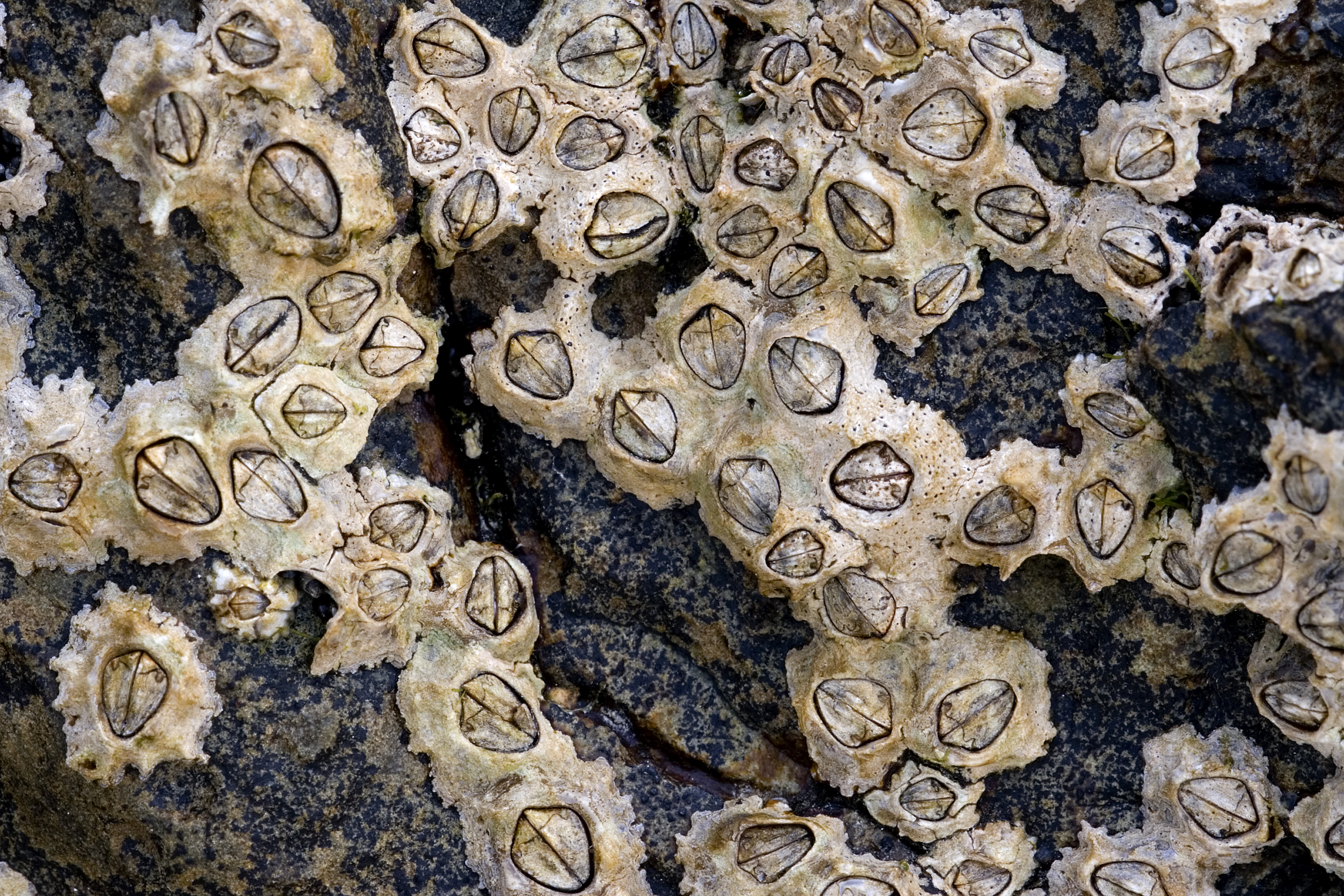
The gang discusses two papers that look at two papers that discuss the origin and evolution of a sessile filter feeding life habit. The first paper discusses how a new tommotiid fossil helps us better understand lophophorate evolution, and the second paper looks at the genetic pathways that barnacles and molluscs use to generate their shells. Meanwhile, James makes a sound, Amanda gets a surprise, and Curt shares totally real facts.
Up-Goer Five (Curt Edition):
Our friends look at how animals that make hard parts and do not do much moving around first started. The first looks at one type of animal that could be the start of one of these groups of animals that do not move much. These early animals are usually hard to find because they have parts that do not stick around for along time. However, this animal that was found had a lot of soft parts that showed what these animals would have looked like. It seems that these animals started out as being able to move a lot more, even though the animals that would come later would stop moving.
The second paper looks at two other groups of animals that make hard parts and do not move. It looks at how these animals make their hard parts. Even though these two groups are not close to each other, they both use a lot of the same ways of making their hard parts, with things that are not the same making sense because of how these animals need to stick to other things.
References:
Guo, Jin, et al. "A Cambrian tommotiid preserving soft tissues reveals the metameric ancestry of lophophorates." Current Biology (2022).
Yuan, Jianbo, et al. "Convergent evolution of barnacles and molluscs sheds lights in origin and diversification of calcareous shell and sessile lifestyle." Proceedings of the Royal Society B 289.1982 (2022): 20221535.