Audio is streamed directly from the publisher (media.blubrry.com) as published in their RSS feed. Play Podcasts does not host this file. Rights-holders can request removal through the copyright & takedown page.
Show Notes
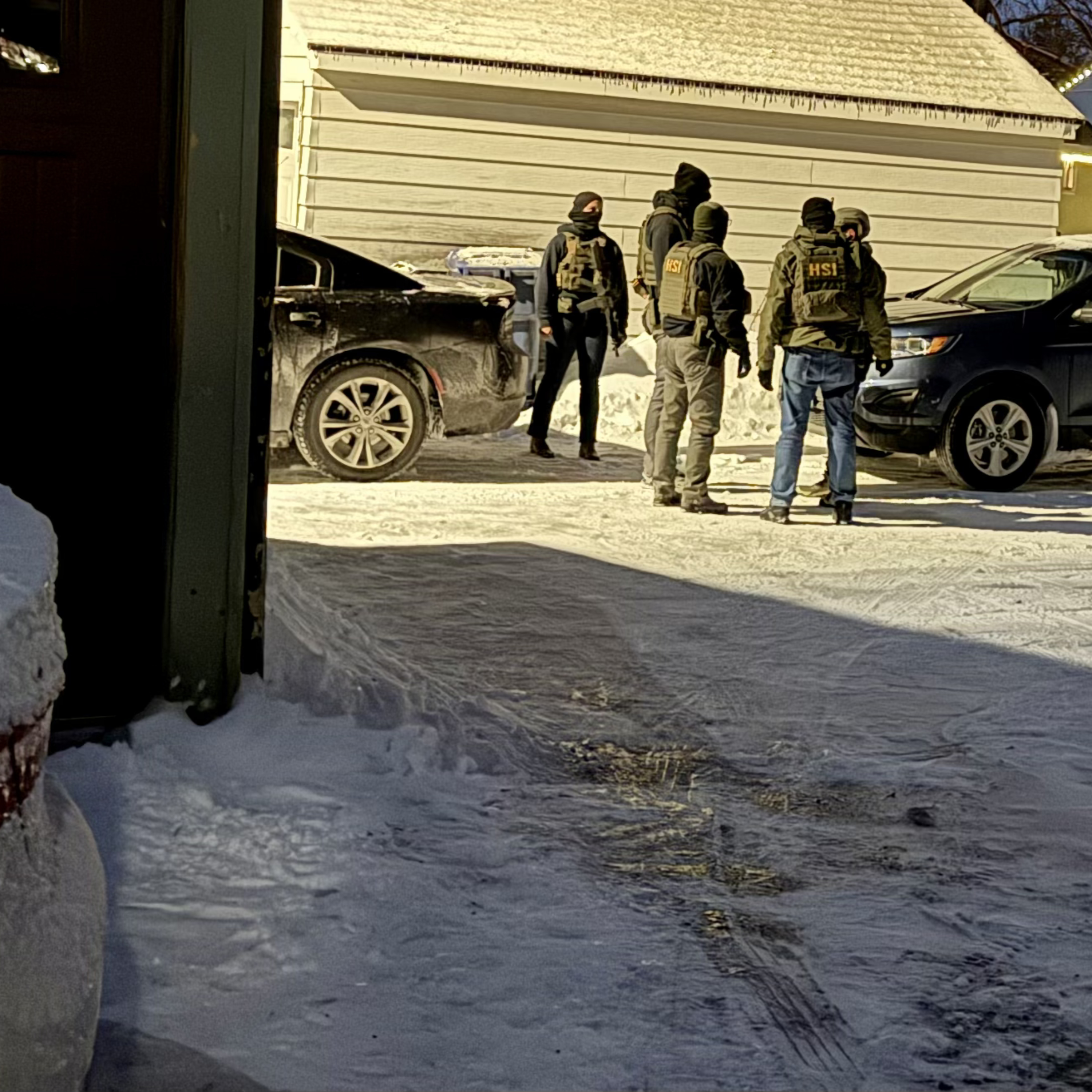
Christina and Jeff kick off the new year of Overtired sans Brett. They delve into Christina’s impending cervical spine surgery, ICE raids, and neighborhood signal groups. How do you keep mental health in check when Homeland Security is in your alley? Tune in for a wild start to 2026.
Sponsor
Copilot Money can help you take control of your finances. Get a fresh start with your money for 2026 with 26% off when you visit try.copilot.money/overtired and use code OVERTIRED.
Chapters
- 00:00 New Year Kickoff
- 00:41 Personal Updates and Health Challenges
- 01:49 Surgery Details and Insurance Woes
- 04:45 Exploring Surgery Options and Recovery
- 12:44 Journaling and Mental Health
- 15:40 The Artist’s Way and Creative Practices
- 24:31 Unexpected Alley Incident
- 38:10 Family Activism and Signal Setup
- 38:52 Unexpected End of Year Incident
- 39:35 Speculations and Concerns
- 40:13 Dealing with Law Enforcement
- 45:35 Reflections on Responsibility
- 54:43 Gratitude for Signal
- 59:31 Tech Talk: Synology and Backup Solutions
- 01:03:08 Mac Updater Alternatives
- 01:10:03 Conclusion and Well Wishes
Show Links
Join the Conversation
Thanks!
You’re downloading today’s show from CacheFly’s network
BackBeat Media Podcast Network
Check out more episodes at overtiredpod.com and subscribe on Apple Podcasts, Spotify, or your favorite podcast app.
Transcript
Promise Not to Whine
[00:00:00]
New Year Kickoff
Christina: Well, happy New Year. You are listening to Overtired and I am Christina Warren, and I’m joined as always by Jeff Severance Zel and, uh, Brett Terpstra couldn’t be, uh, here with us in this, uh, happy early 2026 episode, but I’m, I’m super excited to be able to kick off the, uh, the first pot of the year with you, Jeff, how are you?
Jeff: I am good. Happy New Year to you.
Christina: Likewise, likewise. Um, oh, here, here, here’s to 2026 being significantly better than 20, 25. So
Jeff: So far, not so good, but I’m, I’m really, I’m really excited about 2026. I’m
Christina: I was gonna say, like, like globally, globally, so far not great, but, but,
Jeff: in here. Good in here.
Personal Updates and Health Challenges
Christina: So, um, so how are, uh, uh, how, how, how is the, I guess a, I guess we can kind of a drill into like a, a brief kind of mental health or, or just personal update thing if we want. Um, how, um. How are things for you so far? Um, I guess the end of the year. How are things with the kids? Um, the [00:01:00] wife, everything.
Jeff: the, how the year ended is, and that gets us back to almost a political level. I will save for a topic ’cause boy do I have a story. Um, but, uh, generally speaking, doing really well. Like we traveled, saw my dad and stepmom in Iowa. Saw my in-laws in Indiana, had a really nice, just like generally had a really nice time off.
Um, and despite the fact that I’m under a super stressful deadline over the next few days, I feel good. How about you? You got a lot going on.
Christina: I, I do, I do. So I guess just kind of a, a, an, an update on, um, the, uh, the Christina, you know, cervical spine, um, saga since we last spoke a couple of weeks ago. Um, I guess maybe two weeks ago now. Um, uh, it was maybe a week ago. Um, uh, it was two weeks ago, I think. Sorry, it was, it was right before Christmas.
Surgery Details and Insurance Woes
Christina: Um, I was still awaiting, um, hearing back about when I would be scheduled for, uh, surgery and I’m getting, um, uh, artificial disc replacement in, um, I guess [00:02:00] between like C six, C seven of my cervical spine. And I do finally have a surgery date. Yay. Um, the bad, yeah, the bad news is it’s not until February 2nd, so I’ve gotta wait, you know, a month, which sucks.
Um, I would have been able to get in, you know, uh, three weeks ago at this point. Um, had I been able to like, I guess like book immediately, but without insurance, like approval, um, I didn’t really want to do that. Um, I think, I think people, uh, can understand why, like, you know, when the doctor’s like, well, we can book you now, but you’ll just need to sign some forms that say you’ll be responsible for the bill if insurance doesn’t pay.
Jeff: Oh fine. Get Where’s my pen?
Christina: right, right. And I’m like, yeah, this is, you’re gonna keep me overnight just for, you know, observation to make sure like nothing bleeds or, or, or whatever’s a problem. Um, ’cause they’re gonna go through like the, the, the front of my, of my neck to, to be able to reach, you know, um, things that way and, and, and so, [00:03:00] you know, and be under, you know, anesthesia, you know, it’s, it’s, it’s not like a huge critical procedure, but it’s still neurosurgery.
Jeff: is through the front of your neck.
Christina: and, and, and, and, and, and again, and it’s a neurosurgeon and it’s like, you know, they’re gonna, you know, take some stuff out and try to make sure that like, you know, very, like they’re gonna be, you know, um, screwing up against my trachea and stuff. And like, yeah. I mean, like, you know, it’s, it’s not, it’s not minor.
It’s not like I can just go in in an afternoon and be like, oh, I’m, I’m, I can just like walk out.
Jeff: Right.
Christina: Um, um, although apparently I will feel better, uh, as soon as it happens, but yeah, I mean, this is probably gonna be a six figure, you know, operation, I’m assuming so. No, I, I, I’m sorry. In, in this climate, uh, I don’t feel comfortable.
Just, I need my name to be like, oh, yeah, I’ll, I’ll be responsible for that, and then be responsible for trying to track everyone down to, to pay. So that’s the frustrating thing is that, and now of course, you know, you, you get the beginning of the year, a bunch of people have been waiting, you know, to get, you know, things scheduled, I’m sure, and [00:04:00] whatnot.
So I’m grateful that I’m scheduled at all. Um, I’m also grateful that right now I’m not insignificant pain, which is a really good thing because if this had been the pain level that I was in for the first few weeks, then like, I wouldn’t, I, you know, I mean, I would wait. I mean, if, if, if you have to wait, you have to wait.
But, um, I, I, I might have like pressed upon them like. Is there any way we can move this up? Um, but I’m not in that position, which is good. The only thing is just that the numbness, um, on both arms. But, but, but primarily, yeah. No, I mean, that’s not gone away and, and it’s, and it’s not going to is the thing, right?
Like there are a lot of people and like, and I, I’ve started now that I’ve got, got it like actually like done and like scheduled and you know, I’m going through all like the, you know, um, checklist stuff before you, you go in and whatnot. And I have like my, you know, pre-up appointments and all that stuff scheduled.
Exploring Surgery Options and Recovery
Christina: Um, I am starting to, to look more into, I guess like, you know, I guess recovery videos that people have put up on YouTube and, and reading a few things on Reddit. Although I’m doing my best to, to stay off the internet with [00:05:00] this stuff as much as possible. Um, just because for me it’s, it’s not beneficial, right?
Like, it, it’s, it’s one thing if you know, um, you, uh, you don’t like. If, if you can separate and not kind of go down rabbit holes and like freak yourself out or whatever, sure. Maybe it can be good information, but for me, like I, I know my own kind of, you know, limits in terms of, of how much is good for me.
And so I’ve, I’ve tried to keep that in moderation, but I have watched a few, you know, videos of people, you know, kind of talking about their experiences. And then of course then that gets used sent with like videos of like doctors who of course, for their own reasons, like are trying to promote like, oh, well you should do the, the, the fusion versus the, the, the disc replacement and, or you should do this versus that.
And I’m like, okay. I actually watched one interesting talk that, that some guy gave it a medical conference and neurologist gave it a medical conference and it was a neurosurgeon, I guess is, is the proper term. But that I think kind of really distinctly a, it was very similar to. Exactly what my surgeon said to me, [00:06:00] um, when he was kind of explaining the differences in the procedures.
Um, and, and b but kind of went into, I guess like the, the difference in terms of outcomes and, um, and it made me feel better about like that if I’m a good candidate for this procedure, that, that this is, um, the right thing to, to do and probably will be better for me long term. Um, because the, the results are, are better and, but not by a small portion, not like by like a, a gargantuan portion.
But they are, they are, there is like a sizable difference between outcomes in terms of whether like the average person who needs a revision, um. For, you know, cervical spine versus getting, you know, disc replacement versus, um, uh, fusion. Fusion has been around a lot longer, and so insurance companies are a lot more likely to approve that.
But in Europe, they’ve been doing the, the disc replacement stuff for 25, 30 years. Um, and so there is a lot of data on it, but it’s been a much more recent thing in the United States because insurance companies didn’t really start to do it until about five or 10 years ago. And so, and so, you know, some people will, [00:07:00] like some doctors who very clearly have an agenda on, on YouTube and like, that’s fine, like your practices, your practice and you’re comfortable with what you’re comfortable with.
But they’ll be like, oh, we don’t have enough data on, you know, the types of, um, you know, discs that we’re putting in people’s, you know, necks and, and how, how long they, you know, last and, and there might be some differences in terms of if you’re doing like a multi-step, meaning you’re doing like multiple discs at once.
Or if, you know, depending on like what, what, what part of the spine you’re in. And like, I, I think at this point for, for artificial disc replacement in the US they’ll do it two steps. So they can do two at once, but they won’t typically do three, although they will do three in Europe. And so there are people who will go to Europe and get the three
Jeff: They’re so liberal in Europe. We’ll do three.
Christina: Well, I mean, I think it’s a difference in, in that case, just a matter of like, if they’ve been doing the surgeries there longer, you know, then, then they, you know, and, and, and you know, and, and this is not uncommon in, in various forms of, of medicine, you know, where like you have different, you know, procedures and different exploratory things in different fields, in different areas.[00:08:00]
So anyway, so then I get kind of trapped into those rabbit holes. But the interesting, the night, the, the, I guess comforting thing is that like, you know, I’ve been reading, you know, around reading, but watching people who were doing vlogs, like after their surgery and like there was this guy who. I was a few years younger than me, but he, you know, posted some updates.
I, I guess he got his in July and he kind of did like, you know, updates, you know, kind of like, you know, this was me right after surgery. This was me, you know, three weeks later. This was me however many months later. And that was really great to see. Um, and, and his, his scar actually healed really nicely, which was encouraging.
So, um, yeah, I mean, I’m, I’m, I’m, I’m hopeful. I mean, the one thing that’s interesting that, like almost the universal thing that people say, of course you have a few people who say, this didn’t help or, or, you know, this, this was bad or whatever. And, and obviously like that’s always terrible to see that, but you know, you’d have to kind of like go by law of averages.
But the, one of the central kind of things is a lot of people being like, I should have done this earlier. And, and so I’m feeling good about that because that is, I, I, I, I don’t know what this says about me, [00:09:00] but like there’s was never a moment in my mind where I’ve been like, oh, I’m not gonna get the surgery as soon as I can get the surgery.
That’s never even been part of my like, thought process. And, and, and, and, and it’s funny because I think that like, that is actually odd compared to almost everybody else. Um, the general public, I guess, who goes into these sorts of things. Um, or at least the people who are vocal on the internet, right? So, so maybe like, maybe there are a lot more people like me who just don’t go to forums and comment on stuff and are just like, yeah, I’m gonna get the surgery because that’s what the doctor says.
There’s the right thing to do, and that’s what makes sense to me and I wanna, you know, not be in pain and I wanna be able to feel my arm and all that stuff. Um, but there are a lot of people who, I don’t know why, um, I mean, I guess the idea of surgery is, is really scary. And, and like, I can, I can understand that obviously, but to the point where they’re like, okay, well no, I’m gonna try physical therapy and I’m gonna do everything I can to avoid surgical intervention.
And I’m, I’m like, no. Like, like [00:10:00] freaking cut me up, doc. Right? Like, like, like, get me in, get me in. Like, let’s get better, right? Like, I, I’m not, I’m not here to like fuck around with like, ’cause right now, because the immediate pain is not there, I could be okay. Right? Like, I
Jeff: Sure.
Christina: try steroids, I could try pt, I could try to do other types of therapies and be like, well, maybe that will move the nerve around.
Or maybe it can get the disc like UN you know, bolt, whatever the case may be. And maybe I won’t need surgery. Um, or I could let this go on longer and continue to be weakness, you know, and, and, and in, you know, it’s not like I’m not in, I’m, I’m not in active pain, but it’s not, not painful at certain times.
Not worrying about is this just going to become like a permanent way that I feel, which would be. Awful. Um, and, you know, and, and, and like, it’s not the most debil debilitating thing, like I said. Um, if, if I was in a position where I, I couldn’t get surgery, obviously I could be okay right now, but you never know.
Also, like, when is it going to, to swap again? Right? [00:11:00] Like, and, and, and, and for me, I’m also, I’m like, I, I don’t wanna have to like, live in fear of doing something, you know, to my arm or my neck or, or whatever, and, you know, making things worse. So,
Jeff: right. Oh, I’m glad you’re doing it.
Christina: yeah, me too. So anyway, that was a long-winded update, but Wow.
Jeff: Yeah, that’s intense. So I’m really glad the pain is not what it was ’cause Holy shit.
Christina: Yeah, the pain was, was really, really bad. And I, like, I look back now and it’s, you know, I, I guess ’cause it’s been a couple of weeks since it’s been really debilitating and it is, and again, I don’t know like that this is me or this is like just somebody else, but I, or this is me or this is the comment with other people.
Sorry. Um, is that. Like when I’m not in pain anymore. It is such, so much like, I mean, depression is like this too. It’s so much like a vacuum. It’s like when you’re in it, that’s all you can see. But when you’re out of it, like it’s so easy to forget what it was like
Jeff: Yeah, yeah, totally. Completely.
Christina: totally completely right. Yeah.
Jeff: Yeah. I can even imagine being in the [00:12:00] situation you’re describing, knowing I have a surgery coming up and being like, well, do I want to? Which, like, to your point now, you make that call and you’re worrying forever. Am I gonna wake up? And this thing’s there. Next time it happens, I gotta wait another God knows how long before the surgery, when I’ll know it’s time.
Like, you know it’s time now. Get in there.
Christina: No, totally, totally. And and that’s the thing. And I think sometimes it can be. Like I said, like when you’re not in the thick of, of it, whether it’s like, you know, feeling depressed or feeling overwhelmed or, or stressed or, or in physical pain or whatever, like it’s easy for to forget like what that can be like.
And so I have to just kind of like remind myself like, no, this was really fucking bad. And yeah, you got through it and now you’re on the other side of it. And so you’re like, oh, okay, well, you know, I, I, I could, you know, do whatever, but you’re like, don’t, don’t forget what that was like. Right.
Journaling and Mental Health
Christina: Um, sometimes I think like, and, and I, and I’m bad at remembering to do this, but new thing for the new year, I guess is why, um, it is important I think to like write things down, right.
Like however we’re feeling, whether it’s, you know, good, bad, whatever. [00:13:00] Sometimes, like for me, like it is
Jeff: Just like journal you mean, right?
Christina: Yeah, exactly. Yeah. Yeah. Be, because it can be useful just to like look back and like, if you’re in a darker spot to remember, hey, there were times when I felt this way. Right.
Might not bring, bring me back to that place. But it’s a good reminder. But also I think almost just, it’s importantly, it’s, it’s, it’s the inverse where it’s like you need to remember when you’re in a good place. What it can be like to be in a worse place. Um, because, you know, I think that’s why sometimes people make decisions they make about what medicines they’re going to take or not take or what therapies they’re going to continue or not continue.
And, um, and it’s, and it’s really easy to get into that, you know, cycle of, okay, well I’m fine now, um, because you’re removed enough from what it felt like to be bad, you know? And, and then, and, and, and also I think sometimes like, uh, and this is why I wish that I’ve been journaling more over the last few years.
You can really get yourself into a deep depression and not realize it.
Jeff: Yes, yes. Yeah. And I feel like journaling too, just like helps you internalize some of the flags and [00:14:00] warning signs, even if you’re never looking back, like, ’cause you’re gonna process them a little bit.
Christina: yeah, yeah.
Jeff: can’t, I, I’ve journaled over the years for stints of time. I can’t go back into them. I almost like, I almost like bounce off the page when I try.
Um, but I really have come to believe that just the act of doing it is the thing.
Christina: agree.
Jeff: Yeah,
Christina: Yeah, I agree. Yeah, I, I usually don’t re reread my old stuff either, and I haven’t journaled regularly in a really, really long time, and I actually would like to get back into that again. I think it would be better for my overall health, but similar to you, it’s one of those things I wouldn’t necessarily revisit,
Jeff: But now, you know, you have a document, you have a reason to go back into it.
Christina: right.
Well, but, but also, I mean, I think to your point, just the act of doing it, um, you know, and this is case, we’re both writers. I think this is the, the case for a lot of, of people who, who write like it, it is one of those things that like, that’s what will almost like cement it in my mind. You know what I mean?
Like, as, as, as mattering [00:15:00] like, like even if it’s something innocuous, even if I don’t remember the small details of just that, that the fact that like, I’ve done it, like, like to your point, helps you kind of process things and kind of, you know, act more as kind of a therapeutic place.
Jeff: Yeah, I don’t, when I’m writing like that, or just in general, I don’t feel like I’m writing from my brain or feel like I’m writing on my brain.
Christina: Yeah, yeah.
Jeff: It’s like I am actually putting the information in, not drawing it out weirdly.
Christina: Yeah. Yeah. No, I, I know, I, I, I, I love that actually, I’ve never thought of it before. Writing on my brain. I love that. That’s really, that, I think that’s really profound.
Jeff: Yeah. So there’s, um, there’s a kind of journaling that I wish I, I, well, I don’t beat myself up at all to be clear about this ’cause that I’m too old to do that anymore.
The Artist’s Way and Creative Practices
Jeff: Um, but there’s this book I read back in. Oh God, 2019 99 called The Artist’s Way by this woman Julie Cameron. And I don’t remember much about this book except for, and I probably have talked about it on this podcast [00:16:00] years ago at this point, but she has this practice, she calls morning Pages.
And the idea is you sit down first thing in the morning, you fill three pages, you don’t think about what you’re writing or why you just keep the pen moving. And, and I, what I have found, that’s the only kind of real regular journaling I’ve ever done. It’s a great, great hack for me. ’cause it, it, I can do that.
And I fill, I’ll fill a, you know, big notebook and I have a box full of them from over the years. ’cause again, I’m old. Um, but what is, I have never, I don’t think there’s been a single day that I’ve done those morning pages when I haven’t been a little surprised and something hasn’t emerged that. I’m like, I’ll think to myself, well shit, if I hadn’t have done this, where would that have stayed and lived and, and lodged itself.
Right. Like, um, so anyway, I I’m glad you are bringing this up ’cause it’s reminding me of that and New Year is a great time to be thinking about that.
Christina: Totally, totally. No, I love that. And I, yeah, I, I found the book The Artist’s Way, a Spiritual Path to Higher [00:17:00] Creativity.
Jeff: Yes,
Christina: and it’s like this yellow gold book, but like, apparently, and then like they, they, they, they, they sell Morning pages Journal, a
Jeff: they do, of course. I
Christina: Yeah. Yeah, of course.
Jeff: it probably took her two decades to realize she should be cashing in on that, but she did.
Christina: No, honestly, so the book, it looks like it was published the first one in 92,
Jeff: Yeah.
Christina: then they were selling the companion volume to the Artist’s Way as December 29th, 1997. Um, so, so like
Jeff: that you’re doing this history. This is delightful.
Christina: I, well, I just looked at Amazon is just kind of filling this out for me, so I’m, I’m, I’m, I’m, I’m, I’m, so at least it is possible that, that the, the book pages might have been even earlier than that, but like, good for her on like, recognizing there’s also a Artist’s Way workbook, um, now that was like a decade later, like 2006.
Jeff: Yeah, that’s what I, maybe that’s what I’m thinking of. That came much later.
Christina: Yeah, yeah. But, but it does seem like she got into that, like a David Allen kind of, you know, like, you know, whatever steps of highly, you know what I mean? Like, like all that kind of like stuff, [00:18:00] which
Jeff: You’re letting the publisher have those meetings with you.
Christina: Which honestly look good for you if you’re selling that many and whatnot.
And, and if you come up with this journaling way, yes, sell the freaking paper. You should be selling PDF copies so that people can have it on their iPads now, like, you know,
Jeff: Yeah.
Christina: or, or, or on the remarkable tablets or whatever.
Jeff: she had another thing actually I haven’t thought about in a long time. It wasn’t as useful to me long term. It helped me in the moment I. In the moment I was in, she called ’em artist dates and the idea was like, ’cause as you said in the title, it’s all about creativity. She was like, you, you take yourself out, go to a, whatever it is, a museum, a art supply shop, something like that.
But with intention, like, I am going out to do this thing on my own alone because I know that it has some connection to what feels good to me about art and creativity and expression, whatever it was. That seems like a silly thing. Like it’s basically her saying, go to a museum. There was something about calling it an artist date.
I think I was in a relationship too at the time where I was like not, it was not easy for me to [00:19:00] just go do something on my own. It was just a weird dynamic a little bit. So anyway, that was another good thing that came out of it. I mean, I, you don’t really have to work hard to tell me to go do something on my own, but at that time in my life you did. Yeah, she was great. That’s awesome.
Christina: Yeah. Yeah. Uh, yeah. No, that is funny. Yeah. So yeah, so apparently that book was published in, in 1992 and, um, you know, uh, was immediately like, well, the first printing was about 9,000 copies. In 1992, the book was published by Jeremy Tarcher. Now part of Pink Wing Group revised and millions of copies have since been sold millions.
Jeff: it was total like guru status by the
Christina: Oh yeah, absolutely. No, absolutely. You know, and, and in a, yeah, she, she was, uh, she’s a, she was born in 1948, and so, uh, she’s still alive. She’s still kicking it. Um,
Jeff: yeah. I think she made some new book that was like kind of a take on it, but it was a different, I don’t remember. Anyway. You’re the
Christina: Yeah, no, no. Her, her list of like, of like books that she’s published is, she’s the, the most recent one. So she’s still doing the, the, the [00:20:00] writer’s way thing, living the, the artist’s way. An intuitive path to greater creativity. So I guess they did a 2024 version Write for Life, a toolkit for Writers Seeking wisdom, A spiritual Path to Creative Connection.
Six week artist program.
Jeff: it’s kind of like David Allen, where it’s like, wouldn’t it be nice to have created something when you were, whatever, reasonably younger, like 20, 30 years ago, that not only that you can ride for a long time, but you probably don’t feel bad about riding it for a long time. Right? Like, ’cause you can create things or have a band or something like that, that like your only choice is to ride that thing, but it gets pretty ugly.
I see you Vince Neil. Um, but yeah, anyway, must be
Christina: No, it ha it has to be nice, right? ’cause it’s like, okay, well no, and, and then it has all these little spinoff things, so it’s not like you have to feel like, I mean, although th this actually, this would, this would be an interesting idea for like a, a, a novel or a screenplay or something, which would be to be like, okay, you know, and people have have done like riffs on these things before on, on, you know, shows or whatever.
But, so this would be an interesting story, I think to kind of focus on where it’s like you have somebody who is like, just famous for like, this, this one thing that they did, [00:21:00] and now their whole life has to revolve around it. But what if it was like, something that they didn’t like actually, like, believe in?
Jeff: yes,
Christina: what if you have the guru? What if you have the guru who’s like, actually is like, actually I don’t really, you know, I’m, I’m, I’m David Allen, but I, but I can’t actually get anything done. I have to have like a whole, you know, cadre of assistance to actually organize my, my, my, my calendar and my life.
For me, you know, I don’t
Jeff: Carol and Pluribus, I don’t know if you’re watching Pluribus, but that Yes. Her, her whole like book series. Clearly she was at a point where she’s like, yes, I should still ride this, but I cannot. That’s all right. Things changed for her. Um, okay. I have to tell you about something insane that happened to me at the end of 25.
Christina: Okay. Alright. Before, before we do that, let me let Ru first, um, let’s, uh, let’s, let’s go ahead and, and get our, our sponsor read
Jeff: Oh, way to remember the sponsor. We remember you sponsor.
Christina: We, we, we do. So, um, I, I, I, before we hear about what happened to you at the end of 2025, let’s, uh, let’s go ahead and talk, uh, forward a little bit about 2026.
So, are you [00:22:00] ready to take control of your finances? Well meet copilot money, the personal finance app that makes your money feel clear and calm with the beautiful design and smart automation. Copilot money brings all your spending, saving and investment accounts into one place available on iOS, Mac, iPad, and now on the web.
And so, as we are entering 2026, it is time for a fresh start. And, you know, with Mint, uh, shutting down last year and rising financial uncertainty, consumers are seeking clarity and control. And this is where copilot money comes in. So, copilot money. Basically helps you track your budgets, your savings goals, and your net worth seamlessly.
And with a new web launch, you can enjoy a sending experience on any device. And I, I know that, like for me, like this is a big deal because it’s great to like have the native like iOS and MAC OS apps, but I need to be able to access on a, on a, on a web browser. Um, I, I don’t wanna be tied just into an application model for something like, you know, um, tracking my budget.
And guess what? For a limited time, you can get [00:23:00] 26% off your first year when you sign up through the web app. New users only don’t miss out on a chance to start the new year with confidence. With features like automatic subscription tracking, you will never miss upcoming charges again. Copilot money’s privacy first approach ensures your data is secure and that their dedicated to helping you stress less about money.
So whether you’re a finance pro or just starting out, copilot money is there to help you make better decisions. Visit, try. Do copilot money slash Overtired and use the code Overtired to sign up for your one month free trial and embrace financial clarity today. That’s try dot copilot money slash Overtired and use that coupon Overtired and you will, as I said, save 26% off your first year.
So try copilot money slash Overtired. Use the coupon code Overtired. Thank you very much. Copilot money.
Jeff: Bam. Can you hear my Synology?
Christina: No,
Jeff: Oh, that’s funny. ’cause I, I get this. Hum. I recently com I, I’ll visit this in GrAPPtitude. I, [00:24:00] uh, I completely clean, installed my Synology after like six years. ’cause when I did. Build it. Initially, I actually didn’t really understand how to use it, and I, and I made some mistakes that because of all the stuff I put on, it was hard to sort of, I was treating it like it was gonna be an external drive and I could just kind of work with, you know, which was a huge mistake.
Um, but anyway, I, it’s working so hard. It’s working so hard and it’s on my desk, which it normally wouldn’t be. So I hear this humming. Didn’t know if you heard it.
Christina: I, I did not, I did not, which is a good thing. So, okay, so, all right. Uh, let, let’s, let’s go back. So what, what, yeah, I’m ready. I need to hear what happened to you at the end of 2025. All right.
Unexpected Alley Incident
Jeff: All right, so, um, my boys are out. They’re almost never out, but they’re both out with friends, different places. My wife and I we’re home and we were eating dinner and I got an alert from my back door ring camera, and. That almost never happens. It’s only exists to, to notify me of like alley shoppers.
We’re in, in the city. We have an alley behind us and, and we get a fair amount of pretty [00:25:00] harmless alley shopping. Like it’s, is the car unlocked? If it is, you got some change. If not, I’m moving on. Um, but I like to know when they’re there.
Christina: yeah,
Jeff: We’ve had some bikes stolen and some people go into our garage and stuff like that.
It’s very rare that it goes off less than I actually thought it would. Um, and so it goes off and it goes off at around 7:00 PM very unusual. And, uh, and so I, I, I pull it up and I look and, and I, all I can see is there’s two cars parked in the alley. I have this weird view where, um, it’s kind of a fence and then our garage.
So I can see between those two things to the alley basically. So there’s two cars. That’s weird actually. And when I see some of people’s like videos about folks breaking into their cars, there’s often two that come. And so I was like, oh, okay, well it’s, I should just like go out and look. So we go and we kind of look at our, at our back window to see if we can see anything.
And we’re just like, yeah, it’s weird. They’re not only parked but the headlights are off. And like, I’m gonna go out and check it out. She’s like, well first, why don’t you look at the video it recorded, which I wasn’t thinking of at all. So I pull up the video, it recorded, and I see these [00:26:00] cars park, but it’s like three or four of them come through the two that I can see park.
And all of a sudden there are probably seven or eight figures running down the alley from these cars. Okay? And I’m like, well, that’s crazy. And so I walk out there and I go up to the first car and it’s got Texas plates. And around here where we have a little bit of an ice invasion, Texas plates are reported a lot.
I look at the next car and it’s got no plates at all. And I look at the car after that and it’s got vanity plates, specifically chosen one with a Z. Um, and, and I’m like, oh my God. It’s the thing like ice is in my alley. And, uh, and so I come back in, I I’m like, you tell my wife, like, should probably get your coat on.
I think it’s the thing is what I said. And, and we go out and sure enough, like at the end of our alley where there is a family and, and they are, um, US citizens, they’re Mexican immigrants, um, that’s where I see all these officers sort of, or these agents sort of coalescing and um, I’m gonna leave some aspects of this out.
They were [00:27:00] actually, they were serving, uh, uh, narcotics warrant that ended up being totally misguided. Nothing happened of it. Um, but it was super scary. But I kind of don’t wanna say more than that because I wanna be really clear that as everyone should know about policing, a search warrant is not an indictment.
Um, and oftentimes search warrants are so searching and, and, and often come up with. With nothing. Right? And, and maybe even were targeted at the wrong person. And there’s didn’t even have the name of my neighbor on it. It’s this whole thing. But the point is, it was a little different from what we’ve been hearing because there was a different agency there serving a warrant.
It was the airport, airport, police department, ’cause of a package. So there was that piece, there was actually a signed warrant. ’cause everyone’s trained to say, show me the warrant. Show me the warrant. So everyone, you know, my wife and I were the first ones there. Um, and then another neighbor rolled up, and then I’ll get to the rest in a second.
Um, so it, it’s shocking that it’s happening in our alley.
Christina: in our alley, right?
Jeff: just like,
Christina: you, yeah.
Jeff: what? What the
Christina: I, I mean, how [00:28:00] I would feel to a certain extent would be like, I’d be like, am I in Amer in an episode of the Americans? Like, like, you know,
Jeff: is, did they have to write it this way? Just ’cause how else are you gonna bring it to the people? You know? It’s, you gotta bring it to the characters. Um, so anyway, we go down there and, and there’s one, so all of the, everyone decides the airport PD guy who has no mask and is kind of like presenting like a pretty normal cop basically.
And he is got a badge and a name and a number. But walking in and out of the house, all around us are these guys who are in full battle fatigues. They’ve got masks on, they’ve got ars. Um, they are, they are a weird mix of people. There’s a woman in there who’s like looking like, literally like she was cast for a movie to be, uh, an, an ice person.
In this case they were Homeland Security Investigations, HSI. But it’s all intertwined at this point. Um, and then there was a guy that must have been like eight feet. That was crazy. There was a single guy that was wearing a, like a straight up like helmet, uh, for, as if he were going into battle. [00:29:00] Nobody else is wearing a helmet.
Um. And none of them were talking. They were just passing through. And, um, and so we tried to engage one of them, talked to them for a little bit, do the thing you do. Hey, why don’t you take that mask off? You know, I don’t wanna get docked. I was like, uh,
Christina: around.
Jeff: it was like, I both understand why you don’t wanna get docked.
I also feel like you’ve got the power here, brother. Um, and which was the conversation we had, um, I was like, you have a mask on. You also have your finger on the trigger of a gun. And he’s like, well, that’s not, it’s not on the trigger. This is how we hold guns, dude. I was like, I understand that, but your finger is itching at the trigger of a gun.
And so he put his hands on top of the butt of the gun. ’cause it was kind of, you know, mounted the way it is. Is that better? I was like, no, you’ve still got all the power. Take the mask off. Like, at least. Um, and uh, what, what was really interesting, and I I have this sort of like wrap up that occurred to me later that kind of blew my mind is, you know, in our neighborhood, um, because ice activity has been going on all around our neighborhood, like in.
Neighborhoods [00:30:00] surrounding our neighborhood or a little further out, but all within a, I could get in the car and rush out there distance. Basically we have these, we have these neighborhood signal groups. The first one that popped up was actually around my son’s school, which is very close to here and has a lot of East African and Hispanic, um, immigrants and, and, um, and so that we knew that was like, you know, people were scared there.
Some kids weren’t coming to school. And so, um, some neighbors organized in such a way that they could a, have a signal, uh, communication channel. But also part of that was planning at the beginning of the day and that release time for enough people to sort of be paired up in areas around the school, but not so close that it freaks the kids out.
That like if something happened, there could be sort of a rapid response. So we had that signal group. There’s a broader signal group that probably covers like a four block area, and then there’s a wider one that’s our wider neighborhood basically. And that one’s like a rapid response signal group. So these have been going.
Pretty, like consistently [00:31:00] ever since it was announced that we were getting ICE and Homeland Security folks here. Um, so the network was all in place. And, and so I’m out there initially and I see all the cars. I’m like, holy shit. Wife and I go to the end of the block. We start talking to first the airport PD guy who’s there, and then the the one HSI guy who comes out.
Then another neighbor, another neighbor. I go back to take pictures of the plates because folks around here are keeping a registry that you can get through the signal group of all of the makes and models of cars that we know have been at these, um, kind of ICE activities or homeland security activities, and then their license plates.
And so there’s like a running log, which has happened in other cities too. So I was taking pictures of all the cars. Um, but I was pretty like, I mean, I’ve been through some shit and. Having it in your alley is very different from going halfway across the world as like an activist or something. Um, and having it ha neighbors are people we know and care about.
And so knowing that, not knowing what’s happening for them, which I don’t mean to bury that lead [00:32:00] ’cause I’m kind of getting to that part, but I also want to just respect their privacy. Um, so like the thing I should have mentioned at the top is like, we know these folks and it was fucking terrifying to be standing there arguing with these HSI guys knowing that at some point, or just assuming at some point these people we know are gonna be dragged outta the house in front of us.
And then it was just like this constant question of what the fuck will we do? Then? It did not happen to be really clear, uh, ahead of time. So I’m taking pictures of these cars, I’m like, oh shit. I’m supposed to notify like the signal group, but I’ve got, I’ve got all the presence I need to take pictures of cars.
I’ve got the presence I need to engage these guys, which my wife was doing plenty good job of, so I could just like walk away and do the license plate thing. But when I pulled up my phone. To open signal. I opened Slack three times, like I could not, I got an S into my search, my app search, and like kept clicking the wrong thing.
I was shaking. It was also freezing out and so like I’m shaking and so [00:33:00] thank God it occurred to me. I have one friend I know on this signal group that I, I know would answer the phone, so I called her. I called her and I was like, I need to be quick. Here are like the fundamental details. Can you please notify?
The signal group and the rapid response people. So that was great. She did initially, the first group that showed up, which was just incredible, were like all of our neighbors, we all know this family. Like it’s not, they are just neighbors. It’s not like it’s a special offset group or something. Like they’re neighbors.
So all of the neighbors show up. We have a really tight block. Um, that was incredible because it’s not like it’s a neighbor of activists. It’s what’s been incredible about this stuff from the beginning, which is like how easy it seems to be for people to pop outta their house and be like, Uhuh. Like it seems like, it seems like a lot of people are not feeling inhibited about that, which I think is really cool.
And I totally respect the people that feel inhibited, right? Like, ’cause it’s just, it’s a whole thing to go out there. So we had this great group of neighbors and they were all, we had a public school teacher who was just killing it with this one HSI guy. It was so, [00:34:00] so good to watch and it felt really powerful and I think she was doing a really good job of trying to sort of like.
Knock some things into this guy’s head knowing that like, you know, you’re in a dynamic that kind of you, there’s not a lot of room for things to change. Right. But given that she, it was really just inspiring watching her do her thing and then the like rapid response community showed up, which is li