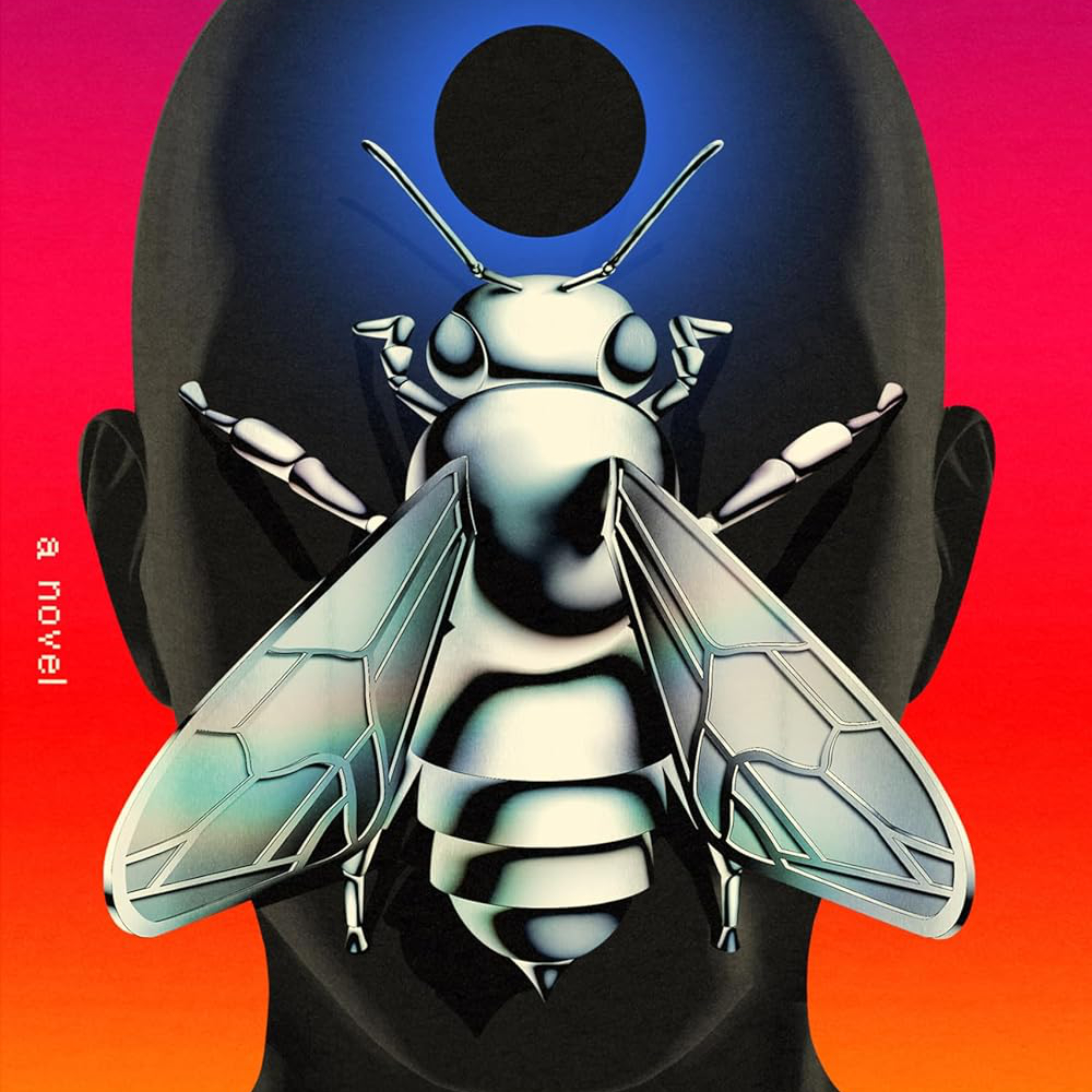
429: Two Truths and a Lie with Cory O’Brien
Audio is streamed directly from the publisher (media.blubrry.com) as published in their RSS feed. Play Podcasts does not host this file. Rights-holders can request removal through the copyright & takedown page.
Show Notes
Hosts Brett Terpstra, Christina Warren, and Jeff Severns Guntzel welcome special guest Corey O’Brien, author of ‘Two Truths and a Lie,’ who shares his existential journey of writing and promoting his first novel, a rich “noir cyberpunk” entry. From the gritty soul of cyberpunk to the calming practice of metal welding, this episode is a rollercoaster of conversations, insights, and creative tools. Overtired style.
- 00:00 Introduction and Special Guest Announcement
- 00:54 Corey O’Brien’s Background and Career
- 02:43 Transition to Fictional Writing
- 05:44 Mental Health Corner
- 06:23 Brett’s Job Update
- 09:20 Jeff’s Workshop and Squirrel Saga
- 13:53 Christina’s New Job Experience
- 18:17 Corey’s Mental Health and Medication
- 28:33 Promoting the Novel
- 33:40 Inspiration and World-Building
- 46:20 The Evolution of Cyberspace
- 48:29 Economics of Memory
- 52:44 Queer Love Story in Fiction
- 58:49 Writing Dialogue Trees for Video Games
- 01:03:06 Tools for Writing and Productivity
- 01:26:08 The Importance of Business Cards
- 01:31:13 Closing Remarks and Recommendations
Show Links
- Two Truths and a Lie
- Myths Retold
- Redfall
- Squirrel Obstacle Course
- The Through – A Raphael Johnson
- Devil in a blue dress
- Mona Lisa Overdrive
- The Peripheral
- Snow Crash
- Farewell my Lovely
- Inkle
- Twine
- Obsidian OEI Tools
- Scrivener
- Soulver
- Sendy
- Cork
- PowerToys on Windows
- NotebookLM
- Blinq
Join the Conversation
Thanks!
You’re downloading today’s show from CacheFly’s network
BackBeat Media Podcast Network
Check out more episodes at overtiredpod.com and subscribe on Apple Podcasts, Spotify, or your favorite podcast app. Find Brett as @ttscoff, Christina as @film_girl, Jeff as @jsguntzel, and follow Overtired at @ovrtrd on Twitter.
Transcript
Two Truths and a Lie With Cory O’Brien
Introduction and Special Guest Announcement
[00:00:00] Brett: Hello, welcome to a very special Overtired. I am Brett Terpstra. I am here with Christina Warren and Jeff Severns Guntzel. And this week we have the Long Promise special guest Corey O’Brien, author of Two Truths and a Lie. How’s it going, Corey?
[00:00:21] Cory: It’s going great. Happy to be here.
[00:00:23] Jeff: Hi, Corey. We’re saying hello.
[00:00:30] Brett: Um, yeah, so we’re, we’re definitely gonna talk about the book. I have filled Corey in on kind of our usual format, and he’s down for, for playing along with what we usually do. So, um, I, I feel a little weird jumping right into Mental Health Corner. I want a little bit more robust of an intro.
Corey O’Brien’s Background and Career
[00:00:54] Brett: So, Corey, tell us a little about you.
[00:00:58] Cory: Uh, sure. [00:01:00] It’s a, it’s a, it’s a big question.
[00:01:02] Brett: It is. I’m sorry. I’m sorry. That was so vague.
[00:01:05] Jeff: Tell me who you are.
[00:01:06] Cory: all right. Uh, I am a writer game designer man about town. I,
[00:01:15] Jeff: that’s you. I saw.
[00:01:16] Cory: yeah, yeah. I’m all over the place. You see a guy that’s me
[00:01:20] Jeff: That’s you.
[00:01:20] Cory: watching you, counting your teeth. Uh, I, I, uh, I, I used to write a website called, uh, mire Told where I would tell mythology like it was 3:00 AM and I was drunk in a chat room.
[00:01:34] Cory: And I did that. I did that for many years, parlayed it into a small level of notoriety that somehow got my publisher to pitch me to everyone as the beloved internet humorist, which I still, I still find kind of embarrassing. But, uh, then, then over time, like what I’ve always wanted to do is write books. Uh, and so over time sort of parly the notoriety from the blog into.[00:02:00]
[00:02:00] Cory: A career writing for video games. Uh, I’ve written for, uh, the comedy dating sim called Monster Prom. And then, uh, my favorite game that I, that I worked on is Hollow Vista, but you can only play it if you have an iPhone, unfortunately, which I don’t, I haven’t even played it in its native environment. I’ve played it, I’ve played it in like a browser version, but, uh, and then, uh, and now I work for like, um, for like fancy 3D games, writing dialogue, trees and stuff.
[00:02:29] Cory: But, uh, my, my number one passion is writing books and I’m very excited that I finally have this novel out. And so that’s, that, that, that brings me to this present moment.
[00:02:41] Christina: Um, so.
Transition to Fictional Writing
[00:02:43] Christina: How, how, um, I guess what was your process, I guess, moving from, uh, have you been like, I guess like writing short stories, like your whole life, uh, you know, I know you’ve done the, the, uh, the, the humor thing and, and you’ve worked, um, you know, um, game stuff. But what was, I guess, your process of transitioning to, um, [00:03:00] uh, fair, um, fictional, like narrative writing.
[00:03:04] Cory: I, I have been writing stories for as long as like, I knew that was a thing you could do, and I, I used to write a number of short stories. I, like, I went to graduate school for creative writing. I wrote a lot of short stories then yeah, I left that part
[00:03:19] Brett: Yeah, that’s an important piece.
[00:03:21] Christina: I was gonna say that helps,
[00:03:22] Cory: But I, I, I don’t think, I don’t think that graduate school, like graduate school certainly gave me a lot of opportunity to practice writing, but I don’t think, I don’t think it turned me into a writer.
[00:03:32] Cory: I
[00:03:32] Christina: No, you already were, but, but, but, but it, but yeah. But I think the opportunity to practice is, is probably helpful.
[00:03:37] Cory: yeah. And also meeting people and being in an environment where that’s encouraged. I really think of graduate school as like paying an enormous amount of money to larp that you have the job that you wanted to have for, for like two years, which is, I, I had, I had the luxury of being able to do that. Um, but I, what I have always specifically wanted to do is write long form narrative.
[00:03:59] Cory: I [00:04:00] wanted to write novels. I, I don’t, I don’t know exactly what it is. I think my best explanation for why is that the stories that have affected me the most that have given me like a real physical, visceral reaction have been books because they can set something up over a long period and then like bring it all together at once in this rush.
[00:04:22] Cory: And, uh, so that’s, that’s always been really exciting to me. And so that’s always been what I wanted to do and I’ve just basically spent many years working myself up to that. ’cause writing books is hard.
[00:04:34] Jeff: Writing books is like existential. I, I’ve never written a book and everyone I know that has, it’s like a, it’s a journey. It’s a, it’s a dark journey sometimes. A lovely journey. Is that true for you?
[00:04:45] Cory: Yeah. Yeah. Uh, I, I, I’m sure that there are some people, I mean, I know that there are some people for whom books are just like, they just, they just write ’em, they just
[00:04:55] Brett: Jeremy Robinson. Jeremy Robinson puts out a book like every two months [00:05:00] in their, their bangers, and I don’t know how anyone does that.
[00:05:03] Cory: Yeah. Yeah. I, I, I, I have sort of come to grips with the fact that that is not my temperament. Like, I do like writing. I do like, eventually I do like the stuff that I write when I have enough distance from it. But it is a process, especially because I’m already always doing so many things. Uh, you know, maybe if I was locked in a room like they did with Douglas Adams later in his career, I could just like write a book real fast.
[00:05:30] Cory: Generally write the first draft really fast and then like. Go insane. Trying to, trying to write the, the, the future drafts and really tear myself
[00:05:41] Jeff: oh my God, I have so many process questions. I’m
[00:05:43] Jeff: gonna
Mental Health Corner
[00:05:44] Brett: well, let’s make, let’s make this our mental health corner. Let’s make it all about Corey.
[00:05:48] Cory: Yeah.
[00:05:50] Brett: And, and I would be curious to know what your mental health was like while writing this last book and what it’s like now that it is officially [00:06:00] released.
[00:06:00] Cory: Woo. That’s a good question. I don’t wanna be the only person doing a mental health check-in though.
[00:06:06] Christina: Oh, no, no, no, no. We’ll all, no, no, no, no, no. We’ll, we’ll all go. We’ll, we’ll go.
[00:06:10] Brett: Do you wanna go first or last then?
[00:06:12] Cory: Well, I’m, I’m in your house, so I’ll, I’ll, I’ll do whatever the done thing is.
[00:06:18] Brett: Okay, I’ll go first. I’ll kick it off. Uh, I’ll keep mine short.
Brett’s Job Update
[00:06:23] Brett: Um, my job, we talked last week at length about how messed up my job situation was. Um, I went to therapy for it and my therapist was very helpful in helping me see that my manager that I have so many conflicts with also had some IFS type parts coming up.
[00:06:46] Brett: Um, and we were able to kind of hit like a working flow, but at the same time, and don’t tell my manager this, this is private,
[00:06:57] Jeff: I think you’re telling your manager this.
[00:06:59] Brett: I. [00:07:00] I reached out to a pre, like one of the first managers I ever had who had gotten moved off. There was a whole, like the first major shakeup was when she got moved off to another team.
[00:07:11] Brett: Um, and I talked to her and I said, Hey, here’s what I’m doing these days. You know, any other teams that might be able to use that skillset? And she’s like, well, I could. Um, and her headcount is frozen right now, but she thinks she might be able to make an exception. So problem might be solved just by going to a work for a manager I already respect and I already get along with.
[00:07:37] Brett: And that, that alone, just knowing that’s a possibility, has made it easier for me to deal with the present, um, and to not be in a constant state of panic and frustration. So, yeah. Uh, think things are better. This week I.
[00:07:53] Christina: Good.
[00:07:54] Jeff: awesome. What a good thing to hear.
[00:07:59] Christina: sure.[00:08:00]
[00:08:01] Jeff: Who’s got the birds? It’s such a nice sound.
[00:08:03] Brett: thought that was you.
[00:08:04] Jeff: No. Fuck no, man. We got nothing
[00:08:06] Brett: I think, I think that must be Corey then
[00:08:08] Cory: Yes,
[00:08:09] Jeff: Thanks for bringing the birds, Corey,
[00:08:11] Cory: Yeah, no worries.
[00:08:12] Jeff: tropical, uh, Chicago
[00:08:14] Brett: Well, and he is got the tropical shirt on too, so it’s just kind of a,
[00:08:18] Jeff: it the shirt? Is it the shirt I’m hearing?
[00:08:20] Cory: It is, it’s the shirt. The weather here has been wildly unpredictable. This is the time of year where you really can’t predict what the weather is gonna be from moment to moment. And
[00:08:30] Brett: was almost 80 here yesterday and tonight it’s gonna snow.
[00:08:35] Cory: yeah, yeah. That happened a couple weeks ago here, 80 into snowing. And so you see a lot of people around here, uh, when it’s 80 degrees wearing a sweatshirt. ’cause they’re like, don’t trust
[00:08:44] Christina: don’t know. No,
[00:08:46] Brett: It’s still March.
[00:08:48] Christina: that’s still marsh. No, I mean, and that’s the worst because, uh, at least for me anyway, like my, my sinuses, my, like my allergies really go badly when there’s, uh, sudden weather changes. So if it goes from like really cold to really hot or like, [00:09:00] and the barometric pressure changes, like my migraines go crazy, my sinuses go
[00:09:04] Brett: my, my pots and my dizziness get way worse with the barometric changes. Like today, with the barometer shifting the way it is, I’m like, I’m, it’s like I’m drunk walking around the house. I’m tipsy everywhere. But anyway. Jeff, Jeff, why don’t you go.
Jeff’s Workshop and Squirrel Saga
[00:09:20] Jeff: Uh, I’m, you know, this happens every year, uh, when it’s this time, but yesterday when it was 75, the rest of the week is forties. But, um. I officially opened up my workshop and, uh, and it’s all completely ready for projects. Um, Corey, I have a workshop where I rebuild very old machinery and I do some welding and, and woodwork and just general fuckery.
[00:09:44] Jeff: Um, and, and it’s like my favorite thing in the world. It’s my favorite place to be. Um, and I feel most landed in that place. And, and in a time like this, especially being able to kind of open that up and just be sitting in there, it’s the best. And I get to, um, return to a [00:10:00] project I started in the fall, which is rebuilding this a hundred year old, um, lathe for doing metal working.
[00:10:05] Jeff: It’s about two tons. Um, and, and it’s, you know, I, I, I cleared out grease, uh, from the Harding administration when I was cleaning it, and now I’m, I’m at the kind of rebuilding point and it’s awesome. And so I bring that, I, I bring that here. I mean, of all the other things, whether it’s medications, therapy, just generally taking care of myself, having a place like that where I feel.
[00:10:28] Jeff: That landed, um, is such a huge, huge thing. The problem, which I won’t go into now, but maybe future episodes, is I’m in a prote protracted war with a squirrel that insists on living in my garage. And, um, and I’ve been taking a lot of video. My wife is constantly catches me outside arguing with the squirrel.
[00:10:46] Jeff: Um, and it has become a defining, uh, part of my life over the last, uh, I think week and a half as of yesterday, it chewed through a fucking window frame to get back in. Uh, I respect this squirrel. Um, and it’s maybe giving me a, [00:11:00] this is mental health. It’s, it might be giving me a lesson in resilience, um, and durability, uh, in a hard time.
[00:11:05] Jeff: So that’s my, there’s my check-in.
[00:11:07] Brett: Have you seen the, he’s an engineer. He’s super charismatic. I can’t remember his name. He made the glitter
[00:11:13] Cory: Oh, like Mark Rober is, are you, is that
[00:11:15] Christina: Yeah. Yeah, yeah.
[00:11:16] Cory: Who
[00:11:16] Brett: Didn’t he? Was he the one who Yeah. The squirrel obstacle
[00:11:20] Jeff: So good, so Yeah. Okay. I’ll, I’ll link that in the show notes for anyone who hasn’t seen it.
[00:11:25] Brett: It is very entertaining.
[00:11:29] Jeff: That’s awesome yeah, I, I am sorry that you’re having like, uh, uh, you know, the, this, it seems like the squirrel is winning your, your, your battle. I, I, I am sorry for that.
[00:11:37] Jeff: so far. But the situation is fluid.
[00:11:41] Cory: I just think it’s, I just think it’s sick that you have a workshop. That’s something that I aspire to for sure. Like
[00:11:46] Jeff: It’s uh,
[00:11:47] Cory: want that.
[00:11:48] Jeff: it’s a lovely place to be.
[00:11:50] Brett: I don’t, I don’t have a place for one. Or I would start, like, as I’m able to afford machinery, I would start building a workshop. I would [00:12:00] love to get into woodworking. Uh, I would love to get into metal working. Like I’m super
[00:12:05] Jeff: Come up here, I’ll teach you how to weld.
[00:12:08] Brett: I know how to weld. I know how to lathe.
[00:12:10] Jeff: yeah. You welded in school, didn’t you?
[00:12:12] Brett: yeah. Like I know how to do most of that stuff.
[00:12:15] Brett: My, I’m a little rusty,
[00:12:17] Jeff: Yeah. Yeah.
[00:12:17] Brett: it. I just don’t have any access to the tools. Yep. Got it, got
[00:12:22] Cory: teach me how to weld. I don’t know how
[00:12:24] Jeff: Come on over. You’re seven hours away by what kind, what kinda welding do you like Jeff?
[00:12:29] Jeff: Oh, I do. What is, what is known as the hot glue gun of welding, which is MIG welding. Uh, I would love to learn tig, but, um, I, I don’t have, yeah, it’s not, not my time.
[00:12:40] Brett: I, uh, I find a settling torch welding to be very meditative.
[00:12:46] Jeff: Yeah. Yeah.
[00:12:47] Brett: and if you’ve never done it on heroin, let me tell you that is,
[00:12:51] Jeff: I know. I haven’t tried that yet,
[00:12:53] Brett: the most relaxed you’ll ever be.
[00:12:56] Jeff: um,
[00:12:56] Christina: Okay. I, I’m, I’m just gonna throw this out there for, for any of our, our past or future [00:13:00] advertisers, um, do not do heroin and, uh, and, and, and weld. Like, we’re not recommending that.
[00:13:07] Brett: Eh, eh,
[00:13:08] Jeff: but that’s like, I disagree.
[00:13:10] Brett: I have, I have mult. I am, I have multiple art pieces around my house that, that beg to differ.
[00:13:16] Jeff: I think when I think when one has an addiction, everything you do, you do with the addiction alongside,
[00:13:21] Christina: I’m, I’m just, I’m, I’m just saying, I’m just saying. I don’t, I don’t, I don’t, I don’t like this.
[00:13:26] Jeff: this is the do not try at home. Warning
[00:13:28] Brett: if it wasn’t obvious, I, uh, I have a history of drug addiction.
[00:13:33] Cory: Okay. Yeah, I was, I was picking that up.
[00:13:36] Jeff: that up,
[00:13:37] Brett: You’re tracking with that.
[00:13:38] Brett: All right, those writers, those writers don’t miss a thing.
[00:13:43] Brett: so Christina, how are you?
[00:13:45] Christina: I am doing pretty well. Um, I don’t have a huge update, I guess. Um, and I, and I don’t wanna talk, I don’t wanna get into the, the, the specifics, um, of, of, of anything.
Christina’s New Job Experience
[00:13:53] Christina: But, you know, I started a new job and, um, and it’s been going pretty well, but it has been a transition and it’s been, um, [00:14:00] it’s been a little bit difficult because.
[00:14:02] Christina: My team is all located in other places, and so I feel sort of isolated from, you know, people because I, I have meetings and stuff and I get to, you know, meet people like over a video call, but I haven’t met anyone in person yet, um, except for a, a few of the folks that I worked with before, but I don’t work with them day in and day out, um, in the new job.
[00:14:21] Christina: And so, um, but I had a, I had a nice meeting with my, with my manager this week. Um, I’m feeling, um, a little bit better about, about things. Um, but it’s just been sort of a process and so that’s just been kinda my general mental health for the last probably six weeks or so, is just like a lot of changes, a lot of adjustments, a lot of trying to figure out new systems, new ways of working, as well as new expectations and all of that.
[00:14:45] Christina: Um, and then doing it in, uh, an environment where, you know, you aren’t, like physically with people, um, is, um, it’s challenging, but I mean, it’s not insurmountable or anything, but it’s, it’s, uh. It’s [00:15:00] different than the way I’ve, than the experiences I’ve had before. Like I’ve worked, you know, um, more remotely from my, uh, other team members, uh, frequently, but usually there were either more opportunities to get to know people like in a, uh, you know, non-work or even work context, or you at least had like one person that you knew like in real life, so you could, you know, kind of use that as a way to kind of, you know, bridge stuff.
[00:15:26] Christina: Uh, this has been, uh, a little bit different. And so that’s, that’s been the thing that I’ve kind of been, uh, struggling with because, uh, and, and I, I have even greater empathy for people who like started new jobs in 2020 when everybody was, was completely, you know, isolated and, and remote because, I don’t know, uh.
[00:15:44] Christina: I, I don’t think I would’ve been able to survive that if, especially if I wouldn’t have been able to go outside. Like, I don’t think that, that I would’ve been okay with that at all. But, uh, but no, but things are, things are improving and I, I like my manager a lot and I’m, you know, hopeful about kind of like where things are going is just a, a lot of [00:16:00] trying to sort out, okay, what are the things that I need to do?
[00:16:03] Christina: What are the things I want to do? How do all these systems work? How can I influence getting to know and get to meet the right people? Because it is just a completely different, uh, world that I’m in from, you know, what I was used to before, which I, I, I knew the systems and the people really well, so it’s just been an adjustment.
[00:16:22] Brett: Can I ask a personal question? Um, and tell me if I dig too deep. Um, ’cause this, this question could be a trigger for me. Um, but so when I’m in situations where I’m dealing with so many unknowns in like my professional life, in my personal life, I become very, uh, we’ll say inaccessible. Like I just don’t have room to be a good partner.
[00:16:48] Brett: Um, and I end up leaning on my partner very heavily to like, help me regulate all the stress. How, how are you doing with all of these unknowns, [00:17:00] with all of this? Like, I, I mean, it’s stressful whether it’s like a rough situation or not. It’s stressful figuring all this out. How, how are you doing at home?
[00:17:11] Christina: Um, I’m okay. I mean, I think that it, that things could, could be better, but I think things are okay. I think that I’m probably similar to you and that I just don’t have as much space to be able to give to other things. And so, uh, even not at home, just like my other relationships, frankly, have kind of fallen off a little bit.
[00:17:28] Christina: Like some of them, you know, my more like surface like friendships, like, you know, the group chats are pinging like a thousand times a day, and that’s really helpful. But like anything more substantive, I don’t really have. Space for that at the moment. So, yeah, I mean, I think
[00:17:42] Brett: Is your, is your partner forgiving about that?
[00:17:44] Christina: Yeah, I think so.
[00:17:45] Christina: I mean, I, but I, there’s also not really a, a, um, a choice in the matter, if that makes any
[00:17:52] Brett: Sure, sure. That doesn’t, yeah, that doesn’t always mean it’s easy, but yeah. Okay. Thank you. Um, [00:18:00] all right, Corey, you’re, you are no longer the only one to go.
[00:18:04] Cory: All right. Hell yeah. Thank you. Thank you for showing me the way.
[00:18:08] Jeff: Oh yes, yes. Come along further. Now let us go to this room.
[00:18:16] Cory: Uh, yeah.
Corey’s Mental Health and Medication
[00:18:17] Cory: So this month has been a maelstrom of events and responsibilities and travel, um, and the highest emotional highs and the lowest lows. I, um, I take, I take medication for bipolar. I, I I, I
[00:18:43] Cory: feel to the club.
[00:18:44] Cory: I, I feel weird about saying specific brand names because I feel like I’m advertising. But I will say that I took, I took antidepressants, various antidepressants for a long time, and none of them really felt like they were doing anything.
[00:18:59] Cory: And, [00:19:00] uh, that taking just like a relatively low dose of a, of a, of a bipolar medication completely changed the game for me. Like I. I, I used to struggle a lot with suicidal ideation and just like, you know, the, the smallest things would send me into a pit of despair. Uh, and I’m doing a lot better with that.
[00:19:20] Cory: The, uh, the problem is I’m very dependent on that medication, and so if I forget to take it for a day, like there will come apart, there will come a time in the next day where I will just completely crater and not know why for several hours and then be like, oh, oh, I see that, that happened to me a couple of days ago.
[00:19:43] Cory: And it, it coincided with me trying to like, work on my next creative project and like ending up lying on the floor, being like, why am I even doing this? This is so fucked. I, like, I, why did I even try and do this in the first place? It’s broken, it’s gonna take me seven more years. And, [00:20:00] uh, and then, and then like, it wasn’t until like I had to go do something else, I had to go pick up my little brother.
[00:20:05] Cory: Uh, and I was like driving on the way there and I was like. Oh, oh, I see what’s happening.
[00:20:13] Jeff: Yeah. Yeah.
[00:20:14] Christina: Yep. Yeah, I think we, I think we’ve all had those moments. Uh, like, uh, if, if you’re on something, especially if it has like a shorter half-life where you start to feel either the withdrawal effects or like the lack of the medicine working one or the other, and you’re like, oh, okay. Um, this is what’s going on.
[00:20:30] Christina: Um, it, it’s not, not not to compare the two ’cause they’re different, but it is some similar, like, there will come a time like every month where I will be like going through something emotional or, or feeling a certain way and I’ll be like, oh, right, right, right. Okay. I’m on my period. That’s what this is.
[00:20:45] Jeff: Mm.
[00:20:46] Jeff: Yeah. is, it, I think it is similar. I think it’s ’cause it’s a, it, it, it takes a little bit for, for, for my conscious mind, certainly to catch up to whatever the sort of chemical state of my mind is.
[00:20:57] Christina: Yes.
[00:20:59] Jeff: Yeah, yeah,
[00:20:59] Brett: I, [00:21:00] we don’t, we don’t have to mention names, but I will because it is generic. Uh, but I take Lamotrigine for bipolar and
[00:21:09] Cory: do I.
[00:21:09] Brett: there you go.
[00:21:10] Jeff: that’s, that’s three of four of us.
[00:21:13] Brett: and,
[00:21:13] Jeff: Christina, we can send you some.
[00:21:15] Brett: Our guest.
[00:21:16] Christina: I’m
[00:21:17] Cory: No, don’t take some, because, because it true, it’s true. That part of the problem is the withdrawal. Like I, I do feel weird that I’m like
[00:21:23] Cory: fully addicted to it is. Yep. That’s where I was gonna go. ’cause our, our guest last week also takes Lamotrigine. So this is basically a Lamotrigine podcast at this point. Is this the moine, uh, corner but I, I will get, if I miss my dose of Lamotrigine, I will, it’ll take about eight hours, but I will get all skin crawly and it’ll feel like, it’ll feel like withdrawal and, and I’ll get crabby and cranky and then the mood swings will, like, I won’t regulate as well.
[00:21:57] Brett: Like ups become real ups and [00:22:00] downs become real downs and Yeah. Like I have gone, it, it is, I have, there have been times I have not realized I missed a dose until the next dose,
[00:22:09] Christina: Right. Be because you didn’t feel it. Um, I, I was on a, an on an antidepressant, um, uh, fl lie, Effexor, I guess would be the, um, uh, professional, uh, name or, or the commercial name. And I’m not a, I’m not on this anymore, so this is not a, a advertisement, but I was on it for like, the better part of 20 years. And, uh, it has an incredibly short half-life, like to, to the point that it’s a problem.
[00:22:32] Christina: Like you will, you’ll feel the withdrawal like quick and, and it is, and it is a bad withdrawal. And so I got, I had to get very good about not forgetting my meds because it would be like four hours that you would start to, like, I would start to feel like. You know, like wanting to peel my skin off and, and like the, like the bitchiness would like come out like times 10 and it would be like, oh, okay.
[00:22:53] Christina: To the point that actually that medicine wasn’t working for me anymore and I needed to get off of it. And like, it was a very [00:23:00] protracted process to get off of it because the withdrawal was like not great. But, uh, so, which is all to say like, everyone, like take your meds at the right schedule. Like don’t fuck up your body
[00:23:10] Brett: this is, this is, this is a frequent topic for us. Well, and I.
[00:23:13] Cory: Take your meds on the right schedule and the smallest amount that you can get away with
[00:23:17] Christina: 1000%. Yeah, I agree. I agree.
[00:23:20] Jeff: even pulling back from specifics, I think the, one of the hard things about, like I, you know, I started, I think my first experience with medication was around 2020, like that 2020 is what we’re gonna call it. Um, and I think that like what usually leads to, in my case, what leads to me being, you know, prescribed a medication is something that I start to realize is like.
[00:23:45] Jeff: Really off, but maybe can be helped rather than just being this like static thing that’s part of me. And so then you get the medication and there’s a little bit of relief if it’s working. Um, and, and I think I let my guard down a little bit and I forget to sort of be witness to myself. And, and [00:24:00] usually then when I notice something similar to what you were saying, Corey is, it’s like, and, and Brett, it’s, it’s the point at which my skin is crawling.
[00:24:07] Jeff: And, and then I’m like, oh my God, how did I miss this? You know? Um, and, and I just like think that that experience, I was diagnosed with bipolar in 2021. And, um, one thing that came out of that that was just wonderful is I, I learned a lot about red flags. I learned a lot about where I could trust myself, but more importantly where I could trust that I couldn’t trust myself.
[00:24:31] Jeff: Um, which was painful at first, but then became. Kind of, I don’t know. It, it’s great. It’s like any, I, I look for those opportunities now inside of these experiences to be like, okay, what have I learned about myself and, and, and how can I hold that without, uh, without, you know, this context of I’m broken, right.
[00:24:48] Jeff: Just kind of like, anyway, but the specific to the ultra ultra gene, if I am, if I’m 36 hours out or less from having taken one, I am a, I am a mess. It is a [00:25:00] very, very unpleasant experience. So let us all remember. Yeah. It’s scary. It’s scary.
[00:25:05] Cory: to be dependent on something like
[00:25:07] Jeff: Yes. Yes, yes. Yeah.
[00:25:09] Christina: we talk about that a lot too. Like, like there’s, there’s like a, like the, at least for me anyway, the, the, um, dichotomy between like knowing you need these things, uh, to function and to live. And then like, also be independent on these things where, you know, like, at least in my mind, like I, I, I have this stupid notion like, oh, I should be able to just control this myself.
[00:25:30] Christina: And, and it’s like, no, but you actually can’t. Uh, that’s not how, um, the biology works. And, and that’s not how like, you know, like, like brain chemistry works. We can’t just will ourselves into these things. That’s, that’s, that’s not possible. Um, but at the same time, knowing it’s like, okay, there are these things that we put into our bodies that can have, uh, positive or negative, um, you know, impacts on how we act.
[00:25:53] Christina: And that’s kind of a, that’s cool, but that’s also kind of fucked up too. You know.
[00:25:58] Cory: yeah, yeah. I.
[00:25:59] Brett: I am [00:26:00] demonstrating great restraint by not re by not making a heroin joke at this Oh, well, I was gonna
[00:26:05] Christina: I was gonna say, I.
[00:26:06] Cory: say something about heroin actually.
[00:26:08] Jeff: Okay, well go.
[00:26:10] Cory: I, I, I was, yeah, well, I, I have a complicated relationship with like the, the idea of substance dependency because my brother died of a heroin
[00:26:18] Brett: oh my gosh. sorry to hear that.
[00:26:21] Cory: Um, yeah. Yeah. It was a hell of a year.
[00:26:25] Brett: Yeah, I’m sorry. I’m sorry if I’m making light of it. I,
[00:26:28] Cory: no, I mean, that was, that was eight years of my life, but I, uh, I fortunately survived. I, uh, I can relate though.
[00:26:36] Cory: I make jokes about it all the time. Not about my brother specifically, but about
[00:26:40] Brett: Sure.
[00:26:42] Cory: Um, so it’s not, it’s not a big deal. It does get me sometimes, but, um, especially ’cause there’s a lot of, heroin has showed up in a lot of weird ways in my life throughout, throughout time. But, um, yeah, I have a, I have a weird relationship to substance [00:27:00] dependency because of that.
[00:27:01] Cory: Because, uh, you know, I don’t, I don’t wanna end up that same way.
[00:27:07] Christina: Right.
[00:27:08] Cory: Um, and the book, the book is actually partially dedicated to him too. I think. I think he, I think he really would’ve dug it. And there’s some stuff in the book about, you know, watching someone who’s close to you sort of not be able to help themselves in a way.
[00:27:23] Jeff: Older brother or younger brother?
[00:27:25] Cory: brother. Much older. Yeah. I a half brother.
[00:27:28] Jeff: Okay.
[00:27:28] Brett: Is your brother George, was your brother, George?
[00:27:32] Cory: Uh, George. Oh no, George is my grandfather.
[00:27:37] Brett: Oh, okay. Case. Case Wine Yeah. My grandfather also died in 2016.
[00:27:43] Christina: Oh, I’m so
[00:27:43] Jeff: Really? Oh my God.
[00:27:45] Cory: a hell of a year actually. Yeah. I, one of my, my, my, my only regret in terms of that dedication page is it should be dedicated to three people. It should be dedicated to case George, uh, and my buddy from grad school, Ryan, who killed himself the same year.[00:28:00]
[00:28:00] Cory: Um, he was an amazing writer and, uh, it was, yeah, it’s something that I still think about all the time, obviously, but yeah, it was just a, just a real wave of tragedy.
[00:28:13] Jeff: Yeah.
[00:28:14] Brett: We could also do a whole episode on suicidal ideation that could get really dark really fast. So we’re gonna avoid that since this is, this is technically part of your yeah. Yeah. Right, right.
[00:28:26] Christina: I was gonna, I was, I was gonna say. Yeah. But, but, but you’re, you’re mentioning like at, at the top, like you’ve had some like the, you know, like highest highs and like lowest lows.
Promoting the Novel
[00:28:33] Christina: Um, and I don’t want you to get into the specifics of, of either of those, but can you talk a little bit about, since this is, um, this isn’t your first book, but this is your first, um, novel, like what has the, the process been in terms of promoting this and like sharing with, with, with the world and like, you know, um, uh, I guess like, uh, dealing with feedback on, on what you’ve obviously put a lot of, uh, time into and, and
[00:28:53] Christina: have been wanting to do for a long time.
[00:28:55] Cory: Yeah. Yeah. Um, well, it’s, it’s been, it’s been super cool. It’s like [00:29:00] I, I, I had sort of picked as a semi arbitrary thing that I wanted to publish a novel by the time I was 35. I’m 35,
[00:29:07] Jeff: Nice.
[00:29:08] Cory: novel, so I feel like I, I achieved the thing that I wanted to achieve. Um, and you know, on, on the one hand, there’s a lot of like excitement and pride associated with that.
[00:29:19] Cory: You know, when I look, when I like, reread the parts of the book now I’m like, oh, this is actually good. Like this book’s actually good. And that’s, that’s cool. After doubting myself so much. Um, and it’s cool, you know, I went, I, I was in, I was in New York for part of the book tour and, um, it was, it was great to like have some, have a bunch of old friends show up to the book thing.
[00:29:40] Cory: And also people that I didn’t know who the publisher brought or whoever, I had a really cool talk at the book event there with, um, Maddie Lipsky, who’s a really talented like writer and, and comic artists and stuff. And she, she interviewed me for that. It was really cool getting to meet her that, you know, that left me with a lot of energy.
[00:29:59] Cory: Uh, I [00:30:00] went straight from there to Michigan and did a book event in Michigan. Um, and four people