Audio is streamed directly from the publisher (media.blubrry.com) as published in their RSS feed. Play Podcasts does not host this file. Rights-holders can request removal through the copyright & takedown page.
Show Notes
It’s episode 300! But not 300 episodes. We explain. Also, Brett visits Minneapolis, secrets of the public radio interview, and lots of complaining about expensive Apple gear. All aboard!
Sponsor
Meet Mindbloom. When it comes to mental health, sometimes you need something more to achieve a real and lasting breakthrough. Maybe it’s time to check out a guided ketamine therapy program — Mindbloom can help. After only 2 sessions, 87% of Mindbloom clients reported improvements in depression, and 85% reported improvements in anxiety. Right now, Mindbloom is offering Overtired listeners $100 off your first six-session program when you sign up at mindbloom.com/overtired and use promo code overtired at checkout.
Show Links
- Vegan soul food in Minneapolis
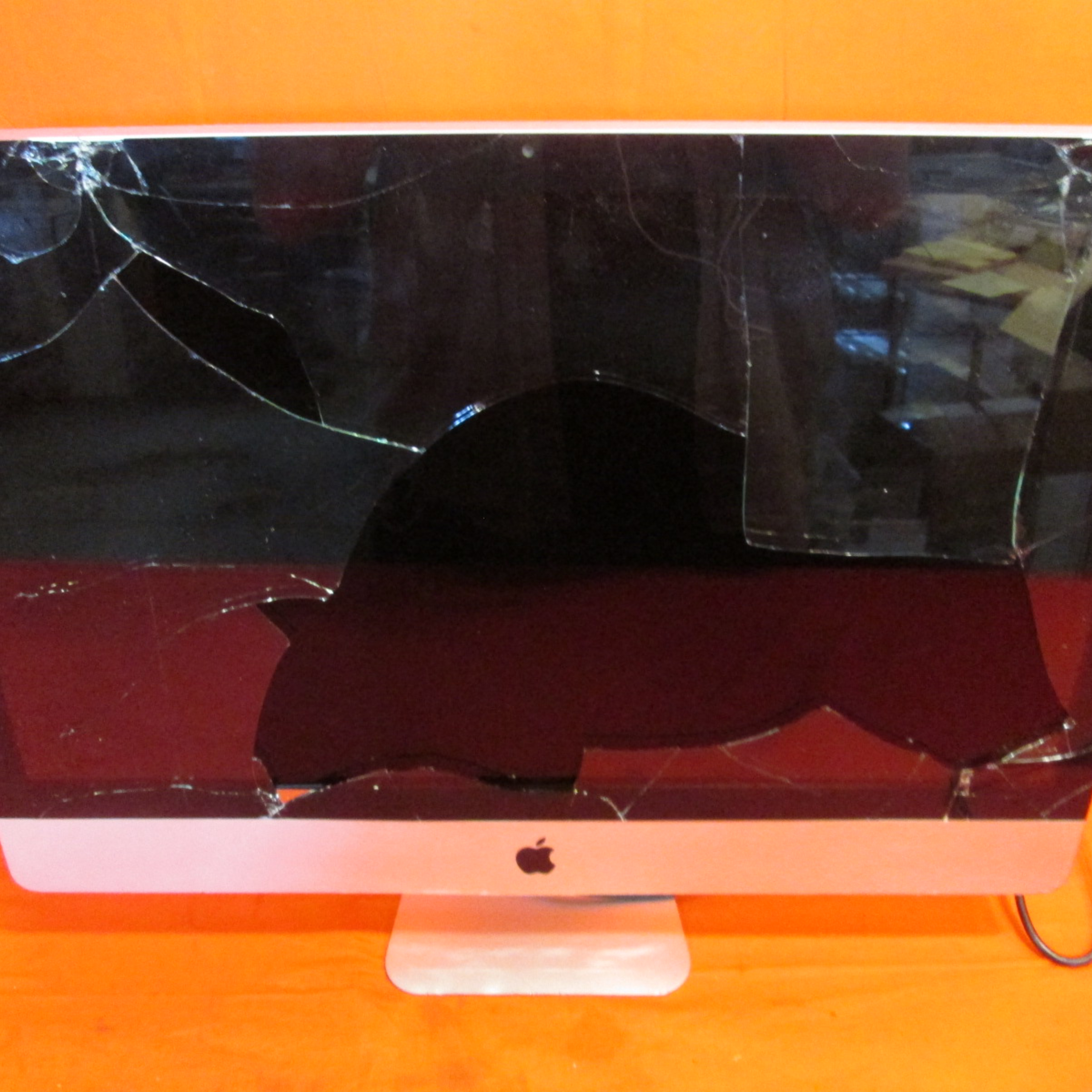
- Snazzy Labs videos on the broken iMac Pro
- Old school tape splicing techniques
- Arduino IDE 2.0
- Charm
- iTerm
- Warp
Join the Conversation
Thanks!
You’re downloading today’s show from CacheFly’s network
BackBeat Media Podcast Network
Check out more episodes at overtiredpod.com and subscribe on Apple Podcasts, Spotify, or your favorite podcast app. Find Brett as @ttscoff, Christina as @film_girl, Jeff as @jeffreyguntzel, and follow Overtired at @ovrtrd on Twitter.
Transcript
Episode 300!
[00:00:00] Intro: Tired. So tired, Overtired.
[00:00:04] Christina: You are listening to Overtired. I’m Christina Warren and I’m back, and I’m joined by my good friends, Brett Terpstra and Jeff Severance. Gunzel. Guys, I’m back.
[00:00:15] Jeff: Welcome back,
[00:00:16] Christina: Three’s back together. No, this is actually exciting. We haven’t, the three of us haven’t recorded in a few weeks and I’ve, I’ve missed you guys. I’ve missed the pod.
[00:00:23] Jeff: Yeah. We’ve missed you
[00:00:24] Brett: Yeah. Here’s what I figured out. This podcast got like significantly better when Jeff joined us, Um, and not just because now one of us can disappear and the show can go on, but because like Jeff is like a foil. Between like Christina’s tendency to info dump and my tendency to just ramble and like Jeff can like ask the questions that actually get deeper into a topic.
[00:00:50] And he does it with a very, like a calm approach that really tempers the two of us. And I love the dynamic and I have heard now every combination, just like me and Christina, Jeff and Christina, me and Jeff, and uh, it’s never been as good as it has been with the three of us.
[00:01:08] Jeff: Yeah, I
[00:01:09] Christina: Yeah, no, I totally, I I’m with you. Uh, yeah. Think the three of us balance each out. Well, actually, here’s what it is. Jeff balances me and Brett out, and then like, I balance Jeff and, uh, Brett and, and Brett, uh, balances, uh, Christina and, and
[00:01:25] Brett: We all have our quirks that need tempering.
[00:01:27] Christina: Right? That’s what I’m saying. Like we all like fit into like,
[00:01:30] Jeff: Yeah, I was gonna say I’m not, I’m not typically described as a balancing
[00:01:34] Brett: You. Okay. So your interview skills though, like the way that you ask such thoughtful questions leads to, especially when we have guests, but even when it’s just the three of us, or even like that episode you and I did where you, you interviewed me, like the questions, you, I’ve been on a ton of podcasts and I’ve been interviewed by a ton of people and it’s always been basically the same questions.
[00:01:58] And uh, like they always approach me as like some productivity guru, uh, that I don’t, that I don’t really believe is a thing. Um,
[00:02:07] Jeff: hurt people.
[00:02:09] Brett: yeah, they’re all fake. Like nobody has the answers. Don’t, don’t look to me. But you asked questions that actually were fun to talk about and really, I felt actually revealed something about like the way I work and what I do that was.
[00:02:24] Jeff: Cool. Well, it’s fun to do. I like you people. We should do a podcast.
[00:02:28] Christina: should do a podcast.
[00:02:29] Jeff: You know what? Let’s start with episode 300.
[00:02:33] Christina: Season three, baby.
[00:02:33] Brett: Oh my God. Season three we’re just, so we went to season two. We, there was a, my, a small jump in episode numbers. We took a, a long hiatus. It took us five years to get 79 episodes out.
[00:02:48] Christina: Mm-hmm.
[00:02:48] Brett: Um, and
[00:02:50] Christina: know what? I’m proud of us for actually not giving up.
[00:02:52] Jeff: Yeah. That’s awesome.
[00:02:54] Christina: podcasts, once they’d lost the consistency of weekly and then biweekly and then monthly and then bi month. I think that at a certain point they’d be like, Yeah, you know what? This is never coming back.
[00:03:03] But we,
[00:03:04] Brett: we just, we kept showing up every six months and putting out an episode to increasingly, increasingly fewer listeners. Um, but then we jumped to episode 200, uh, and, and announced season two. And we have put out in.
[00:03:20] Christina: like two years, I guess.
[00:03:21] Brett: We have, we have put out 100 actual episodes without skipping any numbers. And, and we have just hit with this episode.
[00:03:30] This is episode 300, not the 300th episode.
[00:03:34] Jeff: episode 300,
[00:03:35] Brett: It does, it does officially harken, uh, season three.
[00:03:40] Christina: Yeah. I
[00:03:41] Jeff: Season three, you know, and the Internet’s been going crazy dissecting our season three trailer. What does it
[00:03:46] Christina: have,
[00:03:47] Jeff: Um, but we’re just gonna do, we’re not gonna, we’re not gonna think about the fans. We’re not gonna think about fan expectations. We’re just gonna forward.
[00:03:56] Brett: Okay. What do we have in store for season three? What’s, what’s, what’s the hook?
[00:04:02] Christina: Yeah. What is gonna be the hook? Is there a mystery? Is there like something we’re trying to uncover?
[00:04:07] Jeff: Mm.
[00:04:07] Brett: announce a whole new segment where we review, we review talkies like.
[00:04:16] Christina: reviewed talkies.
[00:04:19] Jeff: Well, we’re releasing our own brand of microwave popcorn to go along with that,
[00:04:22] Christina: Yeah. Yeah.
[00:04:23] Jeff: I don’t think I’m spoiling anything. . The talkies, the Nickelodeon, The pictures.
Silent movies were the worst
[00:04:29] Brett: movies were the worst. Not that
[00:04:32] Jeff: Yeah, Like did you hate that part of your youth? always had to watch the Goonies on mute.
[00:04:38] Brett: No, I mean, I gotta assume that in their, in their era, they were super exciting. Like the idea of motion pictures had to be fucking mind blowing. Um, and, but like knowing what I know today, the idea of sitting through a silent movie just seems just too tedious.
[00:04:55] Christina: Well, it wasn’t completely silent like you usually had live accompaniment.
[00:04:59] Brett: piano player.
[00:05:00] Christina: Right. And then, and then at one point, then the, before the jazz singer, which was the, the first film to have synchronized sound and, um, like music. Um, I think that you then had like an era where there was some synchronized, like music that might have been recorded.
[00:05:16] Um, but, but you didn’t have like the, the, the voice stuff.
[00:05:20] Jeff: It is astonishing to think about all that happens behind the scenes to make a movie. Even in the simplest scene, I’d be like, What is the project management system that whoever has to manage all of this is using? Right? Like what could sustain it?
[00:05:36] Brett: In college, I went to art school and um, I worked grip for some of the film majors, uh, working on, you know, senior projects or whatever, and yeah. Holy shit. Even in a, a college student production movie, there is so much going on.
[00:05:54] Christina: So much. Well, and it’s, it’s, it’s, it’s interesting. I wonder like what it’s like now because, you know, I, I was in college, um, during like the, the, the digital film revolution. So like, you know, you had like, like micro DV or mini DV rather and, and then, you know, some other of the digital formats and so that, that changed how quickly you could edit versus, you know, even just a couple of years earlier, everybody was shooting on film, which would, would take a lot longer and would do things.
[00:06:18] Brett: If you ever used an ab deck, uh, to mix like two magnetic tape reels together, the idea of doing all of your movie production in something like Final Cut or what’s the Adobe version of Final Cut, to have that be your main tool set, because back then, if you wanted to make a real movie, a movie that people would enjoy, you made it on film because video looked like
[00:06:46] Christina: Because it looked like shit until digital. Yeah. And until, until DV and, and then like hdv and whatnot, like, right. Like it, it was bad. And then like the, the digital camera starting around like 2000, 2001, you started to get these decent sensors and then it got better. But yeah, you’re exactly right. But even then it was like a lot of people still, like I, I think I did one project on 16 millimeter because my university, we had, at the time, it was like one of the most advanced in, in the country.
[00:07:12] Like we had a, um, a, a digital conversion lab, um, at, at our university where like you could, you. Scan in the film and digitize it. And that was actually really fucking fascinating. And that, that was great. But like, I came of age only, like digital, Right. Or, or vhs. But there was that cut, you’re right, there was that amazing thing about you had to use film and, and cuts had to be a lot more precise.
[00:07:36] You know, You, you had like, it was, you know, you could make copies of, of, of your film obviously, but like, you know, there was a lot less room for, for error.
[00:07:46] Brett: I think everyone who is getting into filmmaking should have to make one movie on film because so much of what is modern software is based on the ideas that come from film editing and. It’s like using wax boards when you’re getting into graphic design to understand why quirk and InDesign work the way they do.
[00:08:07] Uh, it helps to really, like, you don’t have to make a good movie, you just have to have the experience.
[00:08:11] Christina: No, I, I, I, I feel the same way cuz it was one of those things where, um, you, when you’re describing the AB thing, I was like, I don’t have any experience with that, but I do obviously know those paradigms because of using mixing software. Right. And um, even like one of the first in LS that I ever used was actually something that was based off of an Amiga system, but it was this thing that my high school had, this was be before our RG three max.
[00:08:34] Um, you know, uh, you know, before we got like final cut and stuff on them. Um, It was this, this like amica based thing. It wasn’t a video toaster, but it, it used video toaster like stuff, but it was kind of like an all in one box where you would basically insert one VHS tape and then you would, because this is how bad it was, you could technically, I guess you could get one where you could plug in a higher end camera, but have one VHS tape that you pull in.
[00:08:57] Then you’d have, you know, the other VHS tape that it would record back to. And then it took hard drives. Like there were these hard drive sleds and it would basically digitize the VHS footage. And then you had this kind of rudimentary, like where you could, you know, do you know, move stuff around and then when you were done, rather than just like exporting the digitization that’s already on the hard drive to some sort of digital format, it would just like analog record back
[00:09:24] Brett: Yeah, and it would be, it would be nice to skip that shit. Like I say, I say start with film
[00:09:30] Christina: I agree with that. I agree. Do do the actual splicing.
[00:09:33] Brett: and learn to do the soundtrack on magnetic tape. Like, like do an actual film, but then jump straight to modern technology and just appreciate how fucking great it
[00:09:44] Christina: Yeah. Yeah, I mean, film is interesting too. I mean, audio, I don’t, I don’t, I don’t have any experience with that stuff. But like film, I think one of the things there too is uh, you know, the way that that exposure works because I did a lot of like film photography before I did like anything with 16 millimeter and it is so different.
[00:10:00] And that is the one weird thing is that now I do wonder obviously, like, uh, film photography has come back and vogue again, but the way that captures are shadows are captured and the way that light works is so different on that medium that it is, I think it would be a good challenge, but it would also be one of those things cuz the way you light a film, that shot on film versus something shot on video are very different.
[00:10:23] Brett: Well, like, like,
[00:10:24] Christina: but that’s also important to know.
[00:10:26] Brett: yeah, like knowing iso, knowing f stops, knowing focal lengths, like all that stuff. If you have that experience from film, uh, those tools do still exist in, in like modern camera software. It’s great to not have to think about them though,
[00:10:42] Christina: Right. It is, But I’m, But I’m even saying like, the way that you light something that’s being recorded, like with, you know, a a a, a digital camera, like digital video camera is different because the way that it picks up is different. And at least with digital, we have instant playback, which, you know, we did not have in, in, in film.
[00:11:01] Especially if you’re doing student 16 millimeter films.
[00:11:03] Brett: no. You had, you had one week later playback after you got the film developed and realized it was all fucked up.
[00:11:10] Christina: Yeah. And you’re like, you’re like, you’re like, this is completely unusable because it’s lit so poorly. Yeah.
[00:11:15] Jeff: My brother would make these short 16 millimeter films and he could shoot when he had enough money to buy a little bit of film, and then there would be some time, and then there was money to buy. Some more film and there’d be another shoot. You know, like that to me is, is one of the things that just, when I say that out loud, I feel like I’m a hundred years old.
[00:11:37] Christina: No, but it’s cool.
[00:11:38] Jeff: It’s super cool. And, and even like, you know, um, Jim Jarou, the filmmaker, you know, his second film Strangers in Paradise, Stranger Then Paradise, I forget, which is all single shot and then just hard cuts from scene to scene. Cuz he could only afford one camera
[00:11:55] Brett: Yeah.
[00:11:55] Christina: right
[00:11:56] Jeff: you know,
[00:11:56] Christina: now, that’s the
[00:11:57] Jeff: and it established for him a pacing that is still in his movies.
[00:12:01] Like it’s just, But anyway, I loved all that. The other thing he made me think about with the audio is when I worked in public radio, there was a um, like a first aid cabinet in the break room. And I remember somebody telling me like, cause I open it and there was like just nothing in it. And they’re like, you know, this thing used to be tended to better because back in the tape days we were constantly cutting tape and cutting our fingers.
[00:12:22] And so we were constantly coming to the first aid cabinet.
[00:12:25] Christina: When, when you worked in in public radio, were they already post tape or, or were they
[00:12:29] Jeff: Yeah, there were post tape, but like in the, in, in the booths where I would go to record my pieces, they have these just amazing at Minnesota Public Radio, they have like a, like three or four just amazing small individual booths, and you could just go in there and make radio. It’s like just incredible. Um, all the gears.
[00:12:46] Ready for you. It’s totally silent. Like it’s so cool. Anyway, that I had a, a friend there described like the wall in that, in that booth would’ve been just covered in cuts that were taped up.
[00:12:57] Brett: Do you know? Do you know how you cross fade on tape,
[00:13:01] Jeff: Do you cut an angle?
[00:13:02] Brett: You cut an angle, you cut a diagonal, and then you like find the, you bring the audio in and then cut the other angle and tape it back together, and that’s how you make a cross fade.
[00:13:13] Christina: amazing.
[00:13:14] Jeff: That’s amazing.
Mental Health Corner
[00:13:16] Brett: Here’s my segue to the mental health corner. I, uh, I’ve, I’ve been working in my office all day and there’s been a fly torturing me, and I’ve not been able to kill it until right before this podcast. I had a Starbucks bottle empty on my desk,
[00:13:35] Christina: Oh,
[00:13:36] Brett: flew in there and I immediately captured it. So now I’m watching it fly around and just laughing.
[00:13:41] After all of the torture it gave me, it says, vengeance,
[00:13:46] Jeff: Not today, Satan. That’s amazing. I’m really happy for you, Brett. I think that’s a good way to start season three of Victory Brett, you had to visit to Minneapolis, in which I saw you face to face for only the second time in my life.
[00:14:02] Brett: Like, we know each other so well. That I didn’t even think about it when we sat down for tacos. Like it just seemed like this is just a thing we do. And it didn’t dawn on me until halfway through the meal that, that was literally the only, the second time I’d ever met you in person.
[00:14:21] Christina: So funny,
[00:14:22] Jeff: It’s weird. And also when I picked you up in my car, it was so fucked up for that entire like first 10 minutes of driving. I just felt like my headphones were broken and I was only hearing you in my right ear. so strange. Anyway, how did it
[00:14:36] Brett: Okay, so this is mental health corner now, right? We’re we’re mental health cornering.
[00:14:42] Christina: we’re mental health corner.
[00:14:43] Jeff: we’re cornering you.
[00:14:45] Brett: I, uh, I had, so like, I, I think last time we talked I was starting to have some rough sleep, um, that I predicted was going to lead to a manic episode. Um, and it did and it kicked in, uh, in Minneapolis. Um, my first night in Minneapolis.
[00:15:04] I. Got like four hours of sleep and was awake for half the night. And, uh, yes, I was coding on a MacBook Pro at a desk in a hotel, and it kind of ruined most of Saturday for me. I, I had low enough sleep that I didn’t feel safe driving anywhere and I didn’t wanna spend all my money on Uber. So I rearranged my schedule to try to find places to eat that were within walking distance.
[00:15:33] And it’s, I was in a part of town that does not, There are parts of Minneapolis that have amazing, amazing food on every block. This was not one of them,
[00:15:46] Christina: one of them.
[00:15:47] Brett: but I was
[00:15:48] Jeff: Yeah, you were in a little Minneapolis neighborhood called downtown, which is dead to the world.
[00:15:54] Brett: like Ette Mall, not Ette, Eat Street. And a Saturday night though, Jeff came and picked me up at the hotel. He drove. We went, we went, we went to go to a really cool black owned vegan soul food place, but they were closed. Um, but we had, we had some great tacos. We had a good time. And we went to a, like a hipster bar with like girls in cardigans playing.
[00:16:20] What’s that game with the board?
[00:16:22] Christina: Yeah.
[00:16:23] Brett: Cribbage? Yeah. It was, it was a weird bar, but beers were like $5, which is pretty fucking crazy good for this day and age. Um, anyway, I drank enough that night. I may have had one beer too many, uh, because I did manage to sleep. On Saturday night, and then Sunday was a fucking blast.
[00:16:45] I had a great, I met my high school girlfriend for breakfast and, and you know, I’m a little manic, like the conversation is all over the place and she’s like, This is nothing new. Like, I knew you 25 years ago and this is nothing new. Like, I, I understand this and I’m like, Yeah, it makes sense that like you wouldn’t that, that it’s been going on that long.
[00:17:09] But we connected and it was so, uh, it was just great. It was awesome. Then I met friend of the show, Patrick Rome and his, and our friend Jason Remus for lunch at Pizza Lure, and I did not realize there’s a pizza place in Minneapolis with like five locations that will serve everything with vegan and gluten-free options.
[00:17:32] Almost everything on the menu you can get vegan and gluten-free and it’s
[00:17:37] Christina: it any good?
[00:17:38] Jeff: it’s super good.
[00:17:39] Christina: Okay.
[00:17:40] Brett: I, I, I had a vegan, gluten free, uh, like devil went down to Georgia Pizza with like sweet chili lime sauce and it was so good. Can I just add one thing
[00:17:53] Christina: Yeah, please.
[00:17:54] Brett: on my way up on Friday night, I was supposed to meet other friend of the show.
[00:17:59] Harold, Chris Harold, and I got a flat tire on the freeway and it cost me $500 to get back on the road. And enough time that we, we couldn’t meet for dinner anymore And I ended up eating in the hotel restaurant that night and then got a shitty night’s sleep and thought the trip was ruined. I thought like it was all gonna be a waste of time, but it really turned around
[00:18:23] Jeff: That’s awesome. Yeah, I remember I felt a lot of pressure on, on Saturday, cuz you had had just pretty much a shitty time and it was kind of like, all right, well now you, uh, now you give me, So let’s see how this
[00:18:34] Brett: fixed it. You were amazing. Thank you so much. But I want to hear from you guys.
[00:18:39] Jeff: Christina, you wanna go?
[00:18:41] Christina: Yeah. So, um, I’m, I’m back. I, uh, was in Chicago and then last week, I don’t remember what, Oh, I, uh, I had the, I had the, got my Covid booster, um, and uh, it cake. My ass. So when, when we needed to flake and record, I just, I couldn’t do it. Um, so, um, I’m still having some of the stomach problems. It is what it is.
[00:19:02] I’m really busy with work, which is a challenge. So I’m having a hard time like getting like my physical health, like in like fixed, because I’m genuinely at crunch time for a bunch of work things that, um, I am kind of crucial to. So I, it’s one of those things where like I, I, I can’t like, you know, like miss out on things.
[00:19:23] So, We’ll, we’ll see how that’s going. I, um, I talked to, uh, my shrink, uh, today, which was, um, uh, good, although it was, I, I’m not really sure I got. I basically went on a long tangent about nothing really related to me. Um, uh, when we were talking based on a tangent that he went on, he was telling me about some of the, uh, advances that are happening in, in ADHD meds that are non amphetamine based.
[00:19:51] So some of them are whatever the type of thing that Ritalin is, which is not an amphetamine, it’s like some other type. And then there’s, uh, a new class of drugs that are not controlled substances that there’s been some interesting, um, like research and, and, and good feedback on. So we’re gonna talk about one of them to potentially add as like, you know, in addition to my, my Dxa dream, which I obviously enjoy and need very much so.
[00:20:18] Jeff: That’s cool.
[00:20:20] Christina: Yeah, I’ll keep you guys updated cuz it was, it was interesting. He was, cuz my, my shrink keep was like telling me before I went off on my tangent, that derailed us. He was telling me about some of the, about a conference he went to, um, in, uh, New Orleans where he was learning about some of the advances and some of the, the different, you know, research and things that are happening in, in drugs to treat adhd.
[00:20:38] And I was like, Yes. Talk to me about this. This is actually interesting, not just for me, but also for my podcast. I actually thought of you two. I was like, oh, this would probably be good podcast stuff.
[00:20:48] Jeff: That’s interesting. Um, I don’t have much to report. I’m, uh, you know, I’m, Oh, actually what’s really wonderful right now is it’s autumn and it means that we are getting cool weather and I have a living room full of windows and a big old couch that we just got. We waited, I think eight months for it to be delivered.
[00:21:10] And so I can take little like mini naps there with my cat, with the breeze coming in, and it is like the best way to chill me out. It’s wonderful. So I’m just, you know, experimenting with naps.
[00:21:23] Brett: Let’s take a, let’s take a sponsor break and, uh, Christina, why don’t you tell us about Mind Bloom?
Sponsor: Mindbloom
[00:21:29] Christina: Yeah, this episode is brought to you by Mind Bloom. You just need to take better care of yourself is not a response to mental health struggles. As we’ve discussed many times on this podcast, you know all too well you live with them. Sometimes you need something more to achieve a real and lasting breakthrough.
[00:21:46] Maybe it’s time you check out a guided ketamine therapy program. Mind Bloom can help Mind. Bloom is a leader in at home ketamine therapy, offering a combination of science backed medicine with clinician and guide support for people who are looking to improve their mental health and wellbeing. Mind.
[00:22:02] Bloom connects patients to licensed psychiatric clinicians to help them achieve better outcomes with lower costs, greater convenience, and an artfully crafted experience. So to begin, take Mind Bloom’s online assessment to determine if Mind Bloom is right for you. And if you’re approved, you’ll schedule a video consult with a licensed clinician where you’ll discuss your goals and your expectations for mental health treatment.
[00:22:26] Mind Bloom will then send you a kid in the mail complete with medicine treatment materials, and tips for getting the most out of your experience after only two sessions, 87% of mind Bloom clients reported improvements in depression and 85% reported improvements in anxiety. It’s time to enter the next chapter in mental health and wellbeing.
[00:22:46] Let mind bloom guide you right now. Mind Bloom is offering our listeners $100 off your first six session program when you sign [email protected] slash Overtired and use the promo code Overtired at checkout. Go to mind bloom.com/ Overtired promo code Overtired for a hundred dollars off your first six session program today.
[00:23:08] That’s mind bloom.com/ Overtired. Promo code Overtired. Thank you. Mind bloom
Scripted
[00:23:15] Brett: Yeah, that was almost a flawless ad read
[00:23:17] Jeff: Yeah. Cold.
[00:23:19] Brett: people. People won’t know there was a minor edit at the end, but I’m really impressed that was cold for you,
[00:23:24] Christina: Yeah, that was completely cool. No, I, I literally was reading it for the first time as I was reading it out loud.
[00:23:29] Brett: Very nice. I’m very
[00:23:30] Christina: You, you almost, you would almost think that I kind of do this, like reading off a teleprompter shit for a living.
[00:23:36] Jeff: That’s awesome. Yeah. It’s funny, scripted stuff for me is it’s like it either works or it doesn’t. Like I, a lot of people don’t realize that like on public radio when the sort of, when your local, like all things considered Host is talking to a reporter about something, they’re just done, right? They’re not playing a story, They’re talking to the reporter that the reporter has typically written that whole q and a.
[00:23:57] Right. And it’s, it’s why they can sometimes sound really stiff and, um, there was a reporter, he is no longer there
[00:24:03] Brett: written The Q or the A?
[00:24:05] Jeff: both.
[00:24:06] Brett: Really? This is news to me. Okay.
[00:24:09] Jeff: Yeah. So especially in afternoon stuff, you know, if you’re hearing in our case the wonderful Tom Cran, um, talk to, or Steven John talk to a reporter about something they’ve just sort of dug up or whatever.
[00:24:21] For the most part, those are, those are scripted out. Okay. Sometimes, you know, recorded ahead of time. So there used to be a reporter at, um, and a host at, at Minnesota Public Radio, Tom Weber, who loved, he was great. He had to leave when his wife became, um, a candidate for Lieutenant Governor. And anyway, once he, I had done a story like that and I had written the thing or whatever, and he and I were in a booth trying to do this and he would ask the questions and I’d start responding from my script.
[00:24:48] And there was just this moment that was just not working. And there’s this sweet moment where he just stopped the, stopped the recorder and he just gently grabbed the script from my hands and took it out and laid it on the floor. And then we did the thing and it was fine.
[00:25:01] Christina: Aw,
[00:25:02] Jeff: It’s just so many there. It’s, it was incredible.
[00:25:04] It’s goes back to our conversation about film. It’s just incredible how many unseen, uh, things are happening, um, you know, behind the scenes with these things. It sounds like a cliche almost, but it
[00:25:16] Christina: No, but you’re right. No, and I think, I think at least like from what I understand about public radio, and again, I’ve never worked in it, but like editing there is such a huge thing, right? Like the edit is, is such a massive part. But also like to those points, if you’re doing the, the local pickups and whatnot, getting the person comfortable and, and making sure it sounds good, making sure you have the sound bite so that you can edit it into something meaningful.
[00:25:40] I don’t know.
[00:25:41] Jeff: Yeah, totally. And then how do you even make an interviewee? You do so much of interviewing people who aren’t normally interviewed in public radio. Like I, I still remember like my first week at Minnesota Public Radio and I was, I was sitting in on an interview that this reporter Jeff Jones was doing, and I still have the note page I filled just on what he said to that person in the five minutes before recording.
[00:26:05] I mean, there’s all this stuff that I’d never thought I do. I do it in every interview now, things like, Hey, you know, I’m gonna ask you some questions and I might ask you a question and you’ll feel like I already answered that and like, just go ahead and answer it anyhow. It’s okay. We don’t have to, you know, we’re just gonna kind explore a little bit, you know, Or he did this thing like where he’d.
[00:26:23] I am not going to, I’m not gonna do a lot of the normal things someone does in a conversation. I’m not gonna go uhhuh. Mm-hmm. , uhhuh, I’m not gonna laugh necessarily. Doesn’t mean that I’m not present. It’s just trying to kind of preserve your voice on the tape. You know, all these things that I just thought, man, such a, there’s such a way, and I’m sure there are reporters that don’t do any of those things, but there are so many ways to sort of hold the process and hold the person in the process.
[00:26:47] Um, that I just, I love that shit. Love it.
[00:26:50] Christina: Well, and you’re so good at it. I mean, uh, we, we were talking, uh, we were talking earlier about how you’re so good, like, uh, at bringing things out of, of Brett and I, when you talk and like your interview skills are so good, and I think that’s where it has to come from, right? Because you’ve gotten so used to having to interview people.
[00:27:05] And record them who are not used to doing that, and make them comfortable and know the right things to bring the right things out. It’s such an incredible skill. I’m so always in awe and like impressed with that. Cause that’s always something I wanna improve myself and, and I That’s that’s really cool.
[00:27:21] Jeff: Well, what that same reporter Jeff Jones taught me was you are a stand in for the listener. Like you have to try, you have to be the reporter and the listener at the same time while you’re doing the work. Right. Podcasts are like that too. It’s like we’ve all done that. We’ve all had to catch something and kind of like bring it back for a minute to make sure it all makes sense or, Yeah.
[00:27:40] Christina: All right, so, um, before I took us into this digression, which look I’m very ADHD today. Um, Brett is recovering from some things. I don’t know what my deal is
[00:27:49] Jeff: I love a good digression,
Bitchin’ Apple
[00:27:51] Christina: Um, but I was gonna say we wanna get into our, into our apple bitching, uh, segment because we had some really good stuff pre, uh, Prepo, uh, Jeff, uh, bitched to us a a about your, your apple wo.
[00:28:04] Jeff: Well, the one here, I’m gonna start with one that I didn’t mention. So I own an iMac Pro, which, you know, up until these latest M one max came out, it was like my favorite computer ever. Um, and, and I had, it was a work computer, so it was, you know, I, I went all the way with it. It’s expensive, you know, somewhere around like five grand or maybe six, I can’t remember.
[00:28:26] Um, just a wonderful computer. Um, and a few months back, or maybe a year back, I wanted to put it on a monitor arm. So I had to buy the, like, what is it? Visa? Visa?
[00:28:37] Christina: Yeah. You had to get the base of After Kit. Oh
[00:28:40] Jeff: Yeah. Which is just, it’s a little square on the, So basically you take the standout, you put the square in the place, $80 to, to buy this thing.
[00:28:47] It’s beautiful. I
[00:28:48] Christina: And it’s a, but it’s a piece of shit kit.
[00:28:51] Jeff: It’s not a great kit. And, and so I, I put that on and then I, I retired it for a little while. Just let it, I let it have a season off this whole computer, right? So I probably haven’t used it in six or seven months. And I realized I wanted it to be running some, just some, uh, file processing stuff, um, processing like a hundred thousand PDFs for investigative project.
[00:29:12] And I just wanted it to be over there working. So I’ll put the stand back on it. Okay, so first of all, this is so tedious, but I’m just gonna bring a lot of emotion to it and hope that it makes it less tedious, first of all, just to get the stand off. So if you can picture, it’s, I mean, you guys know, it’s like, it looks like a monitor and then it’s just got a little l stand on it.
[00:29:31] L stand goes into the back. If you were to look at it from the back, it’s a beautiful transition. God damn it, you know, great work. You can’t see the screws or how it hooks up or anything. And it turns out that to get it out, you have to use like a credit card or a business card, and you kind of jam it in, in the most like, In elegant way, right?
[00:29:50] Like this, this elegant machine that you’re already setting this like $6,000 machine down on its face. You just don’t wanna be doing a lot at that point, right? And so you, you stick a little card in and it pops out just enough so you can remove something like eight of the tiniest screws you’ve ever seen in your life.
[00:30:08] And again, it comes out, it’s got all these little holes. It’s beautiful. I mean, for, as a person who likes to make things and even likes to make things with metal, like it’s just, it’s gorgeous, right? But it’s a huge fucking pain in the ass. And so I get the thing out and I go, Well, I hope I never have to put that stand back in.
[00:30:24] Spoiler. I had to put that stand back in this weekend. And I thought I, I had all the screws on, I screwed them in just like I had unscrewed ’em. I watched a video, everything, and I get a little card stick in there so I can stick it in and then glide the stand all the way in. And in the course of doing that, I sheer off the heads of all eight of the screws. The screws are now stuck inside of this little mounting bracket without a way to get them out. I try to get those screws out, but I end up nicking up the, the metal, you know, and, and I’m,
[00:30:58] Christina: there, there’s, there are these really terrible, um, uh, quality screws of, uh, Quinn from SNA Labs made a video four years ago, uh, called the Apple Storage Genius Bar. Broke my $5,000
[00:31:10] Jeff: I found that after I broke mine.
[00:31:12] Christina: Yep. I was gonna say, if you, he’s active on Twitter, you might wanna reach out to him and
[00:31:16] Jeff: Maybe I will. Yeah, that’s a
[00:31:18] Christina: see if you can get some advice or something.
[00:31:19] But also if you took it to the Apple Store, even if you’re out of warranty, they might have to do something for you. But I know that that would mean then you’re, and I don’t have the computer,
[00:31:28] Jeff: Well, I wasn’t using the computer anyhow, so I’m I’ll do that. You know what’s crazy is if this, I mean, I don’t know if it’s free, that’s no problem. But if it’s not, if this wasn’t a work computer, I’d be freaking out. Cause like I, this is expensive computer and I, I gummed it all up now. The metal’s all
[00:31:45] Christina: Oh yeah, no, totally. Yeah. So, so, so, so, uh, listeners, we’ve got in the show notes links to, uh, Quinn’s two videos because that whole thing, like the way that kit worked, it was really great that they had like a VA kit that you could buy so that you didn’t have to choose at the time. Like my iMac that I’m recording this on, I bought the Vasa version because you have to choose when you, when you buy it.
[00:32:07] And so mine is on, um, a stand. The same thing with my studio display is also, I got, I got the base version, uh, because Apple, for whatever reason, Doesn’t let you choose unless you either bought the iMac Pro where they then sold a kit that they sold that had these terrible quality screws. Or, um, you know, if you get like the, the, um, whatever the Apple display is, uh, the, the XDR display, that one you can spend a couple hundred dollars to also get a, a basic hit for.
[00:32:36] But um, yeah, like the fact that you, you buy this thing, you know, and it has these, it’s, you know, it’s not even a cheap tool that, as you said, it’s kind of difficult to get on and off, and then the quality of the screws, like they break off and they break off inside the thing, like it’s just terrible.
[00:32:52] Jeff: Yeah. Yeah. It was crazy. And for me, it’s just one in a, in a line of things like this, where it’s like, I know I’m, I’m, I’m the guy that’s deciding to spend this much money on my computing, uh, you know, passion . But like the other thing that’s happened to me is I have an M one MacBook Pro, which is awesome.
[00:33:13] I love it. Love it to death. And I got the cow digit, what is it called? The thunder.
[00:33:19] Christina: Yeah. Yeah. The, the TS four, The Thunder Bowl four doc.
[00:33:22] Jeff: four doc because like even though thank you Apple, you added a few fucking ports to the computer. I’m really grateful to you. Uh, I still need more. And so I, I waited it out until this cow digit thing was in stock, and now there’s a bug with that thing where it just automatically ejects my, my, uh, fucking drives or it just resets my screens or whatever.
[00:33:44] And I’m just like, What world am I living in? I’m definitely not living in a world where I spend 5,000 on machines. Like,
[00:33:51] Brett: quick, quick quest. Quick question. When it ejects your drives, does it also remount them?
[00:33:56] Jeff: yeah.
[00:33:57] Brett: Because I get these, I get all these notifications. You, you’ve unsafely ejected this external drive. But then I go to find her and it’s still connected. Like I just, It like flick flickers. Yeah.
[00:34:11] Jeff: Yeah. And then I mean, just add to that, while I’m complaining and I, I really, really understand that I am blessed to have a job that buys me these lovely computers. Um, but I also am some