
OVERSHOOT | Shrink Toward Abundance
Population Balance
Show overview
OVERSHOOT | Shrink Toward Abundance has been publishing since 2016, and across the 10 years since has built a catalogue of 120 episodes. That works out to roughly 120 hours of audio in total. Releases follow a monthly cadence.
Episodes typically run an hour to ninety minutes — most land between 56 min and 1h 6m — and the run-time is fairly consistent across the catalogue. None of the episodes are flagged explicit by the publisher. It is catalogued as a EN-language Science show.
The show is actively publishing — the most recent episode landed 1 weeks ago, with 17 episodes already out so far this year. The busiest year was 2024, with 27 episodes published. Published by Population Balance.
From the publisher
OVERSHOOT tackles today's interlocked social and ecological crises driven by humanity's excessive population and consumption. The podcast explores needed narrative, behavioral, and system shifts for recreating human life in balance with all life on Earth. With expert guests from wide-ranging disciplines, we examine the forces underlying overshoot: from patriarchal pronatalism that is fueling overpopulation, to growth-biased economic systems that lead to consumerism and social injustice, to the dominant worldview of human supremacy that subjugates animals and nature. Our vision of 'shrinking toward abundance' inspires us to seek pathways of transformation that go beyond technological fixes toward a new humanity that honors our interconnectedness with all beings. Hosted by Nandita Bajaj and Alan Ware.
Latest Episodes
View all 120 episodesCreating an Ecocivilization | Jeremy Lent
Birthgap Debunked | Nandita Bajaj, Zachary Neal, and Jenna Watling Neal (from The Dissenter podcast)
Beyond Human Supremacy | Eileen Crist (REPLAY)
The Ghastly Costs of Population Denial | Corey Bradshaw
Animals and the Right to Politics | Sue Donaldson and Will Kymlicka
The History and Future of Collapse | Luke Kemp
Becoming Grounded in Deep Time | Marcia Bjornerud
The Hoax of Lab-Grown Meat | Vasile Stănescu
Pronatalism, a Conversation with Nandita Bajaj and Michele Goodwin | Ask a Feminist Podcast
South Korea's No-Birth Generation | Ji-Hye Jeong

Falling Birth Rates are Not a Crisis | Philip N. Cohen
Sociologist Philip N. Cohen debunks the pronatalist claims on both the right and left that falling birth rates spell disaster. Noting that pronatalism is a key feature of authoritarian states, Cohen warns that the adoption of the problematic 'fertility crisis' framing among liberals is paving the way for coercive right-wing policies, and why we must abandon this narrative. We also explore evolving definitions of family beyond the traditional model and why public-facing scholarship matters more than ever. Highlights include: Why framing low birth rates as a crisis on the political left can push policy toward coercive pronatalism when those incentive-based approaches fail; Why left-leaning policies like healthcare, education, housing, and childcare should be pursued on justice-based grounds, not in an attempt to raise birth rates; Why right-wing pronatalism is often tied to not just economic growth concerns but also to xenophobic, racist, and anti-feminist agendas that serve to entrench male dominance; Why fears of population collapse are overstated and overlook the realities of delayed childbirth and the unreliability of long-term demographic projections; How lower birth rates create additional resources and improved opportunities for younger generations; Why media's 'both-sides' framing of demographic debates leads to unqualified pronatalist proponents being amplified; Why we should consider taxing marriage, not subsidizing it, given the numerous benefits attached to marriage; Why academics should move beyond the ivory tower to share clear, engaging, and useful knowledge with the public as active 'citizen scholars' in a democratic society; How the core caregiving role of families endures even as their forms and definitions continue to evolve and diversify in the modern era. See episode website for show notes, links, and transcript: https://www.populationbalance.org/podcast/philip-cohen OVERSHOOT | Shrink Toward Abundance OVERSHOOT tackles today's interlocked social and ecological crises driven by humanity's excessive population and consumption. The podcast explores needed narrative, behavioral, and system shifts for recreating human life in balance with all life on Earth. With expert guests from wide-ranging disciplines, we examine the forces underlying overshoot: from patriarchal pronatalism that is fueling overpopulation, to growth-biased economic systems that lead to consumerism and social injustice, to the dominant worldview of human supremacy that subjugates animals and nature. Our vision of shrinking toward abundance inspires us to seek pathways of transformation that go beyond technological fixes toward a new humanity that honors our interconnectedness with all beings. Hosted by Nandita Bajaj and Alan Ware. Brought to you by Population Balance. Subscribe to our newsletter here: https://www.populationbalance.org/subscribe Support our work with a one-time or monthly donation: https://www.populationbalance.org/donate Learn more at https://www.populationbalance.org Copyright 2016-2026 Population Balance

Combatting the Extinction Crisis | Stephanie Feldstein and Tierra Curry
Biodiversity is collapsing under the pressures of human overpopulation, overconsumption, and animal agriculture. Tierra Curry and Stephanie Feldstein of the Center for Biological Diversity explain how science, law, and advocacy can protect wildlife and wild places. They also share strategies for combating extinction and staying motivated to act in an age of ecological crisis. Highlights include: Why human population pressure, industrial animal agriculture, and growth economies are key issues that the Center addresses, even though they are often ignored or treated as taboo by most environmental organizations; How rapid, human-driven extinctions are mutilating the tree of life, and why biodiversity is essential not just for wellbeing and thriving of all the species, but also for human survival; How water and other ecosystems in the U.S. are threatened by lax regulation, industrial agriculture, and political attacks on protections like the Endangered Species Act, Clean Water Act, and Clean Air Act; Why industrial agriculture's promotion of pasture grazing and regenerative agriculture is based on myths, and what the facts show about meat reduction as the most effective strategy to preserve habitats and wild animals; How positive change requires both individual action, such as plant-based diets, and collective political action to protect ecosystems and biodiversity; Why love of the natural world spurs both Stephanie and Tierra to action, despite immense ecological grief. See episode website for show notes, links, and transcript: https://www.populationbalance.org/podcast/stephanie-feldstein-tierra-curry OVERSHOOT | Shrink Toward Abundance OVERSHOOT tackles today's interlocked social and ecological crises driven by humanity's excessive population and consumption. The podcast explores needed narrative, behavioral, and system shifts for recreating human life in balance with all life on Earth. With expert guests from wide-ranging disciplines, we examine the forces underlying overshoot: from patriarchal pronatalism that is fueling overpopulation, to growth-biased economic systems that lead to consumerism and social injustice, to the dominant worldview of human supremacy that subjugates animals and nature. Our vision of shrinking toward abundance inspires us to seek pathways of transformation that go beyond technological fixes toward a new humanity that honors our interconnectedness with all beings. Hosted by Nandita Bajaj and Alan Ware. Brought to you by Population Balance. Subscribe to our newsletter here: https://www.populationbalance.org/subscribe Support our work with a one-time or monthly donation: https://www.populationbalance.org/donate Learn more at https://www.populationbalance.org Copyright 2016-2026 Population Balance

AI and the Decline of Human Agency | Jacob Ward
AI, under the dangerous control of tech oligarchs, is creating a world with shrinking human choice, creativity, and connection. Technology journalist Jacob Ward, author of The Loop: How Technology is Creating a World without Choices and How to Fight Back, describes why restraint and resistance are necessary to fight back against the AI juggernaut. Highlights include: How tech journalism emphasizes novelty and business profits and amplifies tech companies' hype as journalists seek to maintain access to powerful tech leaders; How profit-driven AI exploits a human bias toward fast, easy thinking and decision-making that leads us to outsource our choices and judgment to automated systems; Why AI large language models (LLMs) are like cover bands providing the 'greatest hits' of humanity's past achievement - an 'artificial hive mind' that is biased toward middle-of-the-road, derivative, and unoriginal ideas; How impersonal, unaccountable, 'black box' AI decision-making creates Kafka-esque systems in government services, jobs, and loans - disproportionately harming the least powerful in society; Why AI large language models are 2 to 3 times more biased than the average person across various cultural and demographic dimensions; How AI will increase addiction and social isolation, replacing real-world relationships with flattering, always available chatbot 'friends'; Why our collective sense-making and democratic decision-making will be further threatened by AI - creating even more tightly sealed, individually customized information bubbles that conform to our feelings, not the truth; How many tech oligarchs pushing AI are also involved in genetic engineering projects with the aim of breeding 'optimized' babies; Why tech companies' legal liability and U.S. states' AI regulations are hopeful avenues of AI pushback; Why we need to rediscover the value of restraint and realize that not all innovation is beneficial for humanity and the planet. See episode website for show notes, links, and transcript: https://www.populationbalance.org/podcast/jacob-ward OVERSHOOT | Shrink Toward Abundance OVERSHOOT tackles today's interlocked social and ecological crises driven by humanity's excessive population and consumption. The podcast explores needed narrative, behavioral, and system shifts for recreating human life in balance with all life on Earth. With expert guests from wide-ranging disciplines, we examine the forces underlying overshoot: from patriarchal pronatalism that is fueling overpopulation, to growth-biased economic systems that lead to consumerism and social injustice, to the dominant worldview of human supremacy that subjugates animals and nature. Our vision of shrinking toward abundance inspires us to seek pathways of transformation that go beyond technological fixes toward a new humanity that honors our interconnectedness with all beings. Hosted by Nandita Bajaj and Alan Ware. Brought to you by Population Balance. Subscribe to our newsletter here: https://www.populationbalance.org/subscribe Support our work with a one-time or monthly donation: https://www.populationbalance.org/donate Learn more at https://www.populationbalance.org Copyright 2016-2026 Population Balance
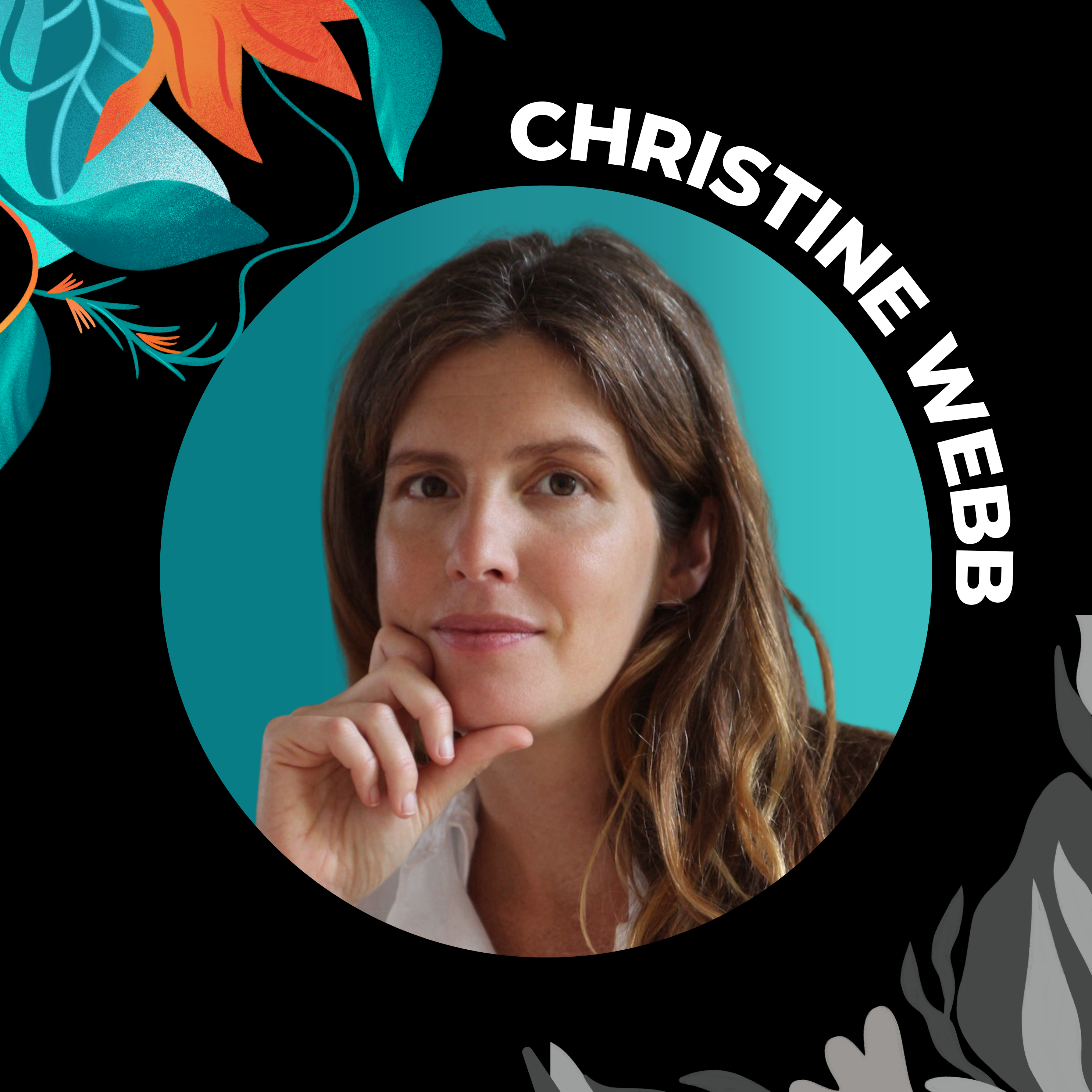
Confronting Human Exceptionalism | Christine Webb
The myth of human exceptionalism casts humans as separate from and superior to the rest of life. Primatologist Christine Webb, author of The Arrogant Ape, dismantles this belief, showing how science and culture sustain human exceptionalism - and why replacing it with awe and empathy for the natural world is essential to life's future on Earth. Highlights include: How an early experience with Bear the baboon led Christine to a deep insight about nonhuman animals' complex theory of mind - the ability to know what others know; How human exceptionalism is deeply rooted in Western thought from Aristotle through medieval Christianity to the Enlightenment and modern science; How human exceptionalism influences both the research questions asked and the methods used in primate research and science in general - such as using symbolic language tests on captive animals that privilege human cognition, and self-recognition mirror tests that privilege visually dominant animals like humans and disadvantage animals like dogs that 'see' with their sense of smell; Why animals should be studied in their natural habitats, taking seriously each species' worldview, and developing relationships with individual animals grounded in mutual accommodation and trust which allows them to show who they really are; How many Indigenous societies have long understood animals as individuals with agency and autonomy who structure their own societies - a relational understanding Western science has only recently begun to recognize; Why empathy, the attempt to understand the "minded life of another being", must be "un-tabooed" in Western science; How human population pressure, in addition to driving animal depopulation and extinction, also reduces the complexity of animals' social relationships and cultural diversity; Why "human exemptionalism", the belief that technology will save humanity from environmental limits, is a delusional form of human exceptionalism; How her book ultimately calls us to resist the inherited role of the "arrogant ape" through everyday awe practices, such as "slow-looking" practices in nature that shift our perspective toward deeper understanding and appreciation of the more-than-human world. See episode website for show notes, links, and transcript: https://www.populationbalance.org/podcast/christine-webb OVERSHOOT | Shrink Toward Abundance OVERSHOOT tackles today's interlocked social and ecological crises driven by humanity's excessive population and consumption. The podcast explores needed narrative, behavioral, and system shifts for recreating human life in balance with all life on Earth. With expert guests from wide-ranging disciplines, we examine the forces underlying overshoot: from patriarchal pronatalism that is fueling overpopulation, to growth-biased economic systems that lead to consumerism and social injustice, to the dominant worldview of human supremacy that subjugates animals and nature. Our vision of shrinking toward abundance inspires us to seek pathways of transformation that go beyond technological fixes toward a new humanity that honors our interconnectedness with all beings. Hosted by Nandita Bajaj and Alan Ware. Brought to you by Population Balance. Subscribe to our newsletter here: https://www.populationbalance.org/subscribe Support our work with a one-time or monthly donation: https://www.populationbalance.org/donate Learn more at https://www.populationbalance.org Copyright 2016-2026 Population Balance

The Dystopian Delusions of Tech Overlords | Adam Becker
Silicon Valley billionaires, such as Elon Musk, Jeff Bezos, and Sam Altman, promise salvation through space colonization, immortality, superintelligent AI, and endless growth. Adam Becker, astrophysicist and author of More Everything Forever: AI Overlords, Space Empires, and Silicon Valley's Crusade to Control the Fate of Humanity, debunks these profoundly immoral and biophysically impossible delusions, and explains why resisting them through collective action is essential. Highlights include: How tech billionaires confuse science fiction for reality and why their fantasies of space colonization are biophysically impossible; Why Artificial General Intelligence (AGI) remains an ill-defined concept that is based in the false assumption that humans' evolved brains work like computing machines; Why large language models (LLMs), the dominant form of AI, are neither creative nor accurate enough to achieve the dreamed-for leap in machine intelligence; What the end of Moore's Law tells us about diminishing returns to technological complexity and the expectation of endless technological growth; Why longtermism is a dangerous ideology of technological salvation and endless growth, prioritizing hypothetical future populations while excusing present-day social injustice and ecological destruction; How the fear of death underlies techno-utopian off-planet and transhumanist fantasies; Why resisting their oligarchic visions requires calling out the ridiculousness of their ideas and organizing collectively to push back both politically and economically. See episode website for show notes, links, and transcript: https://www.populationbalance.org/podcast/adam-becker OVERSHOOT | Shrink Toward Abundance OVERSHOOT tackles today's interlocked social and ecological crises driven by humanity's excessive population and consumption. The podcast explores needed narrative, behavioral, and system shifts for recreating human life in balance with all life on Earth. With expert guests from wide-ranging disciplines, we examine the forces underlying overshoot: from patriarchal pronatalism that is fueling overpopulation, to growth-biased economic systems that lead to consumerism and social injustice, to the dominant worldview of human supremacy that subjugates animals and nature. Our vision of shrinking toward abundance inspires us to seek pathways of transformation that go beyond technological fixes toward a new humanity that honors our interconnectedness with all beings. Hosted by Nandita Bajaj and Alan Ware. Brought to you by Population Balance. Subscribe to our newsletter here: https://www.populationbalance.org/subscribe Support our work with a one-time or monthly donation: https://www.populationbalance.org/donate Learn more at https://www.populationbalance.org Copyright 2016-2026 Population Balance
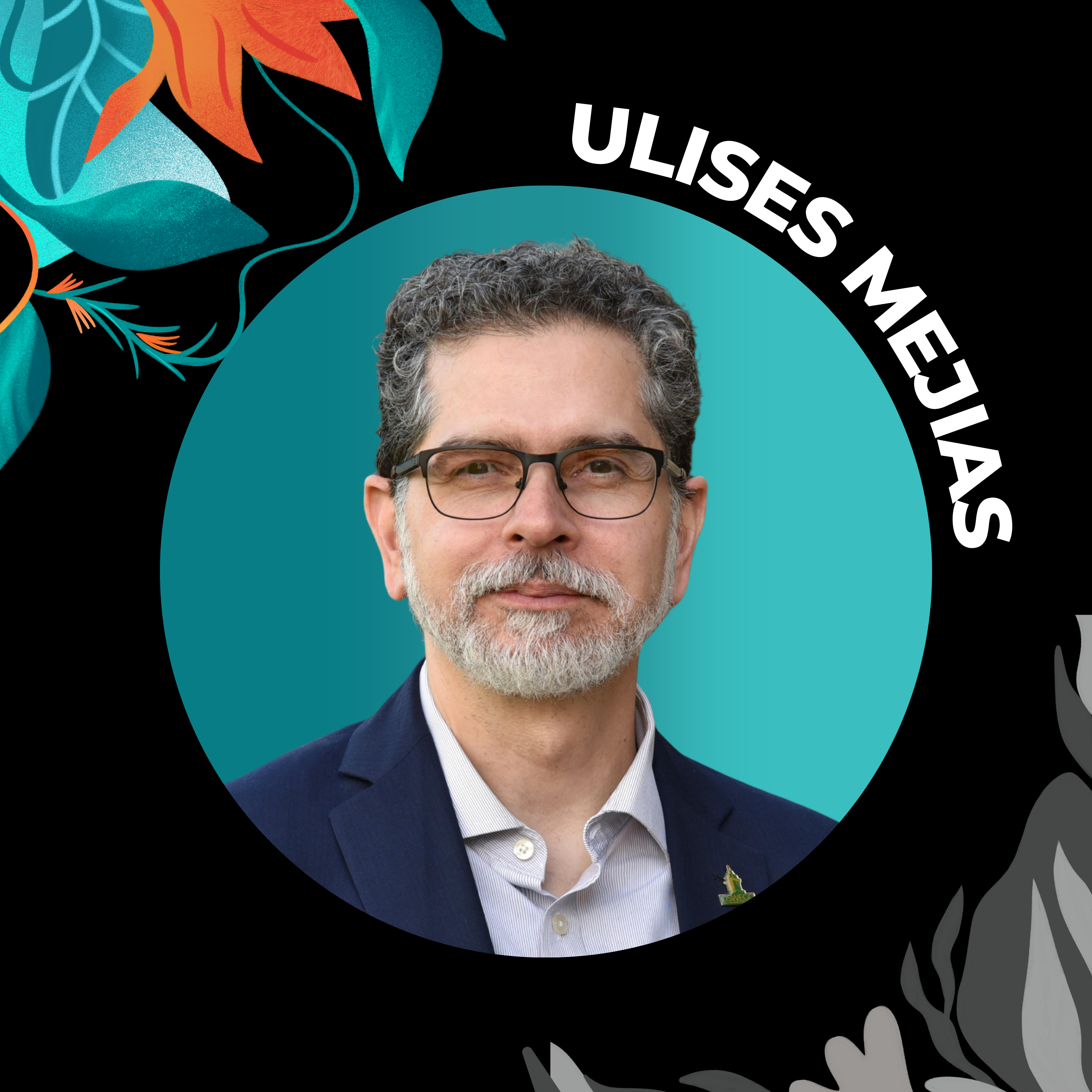
Data Grab: The New Colonialism | Ulises Mejias
Data is the resource, and our lives are the territory. Ulises Mejias, co-author of Data Grab: The New Colonialism of Big Tech and How to Fight Back, reflects on data colonialism as a new social order that extends the extractive logic of historical colonialism into our everyday lives. Highlights include: How terms of digital service agreements, written in dense legalese, resemble past colonial proclamations to indigenous people intended to dispossess; How data colonialism, a system of continuous data extraction from our everyday lives, mirrors traditional colonialism in that both generate wealth for the few and enable new forms of social and behavioral control; Why colonialism was essential for the development of capitalism and remains central in understanding today's data-driven capitalism; How data colonialism uses the 4 X's of traditional colonialism - explore, expand, exploit, and exterminate - to move into new 'data territories' like education, health, agriculture, policing, and war; How both traditional and data colonialism use 'civilizing narratives' to justify their extraction and colonize peoples' minds; How AI amplifies the worst of bureaucratic proceduralism and the costs fall on the least powerful in society; What resistance to data colonialism can learn from resistance to traditional colonialism: working within the system, against the system, and beyond the system. See episode website for show notes, links, and transcript: https://www.populationbalance.org/podcast/ulises-mejias OVERSHOOT | Shrink Toward Abundance OVERSHOOT tackles today's interlocked social and ecological crises driven by humanity's excessive population and consumption. The podcast explores needed narrative, behavioral, and system shifts for recreating human life in balance with all life on Earth. With expert guests from wide-ranging disciplines, we examine the forces underlying overshoot: from patriarchal pronatalism that is fueling overpopulation, to growth-biased economic systems that lead to consumerism and social injustice, to the dominant worldview of human supremacy that subjugates animals and nature. Our vision of shrinking toward abundance inspires us to seek pathways of transformation that go beyond technological fixes toward a new humanity that honors our interconnectedness with all beings. Hosted by Nandita Bajaj and Alan Ware. Brought to you by Population Balance. Subscribe to our newsletter here: https://www.populationbalance.org/subscribe Support our work with a one-time or monthly donation: https://www.populationbalance.org/donate Learn more at https://www.populationbalance.org Copyright 2016-2026 Population Balance

Epicurean Simplicity | Stephanie Mills
Shaped by fears of overpopulation and ecological collapse, Stephanie Mills was launched into prominence with her 1969 college commencement vow not to have children. A long-time bioregionalist, Mills reflects on decades of questioning growth and cultivating a rooted relationship with the living world, and explains why bioregional living will become a necessity as global industrial civilization continues to unravel. She finds solace in and advocates for an Epicurean simplicity - choosing the simple pleasures of community, place, and nature. Highlights include: How the conversation around overpopulation has shifted over time and why today's birth-rate panic and pronatalist politics are a retrograde distraction from the deeper failures of growth-based economics; How exposure to bioregionalist ideas and people and a deep desire to reconnect with land led Stephanie from urban San Francisco to rural Michigan in the 1980s; Why our sense of awe and meaning arose within wild and biodiverse habitat and what we lose when nature is reduced to resources that feed the technosphere; Why ecological restoration and bioregionalism are fundamentally community endeavors, grounded in cooperation, mutual aid, and shared stewardship; How learning the natural history, watershed, and foodshed of one's place help us become more bioregional in thought and action; How 'epicurean simplicity' provides a materially simple but inwardly rich approach to living, helping us distinguish needs from wants and avoiding the pain caused by a life of 'getting and spending'. See episode website for show notes, links, and transcript: https://www.populationbalance.org/podcast/stephanie-mills OVERSHOOT | Shrink Toward Abundance OVERSHOOT tackles today's interlocked social and ecological crises driven by humanity's excessive population and consumption. The podcast explores needed narrative, behavioral, and system shifts for recreating human life in balance with all life on Earth. With expert guests from wide-ranging disciplines, we examine the forces underlying overshoot: from patriarchal pronatalism that is fueling overpopulation, to growth-biased economic systems that lead to consumerism and social injustice, to the dominant worldview of human supremacy that subjugates animals and nature. Our vision of shrinking toward abundance inspires us to seek pathways of transformation that go beyond technological fixes toward a new humanity that honors our interconnectedness with all beings. Hosted by Nandita Bajaj and Alan Ware. Brought to you by Population Balance. Subscribe to our newsletter here: https://www.populationbalance.org/subscribe Support our work with a one-time or monthly donation: https://www.populationbalance.org/donate Learn more at https://www.populationbalance.org Copyright 2016-2026 Population Balance
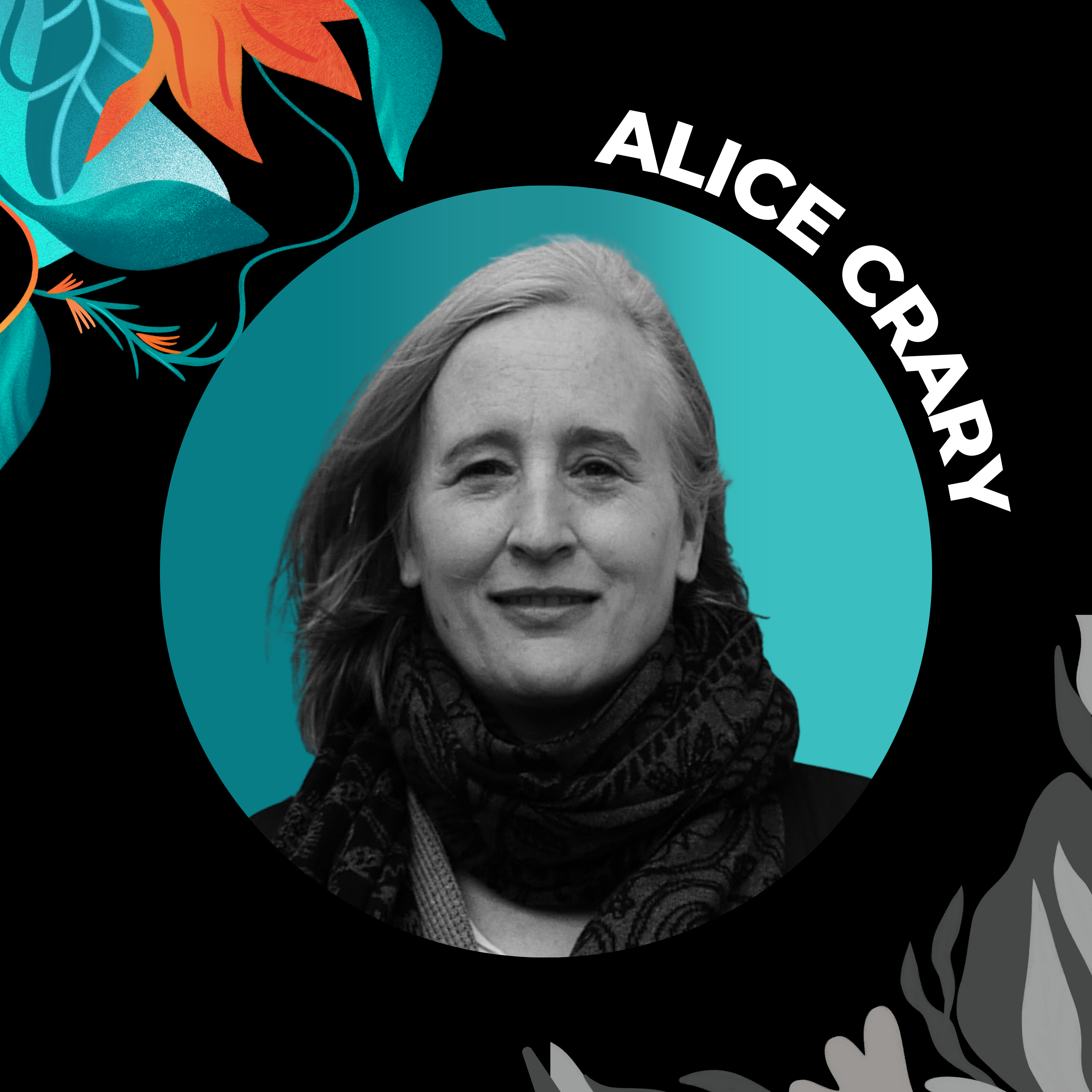
The Dangers of Effective Altruism | Alice Crary
Effective altruism's technocratic worldview narrows our moral imagination and helps sustain human and animal injustice. Philosopher Alice Crary argues that effective altruism (EA) and longtermism, both shaped by Silicon Valley's techno-utopian fantasies, ignore social structures of oppression and offer either incremental welfarism or galactic transhumanism over genuine animal and human liberation. Highlights include: Why effective altruists treat concerns about personal integrity as a form of self-indulgence; How EA's welfarist approach functions as a band-aid that allows its billionaire funders and organizations like Open Philanthropy, Animal Charity Evaluators, and Faunalytics to avoid confronting the larger systems generating animal and human oppression; How longtermism - rooted in Silicon Valley transhumanist ideology - both preceded EA and continues to shape EA's pro-technology stance; What longtermism's emphasis on maximizing numbers of future off-planet, posthuman beings reveals about its disregard for present-day ecological and social crises; Why EA and longtermists are some of the biggest champions of declining-birth-rate panic; Why longtermist transhumanism reframes existential risk not as threats to social justice or planetary limits but as anything that obstructs an off-planet, techno-utopian future - including growth-limiting social and ecological movements. See episode website for show notes, links, and transcript: https://www.populationbalance.org/podcast/alice-crary OVERSHOOT | Shrink Toward Abundance OVERSHOOT tackles today's interlocked social and ecological crises driven by humanity's excessive population and consumption. The podcast explores needed narrative, behavioral, and system shifts for recreating human life in balance with all life on Earth. With expert guests from wide-ranging disciplines, we examine the forces underlying overshoot: from patriarchal pronatalism that is fueling overpopulation, to growth-biased economic systems that lead to consumerism and social injustice, to the dominant worldview of human supremacy that subjugates animals and nature. Our vision of shrinking toward abundance inspires us to seek pathways of transformation that go beyond technological fixes toward a new humanity that honors our interconnectedness with all beings. Hosted by Nandita Bajaj and Alan Ware. Brought to you by Population Balance. Subscribe to our newsletter here: https://www.populationbalance.org/subscribe Support our work with a one-time or monthly donation: https://www.populationbalance.org/donate Learn more at https://www.populationbalance.org Copyright 2025 Population Balance
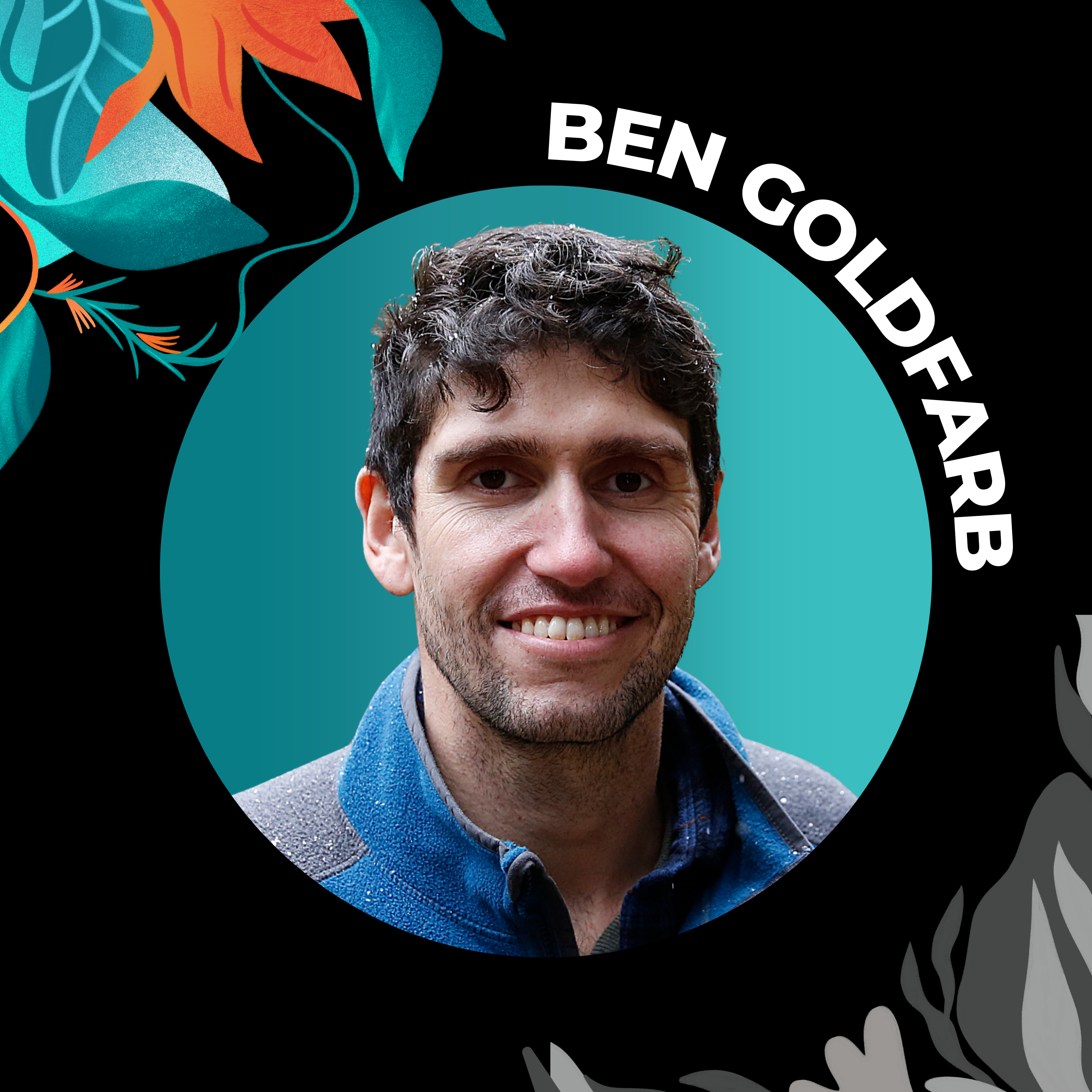
An "Abundance Agenda" for Nature | Ben Goldfarb
We need an "abundance agenda" for nature. Ben Goldfarb, environmental journalist and author, challenges the techno-fix growth agenda that delivers an abundance of concrete and condos and a scarcity of wildness and wildlife. He urges us to replace extinction-prevention minimalism with a bolder commitment to restoring the abundance of keystone species, thriving ecosystems, and the freedom of wildlife to roam, migrate, and flourish. Highlights include: Why the so-called "abundance agenda" and its proposed weakening of environmental laws creates an abundance of concrete and a scarcity of nature; How the renewable energy abundance of solar and wind farms, and AI data centers, spells even greater destruction of wildlife habitat; How 40 million miles of global roads devastate ecosystems through roadkill, noise, and pollution - and why electric vehicles aren't the solution; Why the "development agenda", including the building of highways and induced demand for transportation, have been used as tools to subjugate the most marginalized human communities; Why the first rule of environmentally sound road building is asking whether a new road is needed at all; Why true abundance for wildlife depends on their ability to roam and migrate long distances, as shown by the Yellowstone-to-Yukon corridor; How beavers generate extraordinary ecological benefits for both wildlife and humans; Why restoring keystone species such as beavers, salmon, prairie dogs, and sea otters creates nature abundance by rebuilding biodiverse ecosystems; Why fish and marine creatures are undervalued and how their beauty and ecological importance emerge when we pay closer attention. See episode website for show notes, links, and transcript: https://www.populationbalance.org/podcast/ben-goldfarb OVERSHOOT | Shrink Toward Abundance OVERSHOOT tackles today's interlocked social and ecological crises driven by humanity's excessive population and consumption. The podcast explores needed narrative, behavioral, and system shifts for recreating human life in balance with all life on Earth. With expert guests from wide-ranging disciplines, we examine the forces underlying overshoot: from patriarchal pronatalism that is fueling overpopulation, to growth-biased economic systems that lead to consumerism and social injustice, to the dominant worldview of human supremacy that subjugates animals and nature. Our vision of shrinking toward abundance inspires us to seek pathways of transformation that go beyond technological fixes toward a new humanity that honors our interconnectedness with all beings. Hosted by Nandita Bajaj and Alan Ware. Brought to you by Population Balance. Subscribe to our newsletter here: https://www.populationbalance.org/subscribe Support our work with a one-time or monthly donation: https://www.populationbalance.org/donate Learn more at https://www.populationbalance.org Copyright 2025 Population Balance
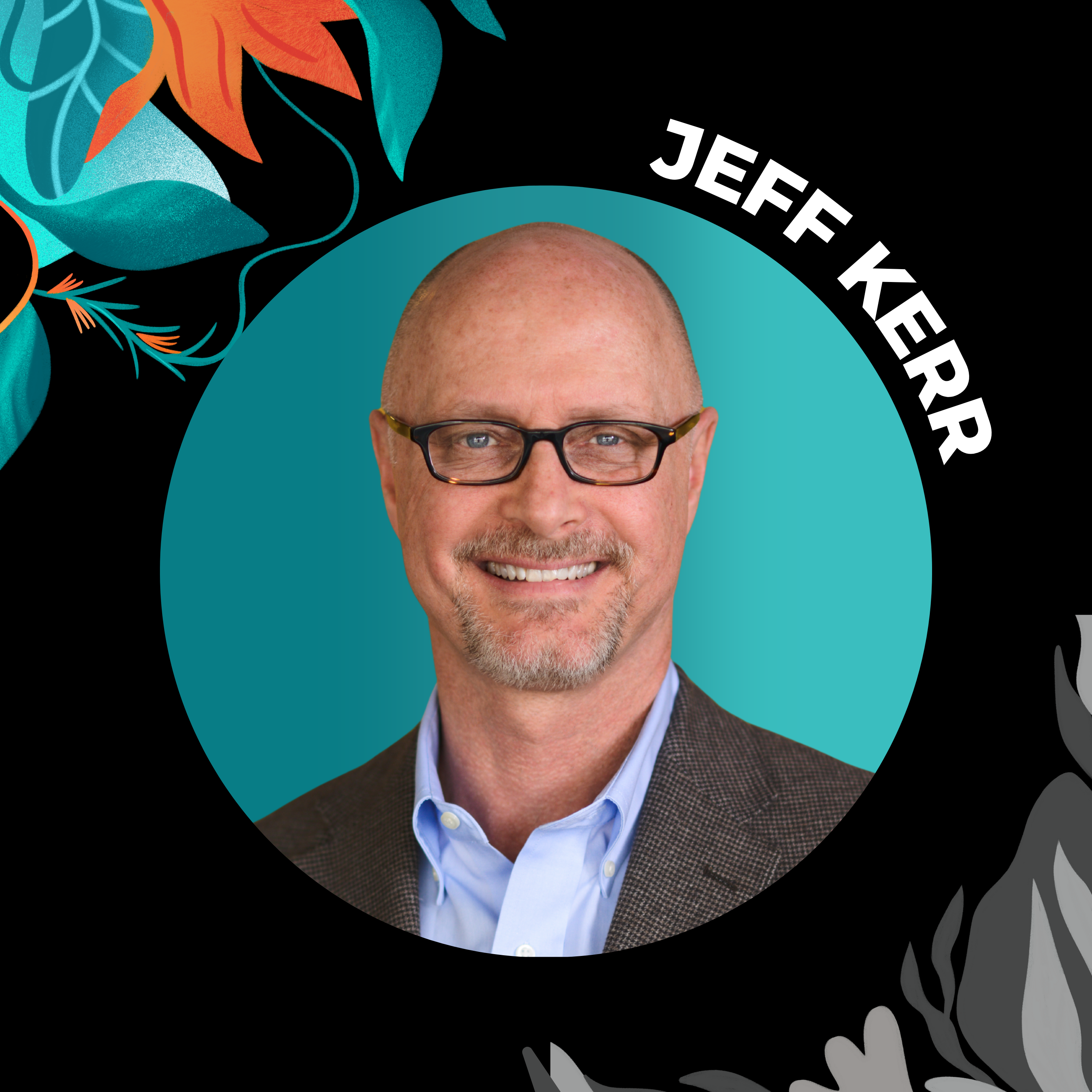
Leading the Legal Fight for Animals | Jeff Kerr
Animal rights are the next frontier of civil rights. Jeff Kerr, PETA's longtime Chief Legal Officer, leads the organization's bold, precedent-setting legal strategy. From the "monkey selfie" case to freeing animals from experimentation and exploitative entertainment to exposing agribusiness humane-washing, Jeff fights to secure legal recognition of animals as beings with inviolable rights. Highlights include: How Jeff was inspired to get involved in animal law and become a lifelong vegan after attending an accidental lecture on animal rights; Why PETA's legal strategy rejects timidity and instead boldly confronts the legal system's speciesist hypocrisy head-on; How PETA uses bold, precedent-setting cases, like orcas at SeaWorld and a monkey's selfie copyright, to challenge the boundaries of animal personhood; How PETA has won cases against animal cruelty in factory farming and freed thousands of animals from exotic animal dealers; How PETA exposes humane-washing and fights ag-gag laws that conceal the violence of industrial animal agriculture; How PETA's advocacy helped end the use of elephants, big cats, and other animals in circuses and petting zoos; How PETA invokes free speech law to defend its right to communicate with monkeys tortured in laboratories; Why the foundation of animal rights lies in rejecting the notion that animal "otherness" justifies human domination. See episode website for show notes, links, and transcript: https://www.populationbalance.org/podcast/jeff-kerr OVERSHOOT | Shrink Toward Abundance OVERSHOOT tackles today's interlocked social and ecological crises driven by humanity's excessive population and consumption. The podcast explores needed narrative, behavioral, and system shifts for recreating human life in balance with all life on Earth. With expert guests from wide-ranging disciplines, we examine the forces underlying overshoot: from patriarchal pronatalism that is fueling overpopulation, to growth-biased economic systems that lead to consumerism and social injustice, to the dominant worldview of human supremacy that subjugates animals and nature. Our vision of shrinking toward abundance inspires us to seek pathways of transformation that go beyond technological fixes toward a new humanity that honors our interconnectedness with all beings. Hosted by Nandita Bajaj and Alan Ware. Brought to you by Population Balance. Subscribe to our newsletter here: https://www.populationbalance.org/subscribe Support our work with a one-time or monthly donation: https://www.populationbalance.org/donate Learn more at https://www.populationbalance.org Copyright 2025 Population Balance