
Overmorrow’s Library
Centre d'Art Contemporain Genève
Show overview
Overmorrow’s Library has been publishing since 2020, and across the 2 years since has built a catalogue of 35 episodes. That works out to roughly 15 hours of audio in total. Releases follow a monthly cadence.
Episodes typically run twenty to thirty-five minutes — most land between 22 min and 28 min — and the run-time is fairly consistent across the catalogue. None of the episodes are flagged explicit by the publisher. It is catalogued as a EN-language Arts show.
The catalogue appears to be on hiatus or wound down — the most recent episode landed 4 years ago, with no new episodes in over a year. The busiest year was 2022, with 17 episodes published. Published by Centre d'Art Contemporain Genève.
From the publisher
The Centre d'Art Contemporain Genève presents Overmorrow’s Library, a podcast series by Federico Campagna, available on the 5th floor (digital extension): https://5e.centre.ch/en/ The library for ‘the day after tomorrow’ is dedicated to books and authors whose work explores the limits of the ‘world’ as the frame of sense through which our consciousness experiences the chaos of reality. Each new episode presents a book that engages with the challenge of world-making, with the end-time of a world, or with the eternal unworldly. Spanning mysticism, politics, mythology, philosophy, video-game design and more, the shelves of Overmorrow’s Library are a space for experimenting with the apocalypse, and with the ignition of new cosmogonies. Federico Campagna is an Italian philosopher and writer living in London. His latest books are ‘Prophetic Culture: Recreation for Adolescents’ (Bloomsbury, 2021), ‘Technic and Magic: The Reconstruction of Reality’ (Bloomsbury, 2018), and ‘The Last Night: Anti-work, Atheism, Adventure’ (Zero Books, 2013). He is a lecturer and tutor at KABK, The Hague, and has presented his work in institutions including the Warburg Institute, the Royal Academy, the 57th and 58th Venice Biennale, Documenta 13, Winzavod Center, Jameel Art Centre, Tate Modern and the Serpentine Gallery. He is the director of rights at the radical publisher Verso Books. Image credit: The Gilgamesh Tablet (Library of Ashurbanipal), 7th c. BCE. The British Museum, London. © The Trustees of the British Museum.
Latest Episodes
View all 35 episodes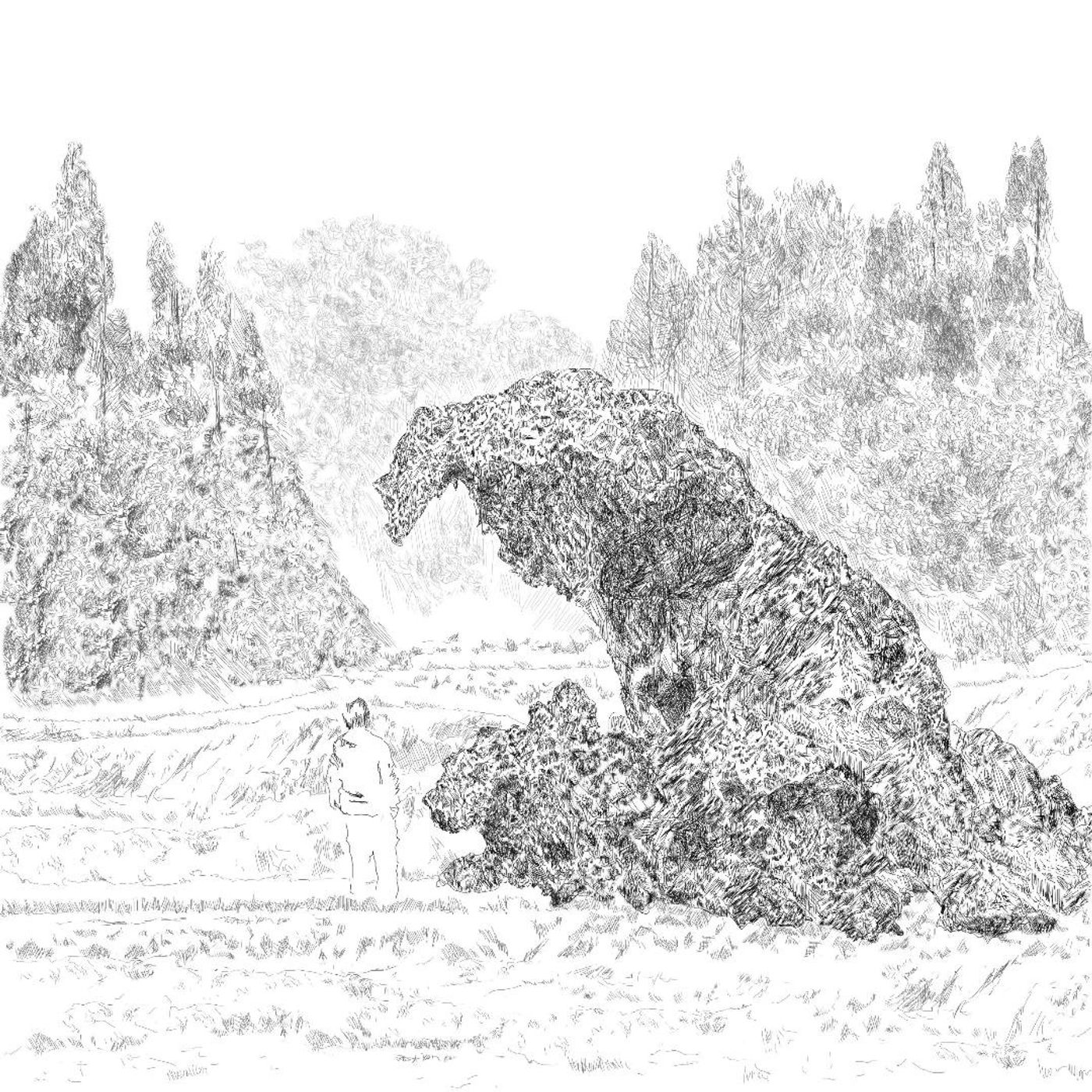
Ep 35S2E17 – Arturo Campagna on history for children
Image: The Rock Nobody Could Lft, etching by Rain Wu (2018)
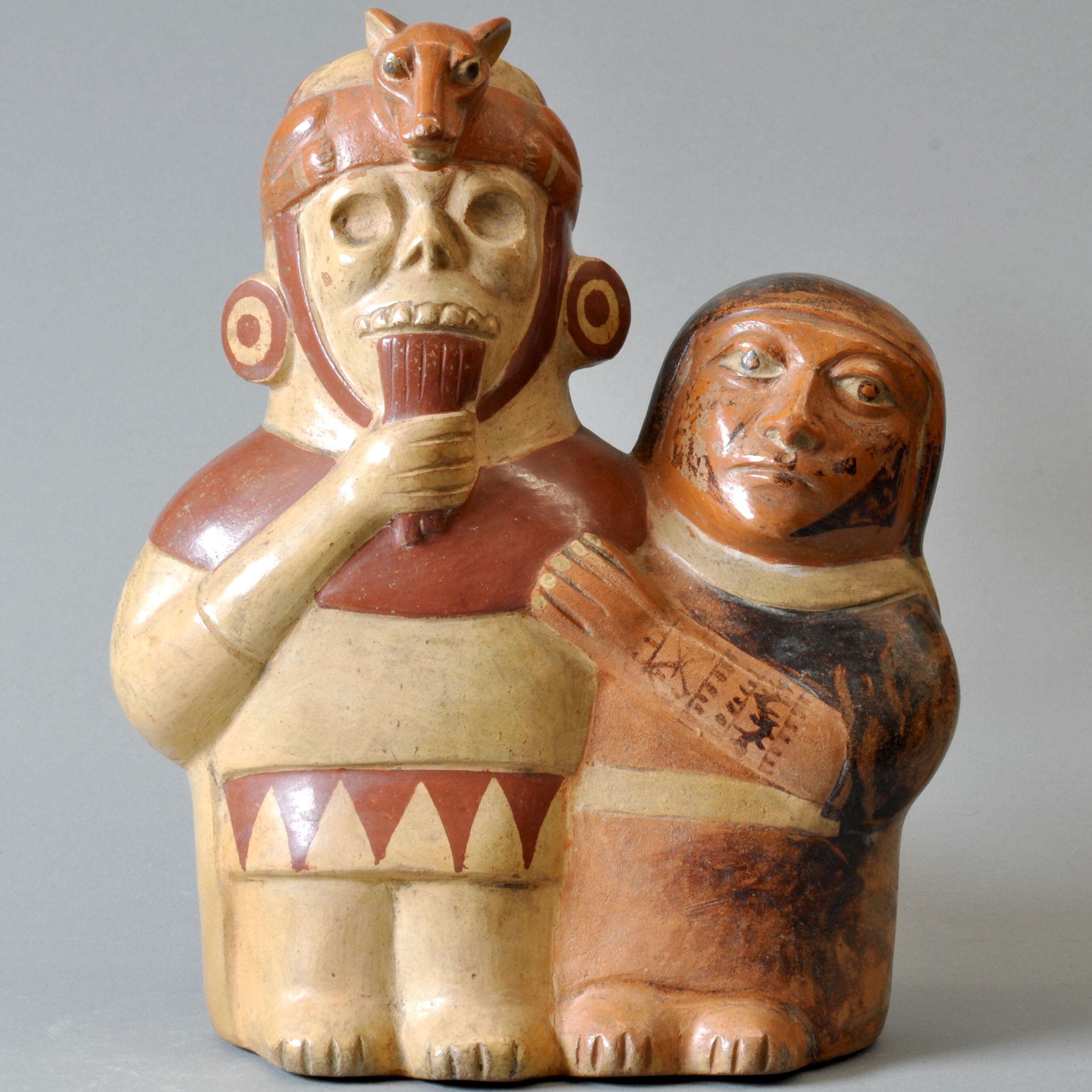
Ep 34S2E16 – Nicolas Jaar on sound and silence
Image credit: Ceramic figurine from the Moche culture of the north coast of Peru depicting a flute player.
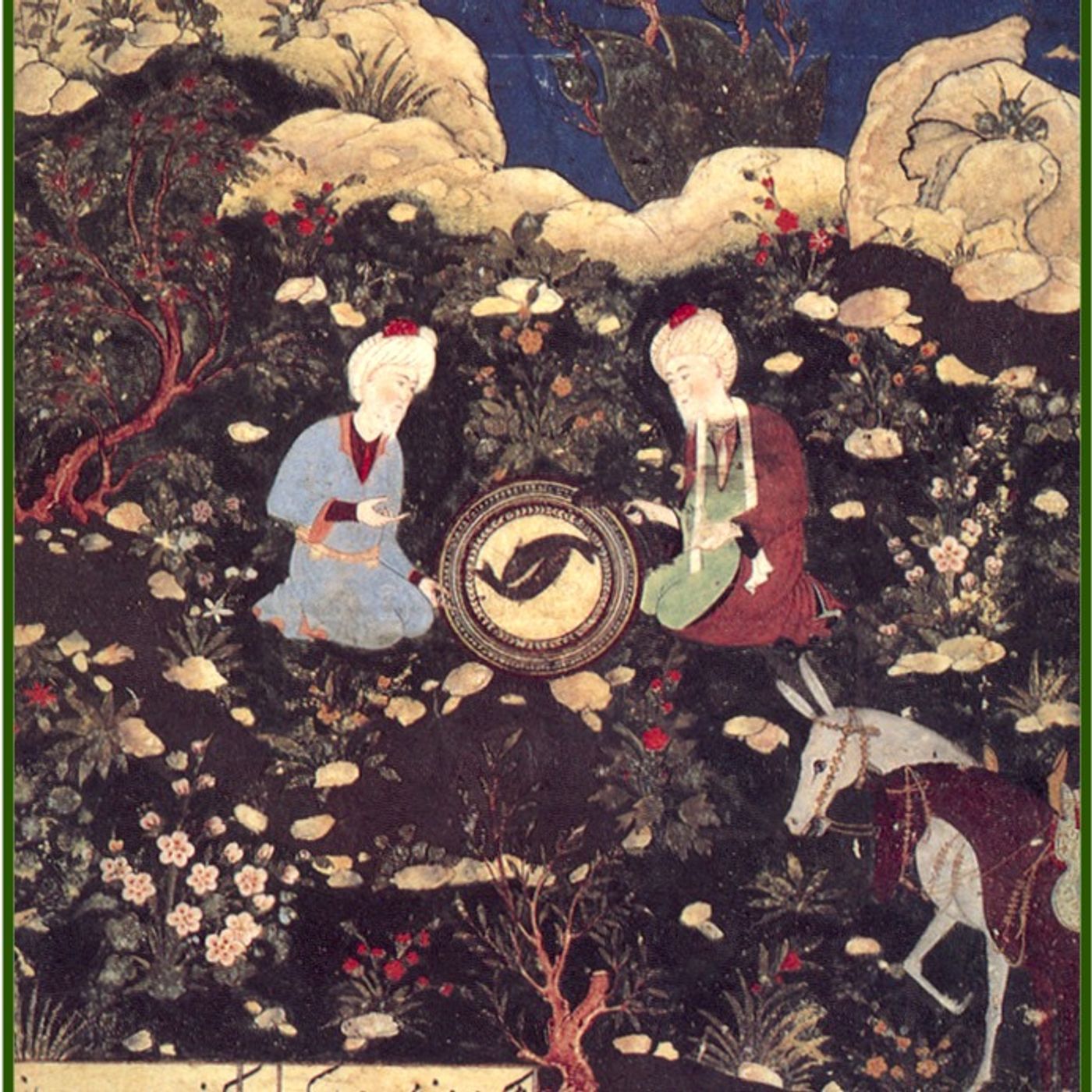
Ep 33S2E15 – ‘The Alexander Romance’
Image credit: The prophets Elias and Khadir at the fountain of life, late 15th century. Folio from a khamsa (quintet) by Nizami (d. 1209); Timurid period. Opaque watercolor and silver on paper. Herat, Afghanistan.

Ep 32S2E14 – Manlio Poltronieri on the Buddhist Dharma and the West
Image credit: Womb Realm (garbhakosa-dhatu or taizōkai) mandala. Shingon tantric buddhist school, Heian period (794-1185), Tō-ji, Kyōto, Japan.
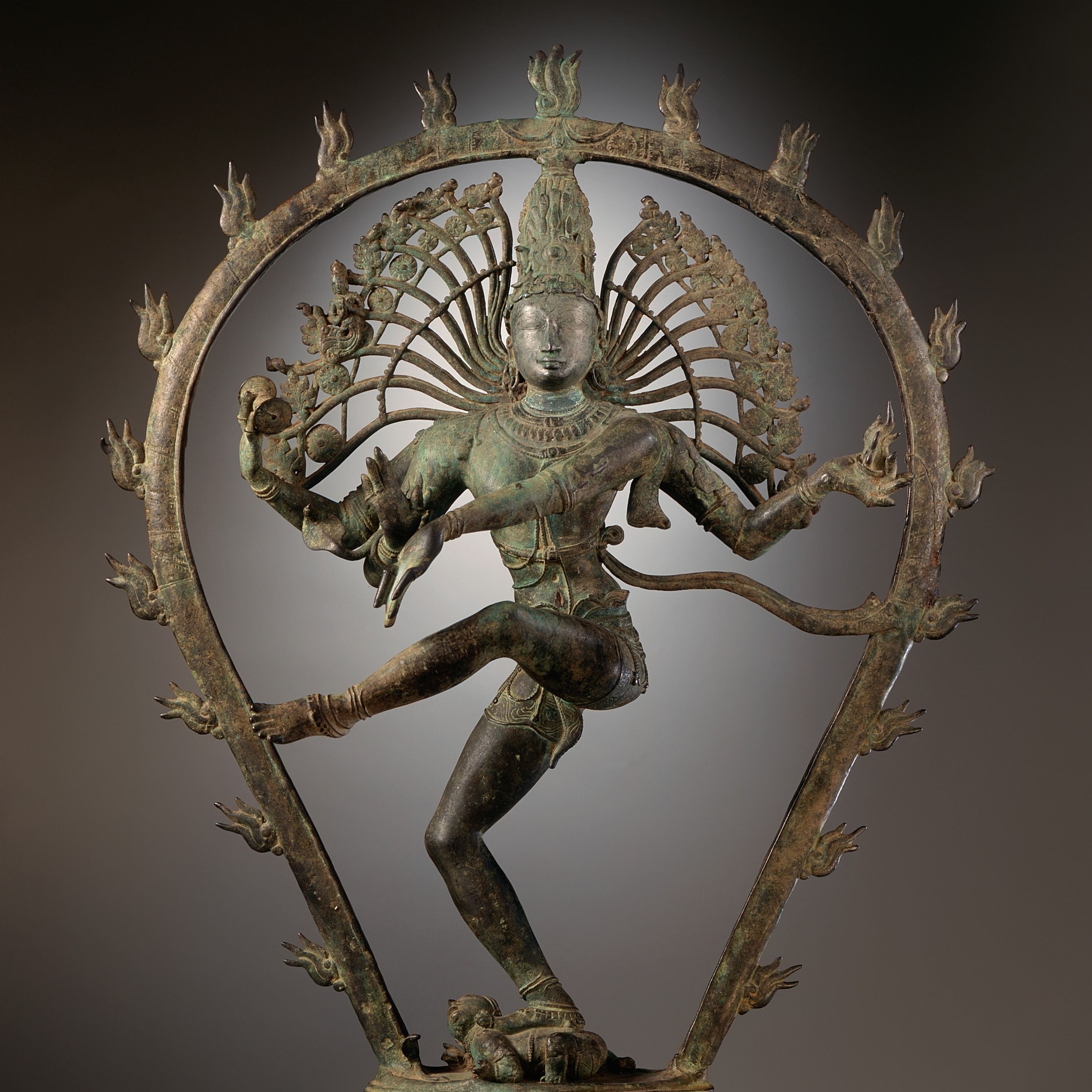
Ep 31S2E13 – Ananda K. Coomaraswamy, ‘The Christian and Oriental Philosophy of Art’
Image credit: 10th century Chola dynasty bronze sculpture of Shiva, the Lord of the Dance.
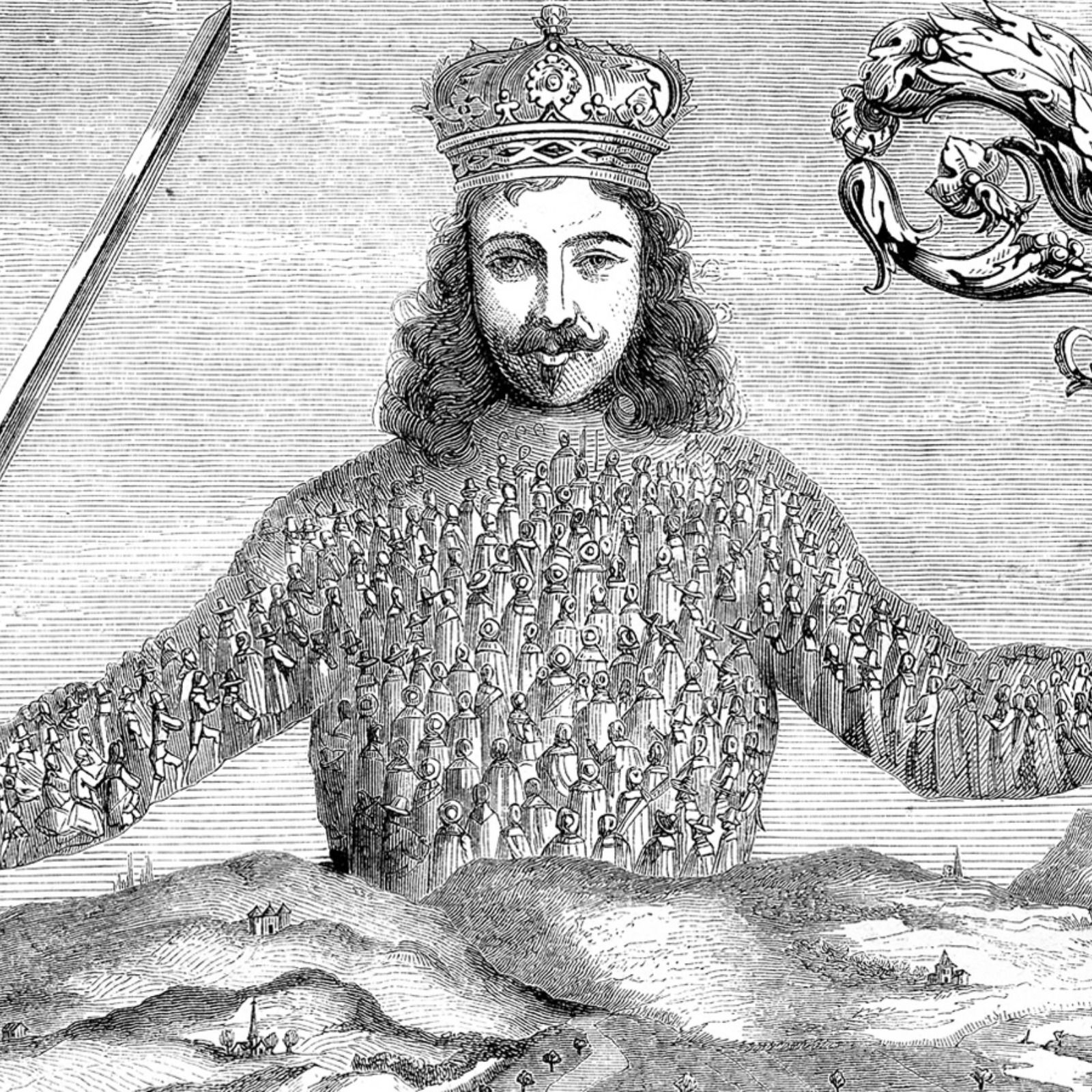
Ep 30S2E12 – Prof. Saul Newman on political theology
Image credit: Detail from the frontispiece of Hobbes’ ‘Leviathan’ by Abraham Bosse,1651

Ep 29S2E11 – Max Stirner, ‘The Ego and Its Own’, Étienne de La Boétie, ‘Discourse on Voluntary Servitude’
Image credit: Max Stirner in a cartoon by Friedrich Engels (1820-1895)

Ep 28S2E10 – Dr. Francesco Strocchi on life in the late Roman republic
Image credit: Roman coin celebrating the assassination of Julius Caesar, issued in 42 BC

Ep 27S2E9 – Rutilius Namatiuanus, ‘On His Return’, and Paulinus of Pella, ‘Thanksgiving’
Image credit: Porphyry column decorated with group of two embracing older Tetrarchs. Rome. 293-305.

Ep 26S2E8 – Lucia Pietroiusti on analogical thinking
Image credits: Geometric nest of a pufferfish.

Ep 25S2E7 – Ernst Jünger, ‘Approaches’
Image credit: Ernst Jünger and Albert Hoffman.
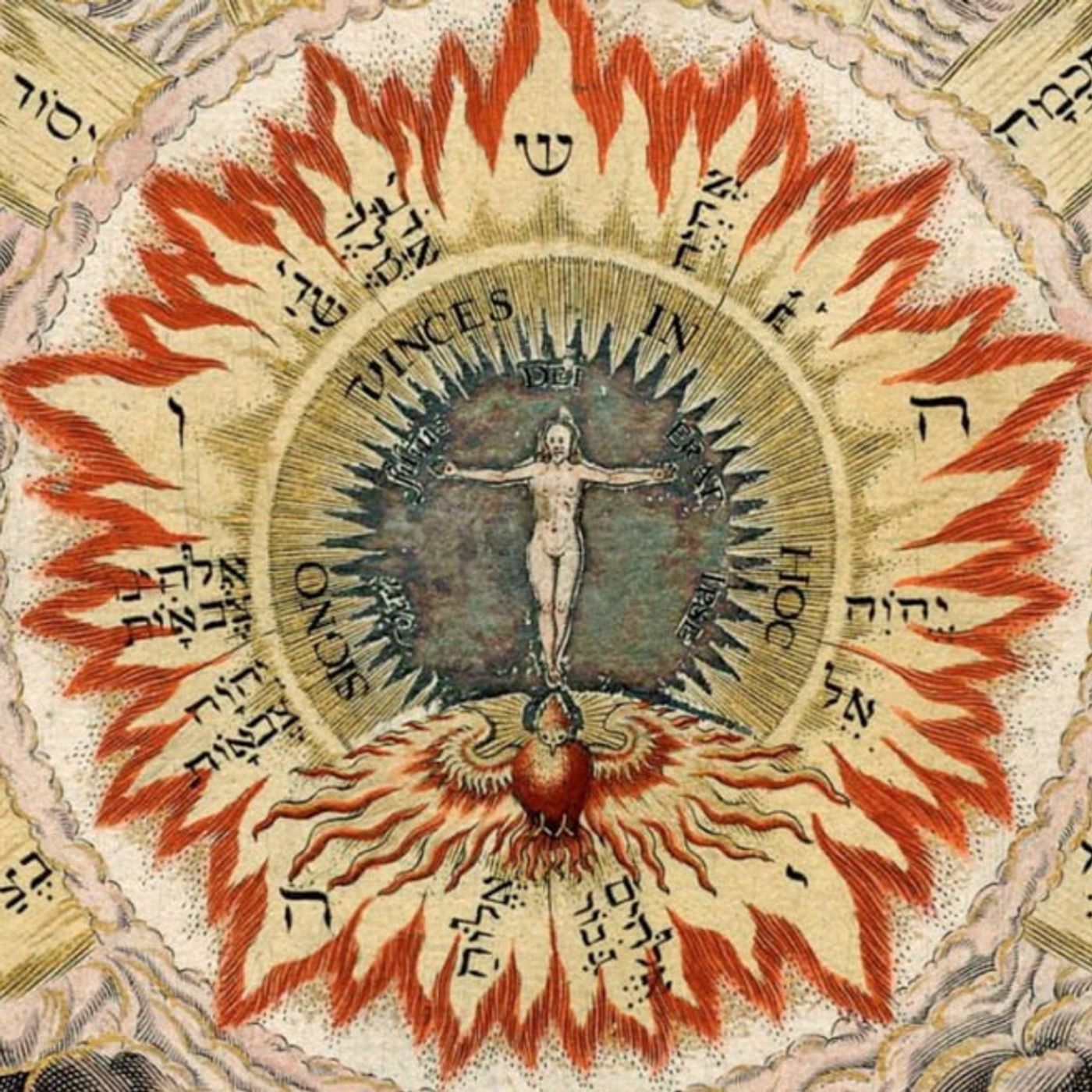
Ep 24S2E6 – Prof. Giulio Busi on Jewish mysticism
Image credit: Cosmic Rose Engraving from Amphitheatrum Sapientiae Aeternae by Heinrich Khunrath (1595).

Ep 23S2E5 – Giulio Busi, ‘Heavenly Palaces in Judaism’, and Abraham Joshua Heschel, ‘The Sabbath’
Image credit: Throne Angels
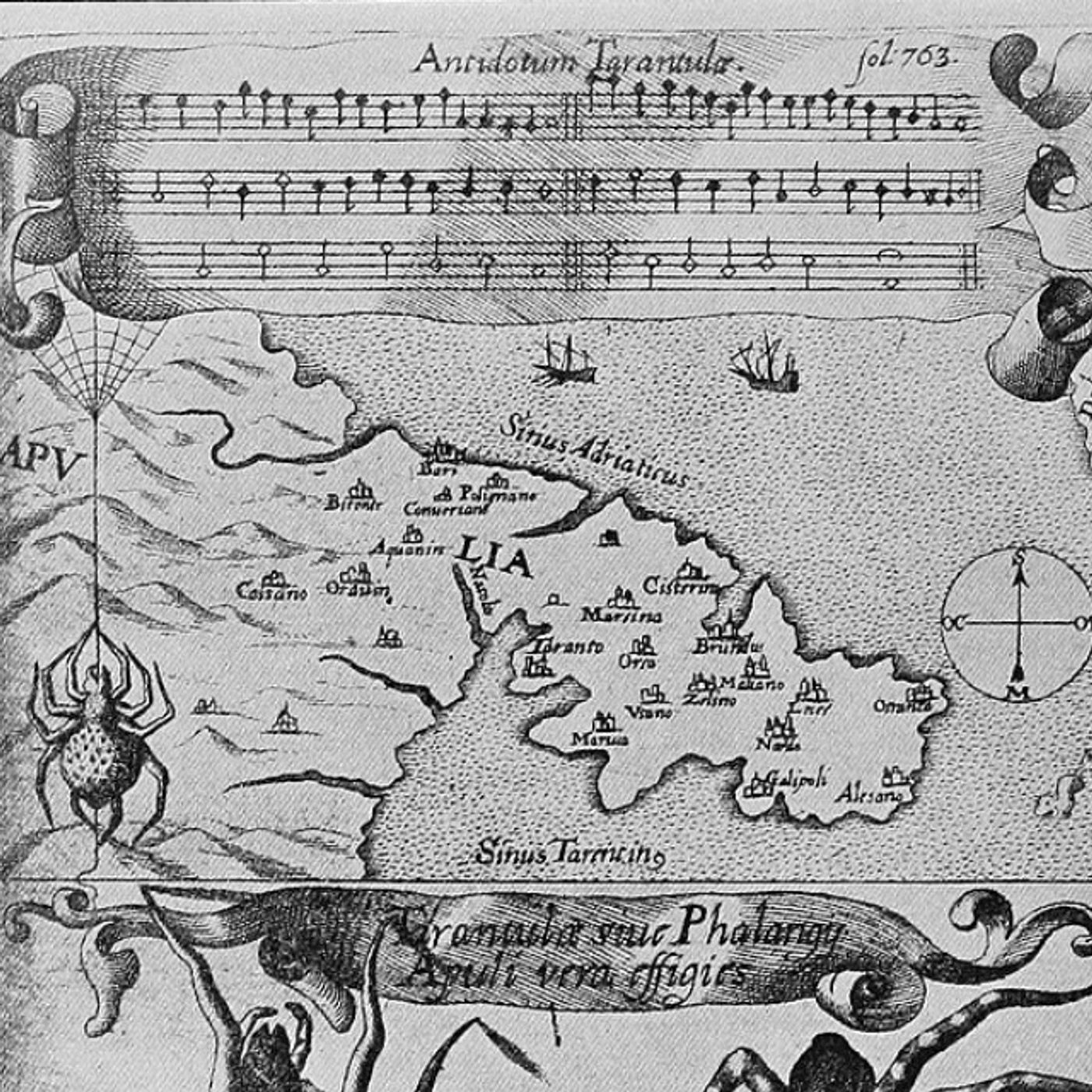
Ep 22S2E4 – Huw Lemmey and Isabel Valley on psychiatry and unknown languages
Image credit: Antidotum tarantulae, a curative musical score from Athanasius Kircher (c. 1660).

Ep 21S2E3 – Álvar Núñez Cabeza de Vaca, ‘Shipwrecks’
Image credit: Francesco Guardi, Marina in Tempesta, circa 1765/70.
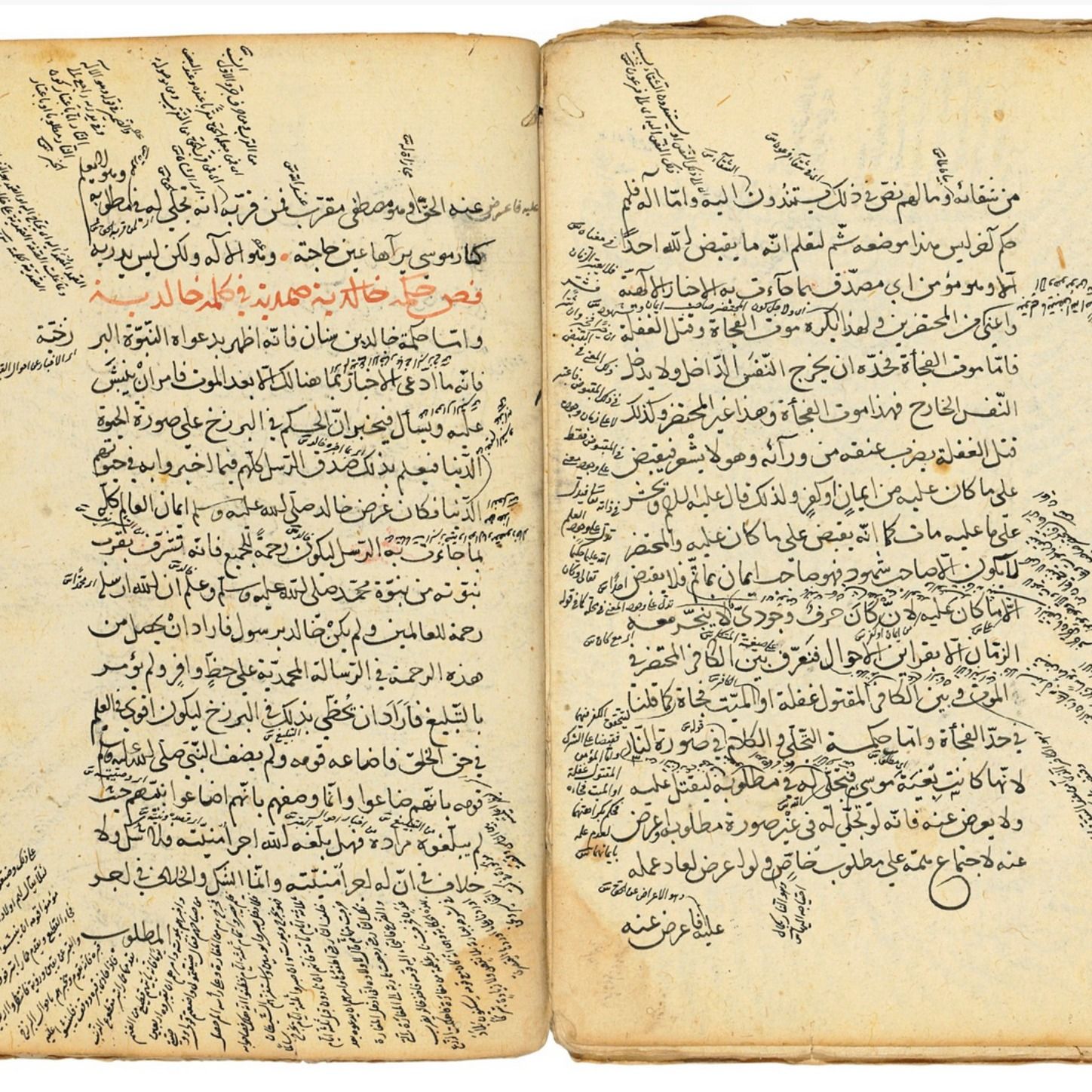
Ep 20S2E2 – Dr. Beatrice Bottomley on Ibn Arabi
Image credit: Muhammad Ibn 'Ali Ibn Muhammad Ibn 'Arabi (D. 1240 Ad): Fusus Al-Hikam. Mamluk Egypt, dated 19 Dhu'l Hijja Ah 797/4 October 1395 AD.
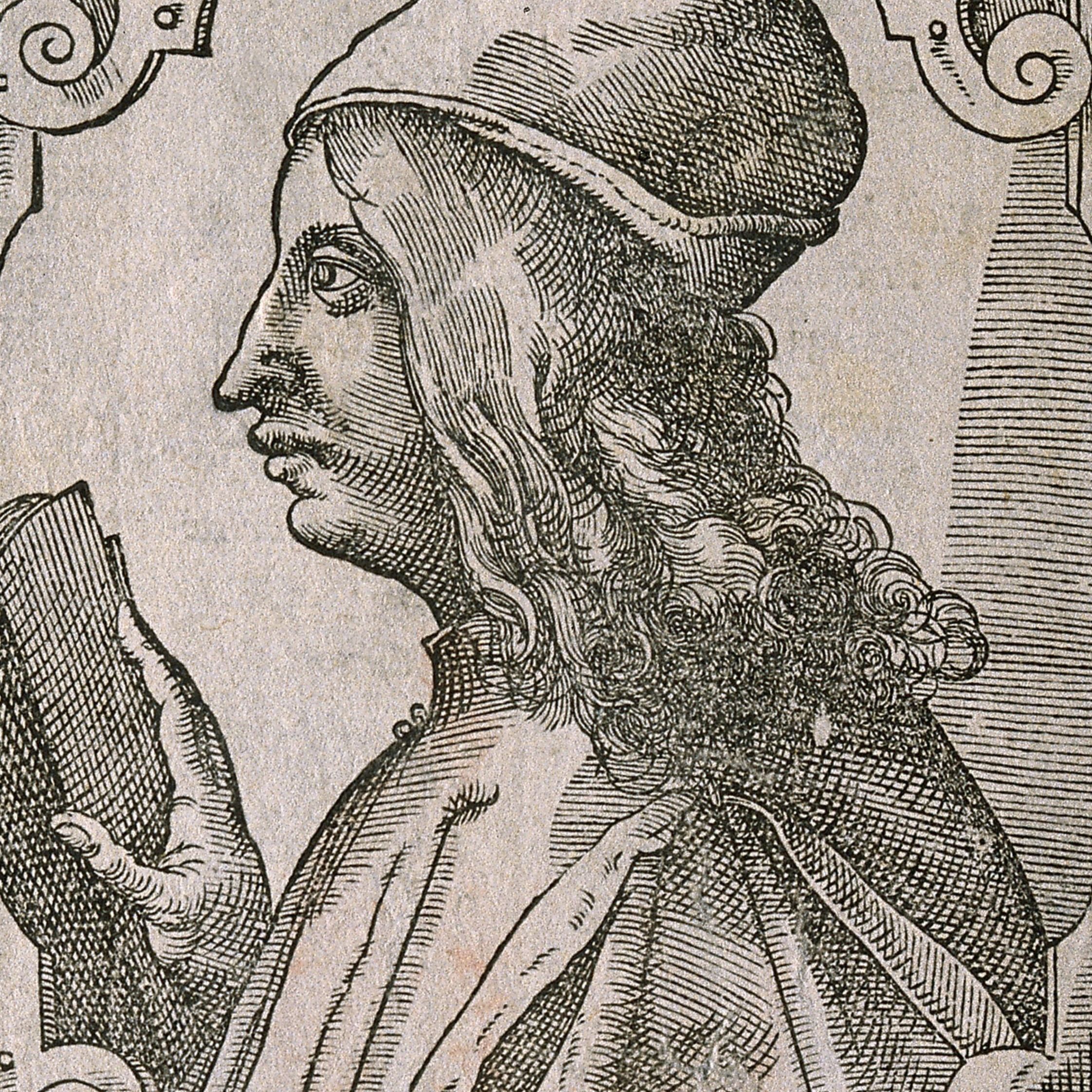
Ep 19S2E1 – Pico della Mirandola, ‘Heptaplus’
Image credit: Portrait of Giovanni Pico della Mirandola, by Tobias Stimmer, 1589
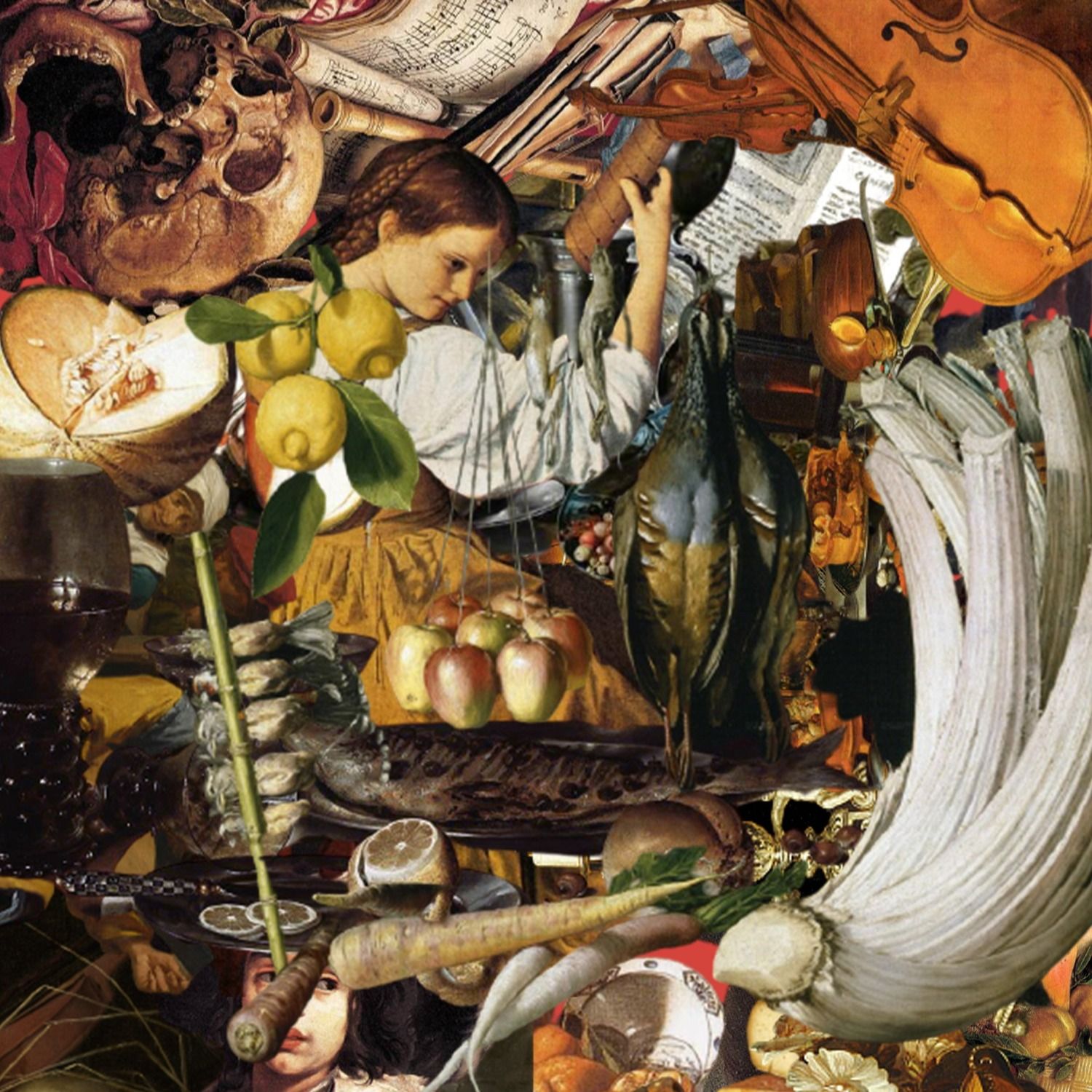
Ep 18S1E18 – Francesco Fusaro on musical cosmologies
Musicologist and producer Francesco Fusaro discusses world-building music across the centuries.Credit: Francesco Fusaro, Tafelmusik Var. I, 2021. Collage, 65x92. Courtesy of the artist.
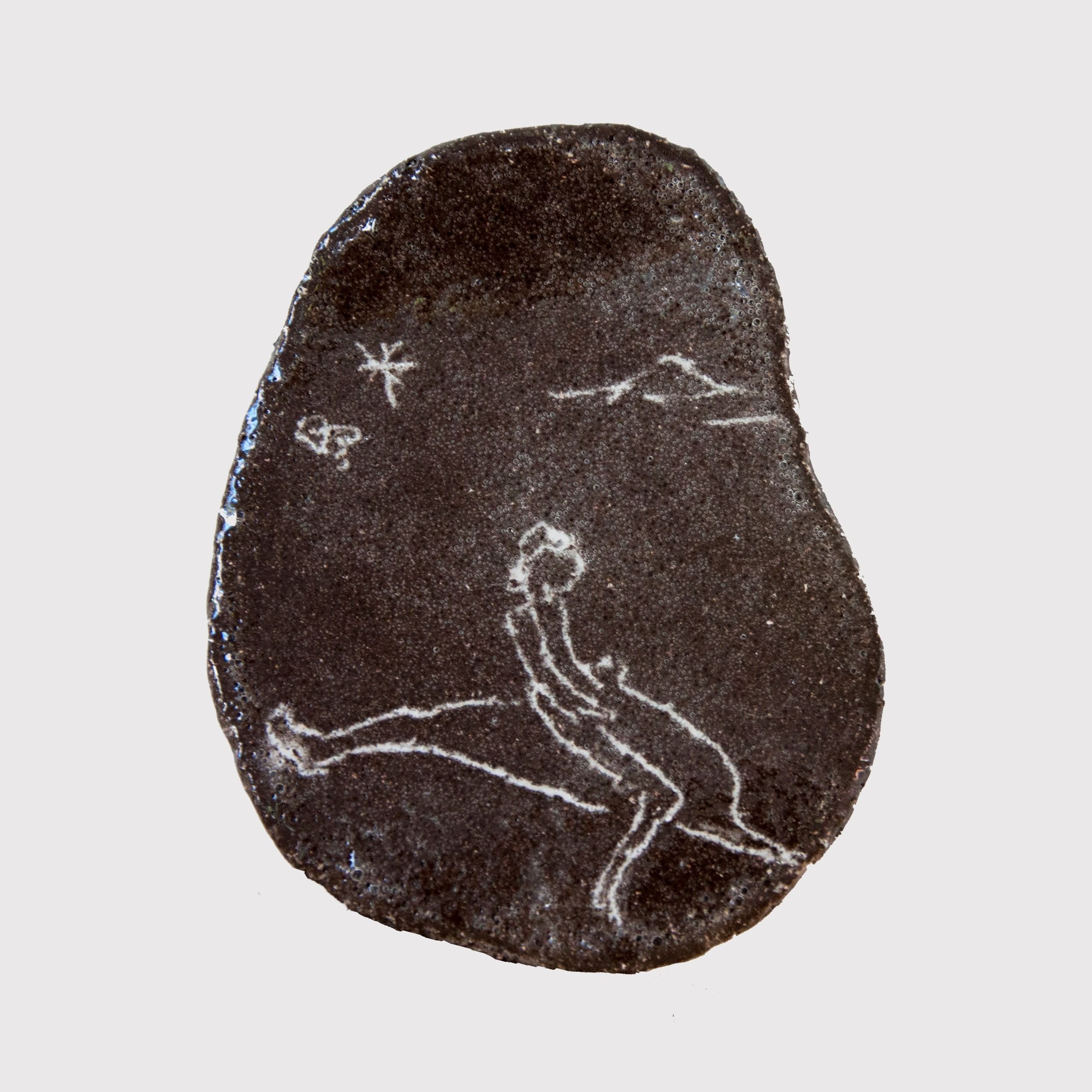
Ep 17S1E17 – Arturo Campagna on children's literature
6-years old Arturo Campagna discusses children’s literature and dispenses advice to writers for children.Image credits: Rain Wu, Arion, 2019. Stoneware clay and glazes, 9x11cm. Courtesy of the artist.

Ep 16S1E16 – Elemire Zolla, "Children's Awe" and Cristina Campo, "The Flute and the Rug"
Federico Campagna presents the philosophical take on children’s world-view and culture in Elemire Zolla’s 1994 “Children’s Awe” and Cristina Campo’s 1971 “The Flute and the Rug”.Image credits: Ivan Bilibin, Stage-set design for Scene Two, Act Four of the opera the "Tale of the Lost City of Kitezh and the Maiden Fevronia" by Rimsky-Korsakov, 1929.