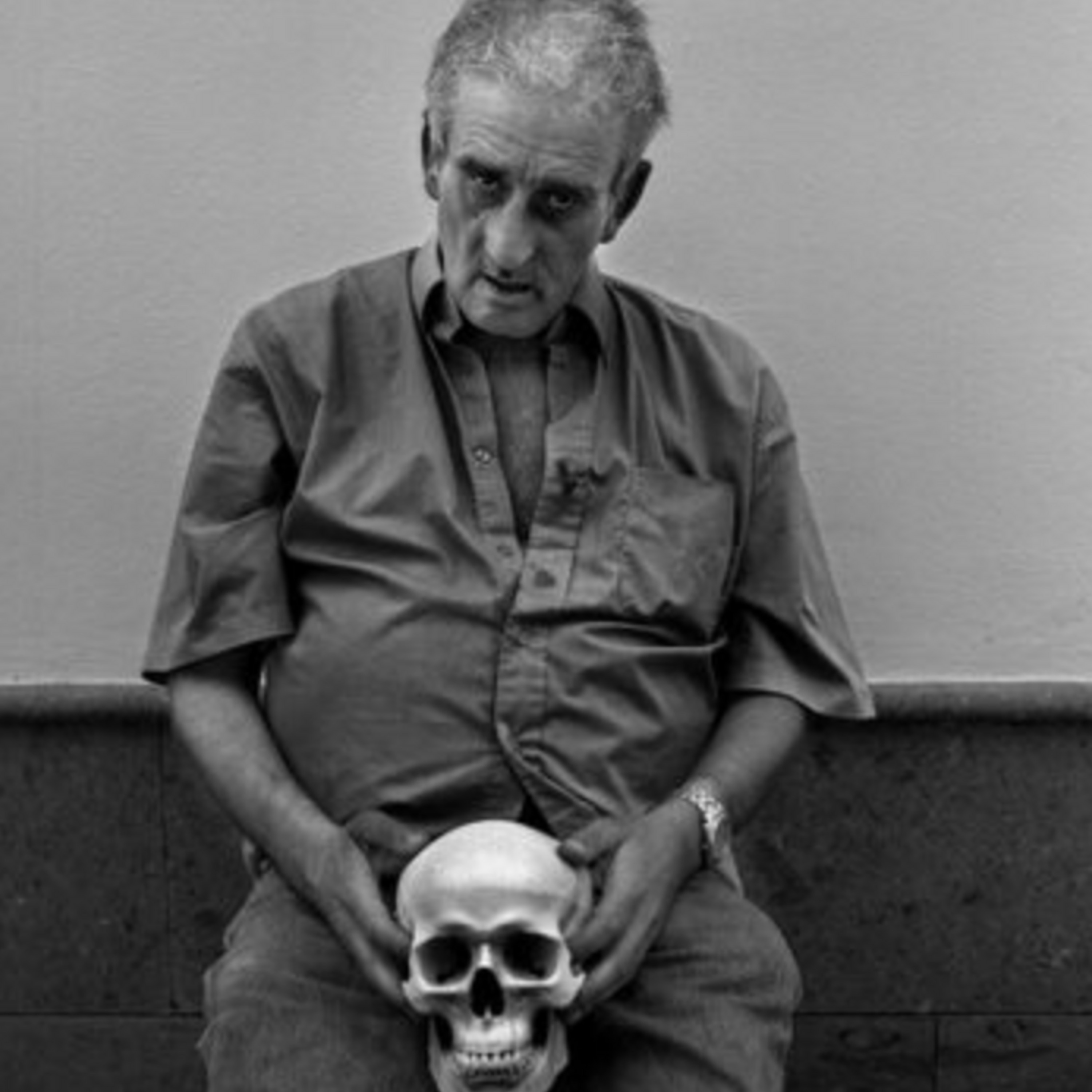
Poetry, Fascism, and Madness: the Fall of the House of Panero with Aaron Shulman
The Panero family were literary royalty in fascist Spain; their descent into alcoholism, madness, and debauchery was the subject of the cult 1976 documentary "El desencanto." Aaron Shulman joins me to discuss his collective biography of the Paneros, "The Age of Disenchantments."
Audio is streamed directly from the publisher (aphid.fireside.fm) as published in their RSS feed. Play Podcasts does not host this file. Rights-holders can request removal through the copyright & takedown page.
Show Notes
Federico García Lorca is revered as a literary martyr to the barbarity of fascism. His lesser-known friend and contemporary Leopoldo Panero narrowly escaped execution by fascist insurgents around the same time. In a strange twist, Panero later ended up as a fervent supporter of the regime that had killed his friend. Panero's loyalty allowed him to become an influential cultural commisar under Franco's government and placed him and his family at the pinnacle of the Franco-era literary elite. But he died at 52, leaving his brilliant and charismatic wife, Felicidad, and his three sons – all of whom had literary ambitions – to grapple with his ignominious legacy. What happened next was even stranger. Just as Franco's regime was falling in the mid-1970s, the cult documentary "El desencanto" offered an intimate picture of the decadent and eccentric clan, making their Oedipal struggles a symbol of the nation's reckoning with its past. Felicidad and her three sons became celebrities, characters in the novel of their own lives, lived out in public. In this way, their trajectory points us not only backward to reactionary modernism but forward to reality TV and the internet.
Aaron Shulman, author of the collective biography "The Age of Disenchantments," joins me to discuss the allure of the Panero family, who he descibes as something like the Royal Tenenbaums meet Succession, as told by Roberto Bolaño.