
Orthodox Talks
98 episodes — Page 2 of 2
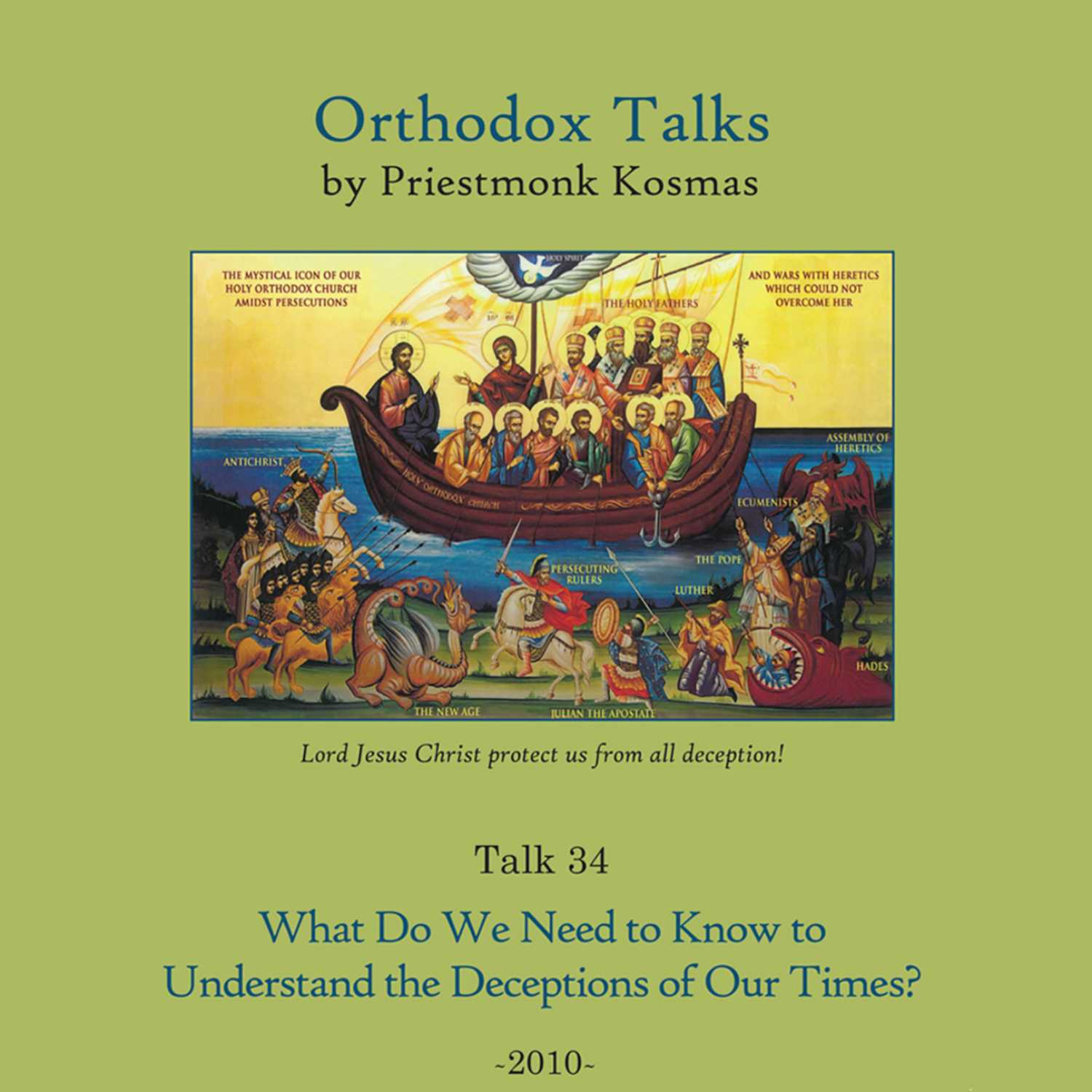
Talk 34: What Do We Need to Know to Understand the Deceptions of Our Times?
Christ left us a most fearful warning: “False Christs and false prophets will arise and will show great signs and wonders, so as to mislead, if possible, even the elect.” In our own times we see even pious Orthodox Christians become confused and deluded by phenomena which appear to be Orthodox. Prophesies, clairvoyance, visions, healings, exorcisms, dreams, and mysterious fragrances are just a few of the phenomena that the pious must test, as Saint John the Evangelist writes, “to see whether they are from God.” Many are even confused about entirely un-Orthodox phenomena: psychics, UFOs, speaking in tongues, ghosts, visions, communication with the dead, astrology, reincarnation, levitation, and so on.In this talk Father Kosmas explains that without true Orthodox teaching and spirituality it is impossible to detect and avoid these deceptions, many of which are extremely subtle, and all of which have as their aim our separation from God. He especially shows that failing to understand St Paul’s words, “They have a zeal for God, but not according to knowledge” (Rom 10:2), is the main reason why many zealous Orthodox Christians fall into deception.The following questions are also discussed: should we be proud of belonging to the true faith? Why is a lukewarm Orthodox Christian worse than an unbeliever? What was the tragic end of two laymen who gave Orthodox talks? How does one go from monastic novice to drug dealer? Are there monastics who are mediums? What are the signs of a deceived person? What is the difference between self-deception and diabolical deception? Why are there fewer miracles in the Orthodox Church now than in the past?Other points covered in this talk include: religions that were established as a result of visions; apparitions of “Mary” to children in Roman Catholicism; the visions and stigmata of Francis of Assisi; a deceived young man’s preparations for the coming of the antichrist; a young woman’s experience with a deceived abbess; accounts of Saints Isaac and Nicetas of the Kiev Caves; and a “clairvoyant” octopus.Duration: 3hrs 17minsVisit our website: www.OrthodoxTalks.com
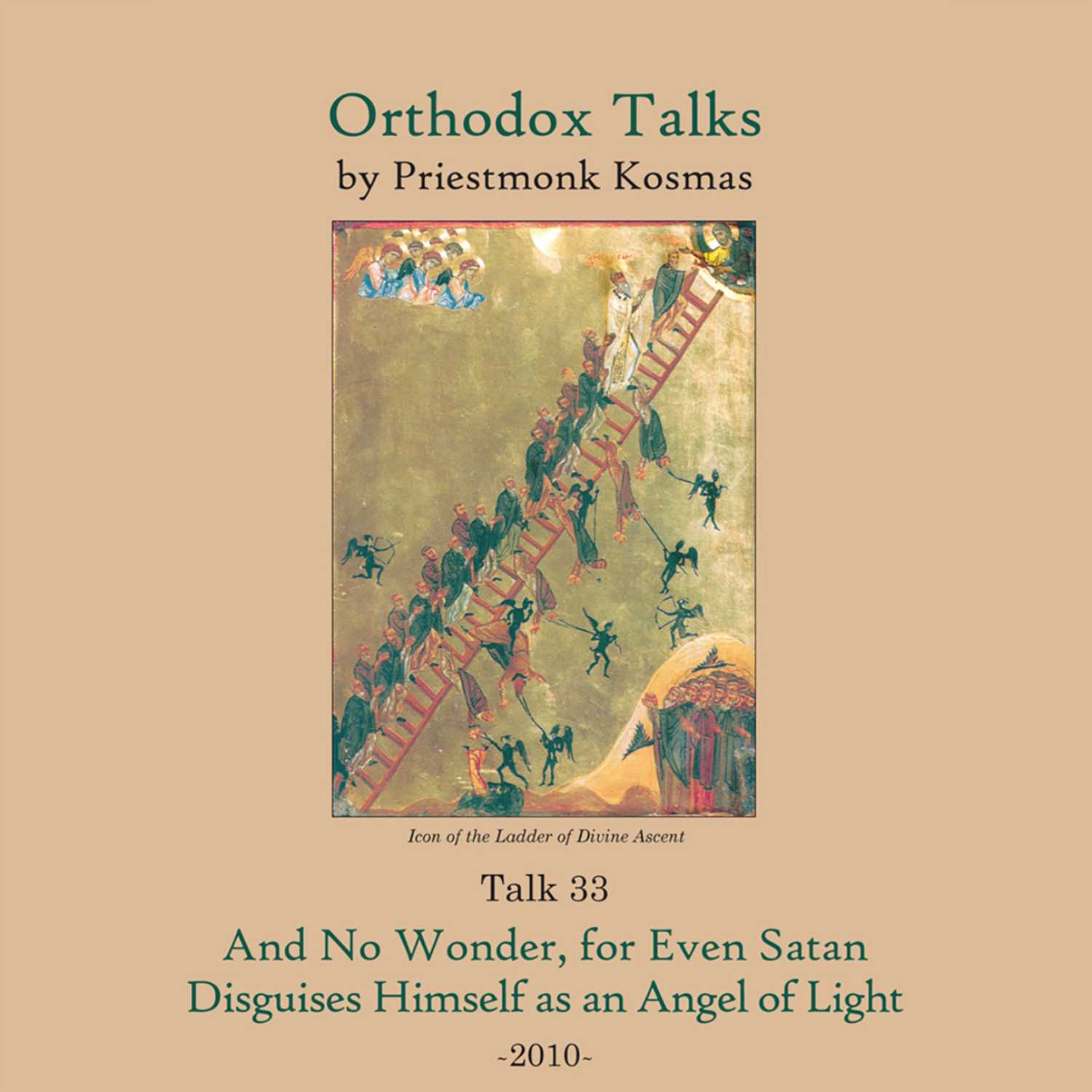
Talk 33: And No Wonder, for Even Satan Disguises Himself as an Angel of Light
We live in a time where demonic delusion is at its peak. These delusions come in the form of thoughts, feelings, dreams and visions. The Holy Apostles and Fathers of the Orthodox Church provide insight into these delusions. Saint Paul in particular warns against the “angel of light,” referring not only to false visions of angels, but to anything the demons present as good or spiritual.Using examples from the lives of saints, Father Kosmas explains how the saints exposed the tricks that the devil and his demons use to delude not only monastics, but all Orthodox Christians, and how those deluded are the self-confident, the vainglorious and the proud. He also points out that it is not enough merely to read the lives of the saints and the teachings of the Holy Fathers: it is absolutely necessary that we acquire discernment by living those teachings.The following questions are also discussed: do parish priests deserve criticism for avoiding the topic of demonic deception? What happened to an archimandrite who denied the existence of demons? Why was Rasputin viewed by some as a man of God, but by others as a deceiver? Does involvement in the occult leave a person scarred and vulnerable to the demons even after repentance? What is meant by a balanced spiritual diet? Why do the evil spirits continually suggest negative thoughts about one’s spiritual father? Why is it essential to find a spiritual father who not only hears confessions but also continually prays for his spiritual children?Other points covered in this talk include: the recent example of a deceived ascetic who saw visions and dreams; how the demons use our imagination to delude us; a man who supposedly healed the possessed with the Koran; an elder’s fierce struggle to free a deceived deacon from a false angel of light, who would continually speak and pray with him; an account of a possessed young girl who later became a nun without being healed; how some become proud of being attacked by evil spirits; and an account of an Athonite priestmonk who as a worldly young man became involved in magic.Visit our website: www.OrthodoxTalks.com
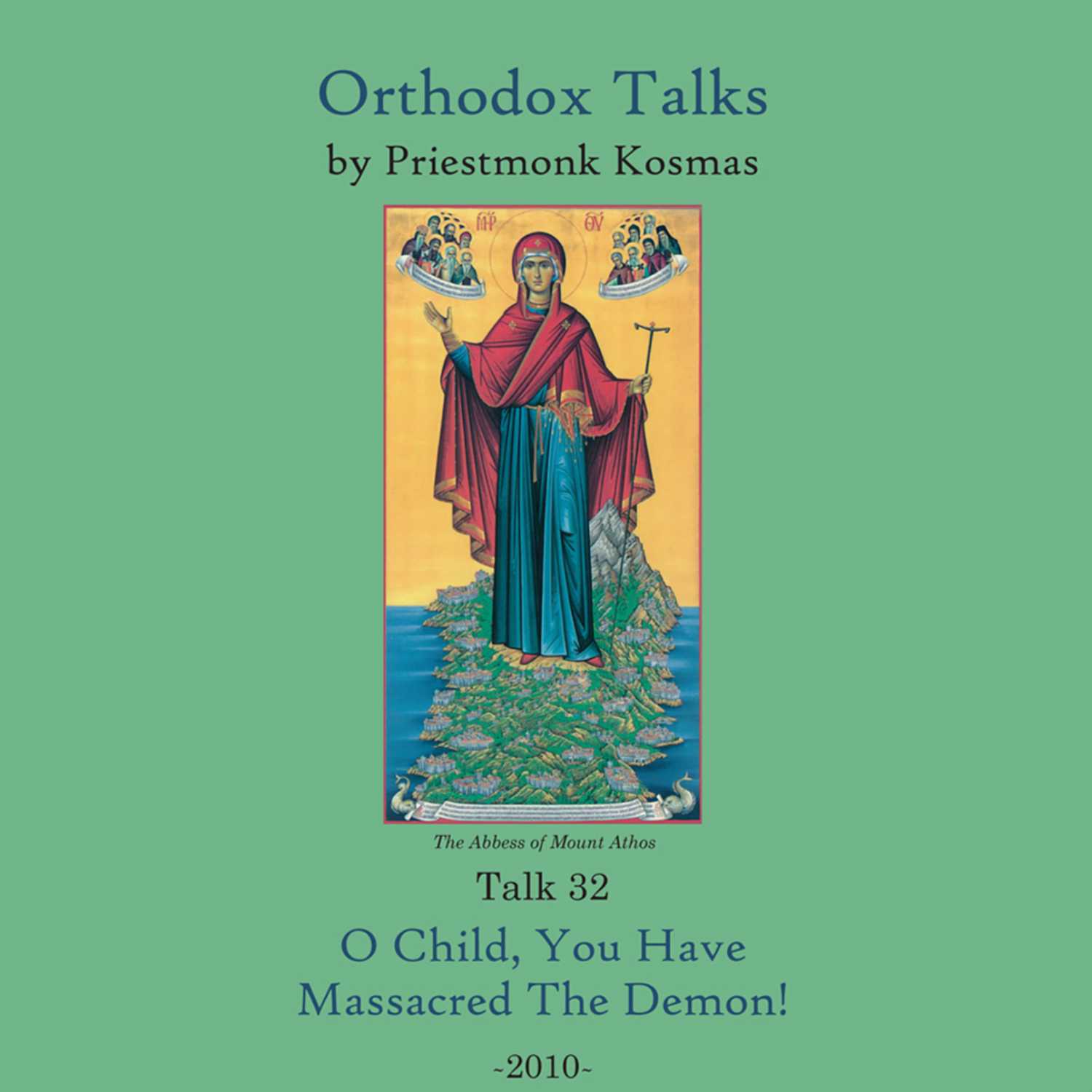
Talk 32: O Child, You Have Massacred The Demon!
People often say that Orthodox Christians should focus on loving Christ and their neighbors, and not bother thinking about the demons. These same people criticise those who instruct the faithful concerning demonic warfare. When Elder Paisios of Mount Athos was writing the life of Elder Arsenios the Cappadocian, he was advised to omit all references to demonic possession in order to appeal to European readers, many of whom do not even believe the devil exists.In this talk Father Kosmas explains that Orthodox Christians are called spiritual athletes, spiritual warriors, and soldiers of Christ precisely because they do battle not only with their own passions, but also with the demons. He emphasises that a Christian must know his enemy in order to defeat him and attain salvation, and points out that revealing one’s thoughts to a spiritual father is one of the best defences against the demons.The following questions are also discussed: is revelation of thoughts to a spiritual father only for monastics? How should one look for a good spiritual father? Why can it be dangerous to watch an exorcism? Are Christians allowed to believe some dreams? Can pride produce spiritual zeal? Why did one priest say that he prefers passionate spiritual children? What can happen when a person ignores his conscience? How does a proud person relate to the demons? Are there substitutes for exorcisms? Can the demons help one to fight heresy? What is meant by “experiential humility”? Is it the goal of spiritual struggle to attain divine gifts?Other points covered in this talk include: the perils of trusting oneself more than one’s spiritual father; a monk’s experience of hearing a voice at his door; how a priest wanted to learn his future from a demon; how the church services and prayers produce humble-mindedness; the difference between Roman Catholic and Orthodox exorcisms; black magic in Africa; the importance of opening up to one’s spiritual father; the spiritual warfare one undergoes before confession; and one Orthodox “zealot’s” horrible attitude towards women.Duration: 3hrs 4minsVisit our website: www.OrthodoxTalks.com
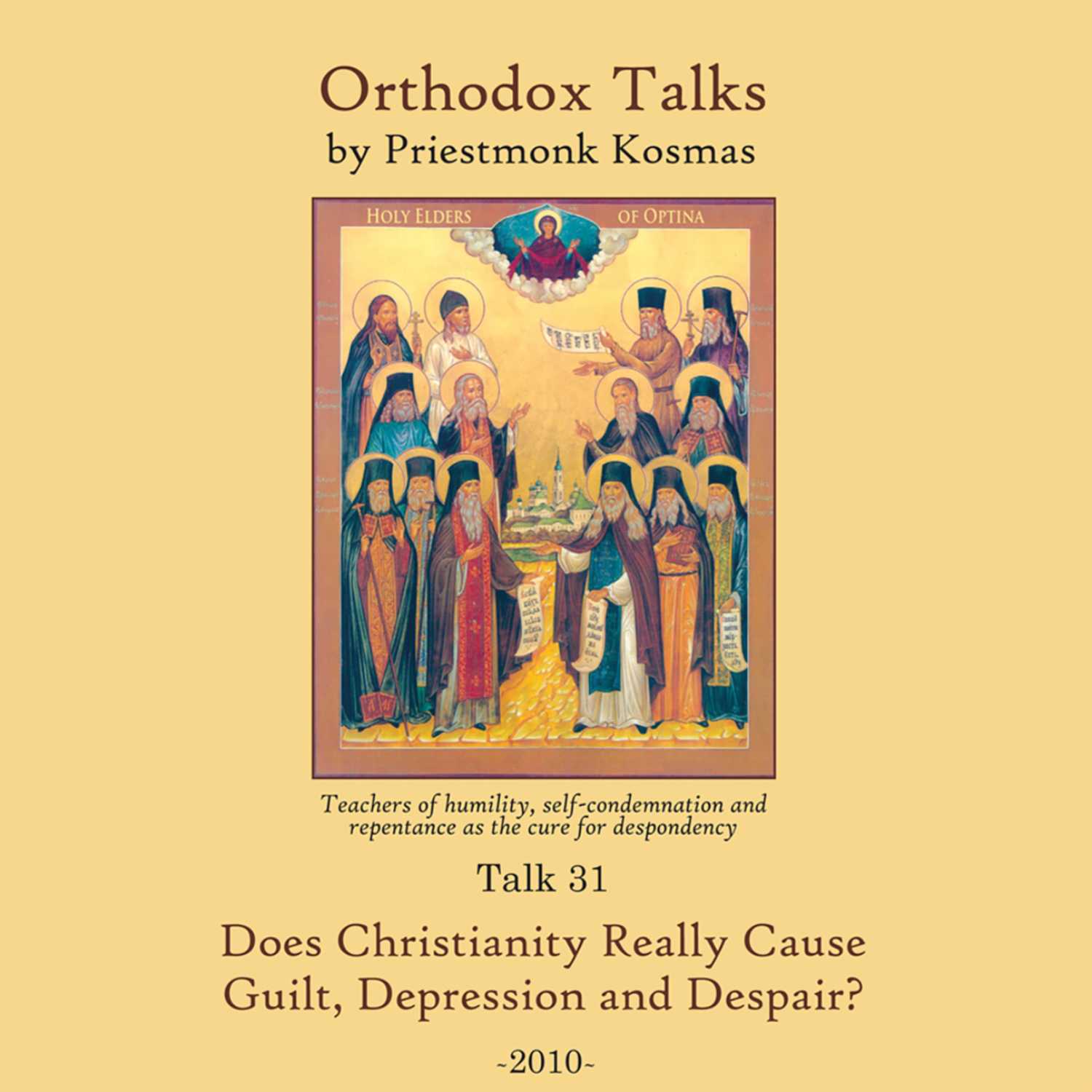
Talk 31: Does Christianity Really Cause Guilt, Depression and Despair?
In the writings of the Holy Fathers we often find statements such as this: “One must consider oneself the worst person of all”; “Self-esteem is a sin”; “One must only look at one’s failures, never at one’s virtues”; “The proud cannot be saved”; “Always consider yourself a sinner”; and “There is nothing good in us.” Many find these types of statements upsetting, and come to the conclusion that Christianity causes guilt, depression and despair.In this talk Father Kosmas explains that these things are caused not by Christianity, but by an incorrect and distorted approach to Christ’s holy teachings. Furthermore, he emphasises that our sins, weaknesses, passions and failures can be used to acquire self-knowledge, repentance, humility, faith, trust in God, grace, peace, spiritual joy and, ultimately, the salvation of our souls.The following questions are also discussed: is constant fear of deception spiritually healthy? What is meant by “our passions are our spiritual friends”? Is medication the only solution for unwanted thoughts? Is a certain degree of self-esteem acceptable? How is spiritual correctness dangerous? Are Orthodox zealots and the ecumenists actually of the same spirit? What are spiritual freaks? How was the apostle Peter’s betrayal of Christ different from that of Judas? What did Elder Porphyrios say about people trapped in the sickness of guilt? What are the different causes of depression?Other points covered in this talk include: how an inferiority complex is a spiritual illness and should not to be confused with humility; how the demons can help us teach the truth to others for the purpose of deceiving us later; the untrue teaching of some Catholic theologians that Judas repented; how distorted spiritual struggle can lead to heresy and blasphemy; how the passions cause spiritual blindness; how self-esteem drives away the spirit of God; the difference between weaklings and the spiritually weak; the true root of despondency; and an account of an Orthodox priest who believed that Francis of Assisi, a Roman Catholic saint, is also an Orthodox saint.Duration: 2hrs 52minsVisit our website: www.OrthodoxTalks.com
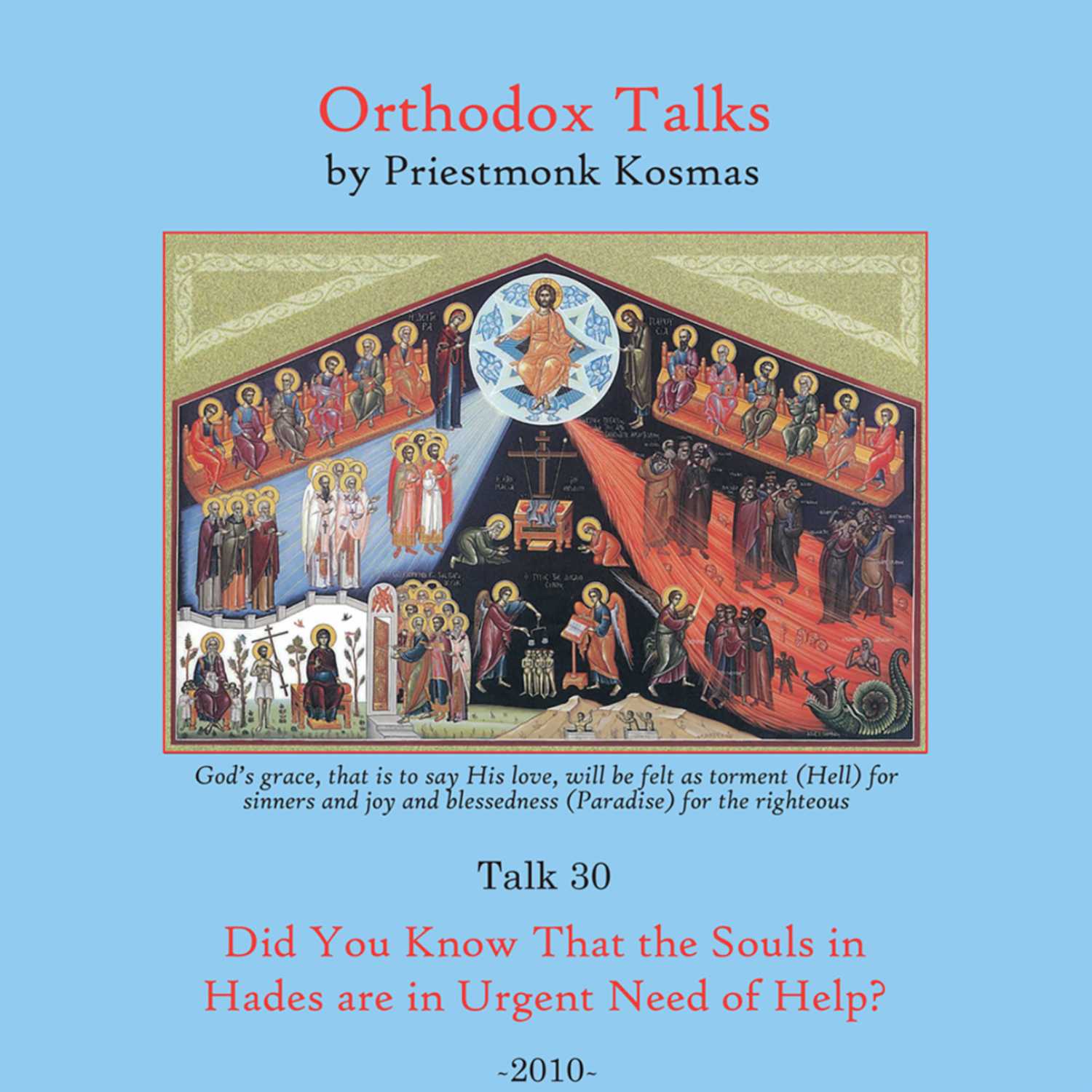
Talk 30: Did You Know That the Souls in Hades are in Urgent Need of Help?
This is a continuation of Talk 29. There is much confusion among Orthodox Christians regarding many aspects of the Church’s teachings on life after death. One important example is the difference between Hades and Hell. While many think them identical, the difference is actually so important that it can cause many not to prepare properly for their own deaths, and to neglect the departed souls who are in urgent need of help for their release.In this talk Father Kosmas discusses the purpose of serving memorial services and liturgies for our departed loved ones. He explains what is meant by the prayer, “With the saints give rest, O Lord, to the soul of Thy departed servant.” Furthermore, he emphasises that our personal sins and our spiritual life affect the souls of our departed loved ones, and that it is very important to fix our own souls before attempting to help them.The following questions are also discussed: is it healthy for an Orthodox Christian to think about Hell? Can a priest refuse to commemorate a departed Orthodox Christian? What will happen at the Last Judgement? Why can only some souls be forgiven in the next life? Why does one elder state that Christians must be merciful in order to receive help in the next life? Why do the demons rejoice when Christians are superstitious regarding the dead? Why is it dangerous to draw conclusions about the manner of a person’s death? How can souls be receptive so as to be able to receive help?Other points covered in this talk include: how a holy elder prayed for the soul of his unrepentant departed cousin; how a father blasphemed because his daughter had died; the “good obsession” of an elder who prayed for the release of all the souls that are in Hades; how the saints would constantly ask God whether they would be saved; how people who have died without producing fruits of repentance are in need of help; how even some clergy find the Church’s teaching on Hades hard to accept; and why one priest continually forgot to commemorate the souls of certain relatives.Talk 30 duration: 3hrs 15minsChanting duration: 7mins (Hymns for the Reposed)Total duration: 3hrs 22minsVisit our website: www.OrthodoxTalks.com
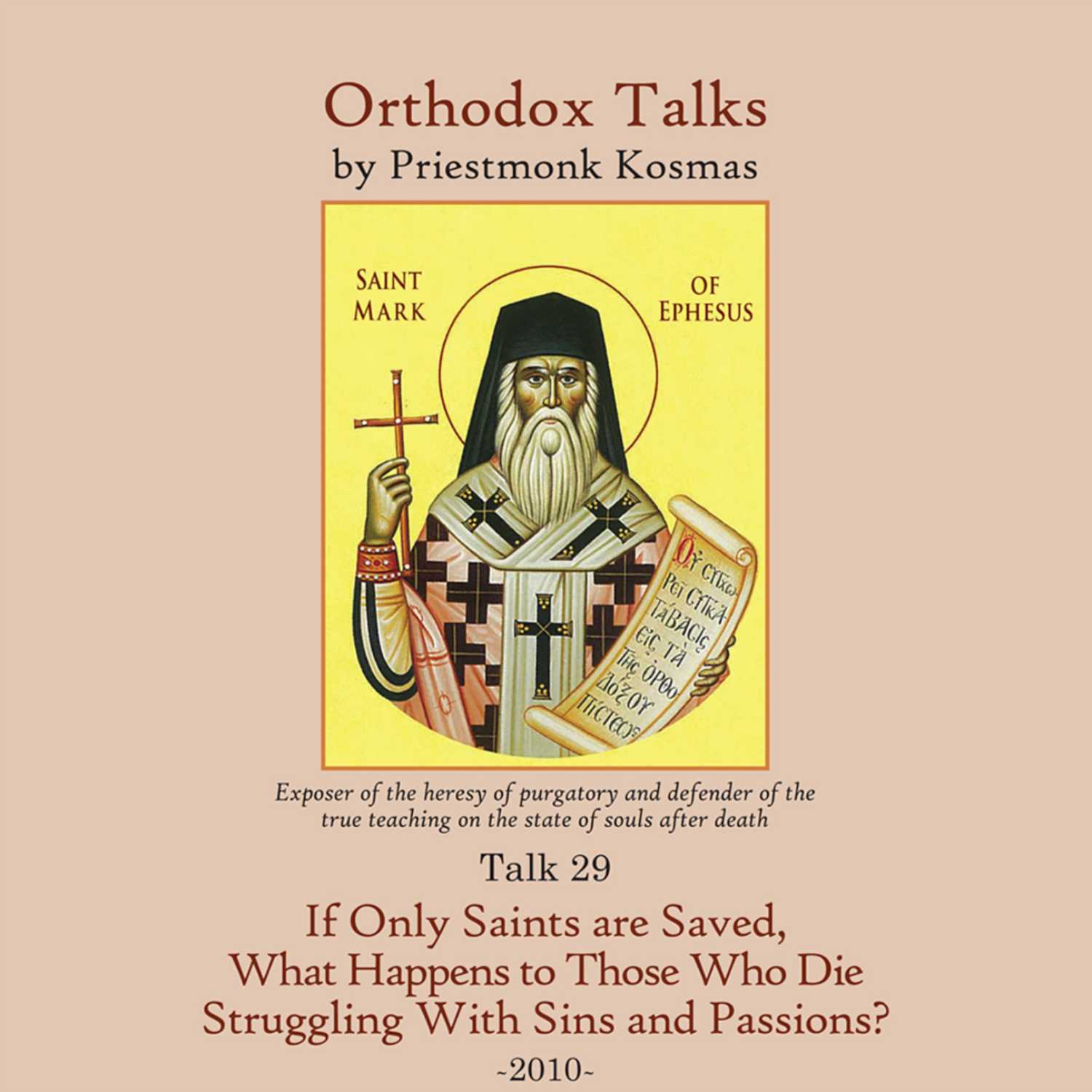
Talk 29: If Only the Saints are Saved, What Happens to the Faithful Who Die Struggling With Sins and Passions?
In the writings of the Holy Fathers we often read statements such as these: “Our sins will prevent us from seeing God,” “Only those who have been purified before death can be saved,” and, “After death, even forgotten sins will be used by the demons to obstruct a soul’s passage to Heaven.” Many who read these types of statements fall into despair, thinking that salvation is impossible. The fact is, most people are neither complete sinners nor complete saints when they die. This raises the question: what happens to the souls of these people?In this talk Father Kosmas uses the writings of the holy fathers and the Orthodox funeral service to explain what happens to the souls of those who die with minor unconfessed sins, or who have not brought forth fruits of repentance for sins confessed. He emphasises that there is much hope for the salvation of those who have died without having attained spiritual perfection. Knowing the Church’s teaching on this topic not only can help those who have already departed this life, but can also help us to better prepare for our own departure.The following questions are also discussed: why are people reluctant to give money to the poor on behalf of the departed? When is it appropriate to weep for our departed loved ones? Is there a place called purgatory, as the Roman Catholic Church teaches, where souls suffer in order to be cleansed of their sins? Are the Protestants correct when they say that, since there is no repentance after death, praying for the dead is useless? Why did one saint appear to a priest, asking him to commemorate his departed parents? What is the Orthodox teaching on praying for those who have committed suicide?Other points covered in this talk include: a wonderful account of how the dead appeared in order to defend a sinful priest; how zeal in praying for the dead is a sign of spiritual progress; how to prepare for one’s own departure from this life; how Elder Cleopa of Romania gives hope for Orthodox Christians who have departed this life without proper preparation; and the reason why many departed souls hope that one of their relatives will become a priest or a monastic.Talk 29 duration: 3hrs 9minsChanting duration: 7mins (Hymns for the Reposed)Total duration: 3hrs 16minsVisit our website: www.OrthodoxTalks.com
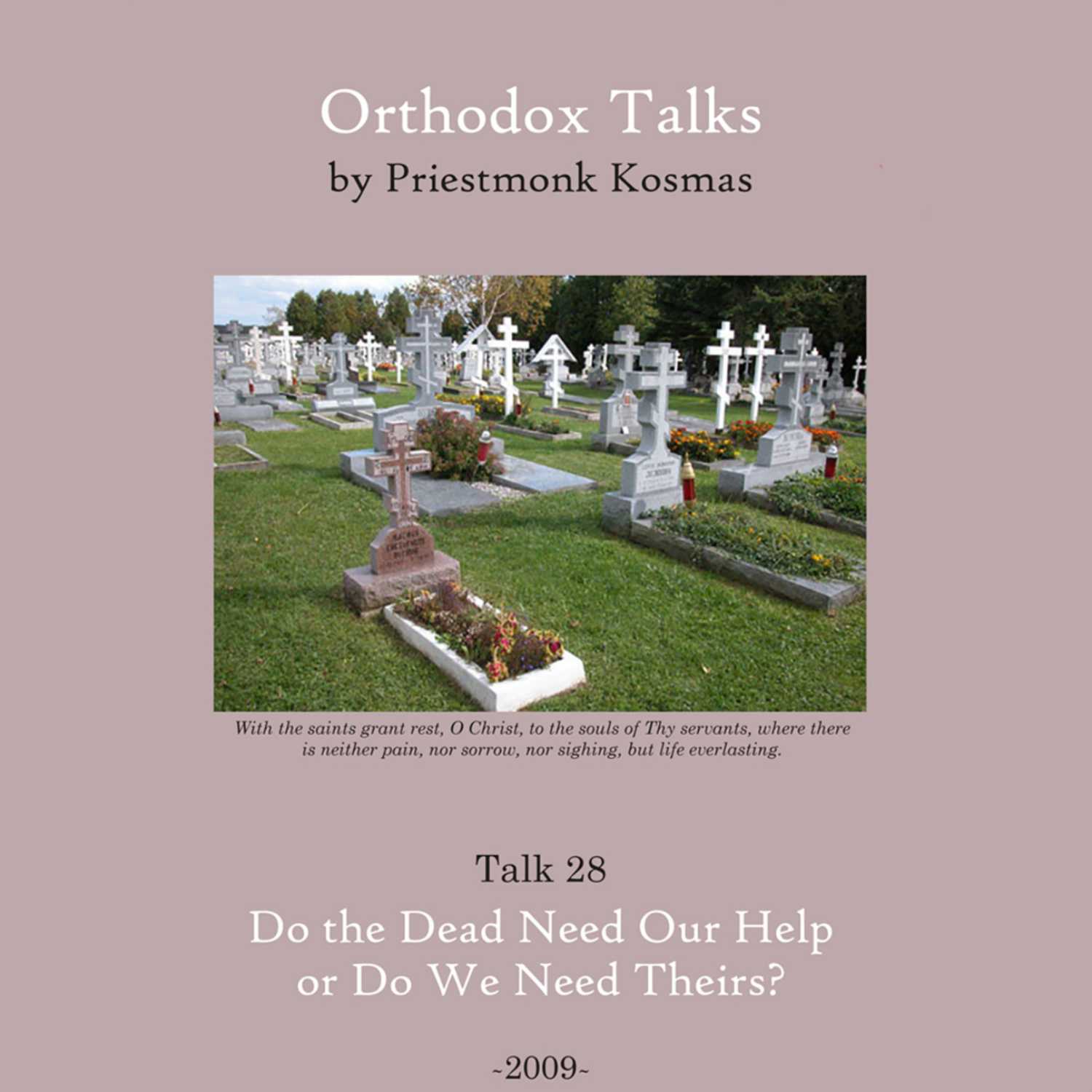
Talk 28: Do the Dead Need Our Help or Do We Need Theirs?
Without a doubt, even among Orthodox Christians there is considerable ignorance today regarding the soul after death. When someone close to us departs this life, those left behind are often at a loss as to how to help their departed loved one. Some ascribe the greatest importance to flowers, poems and speeches, beautiful funerals and graves. Others try to communicate with their departed loved ones to find out how they are or to seek some help from them. But few actually know how to help the dead.In this talk Father Kosmas uses the teachings of the Orthodox Church to present the truth about the soul after death. He explains that departed souls greatly desire spiritual help from the Church and from their loved ones, and he outlines ways of providing this help, which are able to deliver the departed from a place of suffering to a place of eternal blessedness.The following questions are also discussed: how do the prayers before and after the soul’s departure help a person? Is it a myth that demons and angels fight each other for a newly-departed soul? Can Orthodox elders or eldresses know the condition of a departed soul? Why is it better for some to die than to continue living in this world? How do mediums reveal personal information about the departed and those present in the audience? Can departed souls communicate with the living? What trials do Christians face at the time of their death? How does one become receptive to prayers offered after one’s death?Other points covered in this talk include: the importance of performing good deeds on behalf of those who have departed this life; how private prayers help the soul of a departed loved one; examples of souls that have appeared to the living; how a monk prayed for the suffering soul of his mother who had lived as a prostitute; why psychics such as John Edward never mention the existence of Hell, suffering, and the demons; how commemoration of the dead at the Divine Liturgy is the highest form of help; and the importance of arranging for our own commemoration and almsgiving before our death.Talk 28 duration: 3hrs 6minsChanting duration: 7mins (Hymns for the Reposed)Total duration: 3hrs 13minsVisit our website: www.OrthodoxTalks.com
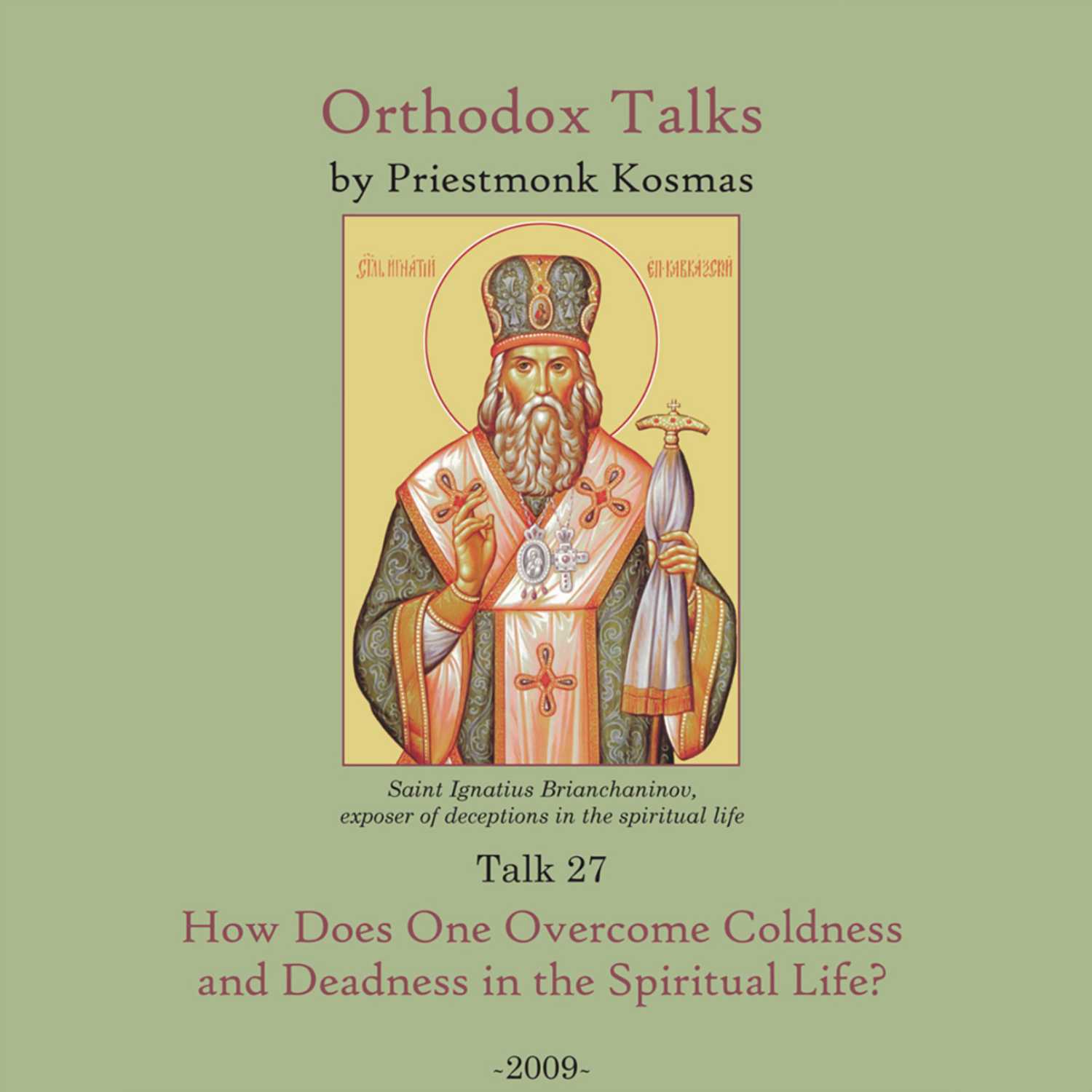
Talk 27: How Does One Overcome Coldness and Deadness in the Spiritual Life?
A great many Orthodox Christians who fast, confess, commune, attend the church services, and perform various ascetic labors complain of a feeling of spiritual coldness and deadness. They are surprised, thinking that doing all this ought to help them in acquiring the grace of God. Common characteristics of such people include self-satisfaction, vainglory, self-trust, self-will, being judgmental, and a lack of both repentance and self-knowledge.In this talk, Father Kosmas uses the teachings of Saint Ignatius Brianchaninov to explain the reason for coldness and deadness in the spiritual life and how to overcome this. He explains that true spiritual life requires not just the fulfilment of external requirements, but practising the teachings of the Gospel, recognizing our own sinfulness, and cultivating a sense of repentance.The following questions are also discussed: why do we find it difficult to repent? How are the passions spiritually beneficial? Is prayer worthless without repentance? Why do the Jehovah’s Witnesses and other sectarians seem so peaceful and calm? Can joy in the spiritual life be demonic? How can we see God? What is the difference between children of God and children of the devil? What did the saints regard as greater than miracle-working and good works? Can God still give us what we ask even when He knows it is not good for us?Other points covered in this talk include: the logical reason for the Western Church’s doubt or denial of wonders and miracles in the lives of the ancient saints; rampant pharisaism in the Orthodox Church today; the tragedy of not reading the Holy Bible on a daily basis; how not noticing one’s vainglory is equal to having no inner spiritual life; the repulsiveness of a self-opinionated person; the difference between the holy water of the Orthodox Church and that of the Roman Catholic Church; and how not wanting to sin can be a deception.Duration: 3hrs 4minsVisit our website: www.OrthodoxTalks.com
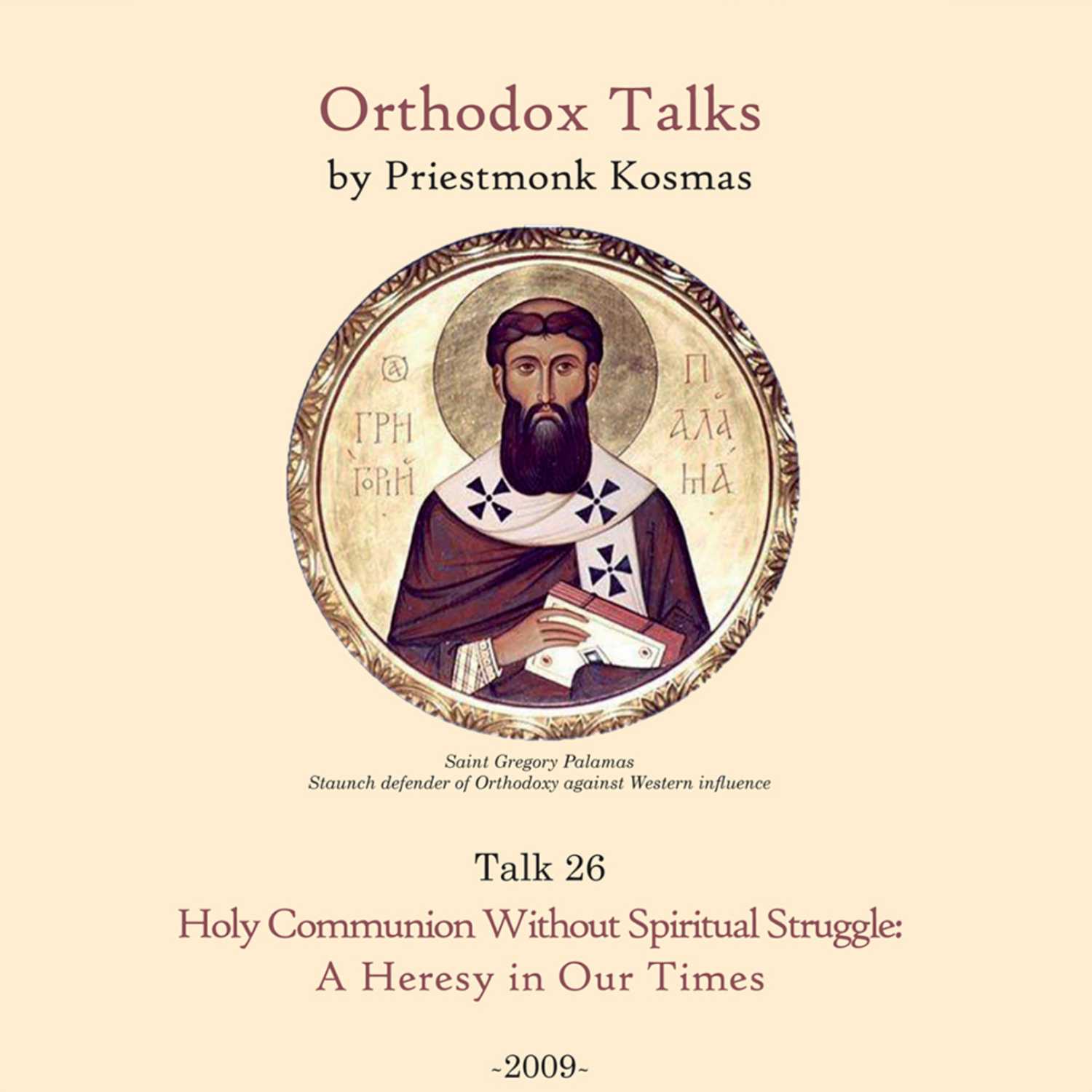
Talk 26: Holy Communion Without Spiritual Struggle: A Heresy in Our Times
Some traditional Orthodox theologians believe that the spirituality of many Orthodox Christians has become quite similar to Western spirituality. These Orthodox Christians share the distorted Protestant view of repentance as merely accepting Christ and feeling some regret for past sins, and the Roman Catholic over-emphasis on partaking of the Sacraments and obedience to the bishop. This movement within Orthodoxy to westernize the Church is not a new one. Its supporters (including hierarchs, clergy and theologians) undervalue the role of asceticism in the lives of all Orthodox Christians.In this talk, using the teachings of the Orthodox Church, Father Kosmas explains that partaking of the sacraments without spiritual struggle is a heresy similar to that against which Saint Gregory Palamas fought in his day. He emphasises that God indeed freely gives His grace through the sacraments, but man’s cooperation (through personal ascetic struggle) is absolutely necessary for the healing and salvation of the soul.The following questions are also discussed: what are some of the reasons people believe in God? Do Orthodox Christians differ much from religious people of other confessions? How should we regard scandals in the Church? What is the difference between pietism and piety? Should we avoid external practices so that people will not think us Pharisees? How do we deal with ecumenist bishops? Why have some people improved spiritually upon ceasing to partake of Holy Communion?Other points covered in this talk include: religious brain-washing; how believers can become unbelievers when something “better” comes along; what happened to a woman when exorcism prayers were stopped; the danger of meeting our ego face to face; the difference between regret and repentance; a young man’s delusion in leaving home so as to struggle better spiritually; and why at times asking for self-knowledge can be extremely dangerous.Duration: 3hrs 13minsVisit our website: www.OrthodoxTalks.com
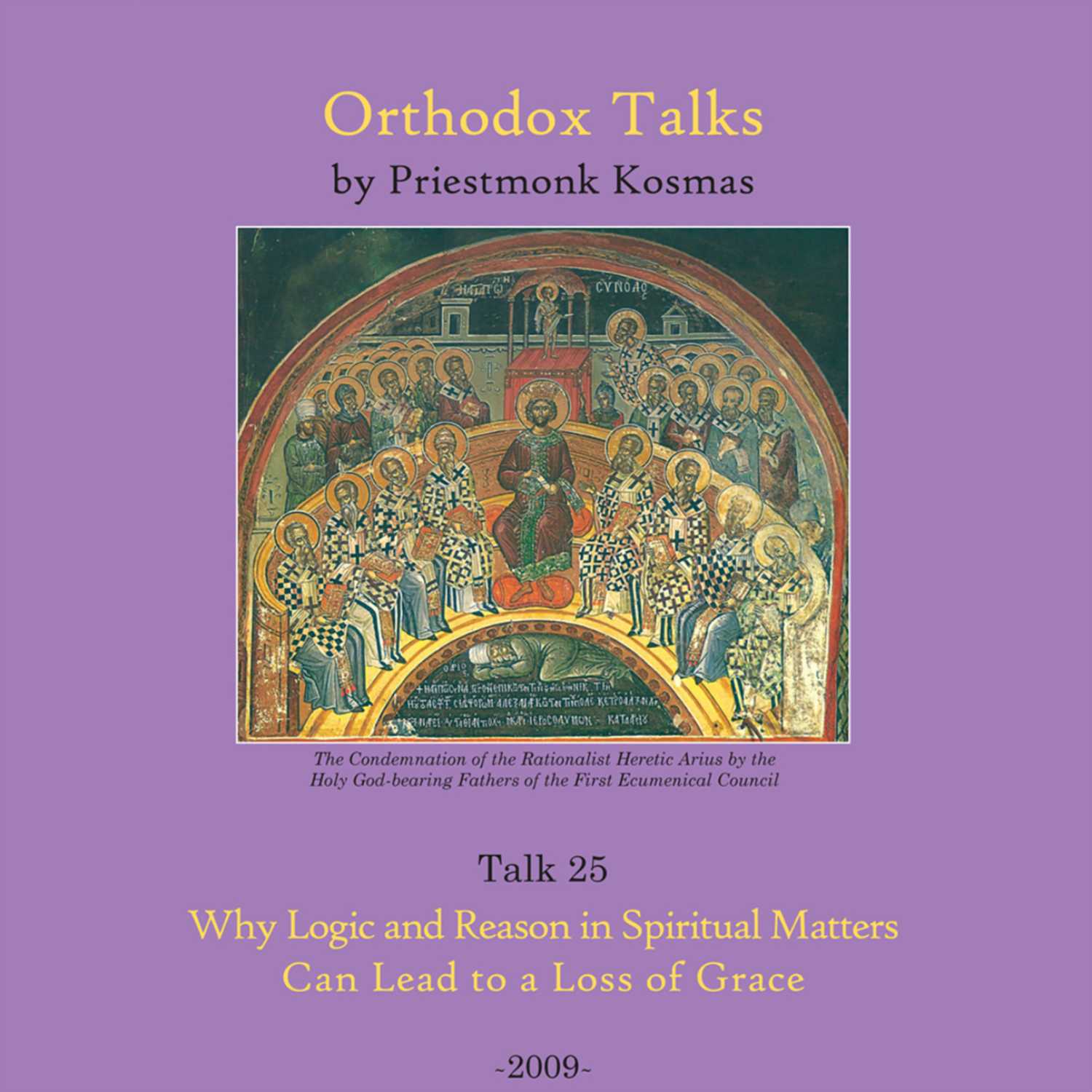
Talk 25: Why Logic and Reason in Spiritual Matters Can Lead to a Loss of Grace
This talk is a continuation of Talk 24: "Elders vs. Religious Intellectuals: Whom to Follow?" Asceticism is the most important aspect of Orthodox spirituality, for it is the path by which one acquires the grace of God. But the holy elders of our times teach that today there is a lack, and even an absence, of asceticism in the Church. Without asceticism, Christians tend to ignore the heart and the conscience, and instead use logic and reason in spiritual matters. The question then arises: what is true asceticism?In this talk, Father Kosmas explains that true asceticism is the struggle to keep the commandments of Christ, not simply following various external rules and abstaining from certain foods. He goes on to list many aspects of everyday life that can be considered ascetical and are therefore spiritually beneficial. By struggling to keep the commandments, one can acquire grace and thereby avoid the pitfall of using logic and reason in spiritual matters. For as we read in Holy Scripture, the Holy Spirit only abides in those who keep Christ’s commandments.The following questions are also discussed: why did Elder Paisios call those clerics sick who used psychology to help souls? What should be our attitude towards atheists? Why are Christians who complain about the evil in the world called “saltless”? How does God humble the proud? Should we condemn drug addicts, prostitutes, fornicators, homosexuals, alcoholics, etc.? Why are priests increasingly referring their spiritual children to psychologists? How should we view abuse of men by women?Other points covered in this talk include: an “illogical” explanation for the death of infants and children; how studies in academic theology can produce unbelievers; how mental illness can be viewed as a spiritual struggle and even martyrdom; how spiritual progress comes when we stop focusing on our personal problems; and the wonderful example of a woman who endured abuse from her husband.Duration: 3hrsVisit our website: www.OrthodoxTalks.com
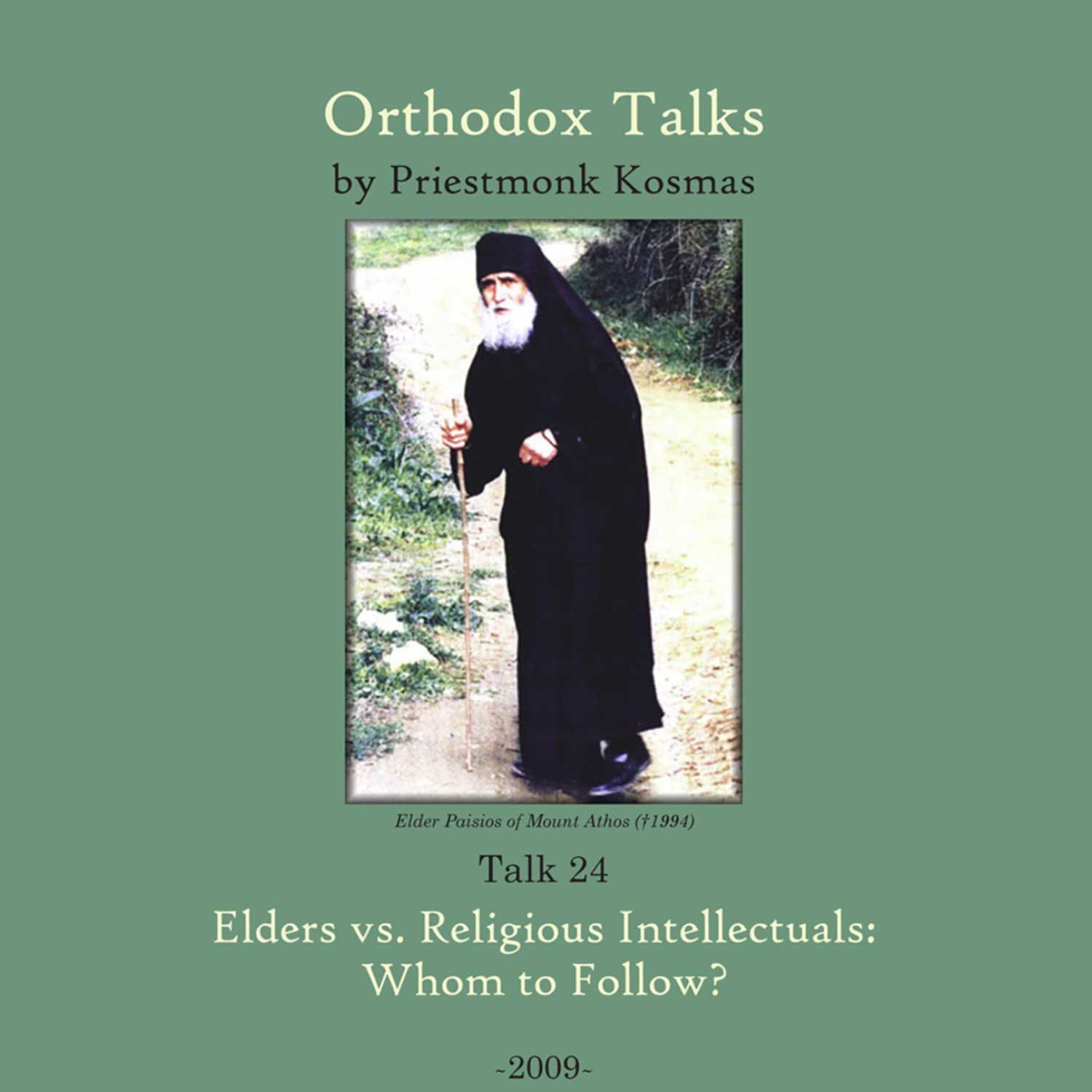
Talk 24: Elders vs. Religious Intellectuals: Whom to Follow?
In the Orthodox Church today there is a growing trend towards using logic and reason to explain miracles, mysteries, Divine Providence and demonic phenomena. This school of thought has existed in the Western Church for centuries, and is known as rationalism. The disease of rationalism is now being spread in the Orthodox Church by some clergy and theologians, many of whom have studied in the West. But Orthodox Christianity cannot be comprehended solely through reason and logic.In this talk, Father Kosmas uses the teachings of Elder Paisios of Mount Athos (†1994) to explain that rationalism comes from a partial or complete lack of faith, and has its roots in pride, ego and self-trust. Since the Great Schism, there has always been within the Orthodox Church a battle between those of the true Orthodox spirit and those of this Western spirit. Father Kosmas emphasises that Orthodox Christians need to embrace the spirit of Orthodoxy as passed on to us by the saints and the elders, particularly those saints and elders who have lived during our times.The following questions are also discussed: is pride the cause of many mental illnesses? Why does God allow mental illness? Why are we blind to God’s intervention in our lives? Are there people whose spiritual lives exist only in their minds? Why did one well-educated priestmonk become mentally ill? What does the elder mean by “spiritual headache”? Can overindulging in reading spiritual books be dangerous?Other points covered in this talk include: how human logic in the spiritual life can lead to denial of divine and demonic supernatural phenomena; how God stopped a man who wanted to visit a fortune-teller; a simple monk who performed a miracle by praying to “Saint Ascension”; the miracle of the Holy Fire in Jerusalem; God’s judgement as opposed to human judgement; and the need to beware of priests and theologians who suffer from rationalism.Duration: 3hrs 2minsVisit our website: www.OrthodoxTalks.com
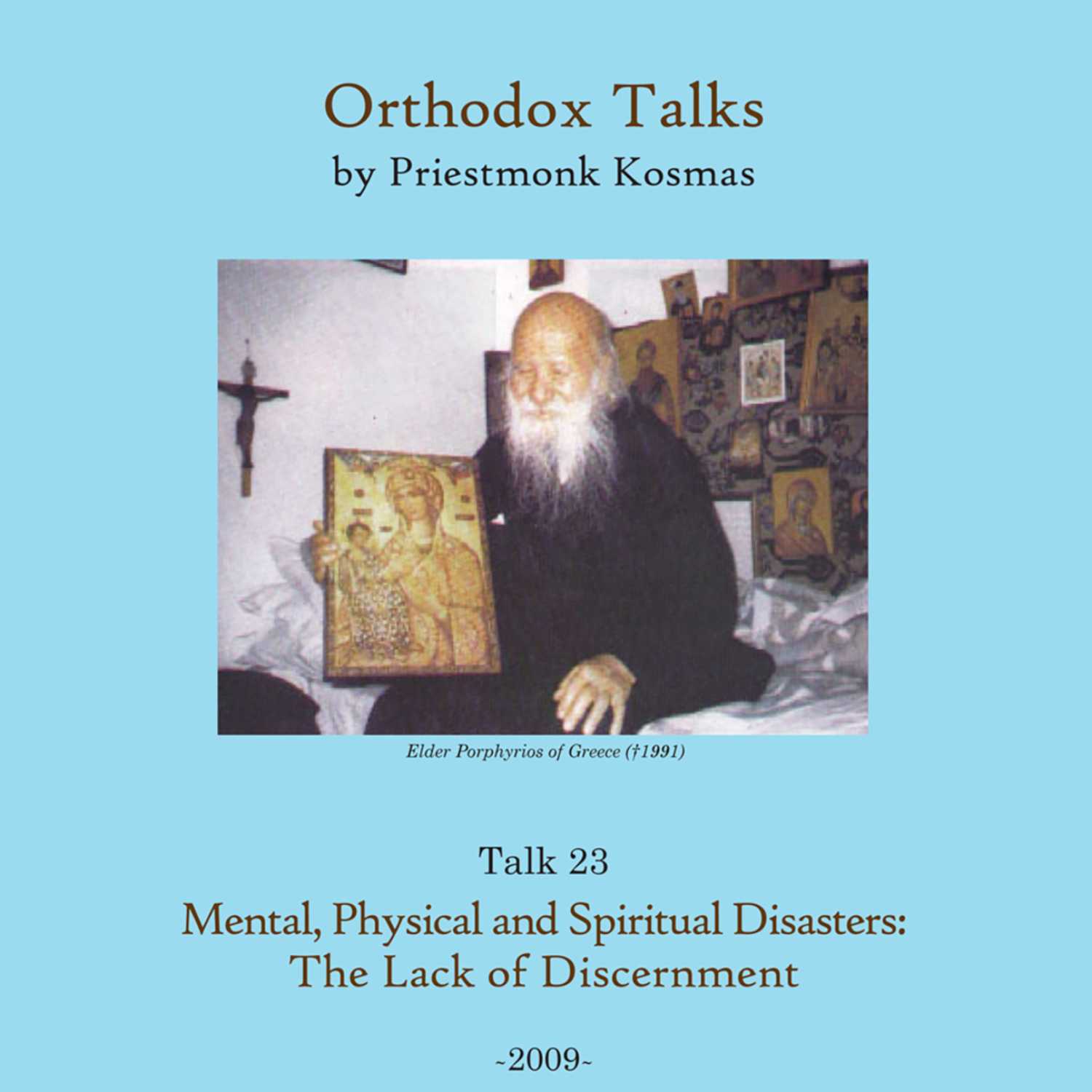
Talk 23: Mental, Physical and Spiritual Disasters: The Lack of Discernment
There is a mistaken view that the spiritual life concerns only spiritual matters, and that physical and mental issues are of little or no importance. However, diet, exercise, recreation, relationships, and managing stress and anxiety are not only part of the spiritual life, but a very important aspect of it. Though many do not realize it, the Church teaches that disregarding or abusing our bodies and minds is sinful and contrary to the teachings of the Church.In this talk, Father Kosmas discusses this very relevant topic, drawing on the counsels of Elder Porphyrios of Greece (†1991). He emphasises that Elder Porphyrios was very understanding and lenient towards those who came to him because he understood the physical, mental, and spiritual weaknesses of Christians in these modern times. Listening to the elder’s discerning advice can help one avoid disasters that can even lead to the loss of one’s soul.The following questions are also discussed: what is the difference between regret and repentance? Should parents have the boldness to ask God for discernment? Does one prepare for confession, or only for Holy Communion? Should we turn to God or to doctors in times of sickness? Are Orthodox Christians more responsible than other Christians for the evil in the world? Is it appropriate for a spiritual father to give advice on diet, physical activity and work? Why is being disorganized a sin? Is a lukewarm Orthodox Christian worse than a nonbeliever?Other points covered in this talk include: how Elder Porphyrios counselled those who had suffered nervous breakdowns; examples of those whom the elder could not help; the relationship between fantasies and mental illnesses; the dangers of trying to imitate the spiritual gifts of elders; how true spiritual life begins with seeing one’s own sins; the attempt by some to avoid referring to the demons; and the frequent reluctance of Orthodox clergy to speak about fornication, adultery, homosexuality, and virginity, as opposed to many clergy of other faiths.Duration: 3hrs 2minsVisit our website: www.OrthodoxTalks.com
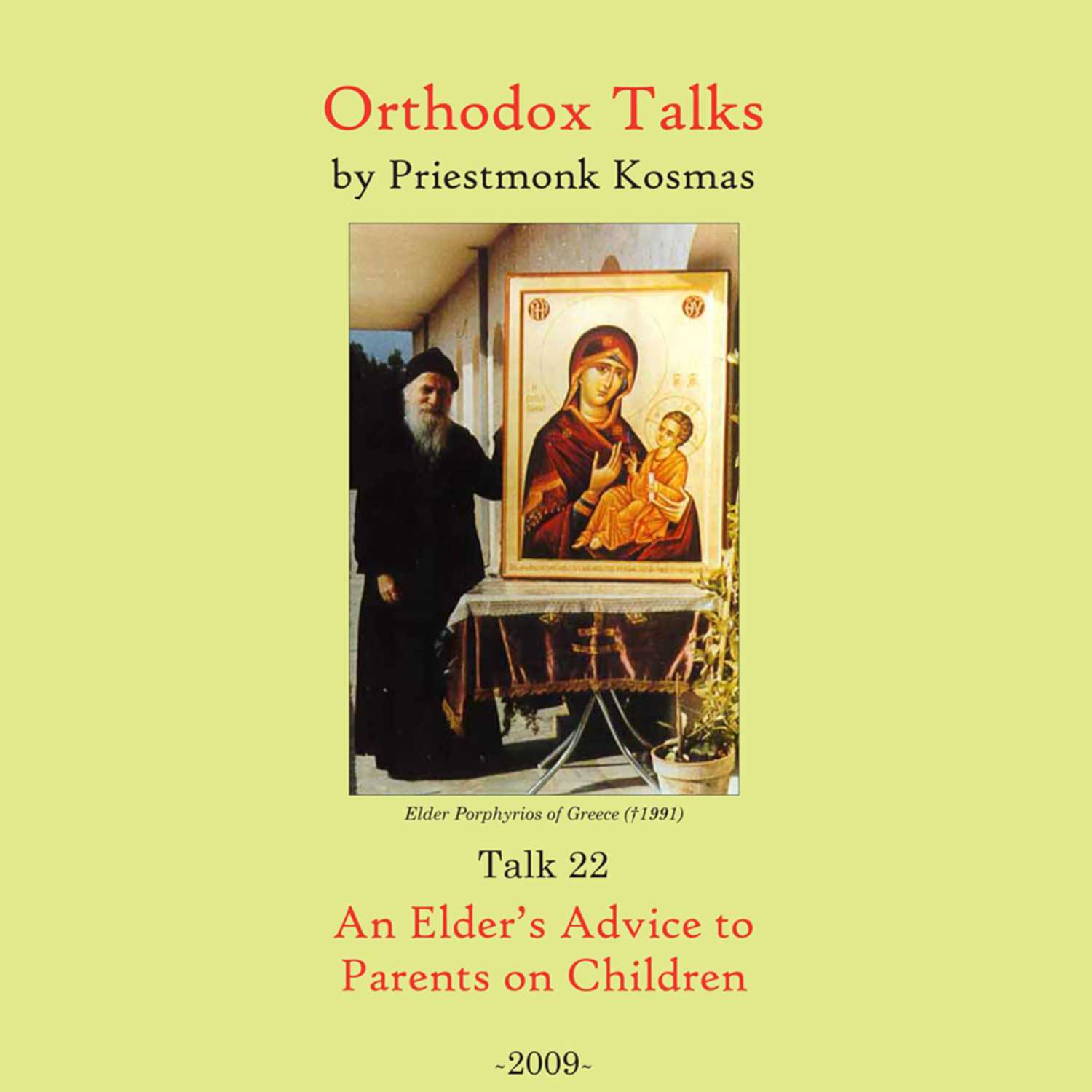
Talk 22: An Elder's Advice to Parents on Children
Today, more than ever before, parents are very concerned with the question of how to raise their children. A large percentage of Orthodox parents look for answers outside of the Church, in books and magazines, on the internet and TV, and from health practitioners. Some in desperation even resort to mediums, psychics, and magicians for advice and help. Unfortunately, the answers they receive are often incorrect, incomplete, or even dangerous.In this talk, Father Kosmas uses the teachings of Elder Porphyrios of Greece (†1991) to answer many questions regarding the upbringing of children. He draws on the many encounters of parents with the elder, who spoke with great discernment about issues specific to the times in which we live. Parents who have followed the elder’s advice have seen miracles occur in their families.The following questions are also discussed: can we blame children’s problems on their parents’ mistakes? Can putting pressure on children cause problems? Does the subconscious play a role in the spiritual life? Can constant arguing lead to holiness? Does a child in the womb inherit his mother’s passions? Can a mother’s aversion to her unborn child affect him in later life? Should selfish couples avoid having children? How can prayer heal those with mental illness? Can a person with OCD progress spiritually? Why did the elder advise one mother to leave her children for a time?Other points covered in this talk include: how the elder’s prayer brought a group of rebellious youth to church; how a lack of love between husband and wife can result in “problem children”; post-natal depression; the negative effects of feminism on Orthodox women; suicidal children; the destructive consequences of jealousy between siblings; spoiled children; the tragic effects of forcing people to go to confession; the false idea that holiness means living without sins and passions; and the need for parents to pay attention and respond to their children’s anxieties and fears.Duration: 2hrs 39minsVisit our website: www.OrthodoxTalks.com
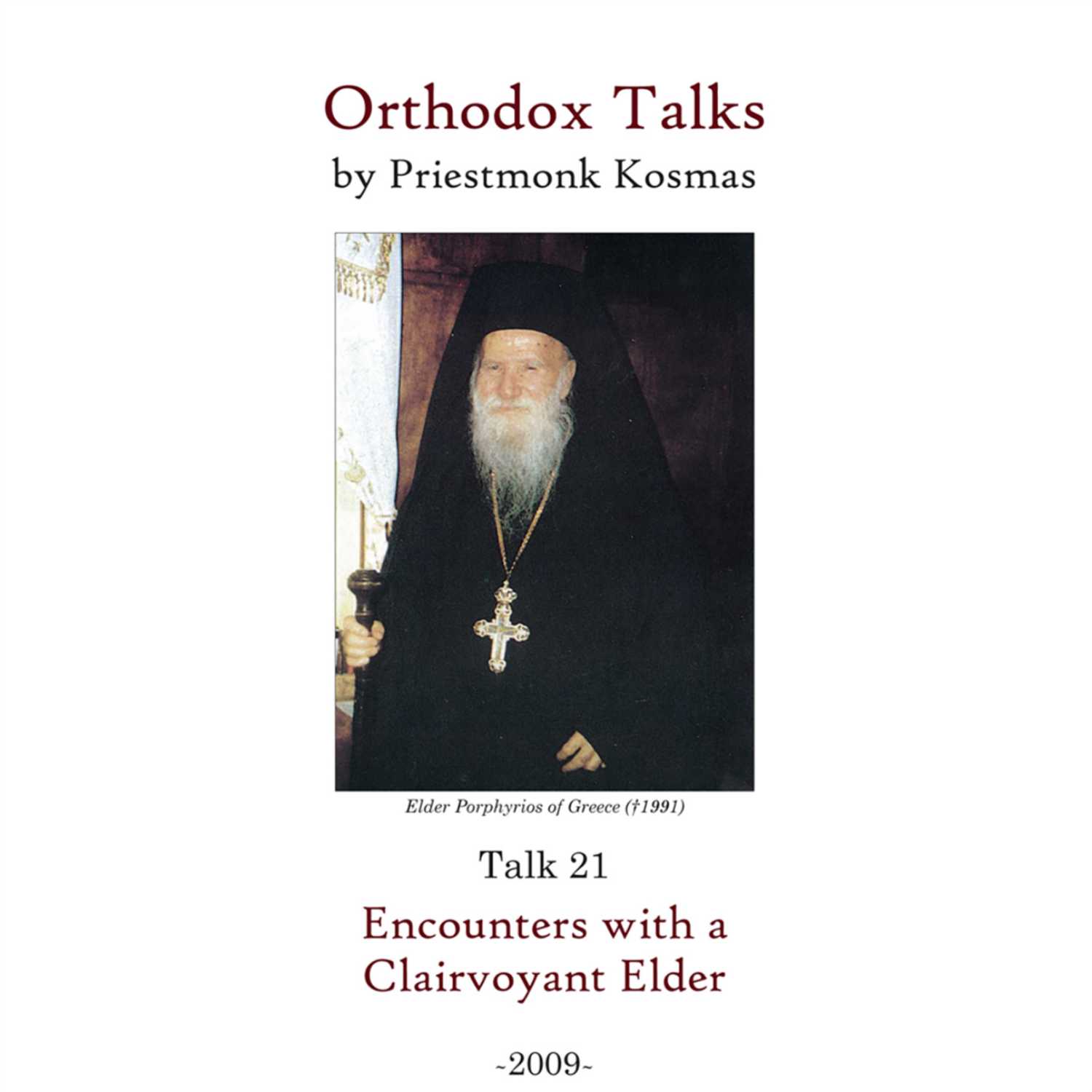
Talk 21: Encounters with a Clairvoyant Elder
Elder Porphyrios of Greece, an extraordinary holy father of our own times, was given the gift of clairvoyance by God for his humility, love, and faithfulness to holy Orthodoxy. This gift enabled him to see into the past, present, and future, looking into people’s souls and perceiving their innermost thoughts. He also revealed to many their illnesses – spiritual, mental, and bodily – healing them as God willed.In this talk, Father Kosmas relates many accounts of Elder Porphyrios’ clairvoyance. He emphasises the importance of not confusing the gift of clairvoyance given by God with that of psychics, clairvoyants, mediums, fortune-tellers and astrologers. Many who are ignorant of the teachings of the Orthodox Church are deceived into believing that these imposters possess God-given powers, when in reality what power they have comes from the evil spirits.The following questions are also discussed: what is the difference between an Orthodox elder and a psychic? Can the possessed know our sins? Can psychics, mediums, etc., really reveal the unknown and the future? Why do Muslims go to Orthodox churches for prayers and miracles? Is ecumenism less dangerous today than in the past? Can the prayers of monastics be more effective than those of a bishop? Why did the elder blame parents for their children’s problems? Should parents tell their fellow Orthodox if their own children are suicidal?Other points covered in this talk include: a cure for depression; the incorrect belief that monastics care only about themselves; how the elder told one mother that her beloved son would strike her; expensive good luck charms; the miracle of the Holy Fire in Jerusalem; how a Roman Catholic monk was amazed at the elder’s clairvoyance; the obsession of some Orthodox Christians with converting people to Orthodoxy; how the elder revealed a taxi driver’s dark and hidden secret; and why associating with certain people can be spiritually harmful.Duration: 2hrs 57minsVisit our website: www.OrthodoxTalks.com
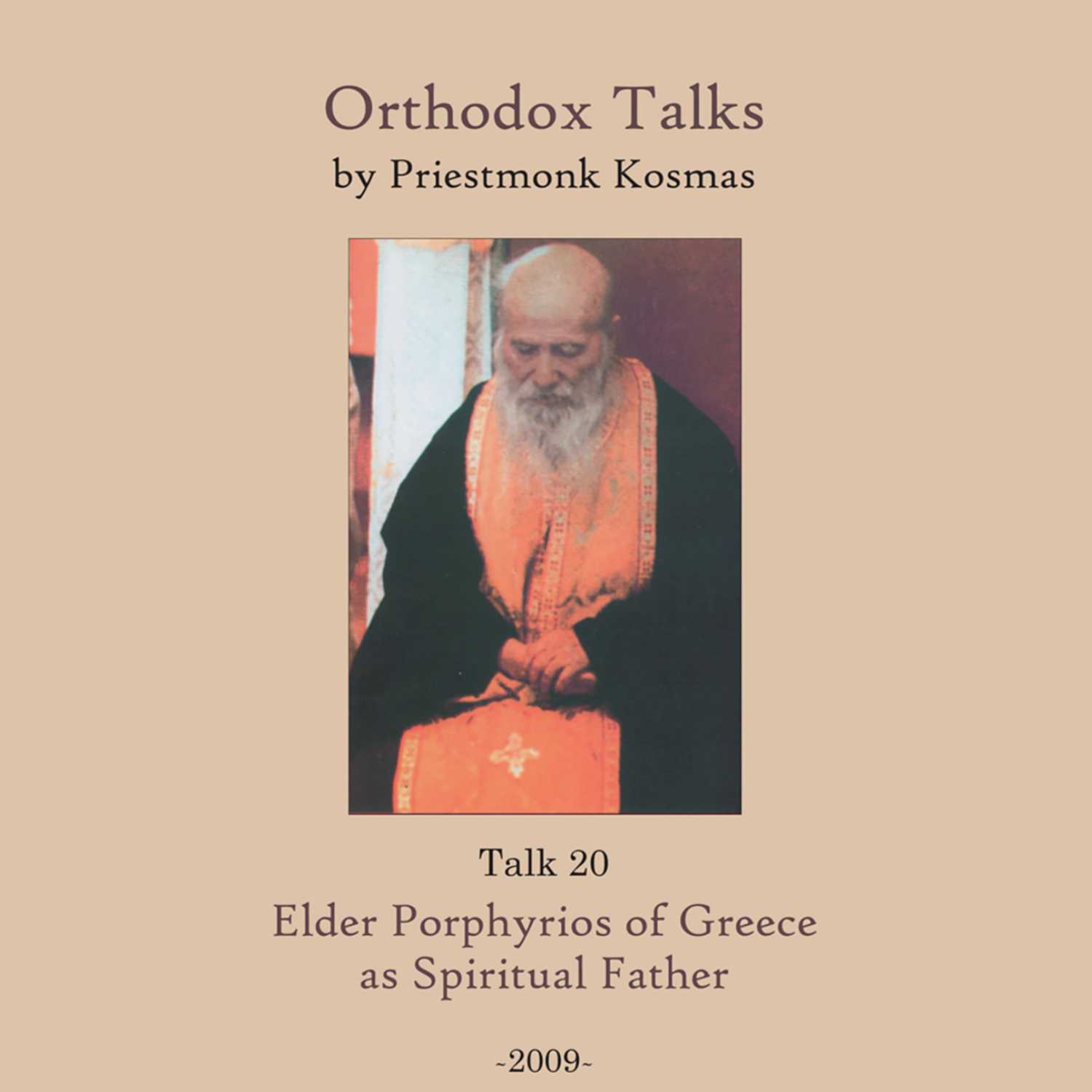
Talk 20: Elder Porphyrios of Greece as Spiritual Father
It has been said that only once in a hundred years does Greece produce an elder such as Elder Porphyrios (1906–1991), who has become renowned as one of the greatest spiritual fathers of the last century. Thousands of people, not only from Greece but from all over the world, came to him for advice and help. Using his gifts of clairvoyance, healing, and miracle-working he brought a vast number of souls to the Church of Christ, the Orthodox Church.In this talk, Father Kosmas looks at Elder Porphyrios’ sixty years as a spiritual father. He presents many examples of how the elder dealt with those who came to him for confession, guidance and healing. Although the examples are specific to the people who came to the elder, Father Kosmas points out the spiritual benefit the listener can derive from them.The following questions are also discussed: should spiritual fathers be strict and demanding in this day and age? Why is pride harder to detect in our time? Is an educated priest necessarily better than one who is uneducated? Is all anger sinful? How can natural gifts at times cause one to lose oneself? Is it important for a spiritual father to know the background of those who confess to him? Do spiritual fathers have the authority to deny a person Communion? Is it a sign of pride to desire the priesthood?Other points covered in this talk include: social anxiety, medication, and spiritual life; the dangers of criticizing a proud person; how the elder once mistakenly walked into a brothel; physical and mental illnesses and fasting; the dangers of exceptions becoming the norm in the Church; how caring for the sick and the elderly can curb sexual passion; credit cards and their effect on one’s spiritual life; the importance of penances imposed by spiritual fathers; and the danger of measuring one’s own spiritual progress.Duration: 3hrs 11minsVisit our website: www.OrthodoxTalks.com
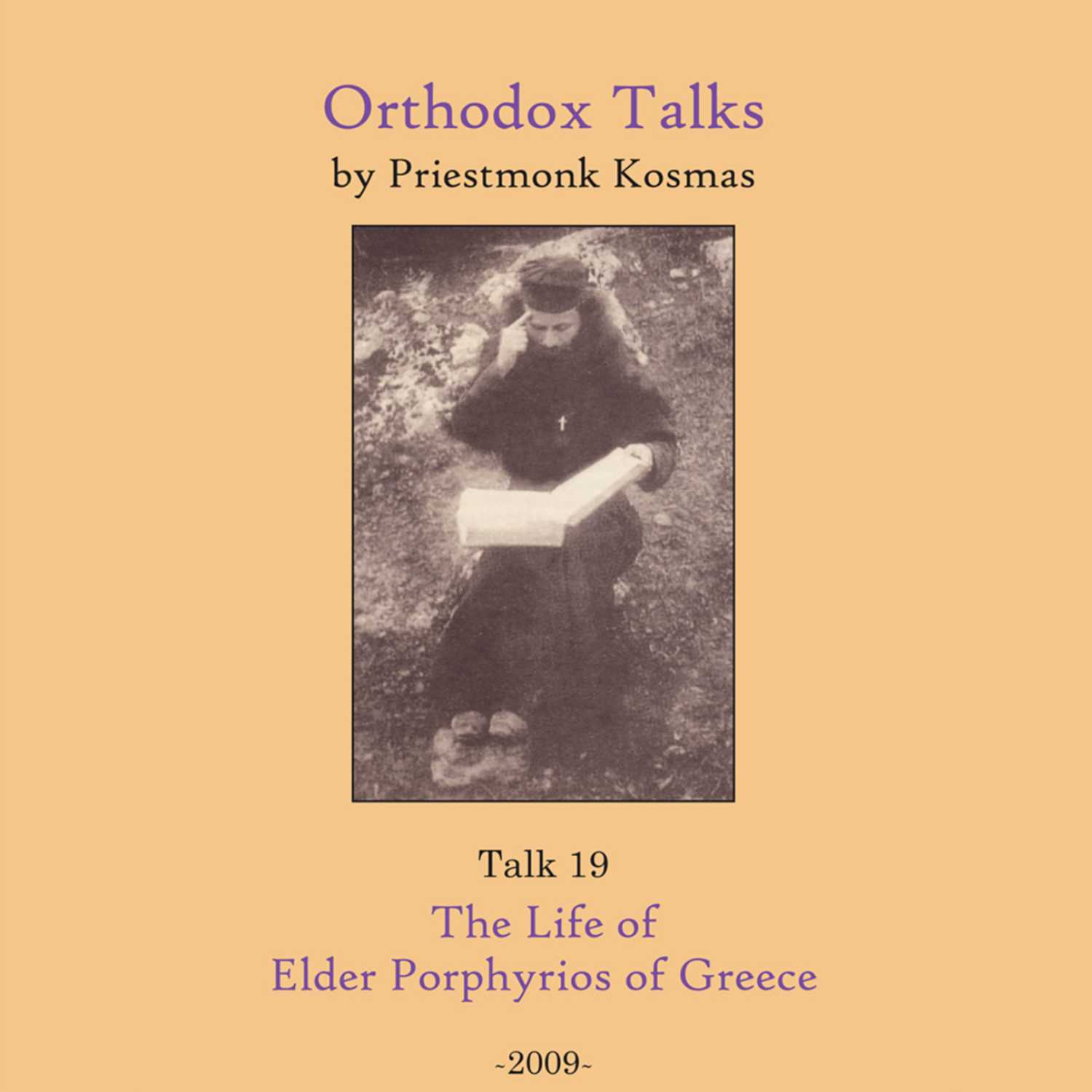
Talk 19: The Life of Elder Porphyrios of Greece
Among Christians today one may encounter three incorrect views regarding the saints. The first is that saints are a thing of the past, not encountered in our day and age. The second is that saints achieve holiness because they are born with special qualities or God especially chose them (predestined them) to be saints, and therefore holiness is unattainable for ordinary people. The third view is that saints are myths, because the accounts of their miracles and extraordinary way of life are impossible to believe.In this talk, Father Kosmas relates in detail the life of Elder Porphyrios (1906–1991) and shows how an “ordinary person” can become a saint—even today. He emphasises that one receives great spiritual benefit from reading the lives of saints, particularly those who lived in our times. This account of this great saint shatters the three wrong views mentioned above.The following questions are also discussed: how can praise damage children? Is there a link between insufficient physical activity and mental illness? How do parents frequently lead their children into delusion? Why do the demons hate those who reveal their thoughts to a spiritual father? Which is the greater virtue: asceticism or obedience? Why are the churches in Russia full? What is innocent fanaticism?Other points covered in this talk include: the link between failed marriages and irresponsibility in the childhood of the spouses; how the attitude of “I want to be spiritual but don’t tell me my faults” is quite common amongst Christians today; the ever-changing theories of psychology; the relationship between depression and disobedience; the disastrous effects of self-will; how God withholds His divine gifts in order to protect us from abominable pride; how our faith in God should not be based on miracles alone; how sorcerers receive their occult knowledge from other sorcerers, while elders receive their wisdom by grace; and—one of the most difficult areas in spiritual life—the upbringing of children.Duration: 3hrs 3minsVisit our website: www.OrthodoxTalks.com
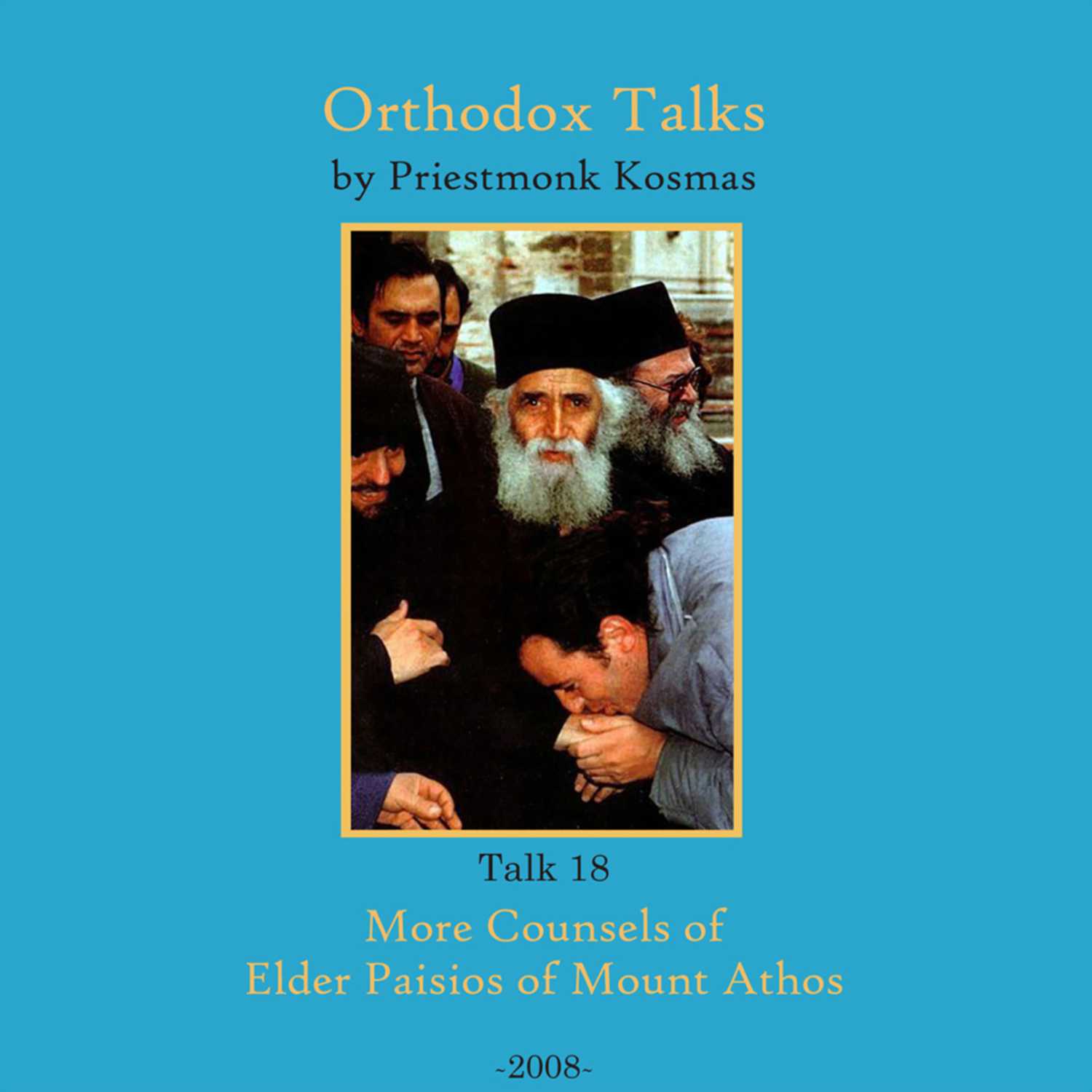
Talk 18: More Counsels of Elder Paisios of Mount Athos
This talk is a continuation of Talk 17: “Counsels of Elder Paisios of Mount Athos”. Elder Paisios struggled intensely against his own passions and the demons. He especially struggled to acquire the virtues of obedience, humility, repentance and love. Because of these virtues he achieved such great sanctity that the Holy Spirit came to dwell in him, and he was granted the greatest gift of all: discernment. It was with this gift that he was able to help and guide a great number of people.In this talk, Father Kosmas offers further insight into the elder’s deep understanding of Christian life and struggle, and of the obstacles that arise to hinder us along the path to salvation. He explains that Orthodox Christians need to study closely the counsels of this great elder, who lived in our own times and hence was acquainted with the many problems that we face in the world today.The following questions are also discussed: why is it important for family members to have the same spiritual father? How does getting enough sleep help with depression? Can strict spiritual fathers negatively affect their spiritual children? How can possessed people be helped? Why is it unwise to be “glued” to one’s parents? What is the demon of television? Why should parents be careful not to praise their children too highly? How can negative traits sometimes benefit one’s spiritual life? Can cursing have evil effects? Does medication always help those with mental illnesses?Other points covered in this talk include: how children resent overbearing parents; blaming our parents for our faults and passions; the female sex’s preoccupation with physical appearance; the limitations of psychiatrists; the reason for today’s lack of elders; the effects of lack of sleep on one’s spiritual life; the potentially damaging effects of theological studies; the Antichrist; the importance of preparation before confession or seeking advice; and the importance of a close relationship with a spiritual father.Duration: 3hrs 28minsVisit our website: www.OrthodoxTalks.com
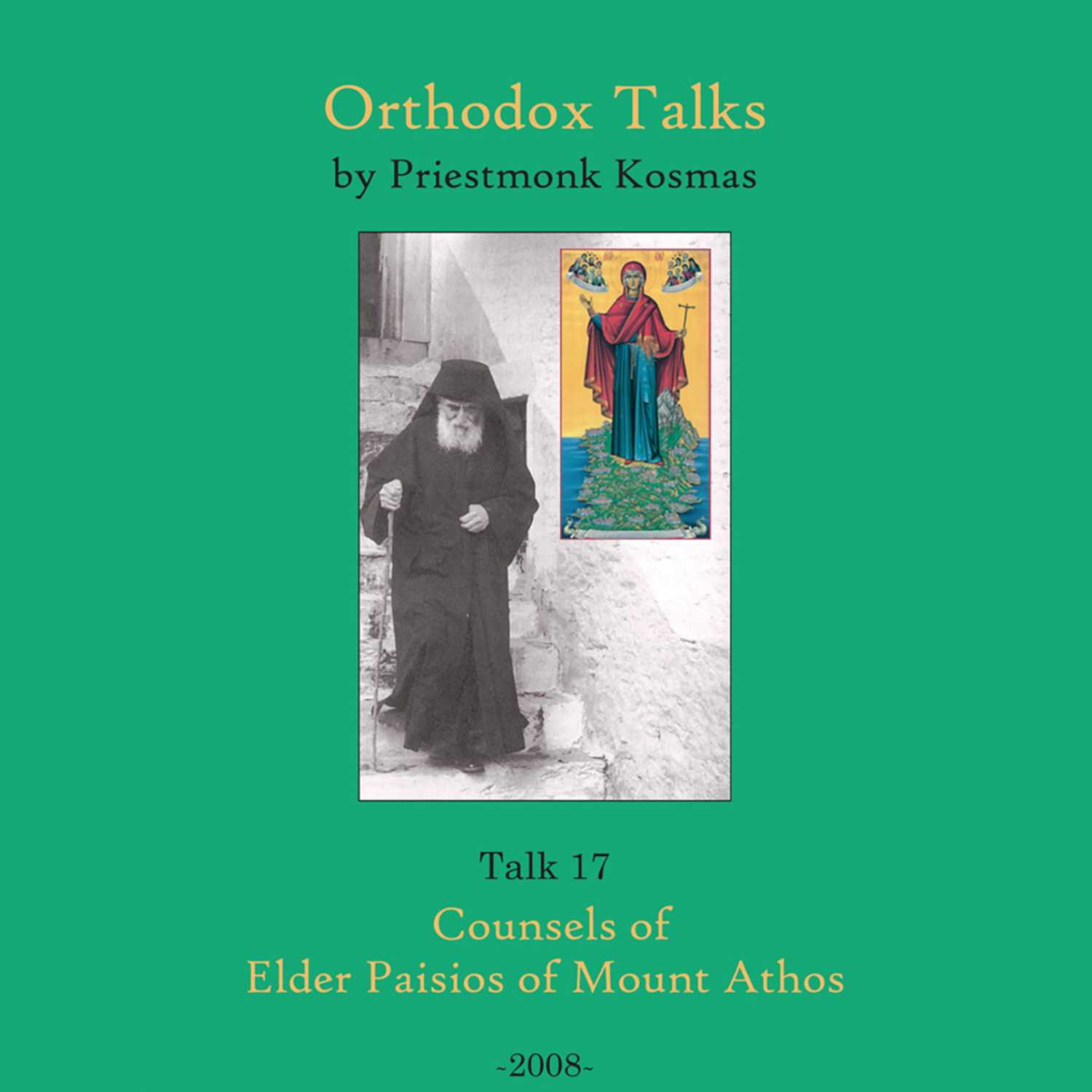
Talk 17: Counsels of Elder Paisios of Mount Athos
Elder Paisios was a simple monk who lived on Mount Athos in Greece. Leading a holy life, he became filled with the wisdom of God, and was able during his lifetime to bring great benefit to countless people with his counsels, which have since been translated into many languages. As with the elders of old, people would flock to Mount Athos from all over the world to visit the elder and receive his advice.In this talk, Father Kosmas examines a variety of Elder Paisios’ counsels. He emphasises that the elder’s counsels are particularly valuable to us because the elder was our contemporary (reposing in 1994), and hence was acquainted with many of the problems and sources of spiritual confusion that we face today.The following questions are also discussed: does God ever refuse to forgive us? Is the evil eye fact or superstition? Is zeal to convert others always a good thing? How can priests help those who are under the influence of cults and gurus? Is there such a thing as a “white lie”? Can saying the Jesus Prayer ever be spiritually damaging? Is there any benefit to the family when a young child dies? Do the sins of parents affect their children? Does brainwashing exist in the Church?Other points covered in this talk include: the need for priests to speak out on the occult and sorcery; feminists and abortion; the need for discernment when dealing with dreams, apparitions and demonic influence; the increasing disrespect of children for their parents; how Orthodox Christians should view The Da Vinci Code; children with physical or mental disabilities; the importance of having Orthodox Christian doctors and psychiatrists; and the spiritual benefit of the world’s economic crisis.Duration: 2hrs 49minsVisit our website: www.OrthodoxTalks.com
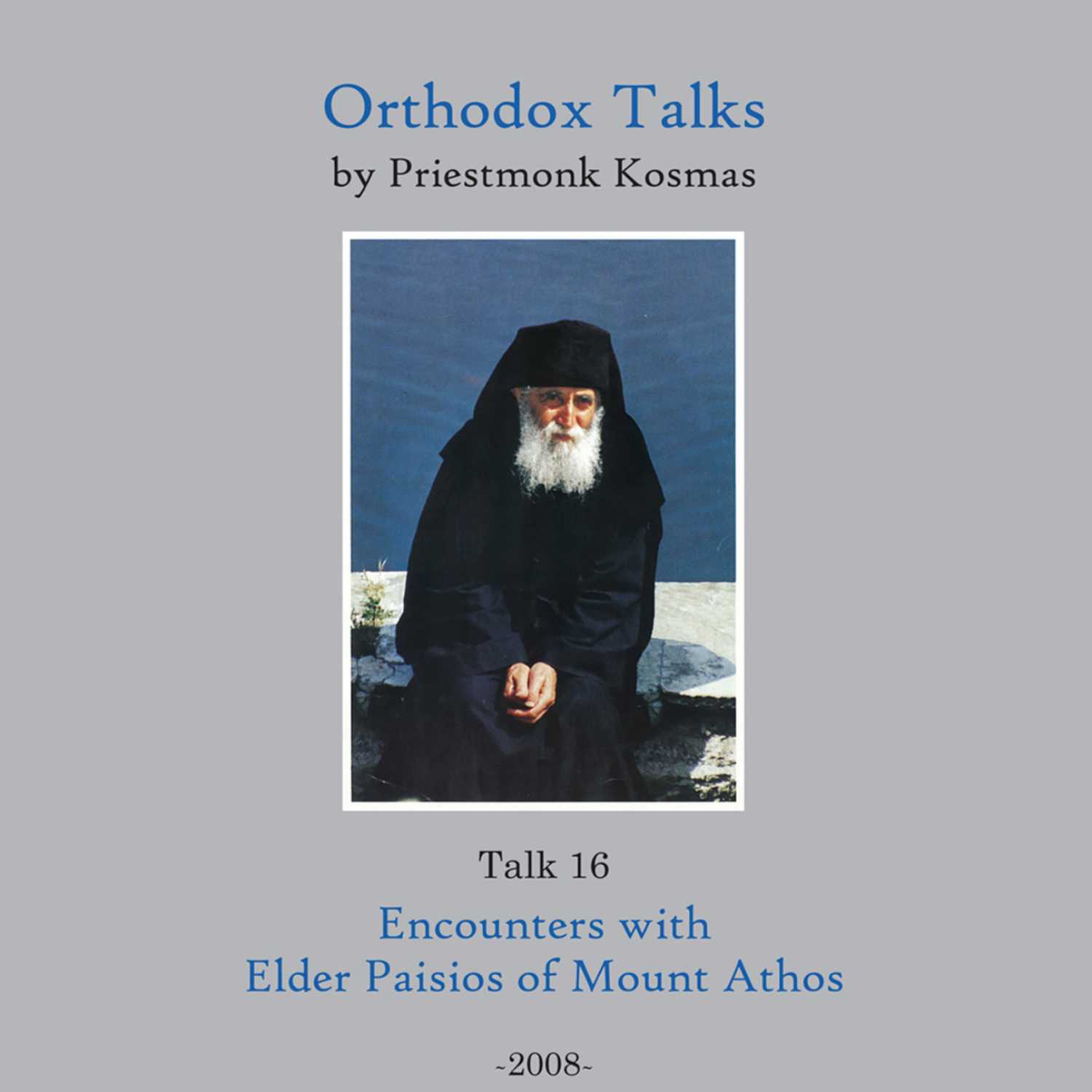
Talk 16: Encounters with Elder Paisios of Mount Athos
Elder Paisios (1924–1994) was a rare ascetic and man of prayer in our modern world. As a God-bearing elder he had the prophetic gift of being able to see into people’s souls, and from his hermitage on the Holy Mountain he guided and healed thousands of people who came to him from all over the world for relief from their spiritual and physical infirmities. The life of this great elder silences those who believe that saints are a myth or that there are no longer any saints in our times.In this talk, Father Kosmas relates the experiences of a number of people who visited the elder, recounting their problems, concerns and questions and the elder’s response in each case. In addition to vividly illustrating the gift of eldership, the wide range of topics discussed in the course of these encounters is sure to interest anyone trying to lead a Christian life in this age of religious confusion.The following questions are also discussed: can our sins affect our loved ones? How can one be “tied to the devil”? Why does God allow incurable illnesses? Is it always beneficial to witness a miracle? Is walking on water always a sign of holiness? Why did Elder Paisios refuse to see one person? How did he succeed in preventing a young man from committing suicide? Why can it be dangerous to ignore an elder’s advice? Can all holy people guide souls?Other points covered in this talk include: the difference between the clairvoyance of an Orthodox elder and that of a psychic or medium; the effects of online pornography on one’s spiritual life; intellectual spirituality and pride of the mind; trusting one’s thoughts; mental illness and deception; how to distinguish between real and fake or demonic miracles; practicing obedience even to non-Orthodox; an explanation of UFO abductions; and a young man’s encounter with demons on Mount Athos.Duration: 3hrs 19minsVisit our website: www.OrthodoxTalks.com
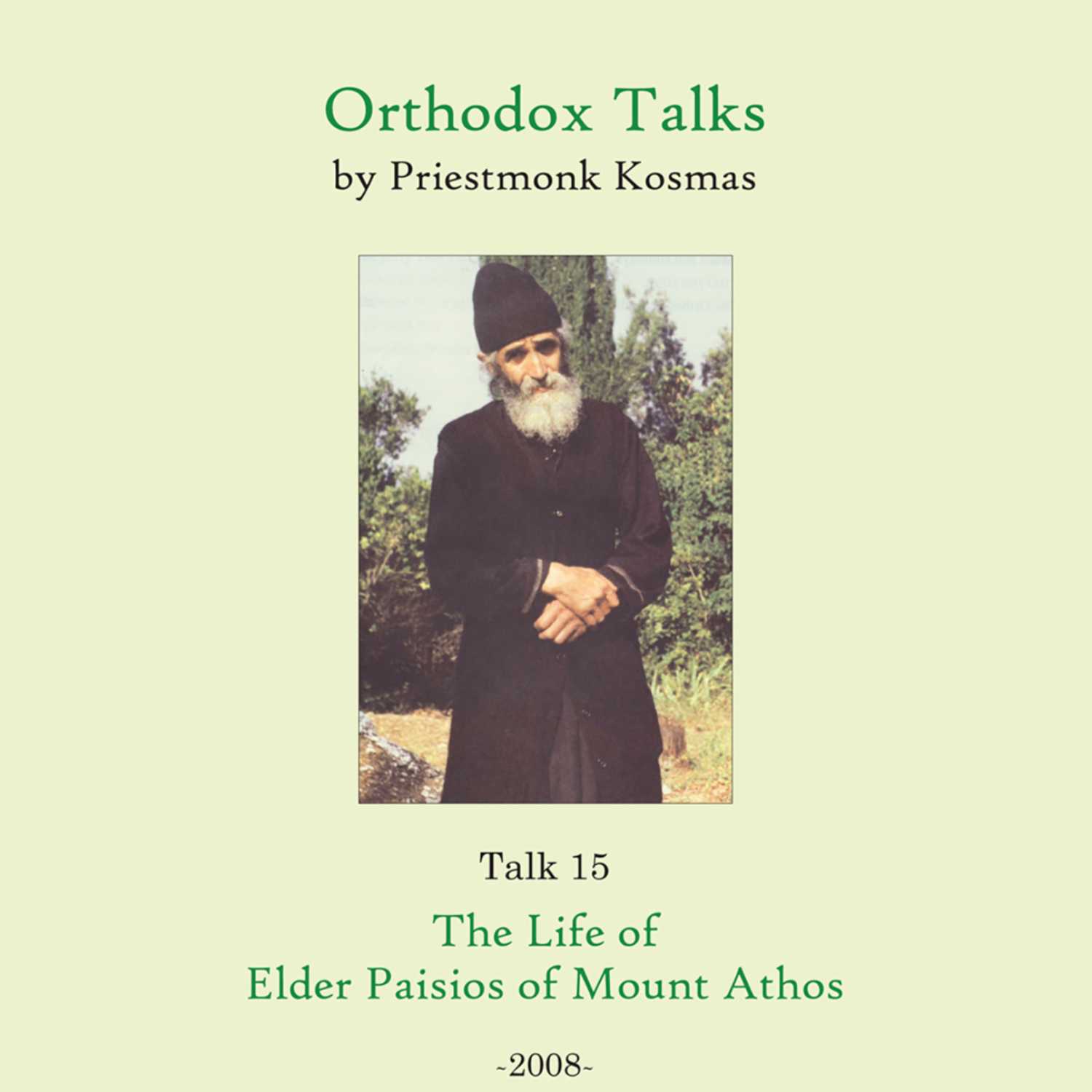
Talk 15: The Life of Elder Paisios of Mount Athos
Elder Paisios may rightly be considered one of the most popular elders of our times. Thousands of people from all over the world flocked to him to receive guidance, consolation, hope, and insight into their problems. He healed sicknesses of soul and body, warned against dangers, and revealed the will of God. Using the gift of clairvoyance, he could see events both present and future. With the publishing of his remarkable life and teachings in many languages and the increasing number of miracles at his gravesite, he has become well known throughout the Orthodox world.In this talk, Father Kosmas recounts the life and times of Elder Paisios from his youth until his blessed repose in 1994. He emphasises that by studying the life of this great elder one draws closer to him spiritually, thereby receiving help through his example, teachings, and prayerful intercessions.The following questions are also discussed: should uneducated monks instruct educated laymen and clergy? Why is humility so important? Are priests who are subject to passions capable of guiding souls? Should we blame ourselves for the evil in the world? Can hopelessness lead one to God? What is joyful sorrow? Are we to blame for ecumenism? Should prayers be offered for those who are committing grave sins? God or medicine: which to choose? What are ‘religious liars’?Other points covered in this talk include: fantasy in the spiritual life; robotic obedience; the difficulty of understanding spiritual matters with the mind; working on Sundays and feast days; love of prayer; abusing children with TV; ignoring the Church; the difficulty of loving our neighbour; sacrificing our lives for others; the dangers of trusting our thoughts; the power of patience; the importance of unceasing prayer for the world; the benefit of seeing our own weaknesses; large families in our times; one saint’s repose; and how striving for holiness can be dangerous.Duration: 3hrsVisit our website: www.OrthodoxTalks.com
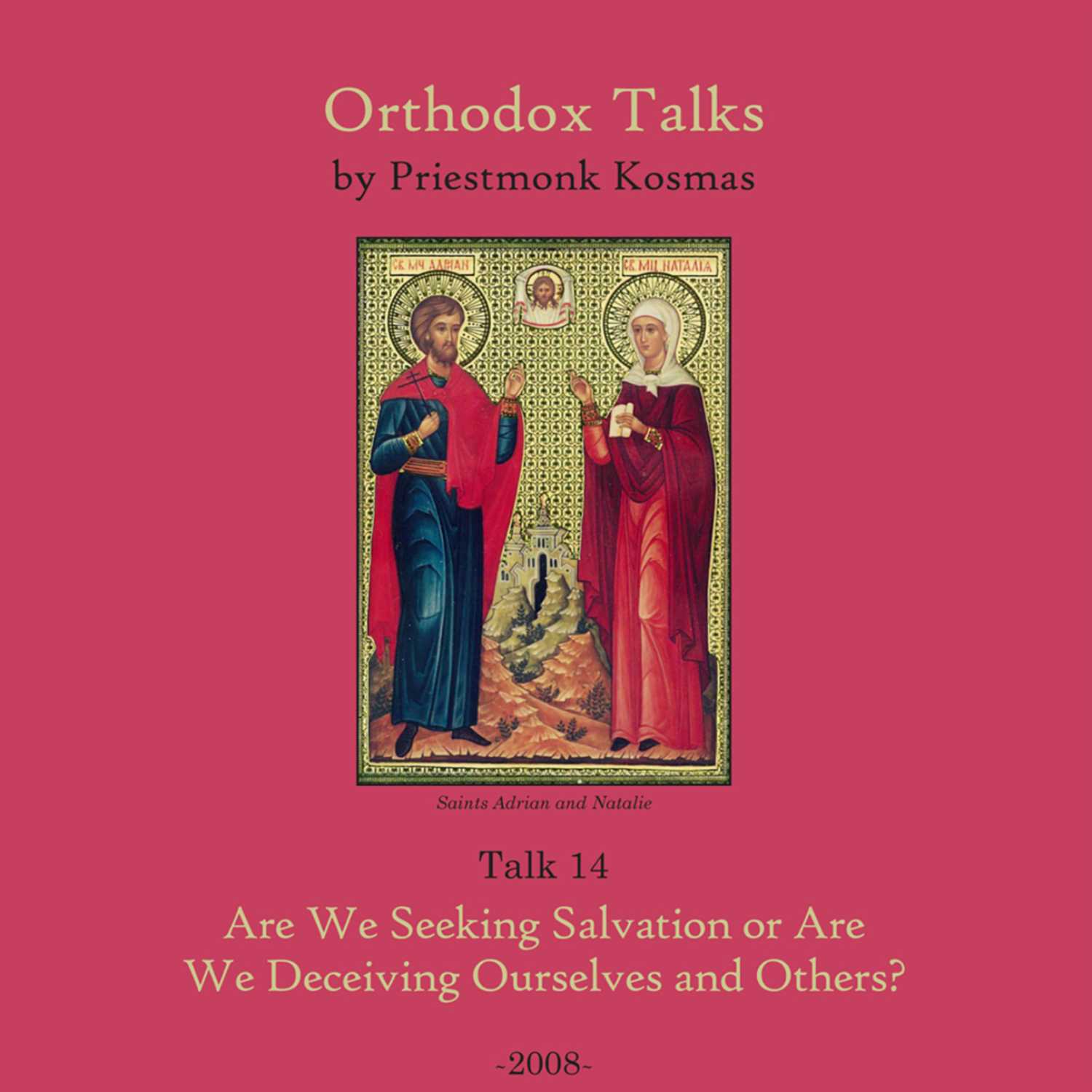
Talk 14: Are We Seeking Salvation or Are We Deceiving Ourselves and Others?
Many Orthodox Christians participate in the life of the Church, praying, fasting, confessing, communing, singing, etc. But how many of these people are genuinely seeking their salvation? The purpose of life on earth is the salvation of one’s soul. Although most people do not think about their salvation, it comes as a surprise when we encounter this in active participants in church life. The question arises: why does this occur?In this talk, Father Kosmas examines the danger of falling into an incorrect attitude toward the spiritual life. He explains how incorrect zeal in matters of faith, prayer, spiritual struggle, observing church rules and practices, converting others, etc., can be detrimental not only to our own spiritual lives, but also to those with whom we come into contact.The following questions are also discussed: why is there so little apparent difference between Orthodox and non-Orthodox today? Why is spiritual activity so difficult in our times? Can today’s Christians pray without ceasing? Is it wrong to be in love with a non-Christian? What are the signs of true love? Is it right to force someone to repent? How serious is adultery? Who is a true theologian? Do anathemas apply to those outside the Church? Do saints make mistakes, and even fall into pride? Who told Saint Anthony to mind his own business? Is compromising on spiritual matters ever permissible?Other points covered in this talk include: the dangerous effects of worldly distractions; the three main challenges facing Orthodox Christians; the benefit of close contact with monasteries; the devil’s attitude toward those who seek salvation; how preoccupation with the church canons can be dangerous; converting others through prayer; the proper understanding of the church canons; humility as an antidote to pride; how church teaching is not always black and white; how Rasputin’s example can be a warning to those returning to the Church with fervent repentance; fanaticism in the Church; and prophecies regarding Christians and the last times.Duration: 2hrs 49minsVisit our website: www.OrthodoxTalks.com
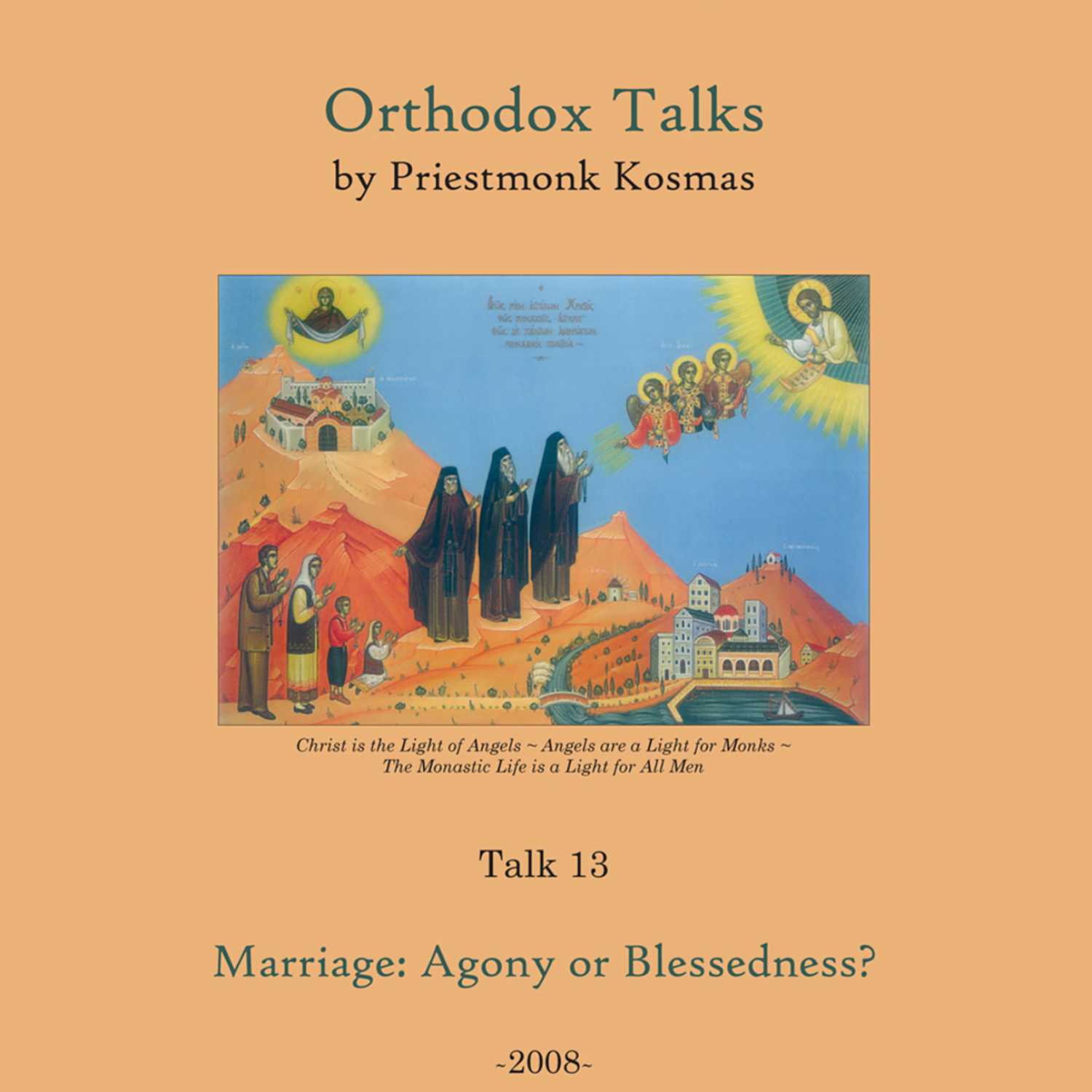
Talk 13: Marriage: Agony or Blessedness?
Marriage is extremely difficult. Few people in our time prepare themselves adequately for the challenges of marriage – and the result is frequently disastrous. A successful marriage requires not only spiritual preparation (as many in the Church mistakenly believe) but also practical life skills. These skills include the ability to perform domestic duties, to deal with financial responsibilities, to form lasting and healthy relationships, to communicate effectively, and to be good parents.In this talk, Father Kosmas explains that both spirituality and practical life skills need to be developed over the years while one is still single, not right before marriage or even after marriage. While many mistakenly consider the single life a time for fun and freedom, viewing married life as restrictive and oppressive, Father Kosmas emphasises that the single life is actually a valuable opportunity to develop the skills and the maturity necessary for a joyful marriage.The following questions are also discussed: is it sexist to say that the man is the head of the woman? Should others be involved in choosing a spouse? What is meant by ‘pagan Christians’? Why are many children becoming shipwrecked in life? Does God want there to be inequality in the world? Why is it sometimes better to stay single than to marry? What did Saint John Chrysostom mean by saying that parents can become murderers of their children’s souls?Other points covered in this talk include: looking for love through drugs; seeking signs from heaven; worldly beauty versus spiritual beauty; premarital emotional and mental problems; irresponsible single life; obsession with finding a spouse; dating and courtship; how seeing others as sex objects can affect one’s future marriage; sexual intimacy before marriage; cold feet before the wedding; sexual passions in single and married life; how music, television and the internet affect one’s spiritual life; and women, family and work.Duration: 2hrs 34minsVisit our website: www.OrthodoxTalks.com
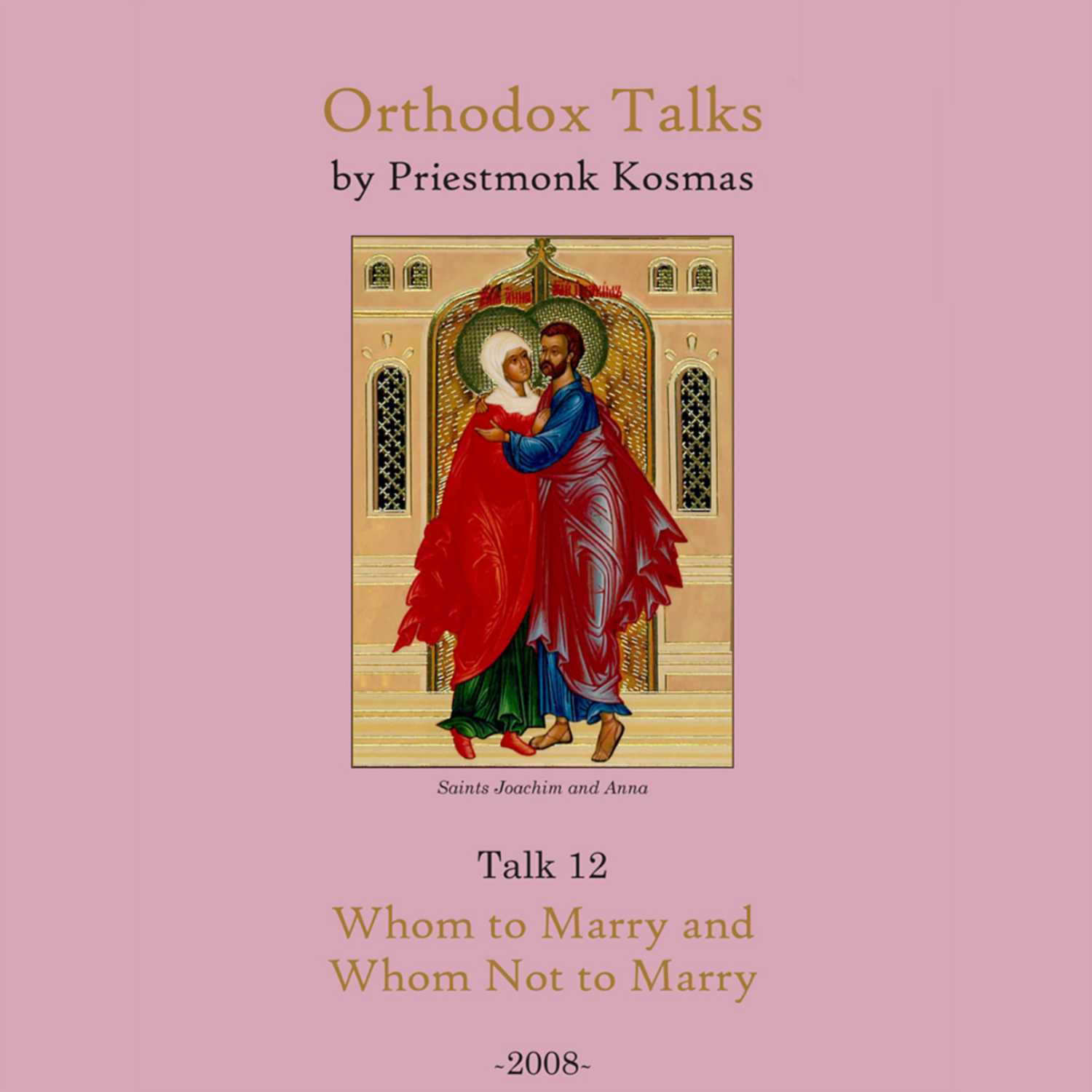
Talk 12: Whom to Marry and Whom Not to Marry
Marriages today are often troubled by many problems: divorce, adultery, domestic violence, pornography, addictions, and mental illness, to name a few. This can happen for many reasons, but one of the most common is a failure to make good decisions in choosing whom to marry. Internet match-making and dating sites and chat rooms, pre-marital sexual relationships, and other modern approaches to meeting and choosing a spouse only serve to make the problem worse.In this talk, Father Kosmas discusses what one should look for in a spouse. He emphasises that the criteria used in choosing a spouse should also be applied to oneself. Some of the criteria discussed in detail include emotional maturity, financial responsibility, life skills, relationships with family and friends, spirituality, communication skills, personality, and one’s stance on contemporary social issues. Warning signs to look out for include possessiveness, perfectionism, fault-finding, depression and other mental problems, and religious fanaticism.The following questions are also discussed: is there such a thing as love at first sight? Can dating negatively affect one’s future marriage? Is there such a thing as a soul mate? What does sex without commitment really mean? Should love exist before marriage? Can emotions and physical attraction be dangerous when choosing a spouse? Is “compatibility” necessary for marriage? Should some people remain single? Is it important to seek God’s will when choosing a spouse? Is marrying at an early age appropriate?Other points covered in this talk include: the stress of dating and intimate relationships; pornography and its effects on one’s marriage; difficulty “socialising” without drugs or alcohol; unhealthy emotional relationships; the importance of preparing for marriage while still single; how an inferiority complex can influence one’s choice of a spouse; the danger of marrying someone who is having difficulty deciding between marriage and monasticism; and how mental or physical illness can affect a marriage.Duration: 2hrs 35minsVisit our website: www.OrthodoxTalks.com
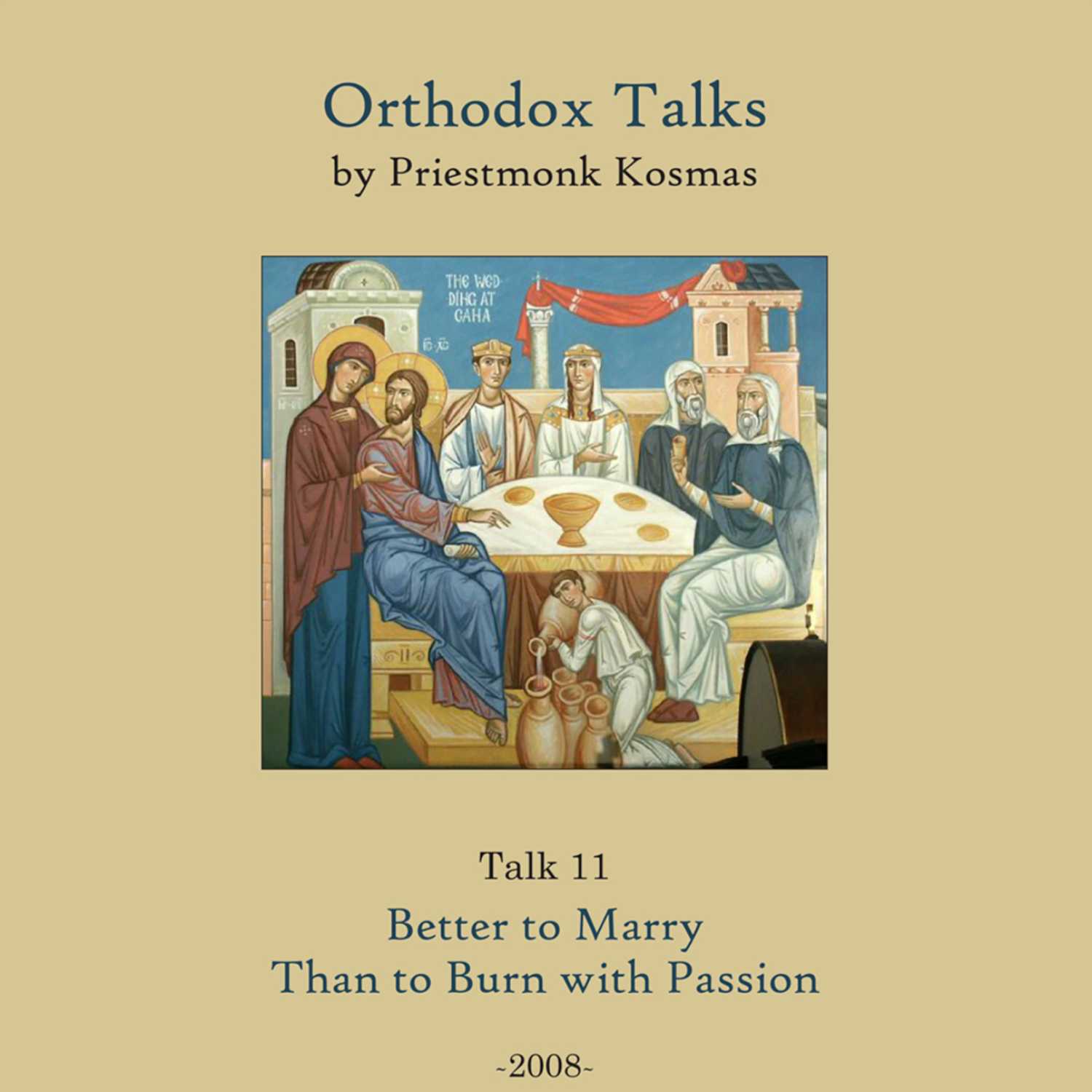
Talk 11: Better to Marry Than to Burn with Passion
Orthodox Christians hold various views regarding the main purpose of marriage. Some believe it is companionship, while others believe it is to have children. What, then, does the Orthodox Church teach regarding the main purpose of marriage? The answer to this question will influence a person’s decision whether or not to marry.In this talk, Father Kosmas explains that the main purpose of marriage, according to Saint Paul, is to avoid sexual immorality, child-bearing being its secondary purpose. Although the Church praises virginity more highly than marriage, abstaining from sexual relations in today’s society is becoming increasingly difficult, due to constant exposure to sexual immorality through television, films, the media, billboards, and the internet. For this reason Saint Paul’s words are especially relevant today: … but if they cannot exercise self-control, let them marry. For it is better to marry than to burn with passion (1 Corinthians 7:9).The following questions are also discussed: does the Church regard sex as dirty and sinful? Is abstaining from marriage and sexual relations abnormal? Is it wrong to desire monasticism because of an aversion to married life? How does the Church condemn negative attitudes toward sexual relations? Why is the Church so cautious with regard to married couples abstaining from sexual relations?Other points covered in this talk include: the danger of married people reading more books on monasticism than on married life; Saint John Chrysostom’s outspokenness regarding sexual relations; the media’s distortion of marriage and sexuality; how children are being confused and perverted by misinformation on sexuality; and how the Roman Catholic Church’s rules on unmarried clergy is contrary to the Holy Fathers.Duration: 2hrsVisit our website: www.OrthodoxTalks.com
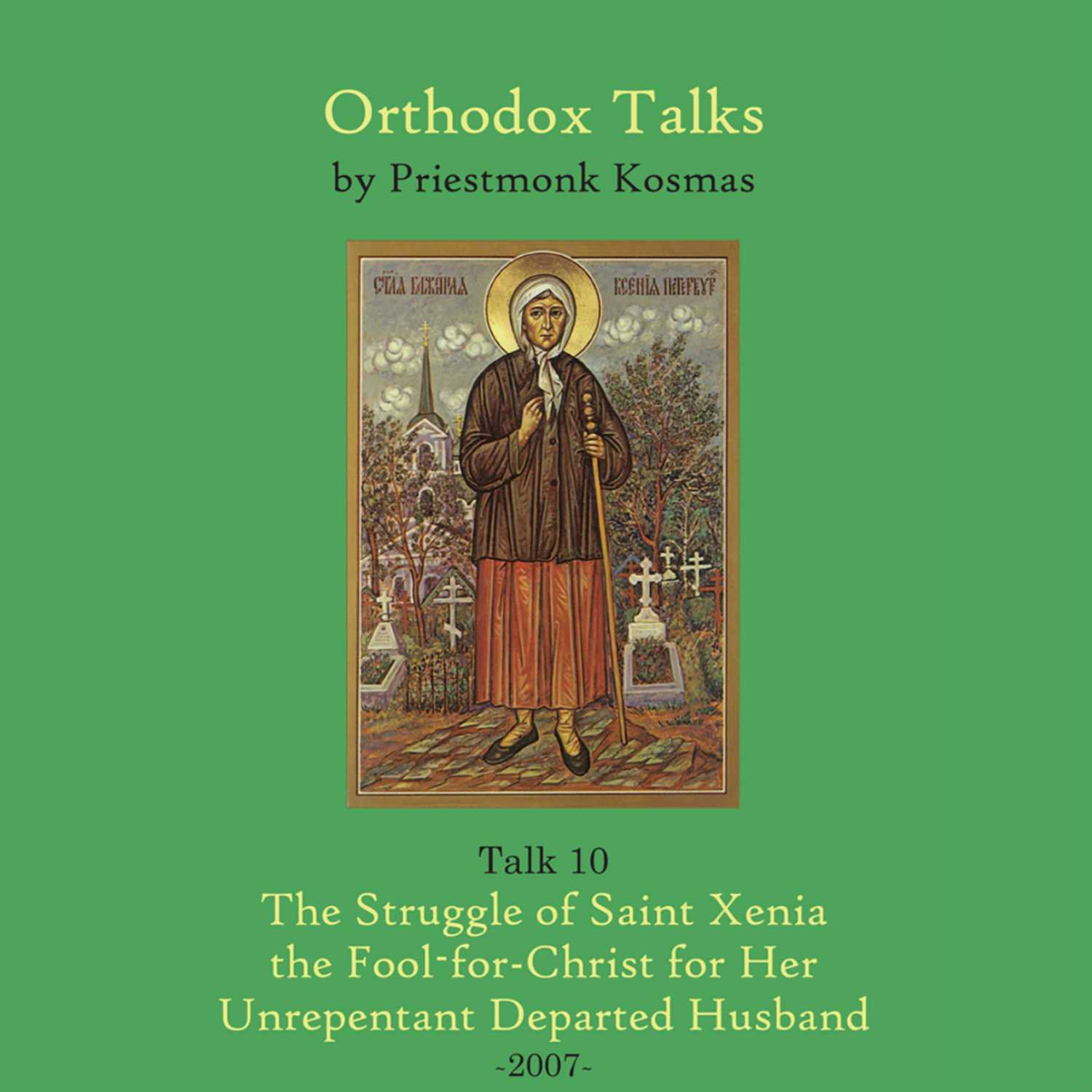
Talk 10: The Struggle of Saint Xenia the Fool-for-Christ for Her Unrepentant Departed Husband
Saint Xenia the Fool-for-Christ is one of the best-known Russian saints. Because of her many miracles, her popularity has spread throughout the Orthodox world, in Greece, America, Serbia, Canada, Australia, Romania, and beyond. She is especially called upon for help with everyday problems, such as finding employment, housing, a spouse, or missing children. She also helps those suffering from alcoholism, marital problems, childlessness, and depression. However, even more than for her many miracles, this great saint is especially to be venerated for her holy and marvellous life.In this talk, Father Kosmas relates the life of Saint Xenia in some detail. Saint Xenia was happily married to an army colonel. Then, while attending a party, her husband suddenly died in a drunken state. This event shook Xenia, and because her beloved husband had died without confession and Holy Communion she became concerned for his soul. She went on to dedicate the remaining time of her life to struggling for the salvation of his soul by means of prayer and almsgiving, becoming for us a shining example of selfless love for one’s spouse even after death.The following questions are also discussed: how should one find a spouse? Can women work while raising children? When are parents considered murderers of their children’s souls? What is the highest form of love? Is there an aversion today to raising children? What are the two types of unrepentant Christians? How do we pray for the departed non-Orthodox?Other points covered in this talk include: how selfishness is one of the main diseases in marriages today; the beauty of loving one’s spouse; love beyond the grave; how good can come from catastrophes; emotional funerals; the miracle of God’s providence in our lives; some examples of Saint Xenia’s clairvoyance; and how the devil especially attacks those who serve in the Church.Talk 10 duration: 2hrs 4minsChanting duration: 30mins (Canon to Saint Xenia)Total duration: 2hrs 34minsVisit our website: www.OrthodoxTalks.com
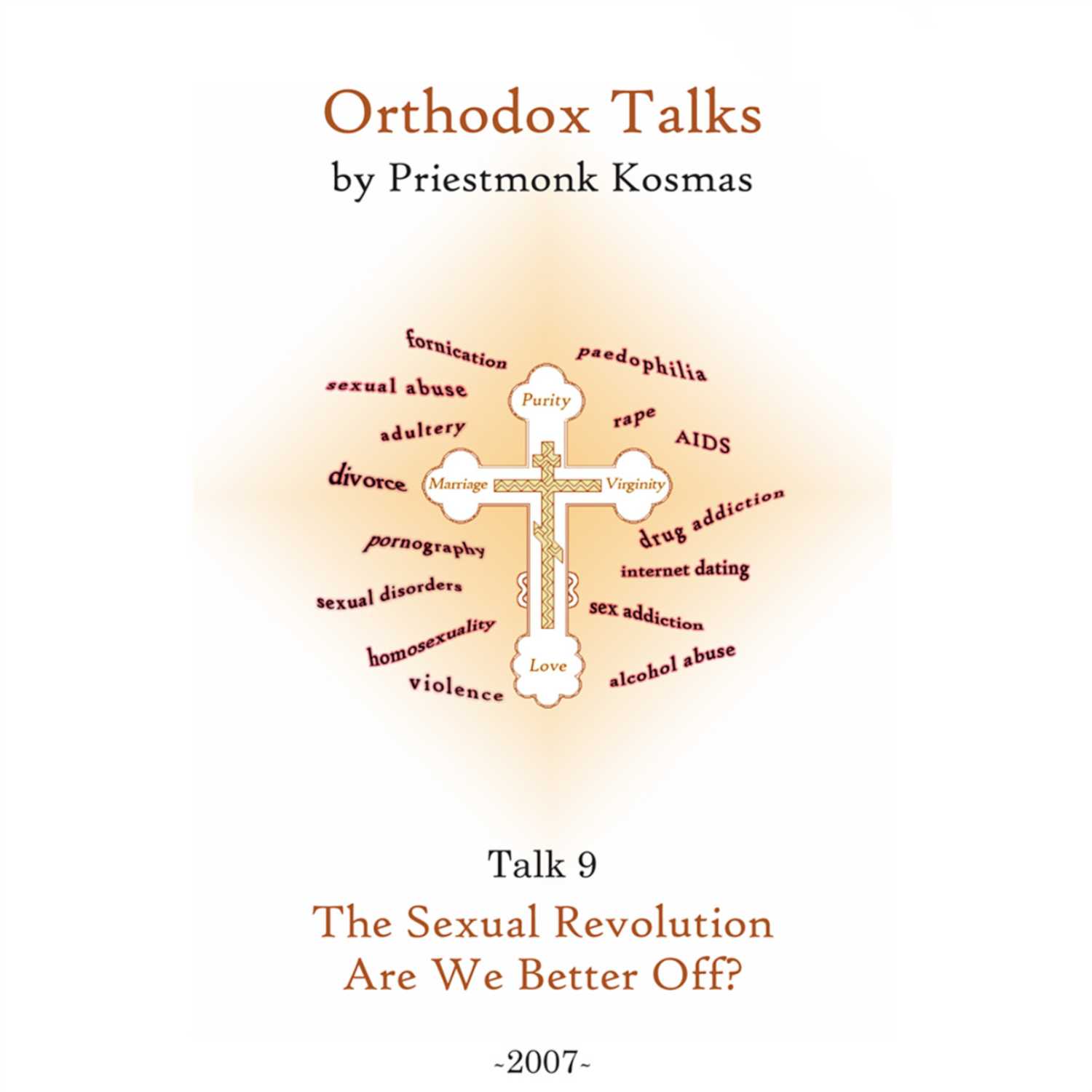
Talk 09: The Sexual Revolution: Are We Better Off?
Sexual immorality has been a problem for thousands of years, which is why God, in both the Old and New Testaments, has clearly set forth His commandments on sexual relations. Despite this, through weakness and ignorance many Orthodox Christians easily fall into sexual sins, causing much damage to their souls. Knowing this, the Holy Orthodox Church has also shown us through the lives and writings of the saints how to defend and struggle against sexual passion. This applies not only to monastics and those who are single, but also to married people facing the temptations of adultery and unnatural sins.In this talk, Father Kosmas refers to the life of Saint Justina (October 2), pointing out that despite her active spiritual life she was attacked by fierce sexual desire for a non-Christian man in whom she was not even initially interested. Father Kosmas discusses how to struggle against sexual passion and how sexual immorality has affected society. Although this talk is not a history of the sexual revolution it addresses many of this revolution’s effects on society and the Church.The following questions are also discussed: should homosexuality be regarded as the worst possible sin? Can sorcery forcibly cause sexual attraction? “The kingdom of heaven suffers violence”—what does this Gospel passage really mean? Is consulting a magician actually a denial of Christ? Can magic affect a struggling Orthodox Christian who confesses and communes often? Do sexual temptations sometimes intensify when one struggles against them? Can there be forgiveness of sins without confession?Other points covered in this talk include: how many people are turning to psychics to find love; how parents mistakenly value education above their children’s purity; childhood trauma and its effects in adulthood; the early sexualization of children; how children are being brainwashed in the schools and by the media; how television distorts our thinking, often causing relationship problems later in life; and how parents need to protect their children from sexual immorality.Duration: 1hr 46minsVisit our website: www.OrthodoxTalks.com
Talk 08: Let’s Not Forget About Spiritual Abuse
In the last few decades, much has been said about the effects of emotional, sexual, and physical abuse, particularly on children. What is often overlooked is that not all forms of abuse are so obvious. Many parenting practices that the world sees as perfectly normal and even beneficial are very harmful spiritually. By engaging in these practices through ignorance or slackness, many Orthodox Christians become guilty of spiritually abusing their own children.In this talk, Father Kosmas examines a number of common practices that in reality are spiritually abusive. He brings to light that many problems experienced by adults stem from the spiritual abuse they suffered as children, and he describes how many spiritually abused people either never come to the Church or, if they do, find even basic spiritual life very difficult.The following questions are also discussed: can the devil heal? Are all sins forgivable? Is demonic possession always bad? Are God’s judgements always fair? How does the devil make false promises? What is the “can’t feel” syndrome? Why are jails and hospitals full? How does the devil present himself as our friend? How does monasticism have a positive effect on society? Can God’s chastisement be an act of love? Is it foolish for parents to be preoccupied with their children’s intelligence and academic success?Other points covered in this talk include: how social and emotional problems in children can stem from spiritual abuse; the harm caused by early education of infants and toddlers; encouragement of fantasy in children; exposure of infants and toddlers to television; promotion of interest in the occult in young children and teenagers; the Antichrist and miracles; society’s disdain for childbearing and the upbringing of children; bringing up children using various psychological theories; and how Christians can mistakenly emphasize secular education over moral education.Duration: 2hrs 2minsVisit our website: www.OrthodoxTalks.com
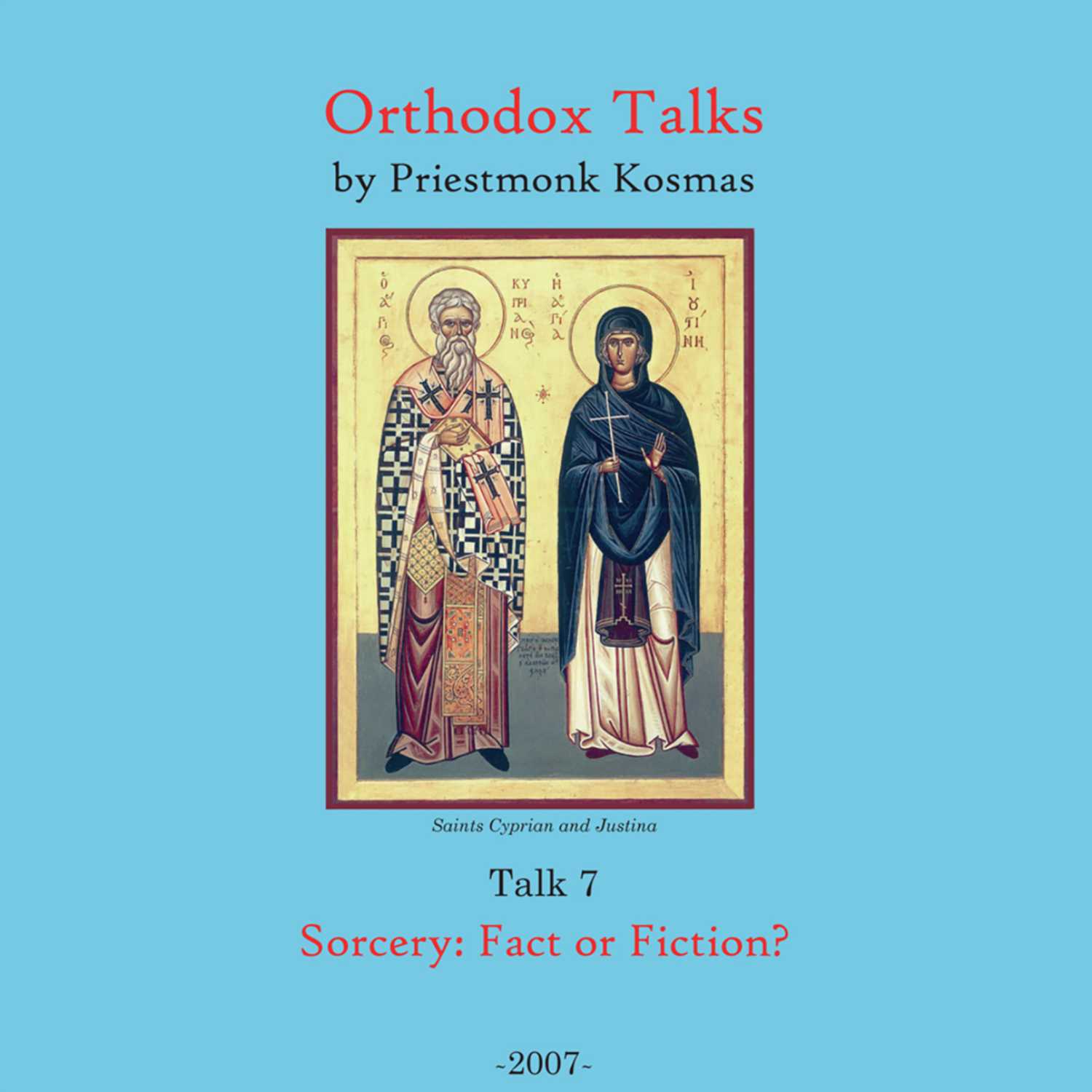
Talk 07: Sorcery: Fact or Fiction?
In recent years we have seen a rising interest and even an obsession with the occult, including "communicating" with the dead, magic, and demonology, to name just a few. This is evident in movies, TV programs, documentaries, books, magazines, and the internet. In addition, there are plenty of sorcerers and mediums who are all too willing to “help” people for a fee.In this talk, Father Kosmas uses the lives of Saints Cyprian and Justina and contemporary examples to explain how sorcery and other occult practices are both real and spiritually harmful. He reveals that the main reason Orthodox Christians involve themselves in the occult is ignorance of the Church’s teachings on the subject. The Church clearly exposes the demons and their evil schemes, yet many clergy fail to teach Christians regarding occult practices, and instead either remain quiet, or deny their existence, or provide misinformation. Some even ridicule people who believe they exist.The following questions are also discussed: is there such a thing as the "evil eye"? Is it really such a problem to visit a sorcerer or medium out of curiosity? Why do some people claim to have been helped by sorcerers? Why can it be dangerous to have exorcism prayers read over someone who is not possessed, but under demonic influence? Is it safe for a layperson, rather than a priest, to read prayers against magic and the evil eye?Other points covered in this talk include: the serious consequences of going to a sorcerer; how people pay thousands of dollars to sorcerers for "protection" from black magic; the difference between possession and mental illness; how observing an exorcism can be very dangerous; the symptoms of sorcery; the difference between black magic and white magic; and real sorcerers versus fake ones.Duration: 1hr 43minsVisit our website: www.OrthodoxTalks.com
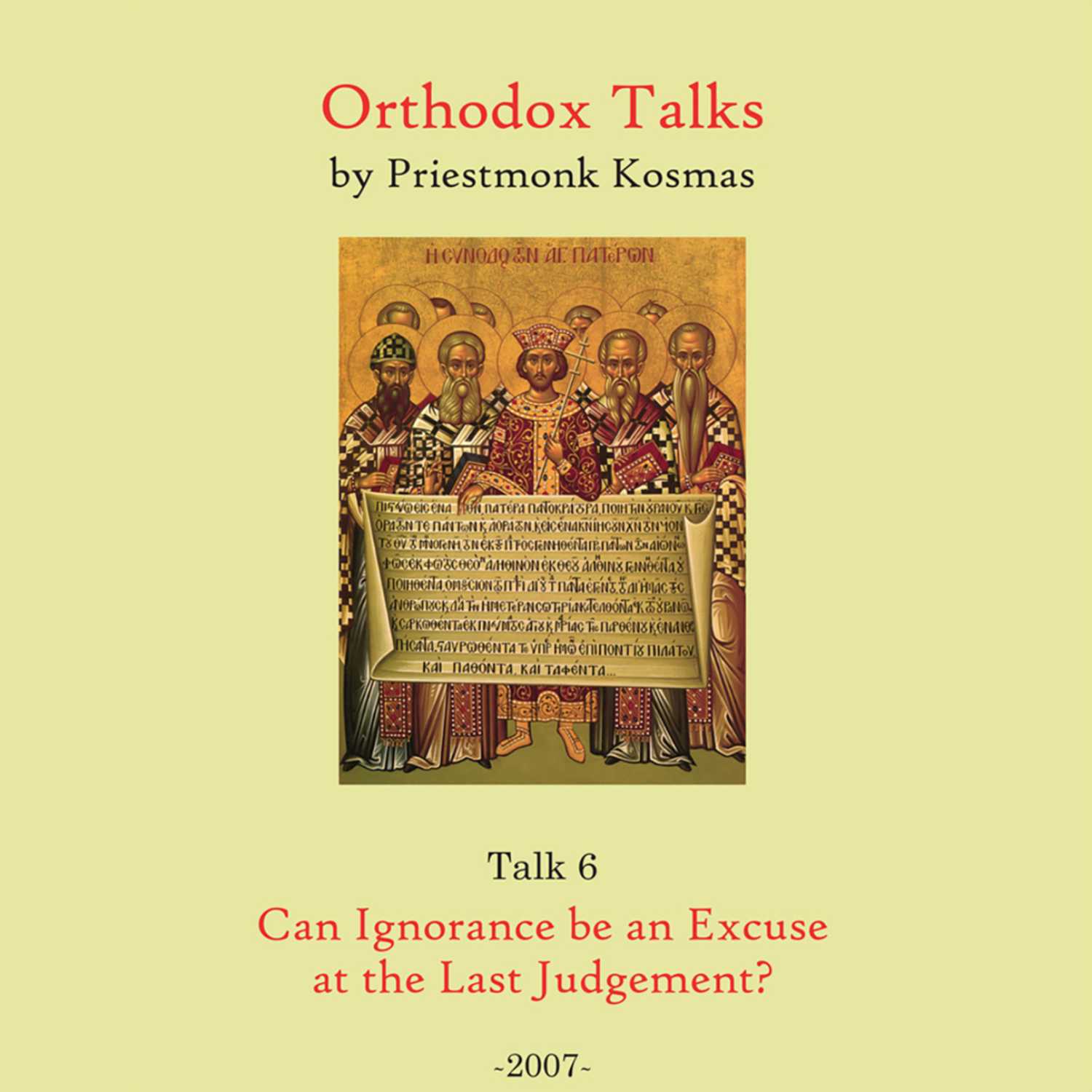
Talk 06: Can Ignorance be an Excuse at the Last Judgment?
We live in a time when information is readily available through television, the radio, various publications, and the Internet. The world boasts about acquiring knowledge with expressions such as: ‘knowledge is power’, ‘excel with knowledge’, and ‘knowledge equals success’. Amid this information overload, there would seem to be no excuse for ignorance of any type. Yet many people are ignorant of spiritual topics such as Christ’s Person, His commandments, the Holy Bible, angels and saints, what happens after death, the devil’s warfare, miracles and prophesies, dreams and visions, mediums and sorcery, sin, and even the soul’s salvation as our goal in life.In this talk, Father Kosmas outlines the reason for spiritual ignorance and the solution. He explains that even though many of the clergy are partly responsible for failing to educate their flocks, Orthodox Christians are responsible for seeking out the truth. The availability of the Holy Bible, the lives of the saints, the writings of the Holy Fathers and the divine services leaves us with no excuse.The following questions are also discussed: can the dead appear and communicate with the living? What does the Church say about horoscopes? Are there Orthodox who believe the heresy regarding the devil’s salvation? How can God be both Love and Judge? Are fantasy and schizophrenia related? What is the danger of separating one’s spiritual life from one’s daily life?Other points covered in this talk include: an explanation of mind-reading; psychics and fortune tellers; the danger of witnessing an exorcism; an explanation of the term ‘lunatic’; mediums; science fiction; an account of a man whose house was haunted; the danger of looking for miracles and prophesies; and the centuries-old error of pronouncing various individuals the antichrist.Duration: 1hr 36minsVisit our website: www.OrthodoxTalks.com
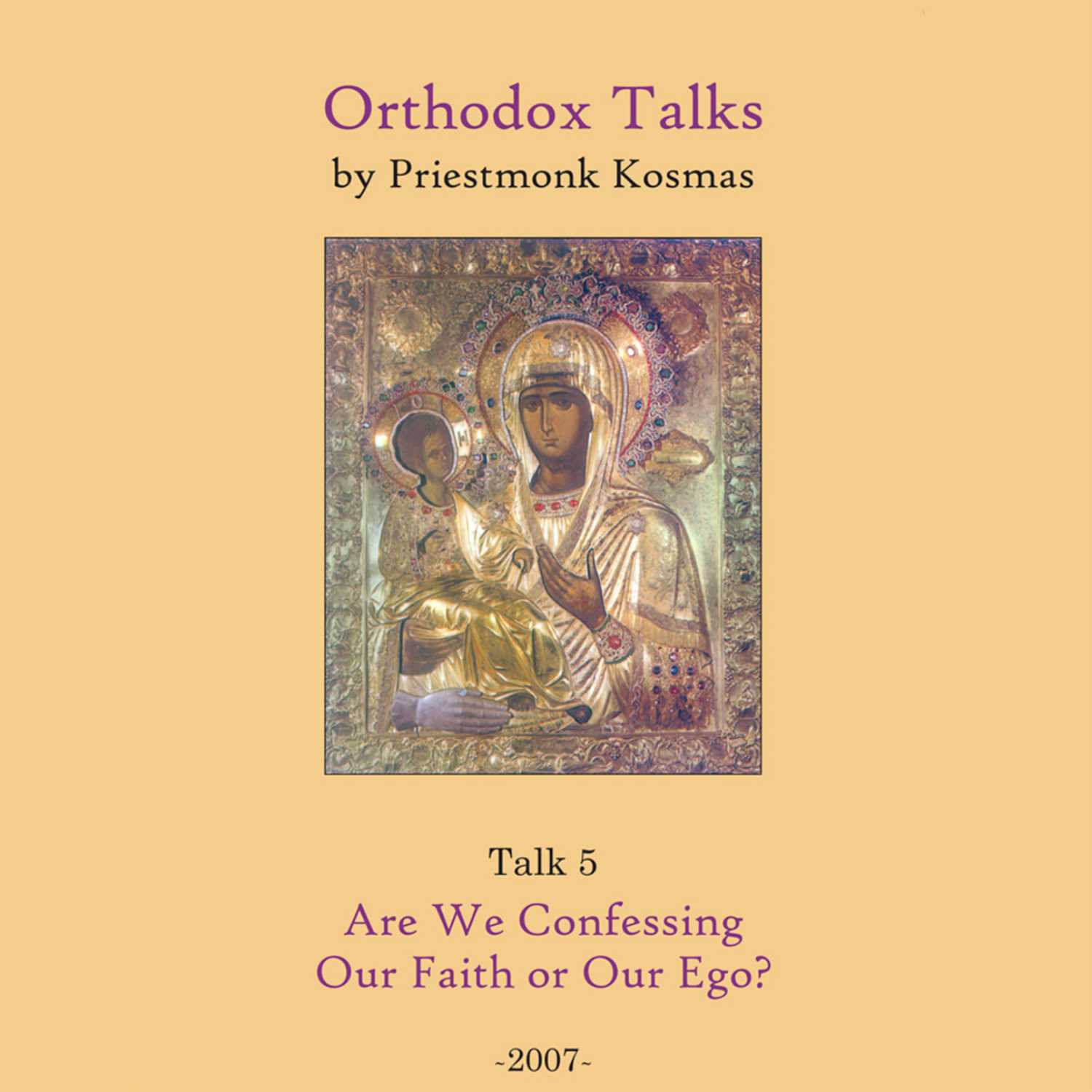
Talk 05: Are We Confessing Our Faith or Our Ego?
Saint Paul says that anyone who wants to live the life in Christ will be persecuted. Are there Orthodox Christians today enduring persecution for Christ’s sake? Is it necessary for those in the West to prepare for persecutions? Orthodox Christians are confused about when to speak up, when to confess the Faith and, in general, what their attitude towards the heterodox and the non-Christian world should be. In particular, what should our attitude be towards those who wish us harm or want to convert us to their faith?In this talk, Father Kosmas uses a number of examples from the lives of the saints to show how Orthodox Christians lived in non-Orthodox areas, with pagans, Muslims and Christians of other faiths and how they dealt with hostility towards Orthodoxy. He also explains why some openly confessed their faith while others kept their faith secret. He explains that, even though Orthodox Christians of the West are not subject to open persecution, they have many subtle opportunities to either confess or deny Christ in their everyday lives.The following questions are also discussed: are we called to express our faith in every circumstance? Does sometimes hiding one’s belief mean betraying Christ? Are contemporary Orthodox Christians actually denying Christ from fear of mockery? Can the upbringing of children be considered martyrdom? Why is there so much confusion surrounding sexual sins?Other points covered in this talk include: spiritual ignorance; external Christianity; spiritual pride; deceptive piety; the dangers of quoting the Holy Canons; how God sees our efforts versus our achievements; the difference between homophobia and sin-ophobia; and how to deal with lukewarm Christians.Duration: 1hr 58minsVisit our website: www.OrthodoxTalks.com
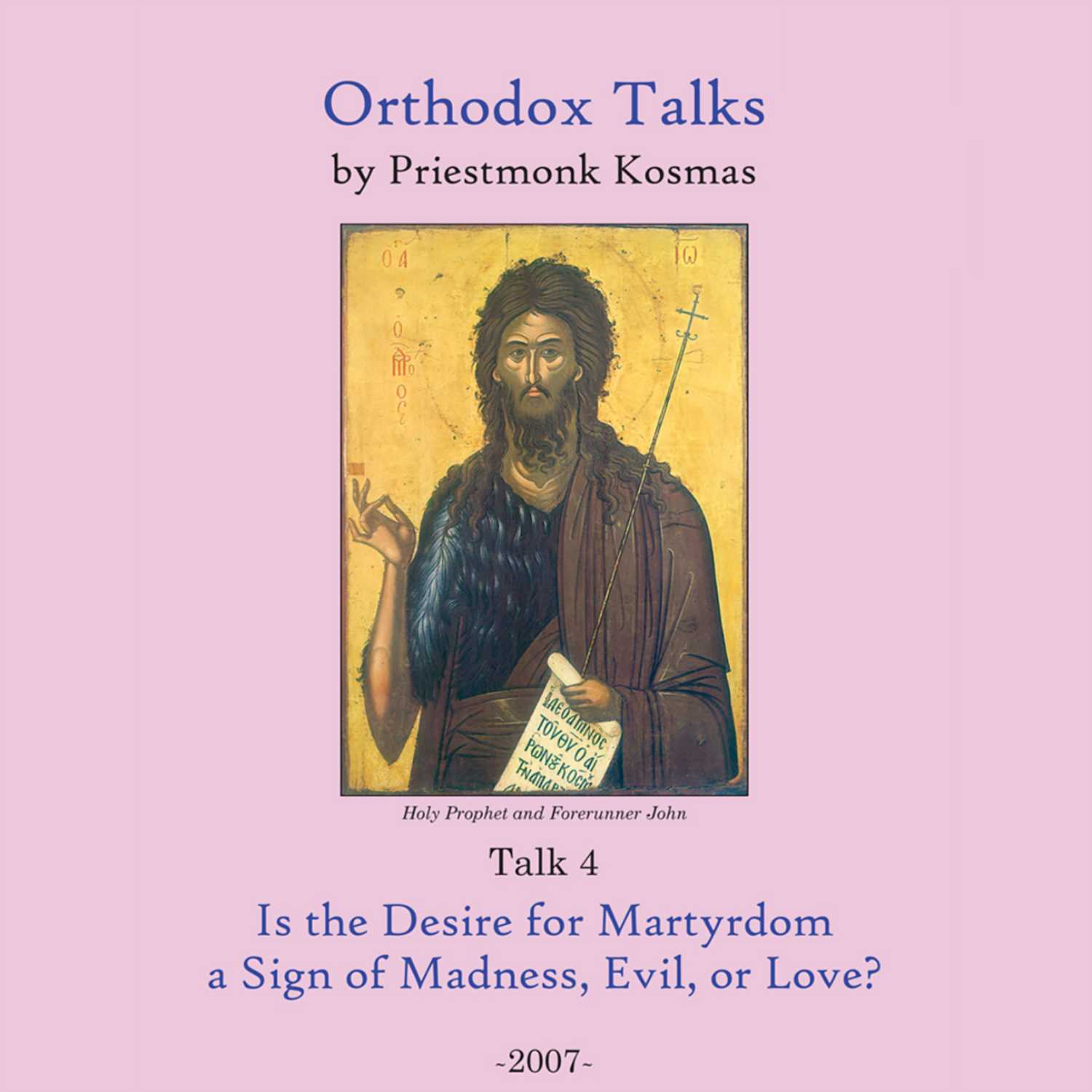
Talk 04: Is the Desire for Martyrdom a Sign of Madness, Evil, or Love?
Since the events of September 11, 2001, there has been much in the media regarding martyrs, martyrdom, sacrifice, jihad, etc. Because of this, many Orthodox Christians are confused about what true martyrdom is. Furthermore, the very mention of martyrdom causes many to have a negative reaction.In this talk, Father Kosmas outlines what an Orthodox martyr is and the attitude that Orthodox Christians should have towards those of different faiths. He answers a very important question: is every desire for martyrdom spiritually healthy? Furthermore, using the life of the New-Martyr Constantine (June 2), he examines whether such a desire can in fact come from pride.The following questions are also discussed: it is easy to hate those who wish us harm, but is this allowed for an Orthodox Christian? Should Orthodox Christians be proud that they have the True Faith and, because of this, disdain those of other faiths? Why do the demons afflict those who produce Orthodox materials and services in English? Can zeal for the truth stem from pride? Why has it been said that “only idiots believe in dreams”? Were the martyrs scared of denying Christ during their sufferings? What are the dangers when making promises to God?Other points covered in this talk include: true and false conversions to Orthodoxy; counterfeit spirituality; tricks of the demons; whether there are good ghosts and bad ghosts; spiritual ignorance; the difference between spiritual fathers and confessors; the many temptations to deny Christ today; how lack of discernment can lead to spiritual disaster; obedience and humility; the dangers of fantasy; true and false inner peace; the bedsores of lounge chair confessors; “holy” liars; and the blessedness of seeking God’s will.Duration: 1hr 36minsVisit our website: www.OrthodoxTalks.com
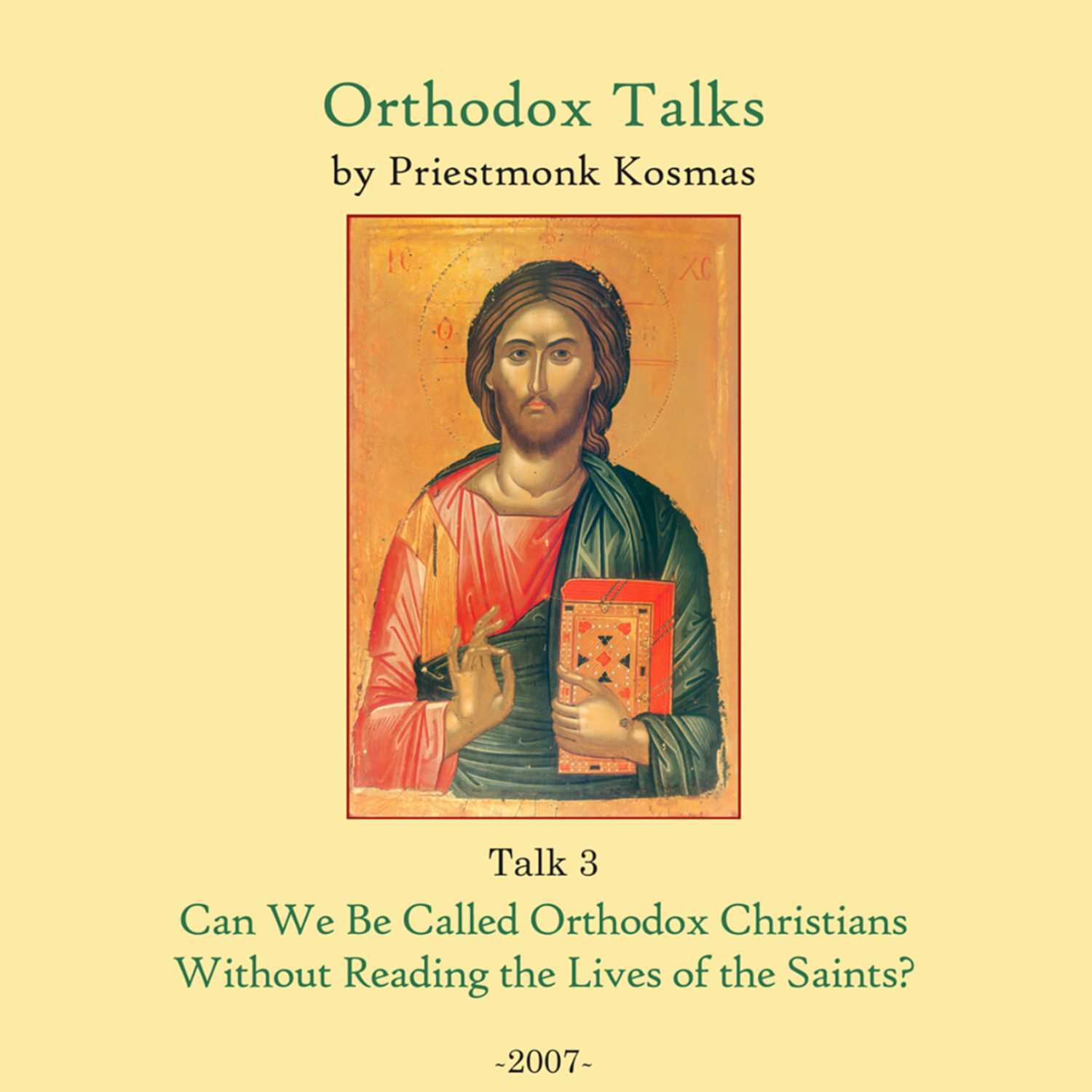
Talk 03: Can We Be Called Orthodox Christians Without Reading the Lives of the Saints?
More and more lives of saints have become available in English. Many of the Holy Fathers of the Church have said that it is absolutely necessary for one’s salvation to read the lives of saints. This statement seems harsh to some: why such an emphasis on reading the lives of the saints? The answer is that by studying their lives, Orthodox Christians are able to see the teachings of the Gospel in practice. Trying to read and apply the Gospels without following the example of the saints can lead to heresy and deception.In this talk, Father Kosmas relates the life of New-Martyr Constantine. As a Turk, Saint Constantine knew that converting to Orthodoxy from Islam would result in the death sentence. Regardless of this, he set out for Mount Athos to receive Holy Baptism. After listening to this life, one will have no doubt that the lives of saints can be applied to our own lives in many ways.The following questions are also discussed: does God help the non-Orthodox? Is obedience really that important? Did the Holy Fathers of Mount Athos compromise with the Muslim authorities? To what degree may we judge those who have made compromises in difficult situations? What attitude should the Orthodox have towards non-Orthodox?Other points covered in this talk include: visions and dreams; sorcery; conversion of Muslims to Orthodoxy; the devil’s tricks; supernatural phenomena in the media; Islam and Orthodoxy; spiritual stubbornness; sociopaths and the mentally ill; being judged according to one’s conscience; mediums; ghost chasers; corrupt monastics and clergy; and UFOs.Duration: 1hr 41minsVisit our website: www.OrthodoxTalks.com
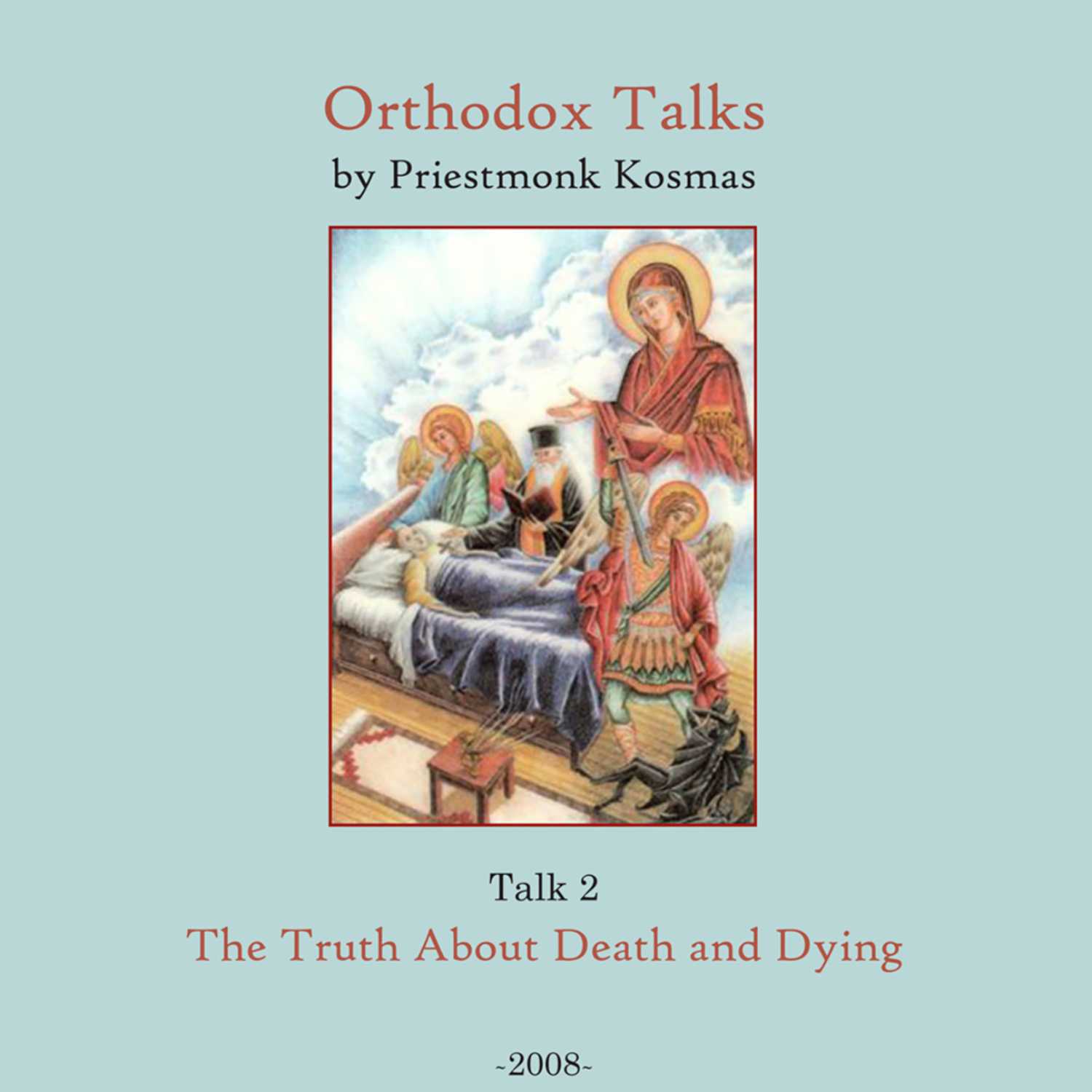
Talk 02: The Truth About Death and Dying
The Church’s teachings regarding death and the afterlife are something everyone should know. Simple observation, however, demonstrates that most people, including Orthodox Christians, are not familiar with these essential truths. Since we will all face death, the question naturally arises: why is there such ignorance, neglect and fear in a matter concerning the eternal salvation of our souls? God desires that all come to the knowledge of the truth and thereby attain salvation. The desire of the demons, however, is to keep us ignorant in order to prevent our salvation, for our salvation is hateful and agonizing to them.In this talk, Father Kosmas uses many excellent examples to explain the teachings of the Orthodox Church on the topic of death and dying. After listening to this talk, one will understand that the Church offers blessed eternal life to the souls who have reposed in the hope of God’s mercy and love.Questions discussed include: should Christians fear death? Is all contact with the spiritual world evil? Can the reposed make contact with the living? Can good deeds help us after death? Why do some people die a violent death? Why don’t some bodies decompose? Can the Church release sinners from hell? What are the toll-houses? How can helping the dead help us?Other points included in this talk are: ecumenism beyond the grave; the difference between natural, divine, and demonic apparitions and dreams; the importance of our Guardian Angel before and after death; unconfessed sins after death; the importance of commemorating the dead; the pain of the soul at the hour of death; the Church’s prayers before and after the departure of the soul; the appearance of demons at the time of death; and reciting the Creed at the time of death.Duration: 2hrs 30minsVisit our website: www.OrthodoxTalks.com
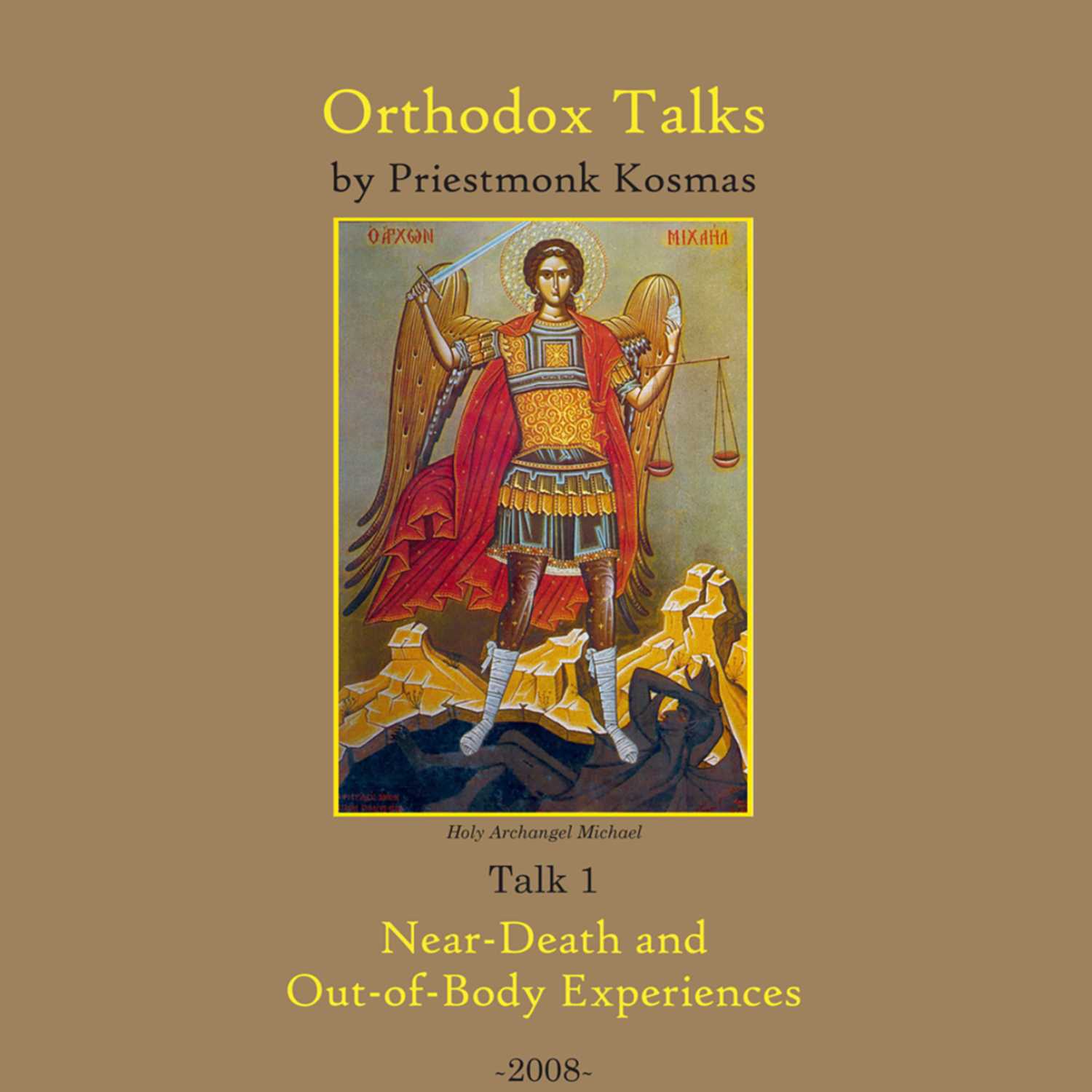
Talk 01: Near-Death and Out-of-Body Experiences
In almost any bookstore or library, as well as online and on television, one can find numerous accounts of “near-death experiences”—first-hand experiences of people who have died or nearly died and then returned to life. Such people often describe meeting a “being of light” that is non-judgemental and full of love, as well as many other pleasant encounters and sensations. These accounts have greatly influenced public opinion on matters relating to death and the afterlife, even among many Orthodox Christians.In this talk, Father Kosmas discusses how many people today feel that this new teaching offers a more enlightened and humane attitude towards death and dying. He describes how these accounts are even promoted as a helpful way to prepare the dying for the transition from this life to the next. It is claimed that these accounts remove the fear of death, replacing it with a calm acceptance, or even an eager anticipation, of death and the afterlife. Although the Orthodox Church possesses the truth about death and dying, many Orthodox Christians have unfortunately been influenced by these teachings.The following questions are also discussed: is it true that when a person dies they can see their own body? Should Orthodox Christians fear death? What were the saints concerned with at the time of their death? Why does society object to treating hell as a reality? Why have scientists and doctors become interested in dying and the afterlife? How do modern near-death and afterlife experiences promote suicide? Can a soul see and hear after death? Can the dead appear and talk to the living?Other points covered in this talk include: ancient civilizations and their beliefs about the afterlife; negative opinions about traditional Christian teachings on the afterlife; how blind people who died during an operation could see everything in the operating room; how angels at times appear to the dying as dead relatives or friends; accounts of people who died and were resuscitated and what they saw; visions at the time of death; society’s powerlessness to help the dying; the three types of ESP: natural, divine and demonic; and spiritual communism in the West.Duration: 2hrs 4minsVisit our website: www.OrthodoxTalks.com
Sermon 14: Fasting - Abstinence From Food But What About Abstinence From Sin?
This sermon is No.14 of 14 sermons given by Father Kosmas during his visits to the parish of St George Church, Carlton, Sydney, Australia.Duration: 28 minsVisit our website at www.OrthodoxTalks.com
Sermon 13: On Spiritual Deadness
This sermon is No.13 of 14 sermons given by Father Kosmas during his visits to the parish of St George Church, Carlton, Sydney, Australia.Duration: 28 minsVisit our website at www.OrthodoxTalks.com
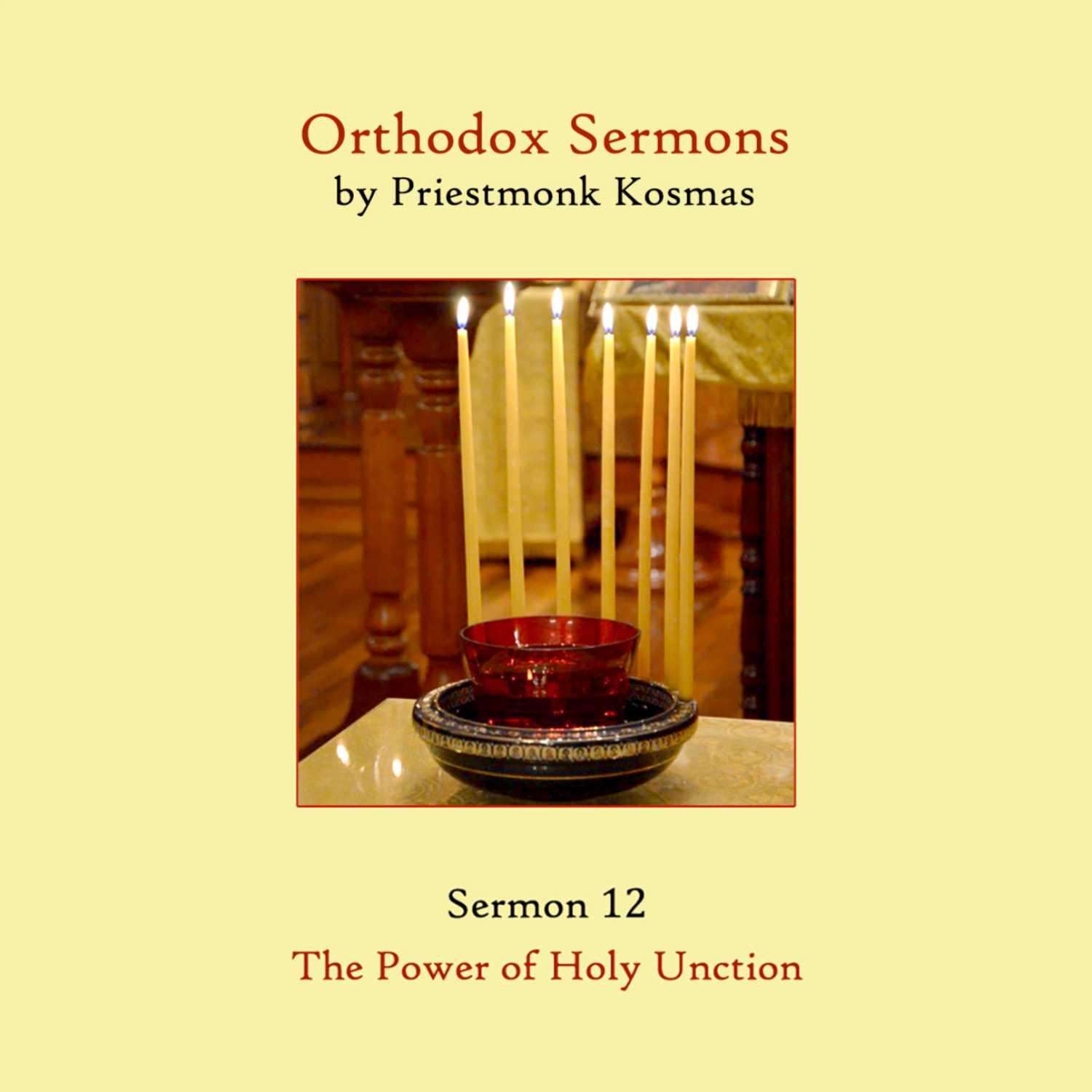
Sermon 12: The Power of Holy Unction
This sermon is No.12 of 14 sermons given by Father Kosmas during his visits to the parish of St George Church, Carlton, Sydney, Australia.Duration: 20 minsVisit our website at www.OrthodoxTalks.com
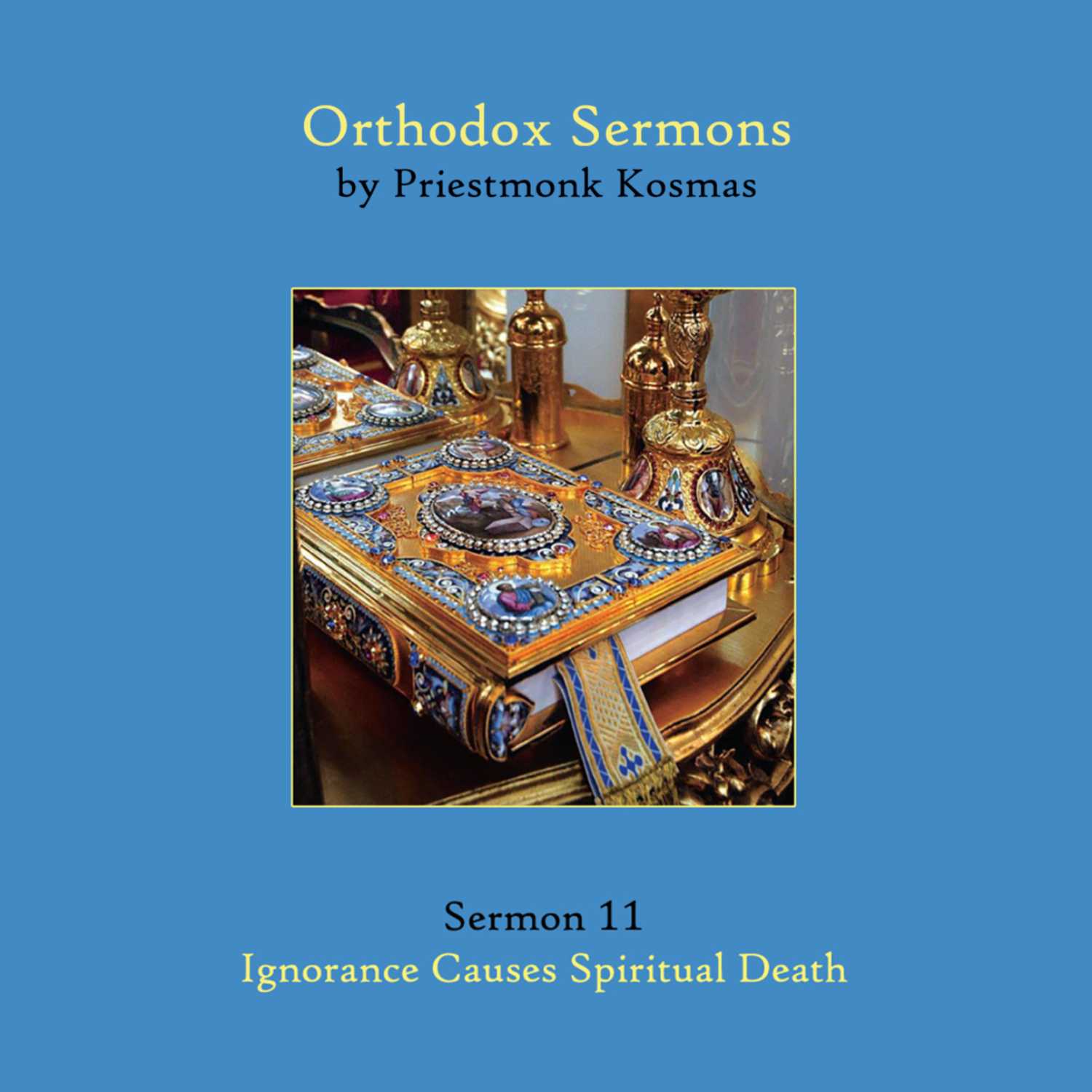
Sermon 11: Ignorance Causes Spiritual Death
This sermon is No.11 of 14 sermons given by Father Kosmas during his visits to the parish of St George Church, Carlton, Sydney, Australia.Duration: 30 minsVisit our website at www.OrthodoxTalks.com
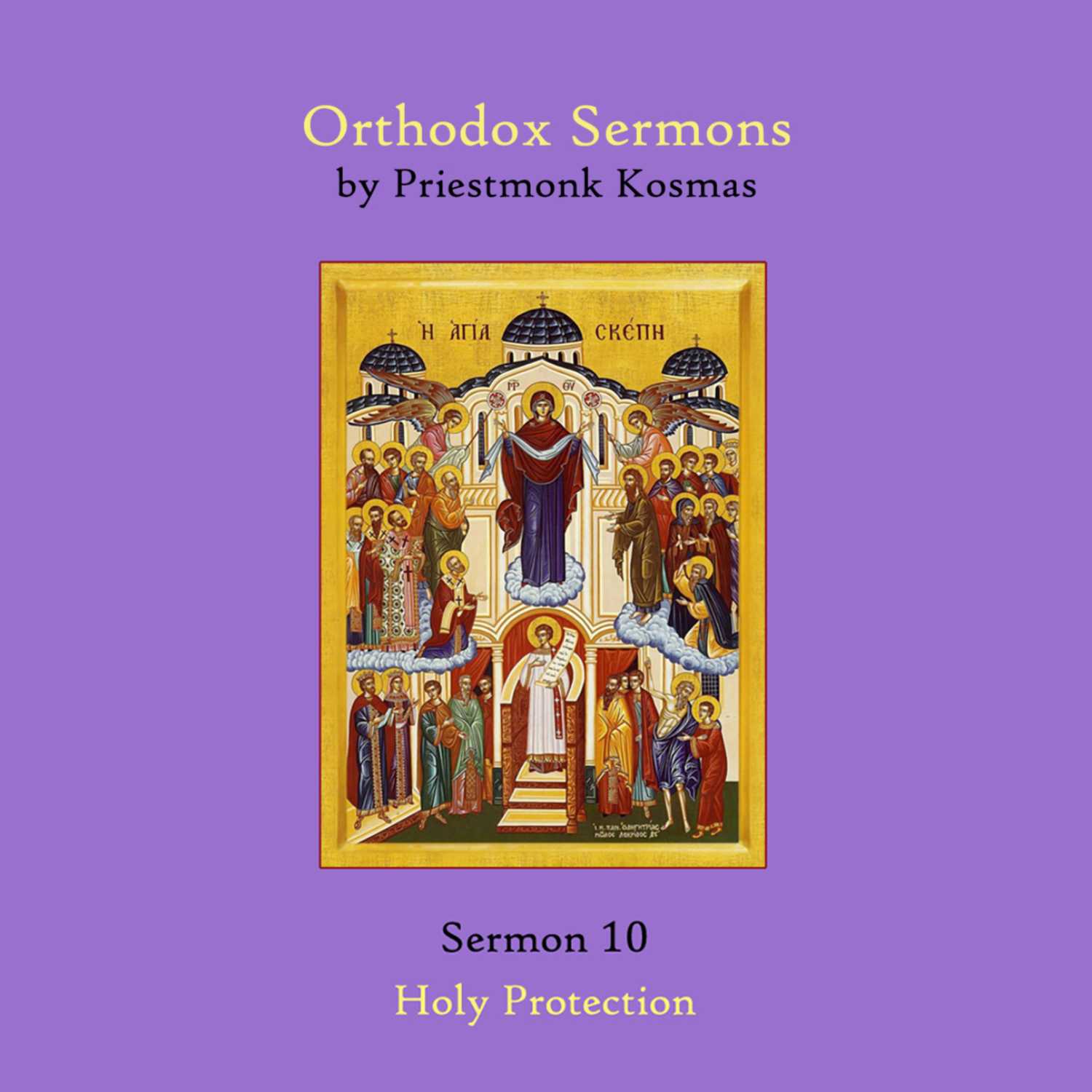
Sermon 10: Holy Protection
This sermon is No.10 of 14 sermons given by Father Kosmas during his visits to the parish of St George Church, Carlton, Sydney, Australia.Duration: 45minsVisit our website at www.OrthodoxTalks.com
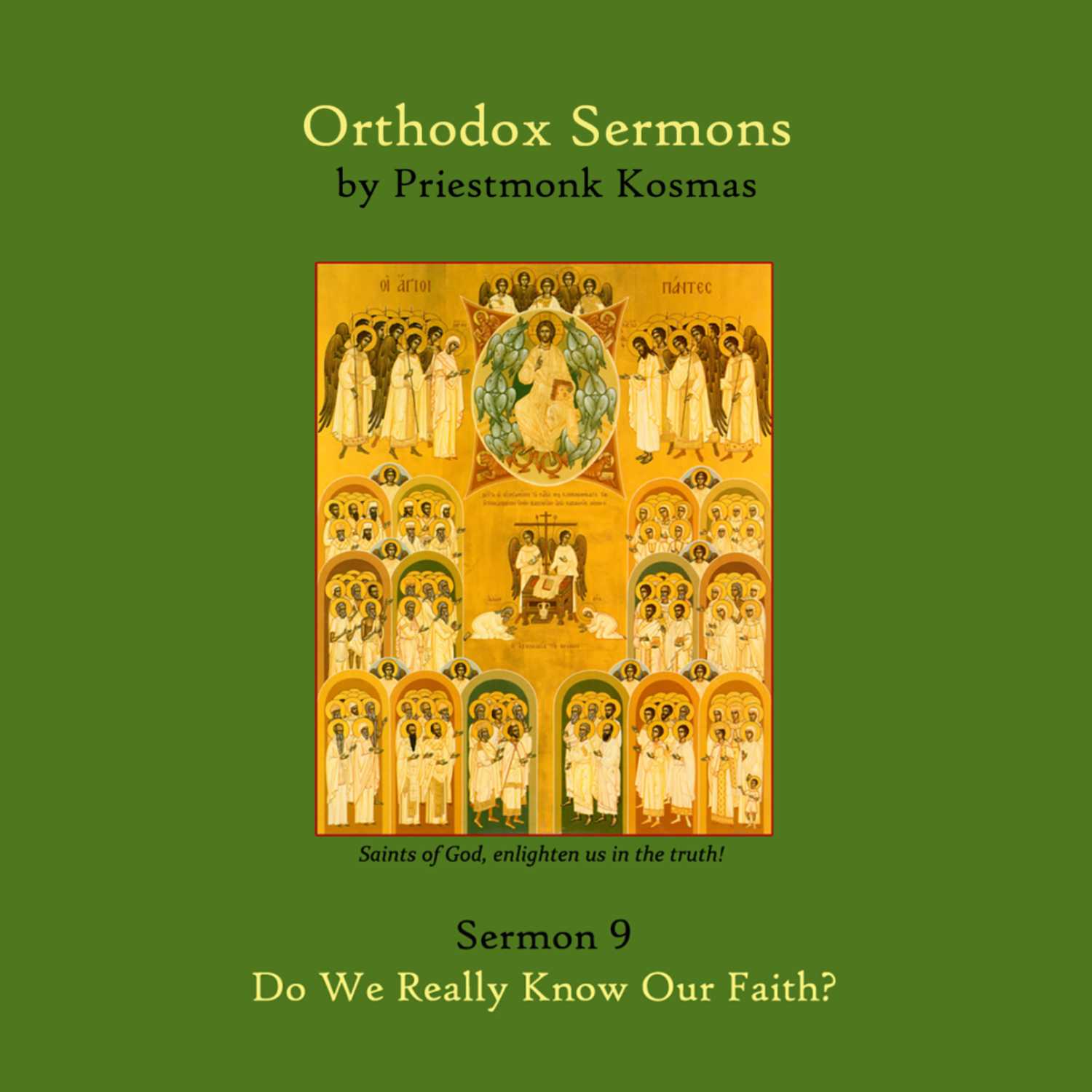
Sermon 09: Do We Really Know Our Faith?
This sermon is No.9 of 14 sermons given by Father Kosmas during his visits to the parish of St George Church, Carlton, Sydney, Australia.Duration: 35 minsVisit our website at www.OrthodoxTalks.com
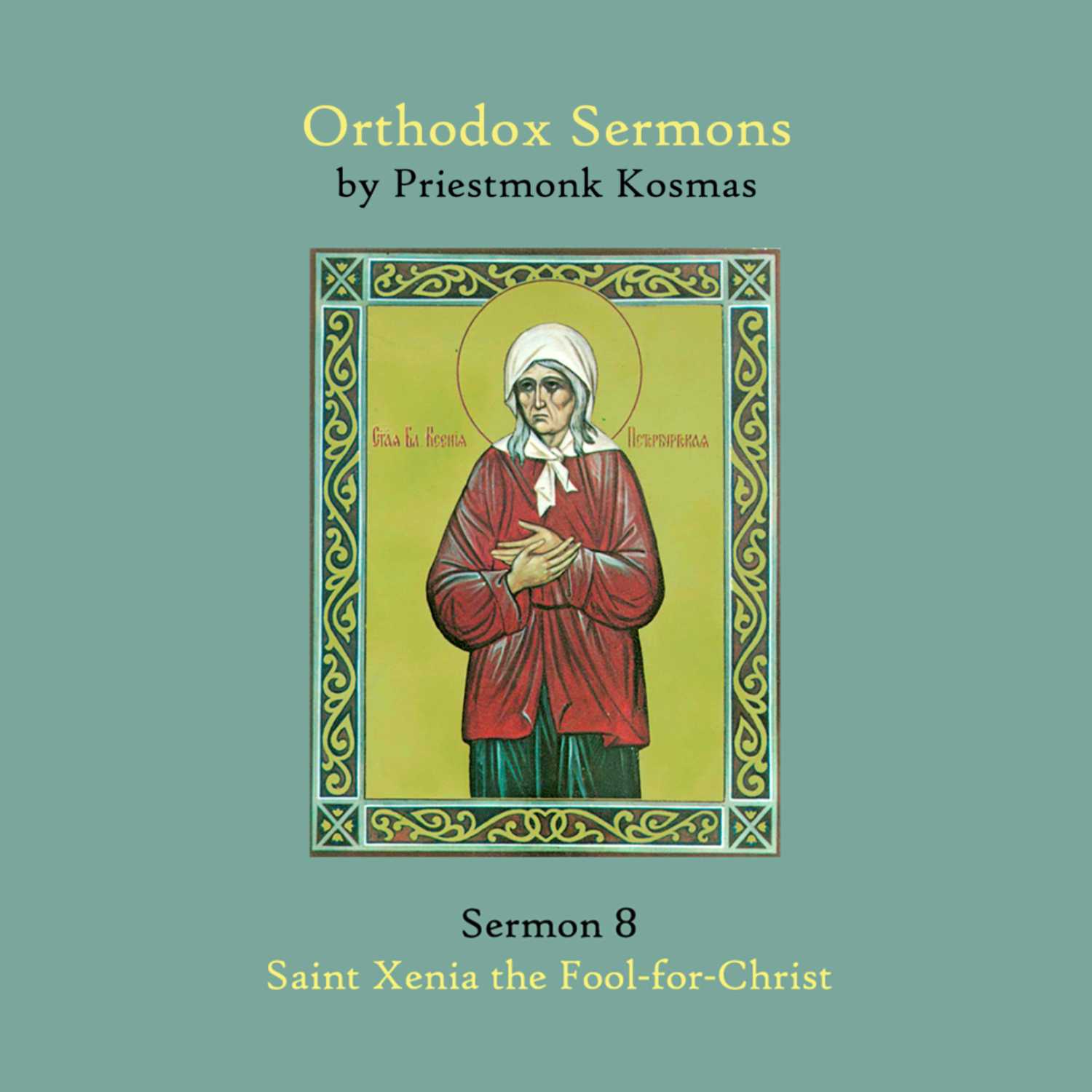
Sermon 08: Saint Xenia the Fool-for-Christ
This sermon is No.8 of 14 sermons given by Father Kosmas during his visits to the parish of St George Church, Carlton, Sydney, Australia.Duration: 34 minsVisit our website at www.OrthodoxTalks.com
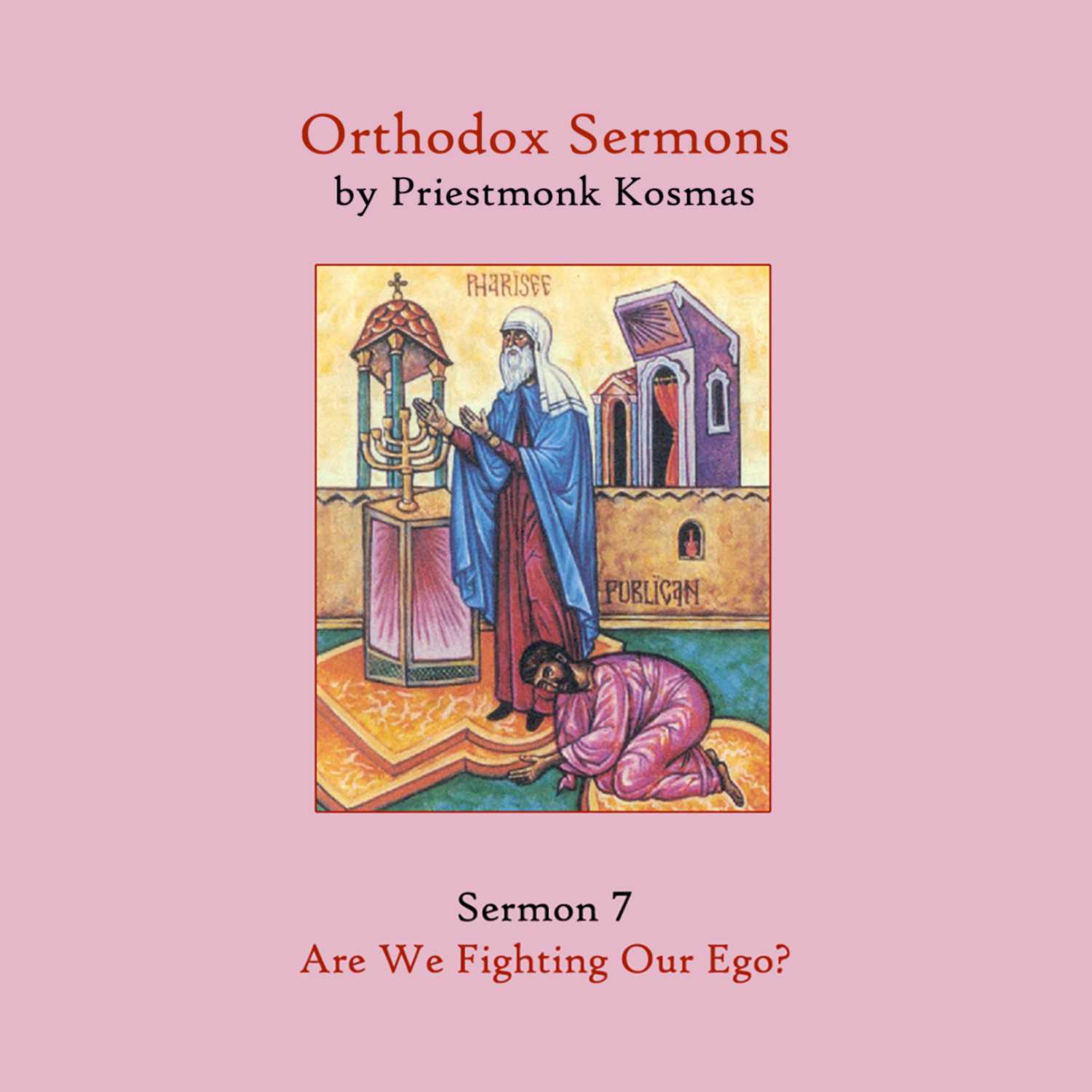
Sermon 07: Are We Fighting Our Ego?
This sermon is No.7 of 14 sermons given by Father Kosmas during his visits to the parish of St George Church, Carlton, Sydney, Australia.Duration: 32 minsVisit our website at www.OrthodoxTalks.com
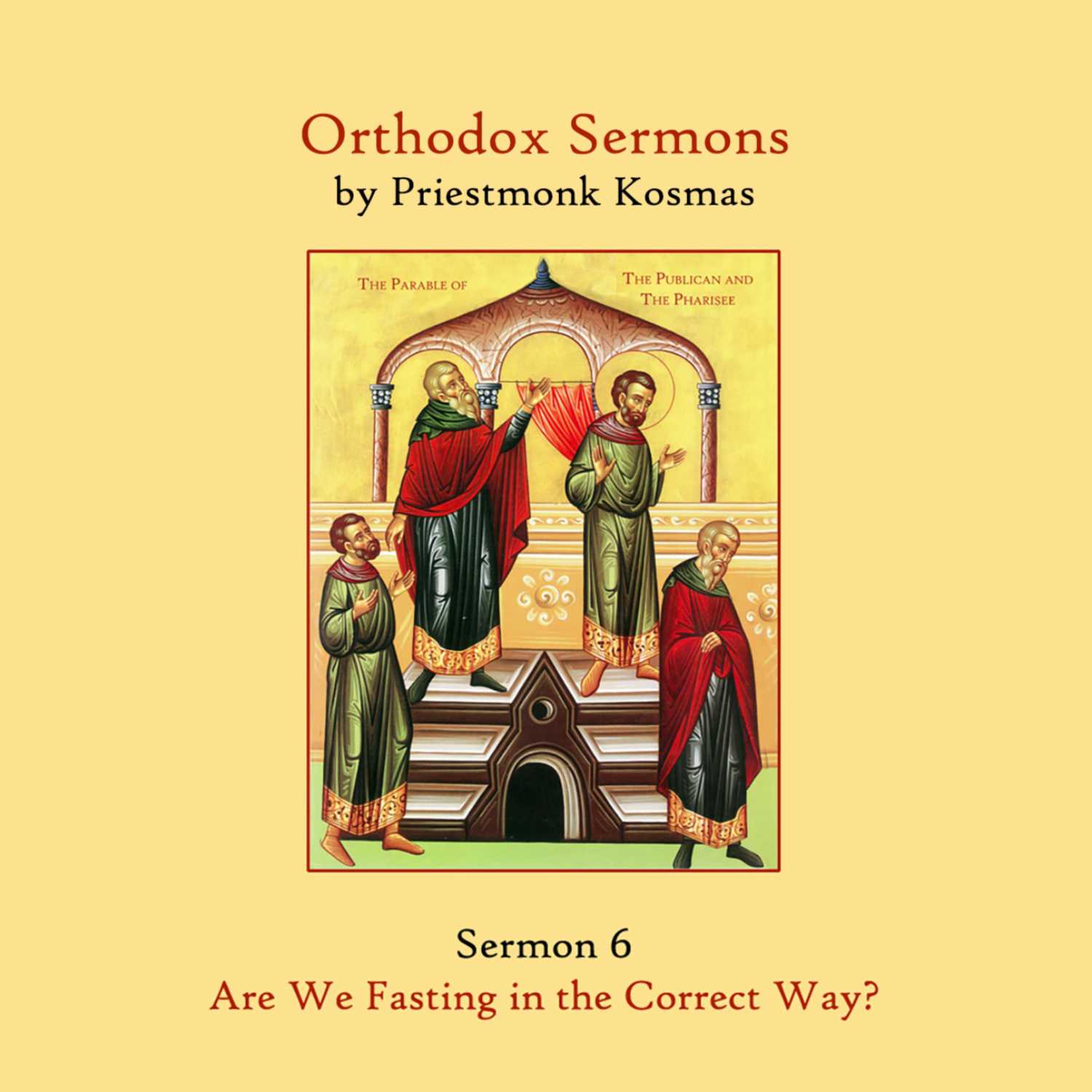
Sermon 06: Are We Fasting in the Correct Way?
This sermon is No.6 of 14 sermons given by Father Kosmas during his visits to the parish of St George Church, Carlton, Sydney, Australia.Duration: 23 minsVisit our website at www.OrthodoxTalks.com
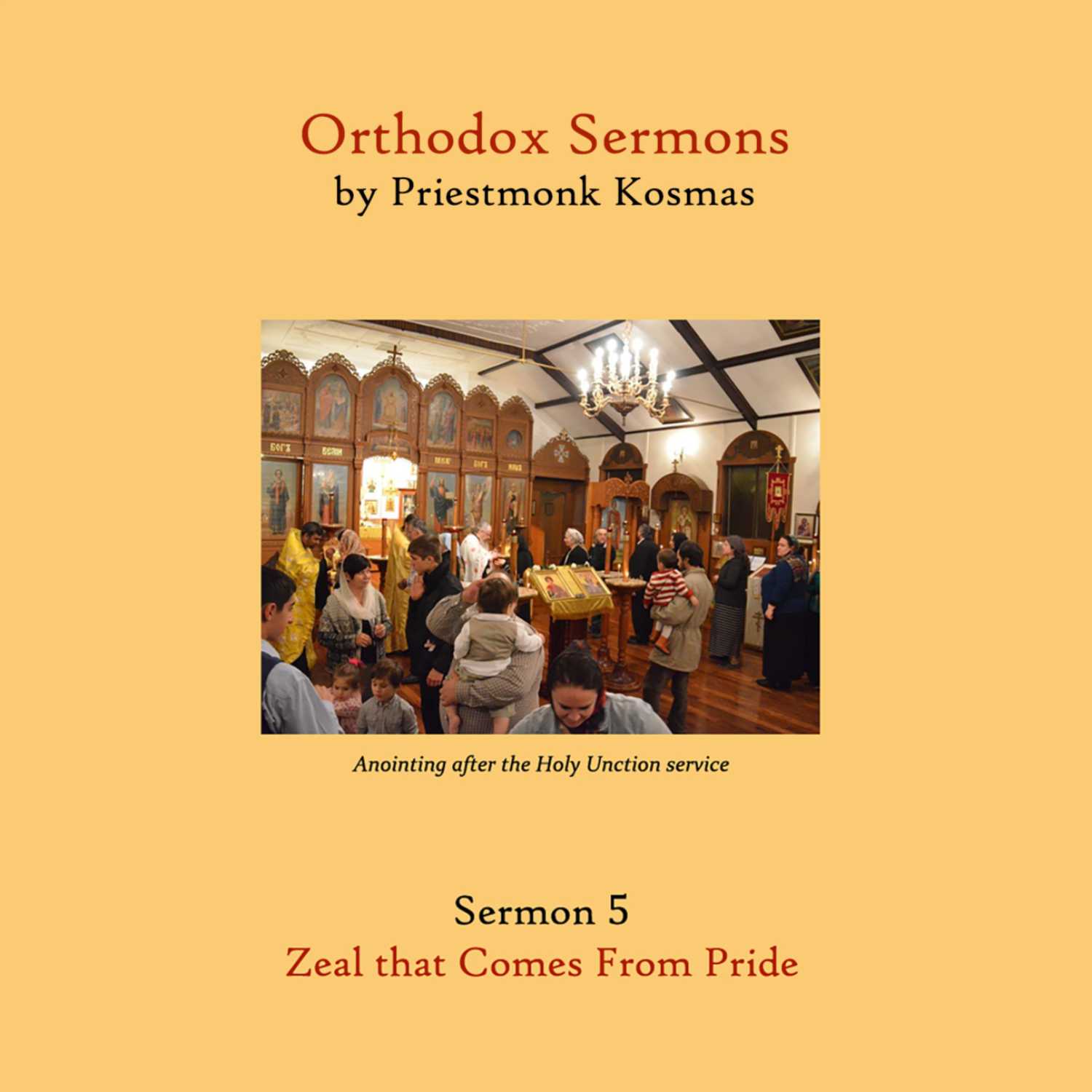
Sermon 05: Zeal that Comes From Pride
This sermon is No.5 of 14 sermons given by Father Kosmas during his visits to the parish of St George Church, Carlton, Sydney, Australia.Duration: 28 minsVisit our website at www.OrthodoxTalks.com
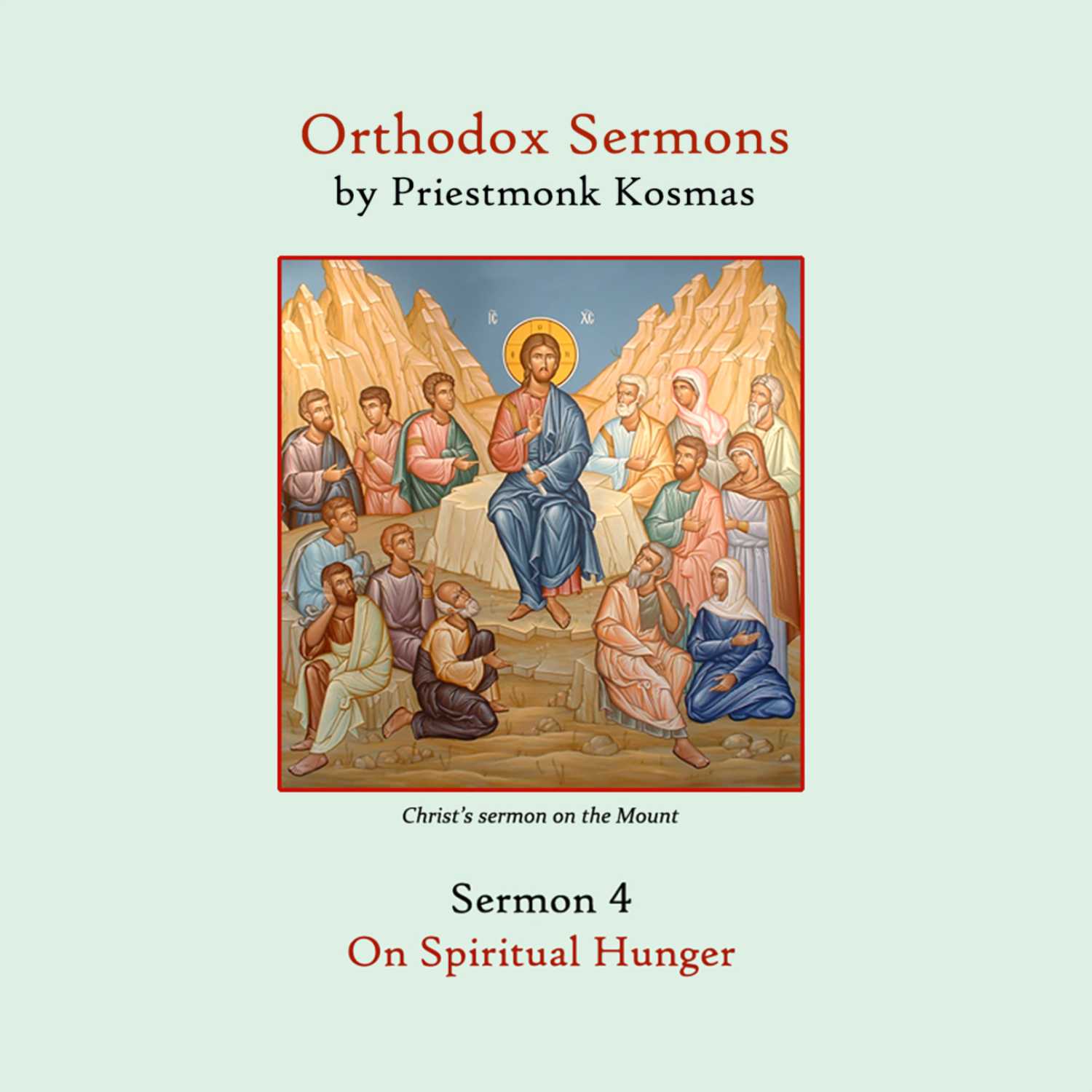
Sermon 04: On Spiritual Hunger
This sermon is No.4 of 14 sermons given by Father Kosmas during his visits to the parish of St George Church, Carlton, Sydney, Australia.Duration: 23 minsVisit our website at www.OrthodoxTalks.com
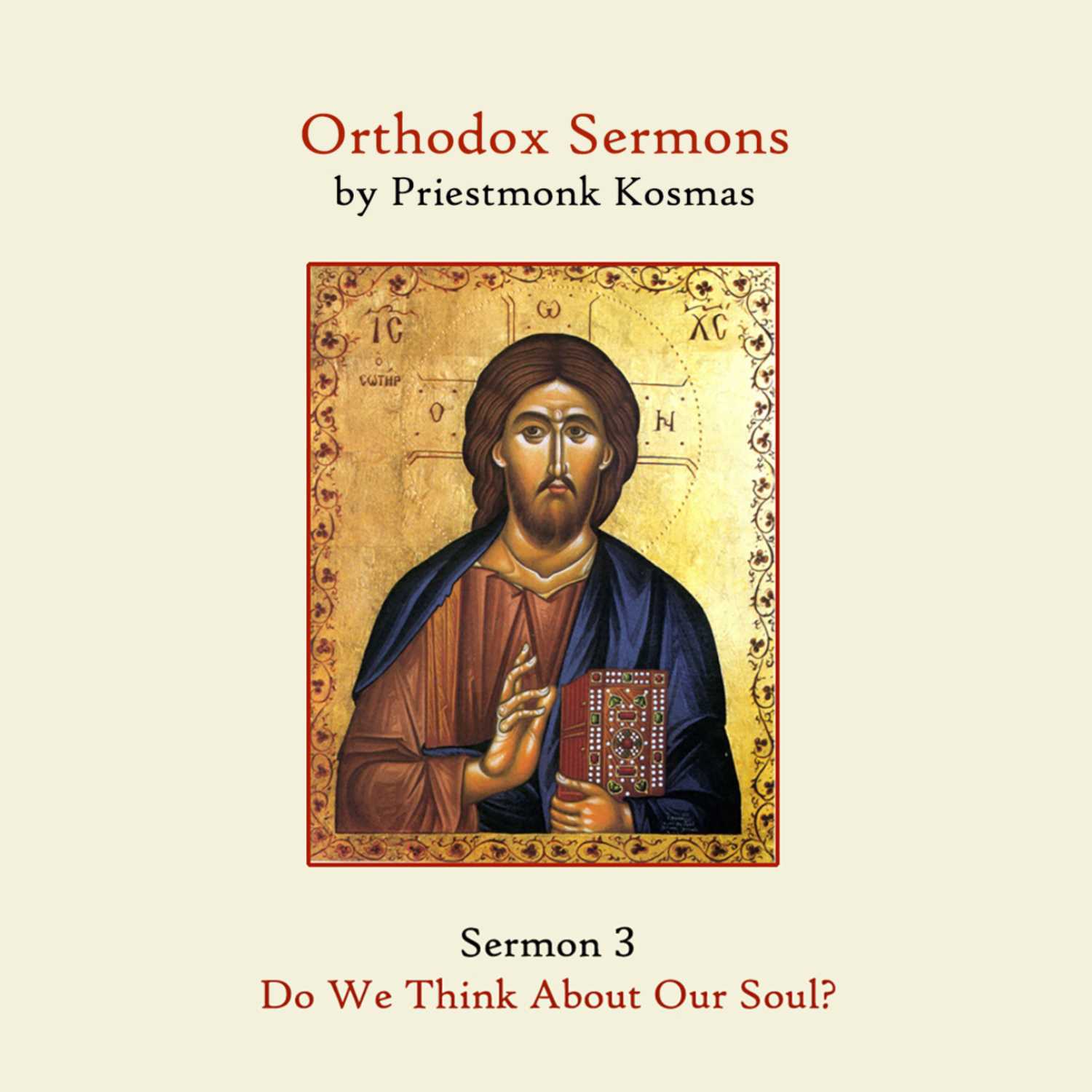
Sermon 03: Do We Think About Our Soul?
This sermon is No.3 of 14 sermons given by Father Kosmas during his visits to the parish of St George Church, Carlton, Sydney, Australia.Duration: 27 minsVisit our website at www.OrthodoxTalks.com
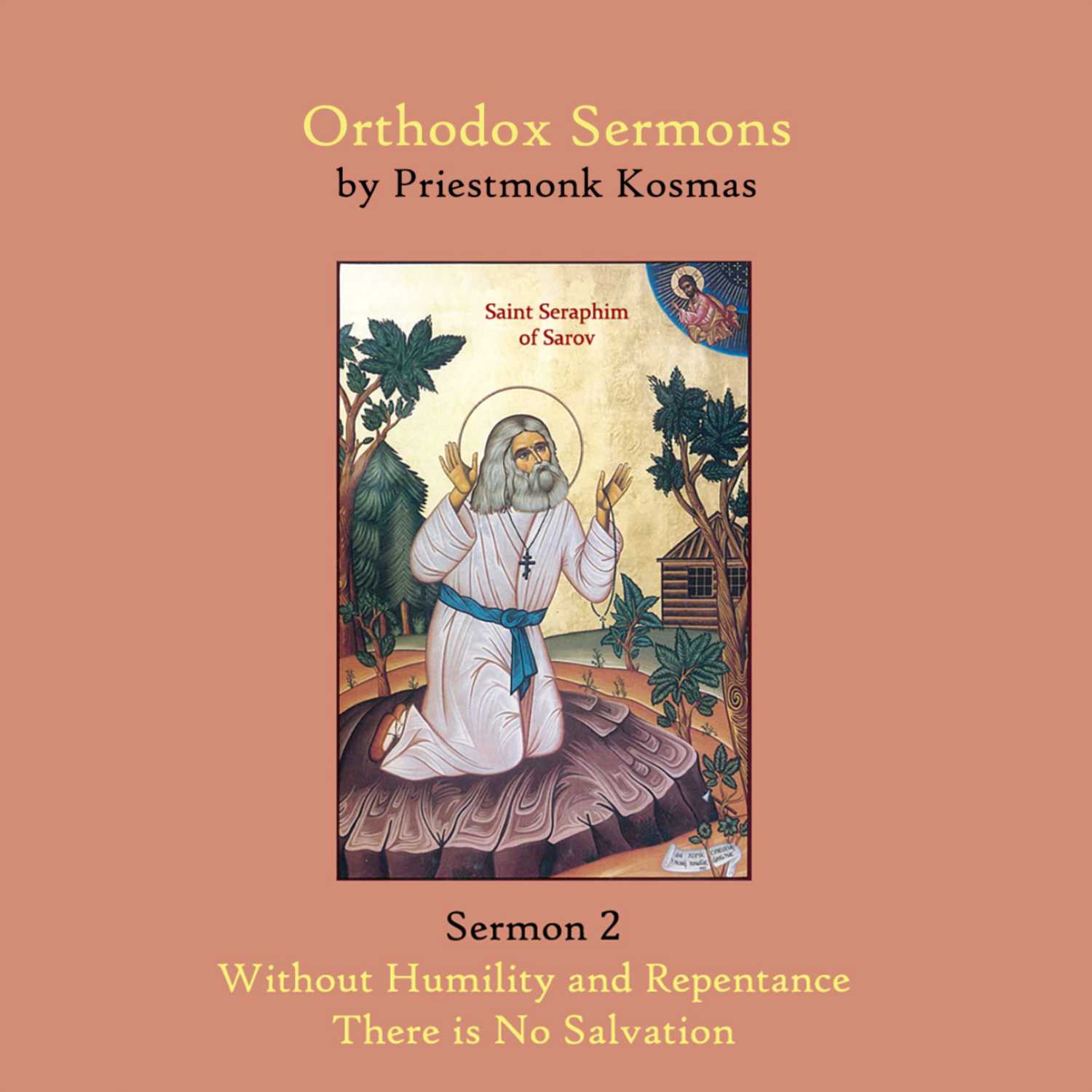
Sermon 02: Without Humility and Repentance There is No Salvation
This sermon is No.2 of 14 sermons given by Father Kosmas during his visits to the parish of St George Church, Carlton, Sydney, Australia.Duration: 38 minsVisit our website at www.OrthodoxTalks.com
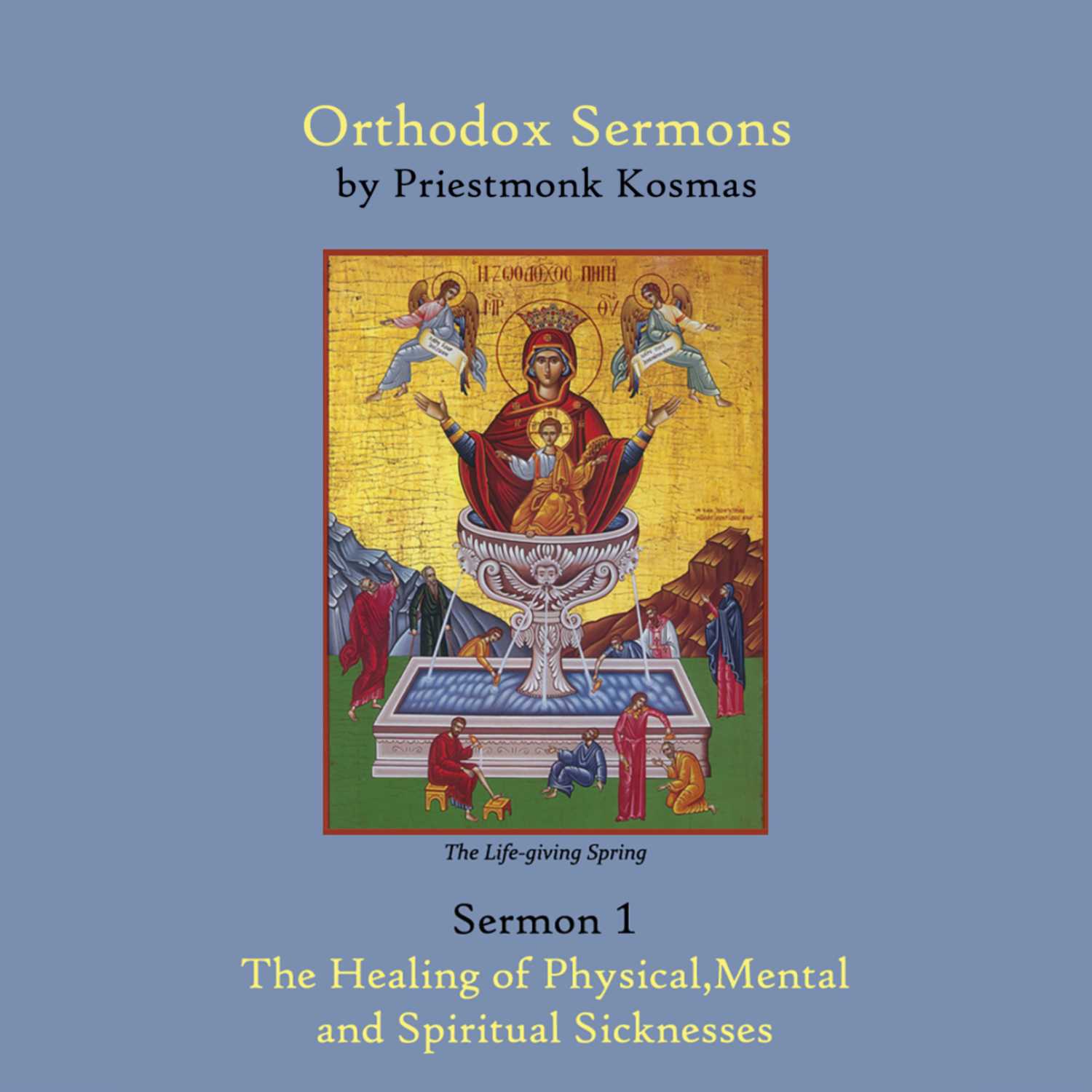
Sermon 01: The Healing of Physical, Mental and Spiritual Sicknesses
This sermon is No.1 of 14 sermons given by Father Kosmas during his visits to the parish of St George Church, Carlton, Sydney, Australia.Duration: 25 minsVisit our website at www.OrthodoxTalks.com