Season 15 · Episode 21
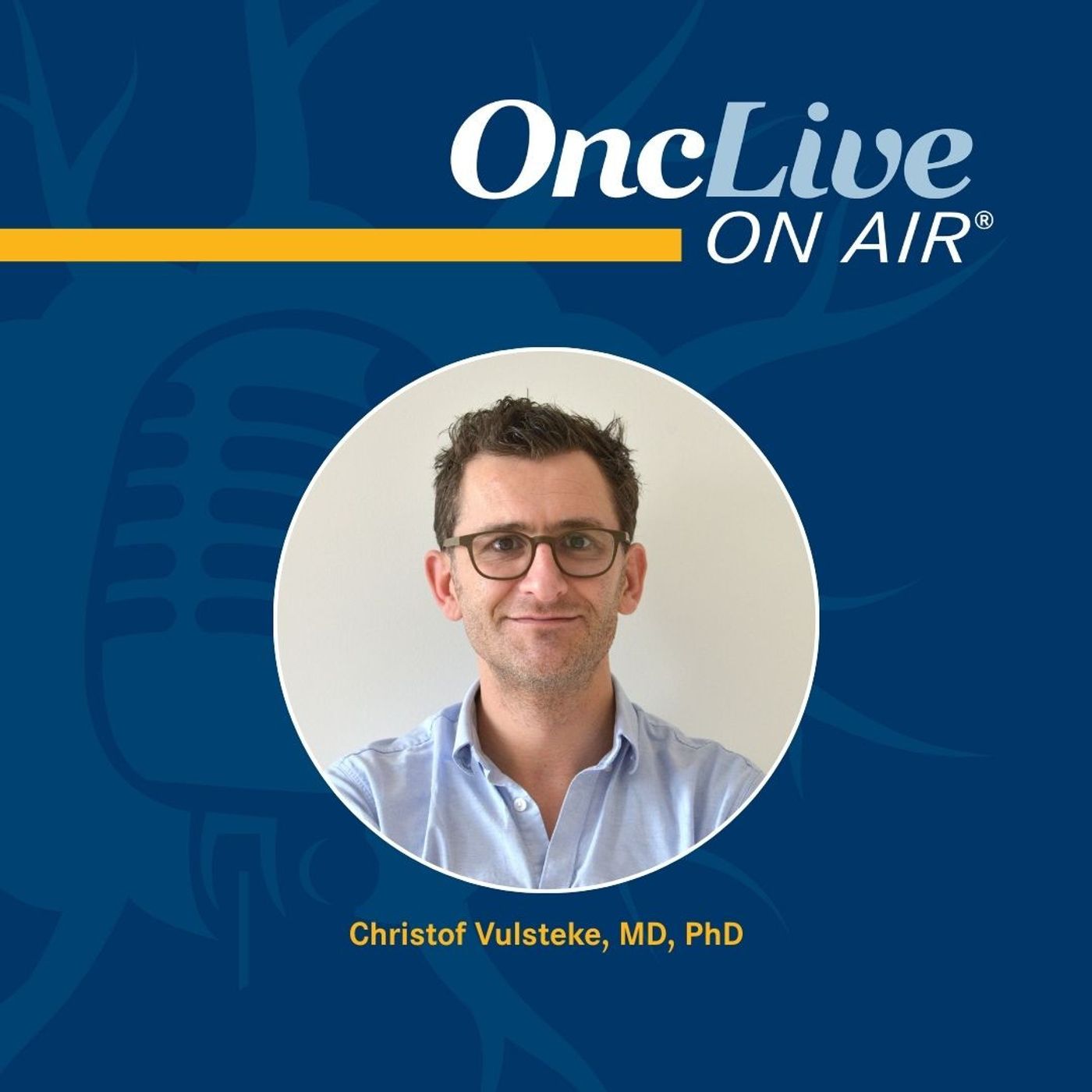
S15 Ep21: FDA Approval of Enfortumab Vedotin/Pembrolizumab Redefines Perioperative Care for Cisplatin-Ineligible MIBC: With Christof Vulsteke, MD, PhD
OncLive® On Air · OncLive® On Air
December 31, 20258m 24s
Audio is streamed directly from the publisher (audioboom.com) as published in their RSS feed. Play Podcasts does not host this file. Rights-holders can request removal through the copyright & takedown page.
Show Notes
In today’s episode, the discussion features Christof Vulsteke, MD, PhD, head of the Integrated Cancer Center Ghent in Belgium, who provided clinical and regulatory insight into the KEYNOTE-905 study (NCT03924895) and the November 2025 FDA approval of enfortumab vedotin-ejfv (Padcev) plus pembrolizumab (Keytruda) for patients with cisplatin-ineligible muscle-invasive bladder cancer (MIBC).
In this exclusive interview, Dr Vulsteke outlined the scientific rationale and study design of KEYNOTE-905, reviewed the key efficacy and safety findings observed with the enfortumab vedotin/pembrolizumab combination, and discussed how the safety profile of this combination aligns with prior experience in bladder cancer. He also contextualized the significance of this FDA approval in addressing a longstanding unmet need for cisplatin-ineligible patients and highlighted remaining gaps in care, including global access, patient selection, and future research directions aimed at improving outcomes in this challenging-to-treat population.
In this exclusive interview, Dr Vulsteke outlined the scientific rationale and study design of KEYNOTE-905, reviewed the key efficacy and safety findings observed with the enfortumab vedotin/pembrolizumab combination, and discussed how the safety profile of this combination aligns with prior experience in bladder cancer. He also contextualized the significance of this FDA approval in addressing a longstanding unmet need for cisplatin-ineligible patients and highlighted remaining gaps in care, including global access, patient selection, and future research directions aimed at improving outcomes in this challenging-to-treat population.