On The Radar
Welcome to "Tech Radar Voice By Tikal" podcast! J…
Tikal Knowledge · Tech Radar Voice
Show overview
On The Radar has been publishing since 2019, and across the 7 years since has built a catalogue of 67 episodes. That works out to roughly 45 hours of audio in total. Releases follow a roughly quarterly cadence.
Episodes typically run thirty-five to sixty minutes — most land between 36 min and 48 min — and the run-time is fairly consistent across the catalogue. None of the episodes are flagged explicit by the publisher. It is catalogued as a HE-language Technology show.
The show is actively publishing — the most recent episode landed earlier today, with 11 episodes already out so far this year. The busiest year was 2025, with 14 episodes published. Published by Tech Radar Voice.
From the publisher
Welcome to "Tech Radar Voice By Tikal" podcast! Join us as we explore the fascinating world of technology through the lens of the Israeli Tech Radar. Brought to you by Tikal, the leading hands-on tech consultancy, our podcast delves into the latest trends, innovations, and insights encompassed by the Tech Radar. With each episode, we'll deep dive into topics that revolve around the Tech Radar, covering a wide range of cutting-edge technologies, emerging frameworks, programming languages, and industry trends. From engaging discussions to expert interviews, we're here to amplify your tech knowledge and keep you at the forefront of the ever-evolving tech landscape. Get ready to tune in, broaden your tech horizon, and navigate the exciting realms of the Israeli Tech Radar with us on "Tech Radar Voice By Tikal" podcast.
Latest Episodes
View all 67 episodesChief Engineering Ep.5 With Erez Giladi
Chief Engineering Ep.4 With Itay Kinnrot
Chief Engineering Ep.3 With Sivan Shick
Chief Engineering Ep.2 With Mati Konen
Chief Engineering With Leon Gendler
Platform Engineering in the Cyber World
Platform engineering in action
Building a platform for SW engineering
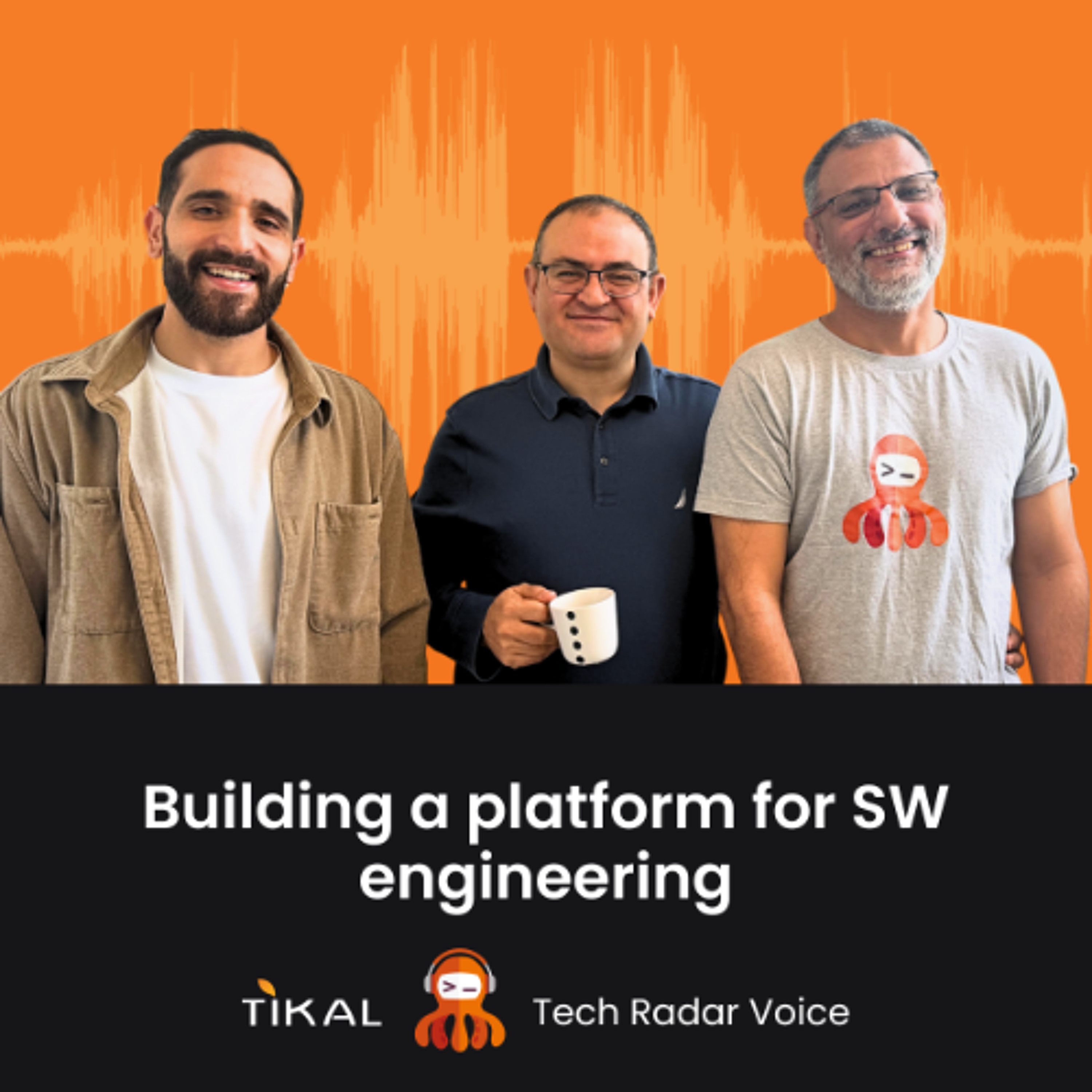
Software engineering teams move fast, and DevOps can no longer afford to become the organization’s bottleneck. In this episode, Eitan Masuary, Haggai Philip Zagury, and Gaby Tal from Tikal’s DevOps group talk about Platform Engineering and the shift from a ticket driven DevOps model to building an internal platform as a product. They discuss how self service approaches give developers more autonomy, reduce repetitive operational work, and help teams move faster while maintaining standards. The episode also looks at where to start when introducing a platform and why identifying early adopters inside the organization is key to successful adoption.
Agentic SDLC for a Team
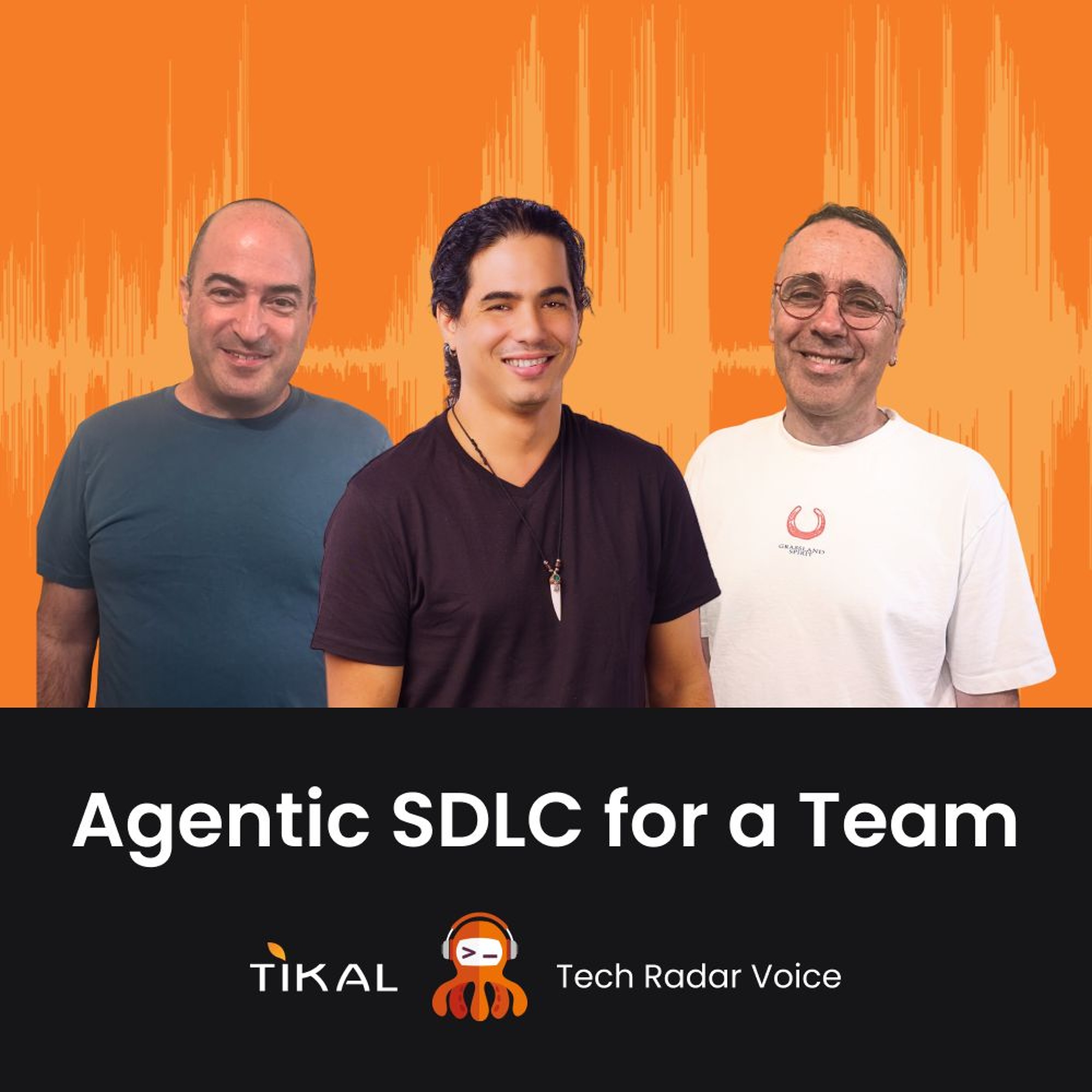
Agentic SDLC only works when the entire environment supports it. In this final episode of the series, Nir Kaufman, Tech lead at Tikal hosts Lior Kanfi, CEO and founder of Tikal, and Yishai Beeri, CTO at LinearB, to talk about what it really means to implement Agentic SDLC at scale. They unpack the technical and organizational foundations required to make it work: from infra that enables context sharing and tool coordination, to clearly defined ownership models, and from architectural patterns to gradual team-wide adoption.
Context Engineering
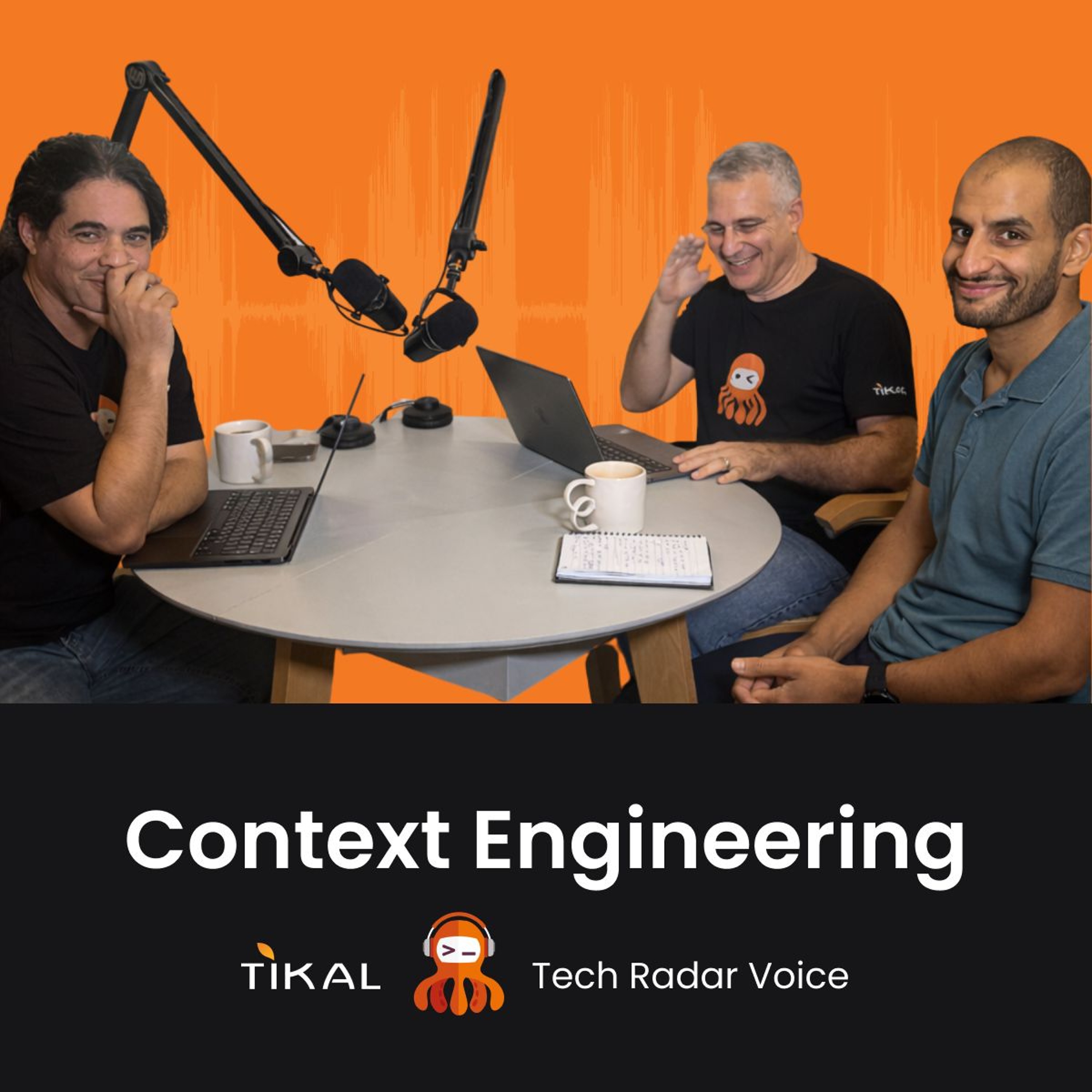
Most developers think of “context” as documentation or vector search. But in real AI systems, context is a dynamic, cross-cutting concern that spans the full SDLC. In this episode, Nir Kaufman, Tech Lead at Tikal, is joined by Nir Alfasi, Backend Tech Lead at Tikal, and Matan Grady, Director of Product at Port.io. Together, they unpack what Context Engineering actually looks like in production: from tribal knowledge and markdown chaos, to memory design, tool orchestration, and human decision making.
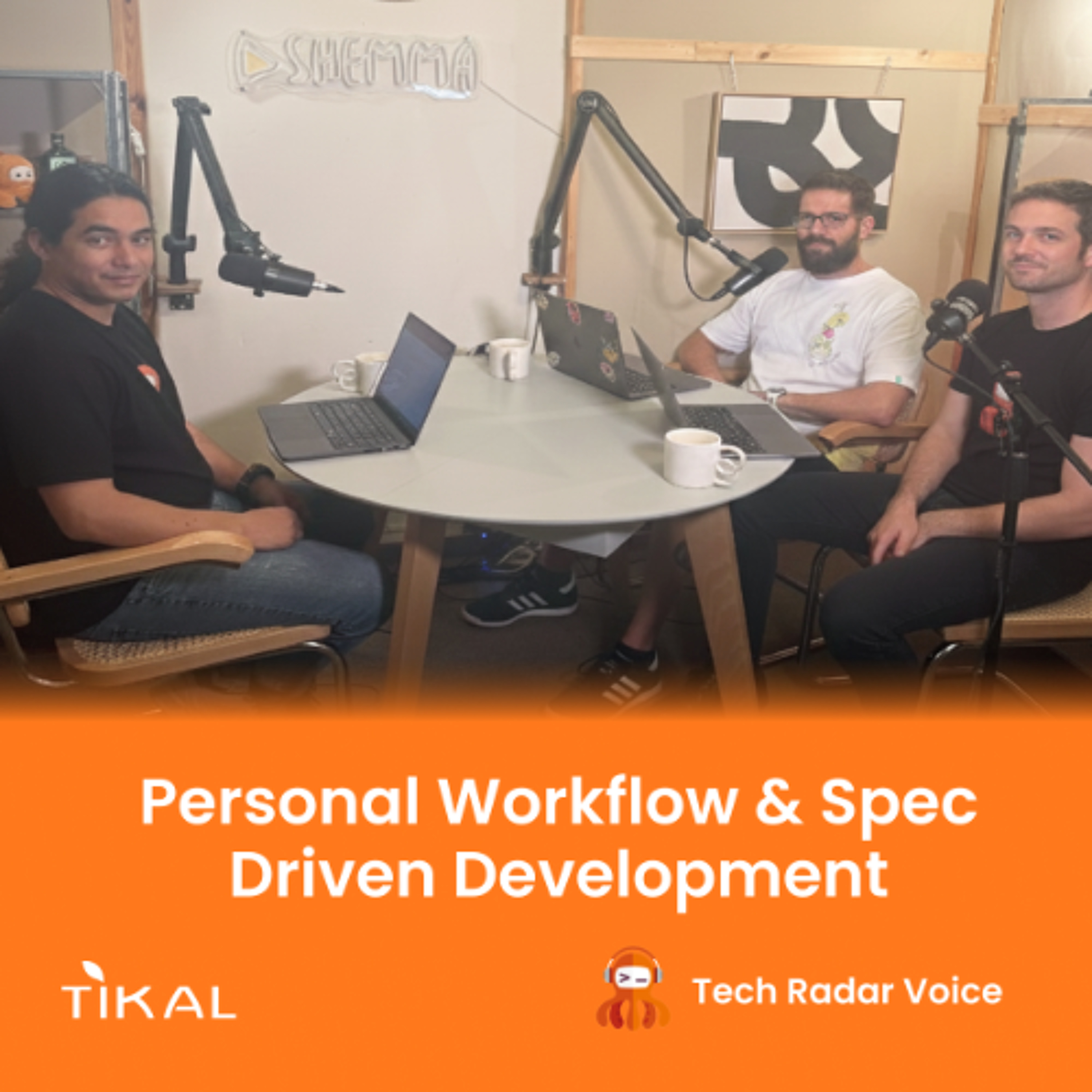
Personal Workflow & Spec Driven Development
AI is writing code, but is it helping us work better? What happens when the initial excitement of "chatting with AI" turns into a loop of losing context and correcting code? In this Tech Radar Voice episode,, Nir Kaufman, Tech Lead at Tikal, hosts Roy Kass, Fullstack Tech Lead & Head of Training at Tika and Muly Gottlieb, Head of Engineering at Applitools for a candid conversation about the evolution of the individual developer’s workflow. The discussion moves through the trap of prompt fatigue, the necessity of treating AI like a talented but inexperienced junior, and why Spec Driven Development is making a comeback not as documentation, but as the only way to stay in control of non-deterministic tools.
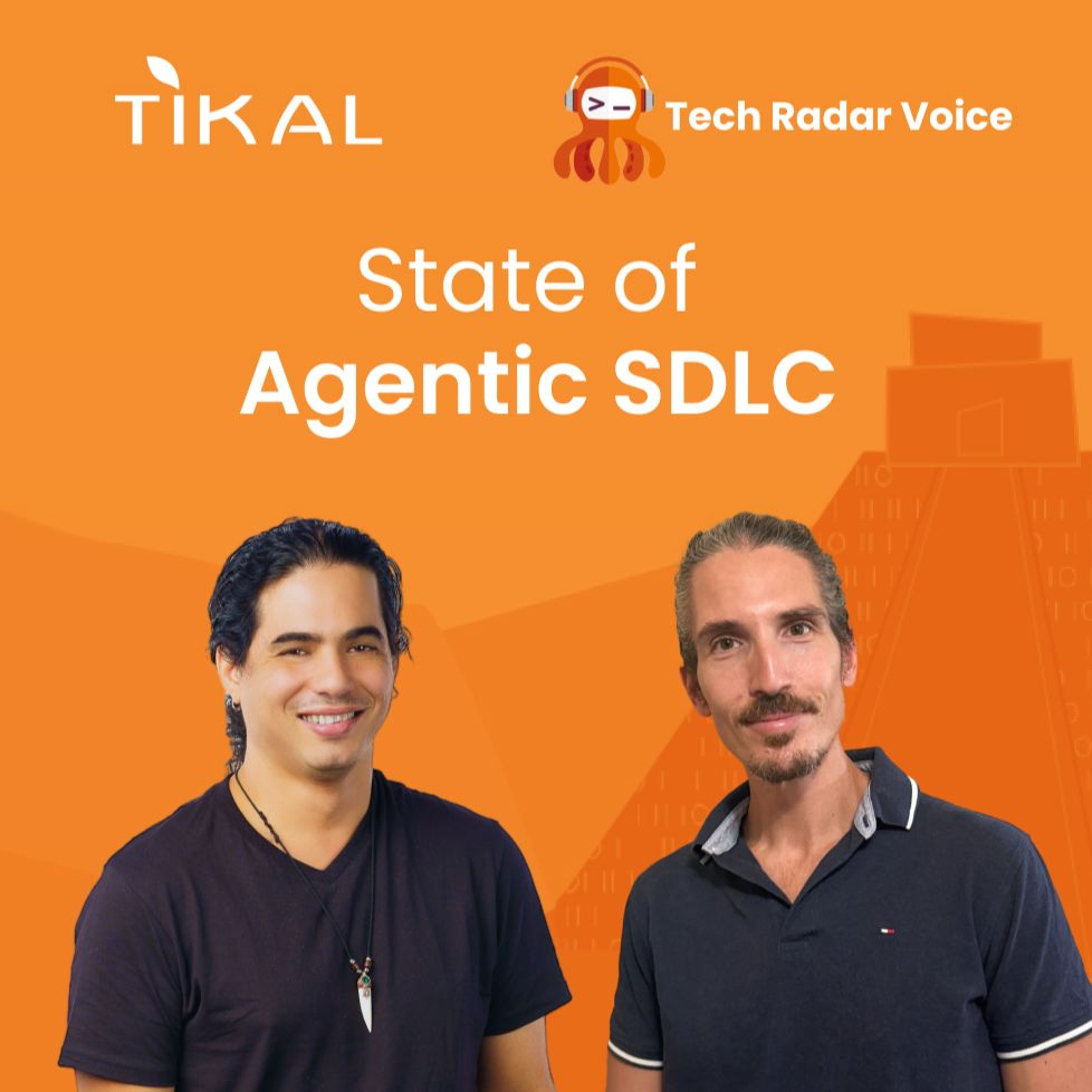
State of Agentic SDLC
State of Agentic SDLC by Tikal Knowledge

Backend Trends in the Israeli Tech Radar 2025-26
What if your backend could think, adjust, and respond in real time? In this Tech Radar Voice episode, Eitan Masuary talks with Yoav Nordmann and Yerachmiel Feltzman about the backend shifts defining 2025-26. They expose the rise of Apache Iceberg & open table formats, reveal why OLAP is surging back, dive into modern data architectures built for scale and speed, and explore AI + vector DBs in real workloads. This isn’t speculative, this is what backend teams will live with tomorrow.

DevOps Trends in the Israeli Tech Radar 2025-26
Deploys are flying, costs are rising, and AI is already in the pipeline. How do you stay in control? In this Tech Radar Voice episode, Eitan Masuari, Head of Tech and DevOps Group Lead at Tikal, hosts Gabi Tal, DevOps Tech Lead at Tikal, and Slavik Jakobson, Platform Architect at Guesty, to discuss DevOps trends from the Israeli Tech Radar 2025 26. They unpack AIOps, explain how AI accelerates the path from idea to implementation, detects patterns in logs, and provides an early heads up before the pager goes off. They also explore FinOps in the AI world, talking about tokens, models, AI gateways, and managing costs already during development. They highlight the difference between DevOps and Platform Engineering, what makes an IDP a true product tool with guardrails, telemetry, and real adoption, and end with DevSecOps that keeps delivery continuous, measurable, and aligned with product goals. A must listen for anyone who wants to understand where the DevOps role is heading, from infrastructure to the meeting point of code, AI, and developer experience.

Fullstack Trends in the Israeli Tech Radar 2025–26
הפולסטאק של היום כבר לא נראה אותו דבר. בפרק הזה של Tech Radar Voice, איתן מסוארי, Head of Tech ו־DevOps Group Lead בטיקל, מארח את גיא נשר, Team Lead ב־Redis, ואת רועי קס, Fullstack Tech Lead בטיקל, לשיחה על הטרנדים החמים בעולם ה־Fullstack מתוך Israeli Tech Radar 2025–26. הם צוללים לאיחוד סטאקים – למה יותר ויותר חברות בוחרות לעבוד עם סטאק אחיד וכמעט מונוליטי, מתי זה באמת מפשט ומאיץ פיתוח, ומתי זה דווקא מקשה וסוגר את הצוות בתוך גבולות נוקשים מדי. משם הם עוברים לוויכוח סביב Server Components – מה הערך שהם מוסיפים מול המורכבות והעלות שהם מייצרים. אחר כך הם משווים בין Node, Bun ו־Deno, לא מהמצגות, אלא מניסיון אמיתי של צוותים שעובדים איתם בפרודקשן. ולסיום, אימוץ AI בצוותי פיתוח: איך הוא משנה את אופי העבודה ביום־יום, מה באמת עובד עם Vibe Coding ומה עדיין רחוק מלהיות Production Ready, איך AI חוסך שעות בכתיבת טסטים, debugging ותיעוד, ואיך משלבים כלים וסוכני קוד בתהליכי העבודה של הצוות – בלי לפגוע ביציבות ובאיכות המערכת. שיחה תכל׳ס, בגובה עיניים, עם דוגמאות מהשטח ותובנות שכל מפתח/ת Fullstack צריך/ה להכיר בשנת 2025.

AI Trends in the Israeli Tech Radar 2025–26
כתבת קוד, הוא רץ, אבל… מי באמת כתב אותו – אתה או ה-AI? בפרק הזה של Tech Radar Voice, איתן מסוארי, Head of Tech ו-DevOps Group Lead בטיקל, מארח את אורן מלמד, מנהל פיתוח, ואת אסף ורון, Fullstack Tech Lead בטיקל, לשיחה על הטרנדים בעולם ה-AI מתוך ה-Israeli Tech Radar 2025–26. הם צוללים לעולם של Vibe Coding – מתי זה גיים צ'יינג'ר שמאיץ פיתוח, ומתי זה קיצור דרך שמכניס ג'אנק לפרודקשן. משם הם עוברים לכלי productivity שמעלים הילוך בבדיקות, debugging ותיעוד, ולבסוף לסטנדרטים החדשים MCP ו-Agent to Agent, שמאפשרים לכלים, אג’נטים וצוותים לדבר באותה שפה – ולבנות מערכות מורכבות בצורה חלקה ומהירה יותר. שיחה סופר פרקטית, מלאה בדוגמאות מהשטח ותובנות למפתחים ולמנהלים שחיים את עולם ה-AI יום־יום.

Hands-On ML System Design Session
?מה באמת נדרש כדי להפוך אתגר ML מהשטח לארכיטקטורה יציבה שמשרתת מיליוני משתמשים בפרק הפרקטי הזה של Tech Radar Voice, שני כהן, Senior ML Engineer ב־Tikal, מארחת את ישראל סופר, Principal ML Engineer, ב־Remitly, לסשן hands-on. הם מנתחים יחד Use case של פייפליין מלא. השיחה נוגעת באתגרים הייחודיים של תעשיית הפינטק – איזון בין דיוק בזיהוי הונאות לבין שמירה על חוויית משתמש, ניהול סיכונים עסקיים, ואינטגרציה של רכיבי תשתית כמו מנועי חוקים, feature stores עם ניהול גרסאות, ומערכות labeling משולבות אדם. אם אתם מתכננים את מערכת ה־ML הראשונה שלכם או בונים תשתית סקיילבילית בעולם עתיר רגולציה ונתונים – הפרק הזה ייתן לכם כלים, תובנות ונקודת מבט אמיתית מהשטח על איך עושים את זה נכון.

Navigating the ML Platform Jungle
כש־Machine Learning הופך לחלק בלתי נפרד ממערכות פרודקשן, המודל הוא רק ההתחלה. האתגר האמיתי? לבחור את התשתיות והכלים הנכונים שיתמכו באימון, בפריסה ובסקיילינג של המערכת לאורך זמן. בפרק הזה של Tech Radar Voice, שני כהן, Senior ML Engineer, בטיקל, מארחת את גיא אשת, Senior Product Manager ב־JFrog ML לשעבר Qwak, לשיחה מעמיקה על מה באמת הופך פלטפורמת ML לטובה. השניים מנתחים את מרכיבי הליבה של סטאק ML מודרני, מ־data ingestion ואימון מודלים, ועד monitoring and observability. אם אתם מתלבטים איך להתחיל, או מרגישים שכבר הלכתם לאיבוד – השיחה הזו תעזור לכם לנווט בג׳ונגל של פלטפורמות ML ולבחור את מה שבאמת מתאים לצוות ולמטרות שלכם.

ML Development Process from a Realistic Perspective
איך באמת נראה פיתוח של מערכת משין לרנינג בפרודקשן – בלי הפילטרים? שני כהן (Senior ML Engineer, Tikal) מארחת את ברק עמר (Principal Engineer, Treeverse) לשיחה על הפער בין הדיאגרמות היפות למציאות היומיומית: חיכוכים בין צוותים, גבולות אחריות לא ברורים, ואתגרים כמו Data Versioning ו-Observability – וגם כלים שיכולים לעזור בדרך.

ML Engineering: From Research to Reality
ML Engineering: מהמחקר למציאות Machine Learning זה לא רק לבנות מודלים – זה לדעת איך להפוך אותם לחלק ממערכת שעובדת באמת, בסקייל, בפרודקשן, ובעיקר – מביאה תוצאות. בפרק הזה של Tech Radar Voice, שני כהן, Senior ML Engineer ב- Tikal, מארחת את קוסטה קלינובסקי, MLOps Engineer ב-Imperva, לשיחה על איך לוקחים רעיון מחקרי והופכים אותו למערכת אמינה שרצה אצל יוזרים אמיתיים. הם עוברים יחד על כל ה-ML lifecycle – מהאיסוף של הדאטה, דרך תכנון הפיצ'רים וניהול האקספרימנטים, ועד לאימון, deployment וניטור בפרודקשיין. דרך use case של זיהוי הונאות בפלטפורמת e-commerce, הם מדברים על אתגרים יומיומיים – כמו למשל איך שומרים על מודל עדכני, איך מטפלים ב data drift, ואיך בונים תהליך שאפשר לסמוך עליו לאורך זמן. בזכות כלים כמו feature stores, model registries ו-LLMs, הפער בין מחקר ל engineering הולך ומצטמצם – והפרק הזה הוא בדיוק המקום להתחיל בו את המסע לעולמות של MLOps מודרני.