Episode 23
Personality and destiny
A summary of the "situationist" faction of personality psychology, which holds that behavior is strongly influenced by the situation. Knowing someone's personality type adds little value when predicting how they'll behave in a new situation. Small changes
January 30, 202328m 9s
Audio is streamed directly from the publisher (media.transistor.fm) as published in their RSS feed. Play Podcasts does not host this file. Rights-holders can request removal through the copyright & takedown page.
Show Notes
- It’s hard to predict how personality traits will affect behavior in new situations.
- We don’t have a good grasp of the difference between a “new situation” and “a variant of an old situation.”
- Small differences in the situation (like recent good luck) can make a big difference in how traits like “helpfulness” are expressed.
- So you'll probably need to try it and see ("probe-sense-response"), rather than assume you can find out enough to predict ("sense-analyze-respond").
Summary sources:
- John M. Doris, Lack of Character: Personality and Moral Behavior, 2005. (This is focused on questions in the philosophical idea of "virtue ethics". Unless you care about that, this is mostly a place to find primary sources.)
- Walter Mischel, "Toward an Integrative Science of the Person", 2004
Also cited or used:
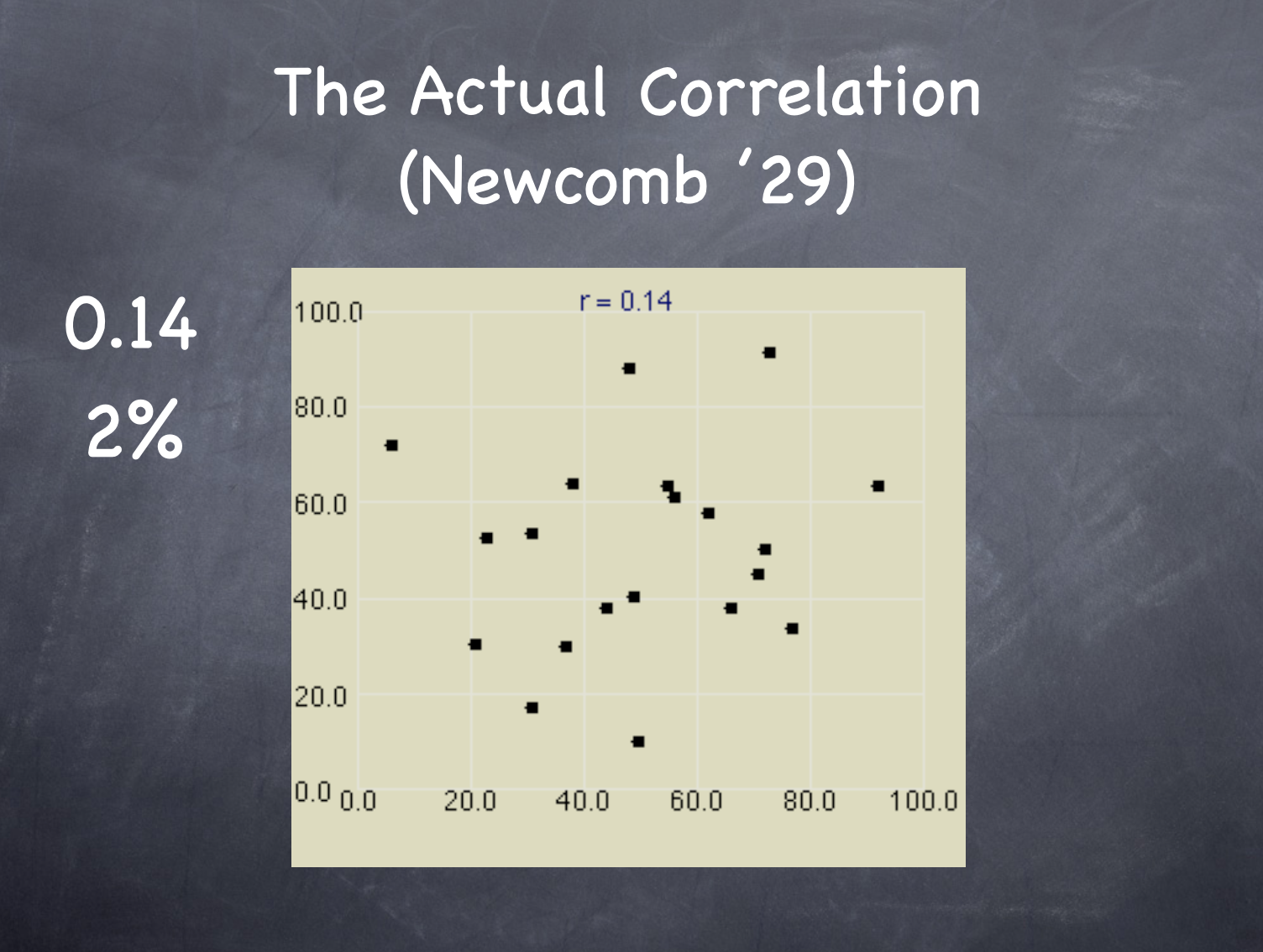
- Theodore Newcomb, The consistency of certain extrovert-introvert behavior patterns in 51 problem boys, 1929. (Not available online. Link is to the University of Illinois Library copy. All hail interlibrary loan!)
- Alice M. Isen and Paula F. Levin, "Effect of feeling good on helping: cookies and kindness", 1972. (The pay phone experiment)
- John M. Darley and Daniel Batson, "'From Jerusalem to Jericho': A Study of Situational and Dispositional Variables in Helping Behavior", 1973 (the seminarian experiment).
- John M. Digman, "Personality Structure: Emergence of the Five-Factor Model", 1999
- Walter Mischel, Personality and Assessment, 1968
- David J. Snowden and Mary E. Boone, "A Leader’s Framework for Decision Making", Harvard Business Review, 2007. (I used this for quotes and claims about the Cynefin framework, which is pronounced "kuh-NEV-in", as it's a Welsh word.)
- Freeman Dyson, Infinite in All Directions, 1998
Miscellaneous:
- “Always try to get data that’s good enough that you don’t need to do statistics on it.”
- What 0.14 correlation looks like
Credits
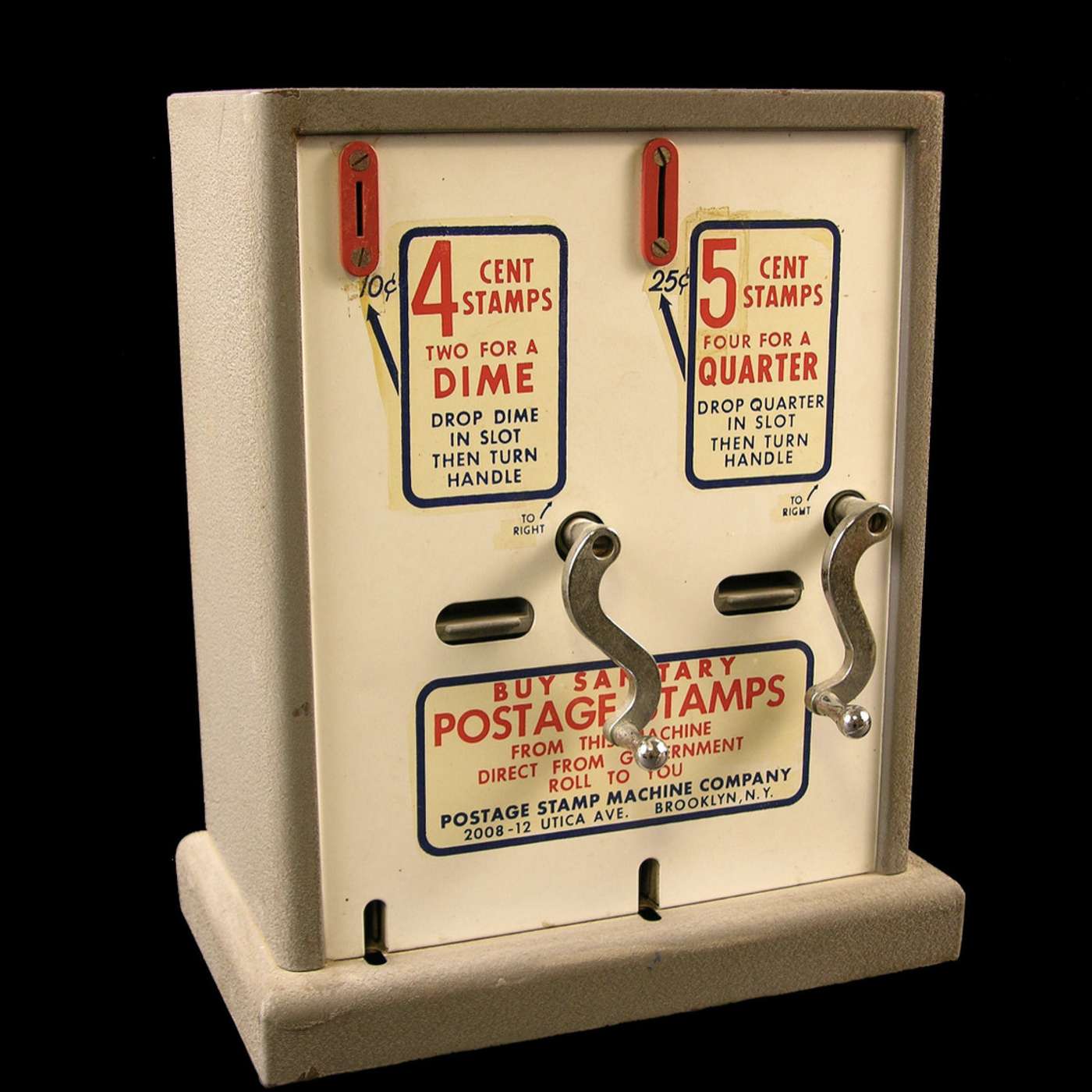
Two-slot postage stamp vending machine image courtesy the Smithsonian Museum. Public domain.
Topics
softwaresociologyhistoryphilosophy