
Oddly Influenced
55 episodes — Page 2 of 2

Ep 5Interview: Downsides of packages, upsides of jUnit (with Elisabeth Hendrickson and Chris McMahon) ("Packages", Part 4)
GuestsElisabeth Hendrickson, @testobsessed, Curious Duck Digital LaboratoryChris McMahon, @chris_mcmahon, blogCitationsCrafting Science: A Sociohistory of the Quest for the Genetics of Cancer, Joan Fujimura, 1997. Explore It!: Reduce Risk and Increase Confidence with Exploratory Testing, Elisabeth Hendrickson, 2012.
Ep 4Theories of What? or: Richard Rorty Weighs in on TDD ("Packages", Part 3)
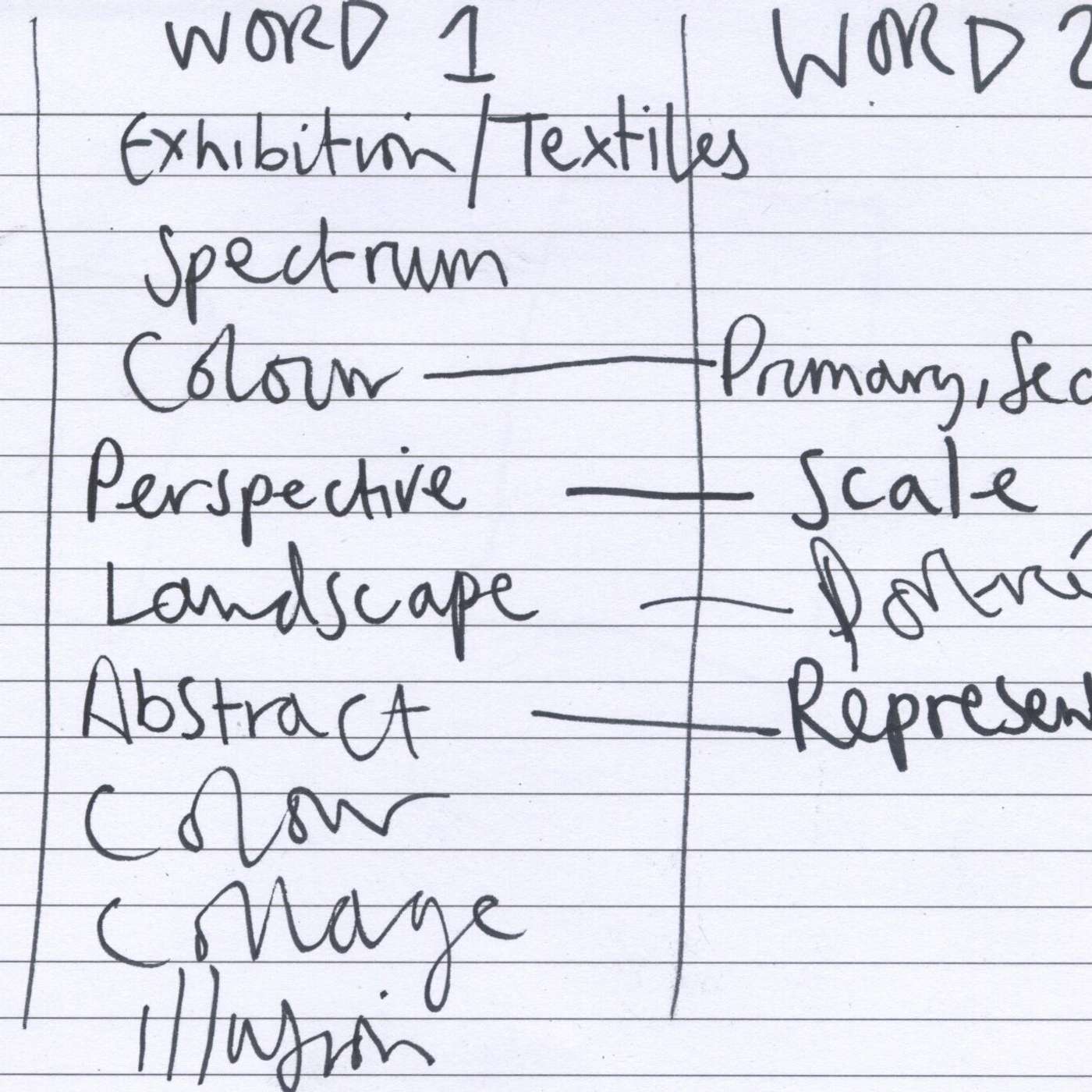
CitationsCrafting Science: A Sociohistory of the Quest for the Genetics of Cancer, Joan Fujimura, 1997. Contingency, Irony, and Solidarity, Richard Rorty, 1989. Smalltalk Best Practice Patterns, Kent Beck, 1996.Ward Cunningham on "working the program", 2004.The Mathematical Experience, Phillip J. Davis and Reuben Hersh, 1980."Elephant Talk", King Crimson, 1981 (audio)."Hammock-Driven Development", Rich Hickey, 2010 (video)."What is Hammock-Driven Development?", Keagan Stokoe, 2021CreditsImage of contrasting words from Flickr user andeecollard, Creative Commons License CC BY-SA 2.0

Ep 3jUnit and What Makes a Successful Tool ("Packages", Part 2)
Recombinant DNA ("gene splicing") was a wildly successful technology in the world of cell biology. Its success gave credibility to the associated "proto-oncogene theory of cancer." The theory piggy-backed on the tool. jUnit was a fairly successful tool in the world of Java programmers. But it was not as successful as recombinant DNA, and it was fairly unsuccessful at promoting its associated theory of test-driven design.This episode looks at what (according to Joan Fujimura's ideas about the history of molecular biology) is required for a tool to be successful, and why jUnit's theory didn't successfully piggyback on the tool. Sources mentionedCrafting Science: A Sociohistory of the Quest for the Genetics of Cancer, Joan Fujimura, 1997. Molecular Cloning, a Laboratory Manual (Fourth Edition), Michael R. Green and Joseph Sambrook, 2012.“Test Infected: Programmers Love Writing Tests”, Kent Beck and Eric Gamma."JUnit: A Cook's Tour", Kent Beck and Eric Gamma.Junit Recipes: Practical Methods for Programmer Testing, J. B. Rainsberger, 2003.XUnit Test Patterns: Refactoring Test Code, Gerard Meszaros, 2007.My question about the adoption of TDD
Ep 2E2: Viruses, Cancer, TDD, and "Packages": Part 1
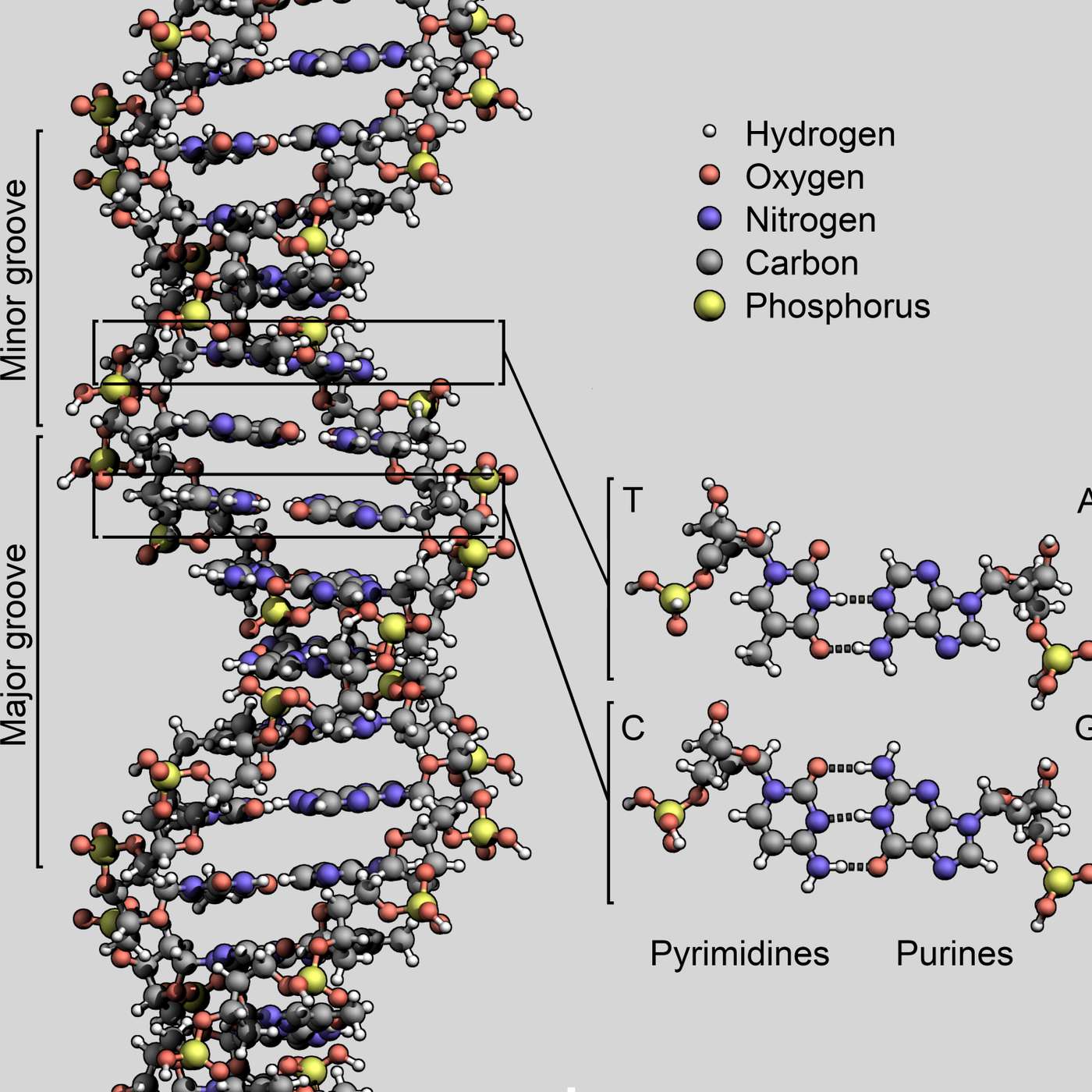
When TDD arrived on the software scene around 1980, it became popular very fast. Why did it succeed so well?I think it's because it was a combined theory and technology that hit the same "sweet spot" of intellectual infectiousness that the "proto-oncogene theory of cancer" did in the 1980's. Most of this episode is a history of the proto-oncogene theory. The next episode will look at case studies in software.Sources:Crafting Science: A Sociohistory of the Quest for the Genetics of Cancer, Joan Fujimura, 1997. "Crafting science: Standardized packages, boundary objects, and 'Translation.'", Joan Fujimura, in Science as Practice and Culture, Andrew Pickering (ed.), 1992.The Craft of Software Testing, Brian Marick, 1994. (Don't buy this book unless you need it for the unauthorized biography of me that you're writing. It's terribly out of date.)CreditsI mention a comment from Twitter user James Thomas (@qahiccupps)The DNA artwork is by Zephyris - Own work, CC BY-SA 3.0.Thanks to Dawn Marick for checking the draft script.
Ep 1E1: Boundary Objects
The episode builds from the paper “Institutional Ecology, 'Translations', and Boundary Objects: Amateurs and Professionals in Berkeley's Museum of Vertebrate Zoology, 1907-1939”. It contains a brief history of how biology was changing around 1907, how scientists and collectors collaborated using "boundary objects", and how acceptance tests can be seen as boundary objects. It ends with some heretical thoughts about business alignment.Later: preparing for episode 21, I found that Étienne Wenger has some useful things to say about boundary objects in his Communities of Practice. I wrote a short summary on my blog.CreditsThanks to Randy Clayton and Dawn Marick for advice about the script.Elephant image by Nikhil Bombatkar, licensed CC0 - Free to Use, Attribution Optional