Ocean Protect Podcast
205 episodes — Page 3 of 5
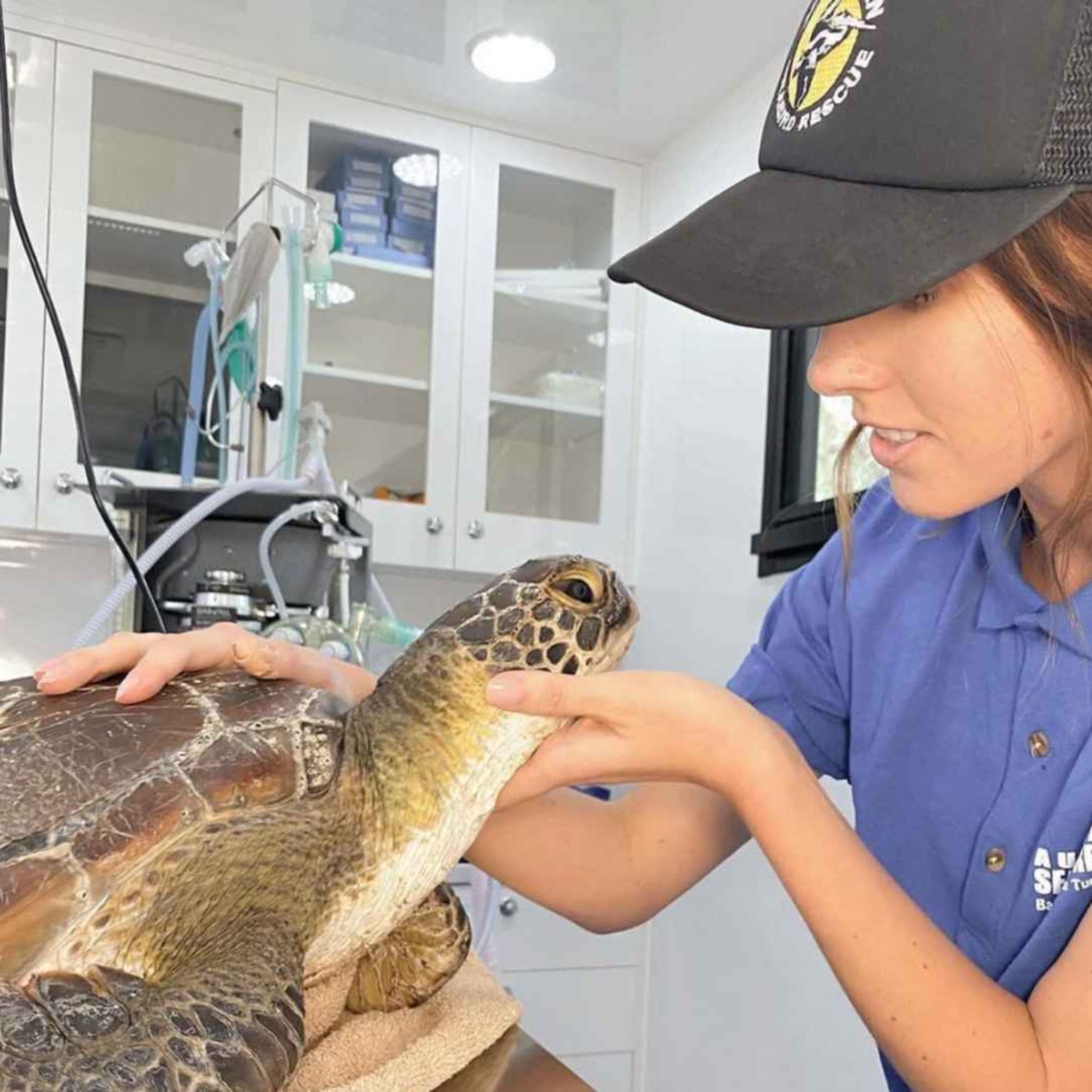
S3 Ep 29Olly Pitt on rescuing seabirds, shorebirds, sea turtles & sea snakes (Part 2 of 2)
This is the second (and final) part of our two-part chat with Olly Pitt, General Manager of Australian Seabird Rescue. Part one was released last week. You can find out more about Australian Seabird Rescue via https://seabirdrescue.org.au/ For further information about Ocean Protect, check us out at www.oceanprotect.com.au Hosted on Acast. See acast.com/privacy for more information.
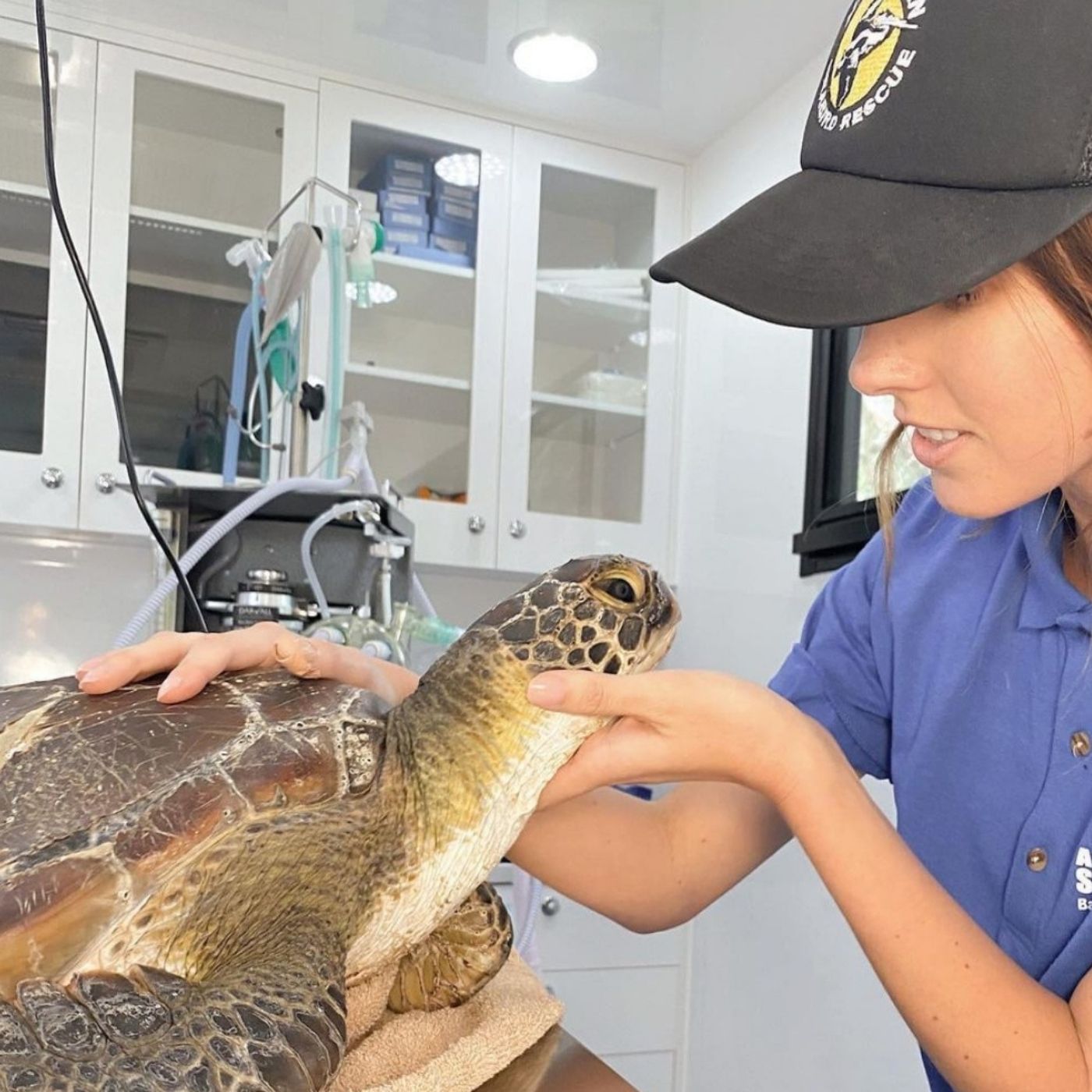
S3 Ep 28Olly Pitt on rescuing seabirds, shorebirds, sea turtles & sea snakes (Part 1 of 2)
Olly Pitt is a SUPERSTAR and General Manager of Australian Seabird Rescue, who rescue, rehabilitate and release seabirds, shorebirds, sea turtles and sea snakes in New South Wales, Australia - along with helping out these guys via education and research. We talk about their key threats, the amazing work that Australian Seabird Rescue does, and how we can all help out. This is a two-part conversation, with the second (and final) part released next week.You can find out more about Australian Seabird Rescue via https://seabirdrescue.org.au/ For further information about Ocean Protect, check us out at www.oceanprotect.com.au Hosted on Acast. See acast.com/privacy for more information.
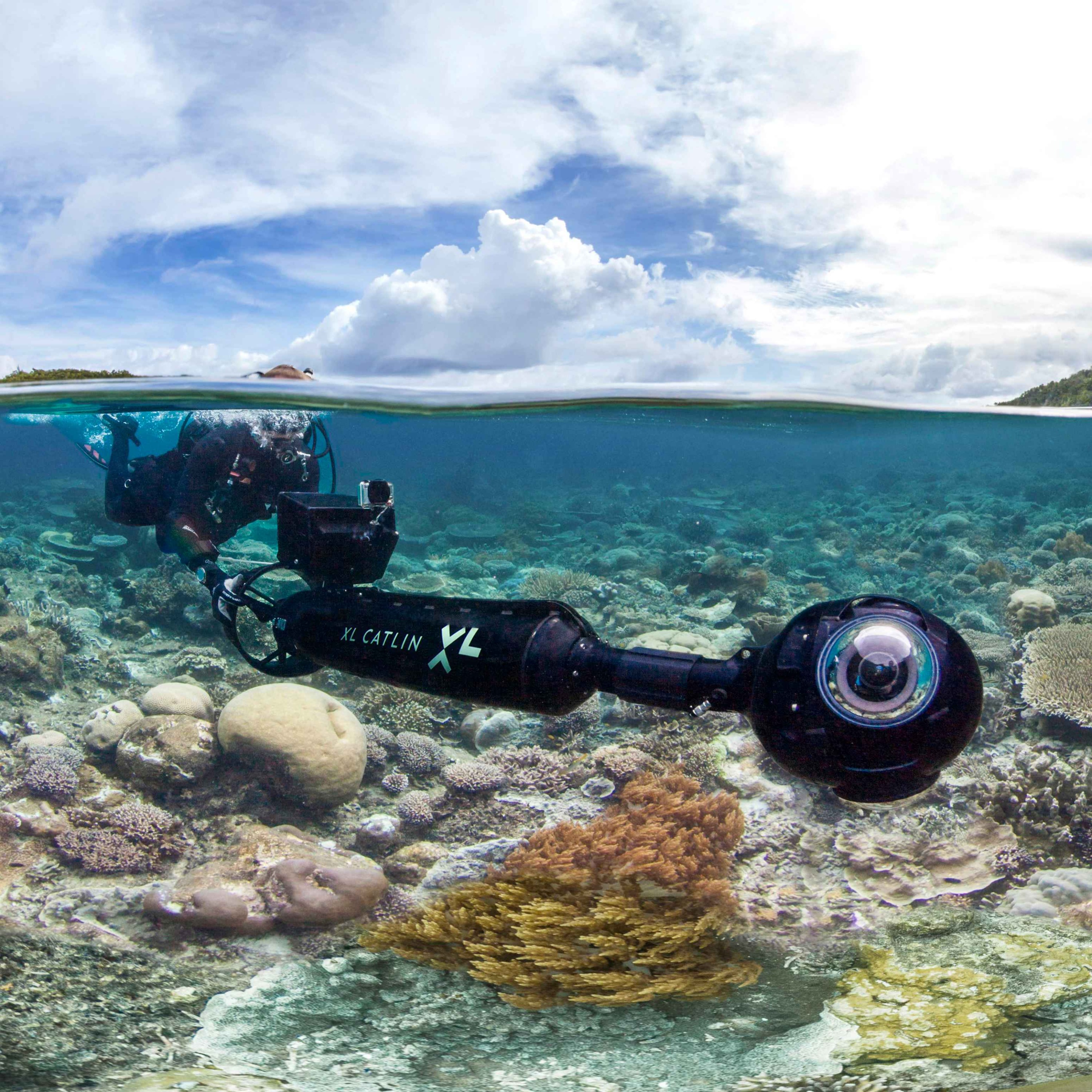
S3 Ep 27Underwater Earth with Lorna Parry
Lorna Parry is Co-Founder and Managing Director of Underwater Earth - a Sydney-based, globally focussed, non-profit founded in 2010. Their mission is simple - to reveal the ocean to the world using a combination of creative storytelling and innovative technology. One of the ocean's biggest issues is it is out of sight and out of mind. How can anyone love and protect the ocean when they do not know and understand it? This is a great chat with the inspirational Lorna Parry.Useful links:https://www.underwater.earth/Lorna Parry on LinkedIn: https://www.linkedin.com/in/lorna-parry-underwater/For further information about Ocean Protect, check us out at www.oceanprotect.com.au Hosted on Acast. See acast.com/privacy for more information.
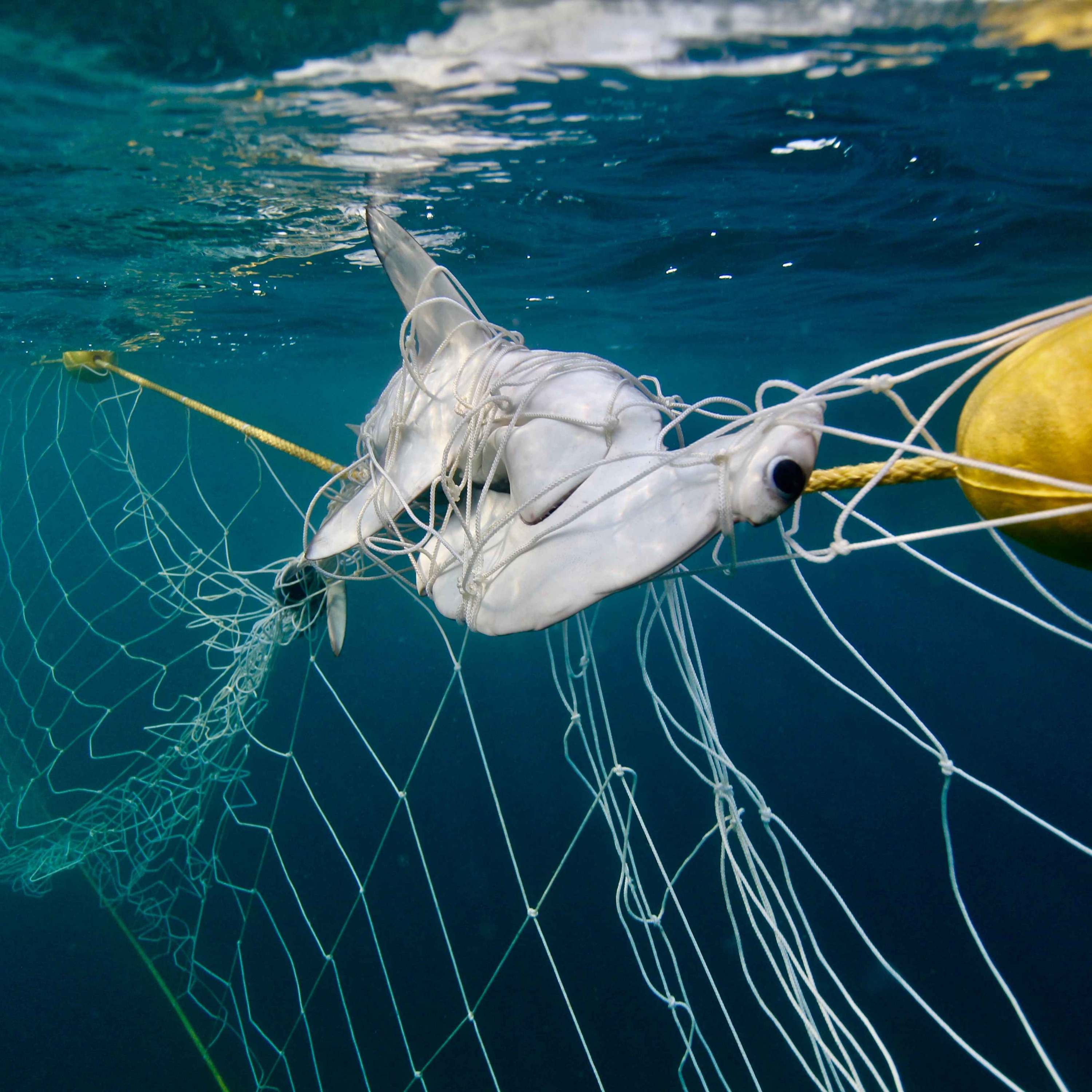
S3 Ep 26"Envoy: Shark Cull" with Lauren Sandeman & Andre Borell (Part 2 of 2)
This is the second (and final) part of our two-part conversation with "Envoy: Shark Cull" film director Andre Borrell and campaign manager Lauren Sandeman. The first part was released last week. Useful links:https://www.envoyfilm.com.au/ Lauren Sandeman on LinkedIn: https://www.linkedin.com/in/lauren-sandemanAndre Borell on LinkedIn: https://www.linkedin.com/in/andreborell/ For further information about Ocean Protect, check us out at www.oceanprotect.com.au Hosted on Acast. See acast.com/privacy for more information.
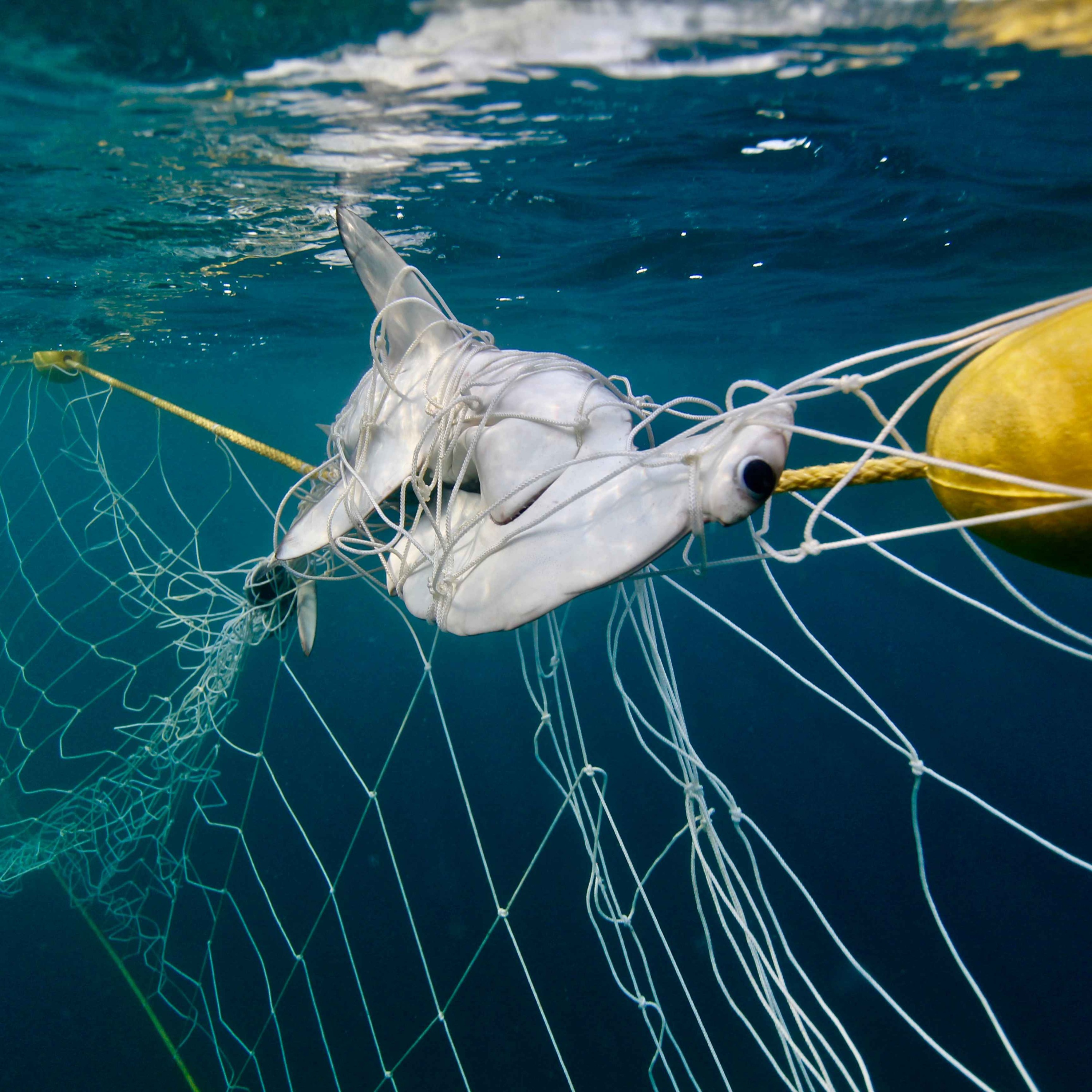
S3 Ep 25"Envoy: Shark Cull" with Lauren Sandeman & Andre Borell (Part 1 of 2)
"Envoy: Shark Cull" is a stunning documentary film, delving into shark 'control' programs along the coast-lines of Queensland and NSW, Australia. Film director Andre Borrell and campaign manager Lauren Sandeman join us to talk about the film, the science behind it, and how we can all drive change to better protect ocean life and lovers.This is a two-part conversation, with the second (and final) part released next week.Useful links:https://www.envoyfilm.com.au/ Lauren Sandeman on LinkedIn: https://www.linkedin.com/in/lauren-sandemanAndre Borell on LinkedIn: https://www.linkedin.com/in/andreborell/ For further information about Ocean Protect, check us out at www.oceanprotect.com.au Hosted on Acast. See acast.com/privacy for more information.
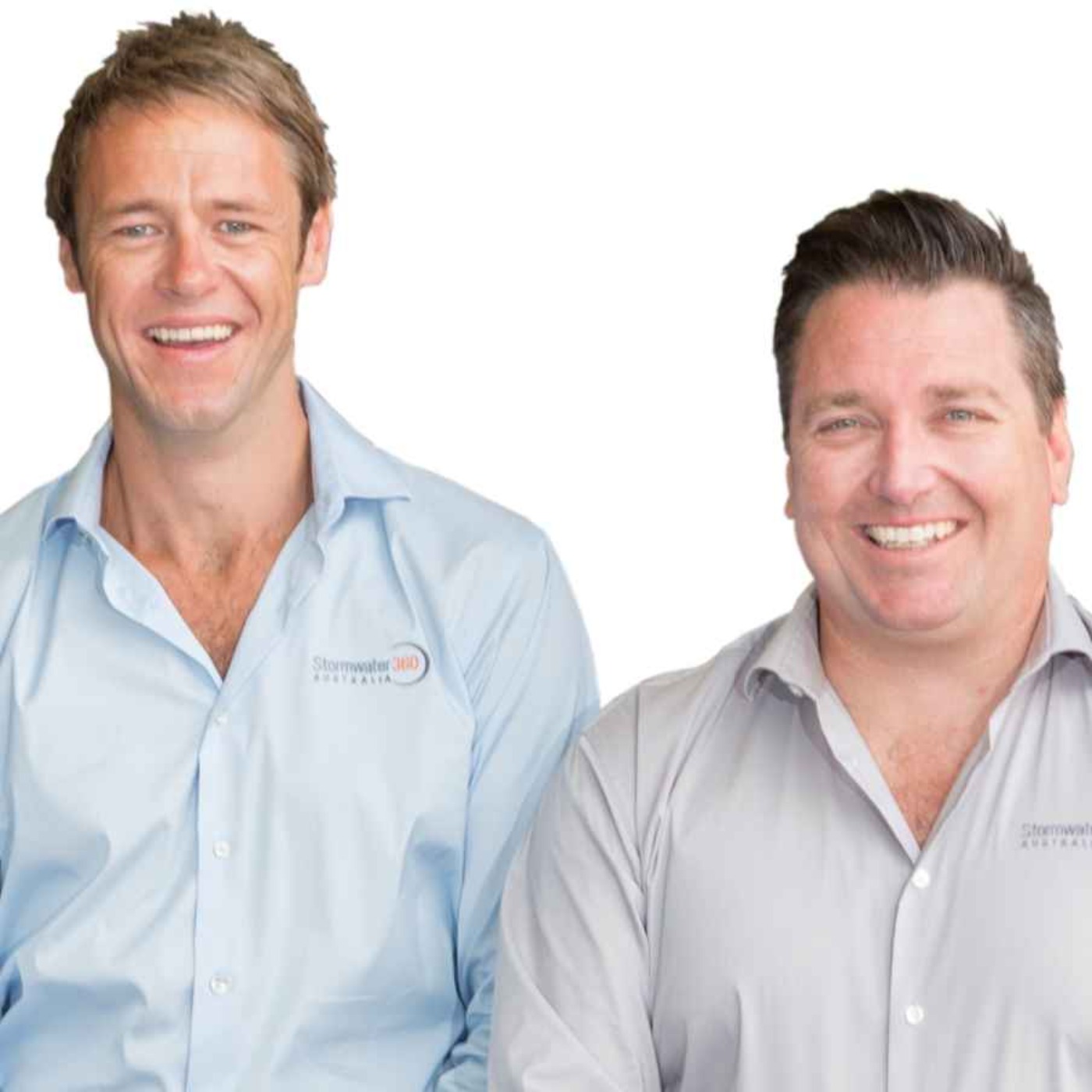
S3 Ep 24The Ocean Protect story with Michael Wicks (Part 2 of 2)
This is the second (and final) part of our two-part chat with Mike Wicks about the story of how Ocean Protect all began. The first part was released last week.Useful links:Zero Litter to Ocean: https://zerolittertoocean.com.au/For further information about Ocean Protect, check us out at www.oceanprotect.com.au Hosted on Acast. See acast.com/privacy for more information.
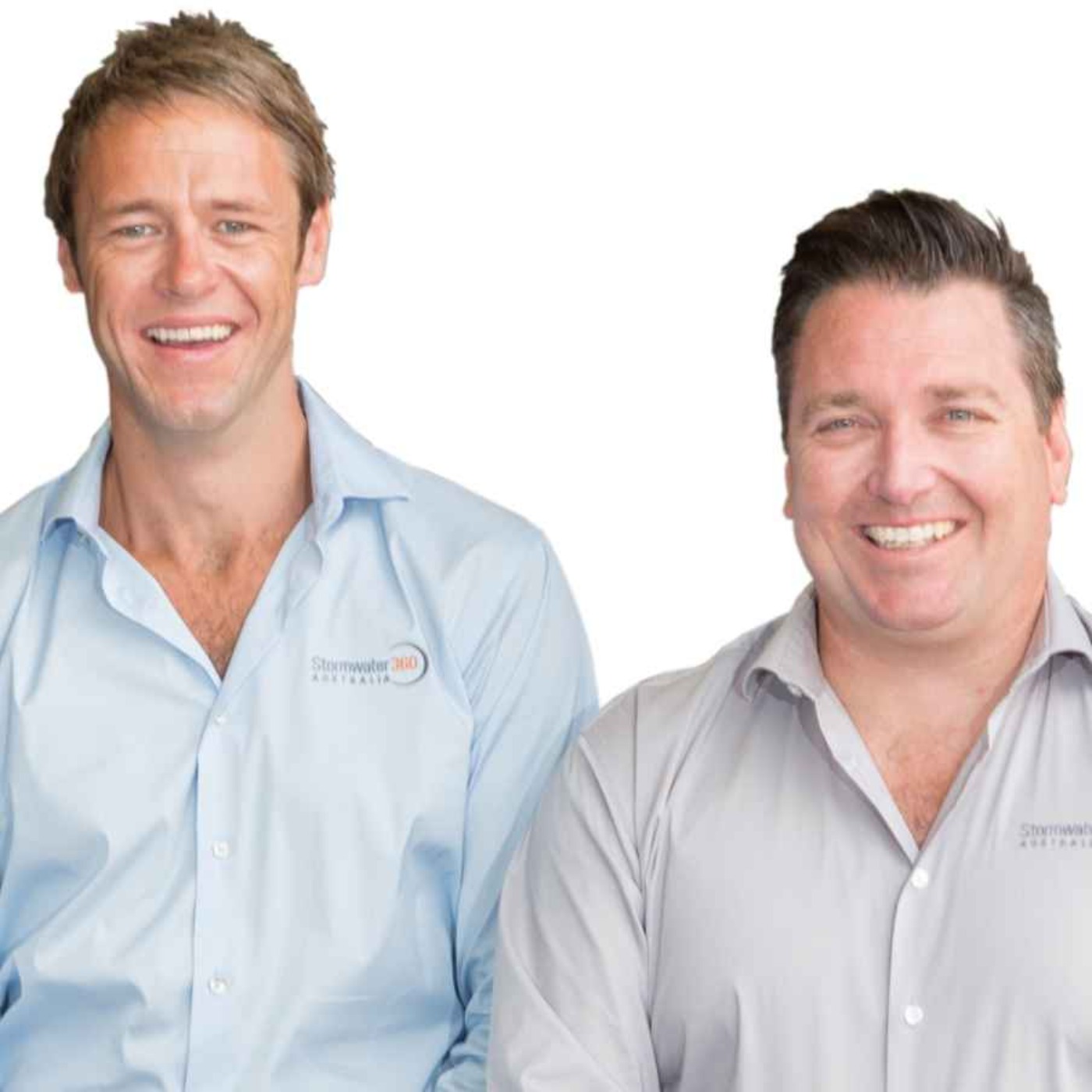
S3 Ep 23The Ocean Protect story with Michael Wicks (Part 1 of 2)
On the Ocean Protect podcast, we've heard the back-story of all our guests - but we are yet to hear the story of Ocean Protect. Co-Founders, Mike Wicks and Jeremy Brown. sit down with Brad and talk about the amazing story of how it all began. This is the first of a two-part chat, with the second (and final) part released next week. Useful links:Zero Litter to Ocean: https://zerolittertoocean.com.au/For further information about Ocean Protect, check us out at www.oceanprotect.com.au Hosted on Acast. See acast.com/privacy for more information.
S3 Ep 22Lautaro Parra on farming salmon (Part 2 of 2)
This is the second (and final) part of our two-part chat with Lautaro Parra about his experience as a commercial diver on salmon farms in Chile. Useful links:Lautaro on instagram: https://www.instagram.com/lautarojparra/FAO UN 2018, The State of the Worlds Fisheries and Aquaculture: http://www.fao.org/3/i9540en/I9540EN.pdfSeawood Watch, Farmed salmon in Chile: https://www.seafoodwatch.org/our-projects/farmed-salmon-in-chileFor further information about Ocean Protect, check us out at www.oceanprotect.com.au Hosted on Acast. See acast.com/privacy for more information.
S3 Ep 21Lautaro Parra on farming salmon (Part 1 of 2)
Lautaro Parra is a free-diver instructor in Sydney, but this chat is all about his experience as a commercial diver on salmon farms in Chile. In particular, we discuss the working conditions and ecological impacts that he encountered. This chat will blow your mind, and make you think twice about eating salmon ever again.This is the first of a two-part chat with the second (and final) part released next week.Useful links:Lautaro on instagram: https://www.instagram.com/lautarojparra/FAO UN 2018, The State of the Worlds Fisheries and Aquaculture: http://www.fao.org/3/i9540en/I9540EN.pdfSeawood Watch, Farmed salmon in Chile: https://www.seafoodwatch.org/our-projects/farmed-salmon-in-chileFor further information about Ocean Protect, check us out at www.oceanprotect.com.au Hosted on Acast. See acast.com/privacy for more information.
S3 Ep 20Ocean trash with Jeremy & Brad
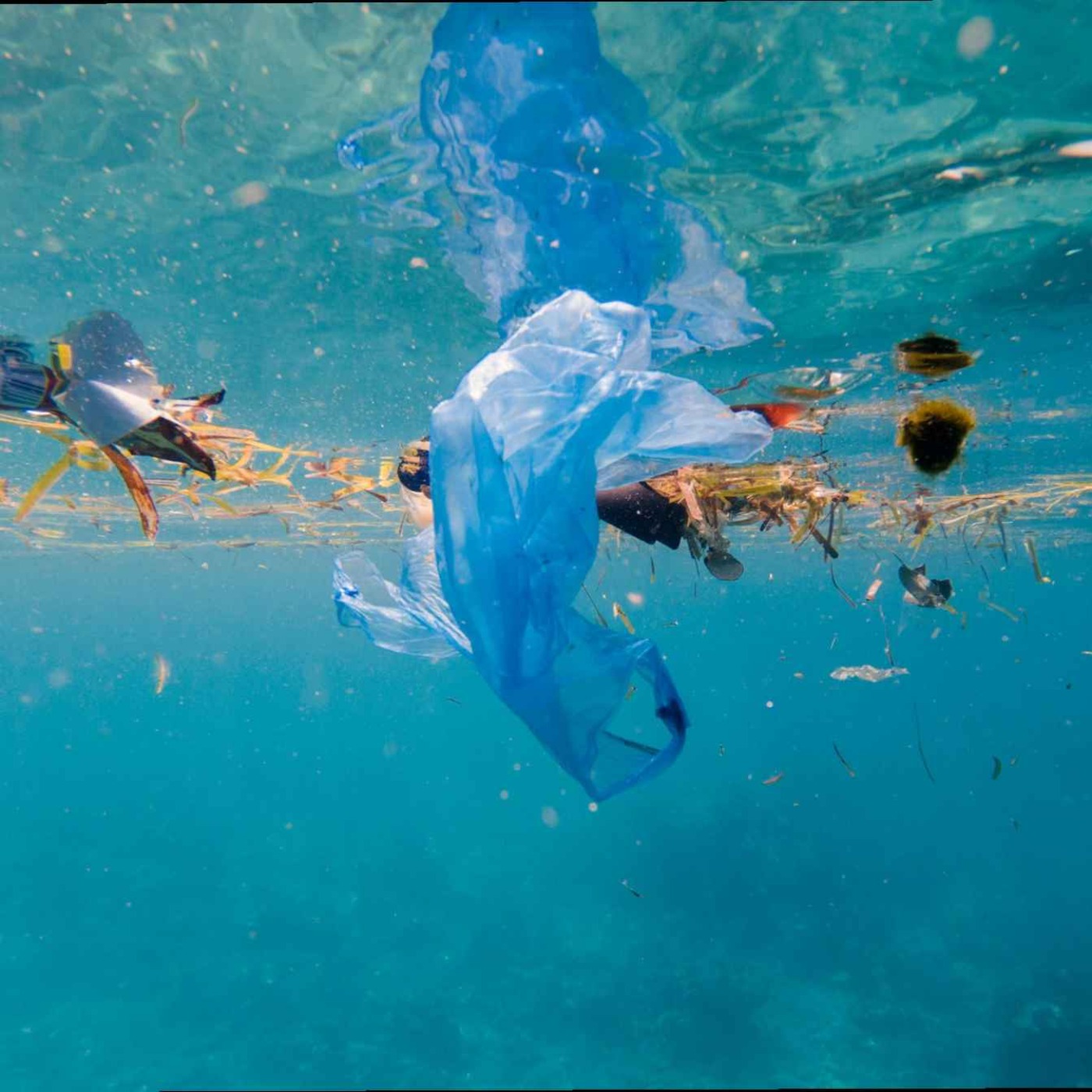
Jeremy and Brad discuss some of the latest science on ocean trash, published last month in the Nature Sustainability Journal. We talk about what's in it, where it's coming from, and what we can do about it. Useful links: Fiona Harvey, Plastic waste entering our oceans expected to triple in 20 years, 24 June 2020, The Guardian, https://www.theguardian.com/environment/2020/jul/23/plastic-waste-entering-oceans-triple-20-years-researchDavid Vetter, These Four Plastic Items Make Up Almost Half Of All Ocean Trash, 18 June 2021, Forbes, https://www.forbes.com/sites/davidrvetter/2021/06/18/these-four-plastic-items-make-up-almost-half-of-all-ocean-trash/?sh=576474c65feaCarmen Morales-Caselles et al, An inshore–offshore sorting system revealed from global classification of ocean litter, 10 June 2021, Nature sustainability, https://www.nature.com/articles/s41893-021-00720-8Nikoleta Bellou el, Global assessment of innovative solutions to tackle marine litter, 10 June 2021, Nature sustainability, 10 June 2021, Nature sustainability, https://www.nature.com/articles/s41893-021-00726-2Daniel González-Fernández et al, Floating macrolitter leaked from Europe into the ocean, 10 June 2021, Nature sustainability, https://www.nature.com/articles/s41893-021-00722-6Australian Marine Conservation Society, Which Australian states are banning single-use plastics?, https://www.marineconservation.org.au/which-australian-states-are-banning-single-use-plastics/Zero Litter to Ocean: https://zerolittertoocean.com.au/ For further information about Ocean Protect, check us out at www.oceanprotect.com.au Hosted on Acast. See acast.com/privacy for more information.
S3 Ep 19100th episode special with Jeremy & Brad
Jeremy Brown makes a return as co-host in Episode Number 100 of the Ocean Protect Podcast. For further information about Ocean Protect, check us out at www.oceanprotect.com.au Details about the Franc event are at https://www.franc.sydney Hosted on Acast. See acast.com/privacy for more information.
S3 Ep 18Lottie Dalziel on banishing waste (Part 2 of 2)
This is the second (and final) part of our two-part chat with Lottie. The first part was released last week. Useful links:https://banish.com.au/BRAD (Banish Recycling And Disposal Program): https://banish.com.au/pages/recycling-programhttps://littlepepino.com/For further information about Ocean Protect, check us out at www.oceanprotect.com.au Hosted on Acast. See acast.com/privacy for more information.
S3 Ep 17Lottie Dalziel on banishing waste (Part 1 of 2)
Banishing waste from your life isn't easy, but Lottie Dalziel is making it so. Lottie has taken her entrepreneurial flair and passion for the planet to help Australian's reduce their waste with the right products and even better information. We talk about Lottie's early beginnings selling Mulberries, founding Banish and Little Pepino, future plans for a more sustainable world, and how amazing BRAD is ;) This is the first of a two-part chat with the second (and final) part released next week.Useful links:https://banish.com.au/BRAD (Banish Recycling And Disposal Program): https://banish.com.au/pages/recycling-programhttps://littlepepino.com/For further information about Ocean Protect, check us out at www.oceanprotect.com.au Hosted on Acast. See acast.com/privacy for more information.
S3 Ep 14No more butts with Shannon Mead (Part 2 of 2)
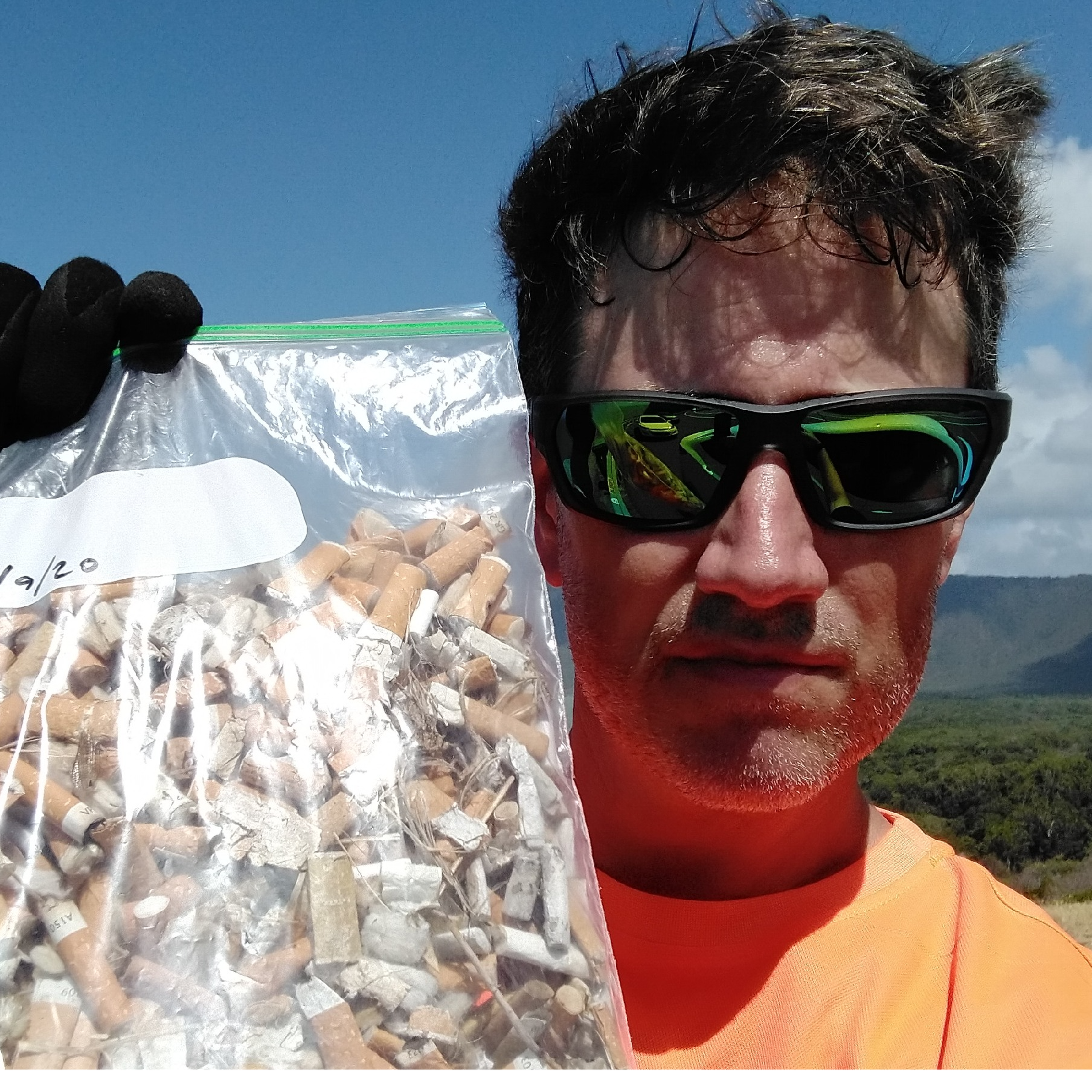
This is the second (and final) part of our two-part chat with Shannon (Chief Butt Officer of No More Butts), with the first part released last week.Useful links:No More Butts website: https://nomorebutts.org.au/Shannon on LinkedIn: https://www.linkedin.com/in/shannonmead/For further information about Ocean Protect, check us out at www.oceanprotect.com.au Hosted on Acast. See acast.com/privacy for more information.
S3 Ep 13No more butts with Shannon Mead (Part 1 of 2)
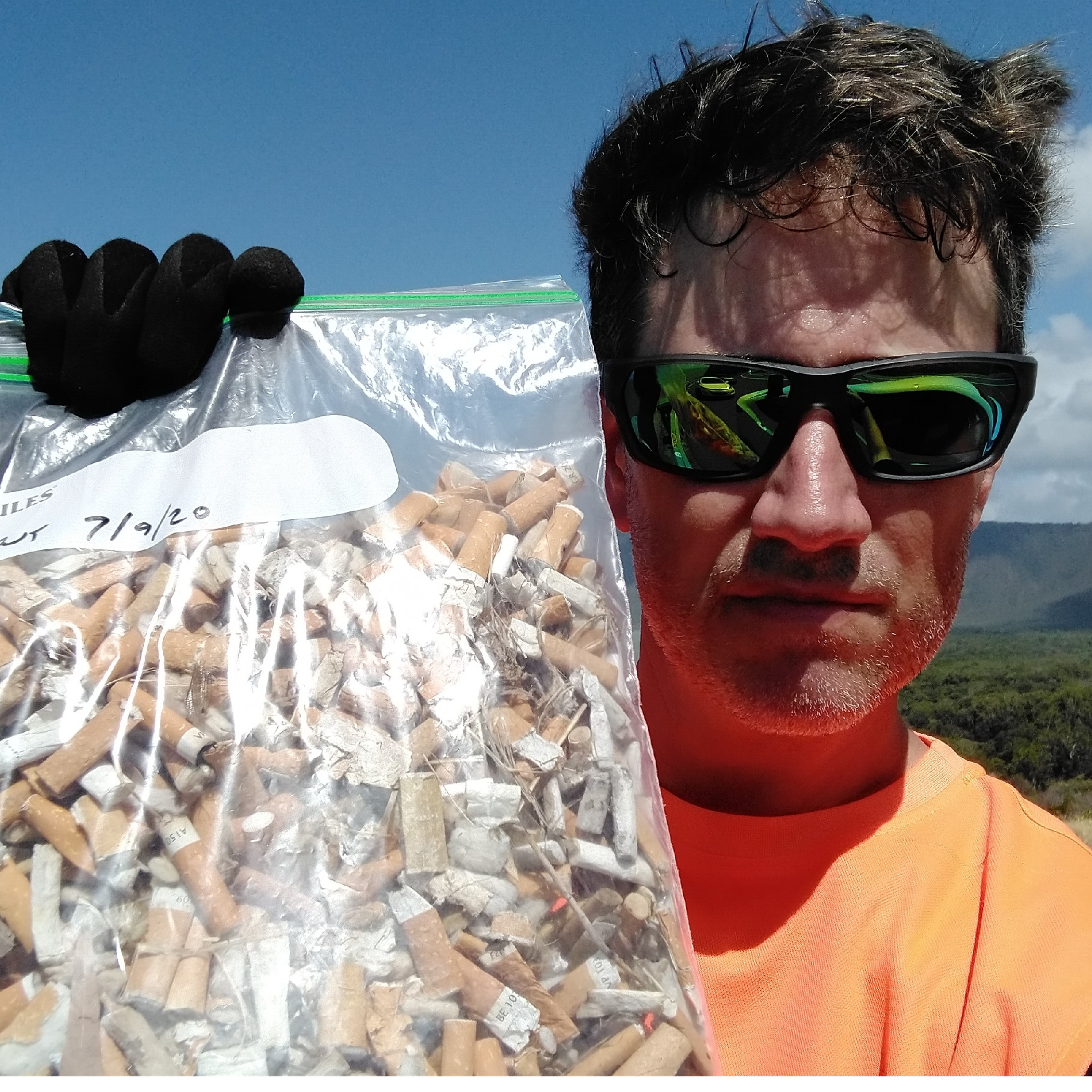
Cigarette butts are a very big little problem - with some 8 Billion littered every year in Australia alone. Butts are also NOT biodegradable and are actually plastic, and can take up to 15 years to break down - albeit not before leaching some very nasty chemicals into the environment and/ or ingested by wildlife. After witnessing the devastating impact of discarded cigarette butts on beautiful locations around the world, Shannon was inspired to resign his corporate role and dedicate himself to No More Butts. We delve into this big little problem and Shannon's plans for "a butt free environment".This is the first of our two-part chat with Shannon, with the second (and final) part released next week.Useful links:No More Butts website: https://nomorebutts.org.au/Shannon on LinkedIn: https://www.linkedin.com/in/shannonmead/For further information about Ocean Protect, check us out at www.oceanprotect.com.au Hosted on Acast. See acast.com/privacy for more information.
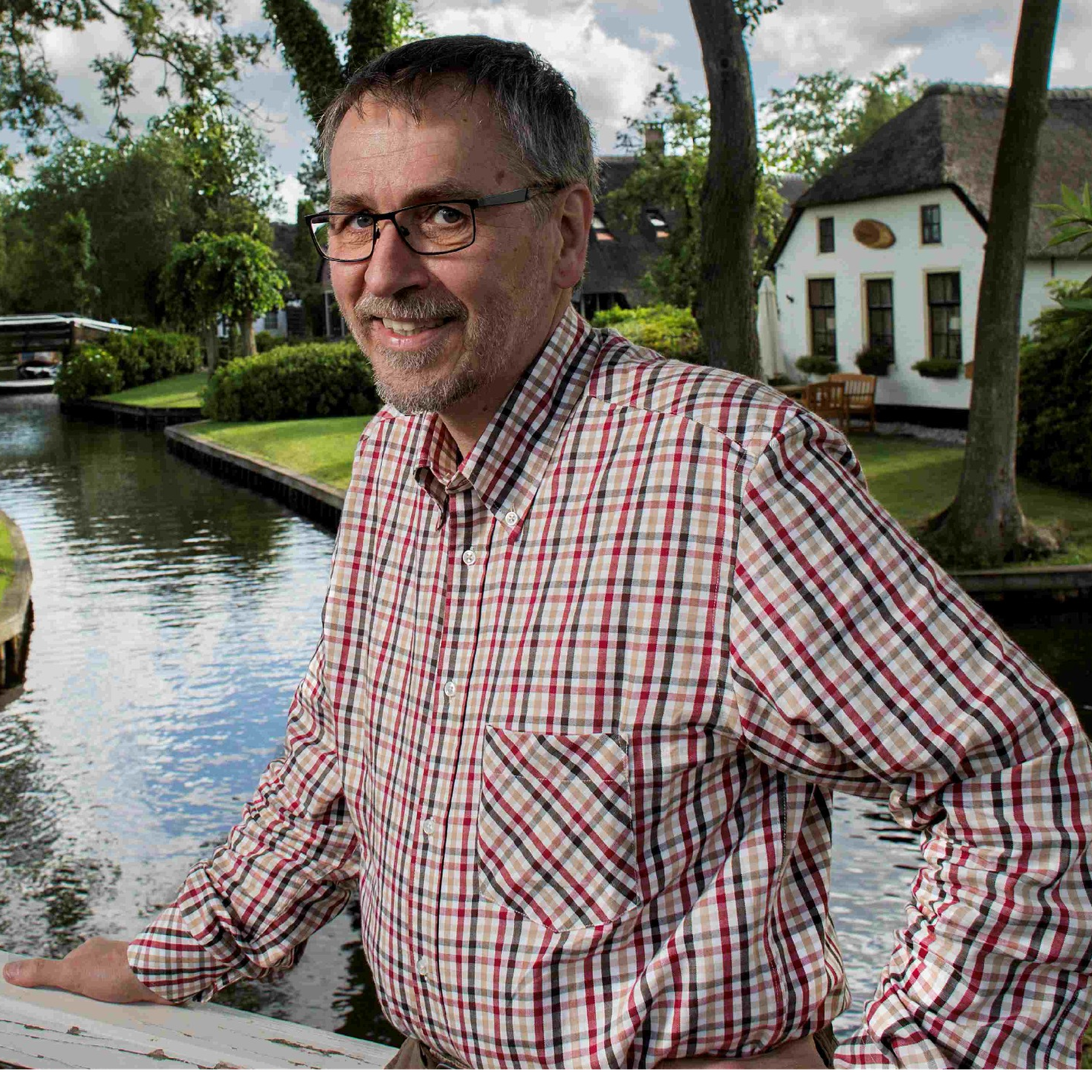
S3 Ep 12Pieter Jan Kole on microplastic pollution from tyres (Part 2 of 2)
This is the second (and final) part of our two-part chat with Pieter Jan Kole, a part-time student at the Open University of the Netherlands. Part one was released last week.Useful links:Pieter's LinkedIn profile: https://www.linkedin.com/in/pieterjankole/?originalSubdomain=nlNational Geographic article “Tires: The plastic polluter you never thought about”: https://www.nationalgeographic.com/environment/article/tires-unseen-plastic-polluterJournal paper “Wear and Tear of Tyres: A Stealthy Source of Microplastics in the Environment”: https://pubmed.ncbi.nlm.nih.gov/29053641/Article “How Tyres Threaten Aquatic and Human Life”: https://www.uw360.asia/how-tyres-threaten-aquatic-and-human-life/IUCN article: “Primary microplastics in the oceans” https://portals.iucn.org/library/node/46622Open University of the Netherlands "Marine litter": https://www.ou.nl/en/-/marine-litterFor further information about Ocean Protect, check us out at www.oceanprotect.com.au Hosted on Acast. See acast.com/privacy for more information.
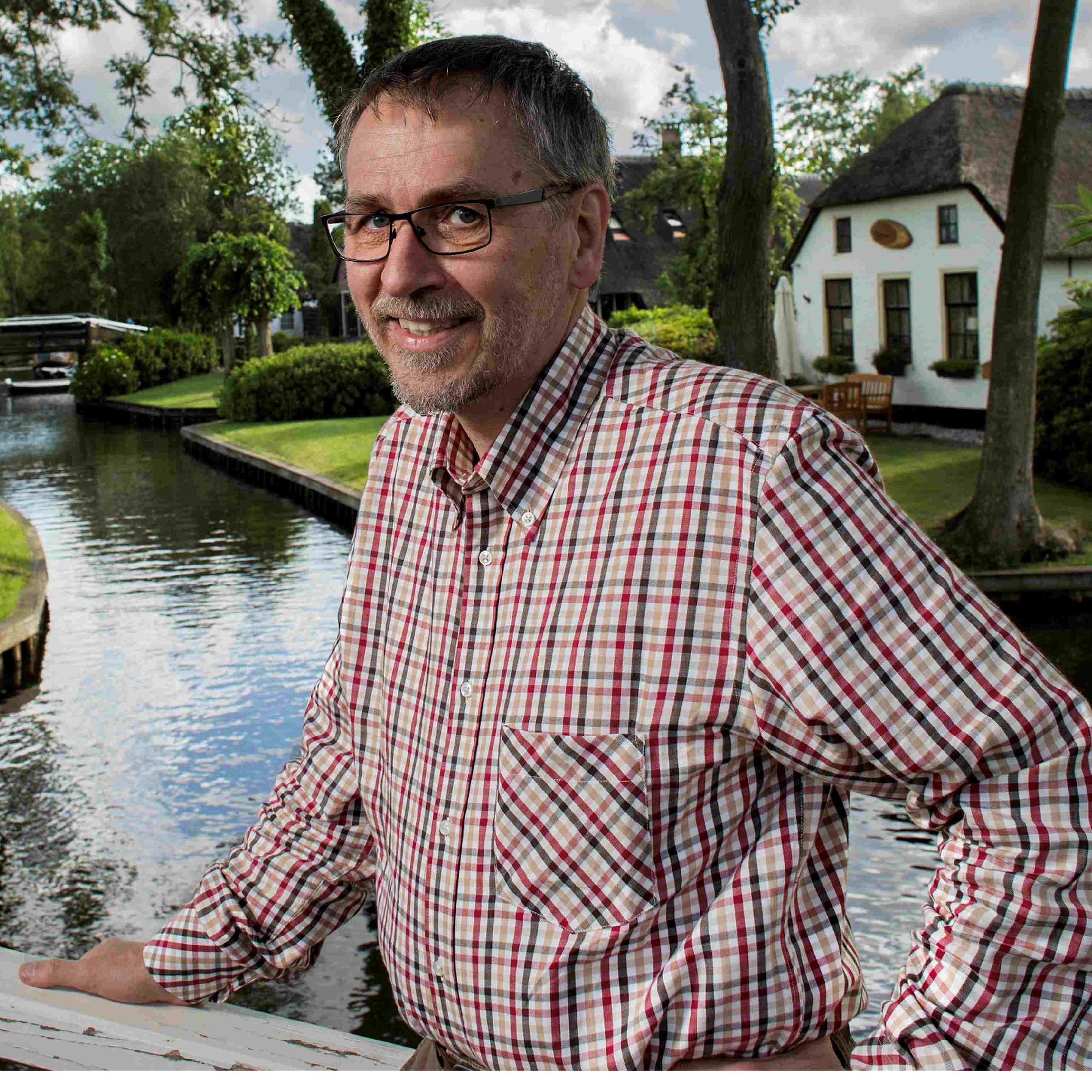
S3 Ep 11Pieter Jan Kole on microplastic pollution from tyres (Part 1 of 2)
Pieter Jan Kole is a part-time student at the Open University of the Netherlands. Recently observing tyre debris at a Formula 1 race track got Pieter thinking about tyre wear and tear - and where it all goes. Pieter's ground-breaking research has now shown that tyres are a significant source of microplastics in our oceans - and a key risk to aquatic (and likely human) health. This is a fascinating chat, an inspiration for anyone considering embarking on their own research, and highlights the need for action to help protect our oceans and waterways from tyre wear and tear.Useful links:Pieter's LinkedIn profile: https://www.linkedin.com/in/pieterjankole/?originalSubdomain=nlNational Geographic article “Tires: The plastic polluter you never thought about”: https://www.nationalgeographic.com/environment/article/tires-unseen-plastic-polluterJournal paper “Wear and Tear of Tyres: A Stealthy Source of Microplastics in the Environment”: https://pubmed.ncbi.nlm.nih.gov/29053641/Article “How Tyres Threaten Aquatic and Human Life”: https://www.uw360.asia/how-tyres-threaten-aquatic-and-human-life/IUCN article: “Primary microplastics in the oceans” https://portals.iucn.org/library/node/46622Open University of the Netherlands "Marine litter": https://www.ou.nl/en/-/marine-litterThis is the first of our two-part chat with Pieter with the second (and final) part released next week.For further information about Ocean Protect, check us out at www.oceanprotect.com.au Hosted on Acast. See acast.com/privacy for more information.
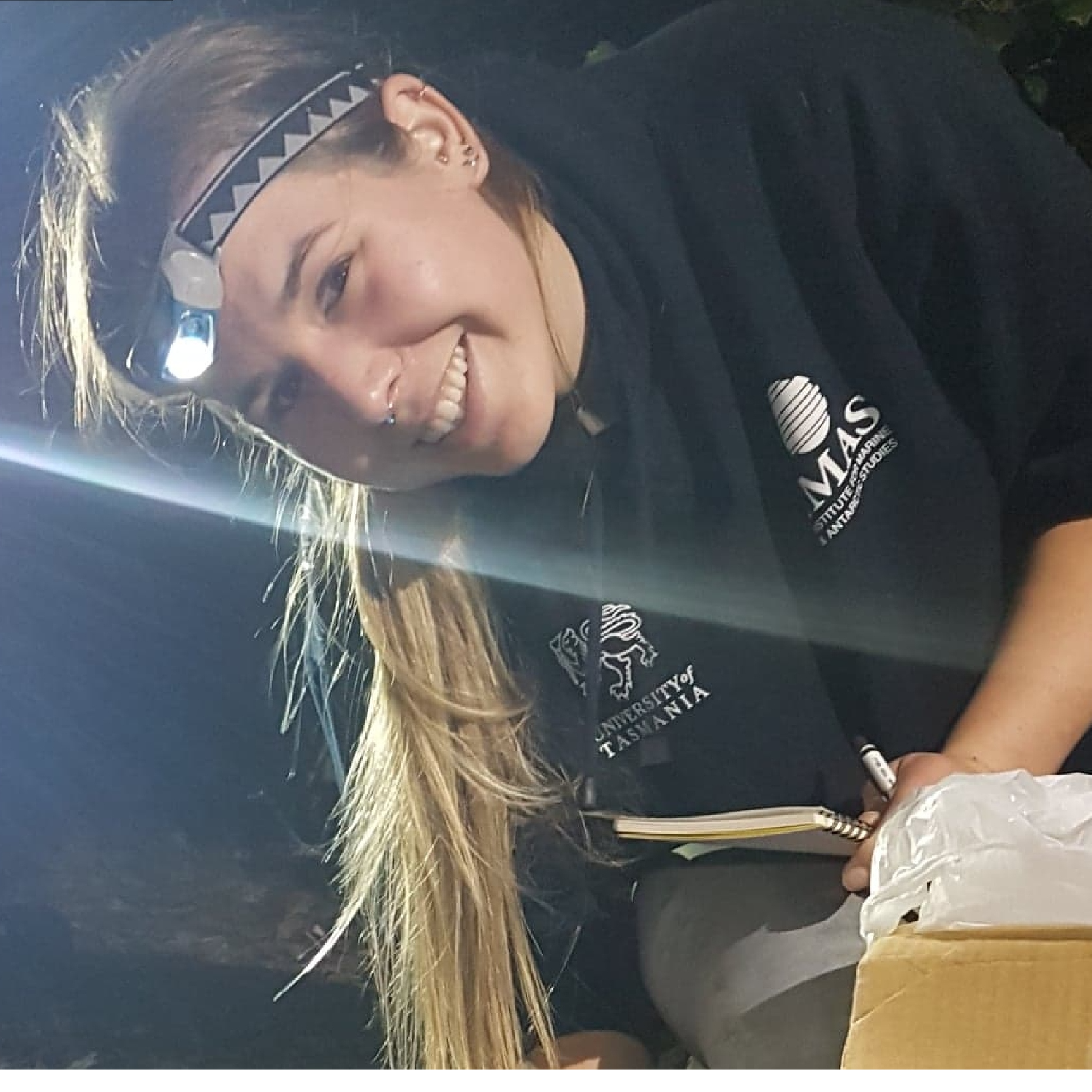
S3 Ep 10Going for guano with Megan Grant (Part 2 of 2)
This is the second (and final) part of our two-part chat with Megan Grant, a PhD candidate at the University of Tasmania and AdrfitLab. Part one was released last week.Useful links:Megan's Adriftlab profile: https://adriftlab.org/megan-grant/Megan's paper “Seabird breeding islands as sinks for marine plastic debris” - https://www.sciencedirect.com/science/article/pii/S0269749121003146?dgcid=authorOur previous podcast chat "Seabird vomit & poo with Megan Grant & Lillian Stewart": https://play.acast.com/s/ocean-protect/seabirdvomit-poowithmegangrant-lillianstewart-part1of2-For further information about Ocean Protect, check us out at www.oceanprotect.com.au Hosted on Acast. See acast.com/privacy for more information.
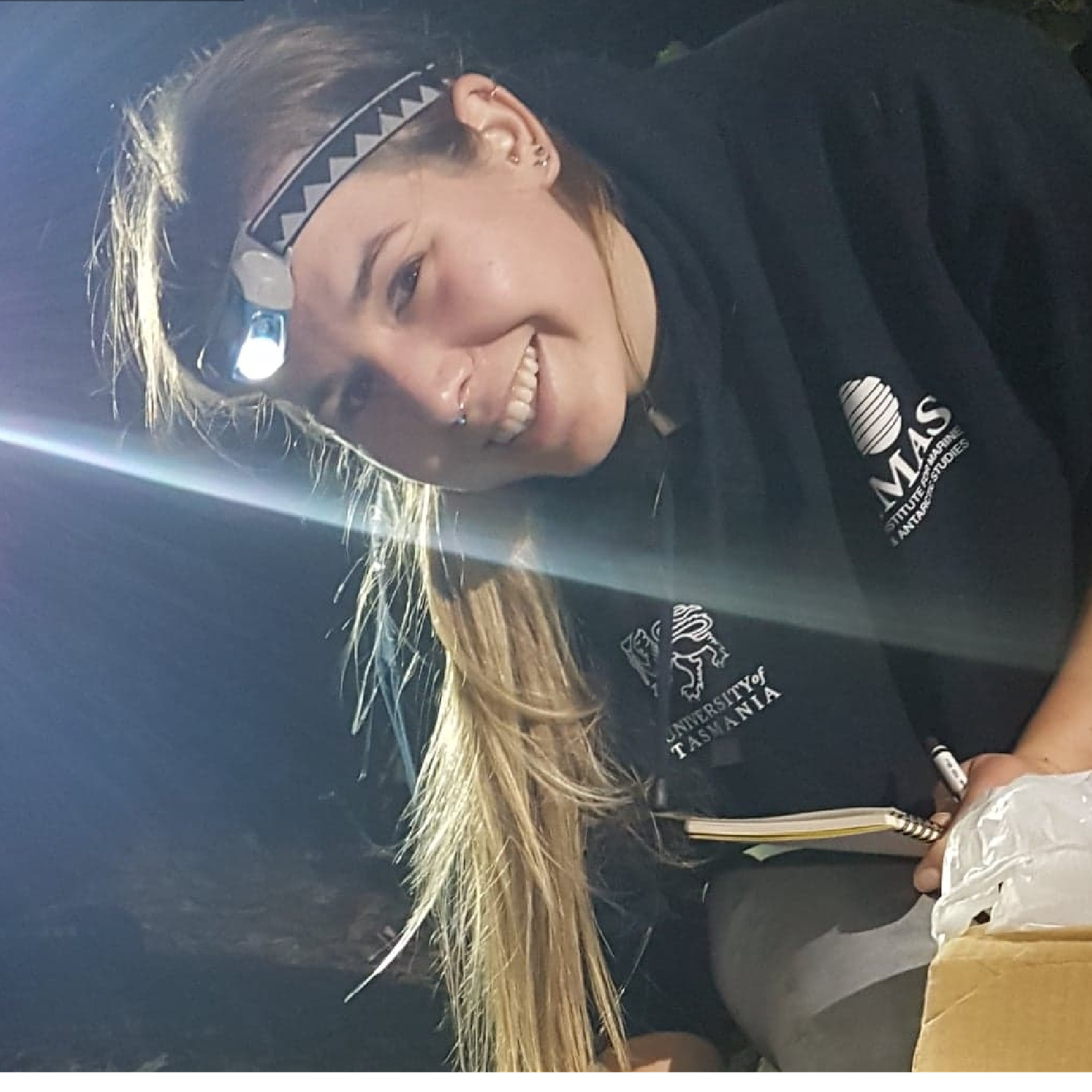
S3 Ep 9Going for guano with Megan Grant (Part 1 of 2)
Megan Grant is a PhD candidate at the University of Tasmania and AdrfitLab. We had so much fun chatting to Megan last year, that she just had to come back and tell us about the first journal paper from her PhD research which looks at how the flesh-footed shearwater is taking plastic from the ocean and depositing it on Lord Howe Island - at staggering quantities. This is another fascinating chat with Megan and a reminder of the need to beat plastic pollution.Useful links:Megan's Adriftlab profile: https://adriftlab.org/megan-grant/Megan's paper “Seabird breeding islands as sinks for marine plastic debris” - https://www.sciencedirect.com/science/article/pii/S0269749121003146?dgcid=authorOur previous podcast chat "Seabird vomit & poo with Megan Grant & Lillian Stewart": https://play.acast.com/s/ocean-protect/seabirdvomit-poowithmegangrant-lillianstewart-part1of2-This is the first of our two-part chat with Megan with the second (and final) part released next week.For further information about Ocean Protect, check us out at www.oceanprotect.com.au Hosted on Acast. See acast.com/privacy for more information.
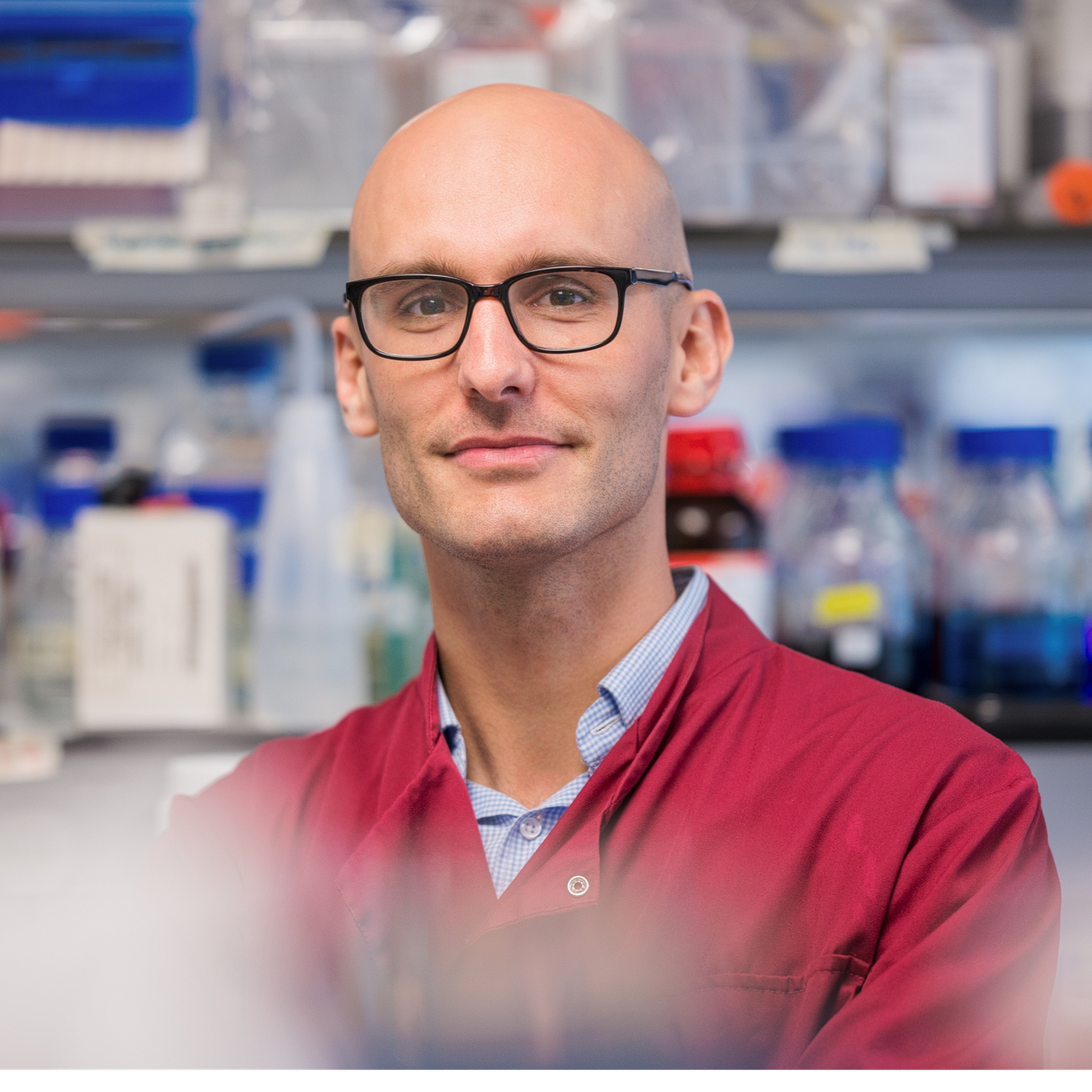
S3 Ep 8Mind the gap on microplastics & human health with Dr Jack Auty (Part 2 of 2)
This is the second (and final) part of our two-part chat with Dr Jack Auty, a lecturer at the University of Tasmania. Part one was released last week.Useful links:Jack on LinkedIn: https://www.linkedin.com/in/jack-rivers-auty-7a70b49a/Jack's website: https://jackauty.com/For further information about Ocean Protect, check us out at www.oceanprotect.com.au Hosted on Acast. See acast.com/privacy for more information.
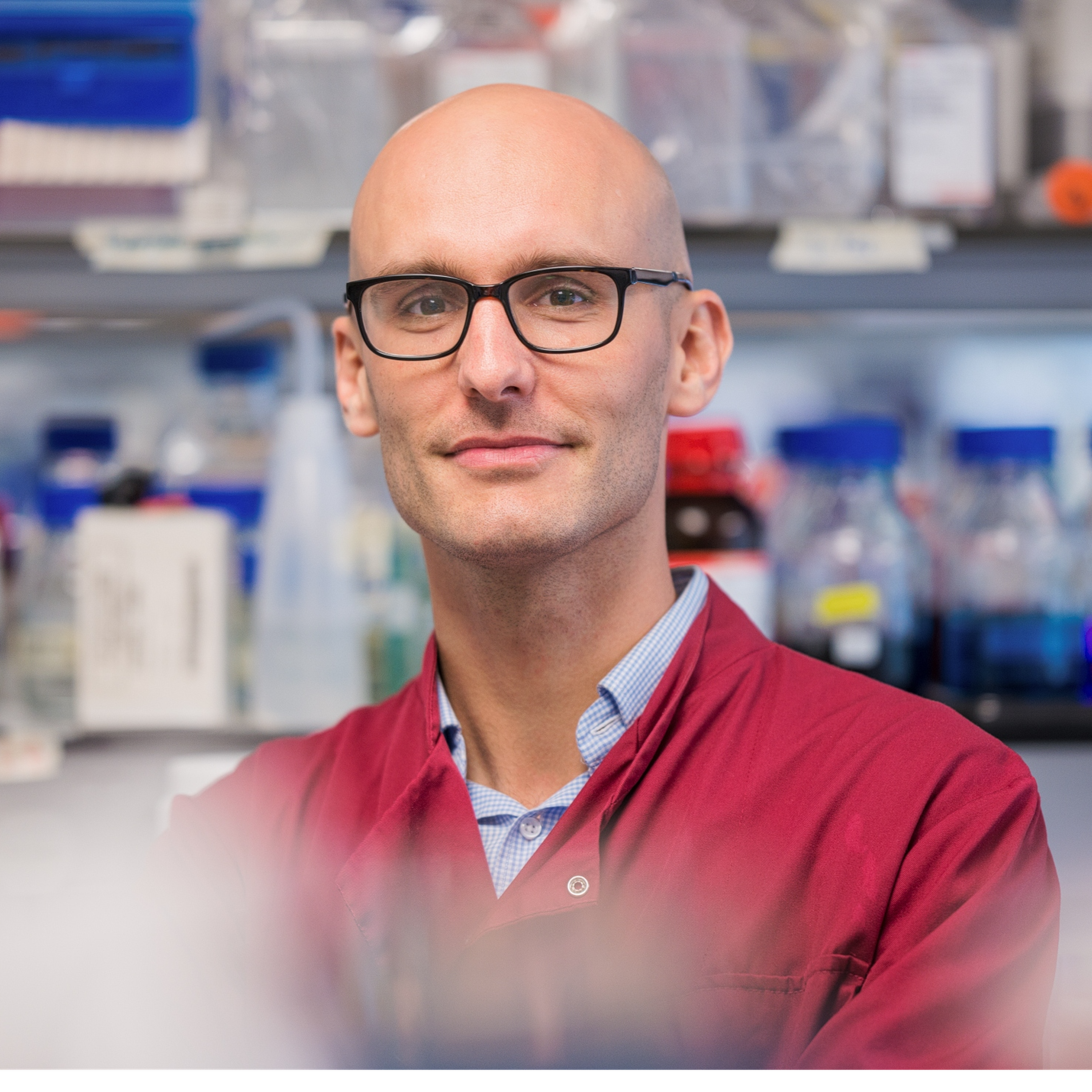
S3 Ep 7Mind the gap on microplastics & human health with Dr Jack Auty (Part 1 of 2)
Dr Jack Auty is a lecturer at the University of Tasmania, investigating the innate immune system with a particular focus on how inflammation can contribute to disease. In this fascinating chat, we talk about inflammation, Alzheimer's disease, and Jack's current research about how microplastics effect human health. Prepare to have your mind blown.Useful links:Jack on LinkedIn: https://www.linkedin.com/in/jack-rivers-auty-7a70b49a/Jack's website: https://jackauty.com/This is the first of our two-part chat with Jack with the second (and final) part released next week.For further information about Ocean Protect, check us out at www.oceanprotect.com.au Hosted on Acast. See acast.com/privacy for more information.
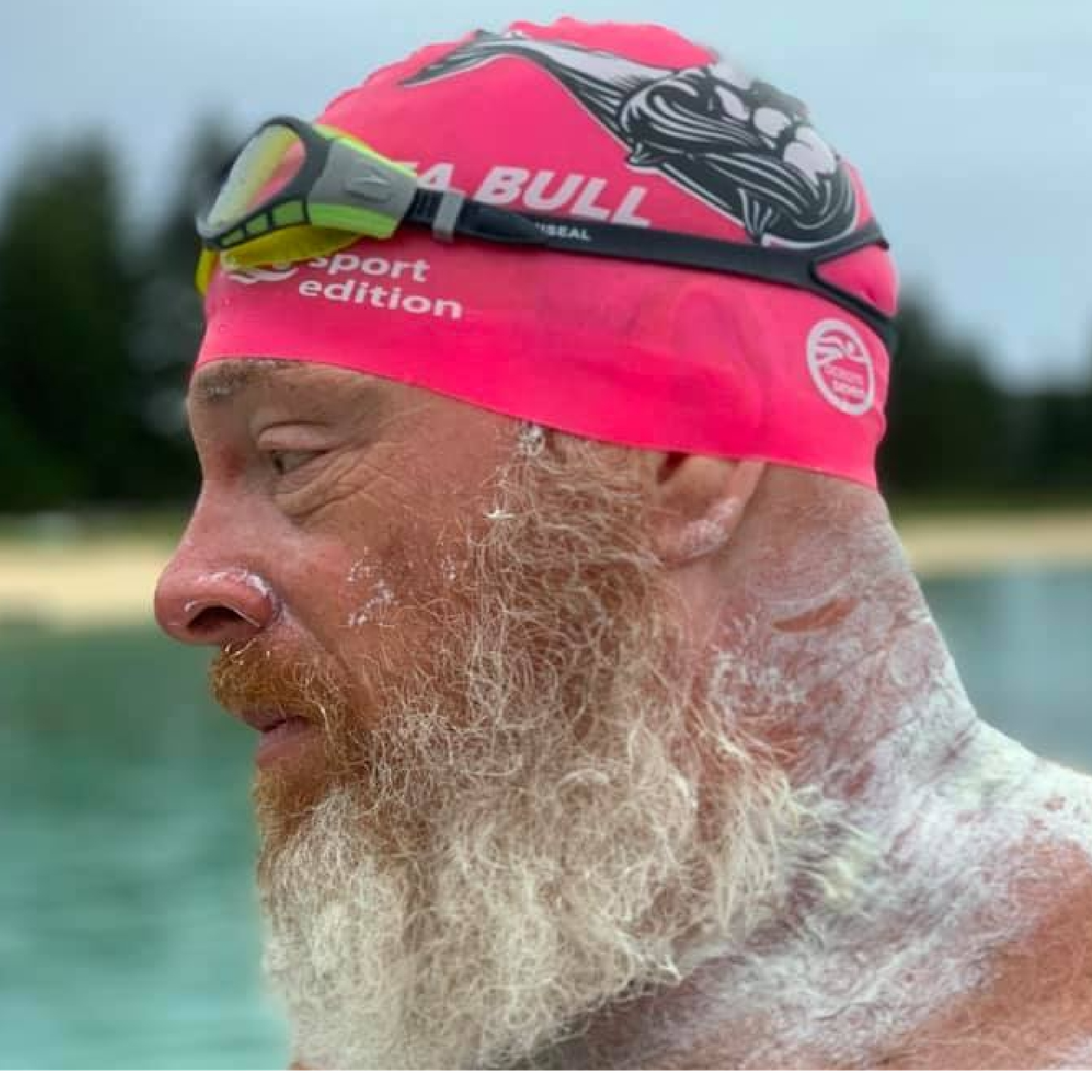
S3 Ep 6Just keep swimming with Lynton Mortensen (Part 2 of 2)
This is the second (and final) part of our two-part chat with Lynton Mortensen. The first part was released last week.Useful links:Adrift Lab's fund-raising page for Lynton's swim: https://adriftlab.org/news/2020/fundraiser-ocean-plastic-relay-the-day-of-30-?fbclid=IwAR1tWmM9rI-a3IYHwQYFiaOMhz0lhqk7CJbA5axZdK-al6V9jSkg2mOEVx8Lynton's "Clark Kent" persona: http://www.hbmlawyers.com.au/our-people/lynton-mortensenYouTube footage of Lynton's swim (and post swim chat): https://www.youtube.com/watch?v=1KxT-hc2DHcFor further information about Ocean Protect, check us out at www.oceanprotect.com.au Hosted on Acast. See acast.com/privacy for more information.
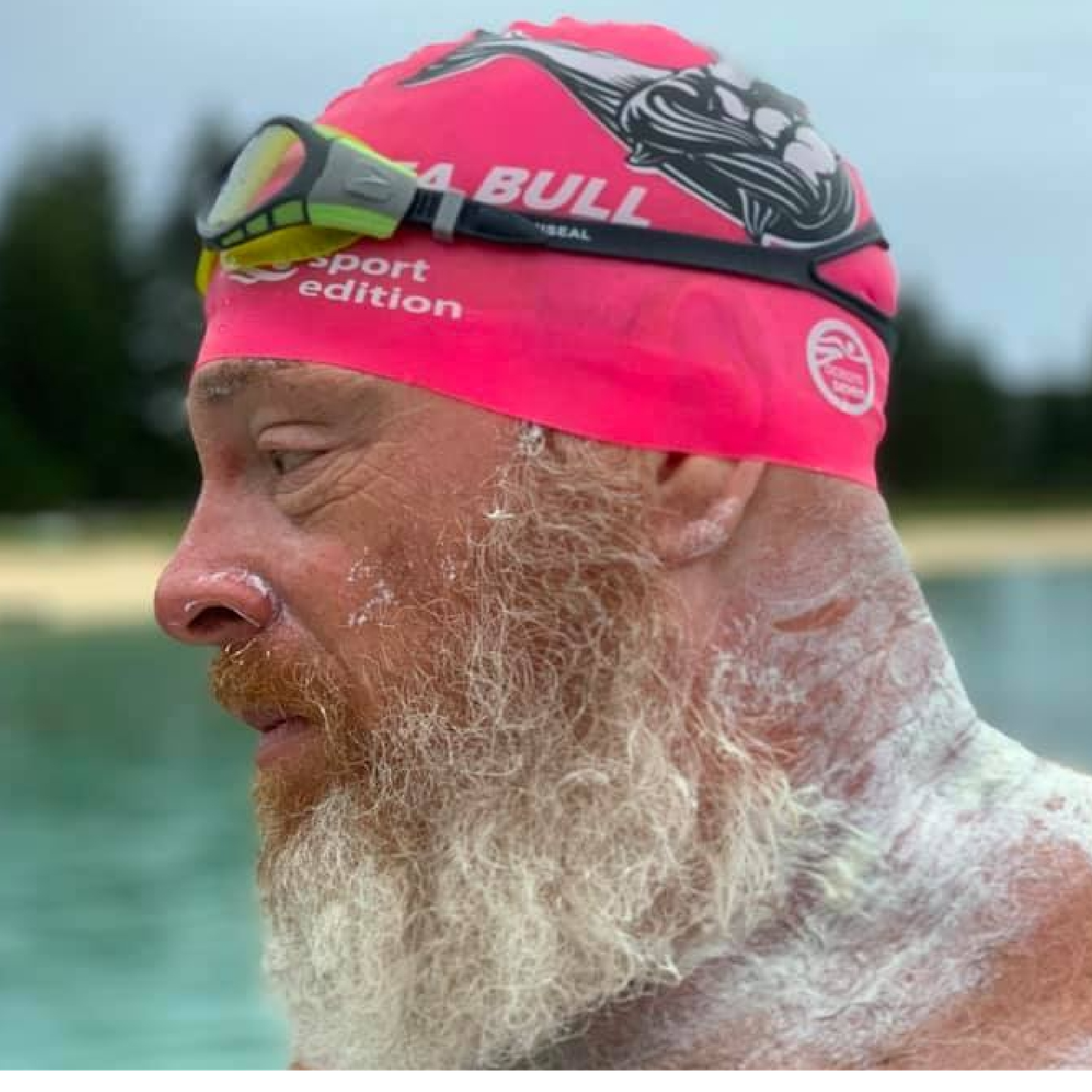
S3 Ep 5Just keep swimming with Lynton Mortensen (Part 1 of 2)
Lynton Mortensen is a mild-mannered lawyer on land, but a 'sea bull' in water. He's the first Australian and only the 12th person in the world to complete the 'Oceans Seven' - a gruelling combination of the toughest open swims in the world. We chat about these swims and his most recent epic splash - a 30km swim Lord Howe Island to highlight the plight of the Flesh-footed Shearwater (muttonbird) and help raise funds for the ongoing research by the Adrift Lab team.Useful links:Adrift Lab's fund-raising page for Lynton's swim: https://adriftlab.org/news/2020/fundraiser-ocean-plastic-relay-the-day-of-30-?fbclid=IwAR1tWmM9rI-a3IYHwQYFiaOMhz0lhqk7CJbA5axZdK-al6V9jSkg2mOEVx8Lynton's "Clark Kent" persona: http://www.hbmlawyers.com.au/our-people/lynton-mortensenYouTube footage of Lynton's swim (and post swim chat): https://www.youtube.com/watch?v=1KxT-hc2DHcThis is the first of our two-part chat with Lynton with the second (and final) part released next week.For further information about Ocean Protect, check us out at www.oceanprotect.com.au Hosted on Acast. See acast.com/privacy for more information.
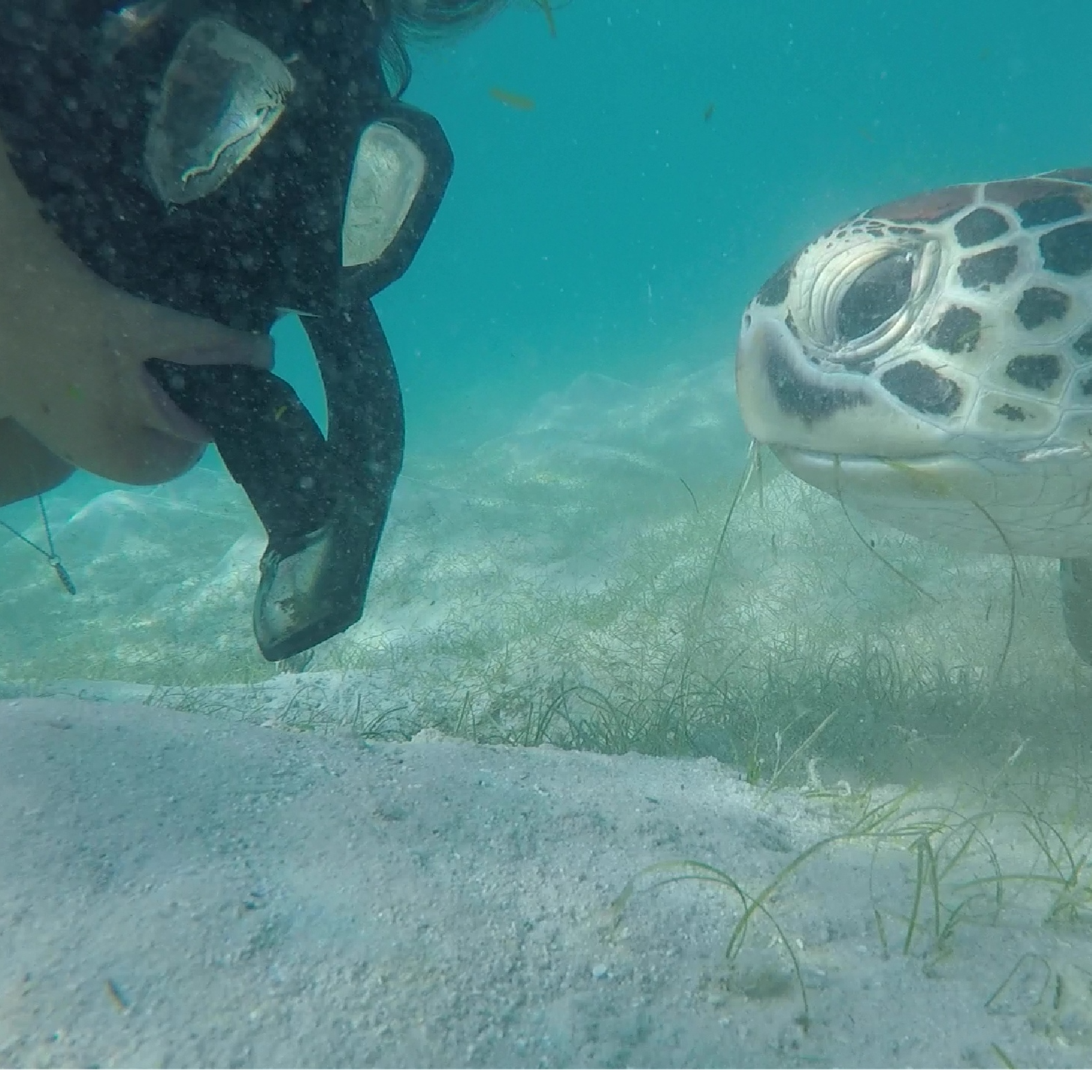
S3 Ep 4Ocean soundscapes with Lucille Chapuis (Part 2 of 2)
This is the second (and final) part of our two-part chat with Lucille Chapuis, Postdoctoral Research Fellow at the University of Exeter. Part one was released last week.Useful links:Lucille on LinkedIn: https://www.linkedin.com/in/lucille-chapuis-2a44974/Ecomagzine article “Healthy Oceans Need Healthy Soundscapes”: https://www.ecomagazine.com/news/oceans/healthy-oceans-need-healthy-soundscapesScience Journal Paper “The soundscape of the Anthropocene ocean”: https://science.sciencemag.org/content/371/6529/eaba4658Lucille's personal website: https://www.sharkslikejazz.com/Discovery of Sounds of the Sea: https://dosits.org/For further information about Ocean Protect, check us out at www.oceanprotect.com.au Hosted on Acast. See acast.com/privacy for more information.
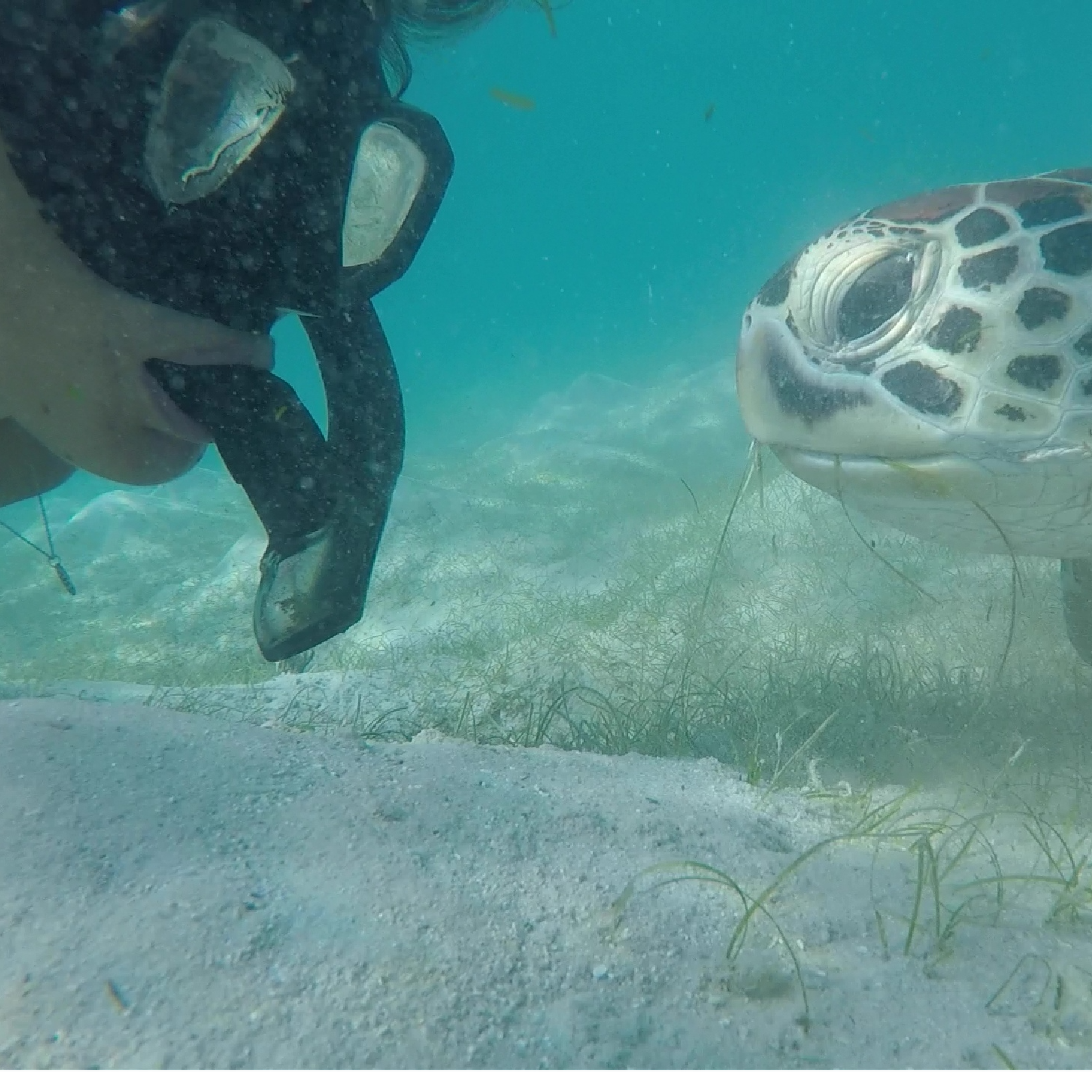
S3 Ep 3Ocean soundscapes with Lucille Chapuis (Part 1 of 2)
Lucille Chapuis is a Postdoctoral Research Fellow at the University of Exeter, and was part of a global team of scientists that documented how ocean soundscapes have changed, explored all impacts of noise on marine animals and ecosystems, and identified ways to restore a more natural soundscape. This is a fascinating chat, and you'll likely never listen to the ocean the same way ever again.Useful links:Lucille on LinkedIn: https://www.linkedin.com/in/lucille-chapuis-2a44974/Ecomagzine article “Healthy Oceans Need Healthy Soundscapes”: https://www.ecomagazine.com/news/oceans/healthy-oceans-need-healthy-soundscapesScience Journal Paper “The soundscape of the Anthropocene ocean”: https://science.sciencemag.org/content/371/6529/eaba4658Lucille's personal website: https://www.sharkslikejazz.com/Discovery of Sounds of the Sea: https://dosits.org/This is the first of our two-part chat with Lucille with the second (and final) part released next week.For further information about Ocean Protect, check us out at www.oceanprotect.com.au Hosted on Acast. See acast.com/privacy for more information.
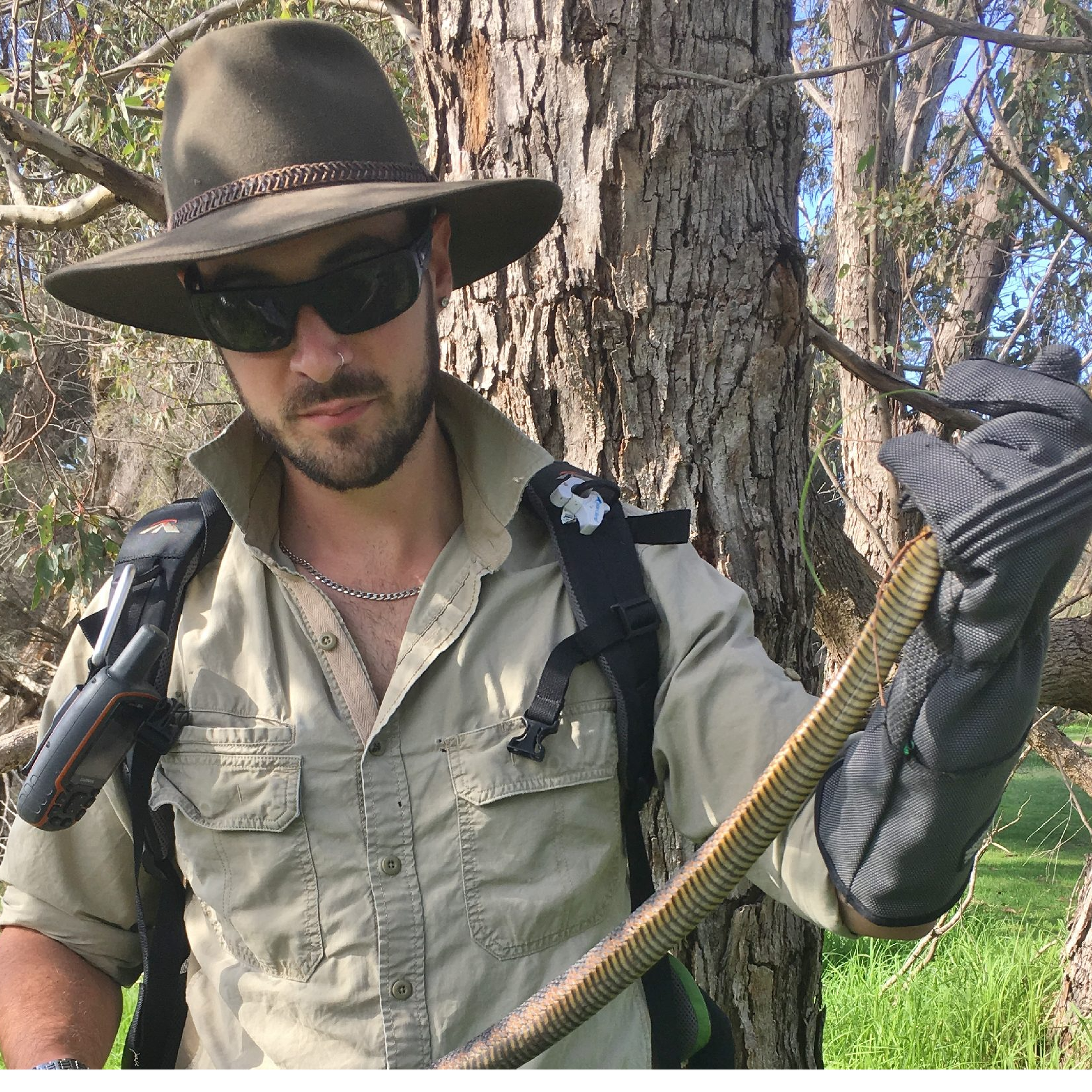
S3 Ep 2Snakes as a bioindicator of wetland pollution with Damian Lettoof (Part 2 of 2)
This is the second (and final) part of our two-part chat with Daman Lettoof - a PhD Candidate at Curtin University in Perth, Western Australia. The first part was released last week.Useful links:Damian on LinkedIn: https://www.linkedin.com/in/damian-lettoof-78905a71/?originalSubdomain=auLettoof et al, 2021 “We tested tiger snake scales to measure wetland pollution in Perth/ The news is worse than expected”, published in The Conversation, https://theconversation.com/we-tested-tiger-snake-scales-to-measure-wetland-pollution-in-perth-the-news-is-worse-than-expected-153797Lettoof et al, 2021, Snake scales record environmental metal(loid) contamination, Journal of Environmental Pollution, https://www.sciencedirect.com/science/article/abs/pii/S0269749121001251Lettoof et al, 2021, The Broad-Scale Analysis of Metals, Trace Elements, Organochlorine Pesticides and Polycyclic Aromatic Hydrocarbons in Wetlands Along an Urban Gradient, and the Use of a High Trophic Snake as a Bioindicator, Journal of Environmental Contamination and Toxicology, https://link.springer.com/article/10.1007/s00244-020-00724-zFor further information about Ocean Protect, check us out at www.oceanprotect.com.au Hosted on Acast. See acast.com/privacy for more information.
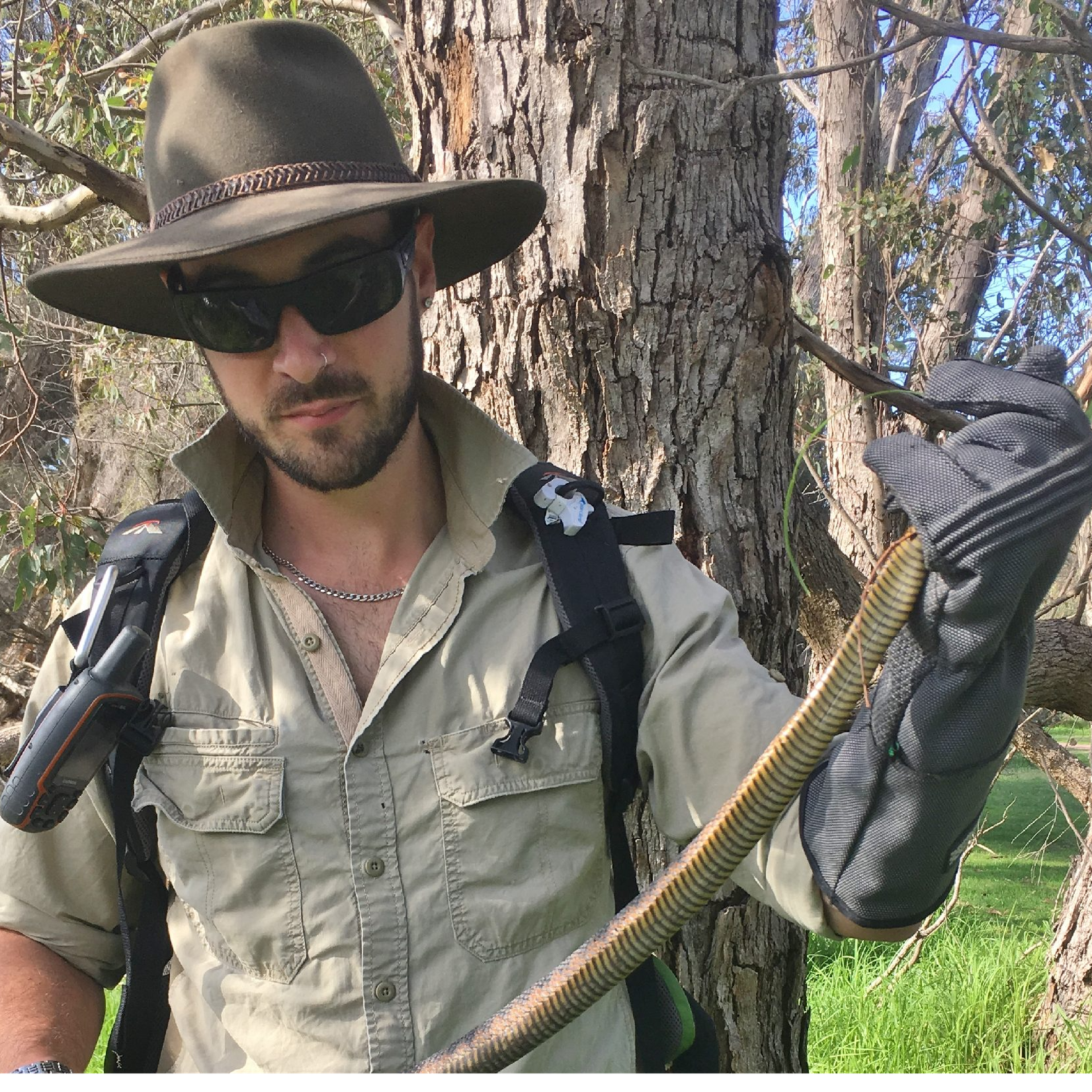
S3 Ep 1Snakes as a bioindicator of wetland pollution with Damian Lettoof (Part 1 of 2)
We kick off season 3 of the Ocean Protect Podcast with Damian Lettoof - a PhD Candidate at Curtin University in Perth, Western Australia. Damien has been catching and analysing wild wetland tiger snakes around Perth as part of his PhD research. His analysis shows metal contamination in these snakes is chronic, and highest in human-disturbed wetlands, suggesting all other plants and animals in these wetlands are likely contaminated as well. We talk about the research, along with a few tips on how best to leave the snake encounters to Damian.Useful links:Damian on LinkedIn: https://www.linkedin.com/in/damian-lettoof-78905a71/?originalSubdomain=auLettoof et al, 2021 “We tested tiger snake scales to measure wetland pollution in Perth/ The news is worse than expected”, published in The Conversation, https://theconversation.com/we-tested-tiger-snake-scales-to-measure-wetland-pollution-in-perth-the-news-is-worse-than-expected-153797Lettoof et al, 2021, Snake scales record environmental metal(loid) contamination, Journal of Environmental Pollution, https://www.sciencedirect.com/science/article/abs/pii/S0269749121001251Lettoof et al, 2021, The Broad-Scale Analysis of Metals, Trace Elements, Organochlorine Pesticides and Polycyclic Aromatic Hydrocarbons in Wetlands Along an Urban Gradient, and the Use of a High Trophic Snake as a Bioindicator, Journal of Environmental Contamination and Toxicology, https://link.springer.com/article/10.1007/s00244-020-00724-zThis is the first of our two-part chat with Damian with the second (and final) part released next week.For further information about Ocean Protect, check us out at www.oceanprotect.com.au Hosted on Acast. See acast.com/privacy for more information.
S2 Ep 41Dr Denise Hardesty on ending plastic waste (Part 2 of 2)
This is the second (and final) part of our two-part chat with Dr Hardesty, with the first part released last week.Useful links:Dr Denise Hardesty: https://people.csiro.au/h/d/denise-hardestyCSIRO article (2020), 14 million tonnes of microplastics on seafloor: https://www.csiro.au/en/News/News-releases/2020/14-million-tonnes-of-microplastics-on-seafloorCSIRO article (2020). Ending plastic waste: https://www.csiro.au/en/Showcase/Ending-plastic-waste The Conversation article (2020), From Hobart, to London, to Dhaka: using cameras and AI to build an automatic litter detection system: https://theconversation.com/from-hobart-to-london-to-dhaka-using-cameras-and-ai-to-build-an-automatic-litter-detection-system-150950For further information about Ocean Protect, check us out at www.oceanprotect.com.au Hosted on Acast. See acast.com/privacy for more information.
S2 Ep 40Dr Denise Hardesty on ending plastic waste (Part 1 of 2)
Dr Denise Hardesty is Senior Research Scientist at CSIRO Oceans and Atmosphere, based in Hobart, Tasmania. She has been leading a diverse array of research projects for the past 10 years, with her main research projects focused on impacts of marine debris and the development of analytical tools for tackling illegal unreported and unregulated fishing activities. We talk about applied her team's marine debris research and how it is used to inform and underpin policy and decision making. This is the first of our two-part chat with Dr Hardesty, with the second (and final) part released next week.Useful links:Dr Denise Hardesty: https://people.csiro.au/h/d/denise-hardestyCSIRO article (2020), 14 million tonnes of microplastics on seafloor: https://www.csiro.au/en/News/News-releases/2020/14-million-tonnes-of-microplastics-on-seafloorCSIRO article (2020). Ending plastic waste: https://www.csiro.au/en/Showcase/Ending-plastic-waste The Conversation article (2020), From Hobart, to London, to Dhaka: using cameras and AI to build an automatic litter detection system: https://theconversation.com/from-hobart-to-london-to-dhaka-using-cameras-and-ai-to-build-an-automatic-litter-detection-system-150950For further information about Ocean Protect, check us out at www.oceanprotect.com.au Hosted on Acast. See acast.com/privacy for more information.
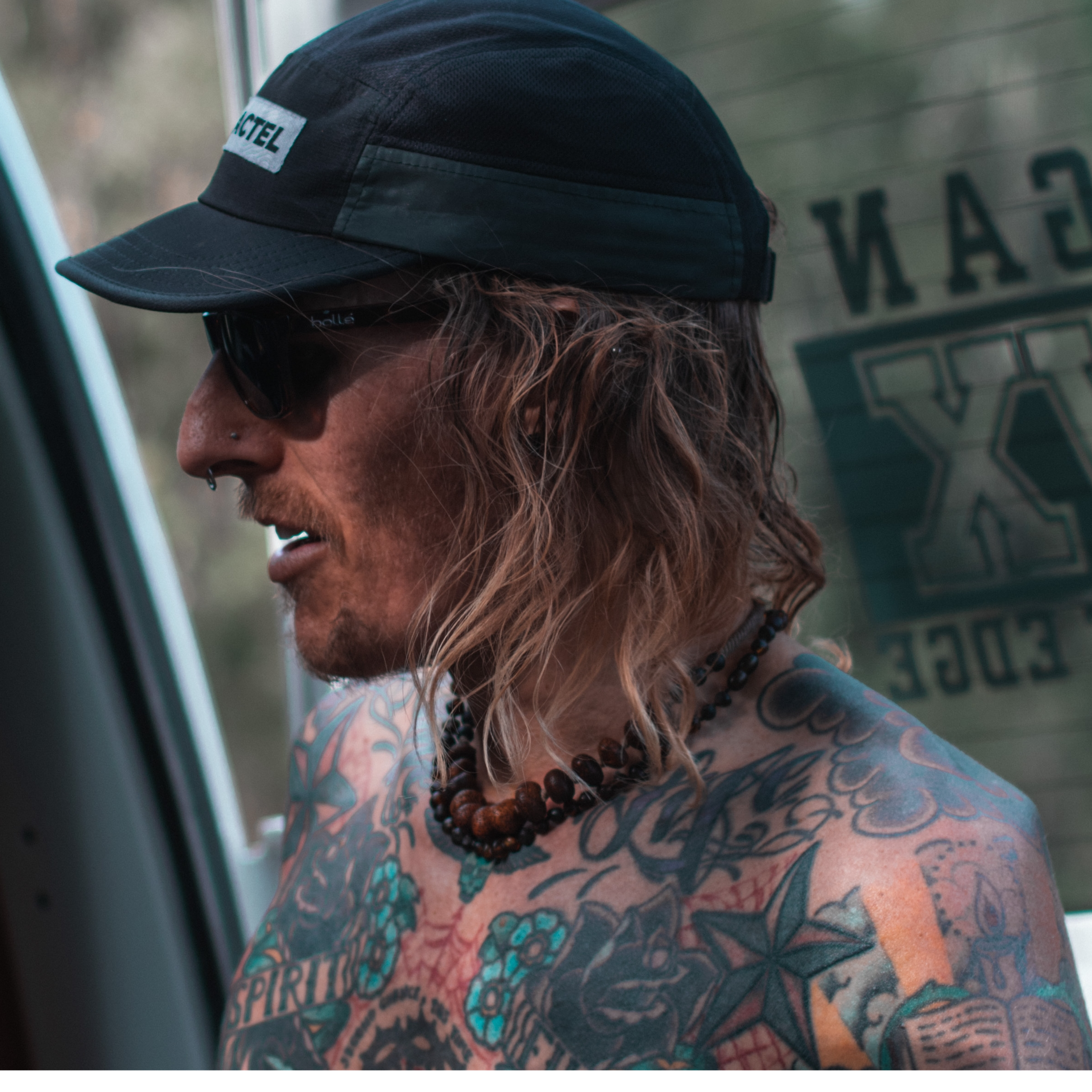
S2 Ep 39Adventures & activism with Mat Grills (Part 2 of 2)
This is the second (and final) part of our two-part chat with Mat Grills. The first part was released last week.To find out more about Mat and his adventures and activism, head to www.thetattoorunner.comFor further information about Ocean Protect, check us out at www.oceanprotect.com.au Hosted on Acast. See acast.com/privacy for more information.
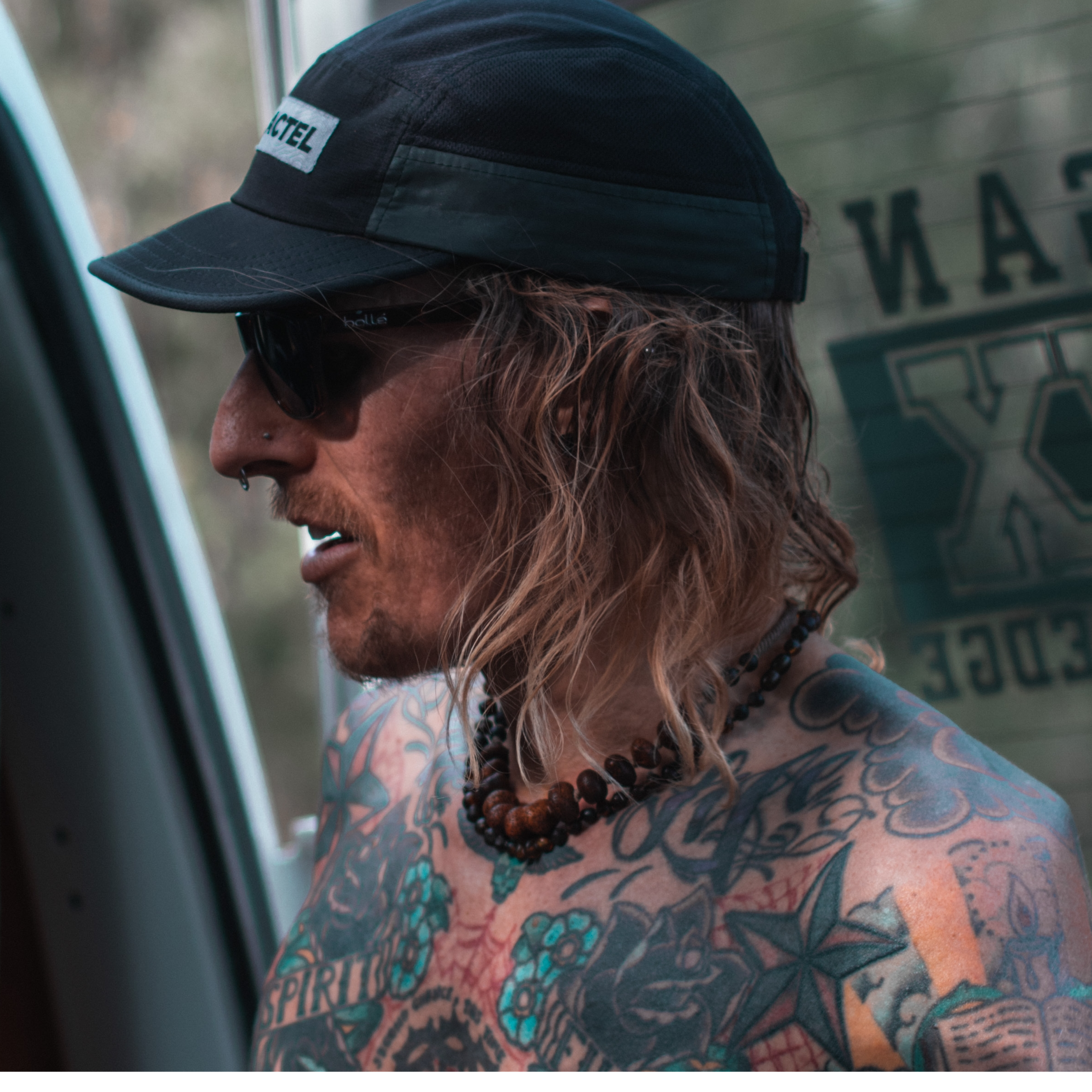
S2 Ep 38Adventures & activism with Mat Grills (Part 1 of 2)
It's all about the journey - and Mat Grills has had many, and has more to come. His next adventure is to run across Australia - 100km for 50 days - along the way, encouraging people to try a vegan lifestyle or commit to their own health or fitness challenge.This is the first of our two-part chat with Mat, with the second (and final) part released next week.To find out more about Mat and his adventures and activism, head to www.thetattoorunner.comFor further information about Ocean Protect, check us out at www.oceanprotect.com.au Hosted on Acast. See acast.com/privacy for more information.
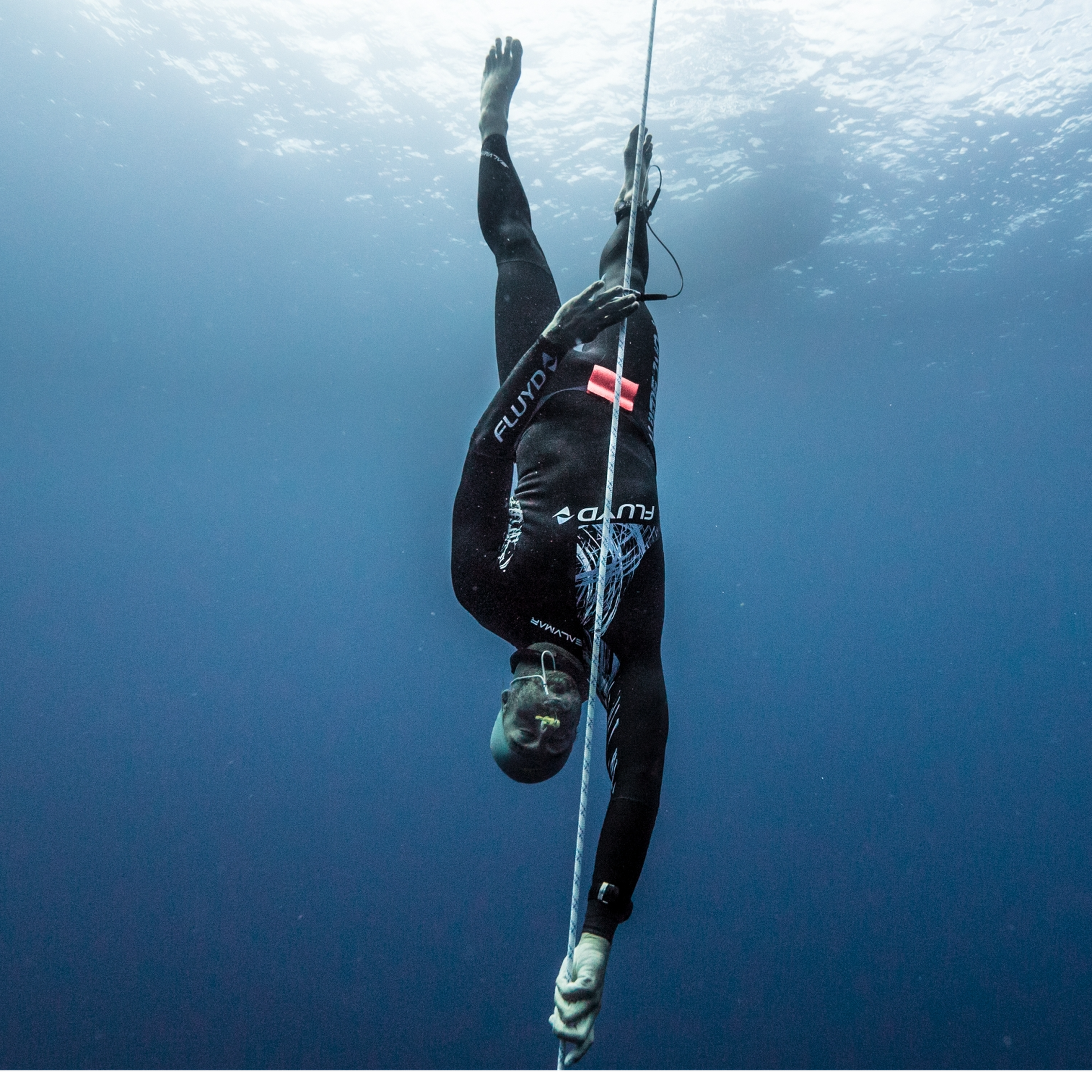
S2 Ep 37Pressure with Adam Sellars (Part 2 of 2)
This is our second (and final) part of our two-part chat with Adam Sellers. Part one was released last week.After listening, we reckon you'll want to find out more about Adam via https://www.thepressureproject.com.au/For further information about Ocean Protect, check us out at www.oceanprotect.com.au Hosted on Acast. See acast.com/privacy for more information.
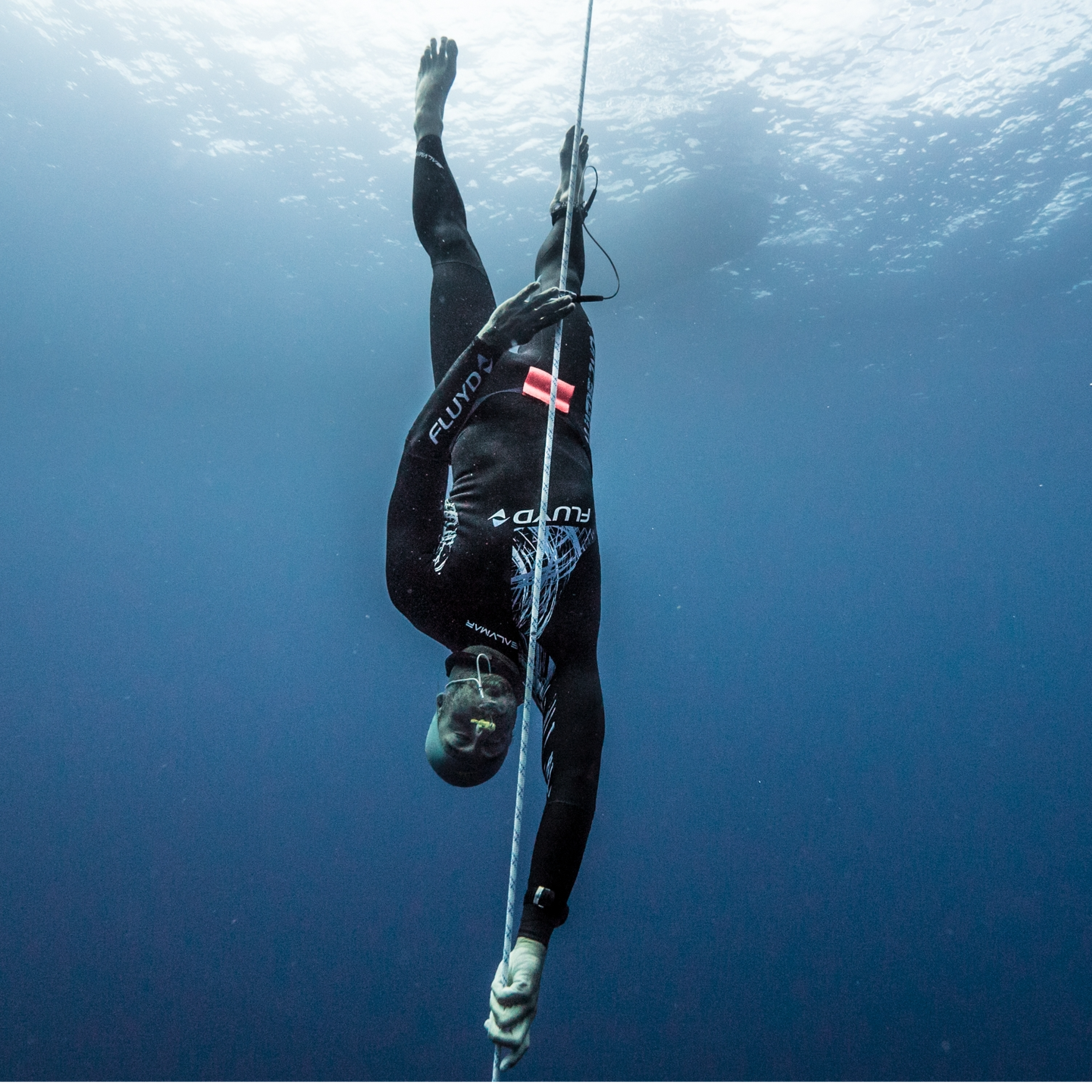
S2 Ep 36Pressure with Adam Sellars (Part 1 of 2)
Take a breath. We're going deep - with Adam Sellers, a free diver who inspires people to achieve and grow through strategies designed to help people cope with the pressures and stresses in all aspects of life. This is the first of our two-part chat with Adam, with the second (and final) part released next week.After the chat, we reckon you'll want to find out more about Adam via https://www.thepressureproject.com.au/For further information about Ocean Protect, check us out at www.oceanprotect.com.au Hosted on Acast. See acast.com/privacy for more information.
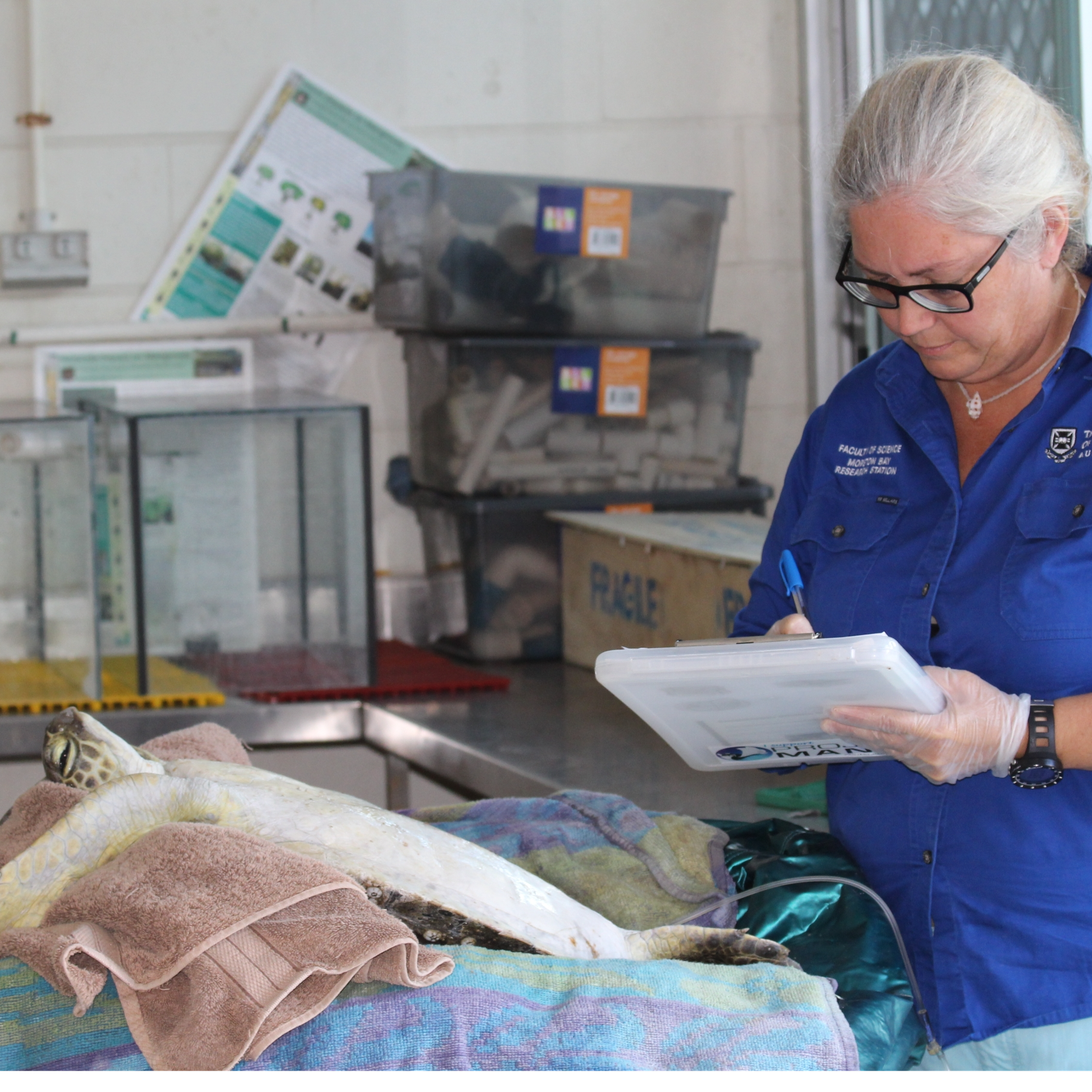
S2 Ep 35Saving sea turtles from marine debris with Dr Kathy Townsend (Part 2 of 2)
This is our second (and final) part of our two-part chat with Dr Kathy Townsend, Senior Lecturer at University of Sunshine Coast. Part one was released last week.Useful links:Dr Kathy Townsend on LinkedIn: https://www.linkedin.com/in/kathy-townsend-6334b340/Dr Kathy Townsend at USC: https://www.usc.edu.au/staff/dr-kathy-townsendDr Kathy Townsend on ResearchGate: https://www.researchgate.net/profile/Kathy_Townsend2Brisbane Times article, May 2018, Queensland researchers hope sea turtles, birds will benefit from plastic ban: https://www.brisbanetimes.com.au/national/queensland/queensland-researchers-hope-sea-turtles-birds-will-benefit-from-plastic-ban-20180530-p4ziei.htmlFor further information about Ocean Protect, check us out at www.oceanprotect.com.au Hosted on Acast. See acast.com/privacy for more information.
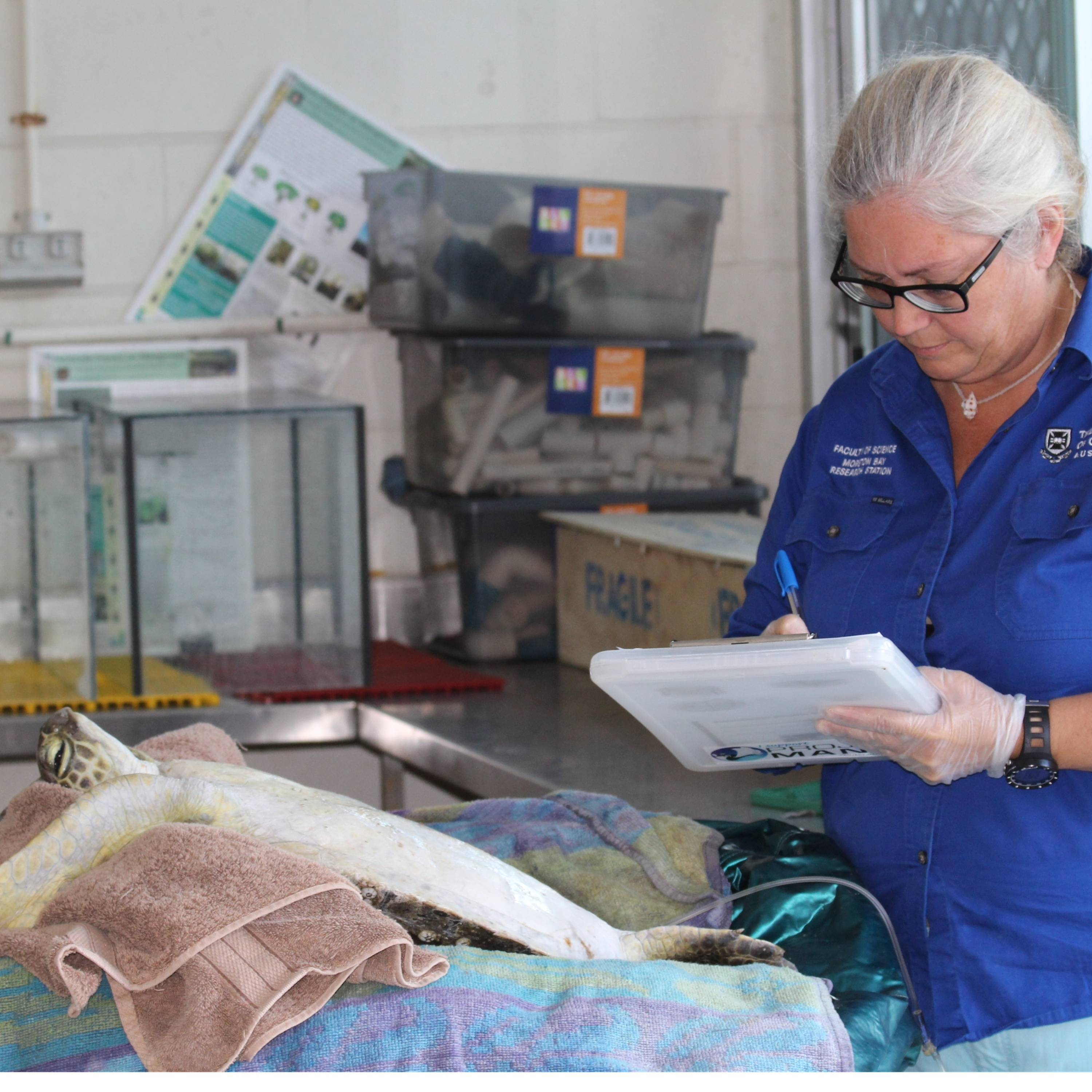
S2 Ep 34Saving sea turtles from marine debris with Dr Kathy Townsend (Part 1 of 2)
Dr Kathy Townsend is a Senior Lecturer at University of Sunshine Coast, with a particular interest in marine conservation and human impacts on the marine environment. In this fascinating chat, we take a deep dive on Kathy's some 17 years' experience researching the impact of marine debris on sea turtles - and what we can all do about it.This is the first part of our two-part chat with Kathy, with the second (and final) part released next week.Useful links:Dr Kathy Townsend on LinkedIn: https://www.linkedin.com/in/kathy-townsend-6334b340/Dr Kathy Townsend at USC: https://www.usc.edu.au/staff/dr-kathy-townsendDr Kathy Townsend on ResearchGate: https://www.researchgate.net/profile/Kathy_Townsend2Brisbane Times article, May 2018, Queensland researchers hope sea turtles, birds will benefit from plastic ban: https://www.brisbanetimes.com.au/national/queensland/queensland-researchers-hope-sea-turtles-birds-will-benefit-from-plastic-ban-20180530-p4ziei.htmlFor further information about Ocean Protect, check us out at www.oceanprotect.com.au Hosted on Acast. See acast.com/privacy for more information.
S2 Ep 33The plastic in seafood with Francisca Ribeiro (Part 2 of 2)
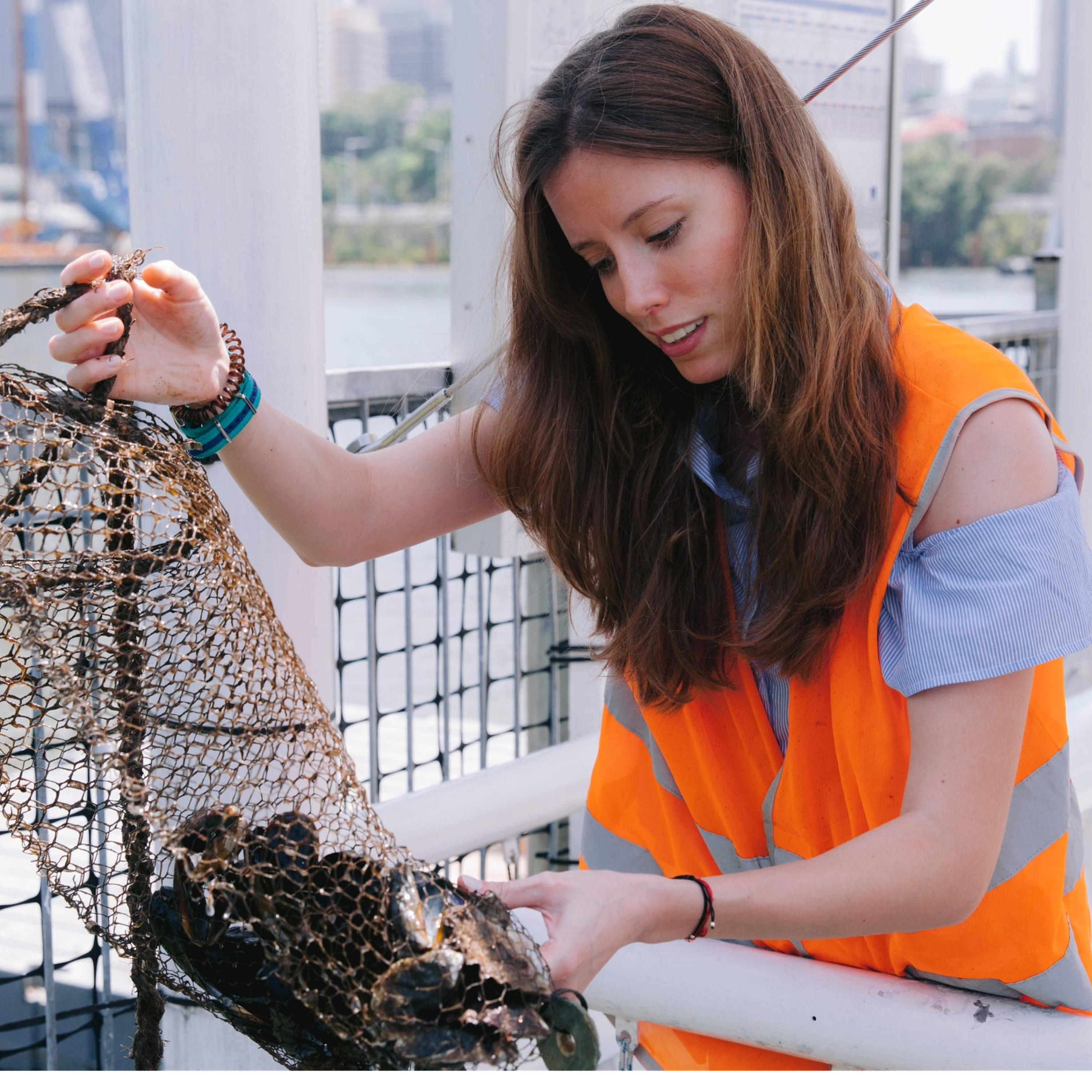
This is our second (and final) part of our two-part chat with Francisca Ribeiro (a PhD candidate from University of Queensland). Part one was released last week.Useful links:Francisca Ribeiro: https://qaehs.centre.uq.edu.au/profile/1006/franciscaUQ News, August 2020, Research reveals microplastic content levels in seafood: https://www.uq.edu.au/news/article/2020/08/research-reveals-microplastic-content-levels-seafood?utm_source=Newsletter&utm_medium=Email&utm_content=Nov2013&utm_campaign=Newsletter Ribeiro F et al, 2020, Quantitative Analysis of Selected Plastics in High-Commercial-Value Australian Seafood by Pyrolysis Gas Chromatography Mass Spectrometry, Environmental Science and Technology: https://pubs.acs.org/doi/pdf/10.1021/acs.est.0c02337Ribeiro, F, 2018, Is eating seafood becoming a risk?: https://www.youtube.com/watch?v=3Rb22BxYTqAOcean Protect YouTube Video "If we kill the oceans, we kill ourselves": https://www.youtube.com/watch?v=KNiRKGaaS-cFor further information about Ocean Protect, check us out at www.oceanprotect.com.au Hosted on Acast. See acast.com/privacy for more information.
S2 Ep 32The plastic in seafood with Francisca Ribeiro (Part 1 of 2)
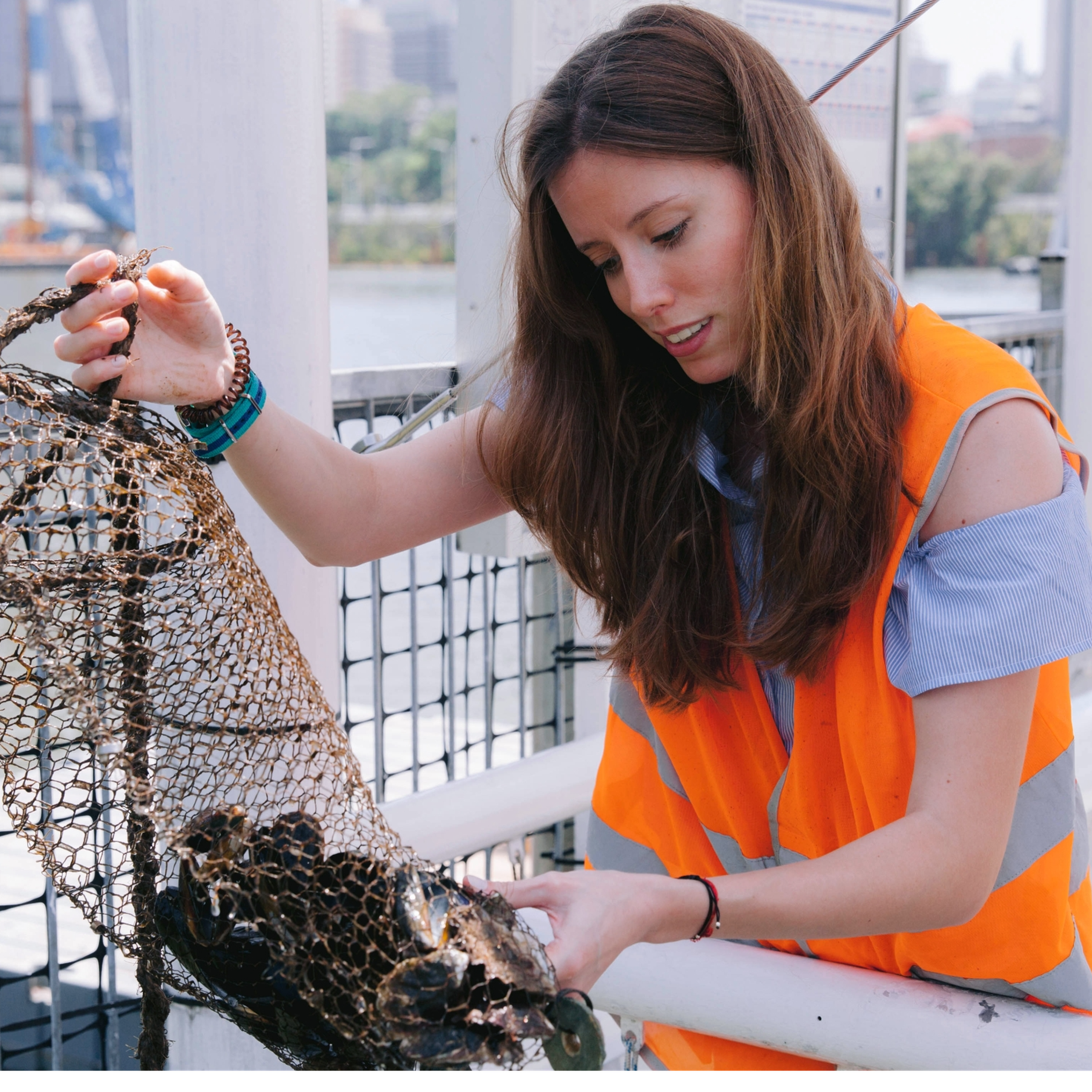
Plastic contamination of the marine environment is widespread, but the extent to which the marine food web is contaminated is not yet known - until now. Francisca Ribeiro is a PhD candidate from University of Queensland who led a recent study that has found plastic contamination in samples of popular seafood such as prawns, oysters, crabs, and sardines. The study is an important step to understanding the potential harm microplastics in seafood could have on human health - and Francisca gives us the low down on the study methods, results and what it all means next time you're thinking about eating your next seafood meal (or not).Useful links:Francisca Ribeiro: https://qaehs.centre.uq.edu.au/profile/1006/franciscaUQ News, August 2020, Research reveals microplastic content levels in seafood: https://www.uq.edu.au/news/article/2020/08/research-reveals-microplastic-content-levels-seafood?utm_source=Newsletter&utm_medium=Email&utm_content=Nov2013&utm_campaign=Newsletter Ribeiro F et al, 2020, Quantitative Analysis of Selected Plastics in High-Commercial-Value Australian Seafood by Pyrolysis Gas Chromatography Mass Spectrometry, Environmental Science and Technology: https://pubs.acs.org/doi/pdf/10.1021/acs.est.0c02337Ribeiro, F, 2018, Is eating seafood becoming a risk?: https://www.youtube.com/watch?v=3Rb22BxYTqAOcean Protect YouTube Video "If we kill the oceans, we kill ourselves": https://www.youtube.com/watch?v=KNiRKGaaS-cFor further information about Ocean Protect, check us out at www.oceanprotect.com.au Hosted on Acast. See acast.com/privacy for more information.
S2 Ep 31Bustin' balloon myths with Dr Morgan Gilmour (Part 2 of 2)
This is the second (and final) part of our two-part conversation with Dr Morgan Gilmour. The first part was released last week.Useful links:Dr Morgan Gilmour: https://www.morgangilmour.com/Adrift Lab profile: https://adriftlab.org/morganGilmour M, Lavers J, 2020, We composted ‘biodegradable’ balloons. Here’s what we found after 16 weeks, article in 'The Conversation': https://theconversation.com/we-composted-biodegradable-balloons-heres-what-we-found-after-16-weeks-138731Burchette D K, 1989, Study of the effect of balloon releases on the environment: https://www.balloonhq.com/faq/deco_releases/release_study.htmlGilmour M E , Lavers J L, 2020, Latex balloons do not degrade uniformly in freshwater, marine and composting environments, The Journal of Hazardous Materials: https://www.sciencedirect.com/science/article/abs/pii/S0304389420316150?via%3DihubFor further information about Ocean Protect, check us out at www.oceanprotect.com.au Hosted on Acast. See acast.com/privacy for more information.
S2 Ep 30Bustin' balloon myths with Dr Morgan Gilmour (Part 1 of 2)
For decades, those party animals within the balloon industry relied on one industry-funded study from 1989 which claimed that, after six short weeks, balloons degraded “at about the same rate as oak tree leaves” and there was no way that balloons were a threat to wildlife. Of course, wildlife would disagree with this - but some robust science was needed to pop those balloon myths. Enter Dr Morgan Gilmour and Dr Jennifer Lavers from Adrift Lab. We talk to Dr Gilmour about the dubious 1989 study and the myth bustin' research that will certainly make your think twice at your next party.This is a two-part conversation, with the second (and final) part released next week.Useful links:Dr Morgan Gilmour: https://www.morgangilmour.com/Adrift Lab profile: https://adriftlab.org/morganGilmour M, Lavers J, 2020, We composted ‘biodegradable’ balloons. Here’s what we found after 16 weeks, article in 'The Conversation': https://theconversation.com/we-composted-biodegradable-balloons-heres-what-we-found-after-16-weeks-138731Burchette D K, 1989, Study of the effect of balloon releases on the environment: https://www.balloonhq.com/faq/deco_releases/release_study.htmlGilmour M E , Lavers J L, 2020, Latex balloons do not degrade uniformly in freshwater, marine and composting environments, The Journal of Hazardous Materials: https://www.sciencedirect.com/science/article/abs/pii/S0304389420316150?via%3DihubFor further information about Ocean Protect, check us out at www.oceanprotect.com.au Hosted on Acast. See acast.com/privacy for more information.
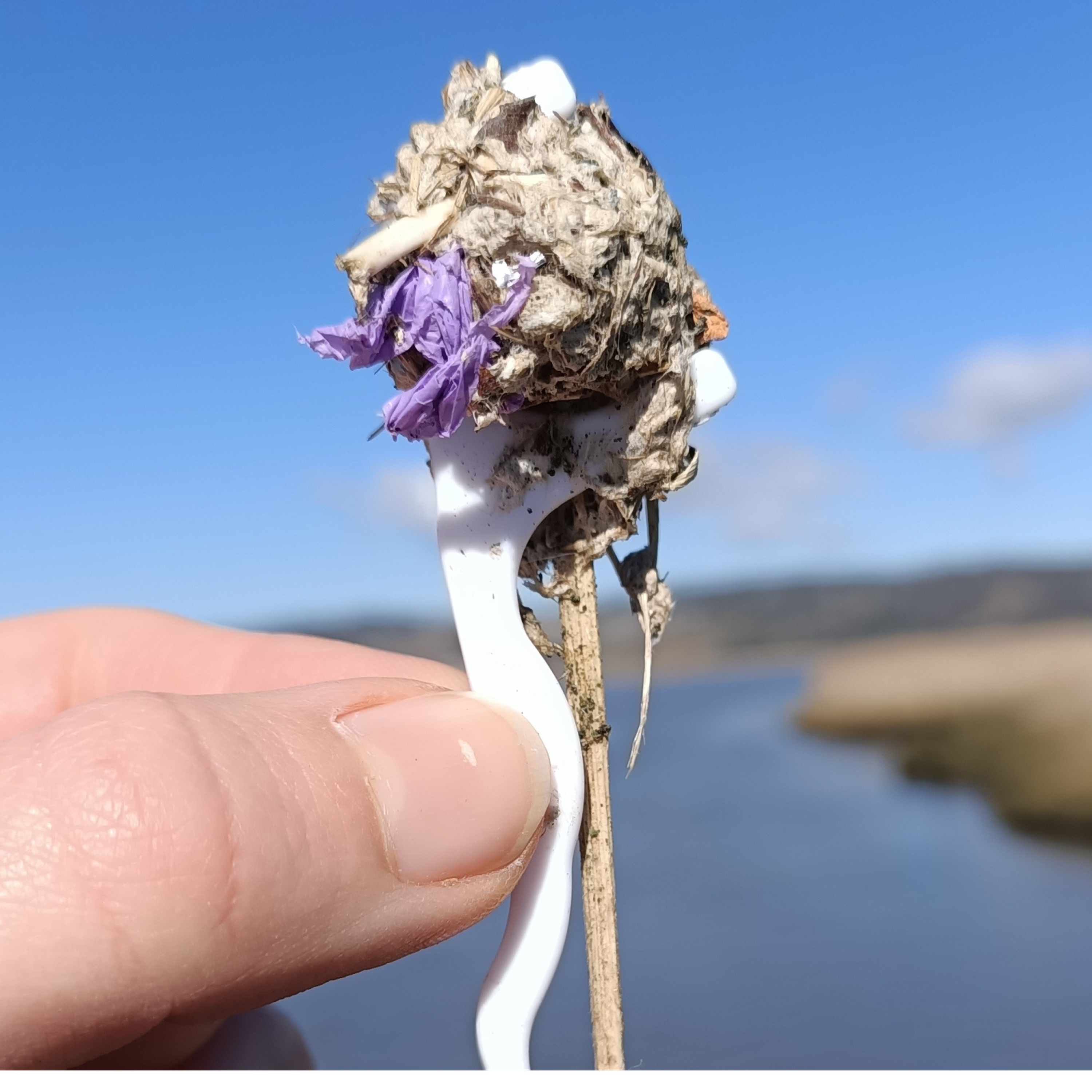
S2 Ep 29Seabird vomit & poo with Megan Grant & Lillian Stewart (Part 2 of 2)
This is the second (and final) part of our two part chat with Adrift Lab's Lillian Stewart and Megan Grant. Part one was released last week.Useful links:Megan Grant: https://adriftlab.org/meganLillian Stewart: https://adriftlab.org/news/2019/3/1/lillian-stewart-joins-adrift-labPaper "Seasonal ingestion of anthropogenic debris in an urban population of gulls": https://www.sciencedirect.com/science/article/abs/pii/S0025326X20306676?dgcid=authorFor further information about Ocean Protect, check us out at www.oceanprotect.com.au Hosted on Acast. See acast.com/privacy for more information.
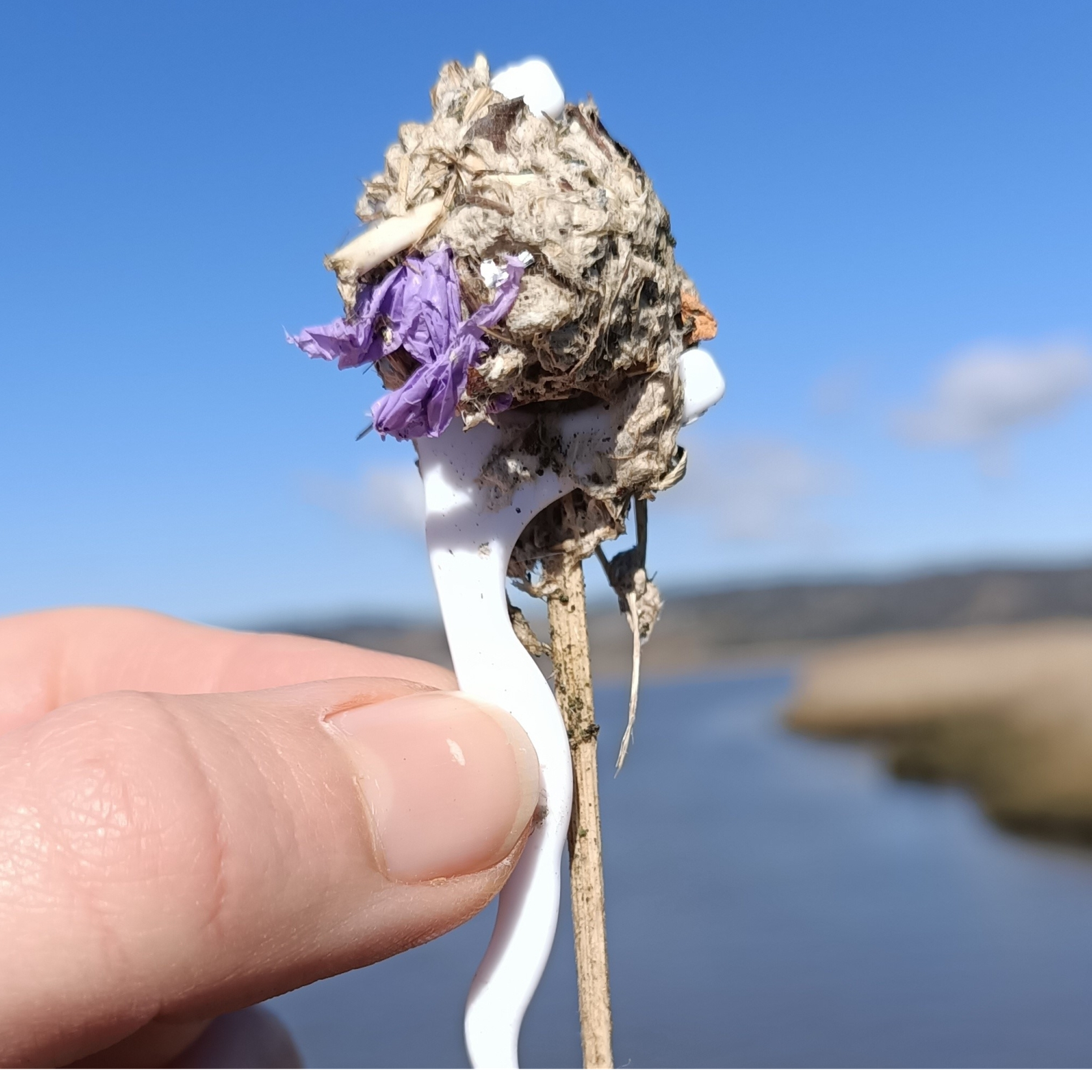
S2 Ep 28Seabird vomit & poo with Megan Grant & Lillian Stewart (Part 1 of 2)
In what may be our most fun podcast ever, Lillian Stewart (aka "Bird vomit lady") and Megan Grant (aka "Guano girl") join us to talk about their recent scientific research on the ingestion of debris by Tasmanian Pacific Gulls. In between the fun however, there is fascinating science, proving that the gulls are transporting plastic and other debris FROM a nearby landfill and into nearby wetlands. You'll certainly reconsider what you put in your garbage bin.This is a two-part conversation, with the second (and final) part released next week.Useful links:Megan Grant: https://adriftlab.org/meganLillian Stewart: https://adriftlab.org/news/2019/3/1/lillian-stewart-joins-adrift-labPaper "Seasonal ingestion of anthropogenic debris in an urban population of gulls": https://www.sciencedirect.com/science/article/abs/pii/S0025326X20306676?dgcid=authorFor further information about Ocean Protect, check us out at www.oceanprotect.com.au Hosted on Acast. See acast.com/privacy for more information.
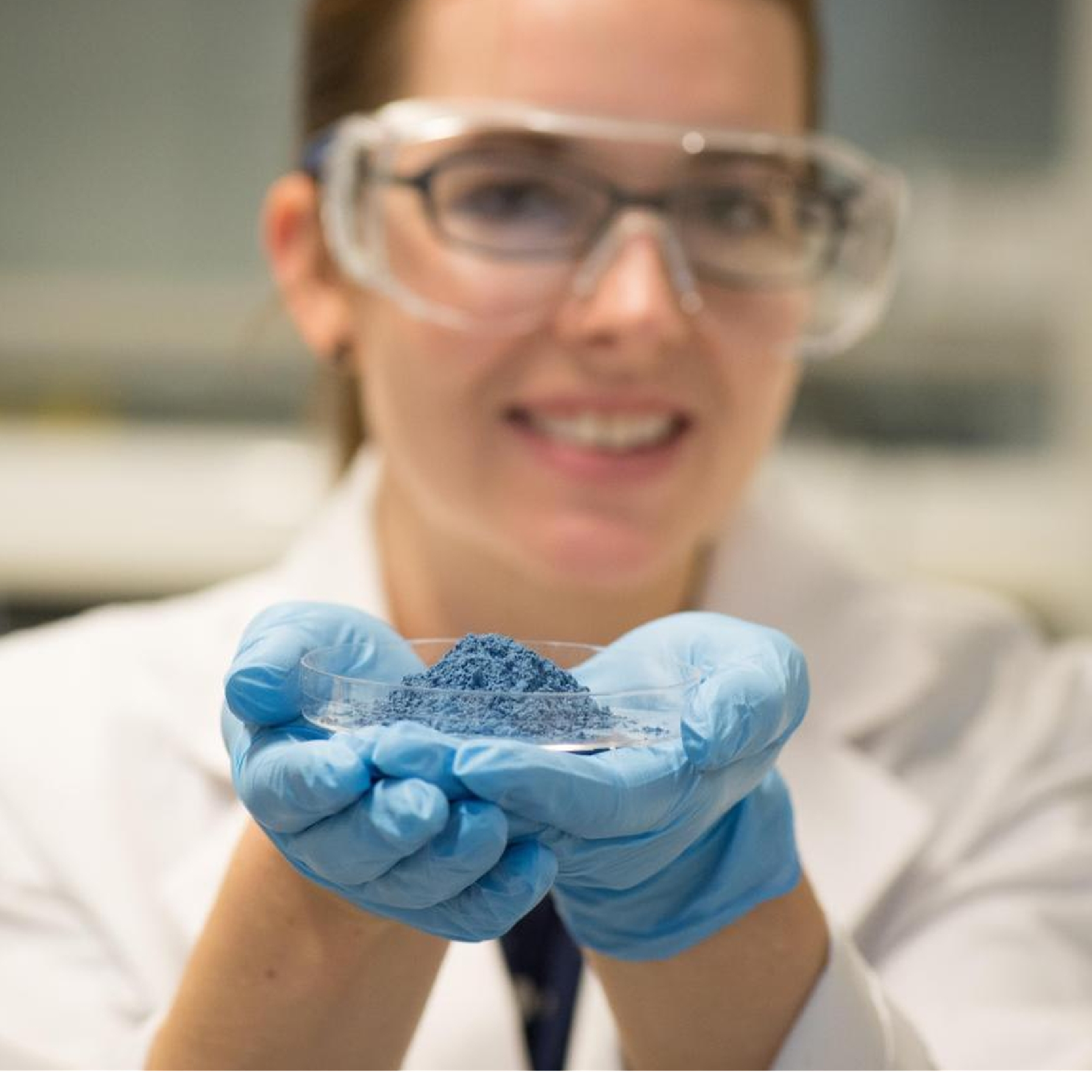
S2 Ep 27Microplastic pollution from clothing with Dr Rebecca Van Amber (Part 2 of 2)
This is the second (and final) part of our two-part chat with Dr Rebecca Van Amber, Senior Lecturer in the Fashion and Textiles college of RMIT University. The first part of this chat was released last week.Useful links:Dr Rebecca Van Amber on LinkedIn: https://www.linkedin.com/in/rebecca-van-amber-49680623/detail/featured-list/urn:li:fsd_profile:ACoAAATsuzIBLkYWqtY5RtFl6rispnRoKCSe15E/Dr Rebecca Van Amber's RMIT contact details: https://www.rmit.edu.au/contact/staff-contacts/academic-staff/v/van-amber-dr-rebecca'Story of Plastic' Q&E event on YouTube: https://www.youtube.com/watch?v=A2vr5JvbtnAArticle: De Falco et al (2018), The contribution of washing processes of synthetic clothes to microplastic pollution: https://www.nature.com/articles/s41598-019-43023-xHernandez et al (2018), Plastic Teabags Release Billions of Microparticles and Nanoparticles into Tea: https://pubs.acs.org/doi/10.1021/acs.est.9b02540For further information about Ocean Protect, check us out at www.oceanprotect.com.au Hosted on Acast. See acast.com/privacy for more information.
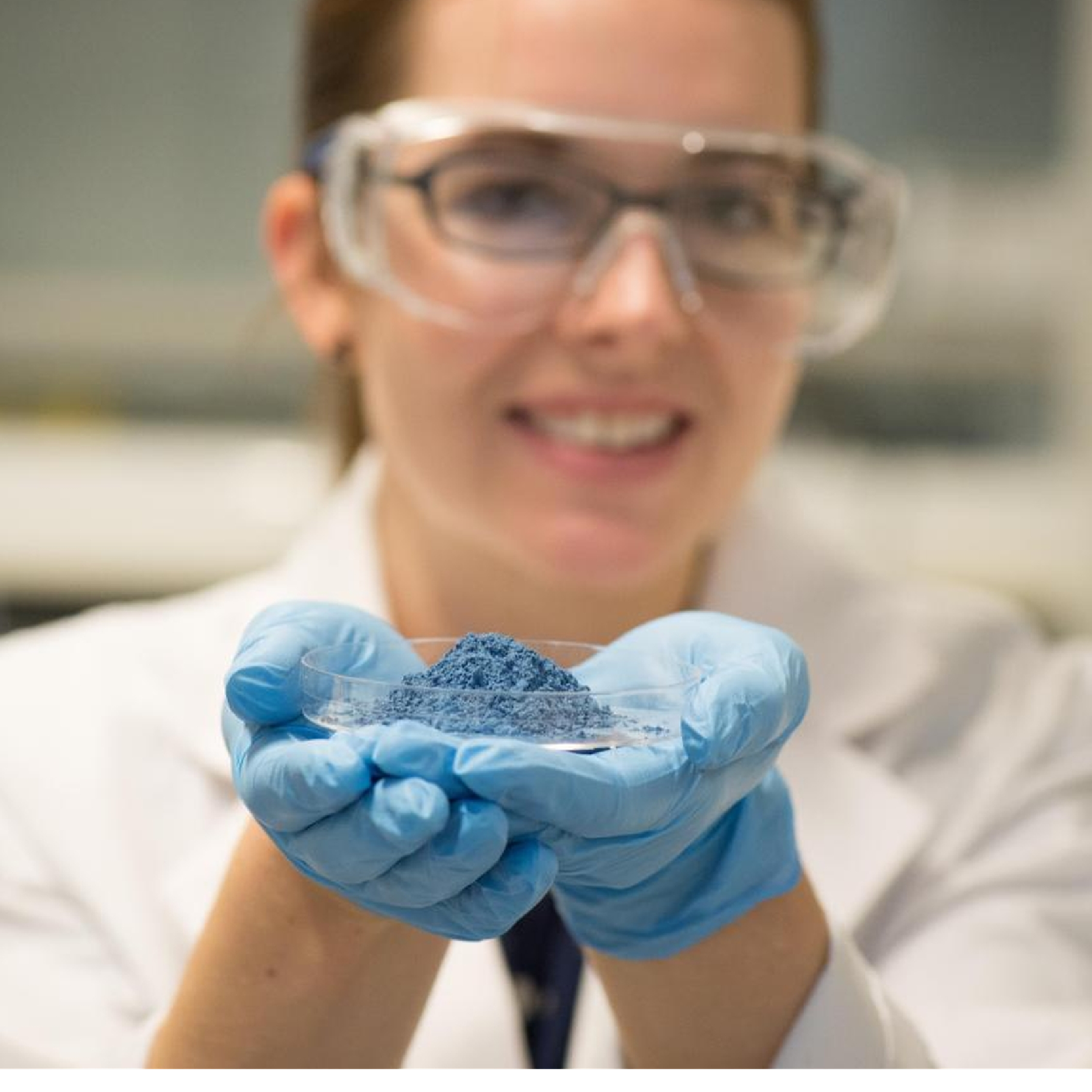
S2 Ep 26Microplastic pollution from clothing with Dr Rebecca Van Amber (Part 1 of 2)
Who would have thought that clothes contribute about 35% to the global release of primary microplastics to the world oceans ? Well, Dr Rebecca Van Amber for one - Senior Lecturer in the Fashion and Textiles college of RMIT University, who recently blew our minds as part of a 'Story of Plastic' Q&E event. Subsequently, we had to have her on our podcast to delve more into the detail. You'll never look at fashion in the same way again.This is a two-part conversation, with the second (and final) part released next week.Useful links:Dr Rebecca Van Amber on LinkedIn: https://www.linkedin.com/in/rebecca-van-amber-49680623/detail/featured-list/urn:li:fsd_profile:ACoAAATsuzIBLkYWqtY5RtFl6rispnRoKCSe15E/Dr Rebecca Van Amber's RMIT contact details: https://www.rmit.edu.au/contact/staff-contacts/academic-staff/v/van-amber-dr-rebecca'Story of Plastic' Q&E event on YouTube: https://www.youtube.com/watch?v=A2vr5JvbtnAArticle: De Falco et al (2018), The contribution of washing processes of synthetic clothes to microplastic pollution: https://www.nature.com/articles/s41598-019-43023-xHernandez et al (2018), Plastic Teabags Release Billions of Microparticles and Nanoparticles into Tea: https://pubs.acs.org/doi/10.1021/acs.est.9b02540For further information about Ocean Protect, check us out at www.oceanprotect.com.au Hosted on Acast. See acast.com/privacy for more information.
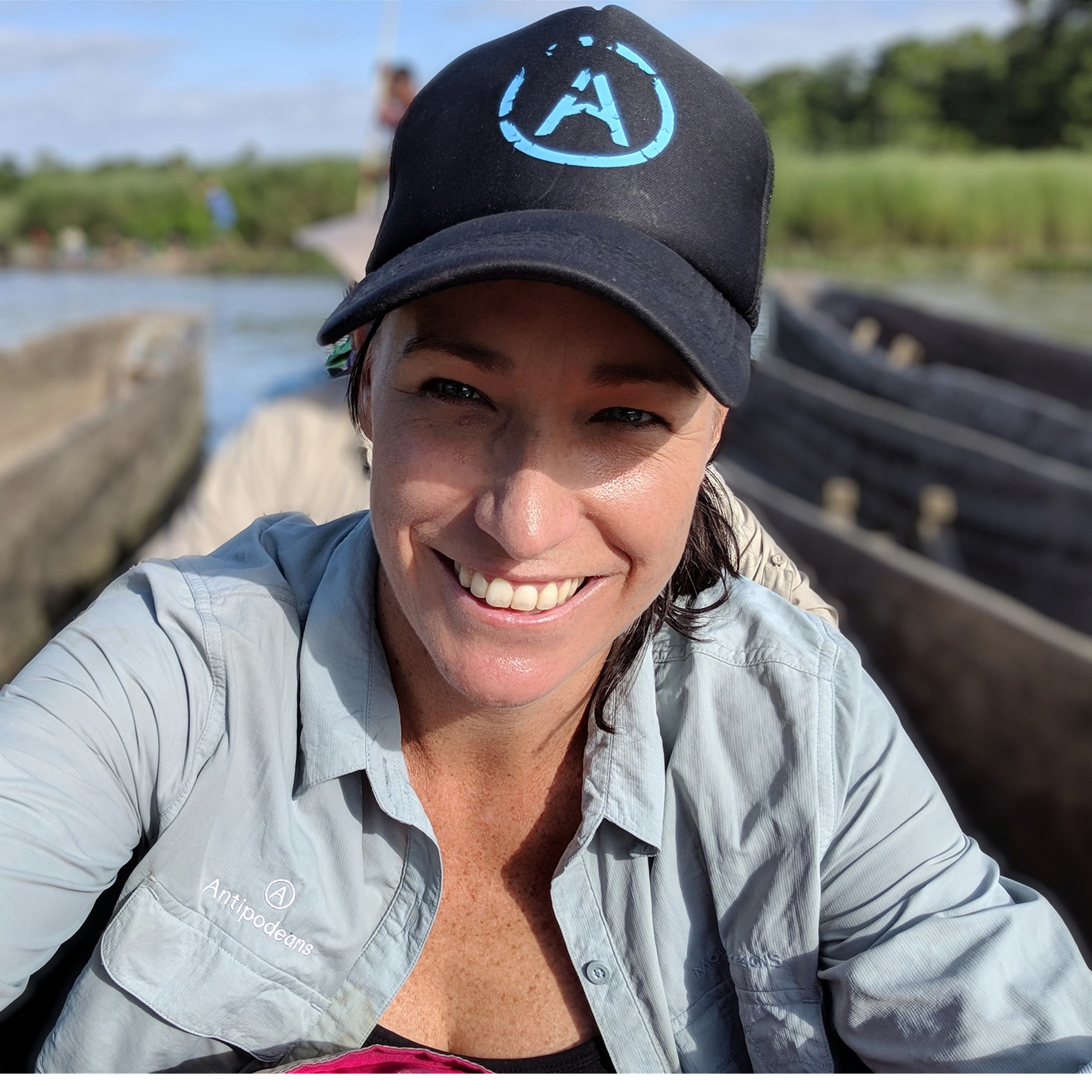
S2 Ep 25Jodi Salmond on protecting our reefs via citizen science (Part 2 of 2)
This is our second (and final) part of our two-part conversation with Jodi Salmond (General Manager of Reef Check Australia), with the first part released last week.Useful links:Jodi Salmond on LinkedIn: https://www.linkedin.com/in/jodi-salmond/Reef Check Australia: https://www.reefcheckaustralia.orgFor further information about Ocean Protect, check us out at www.oceanprotect.com.au Hosted on Acast. See acast.com/privacy for more information.
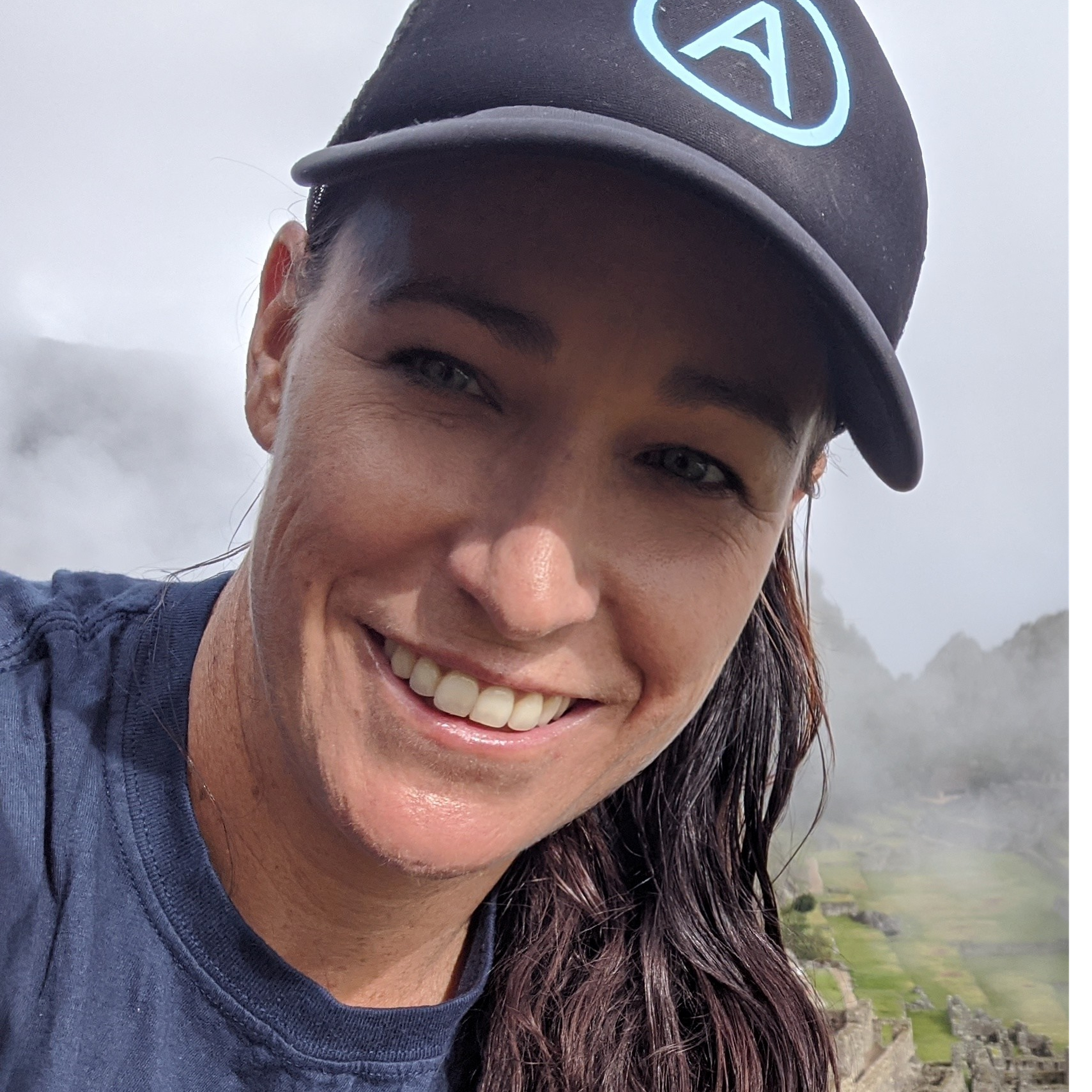
S2 Ep 24Jodi Salmond on protecting our reefs via citizen science (Part 1 of 2)
Jodi Salmond is a marine researcher specializing in citizen science, conservation biology and reef ecology. She is also the General Manager of Reef Check Australia - an innovative citizen science focused charity dedicated to educating and empowering community volunteers to better understand, appreciate and protect oceans and marine environments. Under water, Jodi trains divers in global reef health monitoring protocols - and, above it, she engages and inspires through hands on research, education, and personal development to encourage everyone to become the best versions of themselves and to look after the planet. As we discover, Jodi is also an adventure junkie, fire walker and fountain of knowledge when it comes to marine parasites, tapeworms, and reasons not to eat peanut butter.This is a two-part conversation, with the second (and final) part released next week.Useful links:Jodi Salmond on LinkedIn: https://www.linkedin.com/in/jodi-salmond/Reef Check Australia: https://www.reefcheckaustralia.orgFor further information about Ocean Protect, check us out at www.oceanprotect.com.au Hosted on Acast. See acast.com/privacy for more information.
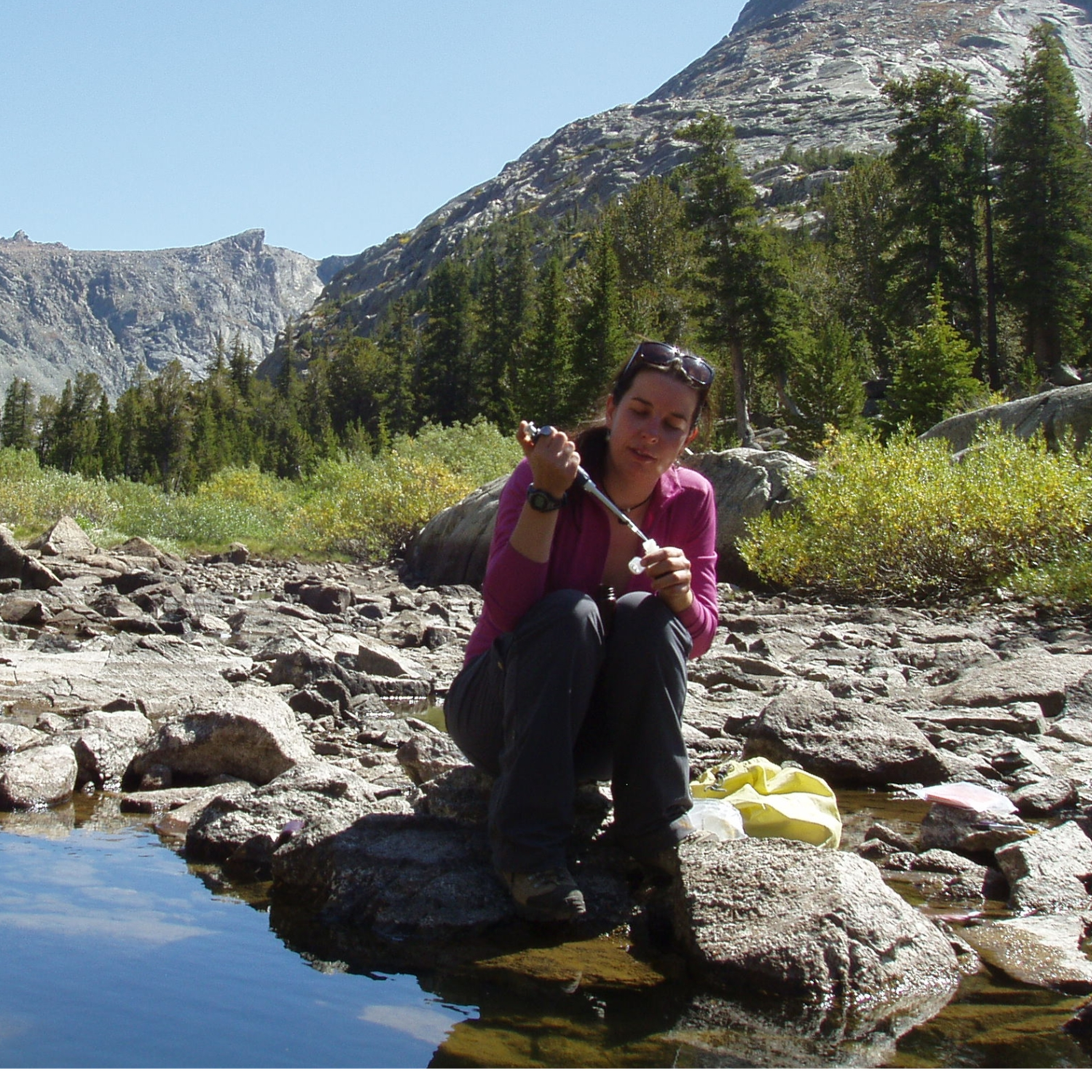
S2 Ep 23Dr Janice Brahney on plastic rain (Part 2 of 2)
This is the second (and final) part of our two-part conversation with Dr Janice Brahney, with the first part released last week.Useful links:Janice Brahney: https://uwrl.usu.edu/lro/people/faculty/brahney-janiceWired article “Plastic is the new acid rain”: https://www.wired.com/story/plastic-rain-is-the-new-acid-rain/Science article “Plastic rain in protected areas of the United States”: https://science.sciencemag.org/content/368/6496/1257Wired article “Microplastics Are Blowing Into the Pristine Arctic”: https://www.wired.com/story/microplastics-are-blowing-into-the-pristine-arctic/Wired article “A Shocking Find Shows Just How Far Wind Can Carry Microplastics”: https://www.wired.com/story/wind-microplastics/Wired article “'Microplastic Hot Spots' Are Tainting Deep-Sea Ecosystems”: https://www.wired.com/story/microplastic-hotspots/For further information about Ocean Protect, check us out at www.oceanprotect.com.au Hosted on Acast. See acast.com/privacy for more information.
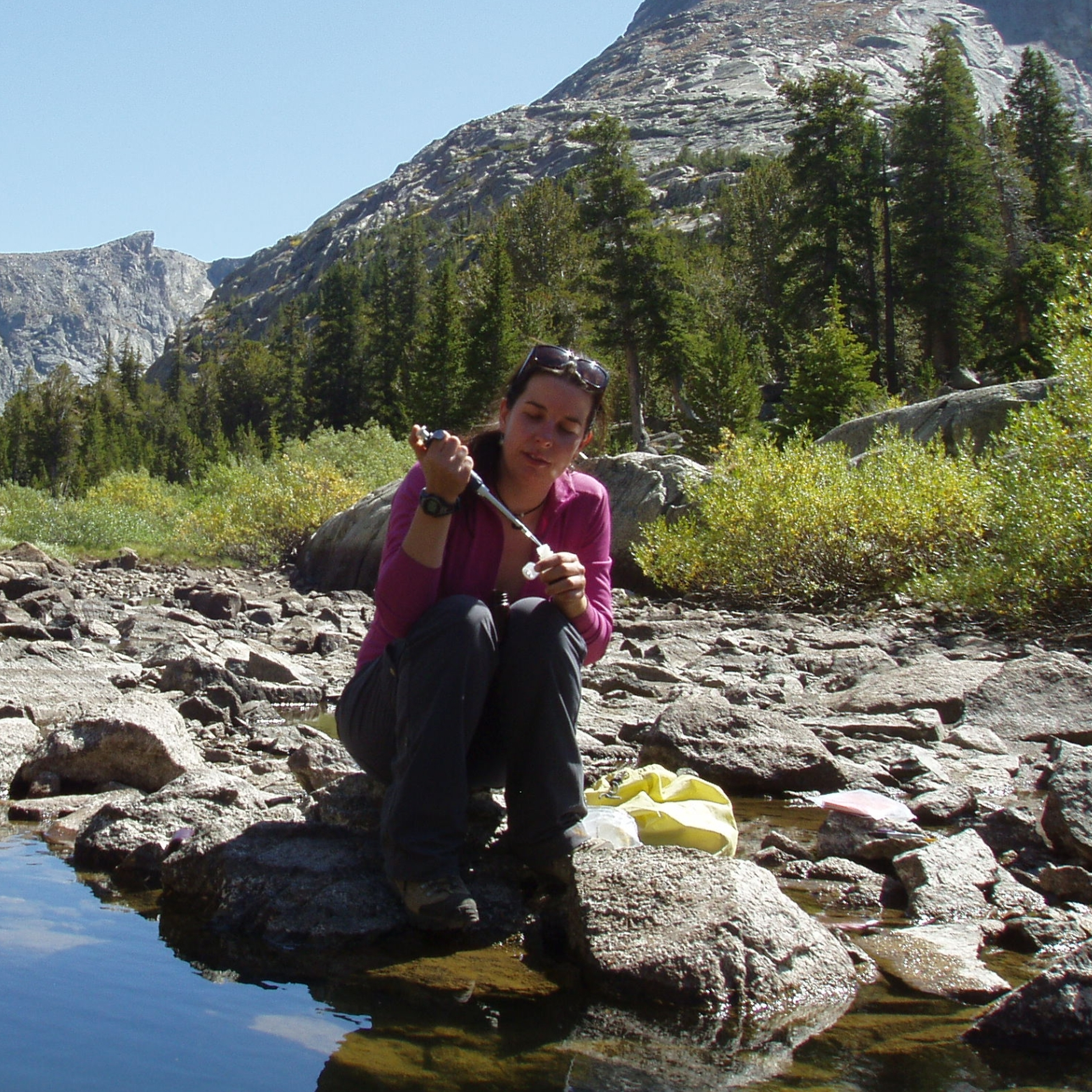
S2 Ep 22Dr Janice Brahney on plastic rain (Part 1 of 2)
Dr Janice Brahney is Assistant Professor at Utah State University, and recently led a research team that has shown that microplastic particles are accumulating in even isolated areas in the United States (national parks and national wilderness areas), after they are transported there by wind and rain. The numbers are staggering. Based on their research findings, it is estimated that more than 1000 metric tons per year fall within south and central western U.S. protected areas. We talk to Janice about the research methods and staggering results that highlight a dire plastic pollution situation that needs immediate action.This is a two-part conversation, with the second (and final) part released next week.Useful links:Janice Brahney: https://uwrl.usu.edu/lro/people/faculty/brahney-janiceWired article “Plastic is the new acid rain”: https://www.wired.com/story/plastic-rain-is-the-new-acid-rain/Science article “Plastic rain in protected areas of the United States”: https://science.sciencemag.org/content/368/6496/1257Wired article “Microplastics Are Blowing Into the Pristine Arctic”: https://www.wired.com/story/microplastics-are-blowing-into-the-pristine-arctic/Wired article “A Shocking Find Shows Just How Far Wind Can Carry Microplastics”: https://www.wired.com/story/wind-microplastics/Wired article “'Microplastic Hot Spots' Are Tainting Deep-Sea Ecosystems”: https://www.wired.com/story/microplastic-hotspots/For further information about Ocean Protect, check us out at www.oceanprotect.com.au Hosted on Acast. See acast.com/privacy for more information.
S2 Ep 21Andrew Thomas on the maintenance of stormwater treatment assets (Part 2 of 2)
This is our second (and final) part of a two-part chat with Andrew Thomas. The first part was released last week.Useful links:Andrew Thomas on LinkedIn: https://www.linkedin.com/in/andrew-thomas-63567767/Stormwater NSW: http://stormwaternsw.asn.au/For further information about Ocean Protect, check us out at www.oceanprotect.com.au Hosted on Acast. See acast.com/privacy for more information.
S2 Ep 20Andrew Thomas on the maintenance of stormwater treatment assets (Part 1 of 2)
Andrew is an environmental professional with over 15 years experience in the water industry. We talk about the challenges in transitioning to sustainable stormwater management practices and insights into the maintenance of stormwater treatment assets in Melbourne, Victoria, Australia - the focus of his recently submitted PhD.This is a two-part conversation, with the second (and final) part released next week.Useful links:Janice Brahney: https://uwrl.usu.edu/lro/people/faculty/brahney-janiceWired article “Plastic is the new acid rain”: https://www.wired.com/story/plastic-rain-is-the-new-acid-rain/Science article “Plastic rain in protected areas of the United States”: https://science.sciencemag.org/content/368/6496/1257Wired article “Microplastics Are Blowing Into the Pristine Arctic”: https://www.wired.com/story/microplastics-are-blowing-into-the-pristine-arctic/Wired article “A Shocking Find Shows Just How Far Wind Can Carry Microplastics”: https://www.wired.com/story/wind-microplastics/Wired article “'Microplastic Hot Spots' Are Tainting Deep-Sea Ecosystems”: https://www.wired.com/story/microplastic-hotspots/For further information about Ocean Protect, check us out at www.oceanprotect.com.au Hosted on Acast. See acast.com/privacy for more information.
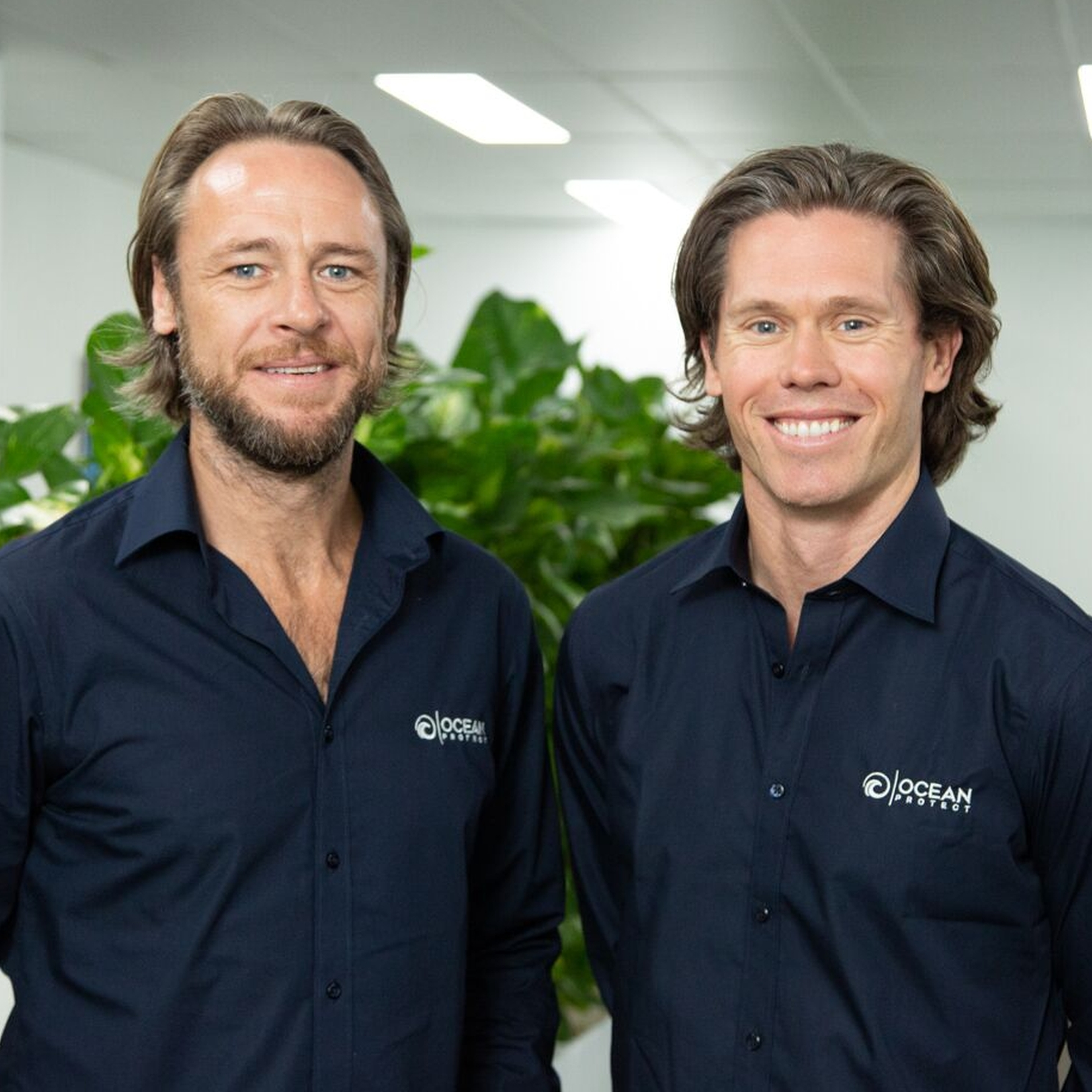
S2 Ep 19Zero Litter to Ocean for Australia with Jeremy & Brad
Within Australia and globally, there is unprecedented job loss and economic instability. Australian Government initiatives that can be implemented immediately to create jobs and ‘boost’ the Australian Economy and provide other tangible benefits should be considered as a priority. Stormwater NSW and Ocean Protect are calling on the Federal and State Governnents within Australia to work towards this target - to create around 7400 Australian jobs and stop the equivalent of an average of 600 wheelie bins full of plastic entering Australian waterways every day. In this episode, Jeremy and Brad talk about the target, 'Zero to Litter' policy paper and associated actions and how you can help.For more information about this policy paper and how you can help out, head to www.zerolittertoocean.com.auFor more information about Ocean Protect and what we do, check out www.oceanprotect.com.au Hosted on Acast. See acast.com/privacy for more information.