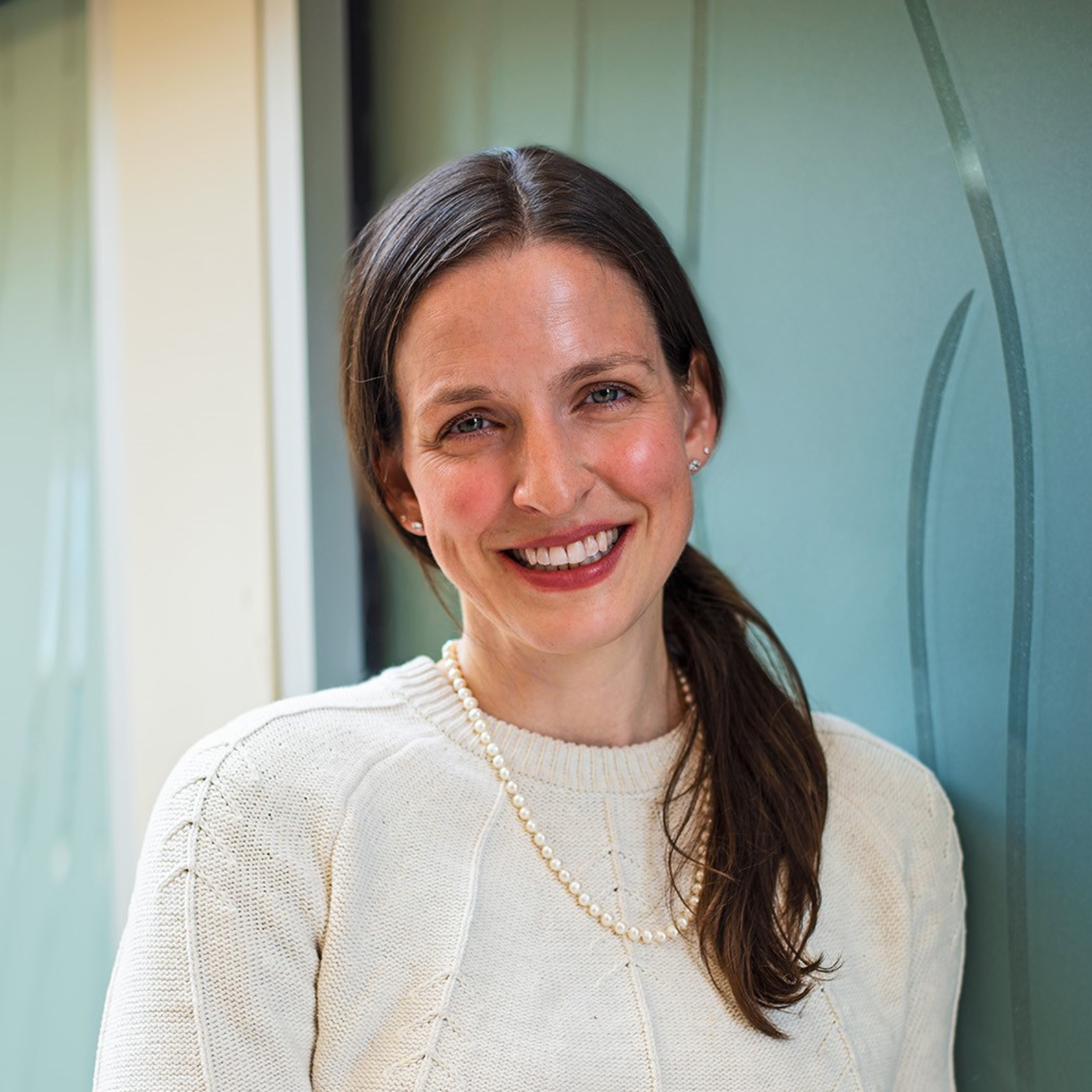
Dinner Doesn’t Just Appear: Foodwork, Households, and Health with Dr. Leah Cahill
Nutrition Conversations · The Canadian Nutrition Society
Audio is streamed directly from the publisher (content.rss.com) as published in their RSS feed. Play Podcasts does not host this file. Rights-holders can request removal through the copyright & takedown page.
Show Notes
Food is central to our health, but the work that goes into making food happen every day—planning, shopping, cooking, negotiating, and cleaning up—is often invisible. This foodwork shapes not only what we eat, but how food, care, responsibility, and power are shared within households. Yet it’s rarely measured, named, or addressed in health research or policy. Dr. Leah Cahill is a registered dietitian and associate professor in the Department of Medicine at Dalhousie University in Halifax, Nova Scotia. She completed her undergraduate degree in nutritional sciences at the University of Manitoba, a dietetic internship with the Winnipeg Regional Health Authority and her PhD in medicine focusing on interactions between nutrition and genetics at the University of Toronto, and then moved to Boston to work as a postdoctoral scientist at the Harvard T. H. Chan School of Public Health. During her five-year postdoc at Harvard, Dr. Cahill worked in the Department of Nutrition collecting skills in nutritional epidemiology and research methodology as she investigated the dietary and genetic origins of cardiometabolic disease in large cohort studies. She is currently the Howard Webster Research Chair in the Department of Medicine at Dalhousie University and Nova Scotia Health where she leads a research program named nourish that investigates nutrition, biomarkers, and clinical patient-oriented research initiatives. In this episode, Dr. Cahill discusses foodwork as a critical—but overlooked—determinant of health and wellbeing, and what it means to study food not just as nutrients, but as a social and relational practice.