
Notes from America with Kai Wright
424 episodes — Page 8 of 9

Ep 26Revisiting Caught: 'You Just Sit There and Wait for the Next Day to Come'
EIncarcerated youth do what it takes to survive in prison everyday, in the hopes of making it back home someday. In this final installment of our presentation of Caught, reporter Jared Marcelle finds Z behind bars again - following a misstep while on parole - and chronicles how solitary confinement and years of uncertainty have changed his life. Caught: The Lives of Juvenile Justice is hosted by Kai Wright and supported, in part, by the Anne Levy Fund, Margaret Neubart Foundation, the John and Gwen Smart Family Foundation, and the Economic Hardship Reporting Project. ‘You Just Sit There and Wait for the Next Day to Come’ was originally published on March 28, 2018. Listen to more episodes here. Tell us what you think. We're @noteswithkai on Instagram and X (Twitter). Email us at [email protected]. Send us a voice message by recording yourself on your phone and emailing us, or record one here.Notes from America airs live on Sundays at 6 p.m. ET. The podcast episodes are lightly edited from our live broadcasts.

Ep 25Revisiting Caught: 'They Look at Me Like a Menace'
In this second installment of our presentation of Caught, then-16-year-old Z grapples with a reality that incarcerated youth with mental health needs face everyday: support comes at a cost. Reporter Jared Marcelle continues to follow his journey through the criminal justice system and juvenile justice lawyer and poet Dwayne Betts sheds light on a vicious catch-22. Caught: The Lives of Juvenile Justice is hosted by Kai Wright and supported, in part, by the Anne Levy Fund, Margaret Neubart Foundation, the John and Gwen Smart Family Foundation, and the Economic Hardship Reporting Project. 'They Look at Me Like a Menace' was originally published on March 14, 2018. Listen to more episodes here. Tell us what you think. We're @noteswithkai on Instagram and X (Twitter). Email us at [email protected]. Send us a voice message by recording yourself on your phone and emailing us, or record one here.Notes from America airs live on Sundays at 6 p.m. ET. The podcast episodes are lightly edited from our live broadcasts.

Ep 24Revisiting Caught: 'I Just Want You to Come Home'
The United States locks up more people - and more children - than any country in the world. Two years ago, Caught delved into the experiences of youth whose worst decisions led them to be entrapped within the criminal justice system, often for life. We’re revisiting the story of then-16-year-old Z, as he awaits a decision that could change his life forever and details how he landed in a detention center in Queens. Also, juvenile justice lawyer and poet Dwayne Betts reflects on his own experience with incarceration as a teenager and how a dangerous storm that brewed in the Nineties continues to cost young lives. Caught: The Lives of Juvenile Justice is hosted by Kai Wright and supported, in part, by the Anne Levy Fund, Margaret Neubart Foundation, the John and Gwen Smart Family Foundation, and the Economic Hardship Reporting Project. 'I Just Want You to Come Home' was originally published on March 12, 2018. Listen to more episodes here. Tell us what you think. We're @noteswithkai on Instagram and X (Twitter). Email us at [email protected]. Send us a voice message by recording yourself on your phone and emailing us, or record one here.Notes from America airs live on Sundays at 6 p.m. ET. The podcast episodes are lightly edited from our live broadcasts.

Ep 23The Laws of Soil and Blood
Being Black in Italy means you’re likely NOT born a citizen. Until the Civil War, the same was true for Black people in the United States. Citizenship was reserved for white people only. These histories aren’t so disconnected. Black American reporter Ngofeen Mputubwele (New Yorker Radio Hour) tells the story of Black Italians like Bellamy Ogak of Afroitalian Souls and the multi-year campaign for birthright citizenship -- connecting the dots between race, nationality, and white supremacy in our two countries. What does it take to belong to the place you’re from? Tell us what you think. We're @noteswithkai on Instagram and X (Twitter). Email us at [email protected]. Send us a voice message by recording yourself on your phone and emailing us, or record one here.Notes from America airs live on Sundays at 6 p.m. ET. The podcast episodes are lightly edited from our live broadcasts.

Ep 22Zoned for Resistance
As Covid-19 first spread through Chicago, the residents of Little Village faced another imminent crisis — the hastily-approved demolition of an old coal-fired power plant that left the neighborhood shrouded in dust during a pandemic lock-down. This week, reporter Jenny Casas tells the story of Kim Wasserman's decades-long fight for environmental justice in Little Village and the lessons it offers for protest movements sweeping the country. You can read the full history of how Chicago's coal power plants were closed in Kari Lydersen’s book, "Closing the Cloud Factories: Lessons from the fight to shut down Chicago’s coal plants" as well as view the most recent coverage of the fallout from the implosion via Mauricio Peña on Block Club Chicago here. Tell us what you think. We're @noteswithkai on Instagram and X (Twitter). Email us at [email protected]. Send us a voice message by recording yourself on your phone and emailing us, or record one here.Notes from America airs live on Sundays at 6 p.m. ET. The podcast episodes are lightly edited from our live broadcasts.

Ep 21Juneteenth, an Unfinished Business
Juneteenth marks a triumphant moment for not just Black Americans, but all people who have sought liberation globally. On June 19th, Kai Wright hosted a special episode of “The Brian Lehrer Show” with a series of conversations about the history of the national holiday, classical music and Black politics - then and now. Guests include WQXR's Terrance McKnight, historian Dr. Daina Ramey Berry and calls from listeners about their family histories of emancipation. Tell us what you think. We're @noteswithkai on Instagram and X (Twitter). Email us at [email protected]. Send us a voice message by recording yourself on your phone and emailing us, or record one here.Notes from America airs live on Sundays at 6 p.m. ET. The podcast episodes are lightly edited from our live broadcasts.

Ep 20Rage, Grief, Joy
After months of fear and mourning amid a global pandemic, we’re now in the streets. This week, we talk about catharsis and the ways we gather to fight, to grieve and to show up for each other. We hear from Shanika Hart, First Lady of The Gathering Harlem, on being a Black mom, fighting for Black lives. And we learn about the life of beloved Brooklynite Lloyd Porter, who died of Covid-19, and the unique way his community gathered to mourn him. Tell us what you think. We're @noteswithkai on Instagram and X (Twitter). Email us at [email protected]. Send us a voice message by recording yourself on your phone and emailing us, or record one here.Notes from America airs live on Sundays at 6 p.m. ET. The podcast episodes are lightly edited from our live broadcasts.
Ep 19'Community' Is a Verb. And It’s Hard
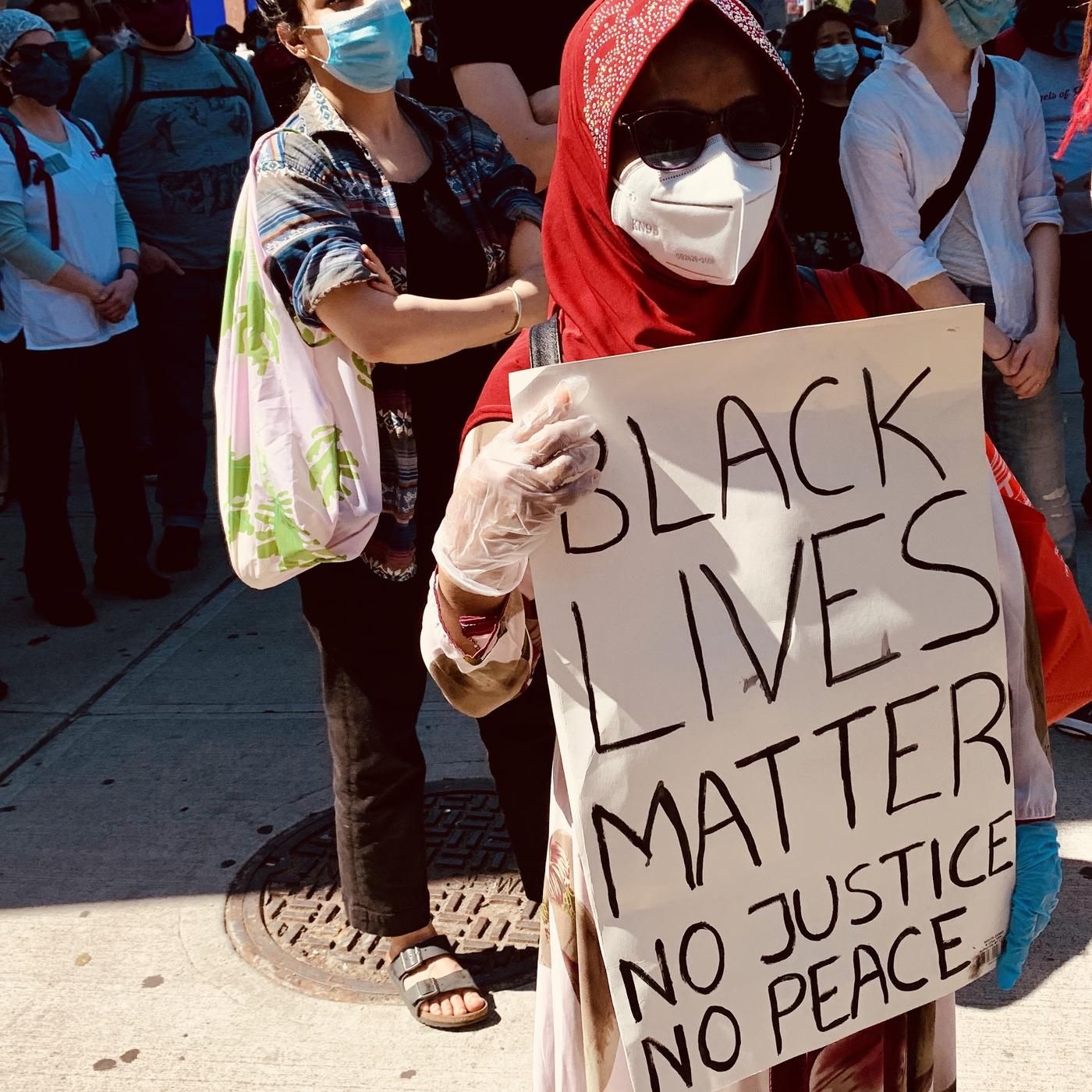
As the nation faces the dual brunts of the pandemic and the on-going brutality against black bodies, people more than ever are finding ways to “do the work” in their communities. This week our reporter Jenny Casas takes us to a neighborhood in Chicago where Mexican residents are confronting anti-black violence. Anjali Kamat reports a dispatch from her neighborhood in New York, one of the American epicenters of Covid-19 cases, Jackson Heights. Read more coverage of what happened in Chicago from the South Side Weekly. Tell us what you think. We're @noteswithkai on Instagram and X (Twitter). Email us at [email protected]. Send us a voice message by recording yourself on your phone and emailing us, or record one here.Notes from America airs live on Sundays at 6 p.m. ET. The podcast episodes are lightly edited from our live broadcasts.

Ep 18Keeping Released Prisoners Safe and Sane
It’s hard enough when there’s no pandemic to keep mentally ill inmates from falling through the holes in a patchwork system. Now it’s harder than ever. A huge number of people who are locked up in this country are mentally ill or addicted to drugs or both. This episode, we go to Cleveland, Ohio to follow a psychiatrist and a social worker as they, first, try to find and, then, wrap their arms around recently released inmates, all while social distancing. Tell us what you think. We're @noteswithkai on Instagram and X (Twitter). Email us at [email protected]. Send us a voice message by recording yourself on your phone and emailing us, or record one here.Notes from America airs live on Sundays at 6 p.m. ET. The podcast episodes are lightly edited from our live broadcasts.

Ep 17'I Did Not Watch the Video'
The week Ida B. Wells’ reporting on lynching received a Pulitzer Prize, a video of 25 year-old Ahmaud Arbery being chased and killed began to circulate on social media. It was one of the few news stories that have grabbed widespread attention amid the coronavirus pandemic. But how do we all process such horrible violence, even as we continue to face the daily tragedies of a pandemic? To answer that question, host Kai Wright sat down for a video chat with a writer whose debut collection of dystopian short stories has won widespread acclaim for reimagining America's responses to anti-black violence. In this episode, Kai and Friday Black author Nana Kwame Adjei-Brenyah reflect on how they each deal with the spectacle of anti-black violence, what they learned from their elders, and the mind-scrambling experience of living through a pandemic at the center of global capitalism. Tell us what you think. We're @noteswithkai on Instagram and X (Twitter). Email us at [email protected]. Send us a voice message by recording yourself on your phone and emailing us, or record one here.Notes from America airs live on Sundays at 6 p.m. ET. The podcast episodes are lightly edited from our live broadcasts.
Ep 16The Life and Work of Ida B. Wells
Journalist and activist Ida B. Wells was in some ways, a forgotten figure, overlooked even in black civil rights history. But her reporting on lynchings across the South was unwavering in its mission: calling America out on racial injustice. And this week, that work received a special Pulitzer Prize Citation. Also, in 2018 we recorded a live episode remembering the life and work of Ida B. Wells at The Greene Space. Watch the whole event here. Tell us what you think. We're @noteswithkai on Instagram and X (Twitter). Email us at [email protected]. Send us a voice message by recording yourself on your phone and emailing us, or record one here.Notes from America airs live on Sundays at 6 p.m. ET. The podcast episodes are lightly edited from our live broadcasts.

Ep 15Inside the Prison Pandemic
Three months ago, Kai Wright joined The New Yorker Radio Hour's David Remnick, for a special episode about the effects of mass incarceration and the movement to end it. And now, as the coronavirus pandemic puts inmates in acute and disproportionate danger, that effort gains new traction. Wright and Remnick reconvene to examine the COVID-19 crisis in prison and its political effects. Kai Wright interviews Udi Ofer, the head of the ACLU’s justice division, who has been leading the organization’s effort to get people out of unsafe environments in jails and prisons. Ofer notes that “the communities that the C.D.C. has told us are most vulnerable to COVID-19 are exactly the communities that are housed in our nation’s jails and prisons,” including a disproportionately older population among inmates. And David Remnick speaks with Phil Murphy, the governor of New Jersey, who has signed an executive order to release certain at-risk inmates from states prisons — the sort of measure that would once have been deeply unpopular and risky. Tell us what you think. We're @noteswithkai on Instagram and X (Twitter). Email us at [email protected]. Send us a voice message by recording yourself on your phone and emailing us, or record one here.Notes from America airs live on Sundays at 6 p.m. ET. The podcast episodes are lightly edited from our live broadcasts.
Ep 14Why Covid-19 Is Killing Black People
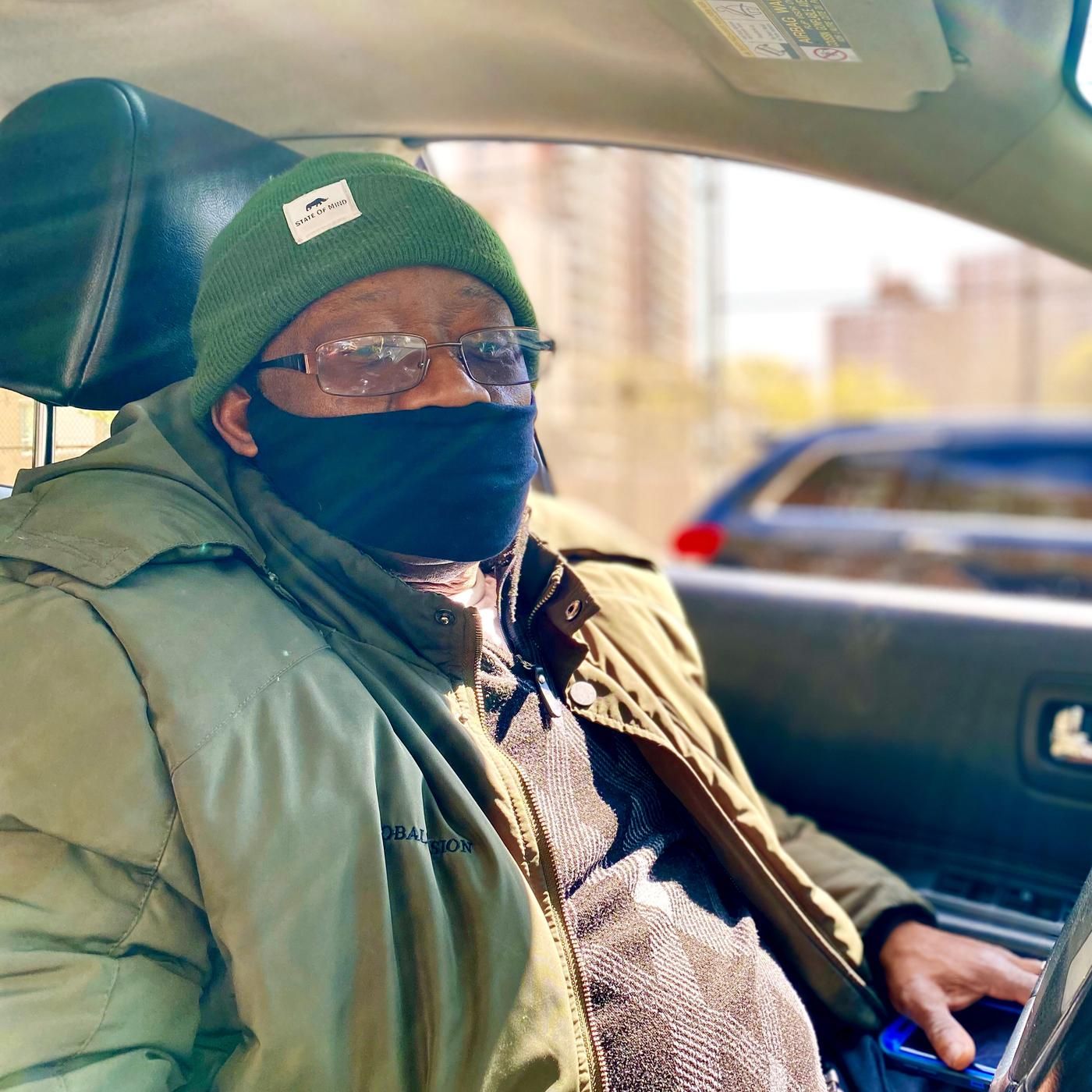
As black people die from Covid-19 at disproportionate rates, the disease is highlighting health disparities we’ve long known about. Kai Wright speaks with Arline Geronimus, a public health researcher, about what happens to black people’s bodies — on a cellular level — while living in a racist society. Plus, we hear from senior producer Veralyn Williams’ dad, an essential worker in New York who’s doing his best to weather the pandemic. Tell us what you think. We're @noteswithkai on Instagram and X (Twitter). Email us at [email protected]. Send us a voice message by recording yourself on your phone and emailing us, or record one here.Notes from America airs live on Sundays at 6 p.m. ET. The podcast episodes are lightly edited from our live broadcasts.

Ep 13Questions to Ask While Waiting
Right now, many of us are sheltered in our homes — alone or with company — finding ways to connect in our “new normal.” And as we grapple with how COVID-19 has reshaped our day-to-day, all most of us can do is wait it out. So in this episode, we’re going to turn to a poem, 45 Questions to Ask While Waiting, our reporter Jenny Casas looks to when she wants to get to know the people around her. The poem was written in 2017, Chicago-based artist, educator and prison/police abolitionist, Benji Hart. The list has questions that range from the mundane (2. Where is the least-visited corner in your home?) to the romantic (5. What is the cruelest thing you have done in love?) to the deeply personal (20. What hypocrisy in yourself have you yet to amend?) — and this week, Jenny and Benji discuss how they can be used as a tool for relating with ourselves and each other. Additional resources: Hear about Benji Hart’s work in progress, World After This One. Read one of the main inspirations for 45 Questions To Ask While Waiting, Dean Spade’s piece Questionnaire. Tell us what you think. We're @noteswithkai on Instagram and X (Twitter). Email us at [email protected]. Send us a voice message by recording yourself on your phone and emailing us, or record one here.Notes from America airs live on Sundays at 6 p.m. ET. The podcast episodes are lightly edited from our live broadcasts.

Ep 12A History of Style in a Pandemic
When health officials ordered everyone to wear face masks during the 1918 influenza pandemic, black women in Chicago got creative and crafted jewel-studded veils to stay safe. Kai Wright speaks with The Undefeated’s Soraya Nadia McDonald about seeking joy — and staying fly — in times of crisis. Show us how you’re staying safe and stylish: Get your look together and send us a selfie with the hashtag #USofAnxiety2020. Read Soraya's full article at The Undefeated. Tell us what you think. We're @noteswithkai on Instagram and X (Twitter). Email us at [email protected]. Send us a voice message by recording yourself on your phone and emailing us, or record one here.Notes from America airs live on Sundays at 6 p.m. ET. The podcast episodes are lightly edited from our live broadcasts.

Ep 11Dispatches from People Stranded in Place
We’ve got two dispatches from communities where "social-distancing" is not an option. And where decisions we made long ago about homelessness and immigration policy are getting in the way of our ability to protect against Covid 19. WNYC Investigative Reporter Matt Katz brings us calls from inside immigration detention centers. And our reporter Marianne McCune checks in with a homeless advocate, Sam Dennison, who lives and works inside San Francisco's Tenderloin neighborhood, with the highest number of people sleeping in tents in the city. The United States of Anxiety’s health coverage is supported in part by the Robert Wood Johnson Foundation. Working to build a Culture of Health that ensures everyone in America has a fair and just opportunity for health and well-being. More at RWJF.org. Tell us what you think. We're @noteswithkai on Instagram and X (Twitter). Email us at [email protected]. Send us a voice message by recording yourself on your phone and emailing us, or record one here.Notes from America airs live on Sundays at 6 p.m. ET. The podcast episodes are lightly edited from our live broadcasts.

Ep 10Keep Calm and Check Your Bias
Our current situation has left many of us asking fundamental questions about our work, about our relationships, and the meaning of home. This week, we're checking in on one another and taking stock. Host Kai Wright calls reporter Jenny Casas on her drive from New York to Chicago. Then, he and Dr. Gail Christopher, an expert in public health and founder of the Ntianu Center for Healing and Nature, connect for a conversation about Kai's "Katrina Feeling," how racism is poised to affect us all in the face of COVID-19, and why it's important to spend some time among the trees. The United States of Anxiety’s health coverage is supported in part by the Robert Wood Johnson Foundation. Working to build a Culture of Health that ensures everyone in America has a fair and just opportunity for health and well-being. More at RWJF.org. Tell us what you think. We're @noteswithkai on Instagram and X (Twitter). Email us at [email protected]. Send us a voice message by recording yourself on your phone and emailing us, or record one here.Notes from America airs live on Sundays at 6 p.m. ET. The podcast episodes are lightly edited from our live broadcasts.

Ep 8Last Chance at Justice
History tells us that, in a time of crisis, we have to be careful about how we respond. At the start of the Iraq War in 2003, Salah Hasan Nusaif al-Ejaili was working as a journalist when the U.S. military detained him inside Abu Ghraib, a prison that would become notorious for American abuses committed in the wake of the September 11th terrorist attacks. Only a handful of people were ever held responsible—all of them military personnel. But the private contractors who oversaw interrogations at Abu Ghraib have yet to be held accountable. In this episode, one man's pursuit to get justice 17 years after the war began. Hosted by Kai Wright. Reported by Seth Freed Wessler, in partnership with Reveal and Type Media Center. Produced and edited by Christopher Werth. Tell us what you think. We're @noteswithkai on Instagram and X (Twitter). Email us at [email protected]. Send us a voice message by recording yourself on your phone and emailing us, or record one here.Notes from America airs live on Sundays at 6 p.m. ET. The podcast episodes are lightly edited from our live broadcasts.

Alone Together During COVID-19: Live Call-in
bonusPart of the mission of our show is to address our collective anxieties. The COVID-19 pandemic has already drastically reshaped our lives, our politics, and our health -- both physical and mental. Right now, it's not clear if or when things will feel normal again. In this bonus episode, host Kai Wright teams up with Anna Sale of Death, Sex & Money to take listener calls, and to talk about how everyone is coping so far. Tell us what you think. We're @noteswithkai on Instagram and X (Twitter). Email us at [email protected]. Send us a voice message by recording yourself on your phone and emailing us, or record one here.Notes from America airs live on Sundays at 6 p.m. ET. The podcast episodes are lightly edited from our live broadcasts.

Ep 7Black Power at the Polls
A lot of people have a lot of opinions about the choices black people are making in the Democratic primary. But as we've seen in other election cycles, when the dust settles, the country seems to move on. This week, host Kai Wright sits down with Rashad Robinson, President of Color of Change, to discuss the Reconstruction-era origins of today's coalition between black voters in the South and liberal white voters in the North... and why this relationship often precludes a conversation about actual black political power. - LeeAnna Keith is author of When it was Grand - Normalizing Injustice is a study of scripted crime TV shows by Color of Change and the USC Annenberg Norman Lear Center - To hear our original reporting on the Suffolk County suburbs, text the word “suburbs” to 70101. Tell us what you think. We're @noteswithkai on Instagram and X (Twitter). Email us at [email protected]. Send us a voice message by recording yourself on your phone and emailing us, or record one here.Notes from America airs live on Sundays at 6 p.m. ET. The podcast episodes are lightly edited from our live broadcasts.

Ep 6Keeping White Power at the Polls
The United States of Anxiety presents: What Next "One person, one vote" has not always been a given in America. After the Civil War, there was some debate over who should be counted in a congressional district: every person, or every person eligible to vote? The 14th Amendment aimed to settle this question forever, but as the demographics of our country have shifted and changed over the course of our nation's history, so too have the politics of how we count the people who live within our borders. This week, our friends at Slate's What Next podcast team up with reporter Ari Berman to tell a story about how the Trump Administration has revived the debate, and the GOP's quiet plan to redefine political representation and maintain white minority rule in America. - Mary Harris is host of What Next. Hear the original version of this story here. - Ari Berman is author of Give Us the Ballot. Read his original reporting on this issue at Mother Jones. Tell us what you think. We're @noteswithkai on Instagram and X (Twitter). Email us at [email protected]. Send us a voice message by recording yourself on your phone and emailing us, or record one here.Notes from America airs live on Sundays at 6 p.m. ET. The podcast episodes are lightly edited from our live broadcasts.

Ep 5A Secret Meeting in South Bend
Mike Jackson, like many descendants of the Great Migration, has a family home that was built from protest, resilience and ingenuity. In the spring of 1950, his parents met in secret with 25 other families to create Better Homes of South Bend. Their efforts would later become a collection of homes on the 1700 and 1800 blocks of N. Elmer St. But today, the value of those houses doesn’t match the work it took to put them there. This week: what these family stories of housing in the “heartland” say about inequity in home ownership today. - Gabrielle Robinson is the author of Better Homes of South Bend: An American Story of Courage. Robinson is currently working with a Washington D.C. based playwright to adapt the Better Homes story into a play. - Andre Perry is a Fellow in the Metropolitan Policy Program at Brookings and the author of The Devaluation of Assets in Black Neighborhoods and the forthcoming book Know Your Price. - The full interview with Leroy and Margaret Cobb, as well as other interviews about South Bend life during the time Better Homes organizing, can be heard through the Oral History Collection of the Indiana University South Bend Civil Rights Heritage Center. Hosted by Kai Wright. Reported by Jenny Casas. The United States of Anxiety’s health coverage is supported in part by the Robert Wood Johnson Foundation. Working to build a Culture of Health that ensures everyone in America has a fair and just opportunity for health and well-being. More at RWJF.org. CORRECTION: In this episode, we say that Andre Perry's study was published "last year." It actually came out in November 2018. Tell us what you think. We're @noteswithkai on Instagram and X (Twitter). Email us at [email protected]. Send us a voice message by recording yourself on your phone and emailing us, or record one here.Notes from America airs live on Sundays at 6 p.m. ET. The podcast episodes are lightly edited from our live broadcasts.

Ep 4Fragility in Liberty
Many of us associate the Statue of Liberty with the poem mounted on her pedestal: “Give me your tired, your poor, your huddled masses yearning to breathe free.” The monument has become a symbol of immigration. What fewer of us know is that Lady Liberty was originally conceived as a tribute to the abolition of slavery. In fact, what we find as we look into history is that our country's immigration policy is closely intertwined with the end of Reconstruction and rise of Jim Crow. In this episode, we tell the story of one undocumented immigrant—Carlos Aguirre-Venegas—and trace the origins of a little-known law that's now being used to prosecute tens of thousands of people who crossed the border, separate some from their children, and lock them away in federal prisons. - Jim Elkin is a National Park Ranger at Statue of Liberty National Monument - Eric Foner is author of The Second Founding - Kelly Lytle Hernandez is a professor of History, African American Studies, and Urban Planning at UCLA and author of City of Inmates Hosted by Kai Wright. Reported by Seth Freed Wessler, in partnership with Type Investigations. Produced and edited by Christopher Werth. For more on Seth's reporting about Carlos Aguirre-Venegas and the privately-run prisons used exclusively to incarcerate non-citizens convicted of crimes, see his 2016 investigation in The Nation. Tell us what you think. We're @noteswithkai on Instagram and X (Twitter). Email us at [email protected]. Send us a voice message by recording yourself on your phone and emailing us, or record one here.Notes from America airs live on Sundays at 6 p.m. ET. The podcast episodes are lightly edited from our live broadcasts.

Ep 3Paralysis at the Crossroads
As primary season kicks off, Democratic voters around the country face a deeper choice than electability: Is the best response to Donald Trump a return to comity and unity in our politics, or must they embrace the ugly conflict that fundamental change will likely require? We get advice on confronting the enormity of the choice from Deidre Dejear, a voting advocate in Iowa. Plus, a look back at another election in which voters faced a similar choice--and when politics collapsed into outright warfare. - Deidre Dejear became the first black candidate to win a statewide primary in Iowa when she ran for Secretary of State in 2018. She later became Kamala Harris' Iowa campaign chair. - LeeAnna Keith is author of When It Was Grand. Hosted by Kai Wright. Produced by Jessica Miller. Special thanks to the Public Policy Center at the University of Iowa. Tell us what you think. We're @noteswithkai on Instagram and X (Twitter). Email us at [email protected]. Send us a voice message by recording yourself on your phone and emailing us, or record one here.Notes from America airs live on Sundays at 6 p.m. ET. The podcast episodes are lightly edited from our live broadcasts.

Ep 2Two Schools in Marin County
Last year, the California Attorney General held a tense press conference at a tiny elementary school in the one working class, black neighborhood of the mostly wealthy and white Marin County. His office had concluded that the local district "knowingly and intentionally" maintained a segregated school, violating the 14th amendment. He ordered them to fix it, but for local officials and families, the path forward remains unclear, as is the question: what does "equal protection" mean? - Eric Foner is author of The Second Founding Hosted by Kai Wright. Reported by Marianne McCune. Tell us what you think. We're @noteswithkai on Instagram and X (Twitter). Email us at [email protected]. Send us a voice message by recording yourself on your phone and emailing us, or record one here.Notes from America airs live on Sundays at 6 p.m. ET. The podcast episodes are lightly edited from our live broadcasts.

Ep 140 Acres in Mississippi
Elbert Lester has lived his full 94 years in Quitman County, Mississippi, on land he and his family own. That’s exceptional for black people in this area, and some family members even say the land came to them through “40 acres and a mule.” But that's pretty unlikely, so host Kai Wright goes on a search for the truth, and uncovers a story about an old and fundamental question in American politics -- one at the center of the current election: Who are the rightful owners of this country’s staggering wealth? - John Willis is author of Forgotten Time - Eric Foner is author of The Second Founding - The National Memorial for Peace and Justice is located in Montgomery, Alabama. For more information about documented lynchings in Mississippi, and elsewhere, visit the Equal Justice Initiative's interactive report, Lynching in America. You can navigate to each county to learn about documented lynchings there. The United States of Anxiety’s health coverage is supported in part by the Robert Wood Johnson Foundation. Working to build a Culture of Health that ensures everyone in America has a fair and just opportunity for health and well-being. More at RWJF.org. Tell us what you think. We're @noteswithkai on Instagram and X (Twitter). Email us at [email protected]. Send us a voice message by recording yourself on your phone and emailing us, or record one here.Notes from America airs live on Sundays at 6 p.m. ET. The podcast episodes are lightly edited from our live broadcasts.

Can We Finally Build a Multiracial Democracy in 2020?
trailerWhen the Civil War ended, America set out to do something no other country had tried before: to build the world's first multiracial democracy. More than 150 years later, we’re still trying to pull it off. Will the 2020 election bring us closer to that goal? Follow Kai Wright on Twitter @Kai_Wright. Tell us what you think. We're @noteswithkai on Instagram and X (Twitter). Email us at [email protected]. Send us a voice message by recording yourself on your phone and emailing us, or record one here.Notes from America airs live on Sundays at 6 p.m. ET. The podcast episodes are lightly edited from our live broadcasts.

Welcome to 'The Stakes'
bonusFrom host Kai Wright and the team that brought you The United States of Anxiety, a new show about what's not working about our society, how we can do better and why we have to. In episode one, we investigate one of the longest-running public health epidemics in American history and the ongoing fight for accountability. Subscribe to The Stakes here. Follow Kai on Twitter at @kai_wright. Support for WNYC reporting on lead is provided by the New York State Health Foundation, improving the health of all New Yorkers, especially the most vulnerable. Learn more at www.nyshealth.org. Additional support for WNYC’s health coverage is provided by the Robert Wood Johnson Foundation, Jane and Gerald Katcher and the Katcher Family Foundation, and the Alfred P. Sloan Foundation. Tell us what you think. We're @noteswithkai on Instagram and X (Twitter). Email us at [email protected]. Send us a voice message by recording yourself on your phone and emailing us, or record one here.Notes from America airs live on Sundays at 6 p.m. ET. The podcast episodes are lightly edited from our live broadcasts.

Ep 11Kirsten Gillibrand's Path to Power
The junior senator from New York has quickly developed a reputation as a political firebrand - one who's willing to challenge men who abuse their power, even when they're among her closest allies. Think Al Franken and Bill Clinton. Over the past decade, she went from being a newly-elected U.S. Representative appointed to fill Hillary Clinton's Senate seat to become one of the Democratic Party's most-likely contenders for the 2020 presidential nomination. What does Kirsten Gillibrand's rise tell us about the relationship between gender and power in American politics? Tell us what you think. We're @noteswithkai on Instagram and X (Twitter). Email us at [email protected]. Send us a voice message by recording yourself on your phone and emailing us, or record one here.Notes from America airs live on Sundays at 6 p.m. ET. The podcast episodes are lightly edited from our live broadcasts.

Ep 10¡Sí Se Puede!
Before “Yes we can!”, there was “¡Sí se puede!” – the workers’ rallying cry coined by lifelong activist Dolores Huerta. In this episode, Huerta (now 88) is interviewed by her daughter Juana about the role gender played in her work and family life. Plus, what the midterm results mean going forward. This episode was produced in partnership with Latino USA, a weekly Latino news and culture program from NPR and the Futuro Media Group. Check out their version of this story here. The United States of Anxiety is supported in part by the Economic Hardship Reporting Project. Additional support for WNYC’s election coverage is provided by Emerson Collective, The New York Community Trust, and New York Public Radio Trustee Dr. Mary White. This report is produced with support from Chasing the Dream, a public media initiative from WNET reporting on poverty, jobs, and economic opportunity in America. Tell us what you think. We're @noteswithkai on Instagram and X (Twitter). Email us at [email protected]. Send us a voice message by recording yourself on your phone and emailing us, or record one here.Notes from America airs live on Sundays at 6 p.m. ET. The podcast episodes are lightly edited from our live broadcasts.

Ep 9What Does the Right Kind of Woman Sound Like?
Shrill, strident, bossy. These are the misogynistic slurs women often face when they run for elected office. In this episode, we meet Rena Cook, a voice coach in Oklahoma who’s training progressive, female candidates on how to subvert our inbuilt biases about women’s voices. Plus, we look back on what the 1977 National Women’s Conference did (and didn’t) do for feminism. The United States of Anxiety is supported in part by the Economic Hardship Reporting Project. Additional support for WNYC’s election coverage is provided by Emerson Collective, The New York Community Trust, and New York Public Radio Trustee Dr. Mary White. Tell us what you think. We're @noteswithkai on Instagram and X (Twitter). Email us at [email protected]. Send us a voice message by recording yourself on your phone and emailing us, or record one here.Notes from America airs live on Sundays at 6 p.m. ET. The podcast episodes are lightly edited from our live broadcasts.

Ep 8The Right Kind of Woman
Women running for office are often forced to play by different rules. We look at two candidates: Stacey Abrams in Georgia and Mikie Sherrill in suburban New Jersey. Both are Democrats fighting their way into Republican territory, but in very different ways. Plus, Michigan’s first female governor weighs in on all the “don’ts” for women politicians. This episode is a collaboration with Death, Sex, and Money, another WNYC Studios podcast. Check out their full episode on Jennifer Granholm, former Governor of Michigan. The United States of Anxiety is supported in part by the Economic Hardship Reporting Project. Additional support for WNYC’s election coverage is provided by Emerson Collective, The New York Community Trust, and New York Public Radio Trustee Dr. Mary White. This report is produced with support from Chasing the Dream, a public media initiative from WNET reporting on poverty, jobs, and economic opportunity in America. Tell us what you think. We're @noteswithkai on Instagram and X (Twitter). Email us at [email protected]. Send us a voice message by recording yourself on your phone and emailing us, or record one here.Notes from America airs live on Sundays at 6 p.m. ET. The podcast episodes are lightly edited from our live broadcasts.
Ep 7The Women of Texas's Secret Resistance
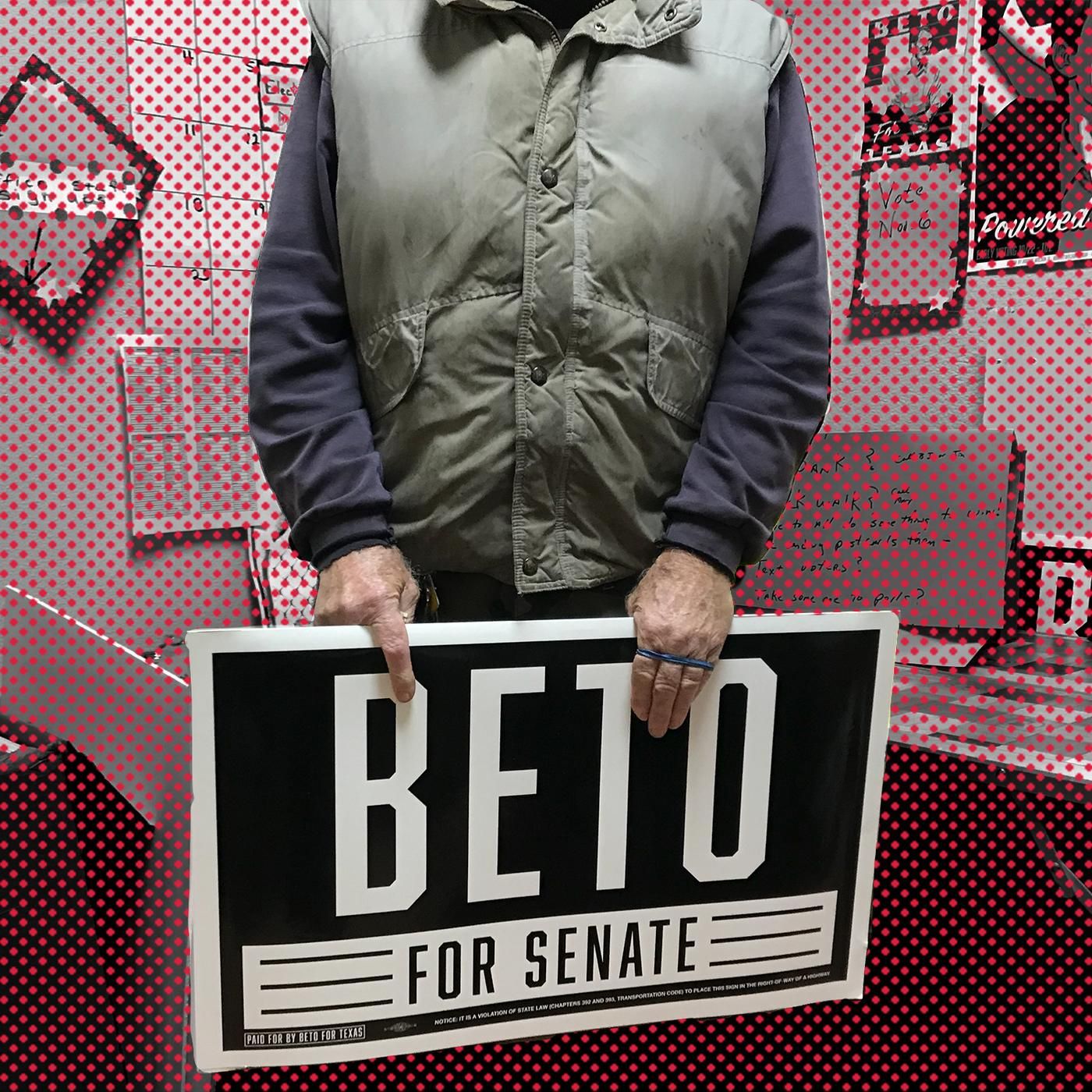
Rural Texas has a reputation as solid Republican territory, but hidden within those large swathes of red are small, individual flecks of blue. In this episode, we bring you the story of a group of progressive, Texan women who are organizing — in secret — out of fear of retaliation from their neighbors. The United States of Anxiety is supported in part by the Economic Hardship Reporting Project. Additional support for WNYC’s election coverage is provided by Emerson Collective, The New York Community Trust, and New York Public Radio Trustee Dr. Mary White. Special thanks to Professor Shannon McGregor in the Department of Communication at The University of Utah and to Caroline Covington for her reporting in Burnet, Texas. Additional thanks to Emily Van Duyn, whose full study "Hidden Democracy: Political Dissent in Rural America" is available in the Journal of Communication, a publication of the International Communication Association. Tell us what you think. We're @noteswithkai on Instagram and X (Twitter). Email us at [email protected]. Send us a voice message by recording yourself on your phone and emailing us, or record one here.Notes from America airs live on Sundays at 6 p.m. ET. The podcast episodes are lightly edited from our live broadcasts.

Ep 6Ida B. Wells
Journalist and activist Ida B. Wells is in some ways a forgotten figure, overlooked even in black civil rights history. But her reporting on lynchings across the South was unwavering in its mission: calling America out on racial injustice. And, why black women are no longer willing to play the role of “Magical Negro” in U.S. politics. The United States of Anxiety recently recorded a live episode remembering the life and work of Ida B. Wells at The Greene Space. Watch the whole event here. The United States of Anxiety is supported in part by the Economic Hardship Reporting Project. Additional support for WNYC’s election coverage is provided by Emerson Collective, The New York Community Trust, and New York Public Radio Trustee Dr. Mary White. This report is produced with support from Chasing the Dream, a public media initiative from WNET reporting on poverty, jobs, and economic opportunity in America. Tell us what you think. We're @noteswithkai on Instagram and X (Twitter). Email us at [email protected]. Send us a voice message by recording yourself on your phone and emailing us, or record one here.Notes from America airs live on Sundays at 6 p.m. ET. The podcast episodes are lightly edited from our live broadcasts.

Ep 5The Original Nasty Woman
Jeannette Rankin had a belief: That women were essential to the health of our democracy. She became the first woman elected to Congress over a century ago. Now, Kathleen Williams is vying to follow in her footsteps. Plus, what if we filled all 435 seats in the House with women? Would it make a difference? The United States of Anxiety is supported in part by the Economic Hardship Reporting Project. Additional support for WNYC’s election coverage is provided by Emerson Collective, The New York Community Trust, and New York Public Radio Trustee Dr. Mary White. Loading... Tell us what you think. We're @noteswithkai on Instagram and X (Twitter). Email us at [email protected]. Send us a voice message by recording yourself on your phone and emailing us, or record one here.Notes from America airs live on Sundays at 6 p.m. ET. The podcast episodes are lightly edited from our live broadcasts.

Ep 4The 'Indoor Man' and His Playmates
Playboy was never just about the pictures or the articles. The magazine helped create a men's liberation movement, founded on the notion that men could have anything they wanted. From Donald Trump to Harvey Weinstein, Hugh Hefner's concept of the "indoor man" has had a lasting influence. The United States of Anxiety is supported in part by the Economic Hardship Reporting Project. Additional support for WNYC’s election coverage is provided by Emerson Collective, The New York Community Trust, and New York Public Radio Trustee Dr. Mary White. Tell us what you think. We're @noteswithkai on Instagram and X (Twitter). Email us at [email protected]. Send us a voice message by recording yourself on your phone and emailing us, or record one here.Notes from America airs live on Sundays at 6 p.m. ET. The podcast episodes are lightly edited from our live broadcasts.

Ep 3The Pedestal
Paula Casey is on a mission. She wants to erect a statue in Memphis dedicated to those who fought for a woman’s right to vote more than a century ago. The problem: There’s a Confederate monument in the way. And… meet the woman who vowed to shut down women’s suffrage forever. The United States of Anxiety is supported in part by the Economic Hardship Reporting Project. Additional support for WNYC’s election coverage is provided by Emerson Collective, The New York Community Trust, and New York Public Radio Trustee Dr. Mary White. Tell us what you think. We're @noteswithkai on Instagram and X (Twitter). Email us at [email protected]. Send us a voice message by recording yourself on your phone and emailing us, or record one here.Notes from America airs live on Sundays at 6 p.m. ET. The podcast episodes are lightly edited from our live broadcasts.

Ep 2We've Been Here Before
When Barbara Mikulski arrived in the Senate, all the podiums were built for men… and so was Washington's power structure. So she changed it. In this episode, Mikulski and three of her female Senate colleagues look back at Anita Hill's testimony and the 1992 elections that followed it, the last “Year of the Woman.” The United States of Anxiety is supported in part by the Economic Hardship Reporting Project. Additional support for WNYC’s election coverage is provided by Emerson Collective, The New York Community Trust, and New York Public Radio Trustee Dr. Mary White. Tell us what you think. We're @noteswithkai on Instagram and X (Twitter). Email us at [email protected]. Send us a voice message by recording yourself on your phone and emailing us, or record one here.Notes from America airs live on Sundays at 6 p.m. ET. The podcast episodes are lightly edited from our live broadcasts.

Ep 1The Dream Was Not Mine
EJennifer Willoughby was in an abusive marriage. Saily Avelenda was unhappy with her congressman, who'd held office for over two decades without facing a serious contender. They didn’t know they were about to topple two political giants. Plus, want to know the real reason the 2018 midterms could make history? It has to do with a number political scientists call the "gender gap." Note: WNYC made several attempts to reach Rob Porter for comment. He did not respond before this episode was released. The United States of Anxiety is supported in part by the Economic Hardship Reporting Project. Additional support for WNYC’s election coverage is provided by Emerson Collective, The New York Community Trust, and New York Public Radio Trustee Dr. Mary White. Tell us what you think. We're @noteswithkai on Instagram and X (Twitter). Email us at [email protected]. Send us a voice message by recording yourself on your phone and emailing us, or record one here.Notes from America airs live on Sundays at 6 p.m. ET. The podcast episodes are lightly edited from our live broadcasts.

The United States of Anxiety Season Three: There's an Election Coming
trailerWomen gained the right to vote nearly a century ago. Yet, power is still concentrated in the hands of men. In a year that’s seen a surge of female candidates, the question at the heart of the 2018 midterms is: Who is our democracy for? Tell us what you think. We're @noteswithkai on Instagram and X (Twitter). Email us at [email protected]. Send us a voice message by recording yourself on your phone and emailing us, or record one here.Notes from America airs live on Sundays at 6 p.m. ET. The podcast episodes are lightly edited from our live broadcasts.
The US of Anxiety Wants to Hear from You
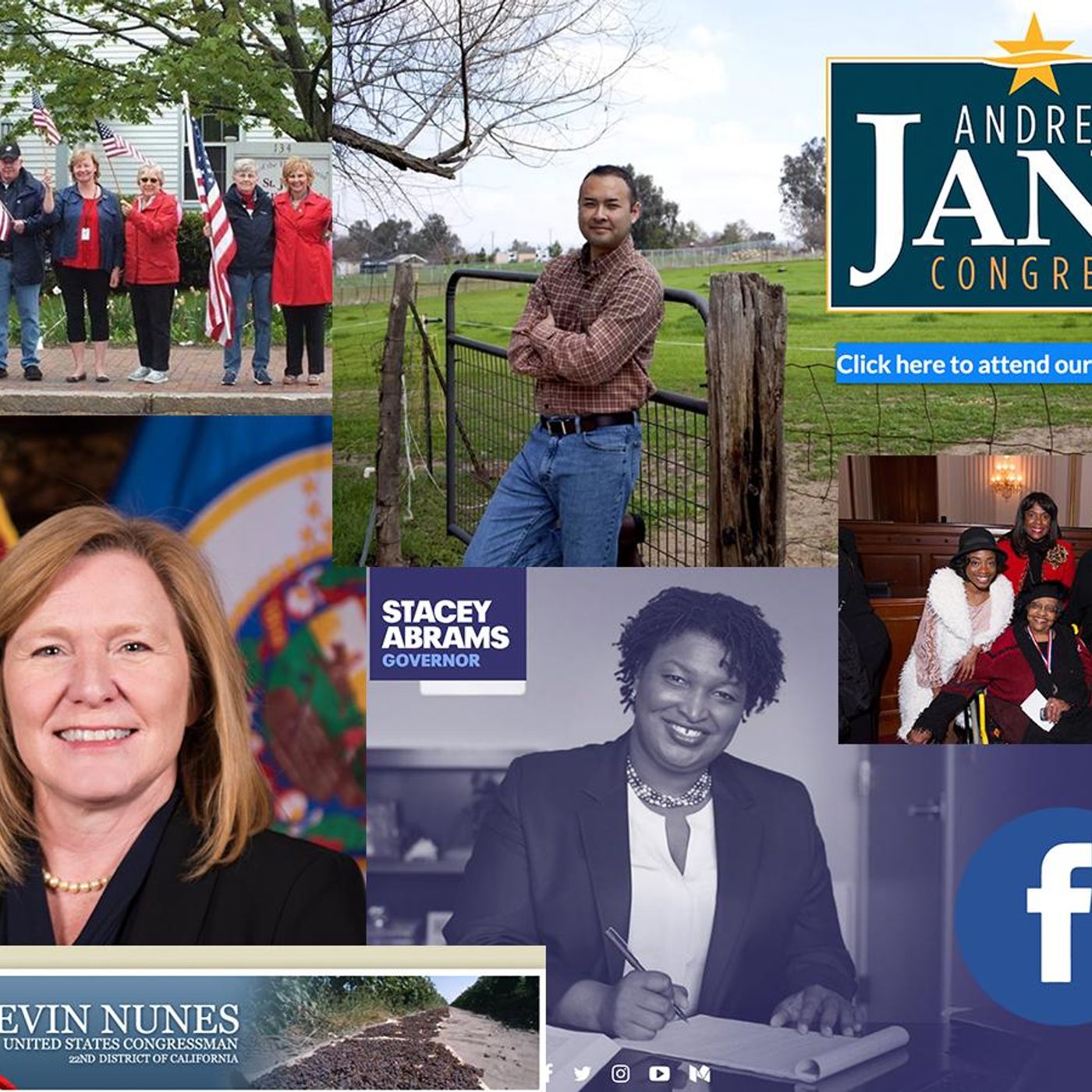
bonusA record number of women are running for office this primary season, which means there's a groundswell of energy around targeting female voters with campaign ads. For our next season of the United States of Anxiety, we’re focusing on power and gender, and we’ve partnered with ProPublica to look at how political advertising targets people of different genders differently on Facebook. Unlike broadcast television ads, which are heavily regulated, we have no idea how individual voters are micro-targeted on Facebook. It’s still the Wild West. Nor do we know about potentially unethical or misleading advertising that may be happening. We do know from the Cambridge Analytica scandal that much of the misinformation spread in 2016 targeted people based on their race and gender. And we know that this is an election in which gender is expected to be a decisive factor. What can you do? Download the ProPublica Ad Tracker Extension - You can download the Facebook Political Ad Collector from the Chrome Web Store or the Mozilla Add-ons Store. NOTE: ProPublica is NOT collecting any private information from you. The plugin simply copies the ads you are seeing in your unique feed. You can read more about how ProPublica is protecting your privacy here. See the ads that other people are seeing - take a look through ProPublica’s database of political ads Send us tips - Have you seen any political ads that appear to target you by your gender? Or target you by your race? Have you seen any political ads that appear to celebrate women? Or any ads that seem misogynistic? Take a screenshot and email us at [email protected] to tell us what you’re seeing. By doing this, you'll be part of groundbreaking research — remember this is the first election cycle since Facebook changed its policies. And you'll also be helping WNYC and ProPublica bring you reporting and analysis about these campaign ads. To get started, visit propublica.org/facebook. Tell us what you think. We're @noteswithkai on Instagram and X (Twitter). Email us at [email protected]. Send us a voice message by recording yourself on your phone and emailing us, or record one here.Notes from America airs live on Sundays at 6 p.m. ET. The podcast episodes are lightly edited from our live broadcasts.
Introducing ‘Caught’: Our New Podcast
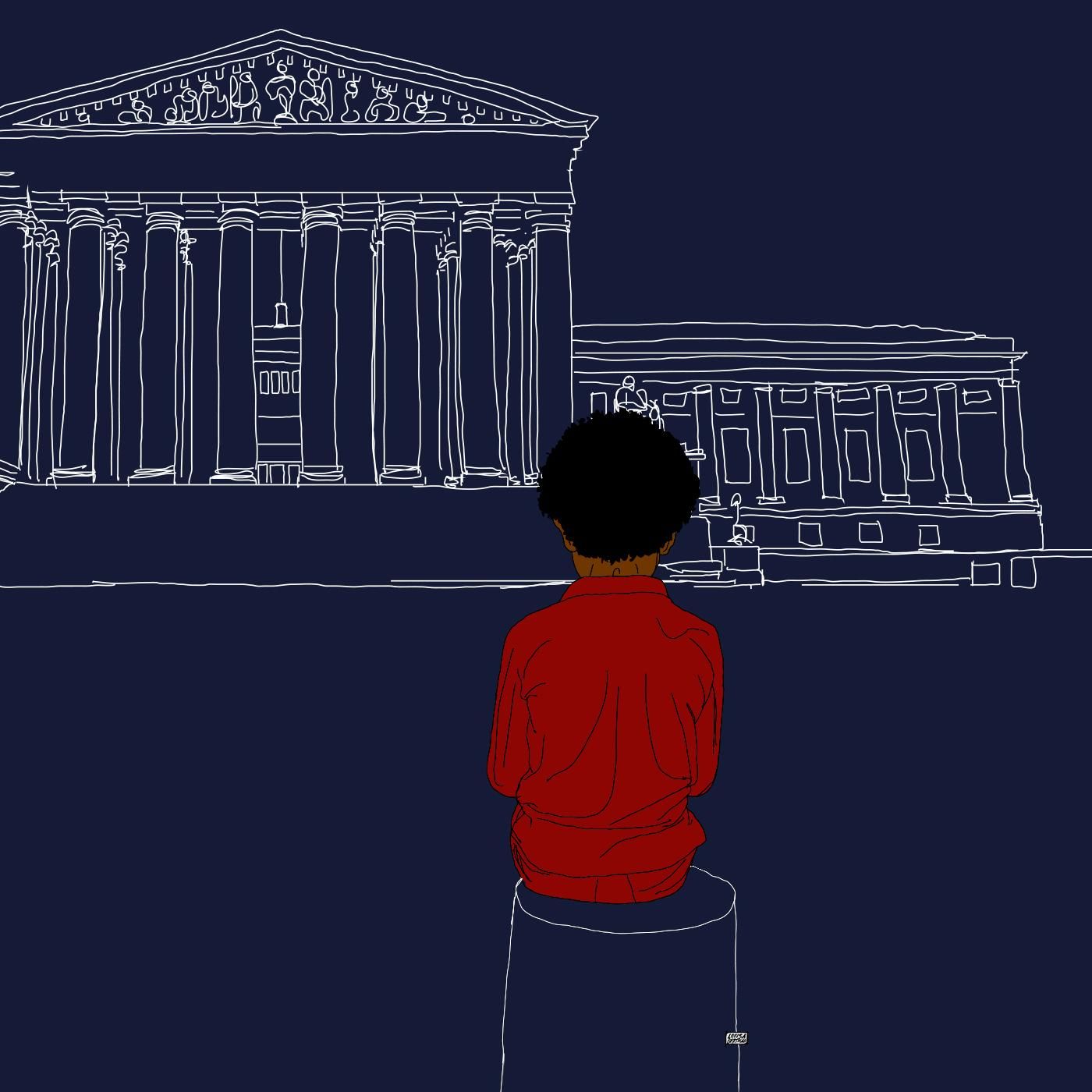
bonusEAmerica incarcerates more people than any country in the world. It starts with kids. On any given night, roughly 53,000 young people are in some form of lockup. Nearly 60 percent are black or Latino. We all make dumb mistakes in our youth. But for these kids, those same destructive choices have a lasting impact. Mass incarceration starts young. From the team that brought you The United States of Anxiety, Caught: The Lives of Juvenile Justice tells the stories of young lives forever changed by collisions with law and order. In this episode, meet Z, a kid who had his first encounters with law enforcement when he was just 12 years old. Now, at 16, he’s sitting in detention on an armed robbery charge. Z's story introduces the questions: What happens once we decide a child is a criminal? What does society owe those children, beyond punishment? And what are the human consequences of the expansion and hardening of criminal justice policies that began in the 1990s – consequences disproportionately experienced by black and brown youth? Caught: The Lives of Juvenile Justice is supported, in part, by the Anne Levy Fund, Margaret Neubart Foundation, the John and Gwen Smart Family Foundation, and the Economic Hardship Reporting Project. Subscribe on iTunes. Tell us what you think. We're @noteswithkai on Instagram and X (Twitter). Email us at [email protected]. Send us a voice message by recording yourself on your phone and emailing us, or record one here.Notes from America airs live on Sundays at 6 p.m. ET. The podcast episodes are lightly edited from our live broadcasts.

Ep 13How Ivanka Trump And Donald Trump, Jr., Avoided a Criminal Indictment
We've got a story from the WNYC newsroom that we really want to share with you. Our WNYC colleagues, Andrea Bernstein and Ilya Marritz, in partnership with ProPublica and The New Yorker investigate how President Trump's two eldest children avoided criminal charges in a probe related to the Trump SoHo. Tell us what you think. We're @noteswithkai on Instagram and X (Twitter). Email us at [email protected]. Send us a voice message by recording yourself on your phone and emailing us, or record one here.Notes from America airs live on Sundays at 6 p.m. ET. The podcast episodes are lightly edited from our live broadcasts.

Ep 12The Counter-Jihad Movement & the Making of a President
President George W. Bush, speaking at a mosque on Sept. 17, 2001: "The face of terror is not the true faith of Islam. That’s not what Islam is all about. Islam is peace." Donald Trump, campaigning for president on March 9, 2016: "I think Islam hates us." David Yerushalmi was living in an Israeli settlement near Jerusalem speaking on the phone with his father when the planes hit the towers on Sept. 11, 2001. "We got it wrong," Yerushalmi remembers telling his father. Before Sept. 11th, Yerushalmi thought terrorism was about nationalism, a fight over land. Afterward, he decided terrorism committed by Muslim extremists was driven by Islam itself -- and underpinned by Islamic Shariah law. Pamela Geller and David Yerulshami(Pamela Geller) So he packed up his family and moved to New York to become part of a fledgling community of conservatives who would come to be known as counter-jihadists. They had an uphill battle to fight: In the aftermath of Sept. 11, President Bush and most Americans, according to polls, did not equate Islam with terrorism. But 16 years later, even though there hasn't been another large-scale terrorist attack on American soil committed by a Muslim, America's perspective on Islam has changed -- evidenced most notably by the election of a president who believes the religion itself hates the country. Yerushalmi is a big reason for this change of heart. He's a behind-the-scenes leader of the so-called "counter-Jihad" movement, filing lawsuits pushing back against the encroachment of Islam in the public sphere and crafting a series of anti-Sharia laws that Muslims and civil rights groups decry as Islamophobic. "Do I think that the United States is weak enough to collapse either from a kinetic Jihad, meaning war, or even a civilizational Jihad that the Muslim Brotherhood talks about? No. At least not in my lifetime. But do I think it's an existential threat that allows for sleeper cells and the Internet-grown Jihadist that we see day in and day out wreaking so much havoc here and in Europe? Yes. Do I see it as a threat to our freedoms and liberties incrementally through their so-called civilizational Jihad where they use our laws and our freedoms to undermine our laws and our freedoms? Absolutely." Matt Katz speaks to Yerulshami about what he thinks is the creeping threat of Sharia law. Episode Contributors Kai Wright Matt Katz Karen Frillmann The United States of Anxiety is hosted by Kai Wright and produced by WNYC Studios. Listen to more shows from WNYC Studios: http://wny.cc/yzc4304odXp WNYC Studios is the producer of other leading podcasts including Freakonomics, Radiolab, Here's The Thing with Alec Baldwin and many more. Tell us what you think. We're @noteswithkai on Instagram and X (Twitter). Email us at [email protected]. Send us a voice message by recording yourself on your phone and emailing us, or record one here.Notes from America airs live on Sundays at 6 p.m. ET. The podcast episodes are lightly edited from our live broadcasts.
Help Us Map the Confederate Flag
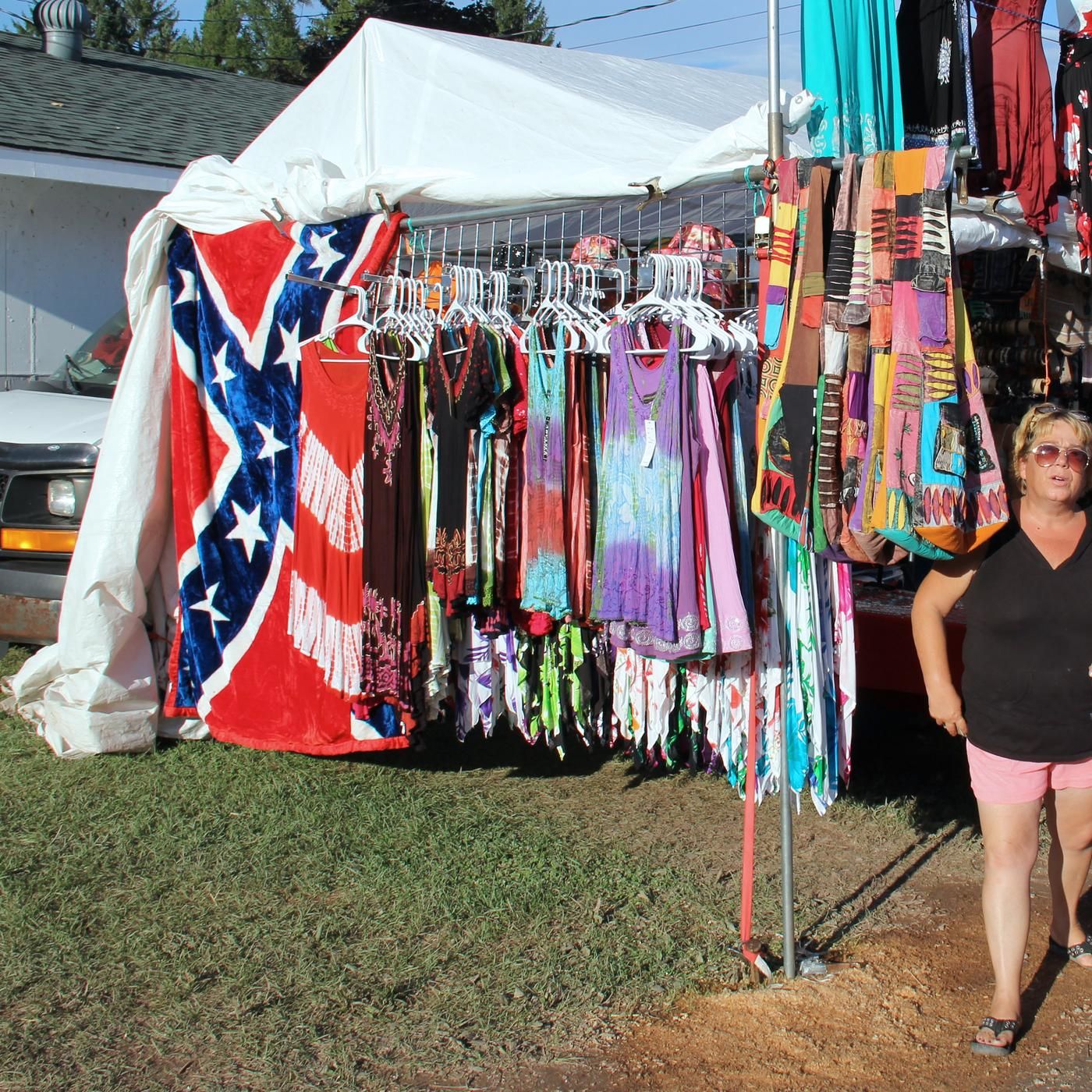
bonusIn the wake of the recent violence in Charlottesville, where a protester was killed by a white supremacist, dozens of monuments to the Confederacy are being taken down. It's an extraordinary moment in American history, and in this episode, we stop to ask: When did the Confederate flag start showing up in the North? The story brings together segregationists like Strom Thurmond with Southern rock icons Lynyrd Skynyrd and TV's The Dukes of Hazzard. All of them helped bring the flag to a national audience in the 20th century, as white Americans struggled to make sense of the civil rights movement, and in many cases, pushed back. Additionally, WNYC is mapping the locations of Confederate flags in New York state. If you've spotted one, please let us know here! A Confederate flag in Delaware County, NY (Christina Hunt Wood) Tell us what you think. We're @noteswithkai on Instagram and X (Twitter). Email us at [email protected]. Send us a voice message by recording yourself on your phone and emailing us, or record one here.Notes from America airs live on Sundays at 6 p.m. ET. The podcast episodes are lightly edited from our live broadcasts.

Ep 11America's Fourth: Beyond Pie and BBQs
This fourth of July, one year after the podcast began, we look back at a culture that’s made us so anxious, but also what holds us together, and where we’re going as a nation. Since nothing seems to bind Americans more together than food, we’re starting off with a key marker of American culture--pie. Kai Wright and Karen Frillmann spend some time partaking in a key American tradition-baking a cherry pie.They’ll talk pie-making with food writer Kathy Gunst, coming together in the kitchen and what gets passed down along with a recipe. Kai Wright and Karen Frillmann bake a pie. (Cayce Means) Then we’ll turn to Nancy Solomon, who's having a BBQ on a very diverse block in New Jersey where everyone from Donald Trump supporters to liberal lesbians live. We’ll hear about their anxieties, and see just what they’re doing to alleviate any potential tensions as the state gears up for a gubernatorial election later this year. Jim O’Grady delves into what exactly the Declaration of Independence means today. Finally, we’ll be listening in to you, and your thoughts and fears, about the cultural wars in America. Episode Contributors: Kai Wright Jim O’Grady Arun Venugopal Nancy Solomon Karen Frillmann Subscribe to the podcast on Apple Podcasts. Sources: Professor Andrew Shankman, Rutgers University, author of Original Intents Professor Andrew Schocket, Bowling Green State University, author of Fighting over the Founders The New York Public Library and it's original copy of The Declaration of Independence in Thomas Jefferson's hand Tell us what you think. We're @noteswithkai on Instagram and X (Twitter). Email us at [email protected]. Send us a voice message by recording yourself on your phone and emailing us, or record one here.Notes from America airs live on Sundays at 6 p.m. ET. The podcast episodes are lightly edited from our live broadcasts.
Ep 10The Drug War
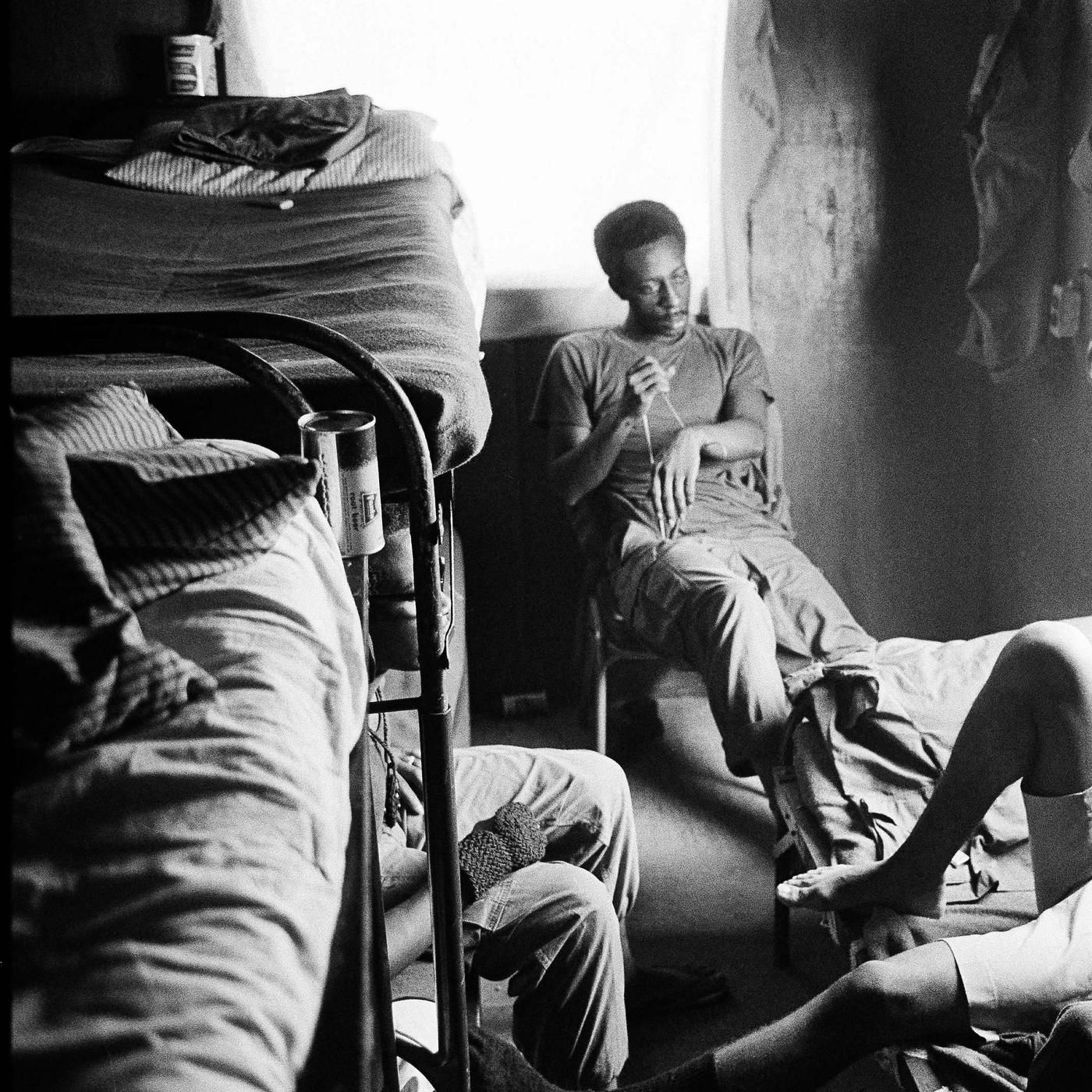
As the opioid epidemic continues to increase, we take a look back at the Sixties when the War on Drugs, a federal effort to decrease illegal drug use, was beginning to take shape. It was a decade of intense change in America as political assassinations took place, the Black power movement rose, and the Vietnam War intensified. It was also a time that conservatives, scared about the future of their country, were beginning to fight back. No one understood this more than Richard M. Nixon during his second run for president in 1968. Nixon knew that many people, especially southern whites, were afraid of the social progress that the country was making at the time. He also knew that drug use and crime were going up and that tapping into the fears and anxieties, while tying them to race, may have been just the strategy he needed to win. “The wave of crime is not going to be the wave of the future in the United States of America,” Nixon said in 1968 as he accepted the Republican nomination, becoming the law and order candidate.It worked, and when he was elected he decided to make good on his promise, focusing not only on crime, which is often a state issue, but drugs. Drugs were a federal issue that was gaining traction among the public and in the political realm, as heroin use spread among both Americans at home and US soldiers in Vietnam.Christopher Johnson looks at the beginning of the War on Drugs in America, from it’s roots with the Southern Strategy, to the strange support for methadone treatment centers, to the so-calledRockefeller Drug Laws in New York. “America’s public enemy number 1 in the US is drug abuse,"declared Nixon in 1971 as he launched the War on Drugs. “In order to defeat this enemy, it is necessary to wage a new, all-out offensive.” Though he didn’t utter the phrase, Nixon's "War On Drugs" was a costly offensive whose long-lasting impact on drug policy, law enforcement and American culture continues today.Episode Contributors:Kai WrightChristopher JohnsonKaren FrillmannThe United States of Anxiety is hosted by Kai Wright and produced by WNYC Studioshttps://itunes.apple.com/us/artist/wnyc/id127981066?mt=2>.Listen to more shows from WNYC Studios: http://wny.cc/yzc4304odXpWNYC Studios is the producer of other leading podcasts including Freakonomics, Radiolab, Here's The Thing with Alec Baldwin and many more. Tell us what you think. We're @noteswithkai on Instagram and X (Twitter). Email us at [email protected]. Send us a voice message by recording yourself on your phone and emailing us, or record one here.Notes from America airs live on Sundays at 6 p.m. ET. The podcast episodes are lightly edited from our live broadcasts.

Ep 9Nixon's Enemies
This week we’re looking at a President Richard M. Nixon, a man obsessed with winning. Whether it was an election or becoming a great leader, he would go to great lengths to ensure his success. But Nixon felt he was surrounded by enemies, so to make sure he triumphed, he had his staff create an “Enemies List:” a document with hundreds of people he thought could do him harm. It was part of the White House "Political Enemies Project," and included people ranging from some of Hollywood’s biggest stars to members of the media to business and labor leaders. “It just so unpresidential for presidents to have enemies," said John Dean, Nixon’s White House Counsel who disclosed the existence of the list when he testified before the Senate Watergate committee. “I mean, theoretically, the President is the President of the United States, not the President of the Republican or Democratic Party, or the President of the people who voted for him. We don't like to think of our leaders as being that narrow-minded that they think everybody is their enemy who isn't their friend.” Beyond it’s existence, the list was also remarkable because Nixon and his aides considered using it to try and find ways to use the power of the federal government to go after their enemies. How? One way was through the IRS. Charlie Herman looks at Nixon’s infamous “Enemies List,” an unprecedented step taken by an embattled President who worried about being betrayed by everyone around him. Episode Contributors: Kai Wright Charlie Herman Karen Frillmann Subscribe to the podcast on Apple Podcasts. Tell us what you think. We're @noteswithkai on Instagram and X (Twitter). Email us at [email protected]. Send us a voice message by recording yourself on your phone and emailing us, or record one here.Notes from America airs live on Sundays at 6 p.m. ET. The podcast episodes are lightly edited from our live broadcasts.

Ep 8These 'Witches' Are Empowering the Next Generation
In 2016, the campaign promise to “Make America Great Again” highlighted an important cultural shift. It represented the idea that the country needed to return to its “traditions” in order to be prosperous as it was once before. This “return to values” is particularly targeted at groups like Brujas, a radical youth collective in New York City that is rejecting these traditional ideas of America through art, politics, and skateboarding. Brujas, which means witches in Spanish, represents a new generation of revolutionaries that are unafraid to blur the lines between culture and activism. They are all for disrupting the patriarchy, trans-liberation, prison abolition and are doing it through the world of skateboarding, politics, and art, and they are doing so unapologetically. Sophia Paliza-Carre takes us inside this new youth group formed in a skatepark in the Bronx and primarily made up of women of color to learn about their ideas on politics, activism, and what it means to be carefree young activists in 2017. Episode Contributors: Kai Wright Sophia Paliza Carre Karen Frillmann The United States of Anxiety is hosted by Kai Wright and produced by WNYC Studios. Listen to more shows from WNYC Studios: http://wny.cc/yzc4304odXp WNYC Studios is the producer of other leading podcasts including Freakonomics, Radiolab, Here's The Thing with Alec Baldwin and many more. Tell us what you think. We're @noteswithkai on Instagram and X (Twitter). Email us at [email protected]. Send us a voice message by recording yourself on your phone and emailing us, or record one here.Notes from America airs live on Sundays at 6 p.m. ET. The podcast episodes are lightly edited from our live broadcasts.

Ep 7In Jesus' Name... We Legislate
There’s been much progress for the LGBTQ community over the past decade: the legal debate over same-sex marriage has been resolved, popular culture has largely embraced gay and lesbian people, and transgender people are gaining legal recognition. But as LGBTQ people make these strides, other groups have begun to claim that their religious rights are threatened by these cultural and political shifts. Now, these religious groups are asking for protections too. This year alone, dozens of bills have been introduced in state legislatures across the country, aiming to restore or protect the freedom of religion clause of the First Amendment. There have been fights over a bakeries refusing to bake a cakes for same-sex wedding ceremonies, doctors who wish to refuse services to transgender folks because of religious beliefs, and more. In this episode, we travel to the state of Mississippi, where a bitter fight against a religious freedom bill called HB 1523 is being waged between the state and a group of people who say the bill violates their civil liberties -- even their religious freedom itself. The bill, aimed to protect people of faith from “government discrimination,” defines marriage as a heterosexual union, says that sex belongs only within a marriage between a man and a woman, and calls gender a fixed trait at birth. Mississippi governor Phil Bryant said HB 1523's goals do not include discrimination or harm, but said of its opponents, “If they’re interested in protecting people’s rights and also understand that people of faith have rights.” One of those opponents is Brandiilynne Mangum-Dear, a lesbian pastor who ministers to an LGBT welcoming church in Hattiesburg, Mississippi. She, her wife, Susan Mangum, and her church, Joshua Generation MCC, have joined in a class action lawsuit against Gov. Bryant and the state. She feels that when most people hear about a piece of legislation claiming to protect religious freedom, they're all for it. The problem is, she adds, most people don't fully understand what it does. “It is discrimination in a pretty little religious box," she says. "We're good at putting things in religious boxes here in the south.” Pastor Brandiilynne Mangum-Dear(Reniqua Allen) In many ways, this battle between religious freedom and civil liberties isn't anything new. We'll speak with Rims Barber, a minister and veteran civil rights activist in Jackson, Mississippi, and the lead plaintiff in the lawsuit against HB 1523. He says that the culture wars we're witnessing today mirror those of the Civil Rights Movement. Barber officiated the first interracial marriage in the state of Mississippi, and helped desegregate its schools, all while other citizens said they shouldn't have to comply because of their religious liberties. Then, Dartmouth religion professor Randall Balmer will show us how those fights helped galvanize a powerful political force in America: the religious right. And, we'll hear the origin story of religious freedom bills like HB 1523. Episode Contributors: Kai Wright Jessica Miller Karen Frillmann Jillian Weinberger Reniqua Allen Matt Boynton Bill Moss The United States of Anxiety is hosted by Kai Wright and produced by WNYC Studios. Listen to more shows from WNYC Studios: http://wny.cc/yzc4304odXp WNYC Studios is the producer of other leading podcasts including Freakonomics, Radiolab, Here's The Thing with Alec Baldwin and many more. Tell us what you think. We're @noteswithkai on Instagram and X (Twitter). Email us at [email protected]. Send us a voice message by recording yourself on your phone and emailing us, or record one here.Notes from America airs live on Sundays at 6 p.m. ET. The podcast episodes are lightly edited from our live broadcasts.