
Notes from America with Kai Wright
424 episodes — Page 2 of 9

Ep 16Biden's Struggles, Trump's Lies and What Your Post-Debate Depression Means for November
When President Joe Biden and former President Donald Trump shared the stage for the first presidential debate of the 2024 election season, it was memorable for all the wrong reasons.Namely, it displayed a concern of many Americans: Biden’s age and acuity. We watched two men, both in the late years of their lives, both of whom have already spent decades as rich and powerful people, both of whom have already been president, and neither of whom can conceive of a future in which they aren’t in charge. Many in the Democratic Party were left angry and terrified, and the event prompted an op-ed from The New York Times’ Editorial Board calling for Biden to remove himself from the race.In this episode, host Kai Wright is joined by New York Times columnist Lydia Polgreen to talk about the calls for Biden’s removal and her own suggestion that Vice President Kamala Harris step in instead. They also sit down with Christopher Ojeda, a political scientist at the University of California, Merced, and author of the forthcoming book “The Sad Citizen,” to hear about his research on how politics impacts our mental health and what that in turn means for elections. Plus, we hear why some of you are starting to feel anxious, depressed, and angry about the upcoming presidential election.Companion listening for this episode:Voter Vibe Check: Anti-Trump Conservatives On Republican Party Politics in 2024 (2/5/2024) Tell us what you think. We're @noteswithkai on Instagram and X (Twitter). Email us at [email protected]. Send us a voice message by recording yourself on your phone and emailing us, or record one here.Notes from America airs live on Sundays at 6 p.m. ET. The podcast episodes are lightly edited from our live broadcasts.

Ep 15Can American democracy ever be truly democratic?
Minority rule – by which a few get to decide the outcomes for many – is eroding American democracy at nearly every level, according to veteran journalist Ari Berman, author of Minority Rule: the Right-Wing Attack on the Will of the People―and the Fight to Resist It. In this episode, host Kai Wright talks to Berman about how the U.S. has been in a push-and-pull between oligarchy and democracy since 1787 when the Founding Fathers put systems in place, like the Senate and the Electoral College, to prevent the will of the people from having too much influence in national government. Berman explains how these systems have laid the foundation for modern day partisanship, making the future of America’s democracy seem increasingly shaky as right-wing political leaders engage with authoritarian ideals, and as the will of the people is curtailed by the wants, fears and needs of white, wealthy Americans.Berman is the national voting rights correspondent for Mother Jones and a reporting fellow at Type Media Center. His previous books include Give Us the Ballot: The Modern Struggle for Voting Rights in America and Herding Donkeys: The Fight to Rebuild the Democratic Party and Reshape American Politics. Tell us what you think. We're @noteswithkai on Instagram and X (Twitter). Email us at [email protected]. Send us a voice message by recording yourself on your phone and emailing us, or record one here.Notes from America airs live on Sundays at 6 p.m. ET. The podcast episodes are lightly edited from our live broadcasts.

Ep 14How Black People Built American Democracy: A Juneteenth Celebration
The promise of American democracy could not be fulfilled until all Americans were free.Following the moment of Black liberation marked by Juneteenth, Black Americans began the ongoing project of securing and protecting their rights to vote, and to lead. In this special Juneteenth episode, host Kai Wright traces the lineage of our democracy being actualized to the period after Emancipation, when political leadership like that of late Texas Congresswoman Barbara Jordan emerged and began to shape the potential and the power of the Black vote on our nation.Recorded live at Good Hope Missionary Baptist Church where Jordan was a member, Kai welcomes Rev. Ronald Bell, the church's senior director of membership, and scholar Mary Ellen Curtin, author of the forthcoming biography "She Changed The Nation: Barbara Jordan's Life and Legacy in Black Politics," to reflect on the first Black person elected to the Texas Senate after Reconstruction and the first Black woman from the South to serve in Congress. They're also joined by Sonny Messiah-Jiles, CEO and Publisher of Houston's Defender Media Group, a Black community news organization, to discuss how Black voters continue to shape politics in an election year that's crucial to the sustainability of our democracy.Special thanks to event partner AHF through its We The People Coalition, marching forward to protect democracy. Thanks also to Houston Public Media, Rice University and the community of Good Hope Missionary Baptist Church including Pastor D.Z. Cofield, Linda Whitley, Mark Taylor, David Donaldson, Daniel Williams, Ian Chestnut and Travis Rucker.Companion listening for this episode: "Juneteenth is an Act of Bravery" (6/19/2023) Tell us what you think. We're @noteswithkai on Instagram and X (Twitter). Email us at [email protected]. Send us a voice message by recording yourself on your phone and emailing us, or record one here.Notes from America airs live on Sundays at 6 p.m. ET. The podcast episodes are lightly edited from our live broadcasts.

Ep 13Message Received: Listener Questions About Trump, What ‘The Wiz’ Means and Stories About Summer
Back in April, some of our listeners told us they were “Trump curious.” A few months later, the former president is now a convicted criminal and other listeners have lingering questions.The Notes from America inbox is always teeming with interesting takes from our audience and in this episode, host Kai Wright is joined by producer Regina de Heer to go through the various messages the show has received in recent months. They include notes about this year’s presidential election, one listener’s chance interaction with a performance of “The Wiz” in a historic town, and a touching response to our request for your stories about summer. By the way, it’s not too late to send in your summer stories! Do you have a summer tradition that you will be breaking this year, for whatever reason? Will you make an intentional change to your seasonal routine, whether big or small? If so, we want to hear from you. Leave us a voicemail at 844-745-8255 with your name, location and the story of what you’re doing differently. Or you can record a voice memo on your device and email it to us at [email protected]. Regina just may reach back out to you for a more detailed version of your shifting summer experience. Tell us what you think. We're @noteswithkai on Instagram and X (Twitter). Email us at [email protected]. Send us a voice message by recording yourself on your phone and emailing us, or record one here.Notes from America airs live on Sundays at 6 p.m. ET. The podcast episodes are lightly edited from our live broadcasts.

Ep 12Tony-Nominated Playwright Branden Jacobs-Jenkins on Using Theater to Make Sense of Nonsense
Ten years after its original staging, “Appropriate” has received eight Tony Award nominations. Playwright Branden Jacobs-Jenkins talks about the moments of his life that inspired it.The play tells the story of three siblings reuniting in their family home after the death of their father. Charged with going through his belongings, the children discover troubling relics within the home. They are left to deal with the question of an inheritance, but also this new challenge to their late father’s legacy.Jacobs-Jenkins has since staged “Appropriate” several times, been a Pulitzer Prize finalist for two subsequent plays, and been awarded a MacArthur “genius” fellowship. But it wasn’t until December 2023 that the playwright made his Broadway debut with “Appropriate,” which is now up for eight Tony Awards, including Best Revival of a Play and Best Performance by an Actress in a Leading Role in a Play for actress Sarah Paulson.Host Kai Wright sits with Brandon Jacobs-Jenkins to discuss the real-life moments that inspired the creation of this show, and the playwright’s efforts to understand the complicated inheritances of race in America. Tell us what you think. We're @noteswithkai on Instagram and X (Twitter). Email us at [email protected]. Send us a voice message by recording yourself on your phone and emailing us, or record one here.Notes from America airs live on Sundays at 6 p.m. ET. The podcast episodes are lightly edited from our live broadcasts.

Ep 11Still In Recovery From Being Shot, Hisham Awartani Commits To a Summer of Activism
Notes from America producer Suzanne Gaber returns to the campus of Brown University in Providence, Rhode Island, for an update on Hisham Awartani, a 21-year-old student of Palestinian descent, who was paralyzed after being shot during a holiday break in Vermont in 2023. As Awartani continues to work on his physical recovery and navigating life in a wheelchair, he has also assumed a high profile role on campus in the student-led movement to urge Brown to divest from companies doing business in the occupied Palestinian territories.Companion listening for this episode: A Palestinian American Victim of American Gun Violence Becomes a Reluctant Poster Child (2/19/2024) Tell us what you think. We're @noteswithkai on Instagram and X (Twitter). Email us at [email protected]. Send us a voice message by recording yourself on your phone and emailing us, or record one here.Notes from America airs live on Sundays at 6 p.m. ET. The podcast episodes are lightly edited from our live broadcasts.

Ep 10Is Donald Trump's Historic Felony Conviction Just a Part of Our New Political Normal?
Last week, a jury in Manhattan handed down a guilty verdict in the hush money trial of Donald J. Trump for 34 counts related to falsifying business records to influence the 2016 election. Even though the verdict made Trump the first former president to be convicted of felony crimes, most American voters say the outcome of the trial doesn’t make much difference to how they’ll show up to the polls in November.In this episode, host Kai Wright is joined by award-winning journalist Andrea Bernstein, who has covered five of Trump’s trials in New York for NPR, including this latest one, and who is the author of a book about Trump’s enterprises called “American Oligarchs: the Kushners, the Trumps and the Marriage of Money and Power.” Bernstein is also the co-host of the podcasts Trump Inc., Will Be Wild and We Don’t Talk About Leonard. She shares her takeaways from the New York courtroom where the former president was found guilty, and looks ahead to his sentencing and the series of legal challenges facing Trump in the months to come. Plus, callers from around the country share their reactions to the historic verdict, and their questions about what this outcome means for the rest of this election year.Companion listening for this episode: Voter Vibe Check: Why Trump Has More Support From Black Voters Than Ever (4/8/2024)A new poll says if the presidential election was held today, 23 percent of Black voters would cast their ballot for Trump. Tell us what you think. We're @noteswithkai on Instagram and X (Twitter). Email us at [email protected]. Send us a voice message by recording yourself on your phone and emailing us, or record one here.Notes from America airs live on Sundays at 6 p.m. ET. The podcast episodes are lightly edited from our live broadcasts.

Ep 9What Does It Mean To Be Free?
Author Ayana Mathis' new novel, The Unsettled, is an intergenerational story centered around one Black family’s struggle to find freedom in the 1980s. Like her previous work, migration and movement are major themes in the book. But this time, her characters are at a crossroads, unsure of their next step in search of self-determination. Mathis joins host Kai Wright to reveal the questions that torment the characters in her gripping novel, and discuss her own journey grappling with those themes.During this episode, Kai refers to a previous episode about our Future of Black History series featuring Saidiya Hartman, which can be found here.This episode was originally published September 25, 2023. Tell us what you think. We're @noteswithkai on Instagram and X (Twitter). Email us at [email protected]. Send us a voice message by recording yourself on your phone and emailing us, or record one here.Notes from America airs live on Sundays at 6 p.m. ET. The podcast episodes are lightly edited from our live broadcasts.

Ep 8Class Of 2024 Grads Reflect On Being Expected to Change the World
We should all know by now how foolish it is to underestimate youth. Gen Z, the generation of people born between 1997 and 2012, has already changed the world in ways that no one could have anticipated, from mass protests against gun violence to international movements to reckon with climate change. For members of this generation who are part of the graduating class of 2024, a series of unfortunate and unprecedented events have shaped the way they engage in political, social and cultural issues. Many of them missed the opportunity to walk the stage of their high school graduation as Covid-19 swept over the world. That same year, they witnessed and participated in massive uprisings in support of Black lives, only to see a violent attack on the U.S. Capitol a few months later. Now, some of their college graduation ceremonies are being shaped by protests in solidarity with Palestinians in Gaza, or — much like high school — canceled altogether.Amidst all these challenges, these graduates and their peers have been burdened with the expectation that they are the generation that will change the world. Yet, they are often dismissed as lazy, selfish and overly sensitive. In this episode of Notes from America, host Kai Wright is joined by Gen Z educator and podcast host Taylor Coward. Kai and Taylor take calls from several class of 2024 graduates, including “Cee Kay” who participated in a walkout protest during their commencement; and Gabe Fleisher, author of the WakeUp2Politics newsletter, which he started in elementary school. They talk about how their experiences have influenced their outlook and optimism about the future, and about the societal pressures they face as they enter the workforce and a world in turmoil. Tell us what you think. We're @noteswithkai on Instagram and X (Twitter). Email us at [email protected]. Send us a voice message by recording yourself on your phone and emailing us, or record one here.Notes from America airs live on Sundays at 6 p.m. ET. The podcast episodes are lightly edited from our live broadcasts.

Ep 7Why Divestment Is At the Core of Student Protests
While news coverage has been justifiably focused on the aggressive police response to anti-war college protests at campuses around the country, it’s noteworthy that a handful of U.S. schools have agreed to come to the table with students and discuss their demands. At the top of the list for many campus activists: divestment. At Brown University, where protests against Israel’s war have been occurring since the fall of 2023, students want the administration to cut ties with companies that do business with Israel’s occupied territories. As student negotiator Isabella Garo explains, it’s less about hurting the companies financially and more about being a moral model for academic institutions, large and small. In this episode, Garo joins host Kai Wright to talk about taking on her university over a contentious issue, and where she sees the role of Brown Divest in the larger Free Palestine movement. Click here to read a statement from a Brown University spokesperson about why the school agreed to negotiate with students and take a vote on the issue of divestment in October 2024.Then, Kai discusses how the current calls for divestment echo previous student-led protest movements on campuses with Chris Marsicano, assistant professor of educational studies at Davidson College. Marsicano breaks down the history of university divestment and why it can be a complicated ask, particularly at state schools and elite colleges.Companion listening for this episode:A Palestinian-American Victim Of American Gun Violence Becomes A Reluctant Poster Child (2/19/2024)Brown University student Hisham Awartani processes his injuries, and the trauma of his community back home in the West Bank. Tell us what you think. We're @noteswithkai on Instagram and X (Twitter). Email us at [email protected]. Send us a voice message by recording yourself on your phone and emailing us, or record one here.Notes from America airs live on Sundays at 6 p.m. ET. The podcast episodes are lightly edited from our live broadcasts.

Ep 6What ‘The Wiz’ Was And Is to Black Culture
The iconic musical “The Wiz” has returned to Broadway. The Black take on “The Wizard of Oz” debuted in 1974, featuring theater stars such as Stephanie Mills, André De Shields and Dee Dee Bridgewater. It was later adapted as a film starring Diana Ross, Lena Horne and Michael Jackson. After decades of countless local stage productions and bootleg VHS tapes passed around among friends and neighbors, “The Wiz” is a beloved cultural touchstone for many generations of Black people.Host Kai Wright is joined by Jason King, dean of the University of Southern California’s Thornton School of Music, to discuss behind the scenes details of the many iterations of “The Wiz,” and break down how it went from “mid” reviews to a Black cultural artifact. Plus, they take calls from listeners across the country about their connections to the show — including a special one from Schele Williams, director of the revival of “The Wiz” now on Broadway.Companion listening for this episode:Amber Ruffin Talks ‘The Wiz’ Revival, Writing for ‘Late Night,’ and Representation in Comedy (4/15/2024)The comedian breaks down how her long career writing and performing as a Black woman prepared her for her new venture: bringing the Black cult-classic "The Wiz" back to Broadway. Tell us what you think. We're @noteswithkai on Instagram and X (Twitter). Email us at [email protected]. Send us a voice message by recording yourself on your phone and emailing us, or record one here.Notes from America airs live on Sundays at 6 p.m. ET. The podcast episodes are lightly edited from our live broadcasts.

Ep 362Tonya Mosley Reckons with a Dark Family Story and Holds Tight to Hope in the Podcast She Has a Name
Tonya Mosley's voice is familiar to millions of public radio listeners across the country. She co-hosted NPR's midday news show Here and Now for several years before becoming co-host of Fresh Air in 2022. Now, the award-winning audio journalist is taking listeners on a personal journey. Around two decades ago, Mosley was just at the start of her career working in Louisville, Kentucky, when she got a call from a young man named Antonio Wiley, who said he was her nephew. Mosley hadn't grown up with her father, so the idea that she might have a nephew she had never met wasn't totally shocking. But then her nephew said something that would shock her and come to define so much of Mosley's adult life. Wiley’s mom and Mosley’s eldest sister, Anita Wiley, had been missing since 1987, and Wiley has been searching to find out what happened to her since the age of 14. After a major discovery led to Anita's body in 2020, Mosley and Wiley decided to retrace Anita's life, hoping to find out what happened to her, documenting their effort in a podcast. It's called She Has a Name, and it's part memoir, part investigative journalism — a deep dive into the city and the history that shaped Anita's life and the lives of the people who loved her. In this episode of Notes from America, Mosley walks us through how this investigation redefined her relationship with her hometown and her identity, how it impacted her nephew, and what it means for people to try and find closure when so many questions remain unanswered. Tell us what you think. We're @noteswithkai on Instagram and X (Twitter). Email us at [email protected]. Send us a voice message by recording yourself on your phone and emailing us, or record one here. Notes from America airs live on Sundays at 6 p.m. ET., and listeners to the broadcast and podcast are invited to join the conversation at 844-745-TALK(8255). Podcast episodes are lightly edited from our live broadcasts. Tell us what you think. We're @noteswithkai on Instagram and X (Twitter). Email us at [email protected]. Send us a voice message by recording yourself on your phone and emailing us, or record one here.Notes from America airs live on Sundays at 6 p.m. ET. The podcast episodes are lightly edited from our live broadcasts.

Ep 361How This Passover Feels Different For Many Jewish Americans
Nearly seven months after October 7th and the start of the war in Gaza, emotions over the violence and devastation are still running hot here in the U.S, and inspiring an exercise in self-reflection for many Jewish Americans. It’s a confusing and anxious moment to celebrate Passover, marked this year by personal and communal crises over Israel, rising anti-Semitism and political divisions playing out in the public eye. Passover is a holiday traditionally centered around the stories of Jewish liberation from oppression. How can these ancient stories be translated into a modern context? And how can a seder table be shared with people who might have different perspectives about what it means to be Jewish in America right now? Guest host Matt Katz shares his personal story of a shifting Jewish identity and sits down with Noah Feldman, Harvard Law professor and author of “To Be A Jew Today: A New Guide to God, Israel, and the Jewish People,” to address some of these questions and take calls from Jewish listeners across the country. Tell us what you think. We’re on Instagram and X (Twitter) @noteswithkai. Email us a message or voice memo at [email protected]. Or click here to record yourself. “Notes from America” airs live on Sunday evenings at 6pm ET. The podcast episodes are lightly edited from our live broadcasts. Tune into the show on Sunday nights via the stream on notesfromamerica.org. Tell us what you think. We're @noteswithkai on Instagram and X (Twitter). Email us at [email protected]. Send us a voice message by recording yourself on your phone and emailing us, or record one here.Notes from America airs live on Sundays at 6 p.m. ET. The podcast episodes are lightly edited from our live broadcasts.

An Investigative Journalist Is Rocked By the ‘Inconceivable Truth’ Of His Own Identity
bonusIn this episode, we share the first part of the new podcast series Inconceivable Truth. It’s hosted by WNYC reporter Matt Katz, who has been searching for his biological father since he was a little kid. But it wasn’t until Matt was in his 40s that he realized he was on the wrong journey altogether. The true story is wrapped in confusion and secrecy, and in the end, it upended the truth about who he is — raising questions about identity, fatherhood, medical ethics and what family really means. But will finding answers make Matt whole, or just make things even more complicated? Join Matt Katz on Notes From America for a live conversation about Jewish American identity now, and how that identity has been interrupted, complicated or clarified by the events of October 7th and the ongoing violence and devastation in the Middle East. To add your voice to that conversation, click here to record or call or text 844-745-TALK (8255) any time. You can also call in live starting at 6pm ET on Sunday, April 21. Tell us what you think. We're @noteswithkai on Instagram and X (Twitter). Email us at [email protected]. Send us a voice message by recording yourself on your phone and emailing us, or record one here.Notes from America airs live on Sundays at 6 p.m. ET. The podcast episodes are lightly edited from our live broadcasts.

Ep 359Amber Ruffin Talks ‘The Wiz’ Revival, Writing for ‘Late Night,’ and Representation in Comedy
Amber Ruffin is a comedy phenom. She’s spent a decade writing and performing on “Late Night with Seth Meyers,” and hosted her own show, “The Amber Ruffin Show.” She’s a co-author of bestselling books with her sister Lacey Lamar, with whom she co-hosts a podcast, The Amber & Lacey, Lacey & Amber Show. The Emmy and Tony nominee is now focused on a new project: writing the book for the revival of the beloved 1975 musical, “The Wiz.” She joins host Kai Wright for an honest reflection on the art of “translating funny” for different audiences and different formats. She and Kai roast, joke and reflect on the cultural and personal significance of “The Wiz,” her journey coming up as a Black female comedian, and the importance of seeing diverse representations of Black people in comedy (including Black people being silly). We also want to hear about your own relationship with “The Wiz” — whether it’s the stage version or the movie, or if you’ve been fortunate enough to catch the revival. Do you have a memory associated with “The Wiz”? Do you have a favorite number or version of a song? Leave us a voicemail about it at 844-745-8255. You can also record a voice memo and email it to [email protected]. We look forward to hearing from you! Tell us what you think. We're @noteswithkai on Instagram and X (Twitter). Email us at [email protected]. Send us a voice message by recording yourself on your phone and emailing us, or record one here. Notes from America airs live on Sundays at 6 p.m. ET. The podcast episodes are lightly edited from our live broadcasts. Tell us what you think. We're @noteswithkai on Instagram and X (Twitter). Email us at [email protected]. Send us a voice message by recording yourself on your phone and emailing us, or record one here.Notes from America airs live on Sundays at 6 p.m. ET. The podcast episodes are lightly edited from our live broadcasts.

Ep 358Voter Vibe Check: Why Trump Has More Support from Black Voters Than Ever
A February 2024 New York Times/Siena College poll reveals as many as 23 percent of Black respondents said they would vote for Trump if the election were held right then. The numbers are strikingly higher than they have been in the past — and they are notable for a community that has voted overwhelmingly for democrats and against Donald Trump specifically. So what, if anything, do such polls tell us about how politics may be shifting among Black voters right now? Host Kai Wright is joined this week by Noel King, co-host of the podcast Today, Explained to discuss what the rise of Black Trump supporters signals to them. They also sit down with Brandon Tensley, a national politics reporter at Capital B, who covers the impact of policy and political movements on Black people in America. In this episode, they dissect some of the polling, how reliable it is, and what the numbers mean about Black voters' feelings and opinions going into November. Plus, they take calls and hear why some of you are starting to feel “Trump curious.” Tell us what you think. We're @noteswithkai on Instagram and X (Twitter). Email us at [email protected]. Send us a voice message by recording yourself on your phone and emailing us, or record one here. Notes from America airs live on Sundays at 6 p.m. ET. The podcast episodes are lightly edited from our live broadcasts. Tell us what you think. We're @noteswithkai on Instagram and X (Twitter). Email us at [email protected]. Send us a voice message by recording yourself on your phone and emailing us, or record one here.Notes from America airs live on Sundays at 6 p.m. ET. The podcast episodes are lightly edited from our live broadcasts.

Ep 357Comedian Bassem Youssef’s Honest Reflection on Fame, the Pressure of Representation, and What it Means to be American
Egyptian American satirist and comedian Bassem Youssef was once known as “The Jon Stewart of Egypt,” after gaining notoriety for his criticism of the government during the 2011 Egyptian revolution. But it wasn’t long before the doctor-turned-comedian was forced to leave his home country and start over in the United States. Ten years later, as he ends the U.S. leg of a world tour for his new stand up show, he’s gained a whole new crowd of supporters and critics — not for his comedy, but for his biting critique of U.S. policy in Gaza. In this episode, Youssef sits down with host Kai Wright to tell the story of his turbulent ride as a political satirist in both the U.S. and Egypt — and the pressures he faced to be the voice of a movement. Plus, we open our listener mailbag and get your responses to some of our recent shows. Tell us what you think. We're @noteswithkai on Instagram and X (Twitter). Email us at [email protected]. Send us a voice message by recording yourself on your phone and emailing us, or record one here. Notes from America airs live on Sundays at 6 p.m. ET. The podcast episodes are lightly edited from our live broadcasts. Tell us what you think. We're @noteswithkai on Instagram and X (Twitter). Email us at [email protected]. Send us a voice message by recording yourself on your phone and emailing us, or record one here.Notes from America airs live on Sundays at 6 p.m. ET. The podcast episodes are lightly edited from our live broadcasts.

Ep 356David Alan Grier Is Still Hitting Career Highs, More Than 40 Years After His Debut
David Alan Grier has been a mainstay on TV, Broadway and film since his initial acting debut in the acclaimed Broadway show “The First,” about Jackie Robinson’s life and legacy. That role, in 1981, earned him a Tony Award nomination, but he found a new level of fame as a core cast member on the classic 1990s sketch show “In Living Color.” His more recent projects spotlight the actor’s range: he stars in the 2023 musical film adaptation of “The Color Purple,” and in this year’s “The American Society of Magical Negroes,” a satirical fantasy film that’s introducing Grier to a younger generation of fans. In this episode, he sits down with host Kai Wright to talk about the highs and lows of navigating the industry, while also sharing reflections on his past work, and what he thinks about his legacy going forward as he reaches new audiences. Tell us what you think. We're @noteswithkai on Instagram and X (Twitter). Email us at [email protected]. Send us a voice message by recording yourself on your phone and emailing us, or record one here. Notes from America airs live on Sundays at 6 p.m. ET. The podcast episodes are lightly edited from our live broadcasts. Tell us what you think. We're @noteswithkai on Instagram and X (Twitter). Email us at [email protected]. Send us a voice message by recording yourself on your phone and emailing us, or record one here.Notes from America airs live on Sundays at 6 p.m. ET. The podcast episodes are lightly edited from our live broadcasts.

Ep 355Voter Vibe Check: Democratic Voters Are Torn Over Biden’s Gaza Policy
A movement is emerging among registered Democrats across the U.S. In Minnesota and Michigan, collectively, more than 150,000 voters chose “uncommitted” rather than selecting Joe Biden on their primary election ballots. Protest voting is a trend on the rise with many in the Democratic party expressing their frustration at U.S. policy as the war in Gaza enters its sixth month. Host Kai Wright asks voters who would likely have supported Biden’s campaign, but are now conflicted because of the violence in Gaza, what they will do to engage politically? In this episode, Kai also speaks with Rima Meroueh, director of the National Network for Arab American Communities and a volunteer with Michigan's “Uncommitted” campaign, about how the campaign came to be and what her organization is hearing from voters about the future of political organizing around the war in Gaza. Tell us what you think. We're @noteswithkai on Instagram and X (Twitter). Email us at [email protected]. Send us a voice message by recording yourself on your phone and emailing us, or record one here. Notes from America airs live on Sundays at 6 p.m. ET., and listeners to the broadcast and podcast are invited to join the conversation at 844-745-TALK(8255). Podcast episodes are lightly edited from our live broadcasts. Tell us what you think. We're @noteswithkai on Instagram and X (Twitter). Email us at [email protected]. Send us a voice message by recording yourself on your phone and emailing us, or record one here.Notes from America airs live on Sundays at 6 p.m. ET. The podcast episodes are lightly edited from our live broadcasts.

Kai Wright Presents Blindspot Episode 5: What If I Could Have Grown Old With My Brother?
bonusIn 1985, doctors at a methadone clinic in the South Bronx made the harrowing discovery: 50 percent of their patients had HIV. Three years later, in the same neighborhood, a pair of epidemiologists estimated that as many as one in five young men were positive for the disease. Those numbers made the South Bronx one of most critical hotspots for HIV in the country. Joyce Rivera was born and raised in the South Bronx. She watched as heroin flooded into her neighborhood followed by HIV. When Rivera’s brother died in 1987, she decided to do something. Working with a heroin dealer and a local priest, she defied the law and set up an illegal needle exchange in an attempt to prevent the transmission of HIV among injection drug users. And she largely succeeded. But what if this country had treated drug addiction like a public health issue instead of a criminal problem? Listen to more episodes and subscribe to Blindspot here. Blindspot is a co-production of The HISTORY® Channel and WNYC Studios, in collaboration with The Nation Magazine. Tell us what you think. Email us at [email protected]. Send us a voice message by recording yourself on your phone and emailing us, or record one here. We’re also on Instagram and X (Twitter) @noteswithkai. Tell us what you think. We're @noteswithkai on Instagram and X (Twitter). Email us at [email protected]. Send us a voice message by recording yourself on your phone and emailing us, or record one here.Notes from America airs live on Sundays at 6 p.m. ET. The podcast episodes are lightly edited from our live broadcasts.

Ep 353How Actor Danielle Brooks 'Already Won' Before The Oscars
Danielle Brooks, nominated for an Academy Award for Best Supporting Actress following her masterful portrayal of Sofia in the 2023 remake of “The Color Purple,” discusses her journey to the Oscars with host Kai Wright. Brooks was the sole representative at the 96th Academy Awards from last year’s film adaptation. The first time novelist Alice Walker’s story met the silver screen, directed by Steven Spielberg, it earned 11 Academy Award nominations but notably took home no gold. “The Color Purple” later evolved into a musical, premiering on Broadway in 2005. Brooks stepped into the role of the brazen and spirited Sofia for the 2015 revival of that show, all while playing Tasha “Taystee” Jefferson in the Netflix series “Orange is The New Black.” Brooks talks about her rise to fame, overcoming impostor syndrome in Hollywood and her next film project, which is quite a departure from projects she’s taken on before. Tell us what you think. We're @noteswithkai on Instagram and X (Twitter). Email us at [email protected]. Send us a voice message by recording yourself on your phone and emailing us, or record one here. Notes from America airs live on Sundays at 6 p.m. ET., and listeners to the broadcast and podcast are invited to join the conversation at 844-745-TALK(8255). Podcast episodes are lightly edited from our live broadcasts. Tell us what you think. We're @noteswithkai on Instagram and X (Twitter). Email us at [email protected]. Send us a voice message by recording yourself on your phone and emailing us, or record one here.Notes from America airs live on Sundays at 6 p.m. ET. The podcast episodes are lightly edited from our live broadcasts.

Kai Wright Presents Blindspot Episode 4: Respectability Politics and the AIDS Crisis
bonusBy 1986, almost 40 percent of people diagnosed with AIDS in the United States were either Black or Latino. As the full contours of the crisis became apparent, a group of Black gay men began to organize in cities across the country, demanding attention and support for the people dying in their midst. This effort required them to confront big, important institutions in both the medical establishment and the government — and it meant they had to stare down racism in the broader LGBTQ+ community. But perhaps their most pressing and consequential challenge was the most difficult to name: the rejection of their own community. As men, women and children within the Black community began falling ill, essential institutions — the family, the church, civil rights groups — which had long stood powerfully against the most brutal injustices, remained silent or, worse, turned away. Why? What made so many shrink back at such a powerful moment of need? And what would it take to get them to step up? In this episode, we meet some of the people who pushed their families, ministers and politicians to reckon with the crisis in their midst. We hear the words of a writer and poet, still echoing powerfully through the decades, demanding that he and his dying friends be both seen and heard; and we spend time with a woman who picked up their call, ultimately founding one of the country’s first AIDS ministries. And we meet a legendary figure, Dr. Beny Primm, who, in spite of some of his own biases and blindspots, transformed into one of the era’s leading medical advocates for Black people with HIV and AIDs. Along the way, we learn how one community was able to change — and we ask, what might have been different if that change had come sooner? This episode contains a brief mention of suicide. If you or someone you know is struggling with suicidal thoughts, there’s help available. The National Suicide Prevention Lifeline is open 24 hours a day by calling or texting 988. There’s also a live chat option on their website. Blindspot is a co-production of The HISTORY® Channel and WNYC Studios, in collaboration with The Nation Magazine. Listen to more episodes and subscribe to Blindspot here. Tell us what you think. Email us at [email protected]. Send us a voice message by recording yourself on your phone and emailing us, or record one here. We’re also on Instagram and X (Twitter) @noteswithkai. Tell us what you think. We're @noteswithkai on Instagram and X (Twitter). Email us at [email protected]. Send us a voice message by recording yourself on your phone and emailing us, or record one here.Notes from America airs live on Sundays at 6 p.m. ET. The podcast episodes are lightly edited from our live broadcasts.

Ep 351Are We Really Having a 'Migrant Crisis?' Depends Who You Ask.
Both President Biden and Donald Trump took campaign trips to Texas to visit the U.S. border in recent days. These simultaneous visits happened shortly after several polls found that immigration remains a top issue for voters. But the political discourse can often erase the lived experiences and realities of migrants throughout the country. In this episode, local reporters in some of the country’s major migration hotspots join host Kai Wright for a discussion on what migration looks like in their respective cities. We learn how migrants are navigating their first initial entry into the U.S. in the city of El Paso, and later, how they are coping with trying to get work, find shelter and integrate into America — all while still awaiting proper work authorizations — in Chicago and New York. Tell us what you think. We're @noteswithkai on Instagram and X (Twitter). Email us at [email protected]. Send us a voice message by recording yourself on your phone and emailing us, or record one here. Notes from America airs live on Sundays at 6 p.m. ET., and listeners to the broadcast and podcast are invited to join the conversation at 844-745-TALK(8255). Podcast episodes are lightly edited from our live broadcasts. Tell us what you think. We're @noteswithkai on Instagram and X (Twitter). Email us at [email protected]. Send us a voice message by recording yourself on your phone and emailing us, or record one here.Notes from America airs live on Sundays at 6 p.m. ET. The podcast episodes are lightly edited from our live broadcasts.

Ep 350We Could End AIDS. So Why Are People Still Dying?
Host Kai Wright started his career covering the impact of HIV and AIDS on communities in America. A new project brings that experience full circle. Kai hosts the latest season of the Blindspot podcast, “The Plague In The Shadows,” which introduces listeners to people who were affected in the early years of the HIV and AIDS epidemics. Decades later, AIDS is still with us and its status as an epidemic remains accurate. In this episode, we learn why that is from two women whose careers have centered around this disease in different ways. Journalist Linda Villarosa is the author of “Under the Skin: The Hidden Toll of Racism on American Lives and on the Health of Our Nation;” and June Gipson, Ph.D. is the director of the organization My Brother’s Keeper, which works on both HIV prevention and access to treatment in Mississippi. They discuss the medical achievements in the field of HIV and AIDS treatment, as well as the barriers to eradication. Plus, listeners from across the country weigh in with their own stories and we hear from one of the people you meet in the Blindspot podcast, Victor Reyes, who was born with HIV in Harlem in 1989. To hear more of Blindspot: The Plague In The Shadows, listen and subscribe here. Tell us what you think. We're @noteswithkai on Instagram and X (Twitter). Email us at [email protected]. Send us a voice message by recording yourself on your phone and emailing us, or record one here.Notes from America airs live on Sundays at 6 p.m. ET., and listeners to the broadcast and podcast are invited to join the conversation at 844-745-TALK(8255). Podcast episodes are lightly edited from our live broadcasts. Tell us what you think. We're @noteswithkai on Instagram and X (Twitter). Email us at [email protected]. Send us a voice message by recording yourself on your phone and emailing us, or record one here.Notes from America airs live on Sundays at 6 p.m. ET. The podcast episodes are lightly edited from our live broadcasts.

Ep 349Leading with Love: Care and Compassion in the Early Days of AIDS
The latest season of the Blindspot podcast, “The Plague In The Shadows,” brings listeners the voices of people who were affected in the early years of the HIV and AIDS epidemics. It includes stories like that of Kia LaBeija, an artist and activist who was diagnosed with HIV as a child soon after her parents both tested positive. LaBeija’s experience shows us how — even in a time when fear and stigma about the disease peaked — many people leaned into compassion that made a difference to those living with HIV and AIDS. She and a longtime family friend, Andre de Shields — the Grammy, Emmy and Tony Award-winning performer (“Hadestown” and “The Wiz”), who has been HIV-positive for decades — join host Kai Wright to talk about how they were touched and impacted by the forces of love that existed in their communities during the onset of the epidemic. Plus, listeners from across the country weigh in with their own stories; and journalist Linda Villarosa, author of “Under the Skin: The Hidden Toll of Racism on American Lives and on the Health of Our Nation,” joins the conversation with reflections on covering the AIDS epidemic for most of her career. To hear more of Blindspot: The Plague In The Shadows, listen and subscribe here.Tell us what you think. We're @noteswithkai on Instagram and X (Twitter). Email us at [email protected]. Send us a voice message by recording yourself on your phone and emailing us, or record one here. Notes from America airs live on Sundays at 6 p.m. ET., and listeners to the broadcast and podcast are invited to join the conversation at 844-745-TALK(8255). Podcast episodes are lightly edited from our live broadcasts. Tell us what you think. We're @noteswithkai on Instagram and X (Twitter). Email us at [email protected]. Send us a voice message by recording yourself on your phone and emailing us, or record one here.Notes from America airs live on Sundays at 6 p.m. ET. The podcast episodes are lightly edited from our live broadcasts.

It's Giving ‘Hell No’ — Danielle Brooks On Becoming ‘The Color Purple’s’ Sofia
bonusThere’s something about Sofia. The iconic character was first born within the pages of Alice Walker’s canonical 1982 novel, “The Color Purple.” She is a fierce, principled Black woman — friend to the protagonist Celie and wife to Celie’s stepson Harpo, who tarnishes their relationship with violence. But what is most notable about Sofia is that she will not stand down, even against the backdrop of racism and sexism in the South in the 1930s. Today, actor Danielle Brooks is Sofia for an entirely new generation of audiences, taking on the role for the 2023 musical film “The Color Purple,” and earning an Academy Award nomination for Best Performance By An Actress In A Supporting Role. “Sofia taught me that I have all that I need inside of me,” Brooks tells Notes from America. In this episode, she and Kai sit down for a conversation about a character who has been instrumental to her life and career. And hell no, that’s not all! Hear their full conversation on Oscar night, March 10, at 6 p.m. ET on the Notes from America broadcast. Check your local public radio listings for more information about where to tune in, or stream the show at www.wnyc.org. Tell us what you think. We're @noteswithkai on Instagram and X (Twitter). Email us at [email protected]. Send us a voice message by recording yourself on your phone and emailing us, or record one here. Notes from America airs live on Sundays at 6 p.m. ET., and listeners to the broadcast and podcast are invited to join the conversation at 844-745-TALK(8255). Podcast episodes are lightly edited from our live broadcasts. Tell us what you think. We're @noteswithkai on Instagram and X (Twitter). Email us at [email protected]. Send us a voice message by recording yourself on your phone and emailing us, or record one here.Notes from America airs live on Sundays at 6 p.m. ET. The podcast episodes are lightly edited from our live broadcasts.

Ep 347A Palestinian-American Victim of American Gun Violence Becomes A Reluctant Poster Child
Hisham Awartani was visiting family in Vermont over Thanksgiving break in 2023 when he and two of his friends were shot. All three victims are of Palestinian descent and were wearing traditional Palestinian scarves when the attack happened. While his friends made full physical recoveries, 20-year-old Awartani now has to grapple with a new life that involves using a wheelchair. In this episode, producer Suzanne Gaber meets with Awartani on his last day in rehab before heading back to Brown University, where the shooting has made him a poster child for a cause that’s deeply personal for him: the movement to free Palestine from Israeli occupation. Kai then speaks with William Youmans, an associate professor of Media and Public Affairs at the George Washington University, about Hisham’s story and why so many people have become attached to it, revealing much about how American media has reported Palestinian narratives since Hamas’ October 7th attack in Israel. Youmans also takes a look at how Palestinian-American identity in the U.S. has changed over time. Companion Listening: “It’s Worse Than Ever,” an episode addressing concerns about Arab-American mental health in the wake of events from October 7th. Tell us what you think. We're @noteswithkai on Instagram and X (Twitter). Email us at [email protected]. Send us a voice message by recording yourself on your phone and emailing us, or record one here. Notes from America airs live on Sundays at 6 p.m. ET., and listeners to the broadcast and podcast are invited to join the conversation at 844-745-TALK(8255). Podcast episodes are lightly edited from our live broadcasts. Tell us what you think. We're @noteswithkai on Instagram and X (Twitter). Email us at [email protected]. Send us a voice message by recording yourself on your phone and emailing us, or record one here.Notes from America airs live on Sundays at 6 p.m. ET. The podcast episodes are lightly edited from our live broadcasts.

Kai Wright Presents Blindspot Episode 3: ‘Women Don’t Get AIDS, They Just Die From It’
bonusFrom the very earliest days of the epidemic, women got infected with HIV and died from AIDS — just like men. But from the earliest days, this undeniable fact was largely ignored — by the public, the government and even the medical establishment. The consequences of this blindspot were profound. Many women didn’t know they could get HIV. But in the late 1980s, something remarkable happened. At a maximum security prison in upstate New York, a group of women came together to fight the terror and stigma that was swirling in the prison as more and more women got sick with HIV and AIDS. Katrina Haslip was one of them. An observant Muslim and former sex worker, she helped found and create AIDS Counseling and Education (ACE), one of the country’s first HIV and AIDS organizations for women. And when she got out of prison, she kept up the work: she joined forces with women activists on the outside to be seen, heard and treated with dignity. This is her story — and the story of scores of women like her who fought to change the very definition of AIDS. This episode title comes from a Gran Fury poster. Gran Fury was an artist collective that worked in collaboration with ACT UP and created public art in response to the HIV and AIDS epidemic. Resources: "The Invisible Epidemic: The Story of Women And AIDS" by Gena Corea. Listen to more episodes and subscribe to Blindspot here. Do you have a relationship with this history? Share it with Kai at 844-745-8255. Then, on February 25th from 6-8pm EST, join Kai for a two-hour special on the early days of the AIDS epidemic on Notes From America – we’ll share some of your stories and take calls live. Listen on your local public radio station or stream live at www.wnyc.org. Blindspot is a co-production of The HISTORY® Channel and WNYC Studios, in collaboration with The Nation Magazine. Tell us what you think. Email us at [email protected]. Send us a voice message by recording yourself on your phone and emailing us, or record one here. We’re also on Instagram and X (Twitter) @noteswithkai. Tell us what you think. We're @noteswithkai on Instagram and X (Twitter). Email us at [email protected]. Send us a voice message by recording yourself on your phone and emailing us, or record one here.Notes from America airs live on Sundays at 6 p.m. ET. The podcast episodes are lightly edited from our live broadcasts.

Ep 345Intercultural Relationships Are More Common, But Are They Less Taboo?
We’re living in polarized times – particularly, when it comes to questions of identity, such as race and culture and gender. At the same time, our growing cultural diversity is at this point baked into the future. Within the next 20 years, the majority of Americans will identify as something other than white; that’s already the case in four states. In the 2020 Census, nearly 40 million people identified themselves as multiracial, almost a 300 percent increase from a decade before. Just in time for Valentine’s Day, host Kai Wright opens the phones to callers to share what they’ve learned about themselves from finding love across differences. Kai’s joined by Marya T. Mtshali, assistant professor of sociology at Bucknell University who studies intersectional theory, and author of the forthcoming book, “(In)Visible Terrains: Race, Gender, and Heterosexuality in the Lives of Interracial Couples.” They break down the real statistics behind our societal perceptions about intercultural relationships of all kinds. Lamar Dawson, host for TikTok Radio on SiriusXM (Channel 4) and author of the The Black Gay Man's Guide To Interracial Dating. Missed the conversation? It’s not too late to share your thoughts! Call us at 844-745-TALK(8255) and tell us: If you are, or have been, in an intimate relationship with someone of a different racial, ethnic, or cultural background, what is something you’ve learned about yourself? Tell us what you think. We're @noteswithkai on Instagram and X (Twitter). Email us at [email protected]. Send us a voice message by recording yourself on your phone and emailing us, or record one here. Notes from America airs live on Sundays at 6 p.m. ET., and listeners to the broadcast and podcast are invited to join the conversation at 844-745-TALK(8255). Podcast episodes are lightly edited from our live broadcasts. Tell us what you think. We're @noteswithkai on Instagram and X (Twitter). Email us at [email protected]. Send us a voice message by recording yourself on your phone and emailing us, or record one here.Notes from America airs live on Sundays at 6 p.m. ET. The podcast episodes are lightly edited from our live broadcasts.

Kai Wright Presents Blindspot Episode 2: If I Didn’t Have HIV, I Wouldn’t Have Met You
bonusIt’s the 1980s — Harlem, USA — and the 17th floor of the area’s struggling public hospital is filling up with infants and children who arrive and then never leave. Some spend their whole lives on the pediatric ward, celebrating birthdays, first steps and first words with the nurses and doctors who’ve become their surrogate family. Welcome to Harlem Hospital at the height of the HIV and AIDS epidemics. When the nurses and doctors at this community hospital first began to see infants suffering from an unusual wasting disease, they were alarmed. They had heard that a strange new illness was killing gay men, but no one was talking about women and children. Soon, however, it became clear that HIV was sweeping through Harlem, sickening mothers who then passed it — unknowingly — to their kids. As the crisis grew, AIDS turned the pediatrics ward of Harlem Hospital into a makeshift home — and a makeshift family — for kids who were either too sick to go home, or who no longer had families to go home to. Listen to more episodes and subscribe to Blindspot here. Voices in this episode include: Dr. Margaret Heagarty was a doctor who ran the pediatric department at Harlem Hospital Center for nearly 20 years. She died in 2022. Archival interview with Margaret Heagarty comes from the Columbia Center for Oral History.Dr. Stephen Nicholas was a pediatrician at Harlem Hospital Center for two decades.Maxine Frere, a lifelong Harlem resident, is a retired nurse who spent the entirety of her 40-year career at Harlem Hospital Center.Monica Digrado was a pediatric nurse at Harlem Hospital Center.Victor Reyes was born at Harlem Hospital Center and spent much of his childhood receiving treatment and care at the hospital’s pediatric AIDS unit. Blindspot is a co-production of The HISTORY® Channel and WNYC Studios, in collaboration with The Nation Magazine. A companion photography exhibit by Kia LaBeija featuring portraits from the series is on view through March 11 at The Greene Space at WNYC. The photography for Blindspot was supported by a grant from the Economic Hardship Reporting Project, a nonprofit organization that promotes coverage of social inequality and economic justice. Tell us what you think. Email us at [email protected]. Send us a voice message by recording yourself on your phone and emailing us, or record one here. We’re also on Instagram and X (Twitter) @noteswithkai. Tell us what you think. We're @noteswithkai on Instagram and X (Twitter). Email us at [email protected]. Send us a voice message by recording yourself on your phone and emailing us, or record one here.Notes from America airs live on Sundays at 6 p.m. ET. The podcast episodes are lightly edited from our live broadcasts.

Ep 343Voter Vibe Check: Anti-Trump Conservatives On Republican Party Politics In 2024
With the Iowa, New Hampshire and South Carolina primaries behind us, the 2024 election cycle is well underway. Donald J. Trump isn’t the 2024 Republican presidential candidate yet, but his victories in Iowa and New Hampshire suggest that it will be smooth sailing to the GOP nomination for the former president once again — notwithstanding his several impending criminal cases and tons of political baggage. In this, the first of a series of conversations leading up to the 2024 presidential election, host Kai Wright asks conservative voters who are not aligned with Trump or the MAGA movement some key questions. What do anti-Trump conservatives care about? What space do they occupy in this political landscape? How do they make their voices heard? Kai also speaks with Theodore R. Johnson, senior advisor at New America focusing on race and Black electoral behavior, and a contributing columnist at the Washington Post; and with David Siders, politics editor at POLITICO who leads their reporting series “Road Trip,” which introduces readers to voters and local political players across the nation. Tell us what you think. We're @noteswithkai on Instagram and X (Twitter). Email us at [email protected]. Send us a voice message by recording yourself on your phone and emailing us, or record one here. Notes from America airs live on Sundays at 6 p.m. ET., and listeners to the broadcast and podcast are invited to join the conversation at 844-745-TALK(8255). Podcast episodes are lightly edited from our live broadcasts. Tell us what you think. We're @noteswithkai on Instagram and X (Twitter). Email us at [email protected]. Send us a voice message by recording yourself on your phone and emailing us, or record one here.Notes from America airs live on Sundays at 6 p.m. ET. The podcast episodes are lightly edited from our live broadcasts.

Kai Wright Presents Blindspot Episode 1: Mourning In America
bonusValerie Reyes-Jimenez called it “The Monster.” That’s how some people described HIV and AIDS in the 1980s. Valerie thinks as many as 75 people from her block on New York City’s Lower East Side died. They were succumbing to an illness that was not recognized as the same virus that was killing young, white, gay men just across town in the West Village. At the same time, in Washington, D.C., Gil Gerald, a Black LGBTQ+ activist, saw his own friends and colleagues begin to disappear, dying out of sight and largely ignored by the wider world. In the first episode of Blindspot: The Plague in the Shadows, host Kai Wright shares how HIV and AIDS was misunderstood from the start — and how this would shape the reactions of governments, the medical establishment and numerous communities for years to come. Listen to more episodes and subscribe to Blindspot here. Voices in this episode include: Valerie Reyes-Jimenez is an HIV-positive woman, activist, and organizer with Housing Works. She saw the AIDS crisis develop from a nameless monster into a pandemic from her home on New York City’s Lower East Side.Dr. Larry Altman was one of the first full-fledged medical doctors to work as a daily newspaper reporter. He started at The New York Times in 1969.Dr. Anthony Fauci was director of the National Institutes of Health’s National Institute of Allergy and Infectious Disease from 1984 to 2022. Known most recently for his work on Covid-19, Dr. Fauci was also a leading figure in the fight against HIV and AIDS.Gil Gerald is a Black HIV and AIDS activist and writer, who co-founded the National Coalition of Black Lesbians and Gays.Phill Wilson is the founder of the Black AIDS Institute, AIDS policy director for the city of Los Angeles at the height of the epidemic, and a celebrated AIDS activist in both the LGBTQ+ and Black communities since the early 1980s.Dr. Margaret Heagarty ran the pediatrics department of Harlem Hospital Center for 22 years. She died in December 2022. Blindspot is a co-production of The HISTORY® Channel and WNYC Studios, in collaboration with The Nation Magazine. A companion photography exhibit by Kia LaBeija featuring portraits from the series is on view through March 11 at The Greene Space at WNYC. Photography by Kia LaBeija is supported in part by the Economic Hardship Reporting Project. Tell us what you think. Email us at [email protected]. Send us a voice message by recording yourself on your phone and emailing us, or record one here. We’re also on Instagram and X (Twitter) @noteswithkai. Tell us what you think. We're @noteswithkai on Instagram and X (Twitter). Email us at [email protected]. Send us a voice message by recording yourself on your phone and emailing us, or record one here.Notes from America airs live on Sundays at 6 p.m. ET. The podcast episodes are lightly edited from our live broadcasts.

Ep 341What A Segregated Mental Asylum Can Tell Us About Health Care in the US Today
If you were Black with mental illness in the early 1900s, you couldn’t seek help just anywhere. You’d have to go to a segregated asylum like Maryland’s Crownsville Hospital, formerly known as the Hospital for the Negro Insane. The facility opened in 1911 when 12 men were brought into the woods outside of Baltimore and told to start working. They were tasked with creating one of the first asylums for Black Americans with mental illnesses, and they would soon become its first patients. Kai speaks with NBC News correspondent Antonia Hylton about her latest book, “MADNESS: Race and Insanity in a Jim Crow Asylum,” which breaks down the dark history of one psychiatric institution, and highlights the hope it offered Black patients. And we hear from listeners around the country about their own experiences with mental health treatment and care in the U.S. Tell us what you think. We're @noteswithkai on Instagram and X (Twitter). Email us at [email protected]. Send us a voice message by recording yourself on your phone and emailing us, or record one here. Notes from America airs live on Sundays at 6 p.m. ET. The podcast episodes are lightly edited from our live broadcasts. Tell us what you think. We're @noteswithkai on Instagram and X (Twitter). Email us at [email protected]. Send us a voice message by recording yourself on your phone and emailing us, or record one here.Notes from America airs live on Sundays at 6 p.m. ET. The podcast episodes are lightly edited from our live broadcasts.

Kai Wright Hosts Blindspot: The Plague In The Shadows
bonusThe latest season of the Blindspot podcast brings listeners voices of people who were affected in the early years of the AIDS epidemic, when so little was known about HIV, and so much was misunderstood. It’s also hosted by a familiar voice – Kai Wright, who has covered the impact of HIV and AIDS in communities of color throughout his career as a journalist. Season three of the show, a co-production of The HISTORY Channel and WNYC Studios, is called “The Plague In The Shadows” and Kai introduces us to the series, which you can listen to and subscribe to here. Tell us what you think. Email us at [email protected]. Send us a voice message by recording yourself on your phone and emailing us, or record one here. We’re also on Instagram and X (Twitter) @noteswithkai. Tell us what you think. We're @noteswithkai on Instagram and X (Twitter). Email us at [email protected]. Send us a voice message by recording yourself on your phone and emailing us, or record one here.Notes from America airs live on Sundays at 6 p.m. ET. The podcast episodes are lightly edited from our live broadcasts.

Ep 339Doom. Denial. ‘Hopium.’ What About Climate Action?
The hottest year on record was 2023, but we're expected to make the same claim at the end of this calendar year. As the world warms and reports of historic flooding, wildfires, tornadoes and droughts continue to permeate the news, it's easy to feel burdened with anxiety about the future of our planet. But there are moments of hope to hold on to. Are they enough to shift to an optimistic outlook about climate change? And how much does hope matter to designing solutions? Kai talks with Rikki Held, the 22-year-old lead plaintiff in Held v. Montana, a lawsuit brought by the group Our Children’s Trust. Held and her co-plaintiffs won an historic victory recently when a court ruled that the state violated their right to a “clean and healthful environment.” Then, author and activist Liza Featherstone shares insight from her essay “The Case Against Both Climate Hope and Climate Despair,” in The New Republic. And we hear listener stories about progress they’ve witnessed in their own communities. This episode was originally published on August 21, 2023. Join our conversations. Email us at [email protected]. Send us a voice message by recording yourself on your phone and emailing us, or record one here. We’re also on Instagram and X (Twitter) @noteswithkai. Notes from America airs live on Sundays at 6 p.m. ET. The podcast episodes are lightly edited from our live broadcasts. Tell us what you think. We're @noteswithkai on Instagram and X (Twitter). Email us at [email protected]. Send us a voice message by recording yourself on your phone and emailing us, or record one here.Notes from America airs live on Sundays at 6 p.m. ET. The podcast episodes are lightly edited from our live broadcasts.

Ep 338Reclaiming Woke: Celebrating The Legacy Of Martin Luther King Jr. Live At The Apollo
Dr. Martin Luther King Jr.’s final Sunday sermon was titled, “Remaining Awake Through A Great Revolution.” In other words, he was advising us to stay woke. Today, that term has become a political slur. “Woke” is at the very center of our culture wars – especially as we enter a contentious election year. But like a lot of slang words, woke has an origin story that’s got little to do with how it’s used now. Host Kai Wright is joined by Alvin Singh, great-great nephew Lead Belly and producer of the documentary Lead Belly: The Man Invented Rock & Roll. Together, they explore the folk singer who popularized the term, and the landmark civil rights case that inspired him to issue a note of caution to Black America. Then, Juliet Hooker, Royce Family Professor of Teaching Excellence in Political Science at Brown University and author of Black Grief/White Grievance: The Politics of Loss, and Maimouna “Mumu Fresh” Youssef, Grammy-nominated Afro-Indigenous singer, songwriter, and activist, join for a conversation about the current sociopolitical landscape and the true motivations behind the co-opting of “wokeness.” Plus, a live audience at the Apollo Theater contributes ideas on what we need to “stay woke” today. This conversation was programmed as part of The Apollo’s Uptown Hall series and originally recorded on Sunday, January 14 at 2pm ET. This 18th annual co-production between The Apollo and WNYC, two of New York City’s leading media and cultural institutions, has become the city’s signature event commemorating the political, cultural, and social legacy of Dr. Martin Luther King, Jr. Tell us what you think. Email us at [email protected]. Send us a voice message by recording yourself on your phone and emailing us, or record one here. We’re on Instagram and X (Twitter) @noteswithkai. Notes from America airs live on Sundays at 6 p.m. ET. The podcast episodes are lightly edited from our live broadcasts. Tell us what you think. We're @noteswithkai on Instagram and X (Twitter). Email us at [email protected]. Send us a voice message by recording yourself on your phone and emailing us, or record one here.Notes from America airs live on Sundays at 6 p.m. ET. The podcast episodes are lightly edited from our live broadcasts.

Ep 337What the Ozempic Craze Means for Our Personal Health
Interest in Ozempic as a way to lose weight has only been outmatched by demand for the drug, which has been in short supply as celebrities and social media influencers continue to popularize its use. The Type 2 diabetes treatment, which was approved by the Food and Drug Administration in 2017, has become a catch-all term for a class of medications now used to treat obesity, including Wegovy, Zepbound and others. The efficacy of these drugs have some in the medical community pondering if we are on a path to effectively eliminating obesity by treating it as a chronic disease, rather than solely treating the diseases most often related to it. Kai invites Dr. Fatima Cody Stanford, an obesity medicine physician scientist and associate professor of medicine at Massachusetts General Hospital, to explain how these latest weight loss treatments work, and who can (and can’t) access them. Plus, Ronald Young Jr., host of the podcast Weight For It, joins the show to share his experience and express some concerns about how Ozempic and similar drugs have dominated the conversation about our bodies and our health. And we hear from listeners around the country who weigh in with their questions and stories. Tell us what you think. We're @noteswithkai on Instagram and X (Twitter). Email us at [email protected]. Send us a voice message by recording yourself on your phone and emailing us, or record one here. Notes from America airs live on Sundays at 6 p.m. ET. The podcast episodes are lightly edited from our live broadcasts. Tell us what you think. We're @noteswithkai on Instagram and X (Twitter). Email us at [email protected]. Send us a voice message by recording yourself on your phone and emailing us, or record one here.Notes from America airs live on Sundays at 6 p.m. ET. The podcast episodes are lightly edited from our live broadcasts.

Ep 336Raoul Peck Fights for Justice With His Movies
Raoul Peck became known for his filmmaking and fight for racial justice with the released of his Academy Award-nominated film I Am Not Your Negro which attempts to complete James Baldwin's unfinished book about the assassinations of Malcolm X, Martin Luther King, and Medgar Evers. It was followed by another documentary series, Exterminate All the Brutes. In his latest film, Silver Dollar Road, Peck completes his trilogy about the economic injustice Black people face worldwide.Silver Dollar Road closes the circle with a look at a modern-day family’s fight to keep the land they purchased soon after the signing of the Emancipation Proclamation. Guest host, and Notes From America Executive Producer, André Robert Lee sits down with Raoul to discuss how he came across the story in his latest film, and why he feels compelled to make these movies today. Plus, we hear how Assata Shakur Became one of America’s most wanted in 1973 when state troopers on the New Jersey Turnpike pulled over her and two members of the Black Liberation Army. Tragically, guns were fired, people were killed, and in the aftermath, a political standoff between Shakur and state law enforcement began. Tell us what you think. Instagram and X (Twitter): @noteswithkai. Email us at [email protected]. Send us a voice message by recording yourself on your phone and emailing us, or record one here. Notes from America airs live on Sundays at 6 p.m. ET. The podcast episodes are lightly edited from our live broadcasts. Tell us what you think. We're @noteswithkai on Instagram and X (Twitter). Email us at [email protected]. Send us a voice message by recording yourself on your phone and emailing us, or record one here.Notes from America airs live on Sundays at 6 p.m. ET. The podcast episodes are lightly edited from our live broadcasts.

Ep 335I Was A Child of Dread
In Safiya Sinclair’s new memoir, “How to Say Babylon: A Memoir,” the award-winning poet and essayist is revisiting her youth as a Rastafari girl. Being Rasta is about so much more than what shows up in American pop culture — it’s an anti-colonial, pro-Black way of life that was deeply important to Safiya’s father. But for her, it was a set of rules and dictates that tried to shrink the world for her and her sisters. In this conversation from October 2023, she tells Kai the story of her childhood, the history of the often persecuted Rastafari movement in Jamaica, and her own journey to finding herself by leaving behind her beloved home. Tell us what you think. We’re on Instagram and X (Twitter) @noteswithkai. Email us at [email protected]. Send us a voice message by recording yourself on your phone and emailing us, or record one here. Notes from America airs live on Sundays at 6 p.m. ET. The podcast episodes are lightly edited from our live broadcasts. Tell us what you think. We're @noteswithkai on Instagram and X (Twitter). Email us at [email protected]. Send us a voice message by recording yourself on your phone and emailing us, or record one here.Notes from America airs live on Sundays at 6 p.m. ET. The podcast episodes are lightly edited from our live broadcasts.

Ep 334Why NYC’s Move to Privatize Public Housing Could Impact the Rest of the Country
When Fanta Kaba was growing up, her family moved around a lot: Harlem, Queens, the Bronx, even North Carolina for a while. But when they moved into public housing, they finally found stability. Now, a controversial plan is changing the way public housing operates — and a lot of residents are scared about the future of their homes. On this week’s show, Fanta — a reporter for WNYC’s Radio Rookies — speaks with residents, organizers and officials as she tries to find out what this program means for families like hers. Then Kai is joined by Tatyana Turner, an award-winning journalist covering housing for City Limits, to speak about the changes to NYCHA, New York City’s Housing Authority, and what it could mean for public housing programs around the country. This story was made in collaboration with WNYC’s Radio Rookies program. Radio Rookies is supported in part by the Annie E. Casey Foundation, Epstein Teicher Philanthropies, the Margaret Neubart Foundation, and The Pinkerton Foundation. Tell us what you think. Instagram and X (Twitter): @noteswithkai. Email us at [email protected]. Send us a voice message by recording yourself on your phone and emailing us, or record one here. Notes from America airs live on Sundays at 6 p.m. ET. The podcast episodes are lightly edited from our live broadcasts. Tell us what you think. We're @noteswithkai on Instagram and X (Twitter). Email us at [email protected]. Send us a voice message by recording yourself on your phone and emailing us, or record one here.Notes from America airs live on Sundays at 6 p.m. ET. The podcast episodes are lightly edited from our live broadcasts.

Ep 333Remembering Rapper Prodigy As A Cure For Sickle Cell Emerges
The FDA’s approval of gene-editing therapy to effectively treat sickle cell disease has many people hopeful while also thinking about the many lives lost to the disease. One of the most high profile people in the entertainment world with sickle cell was hip-hop artist Prodigy, who died of related complications in 2017. Kai invites you to listen back to an episode of WYNC’s podcast “The Realness,” which documents the rapper's life and experiences in the music industry. As a kid with sickle cell anemia, Prodigy was told he'd barely make it to adulthood, but the work of doctors, athletes, Hollywood stars and the Black Panthers helped transform his fate. Tell us what you think. We’re on Instagram and X (Twitter) @noteswithkai. Email us at [email protected]. Send us a voice message by recording yourself on your phone and emailing us, or record one here. Notes from America airs live on Sundays at 6 p.m. ET. The podcast episodes are lightly edited from our live broadcasts. Tell us what you think. We're @noteswithkai on Instagram and X (Twitter). Email us at [email protected]. Send us a voice message by recording yourself on your phone and emailing us, or record one here.Notes from America airs live on Sundays at 6 p.m. ET. The podcast episodes are lightly edited from our live broadcasts.

Ep 332What the New Cure for Sickle Cell Disease Really Means
The Food and Drug Administration has approved gene therapy as a treatment for sickle cell disease, effectively making a cure available to many people affected by the genetic disease. Sickle cell disease is a group of inherited red blood cell disorders and is the most common form of an inherited blood disorder. In this episode, Kai is joined by Ashley Valentine of Sick Cells, which seeks to elevate the voices of the patient community to influence decision makers and empower people with the disease to use their voices and not feel alone. Ashley co-founded the organization along with her late brother Marqus Valentine, who had sickle cell disease. She helps put this historic F.D.A. decision into context and shares how her own life experience informs her work advocating for people with sickle cell disease. Plus, we meet 21-year-old Magaly Ghonda, who underwent her own sickle cell treatment. Magaly shares how living with the genetic blood disorder shaped her life, the realities of a sickle cell cure, and what she’s looking forward to in her post-sickle cell future. Tell us what you think. Instagram and X (Twitter): @noteswithkai. Email us at [email protected]. Send us a voice message by recording yourself on your phone and emailing us, or record one here. Notes from America airs live on Sundays at 6 p.m. ET. The podcast episodes are lightly edited from our live broadcasts. Tell us what you think. We're @noteswithkai on Instagram and X (Twitter). Email us at [email protected]. Send us a voice message by recording yourself on your phone and emailing us, or record one here.Notes from America airs live on Sundays at 6 p.m. ET. The podcast episodes are lightly edited from our live broadcasts.

Ep 331Bias in A.I. and the Risks of Continued Development, with Dr. Joy Buolamwini
This week on Notes from America, host Kai Wright talks with Dr. Joy Buolamwini, a computer scientist who uses art and research to illuminate the social implications of artificial intelligence. The self-described “poet of code” warns that A.I. could write the biases of today’s world into algorithms and even regress the progress of U.S. civil rights in everything from medicine to loan applications and police surveillance. Kai and Dr. Buolamwini take calls about listener fears around A.I. and address which concerns we should focus on. Plus, she shares her latest poem on the implications of A.I. in war as the crisis in the Middle East continues. Tell us what you think. Instagram and X (Twitter): @noteswithkai. Email us at [email protected]. Send us a voice message by recording yourself on your phone and emailing us, or record one here. Notes from America airs live on Sundays at 6 p.m. ET. The podcast episodes are lightly edited from our live broadcasts. Tell us what you think. We're @noteswithkai on Instagram and X (Twitter). Email us at [email protected]. Send us a voice message by recording yourself on your phone and emailing us, or record one here.Notes from America airs live on Sundays at 6 p.m. ET. The podcast episodes are lightly edited from our live broadcasts.
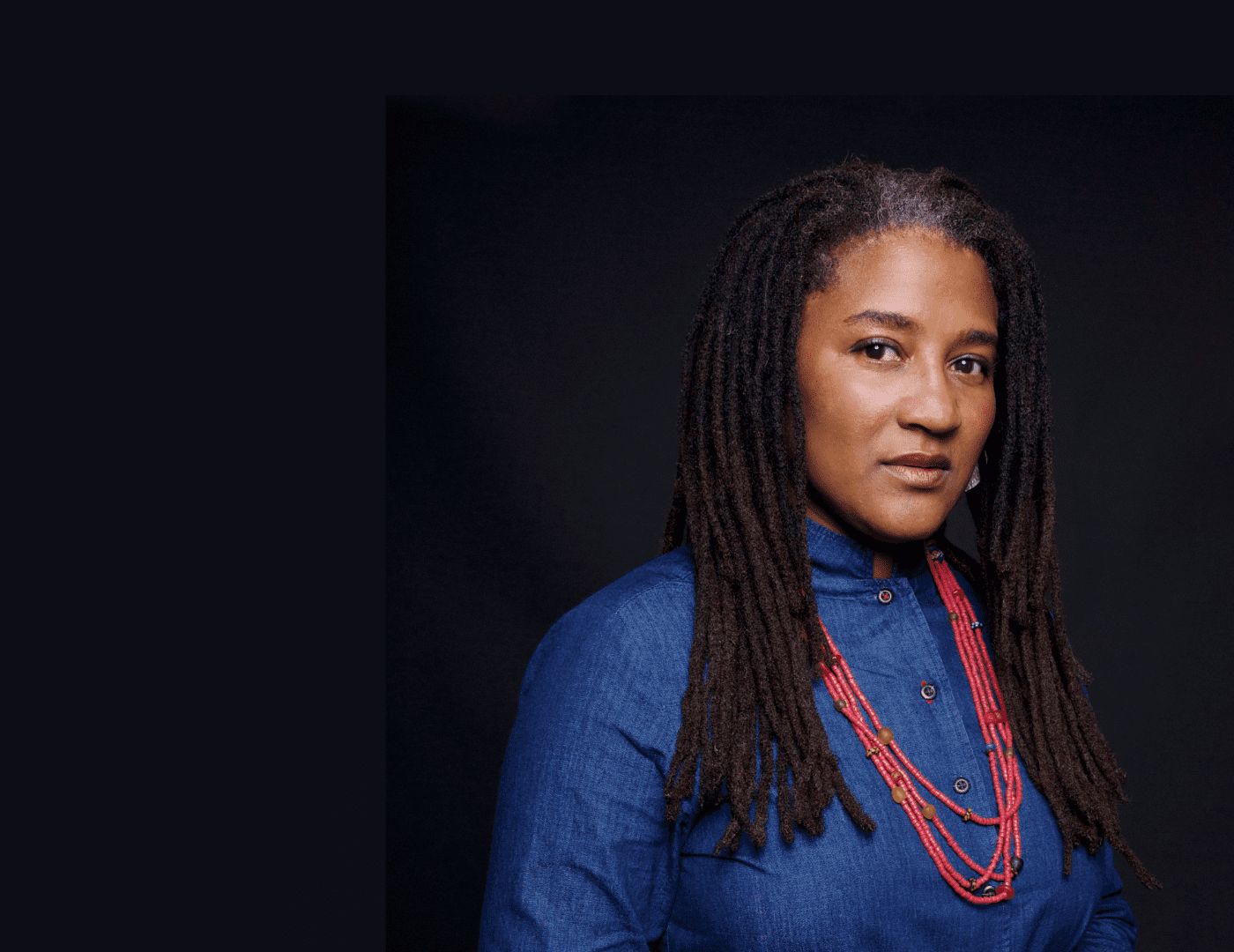
Ep 330Out of hope? Maybe stop for a sandwich and a song.
Playwright Lynn Nottage says it’s in her nature to be optimistic. And if it’s true what they say that you can manifest good things by thinking positively, well, it’s worked out for her in myriad ways. Nottage is the first and only woman to have won a Pulitzer Prize for Drama twice, and she’s one of today’s most produced playwrights. Her work, though, explores the experiences of Americans existing in the margins who have little reason to have hope. In this episode, she joins Kai to reflect on her remarkable career and share how she develops complicated characters that manage to be relatable, resilient and inspire optimism in audiences. Plus, musician David Byrne is known for a darkness to his lyrics. As the former frontman for the band Talking Heads with songs like “Psycho Killer,” “Road To Nowhere,” and “Slippery People,” it’s easy to assume Byrne is fresh out of hope in humanity. Instead, he says he’s motivated by the beauty of human connection he experiences when he pushes past the anxiety of being a social creature. Byrne and Kai discuss how he channeled that uplifting outlook into his Broadway show “American Utopia,” named for Byrne’s 2018 album. Tell us what you think. Instagram and X (Twitter): @noteswithkai. Email us at [email protected]. Send us a voice message by recording yourself on your phone and emailing us, or going to Instagram and clicking on the link in our bio. “Notes from America” airs live on Sunday evenings at 6pm ET. The podcast episodes are lightly edited from our live broadcasts. Tune into the show on Sunday nights via the stream on notesfromamerica.org. Tell us what you think. We're @noteswithkai on Instagram and X (Twitter). Email us at [email protected]. Send us a voice message by recording yourself on your phone and emailing us, or record one here.Notes from America airs live on Sundays at 6 p.m. ET. The podcast episodes are lightly edited from our live broadcasts.

Ep 329How Boston’s Big Dig built our expectations of American infrastructure
Boston's Big Dig started as a vision for a large-scale highway tunnel system that became a cautionary tale about American infrastructure. Guest host Nancy Solomon speaks with Ian Coss, host of The Big Dig podcast from WGBH and PRX, which dives into the history behind some of the most notable infrastructure projects in the Greater Boston area leading up to The Big Dig, which became “a symbol of waste and corruption.” Nancy and Ian talk through the notorious failures and unsung successes of the Big Dig, what we do with the lessons learned, and what it means for the future of our communities. Plus, we hear from people around the country about their experiences with massive infrastructure projects in their cities. Tell us what you think. Instagram and X (Twitter): @noteswithkai. Email us at [email protected]. Send us a voice message by recording yourself on your phone and emailing us, or going to Instagram and clicking on the link in our bio. “Notes from America” airs live on Sunday evenings at 6pm ET. The podcast episodes are lightly edited from our live broadcasts. Tune into the show on Sunday nights via the stream on notesfromamerica.org. Tell us what you think. We're @noteswithkai on Instagram and X (Twitter). Email us at [email protected]. Send us a voice message by recording yourself on your phone and emailing us, or record one here.Notes from America airs live on Sundays at 6 p.m. ET. The podcast episodes are lightly edited from our live broadcasts.

Ep 328Nikki Giovanni and Kimberly McGlonn on space travel, sustainable fashion and Black liberation
Guest host Janae Pierre sits down with legendary poet and activist Nikki Giovanni, who is the subject of a new documentary, Going To Mars: The Nikki Giovanni Project. Giovanni reflects on the legacy of Black storytelling, gospel music, what she describes as original libraries, and why she’s working to get more Black women involved in space travel. Plus, we hear from Kai as he pays a visit to Kimberly McGlonn, an award-winning social entrepreneur. The founder of Grant Blvd & Blk Ivy Thrift, welcomes us to her store in West Philadelphia to learn about the relationship between fashion, justice, and the history of Black America. Tell us what you think. Instagram and X (Twitter): @noteswithkai. Email us at [email protected]. Send us a voice message by recording yourself on your phone and emailing us, or going to Instagram and clicking on the link in our bio. “Notes from America” airs live on Sunday evenings at 6pm ET. The podcast episodes are lightly edited from our live broadcasts. Tune into the show on Sunday nights via the stream on notesfromamerica.org. Tell us what you think. We're @noteswithkai on Instagram and X (Twitter). Email us at [email protected]. Send us a voice message by recording yourself on your phone and emailing us, or record one here.Notes from America airs live on Sundays at 6 p.m. ET. The podcast episodes are lightly edited from our live broadcasts.

Ep 327Black Lives Matter, 10 years later
It’s been 10 years since the Black Lives Matter was founded iin response to the acquittal of the man who fatally shot 17-year-old Trayvon Martin. Kai Wright speaks with organizer Chelsea Miller about the impact the movement has had on a generation of young people. She makes the case for why we must keep telling the story of Black life and death in America and saying the names of those killed as a result of police violence. Plus, in partnership with New Yorker Radio Hour, Kai discusses the impact of the movement with Samuel Sinyangwe, a policy analyst with Mapping Police Violence & Police Scorecard, Anya Bidwell, an attorney for the Institute of Justice and the Federalist Society, and Mike White, professor of criminology and criminal justice at Arizona State University. They look back on some of the policy changes that have been implemented to reduce use of force by police and whether they’ve been successful. Tell us what you think. Instagram and X (Twitter): @noteswithkai. Email us at [email protected]. Send us a voice message by recording yourself on your phone and emailing us, or going to Instagram and clicking on the link in our bio. “Notes from America” airs live on Sunday evenings at 6pm ET. The podcast episodes are lightly edited from our live broadcasts. Tune into the show on Sunday nights via the stream on notesfromamerica.org. Tell us what you think. We're @noteswithkai on Instagram and X (Twitter). Email us at [email protected]. Send us a voice message by recording yourself on your phone and emailing us, or record one here.Notes from America airs live on Sundays at 6 p.m. ET. The podcast episodes are lightly edited from our live broadcasts.

Ep 326‘It’s Worse Than Ever’
The events of October 7th shook the world and greatly impacted different intersections of people. Arab Americans sit at a unique intersection. As an Arab American journalist, Notes From America producer Suzanne Gaber set out to find a place for her to process the complex emotions she’s been feeling since that day. She visits the Palestinian American Community Center in Clifton, NJ and speaks with the center’s executive director, Rania Mustafa, to hear how the center is prioritizing communal mental health resources during this time. Then, host Kai Wright is joined by Palestinian-American psychotherapist, Lena Derhally. They open the phones to Arab Americans and allies to address specific mental health concerns as news continues to develop out of Gaza and the West Bank.Tell us what you think. Instagram and X (Twitter): @noteswithkai. Email us at [email protected]. Send us a voice message by recording yourself on your phone and emailing us, or going to Instagram and clicking on the link in our bio. “Notes from America” airs live on Sunday evenings at 6pm ET. The podcast episodes are lightly edited from our live broadcasts. Tune into the show on Sunday nights via the stream on notesfromamerica.org. Tell us what you think. We're @noteswithkai on Instagram and X (Twitter). Email us at [email protected]. Send us a voice message by recording yourself on your phone and emailing us, or record one here.Notes from America airs live on Sundays at 6 p.m. ET. The podcast episodes are lightly edited from our live broadcasts.
Ep 325Imminent Danger Ep 3: One Doctor and a Trail of Injured Women
Imminent Danger, a new series from NYC NOW, looks into the role state medical boards had in how one doctor was allowed to keep practicing despite consistently bad outcomes. Marquita Baird has kept a bootbox full of medical records on a shelf in her home in Shawnee, Oklahoma for over two decades in the hope that, someday, someone would ask about what happened after an OB-GYN named Thomas J. Byrne performed a hysterectomy on her in 1999. Shawnee was one of several areas where Byrne would practice in the years after losing his medical license in New York. This is episode 3 of the series but you can listen to earlier episodes here: Episode 1: Wrongful Death Episode 2: License Revoked New episodes come out every Saturday on the NYC Now feed. Tell us what you think. Instagram and X (Twitter): @noteswithkai. Email us at [email protected]. Send us a voice message by recording yourself on your phone and emailing us, or going to Instagram and clicking on the link in our bio. “Notes from America” airs live on Sunday evenings at 6pm ET. The podcast episodes are lightly edited from our live broadcasts. Tune into the show on Sunday nights via the stream on notesfromamerica.org. Tell us what you think. We're @noteswithkai on Instagram and X (Twitter). Email us at [email protected]. Send us a voice message by recording yourself on your phone and emailing us, or record one here.Notes from America airs live on Sundays at 6 p.m. ET. The podcast episodes are lightly edited from our live broadcasts.

Ep 324Can Osage Citizens Revive Fairfax?
Killers of the Flower Moon, a new film directed by Martin Scorcese based on the bestselling book of the same name, tells the story of how greed and profound injustice took the lives of so many Osage. The film has helped people like Damon Waters, an Osage filmmaker and actor reconnect with his roots and imagine a different future for Fairfax, Okla., where the film takes place. Damon joins us to discuss the impact the film had on him and his upcoming documentary about the restoration of Tall Chief Theater. We also hear from Allison Herrera, KOSU’s Indigenous affairs reporter, who brings us a note from Fairfax. We’ll meet Joe and Carol Conner and learn about their efforts to restore the historic Tall Chief Theater in downtown Fairfax. Joe, who is Osage, hopes that the attention brought by the film will get more people to invest money in Fairfax. To learn more about the systemic issues that caused the murders of so many Osage, listen to more of Allison Herrera’s reporting for the podcast In Trust. Tell us what you think. Instagram and X (Twitter): @noteswithkai. Email us at [email protected]. Send us a voice message by recording yourself on your phone and emailing us, or going to Instagram and clicking on the link in our bio. “Notes from America” airs live on Sunday evenings at 6pm ET. The podcast episodes are lightly edited from our live broadcasts. Tune into the show on Sunday nights via the stream on notesfromamerica.org. Tell us what you think. We're @noteswithkai on Instagram and X (Twitter). Email us at [email protected]. Send us a voice message by recording yourself on your phone and emailing us, or record one here.Notes from America airs live on Sundays at 6 p.m. ET. The podcast episodes are lightly edited from our live broadcasts.