Not Your Father’s Data Center
83 episodes — Page 2 of 2
Ep 1Leadership in an Evolving Workplace
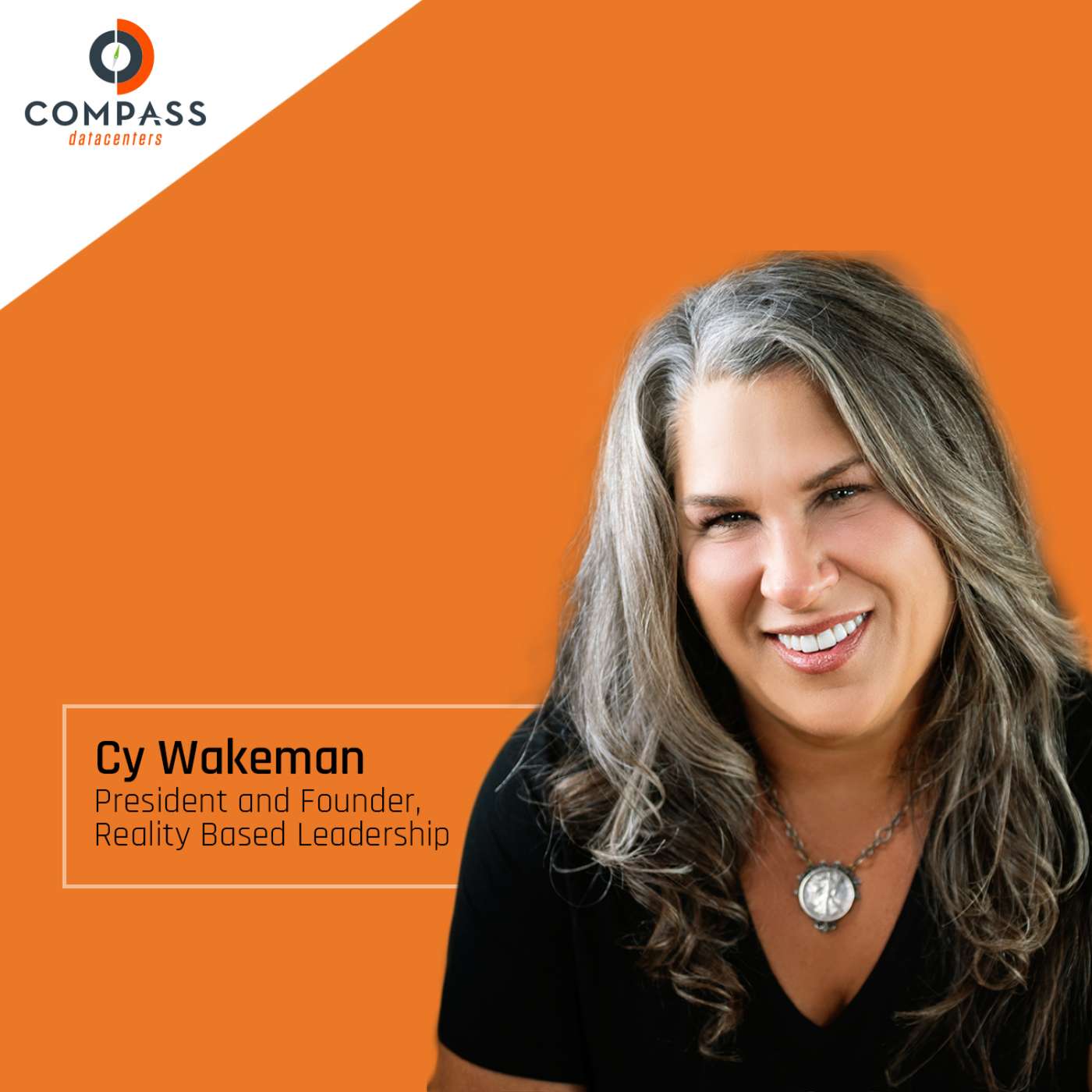
Host Raymond Hawkins discovered that despite lacking formal leadership training, Cy Wakeman, President & Founder of Reality Based Leadership, has written a plethora of books in the leadership genre. As a former counselor in human psychology, Wakeman revamped traditional leadership views. She explained, “I saw the world from a viewpoint of shared accountability at the time that most people were seeing the world as the leader was really responsible for the wellbeing of their employees.” According to Wakeman, an individual can experience the same organization differently depending on their accountability. When “high accountables” are in pain, they question their role and how to address deficits. After addressing their role, what remains falls on the organization. “Low-accountables,” on the other hand, hold more of a victim mindset and first point to the organization as the source of their pain. Wakeman began implementing these ideas through reality-based leadership training to healthcare businesses that were losing money. Soon, other organizations began to request training. Wakeman has since built upon her training philosophy with many other essential concepts. For example, she emphasized that “A lot of people believe their circumstances are the reason they can’t succeed. Your circumstances are the realty in which you must succeed.” Thinking inside of the box given the restraints to achieve a goal is a must. Leaders are key to this; they help move the ‘why we can’t’ to ‘how we could.’” Perhaps Wakeman’s most important point is this: “True resilience is not about being the smartest or how much perseverance you have, it lies in the collective genius—have the best network of positive relationships, ask for help, and be vulnerable.” These concepts only touch the tip of the iceburg. For more details, you can reference Wakeman’s books, visit realtybasedleadership.com, sign up for her newsletter, or follow @cywakeham.
Ep 1Mining for bitcoin and other cryptocurrencies with Fred Thiel
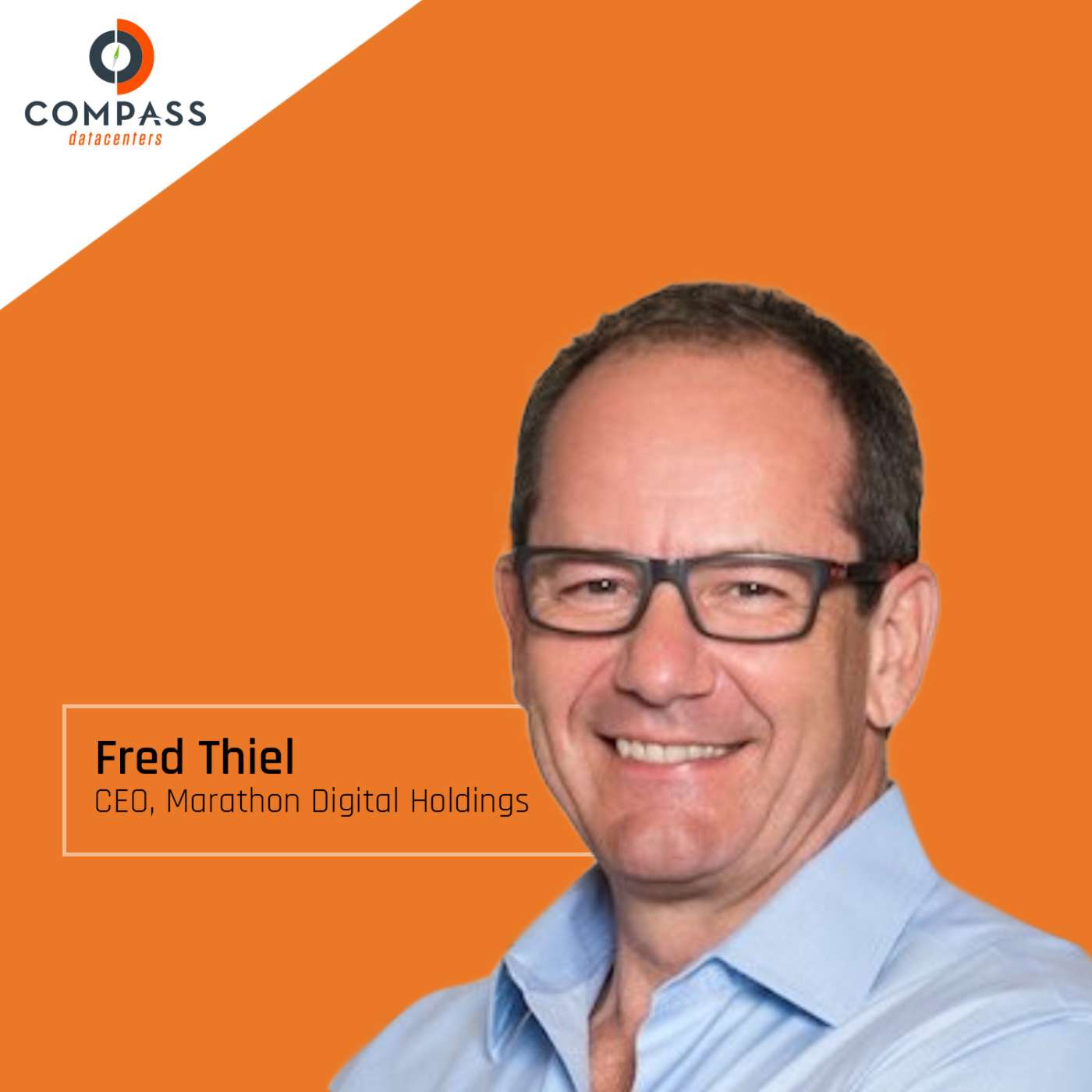
Fred Thiel, CEO of Marathon Digital Holdings, one of the largest bitcoin mining operations in North America, joined host Raymond Hawkins to discuss cryptocurrency. From blockchain to bitcoin, Thiel covered it all, including all the nooks and crannies in between. “The blockchain is essentially a chain of linked blocks that each block consists of a certain number of transactions,” Thiel said. “If you think about a ledger, like your check register, if you have a checkbook and you write a bunch of checks, you write them down in your check register at the month you get a statement from your bank. So, those types of transactions are formed into blocks. The underlying software for the blockchain allows miners to do this process of assembling these transactions into blocks. Then you run a mathematical cryptographical proof on this data, and that generates a hash. And that hash has to have a certain value to it. And when it gets that hash, it then has to be equal to or less than a specific target number that the blockchain is looking for.” Miners who guess that number correctly will win the block, publish the block, other nodes validate the block, and then the miner will receive a block award. In the high-stakes game of blockchain mining, with limited numbers of bitcoin issued per day, Thiel said there is a competition to it. “If you have one miner, and you plug it in, you’re not going to get a fraction of a bitcoin every day,” Thiel said. “And so what miners do is, miners, pool their miners together. And aggregating and cooperating, a group of miners in a pool, you have a more hash-rate you’re contributing to the overall network, and a higher likelihood you’re going to win blocks, and the block rewards can be evenly distributed amongst members of the pool.”
Ep 1Cyber Security: Protecting the Family Jewels
On this episode of Not Your Father’s Data Center, a Compass Datacenters Podcast, Host Raymond Hawkins talked with Amit Serper, Vice President of Security Research for North America of Guardicore, the segmentation company disrupting the legacy firewall market, whose software-only approach is decoupled from the physical network, providing a faster alternative to firewalls. While most teenagers were busy worrying about the school dance or making a sports team, Serper was preoccupied with selling security and internet services out of his childhood bedroom. In the early 2000s, cable internet had been rolling out in Israel, and he lucked out as part of the beta test. The company installed an uncapped cable connection in his house, so he had high-speed internet. Eventually, the cable company slowed down his connection; however, he hacked the system and returned it to its faster speed. This is also around the time he started to do things on a computer besides gaming. He had three computers in his bedroom and built three servers with multiple operating systems. He then began selling web hosting packages that ran on the servers. The name of his first business? Evil Cheese. “I had this service running for two or three years,” Serper said. “At one point, my parents started getting weird calls from the cable company telling them ‘there’s very high upload usage and asking if there’s anything that the cable company should know about.’” His parents didn’t have any idea what was going on, and Serper played dumb. Eventually, the cable company slowed his speed, and he had to close shop, but his passion for computers launched his career. Starting at this ripe age and around the dot com boom, Serper became a hacker and reverse engineer. He joined the Israeli Intelligence Community at 18, where he worked on vulnerability research and exploit development to designing architectures of uniquely complicated, highly reliable, one-of-a-kind communication systems.
Ep 1Ethics of AI with Peter Judge
When the world thinks about ethical AI, thoughts wander to movie portrayals of intelligent machines used for nefarious reasons. In the real world, that’s still a possibility, but many point to AI as the future of understanding data. Sharing his thoughts on the subject, Peter Judge, Head Editor of Datacenter Dynamics, joined host Raymond Hawkins on Not Your Father’s Data Center. Judge recently authored a feature story in the publication about AI and its problems. Judge explained the concept of ethical AI, “When you have a system that can calculate and think, you have to understand the algorithms behind it and why it’s coming to such conclusions. It’s as much about the people using it than the AI itself.” AI isn’t going to produce “wrong” conclusions, but it may not answer the questions intended. “The ethical part is about how it’s being used, not the technology,” Judge said. He pointed to the example of lung x-rays to determine which patients had COVID. “A professor looked into this, and the AI couldn’t diagnose because the training data wasn’t accurate and there were other issues.” The promise of AI was to churn through mountains of data and drive answers, but AI does what it’s programmed to do. It’s not sentient, so the proximity for human error is abundant. “Increasing the size of the haystack doesn’t mean you’ll find the needle,” Judge commented. The other area of ethics is deployment for good or possibly evil. Judge noted the example of AI analyzing online interactions and activities, then using its learning to target advertising that was much more on the unethical side. AI is important to the future, but the humans programming and using it are still on ethically shaky ground.
Ep 1The State of Innovative Liquid Cooling in Data Centers
Isn’t the first rule in data centers not to get the servers wet? They’re kind of like Gremlins in that way. But someone forgot to tell Daniel Pope this fact. Pope, the CEO of Submer, thinks data servers belong submerged in liquid. He was thrilled to speak to host Raymond Hawkins about his immersion cooling technology, which provides a new green approach to data centers, on this episode of Not Your Father’s Data Center. Born and raised in England and now residing in Barcelona, Pope began his career at 16 when he started his first data center. Beginning with a single server in his bedroom, Pope grew his business to more than 20,000 servers. With his expertise in data centers set, Pope now loves the challenge of pushing technology and the industry further. Today’s increasing demands on data centers pose a cooling challenge – one Pope knew he wanted to solve. And that set him off to help develop immersion cooling technology, the solution Submer focuses on today. “Instead of cooling the electronics and the server components with air, we leverage a dielectric fluid, a nonconductive fluid, which captures and transports the heat in a much more efficient way than air,” Pope said. The initial challenge for Pope was how to use this technology to cool the racks without disrupting the rest of the data haul and data center design. “And, now, further into this journey, we’re looking at it from the whole data center point of view,” Pope said. Pope’s immersion cooling system works for solid-state drives, NVMe, flash drives and helium-sealed drives. Immersion cooling reduces IT power load in the center by removing all the fans from the servers. And, from a density perspective, the density is ten-fold. “We are deploying immersion tanks that are in the range of 100kw that operate with extremely warm water, which means the overall facility PUE (power usage effectiveness) is reduced to around 1.04 to 1.05,” Pope said. And that PUE number is before the energy savings from the fan removal are calculated.
Ep 1Quantum Computing Vs. Classical Computing – The Tale of the Tape
On this episode of Not Your Father’s Data Center, a Compass Datacenters Podcast, host Raymond Hawkins talked with Dr. Robert Sutor, Chief Quantum Exponent at IBM Research, about how quantum computing will partner with modern computing and what changes this will have for the world.
Ep 1How the Internet, Fueled by Data Centers, Changed the News Industry
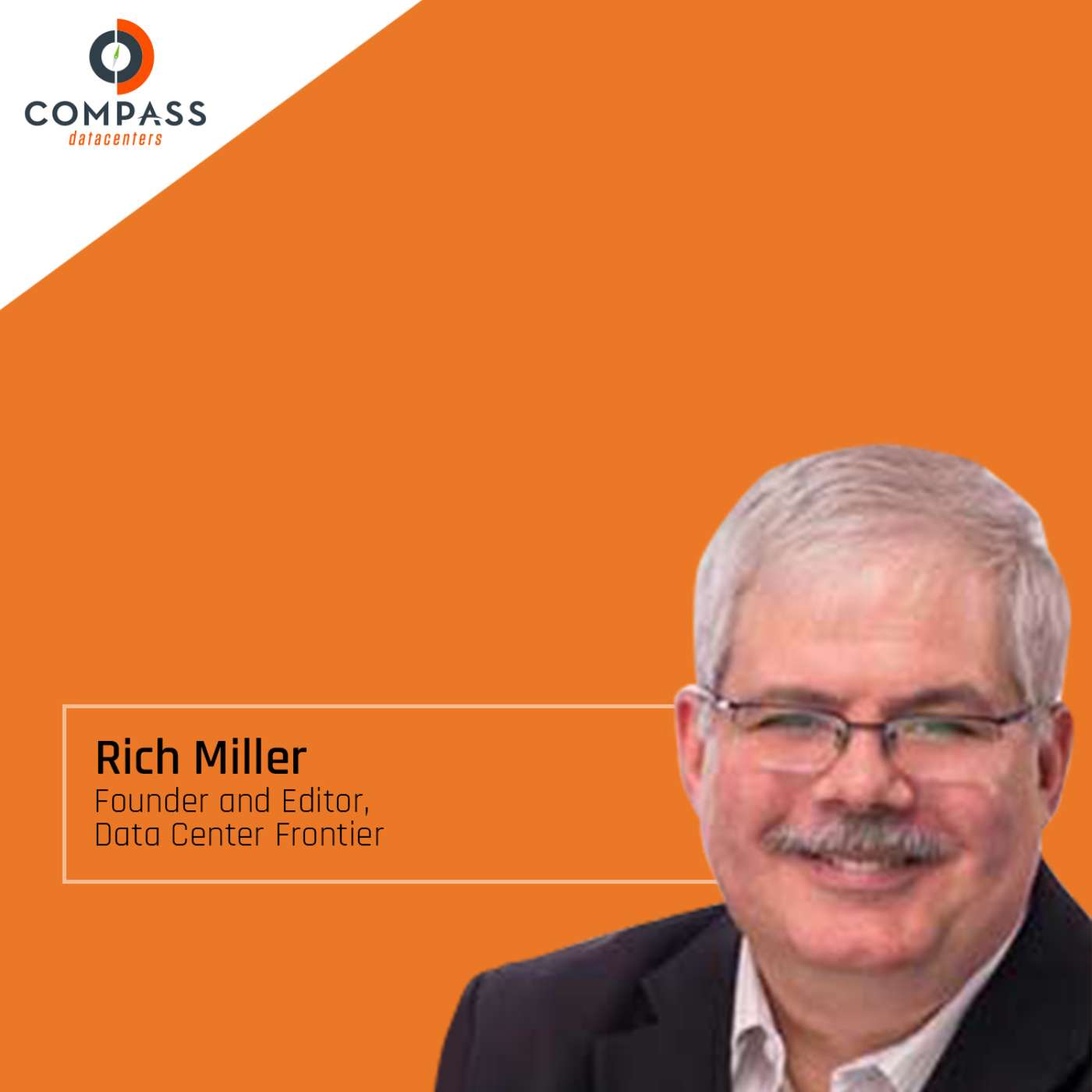
On this episode of Not Your Father’s Data Center, a podcast From Compass Data Centers, host Raymond Hawkins talked with Rich Miller, Founder and Editor of Data Center Frontier, a digital publication that covers the data center industry and “tells the story of the digital economy through the facilities that power the cloud and the people who build them.”
Ep 1Backup Power Generation in Data Storage with Natural Gas
In the data center world, when one mentions a backup power generator, one assumes diesel. Enchanted Rock Chief Commercial Officer Allan Schurr said it’s time to think differently. Enchanted Rock’s solution is one powered by natural gas.
Ep 1It Always Comes Down to Power
It is hard to believe, but there is a significant amount of megawatts that goes unused in global data centers. On this episode of the Not Your Father's Data Center Podcast, Host Raymond Hawkins of Compass Data Centers talked with Dean Nelson, the CEO of Virtual Power Systems. Nelson talked about his work at Uber and Sun Systems. This led down the path of Nelson's work at Virtual Power Systems, where they "believe that digital infrastructure is the foundation for an equitable and inclusive world, where every person on the planet participates in the digital economy." In acting upon this vision, VPS unlocks stranded power in data centers. What's staggering to Nelson – and why he thinks this is such important work – is that, through research, VPS found 35,000 megawatts of capacity globally in the data center industry. They checked this data through multiple vectors. Of the capacity, 10,000 megawatts are stranded. This leads to a host of issues, one of which is increasing the carbon footprint unnecessarily. "How much embedded carbon do we add every time we perpetuate that problem and build another data center that's 50% utilized?," Nelson asked. The goal through technology at Virtual Power Systems is to utilize this space. Data centers build such an extensive infrastructure with low utilization to make headroom and safety create into the center. They want to make sure they have the buffer room when things don't go right in the system. "It's the cumulative effect of everyone's buffer," Hawkins said, referring to the sheer amount of space unused.
Ep 1Changing the World Through Quantum Computing with Dr. Bob Sutor
The phrase, ‘The future is now,’ without question, applies to quantum computers. What was not so long ago a science fiction fantasy is now a reality that’s not only closer than one might think, it’s here. Dr. Bob Sutor, a technical leader in the IT industry, working for IBM for over thirty years, joined Raymond Hawkins for an exciting talk about quantum computing, how it works, and how this revolutionary technology is poised to change the future of computing.
Ep 1A Look at Schneider Electric’s Approach to Innovation and Data Centers
Host Raymond Hawkins found time to pull himself away from watching The Masters to chat with Schneider Electric’s Vice President of Innovation and Data Centers, Steven Carlini, for an insider’s peek at Schneider’s approach to data centers and innovation.
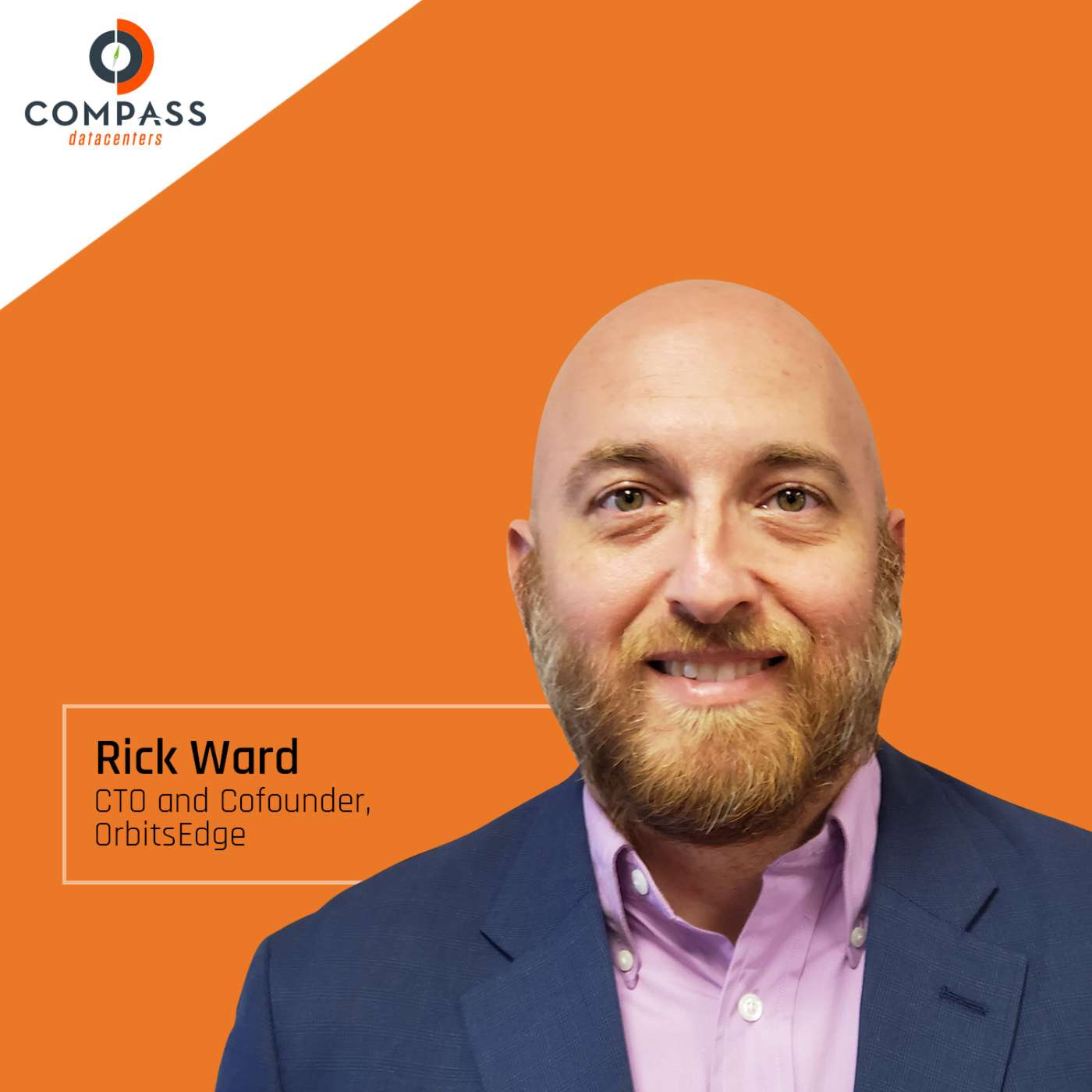
Ep 1Commercializing Space by Taking the Edge to the Final Frontier
The modern world is driven by data and our ability to analyze it, and the final frontier – space – provides an overwhelming amount of data just waiting to help us understand and commercialize what lies beyond our planet. However, the current infrastructure needs a boost to help us get there. At OrbitsEdge, CTO and Co-founder Rick Ward and the rest of the team think they’ve identified the missing link. Just as edge network solutions are empowering robust connectivity and data capture on earth, the company believes it could do the same in space.
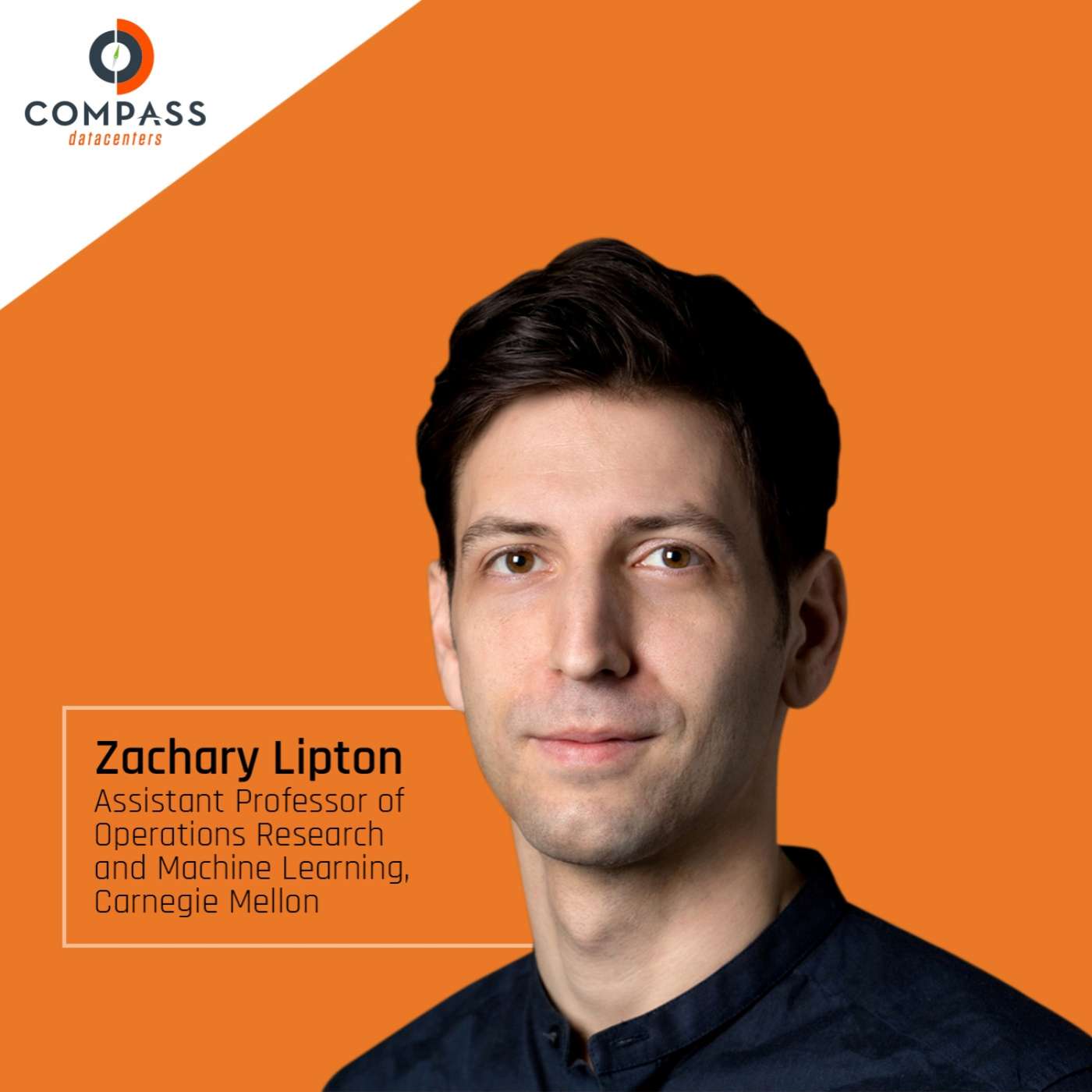
Ep 1Unpacking AI and Machine Learning
AI and machine learning are common terms, but they are complex with many applications. Understanding this is critical, and Not Your Father’s Data Center Podcast is back to unpack the terms with guest Zachary Lipton. Lipton is an Assistant Professor of Operations Research and Machine Learning at Carnegie Mellon, where he runs the Approximately Correct Machine Intelligence Lab.
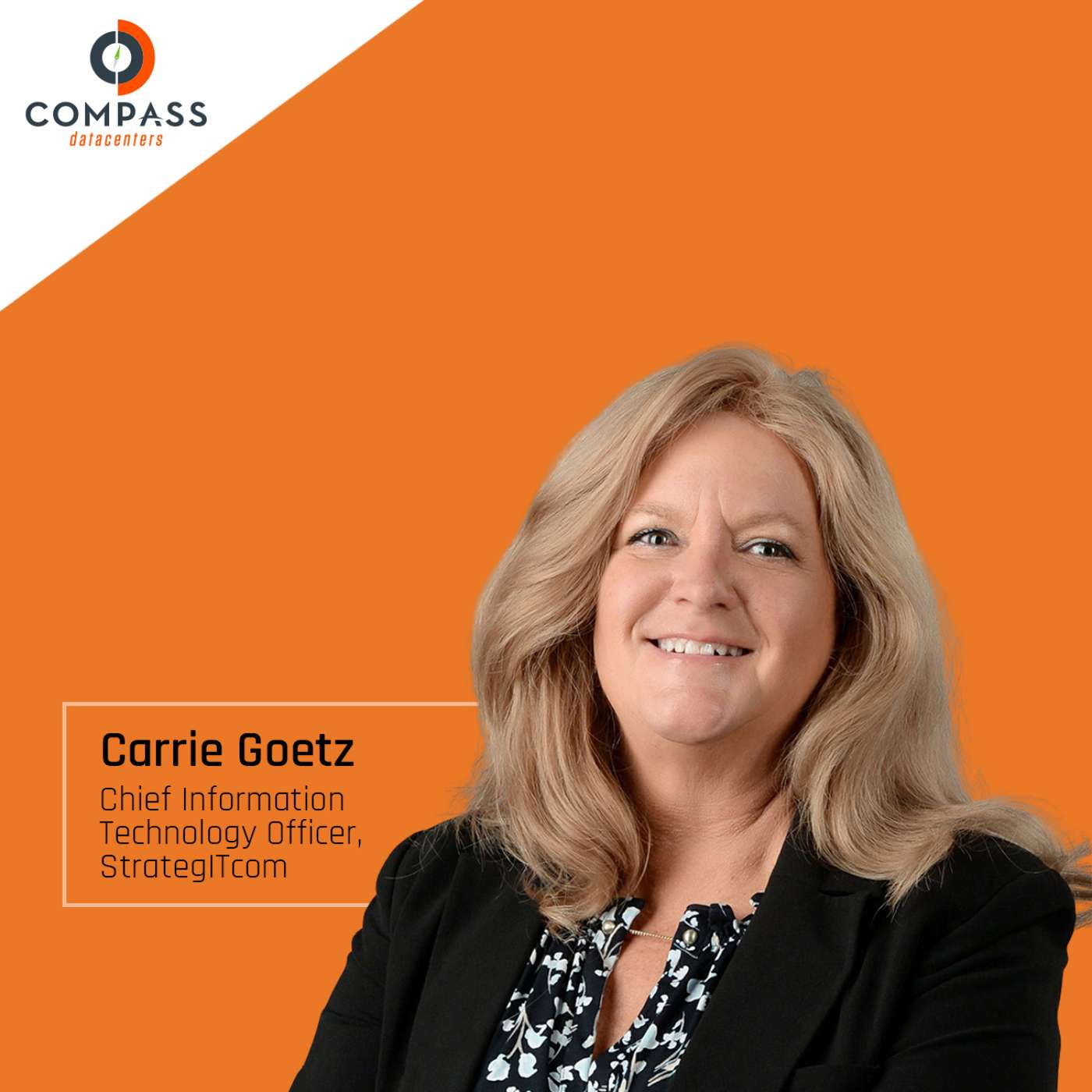
Ep 1#Hire the person, not the paper
Carrie Goetz, Chief Information Technology Officer at StrategITcom, International Keynote Speaker, STEM evangelist and podcaster, turned the tables on host Raymond Hawkins by dubbing this podcast episode “Not Your Mother’s Data Center.” And, in honor of Goetz, a long-time Mississippi resident, Hawkins unveiled his first-ever trivia contest.
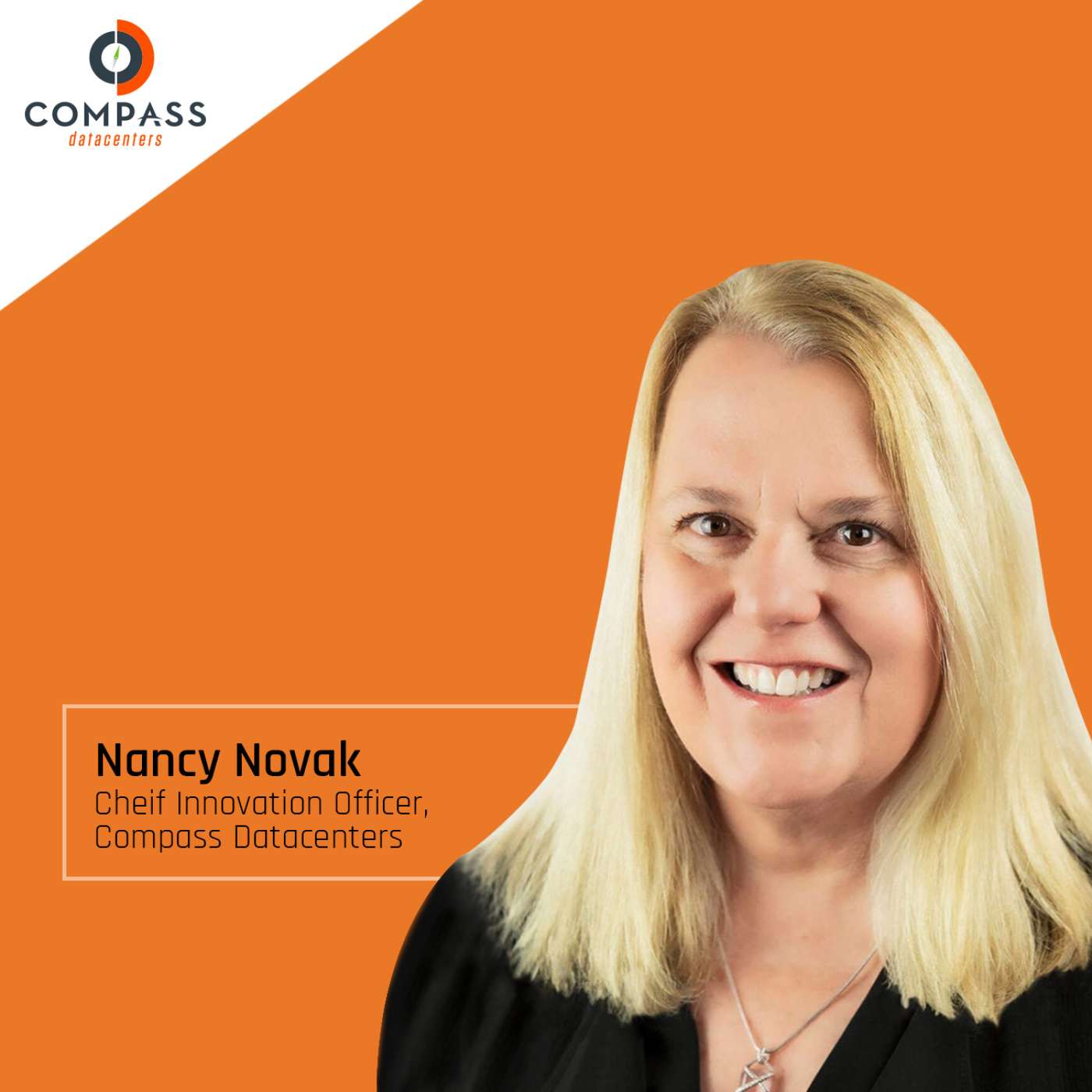
Ep 1Concrete Innovations at Compass Datacenters
Nancy Novak, Chief Innovation Officer, Compass Datacenters is a firm believer that innovation comes in different forms, and she knows it’s people, processes and systems that drive innovations. Those three key focuses drive Novak’s work at Compass Datacenters, and she opened up to host Raymond Hawkins about some of the exciting innovations happening at Compass. Novak’s concentration is on improving the data center construction process. She noted that process efficiencies on the job site hadn’t improved much over the years, even as the technology and building processes have. “A lot of people will be like, ‘Wait a minute, we do offsite componentry, we do prefab, we do other things that help us,’” Novak said. “I agree with that, but it’s 100% not normalized in our business, and it's done kind of on the fringes. I’m trying to get us to normalize those processes.” Creating innovations isn’t something done alone in a box. Novak relies on a multitude of ideas from various people. People drive the best ideas and make necessary process improvements. And it isn’t just diversity in ethnicity in people that’s important; it’s also diversity in the experience. “And in our industry, we have all of them,” Novak said. “I focus on collaborating with all the different layers within our industry.” Concrete is an important building material in the data center construction process. But what Novak and her team look at is ways to improve that process to make it more efficient, stronger and more sustainable. “There are so many advantages to concrete,” Novak said. “It’s affordable. It’s readily available. It’s fireproof. CarbonCure is one of the things that helps supplement the cement part of it.” And Novak mentioned other technologies could be layered on to this process to make it even more sustainable.
Ep 3The Ins and Outs of Financing Digital Infrastructure
Digital infrastructure is a common term in the data center industry, but it wasn’t always. So, how did the industry evolve to the notion that technology is infrastructure? It’s been a long journey, buoyed by investment. To talk about the financial aspect of data centers, host Raymond Hawkins spoke with Irtiaz Ahmad, Head of Global Data Center Banking at Barclays. Ahmed has spent the last 15 years focused on the industry as an advisor, investor and operator. Prior to Barclays, he spent time at CitiGroup and Waller Capital Partners, watching the world of technology accelerate and change.
Ep 2How an Industry Veteran Was Drawn to Compass Datacenters
Nancy Novak had made up her mind. She was retired. But, just like her last retirement, this one didn’t stick. This time, however, she was only out of the workforce for one day. After that brief interlude, Novak accepted her current role as Chief Innovation Officer at Compass Datacenters, taking over after serving as the company’s Senior Vice President of Construction. Even that was a job the veteran of the construction industry wasn’t sure she wanted to take when Compass Founder and CEO Chris Crosby asked her to take it a few years ago.
Ep 1A 2020 Year in Review on Digital Strategy Trends
Haynes Strader, Vice President of Data Center Solutions, CBRE, returned to Not Your Father’s Data Center for a look back and assessment of one of the craziest years in recent memory. To summarize the market during the pandemic, Strader said, “CBRE had a really busy first quarter, and then, in March, we saw a big screeching halt as everyone was trying to figure out what was happening.” There was still lots of activity, even with a slump in transactions. “We’ve seen that start to pick back up with what’s shaping to be a busy fourth quarter. I think we’re going to be rocketing into 2021 from both an enterprise standpoint and a hyper-scale standpoint.”
Ep 1A Career Path for Veterans in the Data Center Industry
Lee Kirby, Cofounder and Chairman of Salute Mission Critical, wanted to use his 36 years of military experience to help veterans and their families. Drawing upon 30 years of information systems, strategic business development, planning and human resource experience in private and public sectors, Kirby began Salute Mission Critical. Salute’s mission is to provide military veterans and their spouses with a career path into the data center industry. Kirby sat down with Raymond Hawkins to discuss his passion for giving back to a community that meant so much to him. “We always had the mantra: it’s people, process and technologies,” Kirby said. “So, we knocked it out of the park by tapping into the veteran community. If you look at a data center site, people will often outsource to at least three different vendors; one for security, one for critical environment and one for the IT environment. You can staff them with far fewer people if you can combine them into one solution.” And that total solution is what Salute provides. Salute’s capabilities extend beyond the U.S. for those veterans living in other areas of the world. “We’re operating in nine countries,” Kirby said. “Within six months, we will probably be 11 or 12 countries under our belt. In all these countries, we look to recruit veterans to bring them in. Outside of the U.S., we’re probably about 50% veterans.” And Salute’s program extends to military spouses, not only veterans. “We proved that this model worked and that we could train civilians,” Kirby said. “There’s no reason why we couldn’t also train that hidden gem of the military, and that’s the spouse. We wanted to provide a platform if you’re a spouse, and you’re working with us in California; if your spouse gets transferred to North Carolina, we’ve got opportunities across the US. We can keep that person employed and growing through our ranks.”
Ep 1Data Center Outlook for the European Market
To get a perspective on how the data center industry is faring in European markets during the pandemic, host Raymond Hawkins tapped Andrew Jay, Head of EMEA Data Centre Solutions, Advisory & Transaction Services for CBRE, to help him unpack what’s happening. The need for co-location space is growing in Europe, as demands for data storage are at unprecedented levels and have been for several years. Specifically, London is one of the largest areas of need. “There’s an absolute feeding frenzy at the moment of developer operators trying to secure land. And then there are the usual issues around power, planning, fiber and risks. The prices of these sites are going through the roof at the moment," Jay said. Due to the lack of real estate around London and the high demand, there is intense competition for sites. And Jay said he’s seen deals around London going north of six million pounds per acre. With London pricing many out of the market, what’s the next area of opportunity for data centers? Jay said North London, where there’s a lot of land interest. “What we haven’t seen is East London yet, and we have a couple of really good quality data center builds there, but the demand hasn’t quite got there yet,” he said. As for the state of data centers in other European markets, Jay cited Milan as an example. “For years, there was no demand there. Suddenly, about three to four years ago, we got calls from people asking if we had any land available in Milan," he said. "So, that market’s gone from being a 15-megawatt to a 60-65-megawatt market.” And Jay believes that could easily double shortly.
Ep 1Adventures in Technology with DCD’s Peter Judge (Part 2)
In the second half of a two-part discussion on technology, Peter Judge, Global Editor for DatacenterDynamics, and host Raymond Hawkins turned their attention on the data center industry, the impact technology advancements have on it and the evolving role of the DatacenterDynamics’ publication. One of the cornerstones of DatacenterDynamics’ success is its events, which they’ve done for years and utilize to bring the data center community together. But the pandemic changed all that, and live events planned for 2020 have turned into all-digital formats. “Once we got the hang of the fact that we could do these online events successfully, these events became actual replacements for the physical ones,” Judge said. “Since the beginning of lockdown, we’ve had eight online events, which, by and large, have gone along rather swimmingly,” Judge promised that, as soon as a physical event can happen, DatacenterDynamics will have one. Looking at the data center industry and the advancements propelling it, Judge pointed to open-source architecture and software leading the way, even if that pace is not flashy. “The open compute project is one of the exciting things of the last few years,” Judge said. The result is building a cloud service inside of a data center that benefits from cheaper hardware. A frequently asked question in terms of technology advancements and data centers is, as compute functions get miniaturized, efficient and use less power, will the need for data centers shrink? “The answer to that question is the reverse,” Judge said, “We will use vastly more data centers, because they are getting more efficient.” Judge cited Jevons Paradox, which occurs when technological progress increases the efficiency with which a resource is used (reducing the amount necessary for any one use). Still, the rate of consumption of that resource rises due to increasing demand. Data centers will survive, and Judge sees the need growing now and into the future.
Ep 1Adventures in Technology with DCD’s Peter Judge (Part 1)
Peter Judge may have started his education journey with a degree in physics from Cambridge University, but most will know him from his work as a writer in the technology space. His current role is as the Global Editor for DataCenterDynamics, and he shared his experience and thoughts on technology and datacenters with Raymond Hawkins. Judge started his career in tech journalism back in the 80s at the beginning of the personal computer revolution. “Journalism, when I started, was about phoning people, going to meet them, typing up the notes on a manual typewriter, and sending it to someone else to typeset it,” Judge said. “These were a whole lot of core processes that no longer exist.” One of the first changes, Judge noted, was his company got a DEC rainbow PC, which they used to type and edit. And, from that point on, the advancements in technology kept moving forward. Judge recalled many of the advancements in computing, like the personal computer and the internet. “We thought that personal computers were kind of fun, useful, but we didn’t foresee how fast they would change things,” Judge said. The same holds for the internet, where no one could predict how important a role it would play in everyone’s lives. And, although Judge saw the potential for what the world wide web could do, he was wrong about one thing. “I remember thinking that, when information is free, easy, and sharable and lives in this new internet world, it’s going to be really hard for lies to get spread,” he said.
Ep 1How The Nuclear Energy Industry Has Taken Safety Seriously To Become A Viable Alternative To Fossil Fuels
There may still be a stigma around nuclear energy, which can conjure up images like the eerie scene painted in the 2019 HBO mini-series about the Chernobyl disaster. The infamous Three Mile Island incident sparked a series of reforms, though, that led to the creation of a stringent federal oversight body. “That was a pretty serious wake-up for the industry. That set off a path to really emphasize safe operations and make sure these kinds of challenges and threats were not a feature going forward,” Crozat said. Now, Crozat said, things are designed in a much safer way than they were when Three Mile Island opened in the 1970s and certainly than when Chernobyl opened in a way that even modern American scientists of the time wouldn’t have opted to design a reactor. That opens up nuclear as an option as an energy source for things like data centers, which have helped lead the transition to an economy increasingly reliant on jobs in the technology sector. “I think, as we continue to see the economy evolve and embrace the role of data and digitization, making sure the energy system is evolving along with it to meet the goals we’re talking about [is important],” Crozat said. “This isn’t just a nuclear question, and this isn’t just a wind question or a solar question. It’s how we find the right tools to bring them all together at the same time. “I think those that are leading this economic evolution can also lead the energy evolution.” With safety measures in place and no dependence on fossil fuels, nuclear has a role to play in powering the data centers that are helping change our future.
Ep 1The Role Nuclear Energy Plays In Making Data Centers Go
Energy use is always a topic that comes up when thinking about data centers and their role in society. As we’ve seen in the coronavirus pandemic, our society will need data centers, but the top two sources of energy used by the United States are still based on fossil fuels. For Matt Crozat, the Senior Director of Strategy and Policy at the Nuclear Energy Institute, a more wholistic approach is needed. “I think as we continue to see the economy evolve and embrace the role of data and digitization, I think making sure the energy system is evolving along with it to meet the goals we’re talking about - this isn’t just a nuclear question, this isn’t just a wind question or a solar question, it’s how we find the right tools to bring them all together at the same time,” he said. “I think those that are leading this economic evolution can also lead the energy evolution as well.” There may still be a stigma around nuclear energy, which can conjure up images like the eerie scene painted in the 2019 HBO mini-series about the Chernobyl disaster. The infamous Three Mile Island incident sparked a series of reforms, though, that led to the creation of a stringent federal oversight body. “That was a pretty serious wake-up for the industry. That set off a path to really emphasize safe operations and make sure these kind of challenges and threats were not be a feature going forward,” Crozat said. Now, Crozat said, things are designed in a much safer way than they were when Three Mile Island opened in the 1970s and certainly than when Chernobyl opened in a way that even modern American scientists of the time wouldn’t have opted to design a reactor. With safety measures in place and no dependence on fossil fuels, nuclear has a role to play in powering the data centers that are helping change our future.
Ep 1Sustainability is More than Green Power
As governments and corporations look for ways to reduce their carbon footprint, Eric Dunford, Director of Sustainability for CarbonCure, knows of a solution to help these entities meet their needs when it comes to construction projects. Dunford joined host Raymond Hawkins to talk about CarbonCure’s process for introducing recycled CO2 Into fresh concrete to reduce its carbon footprint without compromising performance. One of the challenges to achieving sustainability in concrete is the cementing agent, which provides approximately 90% of the carbon emissions from the material. “The process necessary to create cement causes a chemical reaction that generates CO2,” Dunford said. “What CarbonCure is doing is taking a portion of CO2 from a post-industrial source, reintroducing it to concrete as it is mixed at the plant, and, as a result of that reintroduction, it will then chemically reform back as calcium carbonate or limestone.” This process reclaims CO2 that would typically go into the atmosphere and traps it into the concrete, where it will stay in an embedded form for the entire lifespan of that structure. Dunford notes the CarbonCure process doesn’t 100% eliminate CO2 from the production process of cement. Still, it does take away a portion of generated CO2 destined to be a pollutant. It uses it in a way that benefits the creation of concrete while lowering overall carbon footprint. An added benefit to concrete made with the CarbonCure process is the injected carbon strengthens the concrete. “By using this approach, you can use less raw materials and make the same end product in concrete,” Dunford said.
Ep 1The Data Center World of CBRE
Haynes Strader, Vice President of Data Center Solutions, CBRE, sees the market for data center needs flourishing, even during the pandemic. “It’s been an exciting and crazy 2020, and a challenging one for many of our clients,” Strader said. “From a data center perspective, the COVID-19 crisis created a real sense of urgency for digital transformation for a lot of enterprises, and that’s kick-started a lot of projects in cloud. You have three years of IT planning and planned transformation happening in about three months.” The good news for those markets where data center needs were down in 2019 is that the first quarter of 2020 saw growth, a trend expected to continue next quarter. Some areas, such as Austin, TX, have limited data center capacity due to rapid business expansion and need solutions to meet their data center challenges. And, while Strader sees concern that some markets could be overplaying their hand in building out future data center capacity, the current growth trends indicate little to suggest these buildouts are unfounded. “I think the projected growth for this year supports the current market narrative as long as there isn't too much speculative supply built,” he said.
Ep 1Necessity is the Mother of Innovation
With data centers going up quickly all over the country, quality control and the commissioning process are vital steps to making sure everything is getting done correctly. Yet the typically high-touch process has been complicated by social distancing regulations and other health precautions that are part of doing business during the COVID-19 pandemic. When Compass Datacenters wanted to complete testing and certification for TierPoint’s new facility in Raleigh, North Carolina, it knew it needed to reduce on-site staff, so it used video-streaming tools and sensors where, typically, humans would step in. “Once we decided we could do this potentially remotely, the distance by and large was down to CDC social distancing guidelines,” said Ricky Vasquez, Vice President of Data Center Facilities of TierPoint. “From a virtual perspective, it was done using various methods in the field, some of that live video feed. “We also had a couple different Teams meetings active, one of which was in place to manage some building management system aspects of the project, as well as the field work that needed to be done. We had both of those going in parallel throughout the process.” It was an innovative way to solve a problem posed by this crisis, even if it may not be one clients want to use if we can return to a world like the one we interacted with in 2019. “I think the traditional approach is certainly going to win out overall and would be the preferred method – certainly from our perspective,” Vasquez said. Of course, data centers are one of the few industries that have actually seen demand increase during the pandemic, with work-from-home setups requiring strong connections and plenty of people stuck on the couch utilizing streaming services. “It’s been – I really hate to say business as usual – but I think for the most part it has been business as usual in an unusual time,” Vasquez said. “We’ve been able to conduct our normal business and do it very well.” We all hope other businesses are able to get back to business as usual sooner rather than later, and even for the data centers, getting back to a hands-on commissioning process would bring huge benefits. Until then, Compass and TierPoint have worked out a process that is the next best thing.
Ep 1Why Water Use Can Be As Important As Energy Consumption For Data Centers
When choosing a location, data centers often look for a location close to their end customers and one where there’s cheap electricity. Water was an afterthought, said Pedro Sancha, Senior Vice President and General Manager of Nalco Water, but that’s beginning to change. With water needed to cool the data center, companies were bringing in Nalco after realizing they didn’t have the right permits or hadn’t worked out a way to bring in water effectively at all. Now it’s a main consideration when constructing the data center in the first place. “They’re more proactive. They’re starting to engage us early in the process before they even decide where they’re going to build a data canter,” Sancha said. Some are thinking big, like the Nalco client taking water from nature, utilizing it, cleaning it and putting it back into the world. Others are simply looking to be a bit more environmentally friendly or better understand how to lower costs. Many data centers are still using potable water, competing with average citizens for the general water supply. “We do have technologies that help you optimize your cooling systems. Beyond choosing the right locations and the right cooling technology, there are ways existing data centers already can significantly reduce their water use,” Sancha said. “The irony is we need a lot of water to cool those data centers and support the technology revolution, but we also can use that technology to manage water in a smart way. That’s the full circle.” Like the water cycle that brings us the precious resource to earth, it’s possible technology will help us create a positive loop, as well. For now, we can take heart that data centers are beginning to consider the implications of their setup on the aquatic world.
Ep 1The Myth of Data Center Inefficiency
With their constantly whirring server fans and enormous cooling systems in cavernous buildings, data centers seem to be sucking up a lot of energy and contributing more than their fair share to climate change. But are they? Dr. Eric Masanet and several colleagues decided to put it to the test. What they found is that, while demand for compute instances has gone up sixfold, the energy trend is close to flat. With servers becoming more efficient and virtualization coming more into vogue, the data center has seen its energy per compute instance plummet. “That has gone down by about 20 percent every year, and that pace of efficiency improvement is far greater than we can see in any other sector of the energy system,” Masanet said. “We wanted to point out that, even though the data center industry sometimes gets beaten up about its energy use or its contributions to climate change, that is really a remarkable energy improvement and better than nearly any other sector for which we have data.” While the news is mostly positive for data centers, Masanet and his team also want to push for more data to be made available on data center energy consumption and sound a warning about major challenges on the horizon. “We think there are three trends that really need to be better understood,” he said. “One is artificial intelligence, which should require a lot of computational intensity. The second is 5G, which could spur lots of new demand for data center services, and the third is edge computing, moving potentially some workloads and compute instances much closer to the end user in smaller data centers. We really don’t know yet how that’s going to play out from an energy perspective.” The path certainly is not linear, but with progressive solutions, data centers can continue to be mindful about their energy use.
Ep 1The Edge & Re-Architecting the Network
The United States' internet has been put to the test over the last six weeks, as almost the entire country has moved to streaming, learning and communicating from one wireless network. This increase in data need begs the question - what will our Internet look like as we move into a connected future post-pandemic? “Not Your Father’s Data Center” explores this question and how edge data centers fit into Internet architecture with guest Phillip Marangella, CMO at Edge Connects. As data needs goes up, what happens to the backbone of our network? Marangella said it’s all about alleviating the bottlenecks, tackling latency and 're-architecting' the internet.” Edge data centers fit into the architecture by delivering cloud computing and cached content from smaller facilities that exist closer to the end-user. Their proximity improves speed and user experience. But edge data centers cannot operate as silos, Marangella said. The success of future connectivity relies on interoperability between bigger data centers, wireless carriers and data providers. Though 5G is a hot topic of late, Marangella points out that billions have been invested into 4G, and, for many situations, 4G is sufficient. The future of 4G rests in optimization, while 5G will tackle indispensable latency issues like those associated with self-driving cars or airplane flight data. The future of a high-performing internet that meets global connectivity demands lies in the successful collaboration between 4G, 5G, data centers, data providers and wireless networks.
Ep 1Keep Cool with Data Center Heat Recovery Strategies
Pedro Matser started KyotoCooling some 15 years ago when he and his colleagues were asked by a data and telecommunications center in the Netherlands to find a more efficient process. “We sat down with a group of people to come up with an energy-efficient solution,” Matser said on this episode of Not Your Father’s Data Center. He and his colleagues ran through their options, including traditional heat recovery, which is a popular strategy in Europe. Traditional heat recovery saves heat in winter by recovering and storing heat. “When I looked at these techniques, I found you could use these techniques for a data center,” he said. “You don’t want to bring the air from the data center outside and exchange it for fresh air.” Instead, two loops are created, one outside-air loop and one inside loop to transfer free cooling. “We found the results stunning – in [The Netherlands]," Matser said, "we could save 90% of the energy required to cool the data center.” In this episode, Matser and Jamie Nickerson, head of electrical and mechanical engineering at HED, joined host Raymond Hawkins to talk about the Kyoto Wheel by Kyoto Cooling. Nickerson explained how the Kyoto wheel works. “When you think about a traditional office building, most often, there is a direct air-side economizer to save resources when the outside has specific cooler conditions than inside,” Nickerson said. As an example, he noted that, when you place hot soup in the refrigerator, not only is the environment making the soup cooler, but the soup can make the air around it warmer. “When you have a data center, you have a lot of equipment generating a lot of heat,” Nickerson said. “We push cooler air into the space, absorbing the heat, then the air stream needs to reject the heat to continue the cycle.”
Ep 1The Data Center 2020 Bounce-Back
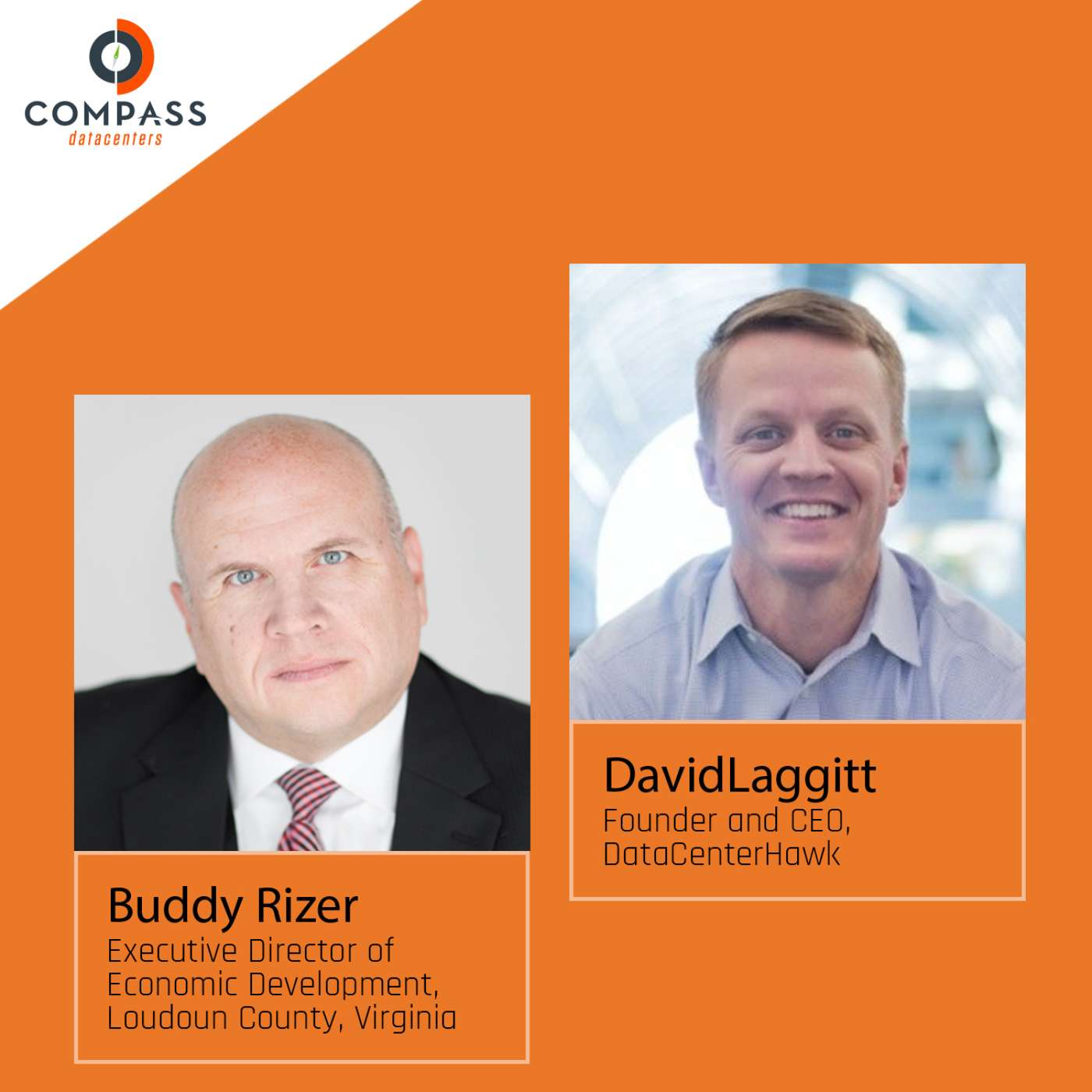
On this episode of the Not Your Father's Data Center podcast, guests Buddy Rizer and Dave Liggett join host Raymond Hawkins to look ahead to 2020. Rizer has been in the data center business since the beginning. Before he took the leap, Rizer took time to get to know the industry, then filled the data centers. Rizer said that it was “such a new industry” that he was the only economic developer at trade shows. He also said that he was lucky to have investors and management “give him the budget and authority to get it done.” On the topic of the industry’s inception, Rizer said that some entrepreneurs started in AOL and are still “driving the business which is exciting to us.” Dave Liggett said that it’s neat that Rizer has the perspective of where it started and where it’s going. The conversation shifted toward the future and where the industry is headed in 2020. Being a capital intensive business, 2018 was a great year, but 2019 didn’t feel very good, and this had them worried a little. The question came up: was it as bad as they thought? Liggett said that, in 2019, the industry players were “victims of their own success.” He said when investors see a great year, they ask, “How good can you do the next year?” Fortunately, Liggett said he was “encouraged already for 2020 with the data we’re receiving.” The host said to keep some perspective, as “there aren't many 53% increase industries.” Rizer then talked about the benefits and jobs that his data centers bring locally, turning the thought that data centers don’t bring jobs on its head. Rizer predicted that, for the next east coast data centers, there is “still room to grow in Loudoun County, Virginia,” where he is located, or Atlanta and communities in Georgia. He said that partnerships with power companies are key, and a distributed model could provide opportunities across the country and world.
Ep 1What’s Happening with Cloud Computing in 2020?
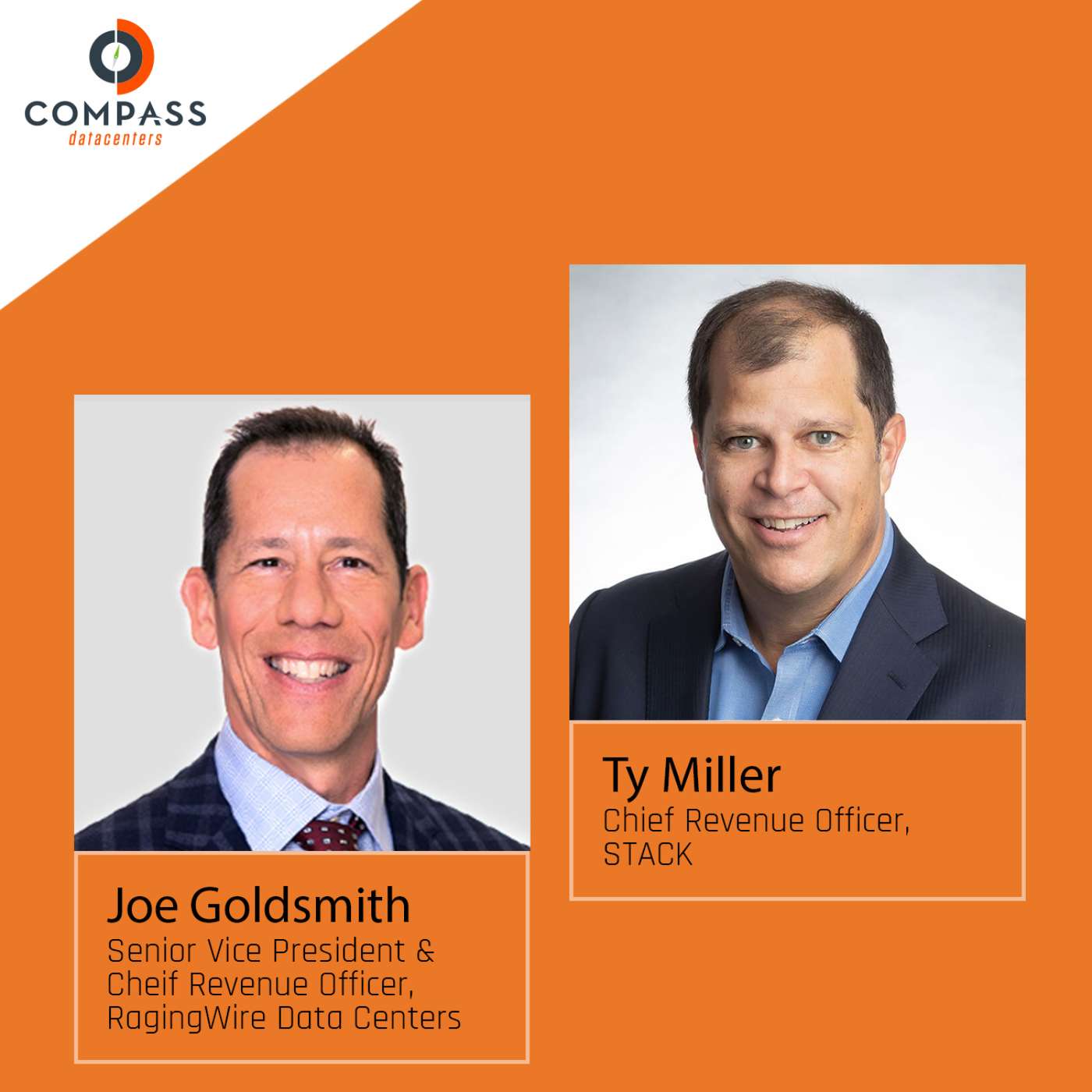
Cloud computing appeared to experience a bit of a lull in the market in 2019. Raymond Hawkins, the host of Not Your Father’s Data Center and Chief Revenue Officer for Compass Datacenters, noted that the apparent 2019 lull came after a robust year in 2018. There are two primary questions that come from this observation. Was there actually a lull? And what does 2020 look like? Hawkins posed those questions to Ty Miller and Joe Goldsmith on a recent episode of Not Your Father’s Data Center Podcast. Goldsmith said that he thinks the market volatility is regional. First, he noted that he separates the corporate enterprise side of the business, because it is a bit more predictable. However, that is not the case for the cloud and service delivery portion of the market. “[For] the folks that are making money with (cloud computing), it has been incredibly volatile,” he said. “I think that some providers are building out infrastructure hoping for more business, and there are some regions wherein they are so far behind the capacity curve, they’re scrambling to catch up. “ Miller said that he doesn’t think there was a lull at all. He cited an example in Northern Virginia that may have looked like a lull. However, Ty noted that absorption was up from 2018, but was outpaced by supply. He also echoed comments by Goldsmith regarding the hybrid enterprise portion of the business. “Five years ago, you’d see a large enterprise deployment in the megawatt measurement range between 1 and 2, or even 5 megawatts,” Miller said. “Now, about 75% of that workload seems to be going to the cloud. Those are from entities who formerly procured as many as 5-times that amount.” He said this speaks to massive growth. For the latest news, videos, and podcasts in the Building Management Industry, be sure to subscribe to our industry publication.