
Night White Skies
108 episodes — Page 2 of 3
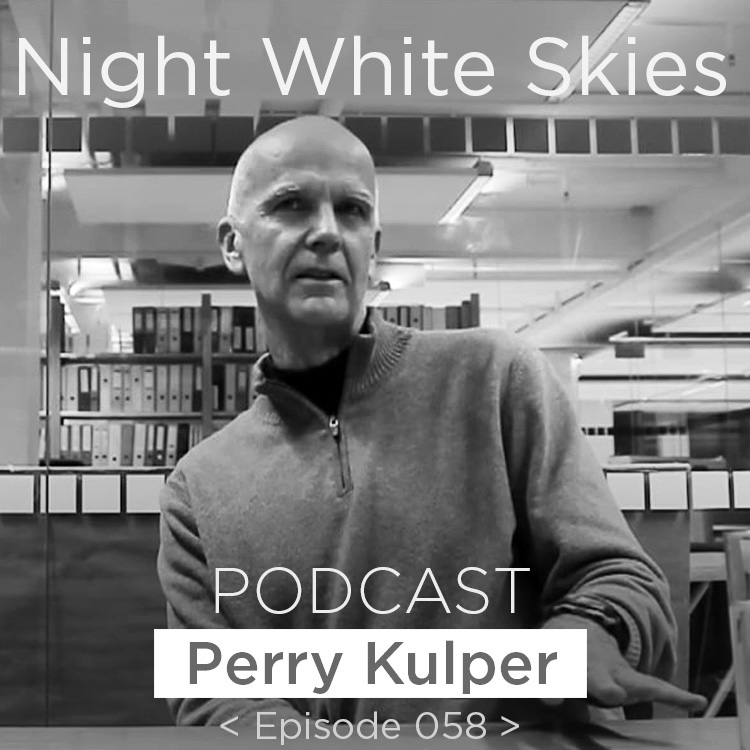
Ep. 058 _ Perry Kulper _ 'Architecture Black Box'
Perry Kulper, an architect and Associate Professor of Architecture at the University of Michigan. He has recently published Pamphlet Architecture 34, 'Fathoming the Unfathomable: Archival Ghosts and Paradoxical Shadows' with Nat Chard. They are at work on a new book to be published by Routledge.

Ep. 057 _ Catherine Bliss _ 'Sociogenomics'
Dr. Catherine Bliss is Associate Professor of Sociology at the University of California San Francisco. Her research explores the sociology of race, gender and sexuality in science, medicine, and society. Today we're discussing her book 'Social by Nature, The Promise and Peril of Sociogenomics'. We discuss the relationships between our body's genetic makeup and the environments we live in.

Ep.056 _ Bradley Cantrell _ 'A.I. and Wildness'
Brad is the Chair of the Landscape Architecture program at the University of Virginia. Brad is the co-author of the book 'Responsive Landscapes' with Justine Holzman. And co authored of the paper'Designing Autonomy: Opportunities for New Wildness in the Anthropocene' with Laura J. Martin, and Erle C. Ellis. This article is our jumping off point for the conversation which discusses the use of machine learning for maintaining areas of non human ecologies. What are the implications and opportunities in decision making when ecological territories are structured by an A.I. or machine learning strategy.
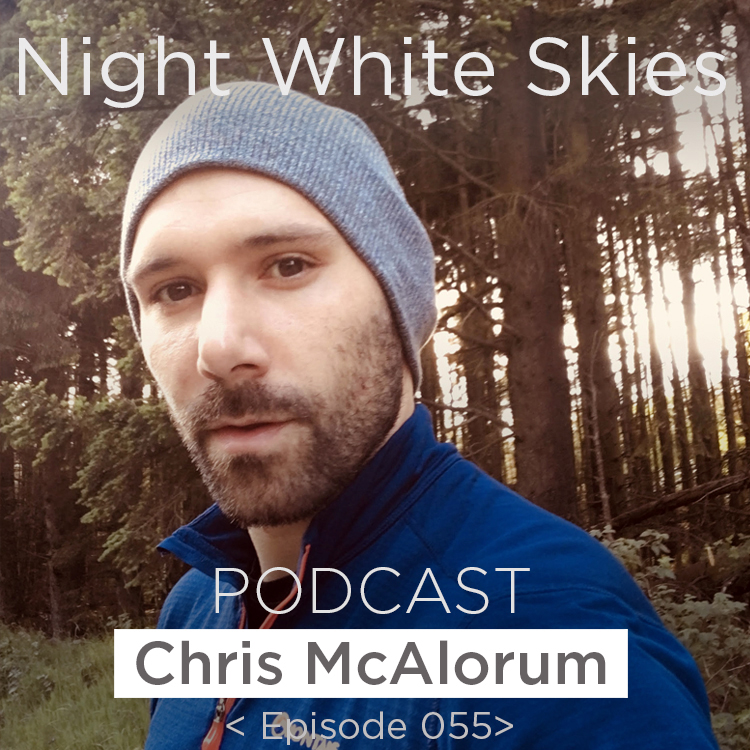
Ep. 055 _ Chris McAlorum _ 'The Enabled Landscape'
Today we discuss Chris's writings about augmented reality and cartography. Chris is a public servant within Ordnance Survey of Northern Ireland Directorate, Northern Ireland Civil Service as well as a guest writer for San Francisco based Venture Beat.

Ep. 054 _ Chris Pak _ 'Terraforming in SF'
Today is a conversation with Chris Pak who is a scholar of speculative literature. His research interests are in the ecological and environmental significance of stories of terraforming and pantropy , which is to say the modification of other planets and the modification of bodies to enable the habitation of otherwise uninhabitable environments. His book (which we'll be discussing today) is from Liverpool University Press called, Terraforming: Ecopolitical Transformations and Environmentalism in Science Fiction. The book focuses on terraforming and its link to climate change and geoengineering, global politics and the relationship between the sciences, philosophy and the arts.

Ep. 053 _ Adam Frank _ 'Alien Anthopocenes'
Astrophysicist Adam Frank is a leading expert on the final stages of evolution for stars like the sun, and his computational research group at the University of Rochester has developed advanced supercomputer tools for studying how stars form and how they die. His most recent book is 'Light of the Stars, Alien Worlds and the Fate of the Earth'.
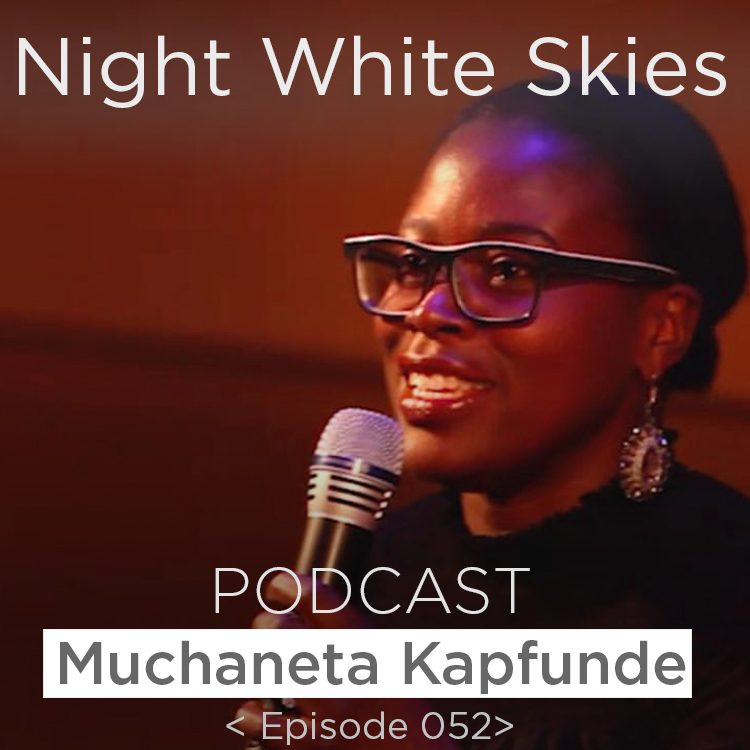
Ep. 052 _ Muchaneta Kapfunde _ 'FashNerd'
Muchaneta Kap-fundee is founding editor-in-chief of FashNerd.com, which she co founded with Mano ten Napel in 2015. Fashnerd is one of the fastest growing digital magazines writing about fashion technology and wearables. www.Fashnerd.com
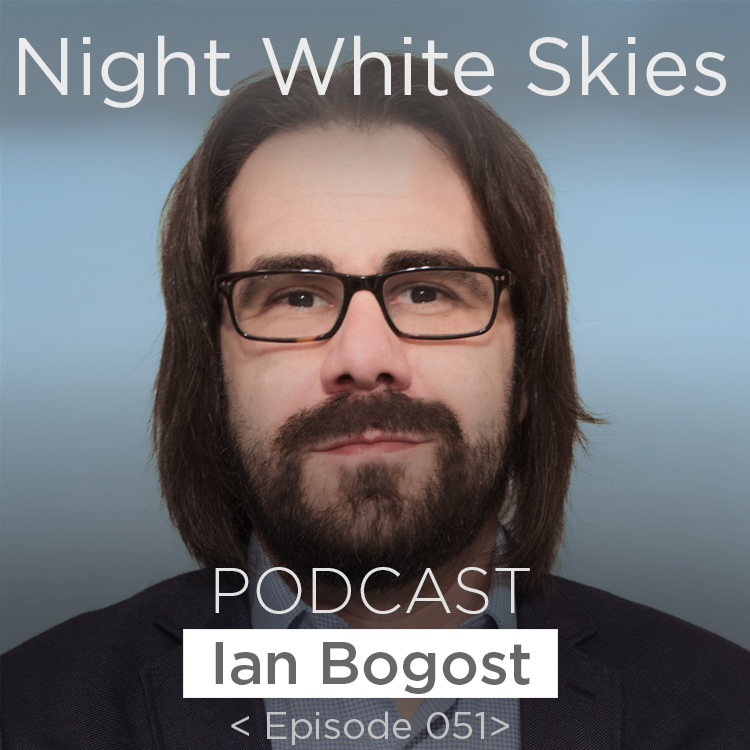
Ep. 051 _ Ian Bogost _ 'Cows Ate My Twizzlers'
Today is a conversation with Ian Bogost. Dr. Ian Bogost is an author and an award-winning game designer. He is Ivan Allen College Distinguished Chair in Media Studies and Professor of Interactive Computing at the Georgia Institute of Technology, where he also holds an appointment in the Scheller College of Business. Bogost is also Founding Partner at Persuasive Games LLC, an independent game studio, and a Contributing Editor at The Atlantic. We discussed privacy, machine learning, cows, and buying twizzlers.
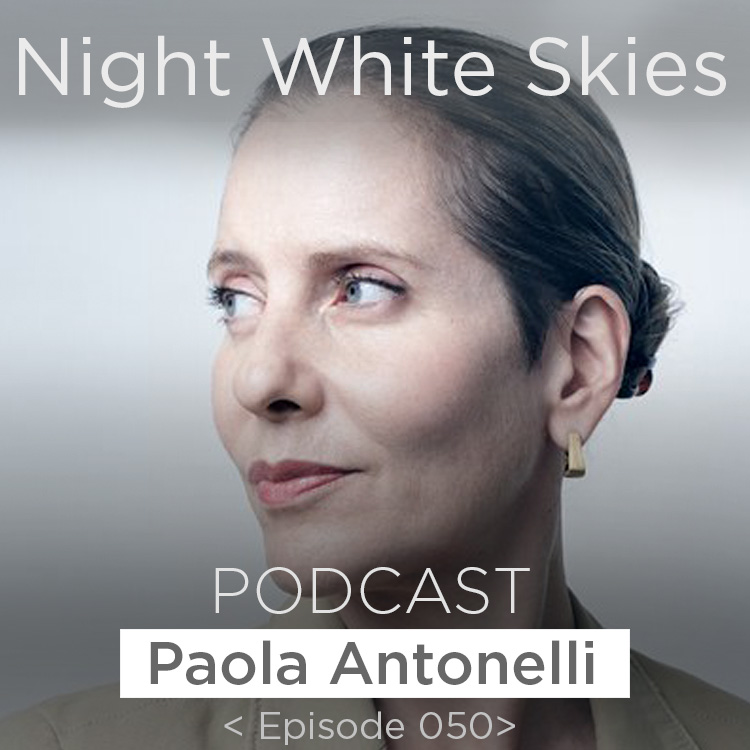
Ep. 050 _ Paola Antonelli _ 'Broken Nature'
This week is with Paola Antonelli - MoMA's Senior Curator of Architecture & Design + Director of R&D. We're discussing her new show 'Broken Nature' for the upcoming XXII Triennale di Milano. www.brokennature.org

Ep. 049 _ Kiel Moe _ 'Empire, State and Building'
Kiel Moe is a practicing architect and Sheff Professor of Architecture at McGill University, and author of 8 books. We're discussing his most recent book Empire, State and Building. The book plots the material history and geography for one plot of land in Manhattan – the parcel of land under the Empire State Building – over the past two hundred years.
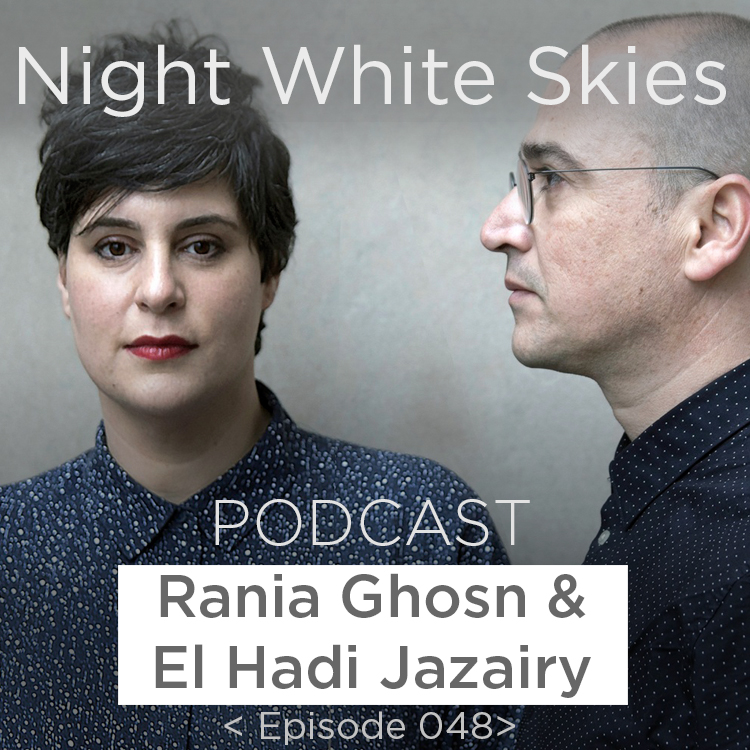
Ep. 048 _ Rania Ghosn_El Hadi Jazairy_'Geostories'
This week is a conversation with architects Rania Ghosn & El Hadi Jazairy about 'Geostories - Another Architecture for the Environment'.
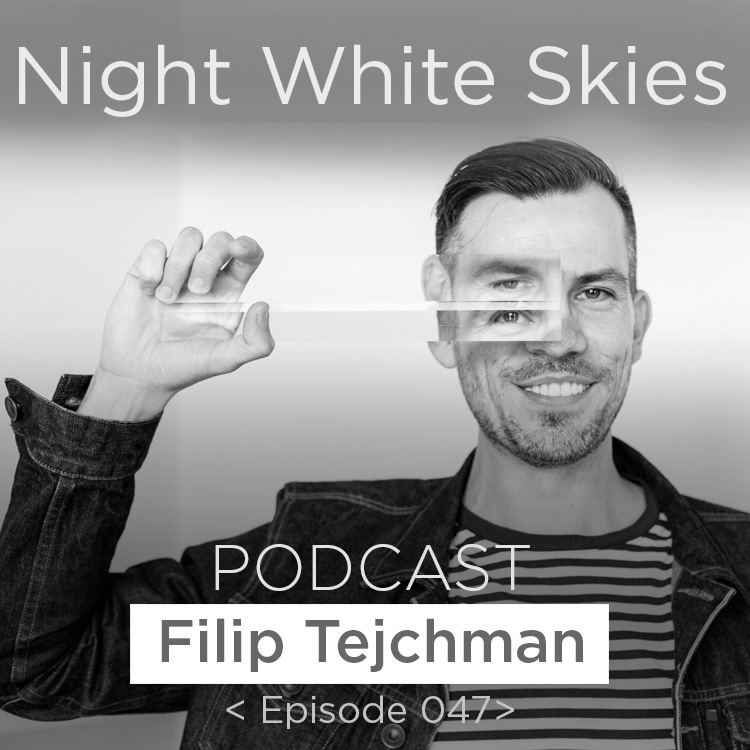
Ep. 047 _ Filip Tejchman _ 'Depatterning'
This week is a conversation with the architect Filip Tejchman about the recent book by Michael Pollan 'How to Change Your Mind, What the New Science of Psychedelics Teaches Us About Consciousness, Dying, Addiction, Depression and Transcendence'.
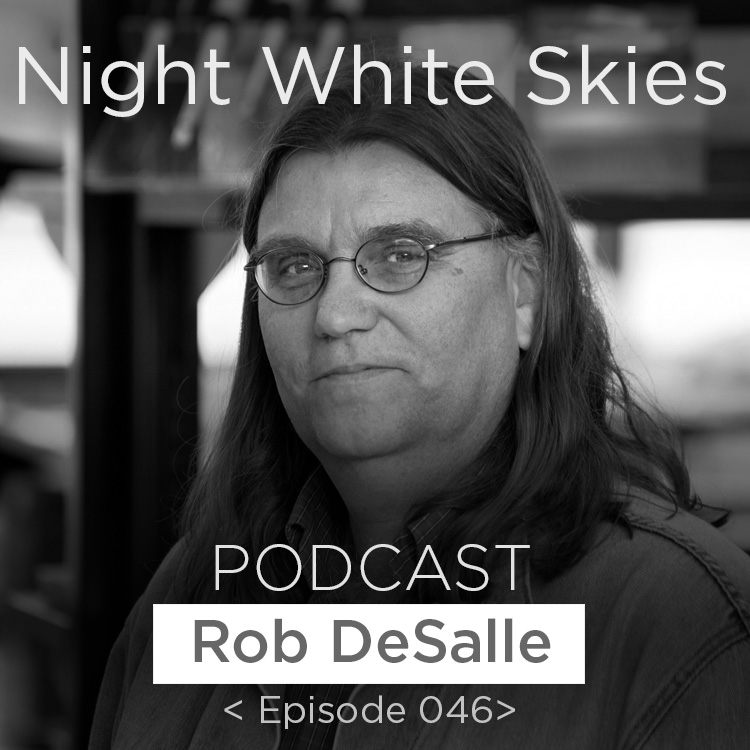
Ep. 046 _ Rob DeSalle _ 'Our Senses'
Rob DeSalle is curator at the American Museum of Natural History & author of 'Our Senses, An Immersive Experience'.
Ep. 045 _ Bryan Norwood _'Phenomenology'
Today is a conversation with Bryan Norwood who recently guest edited Log 42 (winter/spring 2018) entitled "Disorienting Phenomenology." Bryan Norwood is completing his PhD at Harvard University in the History and Theory of Architecture. For more visit www.seanlally.net

Ep. 044 _ Sing Yun Lee _ Francis Gene-Rowe _ 'Ursula K. Le Guin'
This episode is a conversation about the work of the author Ursula Le Guin with Sing Yun Lee and Francis Gene-Rowe (both members of The London Science Fiction Research Community)
Ep. 043 _ Graham Harman _ 'OOO'
This week is a conversation with philosopher Graham Harman. We talk about his introduction of Object Oriented Ontology (or OOO) and it's potential influence on the discipline of architecture. (photo credit: SciArc)

Ep. 042 _ Mario Carpo _ 'No One Likes a Quitter'
Mario Carpo is the Reyner Banham Professor of Architectural History and Theory at the Bartlett, UCL, London & author of the article "Post-Digital "Quitters": Why the Shift Toward Collage Is Worrying". His latest monograph is, The Second Digital Turn: Design Beyond Intelligence, has just been published by the MIT Press.
Ep. 041 _ Jason Kelly Johnson and Nataly Gattegno _ 'Live Models'
I'm happy to say that today's guests are two friends - architects Jason Kelly Johnson and Nataly Gattegno of Future Cities Lab. Future Cities Lab is an experimental art and Design studio in Francisco, CA. Since 2005, founders Jason Kelly Johnson and Nataly Gattegno have collaborated on a range of cutting-edge projects exploring the intersections of art and design with public space, performance, advanced fabrication technologies, robotics, and responsive building systems.
Ep. 040 _ Chris D. Thomas _ 'Speciation'
This week I'm talking with Chris Thomas, professor of conservation biology at the University of York in the UK and author of the recent book 'Inheritors of the Earth, How Nature is Thriving in an Age of Extinction'. His numerous articles and academic works make him one of the world's most influential ecologists, and his research has been covered on the front pages of the Guardian and Washington Post. He was elected a fellow of the Royal Society in 2012, received Marsh Awards for Climate Change Research in 2011 and for Conservation Biology in 2004, and was awarded the prestigious British Ecological Society President's Medal in 2001.
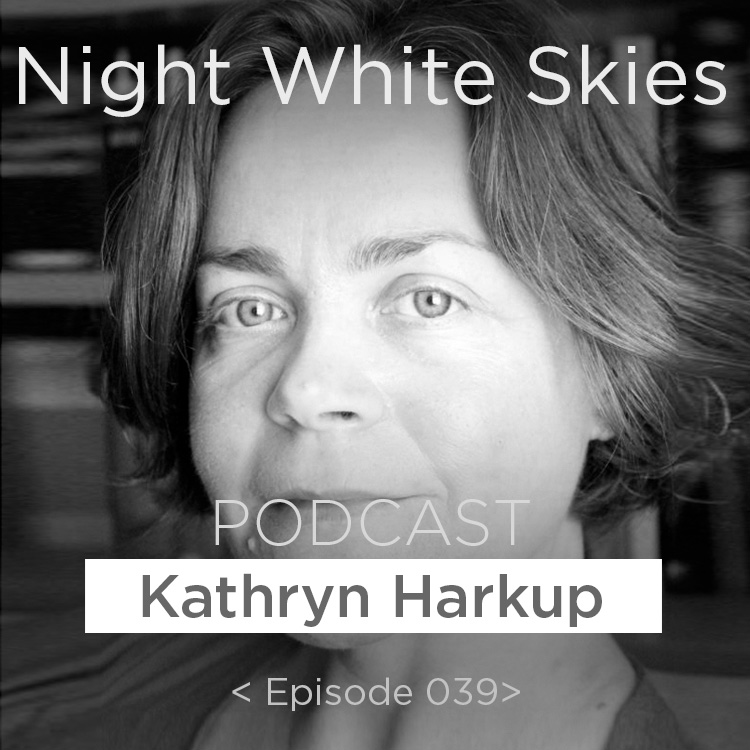
Ep. 039 _ Kathryn Harkup _ 'Frankenstein'
This week is a conversation with chemist and author Kathryn Harkup about her book 'Making the Monster, The Science behind Mary Shelley's Frankenstein'. Kathryn completed a doctorate on her favorite chemicals, phosphines, and went on to further postdoctoral research before realizing that talking, writing and demonstrating science appealed a bit more that hours slaving over a hot fume-hood. She currently writes a monthly poison blog for the Guardian and gives regular public talks on the disgusting and dangerous side of science. Kathryn's first book was the international best-seller 'A is for Arsenic', which was shortlisted for a Mystery Readers International Macavity Award and a BMA Book Award.
Ep. 038 _ 'Thanks, Larry' _ Topical Interlude
This week on Night White Skies is a 'Topical Interlude' - A fictional conversation between myself a Larry Page of Google and a look at NYC's Central Park in 2034.
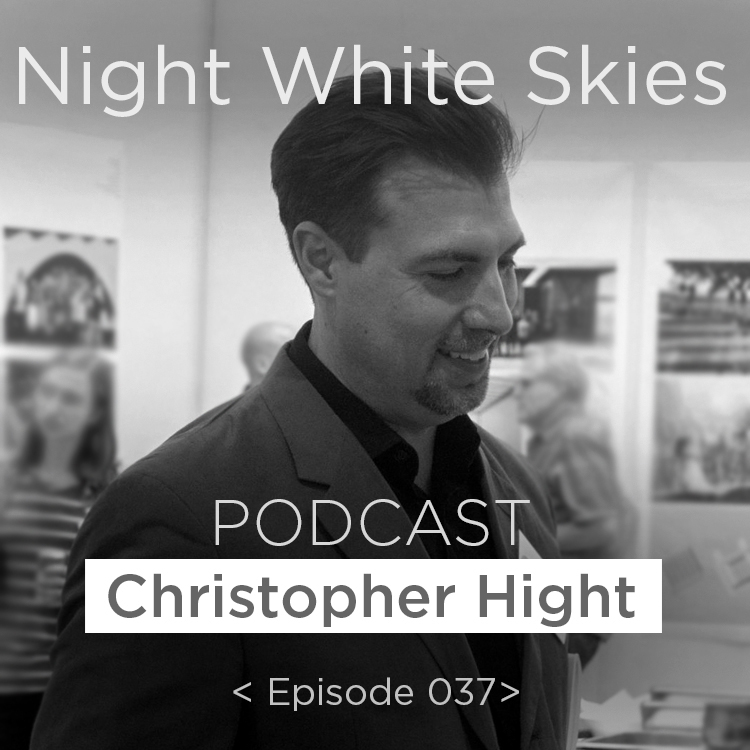
Ep. 037 _ Christopher Hight _ 'Resilience in Sci-Fi
This episode is a conversation with architectural designer and theorist Christopher Hight about two science fiction books;'The Drowned World' by J. G. Ballard, and 'Seveneves' by Neal Stephenson. The two books were published over 50 years apart. Both of these books are prime candidates for this show because they each do two things. The two books discuss an evolving Earth climate as well as an evolving human species. There is also quit a bit of difference within these two books. We see very different reasons for the climate change that's taking place, the plotlines occur over drastically different time scales, and the 'how' and 'what' that occurs to human evolution is different. The two books also open a conversation about how designers and architects can rethink the concept of resilience regarding the environment.
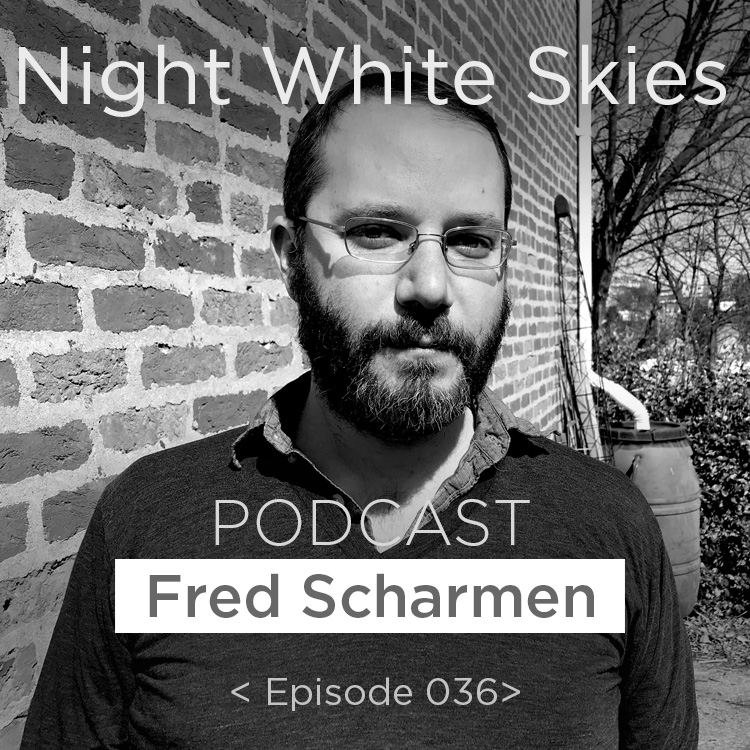
Ep. 036 _ Fred Scharmen _ 'Climates & Subjectivity'
It's a great article about the work of NASA and others putting humans in space. To put people in space, you have to create environments for them to live. In the early 1970's NASA created big plans for new space colonies for human to live in. But what kind of nature would we be bringing up to space? If the same nature that we know of down here on earth doesn't have to abide by the same rules of light, soil, atmosphere and gravity up there in space, how might it be different And therefore how might that shape us as humans. How might this change our own perspectives and relationships to nature back here on Earth.
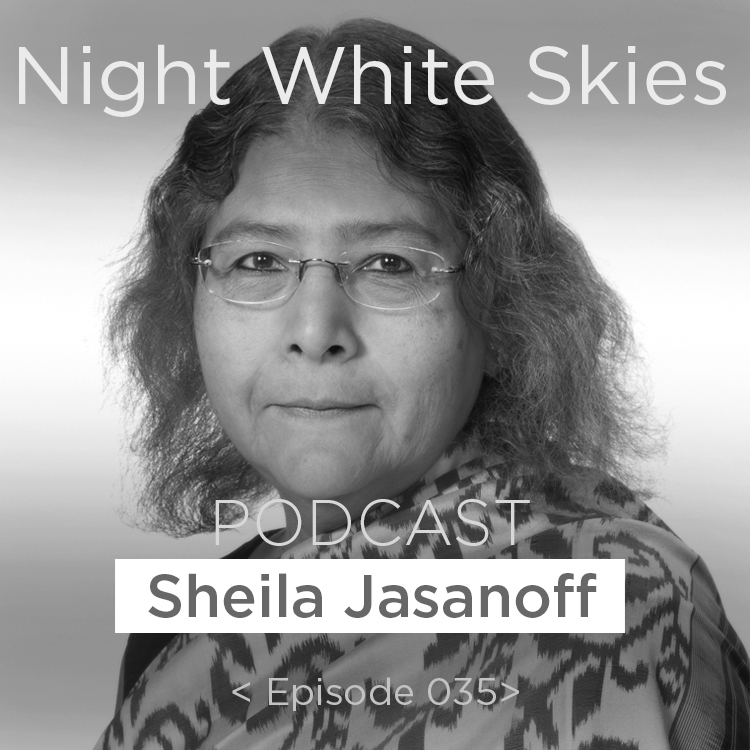
Ep. 035 _ Sheila Jasanoff _ 'The Ethics of Invention'
Sheila Jasanoff is Pforzheimer Professor of Science and Technology Studies at the Harvard Kennedy School. A pioneer in her field, she has authored more than 120 articles and chapters and is author or editor of more than 15 books, including The Fifth Branch, Science at the Bar, Designs on Nature, and The Ethics of Invention. Her work explores the role of science and technology in the law, politics, and policy of modern democracies. She founded and directs the STS Program at Harvard; previously, she was founding chair of the STS Department at Cornell. She has held distinguished visiting appointments at leading universities in Europe, Asia, Australia, and the US. Jasanoff served on the AAAS Board of Directors and as President of the Society for Social Studies of Science. She is a member of the Council on Foreign Relations. Her honors include a Guggenheim Fellowship, the University of Ghent Sarton Chair, an Ehrenkreuz from the Government of Austria, and membership in the Royal Danish Academy. She holds AB, JD, and PhD degrees from Harvard, and an honorary doctorate from the University of Twente.

Ep. 034 _ Bradford Bouley _ 'Saintly Anatomy'
Bradford Bouley is assistant professor of history at the University of California, Santa Barbara and a fellow at the Harvard Center for Renaissance Studies, Villa I Tatti. His research focuses on the histories of religion and science in the early modern, especially Italian, context. His first book, Pious Postmortems: Anatomy, Sanctity, and the Catholic Church in Early Modern Europe, was published by the University of Pennsylvania Press in 2017. His work has also appeared in Catholic Historical Review, the Sixteenth Century Journal, and the Rivista di Storia del Cristianesimo. He is currently writing a second book entitled The Barberini Butchers: Meat, Murder and Warfare in Early Modern Italy, which will discuss food supply, warfare, and some early episodes in environmental history.
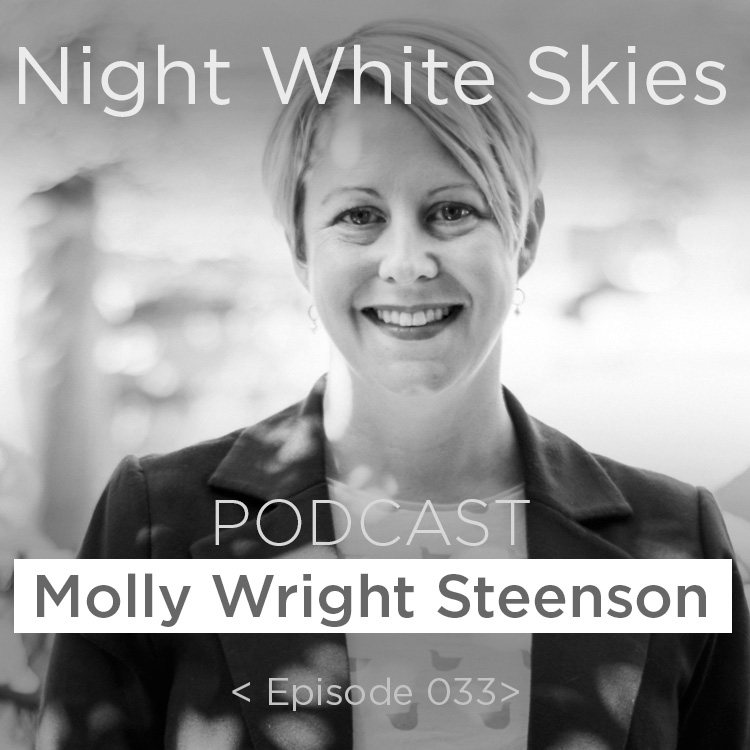
Ep. 033 _ Molly Wright Steenson _ 'Architectural Intelligence'
Molly Wright Steenson is a designer, author, professor, and international speaker whose work focuses on the intersection of architecture, design, and artificial intelligence. She is the author of Architectural Intelligence: How Designers and Architects Created the Digital Landscape (MIT Press, 2017), which tells the radical history of AI's impact on design and architecture and how it poured the foundation for contemporary digital design. Molly is an associate professor at Carnegie Mellon University's School of Design, with a courtesy appointment in the School of Architecture. Previously, she was an assistant professor in the School of Journalism and Mass Communication at the University of Wisconsin-Madison, adjunct faculty at Art Center in Pasadena, CA, and an associate professor at the Interaction Design Institute Ivrea in Italy. Molly cut her teeth on the web in 1994 and has since worked with groundbreaking studios, consultancies, and corporations. She holds a PhD in Architecture from Princeton University and an M.E.D from the Yale School of Architecture.
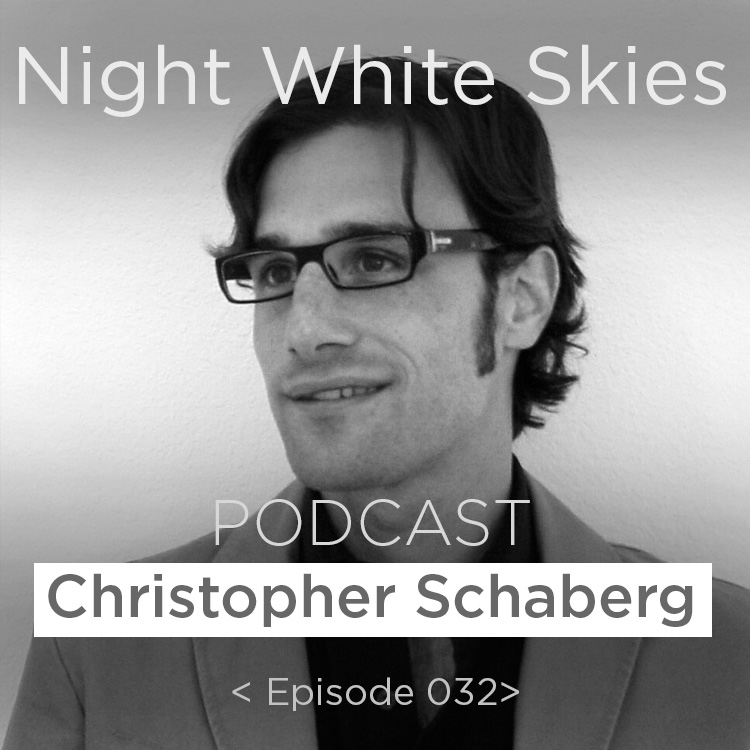
Ep. 032 _ Christopher Schaberg _ 'Worlds World Worlds'
Christopher Schaberg received his Ph.D. from the University of California, Davis, where he specialized in twentieth-century American literature and critical theory. At Loyola, Dr. Schaberg teaches courses on contemporary literature and nonfiction, cultural studies, and environmental theory. He also teaches a first-year seminar on airports in American literature and culture. He is the author of three books on airports: The Textual Life of Airports: Reading the Culture of Flight (2012), The End of Airports (2015), and Airportness: The Nature of Flight (2017). He has co-edited two essay collections: Deconstructing Brad Pitt (2014, with Robert Bennett) and Airplane Reading (2016, with Mark Yakich). He is currently completing a book called The Work of Literature In An Age of Post-Truth, which is about teaching, reading, and writing in the early twenty-first century. Dr. Schaberg is founding co-editor (with Ian Bogost) of an essay and book series called Object Lessons which explores the hidden lives of ordinary things. This series offers hands-on opportunities for Loyola students who are interested in nonfiction writing as well as working in editing and publishing.
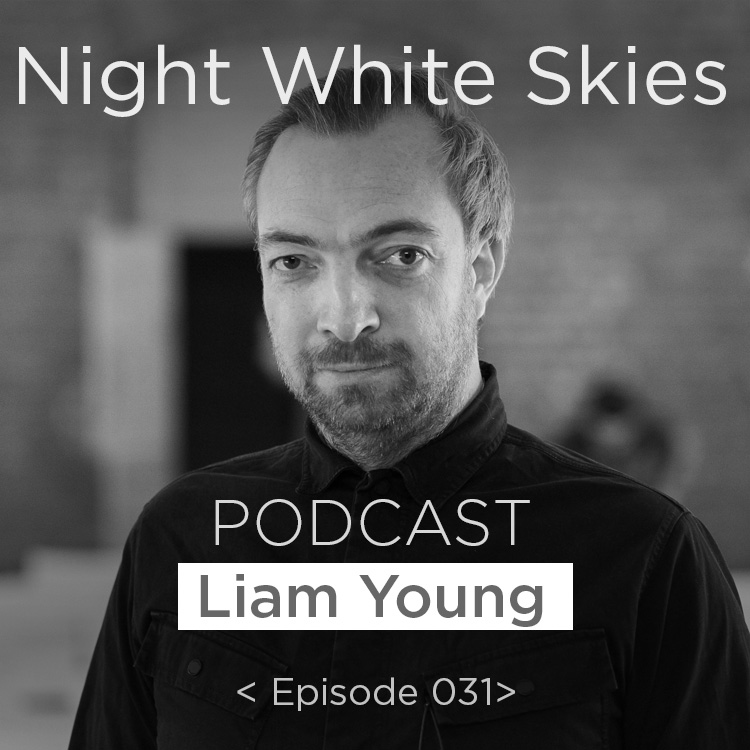
Ep. 031_ Liam Young _ 'Practicing Architect'
Liam Young is an Australian born architect who operates in the spaces between design, fiction and futures. He is founder of the think tank Tomorrows Thoughts Today, a group whose work explores the possibilities of fantastic, speculative and imaginary urbanisms. Building his design fictions from the realities of present, Young also co-runs the Unknown Fields Division, a nomadic research studio that travels on location shoots and expeditions to the ends of the earth to document emerging trends and uncover the weak signals of possible futures. He has been acclaimed in both mainstream and architectural media, including the BBC, NBC, Wired, Guardian, Time Magazine, and Dazed and Confused and his work has been collected by institutions such as the Metropolitan Museum of Art and the Victoria and Albert Museum. He has taught internationally including the Architectural Association and Princeton University and now runs an M.A. in Fiction and Entertainment at SCI-Arc. Young manages his time between exploring distant landscapes and visualizing the fictional worlds he extrapolates from them.

Ep. 030 _ Sarah Thomas Karle and David Karle _ 'Conserving the Dust Bowl'
The United States in 1930's experienced what is referred to as the dust bowl in which a combination of poor farming and business practices caused massive wind erosion called 'black blizzards' that resulted in many farmers abandoning their farms in states of Oklahoma, Kansas, Nebraska and beyond, just as the Great Depression was underway. The research story here is about one of the initiatives from President Franklin D. Roosevelt's New Deal inniatives. This being the creation of a 'shelter belts', more precisely, the planting of more than 220 million trees from North Dakota down through Texas in a seven year time frame to help stabilize soil and rejuvenate farming communities…. Essentially, an act of planning and environmental conservation to be better prepared for a future of farming in the Great Plains. Sarah Thomas Karle is an Associate Professor of Landscape Architecture in the College of Architecture at the University of Nebraska where she teaches undergraduate courses in landscape architecture. David Karle is an Associate Professor of Architecture in the College of Architecture at the University of Nebraska where he teaches undergraduate and graduate courses on architecture, landscape architecture, and urbanism.
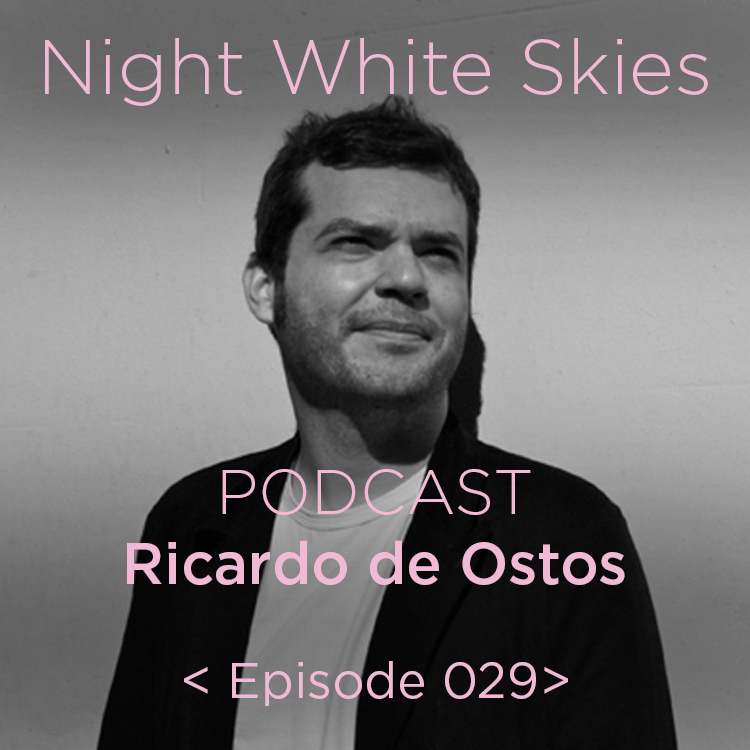
Ep. 029 _ Ricardo de Ostos _ 'Creature Conditions'
Ricardo de Ostos creates speculative fictions that envision architectural projects in shifting environmental and cultural contexts. He lives, works and teaches in London at both, the Architectural Association and The Bartlett School of Architecture. He is the co-director of NaJa & deOstos studio and co-author of 'The Hanging Cemetery of Baghdad' (Springer Wien/New York, 2006) 'Ambiguous Spaces' (Princeton Press, 2007) and 'Scavengers and Other Creatures in Promised Lands' (fall 2017, AA). NaJa & deOstos Ambigious Territory

Ep. 028 _ Sara M. Watson _ 'Technology Criticism'
Sara M. Watson is a writer and technology critic. She is an affiliate with the Berkman Klein Center for Internet and Society at Harvard University, and a writer in residence at Digital Asia Hub. Sara writes and speaks about emerging issues in the intersection of technology, culture, and society. She advocates for a constructive approach to technology criticism that not only critiques, but also offers alternatives. Her writing appears in The Atlantic, Wired, The Washington Post, Slate, Motherboard, and other publications.
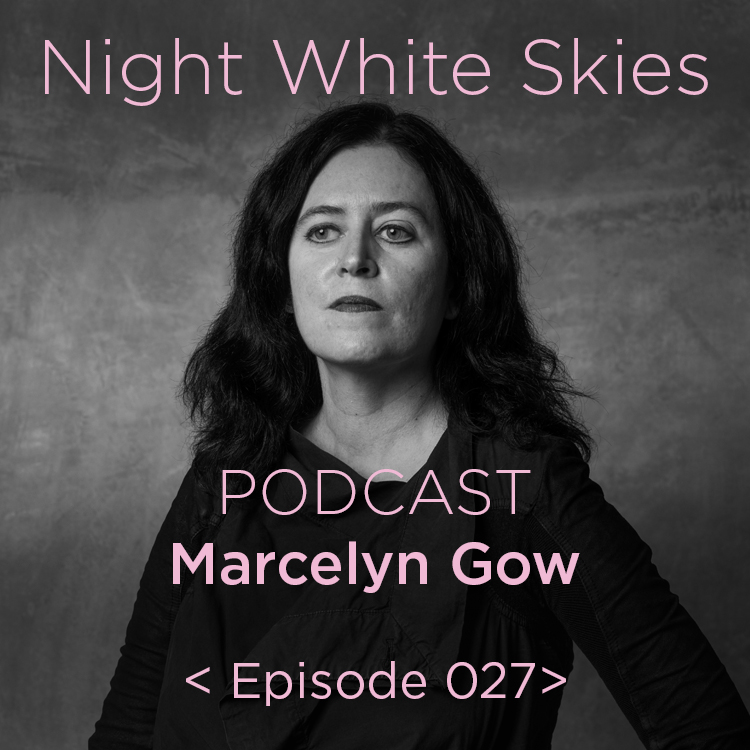
Ep. 027 _ Marcelyn Gow _ 'The Shape of Information'
This week is a conversation with Marcelyn Gow. Marcelyn is an architect and principle of Servo Los Angeles, She received her Architecture degrees from Architectural Association in London, Columbia University and her Doctorite from the ETH Zurich. Her Doctoral dissertation was called 'Invisible Environment: Art, Architecture and a Systems Aesthetic' which explored the relationship between aesthetic research and technological innovation. She currently teaches design studios and critical theory seminars at SCI-Arc in Los Angeles.
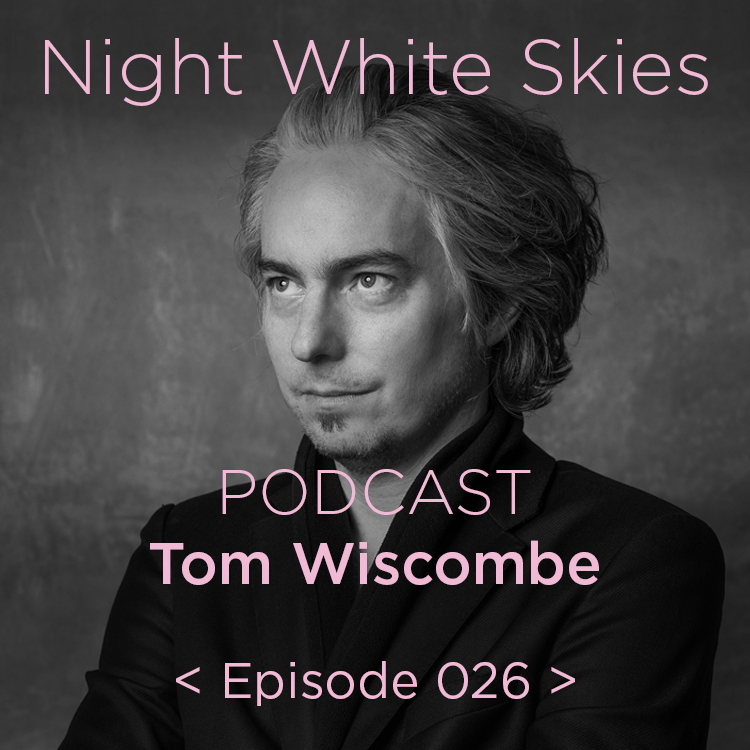
Ep. 026 _ Tom Wiscombe _ 'A More Robust Discipline'
Tom Wiscombe is Principal of Tom Wiscombe Architecture which is currently planning the Main Museum of Los Angeles Art with Developer Tom Gilmore in Downtown LA. As well as the West Hollywood Belltower on Sunset Blvd in Los Angeles. Wiscombe is Chair of the B.Arch Program at SCI-Arc, where he has taught for over 10 years. Previously to all this, Tom worked for Coop Himmelb(l)au, where he was Chief Designer for BMW Welt, Munich, the Lyon Museum of Confluences, and the Dresden Cinema Center.
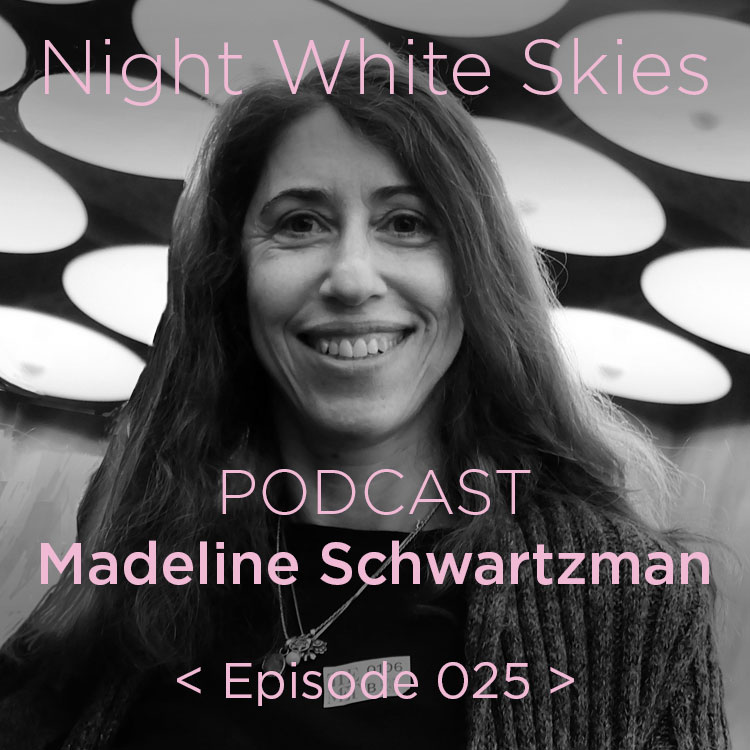
Ep. 025 _ Madeline Schwartzman _ 'See Yourself X'
EMadeline Schwartzman is a New York City writer, filmmaker and architect whose work explores human narratives and the human sensorium through social art, book writing, curating and video making. Her two books 'See Yourself Sensing: Redefining Human Perception (Black Dog Publishing, London, 2011)—and Her forthcoming book See Yourself X: Human Futures Expanded (Black Dog September 2017) explores the future of the human head, using fashion, design and technology to speculate on how me might extend ourselves into space.
Ep. 024 _ Sophia Roosth _ 'Synthetic Life'
Sophia Roosth is the Frederick S. Danziger Associate Professor in the Department of the History of Science at Harvard University. We discuss her book 'Synthetic, How Life Got Made'.
Ep. 023 _ Gareth Damian Martin _ ''Gaming & Speculative New Worlds'
Gareth Damian Martin is the creator and editor of Heterotopias, a project focusing on the spaces and architecture of virtual worlds. Heterotopias is both a digital zine and website, hosting studies and visual essays that dissect spaces of play, exploration, violence and ideology.
Ep. 022 _ Kevin Warwick _ 'New Sensory Perception'
Kevin Warwick's research areas include artificial intelligence, robotics and biomedical engineering. Kevin Warwick is Deputy Vice-Chancellor (Research) at Coventry University. Prior to that he was Professor of Cybernetics at The University of Reading, England.
Ep. 021 _ Oliver Morton _ ' The Planet Remade'
Oliver Morton is The Economist's briefings editor. Before coming to The Economist as energy and environment editor in 2009, he was the chief news and features editor of Nature, the international scientific journal. He is the author of 'The Planet Remade, How Geoengineering Could Change the World', "Eating the Sun: How Plants Power the Planet", a study of photosynthesis, its meanings and its implications, and "Mapping Mars: Science, Imagination and the Birth of a World".

Ep. 020 _ Jesse LeCavalier _ 'The Rule of Logistics'
Jesse LeCavalier is a designer, writer, and educator whose work explores the architectural and urban implications of contemporary logistics. He is assistant professor of architecture at the New Jersey School of Architecture at NJIT and author of The Rule of Logistics: Walmart and the Architecture of Fulfillment (University of Minnesota Press, 2016). LeCavalier was a recipient of the New Faculty Teaching Award from the Association of the Collegiate Schools of Architecture (ACSA) in 2015 and the 2010-11 Sanders Fellow at the University of Michigan. His work has been supported by the Graham Foundation, the New York State Council for the Arts, and the BMW Foundation. Recent publications include "Stuff During Logistics" in, the Oslo Architecture Triennale catalog (Lars Mueller, 2016), as well as contributions to Infrastructure Space (Ruby Press, 2016), Smart City: Utopian Vision or False Dawn? (Routledge, 2016), Volume 47: Short Circuits, and Harvard Design Magazine 43. His essay, "The Restlessness of Objects," was the recipient of a 2013 Core77 Design Award and his article "All Those Numbers" was named by The Atlantic as one of "Nearly 100 Fantastic Pieces of Journalism" in 2011.

Ep. 019 _ Molly Wright Steenson _ 'Cedric Price's Influence'
On this episode we discuss the architect Cedric Price and the influence of his work and strategies today. Molly Wright Steenson is a designer, writer, and international speaker whose work focuses on the intersection of design, architecture, and artificial intelligence. She is the author of the forthcoming book Architectural Intelligence: How Designers and Architects Created the Digital Landscape (MIT Press, Fall 2017), which tells the radical history of AI's impact on design and architecture and how it poured the foundation for contemporary digital design. A web pioneer since 1994, she's worked at groundbreaking design studios, consultancies, and Fortune 500 companies for 23 years. Dr. Steenson is an associate professor at Carnegie Mellon University's School of Design and holds a PhD in architecture from Princeton University and a master's in architectural history (M.E.D.) from Yale.
Ep. 018 _ David Biello _ 'The Unnatural World'
David Biello is an award-winning journalist who has been reporting on the environment and energy since 1999. He is currently the science curator for TED Talks and a contributing editor at Scientific American, where he has been writing since 2005. He also contributes frequently to the Los Angeles Review of Books, Yale e360, Nautilus, and Aeon, among other publications. Biello hosts the ongoing duPont-Columbia award-winning documentary Beyond the Light Switch as well as The Ethanol Effect for PBS. The Unnatural World is his first book.
EP. 017 _ Daisy Ginsberg _ 'Synthetic Biology'
EAlexandra Daisy Ginsberg is a designer, artist and writer, developing experimental approaches to imagine new roles and ideals for design. Designing objects, workshops, writing and curating, Daisy investigates design's aesthetic and ethical futures with collaborators around the world including scientists, engineers, artists, designers, social scientists, galleries and industry. The Dream of Better, her PhD by practice at London's Royal College of Art, uses design to explore our idea of the 'better' future. Daisy's expertise includes design and synthetic biology. She curated 'Synthetic Aesthetics' (Stanford University/University of Edinburgh, 2010–2013), an international research project between synthetic biology, art and design, and is lead author of Synthetic Aesthetics: Investigating Synthetic Biology's Designs on Nature (MIT Press, 2014). She led the curatorial team for Grow Your Own… Life After Nature, a flagship Wellcome-funded exhibition about synthetic biology at Science Gallery, Dublin (October 2013–January 2014). Daisy leads Studio Alexandra Daisy Ginsberg, an experimental design research studio.

EP. 016 _ Philippe Rahm _ 'The Gradient'
EPhilippe Rahm is a Swiss architect, principal in the office of Philippe Rahm architectes, based in Paris, France. His work, which extends the field of architecture from the physiological to the meteorological, has received an international audience in the context of sustainability.
EP. 015 _ James Hughes _ 'Ethics of Human Enhancement'
James Hughes is a bioethicist and sociologist. He's the Executive Director of the Institute for Ethics and Emerging Technologies, and author of Citizen Cyborg: Why Democratic Societies Must Respond to the Redesigned Human of the Future.' He holds a doctorate in sociology from the University of Chicago, where he also taught bioethics at the MacLean Center for Clinical Medical Ethics.
EP. 014 _ Darran Anderson _ 'Imaginary Travels'
Darran Anderson is the author of Imaginary Cities (Influx Press/University of Chicago Press) and the forthcoming Tidewrack (Vintage/Farrar, Straus and Giroux). He has also written the forthcoming e-book In Defence of Expressionist Architecture for Machine Books. He has written on the intersection of architecture and politics, technology, culture and futurism for the likes of The Guardian, Wired and Aeon. He has given talks on these issues at the LSE, the V&A, the Bartlett, the Bristol Festival of Ideas, the Edinburgh International Book Festival and the Robin Boyd Foundation, Melbourne among others. He gave the 2016 keynote speech for the British Council at the Venice Architecture Biennale.
EP. 013 _ David Gissen _ 'Lost Atmospheres'
David Gissen is the author of books, essays, exhibitions and experimental writings and projects about environments, landscapes, cities, and buildings from our time and the historical past. David is Professor of Architecture and Visual and Critical Studies at the California College of the Arts, a visiting professor at the Massachusetts Institute of Technology and Columbia University, and a visiting critic at numerous schools in the United States and Europe where he lectures and teaches in the areas of architecture, urban, and landscape history-theory, writing and design. At CCA, he co-directs the Experimental History Project and the MAAD HTX degree.
EP. 012 _ Geoff Manaugh _ 'Sentient Landscapes'
Geoff Manaugh is the founder and author of the BLDGBLOG website. Manaugh is a former editor at Dwell magazine, former Editor-in-Chief at Gizmodo, and a contributing editor at Wired UK. Manaugh is the editor of Landscape Futures: Instruments, Devices and Architectural Inventions. Most recently, he is the author of the book 'A Burglars Guide to the City' which is being adapted for television by CBS studios.
Ep. 011 _ Albert Pope _ 'Is Climate an Architectural Design Problem?'
"Is Climate an Architectural Design Problem?" Albert Pope is the Gus Sessions Wortham Professor of Architecture. He teaches in the school's Undergraduate and Graduate Program and is currently the director of the school's Present/Future program. Professor Pope holds degrees from SCI-Arc and Princeton, and taught at Yale University and SCI-Arc before coming to Rice. His design work has received numerous awards including national and regional awards by the American Institute of Architects as well as a design citation from Progressive Architecture. He is the recipient of numerous grants from a wide variety of funding agencies including the National Endowment for the Arts and the Shell Center for Sustainability. He is the author of the book-length study of the postwar American City, Ladders, recently reissued in a second edition (Princeton Architectural Press, 1997, 2015). Professor Pope has written and lectured extensively on the broad implications of post-war urban development. His current research addresses the urban implications of climate change. He is actively working on the formulation of new models of density in light of the extraordinary demands soon to be placed on the global urban environment.
Ep. 010_Bradley Cantrell
Bradley Cantrell is a landscape architect and scholar whose work focuses on the role of computation and media in environmental and ecological design. Professor Cantrell received his BSLA from the University of Kentucky and his MLA from the Harvard Graduate School of Design. He has held academic appointments at the Harvard Graduate School of Design, The Rhode Island School of Design, and the Louisiana State University Robert Reich School of Landscape Architecture where he led the school as graduate coordinator and director. Cantrell's research and teaching focuses on digital film, simulation, and modeling techniques to represent landscape form, process, and phenomenology. His work in digital representation ranges from improving the workflow of digital media in the design process, to providing a methodology for deconstructing landscape through compositing and film editing techniques. His work in media has been recognized through a range of venues and has engaged both public and private clients.
Ep. 009 _ A Brief Belated Introduction
Episode 009 is a brief and belated introduction about the 'Night White Skies' podcast discussing the shows ambitions and guests going forward.