
Myanmar Musings
100 episodes — Page 2 of 2

Press Freedom after Feb 1, 2021
Join Tom Kean and Ben Dunant of Frontier Myanmar, the premier English-language journalism organisation in the country, as they discuss the changes in Myanmar's politics since February 1 through the lens of press freedom. It's a whole new world for the people and the press in Myanmar, as the tug of war continues between the people and the military - between the smartphone and the gun.
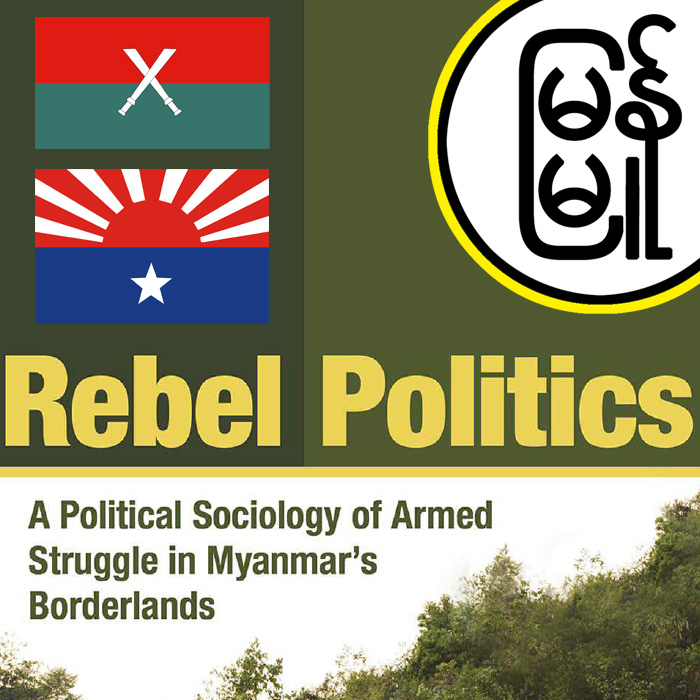
The Future of Rebel Politics
What is the future of rebel politics in Myanmar? Talking three weeks after major political convulsions at the centre of the Myanmar state, Dr David Brenner, Lecturer at the Department of International Relations at the School of Global Studies, University of Sussex, discusses his book Rebel Politics: A Political Sociology of Armed Struggle in Myanmar's Borderlands and how ethnic armed organisations may respond to or be impacted by the ongoing civil-military turmoil across the country.
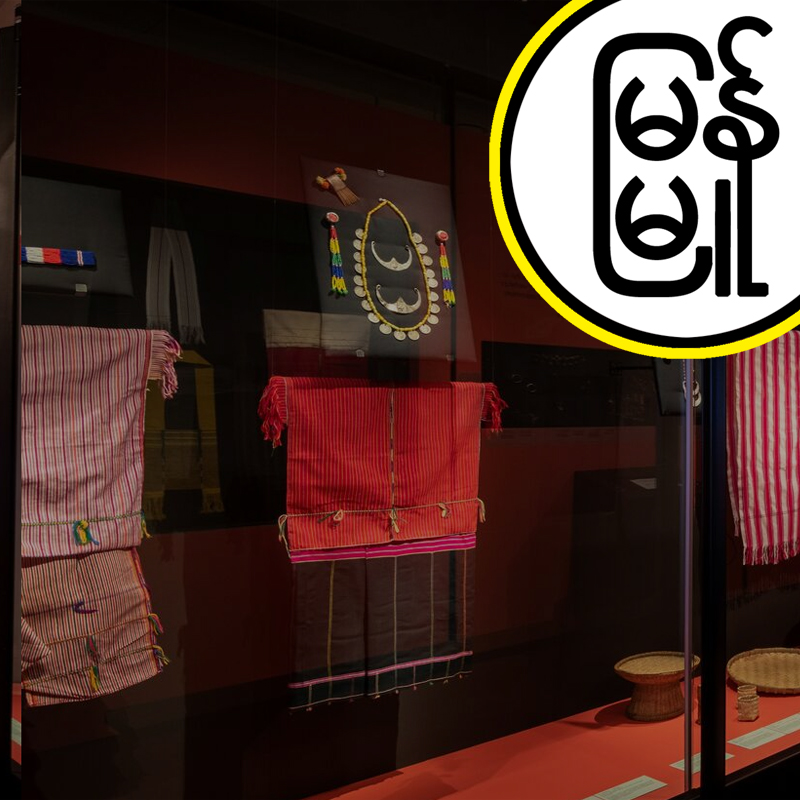
Material Culture & Indigenous Fates in Turbulent Times
Join us for an elaboration on collaborative museum exhibitions with Dr Georg Noack, Senior Curator for South and Southeast Asia, at the Linden-Museum in Stuttgart, Germany. Georg worked with the Kayan and Kayaw communities in Kayah State to develop a new exhibition both in person and online that focuses on the region's many material cultures. Visit in your browser here: https://sammlung-digital.lindenmuseum.de/en/chapter/the-karenni-region-and-the-linden-museum_3527.
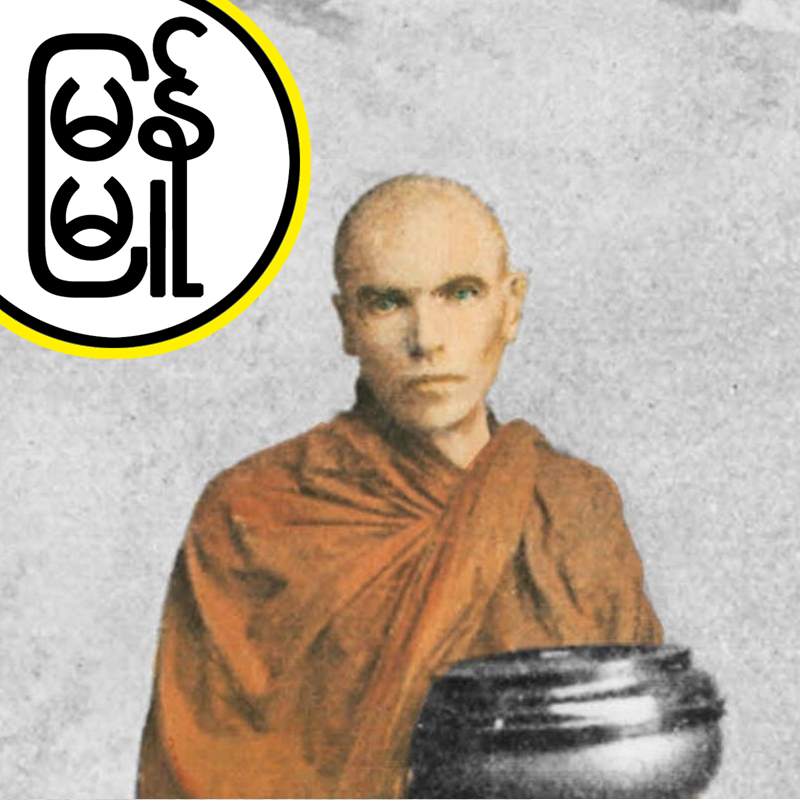
The Forgotten Monk
Recorded on January 13, 2021, this episode focuses on the life of U Dhammaloka, a fascinating figure in Myanmar history. Born on the Emerald Isle and ordained in the Golden Land, U Dhammaloka's story and contribution to Burmese and imperial politics and global Buddhism is the subject of a new book by Dr Alicia Turner, Associate Professor of Humanities and Religious Studies at York University, named The Irish Buddhist: The Forgotten Monk Who Faced Down the British Empire, co-authored with Laurence Cox and Brian Bocking.
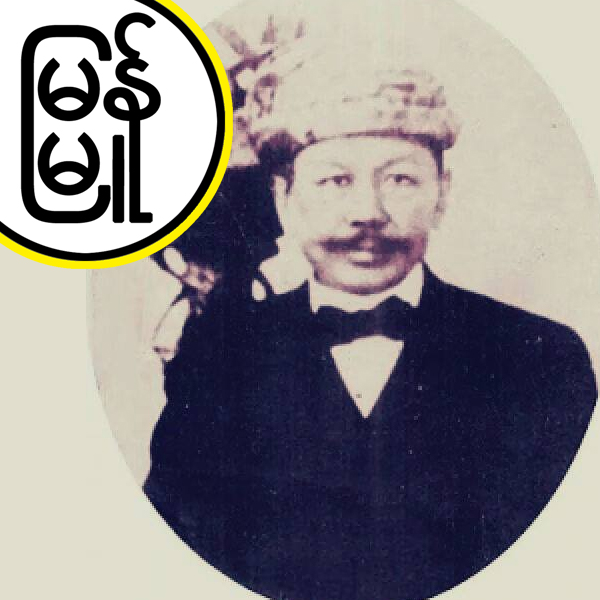
Princely Possibilities: Myingun in Exile
Burmese Prince Myingun is an enigmatic historical figure, at once a rebel who enacted a murderous coup, an exile who never gave up hope and a trickster who moved at the interstices of colonial Southeast Asia at the turn of the 20th century. Dr Penny Edwards, Associate Professor in the Department of South & Southeast Asian Studies at the University of California, Berkeley, is in the final stages of publishing a book a, "Kingdoms of the Mind: Burma's Fugitive Prince and the Fracturing of Empire", forthcoming with Columbia University Press, about Prince Myingun. She joins us to colour in his historical record.
A Buddhist Culture of Giving
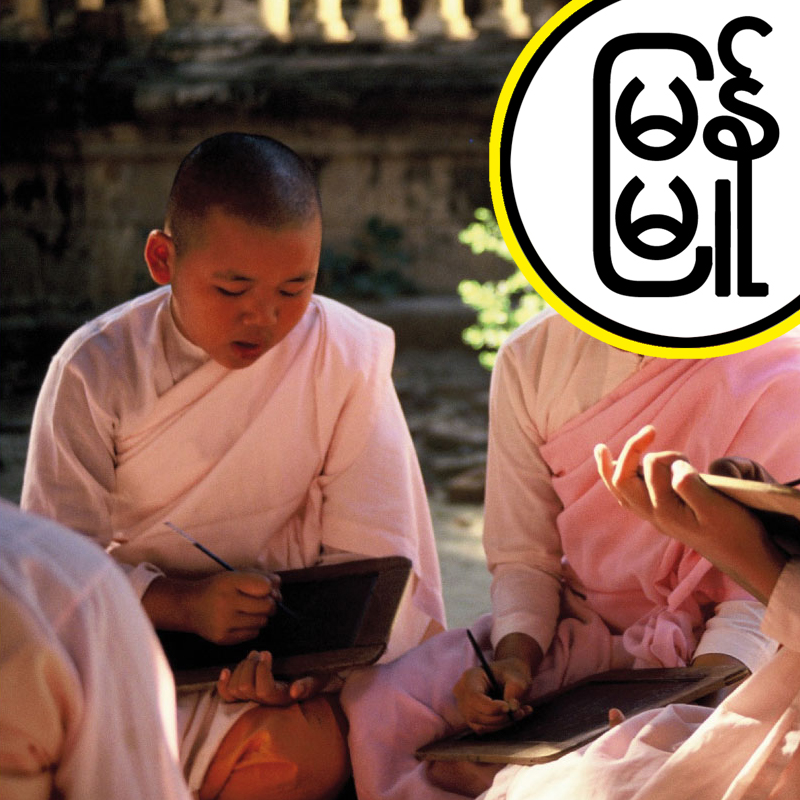
What is Myanmar's culture of giving and how does the gift work to maintain social bonds in rural Myanmar? Dr Hiroko Kawanami, Senior Lecturer in the Department of Politics, Philosophy and Religion at Lancaster University, UK, discusses her recently published book with Bloomsbury Academic Press, "The Culture of Giving in Myanmar: Buddhist Offerings, Reciprocity and Interdependence" (2020).
Border Capitalism, Disrupted
Millions of Burmese workers in Thailand are routinely underpaid, overworked and predated upon by a coercive police force. What is the labour regime under which these workers try to earn their livelihoods and how can we better understand the challenges they face? Dr Stephen Campbell, Assistant Professor in the School of Social Sciences at Nanyang Technological University, Singapore discusses his stimulating book Border Capitalism, Disrupted: Precarity and Struggle in a Southeast Asian Industrial Zone.
2020 Elections: After the Polls
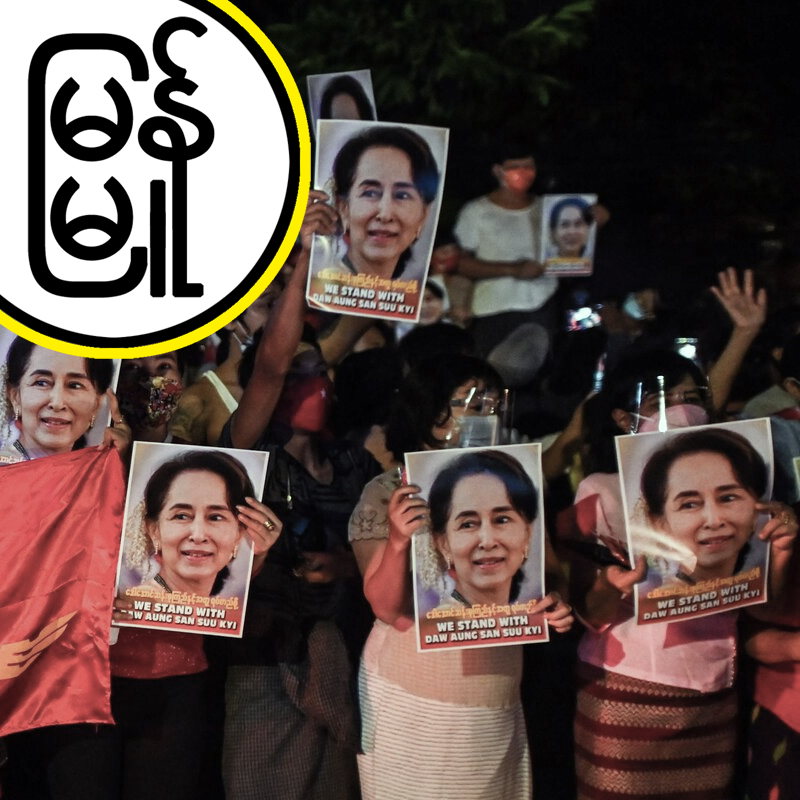
This is a recording of a webinar held by the Australian National University's College of Asia and the Pacific and the Myanmar Research Centre on November 19, 2020. Two Myanmar experts at the ANU convene and moderate a discussion with four researchers on the controversies and consequences of the 2020 elections, touching on results for each parliament, systemic issues, party attitudes and prescriptions for likely political futures in the country.

The New Anthropology of Myanmar
Anthropology! What is it good for? In this episode four PhD students of Anthropology at the Australian National University discuss their research into Burmese tea, tomatoes, beer and of course, the people of Myanmar. This is a special collaborative episode with The Familiar Strange, an Anthropology-focused podcast of the ANU, and hosted by Alexander Emile D'Aloia.
2020 Elections: A Backwards Step?
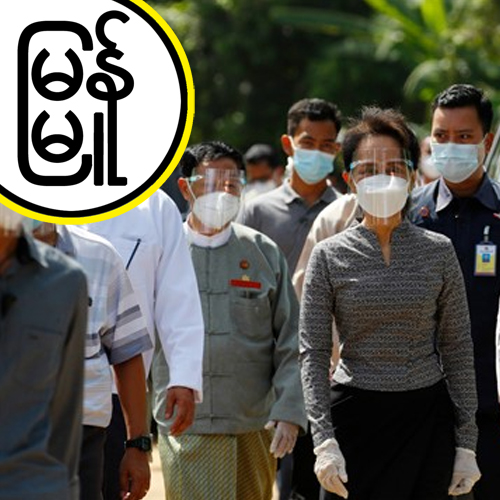
Elections expert Su Mon Thant and Ben Dunant, Managing Editor at Frontier Myanmar, converse on whether the upcoming 2020 elections represent a backwards step for the institutionalisation of democracy in the country. They focus on the UEC, political parties and the effects of COVID-19 in this deliberative and wide-ranging discussion.

Fermentation Cultures, Global Food and the Naga
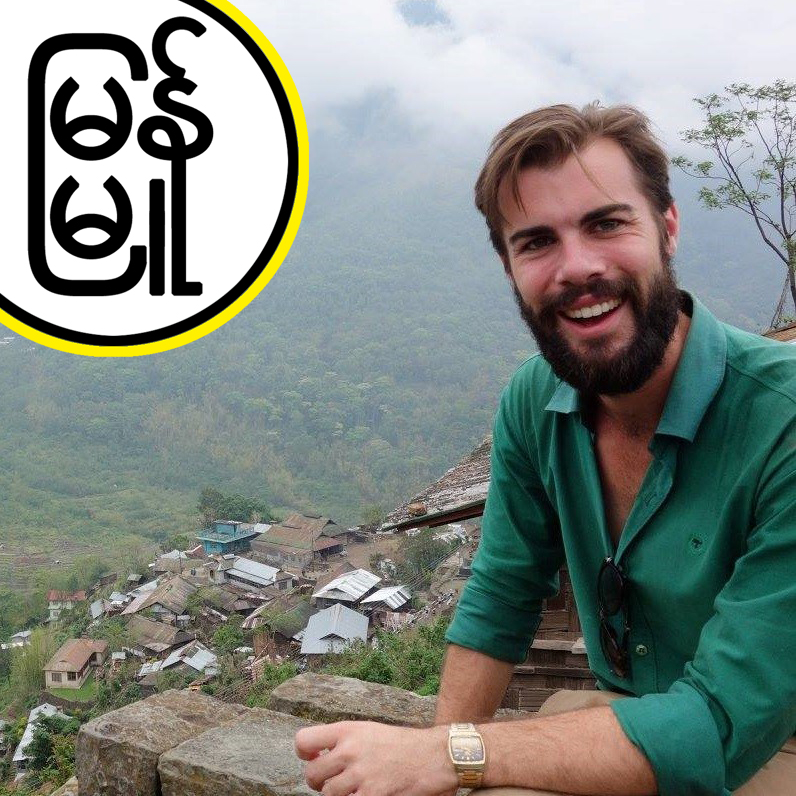
Come curious and hungry to this podcast and you won't be disappointed! From delectable bamboo shoots to deliciously pungent akhuni, from changing rice beer traditions to expanding fruit wine markets, Dr Dolly Kikon, an Anthropologist at the University of Melbourne, discusses how Naga fermentation cultures and foodways are changing and connected to regional as well as global stories and histories in upland South and Southeast Asia.
Naga Men at the Margins
Naga society is undergoing significant change as a consequence of ceasefires and the easing of conflict in north-east India. Matt Wilkinson, a PhD candidate at the University of New South Wales, discusses his thesis on the Naga people and their homelands, emphasising how gender is important for understanding these changes and their concomitant reactions.
Autonomy-Attachment in Bama Buddhist Life
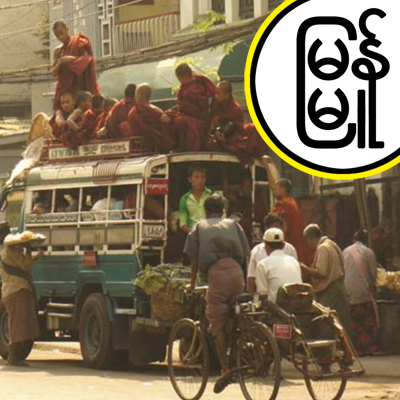
How do Bama Buddhists conceptualise social relations, prestige and gender difference? In an episode primed for outsiders trying to understand mainstream Myanmar culture, Professor of Anthropology at the University of Texas, Ward Keeler, discusses his book The Traffic in Hierarchy: Masculinity and its Others in Buddhist Burma, published in 2017 by the University of Hawai'i Press.

2020 Elections: Ethnic Minority Representation
Many ethnic parties are running for seats in the 2020 elections, pushing for increased influence and rights. Will ethnic parties fare better in this election compared to 2015? What challenges are they facing? This episode is a recording of a seminar held by the Swedish Burma Committee on September 23rd with panelists Ying Lao of the Salween Institute and Ko Sai Ye Kyaw Swar Myint of PACE Myanmar, two civil society organisations based in Yangon, and moderated by Alexander Jäätmaa.
2020 Elections: Discourses, Development, Democracy
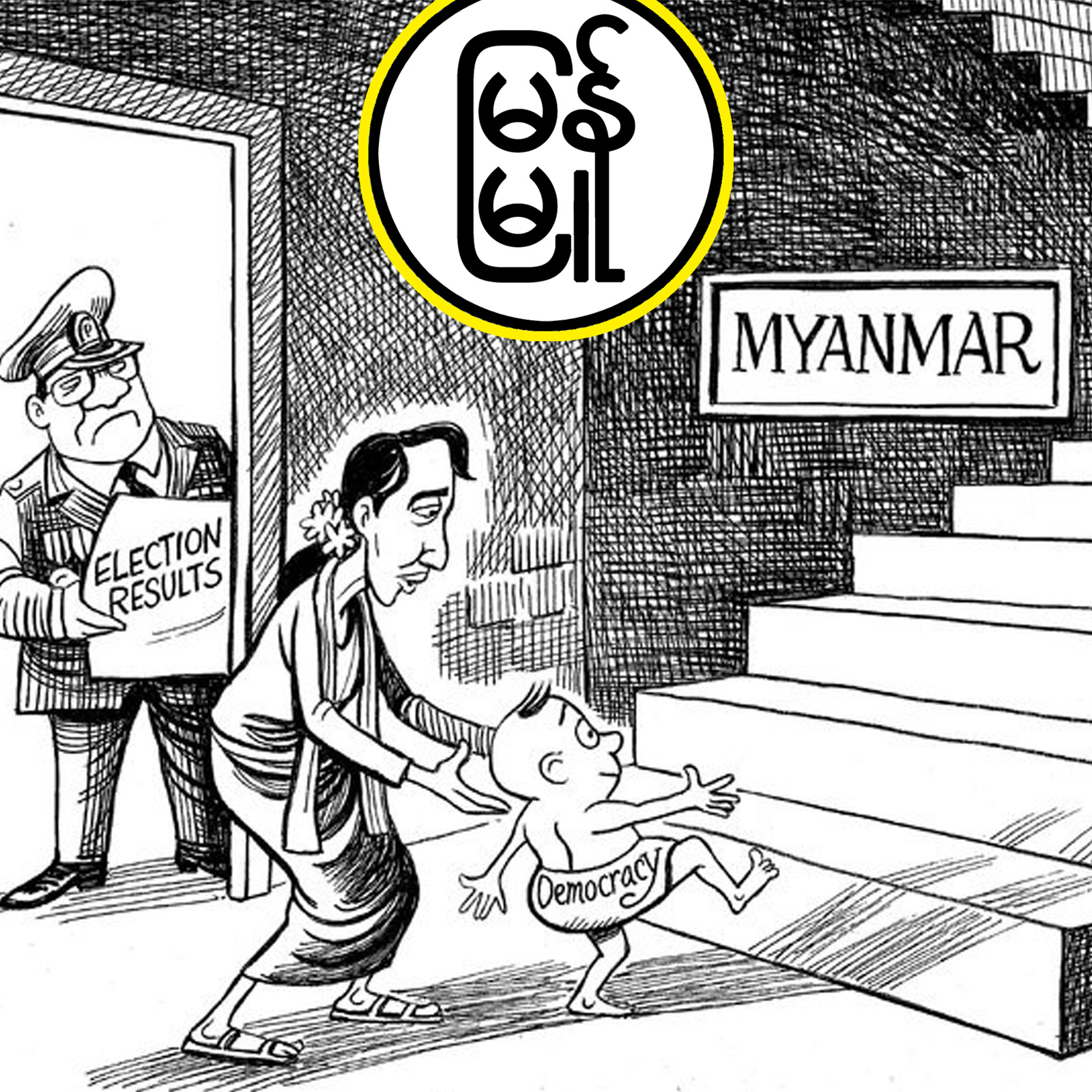
In the lead up to the elections this November, we cannot hope to understand the beliefs and actions of civilian political elites in Myanmar without grasping the underlying meanings that they attach to the word democracy - according to our guest Dr Tamas Wells, Research Fellow in the School of Social and Political Sciences at the University of Melbourne. Tamas wrote his PhD thesis on the diverging narratives of democracy within Myanmar, and those held by international actors, in the lead up to the 2015 national elections. He talks with us about the discourses of development and democracy among Burmese and international actors.

Doing Research in Myanmar
This is a syndicated episode from the Asia Research News Podcast discussing the Doing Research in Myanmar report on how social science research is produced, distributed and used in the country. We hear from U Zaw Oo at the CESD, previously known as the MDRI, and from others at the GDN, ANU and elsewhere. The full report can be viewed here.
Baptists & Buddhists in the 19th Century
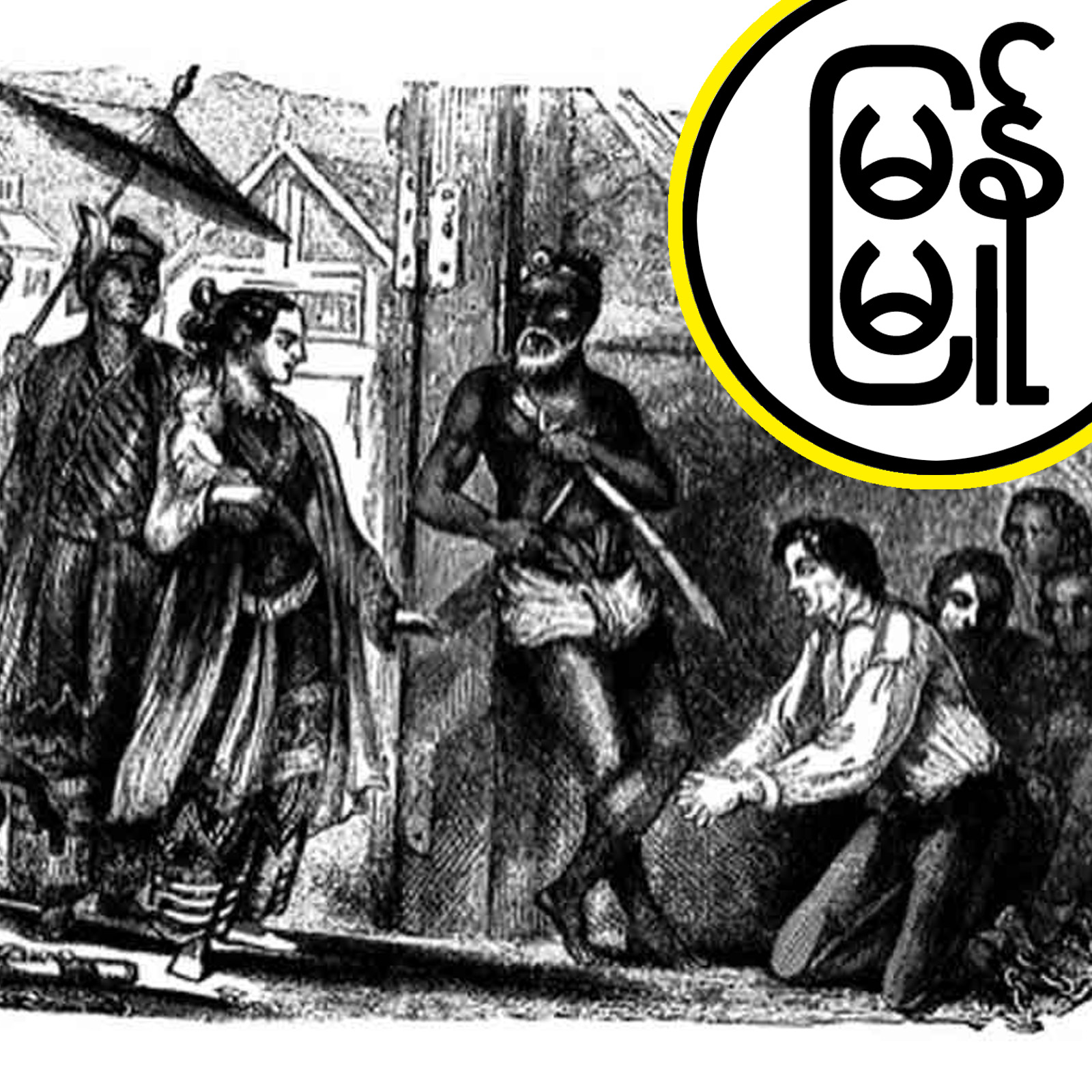
Who were the Baptists and why are they important to Burmese history? In our 50th episode we talk about the nineteenth-century American Baptist mission to Burma with Dr Alexandra Kaloyanides from the University of North Carolina at Charlotte.
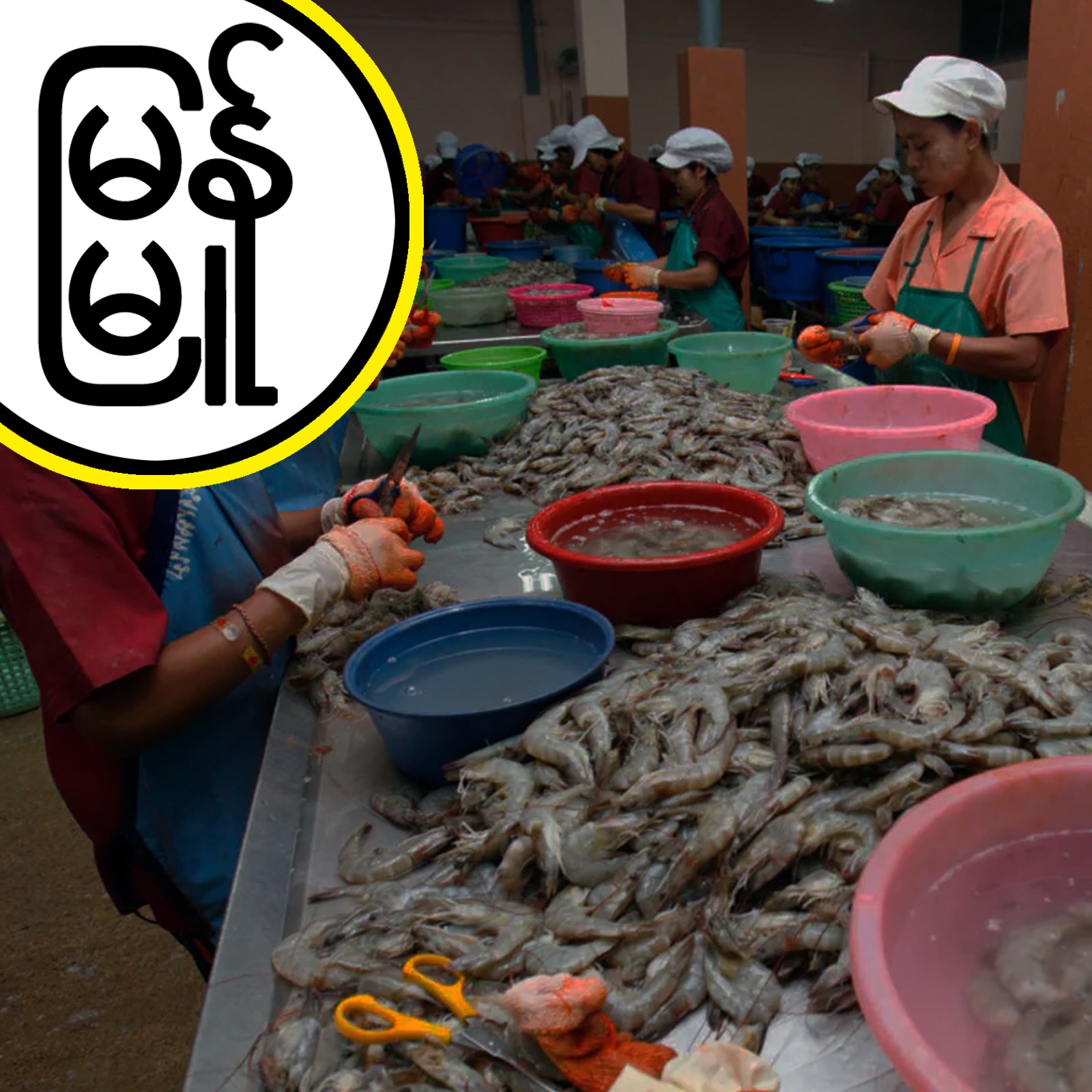
Migrant Workers in Mahachai
The borderland of Samut Sakhon province in Thailand has recently had a huge majority of its workers hailing from Myanmar. How did the Burmese end up in such large numbers there in particular, and how does Thai society view their presence? Dr Puttaporn Areeprachakun (Jip), Lecturer in the Department of Geography at Chulalongkorn University, joins us to discuss her ethnographic research on these multi-ethnic, majority Buddhist, Myanmar migrant workers.
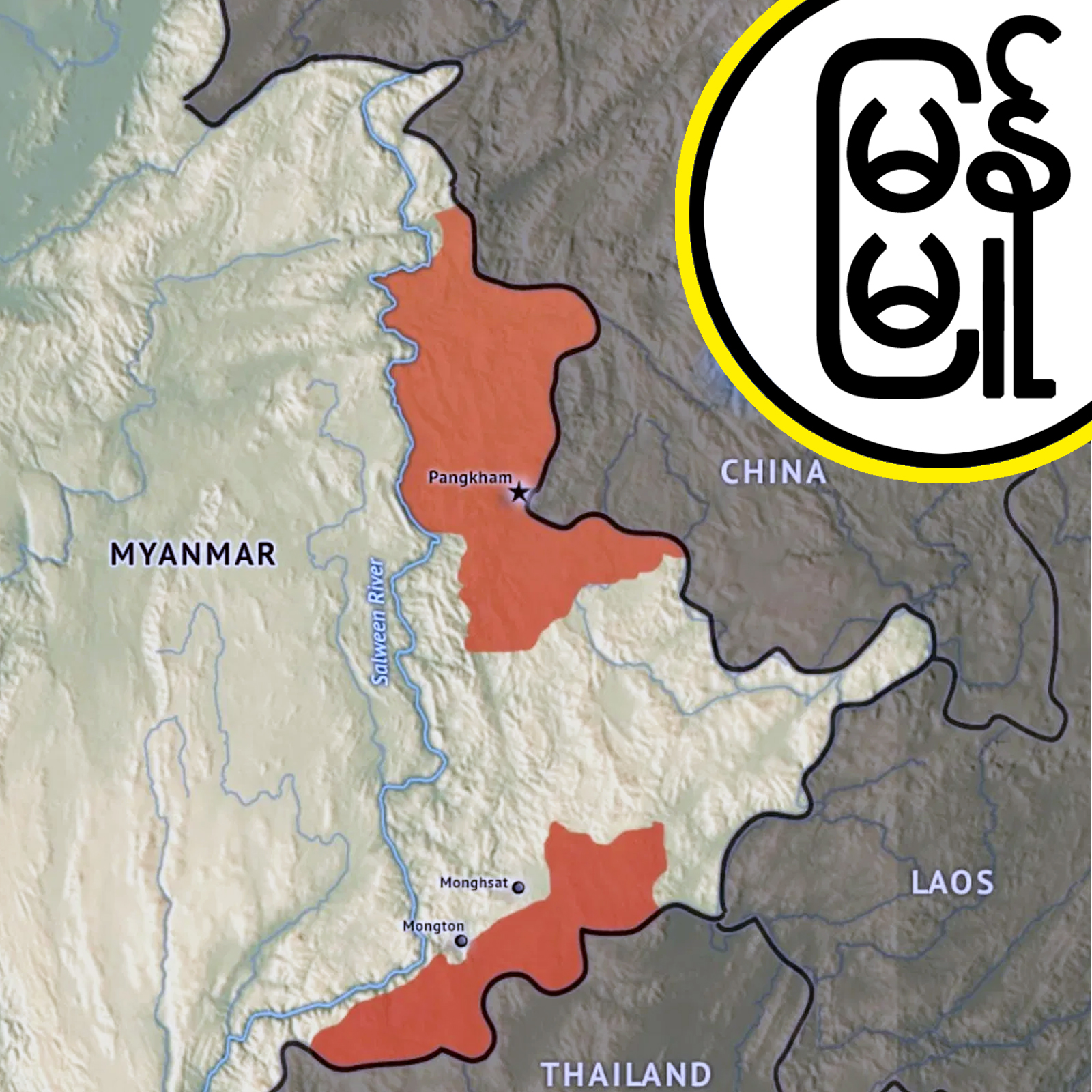
Wa State & Military Sovereignty
How does Wa State, a polity ostensibly within Myanmar, thrive relatively peacefully, yet independently of the formal Myanmar State? Dr Hans Steinmüller, Associate Professor in Anthropology at the London School of Economics and Political Science, sketches a picture of Wa State and life within its politics of care and capture.

2020 Elections: The Rohingya
More than 800,000 Rohingya people have been forced from their homes and the country in which they were born by the Burmese military. Disturbingly, this has happened in such force only after Myanmar's hybrid regime instituted partial civilian government in 2010-11. Kirt Mausert, PhD Student at the University of California, Berkeley, outlines why and how the Rohingya community of Myanmar have been rendered stateless and disenfranchised.
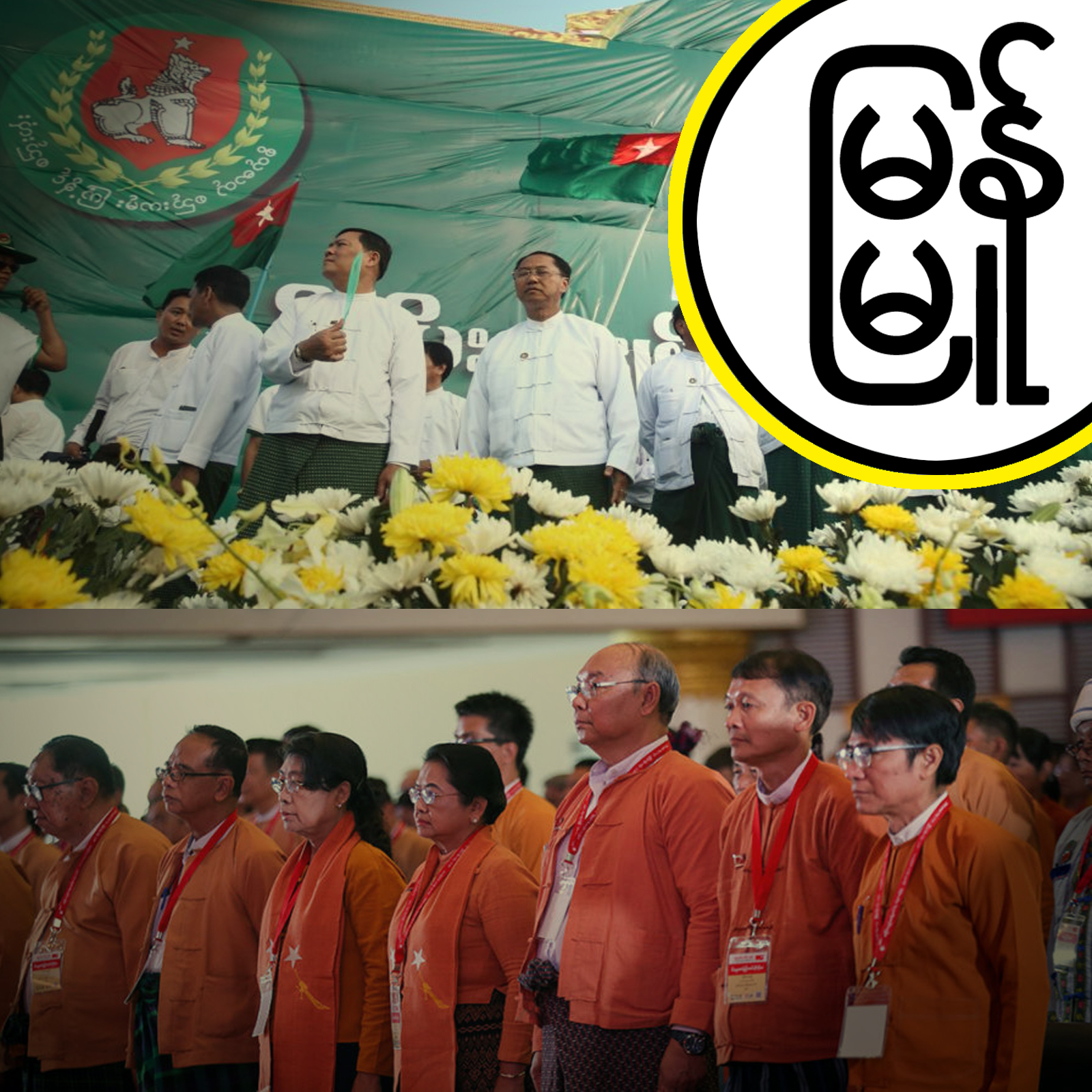
2020 Elections: The Big Picture
Who will win the November 8, 2020 elections in Myanmar and what is at stake in an NLD or USDP victory? What should we be paying attention to over the next three months as the COVID-affected campaign heats up? All this and more in our first "big picture" elections podcast with Ei Ei Toe Lwin, Chief Election Correspondent and Ben Dunant, Managing Editor, both at Frontier Myanmar - and Dr Gerard McCarthy, Post-Doctoral Fellow at the Asia Research Institute at the National University of Singapore.

Art and the International at World-Heritage Bagan
Dr Charlotte Galloway from the Australian National University discusses the art of the ancient capital city Bagan, the Ananda temple, ongoing research, tourism and development there, and how universities and museums in Myanmar are re-engaging with the international community to nurture and further explore Bagan as a new UNESCO World Heritage site.
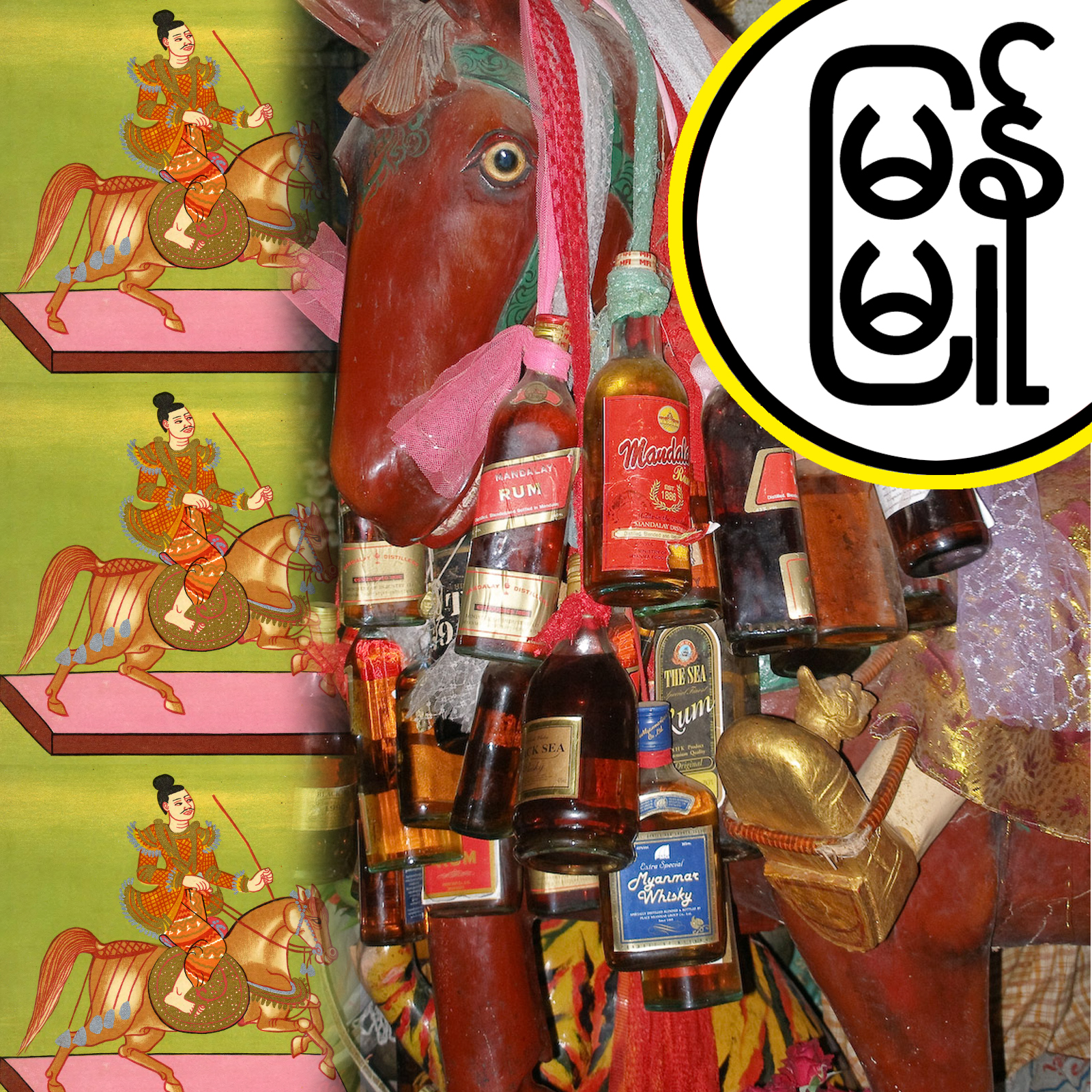
Love the Buddha, Fear the Nat
Nats are hugely powerful, influential spirit beings believed to inhabit the trees, towns and buildings of Myanmar. Dr Sally Bamford discusses the history, folk tales and art history of nats, including how they are connected to Buddhism yet retain their animist roots in many ways.

Press Freedom 2020 & COVID-19
In our annual Press Freedom episode, journalists Tom Kean and Ben Dunant discuss how COVID-19 is the final "nail in the coffin" for traditional advertising-based media in Myanmar and evaluate the government's and the media's responses to the pandemic.

Tea Leaf Salad & the Ta'ang
Mike Dunford, PhD Candidate in Anthropology at the Australian National University, takes us on a whirlwind tour of all things tea leaf salad, a uniquely Myanmar dish that is still ragingly popular. Who grows tea in Myanmar, how, where? How do you ferment tea? What is the difference between tea for eating and tea for drinking? It's all here!

Tea Shops and Tea Space
Did you know you can do more than just drink tea in tea shops? You can even do research! In this episode Dinith Adikari discusses why tea shops are fascinating spaces in Yangon including their past, present and future.

Tourism in Myanmar
What is the state of the tourism industry in Myanmar, 2019? We hear a lot about "zero-dollar tourism" in the media, but is it really such a problem? In this episode we chat about this, about over-tourism, under-tourism and sustainability with the Directors of two major tour operators here in Yangon: Edwin Briels, Managing Director of Khiri Travel and Bertie Alexander Lawson, Managing Director of Sampan Travel.
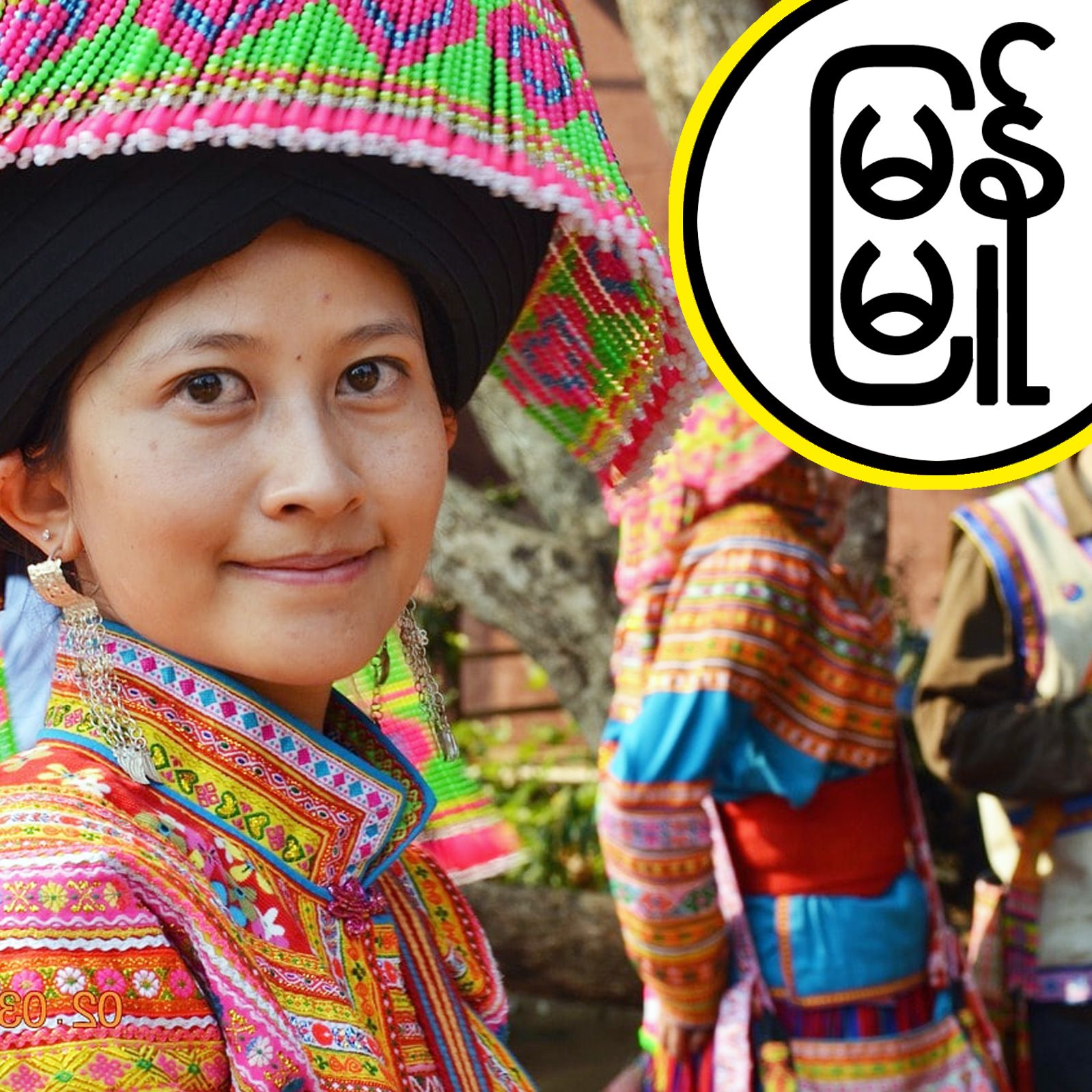
The Lisu: Far From the Ruler
The Lisu are one of the many cultural groups making up the nation-state we call Myanmar. But information on this group - over a million-people strong - is not widely known in the English language. Michele Zack has written a monograph on the Lisu titled "The Lisu: Far From the Ruler" and discusses Lisu politics and culture in this episode.
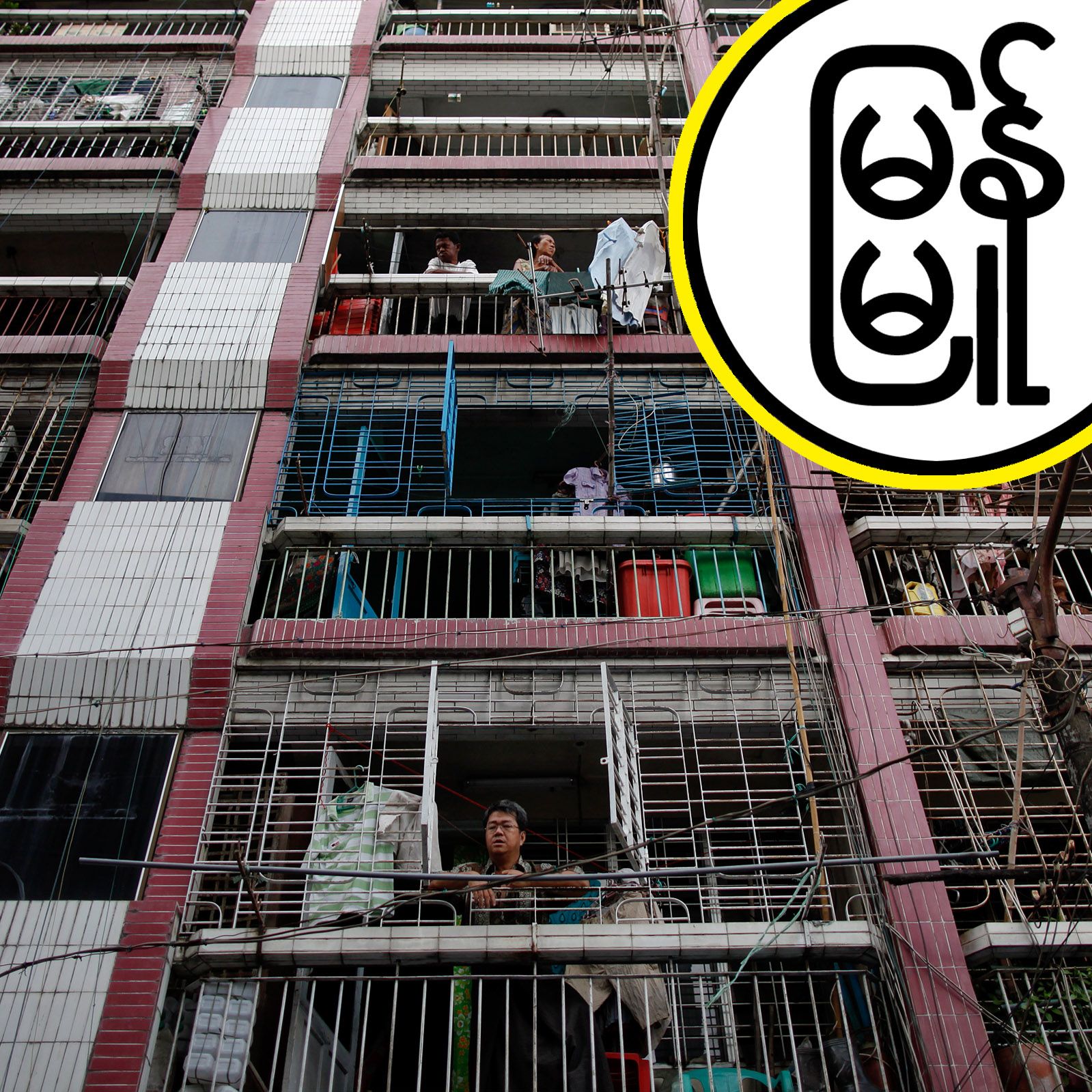
Legacies & Developments in Yangon Property
If you "own" a home in Yangon, you may not have the full rights to your property that you believe you have. In this episode Izzy Rhoads, a recent PhD graduate at King's College, London, discusses the colonial legacies and new developments in Yangon's property sector.
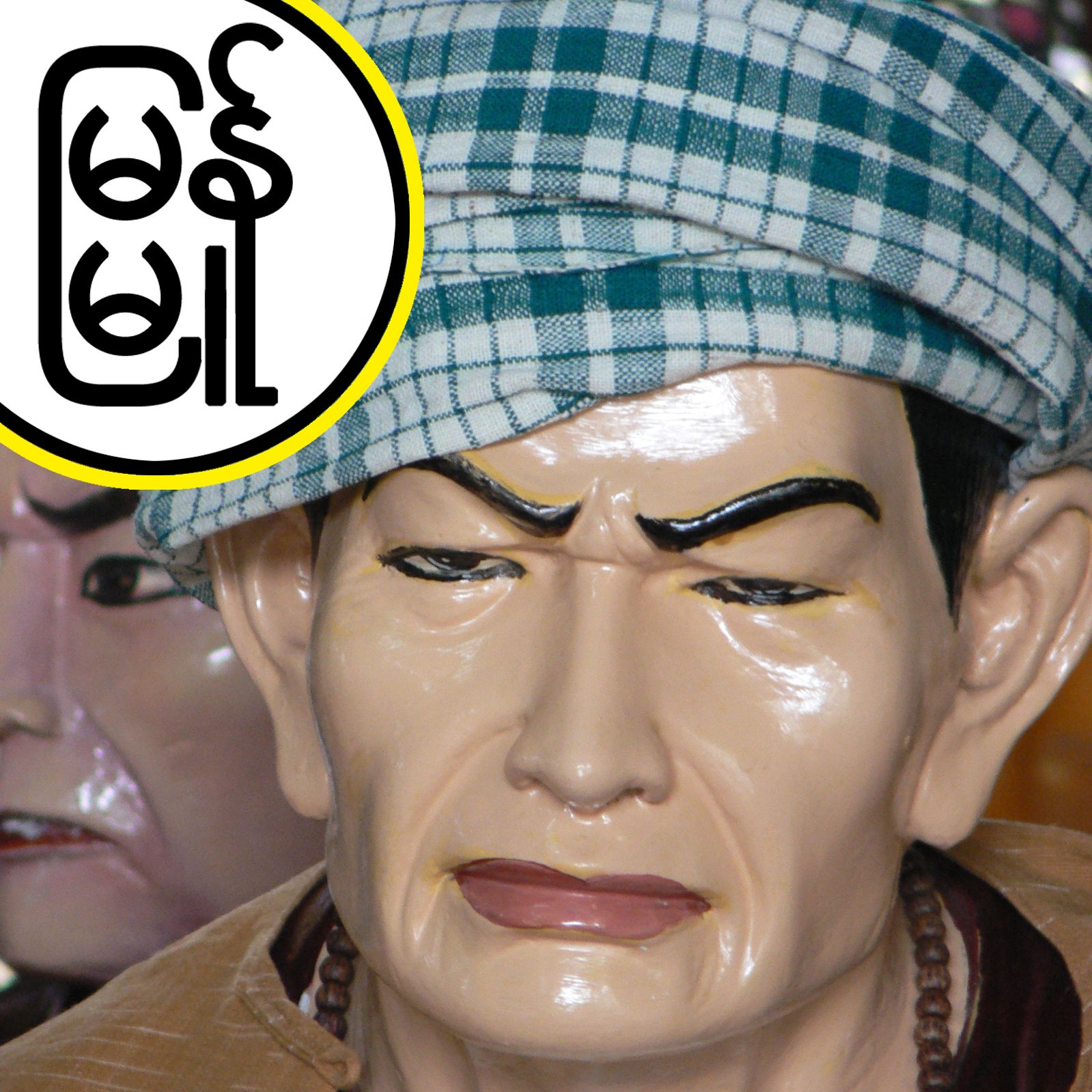
Buddhist Wizardry & Weizza
In this episode Dr Thomas Patton, Assistant Professor at the Department of Asian and International Studies, City University of Hong Kong provides us with an overview of the Burmese weizza, otherwise known as wizards with superpowers. He recently published a book titled The Buddha's Wizards: Magic, Protection, and Healing in Burmese Buddhism.

Gender Activist Border Diasporas
There are now several groups within Myanmar pushing for women's rights - but this was not always the case. Dr Elisabeth Olivius, Senior Lecturer in Peace & Conflict Studies at Umea University explains her research on diaspora gender activists and issues relating to their return to Myanmar.

The Japanese Empire in British Burma
How did the Japanese Empire become so strong as to drive the British Empire from Burma in World War II? Dr Ryan Hartley, Associate Professor at Tokyo's Tohoku University, explains the sequence of events leading to this momentous change. In doing so he considers that Burma was a "global blindspot" for the complacent British Empire. Ryan's articles on Japan: 𝗝𝗮𝗽𝗮𝗻'𝘀 𝗘𝗮𝗿𝗹𝘆 𝗧𝘄𝗲𝗻𝘁𝗶𝗲𝘁𝗵 𝗖𝗲𝗻𝘁𝘂𝗿𝘆 𝗘𝗻𝘁𝗿𝘆 𝗶𝗻𝘁𝗼 𝗕𝘂𝗿𝗺𝗮 𝗮𝗻𝗱 𝗕𝗿𝗶𝘁𝗶𝘀𝗵 𝗣𝗲𝗿𝗰𝗲𝗽𝘁𝗶𝗼𝗻𝘀 (𝗮𝗻𝗱 𝗠𝗶𝘀𝗽𝗲𝗿𝗰𝗲𝗽𝘁𝗶𝗼𝗻𝘀) 𝗼𝗳 𝘁𝗵𝗲 𝗙𝗿𝗶𝗲𝗻𝗱 𝘁𝗵𝗮𝘁 𝗕𝗲𝗰𝗮𝗺𝗲 𝗮 𝗙𝗼𝗲, 𝟭𝟵𝟬𝟯–𝟭𝟵𝟰𝟯: 𝗔 𝗖𝗮𝘀𝗲 𝗦𝘁𝘂𝗱𝘆 𝗶𝗻 𝘁𝗵𝗲 𝗚𝗹𝗼𝗯𝗮𝗹 𝗕𝗹𝗶𝗻𝗱𝘀𝗽𝗼𝘁 https://muse.jhu.edu/article/711254 DOI: https://doi.org/10.1353/jbs.2018.0002 𝗝𝗮𝗽𝗮𝗻'𝘀 𝗿𝘂𝘀𝗵 𝘁𝗼 𝗿𝗲𝗷𝘂𝘃𝗲𝗻𝗮𝘁𝗲 𝗕𝘂𝗿𝗺𝗮 𝗿𝗲𝗹𝗮𝘁𝗶𝗼𝗻𝘀: 𝗔 𝗰𝗿𝗶𝘁𝗶𝗰𝗮𝗹 𝗿𝗲𝗮𝗱𝗶𝗻𝗴 𝗼𝗳 𝗽𝗼𝘀𝘁-𝟮𝟬𝟭𝟭 𝗲𝗳𝗳𝗼𝗿𝘁𝘀 𝘁𝗼 𝗰𝗿𝗲𝗮𝘁𝗲 "𝗻𝗲𝘄 𝗼𝗹𝗱 𝗳𝗿𝗶𝗲𝗻𝗱𝘀" https://journals.sagepub.com/doi/abs/10.1177/0967828X18813504 DOI: https://doi.org/10.1177/0967828X18813504
Press Freedom 2019
What challenges are Myanmar's journalists facing for the year ahead in 2019 and how has the past year fared for press freedom? Two journalists from Frontier Myanmar, Tom Kean and Ben Dunant, make the case for cautious optimism amid conspicuous ongoing crackdowns and the recent jailing of practitioners Kyaw Soe Oo and Wa Lone.

The Burma Research Society, 1910-1935
Dr Carol Ann Boshier, Research Associate at SOAS at the University of London and author of the book Mapping Cultural Nationalism: The Scholars of the Burma Research Society, 1910–1935, discusses the work of the Burma Research Society in the early twentieth century and how hegemonic Bama ideas were prioritised in its output.
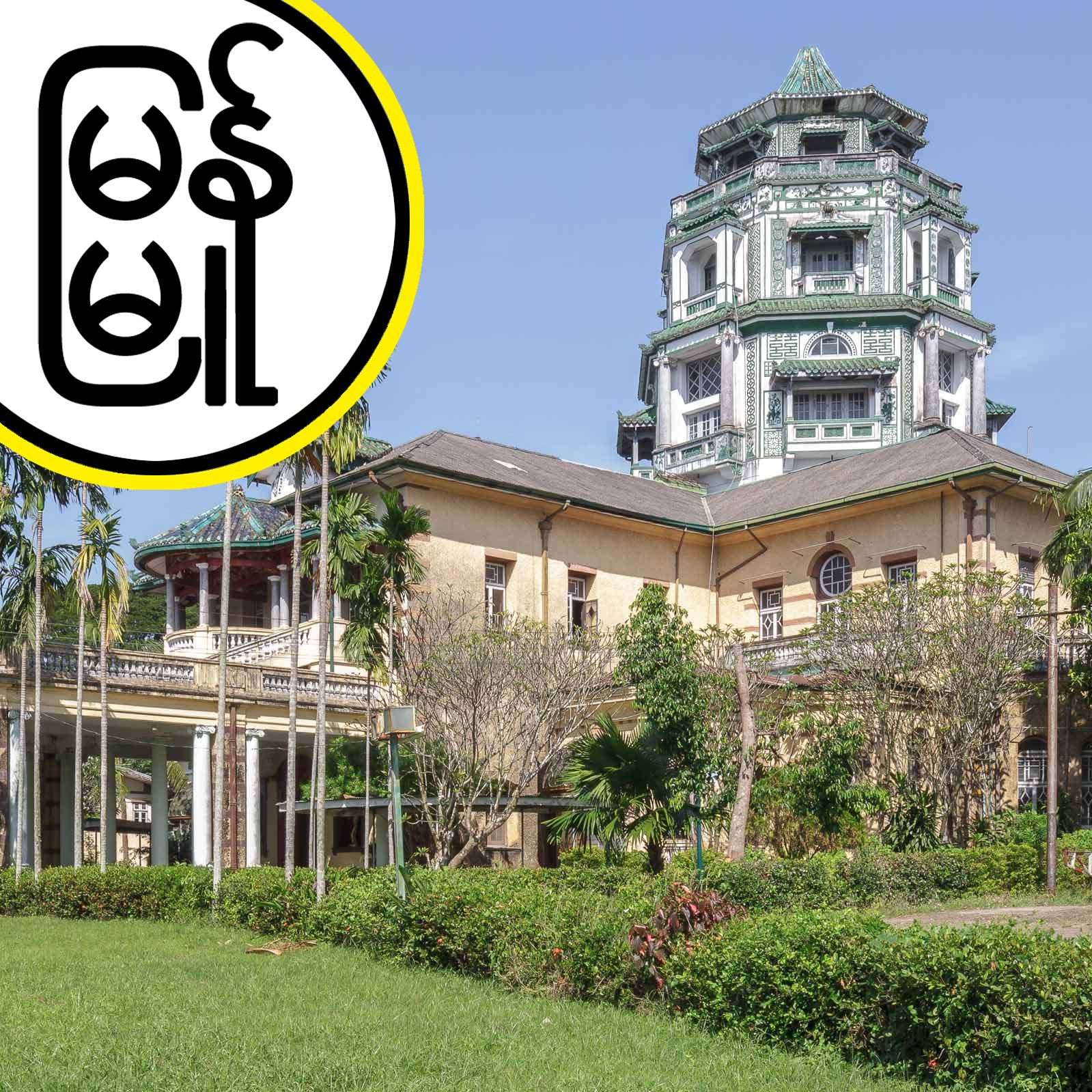
The Chinese in Colonial Burma
Dr Yi Li, Associate Lecturer at Aberystwyth University, discusses her book Chinese in Colonial Burma: A Migrant Community in a Multiethnic State. How did Burma fit into the worldviews of settler Chinese during the British colonial period, especially in the context of the much larger Nanyang migration waves occurring at the time? How did Chinese migrants choose to come to Yangon over other British colonies in Southeast Asia, such as the Straits Settlements? And is it true that the Chinese in colonial Burma were merchants, with a predisposition for vice and a lack of interest in politics?

Cultural Evolution and Myanmar Religion
What is cultural evolution and what can it tell us about religion in Myanmar? Dr Mark Stanford, a postdoctoral researcher in cognitive anthropology at the University of Oxford, discusses his ongoing research into the cognitive and cultural foundations of religion and morality in Myanmar.
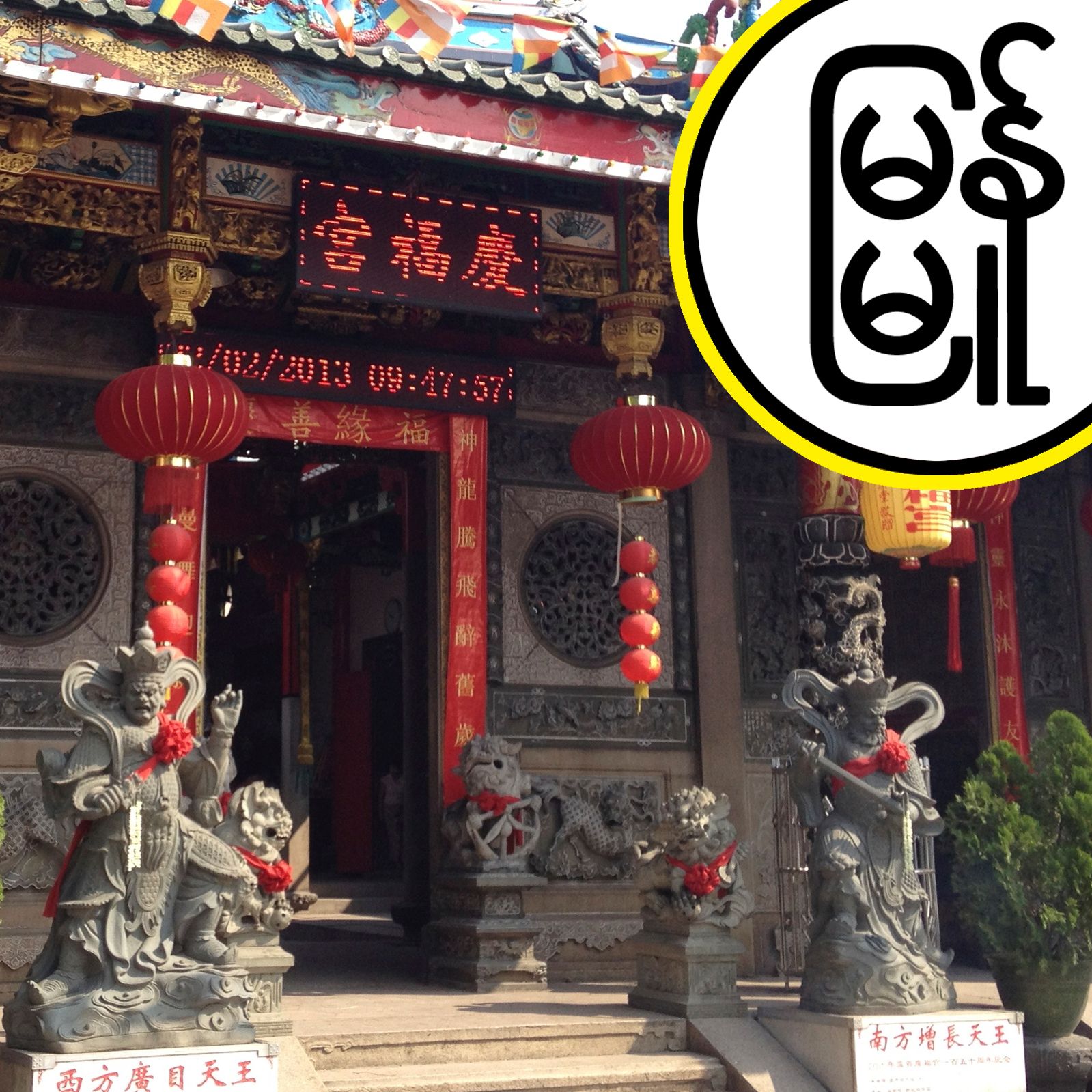
Yangon's Sino-Burmese
Who are the Sino-Burmese of Yangon and how do they live in the city? Dr Jayde Lin Roberts, a US Fulbright Scholar and author of the book "Mapping Chinese Rangoon", discusses this vibrant community and how they continue to make their own place in the wider metropolis.
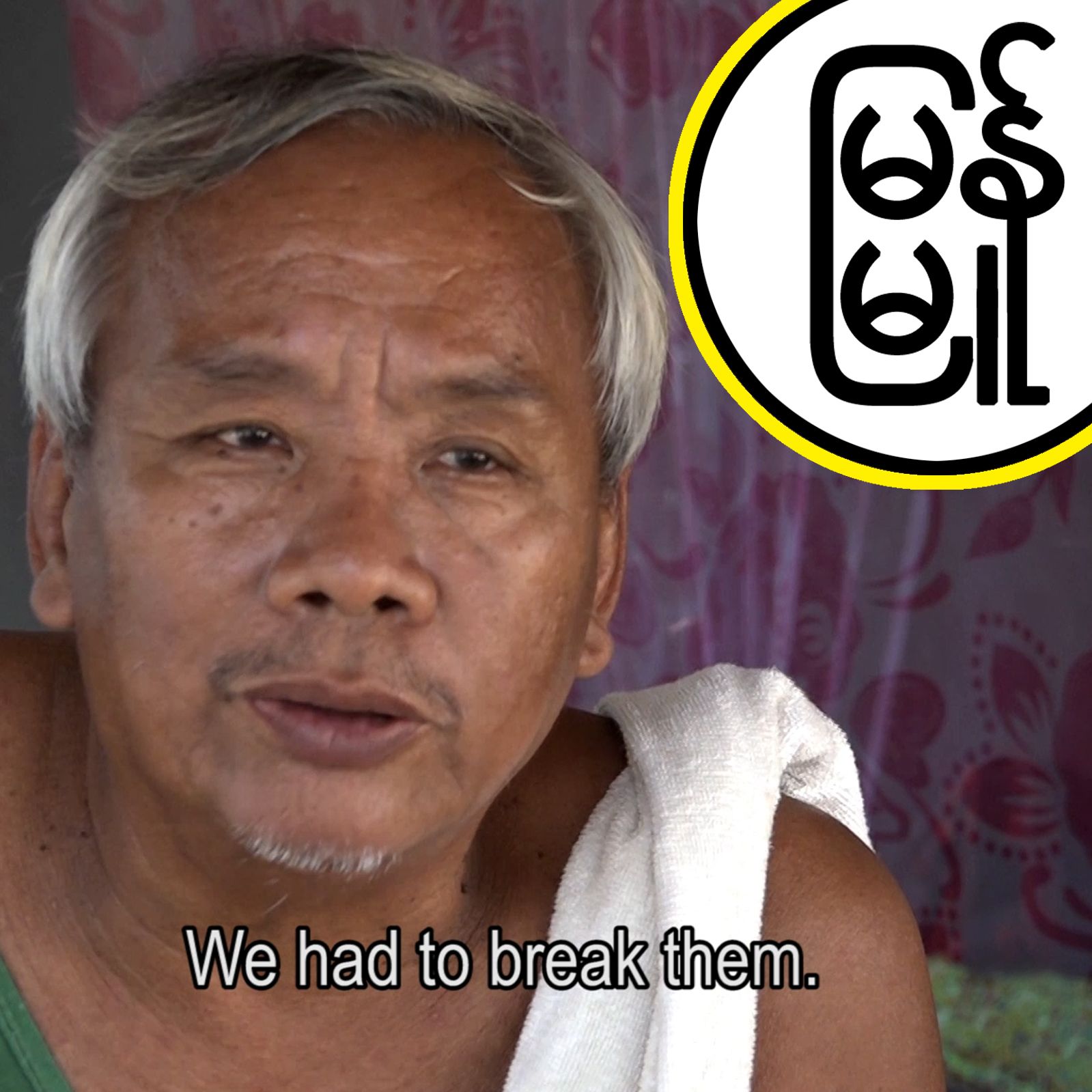
Investigative Documentary & Reconciliation
Kay Mastenbroek, a veteran documentary filmmaker, reflects on using video media stories and testimonials to foster national reconciliation between perpetrators of the military regime and those who have suffered. Kay is part of the 1988-2010 History Project which aims to create a series of films dealing with these issues. You can watch two episodes of the series here: https://youtu.be/1AqtyehPN4o https://youtu.be/eC3rB5ZRP20

Human Rights & Rapporteurs
What are UN Special Rapporteurs on Human Rights and why have they had such a problematic time of it in Myanmar? In this episode David Mathieson discusses the human rights situation in Burma and outlines the history of rapporteurs to the country, from 1992 to the present.
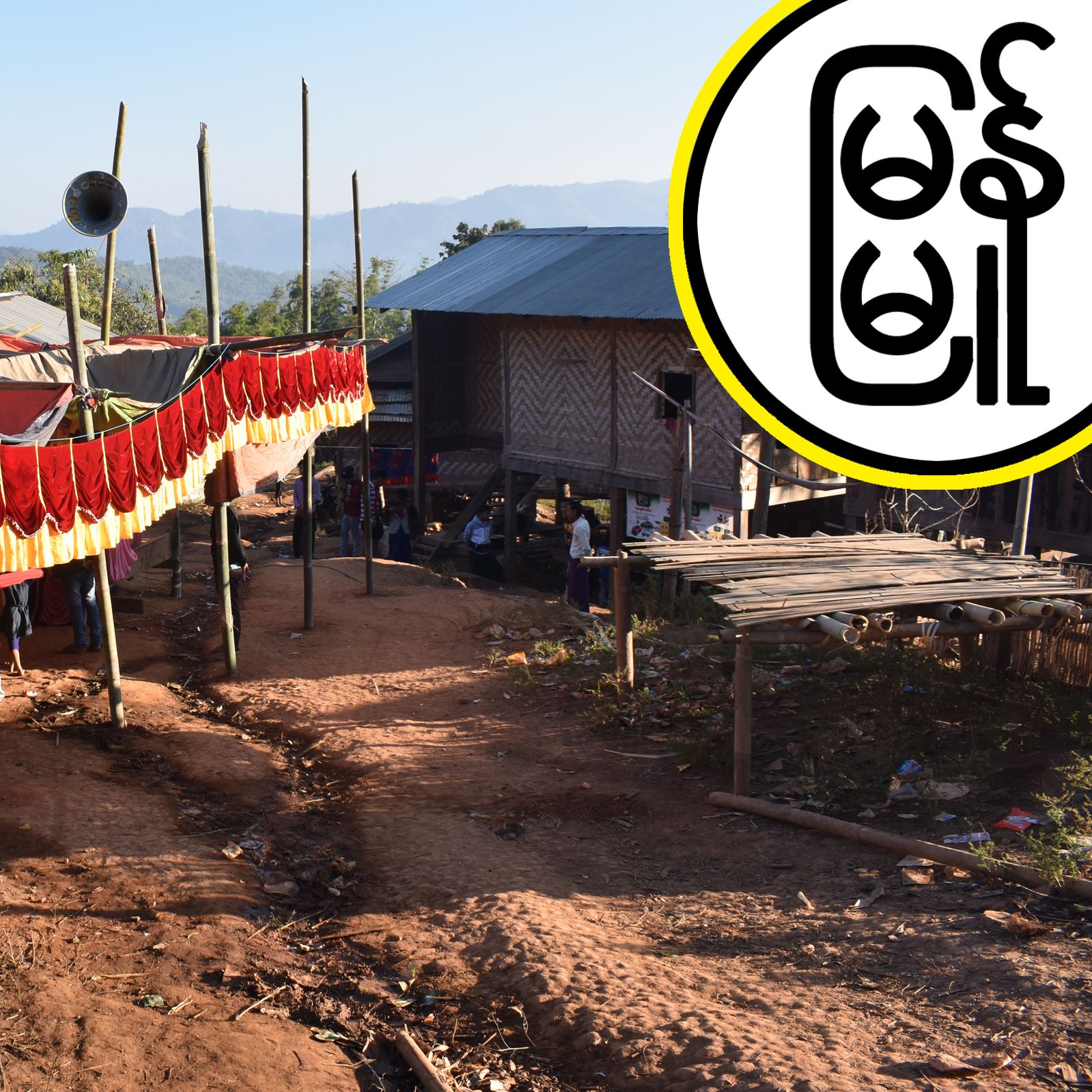
Traditional Vegetables in Pyinmana District
What is the difference between traditional and exotic vegetables in Myanmar and why are traditional vegetables important? Thaw Ni Ni Zaw, Senior Research Associate at the University of New England, discusses her Horticulture Master's thesis research undertaken in villages outside Pyinmana in central Myanmar.
Press Freedom in 2018
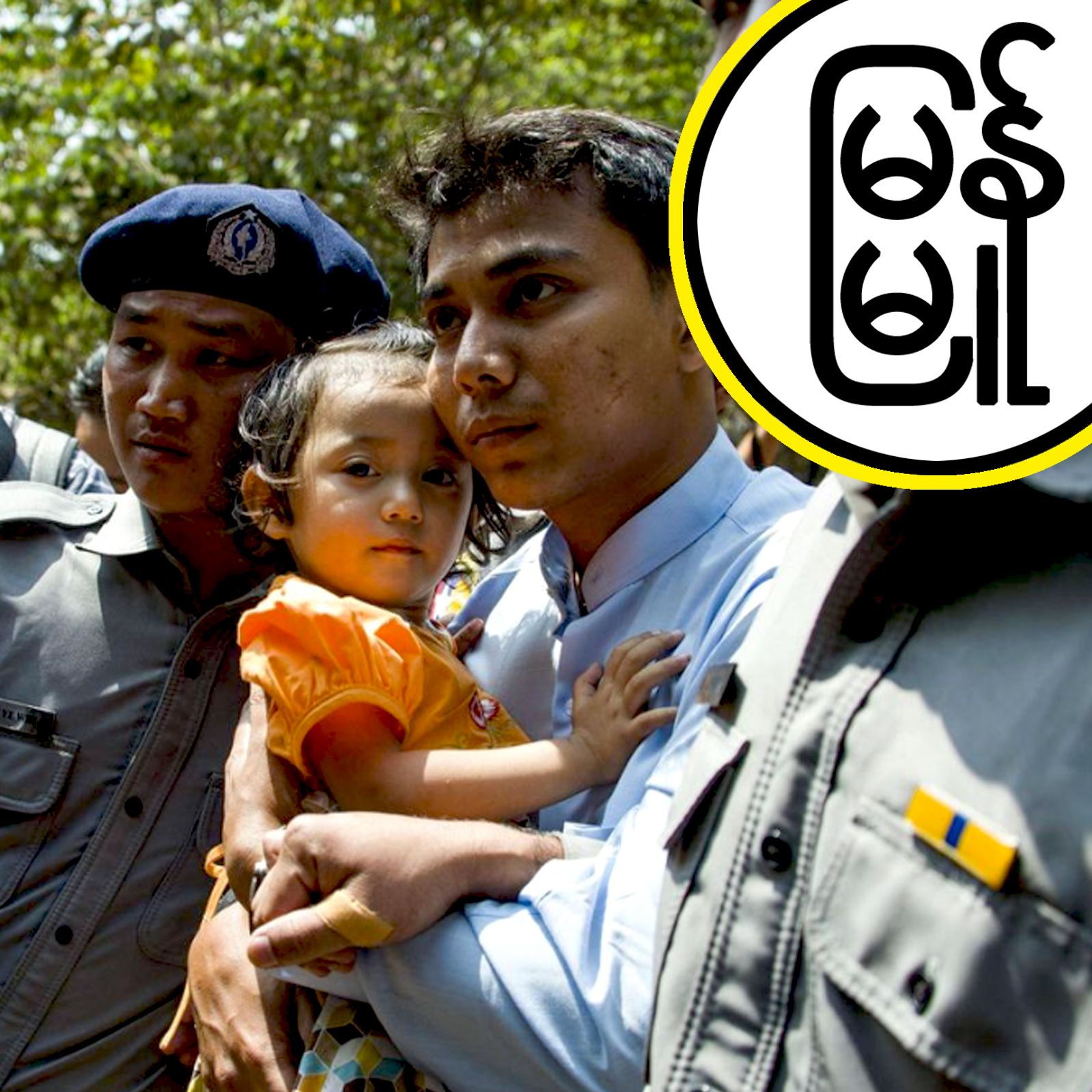
How and why have the last twelve months been so challenging for journalism in Myanmar? Is the country backsliding dangerously? Tom Kean and Sean Gleeson of Frontier Myanmar dissect trends and discuss the situation for press freedom in 2018.
Downtown Yangon Heritage
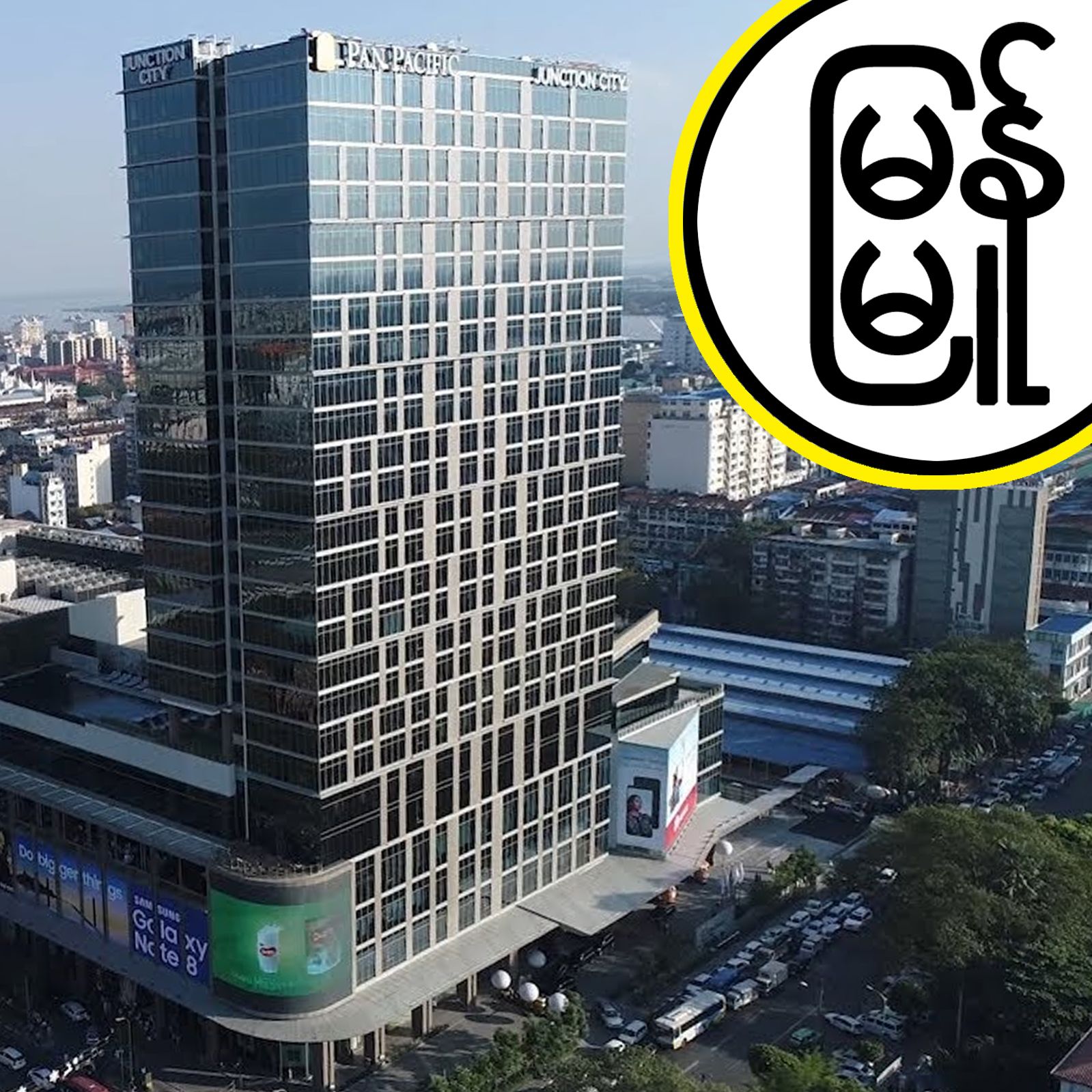
What does "heritage" mean in downtown Yangon in 2018 and what are the forces at play in "developing" or "preserving" the city? David Ney discusses his Masters thesis research, which involved in-depth interviews with residents of the city's old buildings, in the latest episode of Myanmar Musings.
Tomatoes & Ethnicity
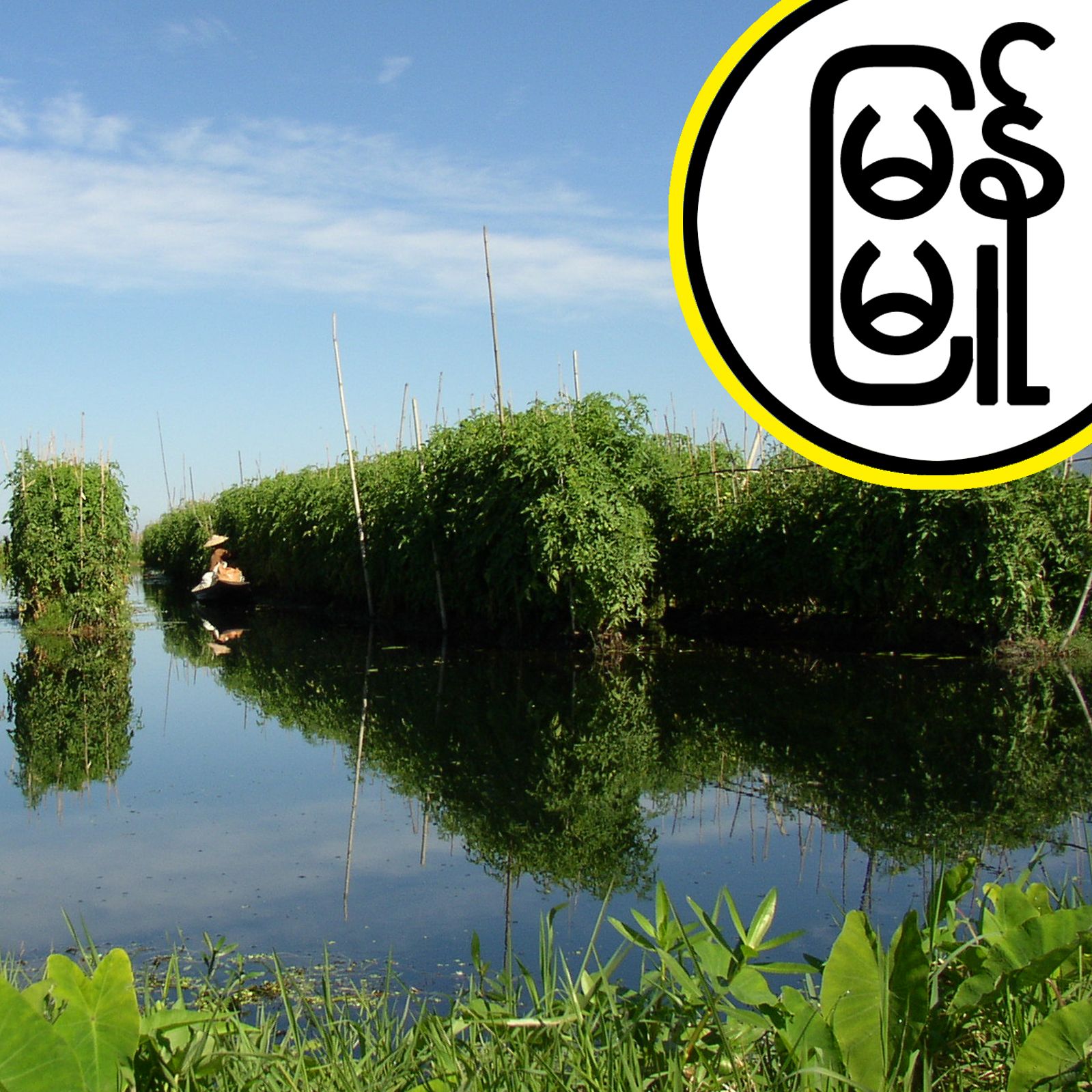
Who grows tomatoes in Myanmar, what is their nature as a commodity and how is aquaculture and land connected to ethnicity? Anthea Snowsill, PhD Candidate in Anthropology at the Australian National University, asks these questions and more as she sets off for 18 months of fieldwork at Inle Lake.
Bridgegate in Mon State
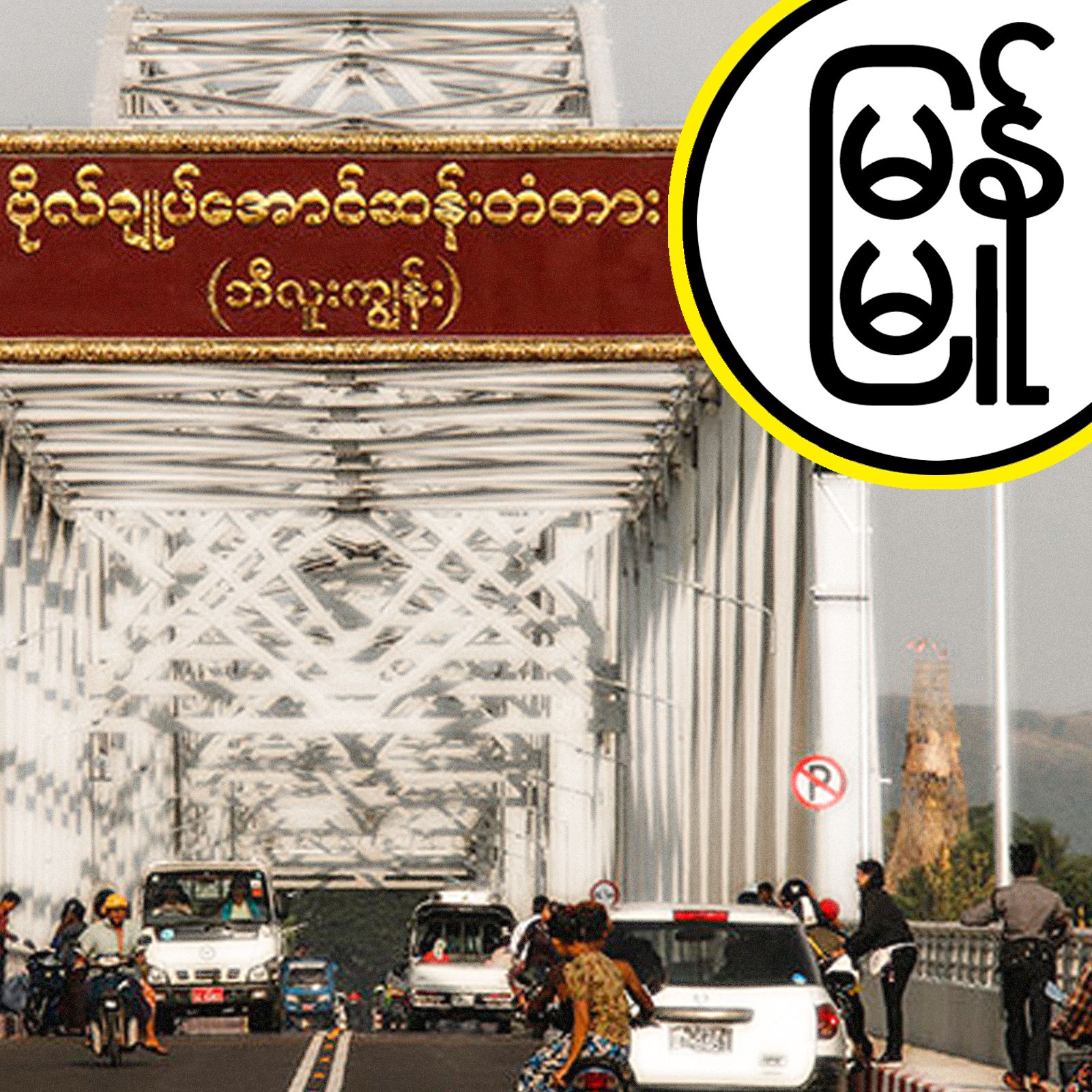
How is the incumbent government managing the symbolic recognition of Myanmar's non-Bama inhabitants? Cecile Medail, PhD Candidate at the University of New South Wales, discusses her thesis and the case study of Bridgegate: the naming of a bridge linking Mawlamyine and Chaungzon townships after Myanmar's independence hero General Aung San, which took place against mass Mon popular opinion and fierce protests.
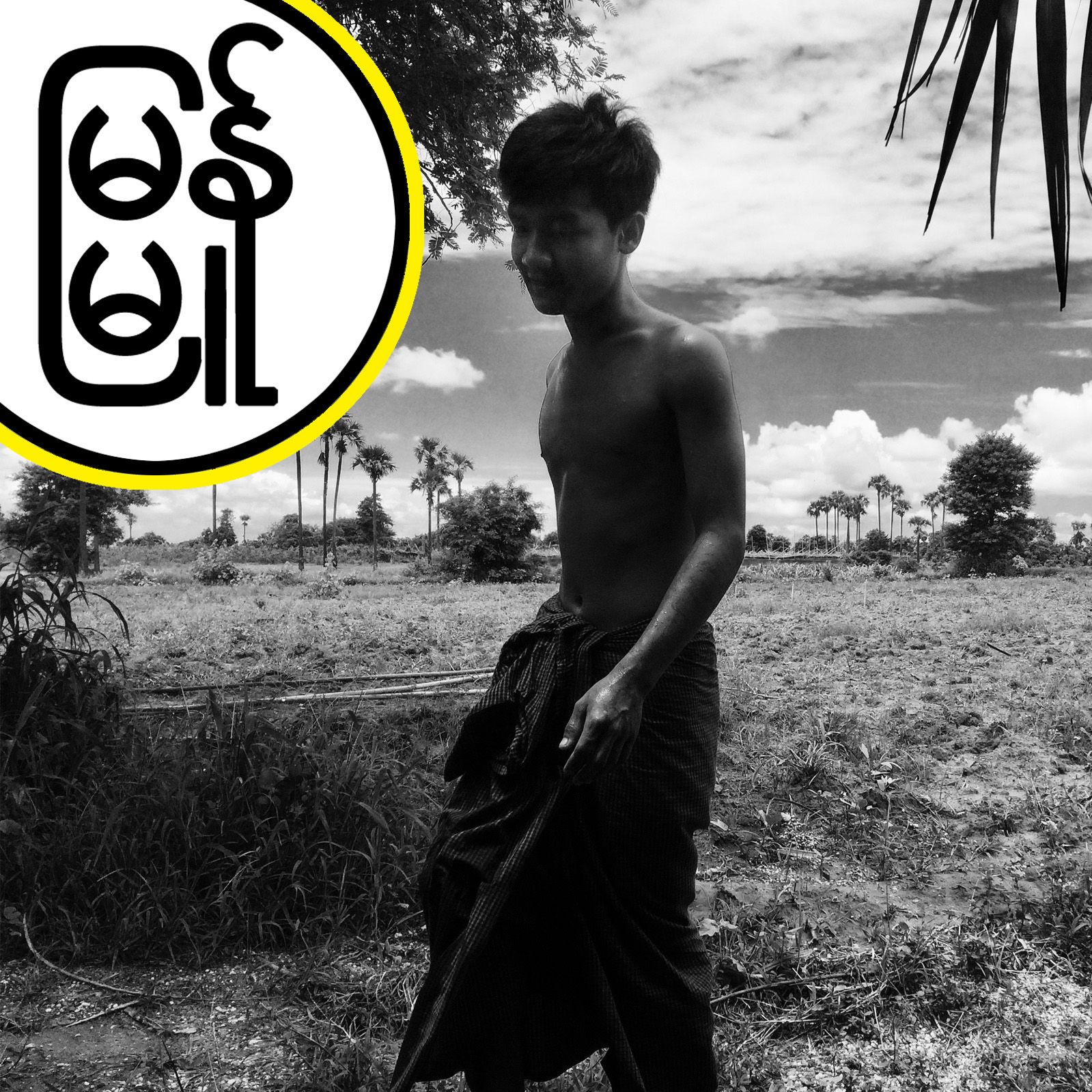
Power Relations in a Burman Village
What kind of power relations govern community in Bama Buddhist villages? Stephen Huard, a PhD Candidate in Anthropology at the University of East Anglia, discusses how he sees "headmen" and "great men" gaining and maintaining their privileged positions, with insight derived from long ethnographic fieldwork near Monywa.

The Political Life of Ne Win
Who was General Ne Win? Dr Robert Taylor, a long-time political scientist and historian of Myanmar who has held positions at numerous universities, discusses the recent Burmese translation of his 2015 book, "Ne Win: a Political Biography", and provides his opinion on the man who oversaw Myanmar's epic economic decline.
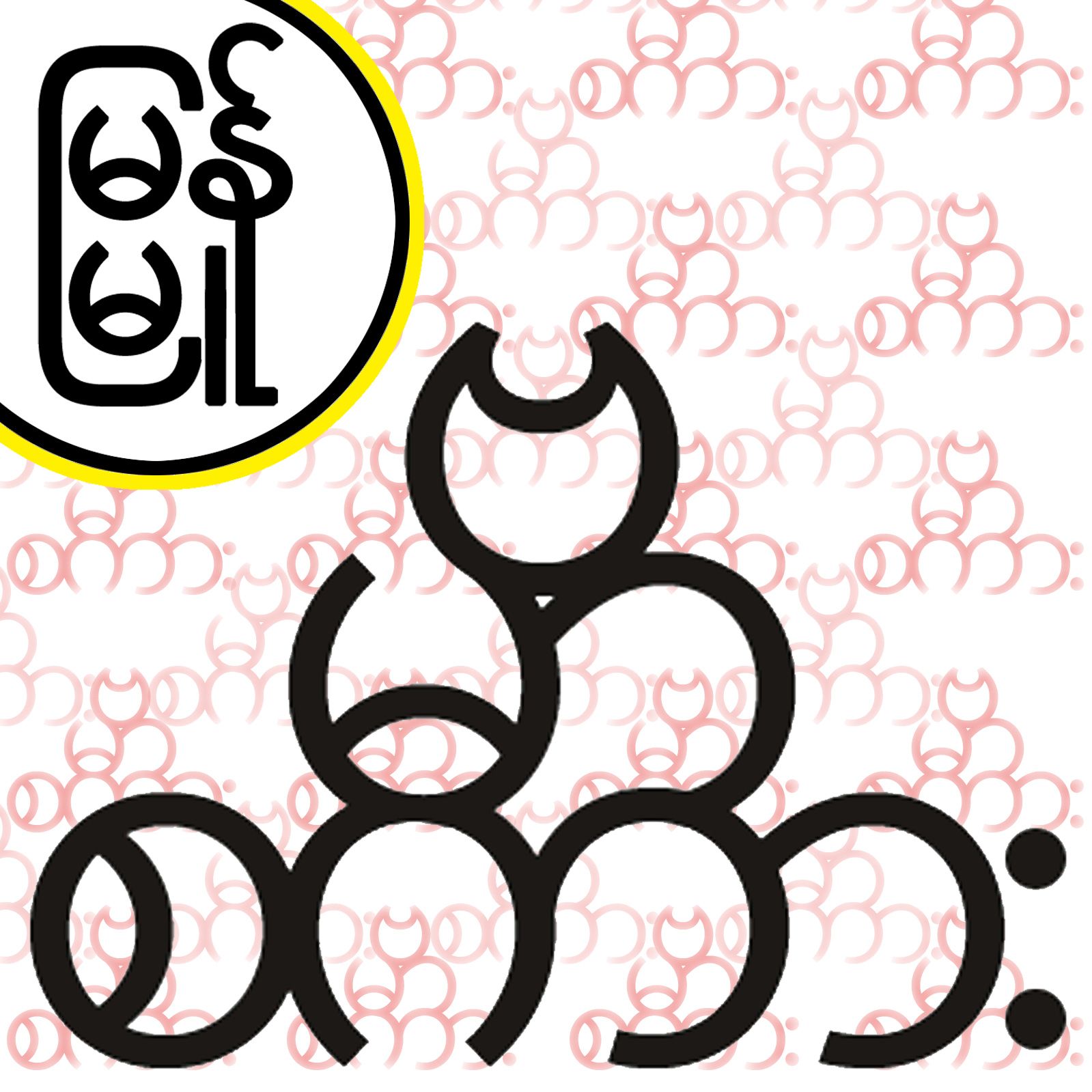
Tips for Beginning Burmese
What are the pitfalls when learning Burmese from scratch, especially as a native English speaker? Nance Cunningham, a Canadian Public Health Specialist who has lived in Myanmar for over a decade, gives advice to English speakers for attaining functional Burmese and working with interpreters. Nance has long taught and facilitated language courses and has also authored/published several Burmese dictionaries and bi-text stories.
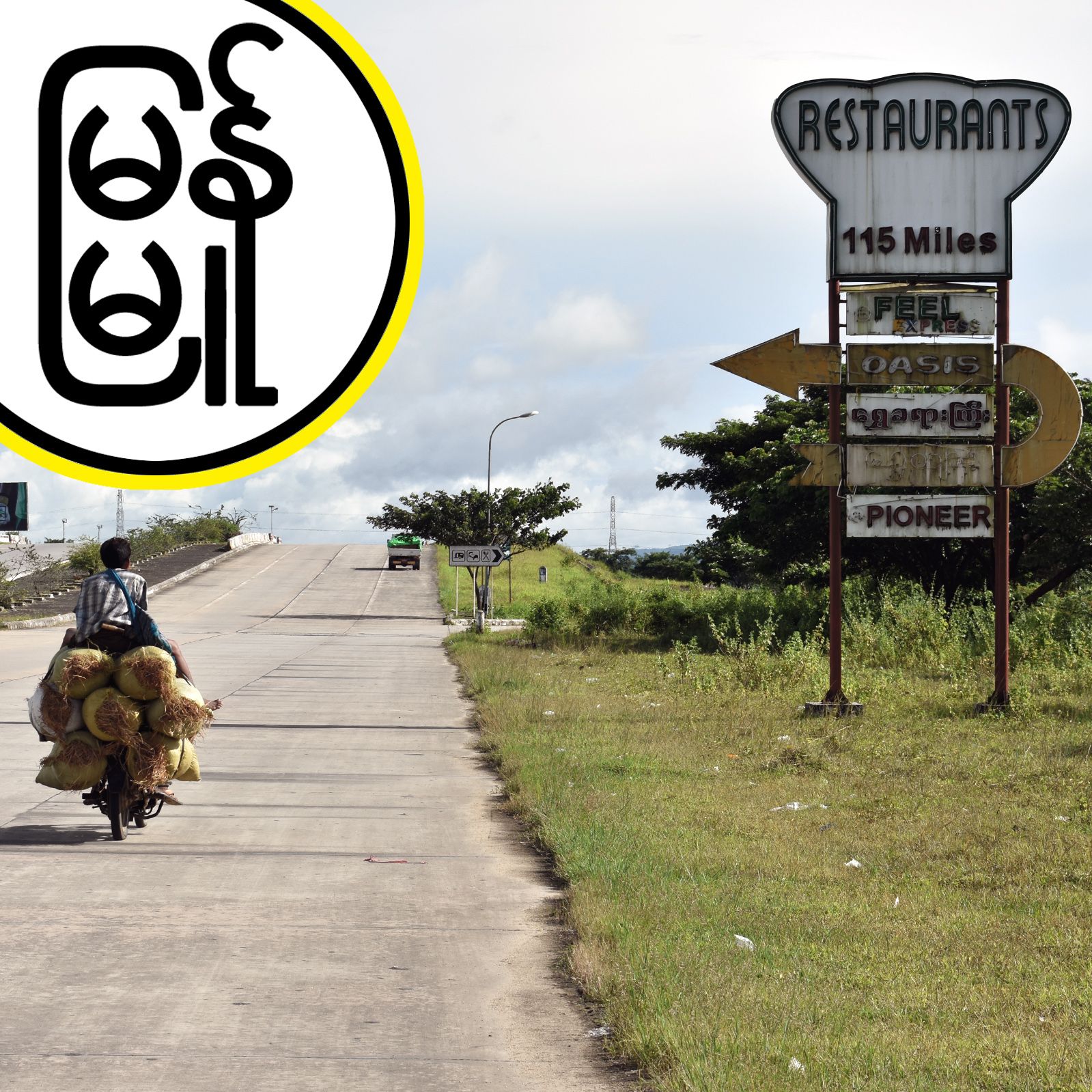
Navigating the Death Highway
An exploration of the history and construction of the Yangon-Mandalay Expressway including a guide to driving on the most dangerous road in Myanmar. Disclaimer: The views and opinions expressed in this show are those of the interviewees/guests and do not necessarily accord with those of the host or the Myanmar Research Centre.
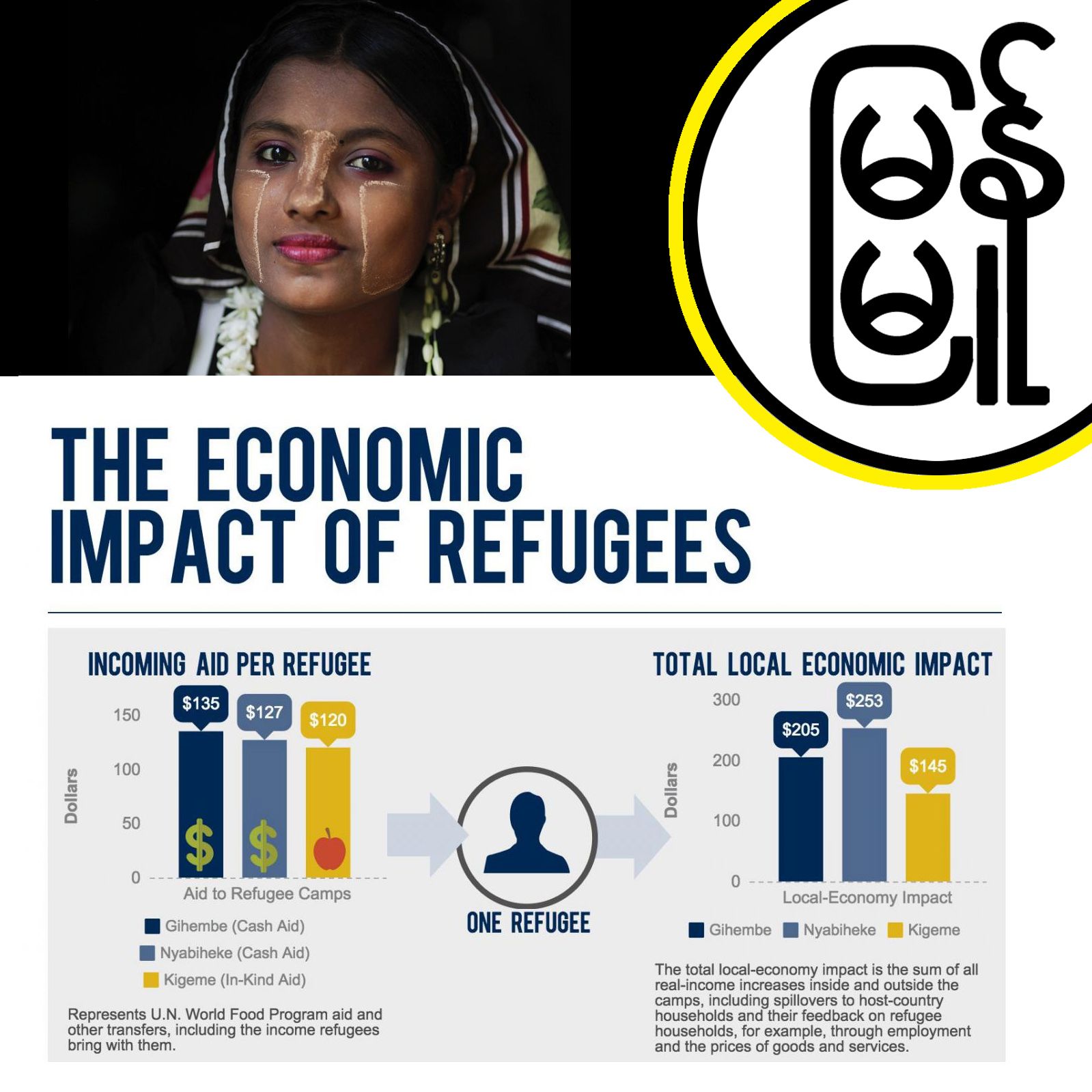
Rohingya Refugees: Labour, Gender, Power
How is "refugee revitalisation" affecting cities and why is the dominant discourse problematic? Who profits and how from the gendered labour of the Rohingya? In this thorough conversation, Shae Frydenlund, PhD candidate in Geography at the University of Colorado – Boulder, discusses indigeneity, labour and translocal connections between the Rohingya in Myanmar and their counterparts in Colorado. In doing so she focuses on the insidious ways that capitalism seeks to extract surplus value from the unwaged labour performed by refugee women. Disclaimer: The views and opinions expressed in this show are those of the interviewees/guests and do not necessarily accord with those of the host or the Myanmar Research Centre.
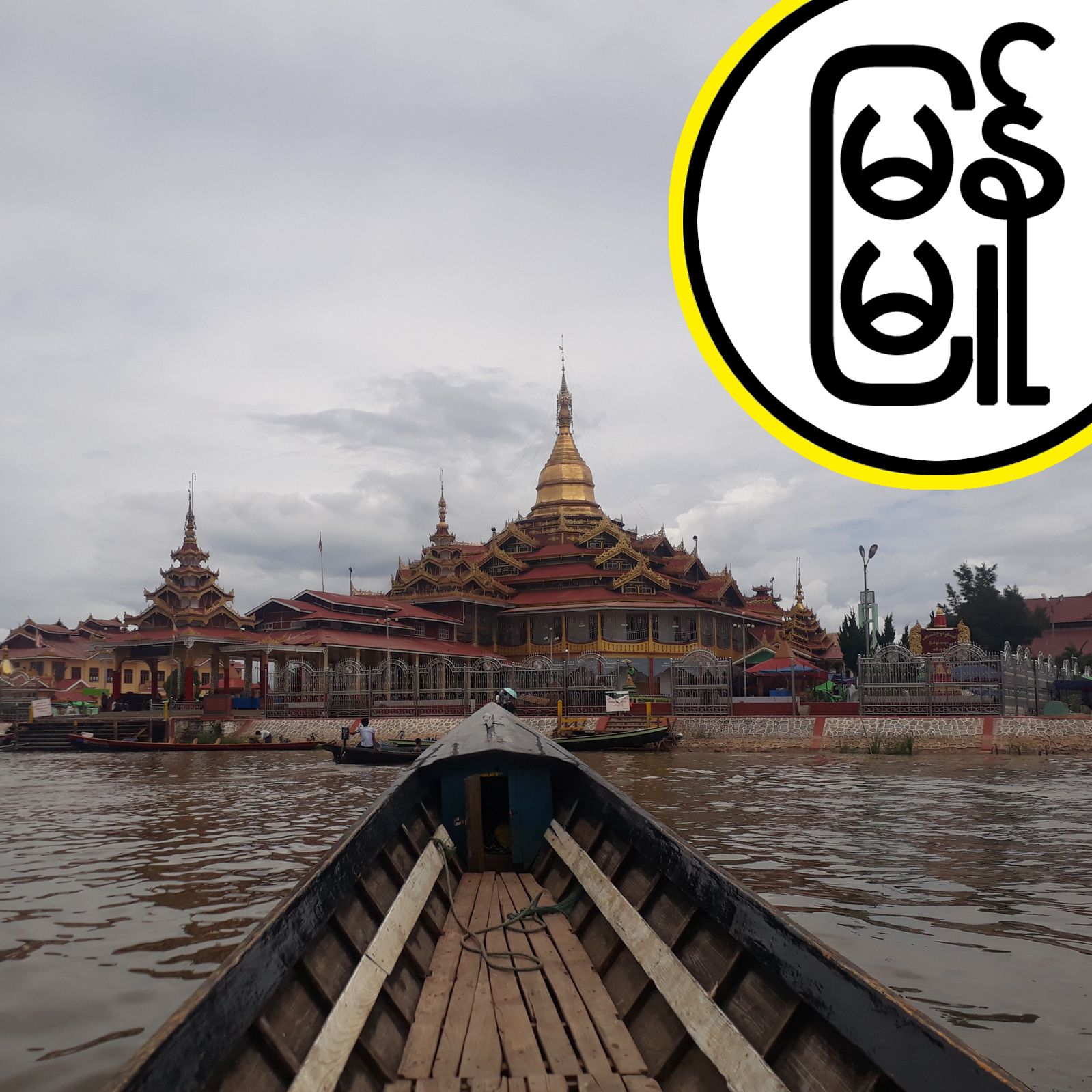
Globalisation, Geography & Environment at Inle Lake: Part 1
What is the current state and what is at stake at Inle Lake, Myanmar's pre-eminent tourist attraction and unique cultural and environmental treasure? Today we speak with Martin Michalon, PhD Candidate in Geography at the Center for Southeast Asian Studies, School for Advanced Studies in the Social Sciences (L'École des hautes études en sciences sociales), about flows, issues and power relations at this physically shallow, but figuratively deep waterscape. Part one of a two-part episode. Disclaimer: The views and opinions expressed in this show are those of the interviewees/guests and do not necessarily accord with those of the host or the Myanmar Research Centre.