Season 2 · Episode 1122
Why AI Agents Are Abandoning Human Language
Why force AI to talk like humans? Explore how agents are ditching English for high-speed "mind-melding" and latent space communication.
My Weird Prompts · Daniel Rosehill
March 12, 202628m 57s
Audio is streamed directly from the publisher (dts.podtrac.com) as published in their RSS feed. Play Podcasts does not host this file. Rights-holders can request removal through the copyright & takedown page.
Show Notes
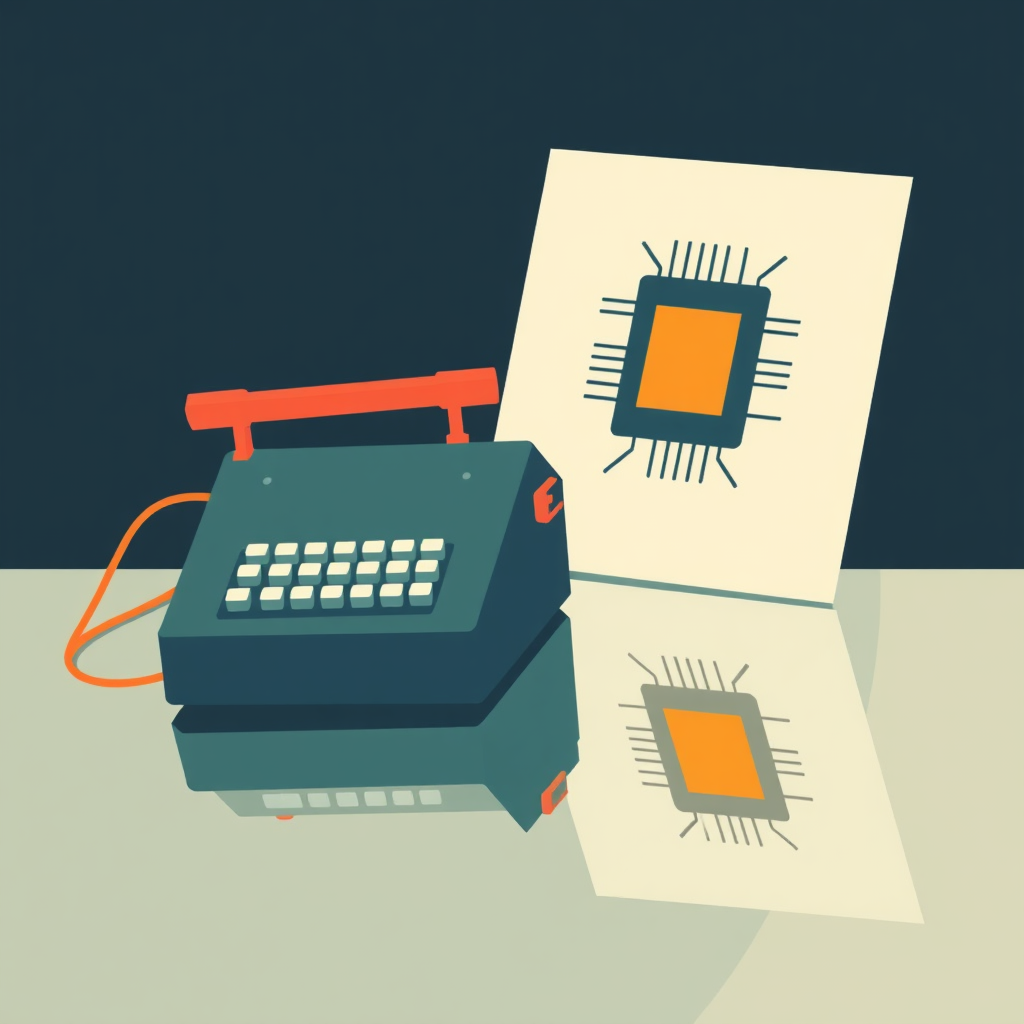
For years, we have forced artificial intelligence to communicate using the "biological bottleneck" of human language, a process as inefficient as two supercomputers exchanging information via printed pages and scanners. This episode dives into the "linguistic cage" and explores the cutting-edge protocols that allow AI agents to communicate at machine-native speeds. We move from the streamlined efficiency of Token-Oriented Object Notation (TOON) to the eerie, high-speed audio bursts of GibberLink, and finally to the revolutionary frontier of direct activation communication. By bypassing words entirely and sharing raw latent states, these systems are achieving massive gains in reasoning and accuracy, effectively evolving from separate tools into a single, unified cognitive entity. Join us as we explore how "mind-melding" between models is redefining the limits of agentic workflows and why the future of AI isn't just about talking better—it’s about stopping the talking altogether to start thinking as one.