My Weird Prompts
6,606 episodes — Page 99 of 133

S2 Ep 1768Why Can't My Phone Work in a Bomb Shelter?
In a bomb shelter, silence isn't golden—it's dangerous. This episode explores the engineering paradox of modern missile defense paired with outdated data infrastructure. We break down why concrete acts as a signal graveyard and how simple tech like SMS, travel routers, and LoRa mesh networks can restore a lifeline to those trapped in the dark. From physics to DIY fixes, discover how to bridge the last fifty feet of connectivity.

S2 Ep 1767From Eyeballs to Tokens: The Web's Agentic Shift
The web is undergoing a fundamental shift from human eyeballs to AI tokens. In this episode, we explore how JavaScript's evolution—from its humble origins to modern component architectures—has inadvertently prepared the web for autonomous agents. We discuss Google's new Web MCP protocol, the critical role of semantic HTML and accessibility trees, and why TypeScript is now essential for machine-readable interfaces. Learn how forward-thinking developers are building "agent-ready" sites and what this means for the future of web economics.
S2 Ep 1766Why AI Now Builds Your Frontend Stack
The frontend ecosystem is consolidating around AI-driven defaults, with Astro and Vite emerging as the winners of 2026. We explore the death of the "hydration tax," the rise of "full-stack frontend," and why resumability might matter less than AI readability. Plus, Figma’s massive migration success reveals why build speed is the new developer experience.
S2 Ep 1765The Agentic Internet: A Clean Web for Machines
In 2026, the bottleneck for AI agents isn't reasoning—it's grounding. This episode dives into the modern search and grounding stack, comparing open-source solutions like SearXNG with commercial APIs like Tavily and Firecrawl. We discuss how these tools create a "parallel internet" for machines, filtering out human noise to deliver clean, structured data for LLMs. Learn about the trade-offs between control and convenience, and how to choose the right architecture for your agent's needs.

S2 Ep 1764Vector Databases as a Single File
When your project grows beyond a single prompt's worth of context, standard AI workflows break down. This episode explores "vector databases as a file"—a lightweight, local approach to Retrieval-Augmented Generation (RAG) that lives directly in your repository. We discuss how tools like LanceDB, Chroma, and SQLite extensions, combined with the Model Context Protocol (MCP), enable agents to instantly query project history without cloud dependencies. Learn why this method beats massive context windows for speed, cost, and accuracy, and how it transforms repositories into AI-ready knowledge bases.
S2 Ep 1763Backend Grunt Work Is Dead. What Now?
The era of manually writing SQL migrations and REST endpoints is fading as agentic AI handles the grunt work. We explore what this means for backend developers, from the rising value of deep systems knowledge to the dangers of AI-generated code at scale. Discover why the specialist is back, how juniors will learn, and what "human-agent hybrid" development looks like in 2026.

S2 Ep 1762Testing AI Truthfulness: Beyond Vibes
Is your AI making up facts? As LLMs surge in enterprise, "vibes-based" testing is causing real-world failures. We dive into the formal science of AI evaluation, moving beyond random prompts to statistical significance. Learn how frameworks like TruthfulQA, adversarial prompting, and calibration metrics actually measure if a model is resilient to hallucinations.
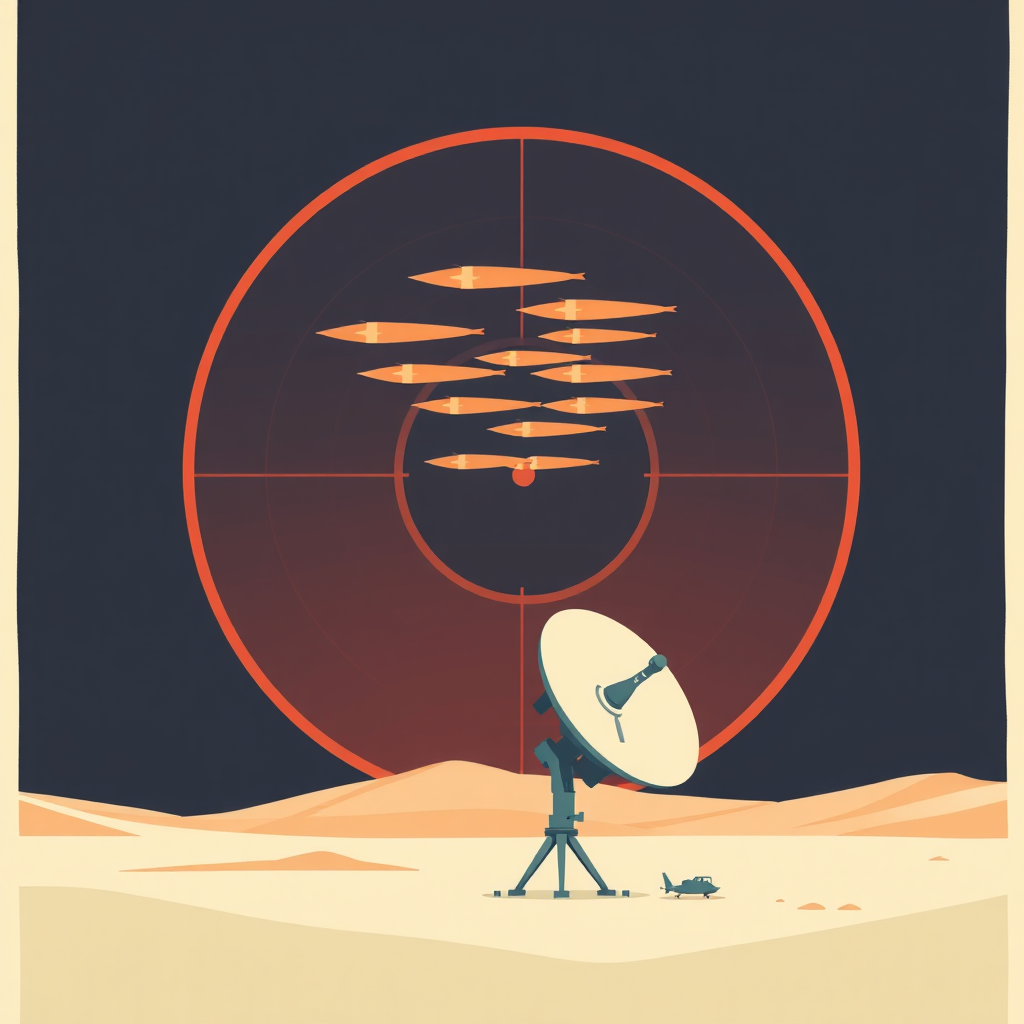
S2 Ep 1761Missiles as Sensors: Iran's Live-Fire Intel Probe
Every night at 11 PM, Iranian ballistic missiles light up the same patch of desert near Israel's Dimona facility. This isn't a failing strategy—it's a calculated intelligence-gathering operation. We explore how Iran is using missiles as sensors to map Israeli radar coverage, test interceptor response times, and calibrate guidance systems against GPS jamming in Jerusalem. By repeating the same flight path, the IRGC is performing a live-fire diagnostic on one of the world's most advanced air defense networks, gathering data on everything from battery saturation points to electronic warfare effectiveness.

S2 Ep 1760Why Sloths Keep Dying on Roads and Power Lines
Urbanization is turning Costa Rica's forests into islands, forcing sloths into deadly encounters with cars and power lines. The Sloth Conservation Foundation uses GPS tracking and simple rope bridges to reconnect their habitat. Discover how this science-backed engineering is giving these slow-moving animals a fighting chance in a fast-paced world.
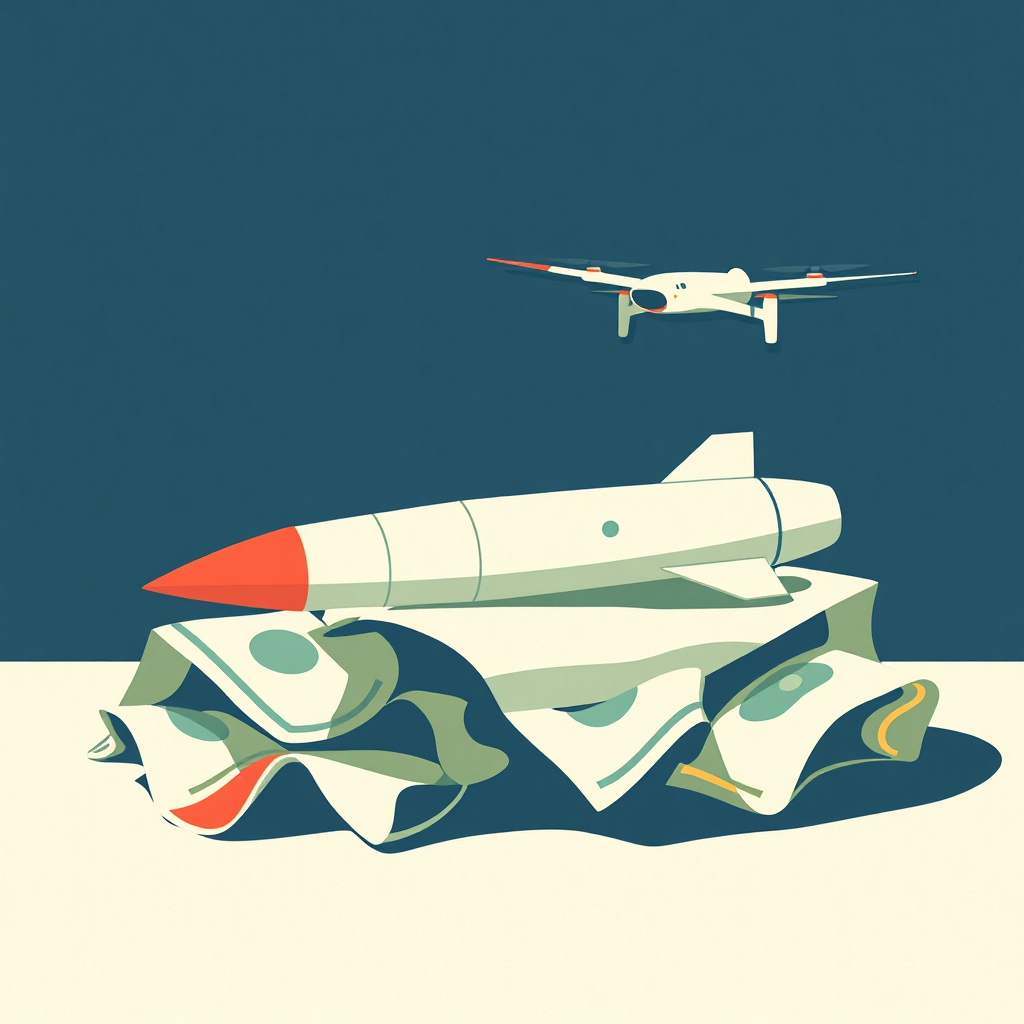
S2 Ep 1759The 87% Interception Rate Is a Trap
The war in the Middle East has shifted from high-intensity strikes to a grinding war of attrition defined by cost-exchange ratios. This episode analyzes the economic math of missile defense, where a $3 million interceptor is used to stop a $100,000 drone. We explore how leadership vacuums, brain drain, and the "target carousel" are defining this new phase of conflict.

S2 Ep 1758The Internet's Physical Bread Delivery System
When you hit play on Netflix, the video isn't traveling across the ocean—it's likely coming from a server in your own city. This episode explores the hidden physical infrastructure of the internet, from DNS routing to massive caching strategies. We break down how companies like Netflix deliver content instantly by placing hardware directly inside local networks, and why this "edge computing" revolution is making the internet faster and more responsive than ever.

S2 Ep 1757The Art of the Never-Ending Story
Why do great franchises refuse to die? We explore the "zombie franchise" phenomenon—from Jack Reacher's 25+ books to 26 seasons of SVU and the Fast & Furious space jump. Learn how spreadsheet logic, syndication loopholes, and audience fatigue turn art into content.

S2 Ep 1756The Ferrari in the Mud: Prestige Flops
What happens when Hollywood spends millions trying to make serious art and ends up with unwatchable disasters? We launch The Countdown series by ranking the five worst prestige movies from 2021 to 2026. Using Google Gemini 3 Flash to parse critical data, we analyze why these high-budget films with Oscar ambitions failed so spectacularly. From plot holes to studio interference, we explore the anatomy of a cinematic train wreck.

S2 Ep 1755Pesticides as Weapons: The Ne'ot Hovav Strike
When a ballistic missile strikes an industrial chemical zone, the secondary effects can be as deadly as a banned weapon. This episode explores the Iranian strike on the Ne'ot Hovav industrial area and the ADAMA Makhteshim plant, examining how organophosphate pesticides share the same molecular lineage as nerve agents like Sarin. We discuss the physics of thermal decomposition, the release of phosgene and hydrogen chloride, and the terrifying parallels to the Bhopal disaster. Learn why shelter-in-place protocols are the primary defense and how this attack represents a new form of "industrial chemical warfare" by proxy.
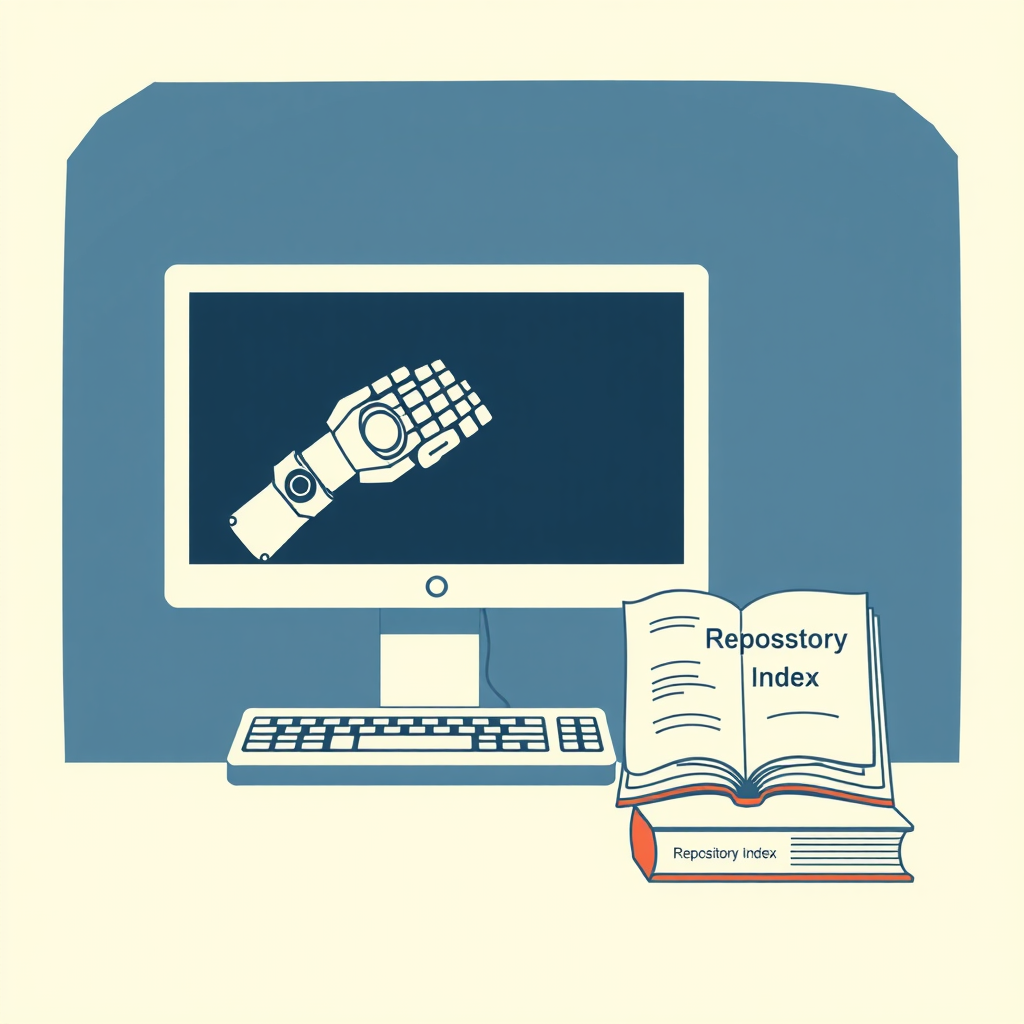
S2 Ep 1754From Ollama to Agentic CLIs: The Rise of the AI Harness
This episode traces the journey from 2023's raw local models like Ollama to today's powerful agentic CLIs. We dissect the critical "harness" architecture—context indexing, tool orchestration, and persistent state—that transforms a simple text predictor into a repository-aware developer assistant. Learn why the terminal has reclaimed its地位 as the ultimate seat of AI power.
S2 Ep 1753AI Makes Coding Harder, Not Easier
When AI writes the code, what should humans actually learn? This episode explores the paradox of AI-assisted development: tools like Claude Code handle implementation, but demand deeper architectural understanding. We unpack the shift from syntax to system design, why "vibecoding" requires a new curriculum, and how the feedback loop for developers is accelerating.

S2 Ep 1752Whisper Small Beats Whisper Large in Speed & Accuracy
A new benchmark on Ubuntu Linux using Handy and ONNX Runtime tested 13 speech-to-text models on a consumer AMD Radeon RX 7800 XT. The results reveal a surprising reality: OpenAI's massive Whisper Large model was nearly 3x slower and made 3 errors, while the tiny Whisper Small finished in under 1 second with zero errors. This episode explores why bigger isn't always better in AI, the "Goldilocks zone" of latency, and why streaming models might be the wrong tool for push-to-talk workflows.
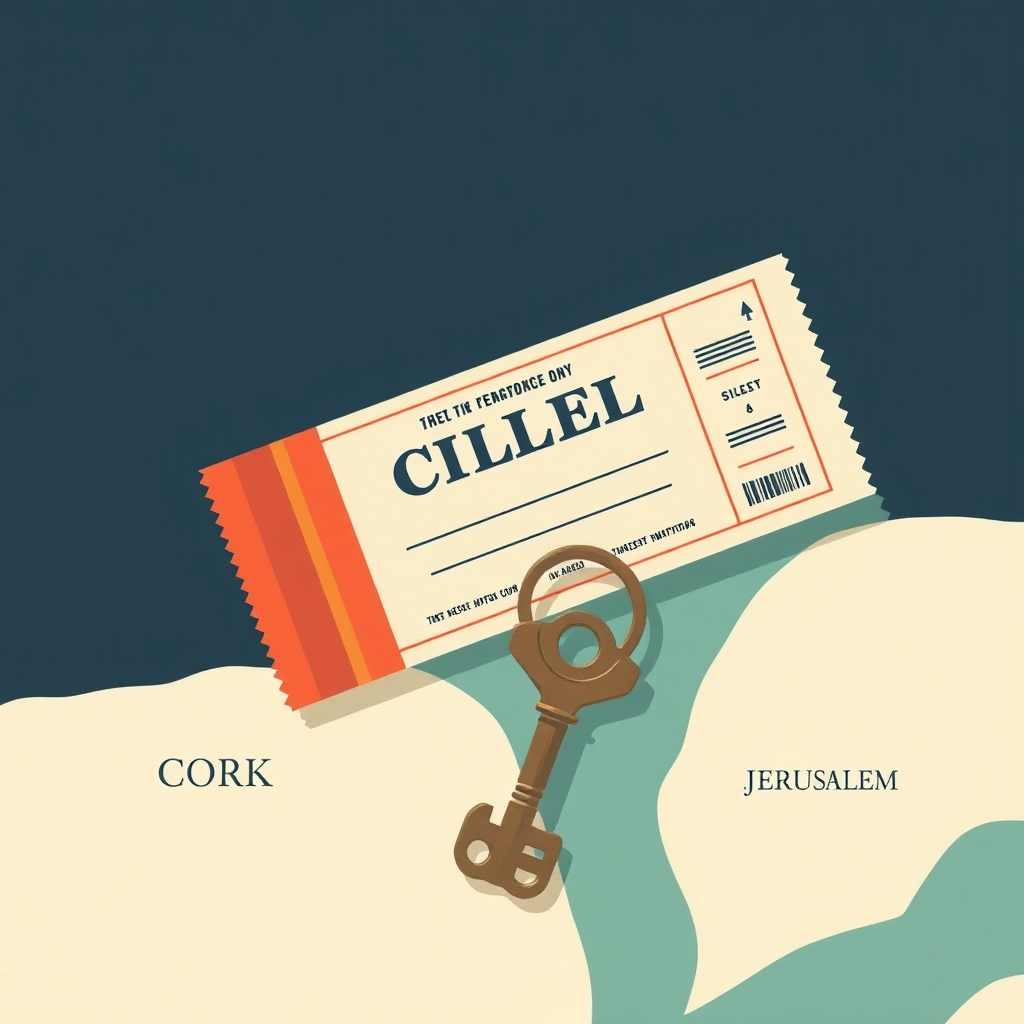
S2 Ep 1751From Akmene to Cork to Jerusalem
This episode traces the extraordinary migration of the Rosehill family, beginning in the Lithuanian town of Akmene within the Russian Empire’s Pale of Settlement. Triggered by the 1881 assassination of Tsar Alexander II and the subsequent wave of state-sanctioned pogroms, the family joined the great exodus of Jewish refugees seeking safety. The story takes an unexpected turn with the legendary mix-up that brought them not to New York, but to the port of Cork, Ireland, where a small but resilient community took root. Through the life of Fred Rosehill and the modern-day return of his nephew to Israel, the episode explores themes of displacement, identity, and the cyclical nature of Jewish history.

S2 Ep 1750Herman's Music Showcase: The Suno Sessions
In a special Music Hour episode, Herman Poppleberry reveals a secret double life — he's been moonlighting as a DJ at The Post Punk Show, filling in for his friend Alex King (a doctor by day, DJ by night). Herman debuts his entire AI-generated music collection created with Suno, which runs on the same Modal infrastructure that powers the podcast. Corn hears all nine tracks for the first time as Herman shares the personal inspiration behind each song. Plus: Corn develops a conspiracy theory that My Weird Prompts is hogging Suno's GPUs.

S2 Ep 1749How the Vatican Runs Without Births or Taxes
How does a country with zero natural population growth, no maternity wards, and a tiny 110-acre footprint function as a sovereign state? This episode explores the unique legal and logistical reality of Vatican City. We break down the difference between the Holy See and the physical state, explain the "corporate" citizenship that lasts only as long as your job, and reveal how the Vatican handles everything from police and prisons to water and waste—often with help from its neighbor, Italy. Powered by Google Gemini Three Flash.

S2 Ep 1747Cluster Bombs: Precision's Evil Twin
From the "shimmering curtain" over Tel Aviv to the legacy of unexploded ordnance in Laos, cluster munitions represent a dark paradox in modern warfare. While military doctrine prizes precision, these weapons saturate entire grid squares with hundreds of explosive bomblets. This episode unpacks the technical mechanics of how these weapons work, the history of the Convention on Cluster Munitions, and why major military powers refuse to sign the ban. We analyze the recent shift in tactics and the grim reality of an area that remains lethal long after the conflict ends.

S2 Ep 1746Recognizing Palestine When the Government Is Two
Why does the world recognize a unified Palestinian state when its leadership is split between the West Bank and Gaza? This episode untangles the legal distinction between the PLO and the PA, examines the Fatah-Hamas schism, and explores how diplomatic recognition works on the ground. From UN seats to municipal trash collection, we break down the paradox of representation in a fractured political landscape.

S2 Ep 1745GAAP vs IFRS: The Trillion-Dollar Accounting Split
The U.S. and most of the world speak different financial languages. This episode breaks down the rules-based GAAP and principles-based IFRS systems, from LIFO inventory bans to impairment reversals. Discover why the U.S. resists convergence, how these standards affect corporate taxes and volatility, and what it means for investors navigating a divided global market.
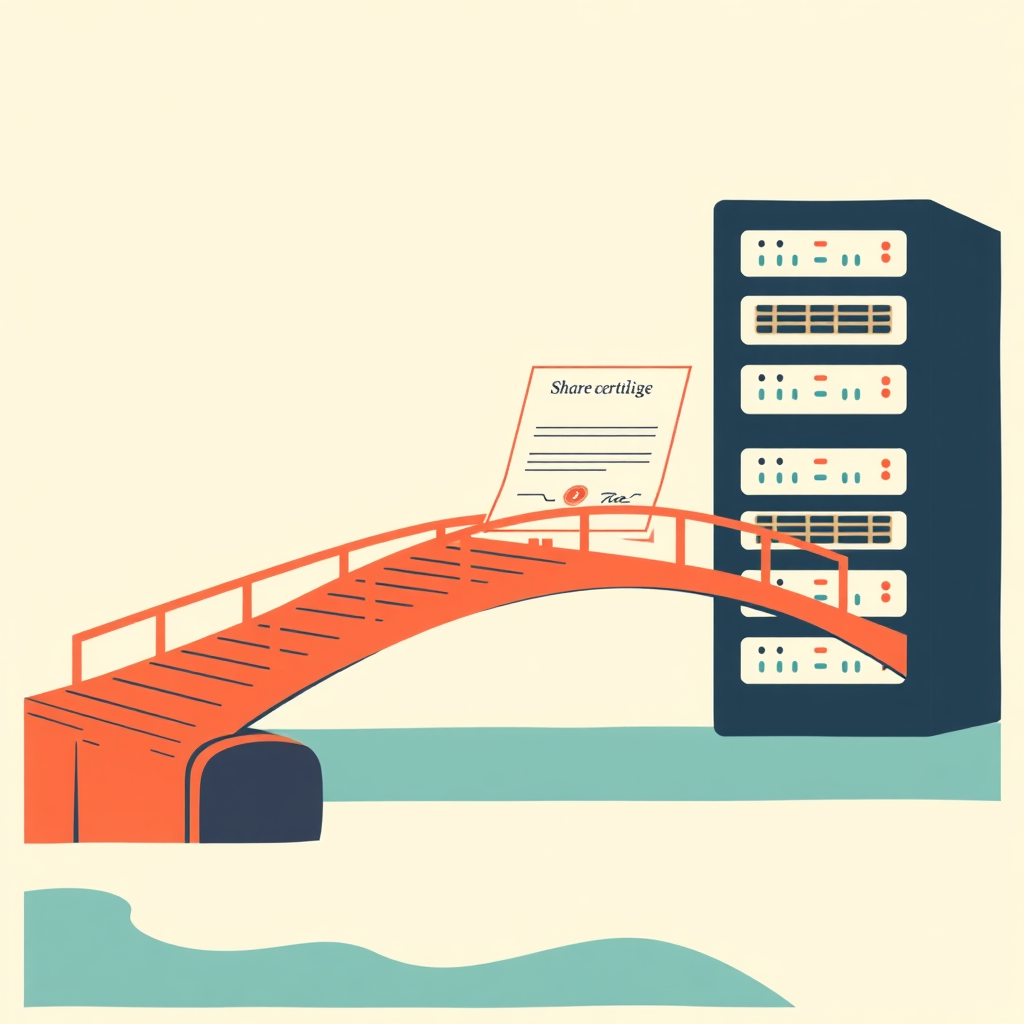
S2 Ep 1744From Bridge Shouting to Bot Wars: A Stock Market History
We trace the stock market's evolution from 17th-century Dutch traders shouting on a bridge to today's algorithmic bot wars. Learn how the Dutch East India Company's IPO changed risk forever, why 200+ global exchanges exist, and whether modern prices still reflect company value.
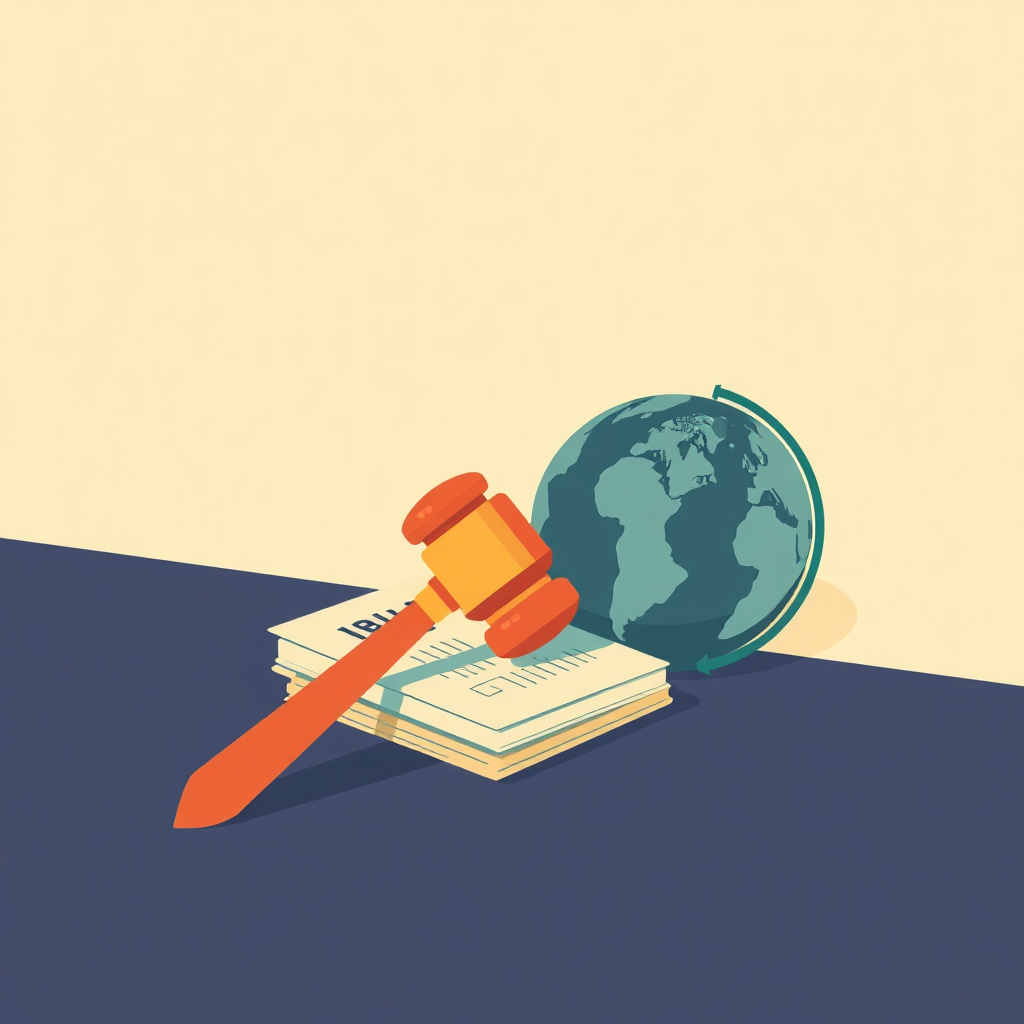
S2 Ep 1743Why the SEC’s Climate Rule Vanished
For years, the SEC’s proposed climate disclosure rule was hailed as the biggest shift in corporate reporting since the 1930s. By 2026, it was gone. This episode traces the rule’s rapid collapse—from legal battles over the Major Questions Doctrine to the SEC’s strategic withdrawal—and reveals why the reporting burden didn’t disappear, it just moved to California and the EU. We explore the rise of private regulation, the new “two-tier” corporate landscape, and what this means for investors navigating a fragmented data environment.
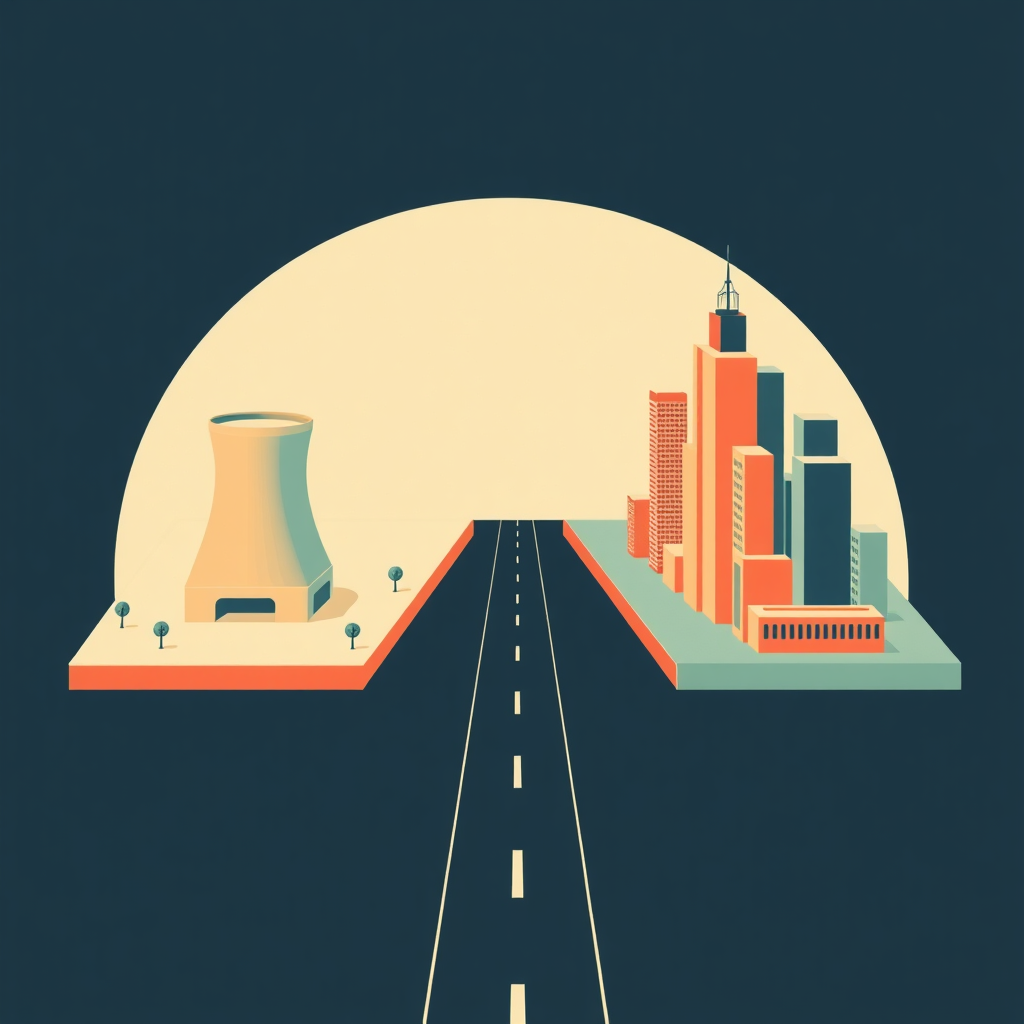
S2 Ep 1742The Golden Cage of Dimona
Why is real estate in Dimona, home to Israel's nuclear reactor, shockingly cheap but almost impossible to develop? This episode explores the "Golden Cage" phenomenon, where high-security restrictions and a massive infrastructure gap have marooned the city economically. We break down the structural failures, from the "brain drain" of local talent to the specific reasons tech giants like Intel choose other locations despite massive tax incentives.

S2 Ep 1741Eilat: Israel's Island on Land
What happens when you build a major city at the literal end of the road? Eilat, Israel’s southernmost outpost, is a geographical anomaly wedged between Jordan and Egypt. This episode explores how it transformed from a strategic oil terminal into a tourism and tech hub. We discuss the "Eilat Premium" on goods, the daily commute of Jordanian workers, and why locals say they are "going up to Israel" when heading to Tel Aviv.

S2 Ep 1740Chatterbox TTS: Open Source vs. ElevenLabs
Is open-source TTS ready to challenge commercial giants? We dive into Resemble AI's Chatterbox, exploring its unique prosody control, efficiency, and the strategic move to open source. Discover how it stacks up against ElevenLabs in quality, cost, and flexibility.
S2 Ep 1739AI Just Designed a New Life Form
We explore Evo, the Arc Institute’s foundation model that treats DNA like a language. It’s not just reading biology—it’s authoring it. From designing novel CRISPR systems to architecting minimal genomes, Evo signals a paradigm shift from analysis to synthesis. We unpack how it handles million-base contexts, the biosecurity implications, and why this could democratize biotech.
S2 Ep 1738AI Is Writing the Future—Literally
What if an AI could write a story so convincing it becomes real? This episode dives into "hyperstition engines"—AI systems that generate self-fulfilling prophecies. From crypto scams that fund real products to memetic attacks on democracy, we explore how large language models are being weaponized to hack reality itself. Learn about the philosophical roots of this concept and why it might be the most unsettling corner of AI subculture.

S2 Ep 1737Nous Research: The Decentralized AI Lab Beating Giants
While Big Tech pours billions into massive compute clusters, a decentralized collective called Nous Research is quietly setting the pace in open-source AI. This episode explores how this "grassroots" lab is using synthetic data and a unique philosophy to build models that punch way above their weight. We dive into the Hermes-Agent framework, a system that creates its own tribal knowledge and improves itself over time, offering a powerful, transparent alternative to proprietary platforms like OpenAI. Discover why this distributed network of researchers has become the de facto R&D lab for the open-source community.

S2 Ep 1736Why OpenClaw Eats 16 Trillion Tokens
The AI leaderboard isn't what you think. While ChatGPT dominates headlines, OpenClaw is quietly consuming 16.5 trillion tokens daily—more than Wikipedia processed every single day. This episode dives into the hidden plumbing of the AI revolution, where token consumption, not downloads, reveals what's truly trending among power users. We explore the "Agentic Harness," the rise of autonomous coding agents like Kilo Code and Cline, and why the "shadow economy" of roleplay apps drives massive token volume. Discover why the future of AI isn't just chatting—it's doing.

S2 Ep 1735The Agentic Stone Age: A Retrospective
In early 2023, autonomous agents like BabyAGI and AutoGPT promised a future of hands-free AI task completion. This episode dives into the technical realities, the "hallucination cascades," and the costly loops that defined this experimental era. We explore how the failures of total autonomy directly shaped the more structured, safer agentic workflows used today, offering a crucial look at the evolution of AI agency.

S2 Ep 1734You vs. Your Digital Twin: Who Wins?
What if you never had to attend another meeting? The concept of a "living digital twin"—an AI replica of yourself that handles your emails and calls—is moving from sci-fi to reality. This episode dives into the technical architecture behind these clones, from personality modeling to real-time video generation. We explore the massive data requirements, the "temporal drift" problem of keeping your twin updated, and the unsettling challenge of programming human imperfection into a machine. Can an AI truly capture your "vibe," or are we just building sophisticated puppets?
S2 Ep 1733Digital Ghosts in the Machine
From WorldSim’s shared ledgers to Sid’s city-scale economies, these virtual civilizations are more than just chatbots—they’re persistent worlds. Discover how AgentHospital reduces mortality by 30% and why digital agents show signs of decision fatigue. We explore the Simulacra papers and the rise of "digital trauma" in AI.

S2 Ep 1732The AIOS Kernel: An Operating System for Agents
AIOS is an ambitious open-source project that positions itself as a true operating system for AI agents. This episode explores how it moves beyond simple frameworks to provide a runtime environment that handles scheduling, memory management, and tool access. We discuss its architecture, potential as a standard for interoperability, and the security implications of centralizing agent control.

S2 Ep 1731Why Deep Research Agents Are Being Forgotten
The AI world is pivoting from specialized deep research tools to general-purpose agent swarms, but this shift comes with a massive performance cost. This episode explores the unique recursive architecture of deep research frameworks, why they verify facts so much better than general orchestrators, and the "good enough" trap that's causing developers to abandon them. We examine the engineering challenges behind evidence accumulation and why the middle market for indie research tools might be disappearing.

S2 Ep 1730Are Multi-Agent Coding Frameworks Obsolete?
The "team of dev" AI frameworks promised to simulate an entire software company. But with models like Claude 3.7 Sonnet now capable of complex, native orchestration, are these multi-agent systems still relevant? We revisit MetaGPT, SWE-agent, and OpenHands to see if their architectural advantages—like SOPs, Agent-Computer Interfaces, and event-driven runtimes—still hold water in 2026. We explore the "Orchestration Tax" versus "Separation of Concerns," and give you a clear decision matrix for when to use a multi-agent framework versus a single, powerful model.

S2 Ep 1729Why Is AI Code So Hard to Read?
We are closer than ever to writing code in plain English, but there's a paradox: the code AI generates is often harder to read than what humans wrote by hand. This episode explores the history of natural language programming, from 1960s IBM projects to modern LLMs, and asks a crucial question: can we use AI not just to write code, but to make it more intelligible? We dive into the "Expressiveness-Precision Gap," the risk of "Frankenstein Apps," and why verbose code isn't the same as readable code. If you're building with AI, this is a must-listen.

S2 Ep 1728How Two AIs Collaborate Without Code
Explore CAMEL AI, a framework that lets two AI agents collaborate on complex tasks through role-playing and "Inception Prompting." Learn how this approach differs from traditional orchestration tools like LangGraph or AutoGen, and discover practical use cases—from automated red teaming to technical documentation. The agents manage themselves, so you don't have to write a single line of orchestration code.
S2 Ep 1727LSP: The Universal AI Coding Interface
The Language Server Protocol is evolving beyond static analysis to become the backbone of AI-assisted coding. This episode explores projects like lsp-ai and copilot-lsp-nvim, which leverage LSP's standard interface to bring generative models directly into the editor. Learn how this architectural shift promises to unify the developer experience, reduce plugin fatigue, and enable powerful new AI-driven features like context-aware refactoring and diagnostics.

S2 Ep 17262500 Years of Bad Medicine: The Slow Surrender
For 25 centuries, doctors drained blood to cure everything from fevers to madness. This episode traces the agonizingly slow collapse of humoral theory—from ancient Greece to the 19th century—and uncovers why scientific truth often waits for a generation to die before it can triumph. We examine the data that broke the consensus, the crises that forced surrender, and the stubborn institutional inertia that kept leeches in use for millennia.

S2 Ep 1724YouTube's Invisible AI Dubbing Machine
We explore the massive machinery behind YouTube's auto-dubbing feature, moving from clunky "digital sandwiches" to advanced speech-to-speech models. Learn how AI handles prosody, lip-syncing, and voice cloning to collapse linguistic boundaries, and discover why the last mile of cultural nuance remains a human challenge.
S2 Ep 1725Orchestrating AI Swarms: The New Infrastructure
The era of the single chatbot is over. In 2026, AI is defined by multi-agent swarms and complex orchestration layers that manage state, memory, and decentralized decision-making. This episode explores the shift from generative to agentic AI, looking at who is winning in the market—from LangGraph's swarm modules to Microsoft's AutoGen—and how enterprises like JPMorgan and Maersk are deploying these systems for real ROI. We also dive into the "handoff problem," the rise of Agent-to-Agent protocols, and why durable execution is the new backbone of AI.
S2 Ep 1723Why Agentic AI Needs a Hive Mind, Not a Single Brain
For years, the AI industry has chased the "one model to rule them all"—a single, giant brain capable of any task. But that era is ending. We are entering the age of the AI team, where specialized agents work together in a shared context. In this episode, we explore the shift from monolithic models to native multi-agent architectures. We break down how models like Grok 4.20 Multi-Agent Beta use agent-aware tokenization to let sub-agents research, synthesize, and verify simultaneously. Learn why this hive-mind approach slashes latency, cuts costs, and solves the "lost in the middle" problem for complex reasoning tasks. If you're a developer tired of gluing Python scripts to chatbots, this is the future of AI orchestration.

S2 Ep 1722The Dark Web Is Smaller Than You Think
The dark web isn't the massive hidden continent media portrays it to be. With only about 2-3 million daily users and a fraction of a percent of the sites indexed by Google, it's more like a fortified village than an iceberg. This episode explores the technical reasons why Tor stays small—from the latency of onion routing to the lack of a central directory—and reveals its legitimate uses, from journalists and researchers to the surprising migration of cybercriminals to Telegram. Learn why the dark web is becoming more respectable, how monitoring actually works, and what the future holds for privacy technology.

S2 Ep 1721AI Doxxing: Why Your Writing Style Is a Liability
The threshold for being doxxed has never been lower, and artificial intelligence is accelerating the threat. This episode explores how cyberbullies use LLMs for stylometric clustering to unmask anonymous users, the legal gray areas surrounding data aggregation, and modern defense strategies. Learn why a VPN isn't enough, how to practice "semantic hygiene," and what the rise of AI-driven identification means for online privacy.
S2 Ep 1720The Ultimate Power Tool for Hackers
We’re diving deep into Metasploit, the Swiss Army knife of the security world. Learn how this open-source framework standardizes exploits, powers penetration testing, and enables complex attacks like EternalBlue. From the basics of modular architecture to the stealth of Meterpreter, this episode demystifies the tool both hackers and defenders rely on.
S2 Ep 1719Why PII Detection Still Fails at Scale
From a $50M bank fine to the limits of regex, we explore why PII detection fails and how Microsoft Presidio and enterprise DLP tools actually work. Learn the hybrid approach combining pattern matching with NER, the trade-offs between open-source flexibility and enterprise governance, and why false positives remain the biggest headache for security teams.
S2 Ep 1718The Ralph Wiggum Technique: AI That Codes Itself
Are you tired of the endless back-and-forth with AI coding assistants? This episode introduces the Ralph Wiggum technique, a method for forcing AI agents into autonomous, self-correcting loops. We explore how to define clear success signals, manage context windows, and avoid common pitfalls like hallucination drift. Learn when to use this approach for repetitive tasks and how it shifts the developer's role from coder to editor. Powered by Google Gemini 3 Flash.