
My Weird Prompts
6,606 episodes — Page 108 of 133

S2 Ep 1285The Myth of Military Mass: Tech vs. Numbers in 2026
In this episode, we break down the 2026 global military landscape, moving beyond simple headcounts to analyze the "tech multipliers" that actually determine lethality. We compare the massive standing armies of China and North Korea against the high-tech, networked forces of the United States and Israel. From the game-changing Iron Beam laser defense to the rise of autonomous "loyal wingman" drones, discover why the traditional math of attrition is being turned on its head. This is a deep dive into the transition from mass-based warfare to a new era of digital dominance and logistical superiority.
S2 Ep 1284The Sincerity Threshold: Why Huge Movie Flops Fascinate Us
In this episode, we dive into the strange phenomenon of the "unintentional disaster"—those massive, high-budget films from 2023 to 2026 that failed spectacularly despite their earnest attempts at greatness. From the CGI nightmares of The Flash and Expendables 4 to the narrative voids of Madame Web and Rebel Moon, we examine why these $200 million swings miss the mark so hard they redefine the "sincerity threshold." We explore the psychology behind our fascination with these train wrecks and how, in an age of algorithmic optimization, a truly expensive human failure feels more authentic than a perfectly polished product. Join us as we count down the biggest cinematic misfires of the decade so far, examining how studio interference, development hell, and a lack of creative oversight led to some of the most fascinating failures in Hollywood history.

S2 Ep 1283Is Your AI Thinking Too Much?
We are currently witnessing a wave of "agentic inflation," where simple software tasks are being replaced by complex, non-deterministic autonomous loops. This episode explores the "agentic tax"—the hidden toll of latency, token waste, and unpredictable failures that occur when developers prioritize AI autonomy over sound engineering principles. We break down the crucial difference between procedural workflows and agentic reasoning, offering a framework for when to use LLMs as specialized workers rather than autonomous managers. Discover how to identify the "context window trap" and apply the Rule of Three to ensure your AI architecture remains efficient, scalable, and cost-effective.

S2 Ep 1282The Geometry of Thought: The Mathematics Powering AI
Behind every poetic response or lines of code generated by an AI lies a staggering amount of floating-point numbers and matrix multiplications. This episode explores the mathematical substrate of artificial intelligence, moving past the chat interface to examine the probability, calculus, and high-dimensional geometry that allow these models to function. We dive into the "Neural Cathedral" of embedding spaces and the optimization algorithms that allow machines to learn from their mistakes through pure mathematics.
S2 Ep 1281Is Your Smart Home Spying? The Truth About IoT Traffic
Modern convenience often comes with a hidden cost: a persistent, encrypted tunnel from your living room to servers across the globe. This episode explores the "smart home paradox," breaking down the technical differences between legitimate firmware updates and the sinister data exfiltration occurring behind your firewall. Discover how to identify red flags in your network traffic, the dangers of residential proxies, and why network segmentation has become a basic safety requirement for any connected home.

S2 Ep 1280Laptop Farms: North Korea’s Invisible Hardware Backdoor
This episode uncovers the alarming rise of "laptop farms," a sophisticated insider threat operation where North Korean operatives use US-based hardware to secure high-paying corporate jobs. We explore the technical mechanics of IP-KVM devices—hardware-level backdoors that remain invisible to even the most advanced security software by emulating physical human interaction. From the FBI's "Jasper Sleet" raids to the hidden risks in cheap Chinese-made electronics, we examine how miniaturized technology is being weaponized to fund state-sponsored programs. Learn why the traditional digital perimeter is no longer enough and why physical hardware integrity has become the new frontline in cybersecurity.
S2 Ep 1279Why AI Obeys the Developer Instead of You
Most users see a blank chat window, but behind the scenes, a complex system of "invisible stage directions" dictates every response an AI provides. This episode explores the evolution of system prompts from simple text strings to high-stakes architectural entities involving logit biasing and Mixture of Experts routing. We analyze why models occasionally "forget" their instructions and how engineers are building a mathematical backbone to ensure AI remains a servant rather than a wildcard.

S2 Ep 1278The 14 Percent: Iran’s New Ballistic Warhead Doctrine
Explore the terrifying physics of the "heavy-hitter" doctrine as the IRGC shifts from surgical precision to massive 1.8-ton warheads. This episode breaks down why a 14% leakage rate in missile defense becomes catastrophic when payloads reach the size of a full-sized SUV, and how saturation tactics using cluster munitions are specifically designed to exhaust even the most advanced air defense batteries. We also separate Hollywood myth from reality by analyzing the extreme thermal and kinetic challenges of delivering chemical or biological agents via hypersonic reentry, explaining why high explosives remain the more reliable strategic threat in modern conflict.

S2 Ep 1277Battlefield Data: When the Kill Chain Meets CI/CD
Modern warfare is undergoing a radical transformation, shifting the primary asset from physical hardware to the underlying software pipeline. This episode dives into the architecture of systems like Project Maven and JADC2, revealing how military operations now mirror the complex data engineering challenges found in high-growth tech startups. We discuss the transition from siloed legacy systems to unified, event-driven architectures that utilize Kafka-style message buses and real-time sensor fusion to create a "Common Operational Picture." By treating the "kill chain" as a high-stakes CI/CD pipeline and pushing inference to the tactical edge, the military is achieving unprecedented efficiency—reducing targeting staff by 99% and compressing decision cycles from hours to seconds. Join us as we bridge the gap between Grafana dashboards and the battlefield, exploring how data normalization and graceful degradation are winning the wars of the future.
S2 Ep 1276Shadow Strikes: The Art of Deniable Sabotage
Modern conflict is no longer defined solely by missile launches and troop movements; it is won during the years of silent infiltration that precede the battlefield. This episode dives into the "intelligence-sabotage nexus," examining how elite agencies use a doctrine of ambiguity to strike sensitive facilities while maintaining total deniability. From the physical destruction of air-gapped centrifuges to the strategic severing of undersea data cables, we explore how critical infrastructure has become the primary front in a permanent state of grey zone competition. Discover why the most decisive victories in tomorrow's wars are likely being won today, in the shadows of the world’s most secure facilities.

S2 Ep 1275The Nuclear Family Failure: Why Parenting Feels Impossible
Modern parents are facing a "permanent physiological redline," but the problem might not be personal—it’s evolutionary. This episode dives into the "exhaustion crisis" of the nuclear family, exploring why the two-parent model is a historical outlier that clashes with 100,000 years of human biology. We examine the 13-million-calorie cost of raising a child and how global societies—from hunter-gatherer tribes to Danish co-housing projects—offer a "third way" out of burnout. If you’ve ever felt like your soul is being drained through a straw, this conversation reveals why humans were always meant to have a crowd to help carry the load.

S2 Ep 1274The Weight of "Mild": Understanding Chronic Depression
Is "mild" depression actually manageable, or is it a linguistic trap? This episode explores the "slow rot" of Persistent Depressive Disorder (PDD) and why the clinical focus on acute crises often ignores the millions of people living in a perpetual "gray zone." We dive into the DSM-5 criteria, the phenomenon of "double depression," and why global health guidelines are moving away from medication as a first-line defense for lower-level chronic cases. From gendered symptom presentation to the heavy cumulative toll of long-term low mood, we unpack why a "minor impairment" can be more exhausting than a sudden storm.

S2 Ep 1273Lighting the Dark: The Science of Seasonal Depression
Millions of people experience a significant drop in mood and energy as the days grow shorter, a phenomenon known as Seasonal Affective Disorder (SAD) that stems from a fundamental mismatch between our modern indoor lifestyles and our ancient biological need for sunlight. This episode explores the fascinating mechanics of the suprachiasmatic nucleus and the specialized retinal cells that regulate our internal clocks, explaining why a lack of light triggers melatonin production that leaves us feeling perpetually exhausted. By examining the latest 2025 research on high-intensity light therapy and the surprising reality of summer-onset depression, we uncover how targeted light exposure can be as effective as clinical medication in recalibrating our bodies and reclaiming our mental well-being regardless of the season.
S2 Ep 1272The End of Gaslighting: New Breakthroughs in ME/CFS
For decades, patients with Myalgic Encephalomyelitis (ME/CFS) and Fibromyalgia were told their debilitating symptoms were psychosomatic, but the narrative has shifted dramatically in early 2026 following seismic breakthroughs in biomarker research. This episode explores the "something in the blood" theory, revolutionary nanoneedle diagnostic tools, and how the long COVID crisis forced the medical establishment to finally acknowledge these systemic biological failures. We dive into the hard science of mitochondrial dysfunction and neuroinflammation to explain why the era of medical gaslighting is finally coming to an end for millions of people worldwide.

S2 Ep 1271Fiber in the Sky: The Invisible Backbone of Modern War
In modern high-intensity conflict, physical fiber optic cables are often the first casualty of sabotage or long-range strikes. This episode explores the engineering behind "fiber in the sky"—the sophisticated military microwave backhaul systems that provide high-speed, ultra-low-latency connectivity for missile defense and command networks when ground infrastructure fails. We dive into the physics of E-band technology, the resilience provided by adaptive modulation, and why these invisible, highly directional beams have become the literal nervous system of the modern battlefield in the Middle East and beyond.

S2 Ep 1270From Snitch to System: The Future of Whistleblowing
Whistleblowing is no longer defined by secret meetings in rain-slicked parking garages; it has evolved into a formalized, high-tech pillar of institutional risk management. This episode explores the dramatic transformation of the "snitch" archetype into a professionalized auditing function, driven by sweeping legal mandates like the EU Whistleblowing Directive and the massive financial incentives of the US SEC bounty system. We delve into the complex digital plumbing of modern reporting, from "Compliance-as-a-Service" portals to the high-stakes technical challenge of evading corporate metadata surveillance. The discussion also tackles the controversial rise of AI-driven sentiment analysis, which attempts to filter "malicious" reports from "good faith" ones before a human ever sees them. From South Korea’s robust state protections to new laws governing global supply chains, learn how whistleblowing has become the ultimate debugging tool for a world of increasingly complex and opaque organizations.

S2 Ep 1269Why Certain Sounds Trigger Rage: The Science of Misophonia
Ever felt an irrational surge of rage at the sound of someone chewing or clicking a pen? This episode dives deep into misophonia, a genuine neurological condition where the brain's "smoke detector" misidentifies neutral sounds as personal threats. We explore the latest research on the anterior insular cortex, the link between sound and motor control, and why this condition frequently overlaps with ADHD and autism. Learn about the "executive function tax" of sensory sensitivity and the modern clinical treatments—from specialized CBT to acoustic filters—that are helping people reclaim their lives from a world that’s often just too loud.

S2 Ep 1268The Paradoxical Nap: Why ADHD Meds Can Cause Fatigue
For many individuals with ADHD, taking a stimulant doesn't lead to a burst of energy, but rather an overwhelming urge to sleep. This episode dives into the neurobiology of the "paradoxical effect," explaining how increasing dopamine and norepinephrine can quiet mental chatter and allow a hyper-aroused nervous system to finally rest. We explore the signal-to-noise ratio in the prefrontal cortex and why medication often reveals a deep-seated exhaustion that has been masked by years of compensatory stress.

S2 Ep 1267Beyond the Save Button: The Git-ification of Everything
Move beyond the chaos of manual file naming and embrace the "Git-ification" of your professional life. This episode explores how the principles of software version control—including commits, diffs, and branching—are being applied to technical documentation, project management, and competitive intelligence. We dive into how treating work as a series of atomic changes rather than static files creates an immutable, auditable, and highly collaborative environment that eliminates the "single point of failure" in corporate knowledge.

S2 Ep 1266The Algorithmic Gaze: Neurodiversity in Reality TV
In this episode, we dive into the shifting landscape of reality television and the rise of "algorithmic empathy." Netflix has identified a high-engagement niche by centering neurodivergent individuals in dating shows, but at what cost? We examine how "social scripting" and highly produced formats often prioritize neurotypical entertainment over genuine representation. From the use of infantilizing music to the hidden role of production coaches, we pull back the curtain on how these shows monetize the gap between autistic experiences and social expectations. Are we witnessing a breakthrough in visibility, or just a sophisticated new form of voyeurism? Join us as we discuss the "performative neurodiversity trap" and the search for authentic autonomy in media.

S2 Ep 1265The Biology of Light: Designing for Your Internal Clock
We often spend thousands on ergonomic chairs and high-resolution monitors while ignoring the most fundamental input for human performance: natural light. This episode dives deep into the concept of light as a "biological nutrient," explaining how modern indoor environments often leave us in a state of chronic circadian misalignment. We explore the fascinating science of how specific cells in our eyes act as a direct link to the brain’s master clock, and why even the brightest LED office lighting fails to provide the spectral punch needed to suppress melatonin and trigger peak focus. Beyond the biology, we examine the cutting-edge architectural strategies being used to bridge the gap between aesthetics and health, including light shelves, electrochromic glass, and the critical role of Light Reflectance Value in interior finishes. By rethinking how we distribute photons throughout a building, we can move beyond the "windowless office paradox" to create spaces that actually support our natural rhythms, improve sleep quality, and boost productivity by double digits.
S2 Ep 1264The Physics of Impact: How Hypersonic Missiles Die
Forget the cinematic fireballs of Hollywood; real-world atmospheric missile interception is a chaotic ballet of fluid dynamics, plasma, and hypervelocity kinetic energy where materials cease to behave like solids. This episode dives deep into the "hit-to-kill" mechanics that occur at twelve times the speed of sound, exploring how the density of our atmosphere acts as a giant filter that sorts falling debris based on mass and surface area. We break down the complex science of the Mach stem effect and the "hydrodynamic ram" to explain why stopping a hypersonic threat is a high-stakes game of physics-based sorting that challenges even the most advanced radar discrimination algorithms.

S2 Ep 1263The Myth of the Bored Baby: Sensory Secrets for WFH Parents
Modern parents often feel a crushing guilt when they cannot provide constant entertainment for their infants, especially while balancing the demands of working from home. This episode explores the neurological reality of the eight-month-old brain, explaining why what we perceive as "boredom" is actually a vital state of sensory integration and cognitive mapping. We dive into the upcoming nine-month growth spike, the difference between under-stimulation and over-stimulation, and why simple household objects often outperform expensive educational toys. Learn how to create a "high-fidelity" environment and why your own emotional regulation is the most important developmental tool your child has.

S2 Ep 1262Is Daycare Before Age One Messing With Infant Stress?
When is the "right" time to start daycare? This episode dives into the "Daycare Paradox," examining how early entry affects an infant's cortisol levels and long-term emotional regulation across different global societies. We compare the high-turnover American model with the stable, professionalized systems of Scandinavia and France, revealing why caregiver stability is often more critical than the curriculum itself. From the biological "fourth trimester" to the psychological peak of separation anxiety, we explore whether modern policy prioritizes economic output over the developmental "operating system" of the child. Join us as we unpack the latest longitudinal data to discover how different cultures are running two very different versions of childhood.

S2 Ep 1261The Frozen Psyche: The Biological Cost of Conflict
In the wake of a fragile ceasefire, the physical reconstruction of cities often masks a much deeper, more permanent form of damage: the structural collapse of the human psyche. This episode delves into the concept of the "frozen psyche," a psychological state where the sheer speed and intensity of trauma prevent individuals from ever entering a state of mourning or recovery. We move beyond the surface of the conflict to explore the terrifying neurobiology of war, including how epigenetic changes pass heightened stress responses down to children who have never seen a day of battle. By distinguishing between traditional PTSD and the more profound "moral injury," we examine how a society’s moral framework is shattered when institutions fail to protect their people. From the erosion of social foundations to the role of technology in broadcasting real-time trauma, this discussion reveals why the end of a war is often just the beginning of a generational struggle for psychological survival.

S2 Ep 1260The 20 Percent: Navigating Arab Identity in Israel
What does it mean to be a "Palestinian of '48" in a post-October 7th landscape? This episode explores the complex, multi-layered identities of the two million Arab citizens of Israel—a group often reduced to monolithic labels but defined by a pragmatic "Israelization." We dive into the startling data behind how this community self-identifies, the "shared destiny" felt during times of crisis, and the chilling effect of political crackdowns on expression. From the unified Arab political parties in the Knesset to the unique military contributions of the Druze and Bedouin, we examine the tension between civic belonging and national heritage. Why do the majority of these citizens resist "citizenship swaps" even while protesting the state? Join us as we unpack the reality of a population navigating the grey area between their cultural roots and their daily lives as Israeli citizens.
S2 Ep 1259The Druze: Survival, Secrecy, and the Blood Brother Pact
For over a millennium, the Druze have survived the Middle East’s shifting borders through a unique blend of religious secrecy and pragmatic loyalty to the state. But as the Syrian government collapses and internal tensions rise in Israel over land rights and the Nation-State Law, this ancient community faces an unprecedented identity crisis. This episode dives into the 2025 Golan Heights border breach, the theological mystery of reincarnation, and why the "blood brother" pact is being tested like never before. Join us as we examine how a minority without a motherland navigates the most volatile region on Earth.

S2 Ep 1258Jerusalem at One Million: The Great Secular Flight
Jerusalem recently surpassed the monumental one million resident milestone, solidifying its status as the largest and most complex city in Israel. However, beneath the surface of this growth lies a profound demographic transformation that is reshaping the city's social, economic, and political landscape. This episode examines the phenomenon of "secular flight," where young, educated residents are increasingly trading the hills of Jerusalem for the coastal vibes of Tel Aviv or even moving abroad. We analyze the staggering growth of the Haredi community, which now serves as the city's primary demographic engine, and discuss the mounting economic pressures that make Jerusalem one of the poorest cities in the country despite its historical prestige. From the spatial inequalities in East Jerusalem to the shifting character of iconic neighborhoods like Rehavia, we explore what happens when a city’s middle ground begins to disappear. Is Jerusalem a unique case study in religious urbanization, or is it a "canary in the coal mine" for the future of the entire nation? Join us as we unpack the data, the dollars, and the daily reality of a city in the midst of a total identity shift.

S2 Ep 1257Can Israel Survive When 1 in 4 Refuse to Fight?
Israel is navigating a historic crossroads as the ultra-orthodox Haredi community reaches a demographic and political tipping point that threatens the stability of the national coalition. This episode explores the intensifying friction surrounding military draft exemptions, the "work or study" paradox that sidelines thousands of men from the economy, and the billion-shekel budget battles currently shaping the country's security landscape. We break down the internal divisions within the Haredi world—from the pragmatic Sephardic Shas party to the insular Hasidic factions—to ask whether a modern Western economy can survive when a quarter of its population is projected to opt out of its core military and financial institutions by 2050.

S2 Ep 1256Why Hospitals Still Treat Dads Like Unwanted Guests
When a new father is told he cannot have a hospital breakfast because the meal is strictly for mothers, it is more than just a missed baguette—it is a signal of systemic exclusion. This episode explores the "invisible dad" phenomenon, examining how modern medical and social structures continue to treat fathers as secondary spectators rather than primary stakeholders. We dive into the architectural failures of maternity wards, the gendered "Pink Aisle" of digital parenting content, and the long-term psychological impact of sidelining fathers during the first forty-eight hours of a child's life. From the "babysitting" stigma to the success of Nordic family-centric models, we discuss how to finally move past mid-twentieth-century relics to support the reality of modern co-parenting.

S2 Ep 1255The Science of Sleep: Cracking the Infant Sleep Code
Tired of the 3 AM Google searches? This episode dives deep into the "sleep industrial complex" to separate marketing myths from biological reality. We explore how the infant brain develops circadian rhythms, why the "second wind" is actually a chemical stress response, and how temperament dictates whether "drowsy but awake" is a dream or a disaster. From the role of melatonin to the latest safety guidelines on room sharing, we provide a science-backed look at how to navigate the high-stakes world of infant sleep without losing your mind.
S2 Ep 1254Decoding the Cry: When to Soothe and When to Worry
Why is an infant’s cry so impossible to ignore? This episode dives deep into the biological "evolutionary hack" of baby distress signals, explaining why certain frequencies trigger an immediate physiological response in adults. We move beyond the panic to provide a data-driven framework for parents, helping you distinguish between normal developmental phases and genuine medical emergencies. From the "witching hour" and the PURPLE crying acronym to the HALT mnemonic for troubleshooting daily fussiness, we break down the common causes of infant distress. We also cover critical clinical red flags every parent should know, including fever thresholds, the "hair tourniquet" check, and how to identify pain-specific cries. Finally, we discuss the importance of parental self-regulation and why stepping away for five minutes can sometimes be the most responsible medical decision you can make. This is an essential guide for moving from instinctive stress to informed, calm assessment.

S2 Ep 1253Why Looking Like an Idiot Builds Your Baby’s Brain
Do you ever find yourself zooming around the living room like a Boeing 747, feeling like a complete lunatic while your infant watches in awe? It turns out that feeling like an idiot is the first sign you’re doing something right. In this episode, we dive into the "Airplane Paradox" and the fascinating neuroscience of play. We explore how "serve and return" interactions and exaggerated "baby talk" aren't just entertainment—they are the literal tracks for your child’s future train of thought. From the importance of dyadic synchrony to the power of a simple cardboard box, we break down why your silliness is a biological necessity. Learn how to move from being a "performer" to a "partner" in your child’s development, and why the most important thing you can do is occasionally let the airplane land and just look at a shadow on the floor.

S2 Ep 1252Why 100-Day Vaccines Won't Save Us
As we approach the mid-2020s, the world finds itself at a crossroads in global health security, caught between unprecedented technological breakthroughs and a rapid dismantling of the political infrastructure meant to support them. While initiatives like the "100 Days Mission" aim to revolutionize vaccine development timelines, massive domestic budget cuts to agencies like the CDC and the rejection of international treaties by major powers create a dangerous vacuum in global leadership. This episode examines whether we are truly safer from the next biological threat or if we are simply getting better at writing ambitious blueprints that no one intends to fund.

S2 Ep 1251Why Richer Countries Are Getting Miserable
For decades, Gross Domestic Product has been the ultimate measure of national success. But as recent global data reveals, a rising economy doesn't always lead to a satisfied population, with the US slipping in rankings while nations like Costa Rica surge. This episode dives into the "Beyond GDP" movement, exploring the six key variables that actually determine well-being—from social support and institutional trust to environmental health. We examine how countries like Finland and Israel maintain resilience through community and why the United Nations is now pushing for thirty universal indicators to track the true wealth of nations.

S2 Ep 1250How to Keep a City From Freezing at the South Pole
As the winter window slams shut, Antarctica transforms into the most isolated place on Earth, leaving a skeleton crew to maintain life support systems in temperatures that can drop to minus eighty degrees Celsius. This episode explores the high-stakes logistics of Operation Deep Freeze, where failing ice piers and modular causeways are the only lifelines for multi-billion dollar research projects like COLDEX. We delve into the "winter-over syndrome" and the fascinating psychological hibernation experienced by those who spend months in total darkness, as well as the engineering marvels required to keep buildings from being buried by snow or freezing into unrecoverable blocks of ice. Join us as we examine the delicate balance between cutting-edge science and the raw, mechanical struggle for survival at the edge of the world.

S2 Ep 1249The Curse of Competence: Why Your Best Skills Are Invisible
Why do we value the things we struggle with more than the things that come naturally? This episode explores the "curse of competence," a cognitive trap where experts undervalue their own brilliance because it has become automated and effortless. We dive into the neuroscience of neural efficiency and discuss how the next generation of AI tools is beginning to act as an objective mirror, identifying our hidden "superhighways" of talent through data patterns rather than self-reported skills.

S2 Ep 1248The Statesman’s Brain: The Biological Cost of Power
What does it actually take to run a country? Beyond the motorcades and press briefings lies a biological machine pushed to its absolute limit, managing a mental load that would break most people within a week; this episode dives into the neurobiology of statecraft, from the rare "short sleep" gene that filters for certain phenotypes to the hormonal shifts that allow leaders to stay calm during a 3:00 AM crisis. We examine how the brain adapts to constant surveillance, the dangerous "isolation paradox" of the executive office, and why the most successful leaders function less like solo geniuses and more like central processing units in a massive, distributed human computer; it is a deep dive into whether leadership is a matter of destiny or a terrifying psychological adaptation to the weight of the world.

S2 Ep 1247Why is Israel Losing More People Than it Gains?
In 2026, the traditional narrative of Aliyah is facing a startling paradox: despite rising global antisemitism, total immigration to Israel has dropped to its lowest level in years. This episode breaks down the "two-track reality" of modern migration, where a surge in Western arrivals from France and the U.S. is being offset by the collapse of the post-Soviet wave and a historic "brain drain" of Israel’s own highly educated professionals. We explore the government’s strategic shift from a "rescue mission" mentality to a high-stakes recruitment model, analyzing how security, economic costs, and internal political friction are reshaping the very definition of the Jewish state as it approaches its 78th anniversary.

S2 Ep 1246The End of the Fiction: Mapping the New World Order
For decades, the West operated under the "fiction" that economic engagement would inevitably lead to political liberalization. In 2026, that consensus has collapsed, replaced by a fragmented global landscape where high-speed rail and 5G networks often coexist with authoritarian control. This episode breaks down the structural mechanics of modern governance, using a new coordinate system to map the rise of authoritarian capitalism, the reality of the Nordic model, and the alarming global slide toward illiberal democracy.

S2 Ep 1245The Fraying Bond: Israel and the Global Diaspora
From the secret networks of 1945 to the "Nevertheless" immigration plan of 2026, the relationship between Israel and the global Jewish diaspora is undergoing a radical transformation. This episode examines the growing friction over political representation and religious rights alongside the surprising data behind the modern "brain drain" of Israelis moving abroad. Discover how rising antisemitism and internal political shifts are rewriting the contract between a nation-state and its people.

S2 Ep 1244Racing Against Time: Israel’s Decentralized Lifeline
In most countries, emergency medical response is a centralized, state-run affair. In Israel, however, a unique and often contentious "patchwork" system combines official national services with a massive, grassroots network of volunteers. This episode explores the logistical miracle of the "three-minute gap" and the technology that allows responders to weave through gridlocked traffic on high-speed "ambucycles." We dive into the institutional friction between Magen David Adom and United Hatzalah, the role of global philanthropy in building a "shadow infrastructure," and why intentional redundancy might be the ultimate key to national resilience during a crisis.

S2 Ep 1243How to Hack a Smart Home for the Sabbath
In an era of instant responsiveness and "always-on" sensors, how does an ancient tradition of rest adapt to the digital age? This episode dives into the fascinating world of halachic engineering, where innovators design complex workarounds for everything from high-rise elevators to motion-activated security cameras. We explore the legal philosophy of "indirect causation," the hidden electrical impact of a passenger's weight, and the challenge of "lobotomizing" smart appliances to maintain the sanctity of the Sabbath.

S2 Ep 1242The Physical Backbone: Rebuilding the Internet for AI
While we often treat the "cloud" as an abstract atmosphere, the reality is a high-pressure plumbing system of glass and silicon currently being pushed to its limits by the AI surge. This episode dives into the physical reality of the internet backbone, from the exclusive club of Tier-one providers and their settlement-free peering to the massive capital expenditures of hyperscalers like AWS. We explore the cutting-edge hardware managing this data explosion, including 1.6 terabit interfaces and hollow-core fiber that shaves 30% off latency. As global traffic patterns shift from user-centric downloads to massive server-to-server AI training workloads, the very architecture of the web is being redesigned. Discover how Internet Exchange Points in places like Brazil are decentralizing the net and why the giants are building private bridges between their digital kingdoms to survive the data deluge.
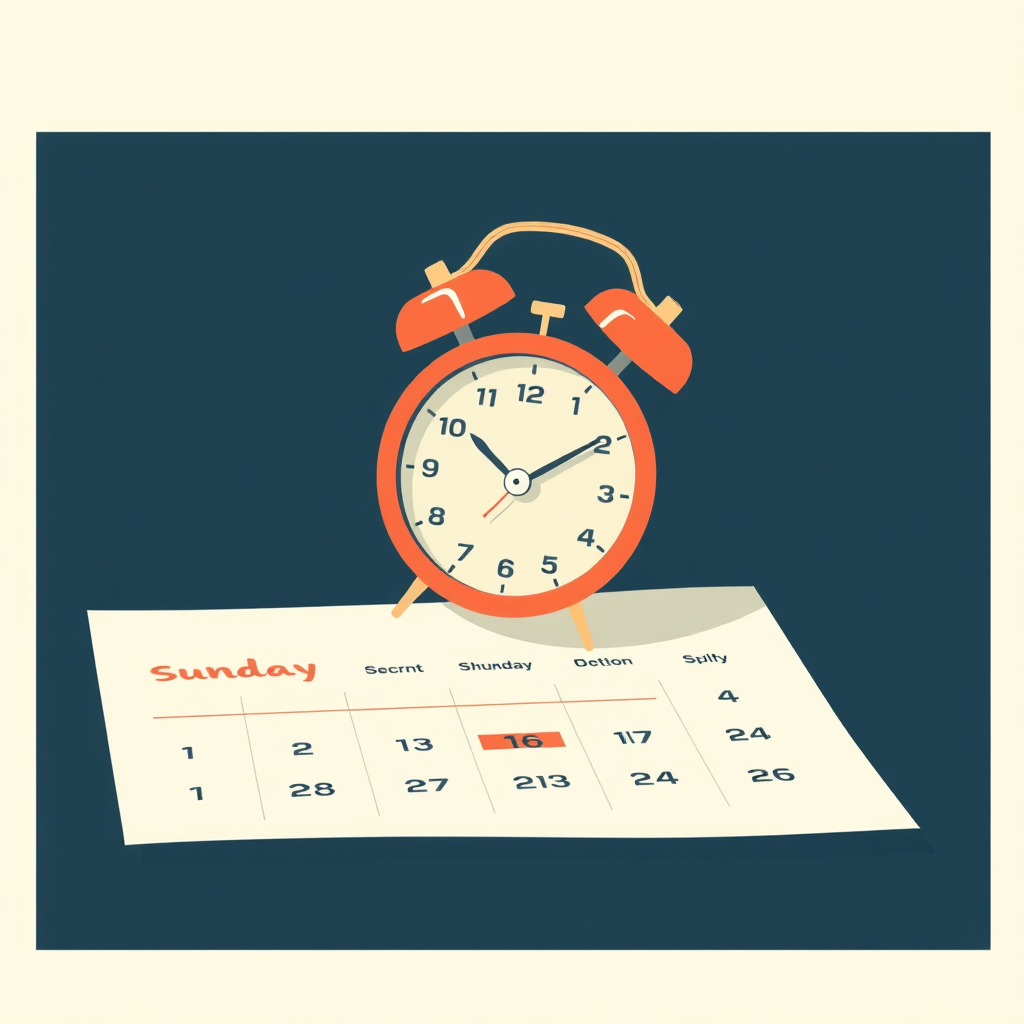
S2 Ep 1241Out of Sync: The Battle Over Israel’s Workweek
Israel is a global leader in high-tech and cybersecurity, yet it remains one of the few countries operating on a Sunday-to-Thursday workweek, creating a persistent friction between a hyper-modern economy and an ancient temporal structure. This episode dives deep into the "Friday scramble," where the race against the Shabbat siren creates a unique cultural stress test, and examines why historical attempts to align Israel with the global economy have repeatedly failed due to institutional resistance. We analyze the powerful influence of the Histadrut labor union, the religious sensitivities surrounding Friday prayers and Saturday rest, and the fascinating case study of the UAE’s recent shift to a Western-style weekend to see if a similar transition is possible for the Startup Nation.

S2 Ep 1240Why Germany Works Less and Earns More Than You
Across the globe, the definition of a "hard day's work" varies wildly, from Mexico’s 2,200 annual hours to Germany’s 1,340. This episode dives into the staggering data behind global labor trends, examining how different geopolitical blocs treat human labor as either a raw resource to be extracted or a finite cognitive asset to be managed. We analyze the success of the European Union's Working Time Directive, the high-intensity culture of Israel’s "Silicon Wadi," and the alarming phenomenon of overwork in Japan. Finally, we break down the revolutionary results of four-day work week trials in Iceland and the United Kingdom, distinguishing between true hour reductions and the "compressed" models seen in Belgium. Discover why the most competitive economies are often those that prioritize rest over presence, and why the "grind" might actually be diluting your value.

S2 Ep 1239Why Can't We All Use the Same Screw?
Behind every functional piece of technology lies a complex web of international agreements that most of us never see. This episode explores the fascinating, often contentious history of standardization, starting with the mismatched screw threads that hampered WWII efforts and moving through the birth of the metric system. We examine how technical specifications are far more than just engineering choices; they are powerful tools of diplomacy and national identity that can either unite the globe or create digital "walled gardens." From the failure of 19th-century currency unions to the current clash between the EU AI Act and global ISO standards, we uncover why the race to define the "rules of the game" is the ultimate geopolitical battleground. Join us as we reveal how the invisible infrastructure of our world is being rewritten for the age of artificial intelligence.

S2 Ep 1238Broken Maps: Why Global Labels No Longer Fit the World
For decades, the world was neatly divided into First, Second, and Third Worlds, but those labels are now relics of a bygone era. This episode explores the "Turkey Paradox," China’s strategic use of its "developing" status, and the rise of middle powers like Indonesia and Brazil that are rewriting the rules of global engagement. We dive into how financial institutions and political blocs use these classifications as tools for economic warfare and why a new, multi-modal approach to geography is essential for navigating the complexities of 2026.

S2 Ep 1237Ghost Flights and Legacy Code: Why Travel Tech is Broken
Behind the sleek interface of your favorite travel app lies a fractured world of 1960s mainframes, cryptic UN-standardized messaging protocols, and a mountain of technical debt that makes modern flight booking a digital ghost hunt. This episode explores the "Big Three" Global Distribution Systems—Amadeus, Sabre, and Travelport—uncovering how decades-old Transaction Processing Facilities still dictate the price and availability of every seat in the sky. From the rise of the New Distribution Capability (NDC) and the "Dual Track API Tax" to the hidden complexities of interlining agreements and the "Look-to-Book" caching traps that cause prices to vanish at checkout, we break down why building in travel tech remains one of the most difficult engineering challenges in the world today.

S2 Ep 1236Mission-Critical: The Tech Behind Life-Saving Alerts
When a siren wails or an earthquake hits, a massive sequence of automated events must occur in seconds. This episode deconstructs the mission-critical pipeline, exploring why global systems like Japan’s J-Alert and Israel’s Red Alert rely on rigid XML protocols and cell broadcasts rather than standard apps. We dive into the architecture of deterministic latency, the security of hardware-level data diodes, and why the "thundering herd" problem makes traditional SMS useless in a crisis. Learn how these high-stakes patterns apply to modern software engineering and why "five nines" reliability is the only acceptable metric when lives are on the line. Join us as we peel back the layers of infrastructure as code for the physical world.