
My New Life
92 episodes — Page 2 of 2
S3 Ep 12Understanding RIE parenting
Feeding, diapering, dressing, soothing. At times, it feels like we're merely surviving those early months. When in overdrive, pausing to observe doesn't always come naturally, but looking and listening before responding to your baby or toddler can lead to some surprising discoveries about your child, and yourself! Something called RIE parenting is founded on that principle. RIE was created in 1978 by a woman named Magda Gerber. The basis of Magda's RIE philosophy is respect for the child, and it asks us to examine our power in caring for these little beings. Jessica Rolph, your host, welcomes Hannah Olavarria to today's episode, she has been trained in the foundations of RIE and is half of the parenting duo behind Upbringing, along with her twin sister, Kelty. Hannah shares how she has been incorporating RIE into their parenting and coaching for years. Key Takeaways: [1:58] What does RIE represent? [2:49] What is Hannah's experience with RIE as a mother? [5:03] What does the RIE method for parents of babies really look like? [8:23] Hannah talks about the RIE way to speak to a baby. [11:55] Some RIE practitioners object to tummy time and Hannah gives her perspective on this. [15:20] What does a typical "Yes space" look like? [18:13] Hannah breaks down Upbringing's 10 Freedoms, starting with the Freedom to Struggle. [19:15] Hannah explains what the Freedom to Choose looks like for a baby and a toddler. [23:07] There is no one parenting philosophy that fits all parents. Mentioned in this episode: Brought to you by Lovevery.com Upbringing Upbringing on Instagram

S3 Ep 10"How to Talk" authors on what to say to your toddler
It's remarkable how choosing your words carefully can mean the difference between a moment of connection or disconnect. Today's guests are experts at effective communication with young children. Joanna Faber and Julie King are co-authors of the book, How To Talk So Little Kids Will Listen: A Survival Guide to Life with Children Ages 2-7, and they have just released a second book: How To Talk When Kids Won't Listen: Whining, Fighting, Meltdowns, Defiance and & Other Challenges of Childhood. Joanna and Julie share helpful tools to communicate with young children thoughtfully, avoiding orders and threats. Key Takeaways: [2:04] How do you get your kids to listen to you? [5:13] Joanna shares a few examples of how to be playful when communicating with your child. [6:03] Julie explains how it can help to give in fantasy what you can't give in reality. [9:15] How can we phrase our instructions so that children want to follow through? [10:08] Do Julie and Joanna recommend giving children time-outs? [13:30] What to do when your kid is hitting a younger sibling? [15:31] Learn the distinction between punishment and expressing your feelings strongly. [16:32] How can you help your toddler make amends and feel better? [18:22] What are some strategies for whining? Mentioned in this episode: Brought to you by Lovevery.com How To Talk So Little Kids Will Listen: A Survival Guide to Life with Children Ages 2-7, by Joanna Faber and Julie King How To Talk When Kids Won't Listen: Whining, Fighting, Meltdowns, Defiance and & Other Challenges of Childhood, by Joanna Faber and Julie King
S3 Ep 9Co-regulating emotions with Mr. Chazz
We've all been there: Witnessing the big emotions that roll in from the left field and feeling ill prepared for the storm that follows. It can be the wrong utensil, the wrong lovey, or just the wrong side of the bed. Toddlers are excellent at showing emotions but not yet skilled at expressing them, that is why they need our help naming and understanding their feelings. Jessica Rolph, your host, is joined by Chazz Lewis, popularly known as Mr. Chazz, on today's episode. Mr. Chazz walks us through how to co-regulate and offers tips on how to best communicate what the child is feeling in these dysregulated situations. He is an educational specialist who oversees 9 preschools. Key Takeaways: [1:44] What is the concept of co-regulation? [4:45] Mr. Chazz gives some insight into what this co-regulation moment looks like. [7:54] A story about a frustrated 3-year-old girl who was not heard beautifully illustrates this process. [17:46] Should parents ask for children to apologize or even force an apology? [22:06] What does shame specifically look like? Mentioned in this episode: Brought to you by Lovevery.com Learn more about Mr. Chazz Find more guidance from Mr. Chazz at Patreon Follow Mr. Chazz on TikTok
S3 Ep 8A Montessori perspective on potty learning
Jessica Rolph, your host, is joined by Nicole Kavanaugh, a Montessori parenting expert and the writer and mom behind The Kavanaugh Report. Learn why Nicole takes a firm stance against bribing and likes to see children take an active role in their own potty learning. This doesn't have to be a sprint to the finish. If you approach it more like a marathon, or at least a long, meandering stroll through the park, it can take some of the pressure off. And removing some of the pressure tends to make the process a whole lot more enjoyable for the parent, and the child. Key Takeaways: [1:57] How does Montessori toilet learning differ from the more traditional potty training? [3:34] How early did Nicole start this process with her kids? [4:49] Nicole explains how the Montessori approach works. [7:14] What kind of timeframe should a parent expect? [9:10] Nicole talks about the benefits of the Montessori way and the cons of doing it in a more focused manner, with bribes and rewards. [11:47] Why are we so squeamish when it comes to poop? [14:48] Nicole describes what the Montessori potty learning environment can look like. [16:03] Are cloth diapers an essential part of the equation? Nicole says no. [17:07] Nicole gives her recommendations for pottying in public. [19:56] Tips on nighttime and nap-time toilet training. Mentioned in this episode: Brought to you by Lovevery.com Everyone Poops, by Taro Gomi
S3 Ep 7Perspectives on toileting with author of 'Oh Crap! Potty Training'
Jessica Rolph is joined by Jamie Glowacki, author of the book: Oh Crap! Potty Training: Everything Modern Parents Need to Know to Do It Once and Do It Right. And don't we all want to "do it once and do it right"? Despite our best intentions, this is one transition that rarely goes smoothly. But a few ground rules can make a world of difference. Tune in for a little parent training on how to do toilet training. Key Takeaways: [1:25] Jamie's top do's and don'ts in potty training. [3:57] Jamie talks about the importance of parents making the decision about when to start potty training. [7:11] Is there any advantage to starting potty training earlier than 3 years old? [8:42] Jamie shares what to expect on the road to regular toilet use. [12:54] A discussion about the tension around poop and how we should be reacting to this bodily function. [15:30] The ergonomics of pooping — and why you should care! [16:47] Advice to those parents whose children hold poop until they are in their diapers. [20:15] Jamie's policy on rewards and praise while potty training. Spoiler alert: Don't go there. [22:53] Jamie shares a piece of final advice to listeners: Potty training is not a measurement of your parenting. Mentioned in this episode: Brought to you by Lovevery.com Jamie Glowacki's digital home
S3 Ep 6A medical perspective: Alternatives to going all-natural
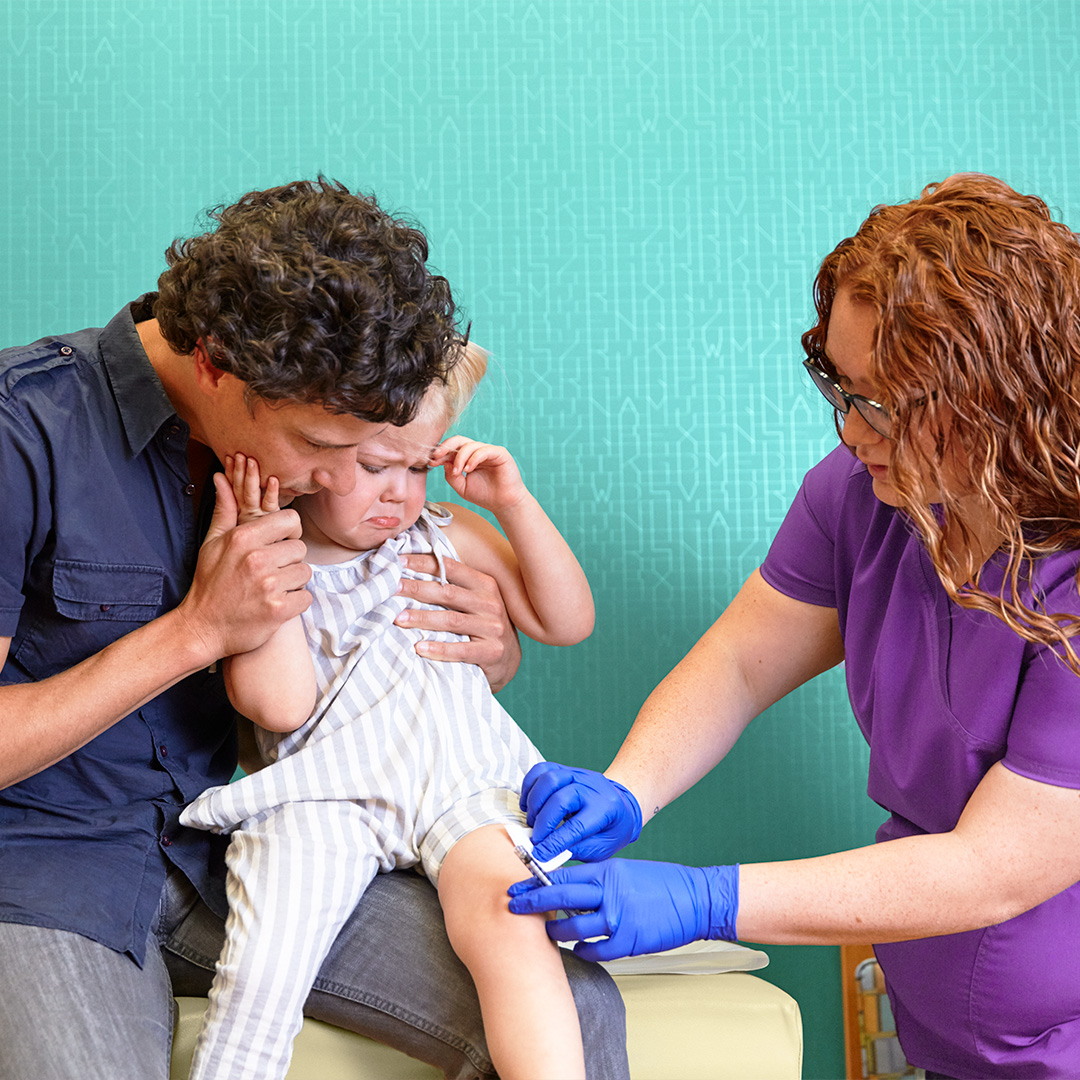
Natural is a loaded word when it comes to parenting. While it feels good to make choices that stem from nature, following an all-natural course and all the rules that come with it, can lead to stress. There are a lot of conflicting messages out there when it comes to what is healthy for our children: Is it ok to delay vaccines? Is it ok to use formula? What happens if your birth doesn't go as planned? Jessica Rolph is joined by Pediatrician Dr. Mona Amin on today's episode to discuss alternate vaccination schedules, natural birth, cesarean deliveries, early nutrition, and even the nature vs. nurture debate. Tune in to hear the of straightforward medical advice that has made Dr. Mona's podcast PedsDocTalk hugely popular. Key Takeaways: [1:49] Dr. Mona's advice about babies, vaccines, and alternate schedules. [6:55] Dr. Mona addresses parents who are concerned that there is a link between autism and vaccinations. [8:16] What about the concern that babies on their first pediatric appointments are just too young to get so many vaccines? [10:08] Dr. Mona shares aspects of her personal birthing experience and what she learned from it. [13:34] There's evidence that babies born by cesarean miss out on this transfer of essential bacteria from their mother. Is there anything that can be done about that? [17:01] Dr. Mona provides her perspective on the homemade vs. packaged baby food debate. [21:09] Dr. Mona talks about the age-old nature/nurture question. What is more important, genetics or the environment? [23:25] Learn why owning your parenting decisions is so crucial. Mentioned in this episode: Brought to you by Lovevery.com Listen to Dr. Mona's podcast PedsDocTalk

S3 Ep 5Perspectives on feeding: Getting real about sugar
Maple syrup, beet sugar, molasses, honey… there are so many alternatives to refined sugar. But despite a parent's best efforts, it's hard to avoid the processed stuff all together. And is that really the best approach anyhow? How much sugar restriction is too much? Can it backfire? Jessica Rolph welcomes Registered Dietitian Jennifer Anderson to the show. She is the mom behind Kids Eat In Color. Her specialty is forming healthy eating habits in the home. Key Takeaways: [1:54] The government released the first-ever dietary guidelines for infants and toddlers recommending no added sugar for children under age 2. Does this mean you should be making your kid's first birthday cake with beet sugar? [4:36] Jennifer gives suggestions to parents who have mostly avoided sugar for their baby, and want to introduce sugar after two. [6:38] Jennifer talks about how overly restricting sugar for children can backfire. [8:54] Consider this alternative to: No dessert until you finish your veggies! [13:22] How do we encourage our kids to love veggies? [15:22] Jennifer and Jessica discuss intuitive eating. [18:27] Jennifer reviews the top questions she hears from parents who struggle to feed their toddlers. Mentioned in this episode: Brought to you by Lovevery.com Kids Eat In Color Get your Free Child-Feeding Guide at Kids Eat In Color

S3 Ep 4Perspectives on feeding: Picky eaters
Child nutrition and early brain development are profoundly linked. What goes into our babies, is essential to their brain growth. But that's not to say achieving those optimal inputs is easy! The picky-eater routine can wear down even the most steadfast parent, and If we're not careful, mealtime can become a battleground. Jessica Rolph, your host, is accompanied today by Specialist Pediatric Dietitian Dr. Bahee Van de Bor. Learn valuable tips for parents challenged with keeping their strong-willed babies healthy. Key Takeaways: [1:48] Did you know a child may need up to 10 encounters with a new food before trying it? [3:04] What approaches to feeding help nurture an adventurous eater? [5:35] What are some common reasons why toddlers become picky eaters? [9:54] Dr. Bahee shares her perspective on disguising veggies (for example, hiding foods like cauliflower or broccoli in other foods). [12:07] Is it recommended that parents insist on their children trying new flavors, even when they reject it? [13:11] How to avoid creating pressure around mealtime. [14:43] Dr. Bahee gives a few strategies to try with children who only want sweets. [16:05] Can snacking have a negative impact on the child's health? [17:39] How should parents approach their children's variation in appetite? [18:11] Dr. Bahee expands on how to transform a picky eater into a more expansive eater. Mentioned in this episode: Brought to you by Lovevery.com You can learn more about Dr. Bahee at UK-KIDS-NUTRITION.com Dr. Bahee's free download: 5 ways to help your child try new foods

S3 Ep 3Perspectives on feeding: Baby-led weaning
As co-founder of the organic baby food company Happy Family, host Jessica Rolph has invested a lot of energy trying to get the right nutrients into her kids. One of her children's favorite first foods was sardines, and fast forward a few years, Jessica was surprised to see a post on the hugely popular Solid Starts recommending sardines as a first food. Solid Starts promotes baby-led weaning, or finger-foods first. CEO Jenny Best joins Jessica on today's episode to share her perspective on when to start your baby on solid foods and how best to do it. Key Takeaways: [1:40] What is baby-led weaning? [2:24] Jenny talks about the advantages of the baby-led weaning approach. [7:35] Giving children a front seat in their feeding experience. [9:16] Challenges that come with baby-led weaning. [13:47] How did Jenny first expose her twins to solids? [14:51] Jenny examines fears around allergens. [18:08] How should we think about the ingestion of food in those first few months of feeding? [22:23] Jenny shares the recommended ages for starting baby-led weaning and starting solid foods in general. [25:29] Jessica revisits some of the highlights of her conversation with Jenny Best. Mentioned in this episode: Brought to you by Lovevery.com Solid Starts

S3 Ep 2Baby sleep: Alternatives to 'cry-it-out'
Host Jessica Rolph welcomes Certified Pediatric Sleep Specialist Lauren Heffernan to the second episode of our new season, Perspectives. In this season, you'll hear curated perspectives on topics like sleep, feeding, and parenting philosophies, so you can make informed choices for your family. It is rare to find a new parent who doesn't wish for more hours of sleep; long nights seem to be part of the bargain. When those long nights start dragging on, it can feel like sleep training is the only way out. Lauren proposes a different approach. She is the founder of Isla Grace: Attachment-Focused Sleep. She prefers to avoid separation and the cry-it-out method of sleep training. Key Takeaways: [1:31] Lauren speaks about her own experience sleep training. [3:56] She explains how that experience informs her practice as a sleep consultant. [6:35] Supporting your babies' emotions when you are sleep deprived is challenging. [8:20] Why it's difficult for parents to sit with those big emotions from their child. [9:26] Lauren answers a question from a listener: My baby only falls asleep when I breastfeed him and wakes up throughout the night for more breastfeeding; how can I stop this without the cry-it-out approach? [12:48] What happens when night weaning gets derailed. [13:38] Bed-sharing and how to practice it safely. [16:08] Lauren explains "bridging" between crib and toddler bed. [17:04] How to reframe inconsistent napping. [19:45] If you are getting extremely frustrated and exhausted, try a shifting pattern or ask for someone to support you. [21:06] Lauren's bottom-line advice to sleep-deprived parents. Mentioned in this episode: Brought to you by Lovevery.com Isla Grace: Attachment Focused Sleep

S3 Ep 1Toddler sleep strategies
Sleep, or the lack of it, is probably the most discussed topic among parents of newborns. And while sleepless nights are widely accepted as just part of the bargain of bringing a new life into the world, we are not always prepared for the sleepless nights to drag into years. Night wakings, bedtime routines that seem to go on and on, skipped naps, sleep regressions, musical beds, and crib to bed transitions — it is truly exhausting! In today's episode, host Jessica Rolph is joined by Lauren Lappen, a certified sleep consultant and co-founder of Wee Sleep Solutions, who offers practical advice on toddler sleep. Key Takeaways: [1:38] How do you get a toddler to bed and keep them there? [2:45] The benefits of using routine cards during bedtime. [4:04] Lauren's tips on how to avoid a battle of wills with your toddler. [5:10] How to respond when your toddler wakes in the middle of the night, asking for you. [6:35] Why "musical beds" aren't ideal for anyone; toddlers like to wake up in the same bed where they fell asleep. [9:18] What if the wakings are a function of your child being unwell? [10:26] Lauren talks about the signs a baby is ready to move to a toddler bed, and gives suggestions for types of beds to use. [13:55] Considering easy access to the potty. [17:22] Suggestions for specific situations, like if you've got a new baby coming and you need to make room, or if your child is a climber and might exit the crib. [20:16] How critical are night feedings to toddlers? [22:38] How to wean a toddler from that night feeding. [24:23] What to do about pacifiers. Do they stay or do they go? [27:06] Jessica gives some highlights of her conversation with Lauren. Mentioned in this episode: Brought to you by Lovevery.com

S2 Ep 18How to Limit Your Toddler's Screen Time
This week, we are revisiting a listener favorite from September, 2020, as we prepare the lineup for our upcoming season: Perspectives. Starting April 21, you'll hear perspectives from experts on sleep, eating, and parenting philosophies, among other topics, so you can make informed choices for your family. Few topics will spark debate among parents more readily than screen time. It's so controversial! Screens are everywhere. And avoiding them can feel like the domain of super-human parents. Learn some tips to cut down on screens from Dr. Screen-Free Mom: Meghan Owenz. She runs a website, Screen-Free Parenting, with over 27,000 active participants. She is also an Assistant Teaching Professor at Penn State University. Key Takeaways: [1:46] What does screen-free look like for Meghan's family? [2:24] Meghan shares her alternatives for keeping kids engaged and busy. [3:23] Use her S.P.O.I.L. system to cut down on screen time. [4:38] How can independent play be achieved so parents can have a break too? [6:37] Rotate favorite toys in and out of special baskets so that they feel fresh. [8:18] Does screen-free mean more stuff? There are ways around it: Something as simple as a scarf can offer miles of road-trip diversion. [9:37] What does the science tell us about the effects of screen time on kids? [11:17] Meghan shares research findings on attention. [12:13] Meghan talks about how language is impacted by screens. [14:00] What about connecting with grandparents or friends over Zoom or FaceTime? [16:13] How does Meghan help parents wean their children from screens? [18:08] What does becoming screen-free look like? [19:38] How can a parent enforce a screen-free approach? She provides advice around changing rules with a toddler, as well as older children. [22:45] Jessica provides a recap of an eye-opening conversation with Dr. Meghan Owenz. Mentioned in this episode: Brought to you by Lovevery.com Screen-Free Parenting

S2 Ep 17House Tours & Other Real-Life Experiences that Build Your Baby's Brain
This week, we are revisiting a listener favorite from June 17, 2020, as we prepare the lineup for our upcoming season: Perspectives. Starting April 21, you'll hear perspectives from experts on sleep, eating, and parenting philosophies, among other topics, so you can make informed choices for your family. Talk to any toddler for more than a couple of minutes, and you will be easily reminded of how thirsty they are for knowledge and information. While humans are continuously learning, we are born with something of an empty canvas, and it's the early experiences that we encounter as babies that form the brain architecture to support that learning. At a birthing class, Jessica Rolph was introduced to a book that helped her put the science of early learning into action with her own baby and ultimately inspired her to create Lovevery. This book was written by Dr. William H. Staso, the guest on today's episode. Will is a psychologist who focuses on the assessment of autism in children under 3 years old. In 1999, he published "Neural Foundations: What Stimulation Your Baby Needs to Become Smart," a book about the experiences that form the early architecture of the brain. In it, he shares multiple ideas for learning activities and ways to engage with your baby. Key Takeaways: [2:55] Dr. Will Staso explains what happens on a neurological level during the first 3 years of life. [4:52] The importance of a baby's environment to when it comes to wiring neurons. [6:41] What parents can do to promote language acquisition. [8:58] Will explains ways to stimulate your baby's brain in place of flashing, noisy toys. [10:06] Will talks about experienced-based activities. [11:36] What does the perfect learning environment for a baby look like? [14:10] The role of the adult and how to interact with your baby. [15:55] Discovery learning requires non-restrictive parenting. [17:49] Awareness of location and quantities prepare your child for letters and numbers later on. [18:25] Learning sequences and making predictions. [19:52] Nature or nurture? [20:35] What does smartness really look like? [21:45] Why is one brain more efficient than another? [21:59] Will sums up his advice to parents. Mentioned in this episode: Brought to you by Lovevery.com

S2 Ep 16Ways to raise a bilingual child
Toddlers love words. This enthusiasm helps them grow their spoken words from just a few at age one, to 1,000 or even 2,000 by age three. Given how receptive young children are to new sounds and ways to use them, it is not surprising that toddlers can pick up second languages easily. Research also suggests that brain connections multiply when babies are exposed to new languages. Parents have caught on, and demand for bilingual products and preschools is at an all-time high. While experts agree on the benefits of exposing kids to multiple languages, the best means of doing so is up for debate. On today's episode, Host Jessica Rolph is joined by Dr. Veronica Fernandez, a developmental and child psychologist, with tips on how to best approach bilingualism in the home. Key Takeaways: [1:35] Veronica talks about the benefits of raising a bilingual child and shares the reasons why she is choosing to raise her daughter, Isla, with two languages. [3:02] How can parents who only speak one language at home best lay a strong foundation for bilingualism at home? [5:05] Veronica discusses the advantages and disadvantages of various approaches to bilingualism. [6:57] Veronica speaks about the challenges of raising Isla as bilingual. [8:00] How important is immersion? Do kids benefit from occasional exposure to a second language, or do they need to have some component of an immersive experience? [8:50] Veronica debunks some myths about bilingualism, including the unfounded concern that learning another language may cause your child to have a speech delay. [11:13] What if your child is using two languages within one sentence? [12:25] What about those talking books and toys that switch from one language to another? How effective are they? [14:21] Toddlers generally experience a language explosion around 18 months to 2 years; should parents expect the same of a bilingual baby? [15:07] Should a parent drop a language if a child has a perceived delay? [16:01] Is there an optimal age to introduce a second language? [16:48] Veronica offers a few tools to teach the target language. [18:01] If a child is reluctant to speak the second language, what can be done to encourage them? [19:35] Veronica shares tips for parents who are monolingual and want to introduce their babies to another language, as well as for bilingual parents who are also on the journey to bilingualism with their children. [21:40] Jessica reviews the highlights of her conversation with Veronica. Mentioned in this episode: Brought to you by Lovevery.com

S2 Ep 15First Words: What to Look Out For
Baby's first words — few milestones are met with more emotion from the adults in the room! But what constitutes a first word and when should parents be expecting to hear them? Join Host Jessica Rolph and Speech Language Pathologist Gopika Kamdar for a look at some common indicators of language development. On the table for discussion is research from the '90s suggesting the volume of words spoken to infants is paramount to speech and language development, as compared with more recent research that emphasizes the importance of serve-and-return, the turn-taking that comes naturally to adults. So which is it? As with most topics we cover, we think you'll find the answers reassuring. Key Takeaways: [1:26] Gopika talks about the benefits of narration and serve-and-return as approaches to promote language development. [4:07] Gopika explains the difference between receptive language and expressive language. [5:11] When do most children say their first words? [6:52] When should we worry? When do you start to see a need for intervention? [9:06] What are some language milestones for a 24-month-old? [11:28] What are markers of a speech delay if a child isn't meeting the average ranges? [13:51] Myth or truth: Does pacifier use cause speech delays? [16:07] Jessica shares her top three takeaways. Mentioned in this episode: Brought to you by Lovevery.com

S2 Ep 14Talking About Race & Embracing Differences
Children's questions about physical differences often catch us off guard. Parents worry about getting the response wrong, making the situation tense. But TV host and co-founder of ByUs Box, Nicole Stamp, says there's a better approach. On today's episode with host Jessica Rolph, Nicole offers ways of thinking about these encounters from an equity perspective, ensuring everyone comes away from the interaction having had a positive experience. Equally important is the practice of building conversations about inclusion into the every day. After all, these are the conversations — which continue throughout a child's life — that help our kids to make sense of the world. Key Takeaways: [1:45] We teach children to categorize from a young age by encouraging them to distinguish patterns, colors, and shapes. How does this categorization connect to the research on how toddlers are categorizing people? [5:15] If a 2 or 3 year old walks up to somebody with a mobility device full of questions, how should a parent respond? [6:20] Nicole explains the difference between diversity and equity. [7:15] What does inclusion really mean? [8:55] How can you guide a conversation with a child interested in another child with a physical difference? [11:45] What kind of proactive steps can parents take to reinforce equity and inclusion? [17:12] Nicole explains why being "color blind" does not help create the equitable society that we strive for. [21:30] If a parent avoids conversations about race or other differences among people, their child is picking up on that message in non-verbal ways. [23:33] Jessica shares her takeaways from a powerful conversation. Mentioned in this episode: Brought to you by Lovevery.com ByUs Box

S2 Ep 13What Is Intrinsic Motivation? How To Praise Your Kids While Teaching Grit
We parents are a proud bunch. It's natural to shower our children with compliments when they achieve something. But when babies become toddlers, "Good job" often evolves to "You're so smart" or "What an amazing artist you are". Too much of this kind of feedback as our child get older, may not help them persist in the face of challenges. Psychotherapist Susan Bordon of Kinspace joins host Jessica Rolph on today's episode to discuss ways to encourage intrinsic motivation. With a little bit of grit, kids are more motivated to try new things even when it's hard, and make efforts to pitch in without bribes or rewards. Key Takeaways: [1:41] What's wrong with telling your toddler: "You're so smart"? [3:35] Susan talks about a recent research done by Carol Dweck, a psychologist at Stanford, who studied the effects of praise on grade-schoolers. [5:25] How does this research apply to babies and toddlers? [7:35] Why do parents praise children? [9:20] What does it look like to be a parent who encourages intrinsic motivation? [11:36] Praising the effort, rather than the outcome, takes practice. [13:40] Susan talks about how and why not to interfere when a baby or a toddler is trying to achieve a challenging task. [16:03] How the Montessori approach to demonstrating fits into the equation. [17:54] Words that can help build self confidence in our children. [19:35] How to introduce the concept of sharing to children. [21:10] How early should parents adopt these practices to encourage intrinsic motivation in their children? [23:40] Jessica reviews the highlights of her conversation with Susan. Mentioned in this episode: Brought to you by Lovevery.com Kinspace
Bonus Episode: Why Mom Guilt Doesn't Serve You
bonusHave a few parenting regrets from 2020? You are not alone. But does rehashing all that make you a better parent? Dr. Leesha Ellis-Cox would argue that mom guilt is a disservice to you and your children. If you could use a pep talk as we launch ourselves into a new year, this is the episode for you! Dr. Leesha is a psychiatrist, mother to 3 children, and the author of "Ditch the Mommy Guilt: A Blueprint for the Modern Mommy".

S2 Ep 12Intensive Parenting: Why Take a Step Back?
There is a lot of advice out there for parents. Not only are parenting books multiplying in number, they are increasing in volume. And there is certainly no shortage of online resources. Instagram now has so many parenting experts you can get an almost endless scroll of advice. The abundance of information can be helpful on the one hand. But it can also lead us to think we are not doing enough, making it is easy to slip into over-parenting. This hands-on approach is sometimes referred to as intensive parenting, and its benefits (to both parent and child) are up for debate. For a closer look at intensive parenting and how we can recognize it in ourselves, Jessica Rolph speaks with Developmental Psychologist Dr. Holly Schiffrin. She discusses all-important parenting skills like how to stand back and allow your child to experience natural consequences. Key Takeaways: [1:20] Holly co-authored a study called Insight into the Parenthood Paradox: Mental Health Outcomes Of Intensive Mothering. What was her objective in studying this style of parenting? [4:55] Is motherhood supposed to be joyful at every turn? [5:18] The study compared moms working in the home versus moms who also work outside the home. [6:16] Parents who stay at home with their kids often go without the kind of recognition customary in paying jobs. [6:53] The research suggests that mothers who rated particularly high on the idea of essentialism, that mothers are the essential parent, were less satisfied with their lives. [8:00] Holly discusses the outcomes she's observed in the children of intensive parents. [9:56] What is the difference between intentional and intensive parenting? [11:02] Has the pandemic made parents more or less intensive? [12:35] What are the factors driving this intensive parenting approach? [15:20] Holly talks about parental unhappiness. [16:15] How does parenting in America compare to parenting in other cultures? [17:15] Holly offers advice for parents of babies and toddlers. [20:25] Jessica shares the highlights of her conversation with Dr. Holly Schiffrin. Mentioned in this episode: Brought to you by Lovevery.com

S2 Ep 11Chores: Benefits & Tips for Starting Early
Whether it is cleaning up the toys, setting the table, or sorting laundry, involving your toddler with chores around the house is almost always an exercise in patience. And it most certainly is not going to produce impeccable results, but results are not the goal here. Developing a habit of helpfulness and a sense of autonomy is what we parents are after. Jessica Rolph welcomes Behavioral Specialist and Parent Coach Jeanna Twomey to today's episode to explain how to best get your toddler involved in the dirty work. Tune in to hear strategies that will leave your child feeling like an important contributor to the household. Jeanna provides personalized support to parents through text, phone and video. She can be found at JeannaTwomeyParenting.com. Key Takeaways: [1:29] Why should we go to the trouble of getting our toddlers to help around the house? [2:57] Why Jessica likes the terms "contribution" and "responsibility" more than "chores". [3:43] When is a good age to introduce the concept of contribution? [4:27] Self-help skills are a great place to start. [4:59] What can you do if your toddler refuses to help? [7:08] Constructive ways to respond to your child's efforts. [9:01] Helpful ways to respond to mistakes. [10:55] Jeanna gives specific examples of some good contributions to practice with your toddler. [12:38] Jeanne shares her perspective on sticker charts. [14:26] What are some motivating alternatives to rewards? [16:03] Jeanna extends her advice to parents who feel like chores are just another box to check in an already overwhelming to-do list. [18:18] Jessica sums up the conversation with her take aways. Mentioned in this episode: Brought to you by Lovevery.com

S2 Ep 10How To Be Resilient & Set Boundaries
This holiday season is different. For many of you, it is family traditions that make this time of year significant and memorable. But in 2020, reuniting with extended family is not possible for everyone. It feels sad and lonely. Jessica Rolph is joined today by Dr. Zelana Montminy to help propel us into the holidays with a little more cheer. Dr. Zelana is a renowned behavioral scientist and positive psychologist, delivering a fresh perspective rooted in science. She is the author of 21 Days to Resilience: How to Transcend the Daily Grind, Deal with the Tough Stuff, and Discover Your Strongest Self. Key Takeaways: [1:17] Dr. Zelana defines resilience. [3:07] Zelana shares the top things resilient people do to get through hard times. [4:50] How can we cultivate gratitude in our children? [5:18] Modeling resilience for our toddlers. [9:02] Strategies to help our children when they feel frustrated without solving their struggle for them. [11:14] Helping your child deal with discomfort. [14:19] How best to deal with judgement from parents and in-laws who might not agree with your parenting style. [17:50] Zelana talks about the impact of the pandemic on babies and toddlers in the longer term. [21:11] Consider ways to create meaningful memories this holiday season that cost nothing. [22:30] Zelana shares one pandemic practice that will serve her in the long term. [25:39] Jessica offers 3 takeaways from her conversation with Dr. Zelana. Mentioned in this episode: Brought to you by Lovevery.com 21 Days to Resilience: How to Transcend the Daily Grind, Deal with the Tough Stuff, and Discover Your Strongest Self, Dr. Zelana Montminy

S2 Ep 9Positive Discipline: More On Toddler Tantrums & Power Struggles
Opinions vary wildly when it comes to managing tantrums. From waiting out the storm, to taking a hard line. Whatever you do, be consistent! With so much advice, it's easy to understand why parents panic when the tears start flying. Jessica Rolph, your host, welcomes Positive Discipline Coach Jody Malterre, a master at bringing calm to every situation. Jody is a Montessori teacher trainer at Westminster College with over 30 years experience in Montessori education. She also sits on the board of the Positive Discipline Association. Key Takeaways: [1:39] What is Positive Parenting? [3:02] Why do toddlers have tantrums? [5:05] Why empathy works wonders — for children and adults. [6:50] Other strategies to help your toddler move beyond the tantrum. [9:52] How do you give your toddler a sense agency in their world? [14:30] Jody shares tips for toddlers who stall with bedtime. [16:00] Why routine and tools like bedtime cards work so well. [18:08] Jody talks more broadly about positive discipline and how to shift into a positive discipline mindset. [19:45] Jessica shares the highlights of a valuable conversation with Jody. Mentioned in this episode: Brought to you by Lovevery.com Listen to Peaceful Parenting: Dealing with Tantrums The Lovevery Helper Play Kit with Routine Cards

S2 Ep 8Baby's First Steps: Walking and Other Milestones
Few milestones in a baby's life are more memorable than their first steps. It feels like a major accomplishment — for baby and parent! But what comes after those first steps varies greatly from child to child, something Dr. Giselle Tadros constantly reminds her patients. She's a pediatric physical therapist, founder of In-Home Pediatric Physical Therapy, and the guest on today's episode of My New Life. Giselle discusses how long it takes most babies to switch from crawling to walking as their primary mode of locomotion. Got lots of gear to help your kid with that transition? If so, you're in good company. But you may be surprised to learn that baby walkers are not legal in many countries outside of the US! Key Takeaways: [1:40] What is the most common reason a parent of a toddler goes to a physical therapist for help? [2:42] What does Giselle consider late for walking? When should a parent seek help? [3:52] What can parents do to help their children develop the core strength needed to be physically active toddlers? [6:10] What do jumpers do for children? [7:27] Giselle explains why she promotes baby wearing. [8:35] What are signs of core weakness in a child? [10:03] Why some children need support with balance. [10:43] How long does it take for a child to become good at walking? [12:04] What are some ways to encourage muscle development in toddlers in a natural way so that they become really active kids? [13:35] What are some ways to replicate outdoor play inside? [14:40] Giselle talks about what she likes to see in an 18-month-old toddler in terms of gross motor skills. [15:25] Giselle discusses the milestones of a typical two year old, from a gross motor development perspective. [17:46] Jessica reviews the highlights of her conversation with Dr. Giselle Tadros. Mentioned in this episode: Brought to you by Lovevery.com In-Home Pediatric Physical Therapy #inhomepediatricpt on Instagram

S2 Ep 7The Montessori Parent: Mindset & Lifestyle Tips
Montessori parents can give the impression that they do it all: organized home, tidy bedrooms, carefully ordered trays and activities. Sometimes it seems like Montessori sets the bar really high — so high that it feels unattainable for a busy parent. My New Life host Jessica Rolph speaks with Kylie D'Alton, an Australian mom that has gone a long way toward making Montessori principles more accessible. Kylie is the author of the popular blog How We Montessori, and in today's episode, she shares valuable tips on how to bring Montessori into our homes in ways that don't involve accumulating more stuff. Key Takeaways: [1:06] Thinking like a Montessori parent. [2:50] The benefits of observing and allowing children to experience something for themselves over correcting or teaching. [4:51] Kylie explains how she introduces the real before the abstract and the benefits to your toddler's development. [6:35] What sort of things does Kylie involve her toddler in? [10:25] How did Kylie take the Montessori approach to potty training? [13:26] Kylie shares some of her favorite memories of Montessori learning at home. [14:43] Jessica reviews the highlights of her conversation with Kylie. Mentioned in this episode: Brought to you by Lovevery.com How We Montessori

S2 Ep 6Peaceful Parenting: Dealing with Tantrums
Most parents would not describe living with a toddler during Covid as peaceful, but there are ways to invite more calm into your home and limit the shouting. Host Jessica Rolph welcomes Psychologist Dr. Laura Markham to today's episode. In her work as a coach with thousands of parents all over the world, Dr. Laura describes her approach as "peaceful parenting". Who doesn't want more of that? Learn why responding to tantrums with empathy can be a game changer. Dr. Laura is the author of Peaceful Parent, Happy Kids: How To Stop Yelling and Start Connecting, Peaceful Parent, Happy Siblings: How To Stop the Fighting and Raise Friends for Life, and now her latest book, The Peaceful Parent, Happy Kids Workbook: Using mindfulness and connection to raise resilient, joyful children and rediscover your love of parenting. Key Takeaways: [1:35] How to be a peaceful parent during tantrums. [4:32] Teach your toddler that big feelings are not dangerous; show them they are safe. [5:45] How to let go of your concerns about being judged by others when your child is having a tantrum. [8:25] What does a peaceful parent do when a toddler hits? [12:12] When your child gets aggressive, demonstrate how to express feelings in a more acceptable way. [12:47] Dr. Laura explains why rough housing leads to the release of oxytocin. [14:46] Best practices for sharing peaceful parenting concepts with a spouse or other caregiver. [17:27] Why empathy is a cornerstone for peaceful parenting. [19:10] Why it's important to acknowledge your child's behavior as developmentally normal and realize this too shall pass. [20:11] Jessica revisits the highlights of her conversation with Dr. Laura. Mentioned in this episode: Brought to you by Lovevery.com Learn more about Dr. Laura at AhaParenting.com

S2 Ep 5How to Build Your Toddler's STEM Skills at Home
Babies are born wondering. They have to piece together the world around them by gathering information, and they do this by observing, experimenting, and asking questions. In this way, children are like little scientists. If you have a toddler in the house, there's no shortage of questions in your daily conversations. But is it a two-way street? How many questions are you asking your toddler? Jessica Rolph welcomes Dr. Sarah Lytle to today's episode. She is the Director of Outreach and Education at the Institute for Learning & Brain Sciences (I-LABS) at the University of Washington. She says parents have a critical role to play in promoting early learning and STEM (science, technology, engineering, and math). And this starts with asking questions of your toddler. Key Takeaways: [1:26] What does STEM learning look like for toddlers? [2:42] Early math skills are a strong predictor of later school achievement. Does Sarah's research support that finding? [3:49] How do you make math part of the every-day with your toddler? [5:06] Guided play versus instructing. [7:52] The power of narration for preverbal children, as well as for toddlers. [9:06] Sarah gives examples of how parents can shift from a narrative style to an inquisitive one: Why do you suppose birds live in trees? [11:50] Sarah explains the scientific concepts children are learning while playing with water. She models some questions parents can ask their children while they are splashing around. [14:35] We tend to associate technology with screens, but what kind of technology learning is Sarah promoting at I-LABS that is screen-free? [15:55] What kind of tools can support spatial awareness? [17:53] Sarah offers her advice for parents around block play and suggests how parents can really get engaged and help their children discover the joy of learning through blocks. [19:09] Women continue to be under-represented in STEM fields. Sarah explains how to encourage little girls to have positive experiences in STEM from an early age. [20:46] What did Sarah's parents do to get her excited about science? [21:32] What other activities can we do with our toddlers that really bring math, science and engineering to the forefront? [23:49] Jessica summarizes the key takeaways from their conversation. Mentioned in this episode: Brought to you by Lovevery.com Learn more about I-LABS

S2 Ep 4How COVID Affects Toddlers' Social Development
With preschools and daycares in transition and case counts fluctuating, COVID has given parents plenty to worry about. One prominent concern among parents stems from a lack of socialization. None of us are socializing much, but given all the information out there suggesting socialization with other children is important, parents are particularly worried about their children not interacting with peers. In this episode, we look at how toddlers socialize and how we, as adults, can help them build those skills at home. Jessica Rolph, your host, is joined by Nekole Eaton, a Pediatric Occupational Therapist specializing in child development. You can find her at Kids OT Help on YouTube, where she has built an audience of almost 90,000 subscribers. Key Takeaways: [1:22] What kind of socialization most benefits children at a young age? [3:50] How can parents simulate foundational socialization with their children at home? [5:02] What can parents do to impart the lessons that come from disagreements when the playgrounds are closed? [6:11] Is it the same to Zoom a grandparent as it is to watch a show or to play a game? [8:48] Children can effectively learn basic social skills through caregivers, parents, grandparents, and aunts. [9:56] Nekole shares how she is socializing her son. [12:01] On some days, just holding it together during these challenging times is enough. [14:40] Jessica summarizes the takeaways from her conversation with Nekole. Mentioned in this episode: Brought to you by Lovevery.com Kids OT Help on YouTube

S2 Ep 3How to Limit Your Toddler's Screen Time
Few topics will spark debate among parents more readily than screen time. It's so controversial! Screens are everywhere. And avoiding them can feel like the domain of super-human parents. Learn some tips to cut down on screens from Dr. Screen-Free Mom: Meghan Owenz. She runs a website, Screen-Free Parenting, with over 27,000 active participants. She is also an Assistant Teaching Professor at Penn State University. Key Takeaways: [1:46] What does screen-free look like for Meghan's family? [2:24] Meghan shares alternatives for keeping kids engaged and busy. [3:23] Use her S.P.O.I.L. system to cut down on screen time. [4:38] How can independent play be achieved so parents can have a break too? [6:37] Rotate favorite toys in and out of special baskets so that they feel fresh. [8:18] Does screen-free mean more stuff? There are ways around it: Something as simple as a scarf can offer miles of road-trip diversion. [9:37] What does the science tell us about the effects of screen time on kids? [11:17] Meghan shares research findings on attention. [12:13] Meghan talks about how language is impacted by screens. [14:00] What about connecting with grandparents or friends over Zoom or FaceTime? [16:13] How does Meghan help parents wean their children from screens? [18:08] What does becoming screen-free look like? [19:38] How can a parent enforce a screen-free approach? She provides advice around changing rules with a toddler, as well as older children. [22:45] Jessica provides a recap of an eye-opening conversation with Dr. Meghan Owenz. Mentioned in this episode: Brought to you by Lovevery.com Screen-Free Parenting
S2 Ep 2The Benefits of Unstructured Play
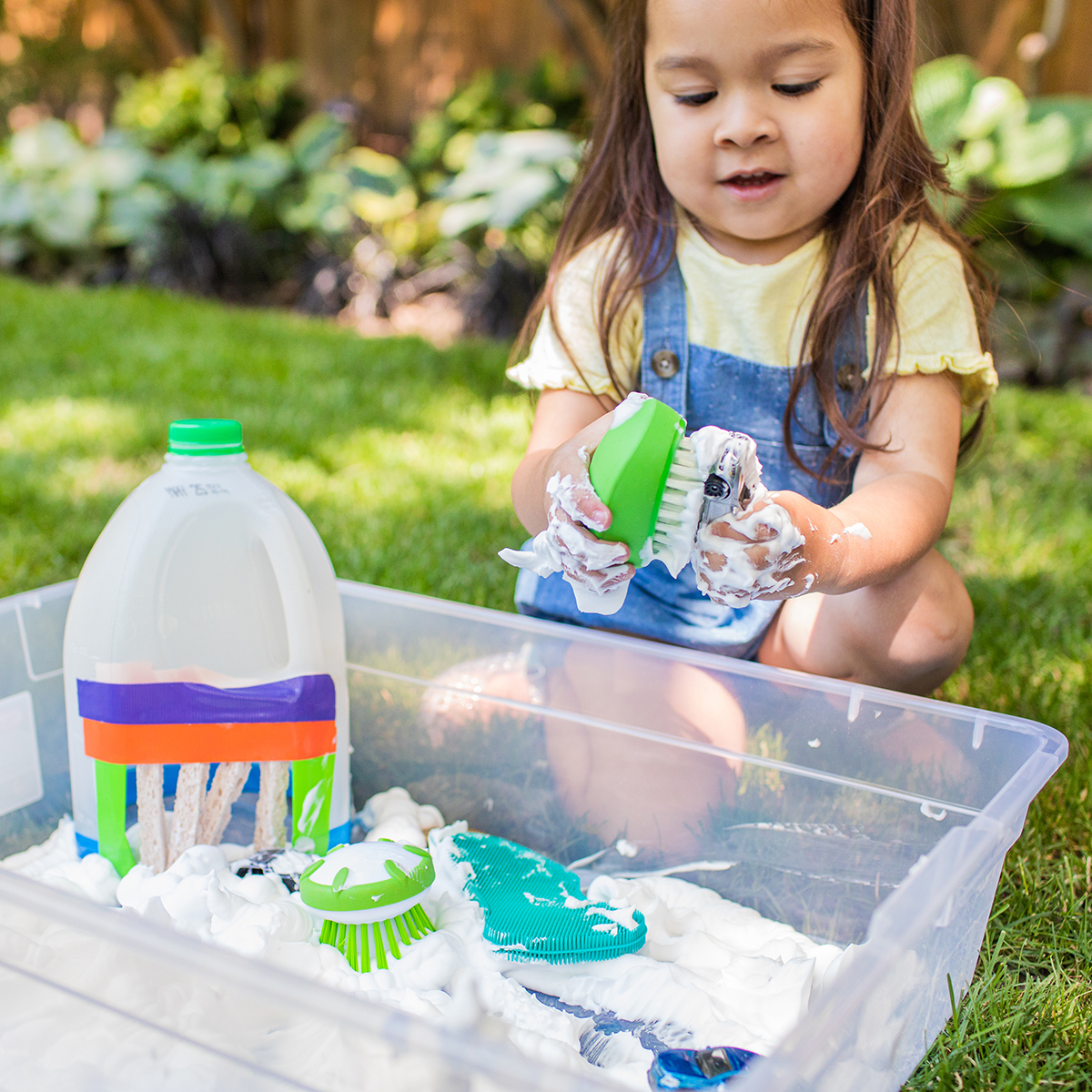
With opportunities for social interaction outside the family in short supply, many parents are stepping in as their child's primary playmate. Is one way of playing better than another? In this episode with Dr. Shimi Kang, host Jessica Rolph explores the benefits of unstructured play and looks at how play prepares us for adulthood. Dr. Kang is a Harvard-trained psychiatrist, neuroscientist, and best selling author. She is the author of The Dolphin Parent: A guide to Raise Healthy, Happy and Self-Motivated Kids, and her newest book The Tech Solution: Creating Healthy Habits for Kids Growing Up in a Digital World. Key Takeaways: [1:35] How did Shimi's upbringing inform her work around play? [3:17] Why is play such an important piece of childhood from a research perspective? [6:10] We are hardwired to play. [6:36] Shimi discusses a fascinating study that involves rats — play is crucial to their survival. [7:50] How does play help children adapt to stress and emotionally process new experiences? [9:18] Shimi explains the difference between free play and guided play. Why might parents want to emphasize one approach over the other? [11:19] Why toddlers benefit from unstructured activities. [13:04] How can we tell if our toddlers are over-stimulated or overwhelmed? [14:45] How much should parents get down on the floor with their children, or should parents play the role of observer? [15:48] Do children need their parents to help scaffold pretend play? [17:26] Tips for parents who want to give their children more freedom to play. [18:55] The challenges of being mindful of technology and how it is impacting parents' relationships with their children. [21:03] Jessica shares her takeaways from the conversation. Mentioned in this episode: Brought to you by Lovevery.com Learn more about Dr. Shimi Kang The Dolphin Parent: A guide to Raise Healthy, Happy and Self-Motivated Kids, Dr. Shimi Kang The Tech Solution: Creating Healthy Habits for Kids Growing Up in a Digital World, Dr. Shimi Kang

S1 Ep 13Why Teach Sign Language to Your Baby
Babies' understanding of language comes well before their ability to speak. This also can be the case with their motor skills. Most babies will wave bye-bye before they can say the words. These are a few of the reasons signing works well for babies. It gives them another means of communicating. Plus research shows that babies who learn basic sign language develop pathways for communication sooner than they would otherwise. Jessica Rolph welcomes Joy Jackson (@lyric_laughter_learning) to today's episode. She has been using sign language with her daughter from the time she was 4 months old. Joy shares why she chose to teach her sign language and how this has enhanced her communication skills. Key Takeaways: [1:16] Joy explains why she taught herself sign language in order to share it with her daughter. [4:12] Joy started teaching Lyric sign language at 4 months old. When did Lyric start using signs? [5:19] Is there any benefit to teaching sign language to verbal children? [6:08] What are some common misconceptions about sign language and teaching babies sign language? [8:15] Joy talks about the difference between baby sign language and ASL. [9:29] If a parent is just going to use six or seven signs, what are some particularly useful ones? [10:42] How many signs did Joy's baby have when she was 1 year old? What can parents expect? [11:50] Is a baby who can sign considered bilingual? [13:02] How and why to teach emotion signs. [14:25] Some great reasons to invest the time necessary to teach our babies and young children sign language. [16:43] Jessica's takeaways of today's show. Mentioned in this episode: Brought to you by Lovevery.com Joy's Instagram: @lyric_laughter_learning

S1 Ep 12Pregnancy Prep: Are You Ready to Give Birth?
Giving birth is one experience in your life you will never forget. There are so many emotions in the mix, both leading up to the birth, and on display during the birth! Host Jessica Rolph met Leslie Schrock when she was in the process of publishing her book Bumpin': The Modern Guide to Pregnancy, which she wrote while she was pregnant with her first baby. Leslie does not consider herself a pregnancy guru, but instead a curious person who found trustworthy resources for pregnant women in short supply. She talked with all variety of experts in the process of writing her book and shares her findings on this episode. Key Takeaways: [1:34] What inspired Leslie to write her book about pregnancy? [3:10] Leslie shares how it felt to be her own health advocate. [5:58] What is the technical difference between a doula and a midwife? Why would you want one over the other? Does it make sense to have both? [7:55] Does the participation of a doula or midwife preclude you from having a medicated birth? [10:32] Where does a doctor fit into all of this? [11:59] What goes into the decision to have an epidural or not? How to build a supportive birthing team and what to consider if you want to plan for an un-medicated birth. [16:07] Leslie shares tools for feeling positive when going into labor. [18:40] Leslie gives advice on how to best involve your birth partner. [20:23] What is going on with the pelvic floor during pregnancy and birth? What can women do to make sure that it's healthy after birth? [21:18] What is pelvic floor dysfunction? Mentioned in this episode: Brought to you by Lovevery.com Bumpin': The Modern Guide to Pregnancy, Leslie Schrock Bumpin.com

S1 Ep 11How and Why Human Touch is Important for Kids
Host Jessica Rolph welcomes Rebecca Parlakian to this episode to talk about the power of touch between infants and parents. Few moments are more tender in those first weeks of life than when your baby reaches out and takes your finger while in your arms. It's the all-important language of touch at work! Social connection is not the only connection at work in that moment; there are neural connections forming as your baby makes contact with that finger. In today's episode, Jessica and Rebecca examine the importance of touch for both baby and parent. Rebecca Parlakian is a senior director program at Zero to Three, a national nonprofit organization that focuses on the healthy development of infants, toddlers, and families. Much of her work at Zero to Three is connected to the work of Dr. Andrew Meltzoff at the University of Washington Institute for Learning and Brain Sciences. Key Takeaways: [1:27] Rebecca talks about Dr. Meltzoff's research, and how physical touch helps to develop a baby's sense of self and other. [3:03] When do babies know that they have hands? [3:58] How important is skin-to-skin contact between a parent and a baby? [5:32] Rebecca discusses how parents can incorporate touch after the hospital — with infants and toddlers. [6:12] What is Rebecca's opinion of the research that indicates babies don't get the same benefit by being hugged by a friendly stranger as they do by a loved one? [7:32] Is there any research that supports skin-to-skin contact after the hospital? [9:09] What role can massage play in enhancing that bond between a parent and a child? [11:10] The nine elements of temperament. [12:34] Some children love to get their hands messy and other children have an aversion to touching things. What causes this range in sensory preferences? [13:40] The characteristics of sensory-aversive and sensory-seeking children. [15:02] Why is sensory play important for a child's development [16:25] Why is mouthing natural and important? [18:03] Is sucking a thumb or finger positive for a baby's development? [20:01] What is the earliest memory of touch? [21:15] Jessica shares the highlights of her conversation with Rebecca. Mentioned in this episode: Brought to you by Lovevery.com ZERO TO THREE

S1 Ep 10House Tours & Other Real-Life Experiences that Build Your Baby's Brain
Talk to any toddler for more than a couple of minutes, and you will be easily reminded of how thirsty they are for knowledge and information. While humans are continuously learning, we are born with something of an empty canvas and it's the early experiences that we encounter as babies that form the brain architecture to support that learning. At a birthing class, Jessica Rolph was introduced to a book that helped her put the science of early learning into action with her own baby and ultimately inspired her to create Lovevery. This book was written by Dr. William H. Staso, the guest on today's episode. Will is a psychologist who focuses on the assessment of autism in children under 3 years old. In 1999, he published "Neural Foundations: What Stimulation Your Baby Needs to Become Smart," a book about the experiences that form the early architecture of the brain. In it, he shares multiple ideas for learning activities and ways to engage with your baby. Key Takeaways: [2:55] Dr. Will Staso explains what happens on a neurological level during the first 3 years of life. [4:52] The importance of a baby's environment to when it comes to wiring neurons. [6:41] What parents can do to promote language acquisition. [8:58] Will explains ways to stimulate your baby's brain in place of flashing, noisy toys. [10:06] Will talks about experienced-based activities. [11:36] What does the perfect learning environment for a baby look like? [14:10] The role of the adult and how to interact with your baby. [15:55] Discovery learning requires non-restrictive parenting. [17:49] Awareness of location and quantities prepare your child for letters and numbers later on. [18:25] Learning sequences and making predictions. [19:52] Nature or nurture? [20:35] What does smartness really look like? [21:45] Why is one brain more efficient than another? [21:59] Will sums up his advice to parents. Mentioned in this episode: Brought to you by Lovevery.com "Neural Foundations: What Stimulation Your Baby Needs to Become Smart" Dr. William H. Staso. To get a free copy of the book, please DM Jessica Rolph on Instagram.

S1 Ep 8Baby Talk: Learning Your Baby's Language with Communication and Play
Ever get the feeling like you are babbling more than your baby? It turns out that going gaga over your baby actually serves a purpose. It helps them with language acquisition! Their brains are taking in loads of information from these back-and-forth interactions. Jessica Rolph welcomes Dr. Kathy Hirsh-Pasek to this episode to explore the characteristics of this early communication. Kathy is a professor in psychology at Temple University and a senior fellow at the Brookings Institution. She is also co-author of Becoming Brilliant: What Science Tells Us About Raising Successful Children. Key Takeaways: [1:12] How can a parent contribute to the building of communication skills? [2:30] Remember to pause and create space for your baby to respond. [3:24] Kathy talks about infant-directed speech. [5:30] The back-and-forth conversation with a baby might be more important than we thought. [6:30] Technology sometimes gets in the way of opportunities to communicate with our babies. Mentioned in this episode: Brought to you by Lovevery.com Becoming Brilliant: What Science Tells Us About Raising Successful Children

S1 Ep 7The Untold Secret: Sometimes, Being a New Mom is Boring
Laundry, diapering, feeding, laundry... this is the work of a new parent, and much of it can feel rather tedious. Unfortunately, boredom can sometimes slip into darker feelings of disconnection. In this episode, Jessica Rolph is accompanied by Erica Komisar, who suggests that one way to stay engaged is to take an interest in your baby's brain development. Erica Komisar is a psychoanalyst and parent coach based out of New York City. Key Takeaways: [1:26] Erica Komisar talks about her clinical work with patients who are experiencing boredom. [3:05] Interest in child development as a possible solution for a parent's boredom. [4:45] Erica explains how to ignite a sense of wonder around your baby's development. [6:35] Recognizing the immense value of nurturing your baby. [7:14] Possible cues of postpartum depression. [8:30] Skin-to-skin contact lays the foundation for emotional security. [9:16] Breast feeding, in light of the skin-to-skin contact, has neurological benefits. If you are bottle feeding, consider taking off your shirt. [12:18] Advice to mothers who have been separated from their babies. [14:05] Tips to spark the connection between you and your baby. [14:59] Mirroring your baby is about reflecting how your baby feels; as a result, your baby feels understood. [16:53] The perils of idealizing parenthood. [19:11] Does COVID-19 bring more risk of depression? [20:45] When is the best time to seek professional health? Mentioned in this episode: Brought to you by Lovevery.com Don't dismiss a new mom's boredom. It could be a sign of something more serious. The Washington Post, Erica Komisar

S1 Ep 6Reading to Babies: How to Make Early Literacy Development Easy & Fun
Jessica Rolph welcomes Sami Carrick to this episode to talk about that magical moment of connection with our baby: story time. And all those who have read a book to an infant know that it doesn't always go as planned! We know how important it is to read to our babies, but what should we do if they are crawling out of our laps, crazily flipping pages, or just plain not interested in what's on the page? Sami shares how teaching literacy can take lots of forms. She is a certified reading specialist and the mom behind Literacy for Littles. Key Takeaways: [1:30] Reading to a newborn: Sami explains how this might look. [2:34] Position your newborn baby so they can see your facial expressions while you are reading. [3:04] Consider incorporating a book at nap time and bedtime to help create predictability for your baby. [3:31] When to introduce sensory books to babies. [4:26] Tips to engage your baby in reading when they don't seem to be able to stop moving or are uninterested. [6:28] Sami shares practical tips to help a child learn how to turn the pages. [8:01] The benefits of adding rubber bands to the pages. [8:48] How to incorporate reading in the daily routine outside of bedtime. [10:24] The importance of using a dramatic, animated voice while reading to your baby. [11:50] Tips for parents to teach literacy early on. [13:54] Sami explains why learning letter sounds is more important than being able to recite the ABCs. [16:22] The benefits of incorporating sign language into a child's day. Mentioned in this episode: Literacy for Littles Brought to you by Lovevery.com

S1 Ep 5Baby Milestones: How to Handle Skill Development Anxiety
Parenting is a time of so much change for you and your baby, a little reliable information can go a long way towards making this new life, a good life. Jessica Rolph is your host and she is joined by Rachel Coley in this episode of My New Life, a Lovevery podcast, to discuss the common anxiety parents share about their children reaching milestones and comparing to other children's progress. Does it help? Does it really matter? Rachel Coley is a Pediatric Occupational Therapist and the mom behind a super informative website called CanDo Kiddo. Rachel prefers to focus on what she calls "mini-milestones", which are all the tiny steps a baby takes to reach their objective. Tune in to learn what to do if your baby doesn't like tummy time, how baby containers are getting in the way of natural development, and why the floor is the best place for your baby to be. Key Takeaways: [2:51] Technology is shaping what kind of toys we are putting in front of our babies. [4:22] Why do babies need to be on the floor? [6:25] Is swaddling beneficial for a baby? [7:14] Tummy time is the baby's first opportunity to interact with gravity. [11:15] Thinking about tummy time as a position for play is really helpful. [13:54] Milestone anxiety vs staying curious about mini-milestones. [15:30] How parents can help babies build the strength necessary to roll over. Mentioned in this episode: Brought to you by Lovevery.com CanDo Kiddo

S1 Ep 4What's the Best Type of Parenting Style or Philosophy For You?
Jessica Rolph is joined by Veronica Fernandez, who talks about how she takes advice from various parenting approaches and incorporates the best from each. Veronica discusses philosophies such as Montessori, RIE, and attachment parenting. She also shares with us ways to introduce bilingualism to babies and the benefits of it. Dr. Veronica Fernandez is a new mom, with a Ph.D. in Developmental and Child Psychology, with a focus on bilingual education. Key Takeaways: [1:35] Veronica shares her journey from preschool to Ph.D. [3:38] How to incorporate different philosophies in parenting your baby. [5:23] Veronica shares how she used the Montessori philosophy to create a prepared environment for her newborn baby. [6:19] The essence of the Montessori approach. [8:33] The Montessori approach characterizes by giving children the chance of manipulating materials such as glass. [9:38] The RIE Method is about respectful parenting. [13:45] Being in physical proximity to a child is always beneficial. [14:11] What does not resonate with Veronica about Attachment parenting? [17:19] When the focus is on playing and interaction, the opportunities for teaching will show up spontaneously. [18:56] Be present and playful in your interactions with children [19:13] Introducing a second language to babies [20:05] Children learn more by exposure than to intentional teaching. [21:58] The benefits of bilingualism. Mentioned in this episode: Brought to you by Lovevery.com

S1 Ep 3How Soon Should Children Learn Numbers & Math?
We all know how important it is to read to our children, but trying to build a baby's math skills can feel like a challenging task, especially if we don't have a positive association with math ourselves. The good news is, baby is encountering math everywhere, and nurturing a love of numbers is not as hard as commonly thought. After all, we are all born loving numbers! In this episode, Jessica Rolph speaks with Gillian Starkey, a professor in neuroscience with an emphasis on children's developing math skills. She shares some pointers that are going to score big with you and your baby, and might even make math into something you both look forward to. Key Takeaways: [1:22] What constitutes math for babies? [2:45] Gillian shares why it is important to build basic math skills at home with our babies. [3:51] What do babies know about math when they are born? [4:49] Activities that you can do with your baby (0-12 months old) to build math skills. [8:00] How do children's understanding of numbers and what they represent evolve as they get older? [9:01] Gillian explains how to engage toddlers in everyday math. [10:03] Baking is one great way to introduce mathematical concepts to toddlers. [10:33] Shapes and patterns can be used to strengthen math skills. [11:40] Gillian gives tips on how to deal with our own math anxiety. Mentioned in this episode: Brought to you by Lovevery.com Learn more about Gillian Starkey

S1 Ep 2What Executive Function Predicts About Babies
Executive function is a hot topic in brain research. Impulse control is one of a suite of skills associated with executive function. Jessica Rolph is accompanied by an expert in this field, Dr. Melissa Clearfield, a professor of psychology at Whitman College. In this episode, Melissa shares her research on executive function in babies, along with some grounding advice for parents on connecting with their babies. That connection, she explains, is the foundation for the relationships that your baby will have later on in life. Key Takeaways: [1:46] Melissa defines executive function and its link to success later in life. [3:08] Signs of executive function in the baby's first year of life. [4:21] Melissa shares interventions that can boost executive function. [6:25] The importance of parents giving baby their undivided attention. [8:17] Electronic toys and babies. [9:40] Simple toys promote learning, exploration and cognitive development. [10:06] When is it beneficial to offer your child multiple levels of stimulation? [12:13] How to model good executive function for children. [13:50] The attachment style that you have with your infant sets the stage for that child's attachment style later in life in their romantic partnership. [14:50] Play for Success. Mentioned in this episode: Brought to you by Lovevery.com Learn more about Dr. Melissa Clearfield

S1 Ep 1Learning Through Play: Is Free or Guided Play Better?
Play has so much to teach us, children and parents alike. Sometimes parents can get a little too involved in their child's play, particularly with the extra cool toys. When does our guidance become interference? And what amount of direction is appropriate? Dave Neale joins Jessica Rolph to help us strike the right balance. Dave is a researcher in the psychology of play at the Centre for Research on Play in Education, Development and Learning at the University of Cambridge. Key Takeaways: [1:13] Dave explains the 'sweet spot' when a parent can provide support while not being too involved in the child's play. [3:20] Playing and its link with structured learning. [5:30] How to find the balance between helping children achieve the goal of a game or letting them just explore the materials. [8:18] Play with your children, engagement and becoming an entertained play partner are the most important factors. [9:23] The effects of a parent who is not sufficiently involved. [12:23] What is Dave's favorite activity to do with 0-12 months old babies? Mentioned in this episode: Brought to you by Lovevery.com Learn more about Dave Neale Centre for Research on Play in Education, Development & Learning (PEDAL)

Introducing: My New Life
trailerWelcome to My New Life. I'm your host, Jessica Rolph. When we founded Lovevery, my co-founder Rod Morris and I believed that young children and their parents do best when they feel supported. My New Life is a podcast for parents in search of community and deeper insights into how our babies are developing. The first season is aimed at parents of infants. I've interviewed experts in child development and neuroscience, as well as inspiring moms with real-life struggles. My goal is to give you information that you can put into action, so you can spend the time that you do have in a really meaningful way. Look for fresh episodes to drop every other Wednesday. Thank you for being here. Together, we will make the most of this new life.