
Moment Of Um
398 episodes — Page 3 of 8

How do ping-pong balls bounce so high?
Ping pong is a super fun game. It’s like miniature tennis, where people use paddles to make balls fly across a table., and sometimes way, way up in the air! But how do those tiny plastic balls manage to bounce so high? We asked physicist Dr. Kiley Kennedy to help us find the answer. Got a question that’s bouncing around your brain? Ping us at BrainsOn.org/contact, and we’ll serve up the answer! See omnystudio.com/listener for privacy information.
How does gasoline turn into exhaust?
Lots of cars, trucks and buses are powered by gasoline. You put the gasoline in a little hole on the side of the vehicle, it powers the engine and then it comes out of the tailpipe as exhaust fumes. But what’s going on inside that engine? And how does gas turn into exhaust anyway? We asked chemistry professor Dr. Josie Nardo to help us find the answer. Got a question that’s really exhausting you? Send it to us at BrainsOn.org/contact, and we’ll steeryou toward the answer! See omnystudio.com/listener for privacy information.
What happens in our bodies when we are sick?
Let’s say you wake up on a Tuesday morning feeling fine and fresh. But by the end of the night your throat hurts, you’re coughing, and there’s snot dripping from your nose. What happened in the course of that one day to make you feel so sick? Dr. Courtney Jordan Baechler helps us stick our noses in this (t)issue. Got a question you can’t fever out? Send it to us at BrainsOn.org/contact, and then be patient! We’ll help find the answer. See omnystudio.com/listener for privacy information.

Why do some trees grow taller than others?
There are all different kinds of trees in the world, from towering redwoods to tiny willow trees smaller than an action figure. Why are there so many different sizes of trees, anyway? We asked tree expert Jake Miesbauer to help us find the answer. Got a tree-mendous question? Send it to us at BrainsOn.org/contact, and we’ll ginkGO find the answer! See omnystudio.com/listener for privacy information.

Why are peaches and some other fruits fuzzy?
Have you ever picked up a peach in the supermarket and noticed that its skin is covered in soft fuzz? What’s that about? Should we be taking our peaches to barbershops? And what about kiwis? They’re covered in scratchy hairs! Why do some fruits have fuzz while others have smooth skin? We talked to Dario Chavez from the University of Georgia to find out. Got a fresh ‘n’ fruity question? Send it to us atBrainsOn.org/contact, and we’ll help find an a-peeling answer. See omnystudio.com/listener for privacy information.

How were black holes first discovered?
Black holes are mysterious. They are so dense that no light can escape them, which makes them super hard to find! So how did we discover the first black hole? We asked NASA engineer Varoujan Gorjian to help us find the answer. Got a mystery you’d love to shed some light on? Send it to us at BrainsOn.org/contact, and we’ll help search the skies for an answer. See omnystudio.com/listener for privacy information.
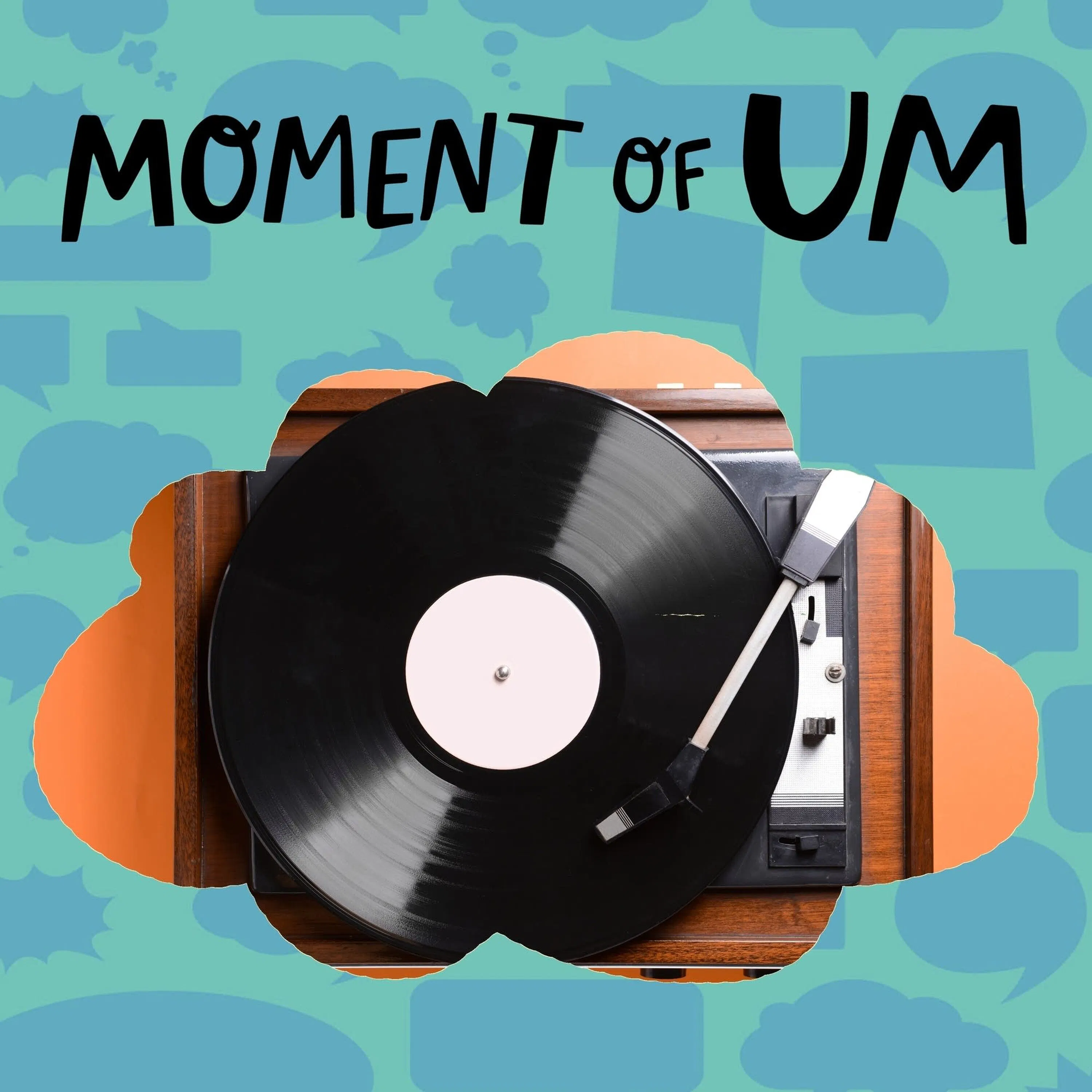
How do records work?
Records are big flat discs with circular lines on them that you can use to play music. But how does a record work, anyway? We asked audio engineer Josh Bonati to help us find the answer. Got a question that’s spinning around in your brain? Send it to us at BrainsOn.org/contact, and we’ll help find an answer that’s music to your ears! See omnystudio.com/listener for privacy information.

Do airplanes have a speed limit?
Airplanes fly high in the sky and at super fast speeds. But is there a limit to how fast they’re allowed to fly? You know, in the way cars have speed limits? For this episode, we talked to Bobby Sharp, an air traffic controller, who helps us understand if airplanes have a need for speed. Got a question you need answered fast? Send it to us at BrainsOn.org/contact, and we’ll try our plane old best to get it answered! See omnystudio.com/listener for privacy information.

How do stethoscopes work?
Have you ever been to the doctor and had them listen to your body with a stethoscope? It’s that funny looking thing that looks like a long rubbery tube with a round metal circle on one end and two ear pieces on the other. Doctors always seem to have one handy, but what is it and how does it work? We asked pediatrician Emma Gerstenzang to help us find the answer. Got a question that you need scoped out? Send it to us at BrainsOn.org/contact, and we’ll prescribe you an answer! See omnystudio.com/listener for privacy information.

How many times does our heart beat a day?
Most of us know that we have a heart. We know that it beats - sometimes faster, sometimes slower. But just how many times does it beat in a day? We asked Dr. Courtney Jordan Baechler to have a heart-to-heart with us about this question. (She is also the host of the podcast Heart-to-Heart Conversations!) Got a question that you just love? Send it to us at BrainsOn.org/contact, and we won’t beat around the bush! See omnystudio.com/listener for privacy information.

How do sinkholes form?
Have you ever seen a sinkhole? These are spots in the Earth’s surface where the ground has collapsed and formed a hole. Sometimes they can be more than a hundred feet deep! But how do sinkholes form? We asked geologist Hazel Barton to help us find the answer. Got a question that’s a real hole in one? Send it to us at BrainsOn.org/contact, and we’ll help dig up the answer! See omnystudio.com/listener for privacy information.

What would happen if I went inside a black hole?
Black holes are super dense spots in space. They have so much gravity that when something falls into a black hole, it can’t escape. We asked UCLA astrophysicist Dakotah Tyler to help us imagine what it would be like if we traveled through one of these dark marvels. Is there a question that’s really pulled you in? Send it to us at BrainsOn.org/contact, and we’ll spaghettiFIND you an answer! See omnystudio.com/listener for privacy information.

How do 3D glasses work?
3D glasses. Those little paper spectacles with one red lens and one blue. Put ’em on, and suddenly, POW! Images seem to leap right off the screen! Do these glasses play magical mind tricks on our brain? Do they give our eyeballs multi-dimensional superpowers? For a lens into how it all works, we talked to UW-Madison physicist Pupa Gilbert. Got a question that’s really jumping out at you? Send it to us at BrainsOn.org/contact, and we’ll help you put it into focus. See omnystudio.com/listener for privacy information.

How do vocal cords work?
Vocal cords are magical things. They let us speak, sing, squawk and scream. But what are vocal cords and how do they do all that? We asked pediatrician Emma Gerstenzang to help us find the answer. Got a question that’s chattering away in your brain? Send it to us at BrainsOn.org/contact, and we’ll belt out an answer! See omnystudio.com/listener for privacy information.

How does hair dye work?
If you could turn your hair any color in the world… what color would you choose?! Sapphire blue, hot pink, lime green, neon orange?? There are dyes out there that can turn your hair every color of the rainbow! But how exactly do they work? We asked Chemist Michelle Wall to help us understand. Got a hairy question that needs answering? Send it to us atBrainsOn.org/contact, and we’ll style an answer for you! See omnystudio.com/listener for privacy information.
How are bricks made?
Bricks are all around us: in walls, sidewalks, park benches, and more. How are these bodacious blocks made, and what makes them different colors? We asked construction and masonry expert Brian Trimble to help us find the answer. Constructing a question? Send it to us at BrainsOn.org/contact, and we’ll help you find a solid answer! See omnystudio.com/listener for privacy information.
When did people start using utensils?
People around the world eat with a variety of utensils like forks, chopsticks, and sporks. But what did people do before silverware was invented? We asked human evolution expert Briana Pobiner from the Smithsonian National Museum of Natural History to help us find the answer. Got a question that’s unFORKgettable? Send it to us at BrainsOn.org/contact, and we’ll spoon-feed you an answer. See omnystudio.com/listener for privacy information.

How do our clothes get dirty?
Clothes are FUN. We strut our stuff in them. Laugh and play in them. Sometimes we love one article of clothing so much, we never want to take it off! But eventually, all clothes do have to be cleaned. We chatted with Tide Principal Scientist Jennifer Ahoni about how clothes get dirty, even when they still look spotless. Listen and learn about the secrets of body soils and invisible dirt! Got a question in your pocket? Send it to us atBrainsOn.org/contact, and we’ll fashion an answer for you. See omnystudio.com/listener for privacy information.

Why does salt make you thirsty?
Have you ever noticed that when you eat something salty, you feel extra thirsty for a while afterwards? Ever wondered why? Turns out, scientists are wondering why as well, and it’s a perfect example of how science is always changing how we understand the world. Gastroenterologist Dr. Kaveh Hoda tells us the salty story. Thirsting for knowledge? Send it to us at BrainsOn.org/contact, and we’ll conSALT all our resources to find the answer! See omnystudio.com/listener for privacy information.

Why does bread have holes?
Bread! It’s good stuff, no matter how you slice it. But why do slices of bread have holes in them? Are there bread moles who tunnel through baguettes? Invisible worms in the whole wheat? Chipmunks chewing on the ciabatta? We asked food scientist David Domingues to help us find the answer. Got a question that you knead us to look into? Send it to us atBrains On.org/contact, and we’ll find the answers where you yeast expect them! See omnystudio.com/listener for privacy information.

How do people get warts?
Warts are small bumps that can show up on our skin, especially on our hands, knees, or elbows. What are they? Where do they come from? We asked Dr. Kaveh Hoda to help us find the answer. Got a question that’s got you TOADally stumped? Send it to us at BrainsOn.org/contact, and we’ll help sort out wart’s wart. See omnystudio.com/listener for privacy information.

How does a platypus make its venom?
Platypuses seem like they were put together from other animal’s spare parts. They’ve got a bill like a duck, a flat tail like a beaver, and…venom? What’s up with that? We asked biologist Imogene Cancellare to help us find the answer. Got a question that’s as confusing as platypus anatomy? Send it to us at BrainsOn.org/contact, and we won’t even bill you for the answer! See omnystudio.com/listener for privacy information.
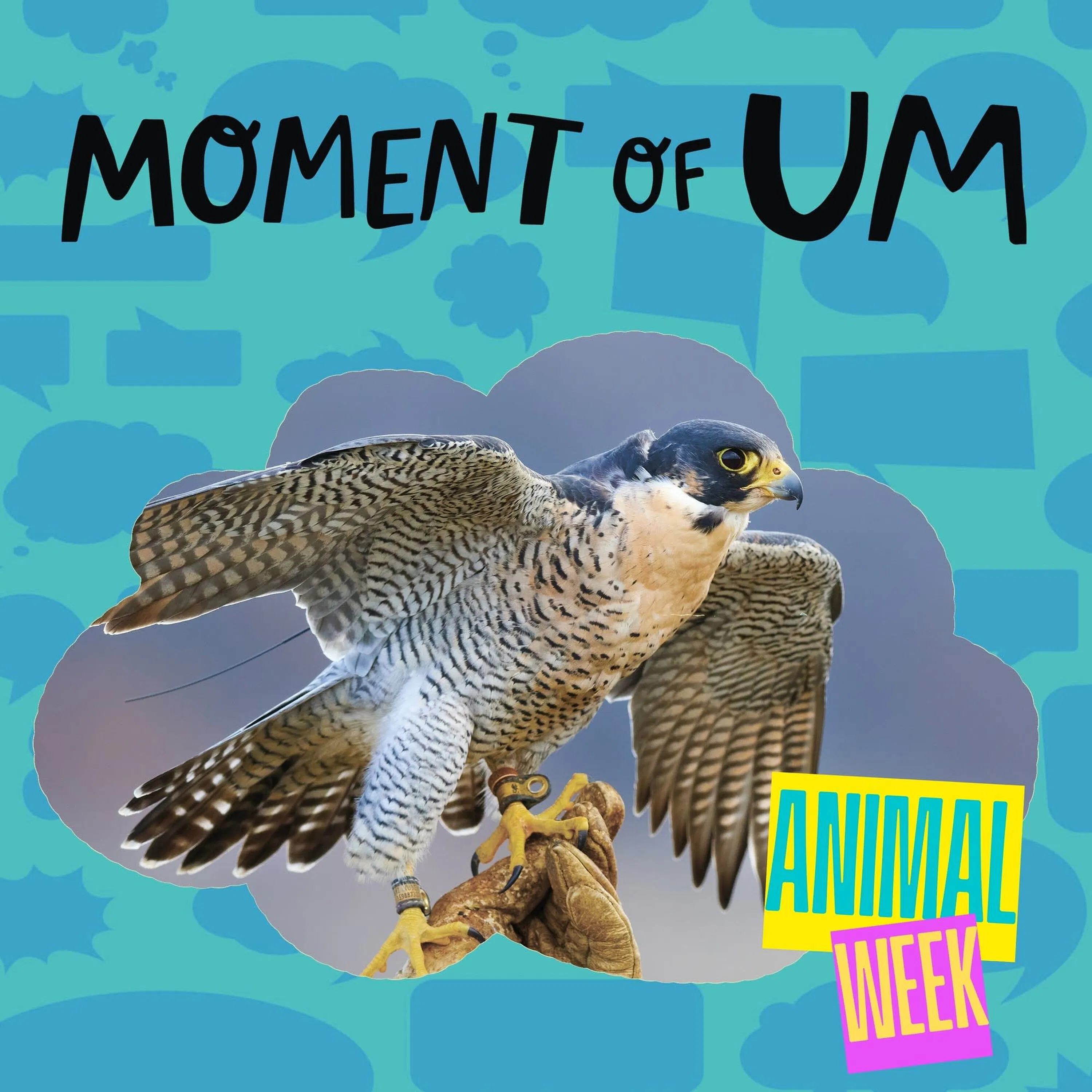
How did the peregrine falcon get its name?
Peregrine falcons are the fastest animals on earth. They’re the super sonic jets of the animal kingdom! So what does the word “peregrine” mean and how did these amazing birds get their name? We chatted with conservation biologist Imogene Cancellare to help us find the answer. Got a question soaring through your brain? Send it to us at BrainsOn.org/contact, and we’ll help you capture the answer! See omnystudio.com/listener for privacy information.
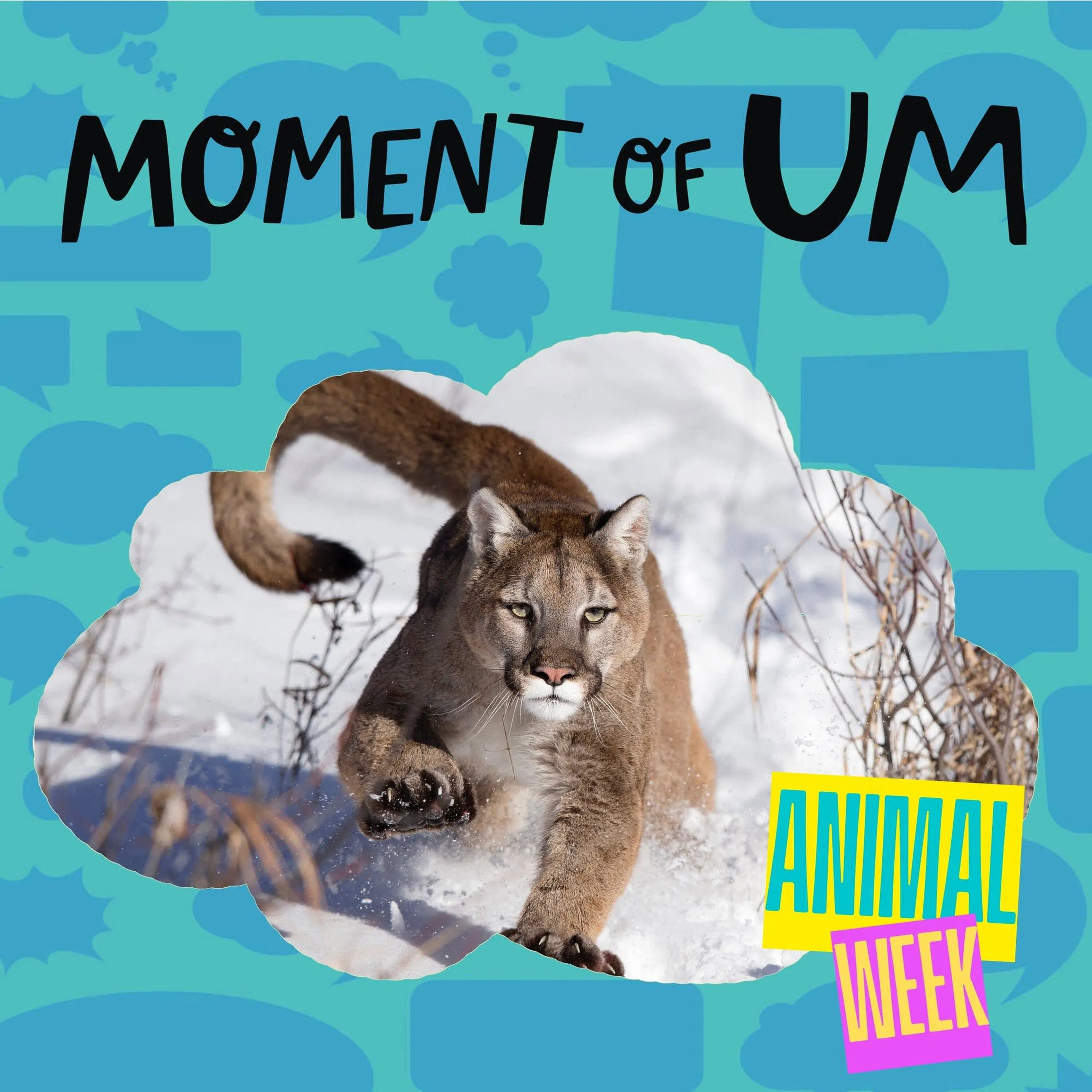
Why don’t mountain lions have manes?
When you picture a lion, what do you see? If you thought of a big fluffy mane, you’re not alone! But how come mountain lions don’t have manes? We asked conservation biologist Imogene Cancellare to help us find the answer. Got a question that’s really hairy? Send it to us at BrainsOn.org/contact, and we’ll make finding the answer our mane focus. See omnystudio.com/listener for privacy information.

Do birds cough or sneeze?
Birds have a lot going on. They fly, chirp, sing, make nests, lay eggs. But can they cough or sneeze? We asked biologist Imogene Cancellare to help us find the answer. Got a question that’s flying around in your brain? Send it to us at BrainsOn.org/contact, and we’ll help quack the case. See omnystudio.com/listener for privacy information.

How do bears make their dens?
Most bear species spend at least part of the winter season snoozing – a.k.a. hibernating! To prepare for that extended nap sesh, bears snuggle up in cozy dens where they can stay safe and hidden. But how does a bear make a den? We asked biologist Imogene Cancellare to help us find the answer. Got a question that’s making you feel a bit grizzled? Send it to us at BrainsOn.org/contact, and we’ll help i-DEN-tify the answer! See omnystudio.com/listener for privacy information.

Why do we have friends?
Friends rule! The best ones are those that are always there to help you out, embark on a strange adventure, make you laugh so hard you cry and appreciate all the weird and wonderful things that make you… you! We love our friends! But do we humans need them as a species? We talked to psychologist/biologist Lauren Brent to find the answer. Do you and your BFF have a question? Send it to us at BrainsOn.org/contact, and we’ll be a friend and help find the answer! See omnystudio.com/listener for privacy information.

What is the strongest glue?
Most of us have used a glue stick or Elmer’s, but what about the strongest glue in the WORLD? We got a fantastic question from a couple of listeners who wanted to know what the strongest glue is, so we reached out to biomedical engineer Danna Sheridan to help us find the answer. Got a question that’s sticking in your mind? Send it to us at BrainsOn.org/contact, and we’ll help unglue the answer! See omnystudio.com/listener for privacy information.

Do penguins sit down?
Did you know there are 18 species of penguin in the world? Each species has its own differences and quirks, but one thing all penguins have in common is that it can be tricky to tell if they’re standing up or sitting down. One curious listener wondered if they even sit down at all. We asked Dr. Michelle LaRue from the University of Canterbury to help us find the answer. Got a question that’s knocked you off your feet? Send it to us at BrainsOn.org/contact, and we’ll stand up and find the answer. See omnystudio.com/listener for privacy information.
What causes solar flares?
Listener Graham wanted to know what solar flares are and what causes them, so we reached out to NASA Heliophysicist Nicola Fox to help us figure out why these bright flashes on the sun’s surface occur. Got a question that’s been flaring up in your mind? Send it to us at BrainsOn.org/contact, and we’ll help make you brighter! See omnystudio.com/listener for privacy information.

How do trumpets make that bbbbrrrrrrr sound?
Did you know that trumpets are the oldest brass instruments? Orchestras rely on them to play the highest notes in the brass section! But how do they make that bbbbrrrrrrr sound? We asked trumpet player and teacher Jim Boyle to help us find the answer. Got a question you’ve been wanting to brass-k? Send it to us at BrainsOn.org/contact, and we’ll find an answer that’s music to your ears. See omnystudio.com/listener for privacy information.

Is rainwater safe to drink?
On Earth, water gets evaporated by the sun from the planet’s surface, and then drops back down from the clouds when it rains. That’s a great source of water, but..is that water safe to drink? We asked environmental researcher Dr Jonathan Sexton to help us find the answer. Got a question in your bRAIN? Send it to us at BrainsOn.org/contact, and we’ll help filter out the answer. See omnystudio.com/listener for privacy information.

What's the smallest unit of measurement?
Let’s say you want to measure something really, really, really tiny. How do you do that? With inches? Centimeters? Millimeters? What if it’s so tiny you can’t even see it? Particle physicist Jessica Esquivel helps us solve this teeny tiny mystery! Got a question that seems too big to answer? Send it to us at BrainsOn.org/contact, and we’ll try to measure up! See omnystudio.com/listener for privacy information.

How do stars form black holes?
Black holes are areas in outer space that have gravity so strong that not even light can escape its pull! Some black holes are formed from stars…so how does a star go from a burning ball of gas to a light-swallowing void? We asked UCLA astrophysicist Dakotah Tyler to help us find the answer. Got a question that’s really pulled you in? Send it to us at BrainsOn.org/contact, and we’ll help you gravitate towards the answer. See omnystudio.com/listener for privacy information.

Why do daddy long legs have super long legs?
Whether you’re a fan or not, one thing is for sure - most of us have had an encounter with a daddy long legs. They’ve got super duper long legs, and a TON of nicknames, including cellar spider, carpenter spider, daddy long-legger, vibrating spider, gyrating spider, long daddy, and skull spider. But why are their legs so long? Guilherme Gainett helps us solve this mystery. Got a question crawling around your brain? Send it to us at BrainsOn.org/contact, and we’ll help figure it out! See omnystudio.com/listener for privacy information.

How do fireworks explode?
Fireworks are loud and exciting! You light a fuse and the firework rockets up into the air, and then BLAM! It explodes into colorful, sparkling bouquets of light. How the heck does a firework do that? We asked chemist David Chavez to help us find the answer. Got a question exploding in your noggin? Send it to us at BrainsOn.org/contact, and we certainly won’t reFUSE it! See omnystudio.com/listener for privacy information.

How do batteries work?
Batteries power lots of stuff that people use everyday, like cellphones, toys and laptop computers. Some batteries can even be recharged after they run out of juice. But how do batteries store electricity? We asked chemistry professor James McKone to help us find the answer. Got a question that’s got you all charged up? Send it to us at BrainsOn.org/contact, and we’ll run a whole battery of tests to find the answer. See omnystudio.com/listener for privacy information.

Why do we rub our eyes when we're tired?
It seems universal that when a person - old or young - is tired, they rub their eyes. It’s even a way that babies communicate to their adults that they are ready for bed. Are we just born understanding that signal? Or is there something going on with our eyes that they need to be rubbed when we’re sleepy? Otolaryngologist Dr. Laura Orvidas helps us understand the connection in this episode. And stay tuned for the week of May 30, when all of our episodes will be sleep-themed. It’ll be a real “snooze fest”! Got a question you’ve been eyeing? Send it to us at BrainsOn.org/contact, and we won’t sleep on the answer! See omnystudio.com/listener for privacy information.
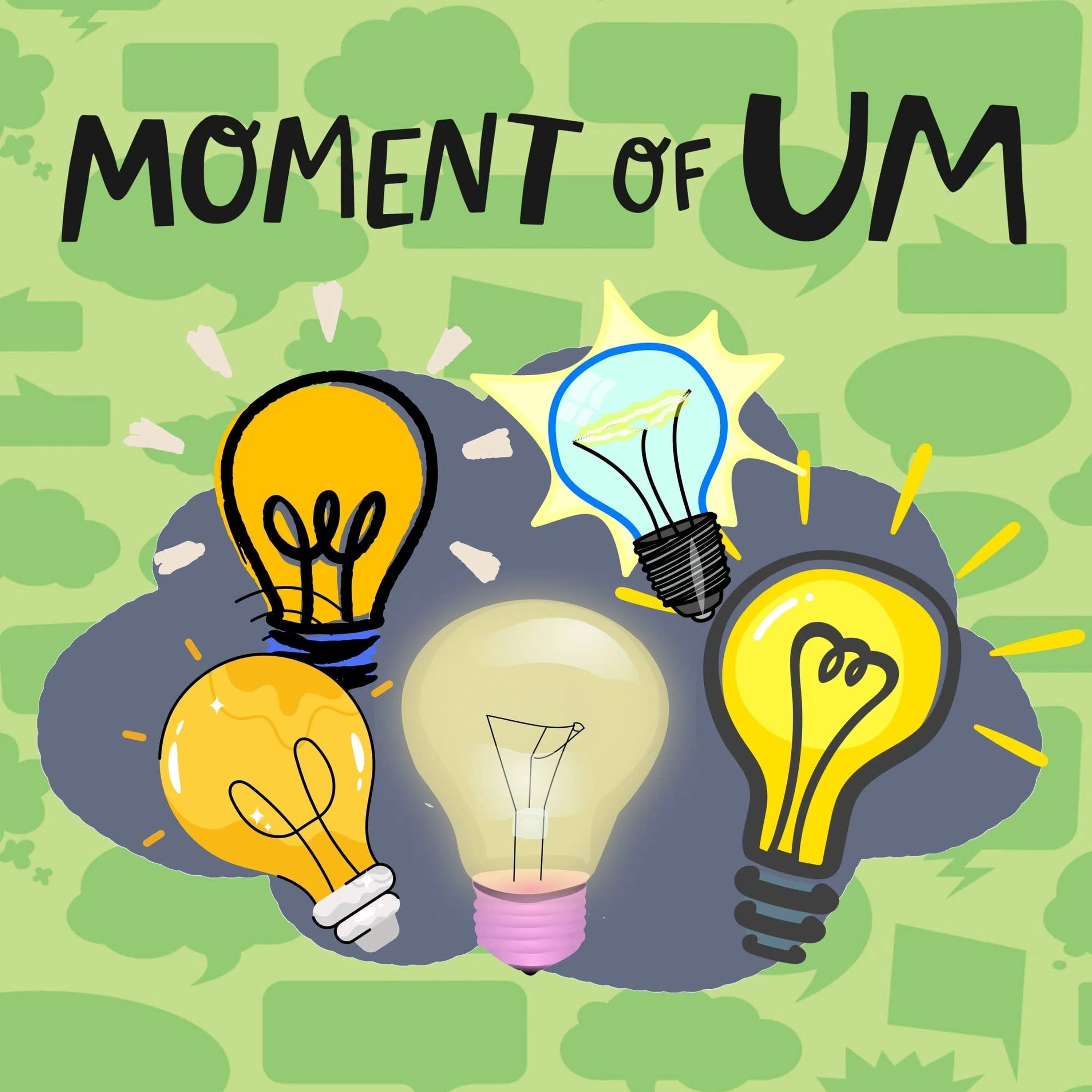
How do lightbulbs work?
Have you ever turned on a light and wondered, “How does that thing light up, anyway?” Us, too! We asked Tim Pula of the Smithsonian’s National Museum of American History to help us find the answer. Got a question that has you glowing with joy? Send it to us at BrainsOn.org/contact, and we’ll help illuminate an answer for you! See omnystudio.com/listener for privacy information.

Why do ostriches stick their heads in the ground?
Ostriches are super neat! They’re the world’s heaviest birds, and they lay the largest eggs of any bird on Earth. They grow up to 8 feet tall, and can run as fast as 45 miles per hour. But you know what they don’t do? They don’t stick their heads in the ground to hide! There are a few reasons why this misunderstanding is so popular, and Sushma Reddy from the Bell Museum helps us understand. Up to your neck in questions? Send it to us at BrainsOn.org/contact, and we’ll find someone who can answer it in the shake of a tailfeather! See omnystudio.com/listener for privacy information.
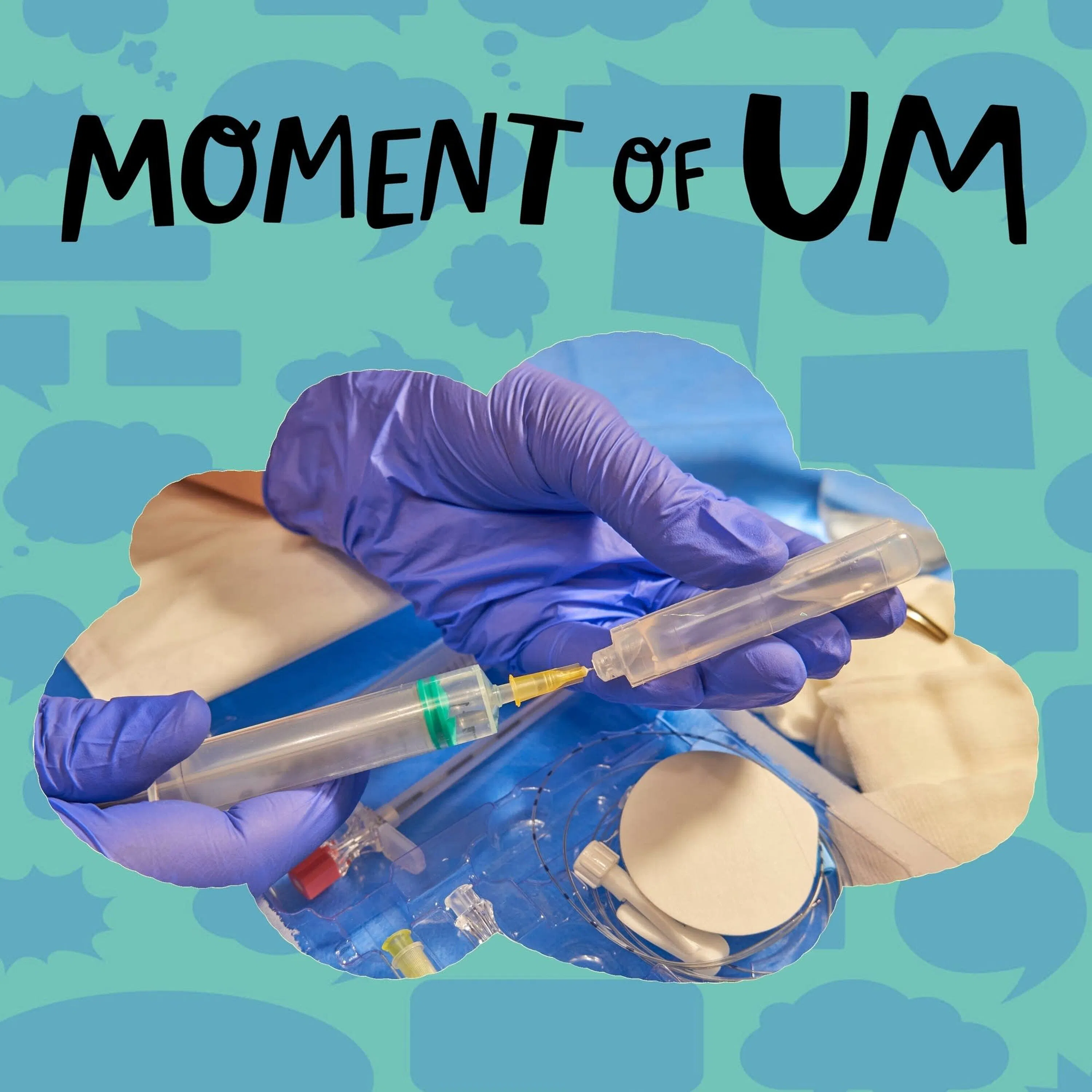
How does anesthesia work?
Sometimes, doctors use something called anesthesia to help them treat patients. Anesthesia can be different substances, but they all prevent our bodies from feeling pain during a medical treatment or surgery. So how does anesthesia stop us from feeling pain? We asked Dr. Kaveh Hoda to help us find the answer. Got a question that’s topical? Send it to us at BrainsOn.org/contact, and we’ll find a painless answer! See omnystudio.com/listener for privacy information.

Why do we need belly buttons?
We all have a belly button. Right there, in the middle of our belly, there’s a nub. Some go in, some stick out, but what exactly are they for? We asked pediatrician Emma Gerstenzang to help us find the answer. Got a question that’s hard to stomach? Send it to us at BrainsOn.org/contact, and we’ll help digest the answer for you! See omnystudio.com/listener for privacy information.

What produces eye gunk when we sleep?
Have you ever woken up in the morning with the corners of your eyes filled with crud? Sleepy sand? Eye goblins? Dozy dust? Bed boogers? Why do our eyes make this stuff, anyway? And why does it build up when we’re asleep? We asked Yale eye doctor Soshian Sarrafpour to help us get to the bottom of this issue. Got a question that you can’t keep a lid on? Send it to us atBrainsOn.org/contact, and we’ll find someone who can answer it in the blink of an eye. See omnystudio.com/listener for privacy information.

How does bug spray work?
Bug spray helps us keep mosquitoes and other insects away. But how does it work? We asked insect expert Meredith Cenzer to help us find the answer. Got a question buzzing around your brain? Send it to us at BrainsOn.org/contact, and we’ll bug some experts until we get an answer! See omnystudio.com/listener for privacy information.
Why do we itch?
A mosquito bites you. Your grandma knits you a scratchy blanket. Your friend tickles you with a feathery cat toy. What do all of these things have in common? They make you itch! Listener Samantha was wondering just why that is, and neuroscientist Sonali Mali says she’s always wondered the same thing, so that’s why she studies it! Got a question tickling at your brain? Send it to us at BrainsOn.org/contact, because we’re just itching to help you find the answer! See omnystudio.com/listener for privacy information.

What are antibiotics and probiotics?
Antibiotics are a kind of medicine that a doctor might give you to help you fight off an infection. But there are also things called probiotics in food and vitamins. So what’s the difference between probiotics and antibiotics? We asked Dr. Kaveh Hoda to help us find the answer. Got a question that your gut tells you is a great one? Send it to us at BrainsOn.org/contact, and we’ll send you a small-batch, artisanally fermented answer! See omnystudio.com/listener for privacy information.
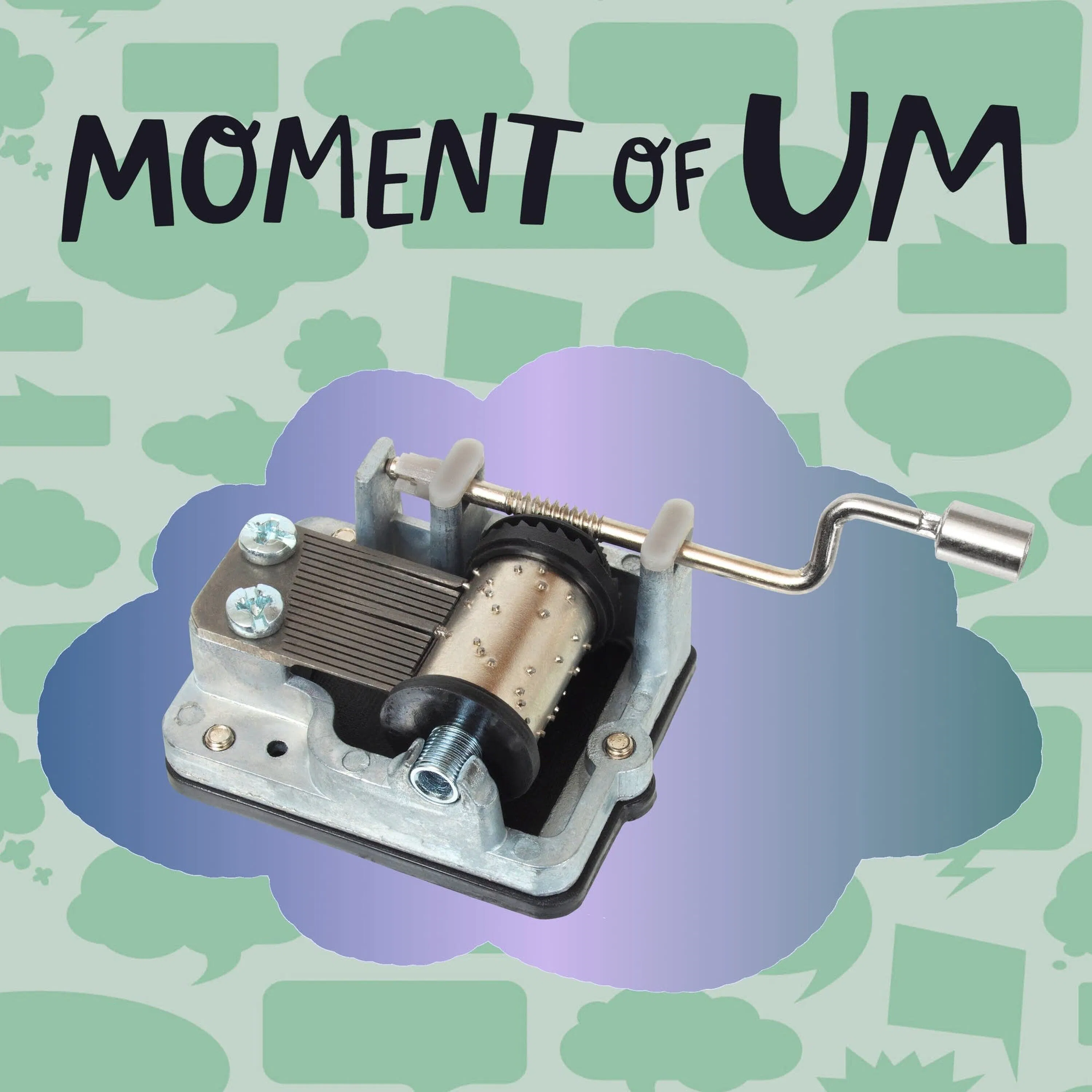
How do music boxes work?
Music boxes are hand-cranked toys that play a tinkly little tune. How do they make their music? We asked music box maker Richard Upchurch to help us find the answer. Got a question that’s making you cranky? Send it to us at BrainsOn.org/contact, and we’ll find a harmonious answer. See omnystudio.com/listener for privacy information.

Why do pugs have such scrunched faces?
Pugs! They’re adorable! The internet loves them for their sassy personalities and squishy faces. But how did the pug’s face get so smushed? Why are pug noses different from terrier sniffers or German shepherd snoots? We asked animal geneticist Jeffrey Schoenebeck to help us sniff out the answer. Got a question that’s right in front of your schnozz? Send it to us atBrainsOn.org/contact, and we’ll find someone who NOSE the answer. See omnystudio.com/listener for privacy information.

How do Magic 8-balls work?
Have you ever played with a Magic 8-Ball? They’re black and white toy balls – but with a twist! People ask the Magic 8-Ball a question, shake it, and it gives you an answer! How do these toys work? And when were they invented? We asked Chris Bensch, head curator of the Strong Museum of Play in Rochester, NY to help us out. Got a question that you’re toying with? Send it to us at BrainsOn.org/contact, and we’ll shake up an answer. See omnystudio.com/listener for privacy information.

How and why do we produce saliva?
Our mouths have a lot going on. They have teeth and a tongue and they help us talk and eat. But what about saliva? It seems important, right? How do our bodies know to make it? We asked otolaryngologist Dr. Laura Orvidas to help us learn all about saliva. Got a question that you just can’t lick? Send it to us at BrainsOn.org/contact, and we’ll help find an answer. See omnystudio.com/listener for privacy information.