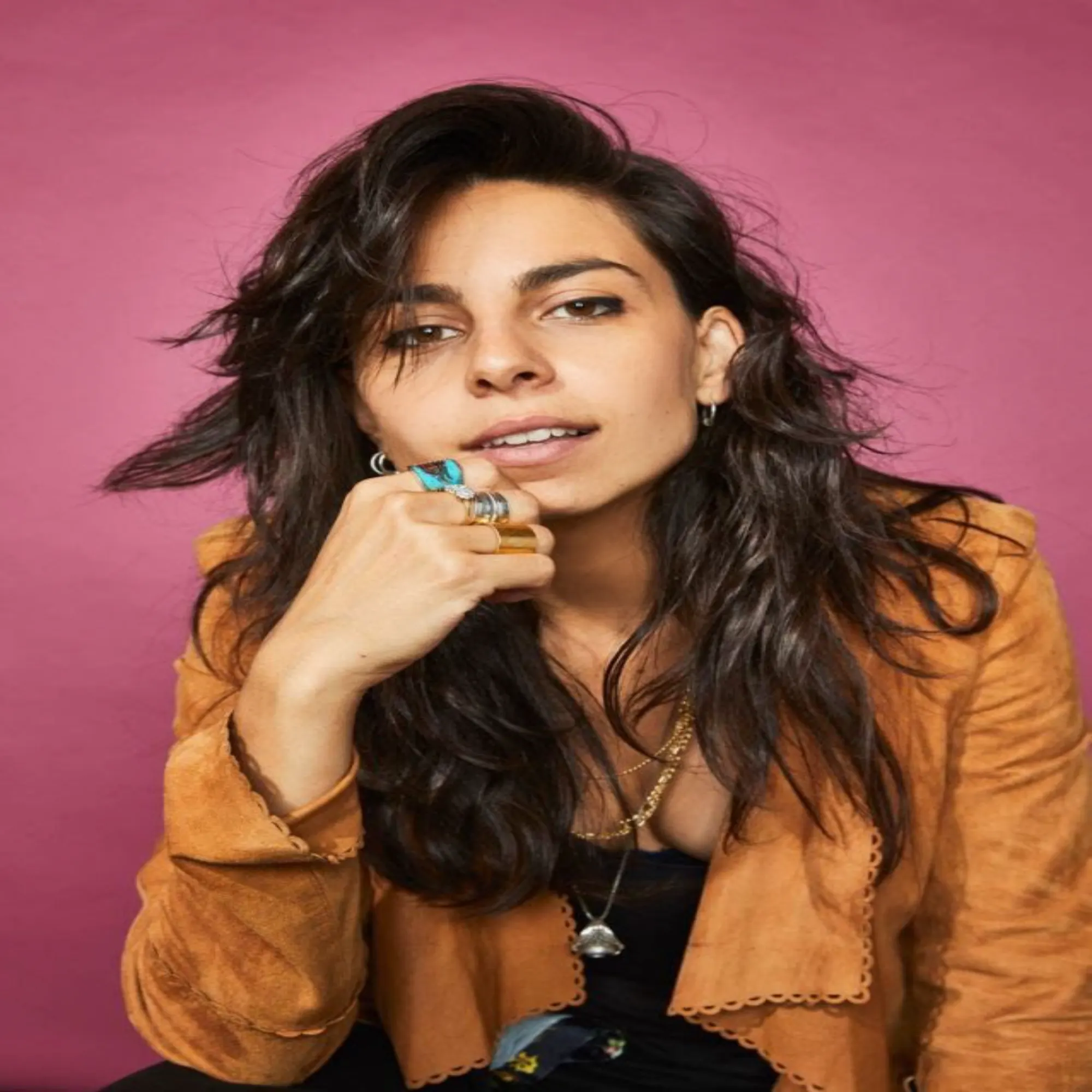
AI Vibes Summit 2024: The New Music Economy
Hey, I'd like to welcome you to another episode of Mission Matters. My name is Adam Torres and today I am live in Santa Monica, California at AI Vibes. This is an amazing event. Tal Navarro and her team put on a spectacular event. And I caught up with Tatiana DeMaria, who was on one of the panels earlier. And I was like, I gotta have her, gotta have her on the show. So first off, Tatiana, how are you doing today? I'm doing well. Thank you. It's a, it's an enjoyable event. Some great speakers. So it's been great so far. Thanks for Tal, to Tal for putting it on. Oh, amazing. Amazing. And what, what was your panel about? It was about AI and creativity, but specifically in music. So AI and music in general. Hmm. But what'd you get out of it? Like for the, for the audience that couldn't make it and that are watching this at home next year come, but what, what'd you get out of it? Well, I think what, what anyone from the public could, could get out of it is a variety of things, because right now, today, people are very, very focused on generative AI. So for example, open AI came out with this with well, large language model, kind of a, an infrastructure that a lot of companies could then say, ah, we can generate a lot of assets in any kind of industry based on this particular model. Right? So we can generate thousands of images. We can generate movies, we can generate music, we can generate. Content from existing content out in the world. And so that's been such a large focus and thousands of AI companies came out based on this one model saying, we can now do this. We can now do this. And so it's very, very fragmented. Our company takes a very different approach. I founded a company called super fanatics. And what we do is we use AI, we use generative AI, but we use predictive AI not to generate. Content of ready existing content because that's, it's great. Yes, we do do some of that on the backend, but a lot of the generative AI is an enhancement, so it can make things easier to source. It can make, if you're, if you're a movie or you have. Videos on YouTube where you're creating content and you want library music and you want it to match the emotion you want it to follow visuals. Great. That can help you source it. So there's a lot of great uses for it. But at the same time, we have a music industry that has massive fucking problems. And so our focus is less sort of on this enhancement and more on the problem solving, which to us is, is much more needed just in terms of our passion and where we like to focus. So what a lot of people don't realize is that. Artists, music artists are the most engaged with celebrities on planet earth. They have a lot of viable assets to sell and they have fans wanting to connect with them, wanting to buy, wanting to come to their shows yet 99. 8 percent of professional musicians are. Earn less than $50,000 a year. Mm. And so most of your favorite musicians are broke and people don't realize this. Mm-Hmm. They're like, you have a hundred thousand followers on Instagram or a million followers. Yeah. And the reason is because right now, these musicians Mm-hmm. Have to become full time entrepreneurs, full time content creators, fight algorithms every day, manage 15 different apps to reach their audience. And so yes, social media has made everything more accessible, but now what you have is musicians. Who every musician that might be professional is on the exact same platform and exact same playing field as anyone in their bedroom who wants to sing on camera, which is fine. That's great. I love that there's that exposure, but when you're actually trying to monetize and live and you have an audience, you have a hundred thousand followers on Instagram, you have real followers. You have people that love your music, but you can't connect to them because the algorithm on Instagram is only showing you to 1 percent of your audience. Hmm. How do you actually monetize? And you're like, but I have all these things to sell and I know my fans want them, but I'll put out a new single and 99 percent of my fans will have no idea I've released it. They won't know I'm playing in their city. And so I have to constantly, constantly be posting. And even then I might reach 10 percent of my audience. So musicians today. Become full time entrepreneurs, full time content creators. They have no more time left to write. They're very stressed about, I have to go viral because I have to reach billions of plays, sorry, billions of people just to get billions. I have to reach billions of people to get millions of streams. To make thousands of dollars. And so that's a huge undertaking, trying to have everyone on earth, see your stuff just to generate thousands of dollars. And that's because for example, we know that Spotify, this is a gross approximation, but for a million plays, we'll play, we'll pay approximately 3, 000. And so if you're an artist that is splitting that with co writers, producers, your management
Mission Matters Business Podcast with Adam Torres
Audio is streamed directly from the publisher (traffic.megaphone.fm) as published in their RSS feed. Play Podcasts does not host this file. Rights-holders can request removal through the copyright & takedown page.
Show Notes
In this episode, Adam Torres and Tatiana DeMaria, Founder of Supafanatix, explore the new music economy and how musicians can participate.
Follow Adam on Instagram at https://www.instagram.com/askadamtorres/ for up to date information on book releases and tour schedule.
Apply to be a guest on our podcast:
https://missionmatters.lpages.co/podcastguest/
Visit our website:
More FREE content from Mission Matters here: https://linktr.ee/missionmattersmedia
Learn more about your ad choices. Visit podcastchoices.com/adchoices