
Show overview
Mighty Finsights has been publishing since 2024, and across the 2 years since has built a catalogue of 53 episodes, alongside 1 trailer or bonus episode. That works out to roughly 35 hours of audio in total. Releases follow a fortnightly cadence.
Episodes typically run thirty-five to sixty minutes — most land between 26 min and 48 min — though episode length varies meaningfully from one episode to the next. None of the episodes are flagged explicit by the publisher. It is catalogued as a EN-language Business show.
The show is actively publishing — the most recent episode landed 2 weeks ago, with 15 episodes already out so far this year. Published by CSTMR.
From the publisher
Welcome to "Mighty Finsights," the podcast where finance meets formidable insights and spirited storytelling. Hosted by fintech and financial services agency CSTMR, this show delves into the stories that shape the world of finance and fintech, brought to you straight from the minds of those who know it best—the innovators, the disruptors, and the trailblazers. Each episode of "Mighty Finsights" is a journey into the heart of financial innovation and personal achievement. We sit down with finance professionals, fintech founders, and visionary leaders to uncover the narratives that are often overshadowed by numbers and charts. From humble beginnings to groundbreaking achievements, our guests share not just their successes, but the challenges and setbacks that have shaped their path in the finance industry. Whether you're a finance professional seeking to glean insights from leaders in the field, a fintech founder curious about the latest trends and technologies, or simply someone fascinated by the stories of grit and perseverance behind successful enterprises, "Mighty Finsights" is your gateway to understanding the complexities and capturing the spirit of the financial world. Join us as we unveil the powerful insights and the incredible people behind them, offering not just lessons in finance, but also in innovation, resilience, and the continuous pursuit of excellence. "Mighty Finsights" is more than a podcast - it's an experience where finance and insight come to life: www.cstmr.com/mighty-finsights-podcast. To be a guest on the podcast: https://cstmr.com/mighty-finsights-podcast-guest/.
Latest Episodes
View all 53 episodesInterview with Sarah Biller: The Appalachian Approach to Fintech Innovation
Interview with Luther Maday: Practicing Risk in the Cockpit and on the Ledger
The CSTMR Team Unpacks Google’s Guidance on AI Search and Building Brand Authority
Interview with Alex Preece: Surviving the Horror of Startup Bankruptcy and Welfare
Interview with Mary Ann Miller: What We Promised the Queen of England
Interview with Dori Yona: Recycling Failed Businesses into New Opportunities
Interview with Charles Rosenblatt: The Javelin Thrower's Guide to Building a Fintech Career
Interview with Colton Pond: The War Fintech Didn’t Win
Interview with Bill Bloom: Lighting Money on Fire and the Quest to Pay off $1B in Consumer Debt
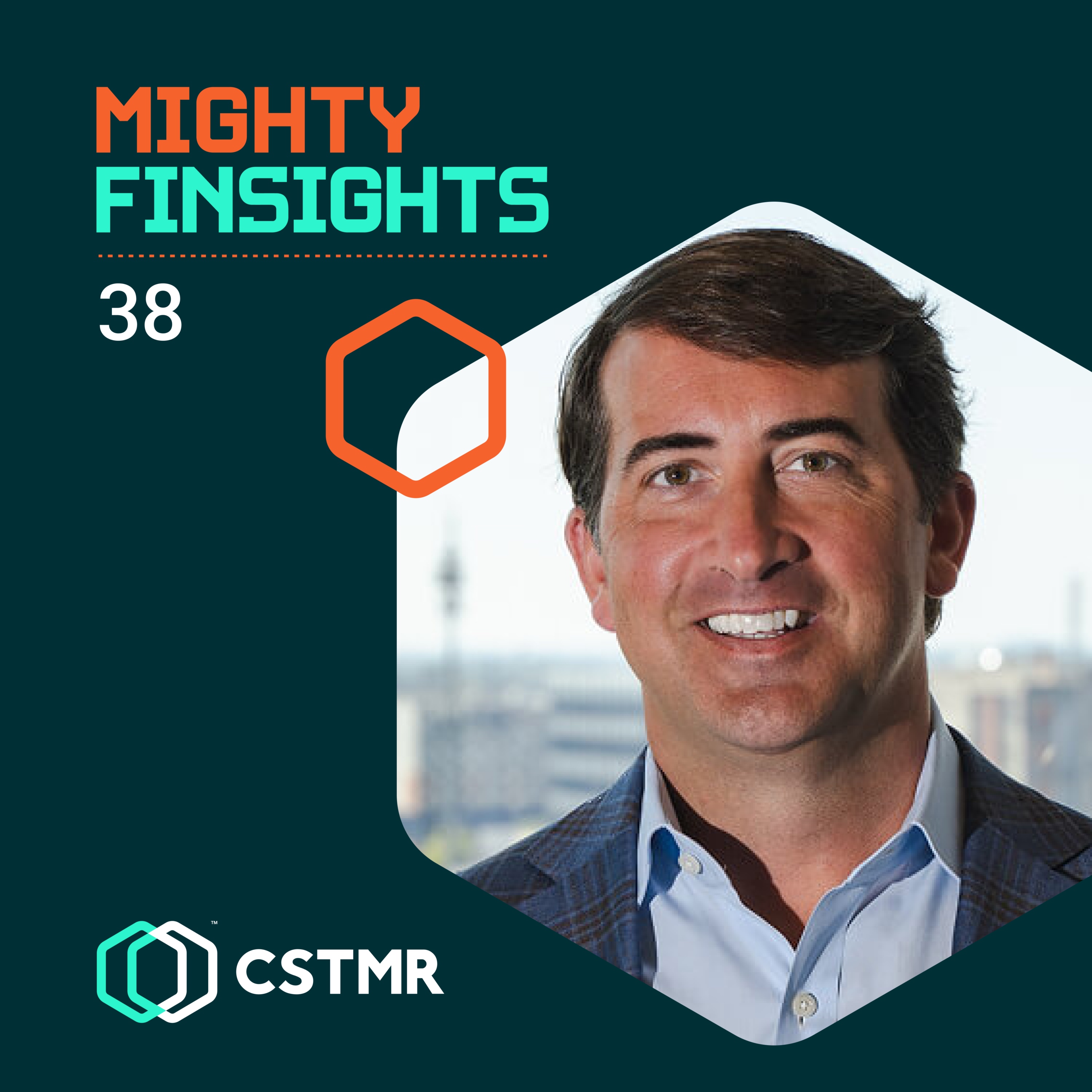
Ep 38Interview With David Benskin: A New Brand, a New Category, the 13-Year Evolution to Connected Intelligence
Host - Rory Holland - cstmr.com - Linkedin: CSTMRInterviewed - David Benskin - wealthaccess.com - LinkedIn: Wealth AccessWant to be a part of the podcast? Contact Rory today!In This EpisodeIn this episode, Rory Holland sits down with David Benskin, the founder and CEO of Wealth Access, to explore the grit required to change the way financial institutions use their data. David reflects on his 13-year journey as CEO, from his early days at Merrill Lynch to navigating the global financial crisis and launching a platform to solve the fragmented data problem plaguing financial institutions, wealth advisors, and clients alike.They discuss the decision to rebrand from a data aggregator to a connected intelligence platform, the vital role of clean data as a foundation for AI, and why technology should empower—not replace—the human element of financial advice. Beyond the boardroom, David shares how coaching his kids in wakeboarding mirrors the responsibilities of a CEO.

Ep 37Interview with Chris Levy: Rising from Intern to CEO in Just Over a Decade
Host - Rory Holland - cstmr.com - Linkedin: CSTMRInterviewed - Chris Levy - pursuitlending.com - LinkedIn: PursuitWant to be a part of the podcast? Contact Rory today!In This EpisodeIn this episode, Rory Holland sits down with Chris Levy, President and CEO of Pursuit, a mission-driven community development financial institution (CDFI). Chris shares his remarkable homegrown journey, rising from a summer intern to the head of the organization in just over a decade.They dive into the discipline required to complete a law degree while working full-time, the strategic decision to rebrand a 70-year-old institution to unify its identity, and Pursuit’s pivotal role in deploying $780 million in PPP loans to small businesses. Chris also reflects on the human side of leadership—balancing a high-stakes career with the transition to first-time fatherhood and the value of embracing tough feedback to grow as an executive.
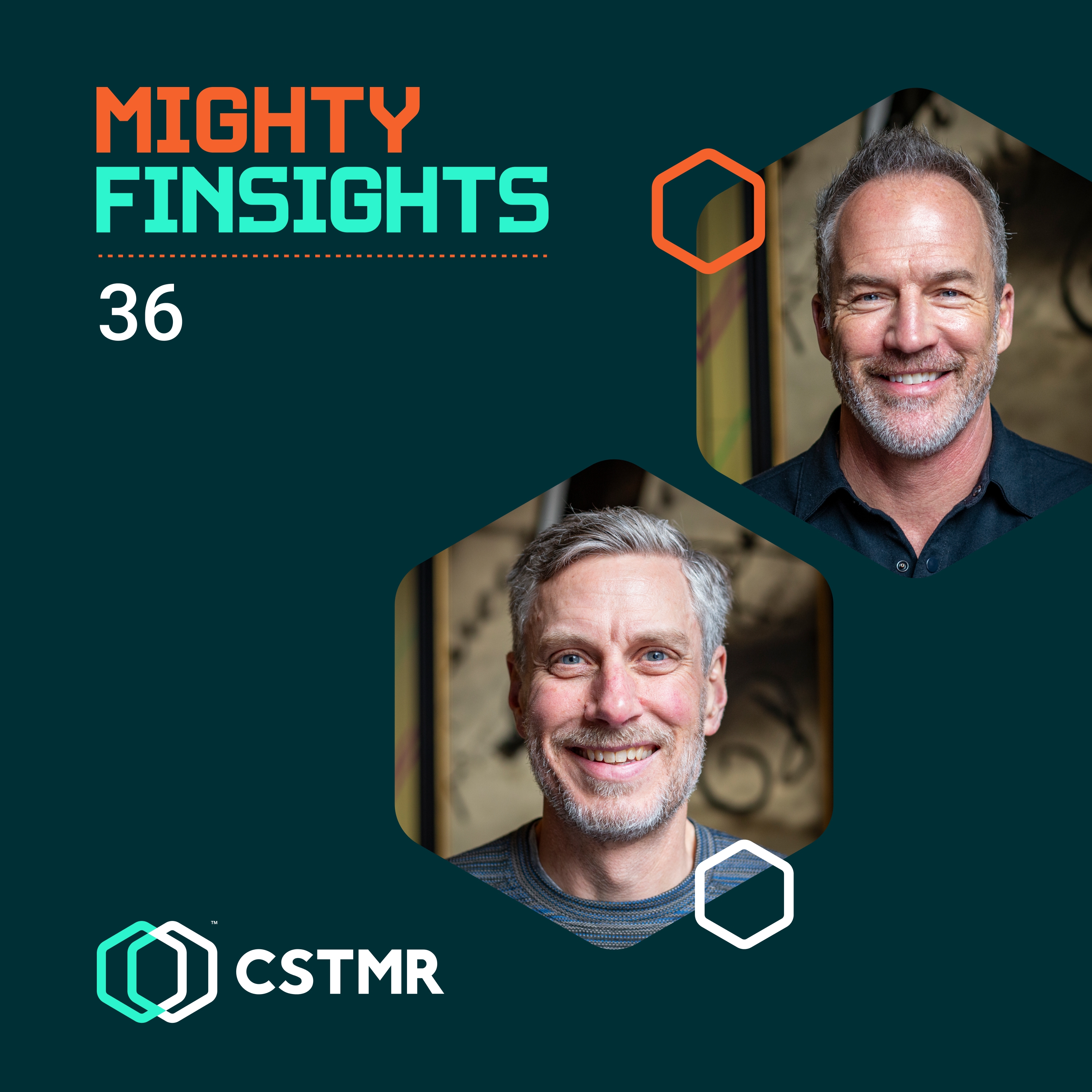
Ep 36Rory Holland and Jack Macy: A Conversation about Choosing the Right Agency and Partnering for the Long Haul
Host - Rory Holland - cstmr.com - Linkedin: CSTMRInterviewed - Jack MacyDownload the Definitive Buyer’s Guide for Hiring a Financial Marketing AgencyWant to be a part of the podcast? Contact Rory today!In This EpisodeIn this special episode of Mighty Finsights, host Rory Holland is joined by CSTMR co-founder and COO Jack Macy to pull back the curtain on the agency selection process. Drawing from decades of experience on both the client and agency sides, Rory and Jack discuss the Agency Buyer’s Guide, which is a strategic framework designed to help fintech and financial services leaders find the right marketing partner. They explore the three essential themes of connection, credentials, and collaboration while identifying the red flags that often lead to failed partnerships. Whether you are scaling a mature business, modernizing a legacy brand, or launching a new product, this conversation provides the practical wisdom needed to move beyond passive execution firms and find a strategic operator invested in your long-term success.
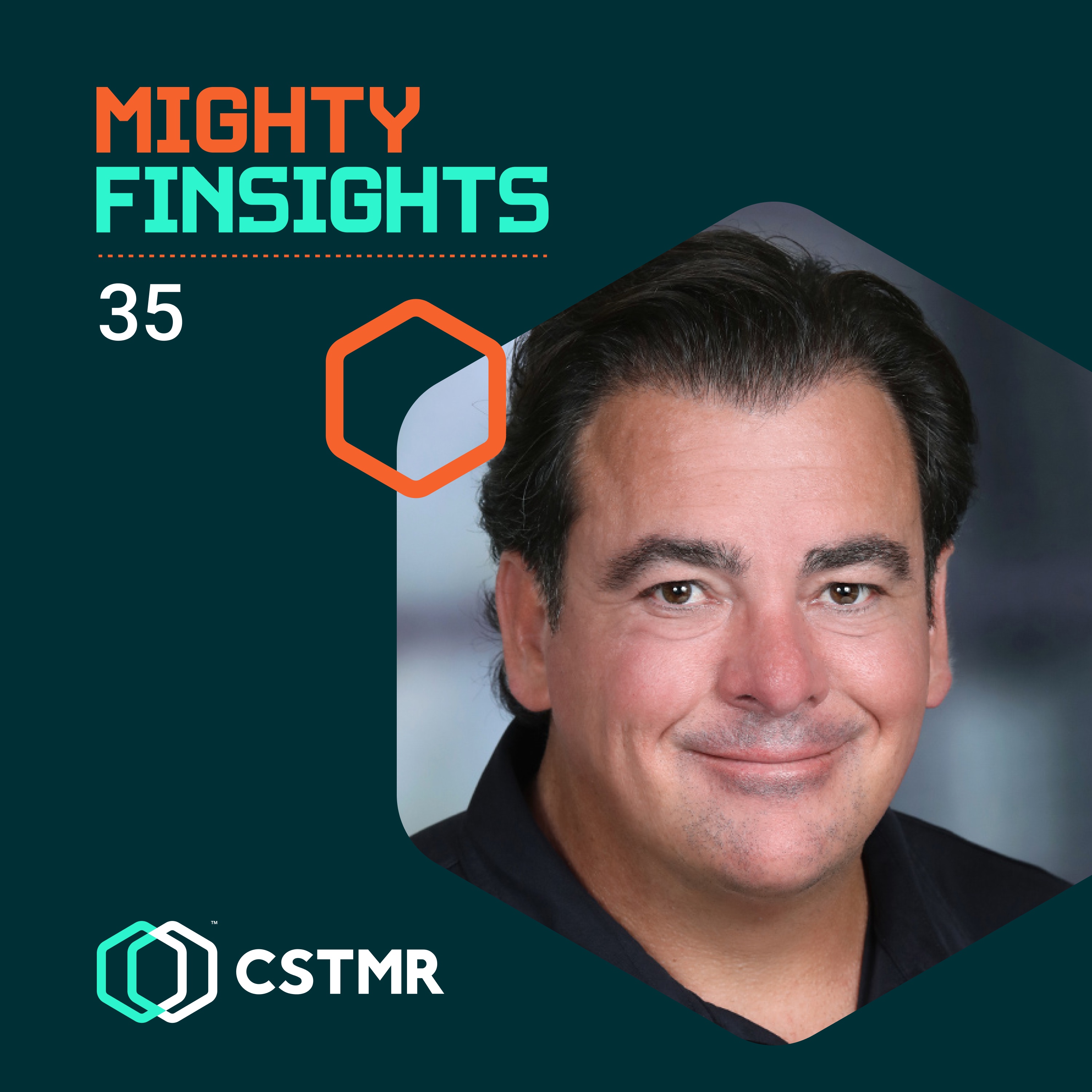
Ep 35Interview with Levi King: From Sign Shop to $100M Founder
Host - Rory Holland - cstmr.com - Linkedin: CSTMRInterviewed - Levi King, Nav.com, LinkedIn: NavWant to be a part of the podcast? Contact Rory today!In This EpisodeIn this episode, host Rory Holland sits down with Levi King, the serial entrepreneur and visionary behind Nav. Levi’s story is a masterclass in building a mission-driven brand, starting with the deeply personal "pact" he made to secure the Nav.com domain to honor a small business legacy. The conversation moves far beyond typical fintech metrics, diving into the "brutal" 360-degree feedback exercise that transformed Levi from a boss into a leader at age 26. He also speaks transparently about his personal journey with mental health and panic attacks, advocating for a leadership style rooted in psychological safety and empathy. From his Main Street roots fixing electric signs to raising $100 million in venture capital, Levi provides hard-won insights on navigating the complex world of business credit and the human side of leadership.

Ep 34Interview with Joey Bouchard: The Insurance Industry Needed a ‘Human+’ Model
Host - Rory Holland - cstmr.com - Linkedin: CSTMRInterviewed - Joey Bouchard, QuoteWellWant to be a part of the podcast? Contact Rory today!In This EpisodeIn this episode of Mighty Finsights, host Rory Holland sits down with Joey Bouchard, Founder and CEO of QuoteWell, to discuss the modernization of the wholesale insurance industry. Joey shares his journey from the high-stakes environment of Palantir to solving the Gordian Knot of insurance quoting. They explore the Human+ model—a philosophy that uses technology to empower brokers rather than replace them. Joey explains the importance of the underdog mindset, the value of choosing applied learning over traditional academia, and why the clearinghouse for risk is ripe for digital transformation. Whether you're interested in insurtech innovation, tactical leadership advice, or the connection between dating and sales Joey’s perspective is well worth a listen.Key TakeawaysThe "Human+" Philosophy: Success in insurtech isn't about total automation; it’s about using technology to remove friction so human brokers can focus on high-value relationships.The Underdog Mindset: Joey highlights how his hatred of losing and intense work ethic—honed as a non-Ivy League recruit at Palantir—drive his success at QuoteWell.Solving the Data Gap: QuoteWell was born from the realization that wholesale insurance lacks standardized data, creating a massive opportunity.Wholesale Insurance as a Clearinghouse: Despite being a legacy sector, wholesale brokers facilitate 25% of commercial transactions, making them a critical infrastructure for the economy.The Power of the Caesura: Joey discusses the importance of "taking a beat" or a pause before making major decisions to ensure clarity and strategic alignment.Applied Learning vs. MBA: Joey explains why he chose a hands-on strategy role at Aon to learn the messy reality of insurance instead of pursuing a traditional graduate degree.Mission-Driven Work: Innovation in insurance isn't just about software; it’s about the real-world impact of ensuring businesses can survive catastrophic losses.Chapters00:00: Young, and Determined02:14: Introduction with Rory Holland03:30: Austin Eateries and Sales Wisdom08:05: The Hunter Mountain ACL Incident11:15: The Palantir "Bootcamp" Experience14:15: Learning Perseverance and Grit17:45: The Decision to Tackle Insurance20:45: Five Countries in Five Days23:30: Niche Expertise as a Career Catalyst25:30: Growing Up in a Pawn Shop28:30: The Pawn Shop Bait Counter and Samurai Swords31:15: A Legacy of Hard Work34:00: Defining QuoteWell and Wholesale Brokerage39:15: Building the "First 30"43:00: Empowering Brokers44:45: Corporate Consolidation vs. The Collaboration Economy49:15: Why Mission Matters53:30: The Ruthless Elimination of Hurry57:30: Connecting with QuoteWell58:33 Closing Remarks with Rory Holland
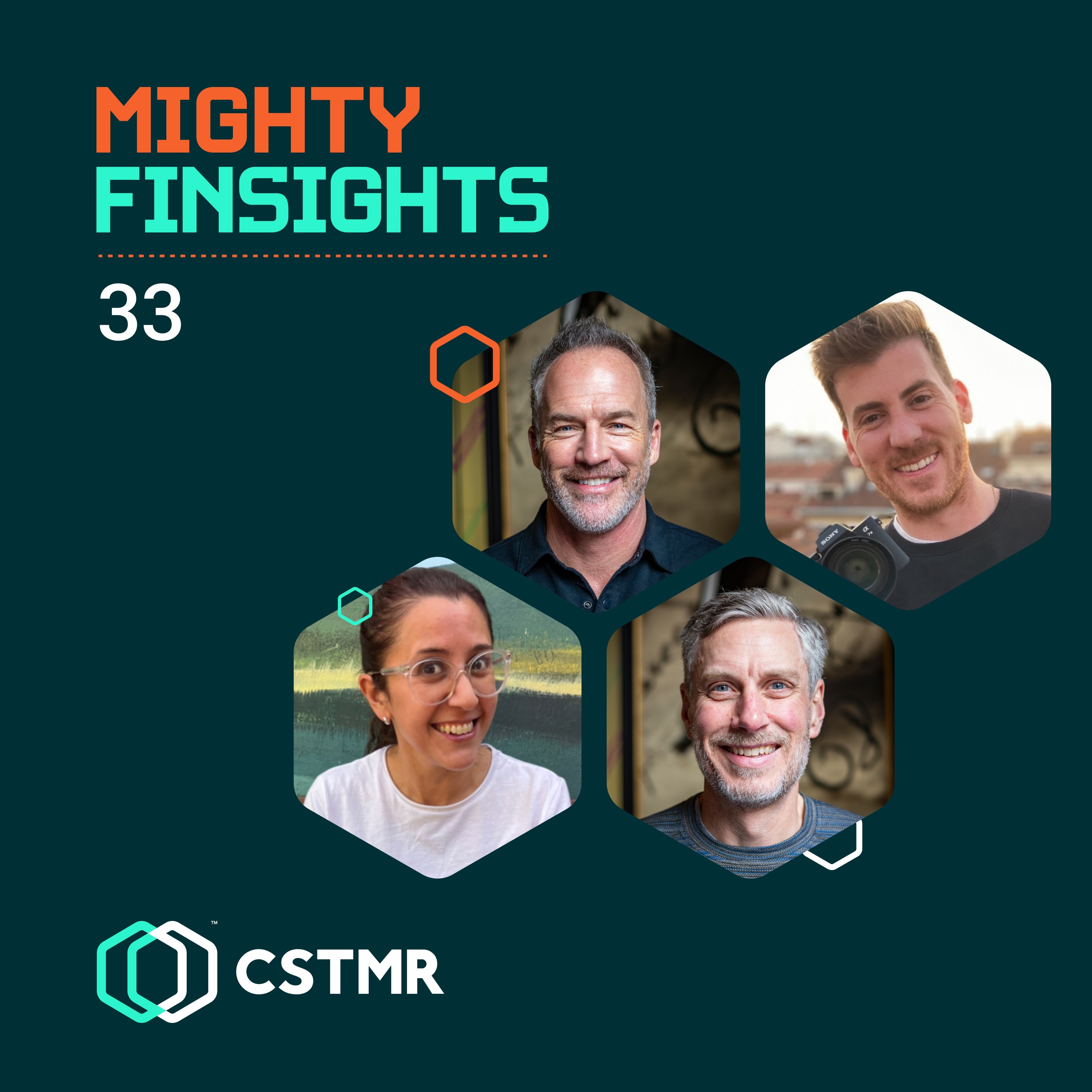
Ep 33Interview with Jack Macy, Brendan Bresnahan and Romina Gomez: Gaining Maximal Visibility in the AI Age
Host - Rory Holland - cstmr.com - Linkedin: CSTMRInterviewed - Jack Macy, Brendan Bresnahan, Romina Gomez Want to be a part of the podcast? Contact Rory today!In This EpisodeJoin Rory Holland and a panel of CSTMR specialists—Jack Macy, Brendan Bresnahan, and Romina Gomez—for a deep dive into the world of digital discovery. As AI tools like ChatGPT and Google’s AI Overviews challenge conventional search tactics, financial brands must shift to a mindset that expands brand visibility across digital channels.In this episode, the team introduces Discovery Optimization, a strategic framework encompassing SEO, Answer Engine Optimization (AEO), and Generative Engine Optimization (GEO). You’ll learn how to leverage your brand’s authority to win in the new AI-enabled ecosystem, why the fundamentals of quality content matter more than ever, and how to protect your brand from channel volatility. Whether you are a fintech founder or a marketing leader, this discussion provides the roadmap for staying discoverable and trusted in the age of artificial intelligence.Key TakeawaysSEO is evolving, not going away: Traditional search remains massive, but it is now part of a larger, more fragmented digital ecosystem that includes AI chatbots and voice search.Total visibility mindset: Brands must stop thinking about "SEO vs. AI" and instead focus on total brand visibility across all possible discovery channels.Understanding SEO, AEO, and GEO: Discovery Optimization integrates Search Engine Optimization (SEO), Answer Engine Optimization (AEO) for AI features, and Generative Engine Optimization (GEO) for citations in tools like ChatGPTFundamentals still fuel consumer discovery: What works for SEO—high-quality, authoritative content—is also what powers success in AEO and GEO.Authority is the gatekeeper: For "Your Money or Your Life" (YMYL) financial topics, showing Experience, Expertise, Authoritativeness, and Trustworthiness (E-E-A-T) is essential to be cited by AI.Consistency across channels: To build trust, financial brands must maintain messaging consistency across their blog, YouTube, press coverage, and community forums.Gen Z is leading the shift: Adoption of AI search is highest among younger demographics, with 76% of Gen Z and younger millennials trusting AI answers over traditional search results.YouTube is a discovery engine: YouTube is increasingly critical, accounting for a significant percentage of impressions and mentions in AI-generated overviews.Chapters00:00 Discovery Optimization and the Evolution of Online Visibility05:55 Navigating the "Acronym Soup" of Modern Search14:20 Owning Your Channels: Why Consistency Is Key for Financial Brands18:40 Gen Z and the Future of Search Preferences23:07 Content for People, Not Machines 28:50 Looking Ahead: The Future of Digital Discovery35:44 Outro
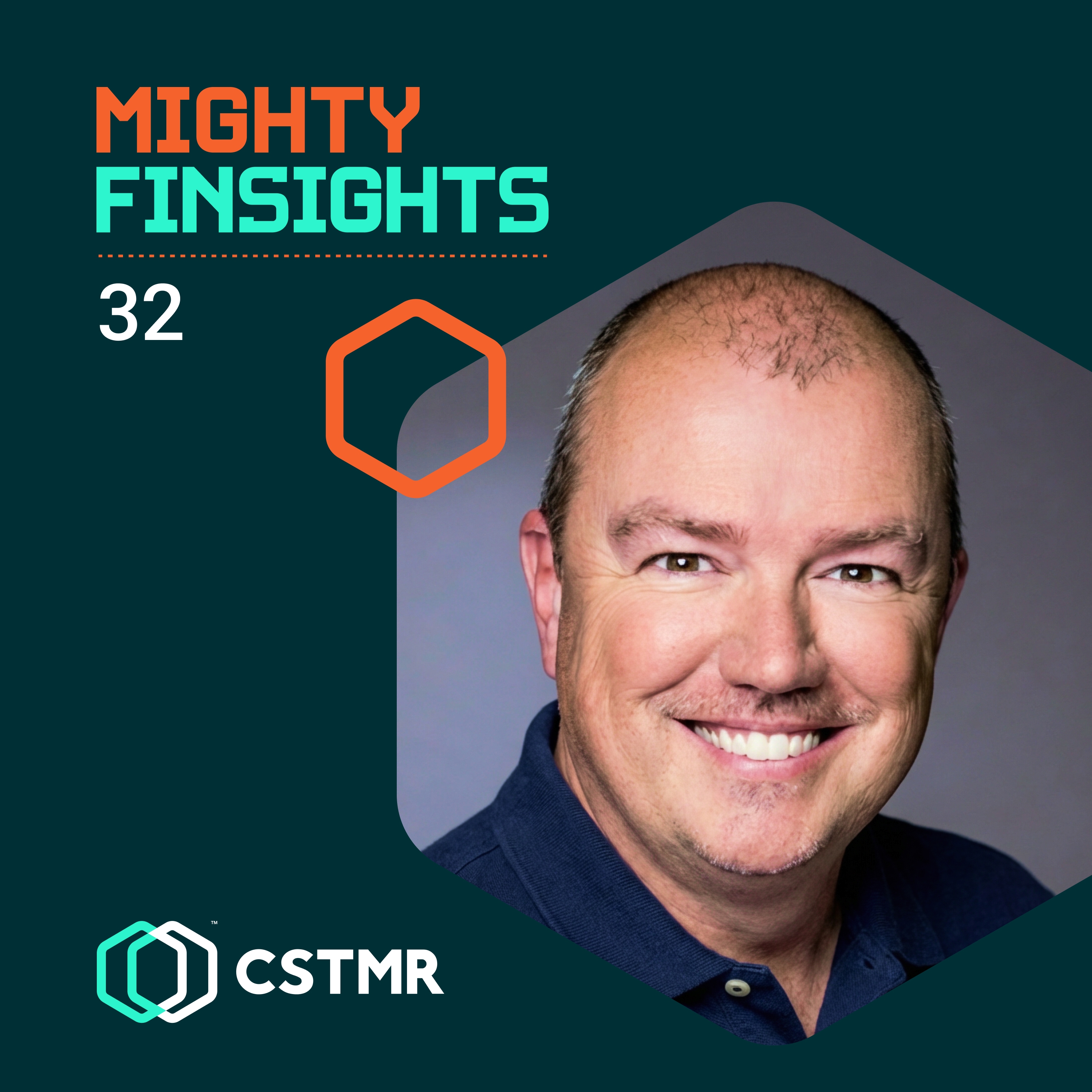
Ep 32Interview with Frank Young: Why Adaptive Leadership Can Save Fintech Firms Millions
Host - Rory Holland - cstmr.com - Linkedin: CSTMRInterviewed - Frank T. Young, Frank’s Substack Want to be a part of the podcast? Contact Rory today!In this EpisodeEpisode 32 of Mighty Finsights features Frank T. Young, strategic advisor, angel investor, and former executive at Google and Global Payments. He joins Rory Holland to discuss what it’s liking building products at some of the biggest names in financial technology. This conversation tackles pivotal moments in payments modernization, including an insider look at why Google Wallet failed to secure a business model where Apple Pay succeeded. Young offers candid analysis on the fundamental culture clash between fast-moving tech and slow, regulated financial institutions, and explains how adaptive leadership is key to navigating that divide. He also shares personal stories—like a piano recital that helped him get hired at Google—and how Kobe Bryant’s Black Mamba ethos influences his approach to consulting.Key TakeawaysThe role of Embedded Fintech: The highest standard of user experience in payments is one that is largely "invisible" (embedded fintech), allowing users to focus on commerce, not transactional complexity.Data vs. Privacy-First Business Models: The fundamental psychological problem for Google Wallet was that bankers did not trust Google with their data, an issue Apple circumvented by positioning itself as the "antithesis of Google" on data.Take the Time to Correctly Define Problems: A critical leadership lesson in consulting is to never misdiagnose an adaptive problem (like cultural readiness for change) as a technical problem.Market Dominance Does Not Equal Brand Recognition: Global Payments, despite massive growth, struggled to establish brand recognition as a "value-added service provider" due to insufficient investment in marketing.The Willingness to Become a Student Again: Young's personal story of a piano recital at age 39—on the day his daughter was born—illustrated the humility and relentless improvement necessary for leadership.Banks Require Technological Consistency: Google's internal "engineering cycle" often led to new teams re-architecting and re-engineering products soon after launch, sometimes hindering operational continuity.Chapters00:00 Introduction and Dunkin' Donuts Discussion01:17 Interview - Start02:23 How Frank Young Ended Up at Google 05:42 Unfolding the Google Wallet Experience08:45 Why Google Wallet Struggled to Gain Traction with Partners12:38 The Philosophy Behind Apple Pay's Rise to Dominance13:50 Rory Holland - Commentary14:20 The Philosophy Behind Apple Pay's Rise to Dominance - Continued15:18 Transitioning from Google to Global Payments19:13 Frank's Decision to Learn Piano at Age 3921:58 Creating the Googley Factor by Living Life Out Loud24:40 Wisdom Earned While Working at Global Payments27:42 Why Brand Recognition Matters So Much in Fintech29:13 Rory Holland - Commentary29:39 Why Brand Recognition Matters So Much in Fintech - Continued30:49 Falling Down the Rabbit Hole of Financial Technology33:14 A Family Passion for Music36:40 The Half-Fast Walking Club39:25 Mamba Mentality and Personal Growth41:48 Bringing Adaptive Leadership into His Consulting Practice44:58 Rory Holland - Commentary45:20 Bringing Adaptive Leadership into His Consulting Practice - Continued51:39 Frank's Angel Investments and Work with Fintech Startups56:40 Insights Into Frank's Current Season of Life58:53 Closing Remarks01:00:30 Interview End
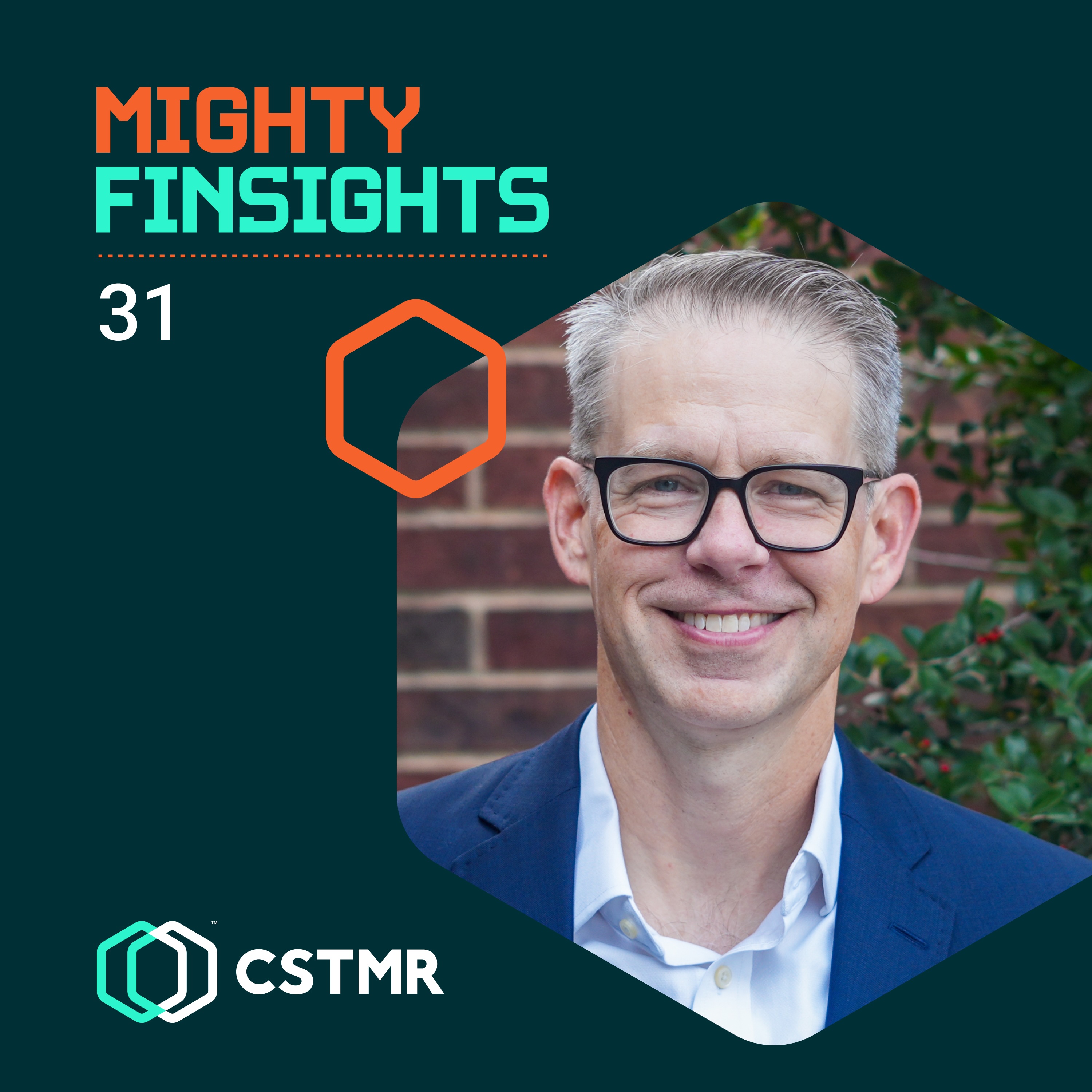
Ep 31Interview with Mike Nellis of Austin Community Foundation: How Community Foundations Can Restore Trust in Philanthropy
Host - Rory Holland - cstmr.com - Linkedin: CSTMRInterviewed - Mike Nellis, Austin Community Foundation - LinkedIn: Austin Community FoundationWant to be a part of the podcast? Contact Rory today!In This EpisodeIn episode 31 of Mighty Finsights, Rory Holland interviews Mike Nellis, CEO of the Austin Community Foundation (ACF), about the pivotal role of community foundations in today's economy and philanthropic landscape. Mike discusses how ACF serves as a "charitable bank" and community endowment, connecting people and resources to tackle issues like housing affordability. They explore the generational wealth transfer and the skepticism younger generations hold toward traditional philanthropy. Learn why ACF is focused on trust-based giving, and how they use flexible capital and deep community knowledge to deploy capital with sustained impact, moving beyond simple transactional giving.Generational Wealth Transfer: A massive transfer of wealth is underway, posing a huge opportunity for organizations like community foundations to help younger generations invest capital meaningfully.Skepticism in Philanthropy: Younger individuals from wealthy families are often skeptical of traditional philanthropy, requiring challenge and guidance on how to use their capital and influence for significant positive change.Beyond Charitable Banking: Community foundations function as both a charitable bank (managing Donor Advised Funds or DAFs) and a permanent community endowment, ensuring capital is available for both today's and future needs.DAFs Offer Flexibility: Donor Advised Funds (DAFs) allow donors to receive a tax deduction today while making gifts over time, offering efficiency and flexibility in charitable giving.Trust-Based Giving: A shift is occurring away from prescriptive giving to a trust-based philanthropic perspective, where funds are invested in high-impact organizations and their leadership, moving beyond focusing on overhead minutiae.Solving Housing Affordability: The Austin Community Foundation is tackling the local housing affordability crisis by providing cheap, fast, and flexible debt to developers to unlock other capital for housing production.Data and Future Relevance: ACF remains relevant by using data to understand regional challenges, which informs their grant-making and long-term strategy, enabling them to meet the community's needs in perpetuity.Living Minimal Is Freeing: Rory and Mike talk about their experiences living in RVs on the road and how those experiences shaped them as people and shaped their relationships with others.Chapters00:00 EP31 - Teaser00:40 EP31 Introduction01:49 The Billionaire Philanthropy Workshop06:00 Skepticism in Philanthropy: The Younger Generation's Perspective07:35 Journey to Austin from the Midwest12:01 Driving from CA to TX13:50 Coffee, Colorado and the Flatirons15:49 Rory Holland - Commentary16:27 Coffee, Colorado and the Flatirons - Continued17:11 What Is the Austin Community Foundation?22:18 Differentiation Community Foundations from Private Foundations24:46 What is a Donor-Advised Fund?27:01 Tackling the Housing Crisis in Austin and Beyond29:56 Rory Holland - Commentary32:11 Tackling the Housing Crisis in Austin and Beyond - Continued35:26 Supporting Artists and Cultural Preservation37:31 The Guadalupe Floods in the Texas Hill Country41:32 Selling Everything to Live Down by the River in an RV43:08 Rory Holland - Commentary43:40 Selling Everything to Live Down by the River in an RV - Continued48:58 The Wealth Transfer and How to Make an Impact54:29 ACF and the Future of Philanthropy57:02 Closing Remarks

Ep 30Interview with Jason Henrichs of Alloy Labs: Why Brand Differentiation Is the Vital Strategy for Community Banks and Credit Unions
Host - Rory Holland - cstmr.com - Linkedin: CSTMRInterviewed - Jason Henrichs, Alloy Labs - LinkedIn: Alloy LabsBook Recommendation: Team of Rivals by Doris Kearns GoodwinWant to be a part of the podcast? Contact Rory today!In This EpisodeJoin us for Episode 30 where host Rory Holland sits down with Jason Henrichs, CEO at Alloy Labs and co-host of the #1 global fintech podcast, Breaking Banks. They dive into Jason's journey, from co-founding Perk Street, an early concept of Banking as a Service (BaaS), to leading community bank innovation at Alloy Labs.They explore the critical role of trust in building financial brands, especially in today's environment. Jason offers frank insights on why many community banks are facing a crisis of identity and brand, as well as how collaboration—like Abraham Lincoln's "Team of Rivals" approach—is key to making the pie bigger. This is a must-listen for anyone curious about the human motivations shaping the future of financial services.Key TakeawaysThe BaaS Origin Story: The early Banking as a Service model (like Perk Street) was driven by a deposit arbitrage to help community banks gather deposits, not just a Dodd-Frank interchange arbitrage.Trust as a Deliverable: Building trust requires real value and delivering on promises. Customers will choose you if you put "meat on the bone" of their expectations.The Anti-Wall Street Brand: In the wake of the 2008 financial crisis, brands could be built on an "anti Wall Street" sentiment, resonating with consumers looking to "take back Main Street".The Community Bank Challenge: Many community banks and credit unions will likely "die" if they don't find a real problem to solve and a unique selling proposition that customers truly value.Deposit Erosion: The consumer deposit base for community banks is aging, and the money of younger consumers is already fragmented across various platforms (like Amazon or pre-funded deposit intermediators).Competing with Scale: Smaller banks struggle to compete with large banks that are now tech-driven (like Chase) and startups (like Chime) that have raised billions in capital.A Portfolio of Bets: Alloy Labs helps banks thrive by focusing on a portfolio of strategic bets—ranging from high-flying problems (like payments via Rebolt) to more mundane necessities (like AI adoption via the AI Action Center).Beyond the Center of Money: Innovation should focus on the "edge of money," recognizing that money is a means to an end (e.g., getting a loan to open a new business location, not for the sake of the loan itself).The Power of Cooperation: The cooperative model (like Land O'Lakes in the dairy industry) can serve as a blueprint for how community banks can collaborate to survive and thrive.Lincoln's Leadership Lesson: Leaders should follow the "Team of Rivals" philosophy to bring forward diverse thought and solve big problems together, rather than protecting their existing "share of the pie".From Desperation to Inspiration: Jason's decision to found Alloy Labs was motivated by the frustration of seeing bankers who were "so f***ed" if they didn't take ownership of their future, leading to the creation of what he jokes is a "giant therapy session" for bank CEOsChapters00:00 EP30 - Teaser00:37 Introduction01:56 Interview Starts - Upbringing, a Gift, and Running08:43 Founding Perk Street and the Birth of Banking as a Service13:05 Building Trust in Financial Services15:39 Rory Holland Commentary16:03 Resume Interview16:42 How Financial Brands Are Dealing with Consumer Distrust18:41 Alloy Labs: Innovating for Community Banks22:59 How Alloy Labs Evaluates Fintech Partners29:25 Telling the Ugly Truth to Community Bankers32:57 Rory Holland Commentary33:19 Resume Interview35:14 What Problems Does Jason Think Are Worth Solving38:59 The Challenge of Differentiating as a Community FI44:03 The Market Is Shifting Under the Feet of Community Bankers48:10 Lessons from History: Leadership and Trust50:46 Rory Holland Commentary51:10 Resume Interview51:50 The Intersection of Entrepreneurship and Stewardship56:20 Abraham Lincoln as Head of People01:00:48 Wisdom from Jason's Current Season of Life01:03:03 Outro
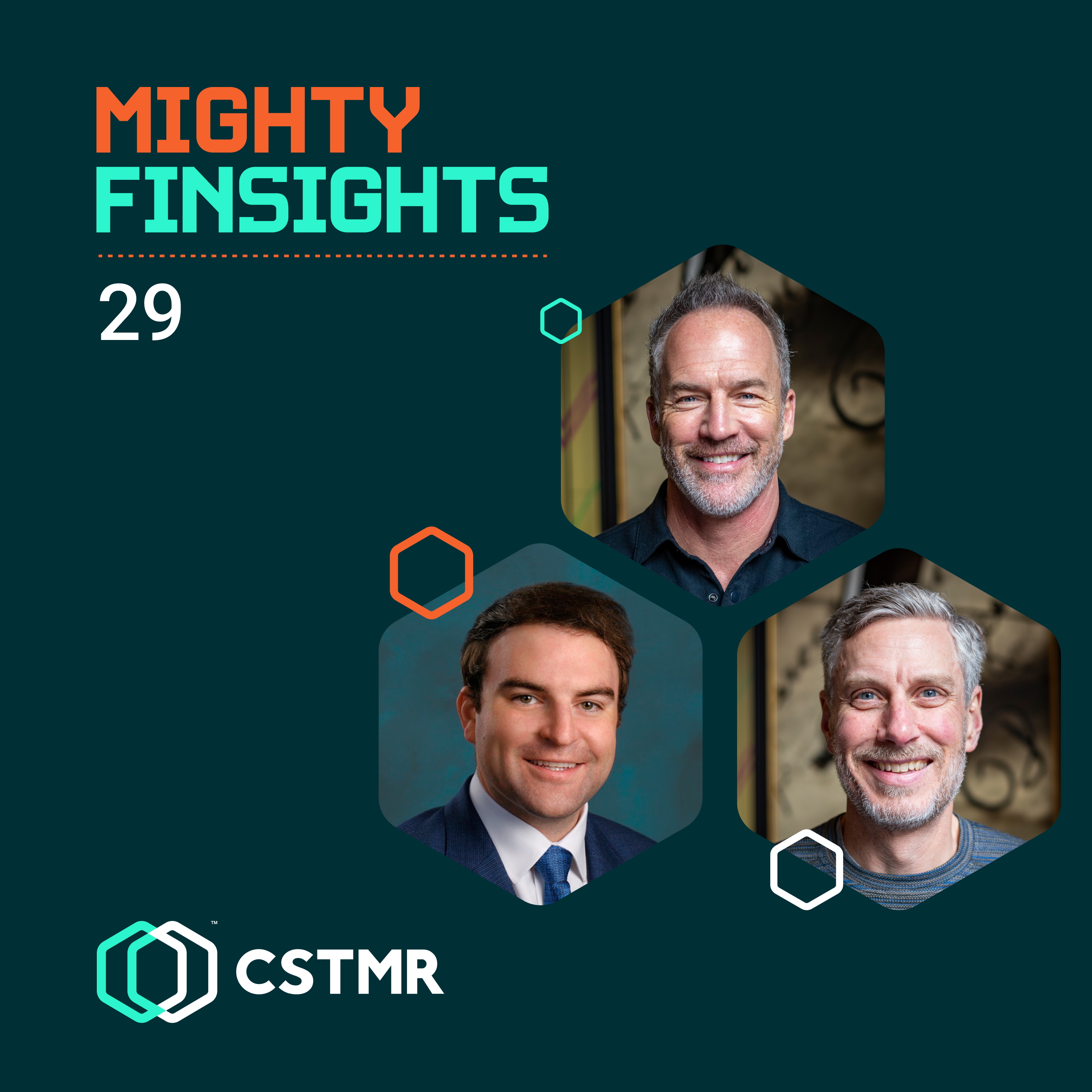
Ep 29Interview with Alex Bates of Dark Rock Cybersecurity: Using SOC 2 to Enhance Your Business, Not Just Manage Risk
Host - Rory Holland - cstmr.com - Linkedin: CSTMRInterviewed - Jack Macy, CSTMR and Alex Bates, Dark Rock Cybersecurity - LinkedIn: CSTMR and Dark Rock CybersecurityWant to be a part of the podcast? Contact Rory today!In This EpisodeJoin us for Episode 29 of Mighty Finsights, where Rory Holland interviews Jack Macy, founder and COO of CSTMR, and Alex Bates with Dark Rock Cybersecurity about the journey CSTMR took to achieve SOC 2 compliance. They explore the importance of SOC 2 for building trust with clients, the challenges faced during the process, and the benefits of being a certified vendor in the financial services industry. The conversation also covers the selection of the right SOC 2 partner and offers advice for organizations considering pursuing SOC 2 compliance, including why it’s helpful to have an expert coach to guide you through the process.Key TakeawaysSOC 2 compliance is an excellent way to improve organizational health and build client trust.CSTMR's proactive approach to SOC 2 is unusual for service-based business, especially agencies.The SOC 2 process helps formalize risk management practices and “harden” security protocols.Data breaches incur significant costs and reputational harm for organizations.Selecting the right SOC 2 partner will make a big difference in your experience and the quality of your results.Investing in compliance should be viewed as a long-term strategy.Training and educating the organization as a whole is key to successful implementation.SOC 2 is a report of compliance, not a “certification.”Chapters00:00 Episode Introduction01:58 Why Did CSTMR Pursue SOC 2?03:58 The Importance of SOC 2 for Professional Services06:09 Challenges in Achieving SOC 2 Compliance09:52 Real-World Security Failures12:57 The Direct Impact on a Brand14:27 The Prevalence of SOC 2 in the Marketing Space16:56 Benefits to CSTMR's Clientele19:48 Selecting the Right SOC 2 Partner22:21 What to Look for in a SOC 2 Vendor24:13 How Playing Competitive Sports Informs Alex's Work29:20 How to Know If SOC 2 Is Right for Your Organization30:28 How CSTMR Tackled the Challenges of Passing SOC 234:07 Unpacking the Gap Analysis35:44 Trust Service Criteria
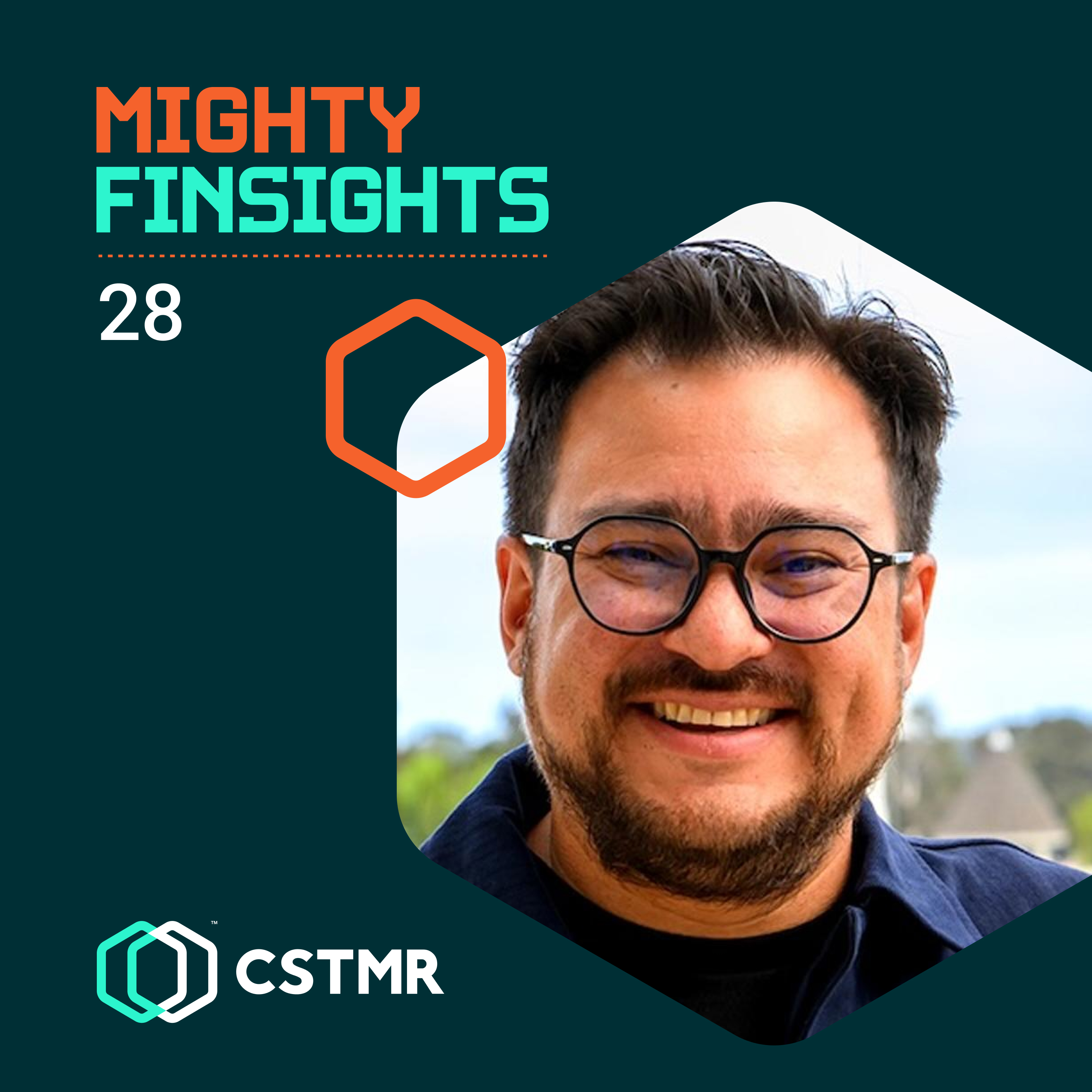
Ep 28Interview with Jorge Garcia of Linker Finance: Solving Commercial Banking Tech the Hard Way and Winning
Host - Rory Holland - cstmr.com - Linkedin: CSTMRInterviewed - Jorge Garcia, Linker Finance - LinkedIn: Linker FinanceWant to be a part of the podcast? Contact Rory today!In This EpisodeJoin us for Episode 28 of Mighty Finsights, where Rory Holland interviews Jorge Garcia, Co-founder and CEO of Linker Finance, about the digital banking needs that community banks have for their commercial clients. Jorge shares his journey from Honduras to the U.S., lessons learned as an internationally competitive swimmer, and how these experiences shaped his entrepreneurial spirit. Jorge also talks about how his relationship with his wife and co-founder has also affected the growth and health of the company overall. The conversation also explores the unique economic role that community banks play in the U.S., how the future could play out for those institutions, and why doing things the hard way can actually be a key to success in a crowded marketplace. Key TakeawaysLinker Finance provides digital banking solutions for commercial banking clients.Jorge's background as an international swimmer instilled a long-term goal mindset paired with skills to execute in the short term. Community banks are responsible for the amazing health of small businesses and the U.S. economyFintech companies are increasingly looking at the commercial banking sector as an opportunity to innovate. Building relationships is key in marketing to community banks.Jorge emphasizes the importance of celebrating small wins in business.Linker Finance aims to connect business banking technology with the needs of community banks.Strategic partnerships are playing a big role in Linker’s next phase of growth.Jorge believes that community banks can thrive with the right technology.The future of fintech is uncertain - it could greatly reduce the role of community banks or it could make them stronger.Chapters00:00 Introduction to Linker Finance02:56 Jorge's Journey from Honduras to the U.S.06:00 The Birth of Linker Finance08:56 Understanding Community Banks and Their Needs12:06 Working With Vault.Bank and Gaining a New Investor14:39 The Impact of Competitive Swimming on Business19:51 Brand Positioning in a Competitive Market21:35 Building Relationships in Business23:45 Spouses and Co-founders: A Match Made in Honduras27:29 The Importance of Community Banks31:12 How Constraint Satisfaction Helps Build Companies34:24 Innovations on the Horizon for Linker36:28 Holistic User Experience in Community Banking40:31 Reframing the Data on Community Banking and Technology45:47 The Essence of Linker: Connection and Innovation