
Mental Health Rewritten
28 episodes
Mental Margins: Schizoaffective Disorder
When Tamika talks about becoming a mother, you can hear how it rewrote her sense of identity. But when her daughter Allegra was later diagnosed with severe depression and psychosis, that identity began to unravel—and reveal something much deeper. Behind the scenes of her family's history was an untreated illness that had already shaped the shoreline: schizoaffective disorder. This episode dives into the space where psychosis meets mood disorder, where reality and emotion overlap in ways that can feel impossible to untangle.
Mental Margins: When Mental Health Crashes Like a Car Accident
bonusIn this Mental Margins segment, we share bonus content and confront a critical question with Jack Register from episode 106: Why do we treat mental health crises differently than physical ones? If someone has a diabetic episode behind the wheel, we rush in with the jaws of life, pull them from the wreckage, and never question their willpower. Yet when a person spirals into suicidality or psychosis, society often steps back—expecting them to "help themselves" before we decide they're worth saving. This conversation dives into the systemic contradictions at the heart of mental health care: The Power and Peril of Diagnosis – Labels like "narcissist" or "histrionic" are tossed around in pop culture as if they're harmless, when in fact DSM and ICD diagnoses can alter the entire trajectory of someone's life. The Hidden Penalties of Honesty – Military members, law enforcement officers, licensed professionals, and those with security clearances risk losing their livelihoods if they disclose certain conditions. Stigma isn't just social—it's structural. The Critical Window of 13 to 24 – The age when schizophrenia, bipolar disorder, and major depression most often emerge—just as young adults are stepping into independence. A diagnosis at this stage can reroute college, housing, and even financial aid, sometimes more drastically than a felony conviction. A Godson's Story – A brilliant 19-year-old with schizophrenia, once bound for Ivy League scholarships, now cycles through homelessness, suicide attempts, and a chaotic care system that changes his medication with each insurance shift—each "fix" spiraling him further from stability. At the heart of this reflection is a haunting metaphor: an emotional car accident. When the crash comes, we too often stand at the roadside, unsure if we're allowed to intervene—when what's needed is decisive, lifesaving action. Background Context: The DSM-5 and ICD-11 both emphasize that mental disorders are defined not only by symptoms but by their impact on functioning and social participation. Yet history shows us how easily labels can be weaponized—from Benjamin Rush's early 19th-century medical pathologizing of "moral" failings to today's casual pop-psychology shorthand of "toxic" or "narcissistic." This segment underscores the moral tension in diagnosis: clinical categories can validate care, but they can also exclude, penalize, or silence those already most vulnerable. In the end, the question remains: If we would pull a stranger from the wreckage of a car without hesitation, why do we hesitate when the crash is invisible, when it is of the mind?
Mental Margins: Director's Cut-Episode 106
bonusA breakdown of episode 106
S1 Ep 6Suicide: Rewriting the Conversation Around Those Who Were Left Behind
In this episode, we explore the aftermath of mental health crises through personal stories and expert insight. Featuring voices of Tamika Christy, Jack Register, and Ashley Holder, the discussion delves into grief after suicide loss, the challenges within mental health systems, and the emotional toll on caregivers and first responders. We also examine how trauma ripples through communities and the evolving ways we memorialize those we've lost online. Key Segments & Topics Grief and Suicide Loss: Author Tamika Christy shares her experience after losing a loved one to suicide, confronting stigma and complicated emotions. The conversation highlights how a suicide's impact ripples outward – one study estimates 135 people are exposed to each suicide death– and how social media profiles of the deceased often serve as "digital gravestones" where friends and family post tributes. Tamika reflects on navigating insensitive questions (like "Do you feel better now that she's gone?") and the journey of healing from trauma as both a loved one and caregiver. Mental Health Systems & Reforms: Jack Register (licensed clinical social worker and mental health advocate) discusses systemic responses to mental illness. He breaks down the rollout of the new 988 Suicide & Crisis Lifeline, which in its first year received about 4 million calls, texts, and chats – a 33% increase from the previous year – and improved answer times to ~35 seconds on average. Jack notes ongoing challenges for 988, including uneven funding and public awareness gaps. The episode also examines California's controversial CARE Court program: a new civil court system that lets judges order treatment plans (medication, therapy, housing) for individuals with severe untreated psychotic illnesses like schizophrenia. Governor Newsom touts CARE Court as a "care-first" solution to help people before they become dangerous to self or others, but disability rights groups argue it violates civil liberties by forcing treatment and potentially fast-tracking noncompliant patients into conservatorships (loss of autonomy). Jack helps unpack this legal framework and the debate between public safety and personal rights. Caregiver Trauma & First Responder Perspectives: Ashley Holder, a first responder and trauma survivor, speaks to the emotional toll of responding to crises and caring for those with severe mental illness. She highlights the often overlooked suicide risk in serious mental health conditions – for instance, individuals with psychotic depression have a higher likelihood of suicide than those with non-psychotic depression, and research shows about 34% of patients with schizoaffective disorder (which combines mood disorder and psychosis) have attempted suicide in the past. Ashley and Jack discuss initiatives like Crisis Intervention Team (CIT) training for police, a 40-hour de-escalation program now adopted by over 2,700 communities nationwide, designed to improve law enforcement responses to people in mental health crisis instead of relying on force. Ashley also opens up about the mental health struggles among first responders themselves – notes that firefighters and law enforcement officers are now more likely to die by suicide than in the line of duty, due to chronic exposure to trauma and stress. The segment underscores the need for peer support, training (like CIT), and systemic change to support both those in crisis and the professionals who help them. Resources & References Golden Gate Bridge Survivor Regrets – All 29 people who survived a Golden Gate Bridge suicide attempt later "regretted their decision as soon as they jumped." (Mental Health First Aid training stat, reported by TeacherToolkit, 2022). Spanish Flu & Suicide Rates – U.S. suicide rates dropped ~24% during the 1918–20 influenza pandemic and then rebounded ~12% higher in the decade after (Chan et al., Prim Care Companion CNS Disord., 2021). This "pulling-together" effect during crises echoes Durkheim's theory of social cohesion. DSM-5 vs. ICD-11 Definitions – Schizoaffective disorder in DSM-5 requires meeting criteria for schizophrenia plus a mood disorder, including at least 2 weeks of psychosis without mood symptoms (to distinguish from depression with psychotic features). ICD-11 takes a cross-sectional approach: the diagnosis is made only when full criteria for schizophrenia and a moderate/severe mood episode are present concurrently (for ≥4 weeks). Psychotic depression is defined as a major depressive episode accompanied by delusions or hallucinations ("mood-congruent" or "mood-incongruent" per DSM-5 specifier). 988 Crisis Lifeline Performance – In its first year (July 2022–July 2023), the 988 Lifeline answered ~4 million contacts (calls, chats, texts), 33% more than the previous year's volume. Average response speeds improved (most contacts in ~30–40 seconds). However, the system faces challenges: many centers rely on short-term federal funds and need sustained state support, public awareness
Mental Margins: Before We Dive Back In
bonusIn this special reflection, Dominic steps away from the usual storytelling format to speak directly with listeners. After the powerful response to Episode 105, where we shared Nia's story, Dominic opens up about the impact that episode had on his own mental health—and why Mental Health Rewritten exists in the first place. He shares the outpouring of messages from listeners who connected deeply with Nia's journey, and how those words of gratitude also brought a heavy reminder: that even in telling these stories, healing is not linear. The weight of these conversations can stir up personal emotions, and sometimes, stepping back is necessary. Dominic talks honestly about his brief hiatus, the importance of decompressing, and how he rediscovered a grounding practice—flying drones—that has helped him regulate, reset, and return with clarity. It's a reminder that even storytellers and advocates need space to breathe. As he prepares to launch Episode 106, Dominic invites listeners to continue walking with him on this journey. Expect more moments of check-ins, reflections, and honest conversations about mental health—not as side notes, but as part of the process itself.
Mental Margins: Three A.M. in Mexico
bonusThe call from the sheriff's office. The Netflix notification from Baja. The 3 a.m. plea for a room. Each detail reads like a breadcrumb trail—fragile, almost surreal—marking the chaos of a loved one's unraveling. What happens when systems meant to protect instead withhold? When family becomes both the lifeline and the witness to an impending collapse? This Mental Margin segment pulls us into that liminal space between presence and absence, where silence from a loved one becomes unbearable, and news delivered at the doorstep turns final. This preview sets the scene for our upcoming full episode of Mental Health Rewritten, releasing September 19th.
Mental Margins: Layers of Suicidality in the Hijacked Mind
bonusThis Mental Margins bonus segment expands on Episode 105: Rewriting the Conversation Around Suicide. In the full episode, we heard Ashley-Lauren Elrod's powerful story of surviving prolonged suicidal ideation. Here, Tina Aggarwal offers additional commentary that did not make it into the main release—breaking down the complex, overlapping forces that can drive someone toward a suicide attempt. Tina emphasizes a critical truth: suicidality is never the result of a single factor. Instead, it emerges from a combination of influences—mental illness, racial trauma, childhood sexual trauma, chronic health challenges, isolation, and substance use. She describes how these stressors accumulate over time, leading to months of persistent suicidal thoughts before a person reaches a breaking point. Her most haunting insight is the metaphor of the hijacked mind: when suicidality reaches its peak, the brain enters a trance-like state where the individual feels pulled toward one singular mission—ending their life. At that stage, intervention is nearly impossible, which is why communities must act long before someone reaches this point of no return. This bonus reflection underscores the urgency of early intervention and compassion, reminding us that suicide prevention is not just about crisis response—it's about recognizing the warning signs and creating safety long before the mind is hijacked. 👉 If you or someone you know is struggling with suicidal thoughts, dial 988 in the U.S. for the Suicide & Crisis Lifeline. You are not alone, and help is available.
Mental Margins: The Anchor in the Dark
In this segement of Mental Margins, we share two perspectives on the hidden weight of high-functioning pain. First, trauma therapist Denise D. Moore shares a testimonial and reflects on dismantling the "strong Black woman" stereotype—reminding us that while not every story ends with a cure, every story can still carry meaning. Then, from Episode 105: Rewriting the Conversation Around Suicide, we check in with Nia—the friend who remembers every birthday, keeps the group chat alive, and always shows up for everyone else. From the outside, she's the glue holding her circle together. Inside, she's carrying storms she's never named.
Mental Margins: Major Depressive Disorder
In this week's Mental Margin, we step back from the noise and dig deep into Major Depressive Disorder (MDD)—not just as a diagnosis, but as a lived experience. With over 700,000 lives lost to suicide annually, understanding MDD isn't just clinical—it's critical. We explore how Major Depressive Disorder manifests beyond sadness: in executive dysfunction, in physical exhaustion, in a feeling of cognitive suffocation.
S1 Ep 5Suicide: Rewriting the Conversation Around Suicide
In this episode of Mental Health Rewritten, we tackle the subject of suicidal ideation with care, nuance, and urgency. Through a combination of real survivor stories, fictionalized scenes, clinical insight, and historical framing, host Dominic Lawson guides listeners through what it means to live on the edge of despair — and what it takes to survive it. We hear the stories of: Nia, a high-functioning professional whose emotional unraveling is invisible until it's too late. Ashley-Lauren, a survivor navigating abuse, chronic illness, and a suicide attempt that ultimately catalyzed her healing. Sean, a veteran who faced combat trauma, alcoholism, and stigma in the military before becoming a suicide awareness trainer. Vernon, a comedian whose laughter masks a legacy of trauma dating back to childhood — and who now saves lives one conversation at a time. Clinician Tina offers expert insight on how we understand suicidal ideation, the brain's escape mechanisms, and the ripple effects of silence. The episode reframes suicide not as a selfish act, but as a signal — one we must learn to recognize with compassion, not judgment. Key Themes The Diathesis-Stress Model as a framework for understanding breakdowns under compounded trauma The language of suicide and why shifting from "committed suicide" to "died by suicide" matters The invisibility of high-functioning depression and what it means to check on the "strong" ones The interplay of PTSD, survivor's guilt, and stigma within veteran communities The power of disruption — how a call, a laugh, or a knock at the door can save a life The legacy of silence, especially in BIPOC and male communities, where vulnerability is often punished or pathologized Mental Health Rewritten, created by the OWLS Education Company, in collaboration with theUmmah Collective Group is hosted, written and produced by me, Dominic Lawson Executive Producers Kenda Lawson and Dr. Whitney Howzell Cover art was created by Alexandria Eddings of Art Life Connections. Some music was provided by DJ Krate Digga of the Mighty SoundChampz Crew Sources Cited Global Suicide Statistics World Health Organization. (2021). Suicide worldwide in 2019: Global health estimates. Geneva: WHO. Youth Suicide Rankings World Health Organization. (2021). Suicide: Key facts. Terminology ("Died by Suicide" vs. "Committed Suicide") American Foundation for Suicide Prevention. (n.d.). Recommended language about suicide. National Alliance on Mental Illness. (n.d.). Suicide. Great Depression Suicide Spike Centers for Disease Control and Prevention (CDC). (1999). Historical Statistics on Suicide in the U.S., 1900–1999. Liu, Y. (2004). Macroeconomic conditions and suicide rates in the United States. American Journal of Public Health, 94(5), 768–773. Prevalence of Suicidal Ideation Nock, M. K., Borges, G., Bromet, E. J., et al. (2008). Cross-national prevalence and risk factors for suicidal ideation, plans and attempts. The British Journal of Psychiatry, 192(2), 98–105. Major Depressive Disorder (MDD) Diagnostic Criteria American Psychiatric Association. (2013). Diagnostic and statistical manual of mental disorders (5th ed.) (DSM-5). Washington, DC Ingram, R. E., & Luxton, D. D. (2005). Vulnerability-Stress Models. In B. L. Hankin & J. R. Z. Abela (Eds.), Development of Psychopathology: A Vulnerability-Stress Perspective (pp. 32–46). SAGE Publications. Veteran Suicide Data U.S. Department of Veterans Affairs. (2023). 2023 National Veteran Suicide Prevention Annual Report. Military & Digital Suicide Prevention Tools U.S. Department of Veterans Affairs. (n.d.). REACH VET: Recovery Engagement and Coordination for Health – Veterans Enhanced Treatment. O'Reilly, K. B. (2018, Oct). How AI is helping detect and prevent suicide. American Medical Association (AMA). Murder-Suicide Case (Bay Area, 2024) Gafni, M. & Baum, G. (2024, Feb 28). Former Meta employee kills wife, twin sons, self in San Mateo. Mercury News. Domestic Violence and Suicide/Homicide Risk Campbell, J. C., et al. (2003). Risk factors for femicide in abusive relationships: Results from a multisite case control study. American Journal of Public Health, 93(7), 1089–1097. Listener Resources If you or someone you know is struggling with suicidal thoughts, you are not alone. Help is available. 988 Suicide & Crisis Lifeline (USA) – Call or text 988 any time, day or night https://988lifeline.org Veterans Crisis Line – Call 988, then press 1 https://www.veteranscrisisline.net Crisis Text Line – Text HOME to 741741 https://www.crisistextline.org The Trevor Project (LGBTQ+ youth support) – Call 1-866-488-7386 or text START to 678678 https://www.thetrevorproject.org National Alliance on Mental Illness (NAMI) – https://www.nami.org/help
Mental Margins: The Cost of Silence
In this segment from episode Starting The Conversation Around Sexual Anorexia, we begin with what looks like a familiar path—trauma responses—but quickly uncover a deeper, more insidious truth: how intimacy, when distorted by early harm, can turn into a war zone. Janet's story isn't just about survival. It's about expectation, submission, and the silent cultural scripts many women are forced to internalize about marriage, sex, and safety.
Mental Margins: Janet Bentley Discussing Intimacy and Shame
bonusIn this deeply personal bonus segment from Episode 104 Starting The Conversation About Sexual Anorexia, we hear more from Janet Bentley, a woman navigating the silent emotional toll of sexual anorexia within her marriage. What begins as a quiet irritation toward her partner, Simon, unravels into a poignant reflection on internalized shame, intimacy avoidance, and the emotional impact on those who love us. She courageously details her struggle to name what she was experiencing, her relief in discovering Patrick Carnes' work on the sexual addiction spectrum, and the painful vulnerability of sharing that journey with her partner.
Mental Margins: Female Sexual Interest/Arousal Disorder
In this segment, Janet reflects on her lifelong struggle with intimacy and the emotional walls built from trauma, exploring the complex relationship between Female Sexual Interest/Arousal Disorder (FSIAD) and sexual anorexia—two conditions often conflated but profoundly distinct. Perfectionism as Protection: Janet shares how perfectionism, an unhealthy coping mechanism, became her shield from past trauma, providing control while distancing her from deeper emotional wounds. Terror of Intimacy: Janet vividly describes the escalating fear that intimacy evokes—initially sexual, but eventually manifesting in everyday acts like holding hands or engaging in emotional conversations. Survival vs. Connection: Janet's story reveals a heartbreaking paradox where her greatest desire—intimacy—is also her greatest fear, trapping her in profound loneliness even within marriage. Clinical Insights (Host Reflection): The segment explores the clinical perspective, highlighting how FSIAD in the DSM-5 categorizes a lack of desire or arousal biologically and culturally, yet often fails to capture the lived reality of trauma survivors. Beyond the DSM: Janet's narrative underscores how clinical terms like FSIAD may fall short, illustrating a gap between diagnostic categories and real-world experiences, especially when trauma is central. Understanding Through Listening: The episode emphasizes the importance of validating individual experiences and listening deeply to understand mental health challenges beyond conventional frameworks. Female Sexual Interest/Arousal Disorder (FSIAD), according to DSM-5, is specifically defined around desire and arousal issues experienced by those assigned female at birth, combining two previous diagnoses (low desire and arousal issues) into one. Sexual anorexia, although not officially recognized in the DSM-5 or ICD-11, focuses on an intense fear-driven avoidance of intimacy, distinctively linked to trauma rather than simply desire or arousal issues.
S1 Ep 4Sex: Starting the Conversation Around Sexual Anorexia
Kyle sits awake at 2 AM, the glow of his laptop revealing a single word in the search bar: "avoidance." He scrolls past harsh phrases like fear of intimacy and sexual withdrawal that feel like accusations. Then one term stops him—"sexual anorexia." For the first time, he wonders: What if I'm not broken, but scared? And what if scared has a name? This episode of Mental Health Rewritten explores the little-discussed realm of sexual anorexia, a term for fear-driven intimacy avoidance often rooted in trauma. Though not officially listed in the DSM-5, sexual anorexia is a profoundly real experience, marked not by mere disinterest but by an instinctual, protective shutdown of the body and emotions in the face of intimacy. It's a concept that can help survivors put a name to what was once shrouded in shame. Narrative storytelling and expert insight intertwine as we follow Kyle's journey and others like him. Survivor Janet Bentley shares her struggle with physical closeness after sexual abuse, describing how discovering the term sexual anorexia transformed her self-understanding from silent shame to shared understanding. Janet's personal account — from feeling isolated and "broken" to finding hope in healing after sexual abuse — illustrates the power of naming trauma and seeking support. Her experience led her to found the Courageous Survivors nonprofit, creating a safe space for those with similar stories. Renowned clinician Dr. Alexandra Katehakis offers compassionate commentary on why the mind and body respond this way. She explains how deeply embedded trauma can hijack the nervous system (drawing on the Polyvagal Theory of Dr. Stephen Porges) and cause a fight, flight, or freeze response during intimacy. Listeners learn how the body may literally shut down or go numb when triggered — not as dysfunction, but as the nervous system's attempt to feel safe. Dr. Katehakis discusses somatic healing techniques and the slow rebuilding of safety, trust, and consent in a relationship, highlighting the neurobiology behind why "the body remembers what the mind wants to forget." The episode also explores how these trauma responses fit (or don't fit) into clinical labels. We delve into Female Sexual Interest/Arousal Disorder (FSIAD), the official diagnosis for low sexual desire in women, and why such labels often fail to capture the nuance of trauma-related intimacy avoidance. This discussion shines light on the inadequacy of one-size-fits-all diagnostic terms when intergenerational shame and personal trauma histories are involved. By blending Kyle's fictional story, Janet's real-life testimony, and Dr. Katehakis's scientific expertise, the narrative challenges the stigma around sexual avoidance. Intimacy avoidance born from trauma is recast not as a life sentence of dysfunction, but as a protective response that can gradually be understood and healed. Join host Dominic Lawson in this conversation that destigmatizes sexual anorexia and offers hope for trauma recovery. From the quiet pain of avoidance to the slow steps of reconnection, Mental Health Rewritten invites you to reconsider intimacy after trauma through a new lens — one of empathy, understanding, and the radical act of naming our truth out loud. This episode is a compassionate guide toward healing after sexual abuse, reminding listeners that what feels like "brokenness" can, in time, become a story of courage and reconnection. Mental Health Rewritten, created by the OWLS Education Company, in collaboration with theUmmah Collective Group is hosted, written and produced by me, Dominic Lawson Executive Producers Kenda Lawson and Dr. Whitney Howzell Cover art was created by Alexandria Eddings of Art Life Connections. Some music was provided by DJ Krate Digga of the Mighty SoundChampz Crew Major Themes Covered Understanding Sexual Anorexia: Defining sexual anorexia as an extreme fear of sexual intimacy and compulsive avoidance of sex, viewed through a trauma-informed lens rather than as mere lack of desire. Intimacy as a Triggering Threat: How past sexual abuse or deep-seated shame can make intimacy avoidance a self-protective response, with the body's nervous system instinctively shielding the survivor (e.g. freezing or shutting down during closeness). Personal Story of Recovery: Janet Bentley's candid account of her journey healing after sexual abuse – from decades of feeling alone with intimacy fears to discovering the term sexual anorexia and finding empowerment in naming her experience. Expert Insight and Somatic Healing: Dr. Alexandra Katehakis's commentary on trauma and the body – discussing Polyvagal Theory, somatic therapy, and how understanding the neurobiology of trauma (e.g. fight/flight/freeze responses) can inform gentle healing and the rebuilding of trust and consent in relationships. Beyond Diagnostic Labels: An exploration of clinical terms like Female Sexual Interest/Arousal Disorder (FSIAD) and why such diagnoses may fall short. The conversation highli
Mental Margins: Internal Barriers & OnlyFans Reveal
bonusIn this special reflection episode of Mental Health Rewritten, host Dominic Lawson celebrates 40 days of the podcast's journey with over 1,000 subscribers and nearly 13,000 downloads. Dominic shares heartfelt gratitude for listeners' impactful messages, highlighting how powerful storytelling can transform conversations about mental health. Listeners discover the deliberate use of the gentle chime within episodes—a signal indicating insights grounded in respected clinical texts, DSM-5 and ICD-11, ensuring a balance of accuracy, clarity, and empathy. Bonus Content Highlights: Dr. Justin Dodson offers additional commentary from Episode 102: "Rewriting the Conversation Around Pornography," deepening the exploration of Gio's compelling story and the complexities surrounding pornography's impact on mental health. Gio's Personal Revelation: Listeners experience an intimate and candid moment as Gio explains his involvement in OnlyFans to his ex-girlfriend and mother, revealing the nuanced emotional landscape behind personal choices and societal judgment. Mental health is everyone's conversation. Through empathy, accuracy, and courageous storytelling, Mental Health Rewritten continues reshaping our understanding, breaking stigma, and fostering essential dialogue.
Mental Margins: Sex Education & Understanding Predators
In this segment from episode 103, Rewriting The Conversation Around Sexual Assault, psychotherapist Havi Kang explores how societal perceptions around trauma, sexual assault, and mental health are evolving, highlighting the influence of movements like #MeToo and increased online dialogue. Dr. Justin Dodson joins the conversation to discuss the significant impacts when education about sexual health and trauma is suppressed, illustrating consequences from personal and professional perspectives.
Mental Margins: Trauma
In this segment, host Dominic Lawson pauses the narrative to ground the discussion in clinical reality. With the term "trauma" now widely used in cultural and digital discourse, this segment brings clarity to its true clinical definitions, as outlined in the DSM-5 and ICD-11. The conversation reframes trauma not just as catastrophic events but also as chronic, cumulative experiences—what clinicians call "small t trauma. Why It Matters: This segment reinforces our mission to rewrite mental health narratives by ensuring that language, especially around trauma, is used responsibly and compassionately. It's a call to acknowledge lived experiences, even when they don't fit the stereotypical mold of trauma.
Mental Margins: Men, Shame, and Assault
In this segment of Episode 103, "Rewriting the Conversation Around Sexual Assault," Mental Health Rewritten explores the often-overlooked experiences of men who have survived sexual violence. With poignant insight from Havi Kang and Dan Woerheide, the episode challenges pervasive myths that silence male survivors and hinder healing.
Mental Margins: Complex PTSD
In this segment, hosts Dominic Lawson and Dan Woerheide explore the enduring psychological toll of sexual assault, turning their focus to Complex PTSD (C-PTSD). Dan reflects on the harrowing process of forensic exams for survivors—a clinical necessity that often reactivates trauma. Despite the compassion of SANE (Sexual Assault Nurse Examiner) professionals, the experience underscores how systemic procedures can inadvertently retraumatize those they've been designed to help. Dominic introduces listeners to the concept of Complex PTSD, a diagnosis that goes beyond the acute symptoms of traditional PTSD. Unlike PTSD, which often follows a single traumatic event, Complex PTSD emerges from chronic, inescapable trauma—such as childhood abuse, captivity, or intimate partner violence. Dominic also touches on the lack of formal recognition for C-PTSD in the DSM-5, where it is instead often subsumed under the ambiguous category of "Other Specified Trauma- and Stressor-Related Disorder." This gap reflects an ongoing debate in psychiatry but presents real challenges for survivors seeking validation and appropriate care. Through Dan's testimony and Dominic's clinical context, this segment underscores Mental Health Rewritten's mission: to elevate hidden narratives, question institutional frameworks, and humanize the psychological aftermath of trauma.
S1 Ep 3Sex: Rewriting the Conversation Around Sexual Assault
EIn this powerful and necessary episode of Mental Health Rewritten, we open with a deceptively simple question: "Is this sexual assault?" From that moment forward, we begin a journey that challenges long-held beliefs about consent, trauma, and silence, especially when the abuse doesn't look the way we expect it to. At the heart of this episode is Maria, a fictional composite of real stories. We explore the types of harm that don't come through force, but through the absence of consent, emotional pressure, or the quiet rewriting of boundaries inside long-term relationships. But Maria's story is just the beginning. We're also joined by Ashley-Lauren Elrod, a survivor whose candid testimony spans over a decade of sexual abuse, much of it at the hands of family members. Her story is raw and revealing of how trauma fragments memory, distorts identity, and leaves lingering questions like: Who am I outside of what happened to me? How do I tell the truth when the people who hurt me are the ones who raised me? Together with expert voices—therapists Havi Kang, Dr. Justin Dodson, Dr. Alex Katehakis, and Dan Woerheide—we examine: Why sexual assault in marriage is still so often denied or minimized How dissociation becomes the mind's defense when the body can't escape What gaslighting looks like in everyday language—and how it erodes self-trust The difference between love and entitlement, and how one can masquerade as the other What real trauma-informed healing requires—from clinicians, partners, and communities We also confront institutional betrayal through the lens of the Larry Nassar and USA Gymnastics case, using it as a sobering parallel: If world-class athletes weren't believed, what does that say about the everyday survivor sitting silently at your dinner table? This episode is a call to rethink what sexual harm looks like—not just in headlines, but in homes. It's about naming what happened, even when the world tells you it wasn't "bad enough." And it's about rewriting what healing looks like, starting with truth. Mental Health Rewritten, created by the OWLS Education Company, in collaboration with The Ummah Collective Group, is hosted, written, and produced by Dominic Lawson. Executive Producers: Kenda Lawson and Dr. Whitney Howzell Cover Art: Alexandria Eddings of Art Life Connections Some music was provided by DJ Krate Digga of The Mighty Sound Champz Crew Research and Statistics References Bureau of Justice Statistics – Criminal Victimization, 2021: This U.S. Justice Department report provides official data on crime reporting rates. It shows that only 21.5% of rape/sexual assaults were reported to police in 2021 highlighting the underreporting problem and reasons victims cite (fear of reprisal, etc.) bjs.ojp.gov. Centers for Disease Control and Prevention (CDC) – National Intimate Partner and Sexual Violence Survey (NISVS): The CDC's research on sexual violence prevalence. According to recent CDC findings, approximately 1 in 4 women and 1 in 13 boys in the U.S. experience sexual abuse in childhood. nationalchildrensalliance.org Academic Review on Revictimization: "The Prevalence of Sexual Revictimization: A Meta-Analytic Review" (Trauma, Violence, & Abuse, 2017) – A study synthesizing data on how often survivors of sexual abuse experience new incidents later. It found nearly 50% of survivors faced revictimization on average. nsvrc.org, though estimates vary. pubmed.ncbi.nlm.nih.gov Institutional Betrayal Case Study – Larry Nassar and USA Gymnastics: News investigations and a 2019 U.S. Senate report document how USA Gymnastics and Michigan State University failed to stop Nassar. Example resource: The Guardian report "How was Larry Nassar able to abuse so many gymnasts for so long?" which describes how complaints were ignored in favor of protecting reputations. theguardian.com. Also see ESPN's piece on victim-blaming in this case. espn.com. "Ideal Victim" Myth in Sexual Assault: For context on this concept, see Nils Christie's work in victimology and modern commentary such as "The 'Perfect Victim' Myth" by Kim Machray (Empoword Journalism, 2023), which explains how societal stereotypes of a "blameless, ideal victim" can marginalize many survivors. empowordjournalism.com. Complex PTSD – ICD-11 vs. DSM-5: World Health Organization's ICD-11 includes Complex PTSD as a diagnosis distinct from PTSD. ptsd.va.gov. In contrast, the DSM-5 (the American manual) does not formally recognize "C-PTSD" as separate. (See the U.S. National Center for PTSD explainer on "Complex PTSD: History and Definitions.) Support Organizations & Hotlines for Survivors RAINN – Rape, Abuse & Incest National Network (U.S.): The largest U.S. anti-sexual violence organization. RAINN operates the National Sexual Assault Hotline at 1-800-656-HOPE and online chat support rainn.org. They offer help 24/7 for survivors, plus extensive educational materials and referrals. National Sexual Violence Resource Center (U.S.): NSVRC provides research, toolkits,
Mental Margins: Compulsive Sexual Behavior Disorder
In this excerpt from Episode 101: Rewriting the Conversation Around Sex Addiction, Havi Kang joins host Dominic Lawson to explore the evolving understanding of compulsive sexual behavior. The episode introduces CSBD (Compulsive Sexual Behavior Disorder) as recognized by the ICD-11, highlighting its absence from the DSM-5 and what that reveals about ongoing clinical hesitation. Havi breaks down the shift from the "classic sex addict" to today's screen-based, often younger "contemporary sex addict," shaped by easy access to sexual content and changing cultural norms. The episode invites listeners into a deeper debate: Is sexual compulsivity an addiction, a trauma response, or something else? Havi's insights offer both clarity and compassion, especially as the show challenges stigma and misinformation. To hear more from Havi Kang and dive into this nuanced, culturally critical conversation, be sure to check out the full episode of Mental Health Rewritten: Rewriting the Conversation Around Sex Addiction.
Mental Margins: A Brief History of Pornography
bonusIn this bonus episode of Mental Health Rewritten, host Dominic Lawson takes listeners on a captivating journey through the history of pornography, exploring how desire has been depicted, suppressed, and preserved across centuries. From ancient Egyptian satire to the digital age's pornographic explosion we uncover the cultural, technological, and political forces that shaped the evolution of explicit imagery. Source List Diver, K. (2005, April 4). Archaeologist finds 'oldest porn statue'. The Guardian. Retrieved from https://www.theguardian.com/world/2005/apr/04/arts.germany – News report on the discovery of 7,200-year-old erotic figurines in Germany, considered the oldest known depictions of a sexual scene theguardian.comtheguardian.com. Solly, M. (2022, April 28). Why Was Erotic Art So Popular in Ancient Pompeii? Smithsonian Magazine. Retrieved from https://www.smithsonianmag.com – Overview of erotic art in Pompeii and its 19th-century censorship, mentioning the secret museum in Naples and recent exhibition of those artifacts smithsonianmag.comsmithsonianmag.com. Jones, J. (2016, Oct 13). Marcantonio Raimondi: the Renaissance printer who brought porn to Europe. The Guardian. Retrieved from https://www.theguardian.com – Art history column detailing the 1524 publication of I Modi, the imprisonment of Raimondi by Pope Clement VII, and the involvement of Aretino, confirming the dates and impact theguardian.comtheguardian.com. Weiss, R. (2020, July 7). The Evolution of Pornography. Psychology Today. Retrieved from https://www.psychologytoday.com – Article discussing the history of porn with technology, noting the invention of "published pornography" in 1524 (I Modi) and later developments through digital media psychologytoday.compsychologytoday.com. Encyclopædia Britannica. (n.d.). Fanny Hill. Retrieved 2025, from https://www.britannica.com/topic/Fanny-Hill-novel – Encyclopedia entry on Cleland's Fanny Hill, confirming its 1748–49 publication, immediate suppression as pornography, and its clandestine circulation until the 1960s britannica.combritannica.com. Wikipedia. (2023). Linda Lovelace. Retrieved from https://en.wikipedia.org/wiki/Linda_Lovelace – Summary of Linda Lovelace's biography, including her role in Deep Throat (1972) and later allegations of coercion and her anti-pornography activism en.wikipedia.org. (While a tertiary source, it encapsulates well-documented facts from her memoir and interviews.) Zattoni, F., et al. (2020). Pornography use in the setting of the COVID-19 pandemic. Archives of Sexual Behavior, 49(8), 2733–2735. doi:10.1007/s10508-020-01836-0 – Academic letter/article noting Pornhub's traffic statistics – over 42 billion visits in 2019, ~115 million daily pmc.ncbi.nlm.nih.gov – illustrating the contemporary scale of internet pornography consumption. PBS – American Experience. (n.d.). Anthony Comstock's "Chastity" Laws. Retrieved from https://www.pbs.org/wgbh/americanexperience/features/pill-anthony-comstocks-chastity-laws/ – Background on the 19th-century anti-obscenity crusader Anthony Comstock and the Comstock Act of 1873, which banned sending obscene material (and contraceptives) through U.S. mail pbs.org. Provides context for Victorian anti-porn legislation. British Library – Untold Lives Blog. (2017, Feb 14). The Merryland books in the Private Case. Retrieved from https://blogs.bl.uk/untoldlives/ – Blog post about the British Library's "Private Case" erotica collection, mentioning 18th-century erotic literature (like the Merryland series) that was kept under lock and key theguardian.com. Helps illustrate how libraries archived banned books. Encyclopædia Britannica. (n.d.). Hugh Hefner. Retrieved 2025, from https://www.britannica.com/biography/Hugh-Hefner – Encyclopedia biography of Playboy founder Hugh Hefner, noting the founding of Playboy in 1953 and its influence on the sexual revolution of the 1960s britannica.com. Supports the discussion of pornography's mainstreaming in the mid-20th century. Mumbai Mirror – Doniger Interview. (2015, Aug 30). "Small Talk: Vatsyayana's status update". Retrieved from https://mumbaimirror.indiatimes.com – Interview with scholar Wendy Doniger on the Kama Sutra, clarifying that this ancient text is "absolutely not pornographic" in the modern sense but rather a serious treatise on sexuality mumbaimirror.indiatimes.com. Provides cultural context to distinguish erotica vs. pornography. Encyclopædia Britannica. (n.d.). Obscene Publications Act. Retrieved 2025, from https://www.britannica.com/event/Obscene-Publications-Act – Brief entry explaining the first Obscene Publications Act (1857) in Great Britain, which for the first time made sexual materials illegal on purely moral grounds. Supports the segment on Victorian censorship. (Britannica summary referenced in analysis)
Mental Margins: Adverse Childhood Experiences (ACEs)
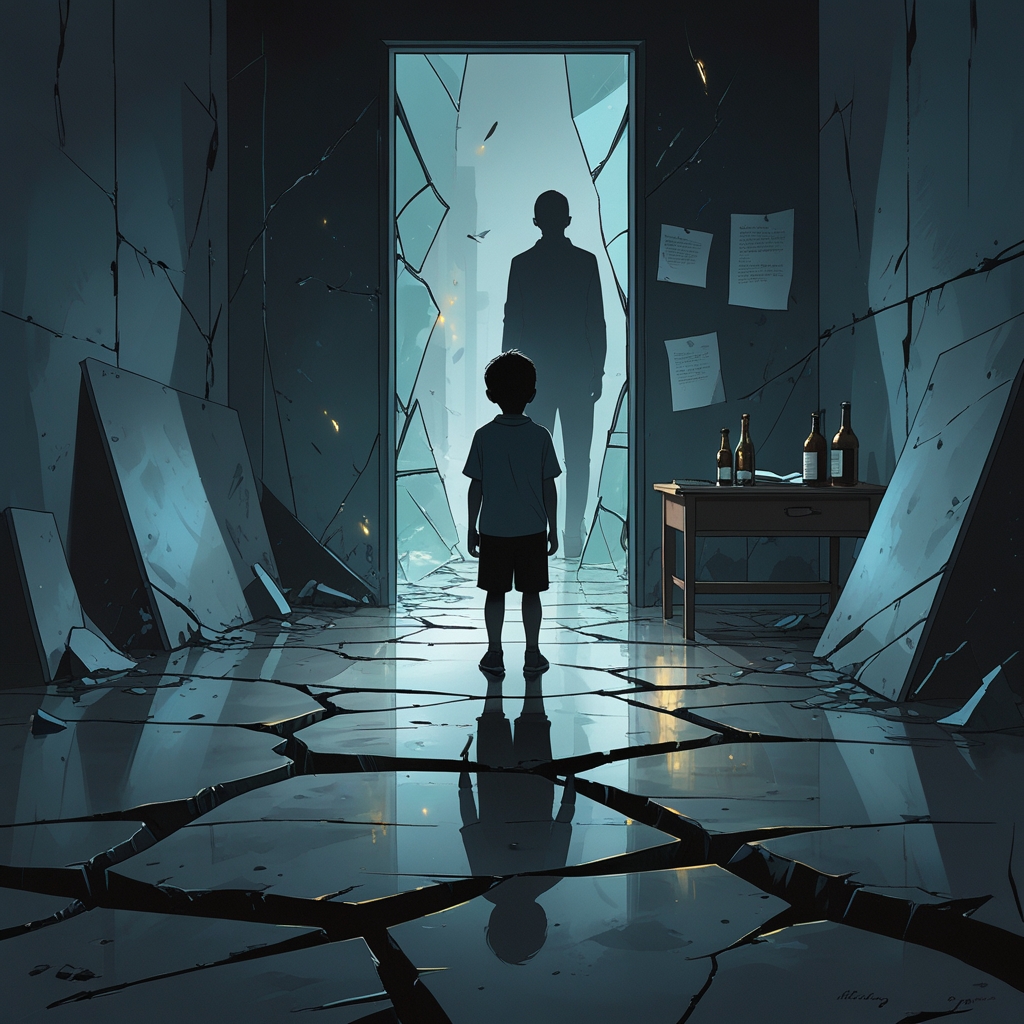
In this introspective and educational Mental Margin segment, we explore how trauma isn't always loud. Sometimes it whispers through our adult decisions, shaped quietly and powerfully by Adverse Childhood Experiences—ACEs. With the expertise of Dr. Justin Dodson, we trace how witnessing violence, enduring emotional wounds, and growing up without safety all carve paths into who we become. 🧠 Key Themes The Foundation Matters: Dr. Dodson reminds us that healing starts with understanding our beginnings. Our behaviors today—whether defensive, compulsive, or withdrawn—are reactions to things that happened long before. "If I am the way I am today, something happened before today…" Trauma Isn't Just What's Done To You—It's What You Witness: A key point made by Dr. Dodson: witnessing domestic violence can be as developmentally damaging as direct sexual abuse. It's about observing power and control, internalizing helplessness, and learning distorted attachments. ACEs Explained: Host Dominic Lawson breaks down ACEs: traumatic experiences before age 18, including abuse, neglect, and household dysfunction. Each ACE adds to the risk of mental health issues, substance abuse, and behavioral struggles later in life. Marcus's Story – A Mirror for Many: In a fictional but familiar example, Marcus—a 30-year-old struggling with depression and anxiety—reveals five ACEs: abandonment, parental addiction, witnessed abuse, neglect, and emotional maltreatment. His struggles become clearer in context, not confusion. 📚 Educational Moment This episode underscores a key point: ACEs shape much of what clinicians see in real life. That makes understanding them even more essential. 🧾 Take the ACEs Quiz Curious about your own ACE score? 👉 Visit numberstory.org (developed by the Center for Youth Wellness) for a confidential self-assessment and access to resources. 💡 Final Takeaway "Understanding our past helps us rewrite our future." When we start at the beginning, we don't just find pain—we find patterns. And once we see them, we can choose how our story unfolds. 📌 For more narrative tools and healing resources, visit: MentalHealthRewrittenPodcast.com
S1 Ep 2Sex: Rewriting the Conversation Around Pornography
**POST CREDIT CONTENT ALERT** Welcome to Episode 2 of Mental Health Rewritten — "Pornography: Rewiring Reality" In this powerful follow-up to our season premiere, we confront one of the most polarizing issues in modern mental health: pornography. Through the dual narratives of Gio and Maddie, we navigate secrecy, shame, and compulsion — we dive into the psychological impact of porn consumption on young minds, relationships, and emotional development. We illustrate how digital intimacy can morph into emotional avoidance. Featuring reflections inspired by Susan Sontag's The Pornographic Imagination, data trends around economic stress and porn usage, and voices from clinical research, we explore: How pornography functions as both escape and expression Why compulsive consumption often begins in adolescence The blurred boundaries between fantasy, shame, and mental distress Economic stressors and their link to increased digital escapism The humanity behind the industry — including the performers and producers Societal silence around youth exposure and emotional education From the Reagan-era Meese Commission to modern neuroscience, we examine the narratives, research, and myths shaping how we see pornography today — not to shame or glorify, but to understand it. We share an unflinching yet compassionate exploration that reframes addiction, adolescence, and the hidden effects of unspoken behaviors. This is not just about screens — it's about the stories behind them. Listen now and subscribe for upcoming episodes on suicide, race, and intergenerational trauma. Reminder: Mental health struggles are real — and often silent. If you or someone you know needs support, reach out to a mental health professional. Mental Health Rewritten, created by the OWLS Education Company, in collaboration with The Ummah Collective Group, is hosted, written, and produced by Dominic Lawson. Executive Producers: Kenda Lawson and Dr. Whitney Howzell Cover Art: Alexandria Eddings of Art Life Connections Some music was provided by DJ Krate Digga of The Mighty Sound Champz Crew This week's disclaimer provided by Al Pete, Founder of The MPN Network Supporting Sources: Sontag, Susan (1967). "The Pornographic Imagination." – Analysis of pornography as reflective of cultural fears and desires johnshaplin.blogspot.comjohnshaplin.blogspot.com. Dworkin, Andrea (1981). Pornography: Men Possessing Women. – Argues pornography is a form of violence/oppression against women researchgate.net. Meese Commission Report on Pornography (1986) – Conclusions of harm; later criticism by academics for lack of rigorous evidence politico.compolitico.com. Politico Magazine – Tim Alberta (2018), on Meese Commission's flawed use of research and findings being unsupported politico.com. CDC-Kaiser ACE Study – Findings on how ≥4 childhood adversities correlates with higher risk of substance use, mental illness, and sexual risk behaviors in adulthood mydoctor.kaiserpermanente.orgmydoctor.kaiserpermanente.org. CDC – Morbidity & Mortality Weekly Report (2023) on ACEs: associations with early sexual initiation, teen pregnancy, etc. cdc.gov. VA National Center for PTSD – DSM-5 PTSD Criterion A definition of trauma (death, serious injury, sexual violence exposure)ptsd.va.gov. ICD-11 – WHO's diagnostic criteria: trauma defined as extremely threatening or horrific events cambridge.org. Pornhub Traffic Data (2020) – Documented 11–24% global increase in usage during COVID-19 lockdowns pmc.ncbi.nlm.nih.govpmc.ncbi.nlm.nih.gov. Financial Stress & Porn Study (2020) – Found porn site visits decreased when economic stress rose, suggesting not all downturns boost porn use pmc.ncbi.nlm.nih.gov. Reuters – "Pornhub owner MindGeek sold to Canada's ECP" (Mar 16, 2023) – Announcement of Ethical Capital Partners (Solomon Friedman) acquiring MindGeek reuters.comreuters.com. New York Times – "The Children of Pornhub" (N. Kristof, Dec 2020) – Investigative piece exposing underage/non-consensual content monetized on Pornhub papers.ssrn.com. Rolling Stone – "Racism in Porn Industry Under Scrutiny" (June 2020) – Report that Black performers are paid and hired less, citing Ana Foxxx, Lotus Lain, etc. instagram.comibtimes.com. International Business Times – "Black Performers Reveal They're Paid and Hired Less in Porn" (June 12, 2020) ibtimes.comibtimes.com. Blavity News – "Adult Film Has Been No Exception (to Racism)" (June 24, 2020) – Overview of racist tropes and pay disparities in porn, with input from Black actresses blavity.comblavity.com. Dazed Digital – "Porn actresses are dying – why?" (Feb 2018) – Discusses rash of young female performer deaths, highlighting lack of support, stigma, and financial insecurity in the industry dazeddigital.comdazeddigital.com. Referenced Articles & Resources The Tragic Story of Olivia Nova The Guardian reported on the untimely death of adult film star Olivia Nova, shedding light on the mental health struggles, financial instability, and lack of healthcare access wi
Mental Margins: Betrayal Trauma & Infidelity
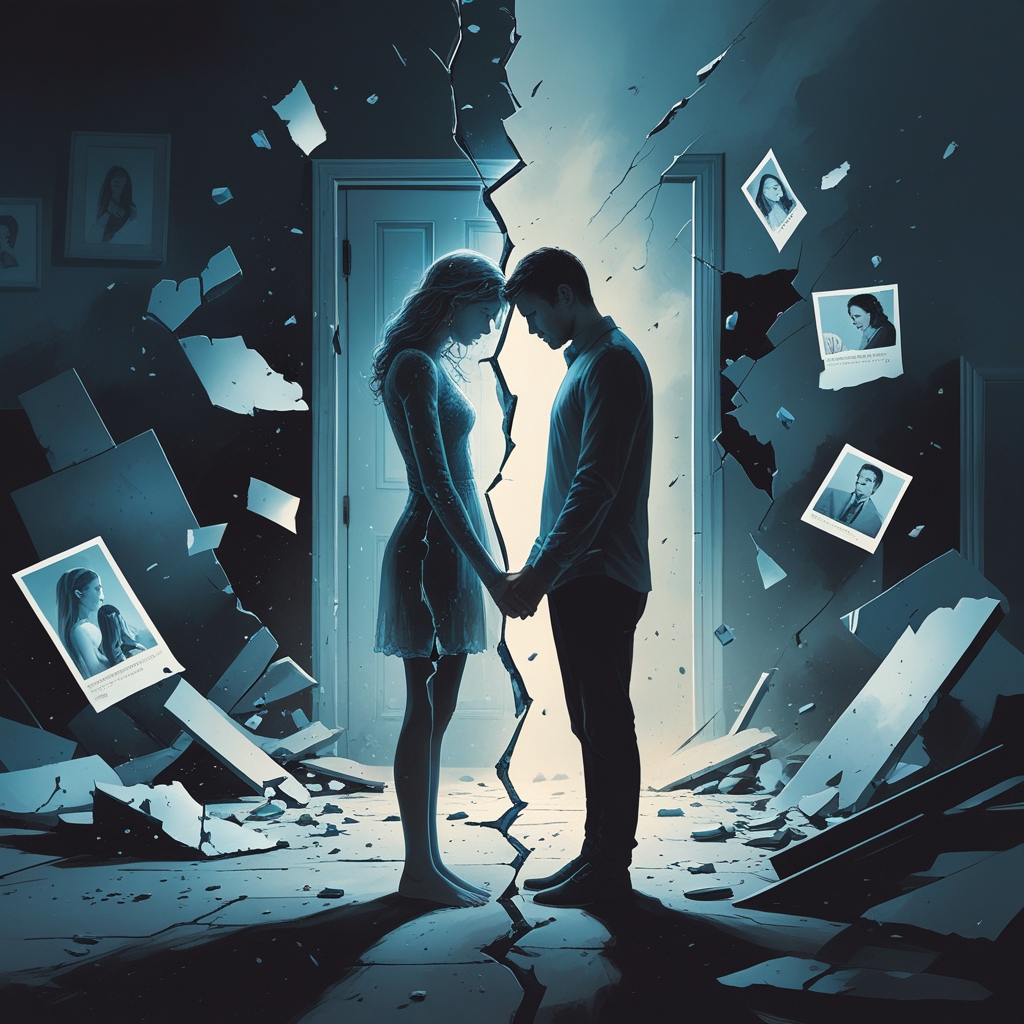
About Mental Margins Mental Margins is a short-form segment from full Mental Health Rewritten episodes—designed to be a more accessible entry point into the show's deeply emotional, cinematic approach to mental health. These snippets, usually under 15 minutes, distill powerful moments from the full-length episodes to create quick, impactful, and meaningful listening experiences. So if you're new to the podcast, Mental Margins gives you something valuable to reflect on without the emotional overwhelm of a full length episode. This Week's Focus: Why Betrayal Trauma Cuts So Deep In this episode, we step into the emotional wreckage caused by betrayal trauma—a psychological rupture that often accompanies the discovery of sex addiction or compulsive sexual behavior in intimate relationships. Dr. Alexandra Katehakis, a pioneer in the treatment of sex health and betrayal trauma, explains how the revelation of a partner's secret double life—sometimes spanning decades—can feel like an emotional earthquake. The trauma isn't just about infidelity; it's about the annihilation of a shared reality. "It's like a massive internal earthquake where what they thought was solid ground is no longer solid." – Dr. Alexandra Katehakis This betrayal often causes symptoms similar to PTSD, but with the additional complexity of continued contact with the person responsible for the trauma—something that makes healing both urgent and elusive. Defining Betrayal: Not All Infidelity Looks the Same Dr. Justin Dodson breaks down how betrayal isn't a one-size-fits-all concept. In some relationships, pornography or flirtation may cross emotional boundaries just as much as physical affairs. Each partner carries their own blueprint of what constitutes "cheating," often rooted in personal trauma, fear, or unmet emotional needs. "People want to be wanted. And anything that threatens that sense of security can feel like betrayal." – Dr. Justin Dodson This episode challenges us to re-examine our relationship expectations, boundary-setting, and the subtle emotional ruptures that can spiral into long-term disconnection.
S1 Ep 1Sex: Rewriting the Conversation Around Sex Addiction
Welcome to Episode 1 of Mental Health Rewritten! In our season-opening episode, we confront one of the most misunderstood and stigmatized topics in mental health: sex addiction. Through the story of Daniel — a man whose professional success masks a deep internal struggle — we explore how compulsive sexual behavior impacts relationships, careers, and personal identity. Along the way, we challenge misconceptions about sex addiction, examine its clinical roots, and highlight the hidden pain it causes across gender lines and around the world. Featuring clinical insights from Havi Kang, Dr. Justin Dodson, and Dr. Alexandra Katehakis, alongside research from Mayo Clinic and YouGov, we uncover: What defines sex addiction and compulsive sexual behavior Why shame and secrecy make healing harder How societal stigma silences both men and women The global scope of this often-taboo disorder Rooted in research from the DSM-5 and ICD-11, and grounded in real-world stories, Mental Health Rewritten opens conversations where silence once reigned. Tune in to hear how Daniel's journey toward healing begins — and how, together, we can start to rewrite the narrative about addiction, identity, and hope. Listen now and subscribe for upcoming episodes exploring suicide, racial trauma, and more. Reminder: Mental health challenges are as real — and as serious — as physical ones. If you or someone you know needs help, please reach out to a mental health professional. Mental Health Rewritten, created by the OWLS Education Company, in collaboration with The Ummah Collective Group, is hosted, written, and produced by Dominic Lawson. Executive Producers: Kenda Lawson and Dr. Whitney Howzell Cover Art: Alexandria Eddings of Art Life Connections Some music was provided by DJ Krate Digga of The Mighty Sound Champz Crew Referenced & Supporting Sources Does Society Have a Sex Addiction Problem? Mayo Clinic Health System https://www.mayoclinichealthsystem.org/hometown-health/speaking-of-health/does-society-have-a-sex-addiction-problem Is Sex Addiction a Real Disorder? Majority of Americans Believe It Is Newsweek / YouGov Poll (2018) https://www.newsweek.com/sex-addiction-real-disorder-majority-americans-believe-it-1037560 Compulsive Sexual Behavior Disorder in ICD-11 World Health Organization / ICD-11 Browser https://icd.who.int/browse11/l-m/en#/http://id.who.int/icd/entity/1630268048 Why Sex Addiction Was Not Included in DSM-5 APA DSM-5 Task Force Discussion via Cleveland Clinic https://my.clevelandclinic.org/health/diseases/21934-sex-addiction AASECT Position on Sex Addiction American Association of Sexuality Educators, Counselors and Therapists (2016) https://www.aasect.org/position-sex-addiction Brain Activity in Sex Addiction Mirrors That of Drug Addiction Cambridge University Study (PLOS ONE, 2014) https://www.sciencedaily.com/releases/2014/07/140711095956.htm Is Sexual Addiction the Real Deal? UCLA Brain Study – EEG Research on Hypersexuality (2013) https://newsroom.ucla.edu/releases/study-casts-doubt-on-sex-addiction-246011 Sex Addiction and Childhood Trauma in Men University of Georgia, College of Education (2024) https://coe.uga.edu/news/2024-04-study-links-childhood-trauma-emotional-abuse-to-sex-addiction-in-men Infidelity Statistics (U.S. Marriages) Cooper Trachtenberg Law Group – Updated 2024 https://www.mcooperlaw.com/infidelity-stats-2024 Compulsive Sexual Behavior and Culture – A Clinical View APA PsycNet – Middle Eastern & Global Treatment Challenges https://psycnet.apa.org/record/2020-89404-008 Assessment and Treatment of CSBD: A Sexual Medicine Perspective Springer / Current Sexual Health Reports https://link.springer.com/article/10.1007/s11930-019-00189-9 Sex Addiction in the UK: Rebecca Barker's Story BBC News – Personal Narrative https://www.bbc.com/news/uk-england-43921760 Understanding Denial in Sexual Offending and Addictive Behavior Washington State Sex Offender Policy Board https://sgc.wa.gov/sites/default/files/public/SOPB/conference2018/Borg_presentation.pdf CDC Historical Divorce Statistics – U.S. Marriage Trends Centers for Disease Control and Prevention (CDC) https://www.cdc.gov/nchs/pressroom/95facts/fs_439s.htm Referenced Articles & Research Majority of Americans Believe Sex Addiction is Real – Newsweek https://www.newsweek.com/sex-addiction-real-disorder-majority-americans-believe-it-1037560 Does Society Have a Sex Addiction Problem? – Mayo Clinic Health System https://www.mayoclinichealthsystem.org/hometown-health/speaking-of-health/does-society-have-a-sex-addiction-problem UK Woman Shares Experience with Sex Addiction – BBC News https://www.bbc.com/news/uk-england-43921760 National Center for Health Statistics on Suicide Trends – CDC https://www.cdc.gov/nchs/pressroom/95facts/fs_439s.htm Study Links Childhood Trauma to Sex Addiction in Men – University of Georgia College of Education https://coe.uga.edu/news/2024-04-study-links-childhood-trauma-emotional-abuse-to-sex-addiction-in-men Infidelity and Relations
What is the DSM-5 and ICD-11?
trailer🎙️ Mental health conversations often involve a lot of terms, diagnoses, and classifications — but where do they come from, and why do they matter? I'm Dominic Lawson, creator of Mental Health Rewritten. Throughout this show, we'll be referencing two major diagnostic tools that shape our understanding of mental and behavioral health: 🔹 DSM-5 (Diagnostic and Statistical Manual of Mental Disorders, Fifth Edition) Published by the American Psychiatric Association, it's the primary diagnostic guide used by mental health professionals in the United States. 🔹 ICD-11 (International Classification of Diseases, 11th Revision) Developed by the World Health Organization, the ICD-11 classifies all medical conditions worldwide — including mental and behavioral disorders — and is used across many countries for diagnosis, treatment, and insurance coding. On Mental Health Rewritten, we incorporate both tools to provide a well-rounded, accessible understanding of mental health. When a diagnosis is mentioned during an episode, you'll hear a special cue — signaling a clear, listener-friendly breakdown of what the diagnosis means, how it's classified, and why it matters. Because mental health isn't just about definitions — it's about the people behind them. We're here to demystify the language of mental health, humanize the diagnoses, and rewrite the narrative together. 🎧 Season 1 launches May 14, 2025. Subscribe today and join us for real stories, real understanding, and real change. 🔗 Apple Podcasts, Spotify with exclusive content on Instagram (@mentalhealthrewrittenpodcast). 🧠 And always — take care of yourself. You matter.
Welcome To Mental Health Rewritten
trailer🎙️ Welcome to Mental Health Rewritten — hosted by multi-award-winning podcaster and mental health advocate Dominic Lawson. In a world flooded with conversations about mental health, not all information is helpful — and some can even cause harm. The most important battles often begin in silence, hidden by stigma and shame. But it's time for that to change. Mental Health Rewritten is a bold, narrative-driven podcast where we confront the difficult, the uncomfortable, and the necessary. Each season follows a 3-Track, 12-Episode format, taking listeners on an emotional and educational journey across intersecting topics: 🔸 Track 1: Sex From desire to dysfunction, we explore how behavior, identity, and wellbeing collide — and what happens when they spiral out of control. 🔸 Track 2: Suicide Breaking the silence on one of the greatest mental health crises of our time, we dive into despair, survival, and pathways toward hope. 🔸 Track 3: Race How does racial trauma and cultural identity shape our mental health? We uncover the scars — and the resilience — behind healing. Rooted in clinical insights from the DSM-5 and ICD-11, and guided by authentic, lived experiences, Mental Health Rewritten is more than a podcast — it's a movement to rewrite the way we understand mental wellness. 🎧 Season 1 premieres May 14, 2025. Subscribe now and join us as we break the silence, rewrite the narrative, and reshape how we support each other. 🔗 Apple Podcasts, Spotify with exclusive content on Instagram (@mentalhealthrewrittenpodcast). 🧠 Take care of yourself. You matter.