
Marketplace Morning Report
284 episodes — Page 5 of 6
When tariff uncertainty means nixed retirement plans
How about a roadtrip instead?
A Forest Service reorg ahead of fire season
Kevin Warsh and the Fed's balance sheet
Let's understand the informal economy
Clearing the path to homeownership for renters
The haves and the have nots of energy
Fearing the "black hole" of graduating without a job
Will you have enough to comfortably retire?
Why markets are high despite war in the Middle East
Trump's pick for Fed chair heads to Capitol Hill
How economists are making sense of our geopolitical climate
Waiting for gas prices to drop? Don't hold your breath
Markets optimistic after Iran announces Strait of Hormuz has reopened
Soaring jet fuel costs could leave European planes grounded
What a time to be a central bank
The cost of keeping the lights on
So many different flavors of oil
Tariff refunds are coming
The spring housing market's not in full bloom
Breaking down where all your federal tax dollars go
War in the Middle East, oil, and jobs
Doing the numbers on your grocery bill
"Marketplace" Live
David Brancaccio reflects on thousands of conversations
"Nobody can time the market"
How to freeze out scammers
The "chicken tax" and the U.S. auto industry
The road less traveled (by bike)
Oil prices dip on de-escalation news
What keeps big bank CEOs up at night
Could a Universal Music takeover be in the cards?
Keeping an eye on oil prices
Get your kicks on Route 66
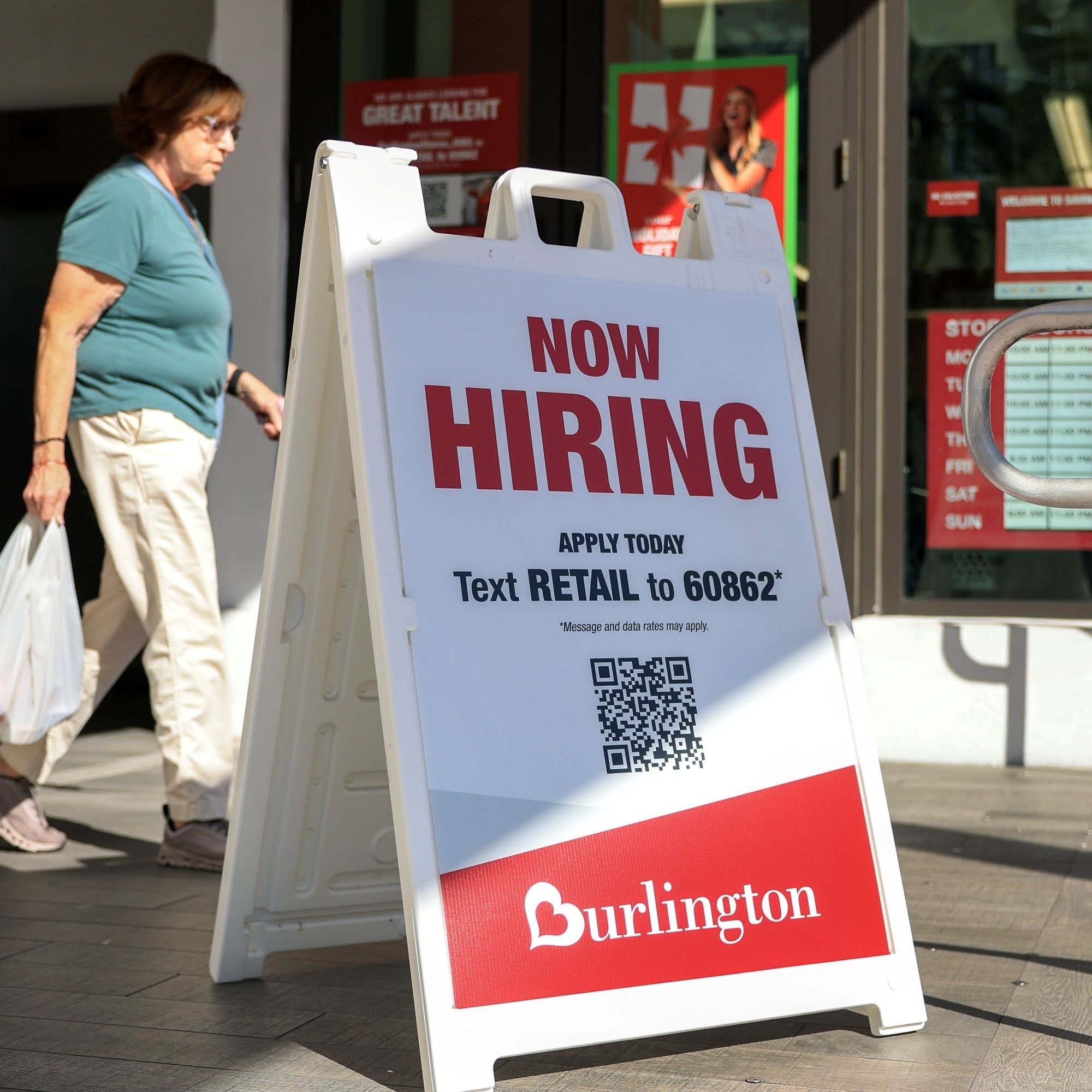
The March unemployment rate fell — but there's a catch
The U.S. economy added 178,000 new jobs in March, and the unemployment rate went down. That’s a big improvement from last month’s disappointing jobs report, but there’s more than meets the eye to these numbers. We’ll explain in today’s episode. Also: SpaceX filed paperwork for an IPO, and the company’s high predicted valuation isn’t the only thing making waves. Plus, some food for thought before this weekend’s Final Four basketball games and inevitable betting ads: “This Is Uncomfortable” host Reema Khrais explains the effects of prediction markets on our wallets and our brains.

A new tariff on imported medication
President Donald Trump signed an executive order yesterday that threatened tariffs of up to 100% on imported medications. The executive order also overhauls steel, copper, and aluminum tariffs. We’ve got all the details. Also in this episode: a breakdown of the new March jobs report. Plus, David Brancaccio speaks to a vintage car converter who turns old cars into electric vehicles.
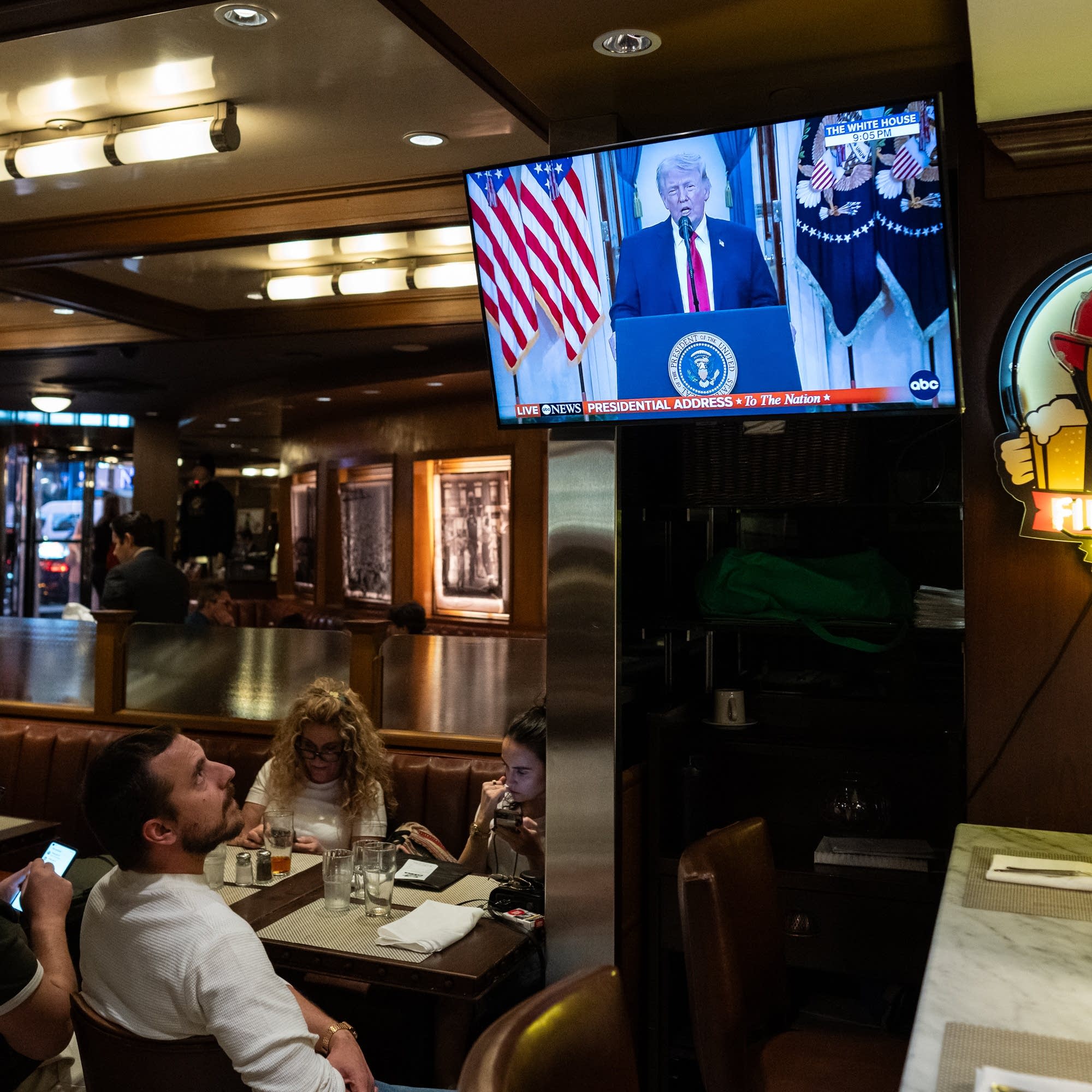
About that presidential address...
The president made the case for the Iran war, and markets were not impressed. After President Donald Trump's address to the nation last night, the price of oil went up, and stocks went down. This is a total reversal of what markets were doing going into the speech, when stocks rallied, and oil prices fell. We'll get into it all and provide some key takeaways. Then, Marketplace’s David Brancaccio takes a trip to a West Hollywood pawn shop.
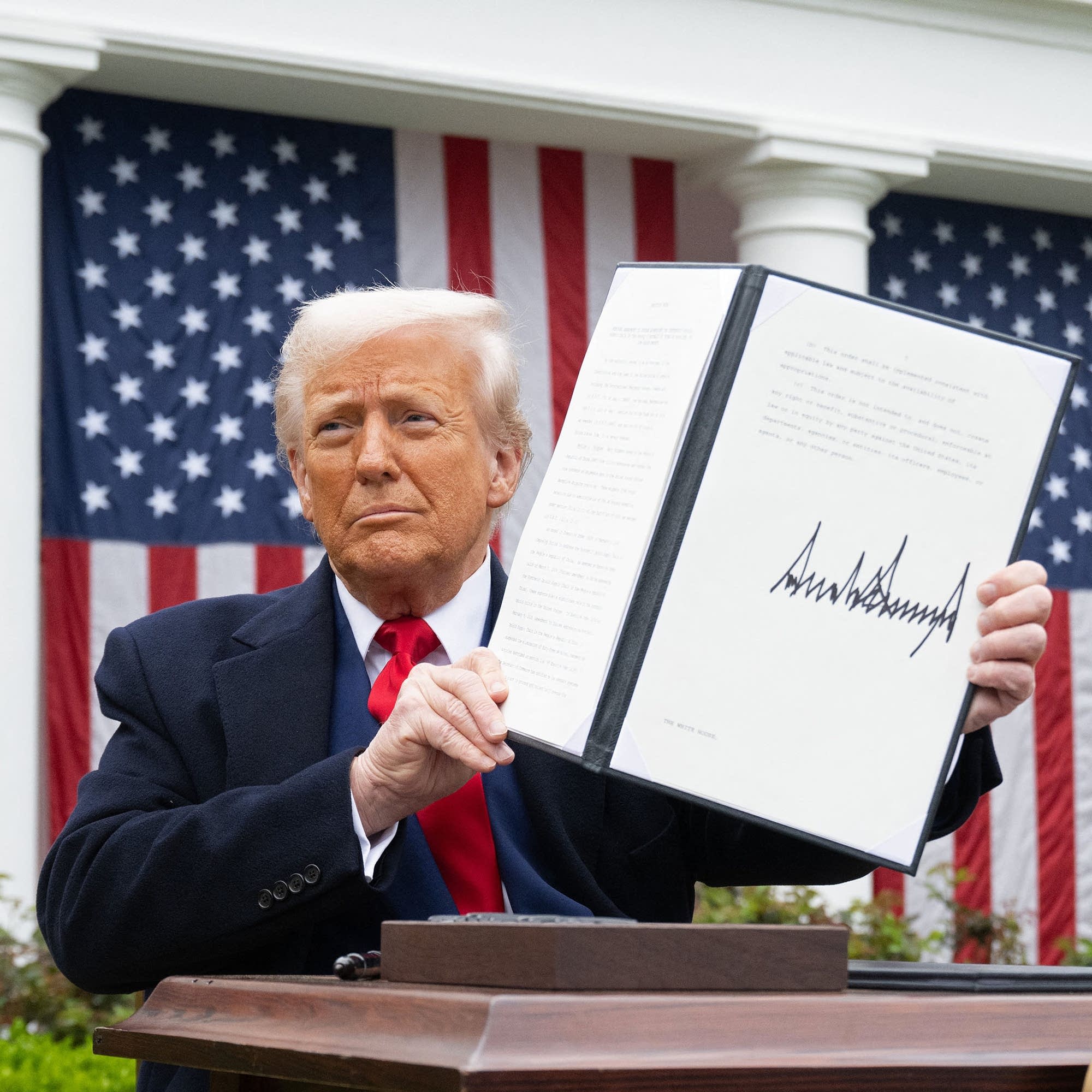
Reflecting on the year in tariffs
A year ago today, the president pulled out a chart in the now paved-over Rose Garden and set the global economy on fire. He announced his so-called “Liberation Day” tariffs, which changed a bunch of times before being deemed illegal by the Supreme Court earlier this year. And those tariffs were mostly paid by us — consumers and small businesses. Plus, just how worried should we be about jitters in the private credit market?
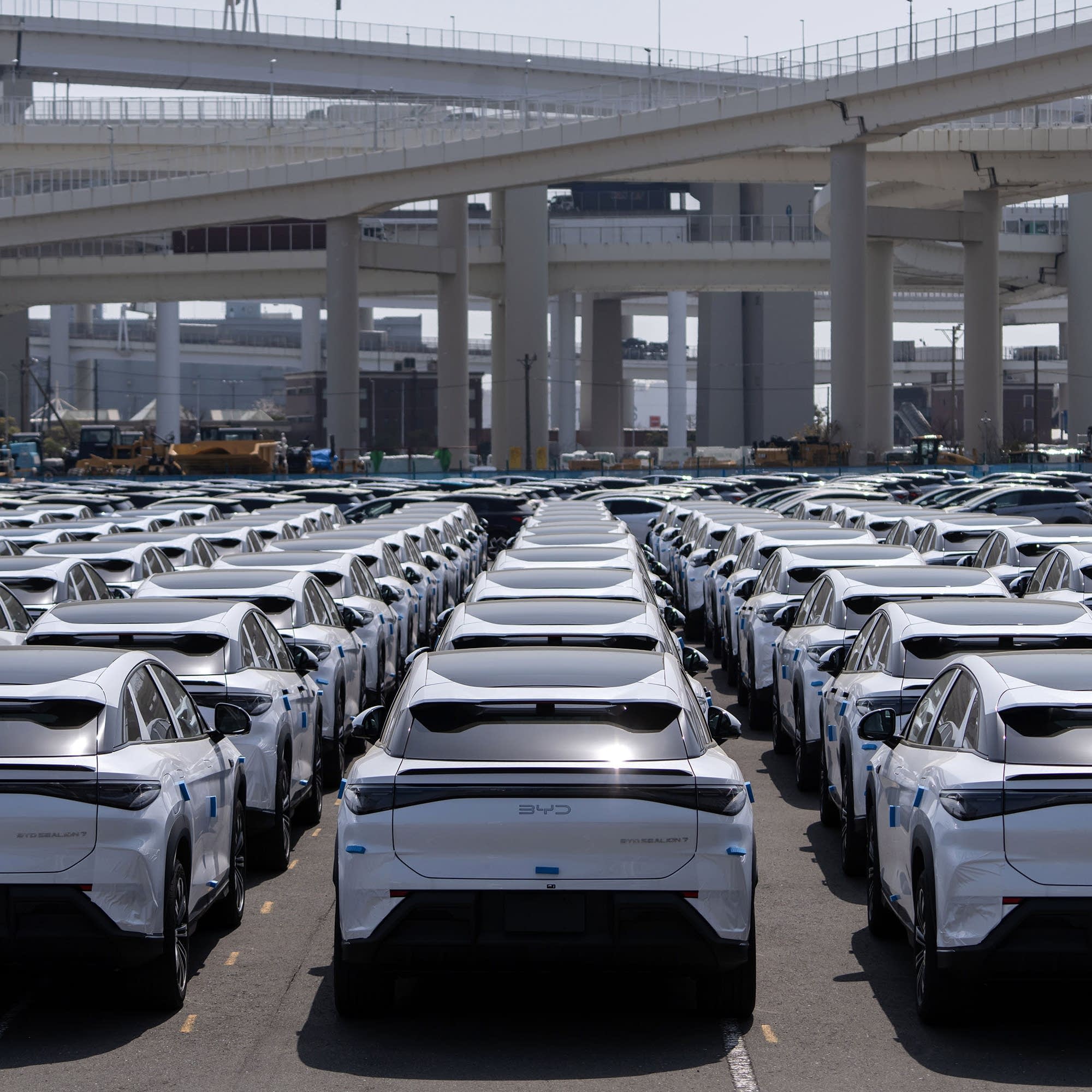
The argument for letting Chinese EVs in
Chinese electric vehicle maker BYD told analysts it's confident it can sell 1.5 million vehicles outside of China this year. Chinese EVs are advanced and affordable, making them increasingly popular in the global auto market. That can't be said for the U.S., however, which is effectively shutting out Chinese EVs with 100% tariffs. This morning, what does the U.S. economy stand to lose if we don't let Chinese cars in? But first, markets are feeling confident despite ongoing fighting in the Middle East.

The wider consequences of war
President Donald Trump is scheduled to address the nation about Iran tonight. He told reporters yesterday that the war could wrap up in two to three weeks. Meanwhile, Iran has issued a new threat against 18 U.S. businesses operating in the region, including Microsoft, Google, Intel, Tesla, and Boeing. The war is also having dire effects on energy in South and Southeast Asia. Plus, how much is air travel being impacted by rising jet fuel costs?

Russian oil is giving a lifeline to Cuba
The United States is finally allowing Russian oil to be delivered to Cuba after months of what has basically been an energy blockade imposed by the U.S. The blockade has caused nationwide blackouts, severe fuel shortages, and shutdowns of schools and nonessential businesses. The BBC's Will Grant joins us for more. Then, we head to Boston, where one of the oldest trade schools in the country is teaching students skills like piano-tuning, locksmithing, and violin-making.
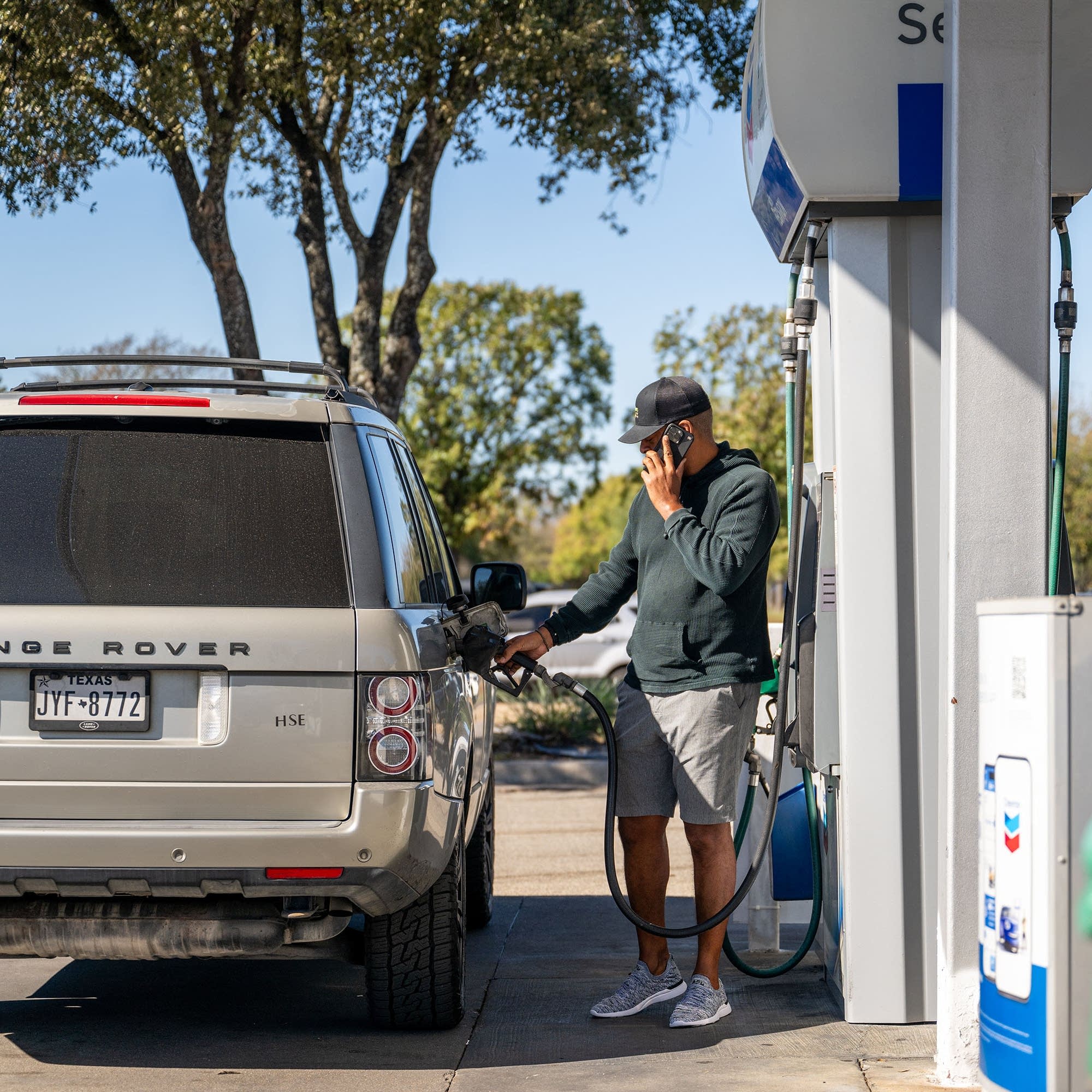
The price of gas is at a three-year high
The average price of gasoline is now above $4 a gallon for the first time in three years. Some analysts say that's a key psychological barrier, above which consumers begin to shift behavior and cut back on spending. Plus, the spike in oil prices we’ve seen may more than completely offset the fiscal boost from this year’s tax refund, and roughly a third of people trading in their old cars are underwater on their car loans.
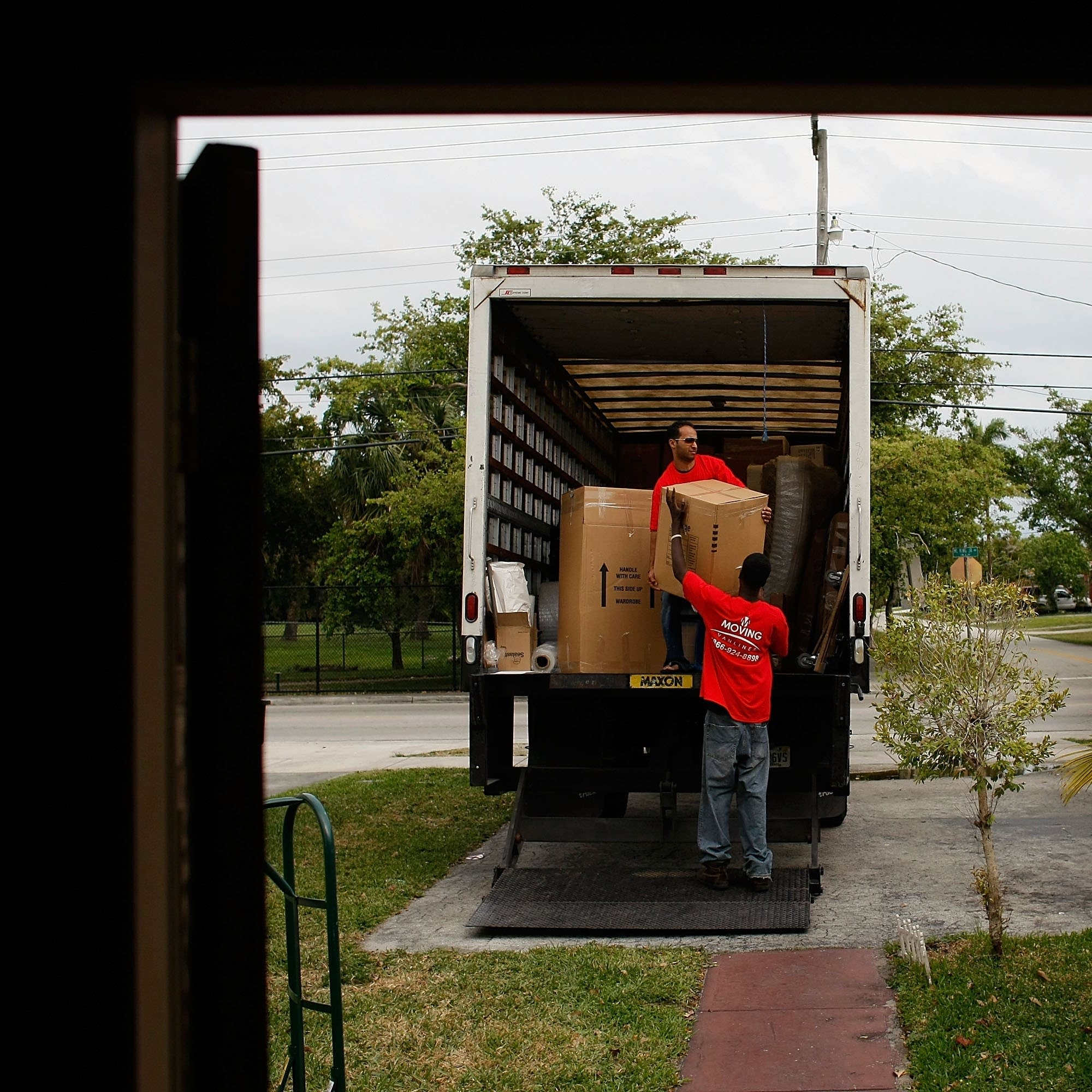
No longer a nation of movers
Domestic migration in the U.S. has been declining for decades. This morning, we'll look into who's still moving, what factors drive their decision, and what's behind the shift. Plus, do wealthy people really flee to tax-friendlier pastures when their taxes go up? But first, there's a sort of backup plan for the oil supply, but the ongoing war in the Middle East means it could soon be under threat, as well.

An entirely new oil disruption
Oil prices continue their upward climb amid conflict in the Middle East. The international benchmark Brent crude is now $115 a barrel; on Friday, it was $105. Brent is headed for its biggest monthly climb ever, and this morning, there are concerns about additional disruptions to oil shipments through another key route. We’ll unpack. Also: a looming helium shortage and a search for ways to mitigate threats to humanity.
The national debt is ballooning, and Americans are worried
The U.S. national debt crossed $39 trillion last week, and it’s growing fast. Racking up the most recent $5 trillion of that total only took two years. Now, a new survey finds that Americans' fiscal confidence is the lowest it’s been in a couple of years. Also on this morning's show: Anthropic gets a (temporary) win in its fight with the Pentagon, and commuters reflect on two years without Baltimore's Francis Scott Key Bridge.
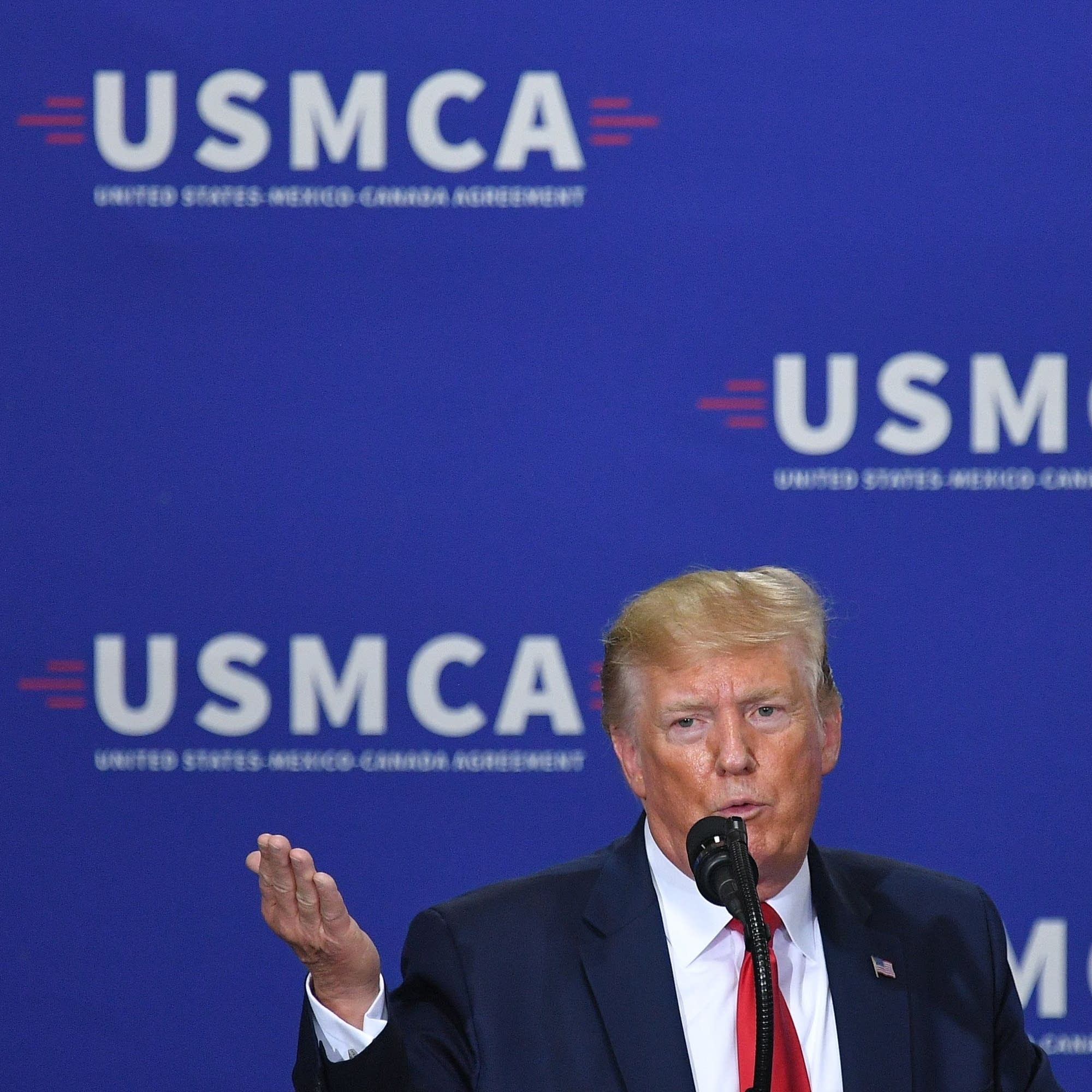
What's next for the USMCA?
The Trump administration is reviewing the United States-Mexico-Canada Agreement, which comes up for renewal this year. The USMCA replaced NAFTA, was an economic cornerstone of President Donald Trump's first term, and accounts for more than $4 billion worth of cross-border trade. Thing is, it didn't live up to its promises of spurring manufacturing jobs. What might come next? But first, we dig into the anxiety that comes with surviving multiple rounds of layoffs.
A small tax with high costs
People in the U.S. send a lot of money abroad: In 2024 alone, about $93 billion in formal remittances were sent overseas. However, a new federal remittance tax imposes a 1% levy on certain transfers. While a 1% tax may not sound substantial, it can drive up the price of sending money and hit unbanked individuals hard. We dig in. But first, the U.S. dollar has been gaining strength. Why is that happening?
Population growth in the U.S. is slowing
Population growth is slowing in most counties in the U.S., according to new population estimates from the Census Bureau. During that time, 310 of the 387 U.S. metro areas had slower population growth, with dramatic declines along the U.S.-Mexico border. This largely has to do with a big decrease in net international migration. Then, later in the program, we have a deep dive into the current state of the pawn shop economy.

ICE agents are at airports. TSA agents aren't really sure why.
TSA agents have been working without pay for more than a month, while ICE agents have started arriving at airports to assist with security lines. Today, we'll hear what reps for TSA agents have to say. Plus, from "Marketplace Tech," the Commodities Futures Trading Commission is looking at new rules for prediction markets like Kalshi and Polymarket. Then we'll help you make sure you're not leaving money on the table when doing your taxes this year.
Will this oil shock push the world more toward renewables?
Fuel costs can be vulnerable during geopolitical conflict. The war in the Middle East has sent shockwaves through energy markets. Over the past two weeks, oil and gas prices have been on a bit of a rollercoaster. This morning, we'll delve into what vulnerability and the lack of price stability for oil could mean for countries' renewable energy investment. Then, new data shows rent prices edging up after months of falling.