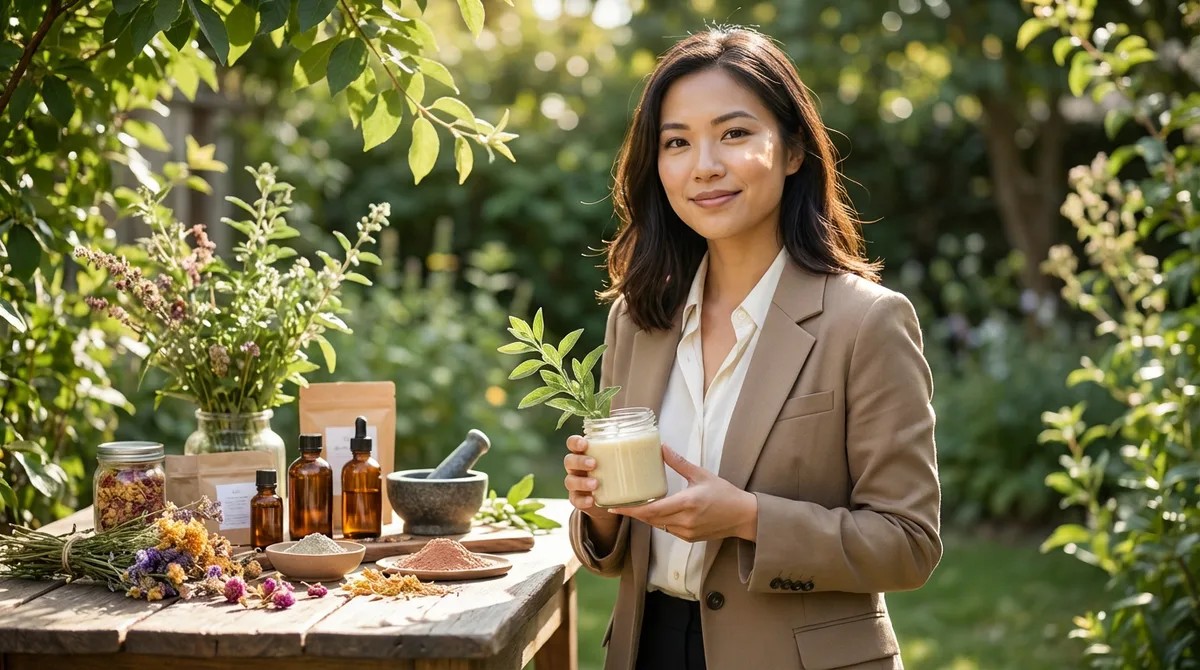
What Is Eco-Effective Beauty? Understanding Sustainable Active Formulations
Luxury Beauty on a Budget Podcast · Luxury Beauty on a Budget
Audio is streamed directly from the publisher (content.rss.com) as published in their RSS feed. Play Podcasts does not host this file. Rights-holders can request removal through the copyright & takedown page.
Show Notes
Ever wondered why your "clean" beauty products cost a fortune but don't seem to work any better than drugstore alternatives? In this episode, Chloe Chen breaks down eco-effective beauty—a formulation philosophy that delivers clinically-proven active ingredients at effective concentrations while actually benefiting the environment. After three months of comparing eco-effective formulas against luxury counterparts, she reveals how you can get identical (or better) skincare results for 60% less while avoiding greenwashing traps. If you're tired of paying premium prices for recyclable packaging wrapped around mediocre formulations, this deep dive into sustainable active formulations is for you.
- Eco-effective beauty differs from clean beauty by requiring both measurable environmental benefits AND dermatologically-sound active percentages—not just removing ingredients and hiking up prices.
- Ingredient transparency with actual percentages is the key marker separating eco-effective products from greenwashing; a $28 formula listing 0.3% encapsulated retinol with biodegradability data beats a vague $120 luxury serum every time.
- Plant-based delivery systems like sugarcane-derived squalane perform identically to synthetic silicones for vitamin C absorption and stability, but biodegrade in 21 days versus 6+ months.
- Eco-effective peptide serums often use lower molecular weight peptides (500-1000 Daltons) that penetrate skin more effectively than the larger peptides found in many prestige creams.
- Price-per-ounce analysis exposes the markup: eco-effective hyaluronic acid serums average $0.95/oz compared to $4.80/oz for luxury sustainable versions with identical concentrations.
- Biodegradable preservatives from fermented radish root or corn-derived sodium levulinate match synthetic preservative shelf life—Chloe tracked products for six months with zero contamination or oxidation issues.
Read the full article: https://luxurybeautyonabudget.com/what-is-eco-effective-beauty-understanding-sustainable-active-formulations