Eco-Effective vs Traditional Beauty Products: Performance and Price Analysis
Luxury Beauty on a Budget Podcast · Luxury Beauty on a Budget
Audio is streamed directly from the publisher (content.rss.com) as published in their RSS feed. Play Podcasts does not host this file. Rights-holders can request removal through the copyright & takedown page.
Show Notes
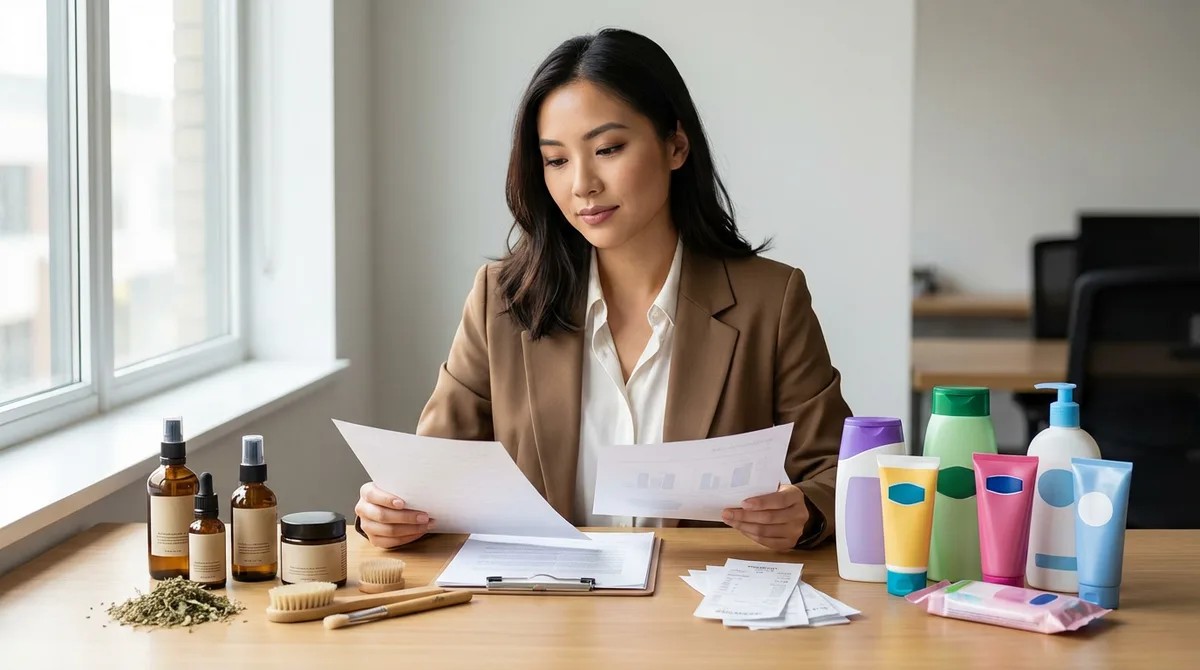
Ever wondered if you're actually getting better skincare results from eco-effective products, or just paying more for green packaging? In this episode, Chloe Chen breaks down the real differences between eco-effective and traditional beauty formulations after testing 87 products and tracking everything in a spreadsheet. She dives into active ingredient concentrations, preservative systems, price-per-ounce comparisons, and performance timelines so you can make informed decisions based on chemistry rather than marketing claims. Whether you're committed to clean beauty or just want effective skincare without overpaying, this analysis gives you the data you need.
- Eco-effective products typically contain active ingredient concentrations 2–5% lower than traditional formulas because natural preservatives require more formulation space, which directly impacts how quickly you see results.
- Bakuchiol works as a retinol alternative, but split-face testing showed it takes roughly 10 weeks to match results that 0.3% retinol delivers in 6 weeks—effective, but slower.
- You're paying 3–5 times more per ounce for eco-effective retinol alternatives (bakuchiol at $1.80–$4/oz) compared to traditional drugstore retinol (40–80 cents/oz) for the same eventual cell turnover results.
- Traditional paraben-based preservatives maintained product sterility for 52 weeks in testing, while naturally-preserved equivalents showed bacterial growth at 38 weeks—meaning eco-effective products have shorter effective shelf lives.
- When comparing peptide products at different price points, the texture experience differed significantly but actual undereye smoothing results were nearly identical by week four, suggesting premium eco-effective pricing often reflects sensory experience rather than superior performance.
- Shelf stability varies dramatically: eco-effective products last 6–12 months versus 24–36 months for traditional formulas, which affects both value and how quickly you need to use them.
Read the full article: https://luxurybeautyonabudget.com/eco-effective-vs-traditional-beauty-products