Barrier-First Beauty: The Complete Guide to Skin Barrier Protection
Luxury Beauty on a Budget Podcast · Luxury Beauty on a Budget
Audio is streamed directly from the publisher (content.rss.com) as published in their RSS feed. Play Podcasts does not host this file. Rights-holders can request removal through the copyright & takedown page.
Show Notes
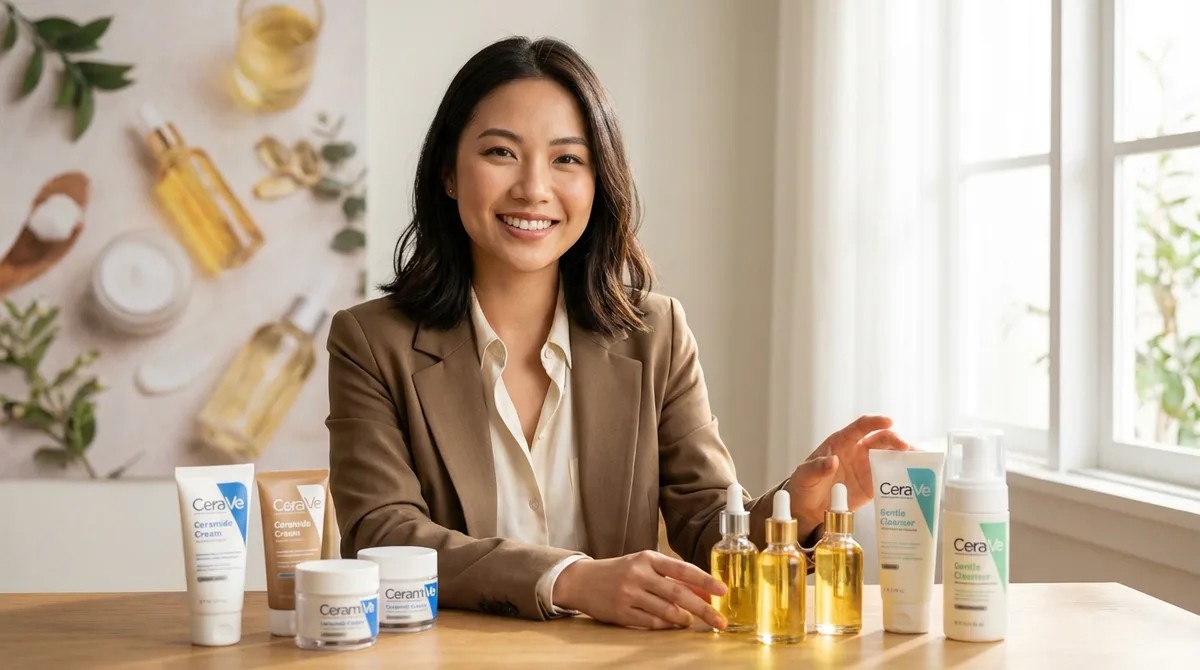
Ever wonder why your expensive serums and retinoids aren't delivering the results they promised? The problem might not be the products—it's your skin's foundation. In this episode, Chloe Chen breaks down the barrier-first beauty philosophy, explaining why protecting your skin's natural defense system should come before any treatment active. Whether you're dealing with persistent sensitivity, unexplained breakouts, or that tight feeling no moisturizer can fix, this guide reveals how a simple shift in approach (and some surprisingly affordable products) can transform your entire skincare game.
- Your skin barrier functions like a brick wall, with skin cells as bricks and lipids (ceramides, cholesterol, and fatty acids) as the mortar—when the mortar crumbles, irritation, dehydration, and breakouts follow.
- The ideal barrier-repair formula contains ceramides at 2–5%, cholesterol around 1%, and fatty acids in a 1:1:1 ratio, which is the research-backed standard for optimal repair.
- A $12 drugstore moisturizer with the right lipid ratio will outperform a $200 serum if your barrier is compromised—barrier-repair ingredients cost manufacturers pennies to formulate.
- Niacinamide at 2–5% concentration can boost your skin's natural ceramide production by up to 34%, making it a budget-friendly barrier-building powerhouse.
- Barrier repair follows three phases: stop the damage by eliminating harsh actives, rebuild the lipid matrix with ceramide-rich products, then maintain and reintroduce treatments over a restored foundation.
- A healthy barrier keeps transepidermal water loss at 4–6 grams per square meter per hour; damaged barriers can spike to 20+ grams, which is why dehydrated skin feels tight minutes after moisturizing.
Read the full article: https://luxurybeautyonabudget.com/barrier-first-beauty