Listen In - Bitesize Bio Webinar Audios
149 episodes — Page 1 of 3
Ep 149See the Hidden: Advancing Cryo Workflows for Cellular Discovery
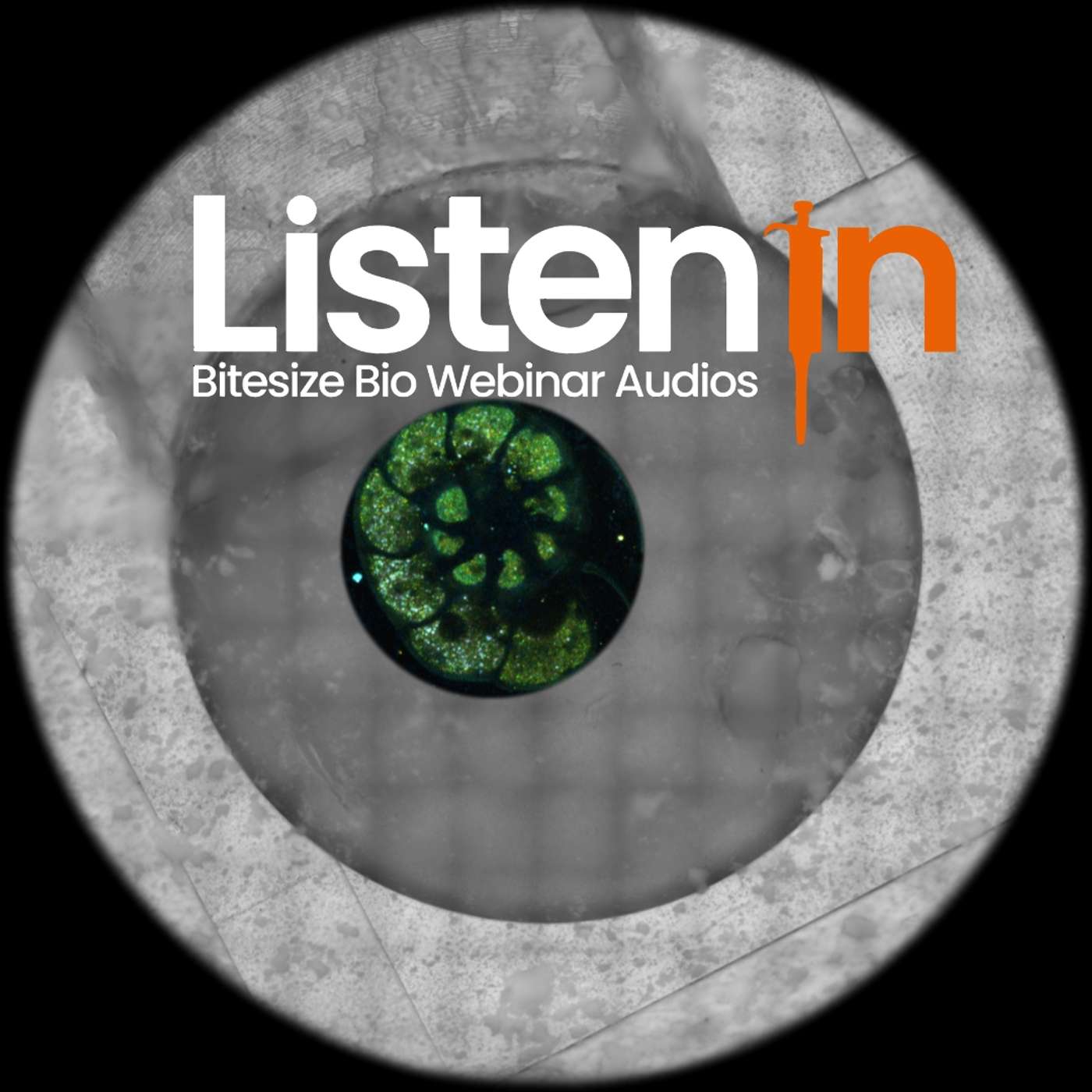
Learn from the experts how to refine every step of your cryo workflow, from vitrification to imaging, to preserve native structure, minimize artifacts, and reveal the hidden details that drive cellular discovery.In this podcast, you will learn how you can:• Go beyond cryo-confocal: Use spectral signatures to unlock new layers of cellular information.• Correlate across scales: Learn how to integrate cryo light and electron imaging for richer insights.• Bridge modalities: Explore how X-ray tomography connects to cryo-EM analysis.Watch the full presentation here: https://microscopyfocus.com/see-the-hidden-advancing-cryo-workflows-for-cellular-discovery/Browse all episodes of the Listen In Series here: https://listen-in.bitesizebio.com/
Ep 148Learn to Automate Organoid Counting with the CellDrop Automated Cell Counter
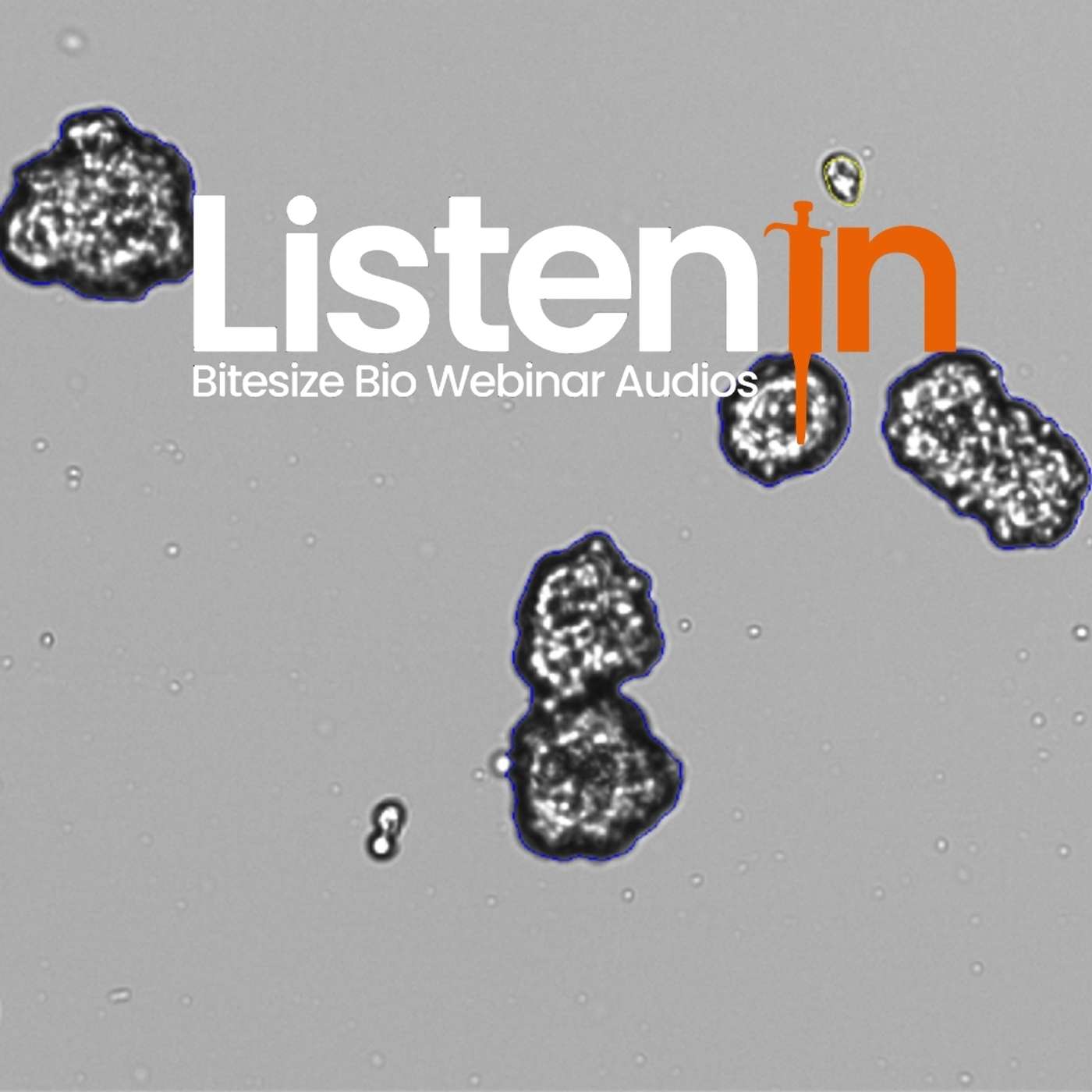
Discover how to automate your 3D cell culture quantification with a machine learning-based application for accurate and efficient counting of organoids, tumor spheroids, and spheroids in this episode of Listen In.In this podcast, you will:• Understand the challenges of traditional automated systems in 3D cell culture quantification• Gain insights into the benefits of non-consumable, slide-free cell counting technology• Learn how to implement user-defined parameters for customized cell counting protocols• Discover how DeNovix CellDrop Automated Cell Counter uses machine learning for accurate organoid, tumor spheroid, and spheroid countingWatch the full presentation here: https://events.bitesizebio.com/learn-to-automate-organoid-countingBrowse all episodes of the Listen In Series here: https://listen-in.bitesizebio.com/
Ep 147Inside Immunoassays: Boost Assay Efficiency with Smart Design and Analysis
Are you looking to elevate the performance of your immunoassays? Tune in to this Listen In episode, where experts will share valuable insights to help you optimize your assay selection, production practices, and method analysis. In this podcast, you will learn:• When to choose screening assays versus qualified or verified assays to effectively meet your research objectives• Key techniques that contribute to the reliability and consistency of immunoassays• How to leverage analytical tools to assess immunoassay results for improved experimental outcomes Watch the full presentation here: https://events.bitesizebio.com/inside-immunoassays-boost-assay Browse all episodes of the Listen In Series here: https://listen-in.bitesizebio.com/
Ep 146Integrated Solutions for Serial Sectioning and Cryo-EM with UC Enuity
Discover integrated solutions for precise serial sectioning and cryo-EM sample prep—supporting seamless workflows from ultramicrotomy to 3D electron microscopy.In this podcast, you will learn: • How to streamline serial sectioning for volume EM using the UC Enuity and AT module;• How to achieve in-situ targeting under cryogenic conditions for cryo-EM workflows;• How integrated imaging and AI-powered analysis enhance 3D EM data interpretation.Watch the full presentation here: https://microscopyfocus.com/integrated-solutions-for-serial-sectioning-and-cryo-em-with-uc-enuity/Browse all episodes of the Listen In Series here: https://listen-in.bitesizebio.com/
Ep 145Whole-brain Spatial Transcriptomics at Cellular Resolution
Learn how to perform a powerful new tissue-clearing method, designed for whole-brain 3D spatial RNA imaging at single cell resolution, and able to provide uniform staining while enhancing tissue transparency in whole organs across multiple species.In this webinar, you will learn:• A groundbreaking tissue-clearing technique for precise whole-brain 3D spatial RNA imaging at single-cell resolution;• How to use it for robust 3D RNA imaging of whole organs of various sizes from different species;• How to uniformly stain whole organs while enhancing tissue transparency and preserving RNA integrity. Watch the full presentation here: https://events.bitesizebio.com/whole-brain-spatial-transcriptomics Browse all episodes of the Listen In Series here: https://listen-in.bitesizebio.com/
Ep 144Detecting Rare T-Cell Responses at Scale with ELISpot and FluoroSpot
Detecting rare antigen-specific T-cell responses requires assays that are both sensitive and scalable. Traditional methods like flow cytometry often struggle with high-throughput needs or with preserving precious sample material.In this episode of Listen In, you’ll discover how ELISpot and FluoroSpot assays overcome these challenges. These cell-based immunoassays measure cytokine and antibody secretion at the single-cell level, offering a sensitive, robust, and accessible way to capture rare immune responses.You’ll learn how ELISpot and FluoroSpot can be applied in vaccine studies, biotherapeutic evaluation, and cell and gene therapy development. The episode also explores practical guidance on assay setup and execution, the advantages of multiplex cytokine detection with FluoroSpot, and how these platforms can be qualified for use in preclinical and clinical trials.With their unique combination of sensitivity and ease of use, ELISpot and FluoroSpot provide a valuable alternative to flow cytometry, especially when high throughput and efficient data collection are priorities.Watch the full presentation here: https://events.bitesizebio.com/detecting-rare-t-cell-responses-atBrowse all episodes of the Listen In Series here: https://listen-in.bitesizebio.com/
Ep 143From Surplus to Savings: Tackling Unused Lab Products in Life Sciences
In the life sciences, an astounding amount of unused products and materials end up in landfills instead of contributing to research progress. This issue arises across the product lifecycle, from liquidated biotech start-ups that abandon equipment to over-purchasing and pipeline deprioritization at successful firms. Even well-intentioned suppliers encounter forecasting challenges that leave perfectly good items discarded!In this episode of Listen In, explore the root causes of waste in our industry, as we draw on real-world examples of failed companies, discontinued pipelines, and canceled orders. We will examine the ripple effects this has on both operational efficiency and the broader sustainability goals of life science organizations. We will also introduce Wasteless Bio, a dedicated marketplace designed to keep high-quality, unused products in circulation—helping researchers access discounted reagents and instruments while reducing environmental impact. Whether you are a biotech executive, lab manager, or supplier, you will gain a clearer understanding of how to rescue valuable resources from the trash and reinvest them back into scientific innovation.Watch the full presentation here:Browse all episodes of the Listen In Series here: https://listen-in.bitesizebio.com/
Ep 142Automated Hepatocyte Counting: New Technology for Simple, Reliable Counts
Automated counting of certain cell types is notoriously challenging due to their irregular shapes, variable nuclei number, autofluorescence, and often high amounts of debris in samples.However, with the latest developments in cell-counting hardware and app technology, automated counting of even challenging cells is simpler than ever.In this episode, see how you can achieve reliable automated cell counts with the CellDrop Automated Cell Counter. Using hepatocytes as an example, you will learn how the machine learning technology integrated into DeNovix’s Hepatocyte app can save time, reduce human error, and provide consistent results.Watch the full presentation here: https://events.bitesizebio.com/automated-hepatocyte-counting-newBrowse all episodes of the Listen In Series here: https://listen-in.bitesizebio.com/
Ep 141Pioneering Biomarker Discovery In Mucinomics Through Mass Spectrometry
In this episode of Listen In, we showcase cutting-edge mass spectrometric analysis of mucins, including the characterization of mucinases, enrichment techniques, and complete mucinomic mapping of translationally relevant mucin proteins.Mucins are a diverse family of high molecular weight glycoproteins that play critical roles in protecting and lubricating epithelial surfaces, making them integral to numerous physiological processes and disease states. As a promising class of biomarkers, mucins may offer unique insights into various pathologies, such as cancer and chronic inflammatory diseases. However, their complex structures and extensive glycosylation present significant challenges in their study and application.Mucin-domain glycoproteins are densely O-glycosylated and play key roles in many biological functions. However, their dense O-glycosylation remains enigmatic both in the glycoproteomic landscape and structural dynamics, primarily due to the challenges associated with studying mucin domains. In this episode, you will get an introduction to the (glyco)proteomic techniques used in Mucinomics and learn how proper sample preparation of mucin-containing tissues for mass spectrometry is key to discovery.MilliporeSigma is the U.S. and Canada Life Science business of Merck KGaA, Darmstadt, Germany.Watch the full presentation here: Browse all episodes of the Listen In Series here: https://listen-in.bitesizebio.com/
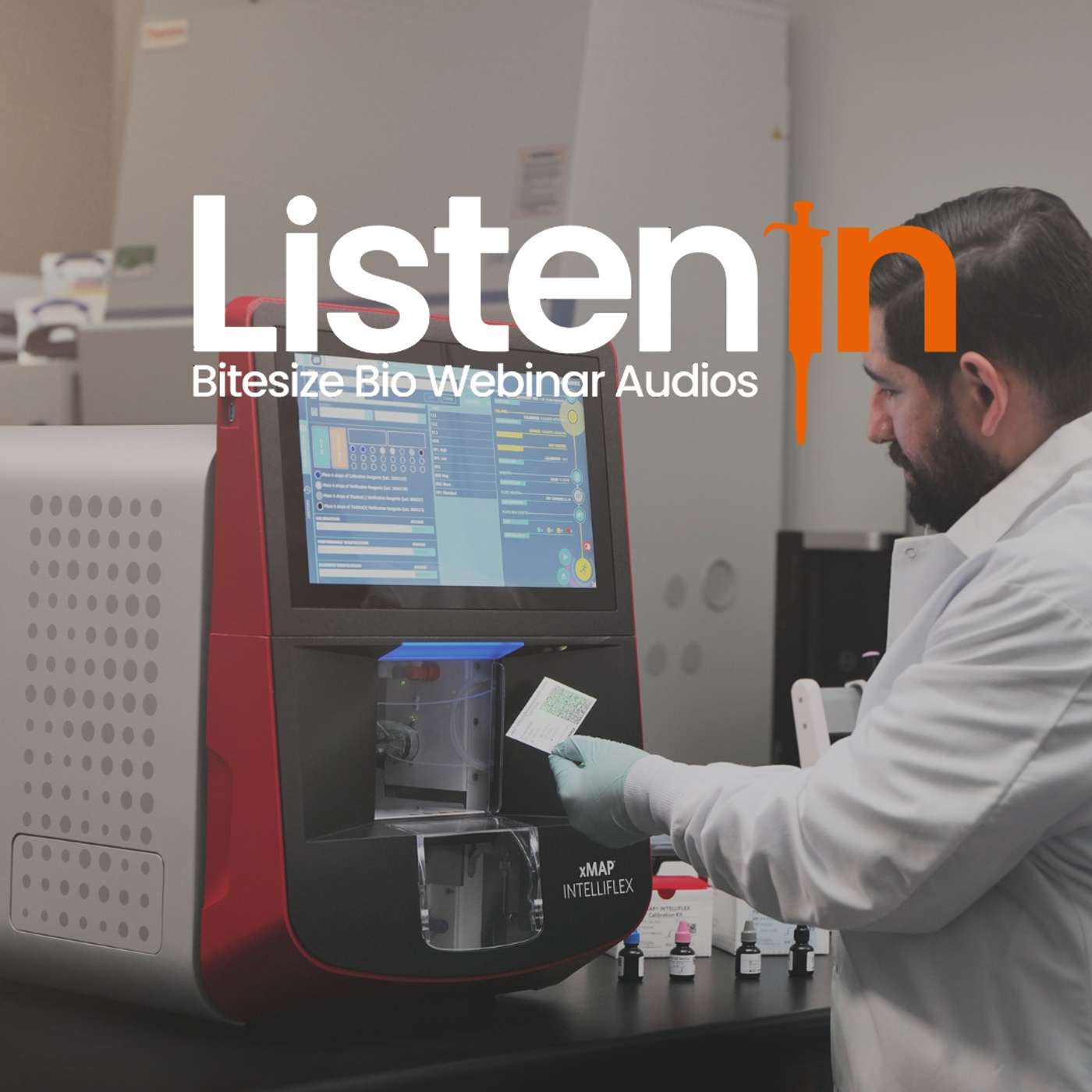
Ep 140How to Multiplex Any Assay: User Experience of the xMAP INTELLIFLEX®
In this episode, learn about latest advancements in multiplex assay technology.Hear from real user experience how the advanced xMAP INTELLIFLEX® DR-SE Instrument revolutionizes assay multiplexing, enabling simultaneous rapid data acquisition for multiple sample parameters to expand the depth and breadth of your research.Watch the full presentation here: https://events.bitesizebio.com/user-experience-of-the-xmapThis compact, flow-based multiplex platform integrates xMAP® Technology with modern enhancements to streamline assay development, enhance user experience, and deliver fast, reliable results by acquiring data for two parameters per analyte simultaneously.Browse all episodes of the Listen In Series here: https://listen-in.bitesizebio.com/
Ep 139Inside Immunoassays: Strategies to Maximize Your Immunoassay Data and Insights
Immunoassays are pivotal in scientific research, enabling the precise identification and measurement of specific analytes. They pave the way for investigations into disease mechanisms, discovering biomarkers, and evaluating the efficacy of potential therapeutic interventions.The key reagents included in an immunoassay can significantly impact reliability and reproducibility, underscoring the importance of understanding critical components within immunoassay kits.When selecting an immunoassay platform, it's essential to consider critical elements such as multiplexing capabilities and sensitivity needs as part of the experimental design.Additionally, understanding the various assay formats and their data outputs can aid in the immunoassay selection process.In this episode, immunoassay experts give practical guidance in these areas, empowering researchers to achieve more precise and meaningful results, thereby advancing knowledge and understanding in various scientific fields.MilliporeSigma is the U.S. and Canada Life Science business of Merck KGaA, Darmstadt, Germany.For Research Use Only. Not For Use In Diagnostic Procedures.Watch the full presentation here: https://events.bitesizebio.com/inside-immunoassays-strategies-to Browse all episodes of the Listen In Series here: https://listen-in.bitesizebio.com/
Ep 138AI-Powered 3D Organoid Analysis
Multicolor 3D fluorescent confocal microscopy presents significant challenges in image acquisition and data analysis. However, AI is making a massive impact on 3D spatial biology. This episode of Listen In explores the incorporation of AIVIA, an AI-powered image analysis software, into workflows to address these challenges in analyzing multicolor fluorescent microscopy data of 3D organoids. See how AIVIA’s tools enhance the visualization and quantification of cellular structures and organoids, enabling precise segmentation and analysis of fluorescent signals. And get a showcase of how AIVIA supports Python-based image analysis for microscopists. Watch the full presentation here: https://events.bitesizebio.com/ai-powered-3d-organoid-analysisBrowse all episodes of the Listen In Series here: https://listen-in.bitesizebio.com/
Ep 137High-Throughput and Wide-Range Protein Concentration Determination of Monoclonal Antibodies
In this episode of Listen In, explore high-throughput and wide-range protein concentration analysis that can deliver a 20-fold improvement in time and budget savings.Protein concentration is an obligatory critical quality attribute necessary to determine total protein content in biopharmaceutical formulations. Concentration determination is necessary before many downstream assays. A UV-based spectrophotometric assay using the protein’s extinction coefficient is the most typical method. Conventional UV methods or a specialized approach using variable pathlength slope spectroscopy could take one day to measure 15 samples in triplicate. Larger batches would require multiple analysts for a single-day turnaround time. With vast studies spanning multiple projects, protein concentration analysis becomes a key deliverable before all other methods can be performed. Thus, efficient rapid concentration analysis with a minimal volume requirement is essential. Hit play to learn how the Lunatic (Unchained Labs, Pleasanton, CA) offers rapid, plate-based concentration measurement with minimal prep and sample volume requirements. It utilizes only two microliters per sample, can analyze 96 wells in less than 12 minutes, and provides accurate measurements over a broad concentration range, from 0.03 mg/mL to 176 mg/mL.Watch the full presentation here: https://events.bitesizebio.com/high-throughput-and-wide-range/joinBrowse all episodes of the Listen In Series here: https://listen-in.bitesizebio.com/
Ep 136Multiplexing Magic: How MULTI-seq Revolutionizes Single-Cell RNA Sequencing
Learn more about the capabilities of MULTI-seq in single-cell sequencing in this episode of Listen In. Developed by the Gartner Lab at UCSF, this innovative multiplexing method increases sample and cell throughput while minimizing cost and improving your data quality. From modest experiments to expansive 96-plex studies and beyond, MULTI-seq enables truly mechanistic studies. Hit play to explore the potential of this tool and how it could benefit your research.Watch the full presentation here: https://events.bitesizebio.com/multiplexing-magic-how-multi-seq/joinBrowse all episodes of the Listen In Series here: https://listen-in.bitesizebio.com/
Ep 135Multi-View Light Sheet Microscopy to Track Cell Lineages in Tissue Morphogenesis
A major question in developmental biology is understanding how cellular fate decisions are regulated precisely in space and time. Fortunately, we can now begin to observe these processes with modern imaging approaches, which allow the tracking of cell fate decision events and cellular rearrangements by live 3D time-lapse microscopy. This development is shifting our understanding of pattern formation in development away from static models towards models based on the principles of dynamical systems and statistical mechanics. In this episode of Listen In, hear how light-sheet microscopy is the technique of choice for volumetric live imaging of 3D samples at high speed with minimal phototoxicity. See two user examples of how light-sheet microscopy is helping scientists understand the biological process of intestinal and brain organoid development.We also explore the technology behind the Leica Viventis LS2 Live, which combines dual-view illumination and detection in an open-top configuration. You will also learn how this unique configuration allows easy sample mounting and long-term imaging from small embryos and organoids to large multicellular systems. Watch the full presentation here: https://microscopyfocus.com/multi-view-light-sheet-microscopy-to-track-cell-lineages-in-tissue-morphogenesis/"Browse all episodes of the Listen In Series here: https://listen-in.bitesizebio.com/
Ep 134Enhancing 3D Spatial Biology with AI: Simplified Insights for All
In this episode, learn how AI-powered segmentation, spatial analysis, and phenotyping can help you gain new insights for 3D images with complex morphological measurements featuring up to 15 biomarkers. See how to characterize tissue microenvironments and examine the differences between normal and disease tissues without the need to code or train Deep Learning models—all with Aivia. Plus, get your 3D spatial biology results faster with an inbuilt, enhanced Deep Learning model that can accurately detect and partition cells with morphological variations. You will discover how to leverage your expertise or simple automation to classify cells into different phenotypes and interactively explore them in their spatial context. We also demonstrate how, with a few clicks, you can produce key measurements such as percentage distribution, Pearson correlation coefficient, and dimensionality reduction. You will also learn how to visualize the relationship between biomarkers and clusters using dendrograms.Watch the full presentation here: https://microscopyfocus.com/enhancing-3d-spatial-biology-with-ai-simplified-insights-for-all/Browse all episodes of the Listen In Series here: https://listen-in.bitesizebio.com/
Ep 133Accelerate Scientific Progress: The Power of Reproducibility, Collaboration and New Imaging Technologies
Imaging scientists have a critical educational role in improving rigor and reproducibility by sharing their technical expertise and providing intellectual contributions in all aspects of image-based science. They participate in creating, developing, and disseminating guidelines, resources, and tools to improve image-based research.In this episode, learn what impacts reproducibility in microscopy, discover resources and initiatives for improving education, rigor, and reproducibility, and see how collaboration drives innovation.Watch the full presentation here: https://microscopyfocus.com/accelerate-scientific-progress-the-power-of-reproducibility-collaboration-and-new-imaging-technologies/Browse all episodes of the Listen In Series here: https://listen-in.bitesizebio.com/
Ep 132Inside Immunoassays: Best Practices for Accurate and Reliable Results
Immunoassays play an indispensable role in scientific research. They facilitate the detection and quantification of specific analytes, enabling in-depth investigations into disease mechanisms, biomarker discovery, and evaluation of the potential of therapeutic interventions.Sample selection and preparation are of utmost importance, as they have a direct impact on the accuracy, reliability, and integrity of the obtained results.Properly selecting and preparing samples ensures that they are representative of the population under study and that the analytes of interest are preserved in their native state.In addition, controlling and mitigating matrix interference is crucial in immunoassays to minimize the influence of sample components that may hinder the accuracy of measurements.In this episode, hear from immunoassay experts as they guide you through all these areas. Watch the full presentation here: https://events.bitesizebio.com/inside-immunoassays-best-practices/joinBrowse all episodes of the Listen In Series here: https://listen-in.bitesizebio.com/
Ep 131Windows On Neurovascular Pathologies
The brain is an immune-privileged organ, meaning it is protected from the entry of pathogens, blood circulating factors, and immune cells by a physical barrier called the blood-brain barrier (BBB). But pathological events such as ischemia (stroke), trauma (traumatic brain injury), or tumor growth (gliomas and brain metastasis), activate the vascular endothelium, disturb or disrupt the BBB and allow immune cell homing.In this episode, discover how innate immunity can sustain deleterious effects following brain trauma, and the technological developments enabling longitudinal studies into post-trauma lesion remodeling.Watch the full presentation here: https://microscopyfocus.com/windows-on-neurovascular-pathologies/Browse all episodes of the Listen In Series here: https://listen-in.bitesizebio.com/
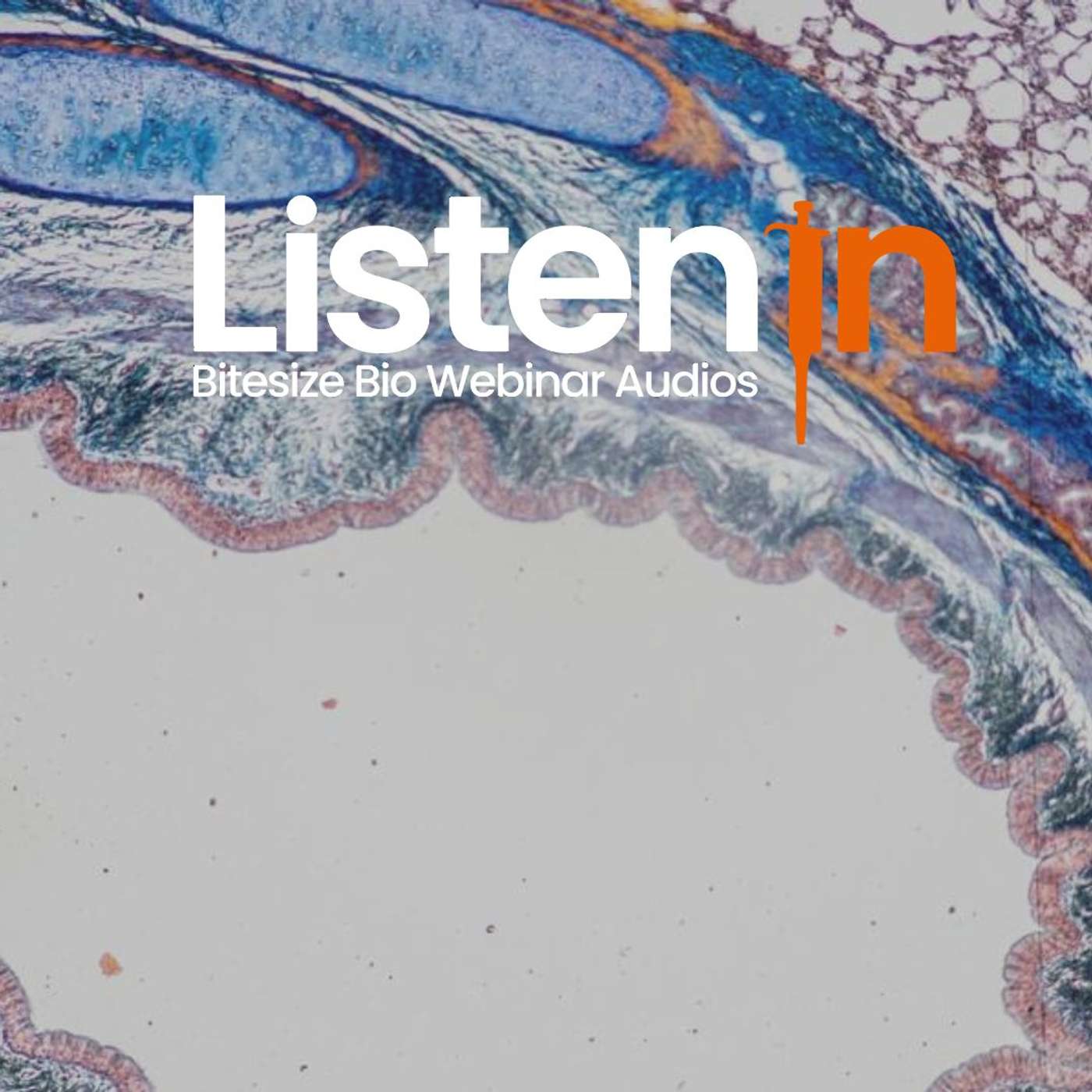
Ep 130Unleashing Fibrotic Secrets: Coupling the Power of Laser Microdissection with Mass Spec
Tissue heterogeneity is a significant challenge when analyzing proteins in tissue samples to identify disease states. In this episode, explore how combining laser microdissection with mass spectrometry (LCM-MS) on fixed and stained tissues lets you explore the protein networks within pathological features to shed light on their molecular functions.Using hallmark lesions of lung fibrosis in the honeycomb airways and fibroblastic foci as an example, you'll hear how this technology can detect over 4,900 proteins from tissue volumes as low as 0.005 mm3.Watch the full presentation here: https://events.bitesizebio.com/unleashing-fibrotic-secrets/joinBrowse all episodes of the Listen In Series here: https://listen-in.bitesizebio.com/
Ep 129Virtual Reality Showcase for Stellaris: Leica’s Confocal Microscopy Platform
Join Advanced Workflow Specialists for a virtual reality showcase of Leica's confocal microscopy platform, STELLARIS. In this episode of Listen In, discover how to enhance your confocal imaging from performing multicolor experiments with clear, sharp images to capturing fluorescence intensity and lifetime-based information simultaneously.Watch the full presentation here: https://microscopyfocus.com/confocal-microscopy-stellaris-showcase/Browse all episodes of the Listen In Series here: https://listen-in.bitesizebio.com/
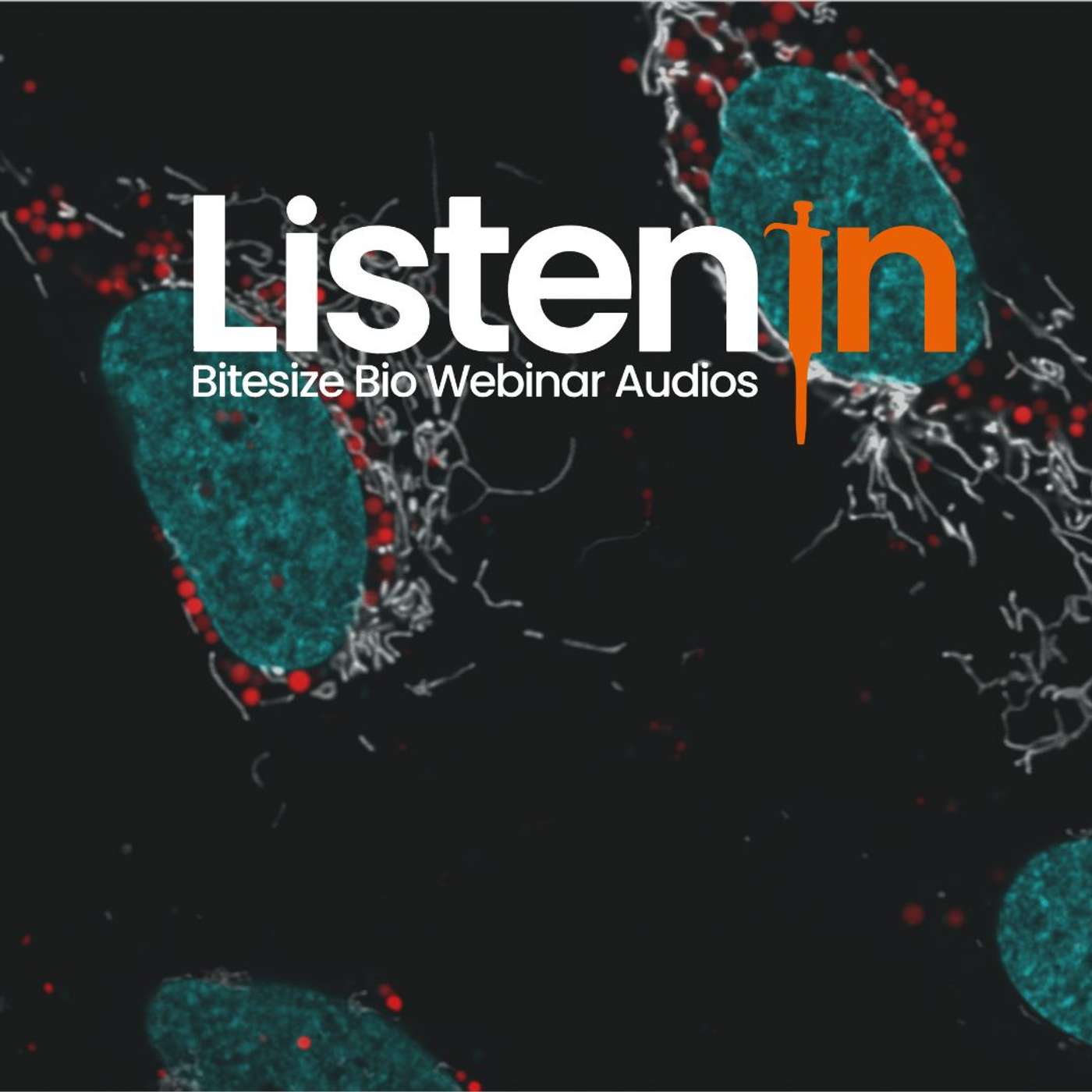
Ep 128Tools & Techniques for the Study of Biologics & Antibody Drug Conjugates
The fundamental cellular mechanisms of internalization and trafficking are crucial to many areas of cell biology, especially the proper function of therapeutic antibodies. Antibodies intended for use as antibody-drug conjugates (ADCs) should specifically bind to target cells and rapidly internalize via endocytosis. However, the ability to study these processes has historically been limited by the lack of tools that directly monitor the internalization and subsequent catabolism of extracellular material. In this episode, get a demo of rapid, high-throughput methods to screen for antibody internalization. You will also hear about techniques to directly visualize the internalization of therapeutic antibodies and ADCs in live cells for structure-activity relationship studies. You will also learn how the insights provided by these approaches have the potential to accelerate biotherapeutic lead generation and development.Watch the full presentation here: https://events.bitesizebio.com/tools-techniques-for-the-study-of/joinBrowse all episodes of the Listen In Series here: https://listen-in.bitesizebio.com/
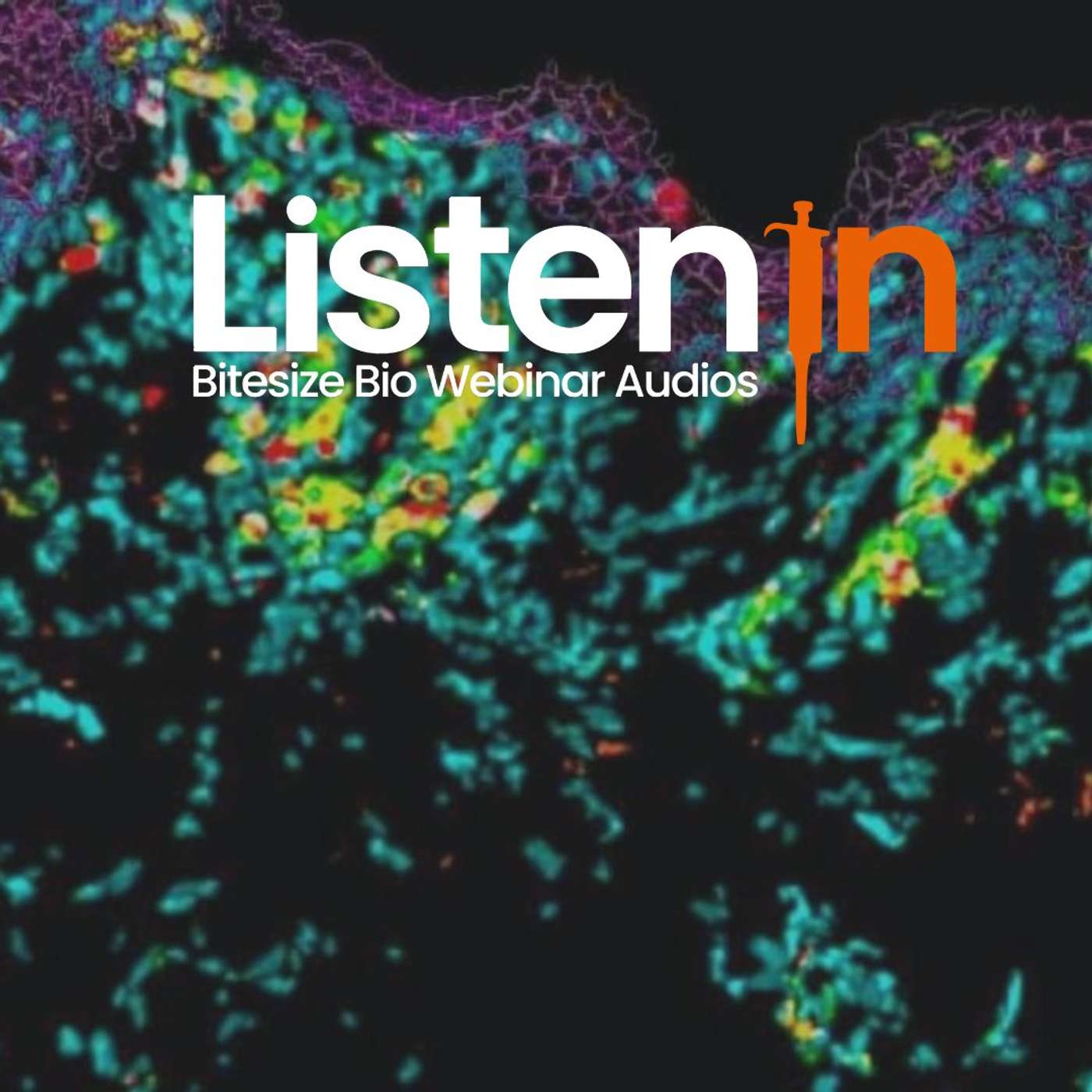
Ep 127Multiplex Annotated Tissue Imaging System (MANTIS®)
Join us on Listen In as we unveil a breakthrough method for imaging skin immune cells, crucial for accurate diagnoses and personalized treatments. Traditional imaging faces challenges like high tissue autofluorescence and spectral spillover. However, our latest episode introduces a game-changing solution using the Leica SP8 microscope coupled with the MANTIS system.Learn how this innovative approach allows for the acquisition of up to 10 colors, providing detailed immune phenotyping of skin samples. Plus, discover how MANTIS simplifies complex imaging, making advanced analysis accessible and practical for routine clinical practice.Tune in to explore how this new technology can revolutionize the identification of skin immune cells and enhance diagnostic accuracy.Watch the full presentation here: https://microscopyfocus.com/multiplex-annotated-tissue-imaging/Browse all episodes of the Listen In Series here: https://listen-in.bitesizebio.com/
Ep 126Breaking Out of The Mold - A Panel Discussion of Alternative Careers
Join us on Listen In for an inspiring episode that explores alternative careers for scientists who want to combine their artistic skills with their passion for science. If you love science but feel that traditional lab life isn’t for you, this episode is a must-listen.In this episode, we're joined by a panel of individuals who have carved out unique careers that merge science with creativity. Our panelists include a Marketing Communication Manager/Graphic Designer, an Artist in Residence, and a Science Rapper. These trailblazers will share their journeys, discuss how they found their unique paths, and provide insights into their innovative careers.Learn about the various opportunities available beyond the conventional academic and industry roles, and get inspired by the possibilities of combining science with art. Tune in to discover how you can turn your passion for science and art into a fulfilling career.Watch the full presentation here: https://events.bitesizebio.com/breaking-out-of-the-mold-a-panel-1/joinBrowse all episodes of the Listen In Series here: https://listen-in.bitesizebio.com/
Ep 125Five-Color STED With a Single Depletion Laser and Fluorescence Lifetime Phasor Separation
Dive into the innovative world of STED microscopy and explore how researchers are pushing the boundaries of super-resolution imaging in this episode of Listen In. Traditional STED microscopy achieves high resolution by using a doughnut-shaped depletion laser to selectively suppress fluorescence, but multicolor experiments often face challenges such as laser misalignment and dye bleaching.Explore the game-changing technique of using a single depletion wavelength combined with phasor-based FLIM separation. This method allows scientists to distinguish multiple fluorophores with similar emission spectra but different fluorescent lifetimes, significantly increasing the number of usable spectral channels.Discover how researchers successfully depleted five fluorochromes across different channels using a single laser and utilized the phasor plot for quick and easy visualization of staining quality and lifetime analysis. This approach not only doubles the number of distinguishable colors in laser scanning microscopy but also simplifies the process, making it accessible to many scientists with minimal training.Watch the full presentation here: https://microscopyfocus.com/five-color-sted/Browse all episodes of the Listen In Series here: https://listen-in.bitesizebio.com/
Ep 124Grant Writing: Everything but the Science
Dive into the often daunting world of grant applications. Securing funding is critical for any researcher, but the process can be filled with tricky tasks and complex requirements. Join us as we explore strategies to handle common challenges in grant applications with expert advice.Learn how to tackle issues like:• Career disruption• Reason for choosing your place of work• Track record relative to opportunity• Consumer involvementThis episode guides you through the rationale behind these additional requirements, offers tips on how to effectively showcase your track record and collaborators, and provides insights on managing challenging grant situations. Don’t miss this essential advice that could make all the difference in securing your next grant!Watch the full presentation here: https://events.bitesizebio.com/grant-writing-everything-but-the-1/joinBrowse all episodes of the Listen In Series here: https://listen-in.bitesizebio.com
Ep 123Live-cell Fluorescence Lifetime Multiplexing Using Organic Fluorophores
In this episode, we explore the cutting-edge techniques revolutionizing fluorescence microscopy. Traditional methods are limited to detecting three to four targets due to the spectral overlap of fluorophores. But now, scientists are breaking these barriers with fluorescence lifetime multiplexing. This innovative approach uses differences in fluorescence lifetimes to distinguish between similar dyes, allowing for more complex imaging.Hear how researchers combined lifetime multiplexing with spectral detection to analyze multiple targets simultaneously. Discover the exciting advancements made by characterizing 18 synthetic fluorophores and developing unique self-labeling protein tags. These breakthroughs enable the imaging of up to eight targets in four spectral channels, providing unprecedented detail in cellular studies.Watch the full presentation here: https://microscopyfocus.com/live-cell-fluorescence-lifetime-multiplexing-using-organic-fluorophores/Browse all episodes of the Listen In Series here: https://listen-in.bitesizebio.com/
Ep 122Stress in the Lab. Common Pitfalls and How to Avoid Them
Stress is a universal challenge, and scientists face unique pressures such as impostor syndrome, the demand for positive results, and career uncertainty. These stressors can be overwhelming and often feel beyond our control.In this episode of Listen In, we explore the various stresses that scientists encounter in their daily lab life and discuss effective strategies to manage them. Learn how to prevent burnout, anxiety, and depression by addressing issues like perfectionism and impostor syndrome. Our expert shares personal insights and practical advice on cultivating a resilient and healthier growth mindset.Hit play to discover that you're not alone in feeling overwhelmed and that with the right mindset, you can navigate the pressures of a scientific career more effectively.Watch the full presentation here: https://events.bitesizebio.com/stress-in-the-lab-common-pitfalls-1/joinBrowse all episodes of the Listen In Series here: https://listen-in.bitesizebio.com/
Ep 121Visualizing Protein-Protein Interactions by Non-fitting and Easy FRET-FLIM Approaches
Understanding molecular interactions in living cells is one of the key elements to deciphering the molecular mechanisms underpinning most cellular functions. Förster resonance energy transfer (FRET) is the gold standard for studying protein-protein interactions.Fluorescence lifetime imaging microscopy (FLIM) allows for a straightforward quantification of FRET based on the behavior of donor-only fluorescence.Join Dr. Padilla-Parra in this episode of Listen In to learn about some of the limitations of classical FRET approaches, how much information you can harness from FRET, and how lifetime-based non-fitting approaches such as minimal fraction of interacting donors (mFD) can provide a direct readout of protein-protein interactions in the cellular environment over time.Watch the full presentation here: https://microscopyfocus.com/visualizing-protein-protein-interactions-by-non-fitting-and-easy-fret-flim-approaches/Browse all episodes of the Listen In Series here: https://listen-in.bitesizebio.com
Ep 120Optimizing Nuclei Extraction & Counting for Single Cell Sequencing
Single cell sequencing samples must be prepared to the highest possible standard.Discover reliable techniques to prepare and validate nuclei samples for single cell sequencing. In this episode, learn how to perform essential quality control checks, including a quick and reliable method for quantifying nuclei, measuring extraction efficiency, and visualizing debris in a sample. You will also get tips to optimize your existing nuclei extraction protocols from an experienced Application Scientist.Watch the full presentation here: https://events.bitesizebio.com/optimizing-nuclei-extraction/joinBrowse all episodes of the Listen In Series here: https://listen-in.bitesizebio.com/
Ep 119How to Effectively Communicate Your Research
Join Kate Christian as she demystifies the process of effectively communicating your research in the latest episode of Listen In. She describes the impact of research communication in and out of the lab and provides some guides to explaining your research in various contexts, such as lab tours, community visits, and other public engagements.As well as learning how to work out your h-index, you will learn how to describe the impact of your papers.Watch the full presentation here: https://events.bitesizebio.com/how-to-effectively-communicate-your-1/joinBrowse all episodes of the Listen In Series here: https://listen-in.bitesizebio.com/
Ep 118Imaging GPCR Activity: Unravelling Mechanisms from Molecules to Morphology
Precise control of cellular communication and signaling is crucial for every physiological system, with G protein-coupled receptors (GPCRs, the largest family of signaling receptors) playing a central role as essential molecular sensors of a cell’s environment. Because of their diverse physiological and pathophysiological roles, GPCRs are also major drug targets. Our understanding of GPCR signaling has evolved from single receptors at the cell surface activating specific heterotrimeric G protein pathways, to an increasingly complex receptor signaling system. However, the complexity of GPCR signaling is translated to specific cellular and physiological responses is still unclear.In this episode, we explore some of the latest endeavors to uncover GPCR signaling mechanisms through a wide range of imaging applications, from analyzing single molecules to the identification of new subcellular signal platforms.Watch the full presentation here: https://microscopyfocus.com/imaging-gpcr-activity-unravelling-mechanisms-from-molecules-to-morphology/Browse all episodes of the Listen In Series here: https://listen-in.bitesizebio.com/
Ep 117Critical Analysis Of Research Papers: Practical Examples
As a researcher, one of the most crucial skills to develop is the ability to perform an efficient yet thorough review of manuscripts. Manuscript reviewing requires specific skills and knowledge to properly assess published literature. By reading and reviewing papers, researchers can develop and hone these skills, which will help them identify and handle tricky issues such as image and data manipulation.In this episode of Listen In, Dr. Johanna Ahlskog discusses the essential skills all reviewers and researchers need, emphasizes the critical importance of the review process, and offers general considerations when reviewing articles.Watch the full presentation here: https://events.bitesizebio.com/critical-analysis-of-research-1/joinBrowse all episodes of the Listen In Series here: https://listen-in.bitesizebio.com/
Ep 116New TauSTED Tools for Gentle Live Imaging at Nanoscale Resolution
This episode of Listen In showcases the latest tools and developments for multiplex STED imaging of living specimens at nanoscale resolution. Confocal imaging is a fundamental tool for studying the complex interplay of biomolecules, molecular machines, and higher-order cellular structures owing to its optical sectioning, sensitivity, and temporal and spatial resolution capabilities.Imaging complex cellular structures at nanoscale resolution while characterizing the dynamics of multiple species in live specimens are emerging avenues to shed light on biological processes in their native physiological context.With the advent of STED, researchers have realized the visualization of intracellular structures at the nanoscale. Tune in to see how STED is enabling unprecedented insights into cellular behavior, interactions, and function.Watch the full presentation here: https://microscopyfocus.com/new-tausted-tools-for-gentle-live-imaging-at-nanoscale-resolution/Browse all episodes of the Listen In Series here: https://listen-in.bitesizebio.com/
Ep 115Finding The Ideal Hook for Your Science Story
Your research is important, but it can be hard to explain to others why it's important. In this episode of Listen In, you'll learn to find the ideal hook for your science story. This trick, borrowed from journalism, involves taking a step back and thinking about all the aspects of your research and where they might overlap with other topics that attract interest from other people. Knowing how your research connects with other areas is useful when writing grant proposals or giving public talks about your work because it helps you write or speak persuasively.Watch the full presentation here: https://events.bitesizebio.com/finding-the-ideal-hook-for-your/joinBrowse all episodes of the Listen In Series here: https://listen-in.bitesizebio.com/
Ep 114Culture Media Preparation: Contamination Control and Retention of Critical Components
Contamination poses a significant risk in cell culture, jeopardizing research outcomes and incurring costly setbacks.This episode of Listen In gives you valuable insights into often overlooked areas of your filtration processes and will help you safeguard your sensitive cell cultures. Explore the critical importance of sterile filtration in diverse applications leveraging Millipore® filtration technology.Hear about the alarming consequences of suboptimal filters in sensitive media composition, highlighting the financial and time investments at stake. Plus, discover how the use of Millipore® filters as the gold standard in both non-sterile and sterile filtration can mitigate contamination risks and uphold the integrity of your cultures. Our expert guest showcases the superior performance of Millipore® membranes and explains their advanced features that enable efficient particle retention and exceptional flow characteristics. Watch the full presentation here: https://events.bitesizebio.com/culture-media-preparation/joinBrowse all episodes of the Listen In Series here: https://listen-in.bitesizebio.com/
Ep 113Automate Your Pipetting — Unleash Your Potential
Despite the growing number of new technologies and automated instruments, routine liquid handling is still a manual process in many labs. The trend towards automation is gaining importance, not only with complex applications, such as NGS library preparation but also with simple yet repetitive liquid handling steps where automated pipetting makes sense. A variety of automated liquid handling systems—suiting all budgets and workloads—are now available. These systems are designed to improve consistency and efficiency by eliminating both person-to-person and day-to-day variability. But how to get started with automation? When does it make sense to automate workflows and methods, and isn't it super complicated to implement an automated liquid handler in a lab? Get answers to these questions in this episode of Listen In! Watch the full presentation here: https://events.bitesizebio.com/automate-your-pipetting-unleash/joinBrowse all episodes of the Listen In Series here: https://listen-in.bitesizebio.com/
Ep 112Cellular Crosstalk in Neurodevelopmental Disorders
Inspired by mutations associated with neurodevelopmental disorders, Prof. Dr. Silvia Cappello’s group at the Ludwig Maximilian University of Munich aims to understand the role of extracellular mechanisms essential for the correct development of the human brain.Their research focuses on intrinsic and extrinsic mechanisms contributing to the formation of the brain by examining mutations in genes influencing cell-cell contacts, the extracellular matrix, and the secretion of vesicles.In this episode of Listen In, Silvia presents the latest research that makes an important contribution to our understanding of cell non-autonomous mechanisms in the development of neurodevelopmental disorders.She also explains how imaging workflows, using the Mica Imaging Microhub alongside confocal and super-resolution systems, support the group’s research.Watch the full presentation here: https://microscopyfocus.com/cellular-crosstalk-in-neurodevelopmental-disorders/Browse all episodes of the Listen In Series here: https://listen-in.bitesizebio.com/
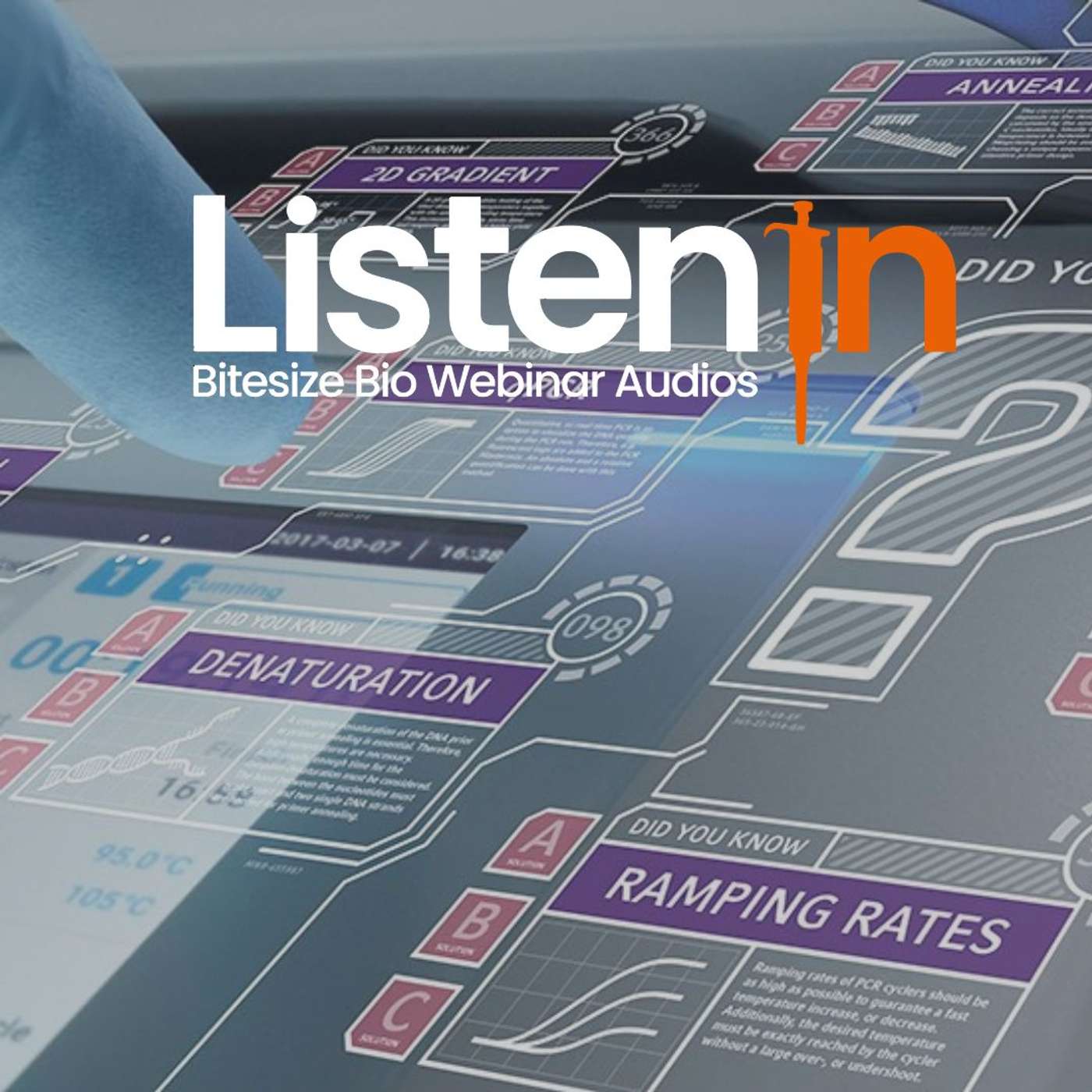
Ep 111End-point PCR Set-up and Optimization: Best Practice
In this episode of Listen In, master your PCR set-up for unparalleled results. Check out this enlightening discussion of the crucial factors that influence the outcome of PCR experiments and discover the parameters you can optimize for better and more consistent PCR results.You will get reliable advice directly from PCR experts at Eppendorf on key topics, including the core features of thermal cyclers and the importance of good pipetting techniques to minimize evaporation. This episode also features helpful insights into ideal reaction set-up, primer design, template DNA selection, and PCR optimization.Watch the full presentation here: https://events.bitesizebio.com/end-point-pcr-set-up-and/joinBrowse all episodes of the Listen In Series here: https://listen-in.bitesizebio.com/
Ep 110Approaches for More Transparent, Rigorous, and Reproducible Research
Improving open science and research reproducibility is both a technical and a social challenge.But how do we do it?One way is to design, conduct, and report research that can maximize the impact of our individual and collective investment in research. Plus, changing the research culture to prioritize 'getting it right' over 'getting it published' promotes transparency and reproducibility without losing the engine of innovation and discovery that drives scientific inquiry.In this episode of Listen In, get an overview of the fundamental challenges that reduce the credibility and reproducibility of research, how open science practices address these challenges, how you can incorporate them into your research, and how you can help promote a change in the research culture.Watch the full presentation here: https://events.bitesizebio.com/approaches-for-more-transparent/joinBrowse all episodes of the Listen In Series here: https://listen-in.bitesizebio.com/
Ep 109Confirmation Bias and The Scientific Method II: Applying the Scientific Method
For many researchers, modern science has become about getting results rather than asking questions. Results mean publications, and publications mean more funding. However, results are not the objective of the scientific method, which involves proposing an answer to a question, designing experiments to determine whether the proposed answer is true or false, and objectively interpreting the results.This episode of Listen In explores the definition of the scientific method and how to apply it to your research.Get a handle on the scientific method with a clear definition, and learn how to apply it to your research using real-life examples of the scientific method in action.You will come away from this tutorial with increased confidence in the rigor of your research and the fundamental knowledge to design scientifically sound experiments.Watch the full presentation here: https://events.bitesizebio.com/confirmation-bias-and-the-1/joinBrowse all episodes of the Listen In Series here: https://listen-in.bitesizebio.com/
Ep 108Confirmation Bias and The Scientific Method I: How to Avoid Confirmation Bias
For many researchers, modern science has become about getting results rather than asking questions. Results mean publications, and publications mean more funding. However, results are not the objective of the scientific method, which involves proposing an answer to a question, designing experiments to determine whether the proposed answer is true or false, and objectively interpreting the results.Nonetheless, the results-focused attitude to doing science is widespread, and it comes with a huge drawback—it encourages confirmation bias—making us prone to searching for evidence and interpreting findings to support proposed answers we believe to be true. This episode of Listen In explores what confirmation bias is and how to avoid it.Learn why confirmation bias is so common, how it creeps into our thinking, and how it degrades the quality of our experimental designs and findings. You will come away from this tutorial with the tools needed to defend against confirmation bias, challenge what you believe, and reorient yourself from a results-focused outlook to a method-focused one.Watch the full presentation here: https://events.bitesizebio.com/confirmation-bias-and-the/Browse all episodes of the Listen In Series here: https://listen-in.bitesizebio.com/
Ep 107Cryo-tomography to Volume EM: Explore with Hydra Bio Plasma-FIB
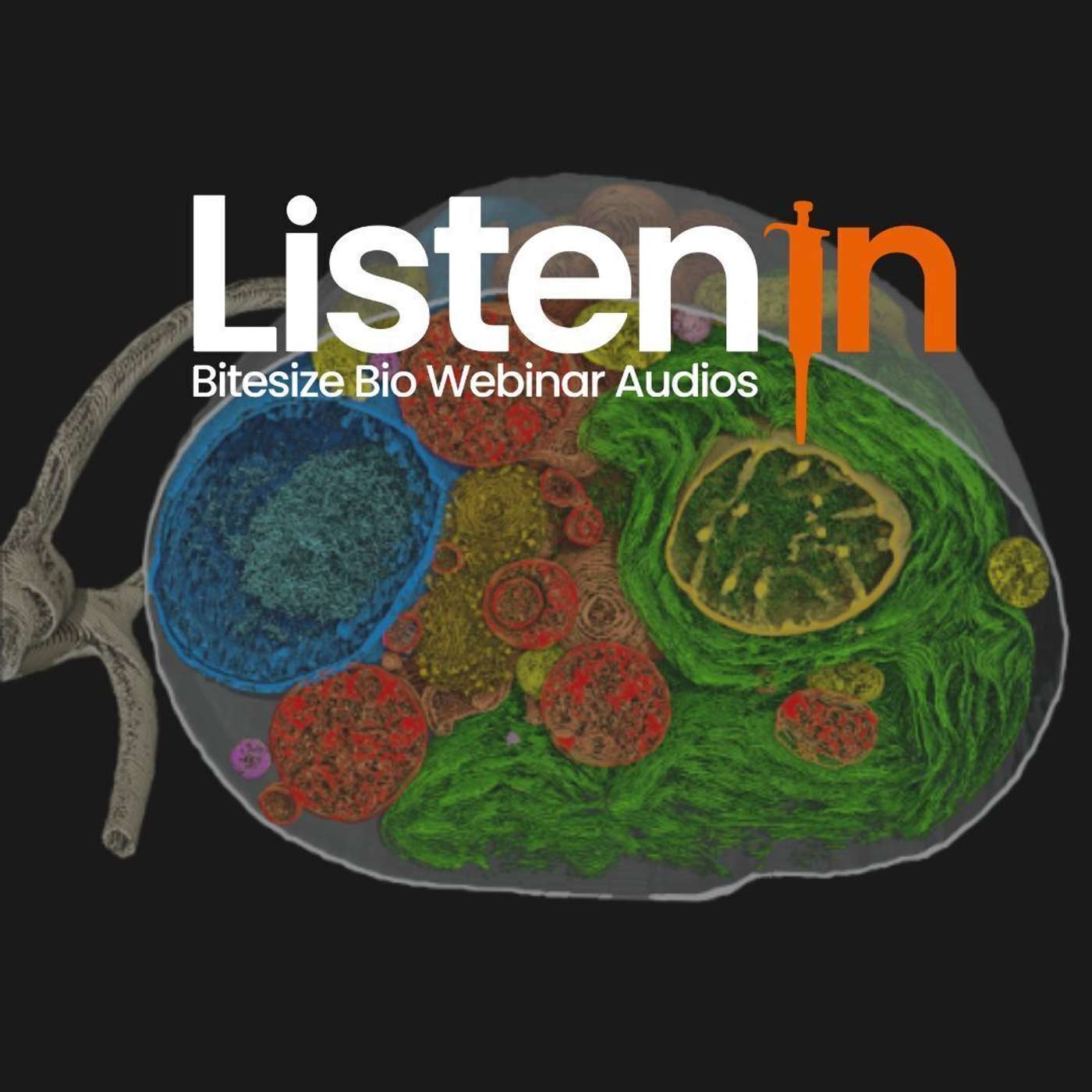
Volume electron microscopy or volume EM (vEM) was named one of Nature's Technologies to Watch in 2023. The new Thermo Scientific Hydra Bio PFIB integrates advanced cryo-TEM lamella preparation to volume EM workflows.In this episode of Listen In, see how the new Thermo Scientific Hydra Bio Plasma-Focused Ion Beam (PFIB) extends cryo technology to volume EM and enables the acquisition of high-resolution 3D data through automated serial milling and imaging of frozen-hydrated specimens.Cryo Auto Slice & View enables the acquisition of high-resolution 3D data through automated serial milling and imaging for striking new insights into a range of frozen-hydrated specimens prepared by high-pressure freezing or plunge freezing.The choice of four different plasma ion species offers advantages for imaging cryo- and resin-embedded samples. The Hydra Bio also features the Spin Mill Bio Method, an exclusive technique for large-area planar milling that yields similar-sized imaging areas as microtome slicing. Plus, see how Hydra Bio PFIB combines field-proven and new techniques to enable cryo and room temperature applications.Watch the full presentation here: https://events.bitesizebio.com/cryo-tomography-to-volume-em/roomBrowse all episodes of the Listen In Series here: https://listen-in.bitesizebio.com/
Ep 106The 12Rs Framework: Enabling High-quality Humane Research Involving Animals
In this episode of Listen In, see how emerging and global challenges of conducting ethical animal research have led to the 12Rs Framework to guide humane experimental techniques in animal studies and other research areas. The Principles of Humane Experimental Technique, the 3Rs (Replacement, Refinement, and Reduction), have been the mainstay of humane research involving animals for over fifty years. However, it is becoming increasingly apparent that to enable high-quality ethical and humane science involving animals, other ethical constructs and issues, for example, research culture, reproducibility, reliability, and responsibility, must also be considered. The 12Rs Framework brings these different constructs together in a single visual framework. Furthermore, it applies to all areas of scientific research, not just research involving animals. Watch the full presentation here: https://events.bitesizebio.com/the-12rs-framework-enabling/joinBrowse all episodes of the Listen In Series here: https://listen-in.bitesizebio.com/
Ep 105Elevate Your Research with Spatial Insights
In this episode of Listen In, learn more about how the convergence of AI technology and scientific discovery can revolutionize our understanding of biology and disease. Generating insights into tissue microenvironments is crucial to our understanding of normal and abnormal tissue development, such as during cancer progression. Spatial biology methods using microscopy and multiplexing techniques have allowed researchers to bring together protein expression profiles and spatial information to dive into the complex biology needed for these insights. However, image analysis of these datasets, especially with high numbers of protein markers and/or large numbers of cells, remains a challenge. Artificial Intelligence (AI) image analysis has significantly progressed through innovations in deep learning, segmentation, and detection, making it a powerful tool for researchers. Hear about the latest release of Aivia image analysis software, including AI tools, to help you tackle this challenge in your large 2D multiplexed image datasets.Watch the full presentation here: https://microscopyfocus.com/elevate-your-research-with-spatial-insights/Browse all episodes of the Listen In Series here: https://listen-in.bitesizebio.com/
Ep 104Unleash New Biological Insights with Innovative Glycoanalytics
Glycosylation is a prevalent modification of proteins known to play diverse roles across a wide range of biological processes. While glycoproteins are widely recognized as key molecular features involved in human health and disease, the analysis of protein glycosylation has historically been hampered by a lack of efficient and simple methods to characterize the analytically challenging glycan structures. Examples include structures exhibiting extensive heterogeneity and subtle isomeric features such as linkage and topological differences. In this episode of Listen In, Dr. Thaysen-Andersen discusses opportunities and challenges in the burgeoning field of analytical glycoscience. See the current landscape of glycobiology, learn about innovative analytical methods for N- and O-linked glycosylation profiling from biological specimens, and explore how advances in glycoanalytics enable new insights into human glycobiology. MilliporeSigma is the U.S. and Canada Life Science business of Merck KGaA, Darmstadt, Germany.Watch the full presentation here: https://events.bitesizebio.com/unleash-new-biological-insights/joinBrowse all episodes of the Listen In Series here: https://listen-in.bitesizebio.com/
Ep 103Contamination and Recovery of PFAS in Analytical Methods Requiring Filter Membranes
Liquid chromatography-mass spectrometry (LC-MS) is a crucial technique in many life sciences, including proteomics, metabolomics, pharmaceutical analysis, clinical diagnosis, and forensic science.In this episode of Listen In, elevate your analysis and liquid chromatography. Learn what consumables, materials, and reagents can harm your LC-MS data for more accurate quantification using perfluoroalkyl substances (PFAS) as an example.See how contamination from consumables, equipment, reagents, and non-specific binding of samples to syringe filters can make LC-MS quantification inaccurate. Plus, explore the environmental impact of PFAS and how to choose syringe filters and other consumables for accurate quantification results.Watch the full presentation here: https://events.bitesizebio.com/contamination-and-recovery-of-pfas/joinBrowse all episodes of the Listen In Series here: https://listen-in.bitesizebio.com/
Ep 102Label-free 3D Live Cell Imaging and Quantification using Holotomography
Holotomography has emerged as a helpful tool for imaging live specimens without additional pre-treatment, such as fixation, fluorescence labeling, and excitation. It can achieve long-term three-dimensional observations of live specimens for weeks without cellular damage caused by photoactivation. The high resolution (under 150 nm lateral) achieved through synthetic numerical aperture provides sufficient spatial information to distinguish various subcellular compartments such as nuclei, nucleoli, mitochondria, and lipid droplets. Furthermore, analysis of the measured individual cell data can elucidate the temporal 3D volumetric dynamics with the dry mass information. This episode presents the latest development of a low-coherence holotomography imaging system, HT-X1, and its numerous applications to different types of biological specimens, ranging from unicellular organisms to multicellular specimens. Plus, learn how to combine holotomography with downstream molecular analysis, such as cell biology, immunology, microbiology, material science, and in vitro diagnosis.Watch the full presentation here: https://events.bitesizebio.com/label-free-3d-live-cell-imaging-and/joinBrowse all episodes of the Listen In Series here: https://listen-in.bitesizebio.com/
Ep 101Back to Buffer Basics: Everything You Need to Know About Buffers
Buffers are critical to nearly all our experiments. Poorly prepared buffers lead to failed Western blots, poor protein yields, flat binding curves—and wasted time. Understanding why you need buffers, knowing how to choose the right one, and troubleshooting buffer issues are fundamental skills you can apply to make all your experiments work better—and you only need to learn how to prepare them correctly once.In this episode, dive deep into the world of chemical buffers. Explore how to select the best buffer for your experiments, share practical tips on preparing buffer solutions, and troubleshoot any hiccups that might come your way. Plus, we'll demystify key concepts like pH and pKa.Watch the full presentation here: https://events.bitesizebio.com/back-to-buffer-basics-everything/joinBrowse all episodes of the Listen In Series here: https://listen-in.bitesizebio.com/
Ep 100How to Write a Research Paper IV: Understanding the Publication Process
You have written a research paper. What now? Your research can only have an impact if someone reads it. So, you must submit your article to a journal for publication. In this episode of Listen In, learn the nuts and bolts of scientific publication with a step-by-step tour of the whole process. Explore how to select the right journal and what tools are available to help make that decision. Plus, get advice on how to make the journal submission process go smoothly and how to take critical reviews and turn them into positives in your re-submission.Watch the full presentation here: https://events.bitesizebio.com/how-to-write-a-research-paper-iv-1/joinBrowse all episodes of the Listen In Series here: https://listen-in.bitesizebio.com/This is part four of our How To Write a Research Paper series:I: Telling Your StoryII: The AnatomyIII: Common Problems And How To Overcome ThemIV: Understanding The Publication Process