Life Science Marketing Radio
227 episodes — Page 2 of 5
The Strategy of Your Addressable Market
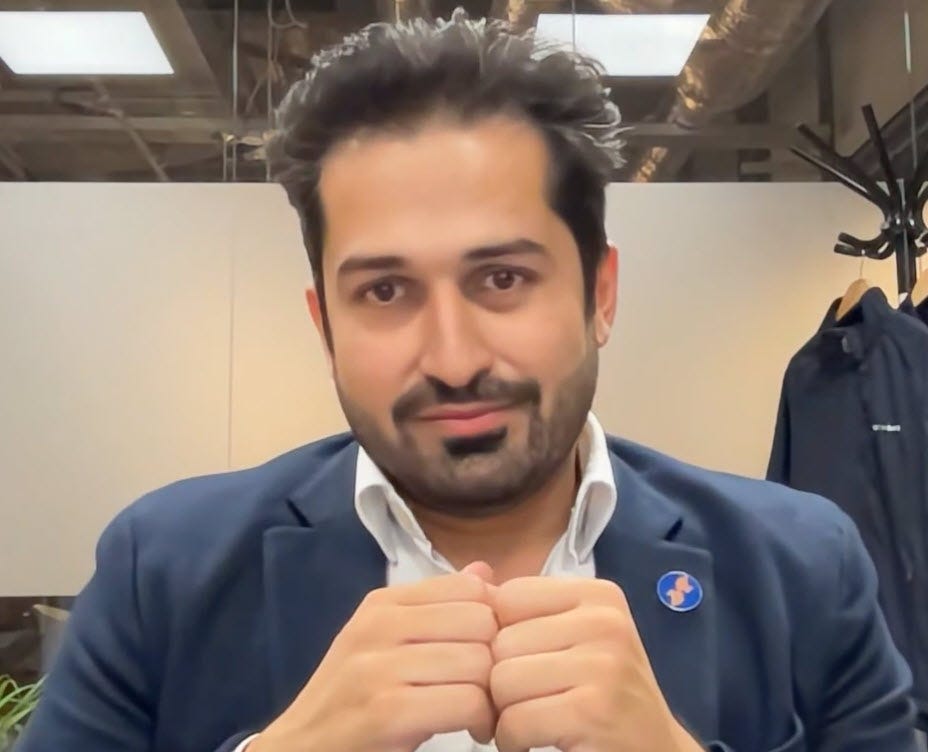
Developing a new product for launch involves a lot of effort and expense. To maximize your return, it’s important to know 1.) the size of the market for your offering to determine your potential return and 2.) how to prioritize your target customers for a successful launch to build momentum. From your addressable market, how do you find the early adopters?I had a fun conversation with Mehdi Farzanehpour, CEO of Scitodate, about this topic, which he refers to as central market intelligence. Typically one would do a lot of research to determine the size of your market. Reports are available, but they are rarely an exact fit. If your product is truly new, how could they be? So there is a bit of estimation and interpretation involved.Lucky for you, the the interwebs contain all kinds of information available about who is doing what, how much money they have, when they will get more, who do they collaborate with and how long they have been using their current products.If you are dealing with millions, like if you're selling shoes or Nike shoes, 2% is a very good conversion. But now the question is how can I get start getting 35% conversion? That I can just talk to the right people? I know what they're doing. So now the question is, who can I talk to? What their problems are? What is their need? How can I address that need? That data can be helpful not only in evaluating the size of the market, but also in discovering the likely early adopters. Which researchers are working at the edge capability of their current technology? Those are your first customers.We covered a lot of ground in this episode from maximizing lead generation to optimizing for conversion and how to help a sales team be relevant and helpful to their prospects.I enjoy doing these interviews. If you enjoy them, please subscribe and share.You won’t regret it.Mehdi on LinkedInScitodateSchedule a 15-minute chat with Chris about turning conversations into content for your life science company.Intro Music stefsax / CC BY 2.5 This is a public episode. If you would like to discuss this with other subscribers or get access to bonus episodes, visit cclifescience.substack.com
Improving the Patient Journey
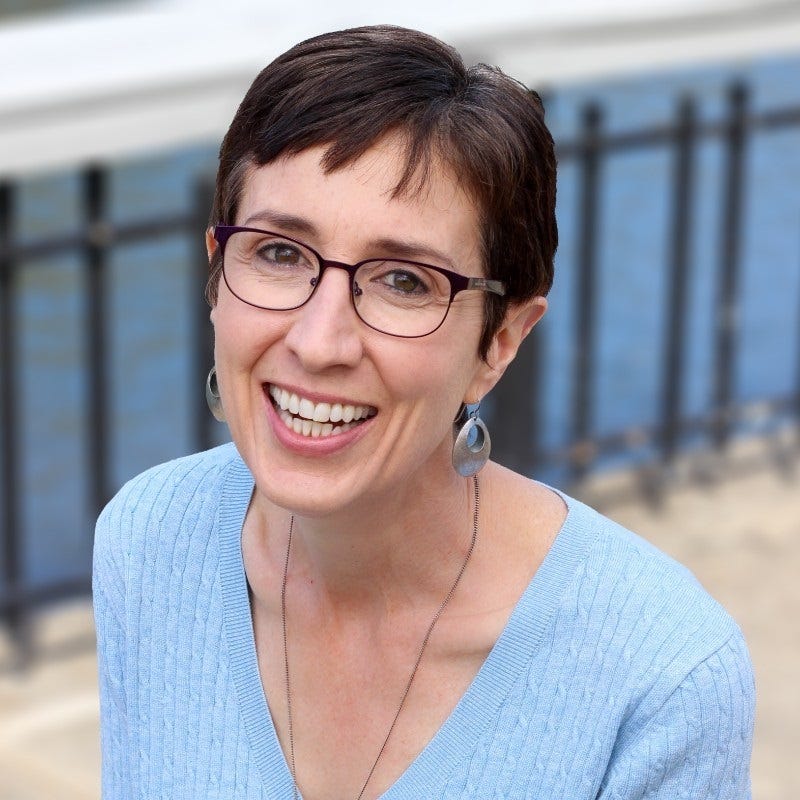
Everyone wants to be patient-centric these days. Betsy Bennett is a health psychologist and behavior change strategist. And, as you’ll discover in this episode, she has been a patient with a serious disease- twice. She has some thoughts about how companies can be helpful to patients over the course of their illness.There are so many good nuggets in this conversation, I’ll summarize a few of them here, but you should really listen to the whole thing. It’s very powerful to hear from someone who has actual experience and is trained to help people in similar situations.Missing piecesA symptom tracker can be useful. What’s missing is helping patients know how to give useful information to their physicians.…there are ways that you can distill that data and put it into sort of snackable chunks for your doctor so that you can get some of the answers that you're looking for. But what I don't see is anyone really teaching patients how to do that, or even more important. That might be something that I could do, but it might not be something that my elderly aunt could do. So in that case, I need to teach her how to identify people in her environment who could do that for you, help you prepare for this appointment, and who do you need to have with you to provide these snackable chunks to your physician.Gratitude - Read the RoomNo one with cancer, while there are probably things to be grateful for, wants to be told to embrace gratitude. Not helpful.Unbranded ContentHere is a real opportunity.…in my experience, one of the most successful things that I've been involved in, and not just once, but multiple times, basically, unbranded campaigns where, if you really connect with a group of patients and really give them something that they're not getting anywhere else…if you can provide that kind of education and even support for patients, and then you follow up with eventually a link to, or some sort of connection to branded content, you at a minimum have their eyeballs.She’s not talking here about healthy eating, fun recipes, and gentle exercise. Those can be found anywhere.Not subscribed yet? Why not? You won’t regret it.The Emotional JourneyThere is a huge emotional burden that comes with a diagnosis. The opportunity is to let patients know what they might expect around this.There is something that causes many patients to say to themselves, “I don't even know who I am anymore. You know, I used to be so upbeat. I used to be, you know, this or that, and now I'm, I'm weepy, I'm grumpy.” And so even being able to teach patients about this…All of that is on top of having even close relationships change because some people will be unprepared to deal with someone else’s illness.Advice for AgenciesHire older writers. The young folks may be clever, work all night and be less expensive but unless they’ve grown up with a sick parent or grandparent, they probably lack some perspective. Find people who understand what even a minor health challenge means for how one lives their life.Listen to the full episode. I promise it will change the way you think about some things.Connect with Betsy on Linkedin and check out her YouTube channel. Chat with Chris about content.Intro Music stefsax / CC BY 2.5 This is a public episode. If you would like to discuss this with other subscribers or get access to bonus episodes, visit cclifescience.substack.com

Business Model Innovation
While launching a new product is exciting, especially in the sciences, it’s not the only way to grow a business. We can change our business models or how we go to market.Dave Brock shared with me some of the things that he has seen in terms of companies thinking more broadly about how to do things.There is typically a cycle that companies go through. First is, “How do we do more?” A volume and velocity strategy. Next is “How do we do better?” Eventually, you need to do something different. Then maybe the whole cycle starts over.If you are not subscribed yet, now would be a good time. You’re welcome to hang out but do you really want to risk missing the next episode? I promise it will be good.Where do the ideas for doing things differently come from? Dave’s recommendation is to not look at your competitors. First of all, they probably aren’t different enough and copying what they do doesn’t deliver an advantage.He described an extreme sports company he worked with that was struggling with creativity and growth. At the same time, he was working with a semiconductor business win a similar situation. Imagine the scene when he brings them together for an innovation session: Powder blue shirts on one side of the table. Sleeveless vests and tattoos on the other.Once they started sharing what they had been doing, each side saw ideas and opportunities that would be novel to their own industry.Another way to be inspired without the intermediation of a consultant is to go to a trade show from a very different industry to see what they are doing. Talk to the people there about their business and see if you get some new ideas.If you’ve been around this podcast for a while, you know I’m a big fan of bringing in marketing talent from outside. This is the same idea.Dave Brock on LinkedInChat with Chris about content.Intro Music stefsax / CC BY 2.5 This is a public episode. If you would like to discuss this with other subscribers or get access to bonus episodes, visit cclifescience.substack.com
Intern for the Win-Win-Win
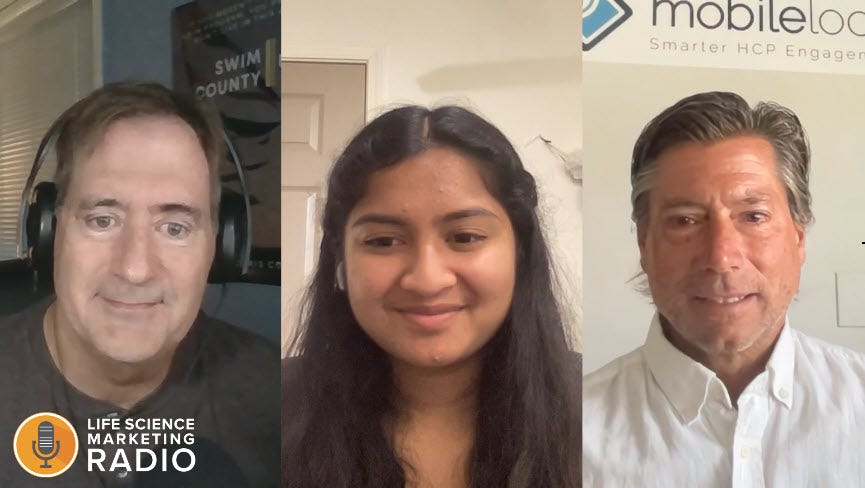
Can you really make serious progress with an intern? The answer is a definite yes and it can work out for the intern, the host company and a vendor.Bob Lempke is the Chief Commercial Officer at Mobile Locker. He’s been on the podcast before. On a catch-up call, he told me this great story about working with an intern at one of their customers, Allergan Aesthetics, and AbbVie company.Sunethra Kannan was the intern. Her assignment was to help set up the Mobile Locker user accounts as they were rolling out inside the company. Long story short every internship comes to an end, but in the meantime, she becomes an expert at this for Mobile Locker. Not subscribed yet? Why not? You won’t regret it.When she goes back to school at the University of Illinois, Bob decides why shouldn’t they hire her part-time (fitting with her schedule) to continue the work and do more of the same for other customers.This becomes the win-win-win for all parties involved. They both agree this is a model that work in a lot of places. Let me know in the comments if it can work for you.Bob Lempke on LinkedInMobile LockerChat with Chris about content for demand generation.Intro Music stefsax / CC BY 2.5 This is a public episode. If you would like to discuss this with other subscribers or get access to bonus episodes, visit cclifescience.substack.com
Business Development for LifeSci Startups
Erica Sosnowski, the Managing Partner at Sosna + Co. recently posted on LinkedIn a list of things that life science executives struggle with the most in the context of finding and executing deals.From her post:- A limited network due to time spent in academia or in the “science” of their business- Lack of understanding (despite best efforts) on how to move your business beyond the small-to-medium stage- Uncertainty of what goes into business/IP valuation- Lack of awareness of where to find the ideal target company (for M&A, licensing, partnering)- Unsure how to negotiate and secure a lucrative dealMaybe you struggle with similar challenges. So I asked her about all of those things in our interview.Many founders may have a scientific network but not a business network where they can find people to help turn their science into a product. How do you find the right partners? You need to know where you are trying to go. Erica’s job is to help with the process. …it also starts with strategy, right? It starts with, “What do you wanna be when you grow up? How do you wanna get this drug over the finish line? What is the amount of money that you need to get it there? Because we all know that developing a drug or a technology, it takes millions of dollars in multiple years.Most interesting to me was the art of valuation. Understanding the market for your therapeutic area is key, of course. I hadn’t realized that markets can be very different geographically for cultural as well as other reasons. And every market is different, right? I mean, the North American market is vastly different from the European market, which is different from the Japanese market. So, um, looking at the dynamics of each of the markets is, is also critical to understanding the IP position and the valuation…How drugs are paid for. Culturally, right? Reimbursement systems are different in different areas. Therapeutically, you have different diseases that affect different countries. There's a lot of obesity in North America, not as much in some of the European or Asian countries.This was a fun and informative interview. If you are looking to do a deal in the future, you’ll want to listen and subscribe.Erica on LinkedInSosna + Co.Chat with Chris about content for demand generation.Intro Music stefsax / CC BY 2.5 This is a public episode. If you would like to discuss this with other subscribers or get access to bonus episodes, visit cclifescience.substack.com

Writing for Thought Leadership
So you want to be a thought leader? I talked to Brian Morgan, President of Think Deeply, Write Clearly about effective thought leadership communication.Thought leadership can be used to attract an audience who may need your product or service. Or you may want to influence decision-making in a particular direction. You can see the overlap with content marketing.In our conversation, Brian brought out a few points that may be helpful.Thought leadership is about building trust. People need to trust you before they do business with you or take your advice. Being an expert is the first requirement in most cases. But that may not be enough. You have to know your topic AND add something new to the conversation. Otherwise it’s not leadership, right?A significant mistake Brian sees often is not sharing your assumptions. It’s important for readers (or listeners) to understand your point of reference. Transparency builds trust and credibility but also makes you vulnerable. (People will find out whether you know what you are doing or not.)What if you are not an expert? Maybe you want to stimulate a discussion to learn more. Brian’s advice is to detail your observations. You might say, “so I've been thinking about… or I've been wondering about...” The job of the writer is to make his or her reference point useful to you. (Personal aside, I think I fall into this category. I don’t consider myself a marketing expert. I think I’m pretty good at storytelling and creating marketing content. But I’m very curious about marketing and the people who do it.) People care not only about what you think (your conclusions) but how you came to them. Even when someone has a different point of view, you can build trust by “showing your work”, as your math teacher used to say. Brian refers to factors and weights. What are the factors you are considering in your argument and how do you weigh each in your decision-making process? Make these clear to your readers and you’ll be off to a good start.I’m learning a lot more in his course and have a long way to go. DM Brian on LinkedIn for a free trial.Brian on LinkedInThink Deeply, Write ClearlyChat with Chris about content for demand generation.Intro Music stefsax / CC BY 2.5 This is a public episode. If you would like to discuss this with other subscribers or get access to bonus episodes, visit cclifescience.substack.com
Market Shaping and Staffing Commercial Pre-Launch
PharmExec.com published a study in 2020 of 25 first commercial launches. 48% of them missed their first year forecast for sales (Almost a third of them outperformed (>130% of forecast). Outperformers started commercial planning more than 2 years ahead of approval and typically spent more on SG&A.It has to be difficult for a CEO or CFO to devote resources to commercializing a therapy when approval is still uncertain and far away. I invited Maureen Franco and Mike Hodgson to talk about the activities that make these launches successful and who is brought on to make it happen.Key takeaways:* Understanding the market, customers and market access is important. If it’s misunderstood or unappreciated, even the best product will struggle to get traction.* Positioning your drug, the disease and your company is key. Those things have to fit together. And when they do, it becomes easier to make decisions and attract the right employees to carry your vision through. Strong positioning is the beginning of establishing a culture.* Your first commercial hire will do a lot of educating the founder and others on the value of commercial planning. It can be a lonely position.As an example of shaping the market and positioning a disease, Mike shared the story of how Pfizer repositioned impotence into erectile dysfunction which made a huge impact on the success of Viagra.In essence, Pfizer launched two products, right? They relaunched the disease with a totally new name and then they launched their drug…We think that's applicable to just about any condition in any therapy you're launching. You've really gotta… you don't necessarily have to rebrand the disease, but you should understand its perception and its relationship to your product.PRE CommercialChat with Chris about content for demand generation.Intro Music stefsax / CC BY 2.5 This is a public episode. If you would like to discuss this with other subscribers or get access to bonus episodes, visit cclifescience.substack.com
Be Bold and Experiment
Paul Simms describes himself as a noisy introvert. Does that mean he’s a troublemaker? He’s definitely trying to stir things up in the pharma/ life science world as CEO of Impatient Health. You should take a look at his blog to get an idea of what he’s up to. I wanted to talk about some things I saw there and on LinkedIn.The world for the last fifty (seventy?) years has been pretty predictable. That seems no longer to be the case. Being successful will mean being adaptable. One of the challenges he sees is that outside of R&D, there is little innovation. He described a curve (up and to the right) signifying advances in science and a shallower curve below it signifying the innovations that make it to the patient. Paul believes the gap is people who could have been treated but weren’t.He also sees the possibility of innovations outside the lab that could improve the patient experience better than medicine alone. This requires a culture of experimentation that doesn’t exist outside the lab. Many ideas never leave the flip chart. Why don’t we build them and test them with simple approximations? Paul admires the practice of building concept cars in the auto industry. They spend millions building ridiculous models that no one will or could ever drive. Yet they are valuable because the provoke a reaction. We learn what is attractive and what fails to spark joy. And he says they make the car industry a little bit cooler. He asks, “What would make health cooler?” People might shout at me if I say that health should be cool and that maybe it shouldn't, but it should certainly be something we get more passionate about.I often argue marketers are working in the most emotive industry of all. Yet, somehow managed to make the most bland advertising materials of all as well. …Elon Musk can get people excited about batteries for crying out loud. We should be able to get people excited about health. But we just don't think about it in an imaginative way.So I would like to create a new relationship with not just HCPs, but patients as well by opening their eyes as to what is possible, what the future could look like and becoming better storytellers in our industry.That question has had me thinking more than any other bit of conversation I’ve had on this podcast. First of all, is it the right question? Regardless, it has my brain going many places to imagine new business models that would help people stay healthy and be profitable.What if we remove the constraints just for the purpose of imagination? No budgets. No compliance restrictions.We do it when we dream. All of us do it every day. We dream. We wake up in the morning and we think, “What in the hell was that I just dreamt about? But you know, we do it.And unfortunately, we discover in the morning that we cannot fly, but we've just spent the last few hours imagining a world where we could. And that's almost something we want to embrace as opposed to push away…As it often does, it comes down to culture. Some companies celebrate boldness and give awards for trying something bold and failing. He suggests implementing some “innovation accounting” where learning is accounted for in the way we track dollars. And learning is distributed the same way as dollars. It goes back to the culture of experimentation, building prototypes that can be tested and iterated quickly.Leadership also needs to recognize that there may be someone in the company that always has the crazy idea and may have been derided for it in the past. That person is worth paying attention to: …because they're the ones that are willing to unlearn. To go down the hill to deoptimize. I spoke earlier about how we've optimized to a world that we thought we knew. But now we want to be over on another peak, another peak of a different mountain that we want to be on.We can't just step from one mountain to another, in a single step. We have to go down that valley and unlearn and be willing to make a fool of ourselves sometimes in that process. So that is the attitude I would love to see us have. It's not necessarily one of being courageous ourselves. It's one of being tolerant.Chat with Chris about content for demand generation.Intro Music stefsax / CC BY 2.5 This is a public episode. If you would like to discuss this with other subscribers or get access to bonus episodes, visit cclifescience.substack.com
Opportunities for Healthcare Innovations to Enable Aging in Place
Kristin Apple is the President of LINUS. We talked about the future of healthcare specifically for seniors 60-79 and how they think about it based on a recent survey (Link below).This is worth paying attention to because this age group is the fastest growing segment of the population. How they think about aging and what innovators can do to meet the needs of this group represents a big opportunity.They did a quantitative survey of 1000 people and followed up with a qualitative conversation style study.First of all this group doesn’t see itself as old. We found out that, no matter what, how unhealthy they get, two in three want to stay in their home, even if they can no longer properly take care of themselves or have to be dependent on others.The same percentage haven’t done anything to ensure that happens. So what would they give up in order to enable aging in place? It's okay to be tracked… We thought, nobody's going to want to be tracked. They're definitely not going to want to have their gen-X daughter like myself, knowing when they're opening the refrigerator or whatever it might be. But the answer is. That's okay. So they're willing to give up some sort of privacy to be able to be at home.Where they put their trust is in traditional brands involved in healthcare. Think Mayo Clinic and Walgreens. Google, Apple and Peloton - not so much.This means there are opportunities for remote monitoring and other products that allow seniors to stay in their home as they age. I’ll call out three areas where innovation is needed:Usability - “Am I seeing a pink line or not? How do I decide?” Develop products for at-home use that give clear, easy-to-interpret answers.Education - Following from above, “Can I take a test or collect data and communicate clearly with my doctor about the results or know what to do on my own?”Reduce physician burden - This comes up in every conversation I have about health tech. Doctors have plenty to keep them busy with the patients they currently see face to face. How do we avoid overwhelm and eventually burnout when we throw a constant stream of data their way? There have to be thresholds or other mechanisms to flag what’s important while holding on to all the collected data.Beyond all that, it will be important to align the patient and physician experience. A doctor can’t be expected to become an expert at every device or test available on the pharmacy shelf.Kristin on LinkedInReport: Home is the Center of Health Schedule a 15-minute chat with Chris about turning conversations into content for your life science company.Intro Music stefsax / CC BY 2.5 This is a public episode. If you would like to discuss this with other subscribers or get access to bonus episodes, visit cclifescience.substack.com
What Does Real Digital Transformation Look Like?
I saw this LinkedIn post from Erasmus Holm, Chief Marketing Officer for the Nordics at MSD, and was curious to learn more. He mentions that the pandemic, although demanding a lot of change, hasn’t necessarily had the lasting effect we expected. He sees companies reverting to the old ways of doing things.I asked him about how he sees digital transformation, a term I hear a lot, but whose definition has seemed squishy to me. The light bulb came on for me partway through our conversation. It’s not a transformation of just how we do things (interacting digitally, webinars, etc.). It’s a transformation of what we can actually do. What new life science products and services are possible in the digital world? He makes the point that the human element is as important as the technology. So technology and buying, you know, software and implementing those kinds of stuff, which is sometimes easy, and often where companies start it's often the mistake, because you underestimate the human transformation that goes into it.But specifically, it is this critical need for both companies and people, that are really born in the digital age, to understand that we live in a time where digital and real world experiences… are expected just to seamlessly blend into each other.Amazon, Google and Netflix have raised the expectation for every interaction we have with a company. We should be thinking bigger about ways to serve our customers. Everything revolves around people. Not just our customers, but our colleagues.…How do you embed innovation? And that comes down to the sort of human aspect of things as well. That if you set up the right teams, you create the environment for people, you start innovation to happen.And then if you have technology embedded in a company, suddenly you start seeing services and solutions that can actually both do something for the customer and do something for the company in the long run, besides the core product, because we're still a manufacturer of a pharmaceutical. And we're really good at that.I wondered if a real digital transformation meant not just evolving how customers hear from us, but actually offering new services, possibly changing the business model or expanding it. It’s eye-opening when people talk about what their companies do beyond their core:It's three phases for us, right? It’s almost like the research development of a product. That's the same for us in the evolution. The first and foremost, we know that we are a research company. The next step, then that's what many pharmaceutical companies end up realizing: Okay. We are also a communication and information company. And thirdly, we are also a technology service data company. For me, the takeaway is for everyone to think more broadly about the businesses within their business to look for transformation opportunities.If you are new to cc: Life Science and Life Science Marketing Radio:Schedule a 15-minute chat with Chris about turning conversations into content for your life science company.Intro Music stefsax / CC BY 2.5 This is a public episode. If you would like to discuss this with other subscribers or get access to bonus episodes, visit cclifescience.substack.com
Managing Distributors - The Long Game
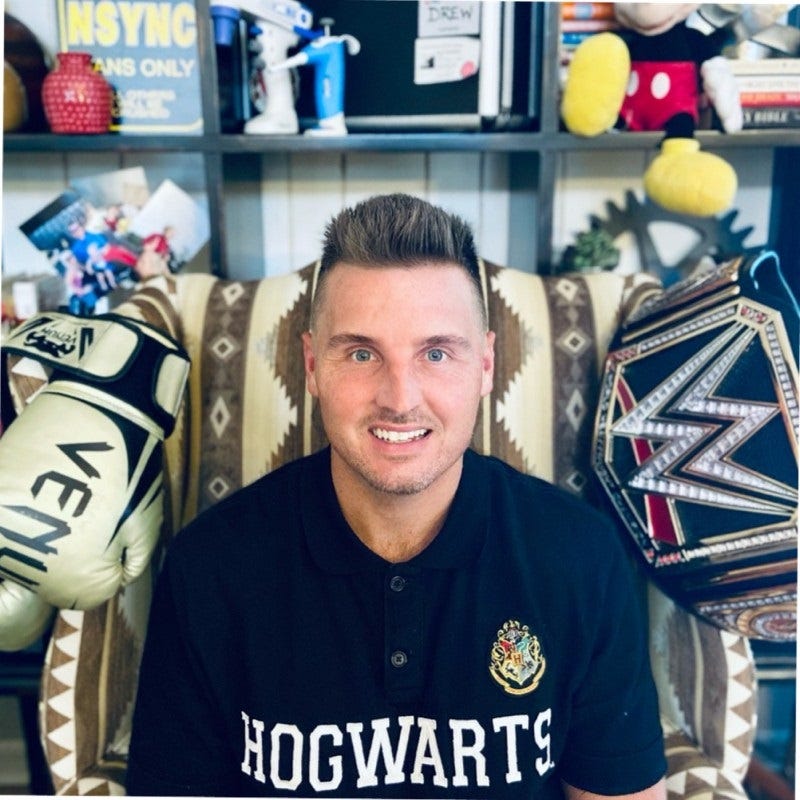
What is the path to success in sales when you are selling both direct and through a distributor? What is the best approach for you and your company? Even though it’s sales, I think it looks a lot like marketing based on my conversation with Drew Hamilton. He is the Southeast regional manager at VistaLab technologies.He is playing the long game by building relationships with his reps (he has 200 from Washington, D.C. to Texas and everything below that line) that pay off in a win-win-win for Drew, his reps and their customers. He was kind enough to share his experience with me and some tips for anyone following this path.Drew is pushing everything through distribution but describes his activity as 50% managing distribution and 50% “taking it to the people”, walking the halls and knocking on doors.He has been at it for 11 years and admits the first few were tough. It takes a while to build those relationships. The reps need to check you out before they put you in front of their customers “because their customers are gold.” But after about three years, the investment in those relationships pays off “if you get that snowball effect and business just gets better and better. The job gets easier and more fun.”I will say as a little tip, the number one thing any new rep needs to do is build a database of all their distributors.I've got an Excel spreadsheet listed with everybody's email in there. And then I email or call everybody a once or twice a month, whether it's a stock report or a promo just to get myself on their radar, you know, whether they read it or not, and to get my company and my products on their radar. And it kind of builds from there. That’s the logistics of the relationship, but the secret sauce is the human connection - “just be a real dude.” He’ll talk with customers about Star Wars, Harry Potter (see photo) and sports. And then he makes sure to keep his reps up to date with info they need. Staying in touch is key. He learned early on that bad news is better than no news.Finally, about five years ago, he started sending Christmas cards. No mention of VistaLab, just pictures of him (dressed as a Jedi) and his family. Be human. Keep in touch. Share valuable information. Looks a lot like marketing, doesn’t it?Drew on LinkedInChat with Chris about content for demand generation. This is a public episode. If you would like to discuss this with other subscribers or get access to bonus episodes, visit cclifescience.substack.com
Switching Jobs in 2022? How to Prepare
Darcy Bevalacqua is a career coach and executive recruiter for senior marketing executives over 50. Nevertheless, this episode has good advice for anyone looking to change jobs and even companies that are competing for talent.Challenges for companiesI asked Darcy about the state of the job market. Companies are having a hard time attracting talent right now. She verified what I have seen a lot on LinkedIn and that is that companies have a hard time “getting candidates through the pipeline in any reasonable period of time. And so many times they lose great candidates because they take too long to make a decision about who they wanna hire.”The second challenge is compensation. Companies are giving small raises but job switchers are getting 15% raises. Expectations for flexibility and other factors have changes during the pandemic.Meet the new boss…Even with those large raises however, more than a third of people who switched jobs last year are looking to move again. Darcy explained that if you don’t understand what motivates you and what you are looking for you can trade bosses and still end up hating the job because it isn’t any different that what you had before. One thing you, as a job seeker, need to do is really start to think through what is it that I really want in a job?What is making me unhappy now? Is it the scope of the job? Is it the culture? Is it the lack of flexibility? Is it not enough collaboration or teamwork? Not enough creativity? You need to really look inside and figure out what are your important skills and what motivates you to keep happy in a job.And once you know those things and you set your career path, it's much easier to look for those in the new opportunity.In the current environment, she notes that balance is more important than ever and given all that’s going on in the world, people want to work where they feel they are making a difference and making the world a better place.Getting yourself through the pipelineAs marketers, I hope you’ll all appreciate this. You need to be able to sell your unique skills and do whatever it takes to find that ideal job. Darcy gave an example of a candidate that was not hired but was the 2nd choice. She felt she could really help the company. Darcy encouraged her to talk to the CEO and offer to help as a consultant to demonstrate what she could do. She ended up being hired as the VP of Marketing and got a (ka-ching!) $100,000 raise.If you’re an older worker, you undoubtedly have skills. But you might have to think about how you frame those to be relevant in today’s market. This is where some coaching could definitely help. What about imposter syndrome? I personally believe that most people who have it, shouldn’t worry and some of those that don’t probably should. In any case, Darcy laid out some ideas about how to overcome it and focus on what you know you are good at. You should also trust that anyone who invited you to an interview hasn’t made some awful mistake or been somehow fooled by you. Finally it’s important to keep up a positive routine. It’s easy to start feeling down when the job search is a string of no’s followed by a yes. Volunteering, exercise and a regular get-together with friends are all good options. You’ve got this.Darcy on LinkedIn Chat with Chris about content for demand generation. This is a public episode. If you would like to discuss this with other subscribers or get access to bonus episodes, visit cclifescience.substack.com
Customer Obsession
This episode is not about strategy or tactics or building your marketing team, This week, it's about capabilities. We're going way back to basics, to do a mindset reset on what marketing actually means. How can marketers know their customers better than they know themselves and solve problems for those customers all along their journey, not just with the products or services they sell?Michele Benton has extensive experience in marketing leadership and transformational change at global pharma companies. She is now the founder and CEO at Lime where she is on a mission to put the “life” back into life sciences with skill-building programs, leadership and culture-shifting initiatives. What follows is a summary of our conversation mixed with my own thoughts.Why are marketers 2nd class citizens?It may be historical. In healthcare, it was sales-driven and I imagine probably the same for scientific equipment and services until the 2000s. It's not that marketing isn't seen as central, but the reality is your leaders have been in this industry for decades, and most of them have grown up in sales themselves. Very few, have grown up in a very classic marketing environment and there are still biases and implicit things that drive instinct. And so I think that's a lot of what’s behind where marketing is perceived as sort of situated in companies. What we mean by marketingMarketing is more than content, campaigns and attribution metrics. It’s making sense of customers, and context. It’s identifying opportunities to solve problems and deliver value.I think the biggest issue that life science companies have is they're not customer-oriented. And I know everyone will stop and say no, no.Let me kind of unpack that a little bit. I say they're not customer-oriented. I believe that most companies care about customers, but they work from the inside out. Right? So they start with the company. They start with their products. They start with their therapy areas and then figure out how to, you know, from the inside out to the marketplace.And when you see what great marketing is, it's just the opposite. They work from the outside in. They start with what the customer needs and brings that inward into the company.…One of our big cornerstones is around customer obsession. It's being able to remove yourself from your stance and be able to shift and see the world from another. I mean, a lot of my early days, especially in marketing, you go to Walmart and you hang out and you see what people are doing and what are they shopping for.What is the line like in the pharmacy and how are they talking and what conversations…. really being a student of popular culture, I'm a student of how everyday people are dealing with things and imagining the world where you don't have some of those options.Why is marketing training so rare?Many companies will invest a lot in sales training, but not marketing training. You might think it’s because you can get a degree in marketing, but not sales. Yet in the life science industry, few marketers come from a marketing background. They come from sales or R&D and maybe later get an MBA which may or may not emphasize marketing.We would never dream of putting a sales representative in front of a customer without them going through weeks of mandatory training assessments, and skill validation, and then we'll let you go do your job.…they take seasoned people and they put them through training and certify them before they go out in front of customers.And we put marketers in front of million-dollar decisions about resources and messaging and strategy with no training. And if there's training, it's like it's optional.Value propositions and moments that matter I asked Michele about skills that she thought were missing. She thought it boiled down to relevant value props. To illustrate, she talked about YETI coolers. They actually reframed the entire industry, for kind of sports gear and coolers and all of that. And what they did is they said, “Rather than get caught up on the cooler, let me look at the outcome that my customer segment wants to achieve.” And I think in this case, my take on it is, if you look at Yeti advertising, it's about reconnecting your soul with nature, right?More importantly, Michele talked about her mom’s patient journey and the opportunities for improving the experience of going for treatment. She gave several examples of (theses are my words) poor ideas, executed well. Lots of good intentions but not really appropriate to the specific patient experience.What can a marketer do within a large system? The same way you eat an elephant. One bite at a time.Michele encourages marketers to be an entrepreneur within your company. Look for solutions to those problems one at a time. That’s the outside-in, customer-obsessed approach.Michele on LinkedInLimeLime on TwitterChat with Chris about content for demand generation.Intro Music stefsax / CC BY 2.5 This is a public episode. If you would like to discuss this
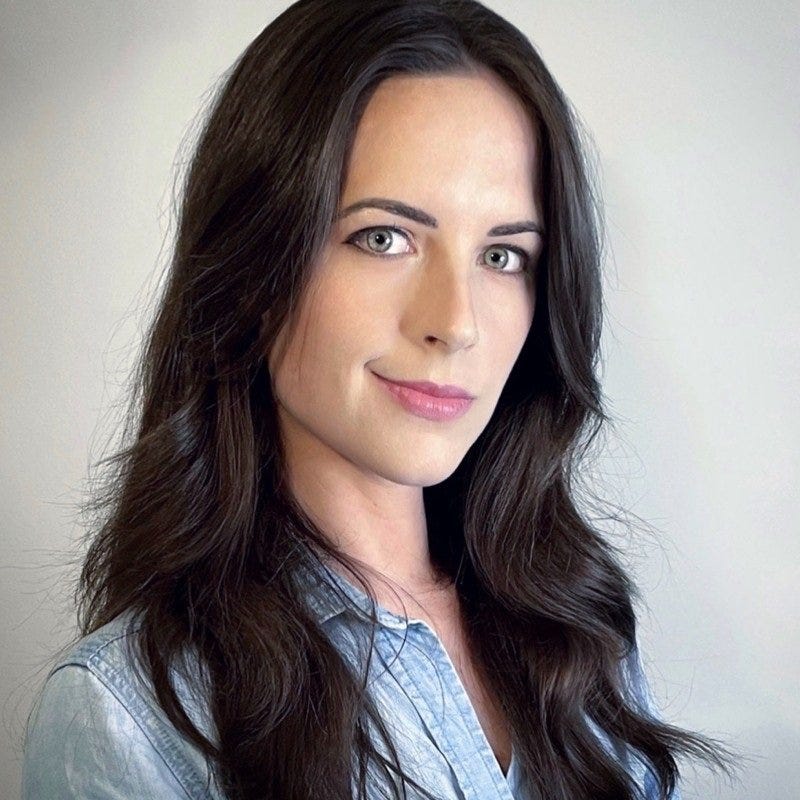
Essential Communication Skills in the World of Biotech Venture Capital
Susanna Harris talks about her communications role in the biotech venture capital world. This is a public episode. If you would like to discuss this with other subscribers or get access to bonus episodes, visit cclifescience.substack.com

Marketing a Region: Growing Life Science in South Carolina
Economist Joey Von Nessen talks about the growth and the impact of life science on the South Carolina economy. This is a public episode. If you would like to discuss this with other subscribers or get access to bonus episodes, visit cclifescience.substack.com

Getting Around the Data Delusion
You may have a lot of quantitative data. But it’s what you don’t know that you don’t know that will hurt your marketing. Wayne Cerullo explains what it takes to get around the data delusion. This is a public episode. If you would like to discuss this with other subscribers or get access to bonus episodes, visit cclifescience.substack.com

Magic School Bus to Head of Strategy
Lily Elsner talks about the path to her job as Head of Strategy at Arctoris, a startup working on small molecule drug development. This is a public episode. If you would like to discuss this with other subscribers or get access to bonus episodes, visit cclifescience.substack.com

Lily Elsner: SAMPS's Young Person of the Year
Lily Elsner talks about her job as Head of Strategy at Arcturus, a startup working on small molecule drug development. This is a public episode. If you would like to discuss this with other subscribers or get access to bonus episodes, visit cclifescience.substack.com

From Marketing Ketchup to Life Science: A Founder's Story
Raman Sehgal shared his journey to becoming an agency owner, the value of a niche and what good clients look like. This is a public episode. If you would like to discuss this with other subscribers or get access to bonus episodes, visit cclifescience.substack.com
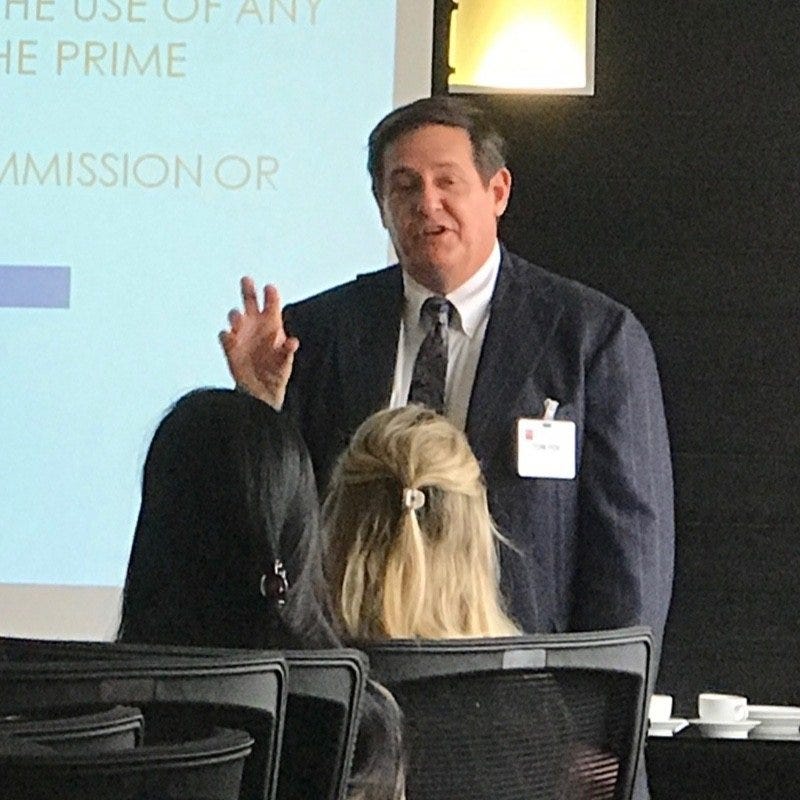
Should Podcasting Be Part of Your Compliance Toolbox?
Tom Fox thinks podcasts are a great way to teach people about compliance. And he's right. This is a public episode. If you would like to discuss this with other subscribers or get access to bonus episodes, visit cclifescience.substack.com

Getting the Most Out of In-Person Events
Bonni Scepkowski wants you to build relationships, not look at spreadsheets. Here's how to keep your attendees engaged. This is a public episode. If you would like to discuss this with other subscribers or get access to bonus episodes, visit cclifescience.substack.com
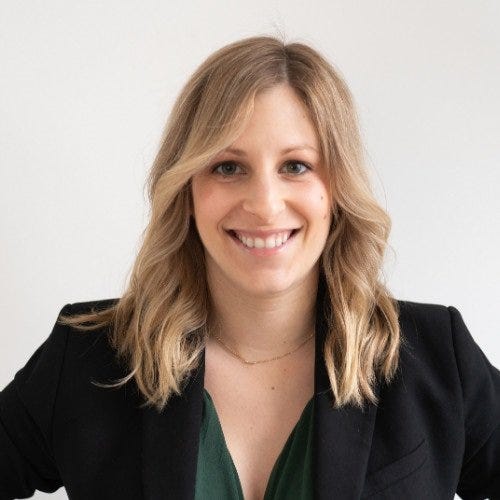
Personal Branding for Scientists
Jennifer Andrews explains the importance of personal branding for scientists and offers a strategy for developing your personal brand. This is a public episode. If you would like to discuss this with other subscribers or get access to bonus episodes, visit cclifescience.substack.com
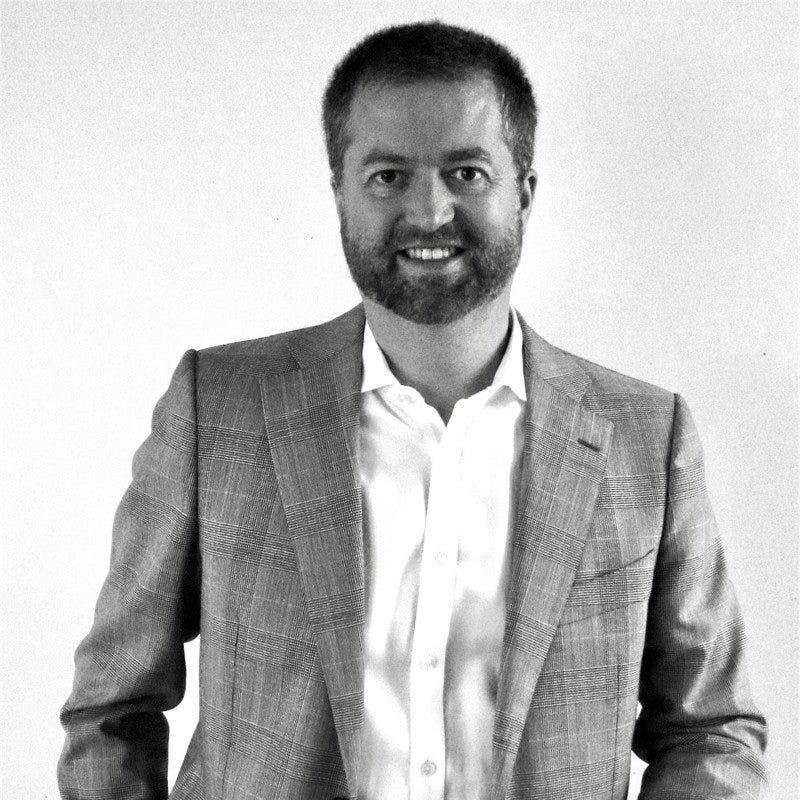
Providing Physicians with Resources for Patient Support
Sandy Donaldson described Impiricus's platform where physicians can request support for patients such as samples or prior authorization via SMS messaging. This removes the friction of digging through a website to find the resources needed. This is a public episode. If you would like to discuss this with other subscribers or get access to bonus episodes, visit cclifescience.substack.com

What's Happening in African Biotech?
Adrienne Leussa is the host of Africa Biotech Conversations. We chatted about podcasting and what's happening in the African biotech community. This is a public episode. If you would like to discuss this with other subscribers or get access to bonus episodes, visit cclifescience.substack.com

Impact Opportunities for Digital Marketers in Healthcare
Chris Cullman shares his thoughts on customer experience, data and attribution, and opportunities to have physicians reach out to you. This is a public episode. If you would like to discuss this with other subscribers or get access to bonus episodes, visit cclifescience.substack.com
How to Sell an Idea Internally: Corporate Communications
Renee Connolly describes some best practices in corporate communications in the context of Diversity, Equity and Inclusion at Merck KGAa, Darmstadt, Germany. This is a public episode. If you would like to discuss this with other subscribers or get access to bonus episodes, visit cclifescience.substack.com

AI for Digital Marketing in Healthcare
Hemal Somaiya describes using AI to message physicians at the right moment for their patients. This is a public episode. If you would like to discuss this with other subscribers or get access to bonus episodes, visit cclifescience.substack.com
Disease State Education: Content Marketing Pre-Launch
Frank Dolan talks about the value of disease state education for a company pre-launch in terms of providers, patients and payors. This is a public episode. If you would like to discuss this with other subscribers or get access to bonus episodes, visit cclifescience.substack.com
Writing About Science, Joyfully
Justine Dees talks about sharing her knowledge and love of science to become a blogger and content marketer for life science companies. This is a public episode. If you would like to discuss this with other subscribers or get access to bonus episodes, visit cclifescience.substack.com
Pushing the Limits in Creative Storytelling
Dan Chichester talks about transitioning from comic book writer to healthcare marketer, building trust with partners and creating a positive vision for the future. This is a public episode. If you would like to discuss this with other subscribers or get access to bonus episodes, visit cclifescience.substack.com
How Can Sales People Engage with Customers Now?
Bob Lempke talks about ways sales people can engage and build relationships with customers in a world changed by Covid. This is a public episode. If you would like to discuss this with other subscribers or get access to bonus episodes, visit cclifescience.substack.com

From Scientist to Agency Owner via YouTube
Maaria Ginai describes her transition from scientist to agency owner via YouTube and tech transfer. This is a public episode. If you would like to discuss this with other subscribers or get access to bonus episodes, visit cclifescience.substack.com

Are You Pricing Your Life Science Products Correctly?
Mark Stiving talks about optimizing pricing by knowing the value of your products and different pricing models that may increase profits. This is a public episode. If you would like to discuss this with other subscribers or get access to bonus episodes, visit cclifescience.substack.com

Why You Should Consider Reverse Mentoring
Susan Nemetz talk about the benefits of reverse mentoring (learning from younger employees). This is a public episode. If you would like to discuss this with other subscribers or get access to bonus episodes, visit cclifescience.substack.com
Resilience: Turning Disaster into Opportunity
Jason Scharf talks about how planning for long tail events can present opportunities for competitive advantage even in the absence of the event. This is a public episode. If you would like to discuss this with other subscribers or get access to bonus episodes, visit cclifescience.substack.com
Online Marketplaces and Multiple Value Propositions
Mark talks about the value props for buyers and sellers as well as tailoring them for resistant customers. This is a public episode. If you would like to discuss this with other subscribers or get access to bonus episodes, visit cclifescience.substack.com
Segment Marketing: Creating Campaigns Across Product Lines
Max Paluszynski talks about the challenges of creating a unified campaign and managing groups that are not direct reports. This is a public episode. If you would like to discuss this with other subscribers or get access to bonus episodes, visit cclifescience.substack.com

Making the Most of LinkedIn
Rachel shares tips on optimizing your profile, connecting and what type of content to share. This is a public episode. If you would like to discuss this with other subscribers or get access to bonus episodes, visit cclifescience.substack.com

ResearchGate Survey of Scientist Purchase Behavior
Darren Alvares discusses the results of a ResearchGate survey of scientist purchasing behavior and the impact of COVID 19. This is a public episode. If you would like to discuss this with other subscribers or get access to bonus episodes, visit cclifescience.substack.com

Curiosity: a Superpower for Your Career
Steve Kulisch describes the steps he took from undergraduate science degree to GM at Fluidigm. This is a public episode. If you would like to discuss this with other subscribers or get access to bonus episodes, visit cclifescience.substack.com

Virtual Events Are Different: How to Ensure Success
Lori Dowd explains that successful virtual events require a different mix of content to keep the audience engaged. This is a public episode. If you would like to discuss this with other subscribers or get access to bonus episodes, visit cclifescience.substack.com
The Competitive Audit: What and Why
Amy Duncan explains the purpose of a competitive audit for your marketing and what goes into it. This is a public episode. If you would like to discuss this with other subscribers or get access to bonus episodes, visit cclifescience.substack.com
New Marketing Tactics Stand Out in an Old School Industry
Matt Benson describes how content marketing is differentiating his company in an industry (lab furnishings) where relationships, dealer networks and trade shows have dominated. This is a public episode. If you would like to discuss this with other subscribers or get access to bonus episodes, visit cclifescience.substack.com
How Does a New Biotech Company Successfully Launch Its First Product?
Frank Dolan talks about the challenges of launching your first product at the same time you are launching your company as a commercial entity. There is an opportunity to establish relationships and build a brand before that happens. This is a public episode. If you would like to discuss this with other subscribers or get access to bonus episodes, visit cclifescience.substack.com
Incite Curiosity 20 Seconds at a Time with LinkedIn Stories
Matthew Ray Scott talks about how marketers and doctors can take advantage of LinkedIn to grow their business. This is a public episode. If you would like to discuss this with other subscribers or get access to bonus episodes, visit cclifescience.substack.com
What Kind of Stories Should You Tell on Your Podcast?
Dodi Axelson explains how Cytiva (formerly GE Healthcare Life Sciences) thinks about heir podcast. This is a public episode. If you would like to discuss this with other subscribers or get access to bonus episodes, visit cclifescience.substack.com

What is a Sales Agent and Do You Need One?
Owen Swift explains what a sales agent is and the advantages for both the company and the individual. He also describes the scenarios where this model makes the most sense. This is a public episode. If you would like to discuss this with other subscribers or get access to bonus episodes, visit cclifescience.substack.com
Marketing to Life Scientists: When it's Different and When it's Not
Kelly Grover talks about when marketing to scientists is different from marketing to consumers and when it's not. This is a public episode. If you would like to discuss this with other subscribers or get access to bonus episodes, visit cclifescience.substack.com

Positioning and the Most Overlooked Opportunity
Hamish Mackenzie talks about positioning strategies and the one position that is often overlooked because it seems obvious. This is a public episode. If you would like to discuss this with other subscribers or get access to bonus episodes, visit cclifescience.substack.com

How to Create Authoritative Content That Matches Audience Intent
Hans Kaspersetz describes a data driven approach to creating content that Google sees as authoritative and meets your audience needs. This is a public episode. If you would like to discuss this with other subscribers or get access to bonus episodes, visit cclifescience.substack.com