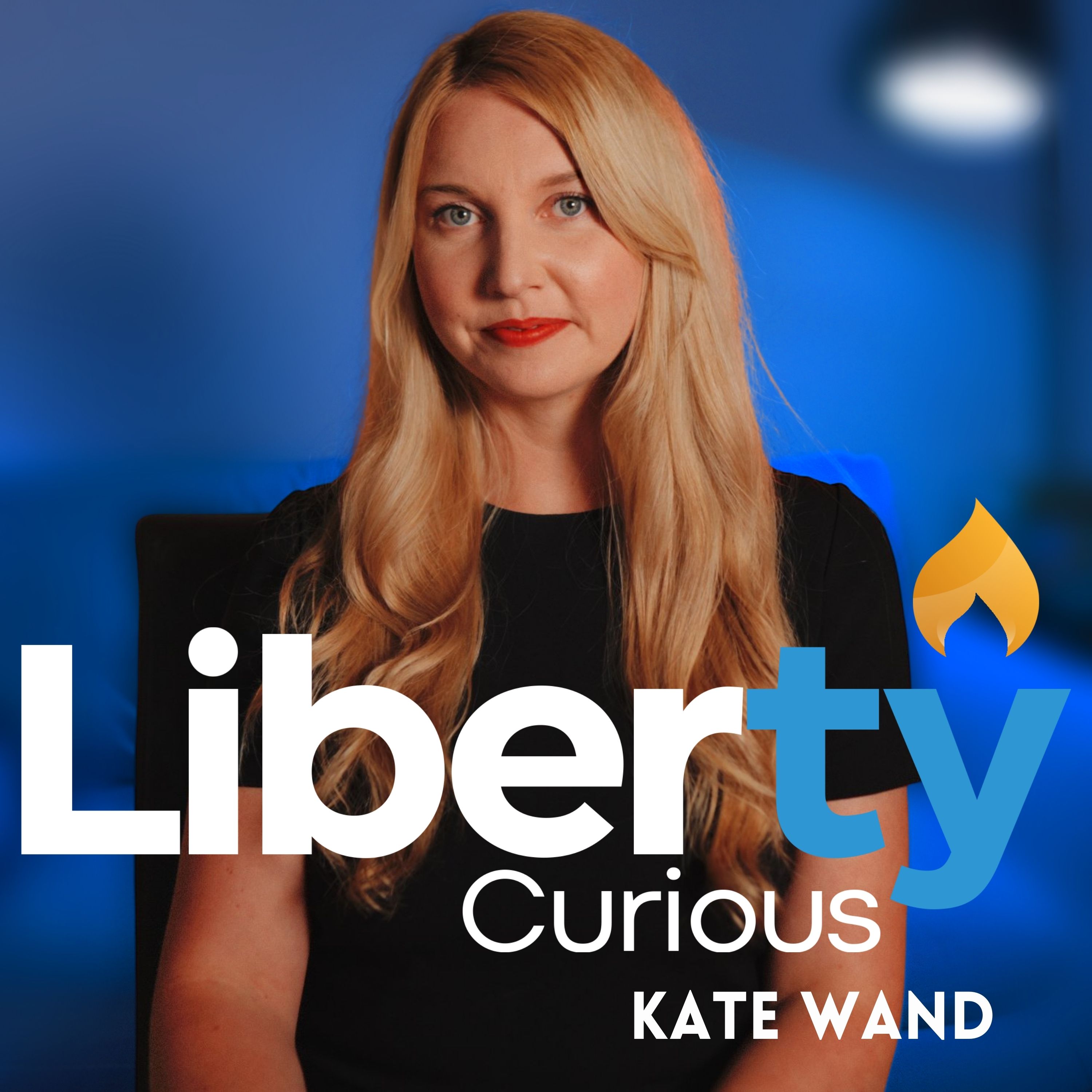
ESG: A Corporate Social Credit System backed by UN & WEF | Samuel Gregg & Kate Wand
Audio is streamed directly from the publisher (podcasts.captivate.fm) as published in their RSS feed. Play Podcasts does not host this file. Rights-holders can request removal through the copyright & takedown page.
Show Notes
When big corporations like Target or Bud Light go blatantly Woke, to the detriment of their shareholders and profits, you might ask yourself what exactly they are doing, and why.
This is where ESG comes in. ESG is Environment, Social, and Governance, three pillars of a pervasive type of corporate social credit score that businesses are pressured or incentivized to abide by.
On this episode of Liberty Curious, Kate Wand invited Samuel Gregg, Distinguished Fellow in Political Economy at AIER, to discuss the origins of ESG, how its being applied, and its ties to the UN SDGs and the World Economic Forum. They also explore its role in reflecting, promoting, and shaping Woke ideology.
0:00 - intro
1:55 - Origins of ESG
4:03 - Stakeholder Capitalism
6:45 - How did ESG ascend so quickly?
11:15 - The Great Reset
13:33 - the ESG Cartel & Central Planning
21:40 - How did the UN & WEF become so powerful?
25:25 - America's Achilles Heel
31:05 - Malthusian Flavour of ESG
35:40 - Carbon Markets & 'Green' Economy
38:00 - Why would you destroy your company?
46:46 - Confronted with Reality
51:43 - Legal Solutions in Corporate Law
56:06 - Europe's Self-Inflicted Decline
58:32 - Hope for America?
1:00:43 - Last Thoughts
aier.org/podcasts
Samuel Gregg on Twitter: twitter.com/drsamuelgregg
https://www.aier.org/people/samuel-gregg/
*** Please note that the opinions expressed in this podcast are solely those of the host and her guests. They do not necessarily reflect the views of the American Institute for Economic Research. The content presented in this show is intended for educational purposes only, and should not be considered as financial advice. ***