Let's Talk Religion
186 episodes — Page 4 of 4
Ep 35What are the Vedas?
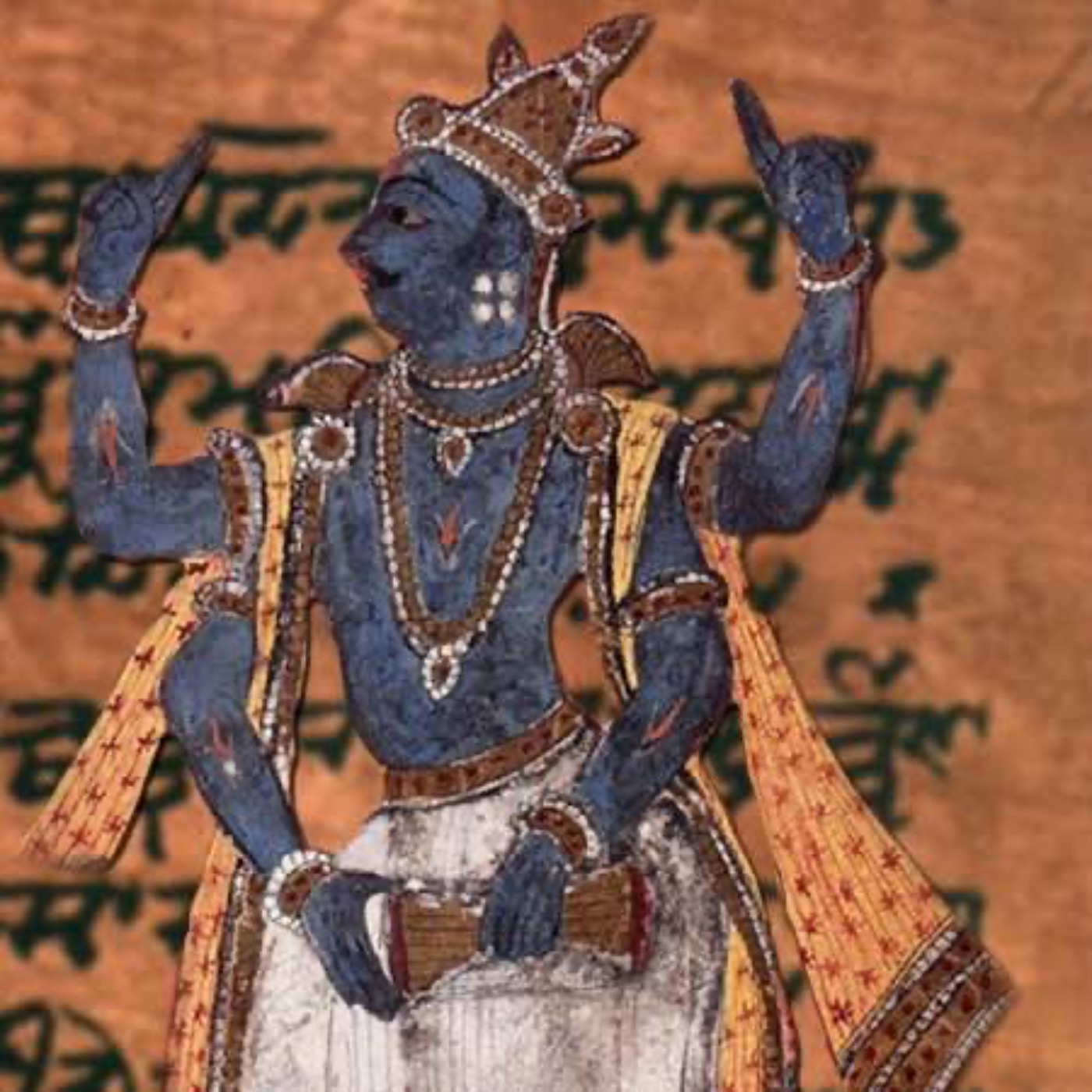
The earliest and most sacred scriptures of Hinduism - The Vedas - is some of the oldest surviving religious literature in the world, and simultaneously some of the best preserved. In this episode, we talk about these fascinating texts as the first part in a new series on religion in India. Sources/Further Reading: Flood, Gavin (2003). "The Blackwell Companion to Hinduism". Blackwell publishing.Jacobsen, Knut A. (2003). "Hinduismen: Historia, tradition, mångfald". Kultur och Natur. Hosted on Acast. See acast.com/privacy for more information.
Ep 34Ibn Rushd (Averroes) - Champion of Reason
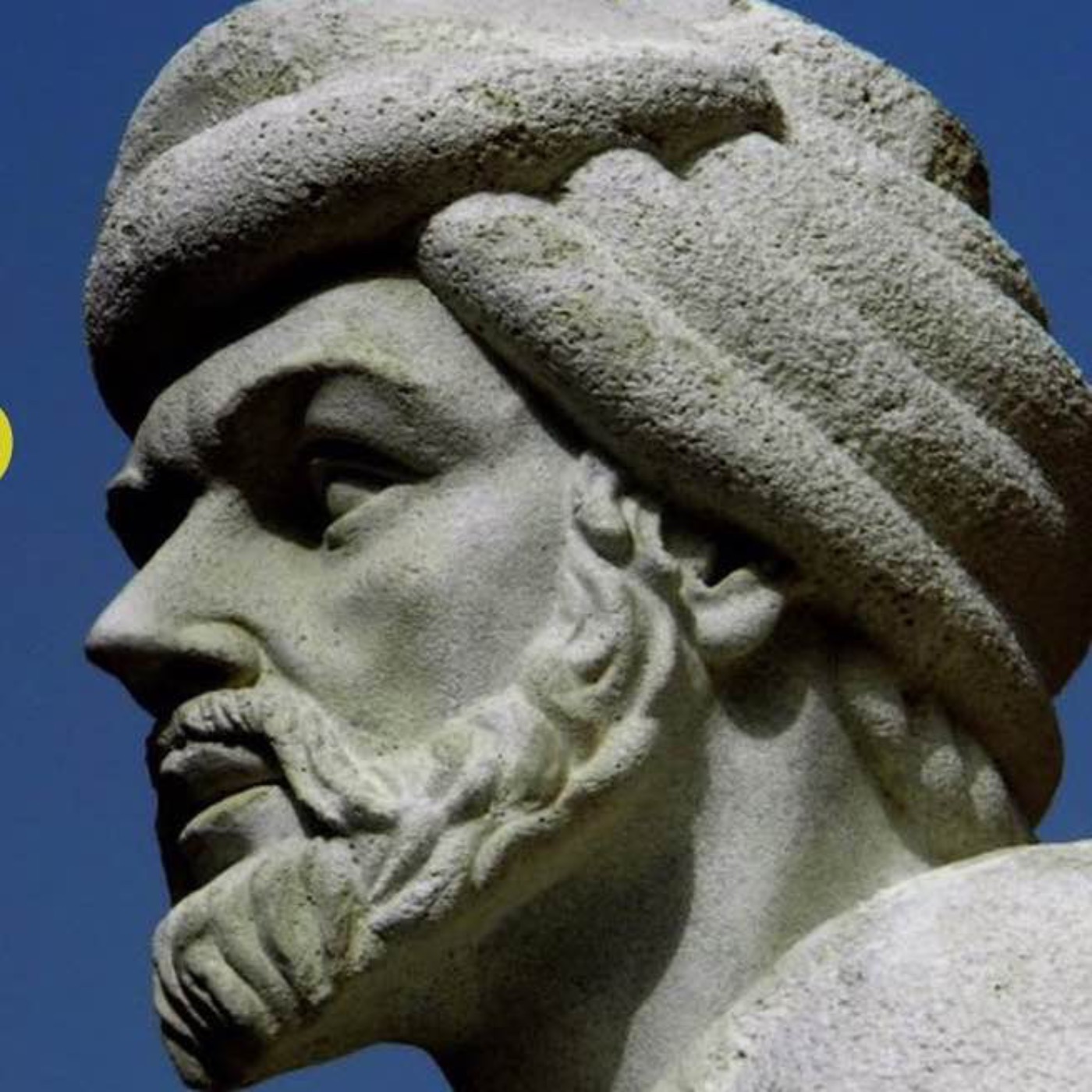
In this episode, we talk about the famous Andalusian philosopher Ibn Rushd.Sources/Further Reading:Kennedy, Hugh (1996). "Muslim Spain and Portugal: A Political History of al-Andalus". Routledge.Genequand, Charles (1986). "Ibn Rushd's Methaphysics". Brill."Bidayat al-Mujtahid wa nihayat al-Muqtasid" (The Distinguished Jurist's Primer) Vol. 1 by Ibn Rushd. Translated by Professor Imran Ahsan Khan Niazee. Garnet Publishing.Taylor, Richard C. (2005). "Averroes: religious dialectic and Aristotelian philosophical thought". in "The Cambridge Companion to Arabic Philosophy". Edited by Peter Adamson and Richard C. Taylor."The Decisive Treatise" by Ibn Rushd (Averroes). Translated by Charles E. Butterworth. Islamic Translation Series. Bringham Young University Press. 2008."Tahafut al-Tahafut (The Incoherence of the Philosophers)" by Ibn Rushd (Averroes). Translated by Simon Van den Bergh. Gibb Memorial Trust Arabic Studies. 2008. Hosted on Acast. See acast.com/privacy for more information.
Ep 33Al-Ghazali - The Reviver of Religious Sciences
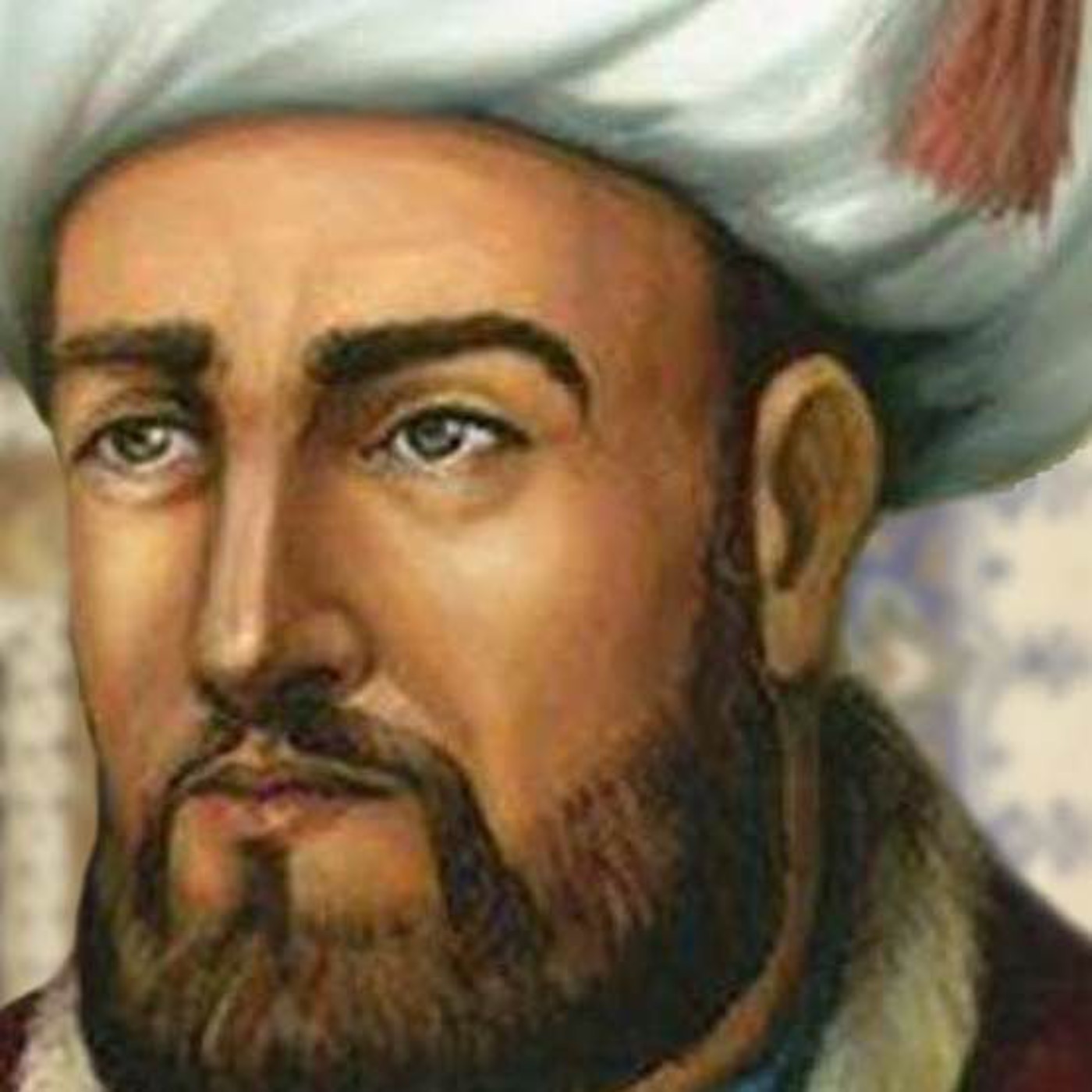
Perhaps the most requested figure here - al-Ghazali - is finally getting a treatment!I talk about his life, some of his teachings, ideas and legacy and discuss some common misconceptions and opinions about him today.Sources/Further Reading:Al-Ghazali - "Deliverance from Error" (al-Munqidh min al-Dalal). Translated by Richard J. McCarthy. American University of Beirut.al-Ghazali - "The Incoherence of the Philosophers". Translated by Michael E. Marmura. Islamic Translations Series. University of Chicago Press.al-Ghazali - "The Niche of Lights". Translated by David Buchman. Islamic Translations Series. University of Chicago Press.Leaman, Oliver (2008). "The developed kalam tradition". In "The Cambridge Companion to Islamic Theology". Edited by Tim Winter. Cambridge University Press.Lumbard, Joseph E.B. (2016). "Ahmad al-Ghazali, Remembrance, and the Metaphysics of Love". Suny Press.Mamura, Michael E. (2005). "Al-Ghazali". In "The Cambridge Companion to Arabic Philosophy". Edited by Peter Adamson & Richard C. Taylor. Cambridge University Press. Hosted on Acast. See acast.com/privacy for more information.
Ep 32Naqshbandiyya - The "Orthodox" Sufi Order?
In this episode I will do my first deep dive into one of the many Sufi orders - the Naqshbandiyya.Sources/Further Reading:Abun-Nasr, Jamil (2007). "Muslim Communities of Grace - The sufi brotherhoods in Islamic religious life". Hurst & Company, LondonMalik, Jamal & John Hinnells (2006). "Sufism in the West". Routledge.Sorgenfrei, Simon (2016). "Sufism i Sverige". Nämnden för statligt stöd till trossamfund. Hosted on Acast. See acast.com/privacy for more information.

Ep 31The Mystical Origins of Coffee & Tea
In this unusual episode, we explore the history of coffee and its connection to Sufism, as well as the similar origins of tea.Good to remember: While this episode is still based on the most widely accepted views by historians, research on the matter is somewhat lacking and this light-hearted episode should not be taken as gospel. Hosted on Acast. See acast.com/privacy for more information.
Ep 30Music in the Islamic World (Part 2)
The long awaited second part of my series about music in the Islamic world!Sources/Further Reading:Hammarlund, Anders, Tord Olsson & Elizabeth Özdalga (1997). "Sufism, Music and Society in Turkey and the Middle East". Swedish Research Institute in Istanbul. Saeed, Yousuf. "Amir Khusrau and the Indo-Muslim Identity in the Art Music Practices of Pakistan". Schofield, Katherine Ruth (2003). "Hindustani music in the time of Aurangzeb". King's college London.Sharma, Sunil (2005). "Amir Khusraw: the Poet of Sultans and Sufis". In "Makers of the Muslim World" Series. Oneworld.Soydaş, M. Emin (2011). "Musical performance at the Ottoman court in the sixteenth and seventeenth centuries". SOAS (University of London).Wright, Owen (1994). "'Abd al-Qādir al-Marāghī and 'Alī B. Muḥammad Binā'ī: Two Fifteenth-Century Examples of Notation (Part 1 & 2)". Bulletin of the School of Oriental and African Studies, University of London, Vol. 57, No. 3 (1994), pp. 475-515. Cambridge University Press.Wright, Owen (1996). "On the Concept of a 'Timurid Music'". Wright, Owen (1978). "The Modal System of Arabic and Persian Music A.D. 1250-1300". Oxford University Press.Wright, Owen (2018). "Music Theory in the Safavid Era: The taqsīm al-naġamāt". Routledge; 1st edition. Hosted on Acast. See acast.com/privacy for more information.
Ep 29Music in the Islamic World (Part 1)
In this first part of a new series, we talk about the earliest centuries of Islamic civilization - Rashidun, Umayyad, Abbasid caliphates - and the different forms of music that flourished at this time.Sources/Suggested Reading:al-Faruqi, Louis Ibsen (1985). "Music, Musicians and Muslim Law". Asian Music, Vol. 17, No. 17, p. 3-36.Avery, Kenneth S. (2004). "A Psychology of Early Sufi Sama': Listening and altered states". Routledge.Davila, Carl (2009). "Fixing a Misbegotten Biography: Ziryab in the Mediterranean World". Al-Masaq, Vol. 21, No. 2, August 2009.Jenkins, Jean & Paul Rovsing Olsen (1976). "Music and Musical Instruments in the World of Islam". World of Islam Festival Publishing Company Ltd.Shiloah, Amnon (1995). "Music in the World of Islam: a Socio-cultural study". Scolar Press.Shiloah, Amnon (1997). "Music and Religion in Islam". Acta Musicologica, Vol. 69.The Brethren of Purity. "On Music: An Arabic Critical Edition and Translation of Epistle 5". Edited and Translated by Owen Wright. Oxford University Press.Wright, Owen (1978). "The Modal System Of Arab and Persian Music a.d. 1250-1300". Oxford University Press. Hosted on Acast. See acast.com/privacy for more information.
Ep 28The First Monotheistic Religion?
In this episode, we talk about the short-lived religion founded by the Egyptian pharaoh Akhenaten.Sources/Further Reading:Hornung, Erik (2001) "Akhenaten and the Religion of Light". Cornell University Press.Hoffmeier, James K. (2015). "Akhenaten and the Origins of Monotheism". Oxford University Press. Hosted on Acast. See acast.com/privacy for more information.
Ep 27Reason vs. Literalism? Kalam & Early Islamic Theology
As requested by the audience, in this episode we talk about the very early development of Speculative Islamic theology, or "Kalam".Support me on Patreon if you so wish: https://www.patreon.com/letstalkreligionSources/Suggested reading:Winter, Tim (2008). "The Cambridge Companion to Islamic Theology". Cambridge University Press. Hosted on Acast. See acast.com/privacy for more information.
Ep 26Al-Shushtari: Sufi Poet of the People
As we continue our series on some of the less known (and sometimes controversial) Sufis of the Middle Ages, we reach the Andalusian poet Abu-l Hasan al-Shushtari. He was a student of Ibn Sab'in but is also famous as a master-poet and Sufi master in his own right.Sources/Suggested Reading:Alvarez, Lourdes Maria (2009). "Abu-l Hasan al-Shushtari: Songs of Love and Devotion". In the "Classics of Western Spirituality" series. Paulist Press.Alvarez, Lourdes Maria (2005). "The Mystical Language of Everyday Life": Vernacular Sufi Poetry and the Songs of Abu Al-Hasan Al-Shustari". Exemplaria. 17:1, 1-32, DOI: 10.1179/exm.2005.17.1.1.Johnson. N. Scott (1995). "Ocean and Pearls: Ibn Sab'in, Shustari and the Doctrine of Absolute Unity". In "Sufi: Journal of Sufism" Issue 25. Hosted on Acast. See acast.com/privacy for more information.
Ep 25Ibn Sab'in & Radical Unity
In this episode, we talk about the controversial Andalusian Philosopher/Sufi Ibn Sab'in (d. 1270) and his teachings.Sources:Ceballos, Carlos Berbil (2015). "Journeying from the Apparent to Absolute Being: Ibn Sab'in and his predecessors". Journal of the Muhyddin Ibn 'Arabi Society Vol. 58.Cornell, Vincent J. (2007). "The All-Comprehensive Circle (al-Ihata): Soul, Intellect and the Oneness of Existence in the Doctrine of Ibn Sab'in". In "Sufism and Theology" (ed. Ayman Shihadeh). Edinburgh University Press.Johnson. N. Scott (1995). "Ocean and Pearls: Ibn Sab'in, Shustari and the Doctrine of Absolute Unity". In "Sufi: Journal of Sufism" Issue 25.Westerveld, Govert (2014). "Ibn Sab'in of the Ricote Valley: the First and Last Islamic Place in Spain". Hosted on Acast. See acast.com/privacy for more information.
Ep 24Ibn 'Arabi & The Unity of Being
In this very long episode, I give an introduction to one of the most significant, yet often misunderstood thinkers and mystics in history - Ibn 'Arabi.Sources:Chittick, William (2005). "Ibn Arabi: Heir to the Prophets". OneWorld Publications.Chittick, William (1998). "The Self-Disclosure of God: Principles of Ibn al-'Arabi's Cosmology". State University of New York Press.Chittick, William (2005). "The Sufi Doctrine of Rumi". World Wisdom, inc.Chodkiewicz, Michel (1982). "The Spiritual writings of Amir 'Abd al-Kader". State University of New York Press.Chodkiewicz, Michel (1993). "Seal of the Saints: Prophethood and sainthood in the doctrine of Ibn 'Arabi". Translated by Liadain Sherrard. The Islamic Texts Society.Addas, Claude (1993). "Quest for the Red Sulphur". The Islamic Texts Society.Ibn 'Arabi - "The Ringstones of Wisdom (Fusus al-hikam)". Translated by Caner Dagli. Kazi Publications.Ibn Arabi - "The Interpreter of Desires (Tarjuman al-ashwaq)". Translated by Reynold A. Nicholson. London: Royal Asiatic Society.Ibn Arabi - "The Universal Tree and the Four Birds (al-ittihad al-kawni). Translated by Angela Jaffray. Oxford: Anqa Publishing.Mahmud Shabistari - "Garden of Mystery: The Gulshan-i raz of Mahmud Shabistari". Translated by Robert Abdul Hayy Darr. Archetype.Fakhruddin 'Iraqi - "Divine Flashes (Lama'at)". Translated by William C. Chittick & Peter Lamborn Wilson. The Classics of Western Spirituality Series. Paulist Press. Hosted on Acast. See acast.com/privacy for more information.
Ep 23Ikhwan al-safa' - a secret society in medieval Iraq
In this latest episode I talk about the Ikhwan al-safa, or "Brethren of Purity" - a group of secretive philosophers and scholars who lived in medieval Basra, Iraq.Sources used:de Callatay, Godefroid (2006). "Ikhwan al-safa - a brotherhood of idealists on the fringes of Orthodox Islam". Oneworld Publications.Walker, Paul E. (2005). "The Isma'ilis". In "The Cambridge companion to Arabic Philosophy". (Edited by Peter Adamson & Richard C. Taylor). Cambridge University Press. Hosted on Acast. See acast.com/privacy for more information.
Ep 22Al-Kindi, Al-Farabi & The Translation Movement - A historical review
A new. long awaited historical review, this time dealing with the earliest of the Muslim philosophers. Hosted on Acast. See acast.com/privacy for more information.
Ep 21Nasir Khusraw & The Reconciliation of Science and Religion
In this episode I talk about the 11th century Ismaili philosopher Nasir Khusraw and his major work "Jami' al-hikmatayn" or "The union of the two wisdoms".This is an audio version of my video on my YouTube channel "Let's Talk Religion". Hosted on Acast. See acast.com/privacy for more information.
Ep 20Who are the Quranists?
There is talk within the Muslim community (and outside) of the so-called "Quranists" or the movement "Quranism". In this episode I talk about, in very generalizing terms, what this term is referring to, and what its characteristics are. Hosted on Acast. See acast.com/privacy for more information.
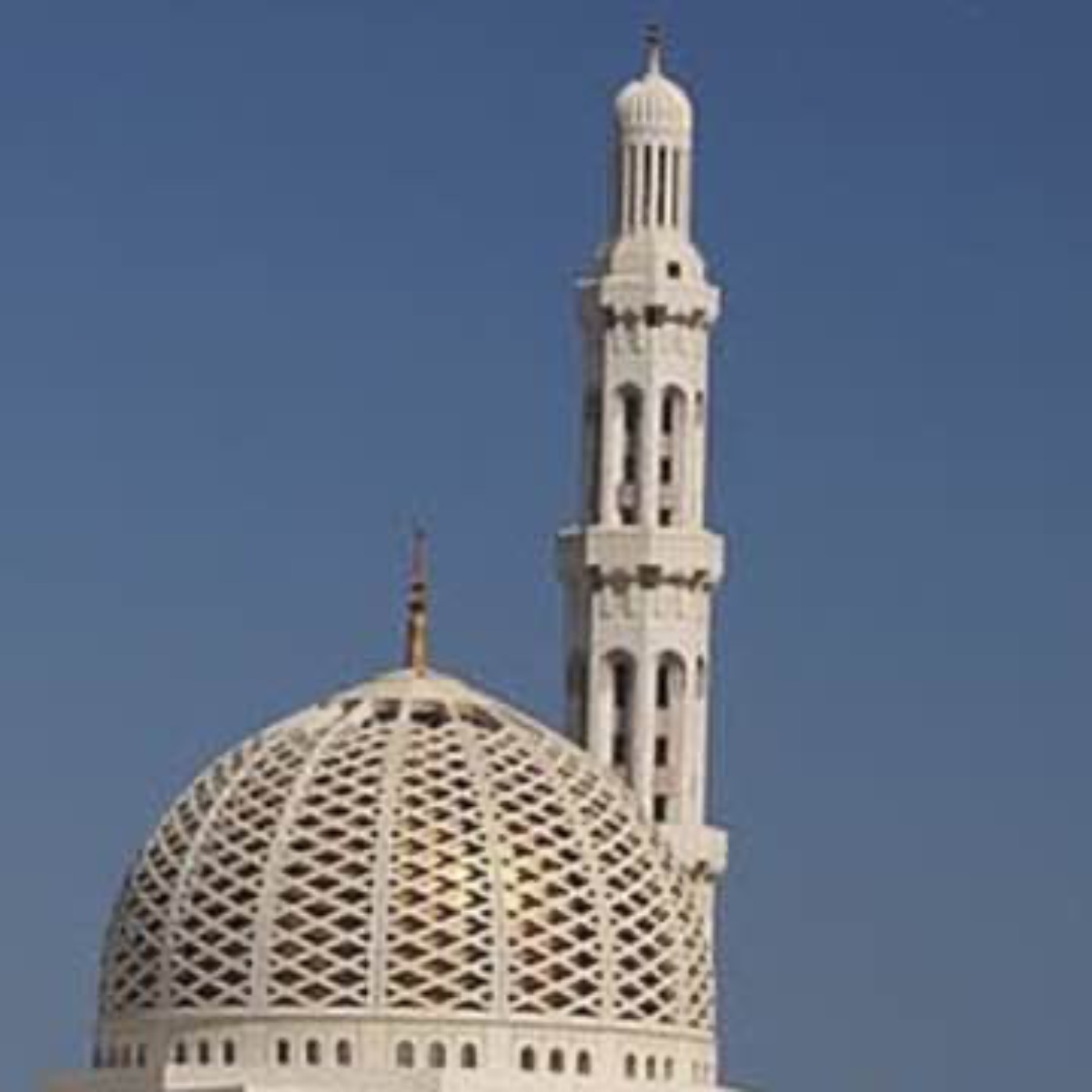
Ep 19Ibadi - Islam's third major branch
In this episode we talk about the third major branch of Islam, known as Ibadism, which is a major presence today in Oman, Algeria, Tunisia and Libya.It is a somewhat forgotten branch, but one that is also often viewed as a moderate and tolerant branch of the religion.Sources:Hoffman, Valerie J. (2012). The Essentials of Ibadi Islam. Syracuse University Press.Wilkinson, John C. (2010). Ibadism - Origins and early development in Islam. Oxford University Press. Hosted on Acast. See acast.com/privacy for more information.
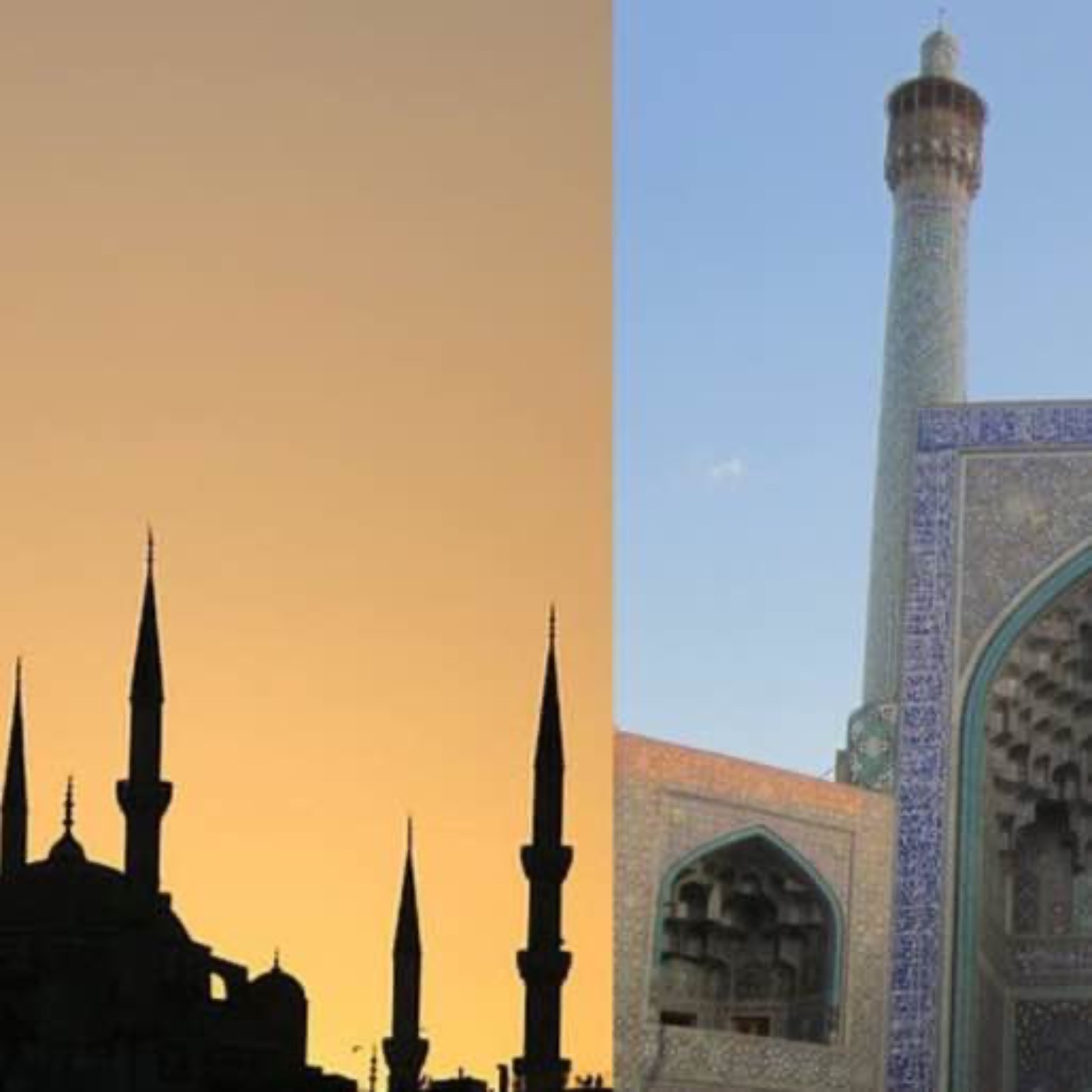
Ep 18Sunni & Shia - What is (really) the difference?
I see many videos talking about the differences between the Sunni and Shia, but most of them present a simplified version. In this episode, I try to give you a more comprehensive overview. Hosted on Acast. See acast.com/privacy for more information.

Ep 17Who wrote the Bible?
In this episode I go through the scholarly discussion regarding the composition of the Hebrew Bible and, in particular, the Torah/Pentateuch. The main theory discussed is the so-called "Documentary hypothesis".Sources/interesting articles:https://www.ias.edu/ideas/2018/schmid-torahMatthieu Richelle, “Elusive scrolls. Could any hebrew literature have been written prior to the eighth century B.C.E.?” (2016)Erhard Blum, “Die altaramäischen Wandinschriften aus Tell Deir ̕Alla und ihr institutioneller Kontext,” in Meta-Texte. Erzählungen von schrifttragenden Artefakten in der alttestamentlichen und mittelalterlichen Literatur (ed. Friedrich-Emanuel Focken and Michael Ott; Materiale Textkulturen 15; Berlin: de Gruyter, 2016) Hosted on Acast. See acast.com/privacy for more information.
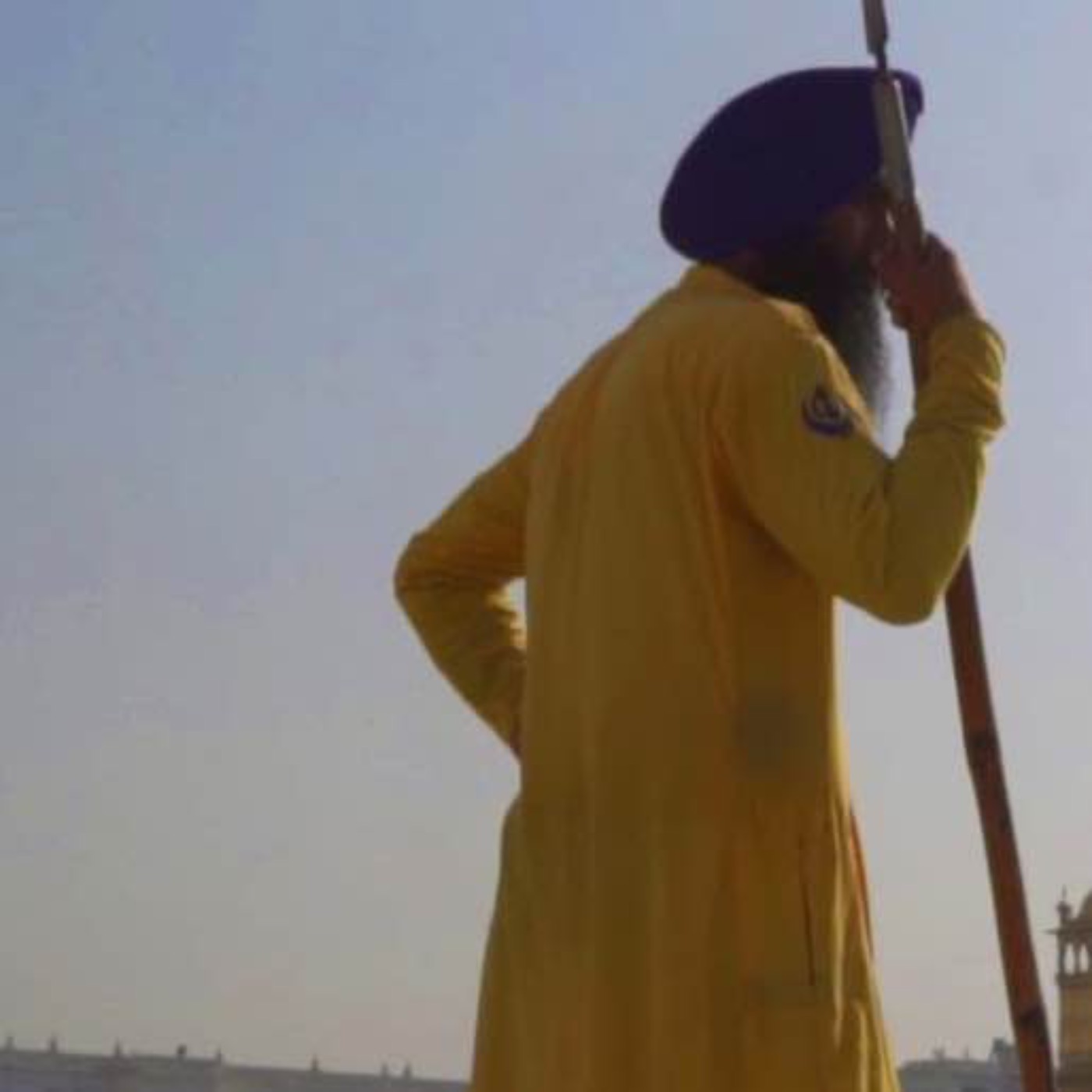
Ep 16What is Sikhism?
In this episode, we finally explore the fifth largest religion in the world - Sikhism (more properly called "Sikhi").Sources/Suggested Reading:Mandair, Arvind-Pal Singh (2013). "Sikhism: A guide for the Perplexed". Bloomsbury Academic. Singh, Patwant (1999). "The Sikhs". John Murray.Also try to get ahold of the Adi Granth (Guru Granth Sahib". You can find translations of the scriptures online, or in published form translated by Ernest Trumpp or Gurbachan Singh Talib. Hosted on Acast. See acast.com/privacy for more information.

Ep 15What is Hasidism?
The Hasidic movement is pretty famous. But few are aware of its deep mystical teachings and connections with Kabbalah. In this episode, we explore the early history of the Hasidim.This episode was written by Seth Weprin and co-written by me (Filip Holm).Sources/Suggested Reading:Idel, Moshe (1995). "Hasidism: Between Ecstacy and Magic". SUNY Press.Idel, Moshe. “Modes of Cleaving to the Letters in the Teachings of Israel BaalShem Tov: A Sample Analysis.” Jewish History 27 (2013): 299-317.Jacobson-Maisels, James. “My Aid Will Come from Nothingness: The Practice of Negative Theology in Maggid Devarav Le-Ya’akov.” In Michael Fagenblat Negative Theology As Jewish Modernity. New Jewish Philosophy and Thought. Bloomington and Indianapolis: Indiana University Press, 2017.Krassen, Mosheh Aaron. “Introduction: Rabbi Israel Ba’al Shem Tov: Prophet of a NewParadigm.” In Israel ben Eliezer. Pillar of Prayer. Translated by Menachem Kallus. Louisville, KY: Fons Vitae, 2010.Magid, Shaul. “The Intolerance of Tolerance: Mahaloket (Controversy) and Redemption in EarlyHasidism.” Jewish Studies Quarterly 8, no. 4 (2001): 326-368.Nadler, Allan. The Faith of the Mithnagdim: Rabbinic Responses to Hasidic Rapture. Baltimore:Johns Hopkins University Press, 1997.Scholem, Gershom. “The Neutralization of the Messianic Element in Early Hasidism.” In TheMessianic Idea in Judaism. New York: Schocken Books, 1995 [1971]. Hosted on Acast. See acast.com/privacy for more information.
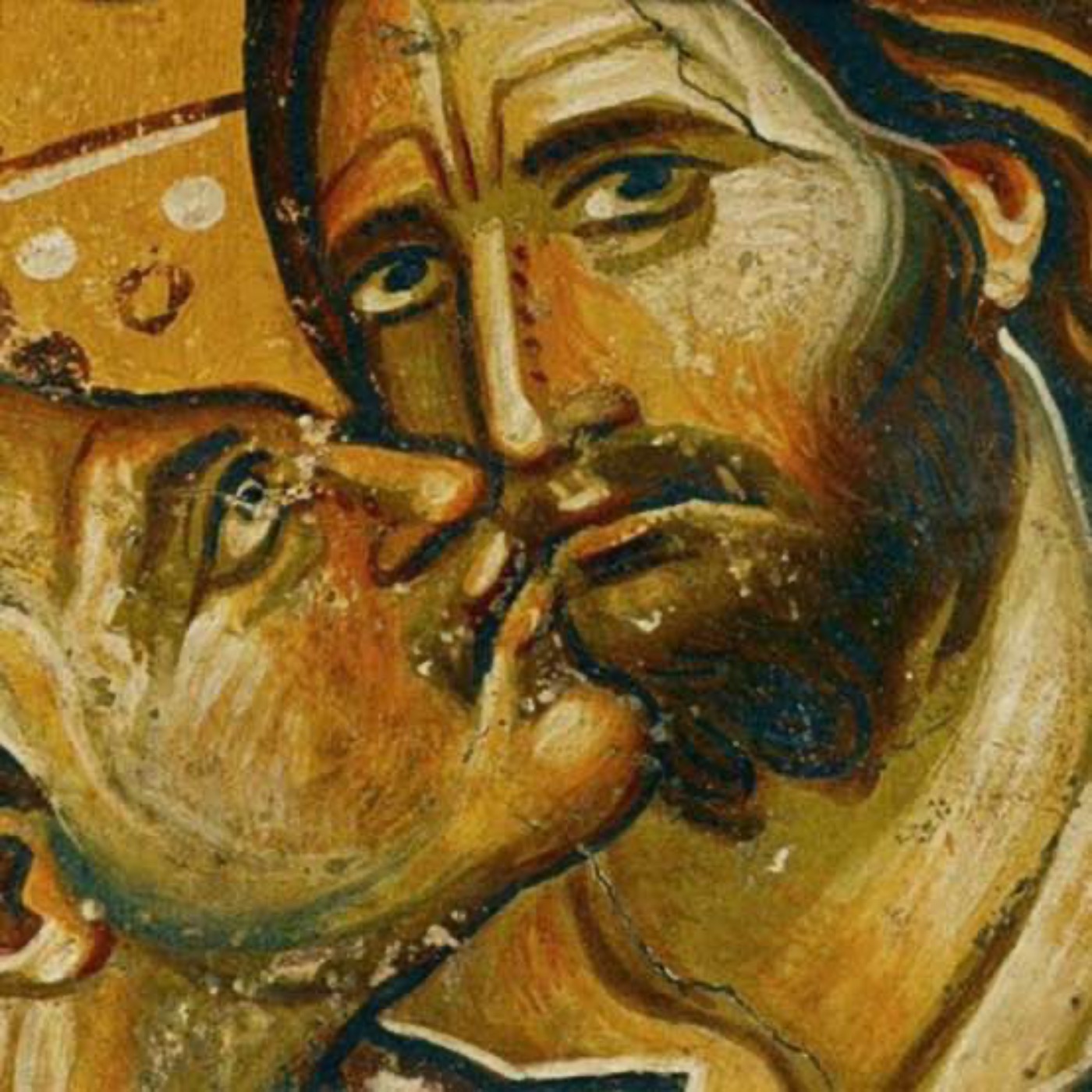
Ep 14What is Gnosticism?
This episode gives an overview of the so-called "Gnostics", particularly the group that is often otherwise known as the 'Sethians'.Sources/Suggested Reading:Brakke, David (2012). "Gnostics: Myth, Ritual, and Diversity in Early Christianity". Harvard University Press.King, Karen (2003). "What is Gnosticism?". Harvard University Press.Van den Broek, Roelof (2013). "Gnostic Religion in Antiquity". Cambridge University Press.Meyer, Marvin (ed.) (2009). "The Nag Hammadi Scriptures: The Revised and Updated Translation of Sacred Gnostic Texts Complete in One Volume ". HarperOne. Hosted on Acast. See acast.com/privacy for more information.
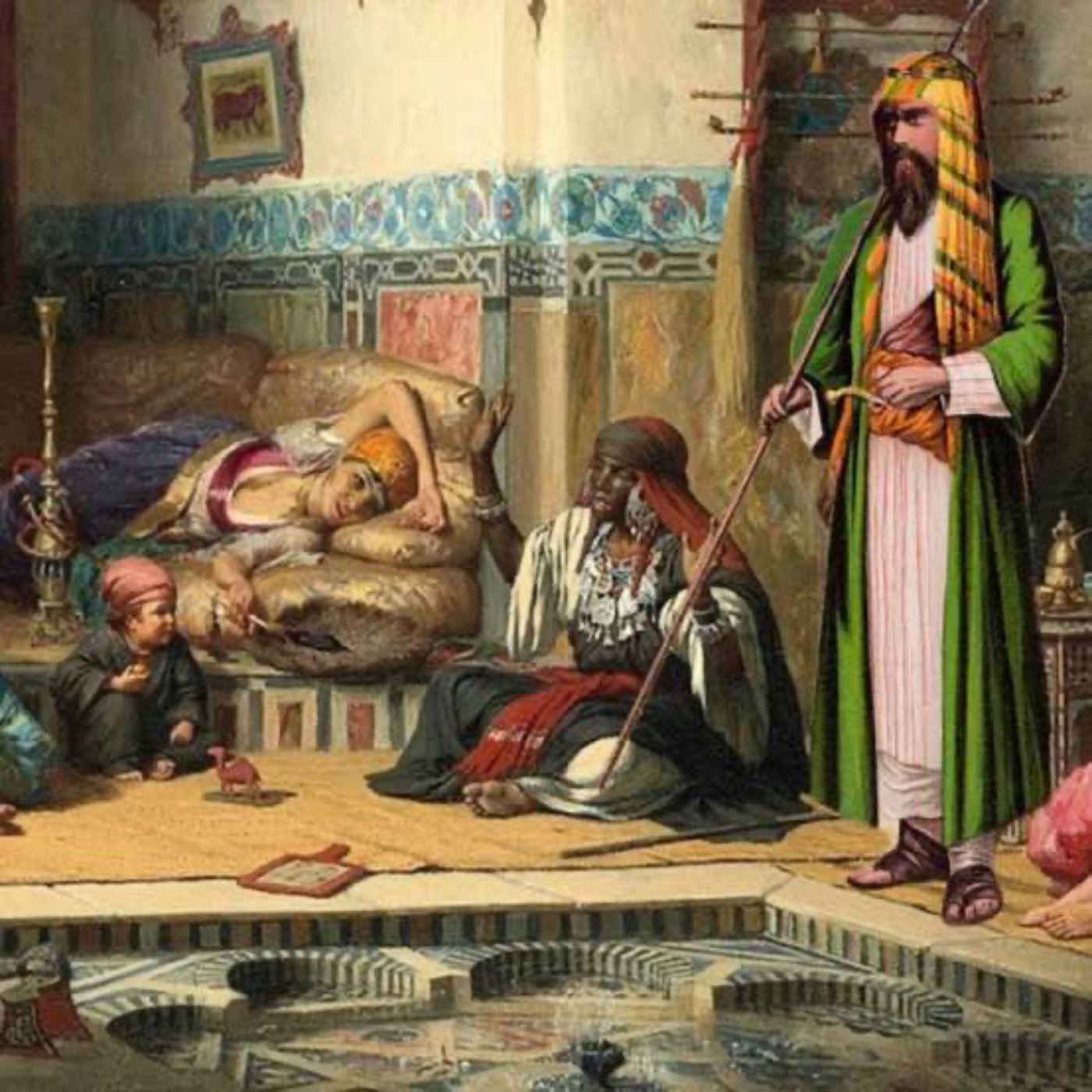
Ep 13What is Orientalism?
A topic hat comes up a lot in the comments. Let's set the record straight. Hosted on Acast. See acast.com/privacy for more information.

Ep 12What is Hermeticism?
Finally, we talk about the complex tradition known as Hermeticism and its mysterious namesake Hermes Trismegistus.Sources/Suggested Reading:Copenhaver, Brian P. (Translation & Introduction by) (1992). "Hermetica: The Greek Corpus Hermeticum and the Latin Asclepius in a new English Translation with notes and introduction". Cambridge University Press.Fowden, Garth (1986). "The Egyptian Hermes: A Historical Approach to the Late Pagan Mind". Princeton University Press.Meyer, Marvin (ed.) (2007). "The Nag Hammadi Scriptures: The Revised and Updated Translation of Sacred Gnostic Texts". HarperOne.Van Bladel, Kevin (2009). "The Arabic Hermes: From Pagan Sage to Prophet of Science". Oxford University Press. Hosted on Acast. See acast.com/privacy for more information.
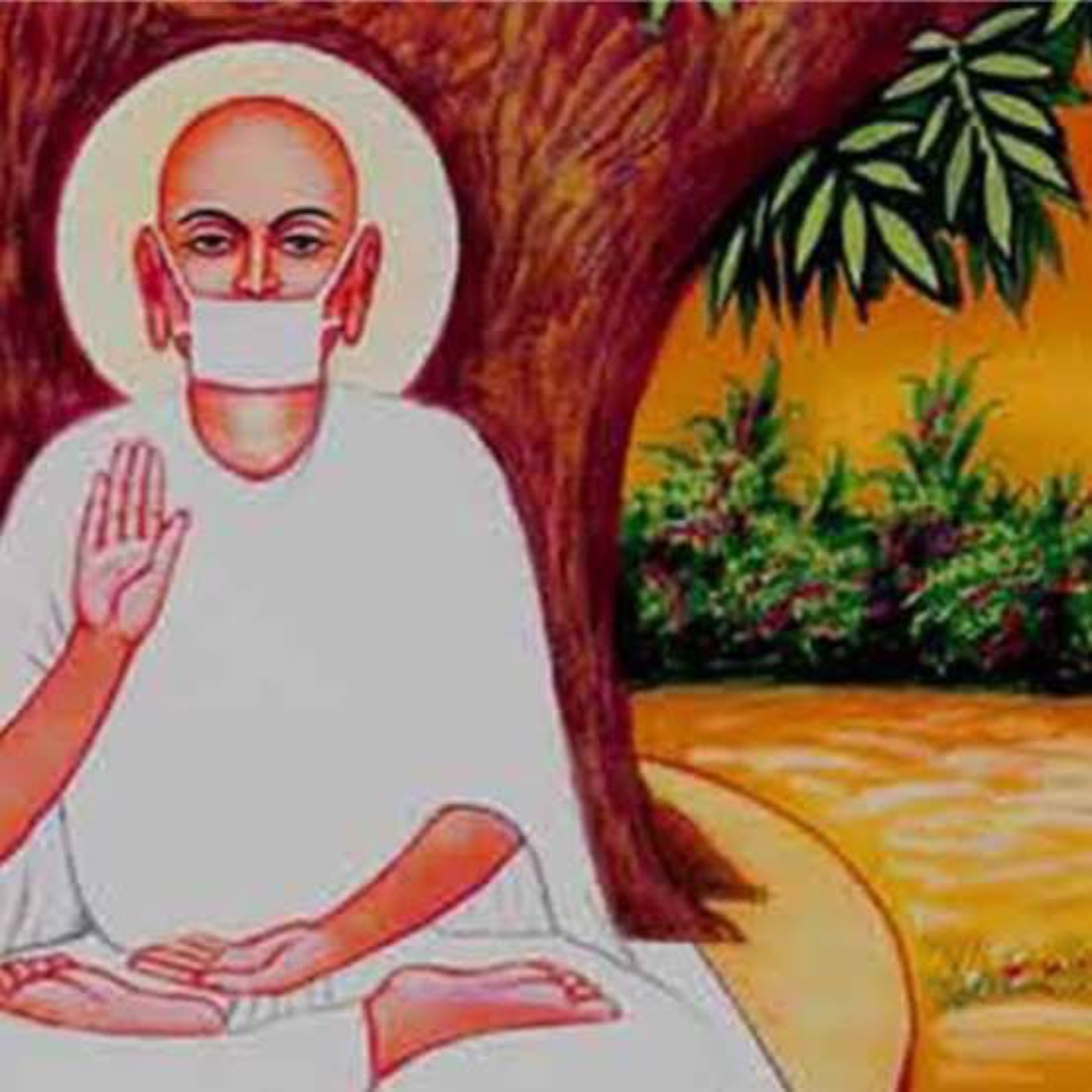
Ep 11What is Jainism?
We continue to explore the religions of India by looking at the ancient tradition of Jainism.Sources/Suggested Reading:Dundas, Paul (2002). "The Jains". Routledge.Long, Jeffrey D. (2009). "Jainism: An Introduction". IB Tauris. Hosted on Acast. See acast.com/privacy for more information.
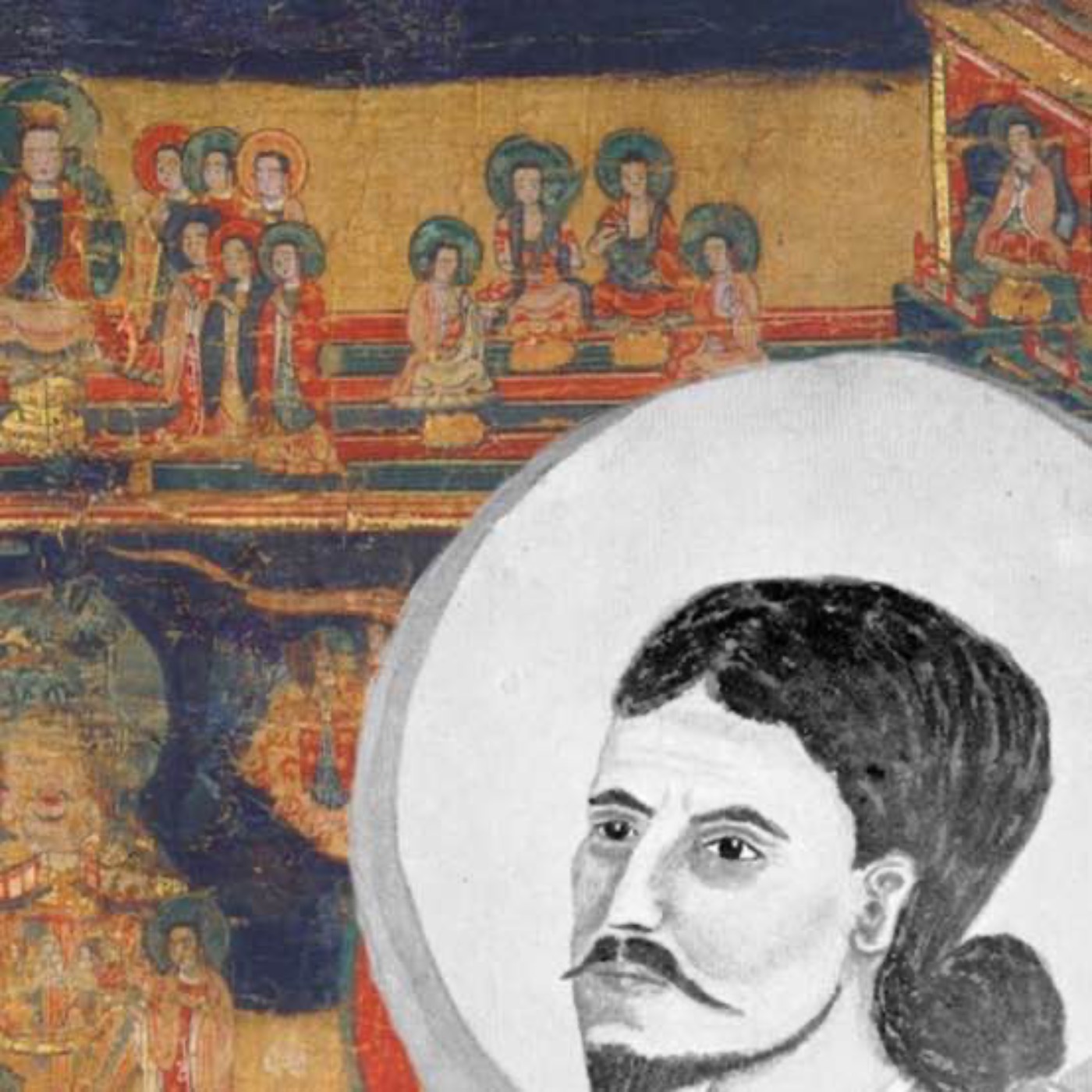
Ep 10What is Manichaeism?
Manichaeism is an ancient religion that is relatively unknown. In this episode, I give you everything you need to know as a introduction to this fascinating faith.Sources/Further Reading:Lieu, Samuel N. (1993). "Manichaeism in Mesopotamia and the Roman East: 118 (Religions in the Graeco-Roman World)". Brill.Lieu, Samuel N. (1998). "Manichaeism in Central Asia and China: Collected Studies (Nag Hammadi and Manichaean Studies)". Brill.Magnusson, Jörgen (2013). "Mat och manikeism". In "Religion och Mat", Edited by Lena Roos & Leif Nordenstorm. Natan Söderblom-sällskapet. Hosted on Acast. See acast.com/privacy for more information.

Ep 9What is Daoism?
One of the main religious traditions in China - Daoism - is the subject of this episode. We go deep into the origins, main writings and later development of the religion, and its connection to other traditions.Sources/Further Reading:Komjathy, Louis (2013). "The Daoist Tradition: An Introduction". Bloomsbury Academic.Lao Tzu (2013). "Tao Te Ching - A New Translation. Translated by William Scott Wilson. Shambala Publications. Hackett Publishing Co, Inc.Zhuangzi (2008). "Zhuangzi - The Essential Texts: With Translations from Traditional Commentaries". Translated by Brook Ziporyn. Hosted on Acast. See acast.com/privacy for more information.

Ep 8The Bahá'i Faith [Part 2]
This is the second and last part in a series on the Bahá'i Faith.Sources/Further Reading:Smith, Peter (2008). "An Introduction to the Baha'i Faith". Cambridge University Press.Maceoin, Denis (2012). "Making the invisible visible: Introductory books on the Baha'i religion. Routledge. Hosted on Acast. See acast.com/privacy for more information.

Ep 8The Bahá'i Faith [Part 1]
This is the first episode in a two-part series on The Bahá'i Faith - one of the youngest and fastest growing religions in the world.Sources/Further Reading:Smith, Peter (2008). "An Introduction to the Baha'i Faith". Cambridge University Press. Hosted on Acast. See acast.com/privacy for more information.
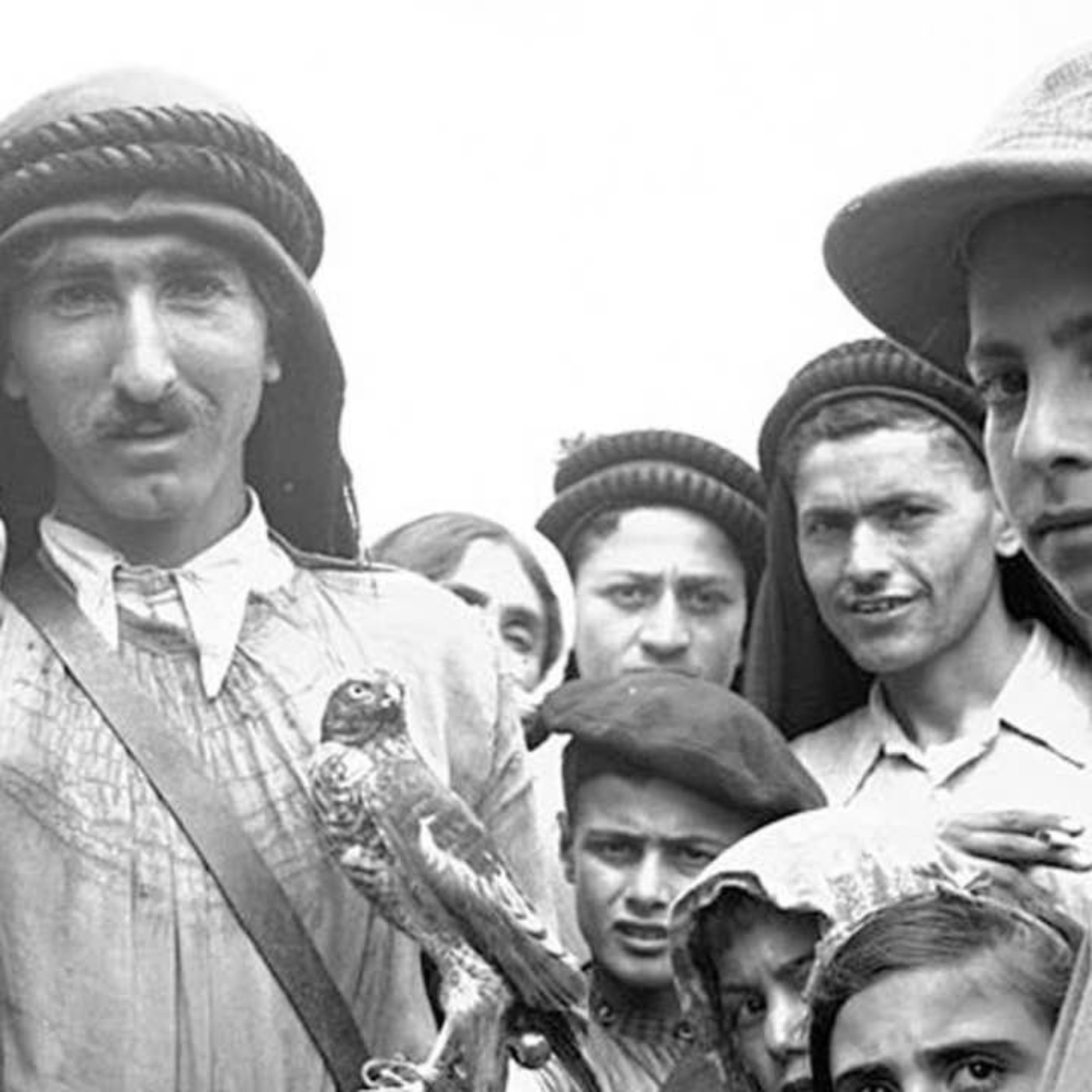
Ep 7Who are the Alawites
Another episode in my series about religious minorities in the Middle East, this time about the secretive Alawites.Sources:Larson, Göran; Simon Sorgenfrei, Max Stockman (2017). "Religiösa minoriteter från Mellanöstern" (Religious minorities from the Middle East). Myndigheten för stöd till trossamfund.Bar-Asher, Meir M. (2003). Nosayris. In "Encyclopedia Iranica Online". Hosted on Acast. See acast.com/privacy for more information.
Ep 6Who are the Druze?
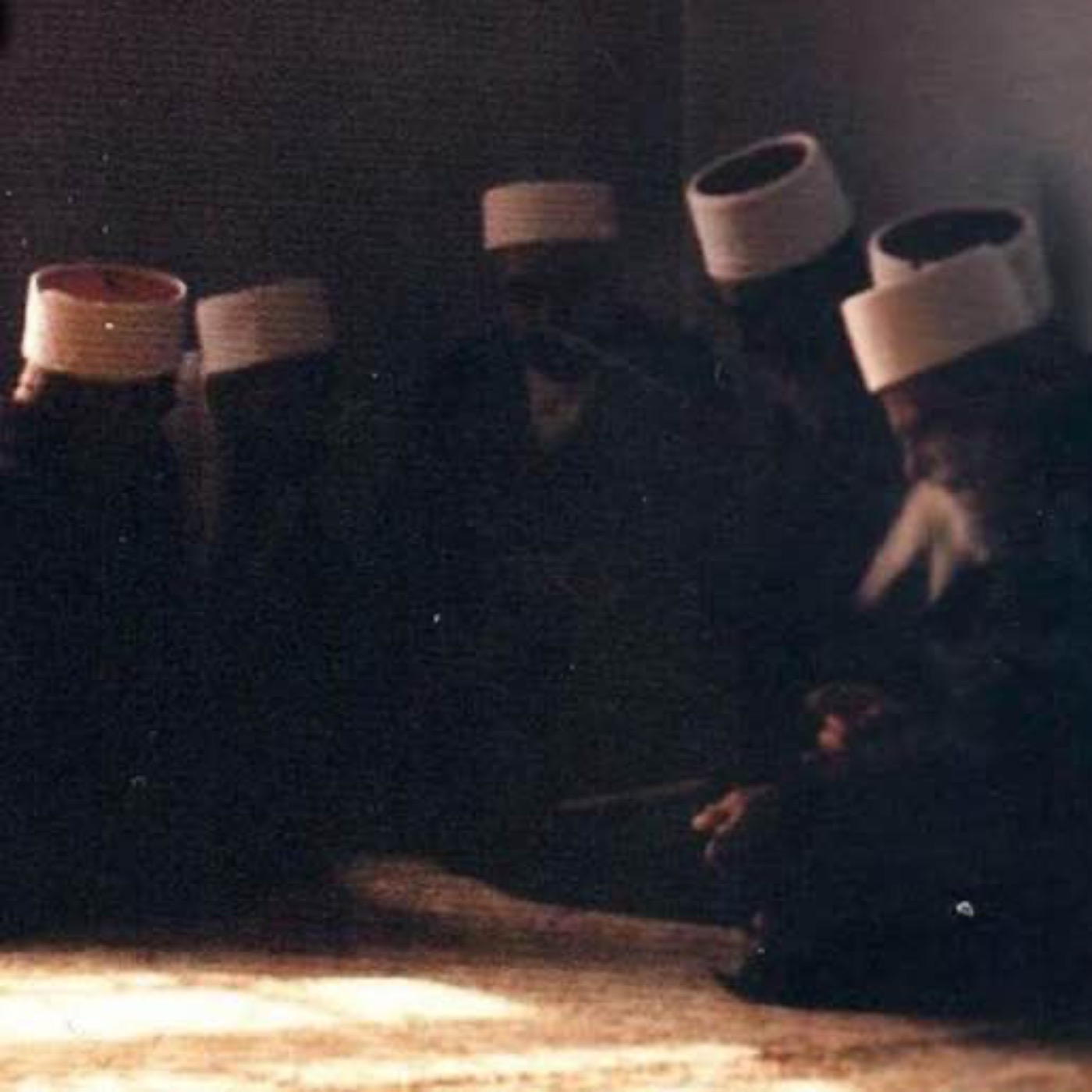
Another episode in my series about religious minorities in the middle east. This time we talk about the secretive group known as the "Druze", also known (by themselves) as "al-Muwahhidun".Sources:Larson, Göran; Simon Sorgenfrei, Max Stockman (2017). "Religiösa minoriteter från Mellanöstern" (Religious minorities from the Middle East). Myndigheten för stöd till trossamfund.Bryer, David (1975). "The Origins of the Druze Religion", Part 1. Der Islam, vol. 52, p. 47-84)Hirschberg, H.Z. (1981). The Druzes, p. 330-348 in Arberry, A.J. & Beckingham. C.F. (editors), Religion in the middle east:Three religions in Concord and conflict, Vol 2. Cambridge: Cambridge University Press.Firro, Kais M. (2011). The Druze Faith: Origin, Development and Interpretation. Arabica 58, p. 76-99. Hosted on Acast. See acast.com/privacy for more information.
Ep 5Who are the Yezidis?
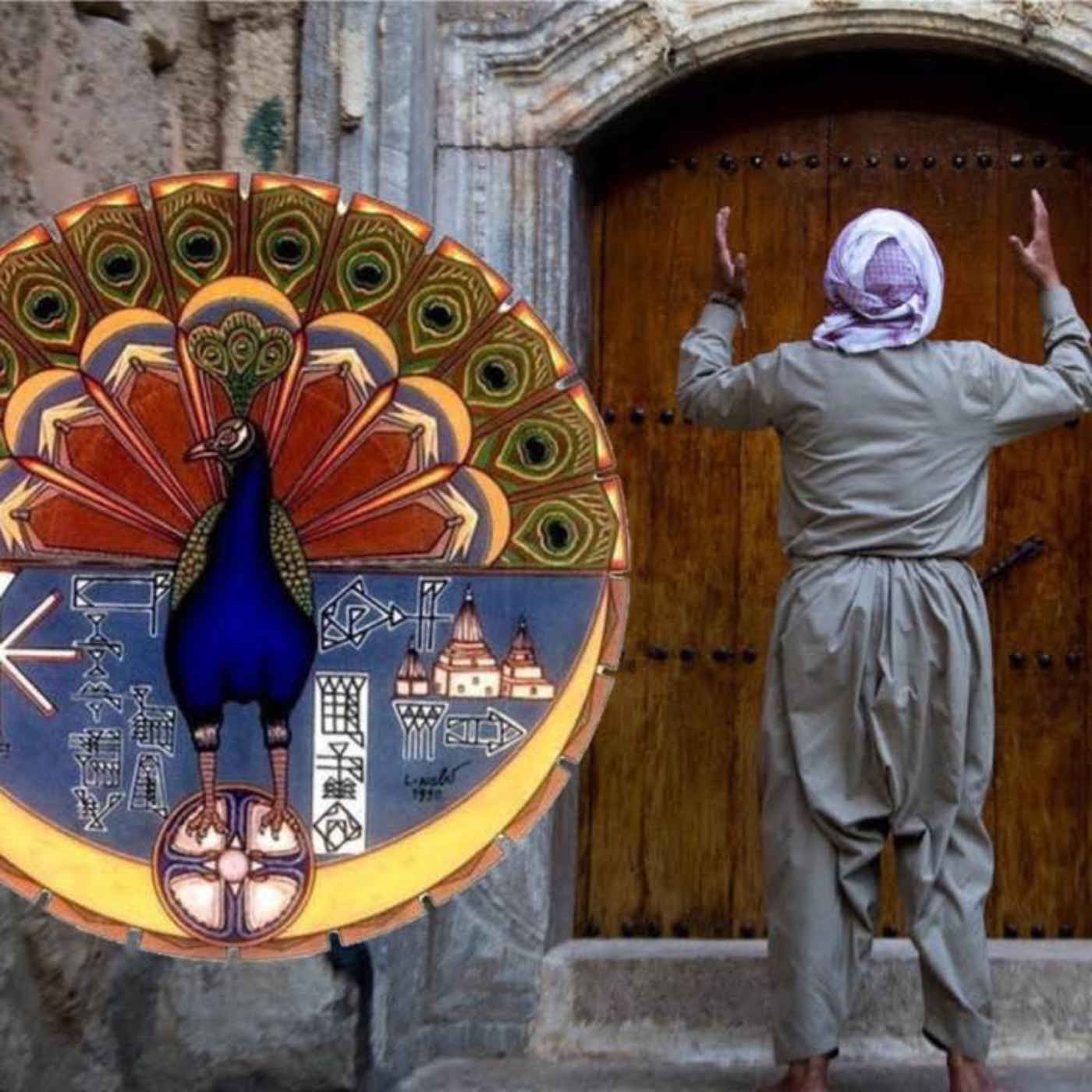
In this video in the series on minority religions in the middle east, we explore Yazidism, a fascinating religion that have sometimes been oppressed and persecuted.Sources:Kreyenbroek, Philip G. (1995). "Yezidism: it's background, observances and textual tradition. Lewiston, N.Y.: Edwin MellenLarson, Göran; Simon Sorgenfrei, Max Stockman (2017). "Religiösa minoriteter från Mellanöstern" (Religious minorities from the Middle East). Myndigheten för stöd till trossamfund.Videos used:https://www.youtube.com/watch?v=08l8lR5zOqY Hosted on Acast. See acast.com/privacy for more information.
Ep 4What is Mandaeism?
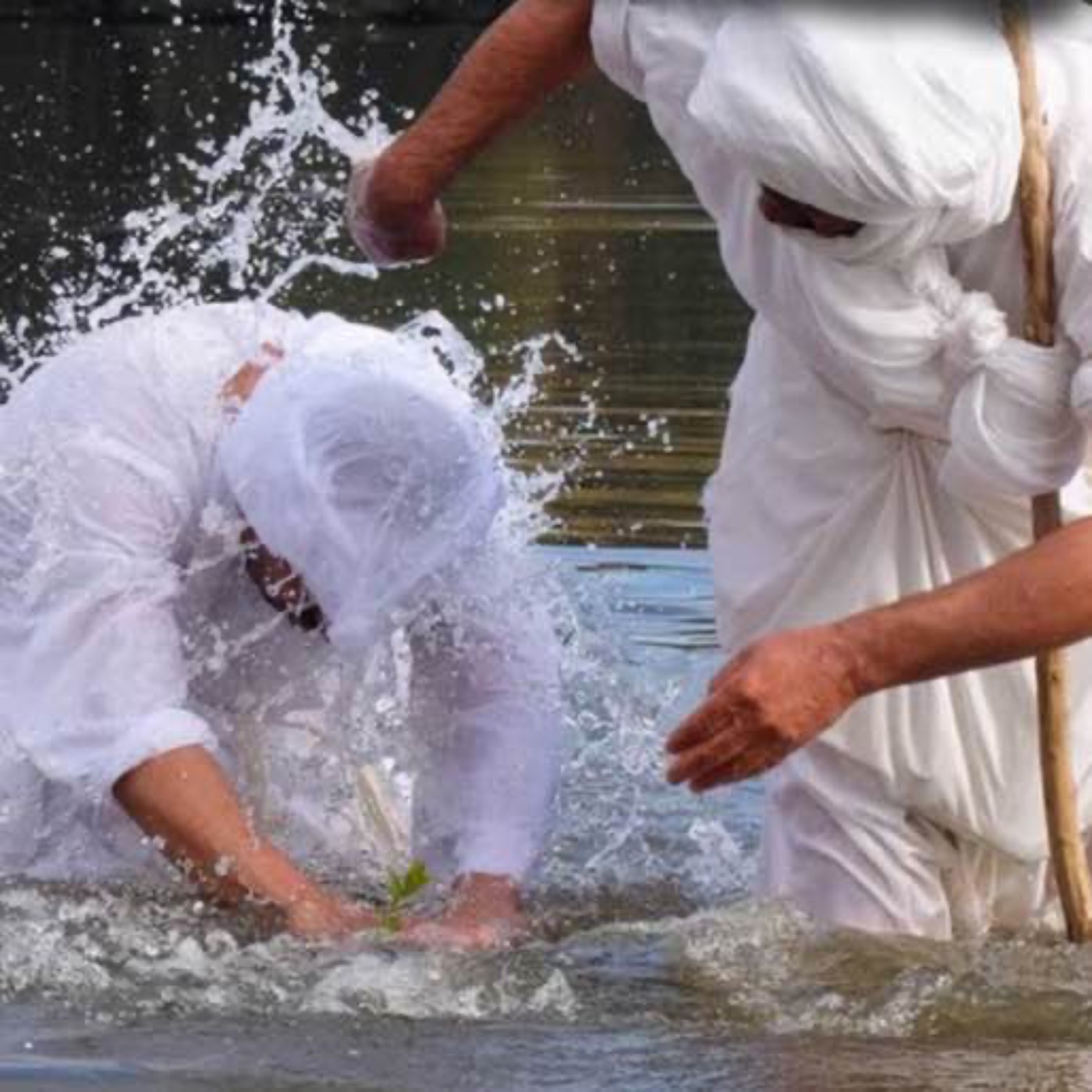
What is Mandaeism? And Who are the Mandaeans?This religious group from middle east has a long and rich history that connects it to Gnosticism, Early Judaism and John the Baptist. Listen to find out more about this fascinating tradition.Sources:Buckley, Jorunn J. Jacobsen (2002). "The Mandaeans: ancient texts and modern people". New York: Oxford University Press.Larson, Göran; Simon Sorgenfrei, Max Stockman (2017). "Religiösa minoriteter från Mellanöstern" (Religious minorities from the Middle East). Myndigheten för stöd till trossamfund. Hosted on Acast. See acast.com/privacy for more information.

Ep 3Why Do People Believe?
In this episode we explore the complex world of "belief" and present one perspective on the subject, taken primarily from scholar Abby Day's book "Believing in belonging".Sources: Day, Abby (2013). "Believing in Belonging: Belief and Social Identity in The Modern World. Oxford University Press. Hosted on Acast. See acast.com/privacy for more information.

Ep 2Do Religions Even Exist?
This episode is on the scholarly academic side. We discuss the very commonly recurring problems of essentializing, generalizing and the "No True Scotsman Fallacy" in discussions about religion.References:Coleman, Simon (2010). “Recent Developments in the Anthropology of Religion”. I The New Blackwell Companion to the Sociology of Religion (red. Bryan S. Turner). Oxford: Wiley-Blackwell.Marranci, Gabrielle (2010). ”Sociology and Anthropology of Islam – a critical debate”. I The New Blackwell Companion to the Sociology of Religion (red. Bryan S. Turner). Oxford: Wiley-Blackwell. Hosted on Acast. See acast.com/privacy for more information.
Ep 1Introduction & What is Religion?
A quick introduction to the podcast and what "Let's talk Religion" is about.We also explore the difficult question "What is Religion" from a scholarly perspective. Hosted on Acast. See acast.com/privacy for more information.