Law Report
276 episodes — Page 6 of 6
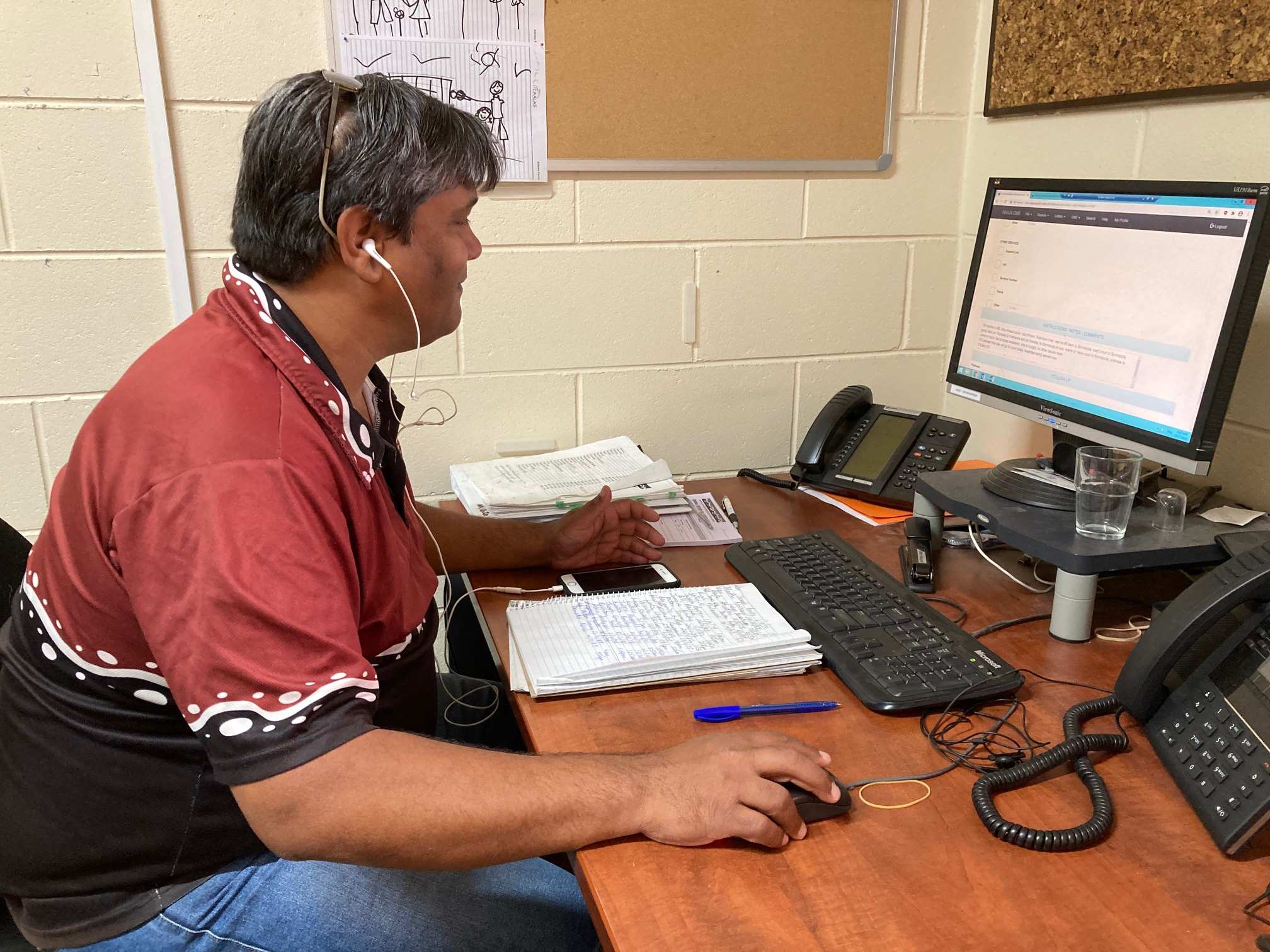
'Predatory lending', and supporting Indigenous people in NT watch houses
The High Court has ruled that a lender engaged in 'unconscionable conduct' by approving an asset-based loan to an unemployed man. And a look at how the Northern Territory Custody Notification Service supports Indigenous people detained in watch houses.

Gathering evidence of possible war crimes in Ukraine
A former war crimes judge and prosecutor explains the challenges of collecting evidence in a conflict zone. And the humanitarian crisis spreading beyond Ukraine's borders as Russian forces intensify their attacks.
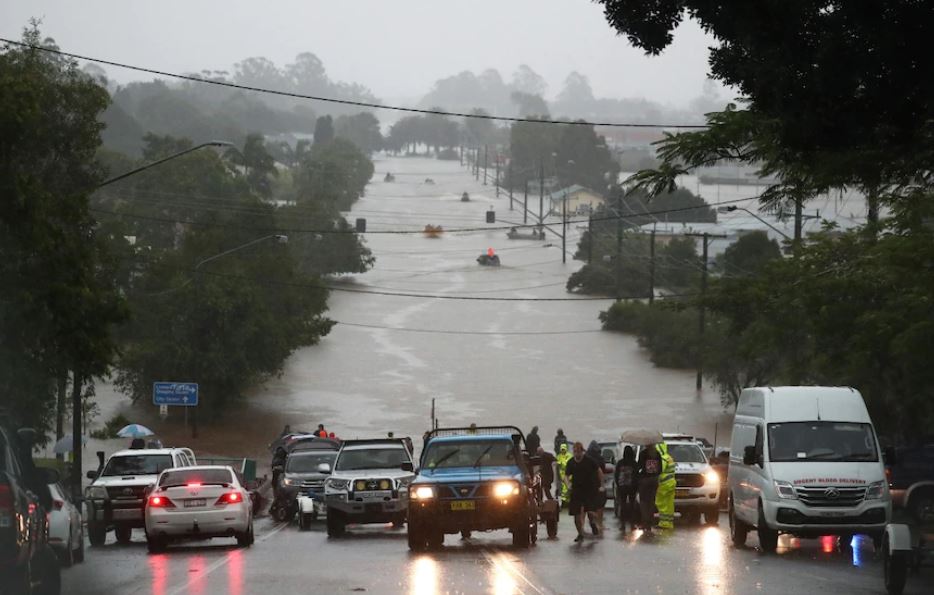
The legal needs of flood victims, and Kumanjayi Walker murder trial aquittal
Severe flooding in New South Wales and Queensland has created a range of tenancy and insurance issues for people in affected areas. And a view from inside the court where Northern Territory police officer Zachary Rolfe was acquitted of charges in the shooting death of Aboriginal man Kumanjayi Walker.
Ukraine: how clear are the laws of war? And women's rights to inherit land
As the war in Ukraine escalates, what does international law say about humanitarian corridors, civilian combatants and prisoners of war? And why dozens of countries don't allow women the right to own and inherit land.
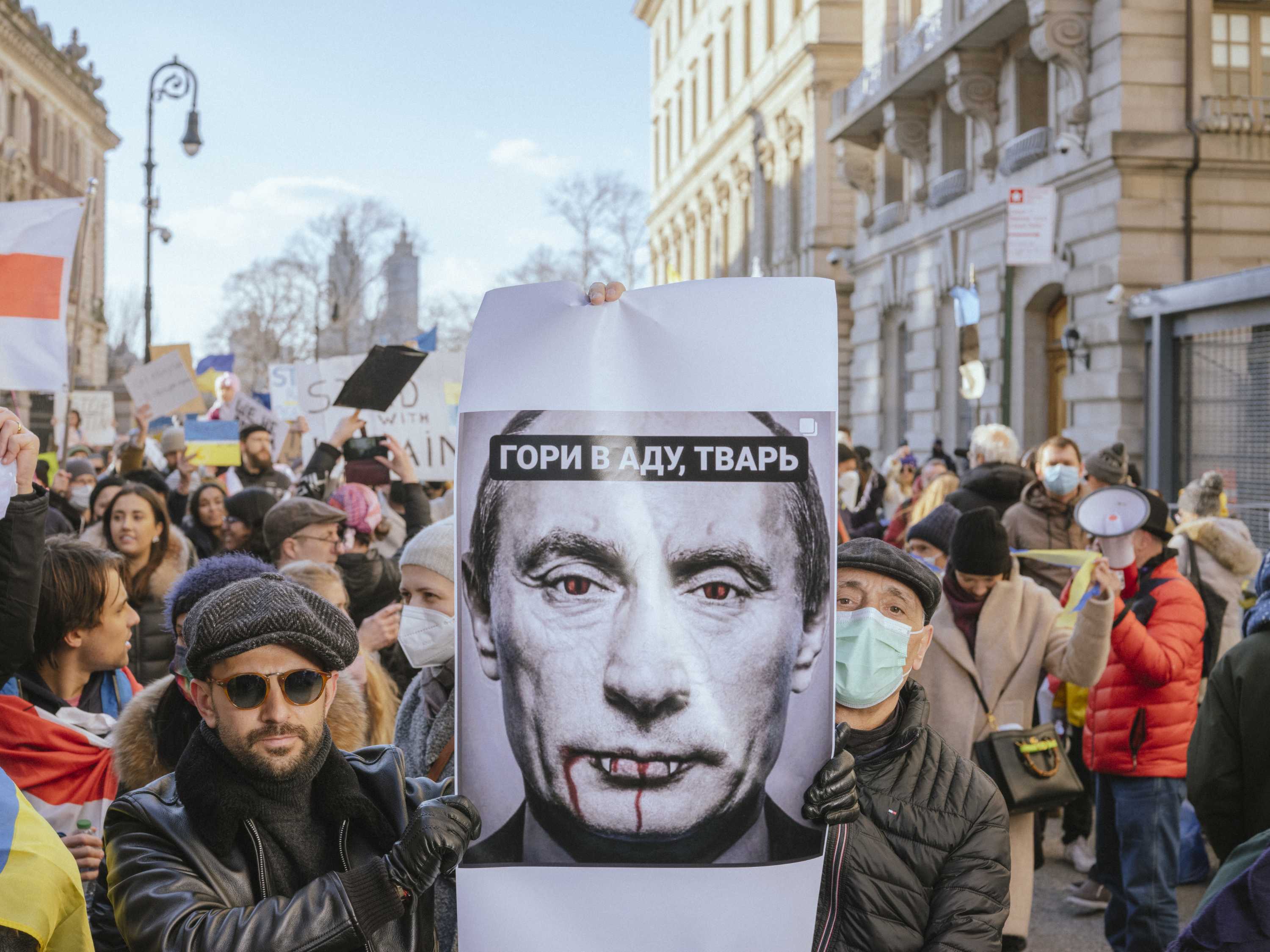
ICC to launch Ukraine war crimes probe, and NSW Chief Justice Tom Bathurst retires
As the International Criminal Court announces plans to investigate possible war crimes in Ukraine, what help can the country expect from international law frameworks and rules-based systems? And a wide-ranging interview with the Chief Justice of the New South Wales Supreme Court, Tom Bathurst, who is retiring after more than a decade in office.
Sandy Hook settlement, and pets in family law disputes
Could a US$73 million settlement for relatives of the 2012 Sandy Hook school massacre open the door for other lawsuits against US gun manufacturers? And who gets the furry babies when a couple divorces?
High Court rulings clarify contract worker status
The High Court has delivered two judgments that help clarify the legal distinction between the status of a contract worker and a employee, with potential long-term implications across Australian workplaces. Also in the program, a neighbourhood dispute that grew 'out of all proportion' ends in the New South Wales Supreme Court.
Are Australia's political donation laws fit for purpose?
The Australian Electoral Commission has revealed that 10 donors account for a quarter of donations made to the country's political parties in the 2020-21 financial year. According to the Commission, the source of one third of all political income remains undisclosed. What does the data reveal and what does it hide? And what does it say about the rules governing political donations?
When does misrepresenting professional experience become a criminal offence?
When does inflating professional skills and experience cross a line to become a criminal offence?
Deporting Djokovic, and Catholic diocese found vicariously liable in historical child sex abuse case
The Federal Government's move to deport Serbian tennis player Novak Djokovic from Australia has highlighted the scope of discretionary powers held by the immigration minister. And the Supreme Court of Victoria sets a legal precedent in what is believed to be the first ruling to find a Catholic diocese in Australia 'vicariously liable' for child sexual abuse committed by a priest decades ago.
Crime and justice in the Torres Strait, and Cape York’s Licensing Muster program
According to a study which explores how the Torres Strait's unique culture, geography and colonial experience has shaped the current crime and justice landscape, property crime in the region is very low. And the innovative Licensing Muster Project is helping Indigenous people living at the top of Cape York obtain birth certificates which are required when applying for a drivers licence.
Inside Thomas Embling Hospital, a forensic health facility
For the first time a journalist is allowed to record in the Thomas Embling Hospital, Melbourne's Forensic healthcare facility. Meet therapists, the psychiatrist in charge and some of the patients who have committed a serious crime but are deemed not responsible for their actions due to mental illness.
Court rules couples can conspire, and how brain implants might transform criminal law
The High Court of Australia rules that a married couple can conspire to commit a crime. Also, the challenges posed by emerging neurotechnologies.
How itchy underpants created Australia's consumer laws
If a consumer is injured by a faulty product, they can sue the manufacturer. In Australia, The law of Negligence or Torts forms a fundamental building block of our legal system.As reporter Carly Godden discovers, these laws owe much of their origins to a case from the 1930's involving a pair of woollen long johns.
'Squatters' rights', and UK health laws
The Law Report revisits a New South Wales Supreme Court ruling against a retirement village developer that claimed ‘squatters' rights’, or adverse possession, over a Sydney property. And two court decisions highlight important issues in Britain's health laws.
US trademark dispute threatens ugg boot business, and deportation fears for returned prison escapee
A Sydney ugg boot maker says his 40-year-old business is at risk of bankruptcy following a trademark dispute in the United States courts. And can Australia deport a prison escapee, who surrendered after 30 years on the run, to a country that no longer exists?
Sue Neill-Fraser loses appeal against murder conviction
Tasmanian woman Sue Neill-Fraser's latest appeal has failed to overturn her murder conviction for the death of Bob Chappell, her former partner who disappeared from a yacht moored off Hobart in 2009. Has the appeal shed new light on a case in which a body was never found?
Could AI help make the law more accessible for disabled people?
Could ‘chatbots’, a form of artificial intelligence technology, help make the legal system more accessible for people living with disabilities?
'Body modification' on trial
In a precedent-setting case, a New South Wales judge has found self-proclaimed extreme body modification artist Brendan Leigh Russell guilty of female genital mutilation, grievous bodily harm, and manslaughter. Is consent a valid legal defence when cosmetic 'body modification' procedures go wrong?
Adriana Rivas mounts new appeal against Chile extradition
Should Sydney woman Adriana Rivas, who is accused of being a Pinochet-era intelligence agent, be extradited to Chile over alleged crimes against humanity? The full bench of the Federal Court is set to hear her latest appeal this week. And calls for Australia to investigate allegations of war crimes and crimes against humanity in communities with links to conflict zones.
Reforming NSW sexual consent laws
What impact could proposed changes to New South Wales consent laws have in delivering justice to victims and survivors of sexual assault?
UK legal action over rugby league players’ brain injury, and deciding judicial recusals in Australian courts
Australia’s football codes are closely monitoring a class action brought by former rugby league players in Britain who allege the sport’s governing body failed to protect them from the risks of brain damage. And are judges best placed to decide when to recuse themselves from a court case?
Assange extradition appeal, WikiLeaks and journalism
Britain’s High Court is set to hear the United States government's appeal against a ruling blocking the extradition of Julian Assange on mental health grounds. And warnings that US attempts to prosecute the WikiLeaks founder for publishing classified government documents could have devastating implications for press freedom.
Climate science dismissal case sparks academic freedom debate, High Court quashes Palmer $30bn WA compensation challenge
A long-running unfair dismissal case involving Queensland university professor Peter Ridd has sparked intense debate around questions of academic freedom.Also in the program: the High Court has quashed a legal challenge by mining magnate-turned-politician Clive Palmer against laws designed to ban his company from suing the West Australian government for compensation over a disputed contract.
Judicial impartiality, and court disclosure obligations for electronic evidence
Should judges have social contact with lawyers who appear before them in court? The Australian Law Reform Commission is conducting an inquiry into judicial impartiality. Also, is there an obligation on prosecutors to provide defence lawyers with all the raw data downloaded from a confiscated mobile phone?
'Squatters' rights', and UK health laws
The New South Wales Supreme Court has ruled against a retirement village developer claiming ‘squatters' rights’, or adverse possession, over a Sydney property. And two court decisions highlight important issues in UK health law: the legality of severe disability as a reason for late-term abortions and access to puberty-suppressing drugs for children diagnosed with gender dysphoria.