Law Report
276 episodes — Page 2 of 6
Do we have a right to free speech in Australia?
The implied freedom of political communication has been at the centre of several recent high-profile court decisions. The Law Report asks: do Australians have a constitutional right to freedom of speech? And what form does it take?
FOI reform and government transparency; Prosecuting the spread of deepfakes online
The Federal Government says it wants to reform the Freedom of Information system - what's in the proposed changes? And is the law keeping up with the growing number of pornographic deepfake images of young people being shared online?
High Court lets police access evidence from encrypted app used in global raids
The High Court has unanimously upheld the use of police evidence obtained by monitoring an encrypted messaging app used by organised criminals. The decision is a huge victory for policing, but does it raise questions about the breadth of Australia's surveillance laws?
If a self-driving car crashes, who is liable?
As driver assistance technology become more prevalent, a persistent question remains: who is liable in the event of an accident? And looking into a future where fully driverless cars take to Australian roads: what new laws will we need?
How should wrongful convictions be compensated?
Queensland man Terry Irving was recently awarded $130,000 in damages for a malicious prosecution over 30 years ago. The Law Report looks at compensation for wrongful convictions in Australia and asks: do we need a better system?
Is Australia fulfilling its legal duty to act on climate change? And High Court orders return of Bolivian artefact
How does the recent advisory opinion handed down by the International Court of Justice shape discussions around climate change at the United Nations? And do Pacific island nations – among the most vulnerable to the impacts of global warming – believe Australia is doing enough to combat climate change?
Fifty years of PNG's independence constitution
Papua New Guinea is celebrating 50 years of independence from Australia. Among the country's historic achievements is the national constitution, created in the 1970s using a groundbreaking process of public consultations across PNG. Five decades on, how well has PNG's constitution served its people?
Erin Patterson mushroom murder sentence explained
"Your failure to exhibit any remorse pours salt into all the victims' wounds," said Judge Christopher Beale in sentencing Erin Patterson to life in prison, with a non-parole period of 33 years, for the murder of her elderly in-laws.
Dezi Freeman and 'sovereign citizens'
A massive manhunt for alleged police shooter Dezi Freeman is continuing in Victoria's mountainous north east. The 56-year-old, who is accused of killing two police officers, has expressed ideas linked to the 'sovereign citizen' movement. Who are sovereign citizens? And what impact are they having on Australia's justice system?
Law Report Special: Linda Reynolds wins defamation battle against Brittany Higgins
Former Coalition Federal Minister Linda Reynolds has won her defamation case against former parliamentary staffer Brittany Higgins.It has been widely reported that both parties literally put their houses on the line to fund their legal campaigns and today, almost a year after the trial wrapped, Justice Paul Tottle of the WA Supreme Court ordered that Brittany Higgins pay Linda Reynolds $315,000 in damages and $26,000 in interest.The trial centred on three social media posts written by Brittany Higgins, four years after she alleges she was raped in parliament house by her then colleague Bruce Lehrmann. The social media posts criticised her then boss Linda Reynolds.Defamation law expert Dr Jessica Lake joins host Damien Carrick to analyse why Higgins legal team defences of truth, fair comment and qualified privilege mostly failed and what this will mean for future defamation cases. To hear more in-depth expert coverage of the important legal stories and cases of the week search for The Law Report podcast on the ABC Listen app or wherever you get your podcasts.Guest: Defamation Law expert Dr Jessica Lake from Melbourne University Law School
Will 'post and boast' laws stop offenders bragging on social media? Australia tightens vaping regulations
Victoria is the latest jurisdiction to adopt laws that punish offenders who brag about their crimes on social media, as Western Australia considers a similar bill to increase the maximum prison sentence. Critics fear the legislation could stifle free speech and lead to a rise in youth incarceration. And Australian regulations around electronic cigarettes are being tightened - are the new rules working?
Nine's victory in Al Muderis defamation case; Legal fight over 'Never Get Busted' director credit
The Nine Network's Federal Court victory over high-profile surgeon Munjed Al Muderis marks the first time a media organisation has defended a defamation case on public interest grounds. And two people who claim to have directed a documentary being screened at the Melbourne International Film Festival are at the centre of an unusual legal fight.
Record damages in Mad Mex sexual harassment case; Reviewing the legal definition of terrorism
The Federal Court has awarded a record $305,000 in damages to a young woman who was sexually harassed by her employer at a Sydney fast food restaurant. And is it time to change how Australian law defines terrorism?
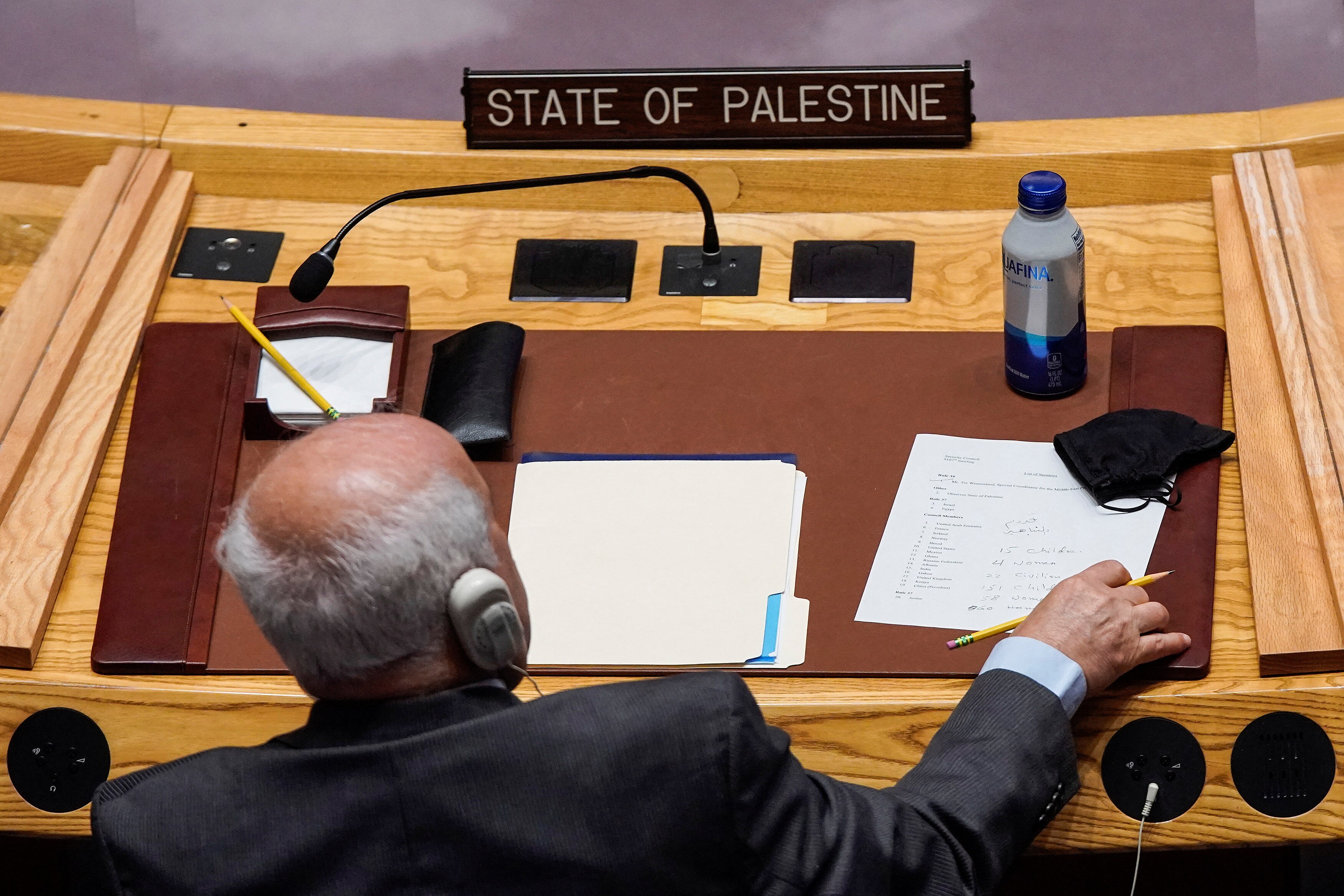
Legal conditions for Palestinian statehood; Electronic wills after Covid
As more countries move towards formal recognition of a Palestinian state, the Law Report examines the conditions for statehood under international law. And what are the risks, benefits and opportunities presented by electronic wills?
Federal Court says Australian women can sue Qatar Airways over airport body searches
The Law Report speaks to one of the Australian women who won the right to sue Qatar Airways after being subjected to invasive searches at a Doha airport in 2020. And what does the International Court of Justice say about Australia's responsibility to combat climate change?
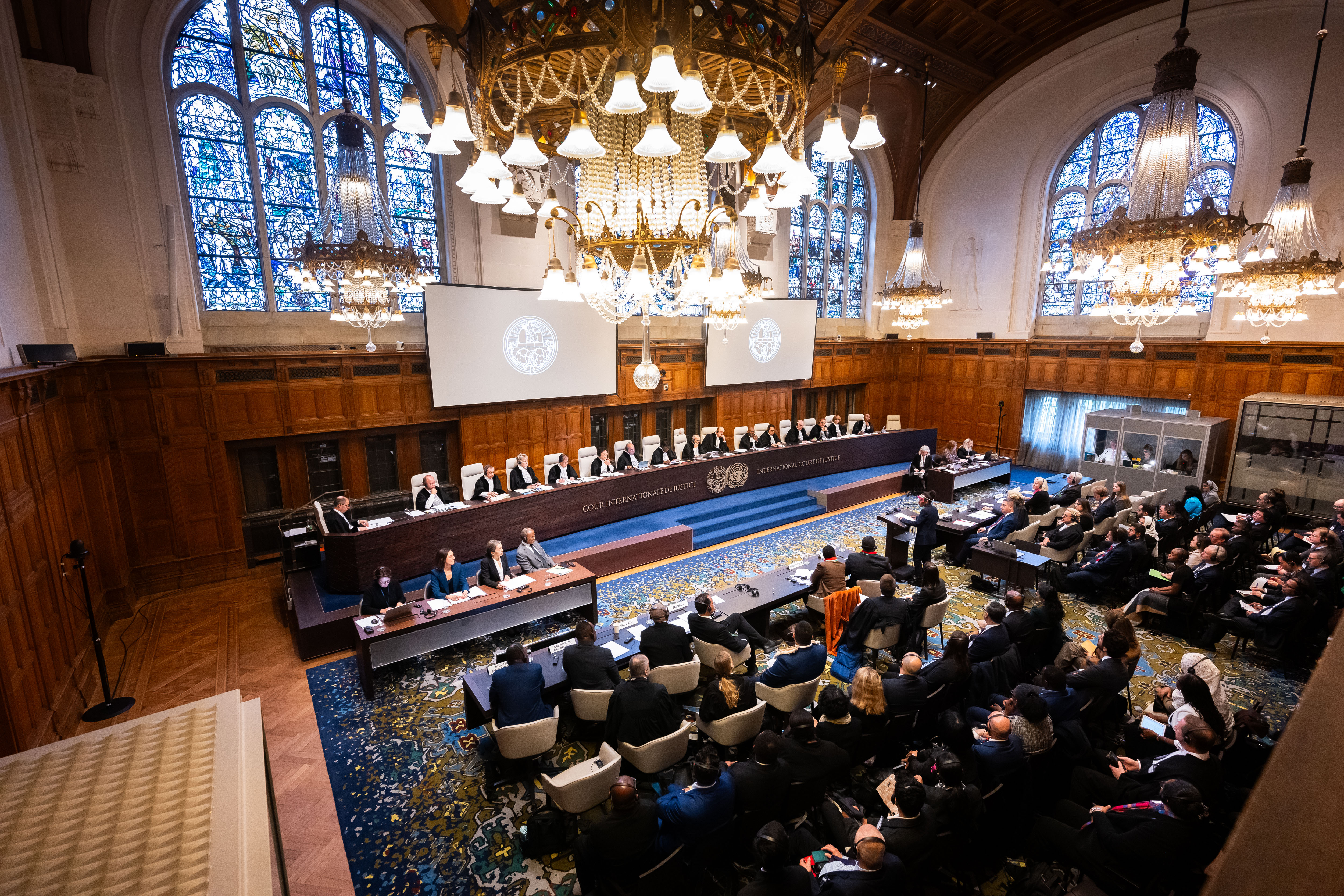
ICJ to deliver climate advisory opinion; Denmark's plan to let citizens copyright their face and voice
As the International Court of Justice prepares to deliver a long-awaited climate advisory opinion, the Law Report explores the Federal Court ruling that Australia's government does not have a legal responsibility to protect Torres Strait islands from the impacts of climate change. And Denmark is planning to give citizens copyright protection over their face and voice.
Defining death: ALRC examines laws around human tissue and organs
In Australia, 'what is death' and other legal definitions, such as what constitutes human tissue, have not kept up with advances in medical science and technology.
AI and automated decision making in government
Robodebt has shown that relying on automated decision making tools can be disastrous. What checks and balances could be developed to guide the safe and ethical use of AI in government operations, policy making and service delivery?
Law Report Special: Erin Patterson found guilty in triple mushroom murder
After seven days of deliberation, a jury has found Erin Patterson guilty of murder and attempted murder. The 50-year-old woman was found to have deliberately poisoned four members of her estranged husband's family by serving them a meal containing poisonous wild mushrooms two years ago. The trial in the Victorian Supreme Court in Morwell, outside of Melbourne, ran for more than two months and has drawn international attention.
What happens inside the jury room?
The jury in mushroom cook Erin Patterson’s triple murder trial has retired to deliberate the verdict, guilty or not guilty. But what happens in there behind closed doors? When they retire to the deliberation room, should they leave all of their personal beliefs and prejudices at the door? And is this even possible? How does it work? In this episode from our special series Inside the Jury Room which first aired in 2018 Damien Carrick sets out to find the answer.
Could a landmark US Supreme Court ruling expand Trump's powers?
US President Donald Trump has praised a landmark Supreme Court ruling that struck down 'universal injunctions' issued by lower court judges, made in response to his executive order on birthright citizenship. What are the implications for numerous Trump administration policies blocked by court injunctions? And for the legal boundaries of presidential power?
Law Report Special: Antoinette Lattouf v ABC
The Federal Court has ruled that the ABC wrongfully dismissed journalist Antoinette Lattouf for reasons including that she "held a political opinion opposing the Israeli military campaign in Gaza." In this special episode, the Law Report looks at what the verdict means for the ABC, and employers and employees more generally.
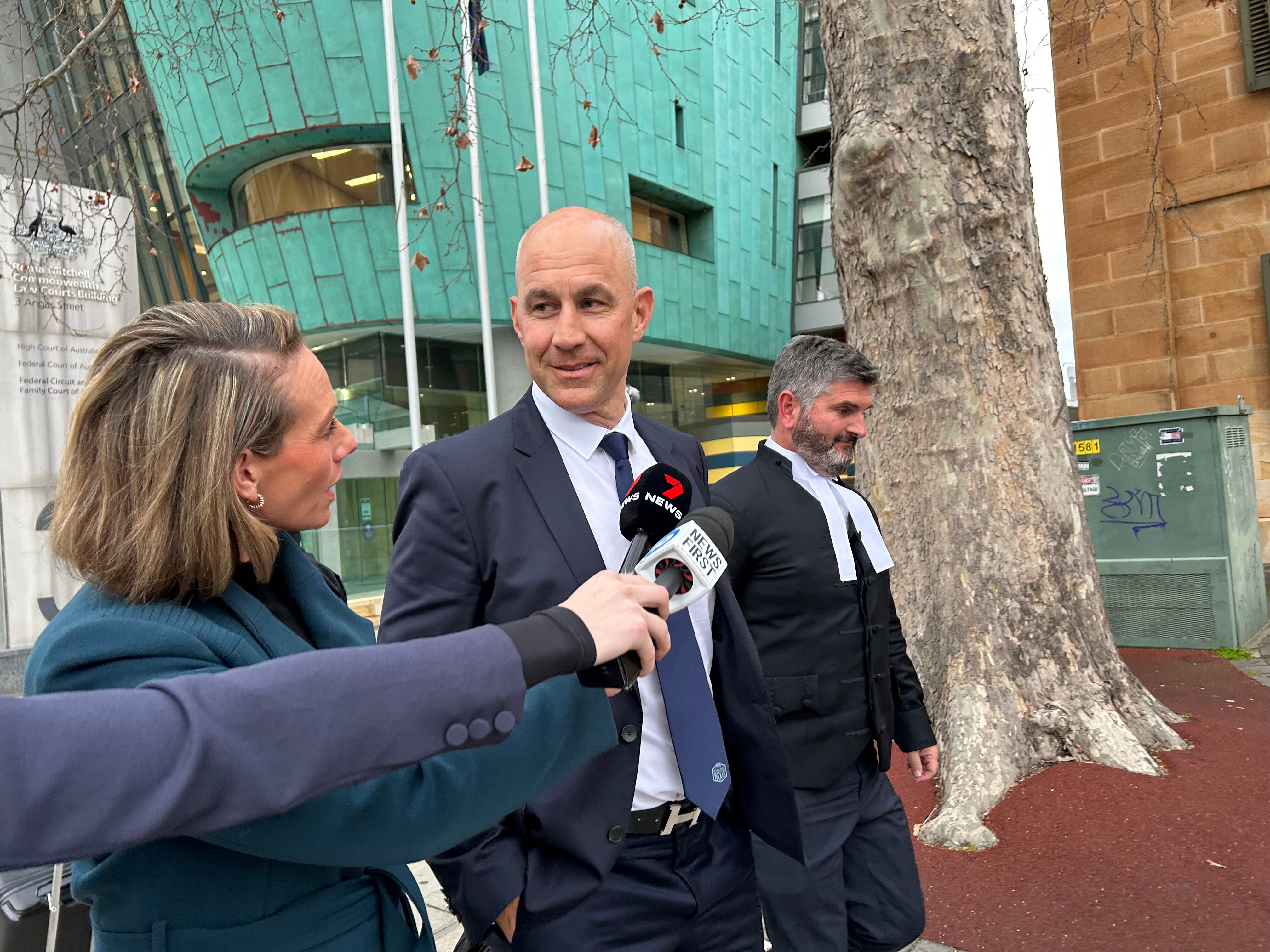
'Pseudolaw' in the courts: Can you pay a legal debt with an IOU?
Warren Tredrea, a prominent Adelaide football personality who unsuccessfully sued Channel 9 for unfair dismissal, has argued in court that his legal debt to the media organisation was settled with a written IOU note. Is this an example of 'pseudolaw'? And how do pseudolegal arguments impact on the courts' work?
NSW flood insurance crisis; Marking 50 years of Australia's Racial Discrimination Act
Huge property loss is upending the lives of communities in flood-hit parts of New South Wales — what's happening to the rise in insurance claims in areas prone to flooding? And a look back at 50 years of the Australian Racial Discrimination Act.
How art is transforming the lives of First Nations prisoners
Can art change lives? Confined 16 is an exhibition in Melbourne of First Nations artists who picked up the paint brush while they were in prison.
The case for stronger whistleblower protections in Australia
The return of high-profile whistleblowing cases to court has renewed calls for legislative reform in Australia to better protect, provide oversight and support to, those who expose wrongdoing in the public and private sectors.
The mushroom murder trial; Tasmanian supermarket sued for banning entry to 'therapy alpaca'
A Victorian woman is on trial accused of poisoning her lunch guests by serving them a meal laced with death cap mushrooms. And a Tasmanian couple banned from taking their alpaca into a supermarket is accusing the store of disability discrimination.
"What's in your drugs?": Pill testing at music events
Does pill testing save lives? Damien Carrick visits a pop-up service at a Melbourne music event where substances are checked, and staff talk to partygoers about reducing risk when using drugs.
Queensland reviews strangulation offence
In 2016, Queensland was the first Australian jurisdiction create a stand-alone offence of non-fatal strangulation. Since then, every other state and territory has followed its lead - most recently Victoria. Almost a decade on, the Queensland Law Reform Commission is conducting an inquiry into the offence.
Labor's election landslide; How companies use AI tools to disqualify job applicants
What's behind the Labor Party's overwhelming election victory? And can AI-based technology be used to discriminate against job applicants?
How family law courts deal with disputes over gender affirming hormone therapy for children
Two recent court decisions could help shape the debate, and perhaps the law, on when children can be given puberty blockers and cross-sex hormone therapy.
Federal Court Chief Justice Debbie Mortimer on open justice in the digital age
The Hon. Debbie Mortimer, Chief Justice of the Federal Court of Australia, joins Damien Carrick in a conversation about live streaming court cases, suppression orders and access to court documents.
High Court upholds Queensland's "no body, no parole" laws; Endangered glider possums in court
A Queensland man convicted of murder has failed to convince the High Court to strike out laws that were used to deny him parole for refusing to cooperate with authorities searching for one of his victims. And the fate of endangered forest glider possums could be a little safer following a ruling that allows a community environmental group to prosecute the Forestry Corporation of New South Wales.

Can Trump's tariffs be challenged in court? Should we ban non-complete clauses?
U.S President Trump's announcement of reciprocal tariffs has sent shockwaves through the world economy, but are these liberation day tariffs constitutional? Meanwhile, in the federal budget, the government included a surprise announcement that it will ban certain non-compete clauses. What will this mean for small businesses as well as low wage employees?
Trump's war on the US judiciary
The Trump administration's clashes with the US judicial system are escalating, and two federal judges are in the eye of the storm.
Race, language and the Law
An emoji, a protest placard and a tweet by a soccer fan have all led to criminal charges in Britain. Were the prosecutions appropriate?
Supporting survivors of sexual assault in the justice system
How can we improve the experience of survivors of sexual assault in the legal system? The Australian Law Reform Commission has released the findings of a major inquiry into justice responses to sexual violence.
Do you have a legal right to work from home?
The federal opposition has vowed to roll back remote work entitlements for public servants if it wins the next election — a policy the Labor government says was stolen from US president Donald Trump. Meanwhile, the Fair Work Commission has ruled in favour of a dad who wanted an extra "work from home" day.
High Court delivers ruling in KMD detention case; Closing arguments heard in Lattouf v ABC trial
What steps does a mentally ill offender have to take to convince authorities they no longer pose a risk to the community or to themselves? And the Federal Court has heard closing arguments in the high-profile employment law dispute between freelance journalist Antoinette Lattouf and the ABC.
Do expanded federal surveillance laws go too far? And report warns private practitioners abandoning Legal Aid work
To what extent should police be allowed to hack into phones, computers and encrypted communication to counter online crime? And new research says private practitioners are abandoning Legal Aid work.
High Court rules judges can't be sued for damages; Legal rights and wrongs of lookalike products
The High Court has ruled that all judges have immunity from civil action over decisions handed down in court. And how did a Sydney baby food company score a rare legal win against global supermarket giant Aldi?
Australia's new hate crime laws; Criminal defences of sexomnia and parasomnia
Australia's new hate crime laws introduce mandatory sentencing for convictions over public displays of hate symbols and terror-related crimes. And prosecutors drop a murder charge against a woman who argued she was asleep when she fatally stabbed her husband.
Should parents be prosecuted for withholding medical care from a child?
Members of a fringe religious group in Queensland have been found guilty of manslaughter following the death of a child. And can you sue your employer if disciplinary processes at work cause your mental health to deteriorate?
Recording Indigenous testimony for use in future compensation claims
The Kimberley Land Council is being approached by several native title groups keen to follow in the footsteps of Western Australia's Karajarri people, who have achieved a legal first.
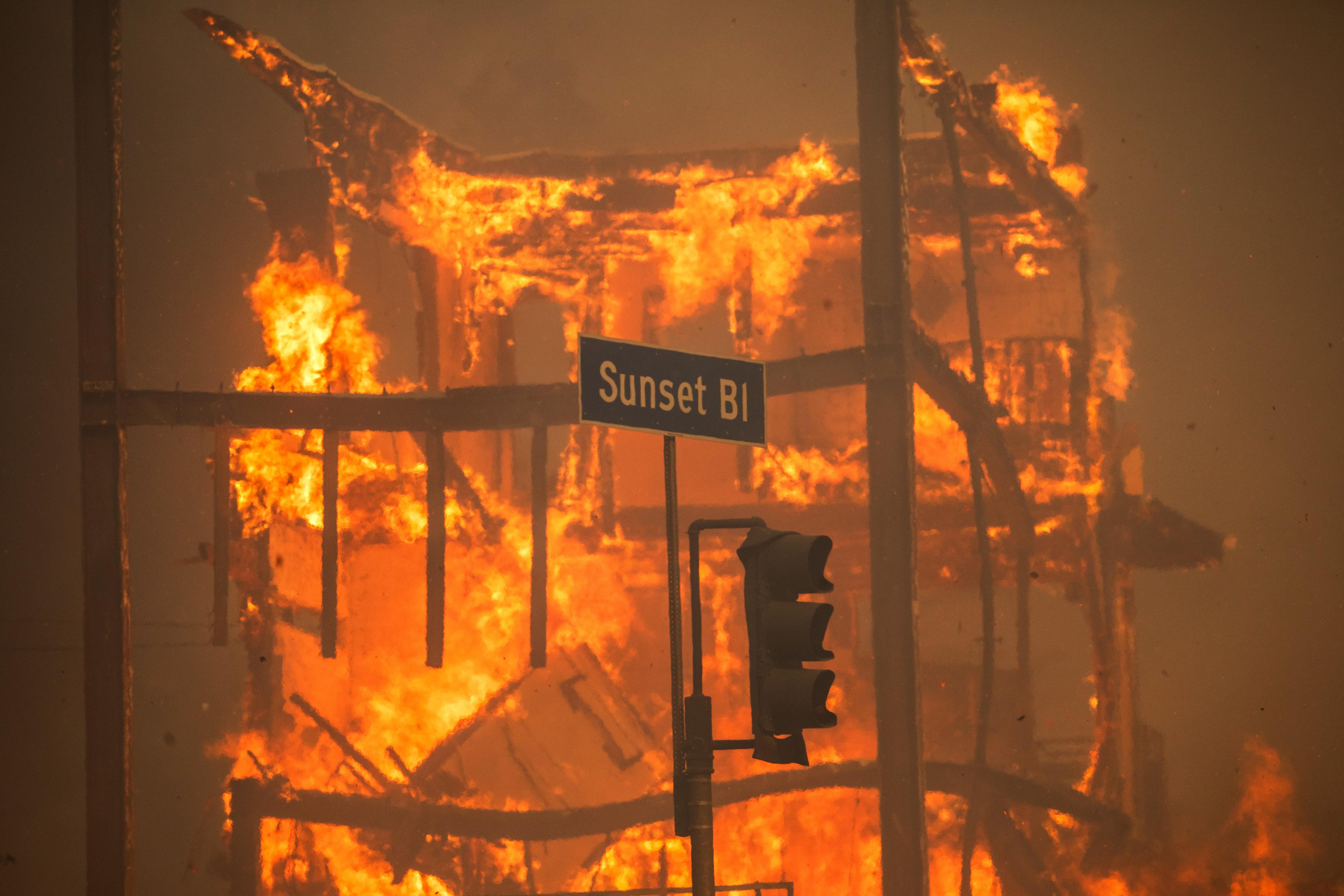
Who can be held liable for bushfire damage?
The Law Report looks at the legal fallout from the devastating fires across Los Angeles. And who can be held liable for catastrophic bushfire damage in Australia?
Children and medical consent
When there's a dispute over the medical treatment of a gravely sick child, who gets the ultimate say?
NDAs in sexual harassment cases
How are NDAs used by lawyers in the settlement of sexual harassment claims?
Two hundred years of the NSW Supreme Court
This year, the Supreme Court of New South Wales celebrated its 200th birthday.
Tikanga: Incorporating Māori concepts in NZ common law
Justice Joe Willams, the first Māori member of New Zealand's Supreme Court, speaks to the Law Report about how First Nations concepts are being adopted into the common law.
How stressful is it to be a judge or magistrate?
Research published earlier this year examines the impact of heavy workloads on the wellbeing of judicial officers and the quality of justice delivered.