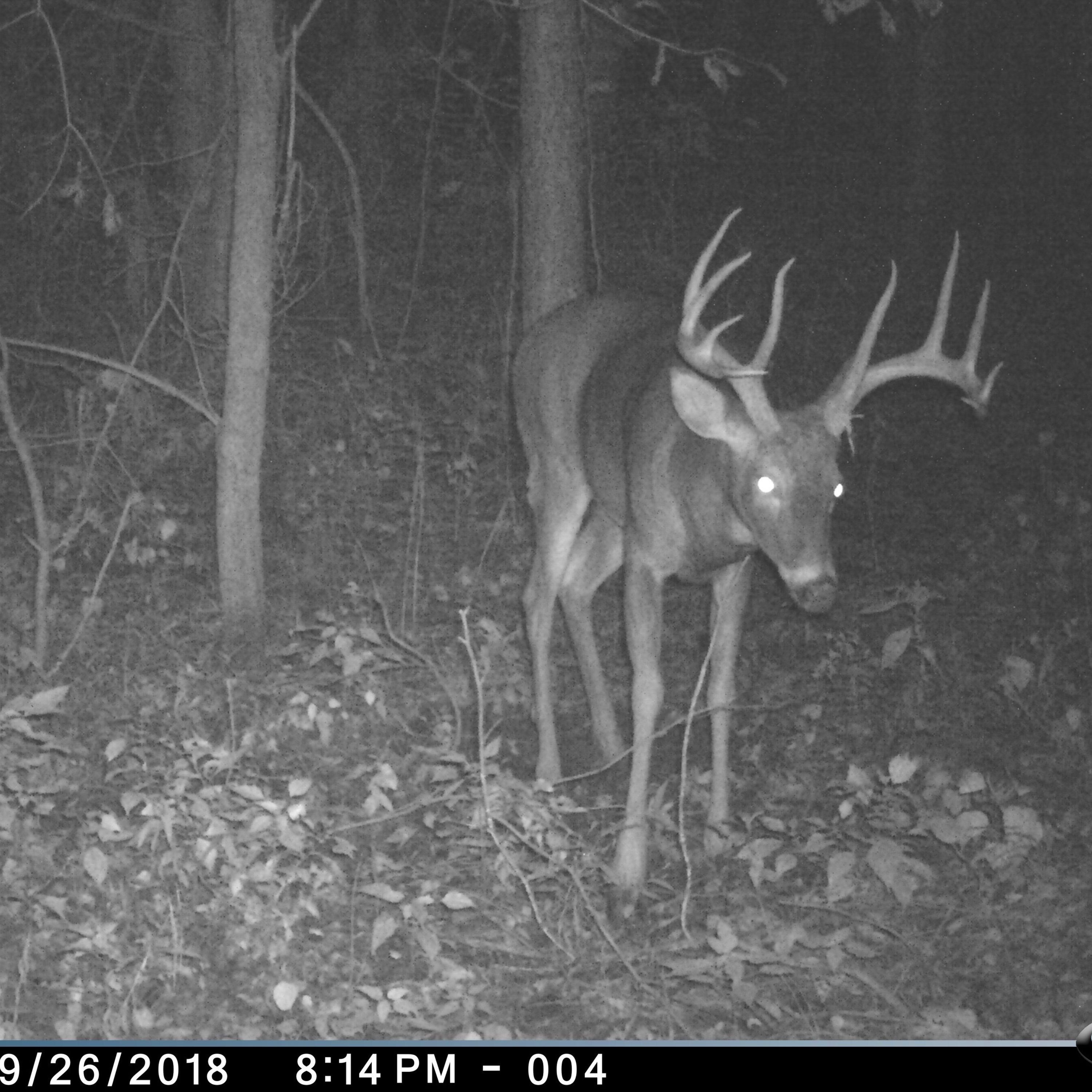
Who's the Father? A Dive into How Successful Bucks are at Breeding
On this podcast episode we are joined by Matt Ross of the National Deer Association, to talk about wild free ranging deer and their breeding efficacy.
Land & Legacy - Habitat + Hunting · Land & Legacy
Audio is streamed directly from the publisher (cdn.simplecast.com) as published in their RSS feed. Play Podcasts does not host this file. Rights-holders can request removal through the copyright & takedown page.
Show Notes
There are many myths, misinformation, and hunting stories that lead the whitetail hunter astray from what is truth. The truth of this matter is more important than what you may think.
During the podcast we learn just how effective bucks and does are at producing offspring that make it to the fall and are recruited into the herd. You may be shocked to learn that 60% of bucks only replace themselves during their entire lifetime. Sure a lot of fawns are conceived, but not as many as you think make it to a reproductive age, so really, is that big buck truly passing on his "genes"? 15-15% of each recruited fawn is also produced by a 1.5-2.5 year old buck, so "inferior" or younger bucks also contribute to the breeding.
We need to learn that this complex exchange, survival relationship for whitetail deer is anything we can strongly influence or control. Stay the course, let deer reach maturity and increase the nutrition available on the landscape, this will have the largest impact on antler expression. Period.